


Driving Business Value and Competitive Advantage Through Integrated Maritime Simulation Solutions
In the global maritime industry, training investment is no longer viewed as a cost center but as a strategic lever for operational excellence and market differentiation. For B2B decision-makers, including shipping companies, training providers, and port operators, the evaluation of training systems increasingly focuses on commercial impact, scalability, and long-term competitiveness. Advanced simulation-based training—centered on the Navigation Simulator—has become a critical driver of sustainable business value.
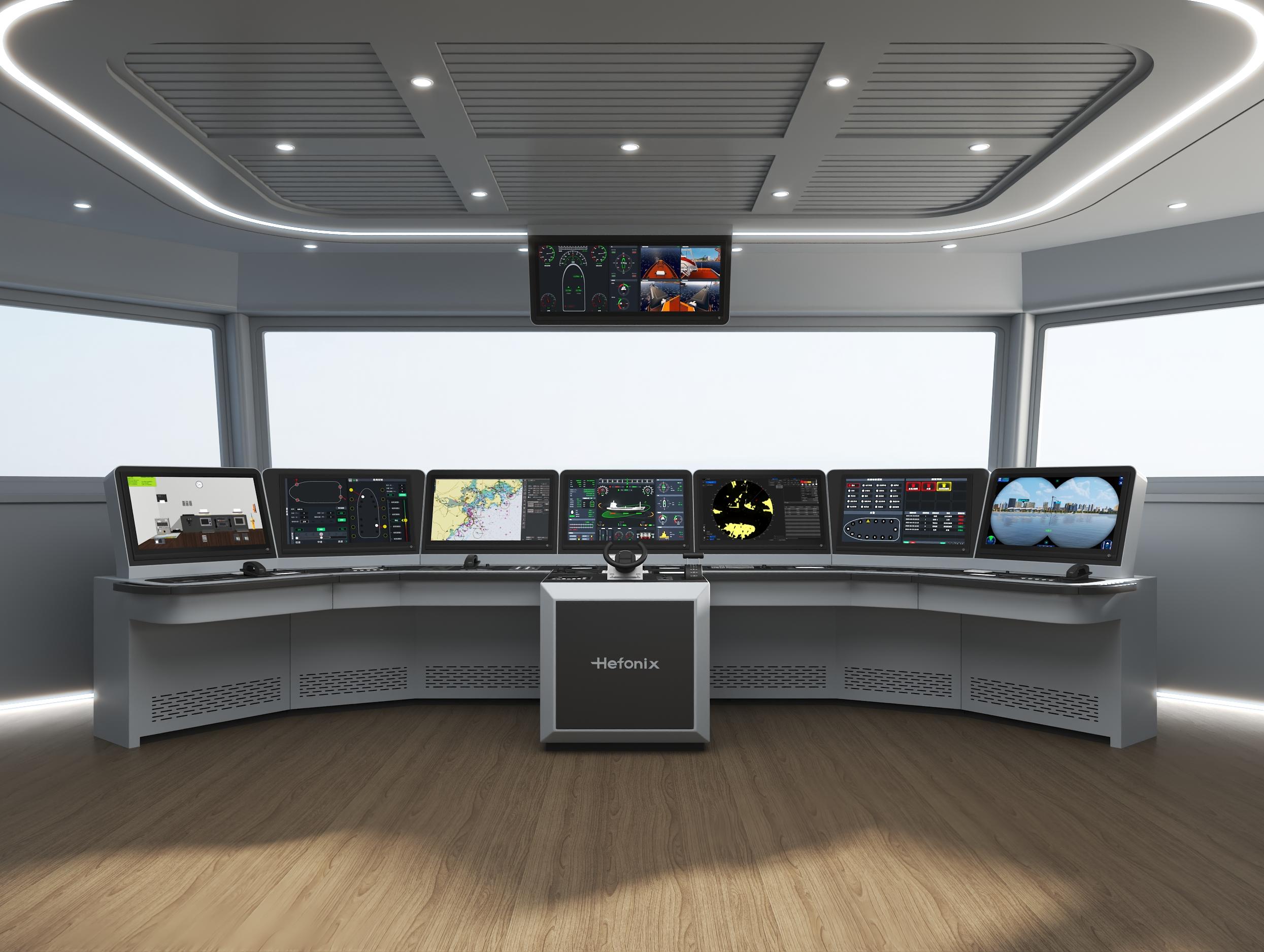
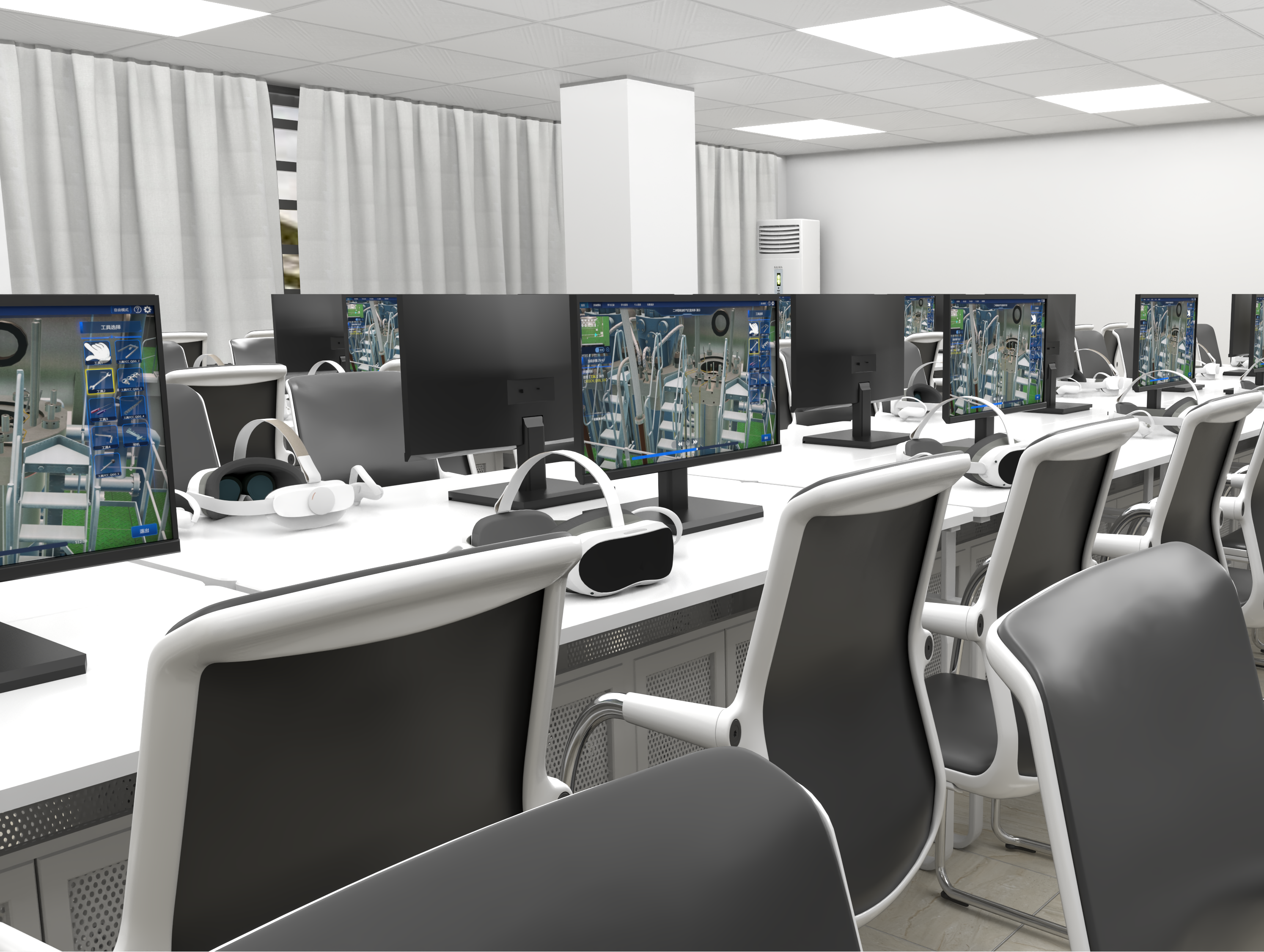
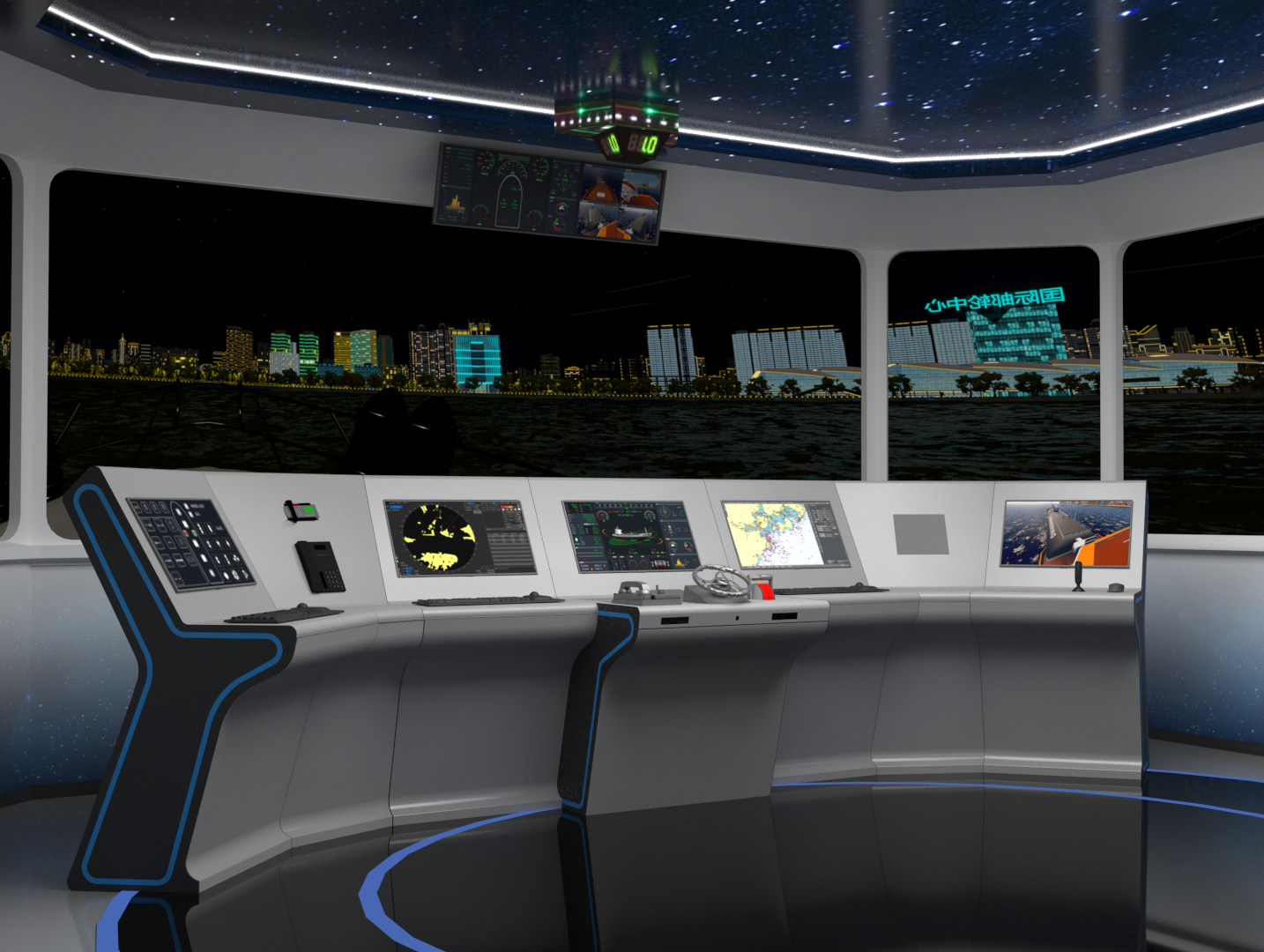
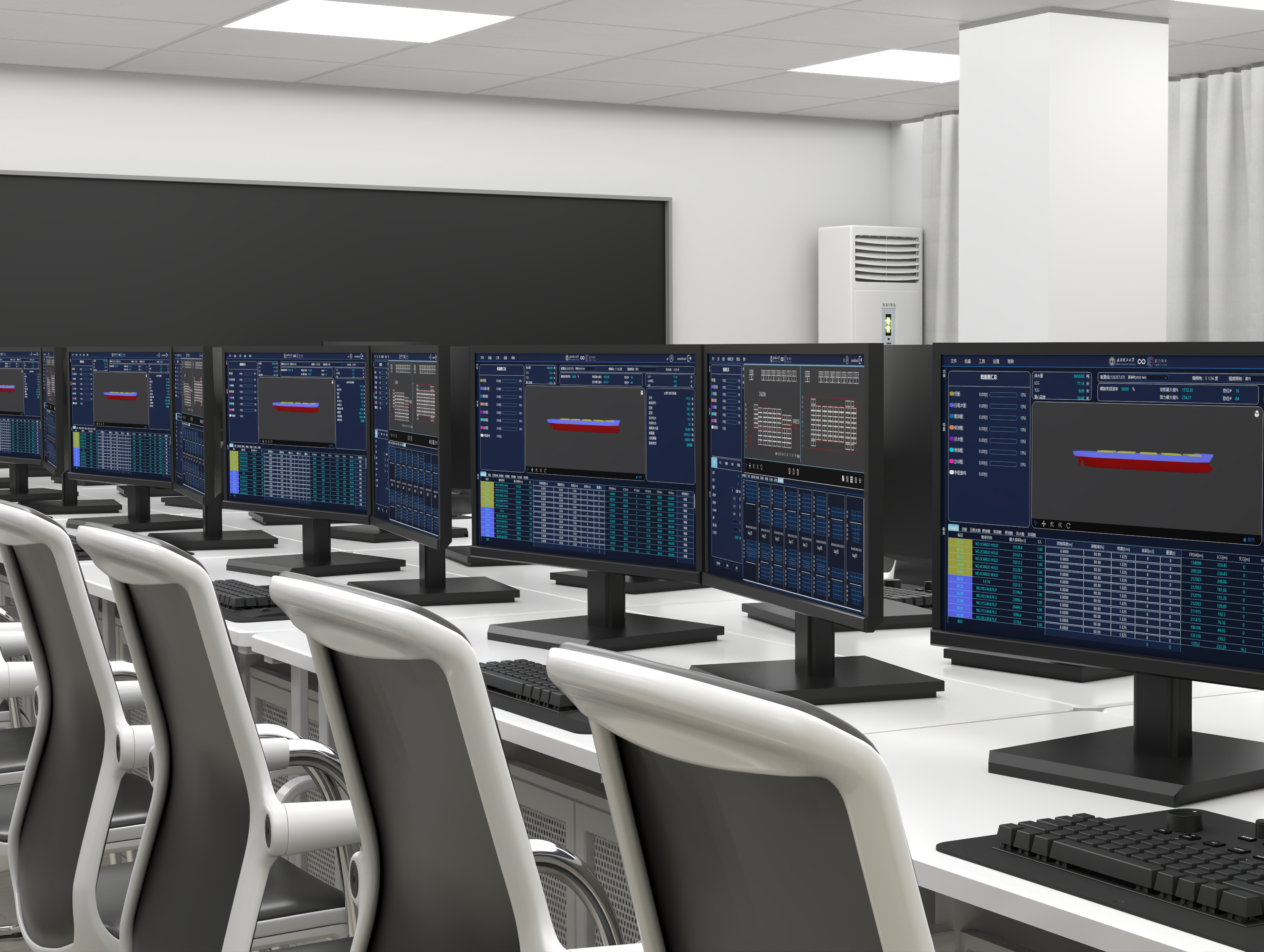
A high-performance Navigation Simulator directly improves workforce productivity by accelerating competency development and reducing operational errors. By transferring complex training scenarios from live operations to a digital environment, organizations minimize disruptions while maintaining training continuity. The Navigation Simulator enables standardized training across fleets and locations, ensuring consistent performance and reducing dependency on individual instructors. These efficiencies translate into lower operational costs and improved service reliability.
Market competitiveness also depends on an organization’s ability to respond quickly to changing conditions. VTS Simulation provides strategic value by enabling real-time traffic management training, scenario analysis, and performance optimization. For port operators and service providers, VTS Simulation enhances throughput, reduces congestion, and improves customer satisfaction. These operational improvements directly support revenue growth and strengthen market positioning.
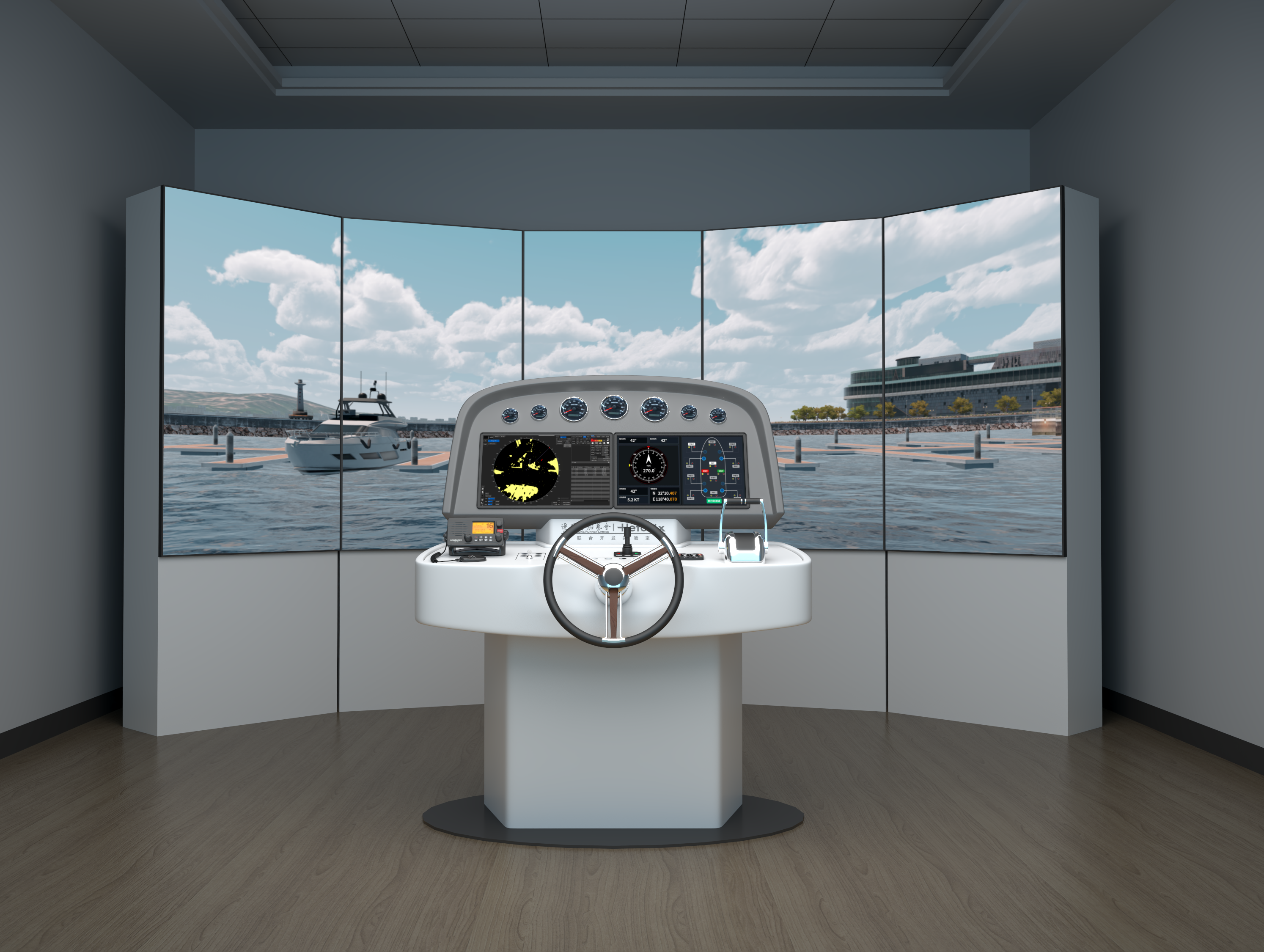
High-speed maritime operations represent a premium service segment where performance and safety directly influence brand reputation. A professional Speed Boat Simulator allows organizations to deliver advanced training without risking assets or personnel. Speed Boat Simulator platforms support rapid skill transfer, enabling operators to expand service offerings such as emergency response, pilotage, and offshore support. This capability enhances differentiation in competitive markets.
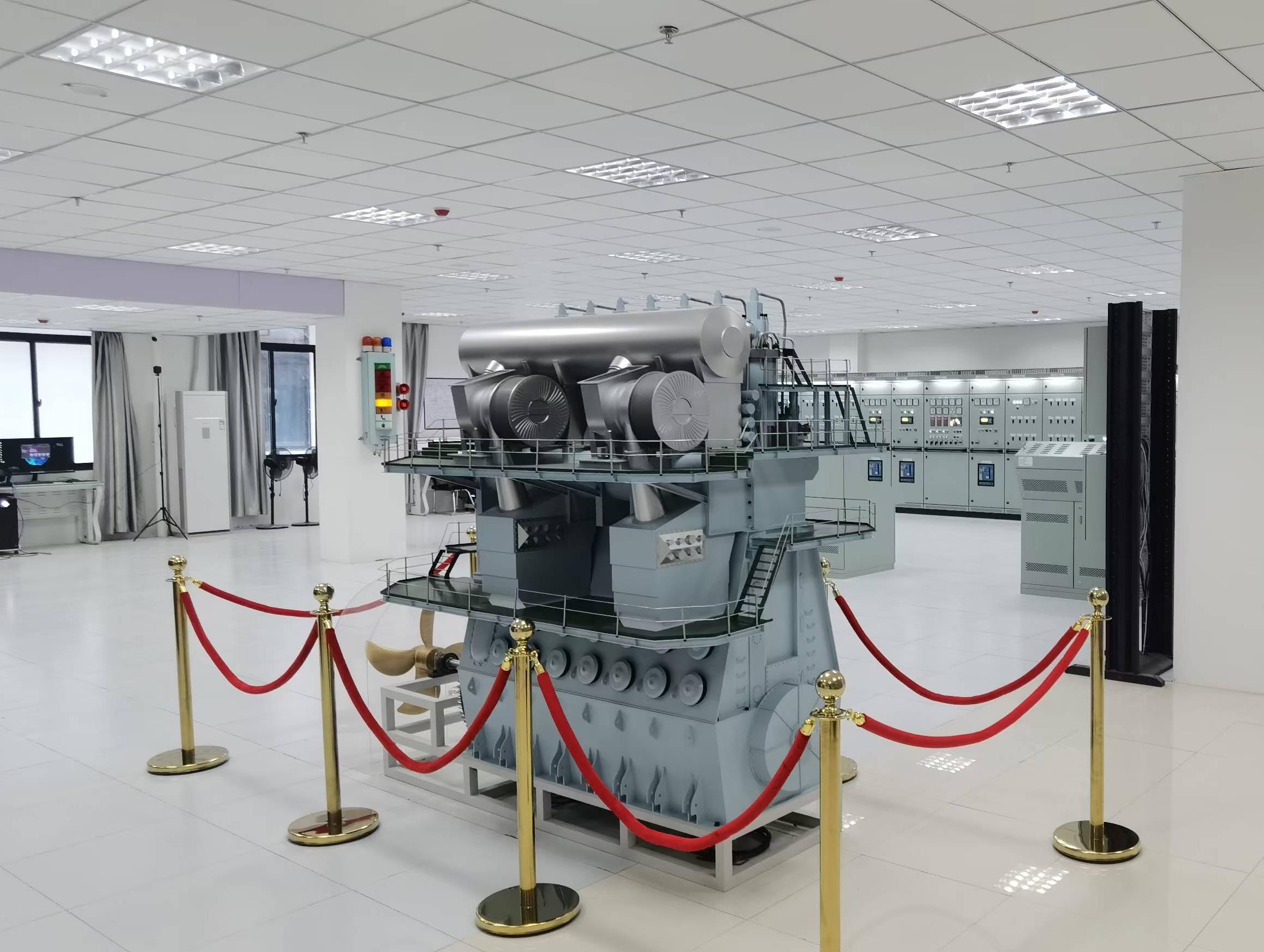
In the commercial fishing and offshore sectors, efficiency and safety are closely linked to profitability. The Fishing Boat Simulator enables crews to optimize operational planning, equipment handling, and risk management. Fishing Boat Simulator training reduces downtime caused by accidents and equipment damage, preserving operational continuity and strengthening long-term profitability.
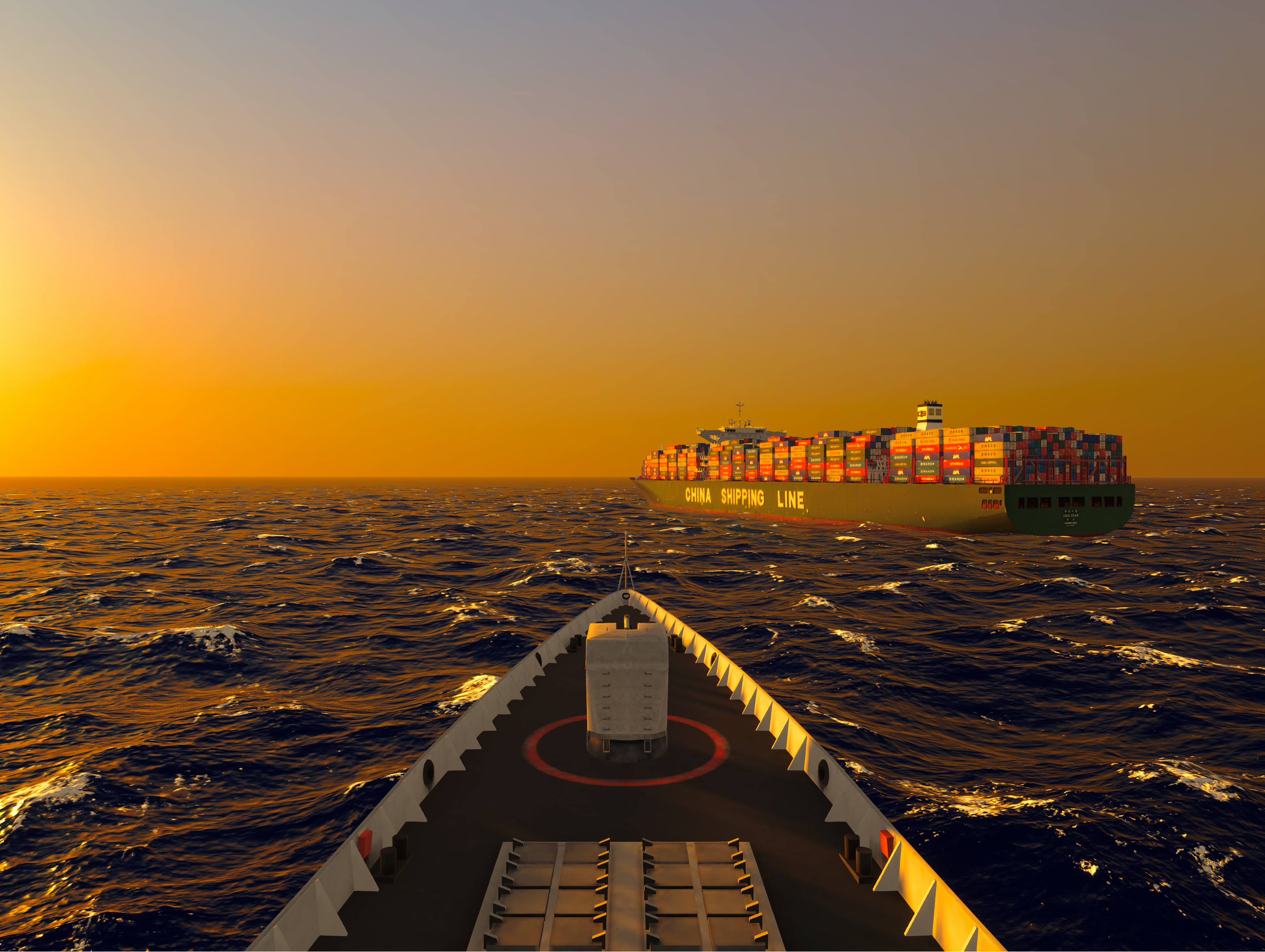
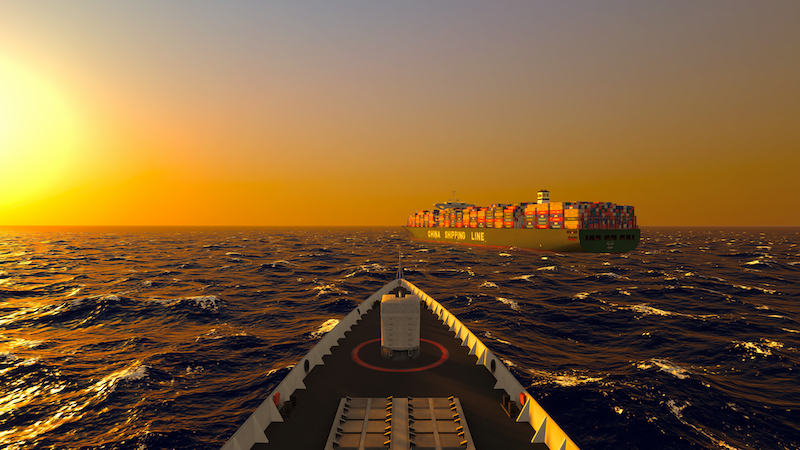
For organizations involved in security, offshore protection, or high-risk operations, a Naval Training Simulator delivers strategic advantage by supporting mission readiness and coordination. Naval Training Simulator platforms enable joint exercises, advanced scenario modeling, and performance benchmarking. These capabilities enhance organizational credibility and open opportunities for high-value contracts in regulated and defense-related markets.
Beyond direct operational benefits, simulation systems create significant commercial leverage through scalability and adaptability. Navigation Simulator and VTS Simulation platforms support modular expansion, allowing organizations to add capabilities as business needs evolve. Speed Boat Simulator and Fishing Boat Simulator systems enable targeted training programs for niche markets. Naval Training Simulator platforms further support diversification into government and defense sectors.
From a branding and sales perspective, investment in advanced simulation technology signals commitment to quality, innovation, and safety. Clients and partners increasingly evaluate service providers based on their training infrastructure. Organizations that deploy Navigation Simulator, Speed Boat Simulator, Fishing Boat Simulator, VTS Simulation, and Naval Training Simulator systems strengthen trust, improve customer retention, and justify premium pricing.
In conclusion, integrated maritime simulation solutions deliver measurable business value across productivity, scalability, risk management, and market differentiation. By strategically investing in Navigation Simulator, Speed Boat Simulator, Fishing Boat Simulator, VTS Simulation, and Naval Training Simulator technologies, B2B organizations build a resilient competitive advantage that supports growth in an increasingly complex and demanding maritime marketplace.