

Enhancing Maritime Safety Management Through Advanced Simulation Training Systems
Maritime safety management has evolved from a compliance-driven obligation into a strategic capability that directly affects operational continuity, cost control, and organizational reputation. As maritime operations become more complex, training institutions, shipping companies, and government authorities increasingly rely on advanced simulation technologies to mitigate risk. At the center of this transformation stands the Navigation Simulator, which has become a foundational tool for modern maritime safety training.

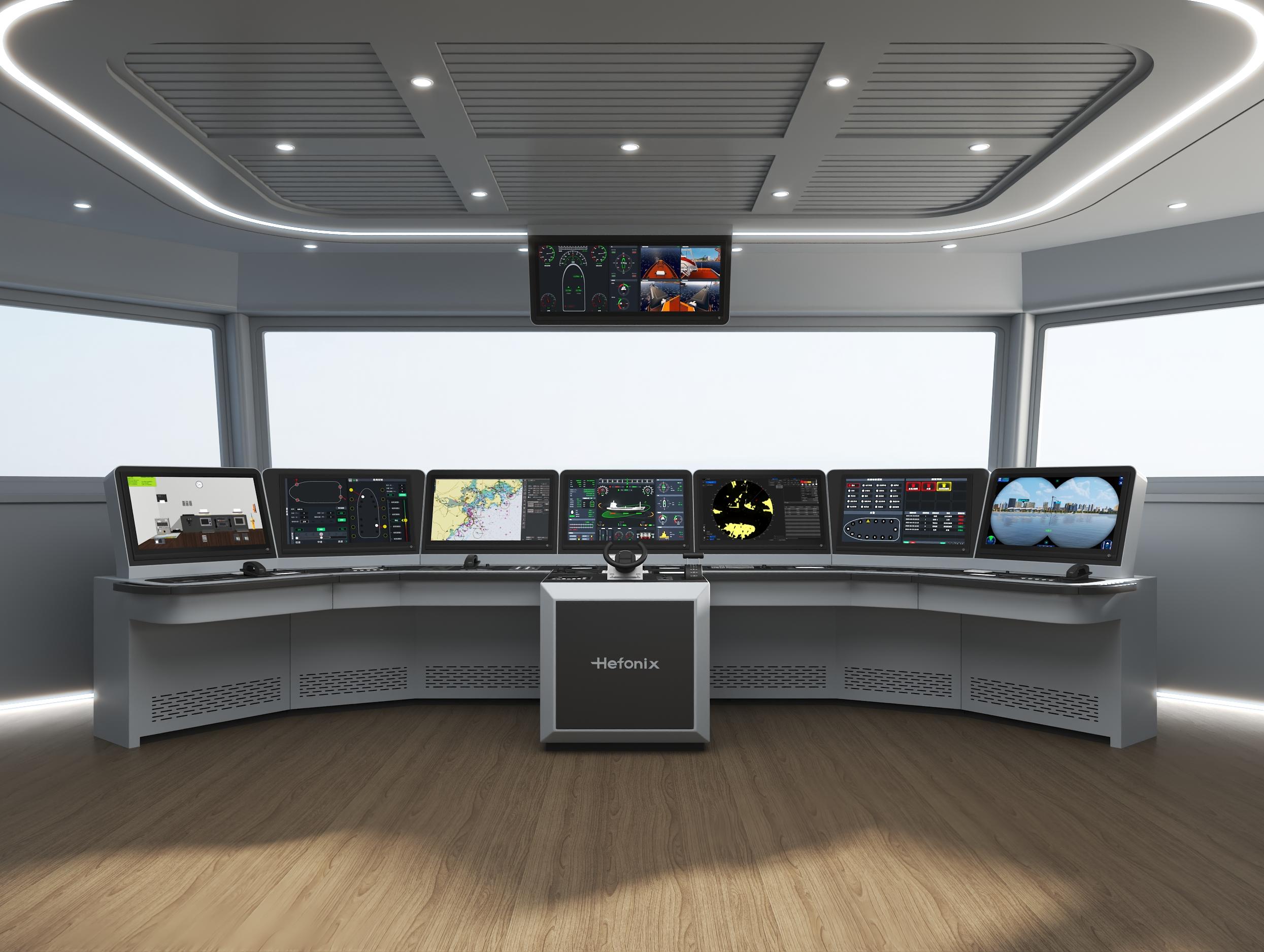
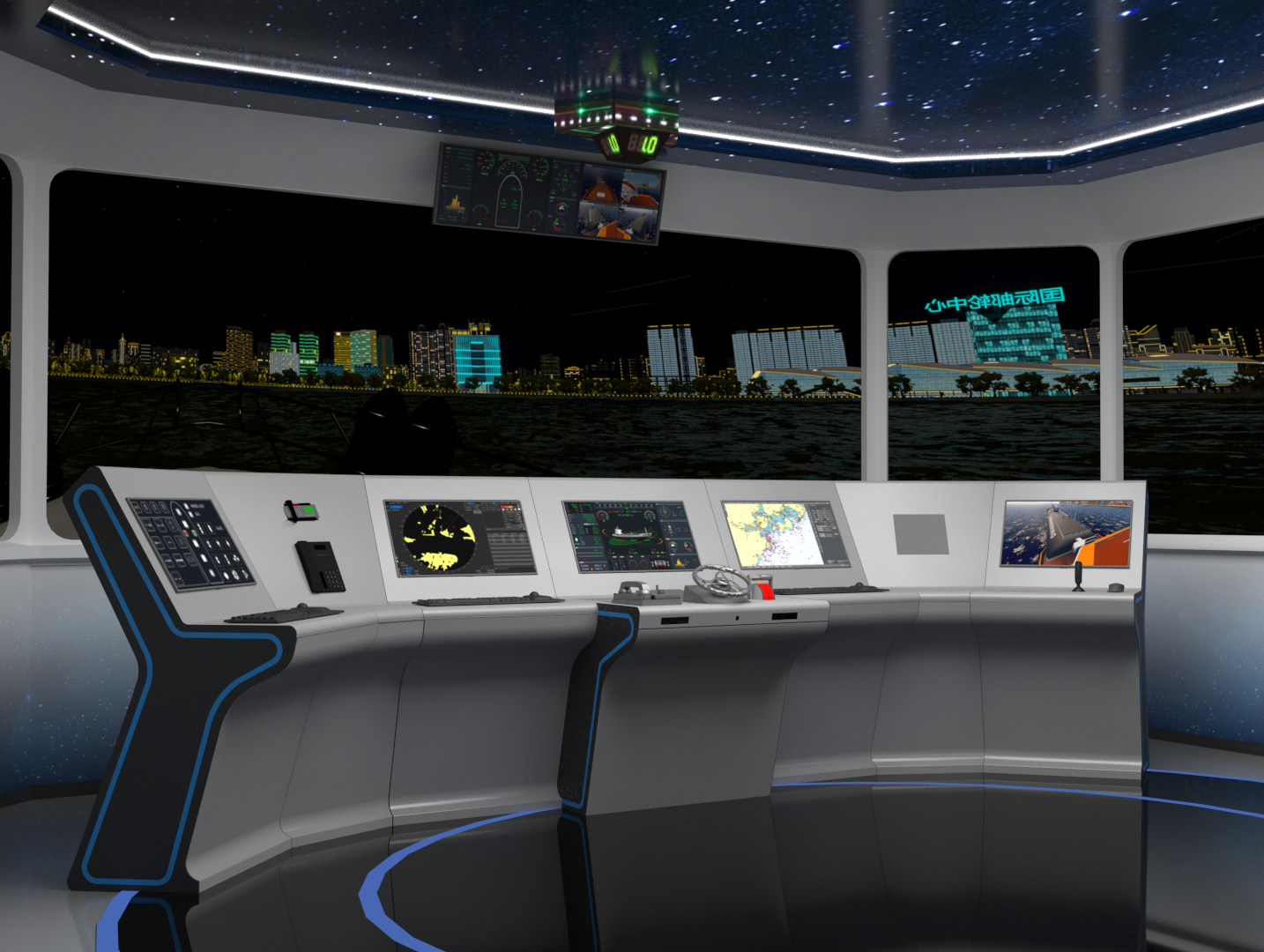
A high-fidelity Navigation Simulator enables trainees to operate vessels in a fully immersive digital environment that accurately reflects real-world navigational challenges. Radar integration, ECDIS operation, collision-avoidance algorithms, and dynamic environmental modeling allow trainees to experience complex traffic situations repeatedly without endangering lives or assets. Through structured Navigation Simulator programs, organizations significantly reduce human error—one of the primary causes of maritime incidents worldwide.
When safety management extends beyond individual vessels to entire waterways, VTS Simulation becomes indispensable. VTS Simulation systems replicate port approaches, traffic separation schemes, and high-density maritime corridors, allowing operators to practice vessel coordination, emergency response, and communication protocols. By combining Navigation Simulator training with VTS Simulation exercises, crews and shore-based personnel develop a shared situational awareness, improving coordination between ship and shore under both routine and emergency conditions.
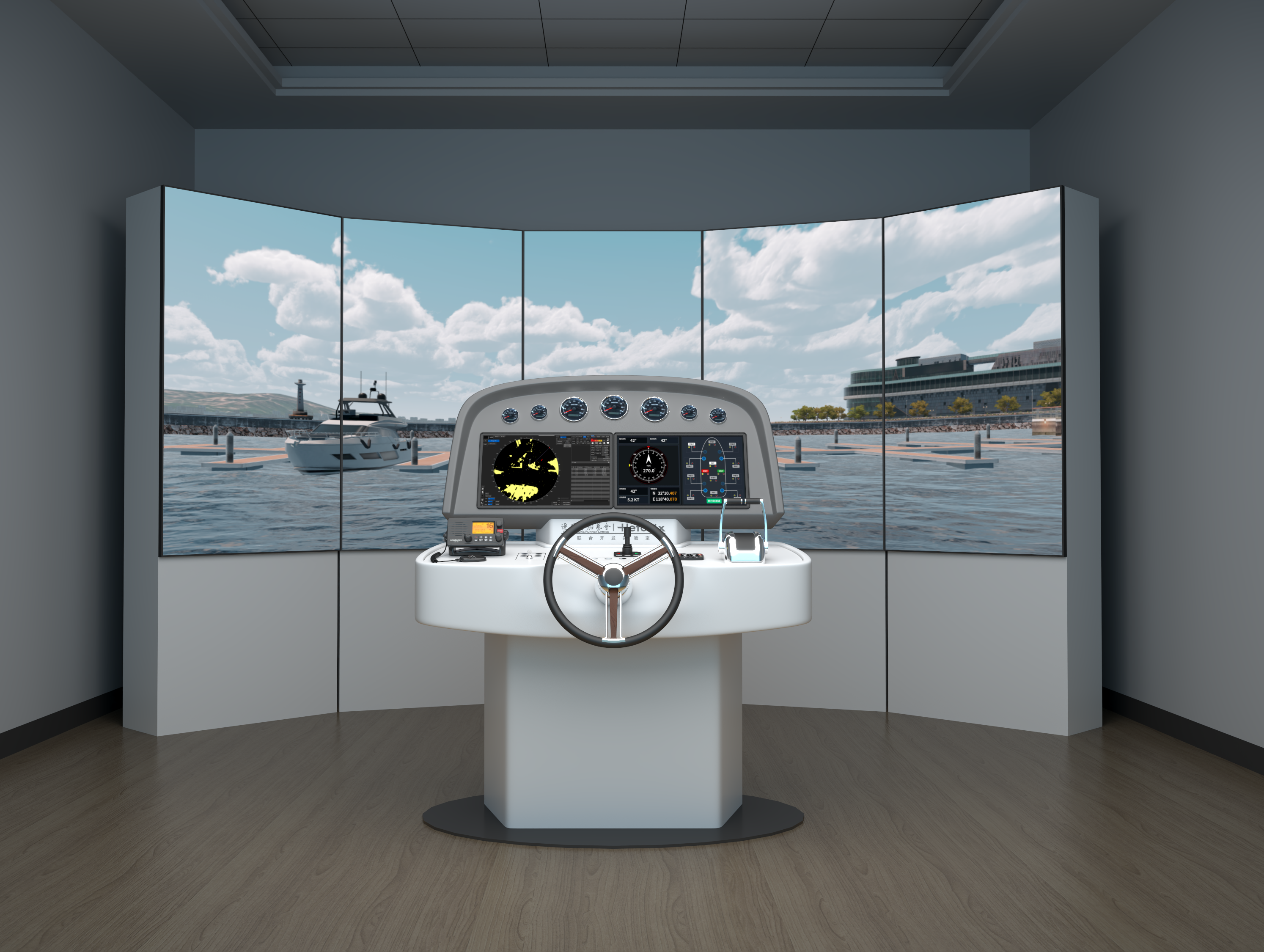
High-speed maritime operations introduce an additional layer of safety complexity. Patrol boats, rescue craft, and pilot boats operate under time pressure and at elevated risk. A professional Speed Boat Simulator addresses these challenges by allowing operators to train in extreme maneuvering scenarios, sudden obstacle avoidance, and rapid deceleration exercises. Speed Boat Simulator training dramatically reduces the likelihood of accidents during real missions by allowing crews to internalize correct responses through repetition.
Commercial fishing vessels face their own safety risks, often operating in harsh weather and congested fishing grounds. The Fishing Boat Simulator is designed to prepare crews for these realities by simulating gear handling, vessel stability changes, equipment failure, and sudden weather deterioration. Through Fishing Boat Simulator training, crews develop proactive risk awareness, improving both personal safety and long-term operational sustainability.
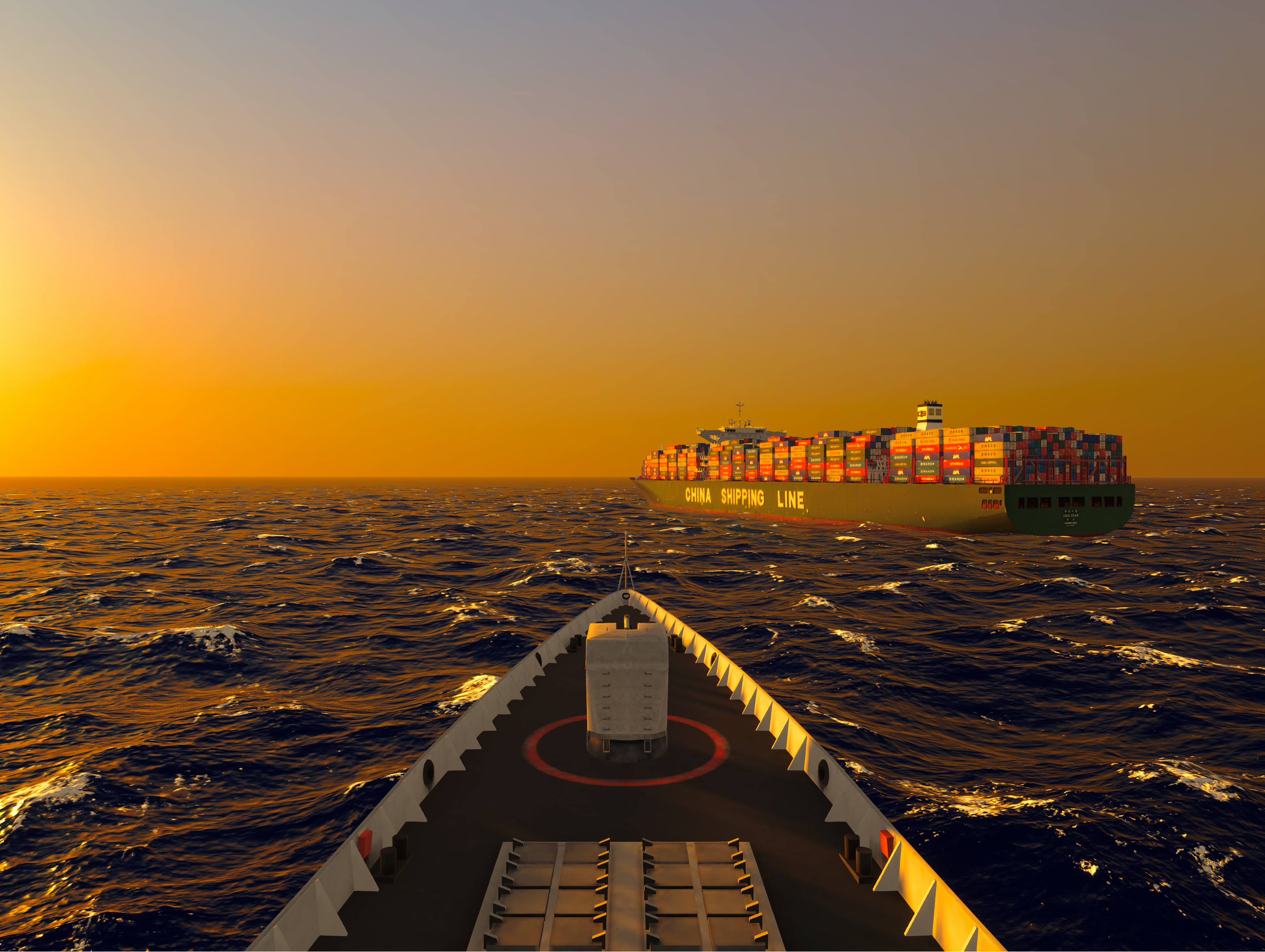
From a defense and security perspective, maritime safety extends into mission readiness and national security. A Naval Training Simulator provides military and law-enforcement units with a controlled environment to rehearse tactical maneuvers, coordinated fleet operations, and emergency response scenarios. Naval Training Simulator platforms support both individual skill development and large-scale joint exercises, enabling forces to maintain readiness without the high cost and risk of live drills.
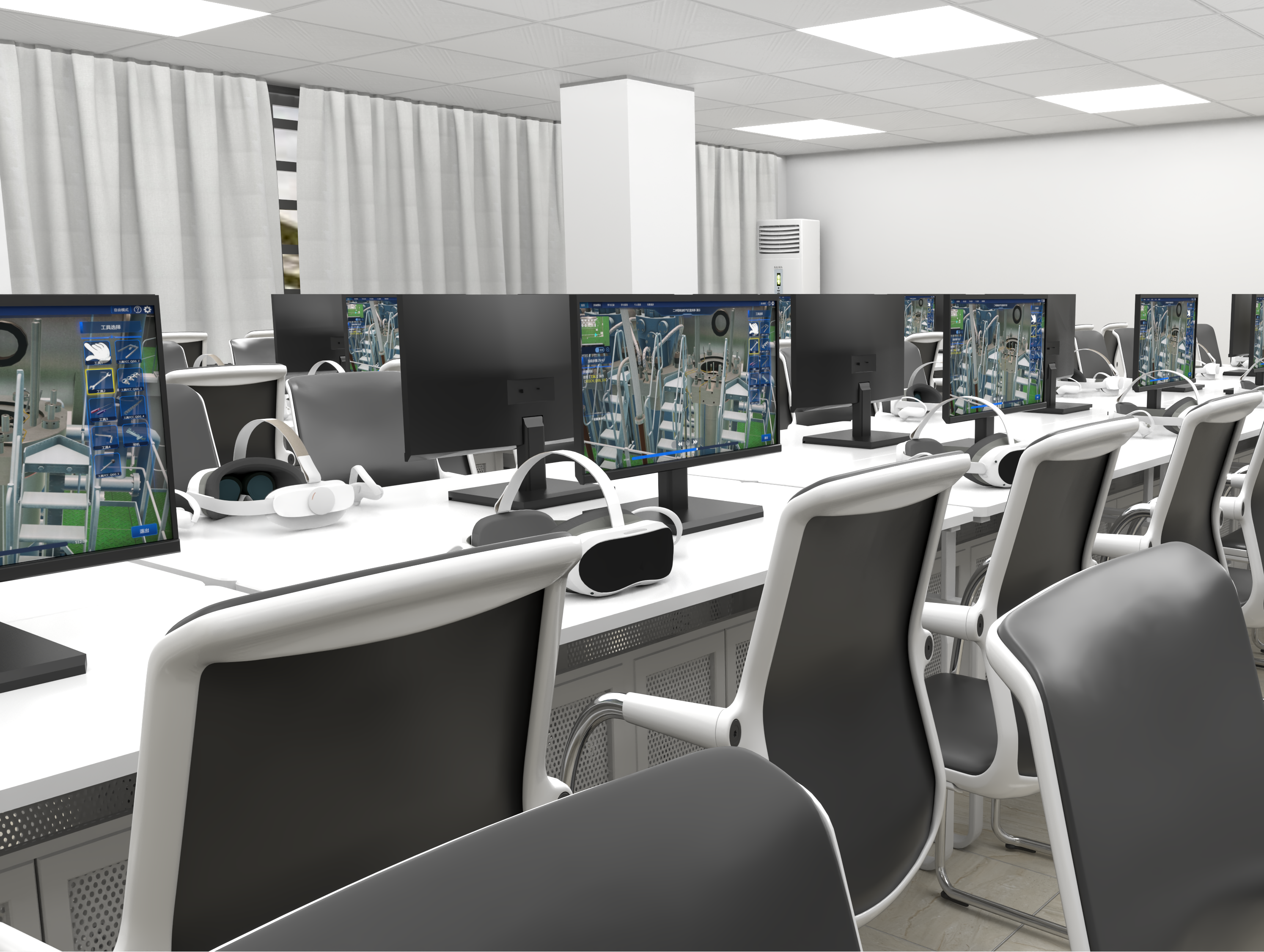
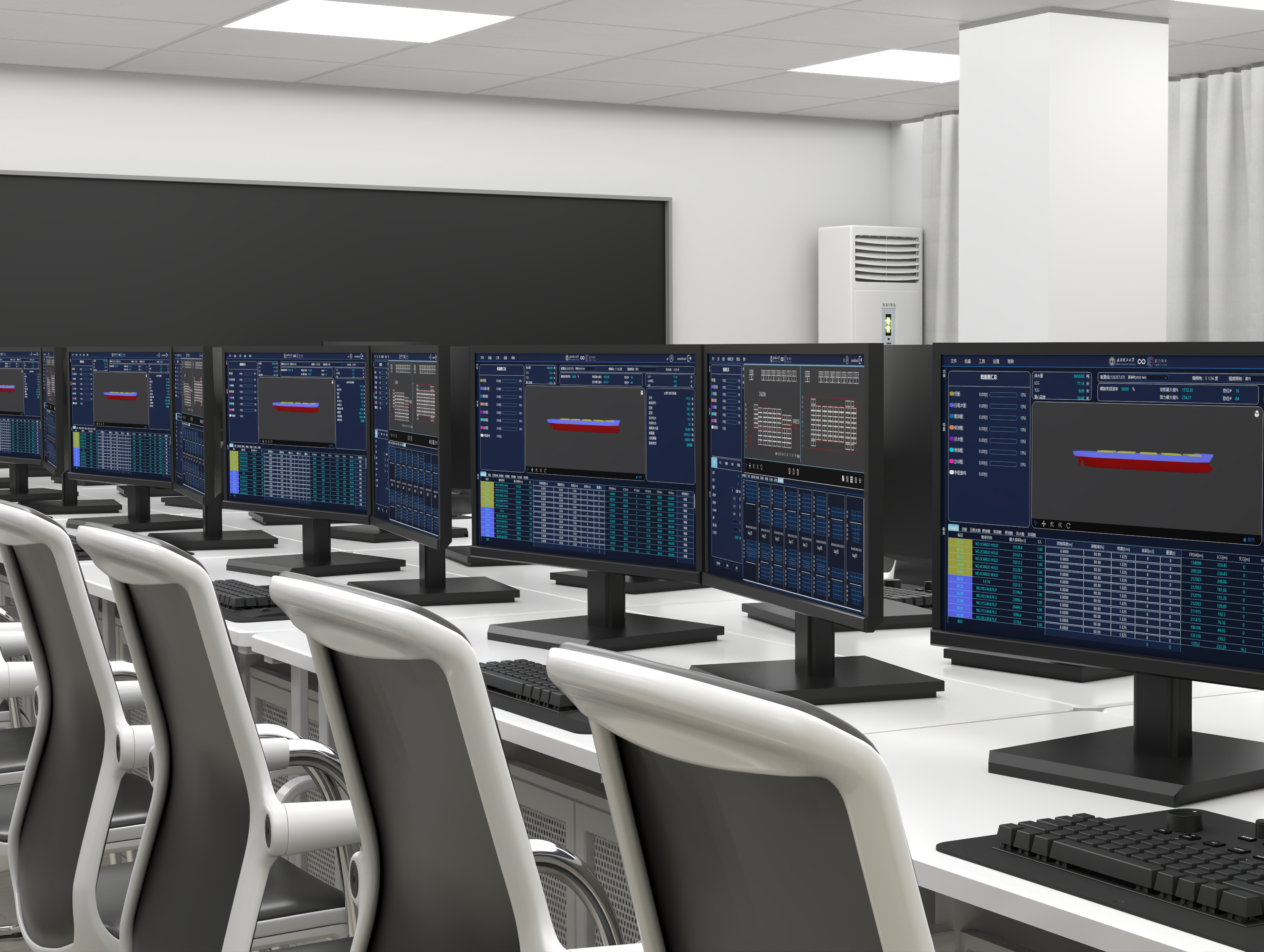
Beyond operational safety, simulation-based training delivers measurable organizational value. Compared with traditional sea-time training, Navigation Simulator and VTS Simulation programs reduce fuel consumption, vessel wear, and scheduling constraints. Speed Boat Simulator and Fishing Boat Simulator platforms shorten training cycles while improving competency retention. For government agencies and maritime academies, Naval Training Simulator systems support standardized assessment, accreditation, and audit requirements.
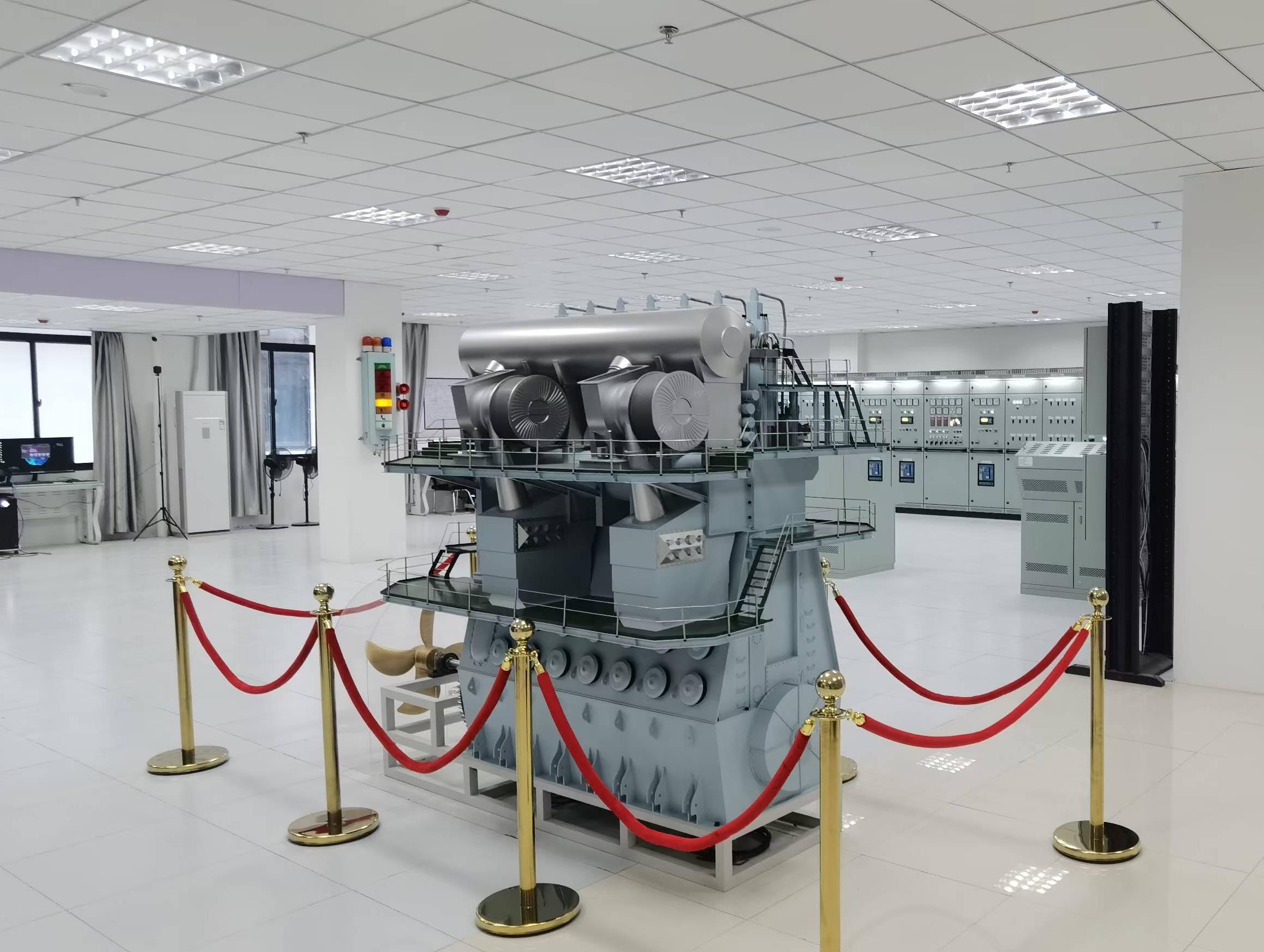
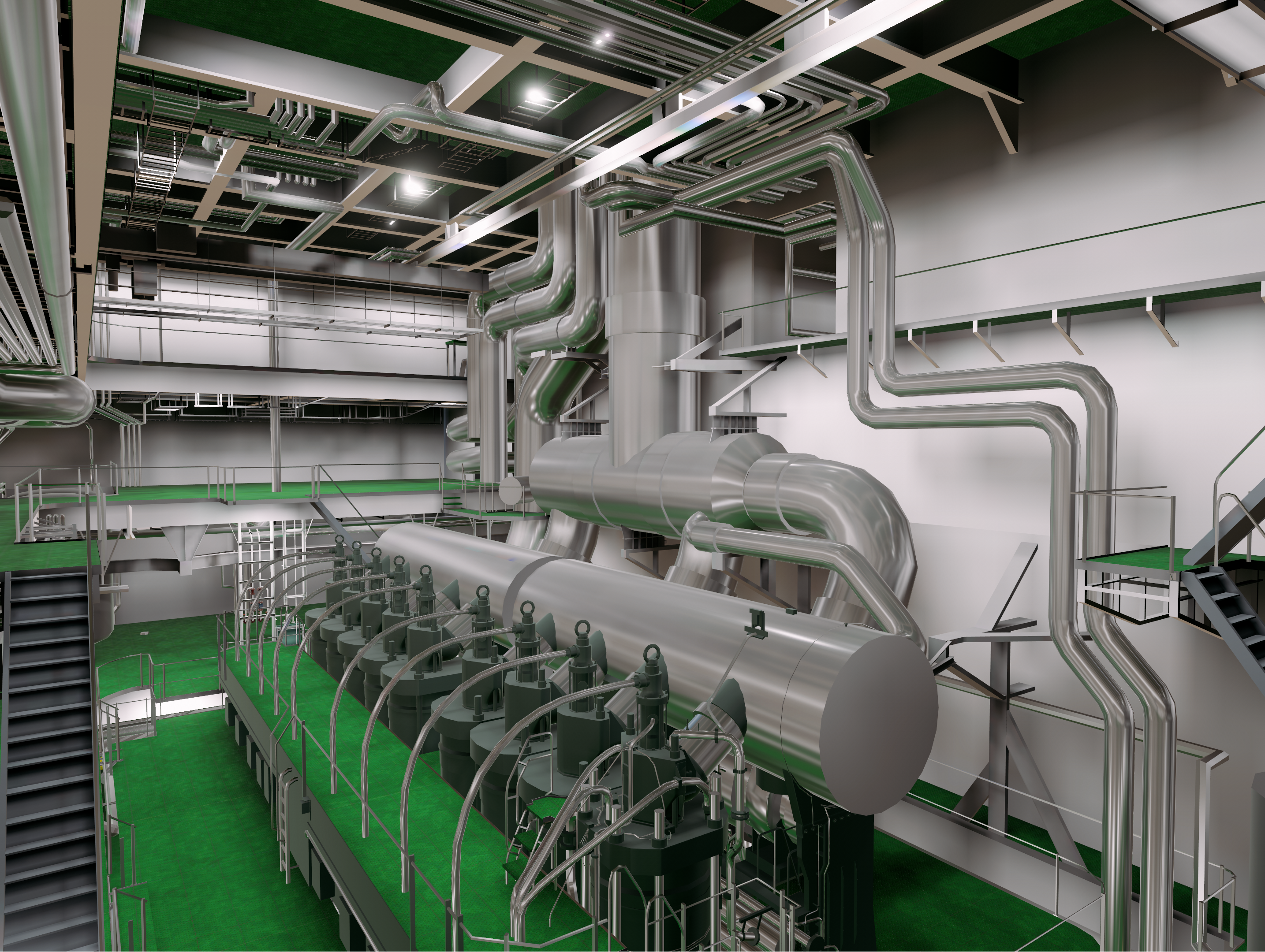
A comprehensive maritime safety management framework integrates Navigation Simulator, Speed Boat Simulator, Fishing Boat Simulator, VTS Simulation, and Naval Training Simulator technologies into a unified training ecosystem. This approach ensures consistency across training levels, improves safety culture, and supports continuous improvement. As international regulations tighten and operational complexity increases, organizations that invest in advanced simulation training will achieve higher safety performance, stronger compliance records, and long-term operational resilience.