

Enhancing Maritime Training Efficiency with Advanced Navigation Simulator Technologies
As global shipping operations become increasingly complex, the need for structured, high-efficiency training systems continues to rise. A modern navigation simulator has become a core component of maritime education and operational readiness, enabling institutions and shipping companies to deliver consistent, scalable, and risk-free training. By combining realism, flexibility, and data-driven evaluation, the navigation simulator is redefining how maritime professionals are trained in both academic and commercial environments.
Why Navigation Simulator Is Essential for Training Standardization
One of the biggest challenges in maritime training is maintaining consistent standards across different regions and training centers. A professional navigation simulator addresses this challenge by providing a controlled and repeatable training environment. Through a navigation simulator, instructors can design standardized exercises that ensure all trainees meet the same competency requirements regardless of location.
A marine navigation simulator further enhances this process by integrating multiple environmental and operational variables into a unified platform. With a marine navigation simulator, training institutions can simulate global navigation conditions, ensuring that seafarers are prepared for diverse maritime environments. This makes the marine navigation simulator a key tool in aligning training programs with international standards.
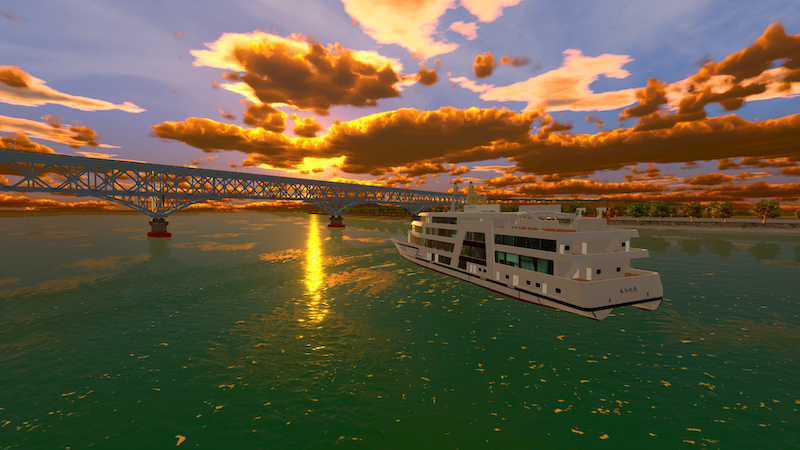
Ship Navigation Simulator for Advanced Bridge Operations
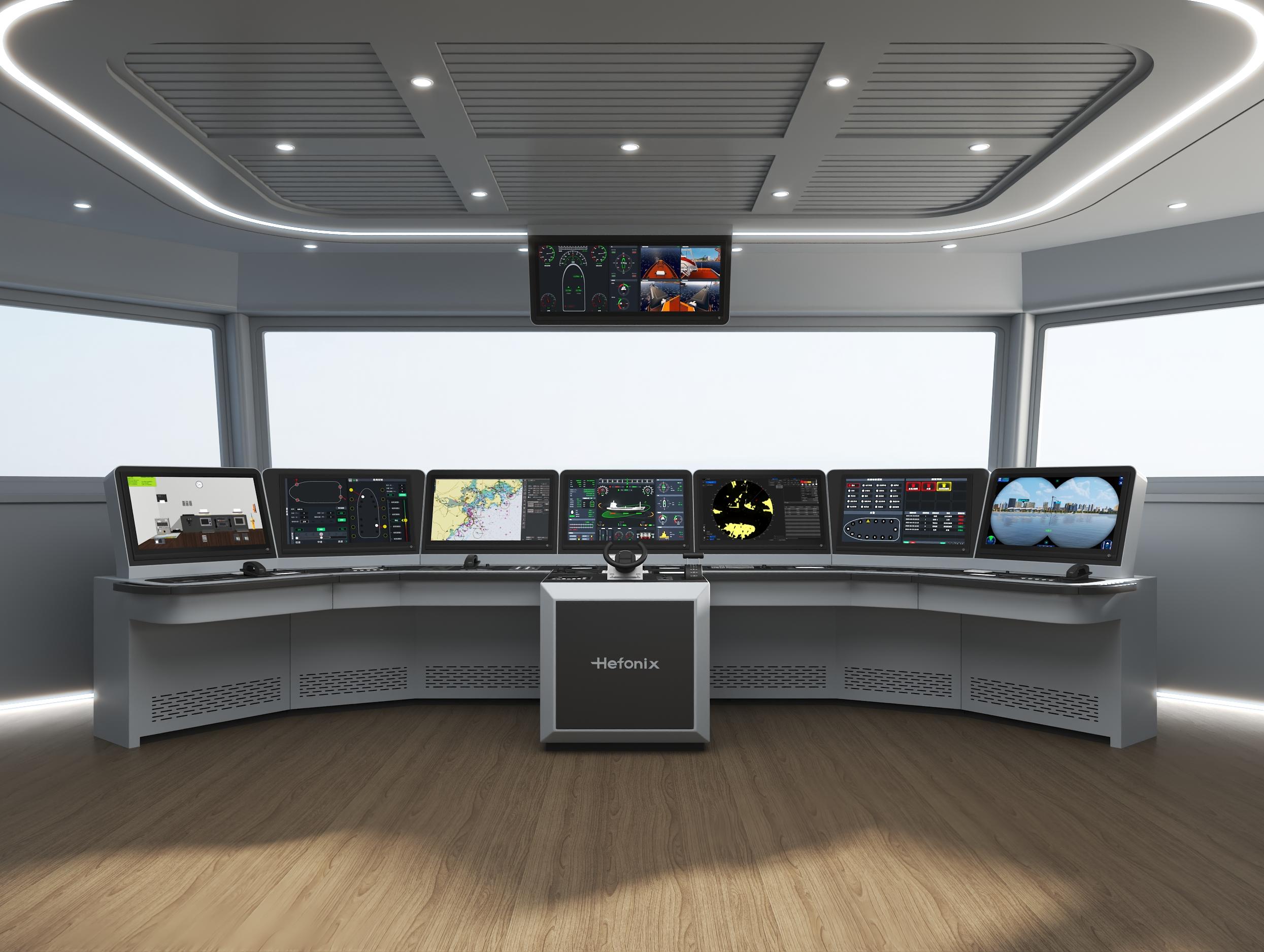
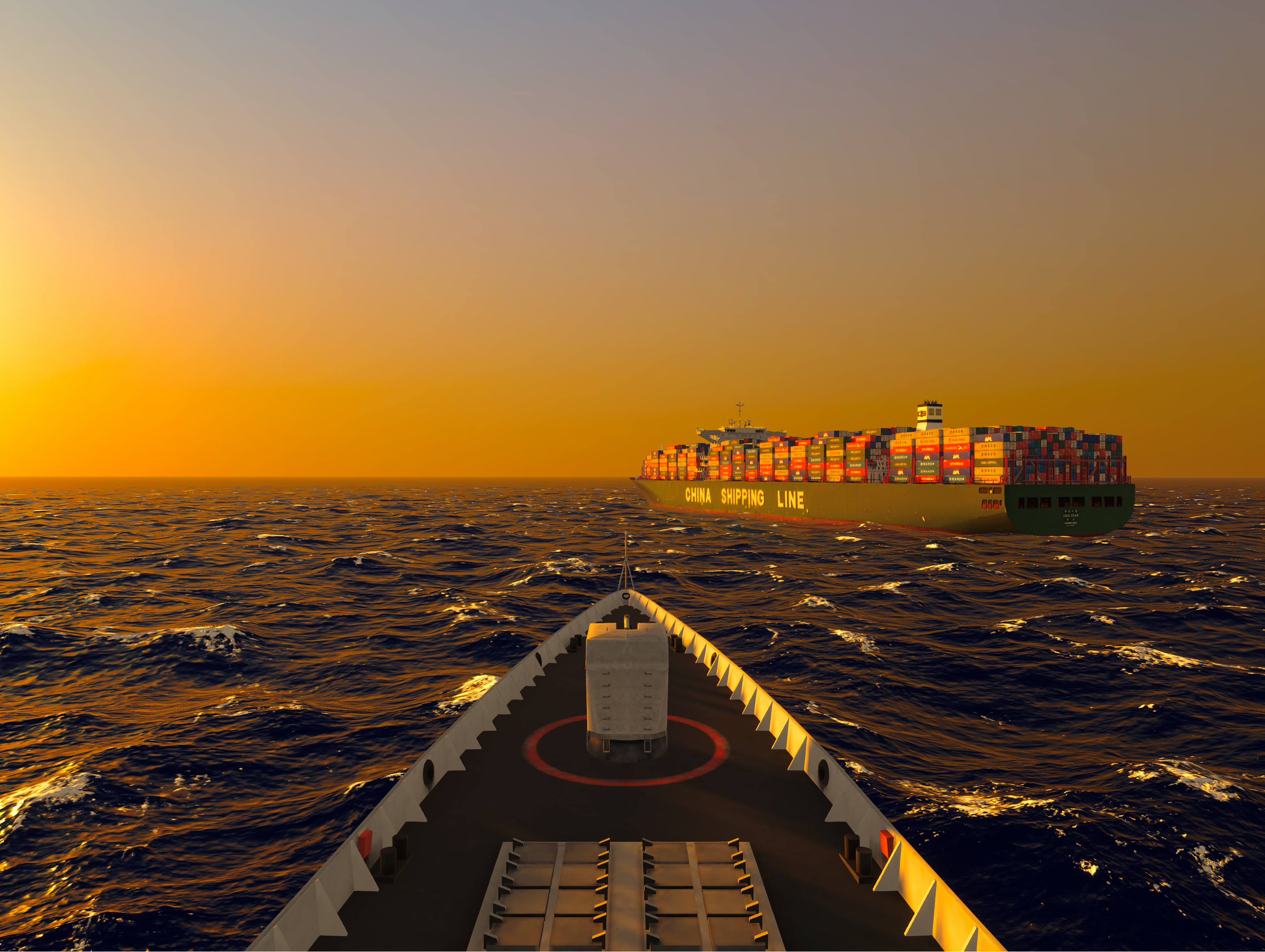
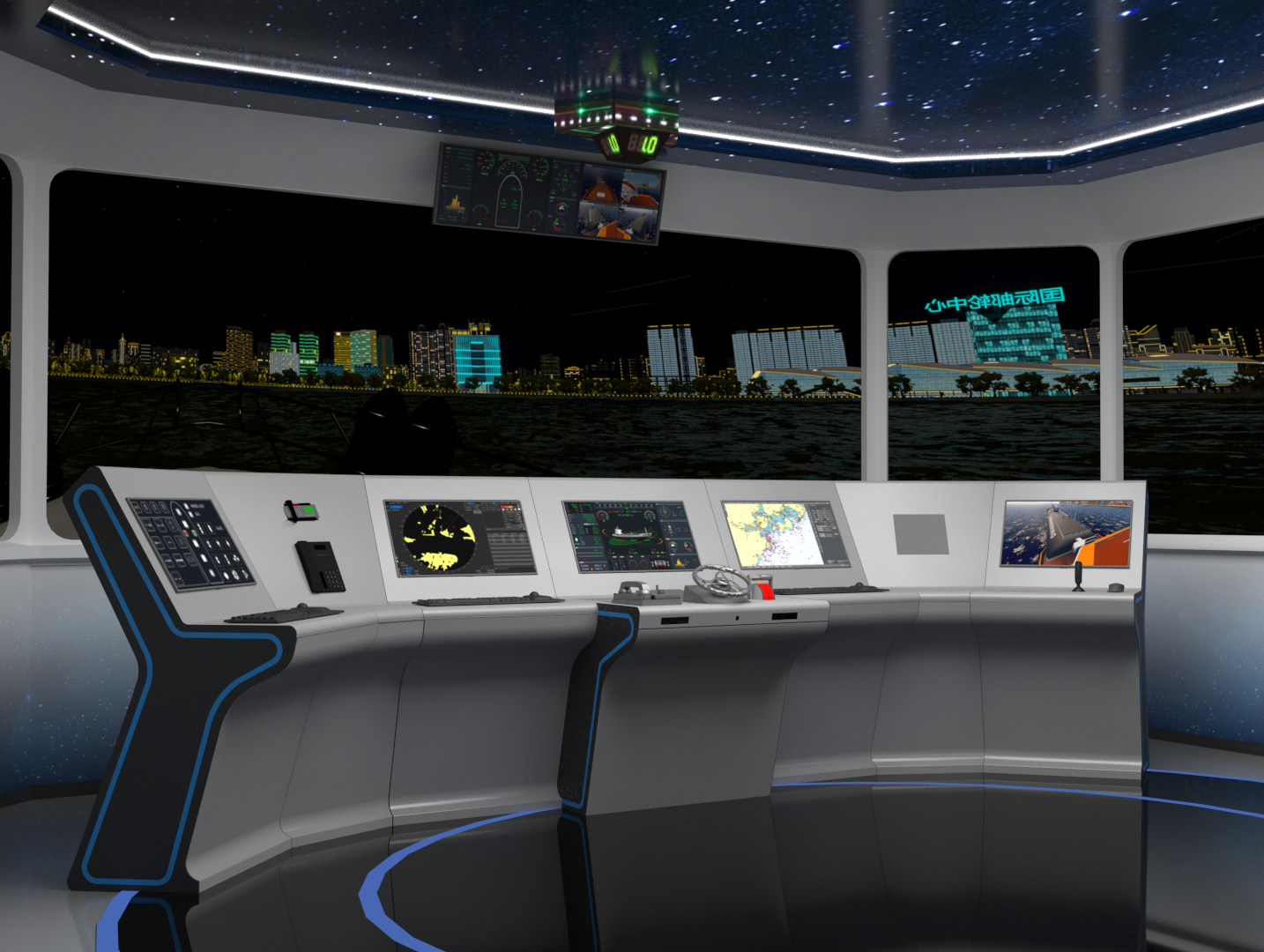
The ship navigation simulator plays a critical role in professional bridge team training. It replicates real bridge layouts, navigation systems, and communication tools, allowing officers to develop operational confidence in a realistic setting. By using a ship navigation simulator, trainees can practice navigation planning, collision avoidance, and emergency procedures under controlled conditions.
In addition, the ship navigation simulator supports team-based training, enabling multiple participants to operate within the same simulation scenario. This collaborative environment helps improve communication and coordination, which are essential for safe vessel operations. As a result, the ship navigation simulator is widely adopted by maritime academies and shipping companies aiming to improve crew performance.
Boat Navigation Simulator for Precision and Maneuverability Training
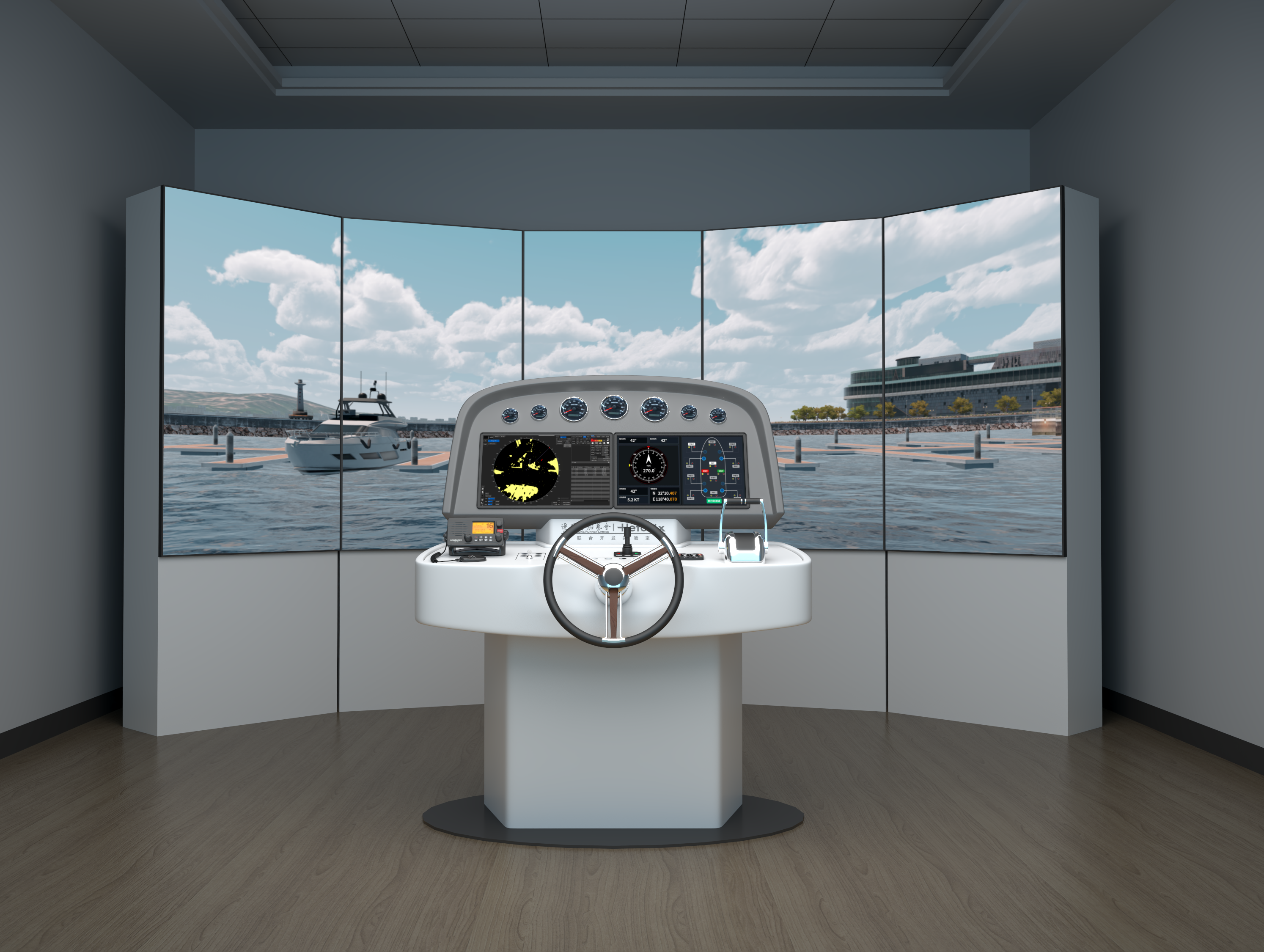
For operations involving smaller vessels, the boat navigation simulator offers a specialized training solution. A boat navigation simulator focuses on high-precision maneuvering, docking procedures, and navigation in confined waters. This type of training is particularly important for ports, coastal operations, and inland transportation systems.
The boat navigation simulator allows operators to practice handling vessels under varying conditions, including strong currents, limited visibility, and congested waterways. By improving reaction time and control accuracy, the boat navigation simulator contributes to safer and more efficient vessel operations.
Inland Navigation Simulator for Complex Waterway Operations
Navigating inland waterways presents unique challenges that differ significantly from open sea operations. The inland navigation simulator is specifically designed to address these challenges by replicating river navigation conditions, port environments, and canal systems. Through an inland navigation simulator, trainees can gain experience in managing vessel movement in narrow channels and high-traffic areas.
The inland navigation simulator also enables operators to understand the impact of water currents, bridge clearances, and local navigation rules. For logistics companies and inland transport operators, the inland navigation simulator is an essential tool for improving operational efficiency and reducing navigation risks.
Marine Navigation Simulator as an Integrated Training Platform
A comprehensive marine navigation simulator integrates the capabilities of different simulation systems into a single platform. By combining a navigation simulator, ship navigation simulator, boat navigation simulator, and inland navigation simulator, the marine navigation simulator offers a complete training ecosystem.
This integrated approach allows training providers to deliver multi-level programs, from basic navigation training to advanced operational simulations. The marine navigation simulator supports flexible configuration, enabling organizations to customize training modules based on specific vessel types and operational requirements.
Data-Driven Training and Performance Optimization
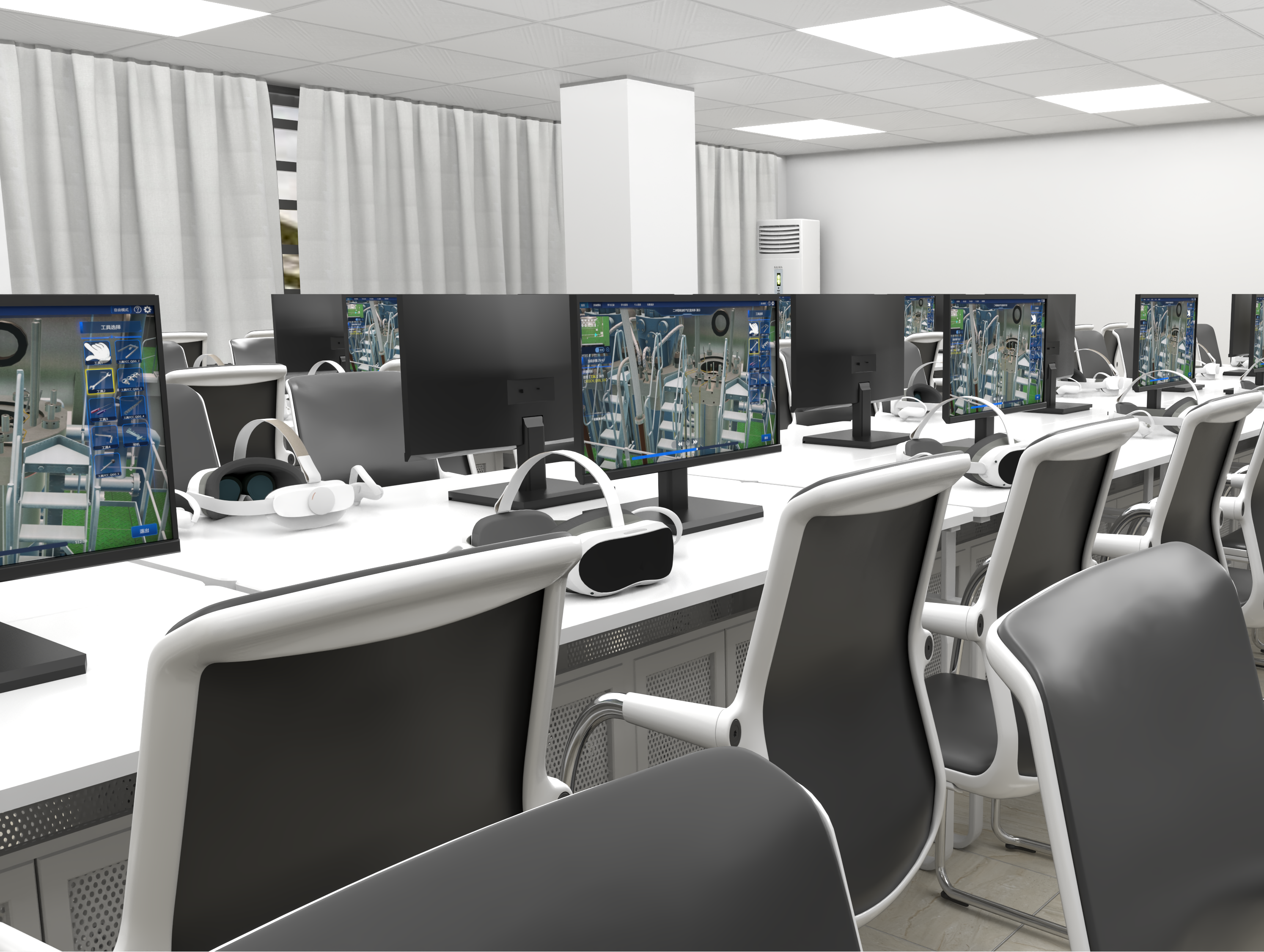
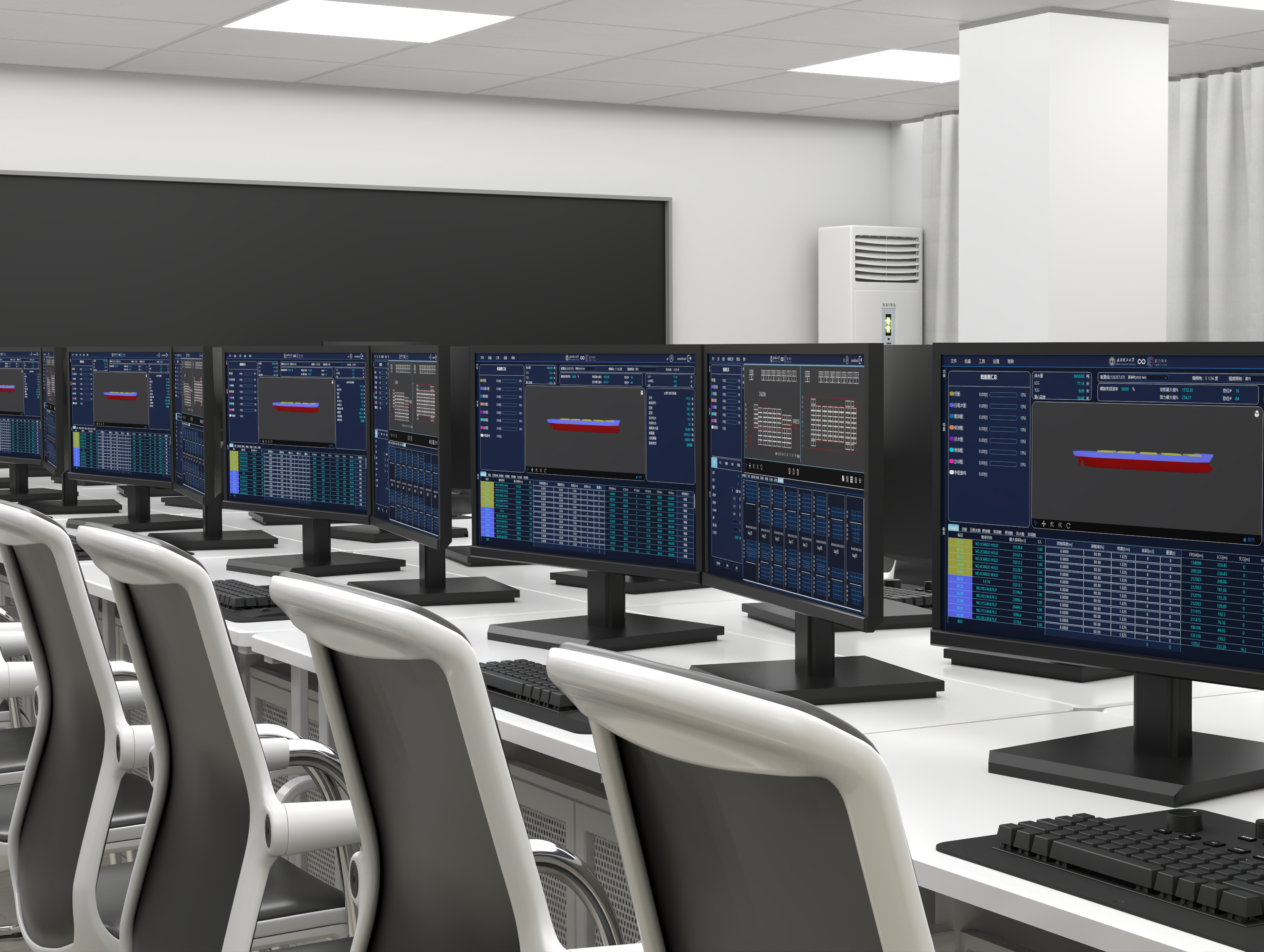
Modern navigation simulator systems are equipped with advanced data analytics tools that track trainee performance in real time. A navigation simulator can record key metrics such as decision-making speed, maneuver accuracy, and compliance with navigation rules. These insights help instructors identify areas for improvement and optimize training programs.
Similarly, a marine navigation simulator provides comprehensive reporting capabilities, allowing organizations to evaluate training effectiveness over time. By leveraging data from the ship navigation simulator, boat navigation simulator, and inland navigation simulator, training centers can implement continuous improvement strategies that enhance overall performance.
Future Outlook for Navigation Simulator Development
The future of maritime training lies in the continuous evolution of navigation simulator technologies. Emerging innovations such as artificial intelligence, cloud-based simulation, and digital twin systems will further enhance the capabilities of the marine navigation simulator. These advancements will allow more adaptive training environments and real-time scenario adjustments.
As these technologies mature, the ship navigation simulator, boat navigation simulator, and inland navigation simulator will become even more sophisticated, offering higher levels of realism and interactivity. This will ensure that maritime professionals are fully equipped to handle the challenges of modern shipping operations.
The growing adoption of advanced navigation simulator systems reflects the maritime industry’s commitment to safety, efficiency, and standardization. From the ship navigation simulator used in professional bridge training to the boat navigation simulator and inland navigation simulator designed for specialized applications, each system plays a vital role in building a skilled workforce.
By integrating these technologies into a unified marine navigation simulator platform, organizations can deliver comprehensive and effective training programs. In an industry where precision and reliability are critical, investing in a high-quality navigation simulator is essential for long-term success.