
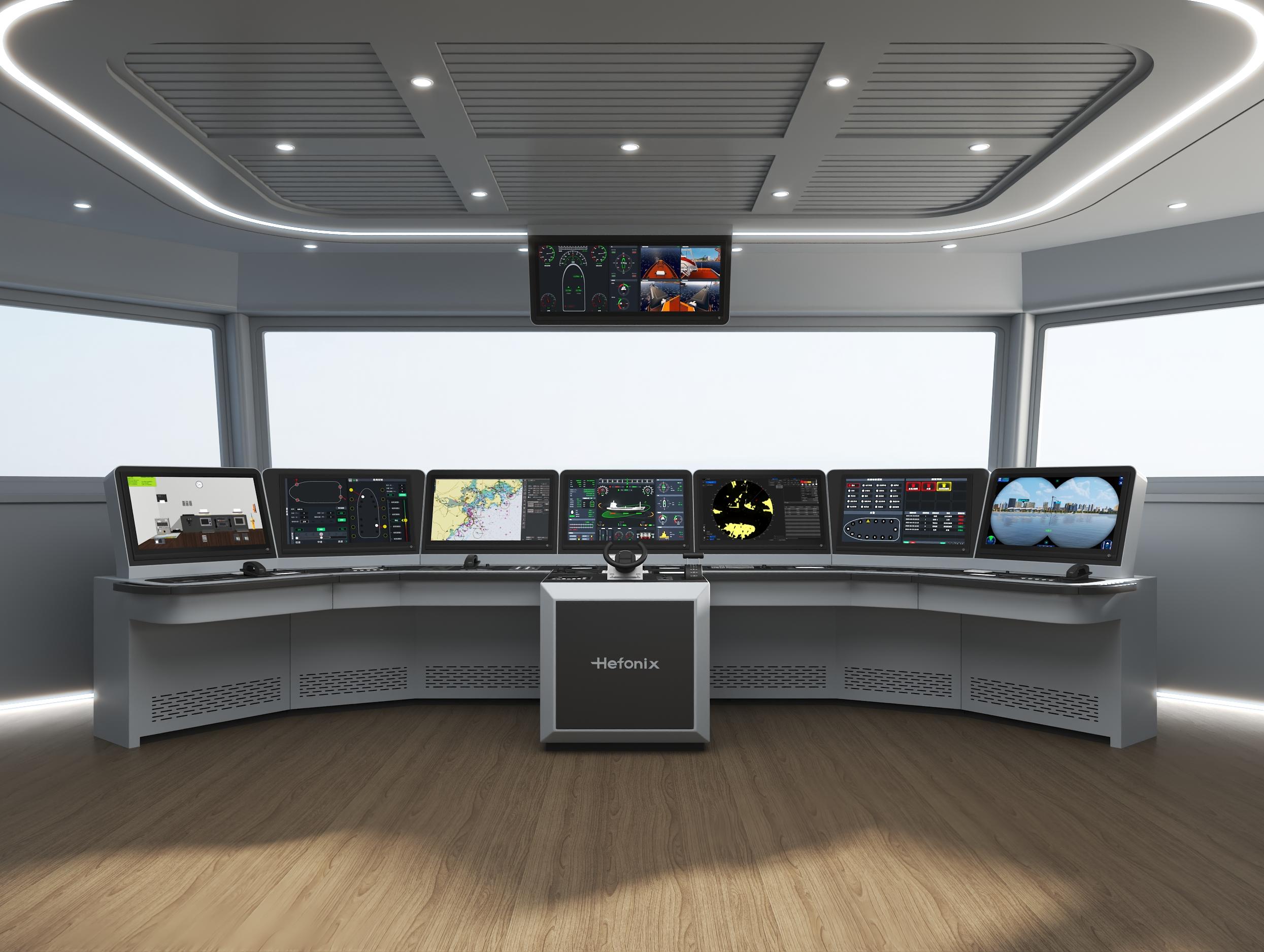
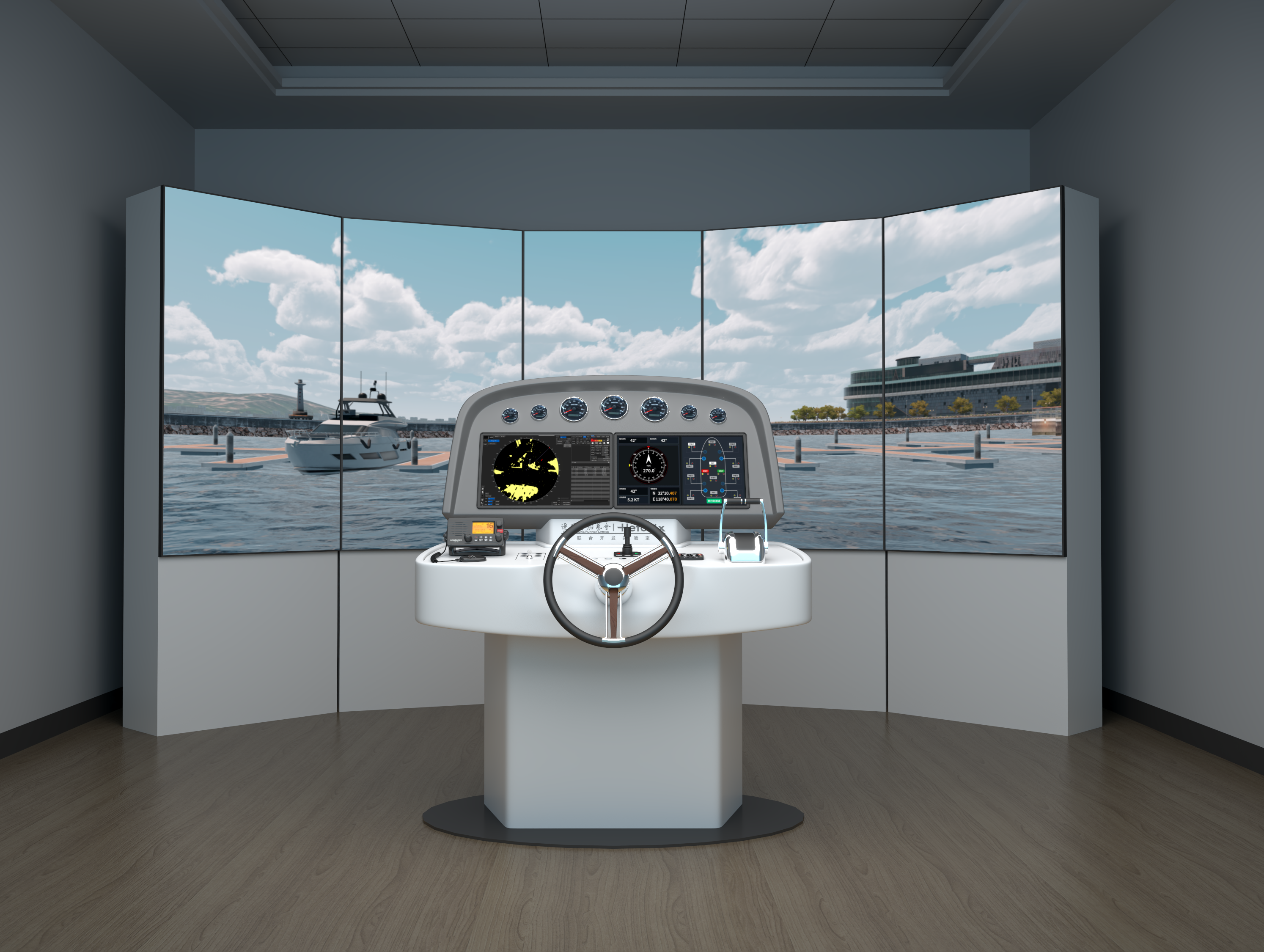
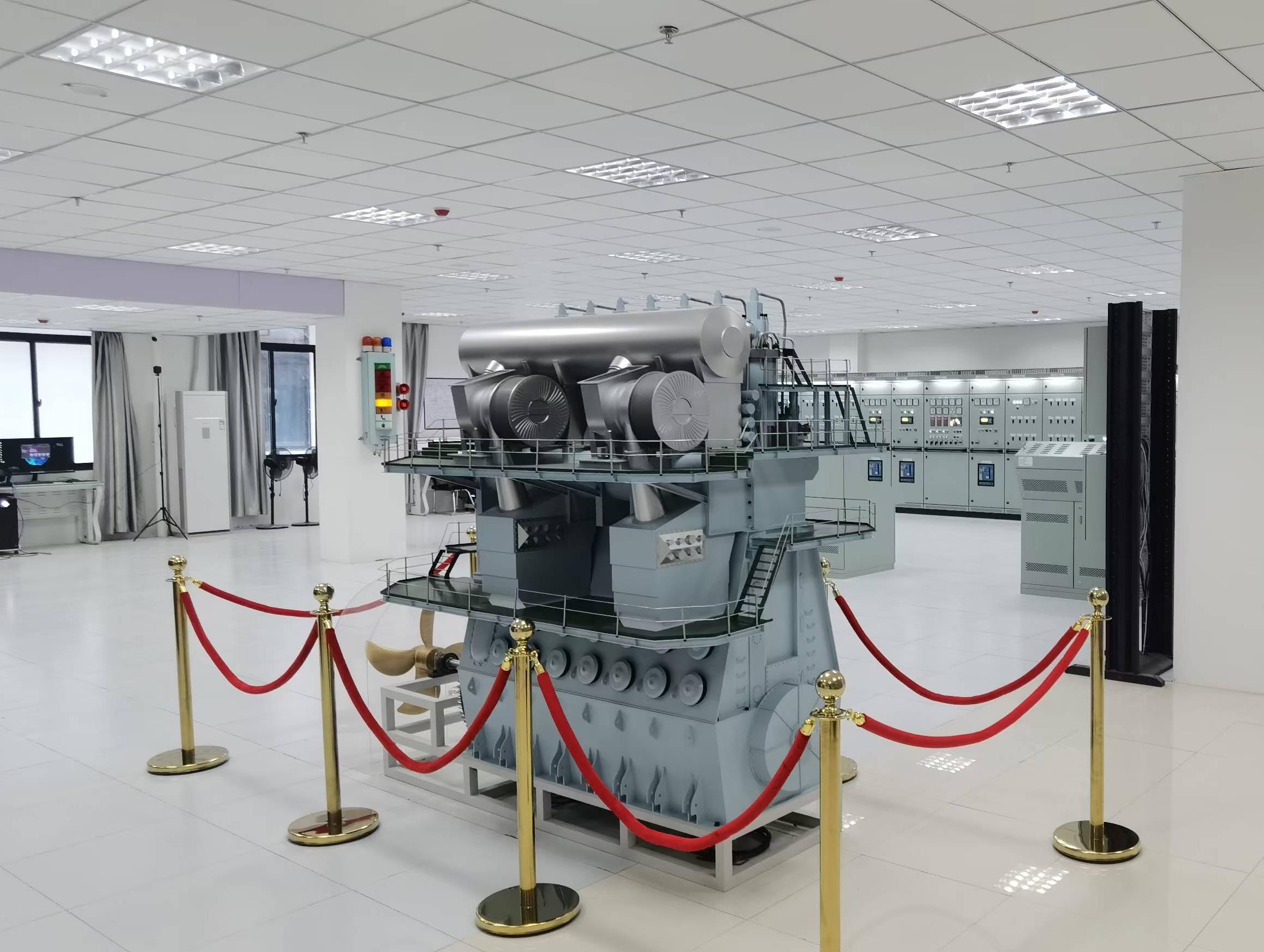
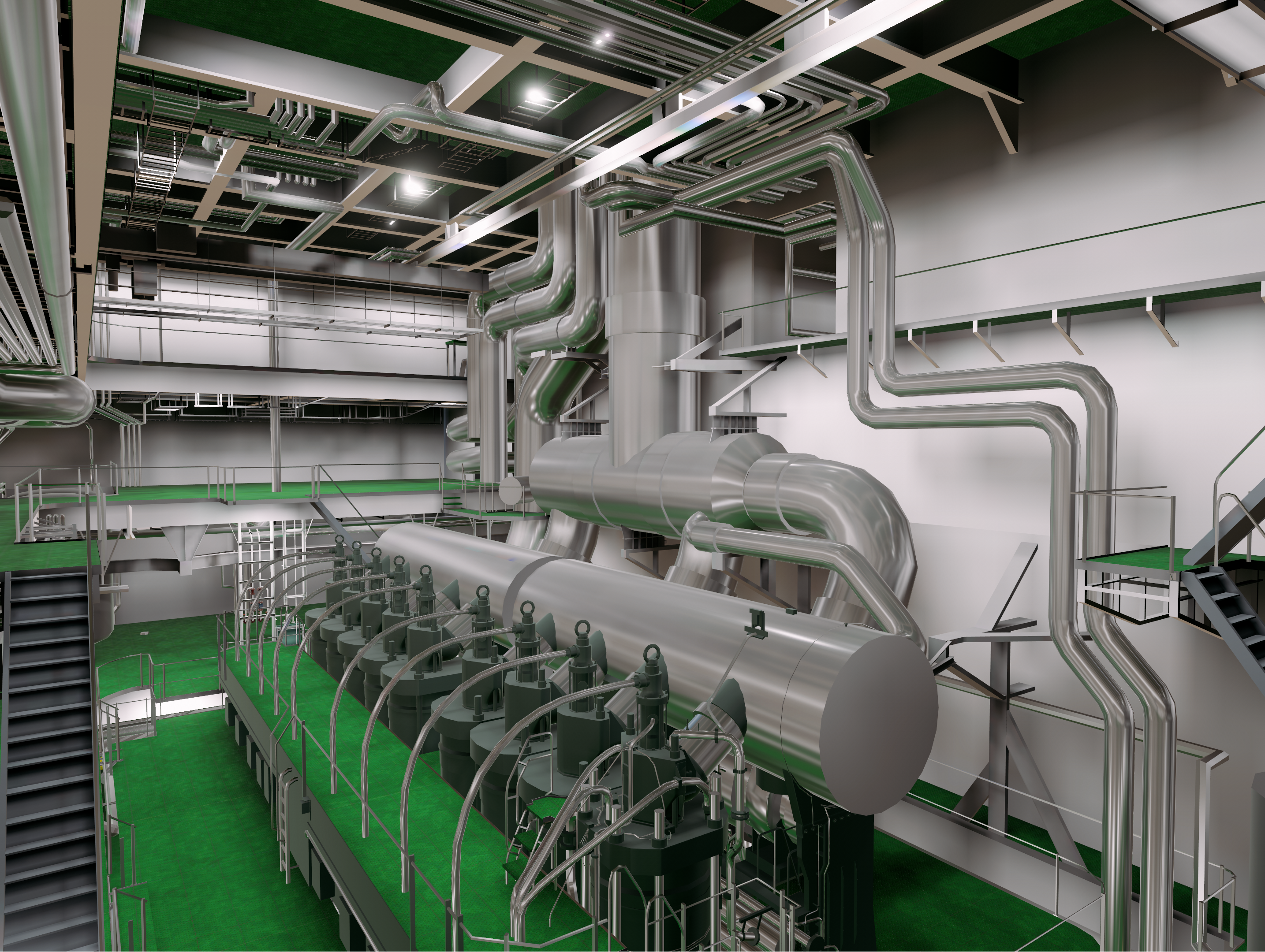

Full Mission Engine Room Simulator for Maritime Training Institutions
As maritime training institutions continue to upgrade their teaching infrastructure, the demand for high-precision and immersive training systems is rapidly increasing. Among these, the full mission engine room simulator has become a key solution for delivering advanced marine engineering education. By combining realism, system integration, and scenario-based training, the full mission engine room simulator enables institutions to provide comprehensive and future-ready training programs.
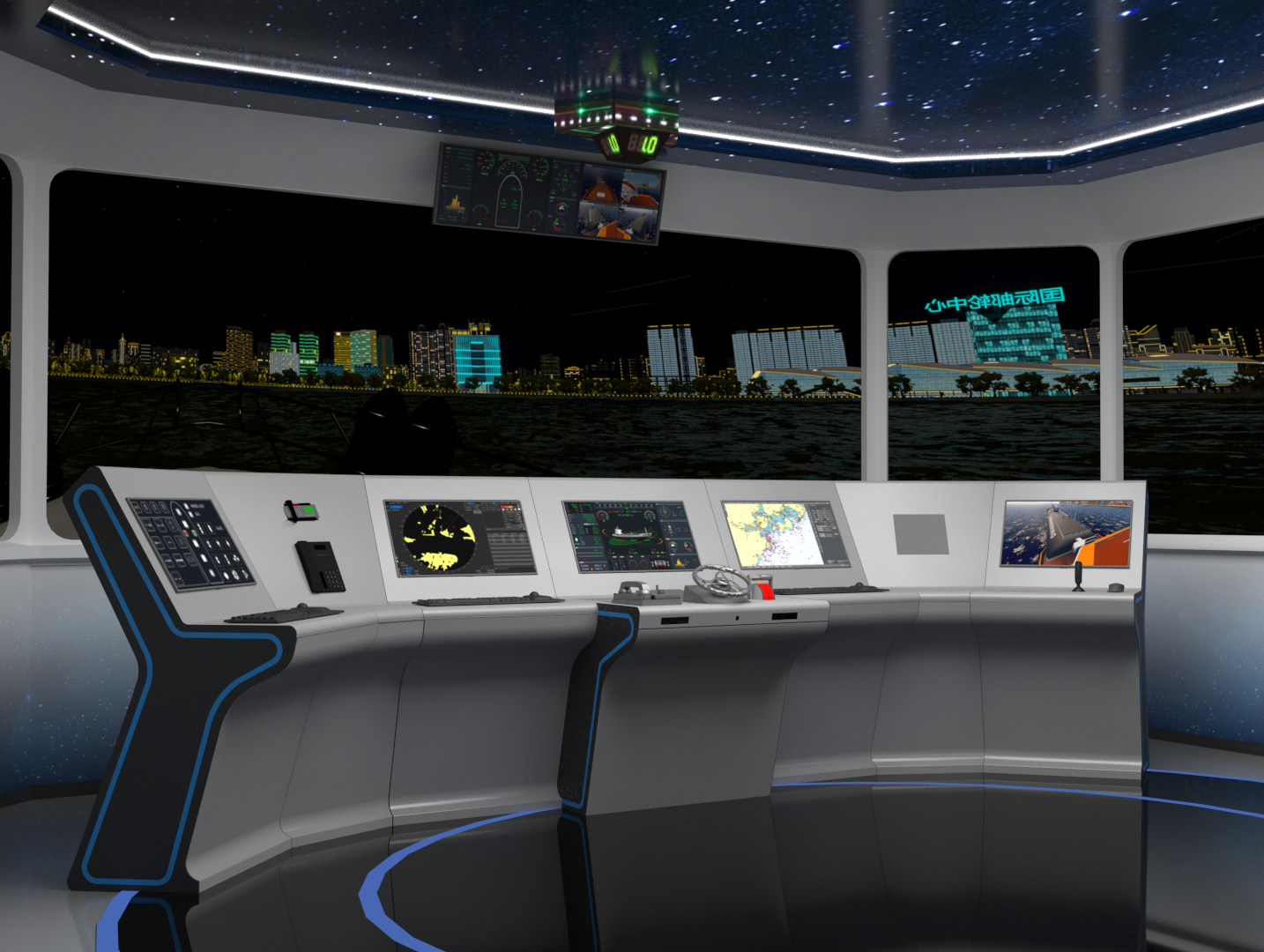
A full mission engine room simulator is designed to replicate the complete operational environment of a vessel’s engine room. This includes control rooms, machinery spaces, and integrated automation systems. Through a full mission engine room simulator, trainees can experience real operational workflows, from system start-up to full-load operation and emergency handling. This level of realism ensures that students are well-prepared for onboard responsibilities.
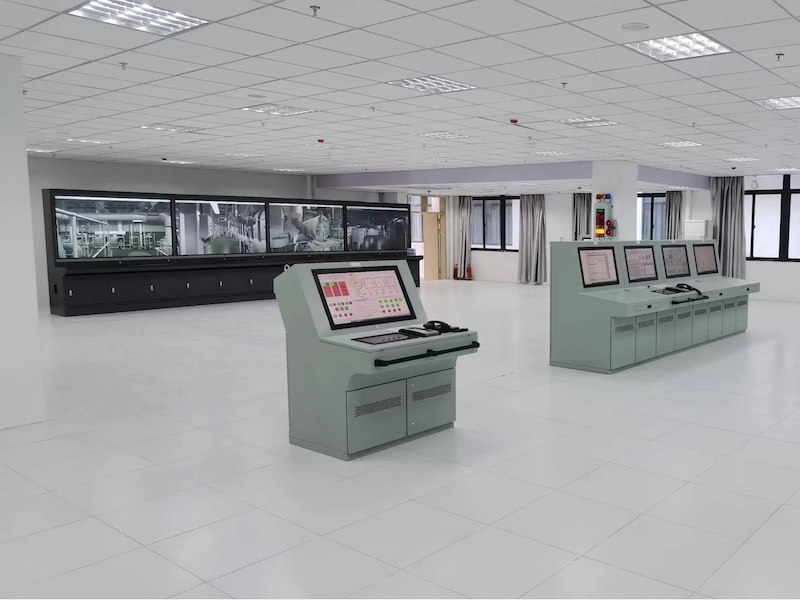
The engine ship simulator serves as a foundational tool that supports system-level understanding. By using an engine ship simulator, trainees can explore how propulsion systems and onboard power systems behave under various conditions. This helps build a strong theoretical and practical foundation before advancing to more complex simulations. The engine ship simulator also allows repeated exercises, enabling students to refine their skills through continuous practice.
An Engine Room Simulator enhances the learning experience by providing an interactive interface for system operation. Within an Engine Room Simulator, trainees can monitor parameters, operate machinery, and respond to alarms in real time. This hands-on approach encourages active learning and helps trainees develop critical operational skills. The Engine Room Simulator also supports instructor-led training, allowing educators to guide students through structured scenarios.
A Ship Engine Room Simulator adds another layer of realism by replicating the physical layout and workflow of an actual vessel. Through a Ship Engine Room Simulator, trainees can practice routine procedures such as equipment inspection, system adjustment, and maintenance operations. This practical training ensures that students are familiar with real onboard processes before entering the workforce.
The marine engine room simulator integrates all these elements into a unified training platform. By connecting propulsion systems, auxiliary equipment, and control systems, the marine engine room simulator provides a comprehensive view of engine room operations. This integrated approach helps trainees understand the relationships between different systems and improves their ability to manage complex situations.
One of the key advantages of the full mission engine room simulator is its ability to support scenario-based training. Instructors can create customized scenarios that simulate real-world challenges, such as equipment failures, power outages, and emergency conditions. Through these exercises, trainees learn how to analyze situations, make decisions, and execute appropriate actions. The full mission engine room simulator thus plays a crucial role in developing both technical competence and problem-solving skills.
The use of simulation technology allows institutions to standardize training and assessment processes. The Engine Room Simulator and Ship Engine Room Simulator enable instructors to evaluate trainee performance based on consistent criteria, ensuring that learning outcomes meet industry standards. The marine engine room simulator also supports performance tracking, providing valuable data for continuous improvement.
The full mission engine room simulator is an essential tool for modern maritime training institutions.
Supported by the engine ship simulator, Engine Room Simulator, Ship Engine Room Simulator, and marine engine room simulator, it provides a comprehensive and immersive training environment. By adopting these advanced solutions, institutions can enhance training quality, improve student outcomes, and prepare the next generation of marine engineers for the challenges of the global maritime industry.