

Mastering the Elements: How Advanced Navigation Simulators Elevate Global Maritime Proficiency
In the modern maritime landscape, where technological integration and stringent safety protocols govern every voyage, the evolution of simulation-based training has emerged as a fundamental pillar of maritime education. The sophisticated capabilities of today's navigation simulator systems have transformed how mariners develop critical competencies, offering an immersive learning environment that mirrors real-world challenges with unprecedented realism.
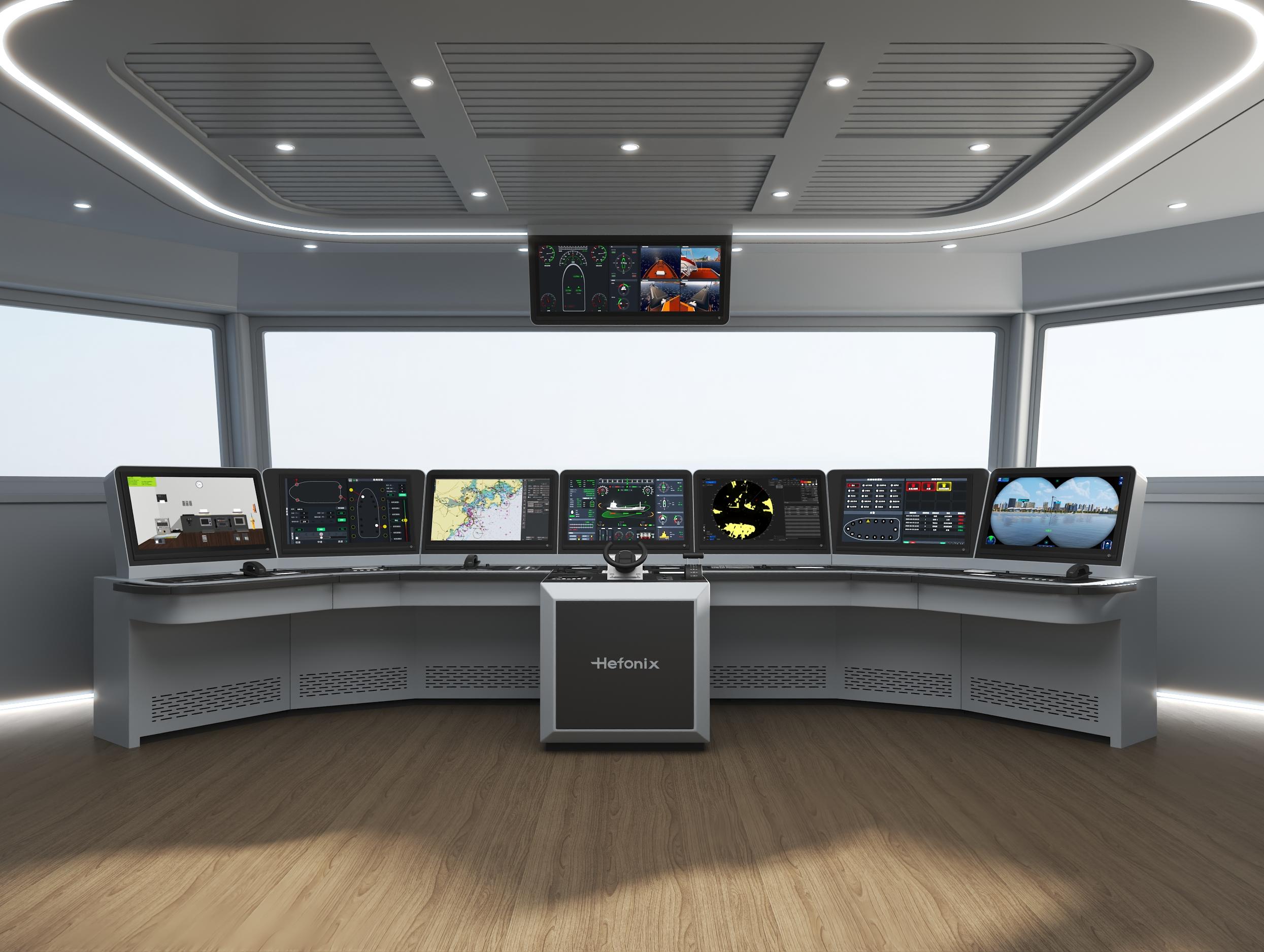
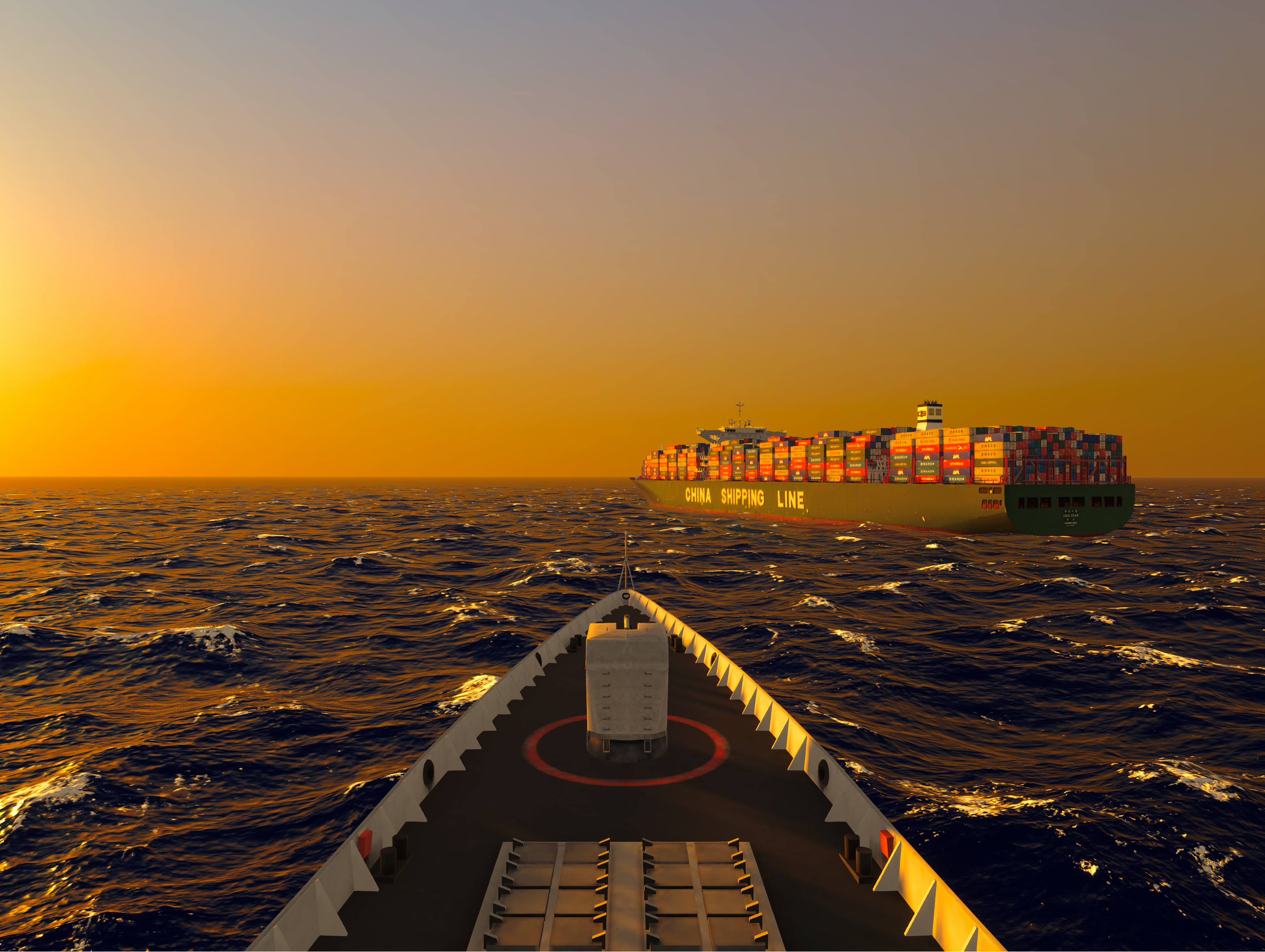
The ship navigation simulator has become the bedrock of contemporary maritime training programs worldwide. Through its advanced hydrodynamic modeling and environmental simulation capabilities, this system enables trainees to experience diverse maritime scenarios ranging from congested port approaches to challenging weather conditions. The ship navigation simulator not only teaches fundamental navigation principles but also instills the decision-making capabilities required for modern bridge operations. Its ability to replicate specific vessel responses under varying conditions has made it indispensable for both initial officer training and continuous professional development.
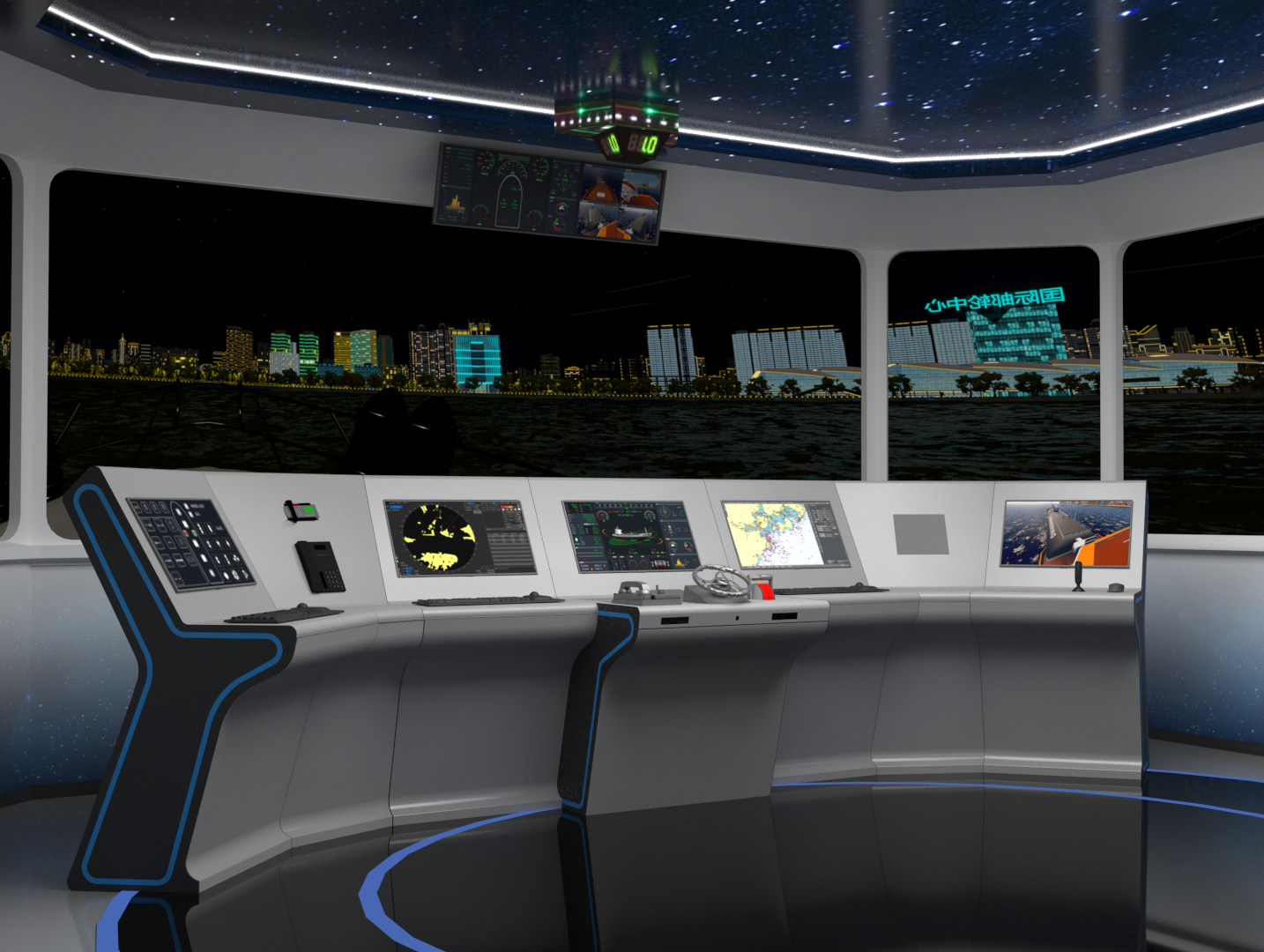
For comprehensive training that spans entire voyage cycles, the full mission sailing simulator stands as an industry benchmark. This system goes beyond basic navigation training to incorporate complete operational scenarios including voyage planning, cargo operations, and port management. The full mission sailing simulator creates an integrated learning environment where mariners must balance multiple priorities simultaneously, preparing them for the complex realities of ship command. Training institutions increasingly recognize the value of this holistic approach, as it develops not just technical skills but also strategic thinking and resource management capabilities.
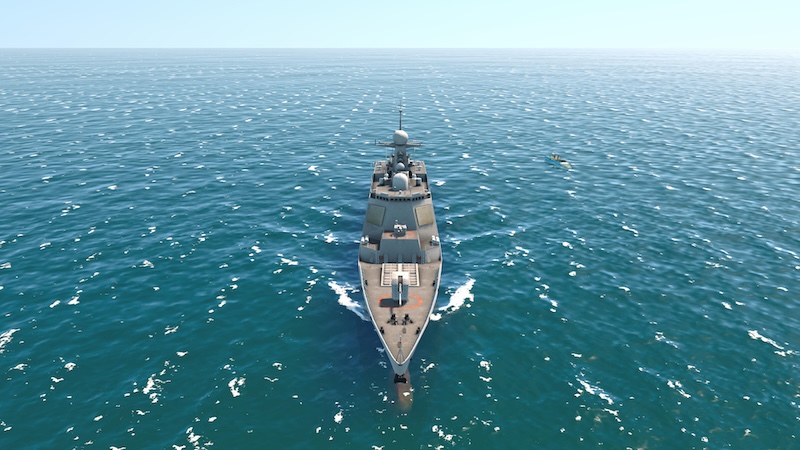
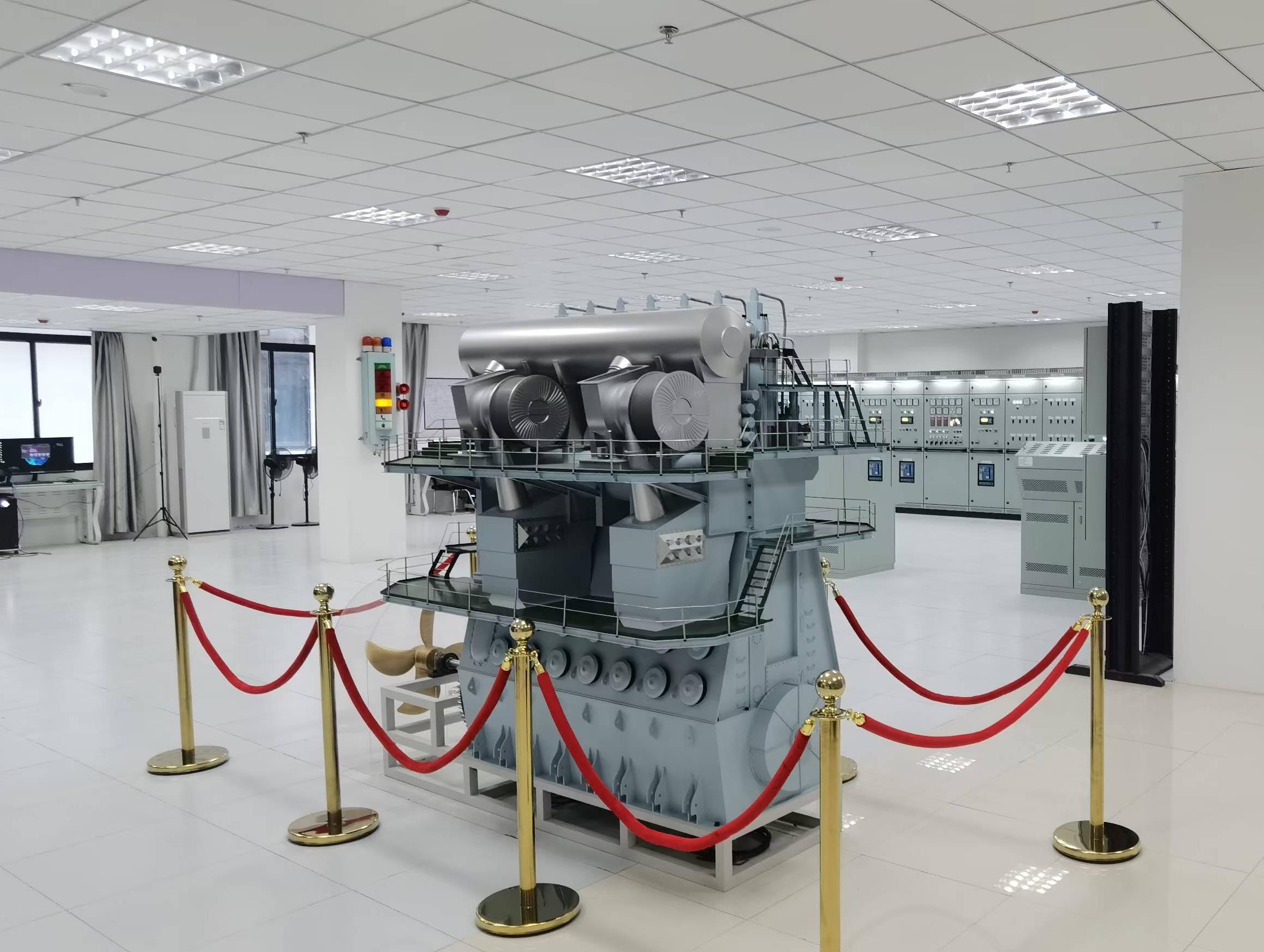
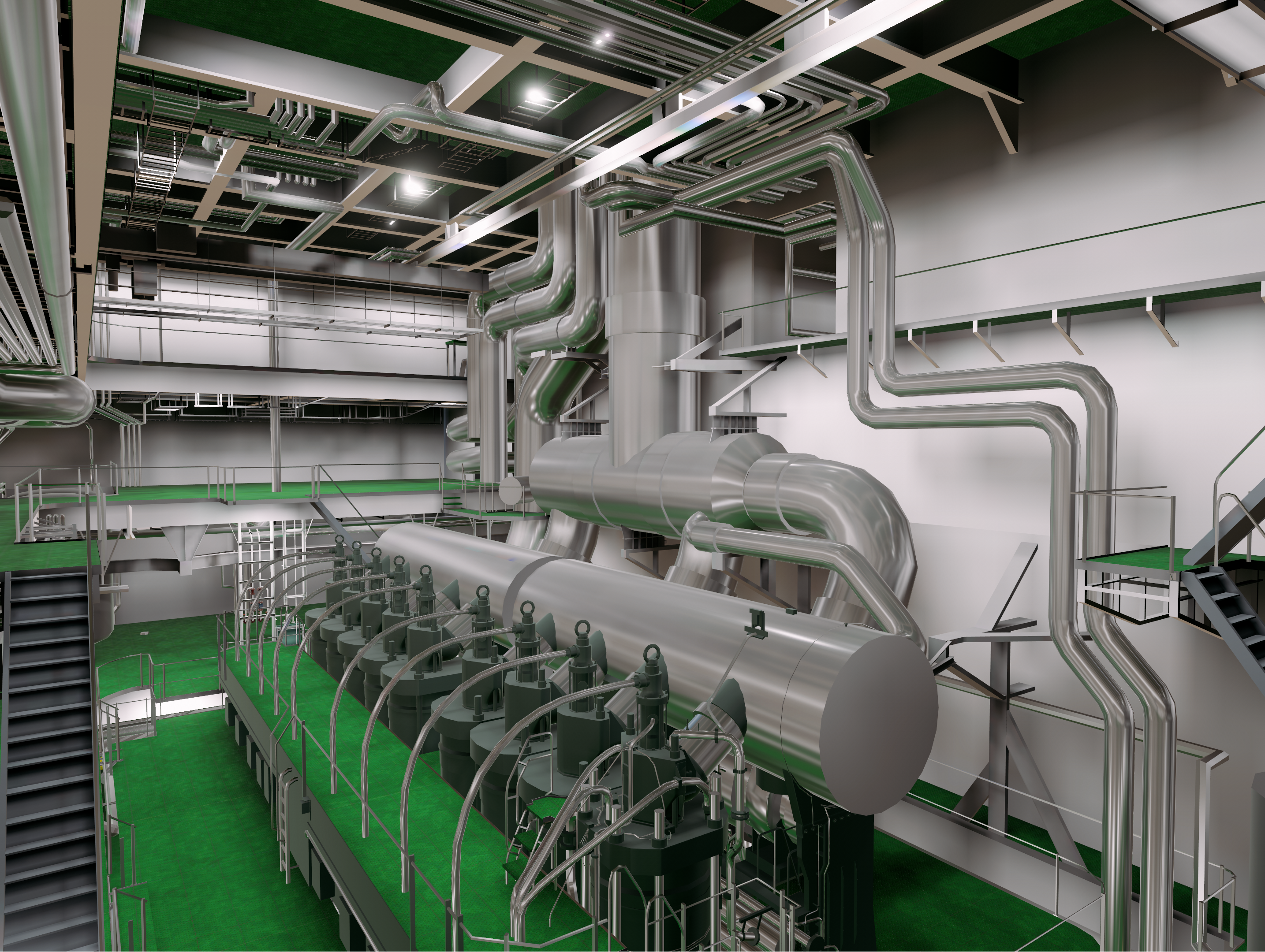
Specialized training requirements find their solution in the full mission ship simulator, designed to provide type-specific training with remarkable accuracy. These systems can be configured to match specific vessel characteristics, from handling properties to bridge equipment layout. The full mission ship simulator proves particularly valuable for emergency procedure training, allowing crews to practice responses to situations that would be too dangerous or impractical to recreate on actual vessels. This capability has significantly enhanced maritime safety by ensuring crews are thoroughly prepared for potential emergencies before they occur at sea.
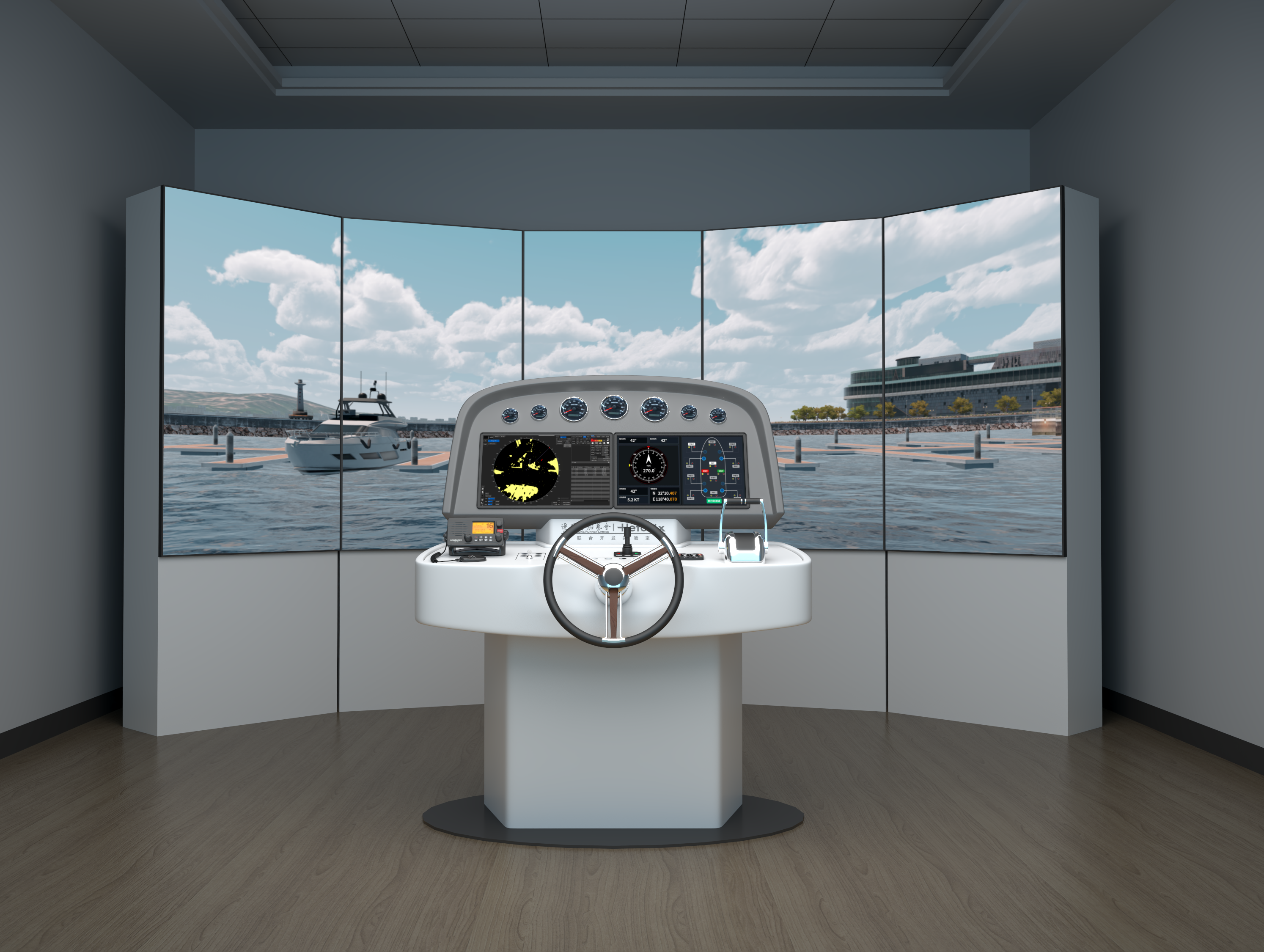
The importance of specialized small vessel training has driven innovation in boat navigation simulator technology. These systems address the unique challenges of coastal and inland waterway operations, focusing on precision maneuvering, shallow water navigation, and specialized docking procedures. The boat navigation simulator has become essential for training personnel in pilotage services, port operations, and specialized maritime sectors where precision and quick decision-making are paramount.
Technological integration represents a significant frontier in simulation development. Modern navigation simulator systems increasingly incorporate artificial intelligence and machine learning algorithms that adapt training scenarios based on individual performance. When implemented within a full mission sailing simulator environment, these intelligent systems create personalized learning pathways that maximize training efficiency. The adaptive nature of these systems ensures that each trainee receives focused attention on areas requiring improvement while maintaining standardized competency benchmarks across all trainees.
Regulatory validation of simulation-based training has grown substantially in recent years. Maritime authorities globally now recognize training completed on certified full mission ship simulator systems as meeting specific competency requirements. This regulatory acceptance has standardized training quality across international boundaries and has established simulation-based training as a core component of maritime certification frameworks. The industry-wide recognition of these training methodologies represents a significant validation of simulation technology's effectiveness in developing competent maritime professionals.
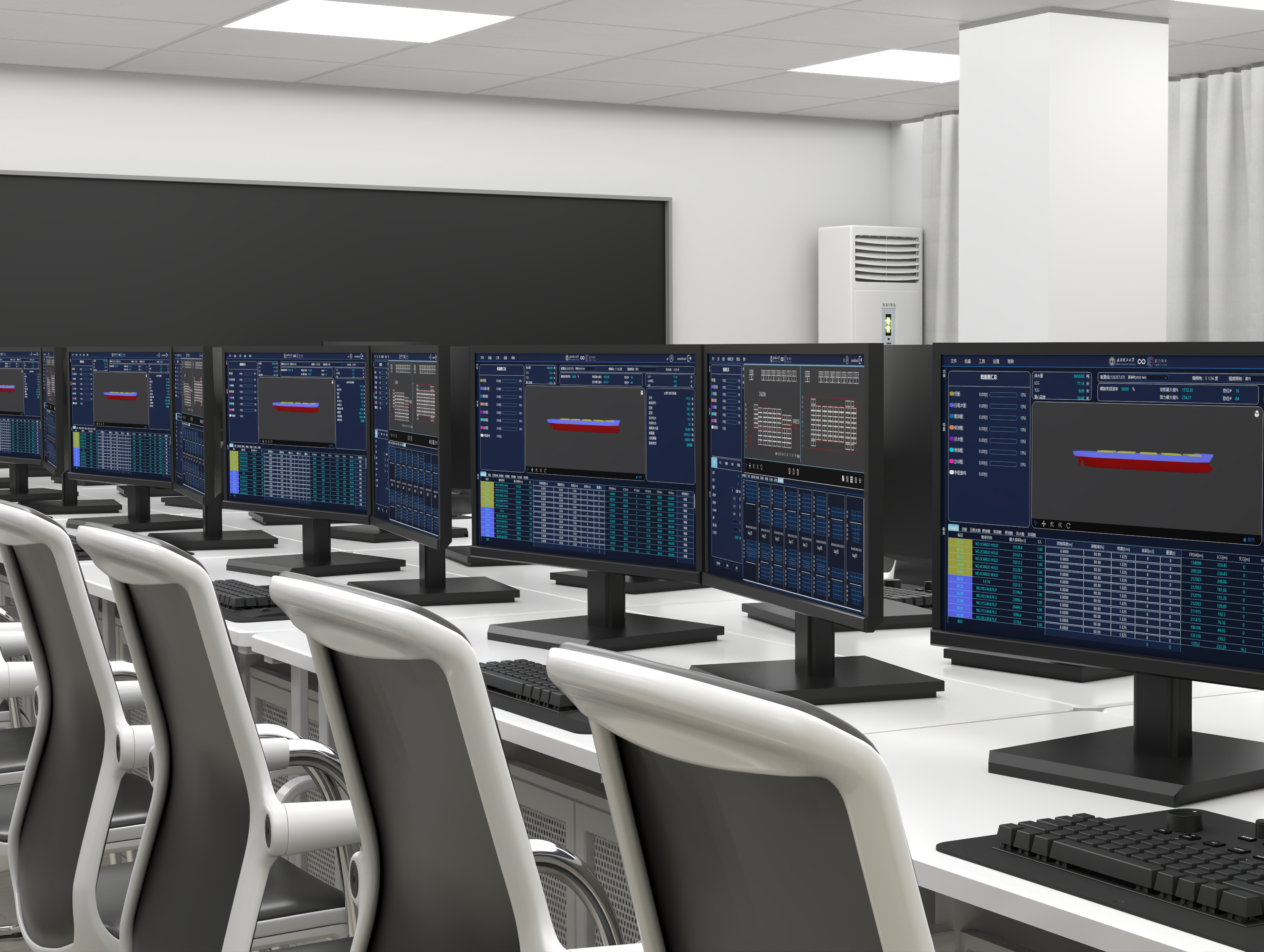
The economic advantages of simulation-based training extend across multiple dimensions. While establishing a comprehensive ship navigation simulator facility represents a significant initial investment, the long-term benefits include reduced operational costs, minimized training-related risks, and optimized vessel utilization. The ability to conduct intensive training ashore allows shipping companies to maintain operational schedules while ensuring crew proficiency levels remain consistently high. Furthermore, the environmental benefits of reduced sea time for training purposes align with the maritime industry's growing commitment to sustainable operations.
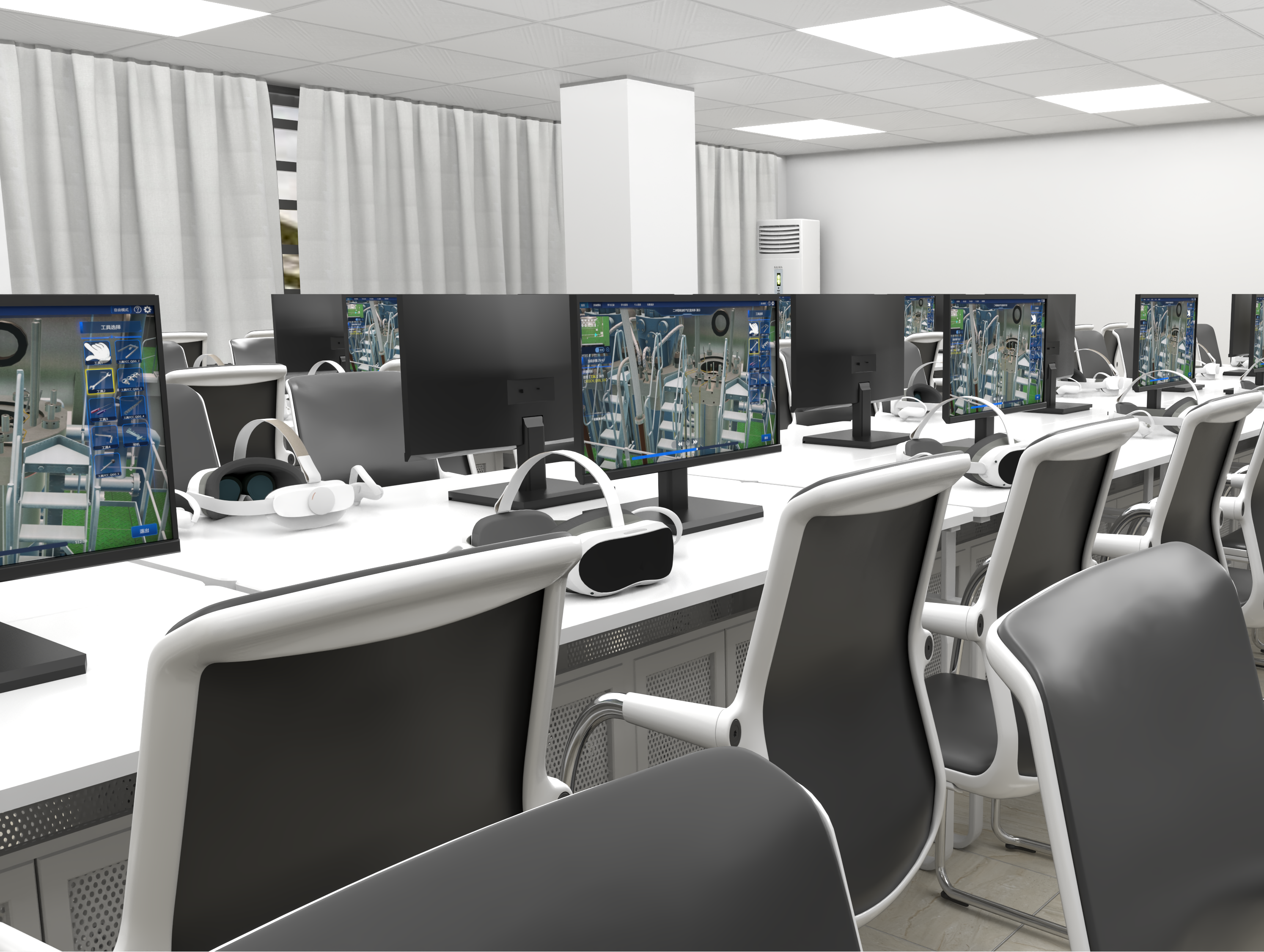
Future developments in simulation technology point toward increasingly integrated and accessible training solutions. The convergence of virtual reality with traditional boat navigation simulator platforms is creating more immersive training experiences, while cloud-based simulation networks enable collaborative training across geographical boundaries. The development of digital twin technology—creating virtual replicas of specific vessels and port facilities—promises to deliver training scenarios of unprecedented accuracy and relevance.
Human factors training has become an essential component of modern simulation systems. Contemporary full mission sailing simulator platforms incorporate modules focused on crew resource management, communication effectiveness, and decision-making under pressure. By addressing these critical human elements alongside technical skills, simulation training prepares mariners for the comprehensive challenges of shipboard operations, where human performance factors often determine operational success.
Cybersecurity preparedness represents an emerging focus area in maritime simulation training. Modern navigation simulator systems increasingly include training modules that address cyber threat recognition, system vulnerability assessment, and emergency response protocols for cyber incidents. This forward-looking training approach ensures that maritime professionals are prepared for both traditional operational challenges and emerging digital threats in an increasingly connected maritime environment.
Global standardization efforts continue to advance the quality and consistency of simulation-based training. International organizations are working to establish uniform certification standards for full mission ship simulator systems, ensuring consistent training quality regardless of geographical location. This standardization supports the global nature of maritime operations by ensuring that all seafarers receive training that meets internationally recognized competency standards.
Environmental considerations are increasingly integrated into simulation training programs. Today's boat navigation simulator systems often include modules focused on eco-friendly navigation practices, fuel optimization techniques, and compliance with evolving environmental regulations. These training components help prepare mariners for the industry's growing emphasis on environmental stewardship and regulatory compliance.
The psychological dimensions of maritime operations receive increasing attention in advanced simulation training. Modern full mission sailing simulator systems incorporate scenarios that address stress management, crisis response, and team dynamics under challenging conditions. By simulating high-pressure situations in controlled environments, these systems help mariners develop the psychological resilience needed to perform effectively during actual emergencies or demanding operational conditions.
In evaluating the comprehensive impact of simulation technology on maritime training, several significant benefits emerge. The navigation simulator provides unparalleled opportunities for skill development and competency assessment. The full mission sailing simulator offers complete training ecosystems that prepare mariners for comprehensive operational responsibilities. Specialized systems like the full mission ship simulator address specific training needs with precision and relevance. Meanwhile, the focused training provided by boat navigation simulator systems ensures that all maritime professionals, regardless of their operational focus, receive training tailored to their specific requirements.
The continued advancement of simulation technology promises to further enhance maritime training effectiveness. As systems become more sophisticated, accessible, and integrated with emerging technologies, their role in developing competent maritime professionals will only increase. The maritime industry's commitment to safety, efficiency, and environmental responsibility finds powerful expression in these advanced training systems, which prepare seafarers not just for today's challenges, but for tomorrow's opportunities as well.
The transformative impact of advanced navigation simulators extends beyond individual skill development to influence broader industry standards and practices. By providing consistent, measurable, and comprehensive training experiences, these systems contribute to elevating safety standards across the global maritime industry. As technology continues to evolve and training methodologies advance, simulation-based training will remain essential to developing the competent, confident maritime professionals who navigate our world's waters with skill and responsibility.