

Optimizing Port Traffic Efficiency and Safety Through Integrated VTS Simulation and Maritime Training Systems
Global ports are under unprecedented pressure as maritime trade volumes continue to rise and vessel sizes increase. Congested waterways, tighter environmental regulations, and higher safety expectations demand a new approach to port traffic management. In this context, advanced simulation-based training has emerged as a strategic solution. At the heart of this transformation is VTS Simulation, which enables port authorities and training institutions to optimize traffic efficiency while maintaining the highest safety standards.
A comprehensive VTS Simulation system allows operators to monitor, analyze, and manage vessel movements within complex port environments. By simulating real-time vessel traffic, weather conditions, and emergency scenarios, VTS Simulation provides a realistic platform for training and evaluation. Operators learn how to prioritize traffic, manage congestion, and respond effectively to incidents such as vessel breakdowns or navigational errors. This level of preparedness is difficult to achieve through live operations alone.
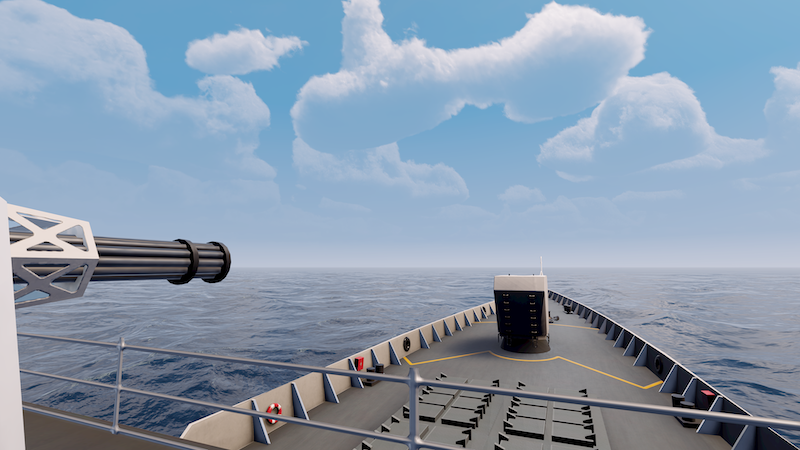
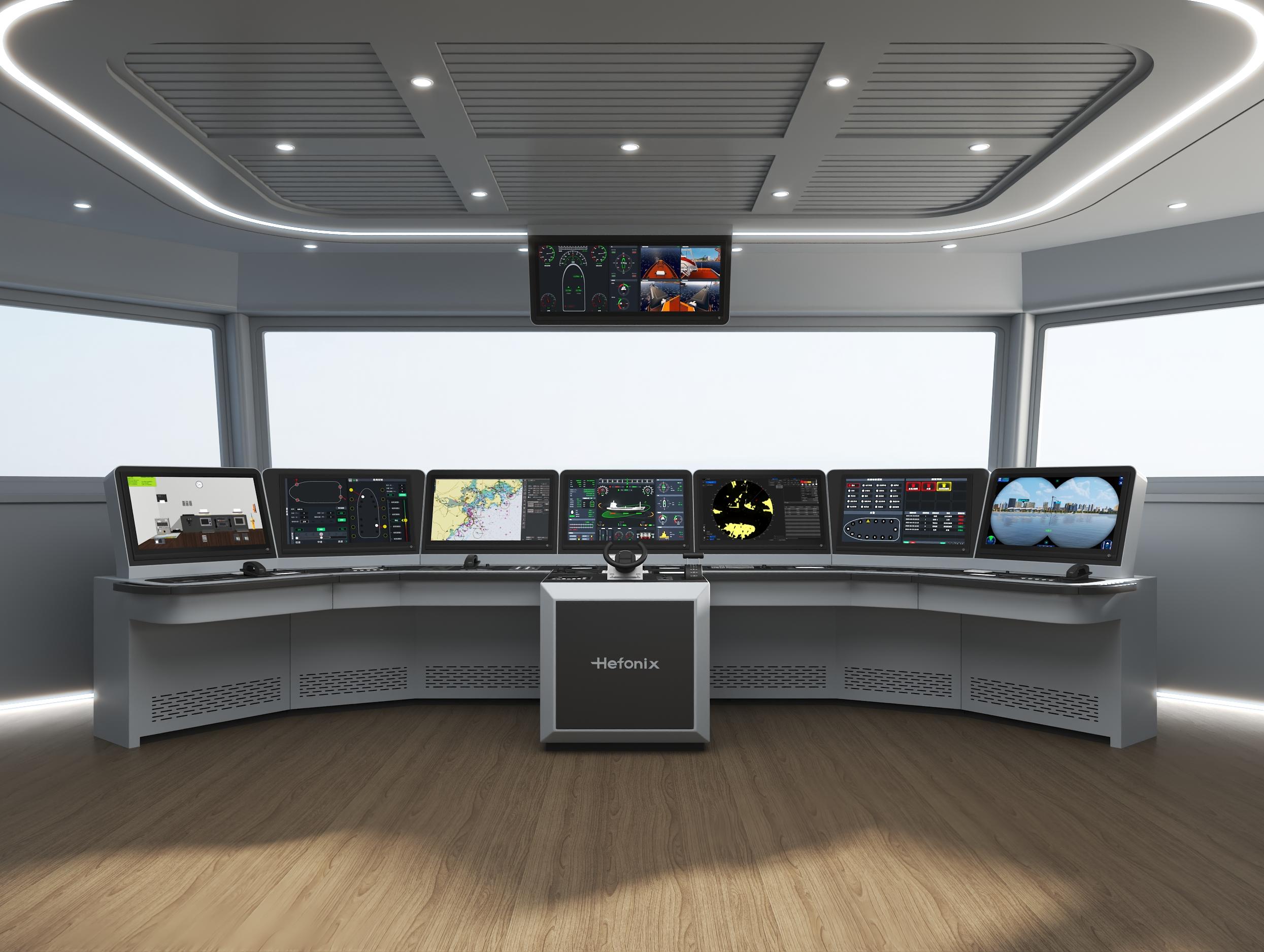
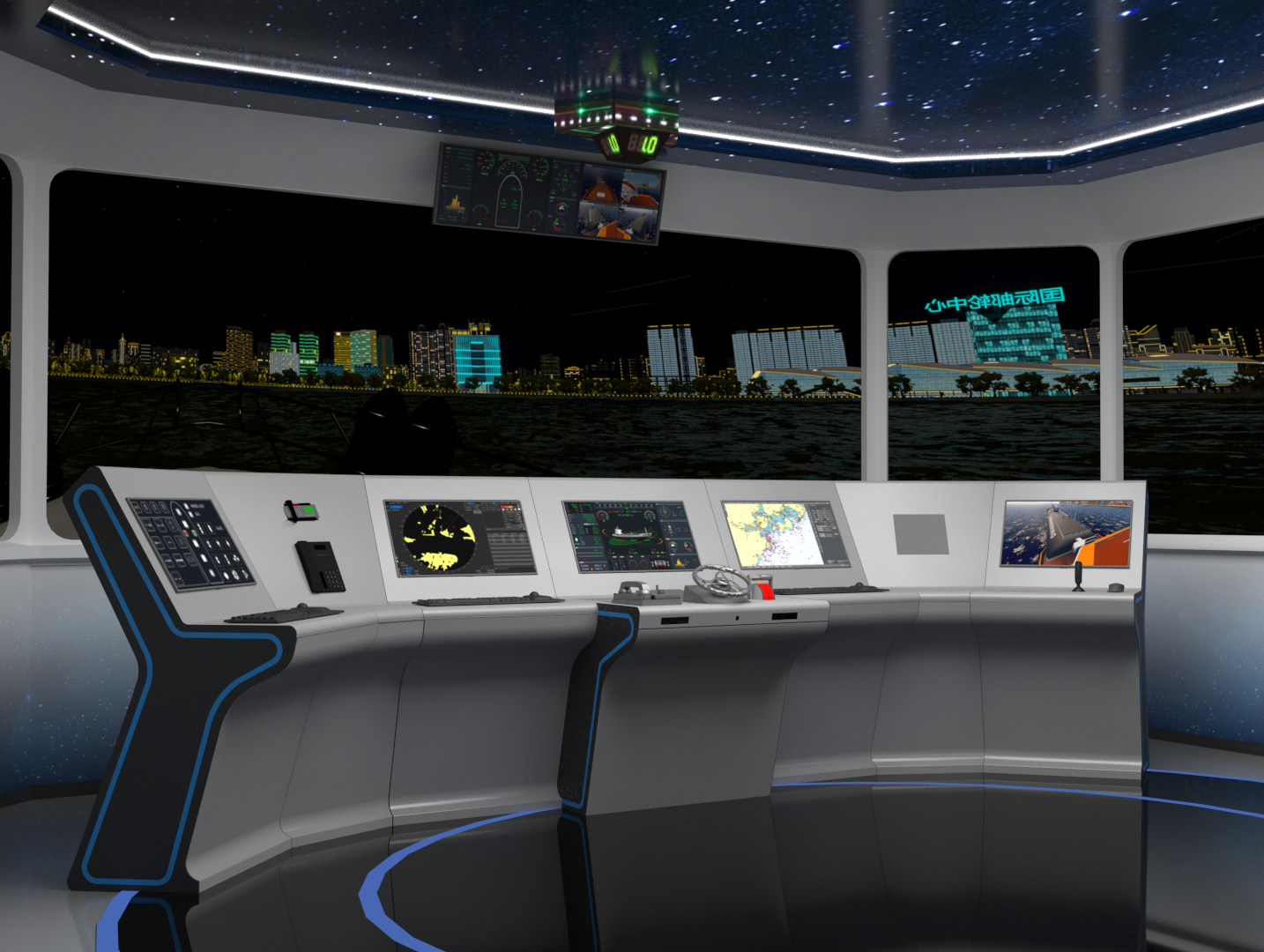
To fully understand traffic behavior, VTS Simulation must be complemented by onboard operational training. A high-fidelity Navigation Simulator enables vessel operators to experience port approaches, pilotage procedures, and restricted-water navigation from the ship’s perspective. When Navigation Simulator training is synchronized with VTS Simulation exercises, both ship and shore personnel develop a shared operational mindset. This integrated approach significantly reduces communication errors and improves decision-making under pressure.
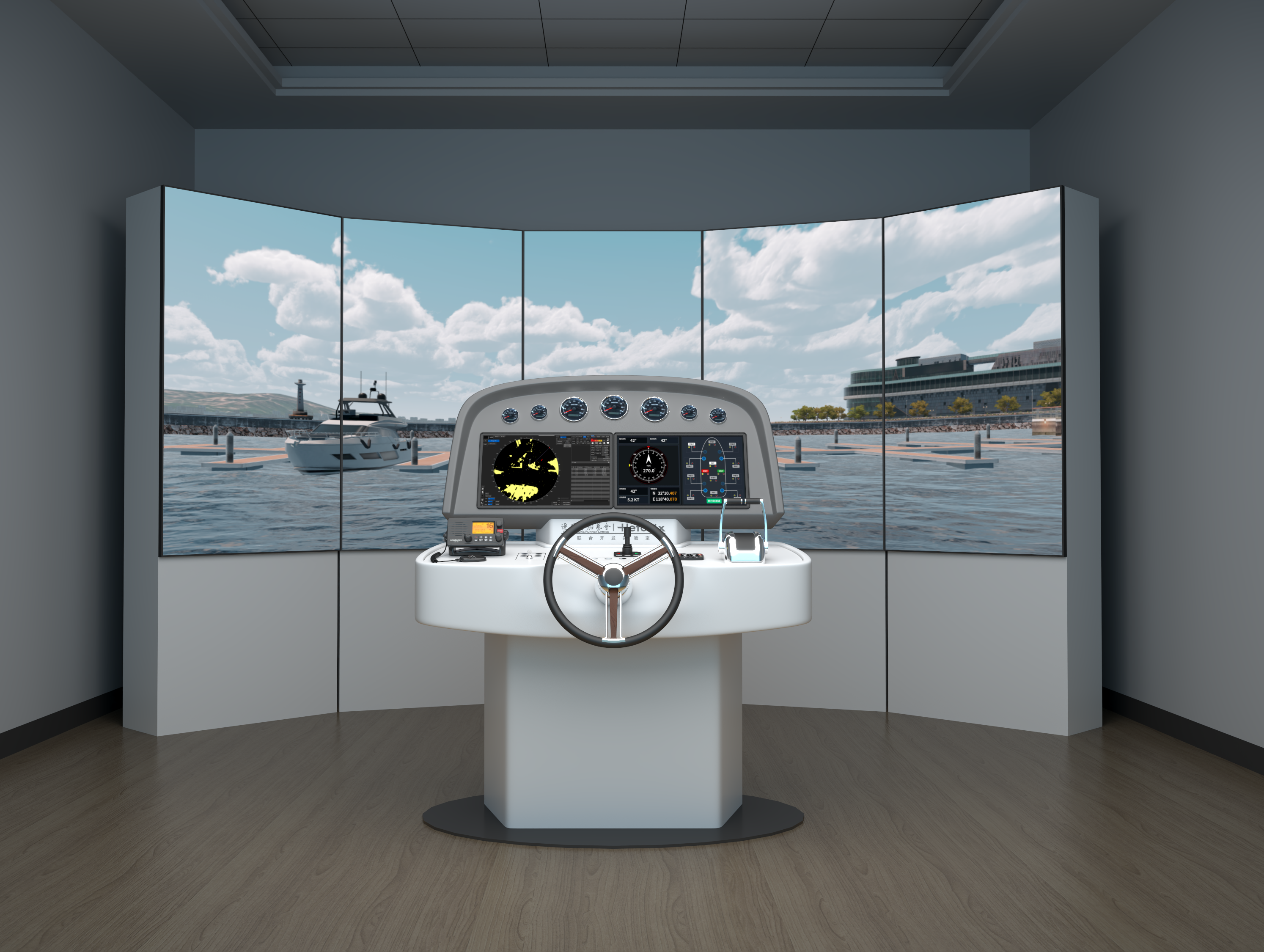
High-speed craft operating within or near port areas present additional challenges. Pilot boats, patrol vessels, and emergency response craft must maneuver rapidly in confined spaces. A professional Speed Boat Simulator prepares operators for these demanding conditions by simulating sharp turns, sudden stops, and evasive maneuvers in dense traffic. Speed Boat Simulator training enhances reaction time and spatial awareness, contributing directly to accident prevention in high-risk zones.
Fishing ports and mixed-use harbors require specialized training solutions. The Fishing Boat Simulator equips crews with the skills needed to navigate safely among commercial vessels while managing fishing equipment and variable loading conditions. Fishing Boat Simulator training reduces the risk of collisions and operational disruptions, particularly during peak fishing seasons when port congestion is at its highest.
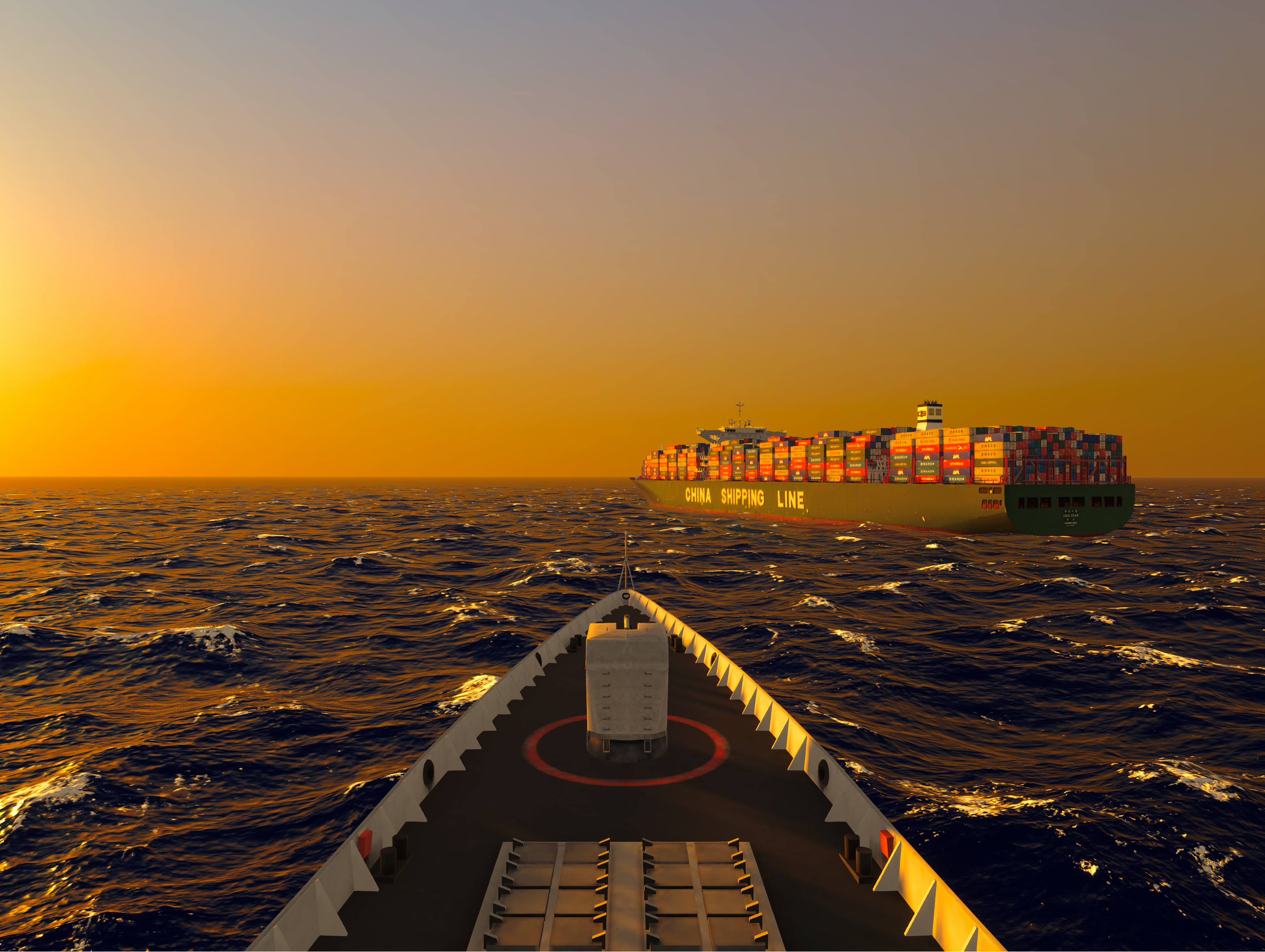
From a security and defense standpoint, ports are critical infrastructure that require robust protection and emergency preparedness. A Naval Training Simulator supports joint training exercises involving naval units, coast guards, and port authorities. Through Naval Training Simulator scenarios, participants can rehearse coordinated responses to security threats, evacuation procedures, and large-scale traffic disruptions without interrupting real port operations.
Beyond safety and security, simulation-based training delivers measurable efficiency and economic benefits. Navigation Simulator and VTS Simulation programs reduce the need for live training that disrupts port schedules. Speed Boat Simulator and Fishing Boat Simulator platforms minimize vessel downtime and maintenance costs. For government agencies, Naval Training Simulator systems support standardized evaluation, regulatory audits, and international compliance requirements.
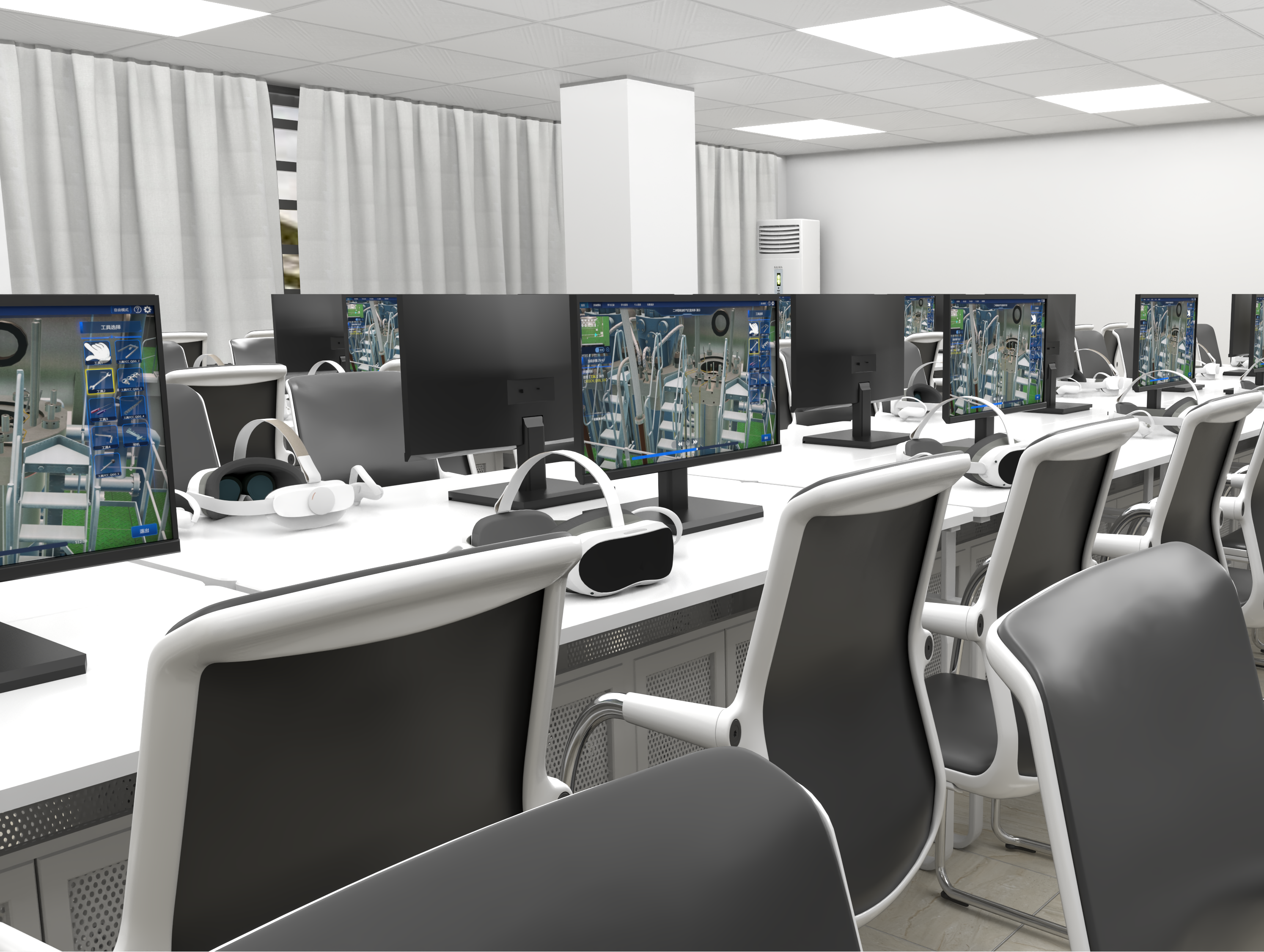
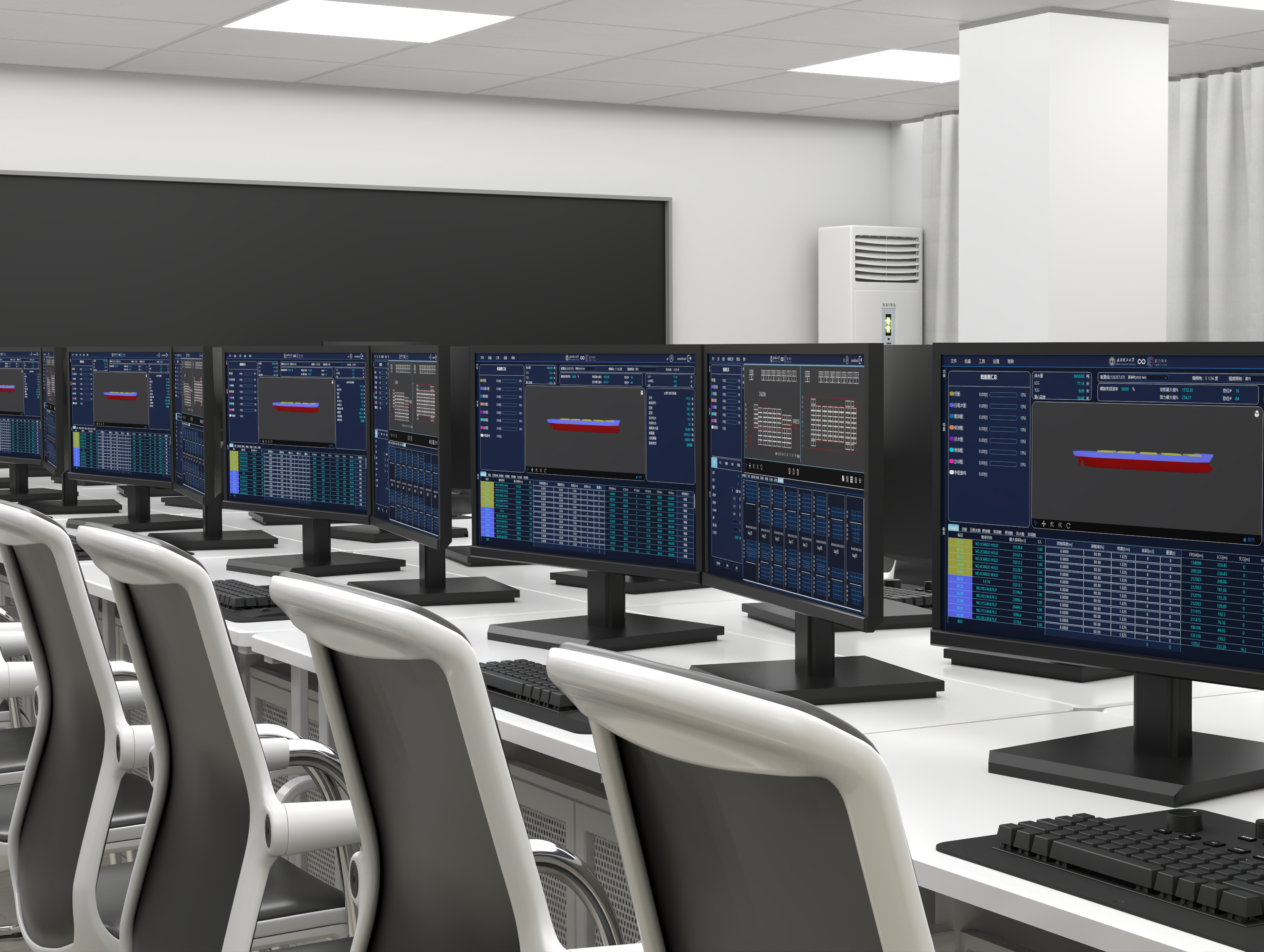
By integrating Navigation Simulator, Speed Boat Simulator, Fishing Boat Simulator, VTS Simulation, and Naval Training Simulator technologies into a unified training ecosystem, ports can achieve higher traffic efficiency, improved safety performance, and stronger regulatory compliance. As global maritime activity continues to expand, simulation-based port training will remain a cornerstone of sustainable and resilient port operations.