

Preparing Maritime Professionals for Extreme Weather Operations Through Simulation-Based Training
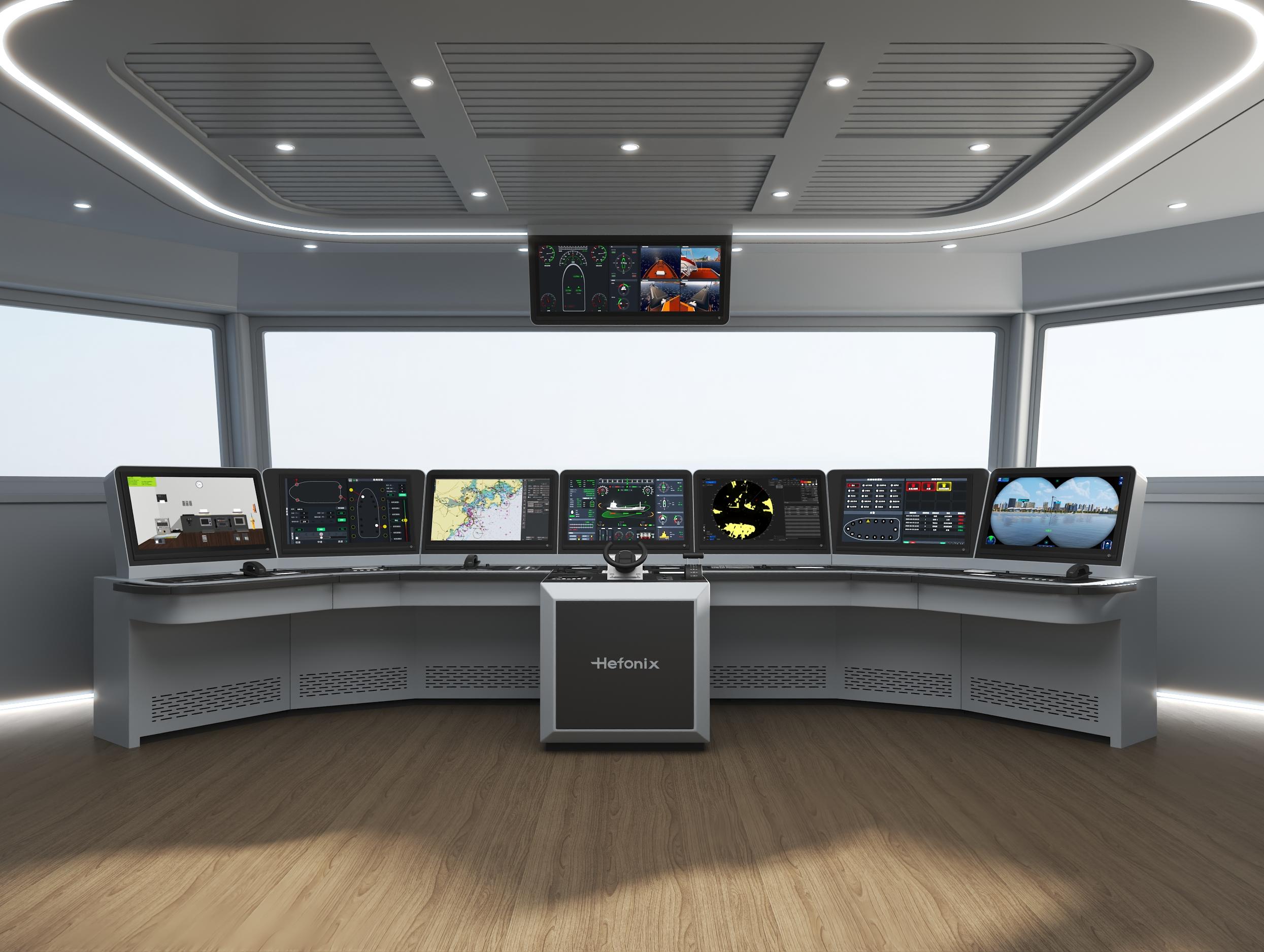
Extreme weather conditions represent one of the most persistent and unpredictable risks in maritime operations. Heavy storms, dense fog, strong currents, and sudden wind shifts place enormous pressure on both vessel systems and human decision-making. As climate variability increases and shipping routes expand into more challenging regions, maritime training organizations increasingly rely on advanced simulation technology to prepare crews for these conditions. At the core of this training transformation is the Navigation Simulator, which enables structured, repeatable, and risk-free preparation for extreme weather scenarios.
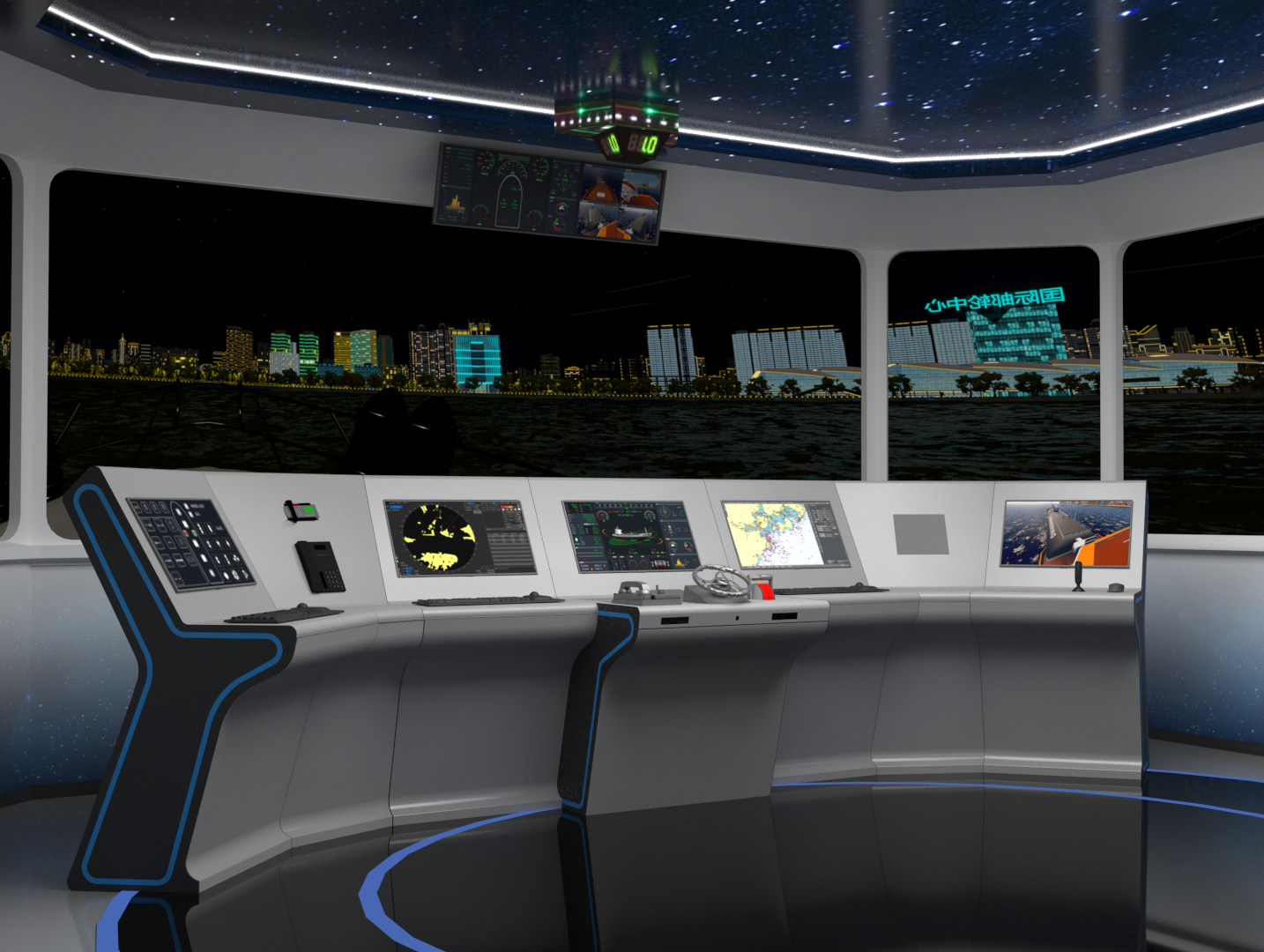
A modern Navigation Simulator can precisely recreate complex environmental conditions that are difficult or unsafe to experience during conventional sea training. By simulating storm systems, reduced visibility, wave impact, and vessel response dynamics, the Navigation Simulator allows trainees to understand how ships behave under stress. Repeated exposure to these scenarios builds cognitive resilience, enabling operators to remain calm and effective during real emergencies. Navigation Simulator training also supports scenario-based assessment, allowing instructors to evaluate decision-making quality rather than relying solely on logged sea time.
Weather-related challenges rarely affect a single vessel in isolation. In congested waterways and port approaches, adverse conditions increase the risk of collision and traffic disruption. VTS Simulation plays a critical role in preparing shore-based operators to manage vessel movements during extreme weather events. Through VTS Simulation exercises, operators practice traffic rerouting, emergency communication, and coordinated response planning. When VTS Simulation is integrated with Navigation Simulator training, both shipboard and shore-based teams develop synchronized situational awareness, significantly improving overall system safety.
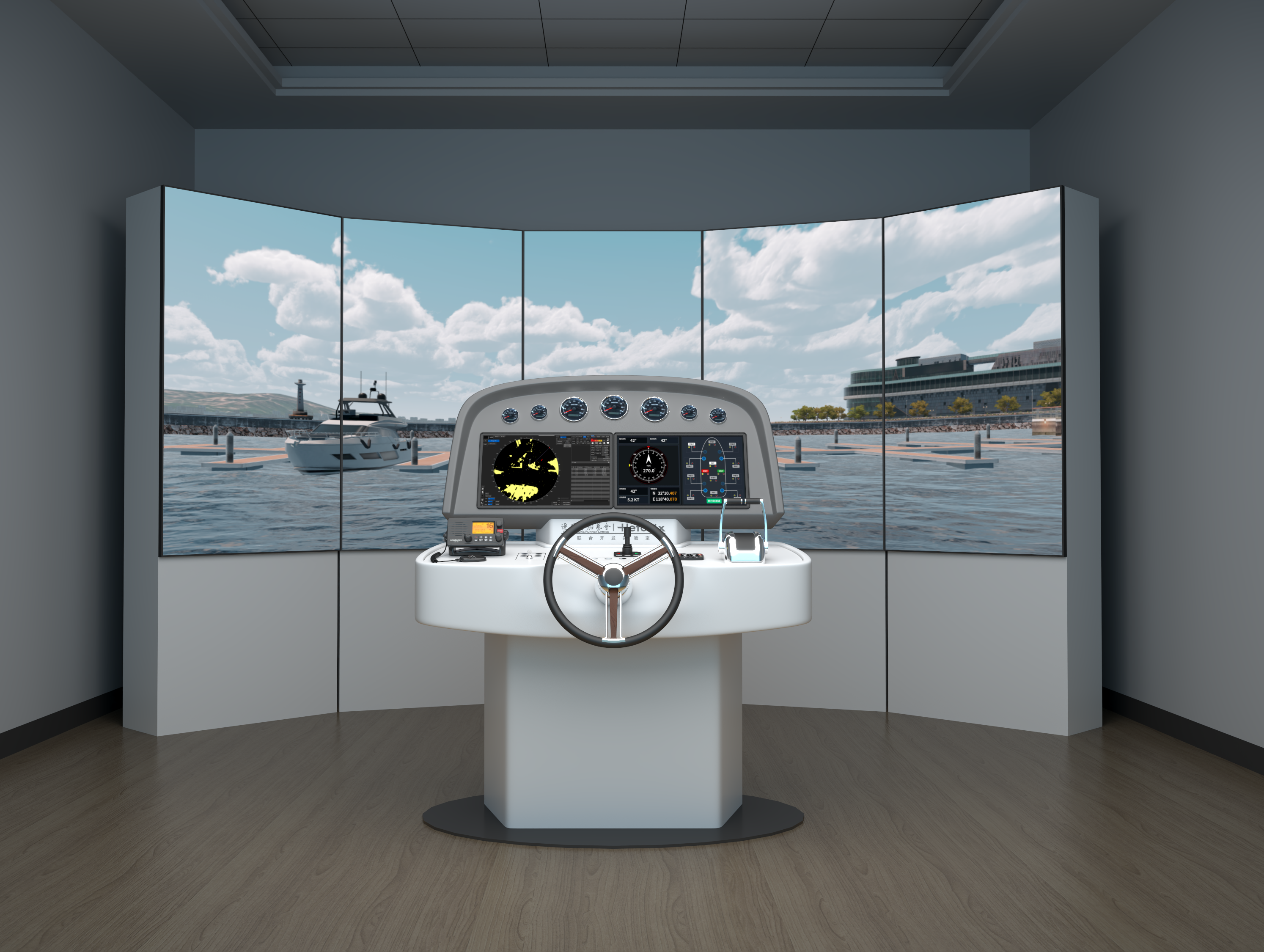
High-speed vessels are particularly vulnerable to extreme weather due to reduced reaction time and increased hydrodynamic forces. A professional Speed Boat Simulator allows crews to experience the effects of rough seas, crosswinds, and sudden visibility loss at high speed. Speed Boat Simulator training emphasizes throttle control, steering precision, and emergency maneuvering, helping operators internalize correct responses before facing real-world conditions. This type of training is essential for coast guard units, rescue teams, and patrol operations.
Fishing vessels often operate far from sheltered waters and are frequently exposed to sudden weather changes. The Fishing Boat Simulator prepares crews for these realities by replicating heavy wave interaction, vessel loading shifts, and equipment stress under severe conditions. Fishing Boat Simulator training enables crews to practice risk mitigation strategies, such as route adjustment, speed management, and emergency procedures, without endangering personnel or assets. This approach not only improves safety but also supports long-term operational sustainability in the fishing industry.
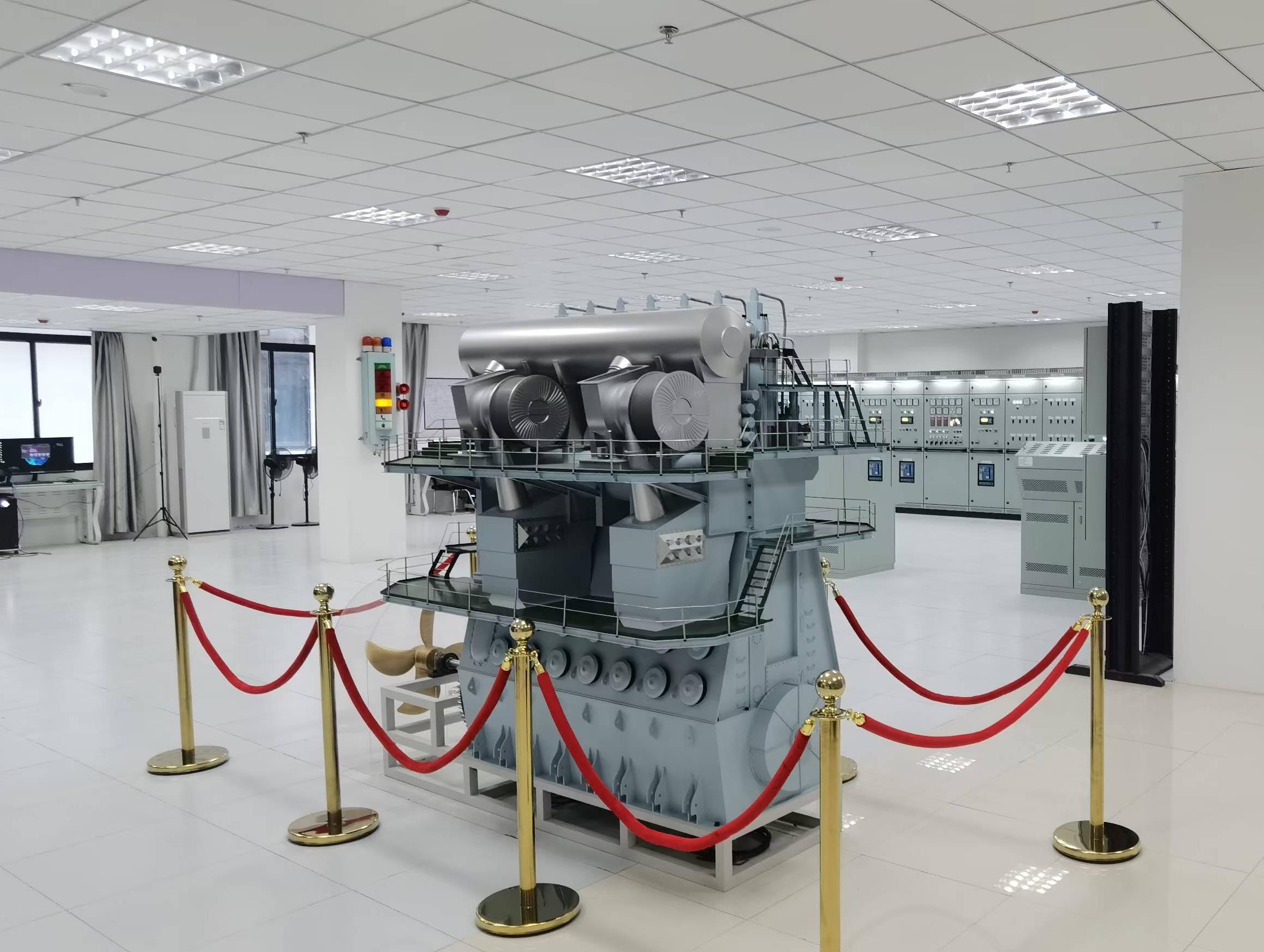
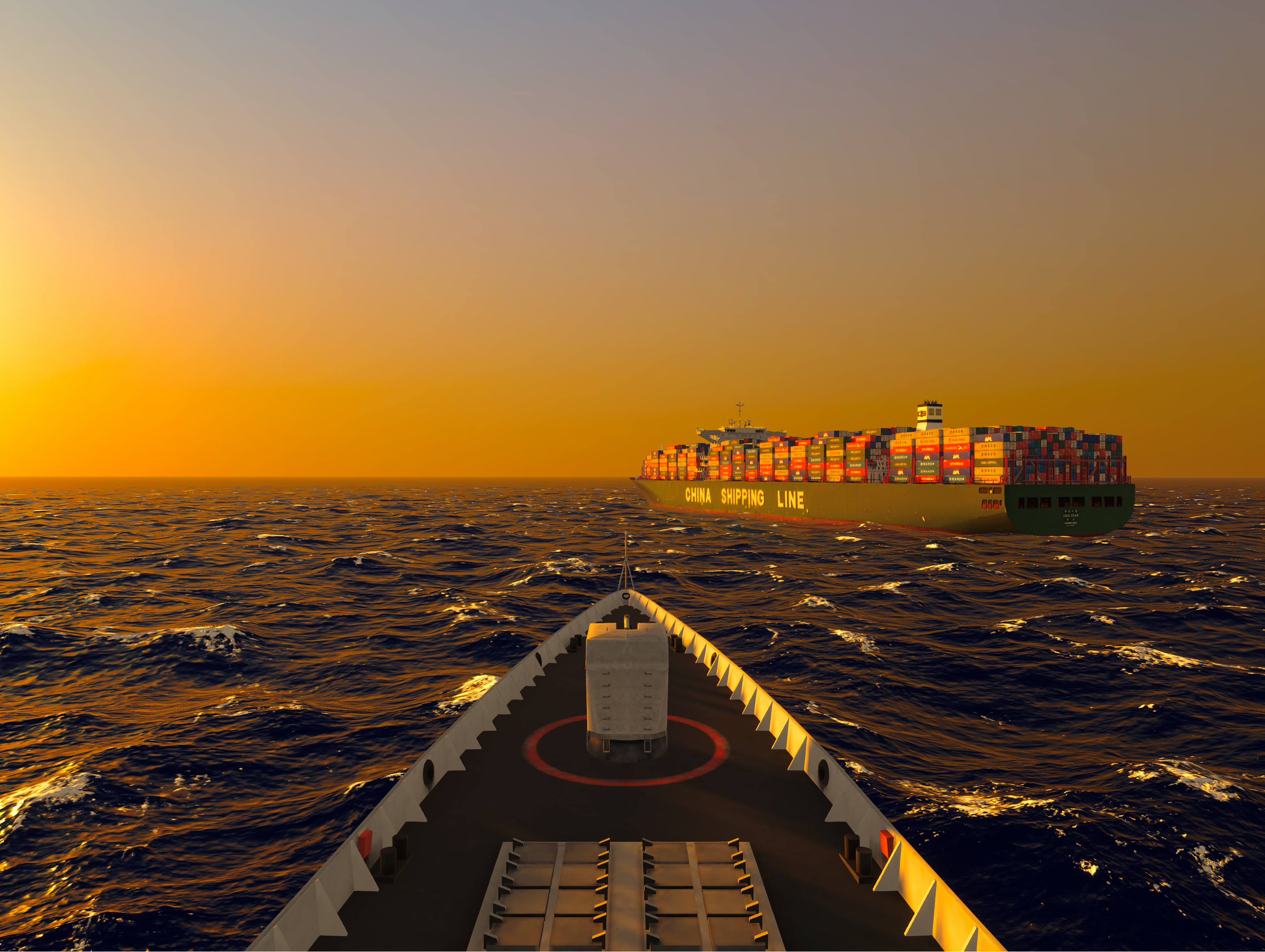
For military and law-enforcement organizations, readiness under extreme weather conditions is a strategic requirement rather than an operational option. A Naval Training Simulator provides the capability to rehearse complex missions in hostile environments, including poor visibility, high sea states, and system failures. Naval Training Simulator platforms support both individual skill development and coordinated fleet operations, ensuring that units maintain effectiveness regardless of environmental challenges.
Beyond operational preparedness, simulation-based extreme weather training offers significant economic and organizational advantages. Compared with live training, Navigation Simulator and VTS Simulation programs reduce fuel consumption, equipment wear, and scheduling constraints. Speed Boat Simulator and Fishing Boat Simulator systems minimize accident-related downtime while accelerating skill acquisition. For government agencies and maritime academies, Naval Training Simulator platforms support standardized evaluation, accreditation, and audit compliance.
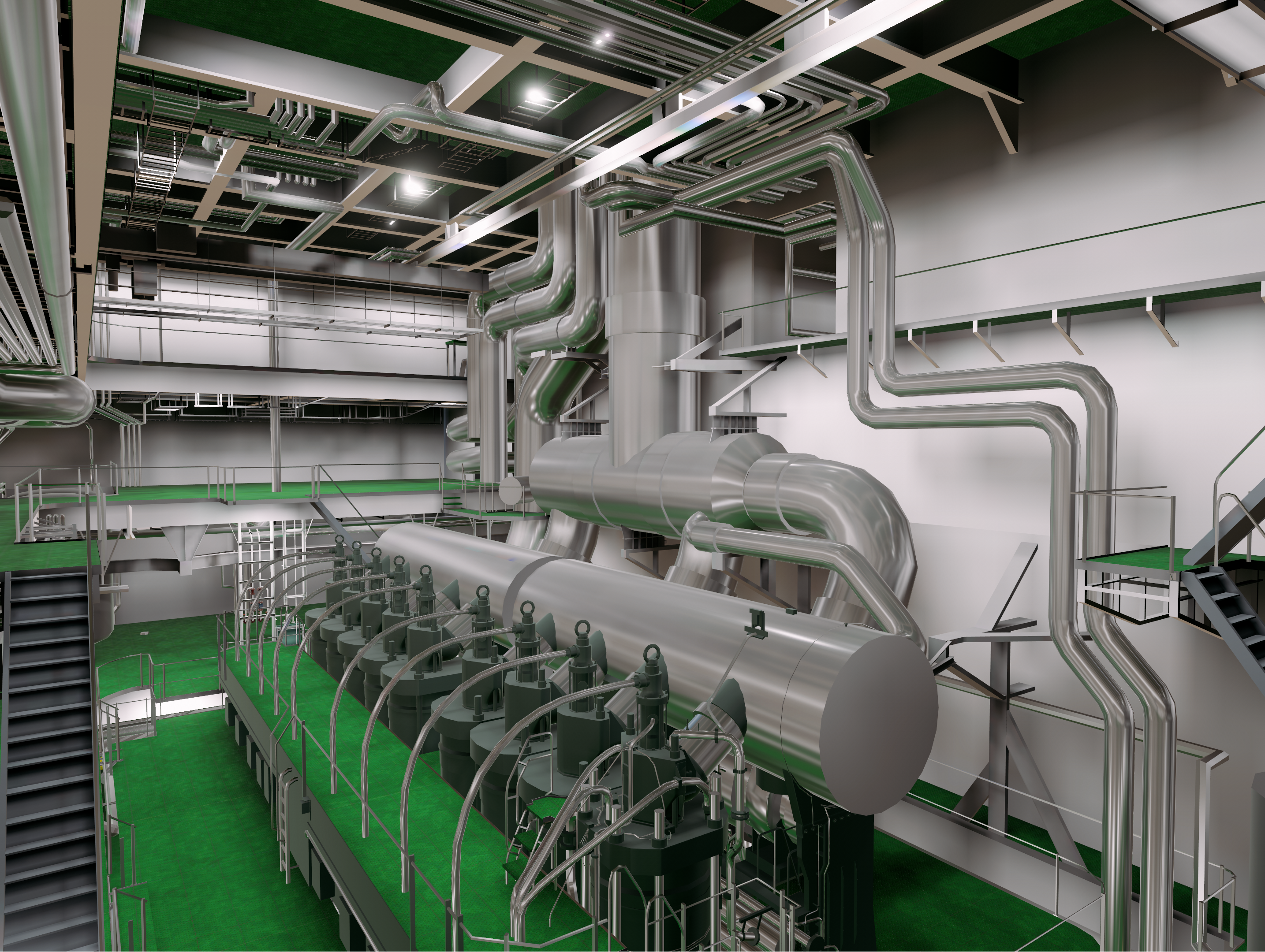
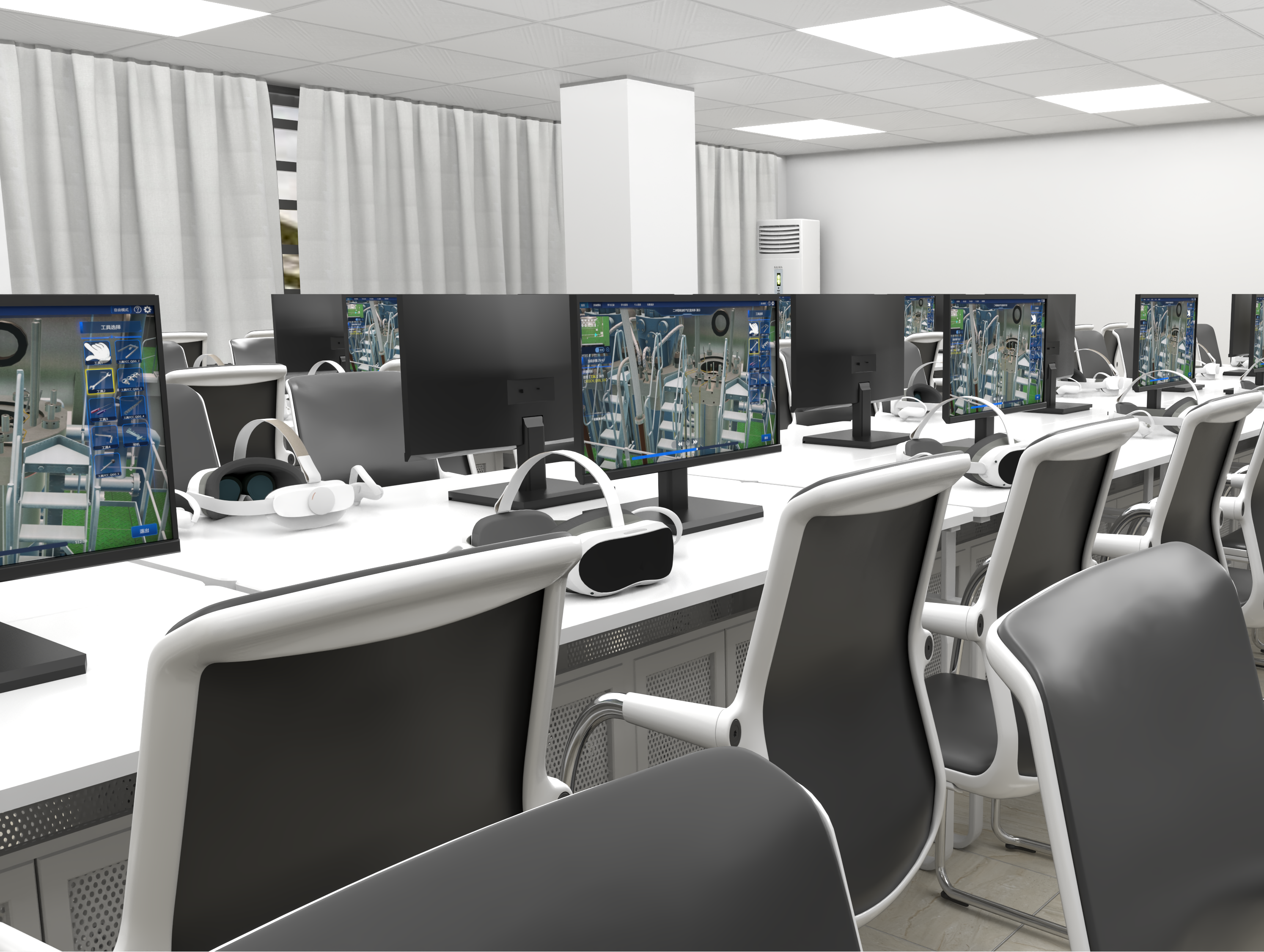
By integrating Navigation Simulator, Speed Boat Simulator, Fishing Boat Simulator, VTS Simulation, and Naval Training Simulator technologies into a unified training framework, organizations can systematically address extreme weather risk. This comprehensive approach enhances safety culture, improves regulatory compliance, and ensures that maritime professionals are prepared to operate confidently in the most demanding conditions. As environmental uncertainty continues to grow, simulation-based training will remain a cornerstone of resilient maritime operations.