


Reducing Maritime Risk and Insurance Losses Through Simulation-Based Training Systems
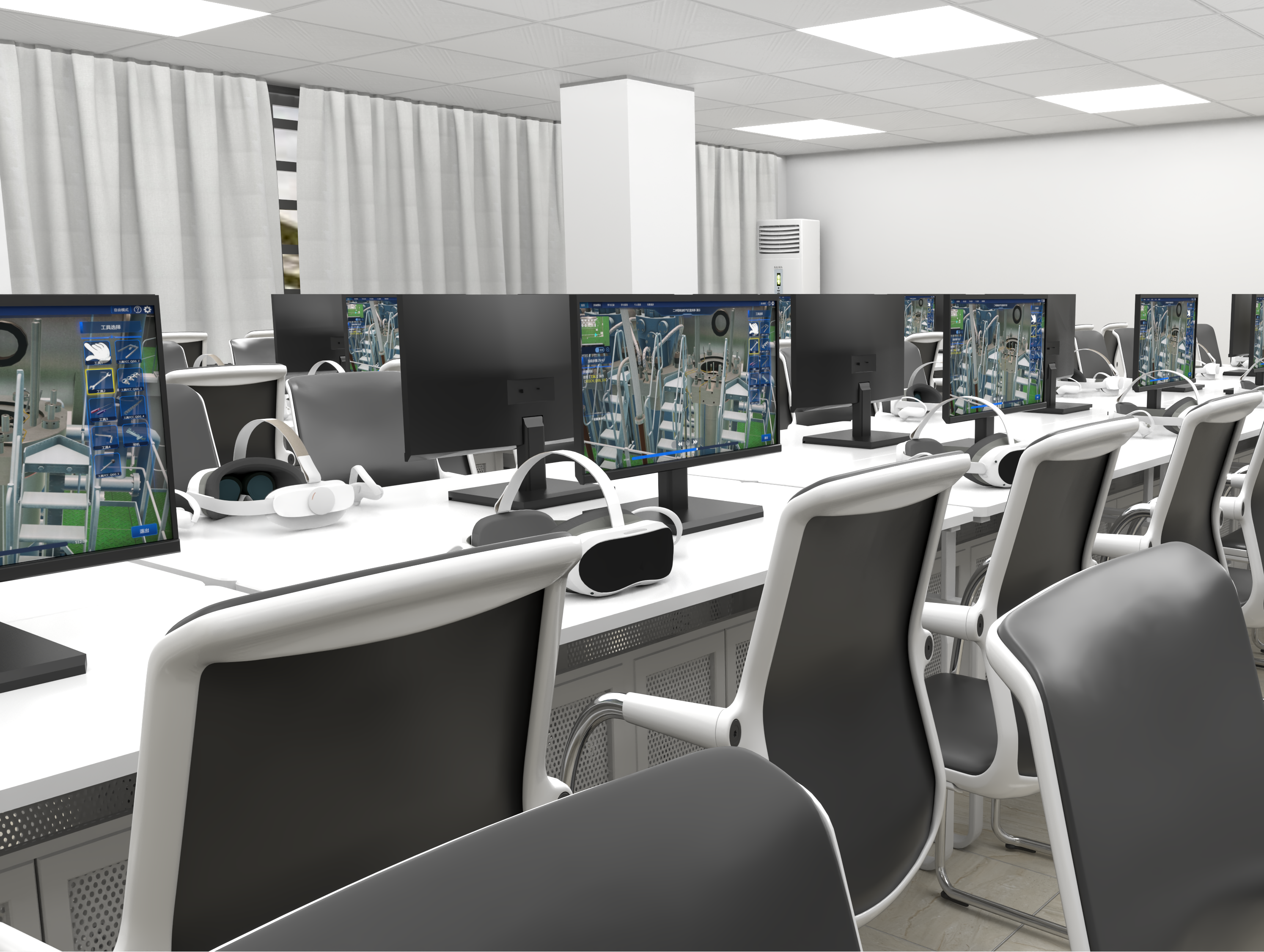
In the modern maritime industry, risk management and insurance cost control have become strategic priorities for shipowners, fleet managers, and maritime insurers. Rising claim values, stricter underwriting standards, and increasing regulatory scrutiny place significant pressure on operators to demonstrate proactive risk mitigation. Advanced simulation-based training—built on Navigation simulator, Ship Navigation simulator, Full mission sailing simulator, Full mission ship simulator, and boat navigation simulator platforms—has emerged as a powerful and measurable tool for reducing accident rates and strengthening insurance credibility.
Navigation Simulator as a Foundation for Risk Prevention
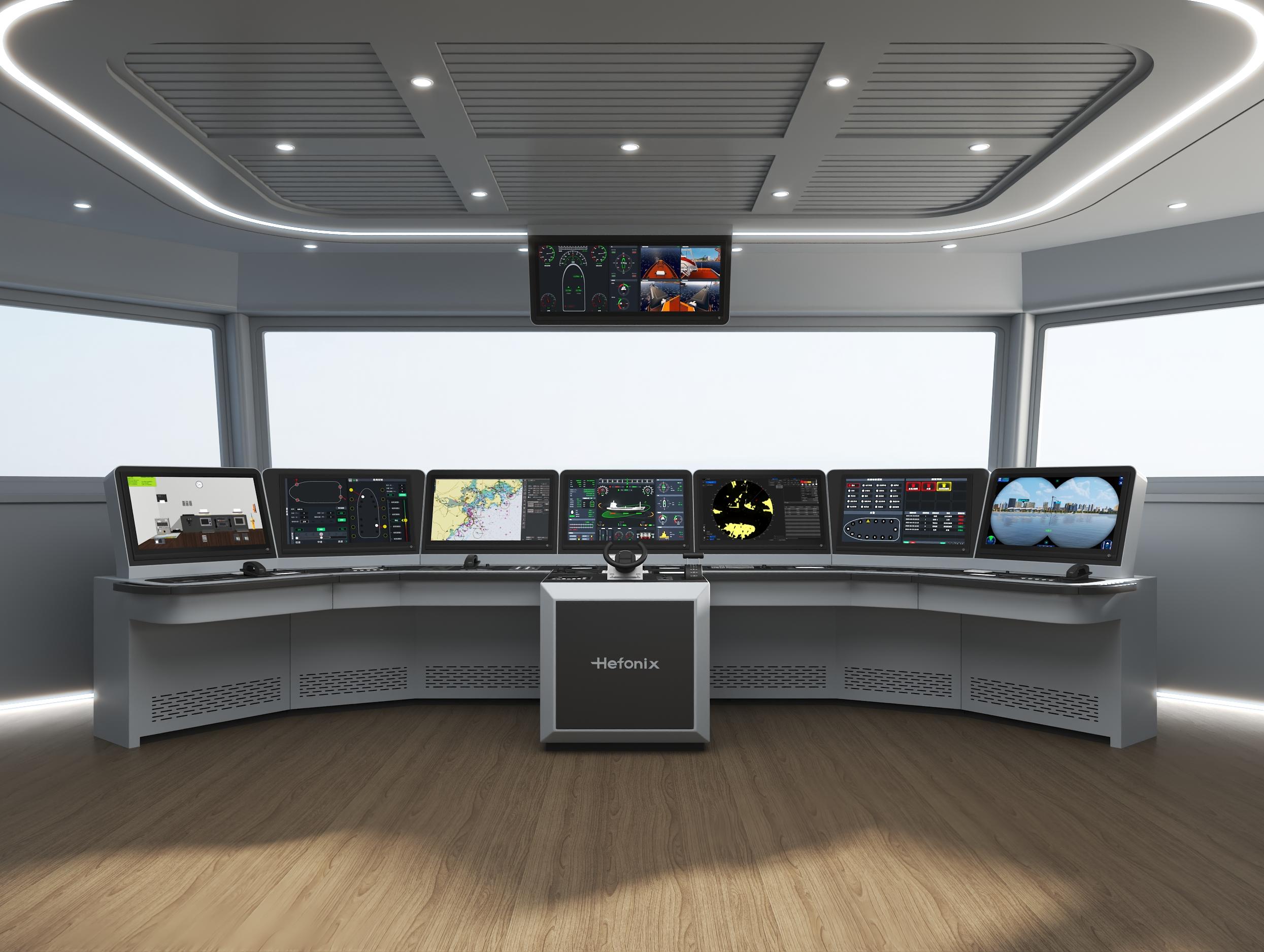
A Navigation simulator enables crews to experience high-risk navigational scenarios without exposing vessels, cargo, or personnel to danger. Groundings, collisions, near-miss situations, and restricted waterway navigation can be repeatedly practiced and analyzed. Navigation simulator training improves situational awareness, rule compliance, and decision-making accuracy, which directly addresses the primary root causes of maritime incidents identified by insurers.
For underwriters and P&I clubs, documented Navigation simulator training demonstrates that an operator actively invests in preventative risk management rather than relying solely on post-incident response.
Ship Navigation Simulator for Bridge Team Risk Control
The Ship Navigation simulator provides an environment where bridge teams can be trained and assessed as a unit. Many insurance claims stem from human error, miscommunication, or procedural deviation on the bridge. Ship Navigation simulator exercises standardize bridge resource management, collision avoidance protocols, and emergency communication procedures.
By training officers on a Ship Navigation simulator, fleet operators reduce variability in human performance, improving predictability and lowering the probability of high-severity incidents that lead to major insurance claims.
Full Mission Ship Simulator for High-Severity Incident Prevention
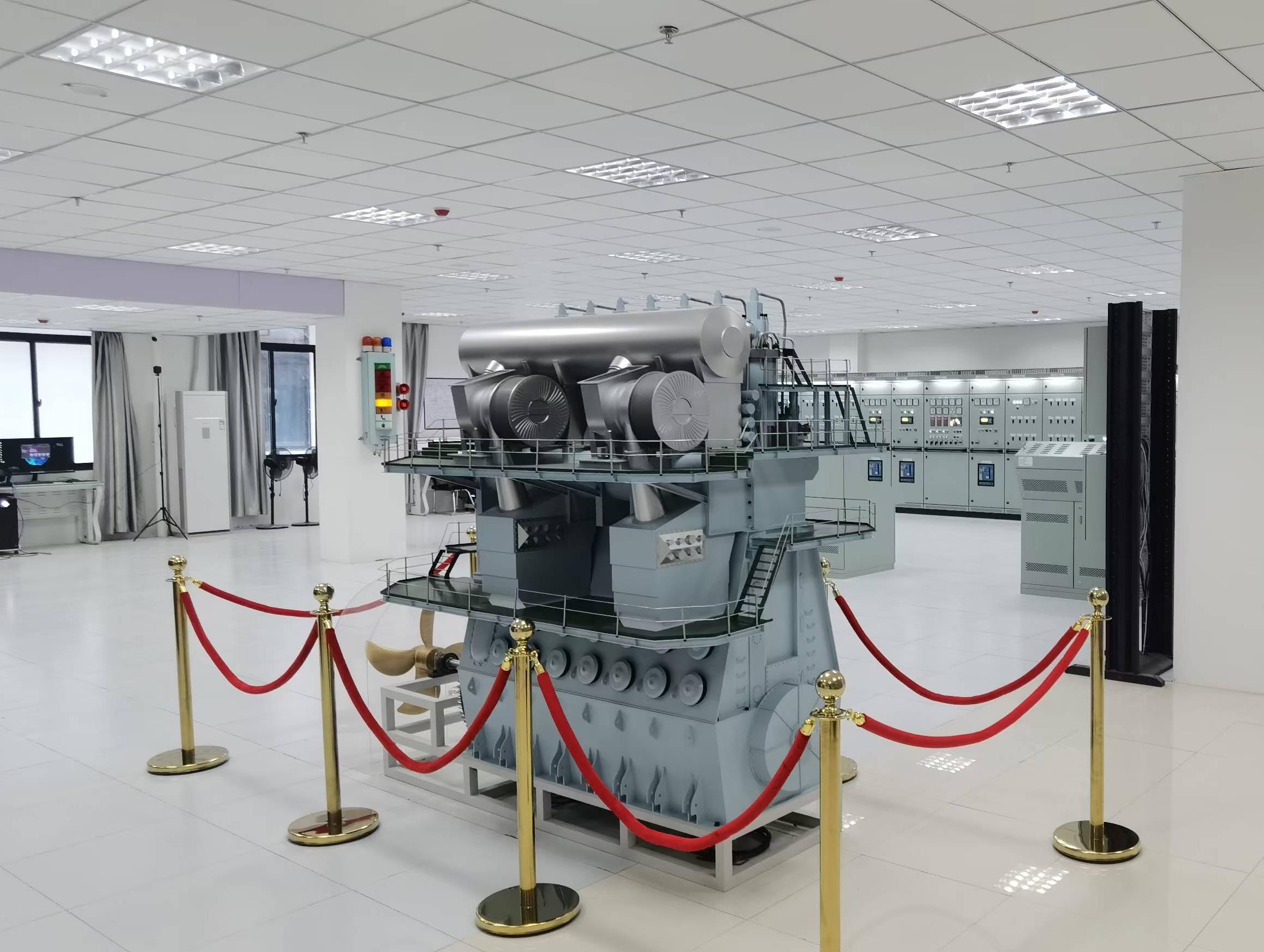
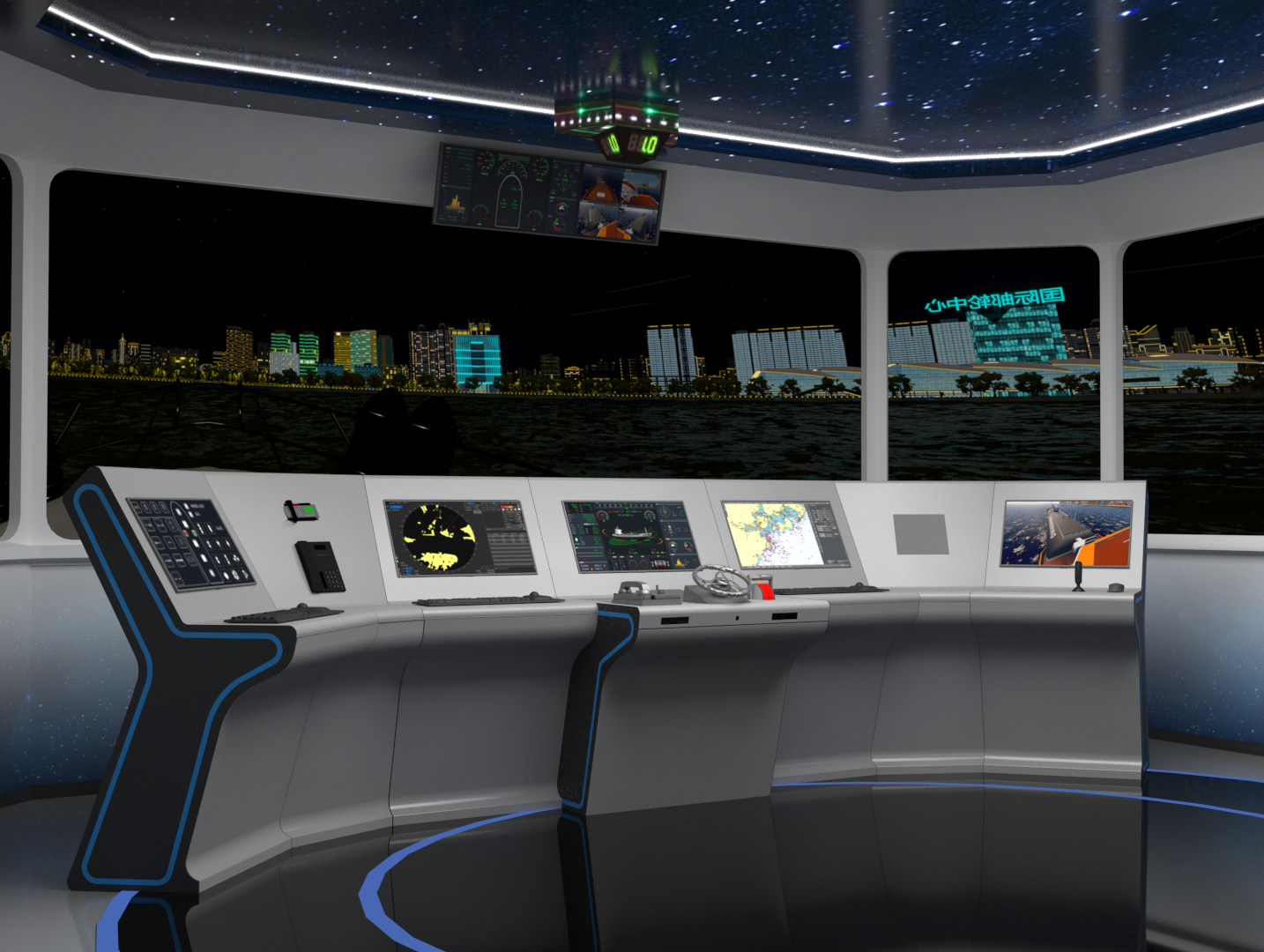
High-cost maritime incidents—such as total loss, fire, or major environmental damage—often involve complex, multi-system failures. The Full mission ship simulator enables crews to rehearse these rare but catastrophic scenarios in a fully integrated environment. Trainees practice emergency steering, propulsion failure response, fire control, and damage containment under realistic pressure.
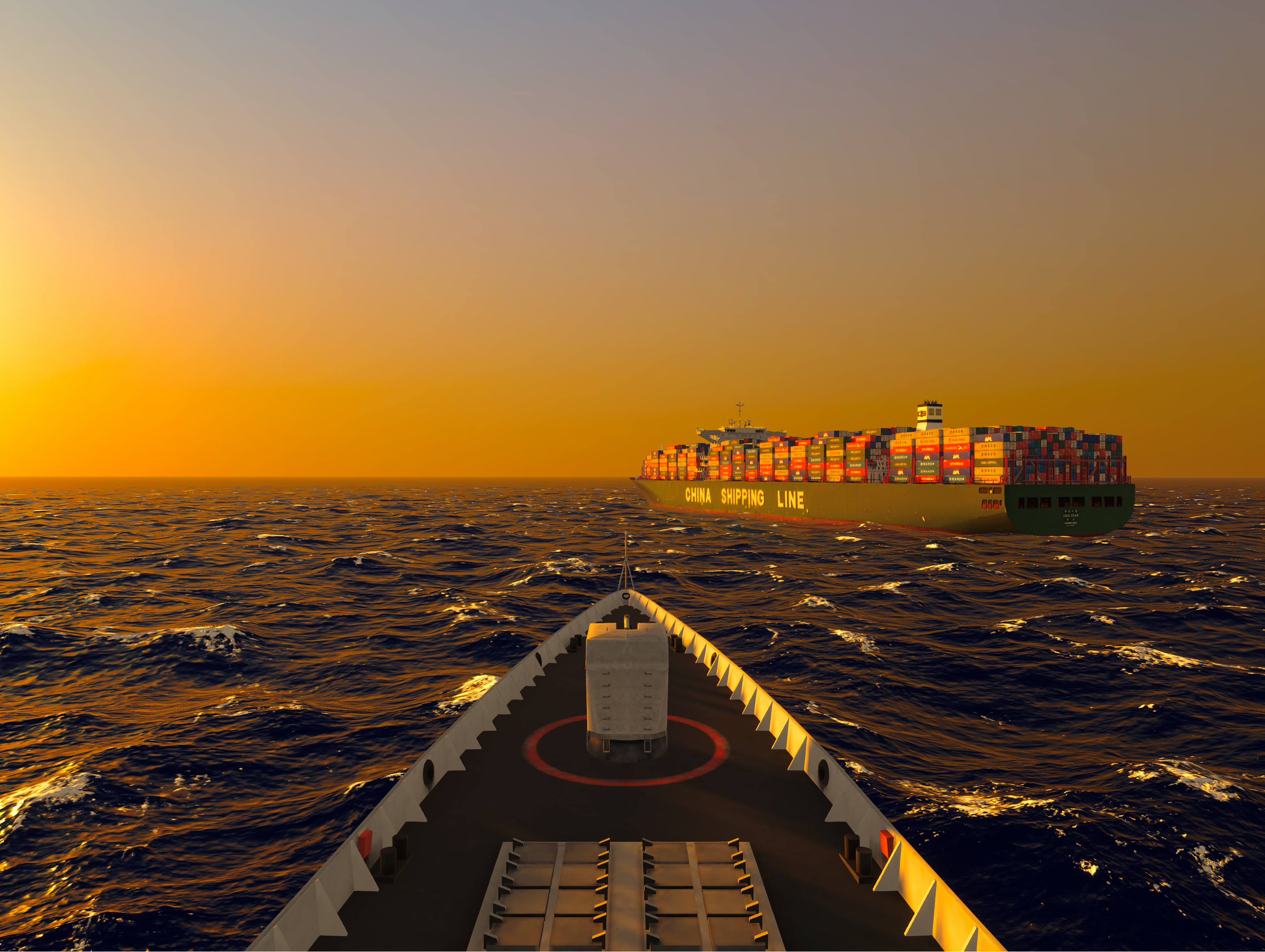
The Full mission sailing simulator further enhances this training by simulating extreme weather, dense traffic, and restricted maneuvering conditions. Full mission sailing simulator scenarios prepare crews to manage compounded risks, reducing the likelihood of escalation during real incidents.
For insurers, Full mission ship simulator training provides tangible evidence that crews are prepared to handle worst-case scenarios, supporting favorable risk assessments.
Boat Navigation Simulator and Small Craft Risk Exposure
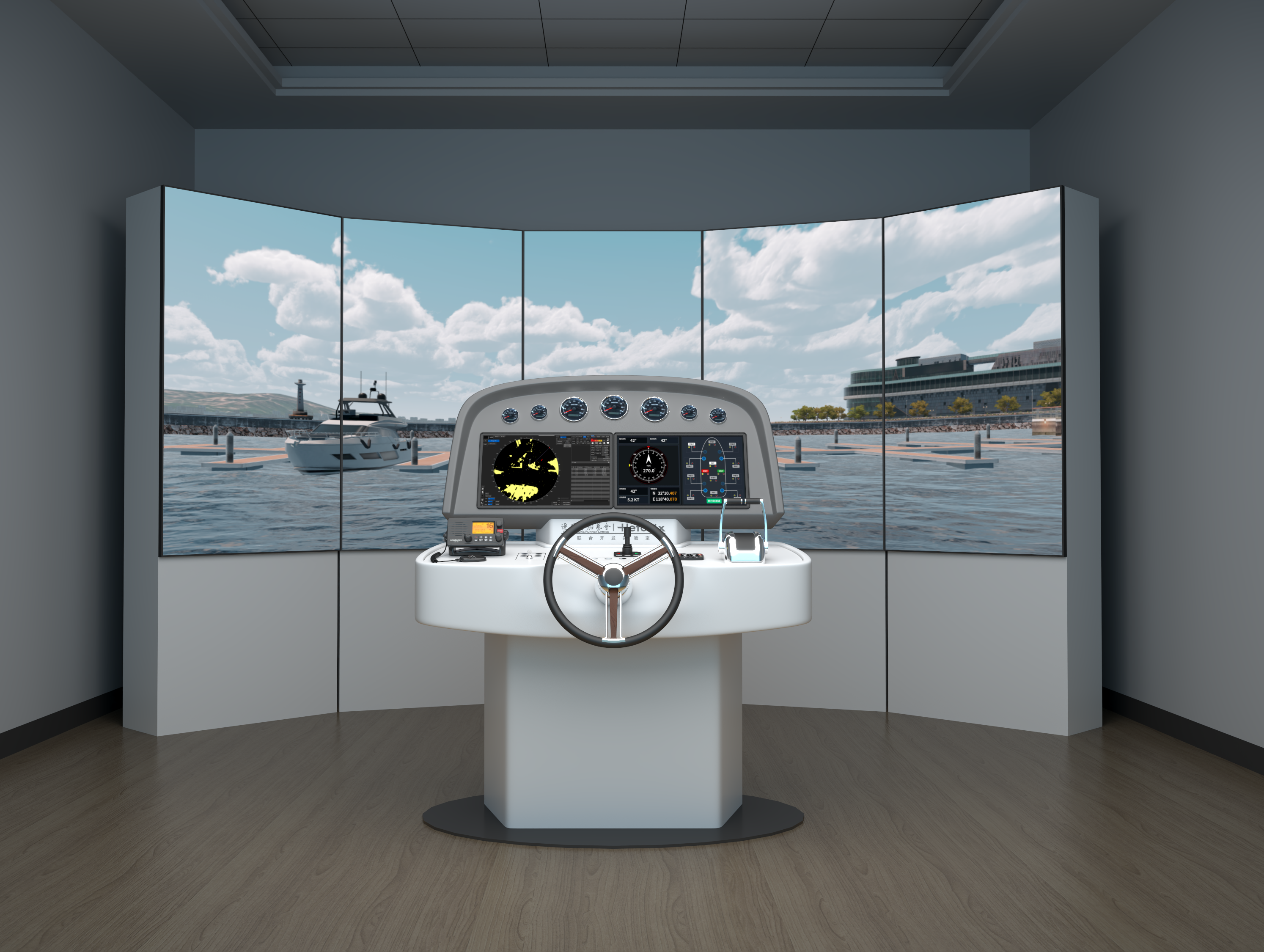
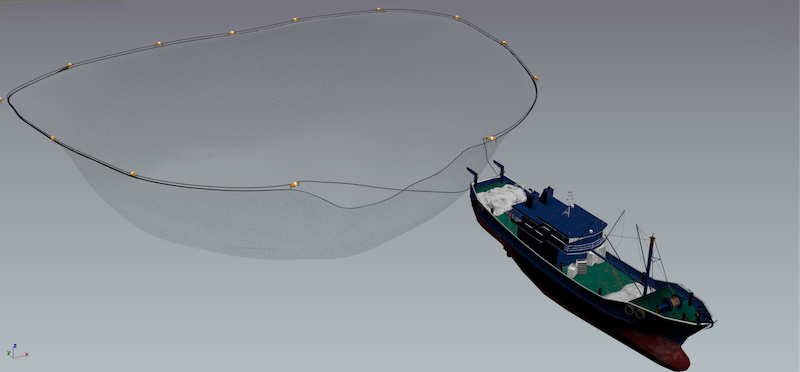
Small vessels such as pilot boats, tenders, and service craft contribute disproportionately to injury claims and minor incident frequency. A boat navigation simulator allows operators to practice close-quarters maneuvering, high-speed operations, and emergency response. Boat navigation simulator training reduces personal injury risk, vessel damage, and third-party liability—key concerns for insurers and port authorities.
Integrating boat navigation simulator programs with Navigation simulator and Full mission ship simulator training ensures comprehensive risk control across all vessel classes.
Data-Driven Risk Assessment and Insurance Transparency
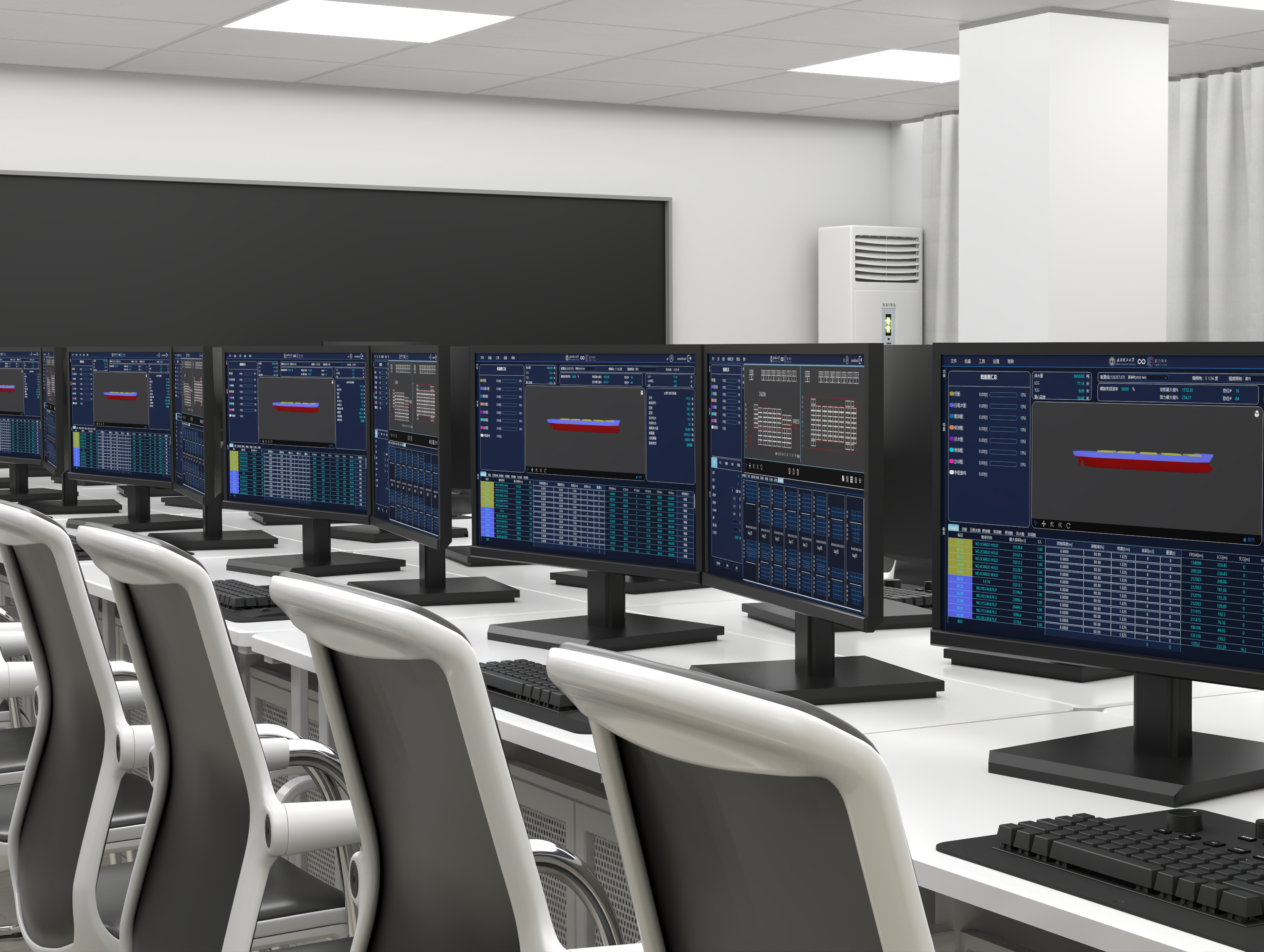
One of the most valuable aspects of simulation-based training is measurable performance data. Navigation simulator, Ship Navigation simulator, Full mission sailing simulator, Full mission ship simulator, and boat navigation simulator systems generate detailed KPIs related to reaction time, procedural compliance, situational awareness, and decision quality.
These metrics allow operators to identify risk trends, address competency gaps, and demonstrate continuous improvement. For insurance providers, access to structured training data increases transparency and supports differentiated underwriting, potentially leading to reduced premiums and improved policy terms.
Regulatory Compliance and Loss Prevention Alignment
Simulation-based training aligns closely with international safety and compliance frameworks, including ISM, STCW, and flag-state requirements. Insurers increasingly view compliance alone as insufficient; proactive loss prevention is now expected. Training programs built on Navigation simulator and Ship Navigation simulator platforms provide evidence of systematic risk control, while Full mission ship simulator and Full mission sailing simulator sessions address complex emergency preparedness.
Boat navigation simulator training further strengthens compliance for port operations and coastal activities, reducing exposure to localized risk.
Strategic Insurance Benefits for Fleet Operators
Organizations that invest in advanced simulation training gain a strategic advantage in insurance negotiations. Demonstrating structured training on Navigation simulator, Ship Navigation simulator, Full mission sailing simulator, Full mission ship simulator, and boat navigation simulator platforms signals a mature safety culture and disciplined risk management approach.
This can lead to lower claim frequency, reduced deductibles, improved renewal terms, and stronger relationships with insurers and P&I clubs. Over time, these benefits translate into significant cost savings and enhanced financial resilience.
Insurance risk and accident prevention are no longer reactive processes in the maritime industry. Advanced simulation-based training—powered by Navigation simulator, Ship Navigation simulator, Full mission sailing simulator, Full mission ship simulator, and boat navigation simulator technologies—offers a proactive, data-driven approach to loss prevention. By integrating these platforms into fleet training strategies, maritime operators reduce incident rates, improve insurance credibility, and build a sustainable framework for long-term safety, compliance, and financial performance.