

Ship Engine Room Simulator for Professional Seafarer Certification
The process of professional seafarer certification is becoming increasingly rigorous as global maritime regulations continue to evolve. To meet international standards and ensure operational safety, maritime training institutions are turning to advanced simulation technologies such as the engine ship simulator and Engine Room Simulator. Among these, the Ship Engine Room Simulator plays a central role in preparing candidates for certification by providing a realistic, controlled, and competency-based training environment.
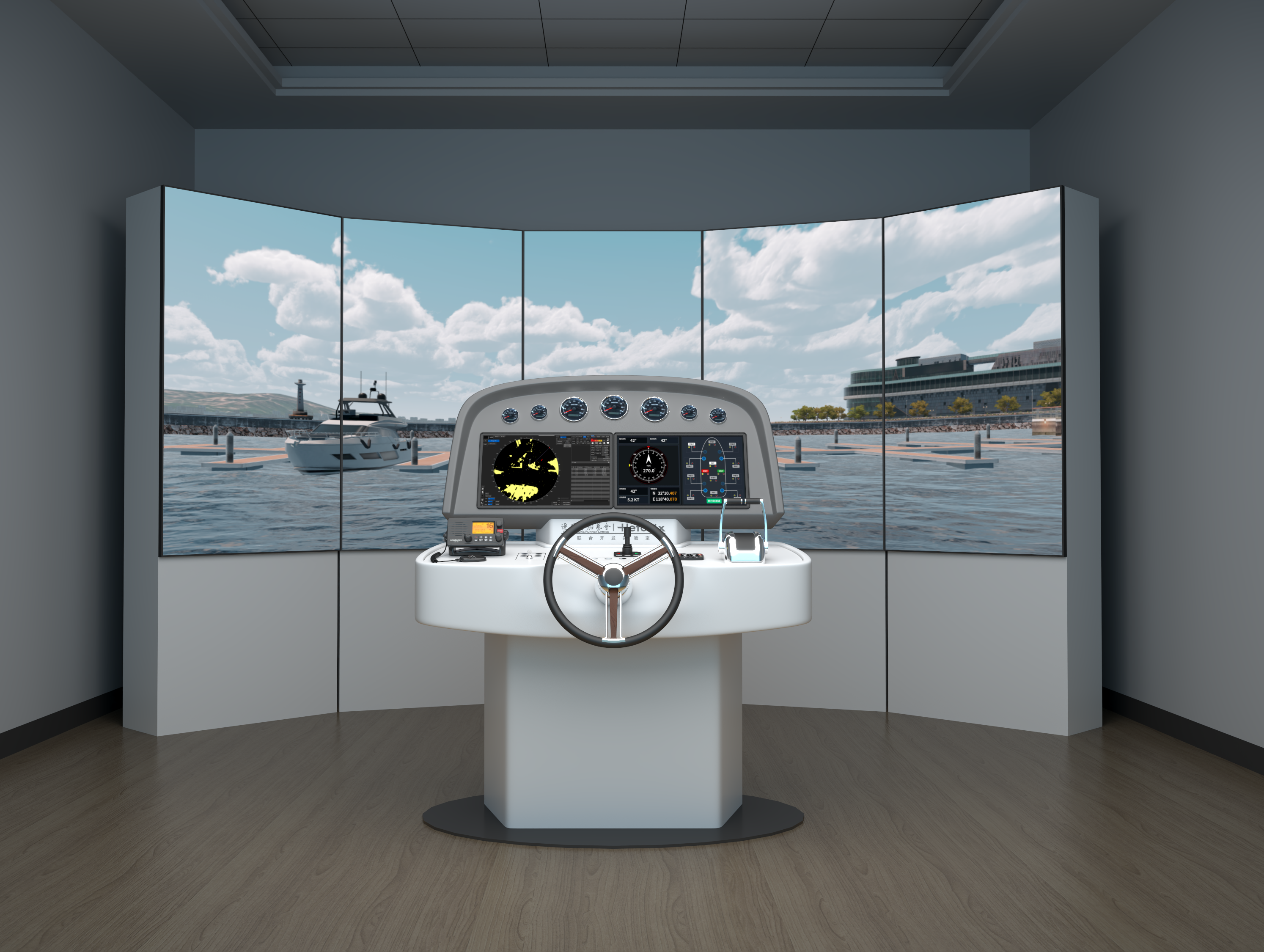
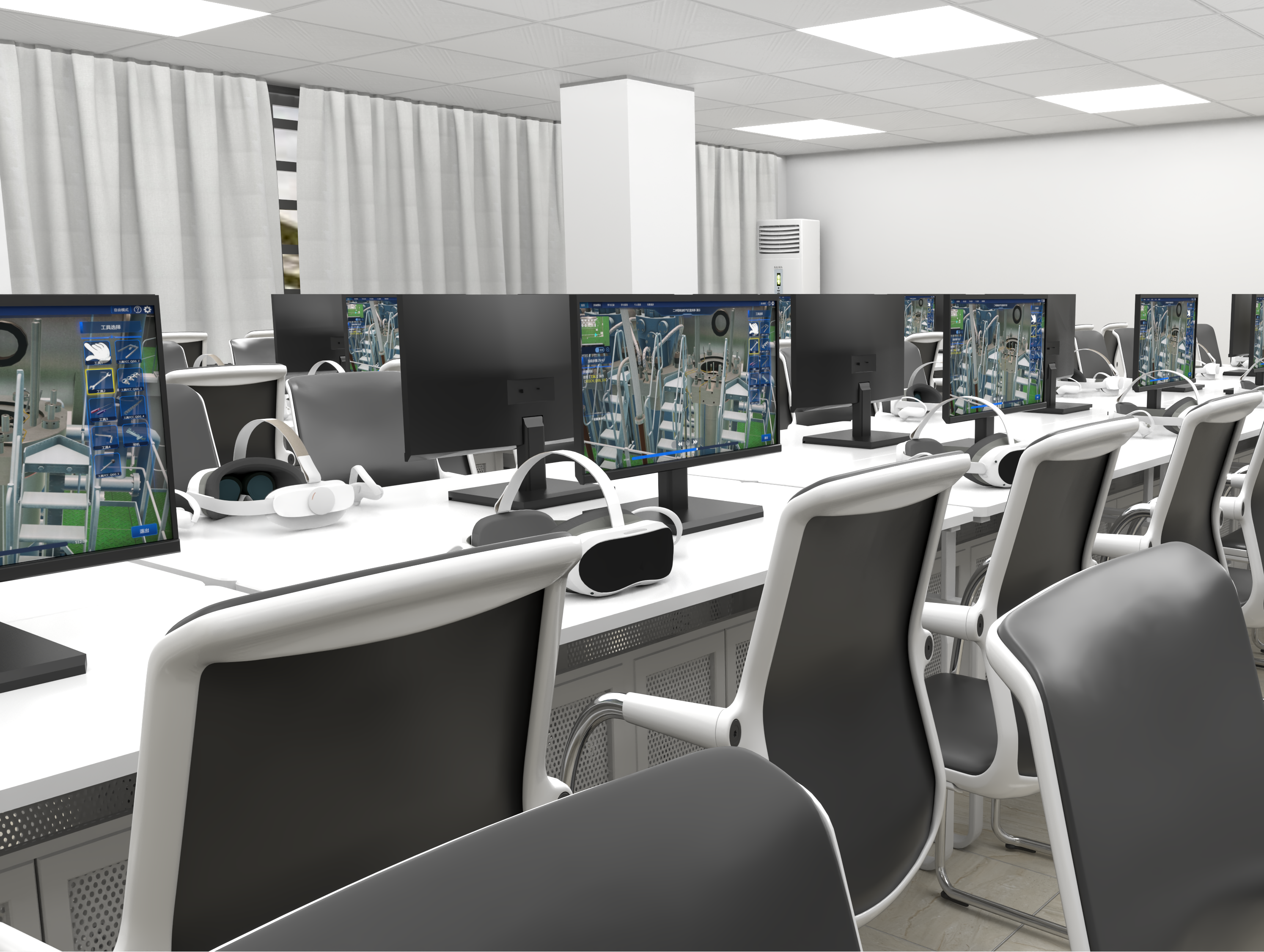
A modern engine ship simulator enables trainees to gain hands-on experience with complex engine room systems without the risks associated with real vessel operations. Through a high-fidelity engine ship simulator, trainees can simulate propulsion control, fuel management, auxiliary machinery operation, and onboard power distribution. This type of immersive training ensures that candidates not only understand theoretical concepts but also develop the practical skills required for certification and onboard responsibilities.
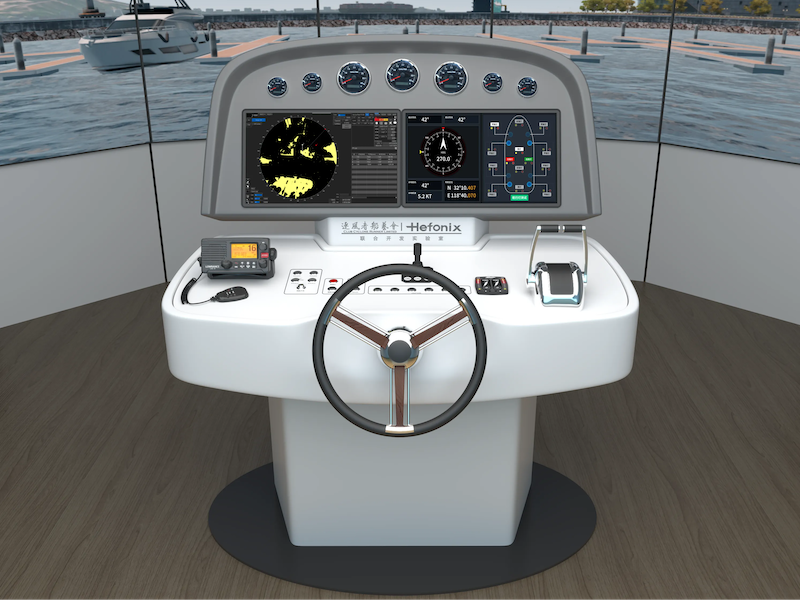
The Engine Room Simulator is essential for competency assessment and continuous skill development. With a well-designed Engine Room Simulator, instructors can create a wide range of operational scenarios, including normal procedures, system failures, and emergency situations. Trainees using an Engine Room Simulator can practice monitoring system performance, diagnosing faults, and executing corrective actions in real time. This interactive learning process significantly enhances their ability to respond effectively under pressure.
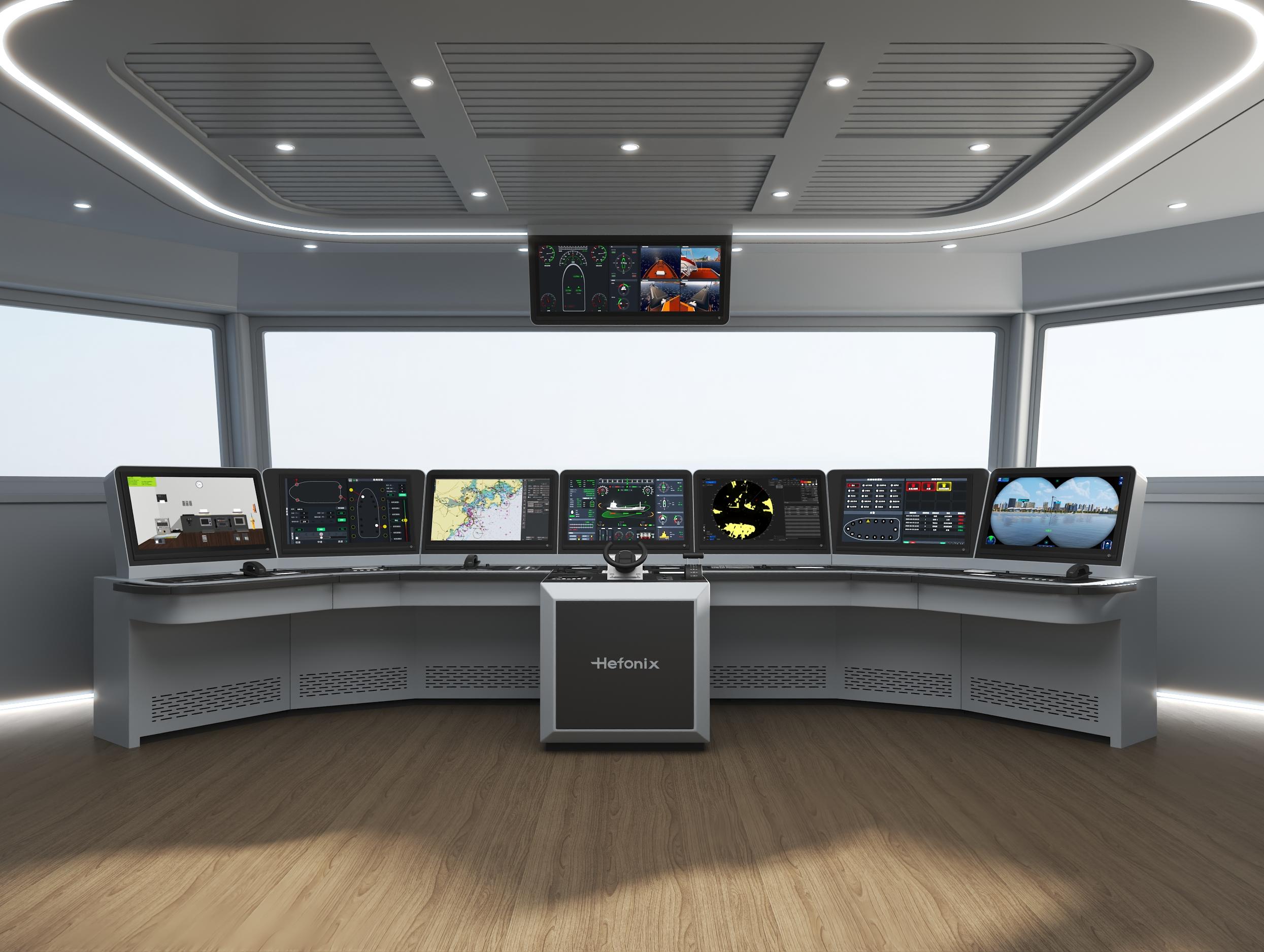
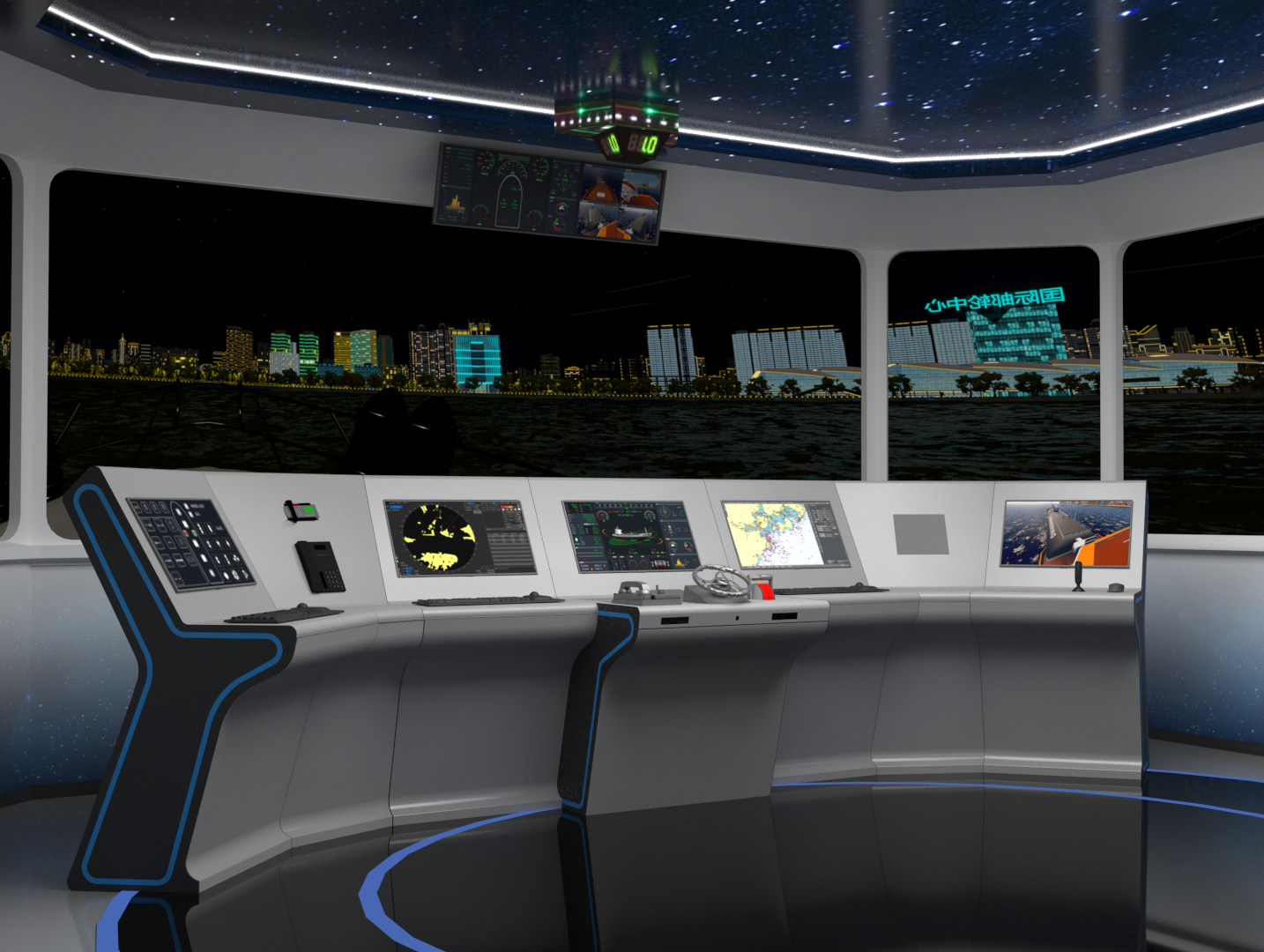
A comprehensive Ship Engine Room Simulator replicates the full operational environment of a vessel’s engine room. By integrating realistic control panels, system interfaces, and workflow processes, the Ship Engine Room Simulator allows trainees to perform tasks such as engine start-up and shutdown, load management, and emergency troubleshooting. The Ship Engine Room Simulator also supports scenario-based training, enabling candidates to experience situations that would be difficult or dangerous to replicate on a real vessel.
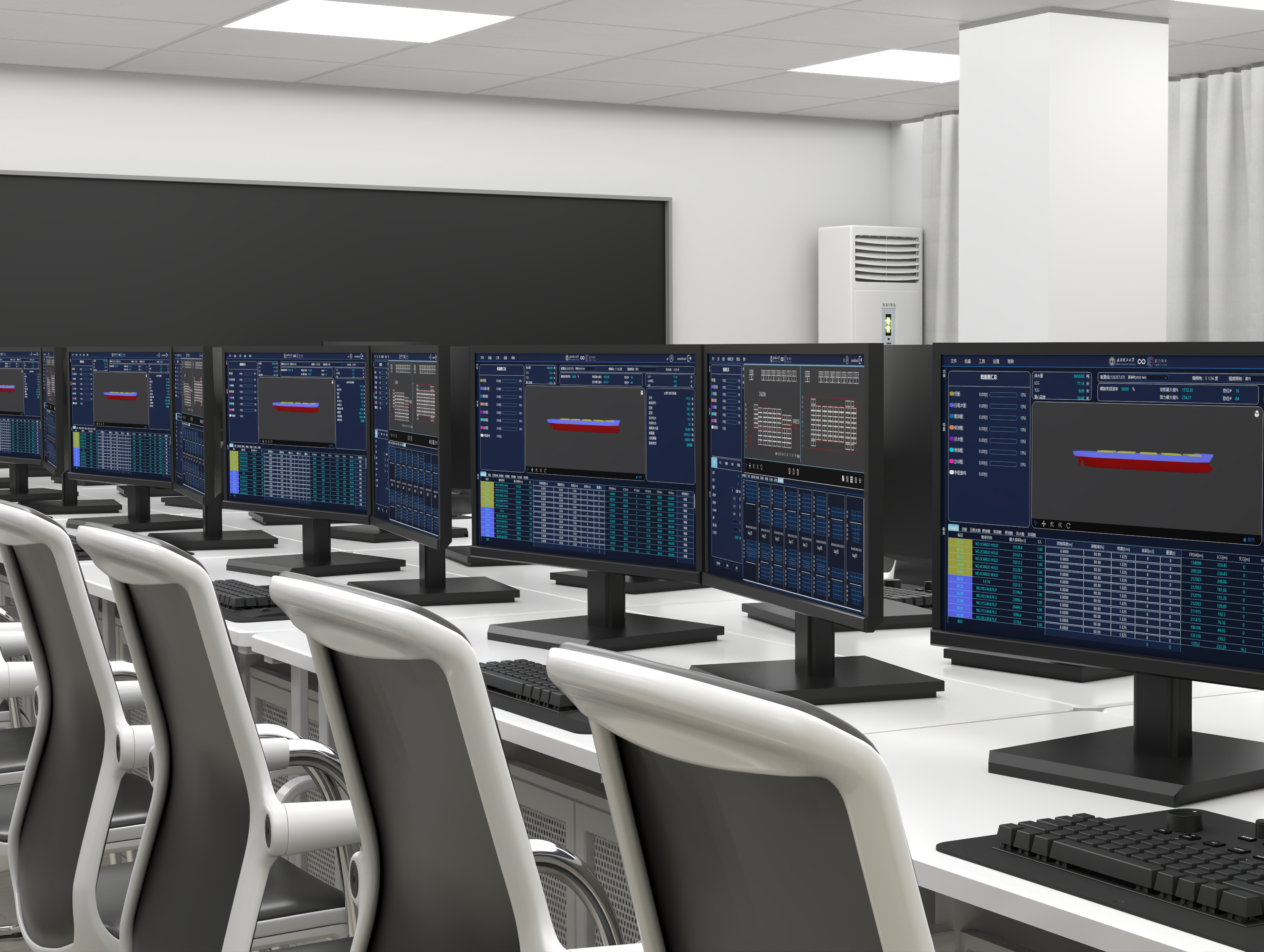
In addition, the marine engine room simulator provides an integrated training platform that combines multiple subsystems into a unified environment. Through a marine engine room simulator, trainees can understand the interaction between propulsion systems, electrical systems, and automation controls. This holistic approach is essential for modern maritime operations, where system integration and coordination are critical. The marine engine room simulator also allows for customization based on different vessel types, making it suitable for a wide range of training applications.
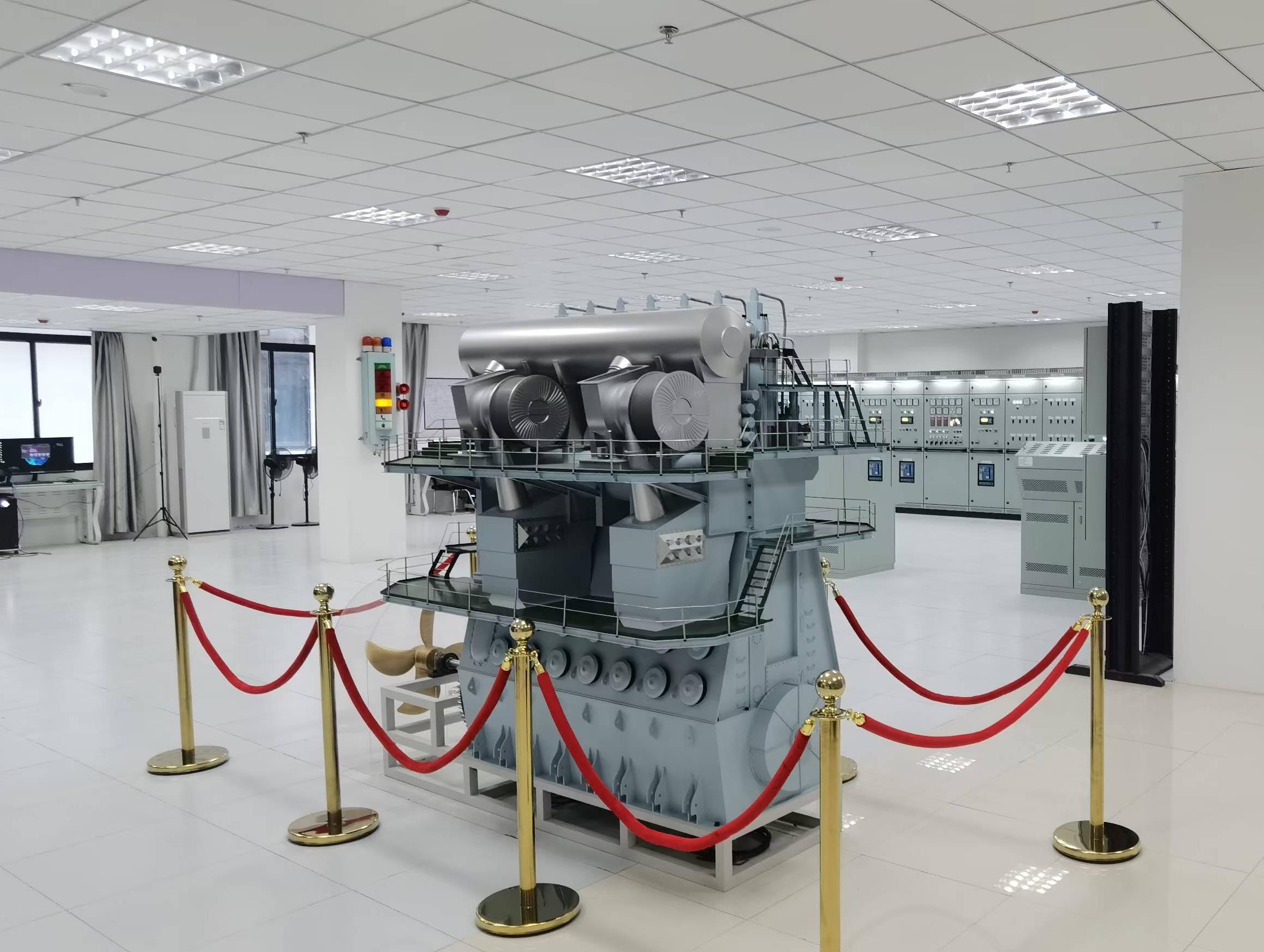
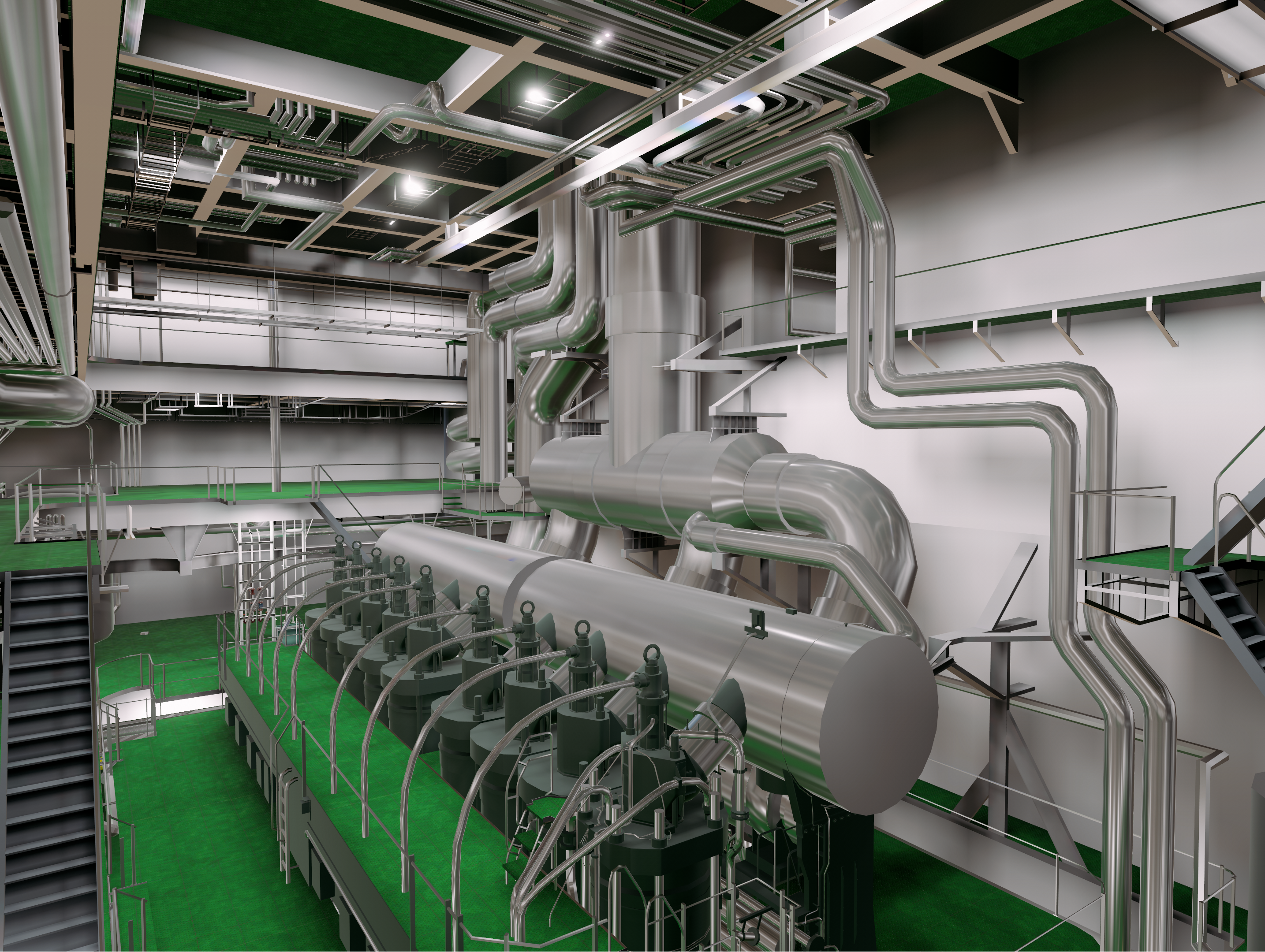
For advanced certification programs, the full mission engine room simulator offers the highest level of realism and system integration. A full mission engine room simulator recreates the entire engine room, including control rooms, machinery spaces, and automated systems. By using a full mission engine room simulator, trainees can experience complex operational scenarios, such as system failures, emergency responses, and coordinated team operations. This level of immersion ensures that candidates are fully prepared for real-world challenges and meet the stringent requirements of international certification standards.
Another key advantage of using an engine ship simulator and Engine Room Simulator in certification training is the ability to standardize assessment processes. With simulation-based training, instructors can evaluate trainee performance using consistent criteria, ensuring fairness and accuracy. The Ship Engine Room Simulator enables detailed performance tracking, allowing instructors to assess decision-making, response time, and procedural compliance.
Furthermore, the marine engine room simulator supports continuous learning and skill enhancement. Even after certification, marine engineers can use the marine engine room simulator to refresh their knowledge, practice new procedures, and stay updated with the latest technologies. This makes the marine engine room simulator not only a training tool but also a long-term professional development platform.
The integration of the full mission engine room simulator into maritime training programs also aligns with international standards such as competency-based training frameworks. By simulating real operational conditions, the full mission engine room simulator ensures that trainees can demonstrate their ability to perform tasks safely and efficiently.
In conclusion, the adoption of advanced simulation technologies such as the engine ship simulator, Engine Room Simulator, Ship Engine Room Simulator, marine engine room simulator, and full mission engine room simulator is essential for modern seafarer certification. These systems provide a comprehensive, realistic, and efficient training environment that enhances both learning outcomes and assessment accuracy. As the maritime industry continues to evolve, investing in high-quality simulation solutions will be critical for ensuring that seafarers are fully prepared to meet the challenges of global shipping operations.