

360-Degree Ship Handling Simulator: Enhancing Ship Management Capabilities and Contributing to a Strong Maritime Nation
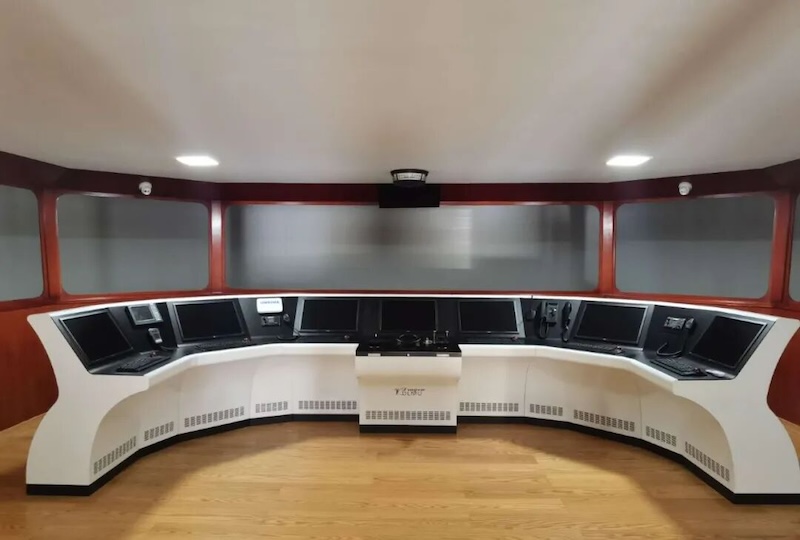
We sincerely welcome people from all walks of life to visit and guide us. We hope to use this platform to respond to the national call for a "Maritime Power" and the "Belt and Road Initiative," promote maritime culture, strengthen national defense education, and let more people understand, care about, and develop the ocean!
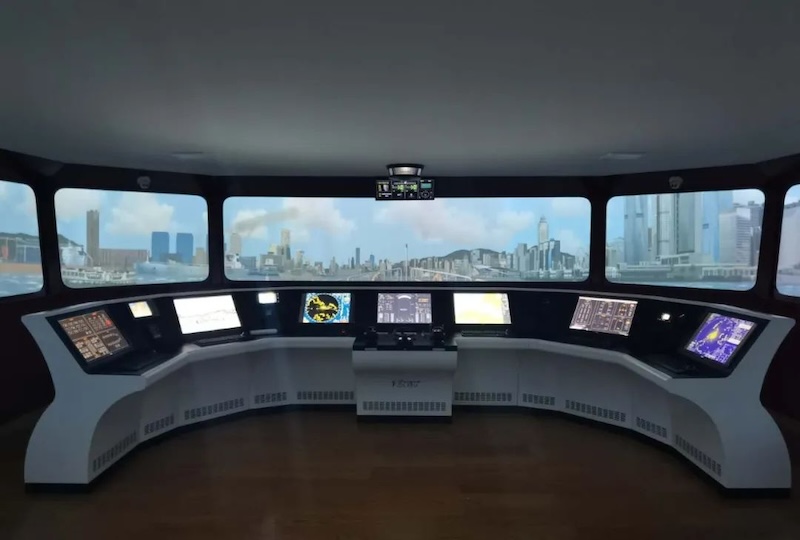
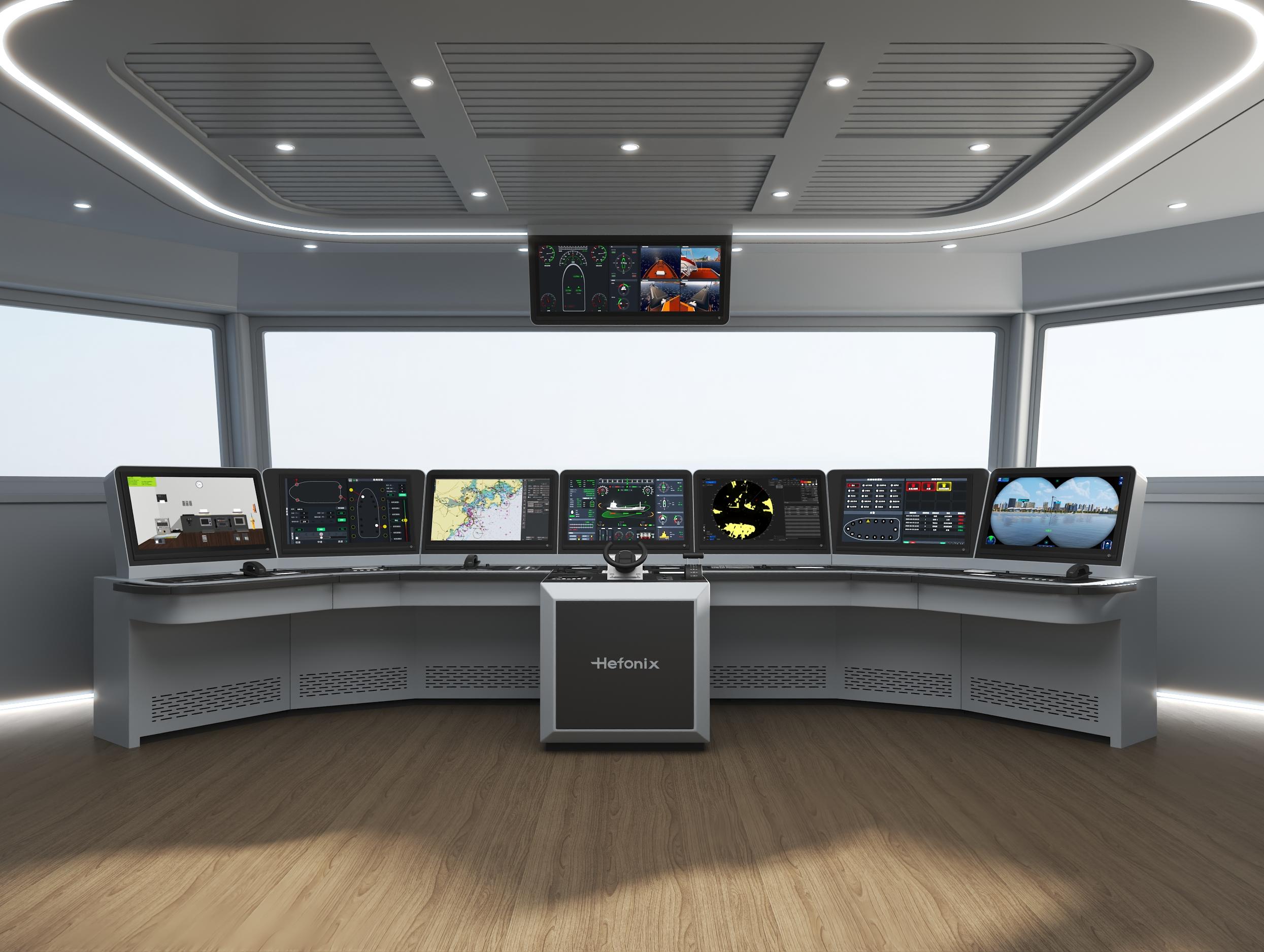
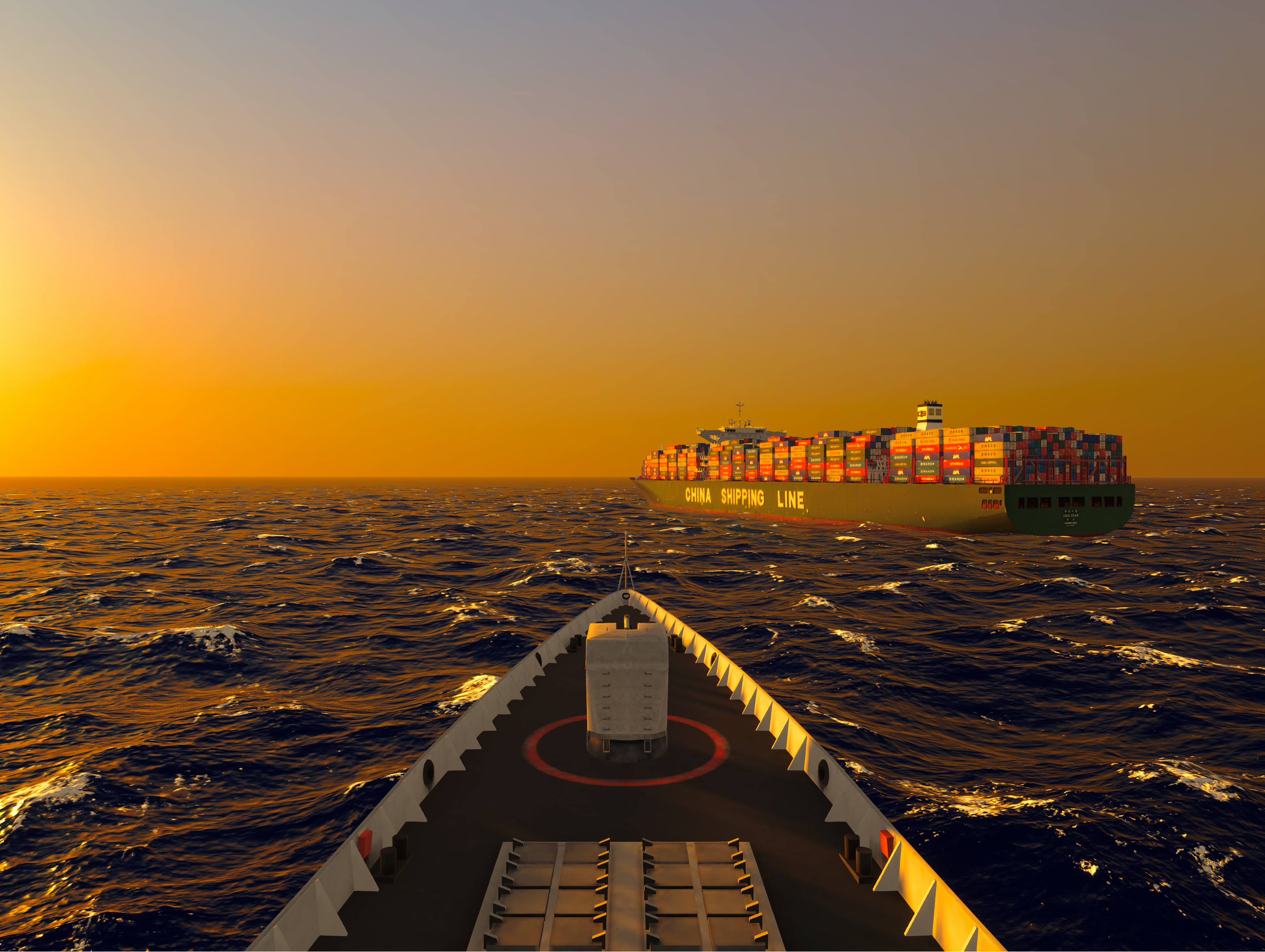
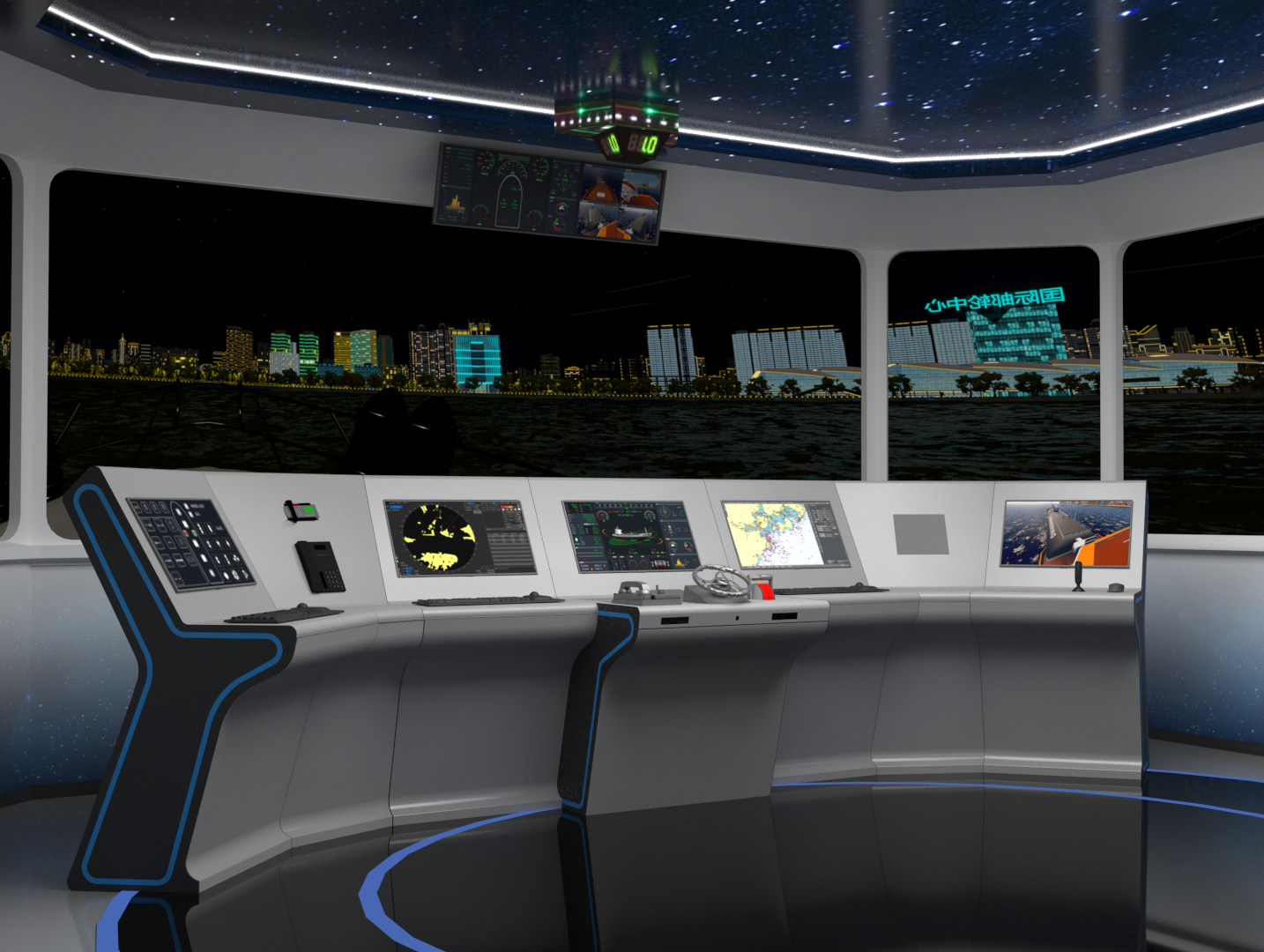
This 360-degree full-mission large-scale ship handling simulator
is certified by Det Norske Veritas and China Classification Society
employs advanced computer imaging technology, virtual reality technology, and other methods
It can simulate 100 different ships and more than 50 domestic and international ports for various training missions
It can dynamically and realistically display real-time port scenes, marine meteorological elements, ship operation data, and other scenarios
Platform Functions
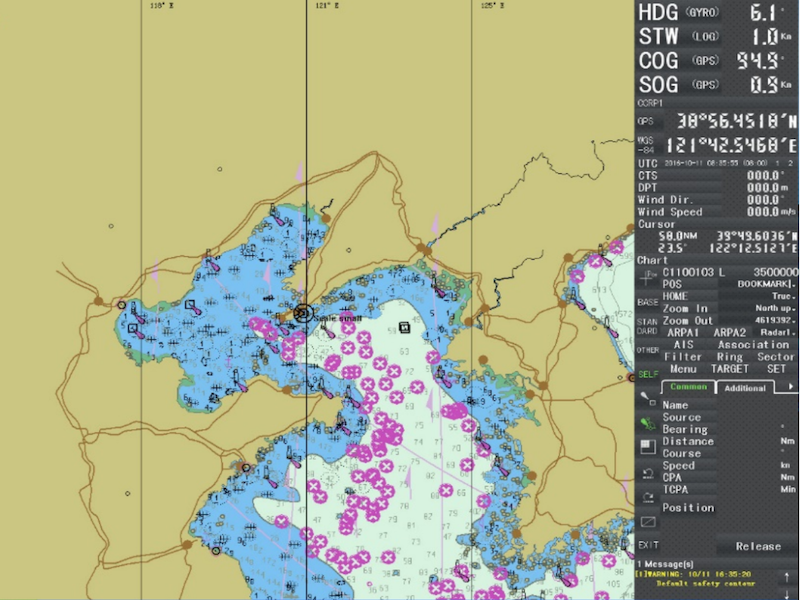
NO.1 Electronic Chart Display System
The ECDIS on the simulator meets the performance requirements of the IMO/IHO for ECDIS systems.
NO.2 Ship Dynamics Display with ECDIS Background
The ECDIS system dynamically displays the positions of multiple ships and the tension of mooring lines during berthing and unberthing.
NO.3 Ship Mathematical Model Calculation
Based on the operation of the engine, rudder, anchor, mooring lines, and tugboats, and navigation environment information (wind, current, tides, etc.), the system calculates the ship's motion parameters in real time.
NO.4 Rudder Control
Manual steering, follow-up steering, and automatic steering.
NO.5 Engine Telephone Control
The system equips the simulated ship with a corresponding number of engine telephones and their control units.
NO.6 Variable Pitch Adjustment
For ships using adjustable pitch propellers, pitch adjustment is possible. Pitch indication is dynamically displayed.
NO.7 Bow and Stern Thruster Control
For ships with bow and stern thrusters, bow and stern thruster control is possible, and the pitch ratio is displayed in real time.
NO.8 Cable Control
Depending on the size of the simulated vessel and the actual equipment layout, multiple cables can be simultaneously controlled for laying and unlaying.
NO.9 Anchor Control
The anchor control panel allows for the operation of the port and starboard anchors: dropping, winching, releasing, and stopping. The anchor chain length and tension are dynamically displayed.
NO.10 Control of Lights, Signals, and Flags
In poor visibility conditions, fog lights can be sounded manually or automatically. Four sets of deck lights can be controlled, and various signal flags can be set, ensuring visibility to other vessels on the same ship.
NO.11 Simulation of Other Instruments
Includes simulation of GPS, compass, depth sounder, log, AIS and SSAS, and watch alarms.
NO.12 Instructor Station, Ship-to-Ship, and In-Ship Communication
VHF communication allows for communication between ships and between ships and the command center.
NO.13 Real-Time Display of Ship and Environmental Data
The display instruments can show real-time data from various instruments on the simulated vessel.
NO.14 Comprehensive Navigation Information Display
Displays basic ship parameters and fault alarms.
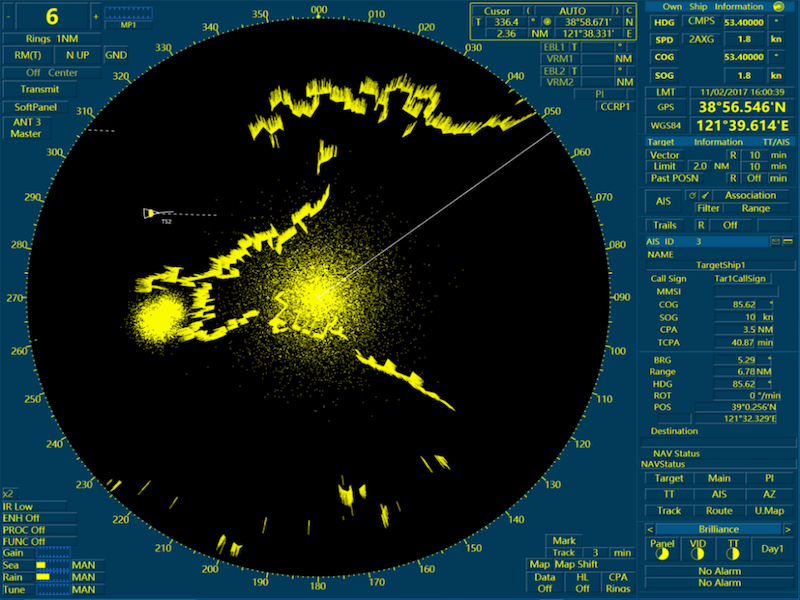
NO.15 Simulated Radar Imagery and Functions
Provides radar imagery data covering the Chinese coast and commonly used sea areas worldwide.
NO.16 Sound Simulation
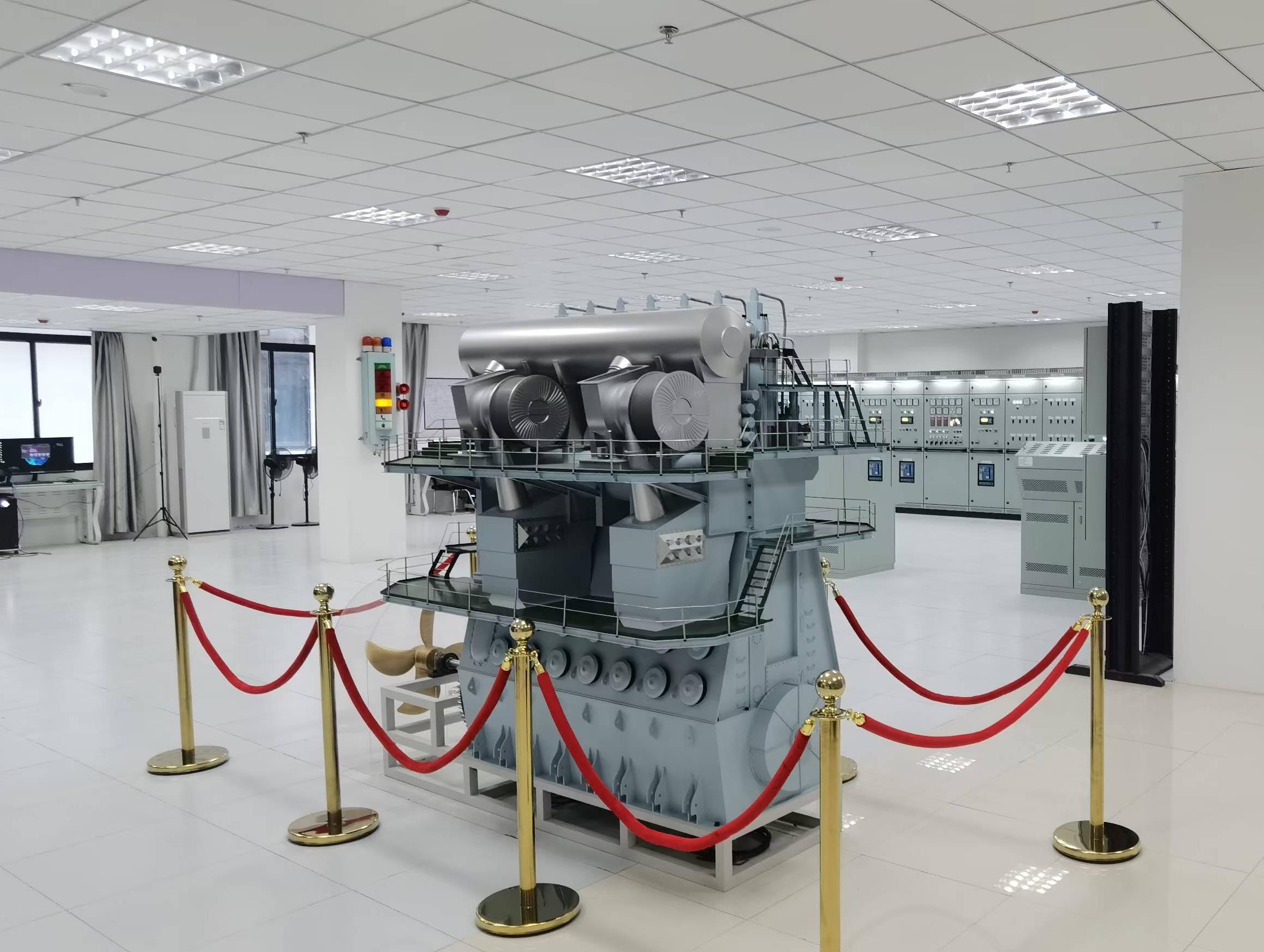
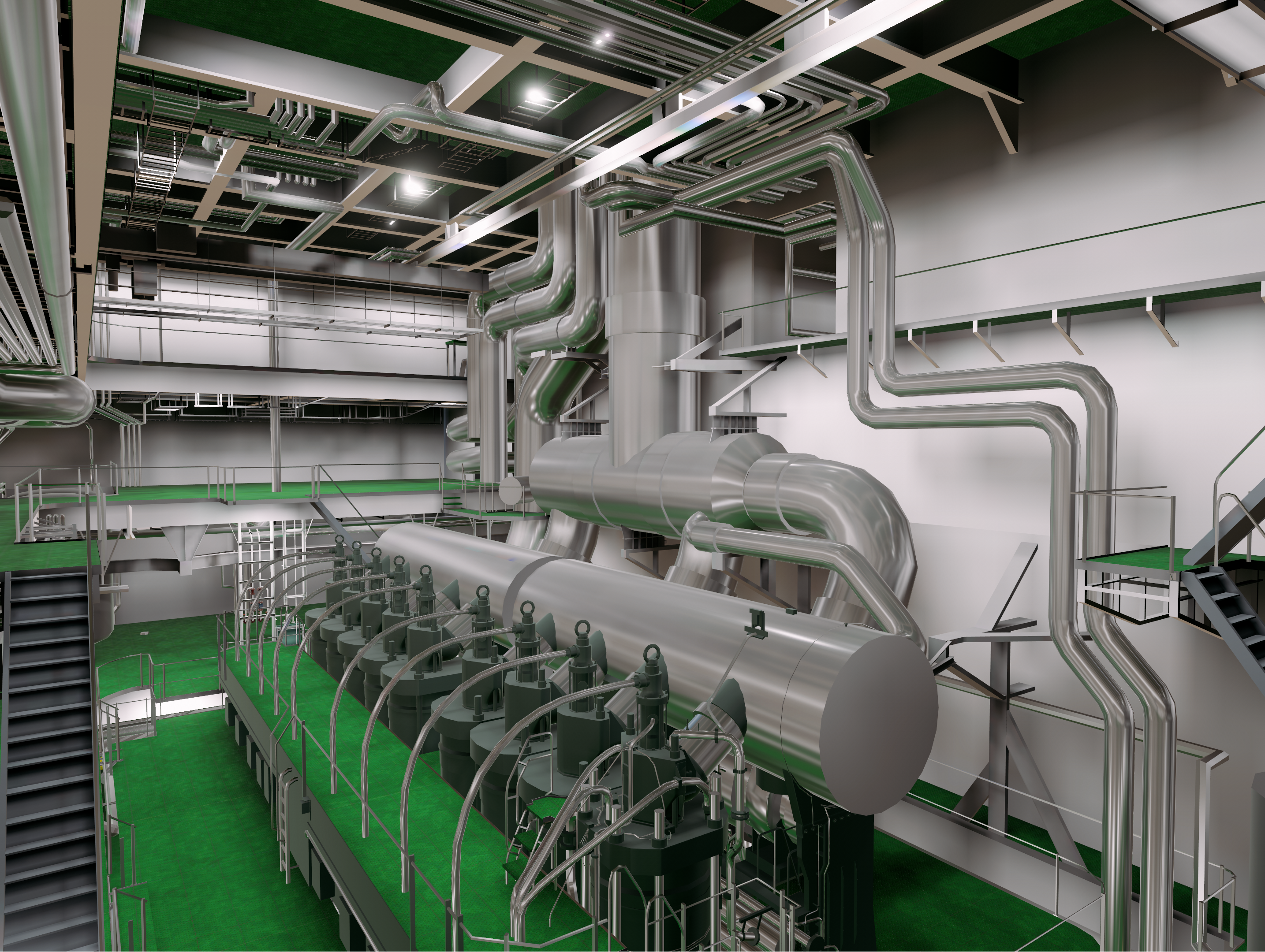
Simulates ship's sound system, engine room noise, wave sounds, ship's horn sounds, anchoring/raising, ship collision sounds, wind, rain, and waves hitting the hull.
NO.17 Visual Wandering and Telescope Auxiliary Channel Visual Display
A separate auxiliary channel is provided in the bridge for left-right, upward, downward, and free-roaming visual views.
Ship Simulator 360-Degree View
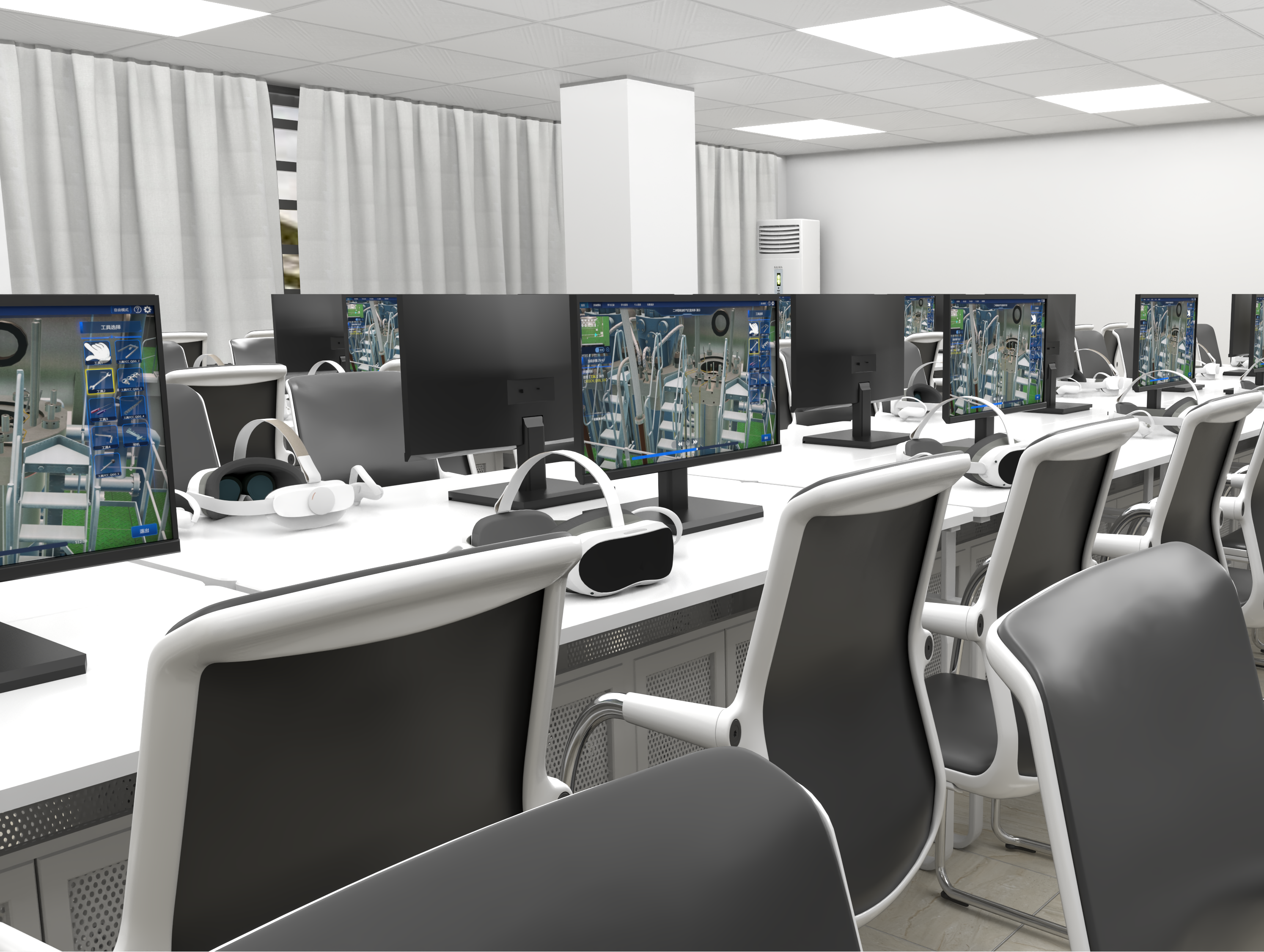
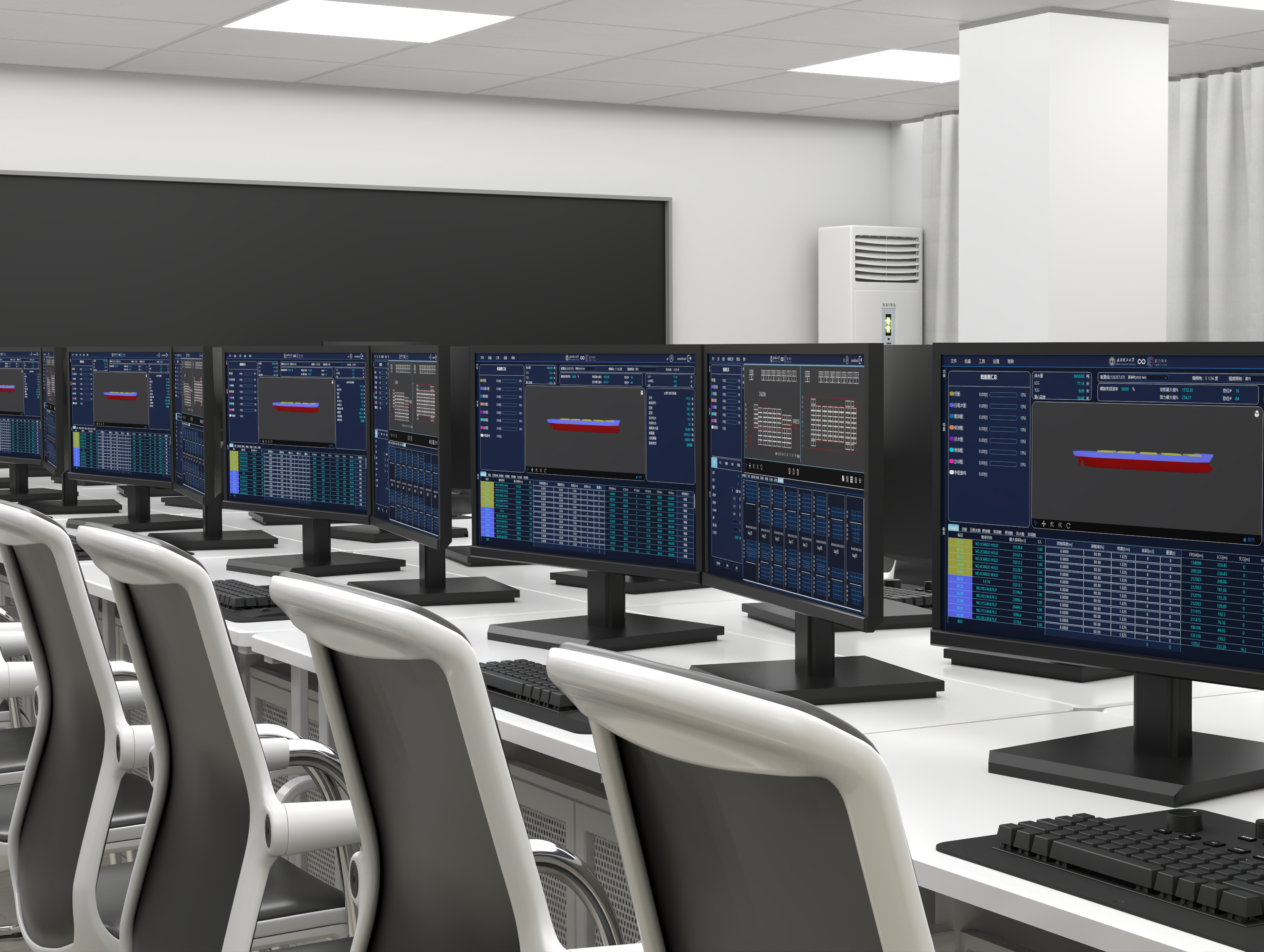
This system is not only used for practical training of shipping students,
but also for training and examination of crew members in ship handling, collision avoidance,
and bridge resource management, providing a fair testing platform for crew members.
Navigation Simulator
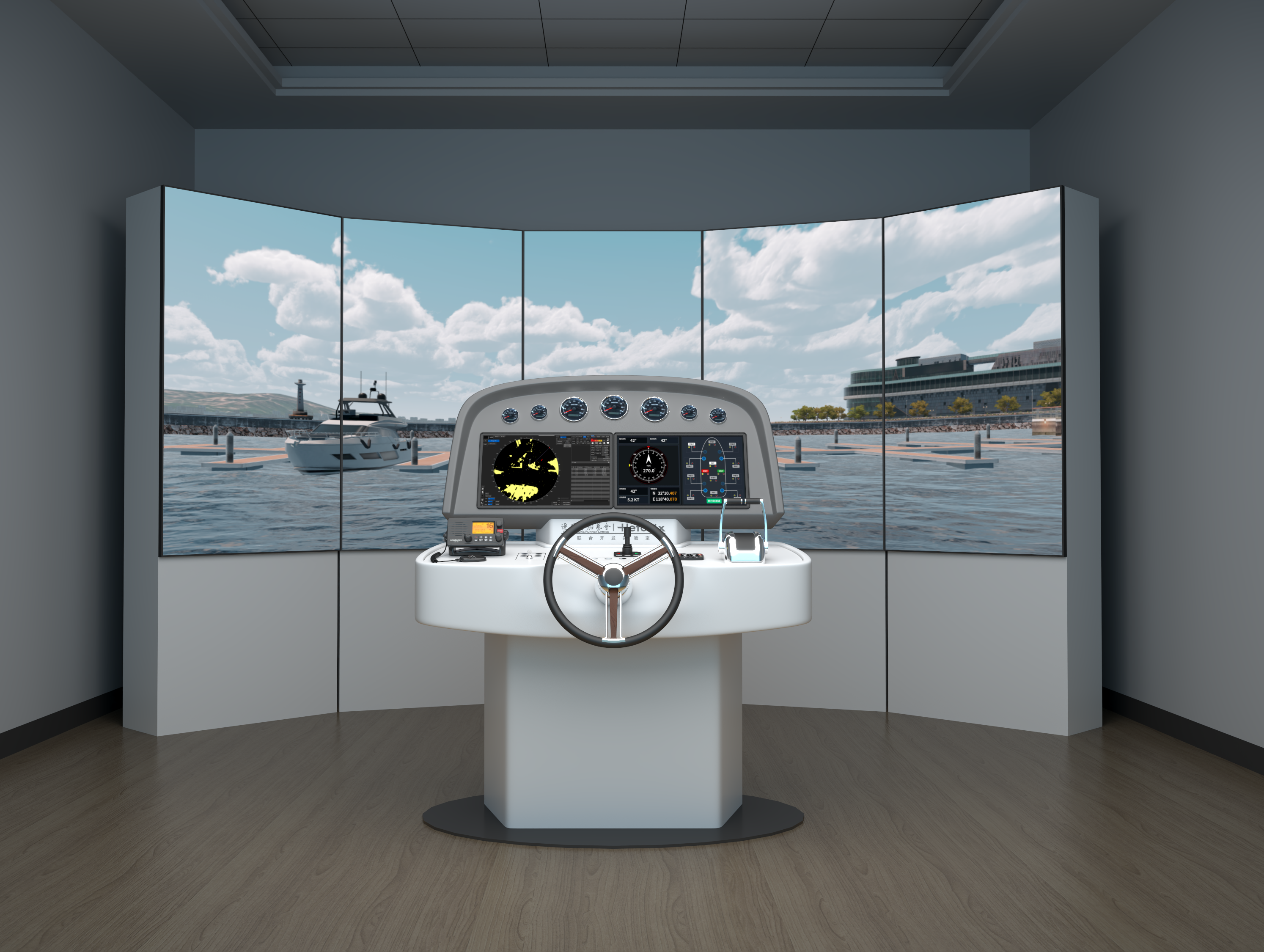
Speed Boat Simulator
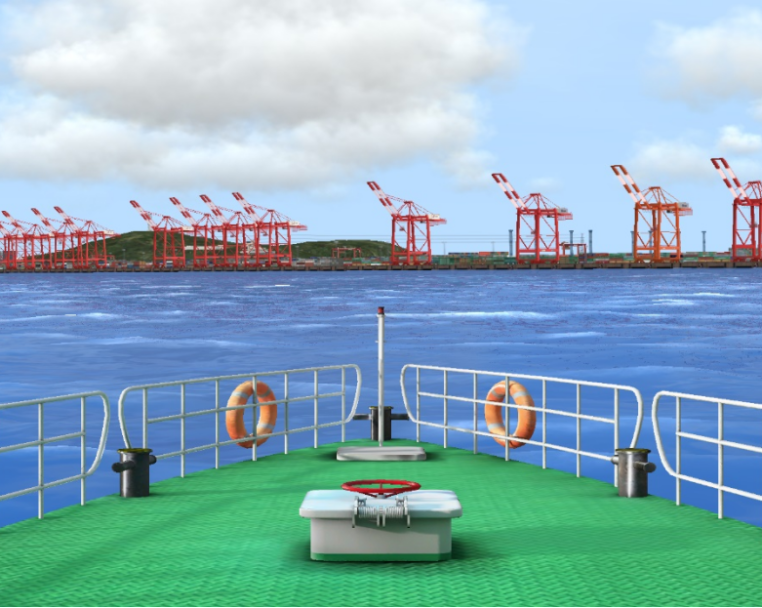
Fishing Boat Simulator
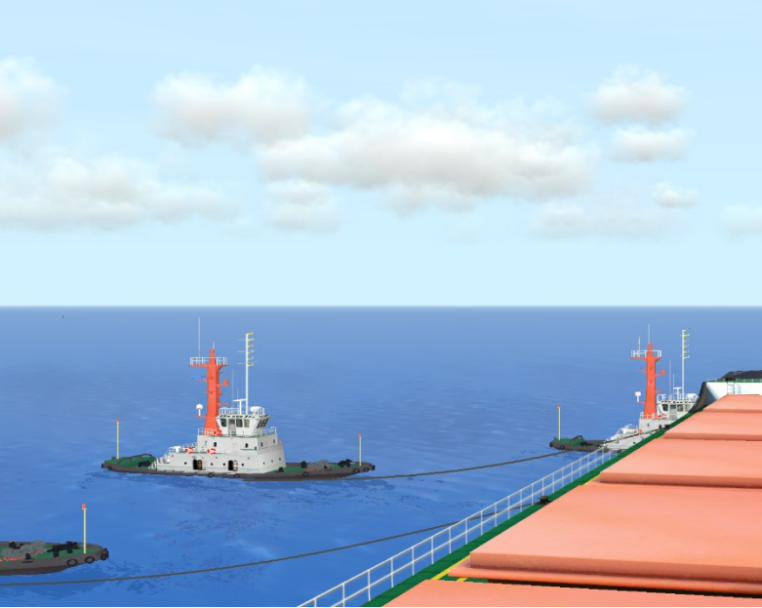
VTS Simulation
The system will also be used for operational training in VTS, fisheries operations, inland waterway navigation, yacht handling, oil spill response, search and rescue, as well as scientific research such as port and shipping engineering demonstrations and intelligent marine equipment verification,
and as a venue for maritime science education for young people.