

Charting New Waters: The Evolution of Navigation Simulator Technology in Modern Maritime Training
In the ever-evolving landscape of maritime operations, technological innovation has become the primary navigational tool steering the industry toward safer and more efficient horizons. At the forefront of this transformation stands navigation simulator technology—a sophisticated training solution that has fundamentally redefined how maritime professionals develop, hone, and validate their operational competencies. Today’s navigation simulator systems are no longer basic replicas of bridge environments; they have evolved into intelligent, adaptive training ecosystems capable of simulating virtually every conceivable maritime scenario.
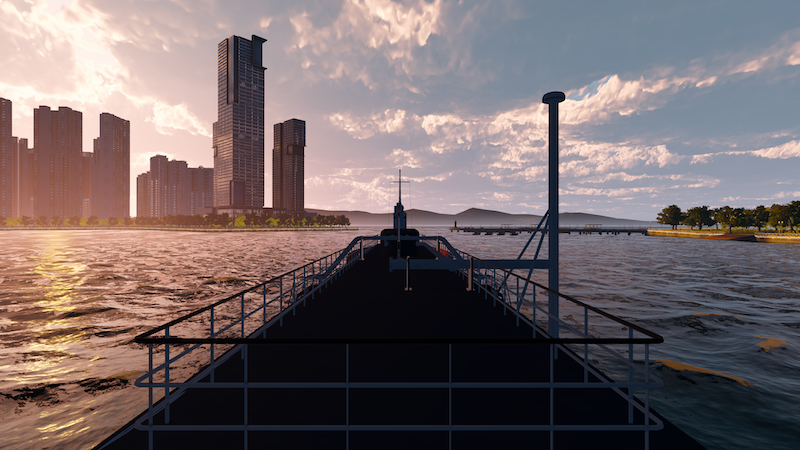
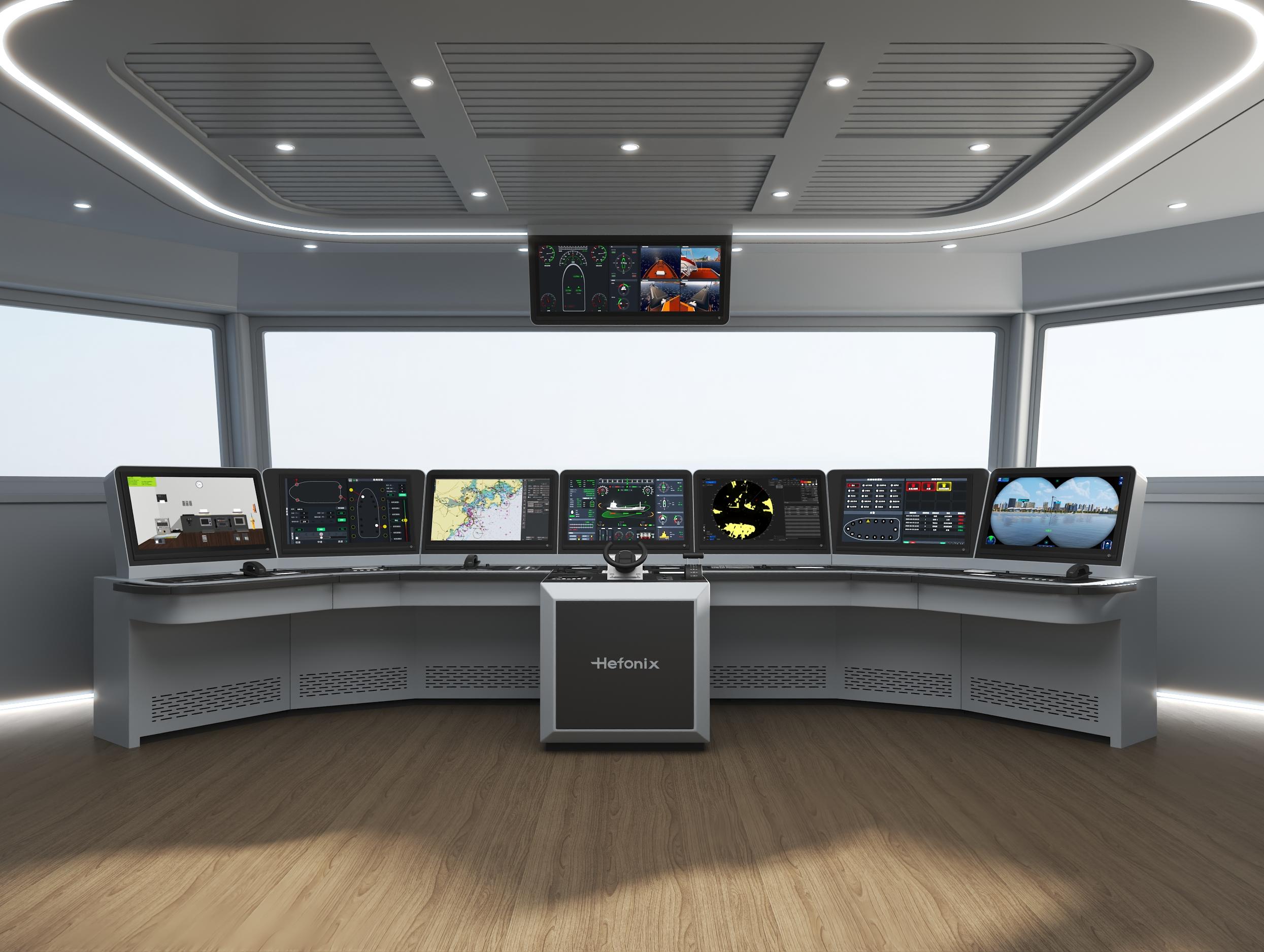
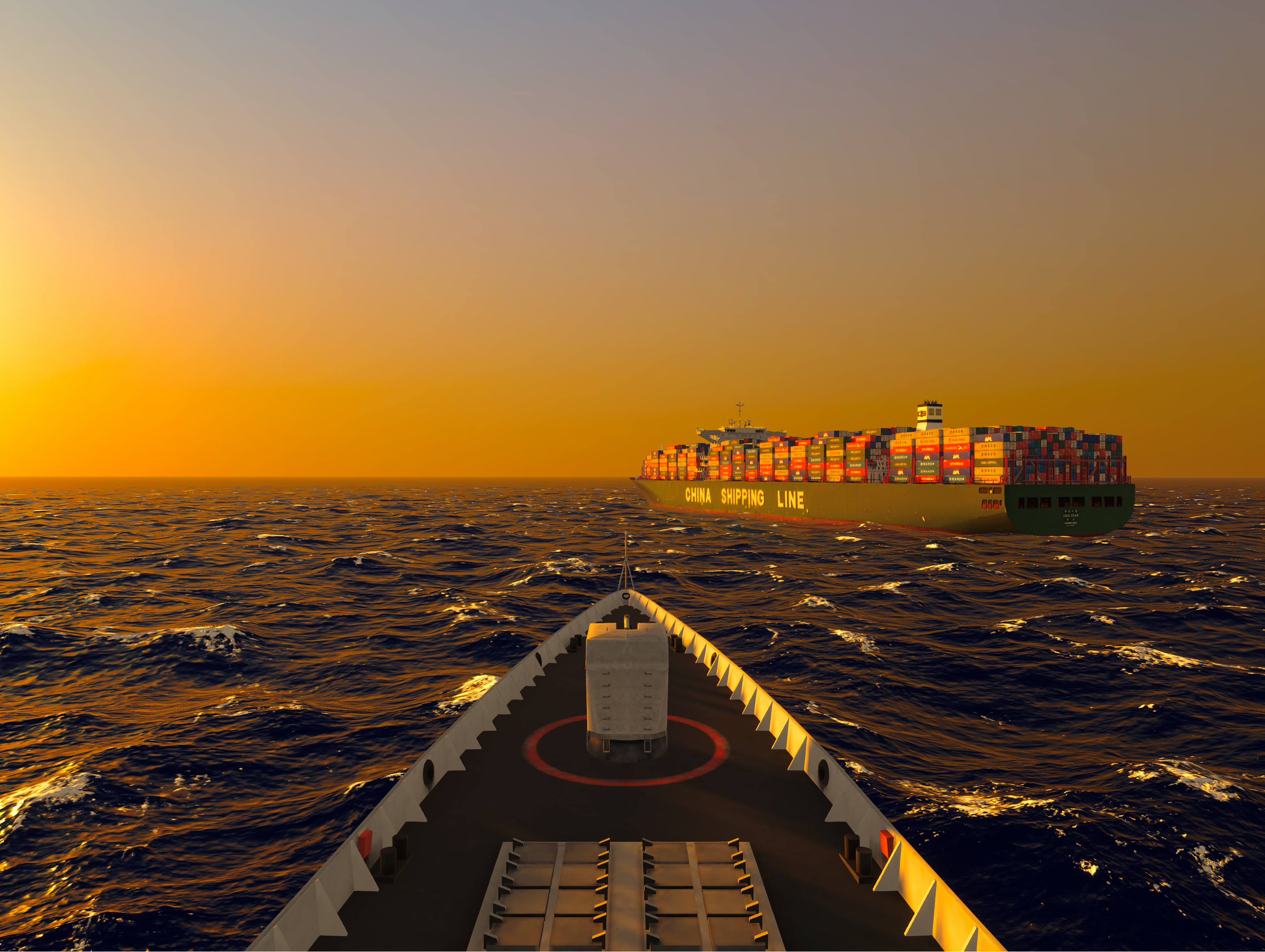
The modern ship navigation simulator represents a quantum leap from earlier generations of training equipment. These advanced platforms integrate high-fidelity visual systems, precise hydrodynamic modeling, and real-time environmental rendering to create immersive experiences that accurately mirror actual sea conditions. From recreating the challenging approaches to congested ports like Singapore or Rotterdam to simulating emergency situations in open waters, these systems provide trainees with unparalleled opportunities to develop critical decision-making skills in completely risk-free environments. The psychological and operational benefits of such training cannot be overstated—mariners can encounter and respond to extreme situations repeatedly until proper procedures become instinctual reactions.
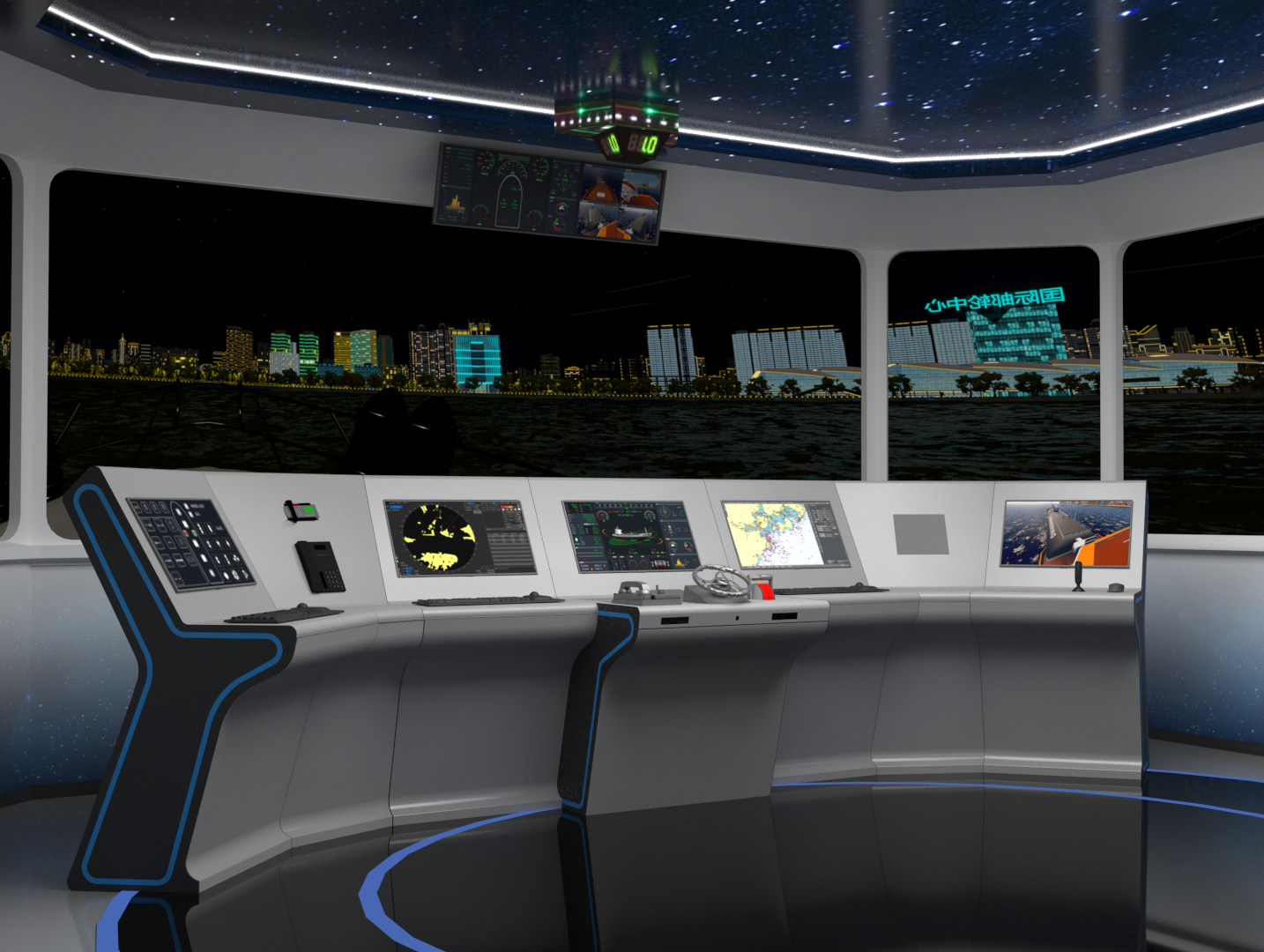
Within this technological landscape, the full mission sailing simulator occupies a particularly important niche. Designed to replicate complete sailing experiences across various vessel types and maritime conditions, these comprehensive systems offer training institutions the capability to conduct end-to-end voyage simulations. Trainees can experience everything from pre-departure planning and navigation through to docking procedures and post-voyage analysis, all within a controlled but remarkably realistic digital environment. The fidelity of these simulations has reached such sophistication that maritime authorities worldwide increasingly recognize training hours completed on certified full mission sailing simulator platforms as valid equivalents to certain sea-time requirements.
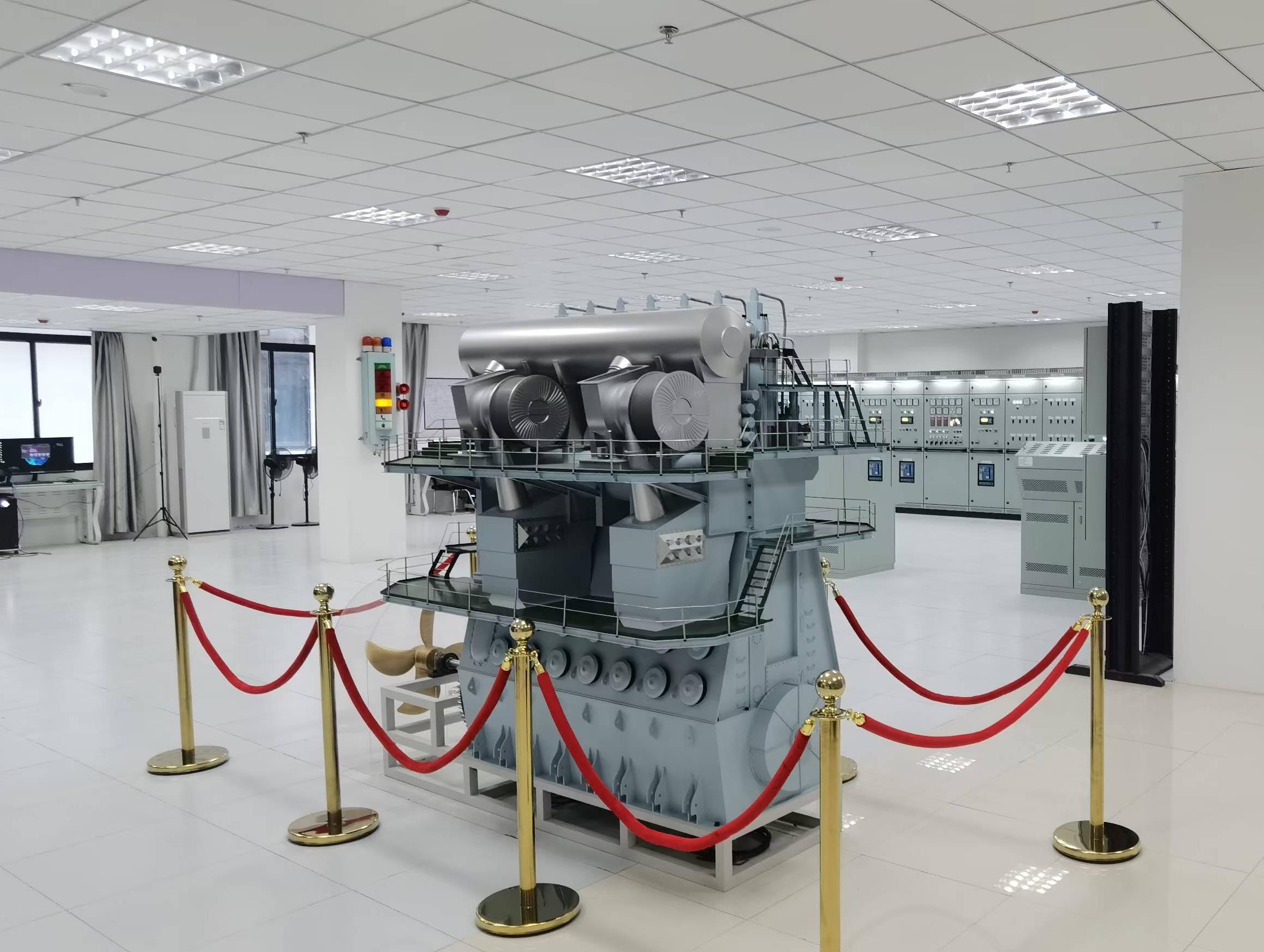
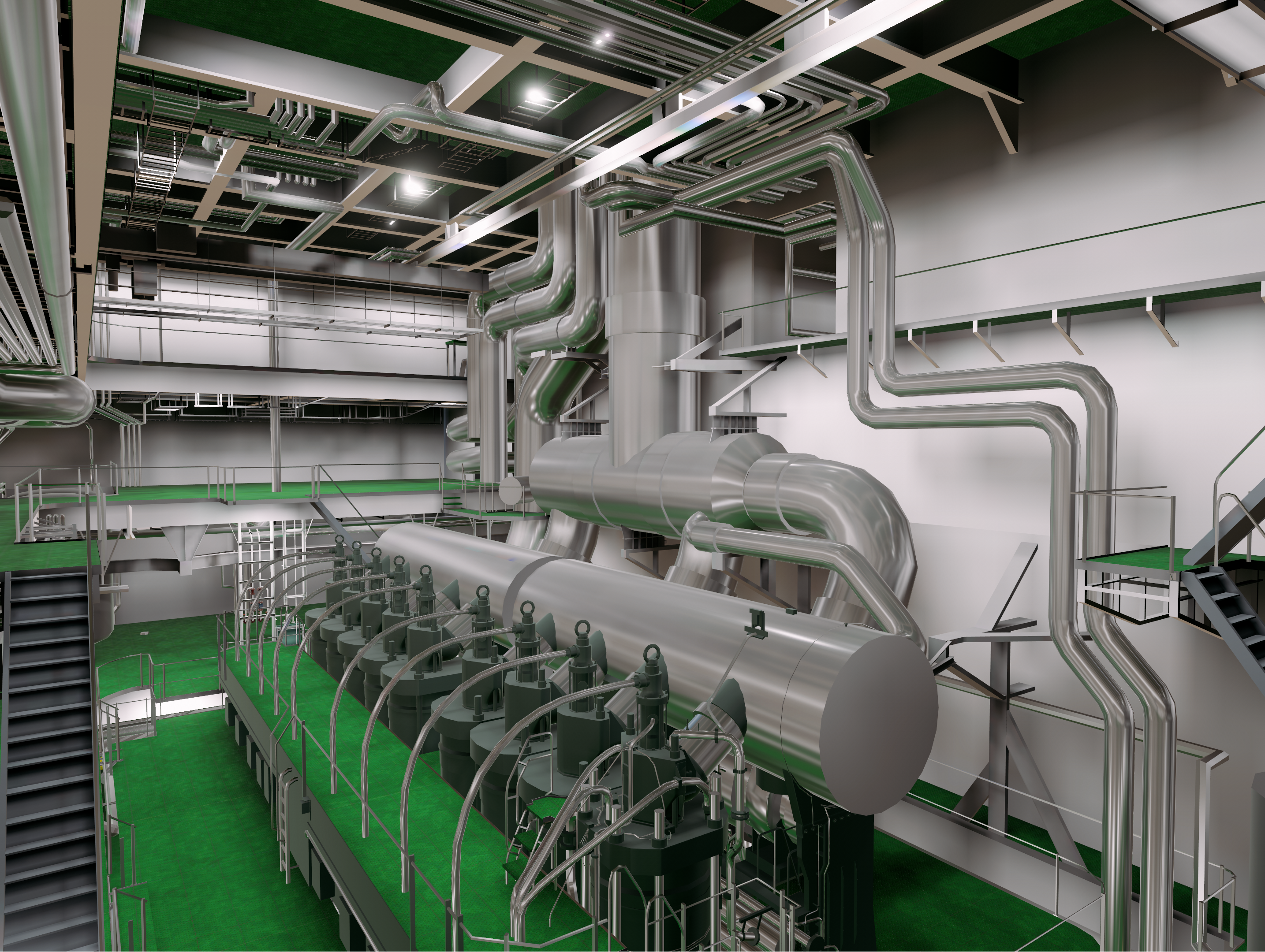
The technological progression continues with the development of even more specialized systems, particularly the full mission ship simulator. These platforms are engineered to meet the specific training requirements of larger commercial vessels, incorporating detailed vessel dynamics, complex machinery interfaces, and advanced traffic scenario generation. What distinguishes the modern full mission ship simulator is its networked capability—multiple simulators can operate in shared virtual environments, allowing for complex multi-ship interactions and communication exercises that closely mirror real-world maritime operations. This collaborative functionality represents a significant advancement in how bridge teams learn to coordinate their actions during normal operations and emergency responses.
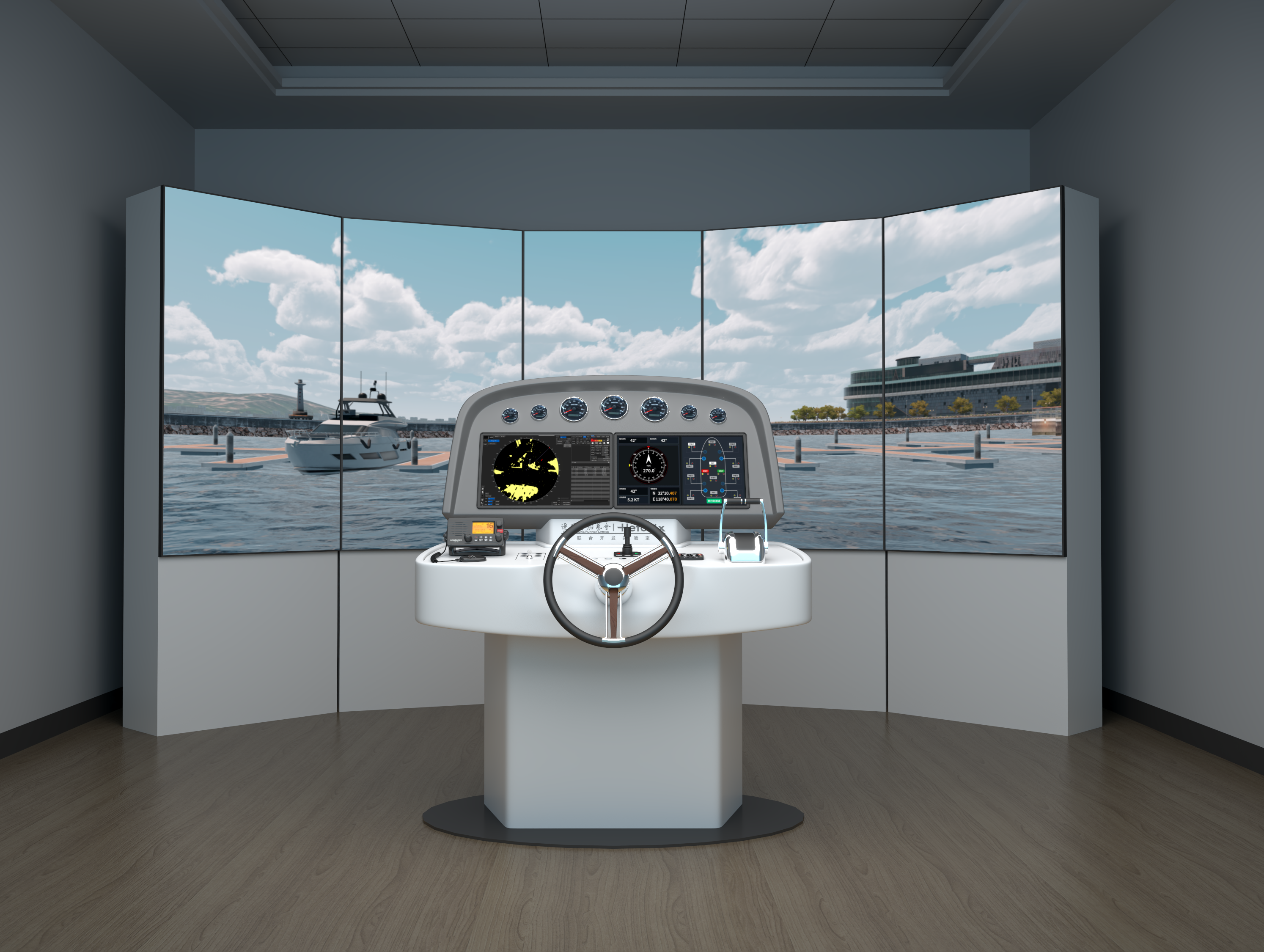
Interestingly, the democratization of this technology has also enabled the development of specialized boat navigation simulator systems designed for smaller craft operations. These compact yet sophisticated platforms address the unique training needs of coastal operators, pilotage services, and recreational mariners who require focused navigation training without the complexity of full-scale bridge systems. The boat navigation simulator has proven particularly valuable for training in specialized maneuvers, electronic chart navigation, and response procedures specific to smaller vessels operating in confined waterways or busy harbors.
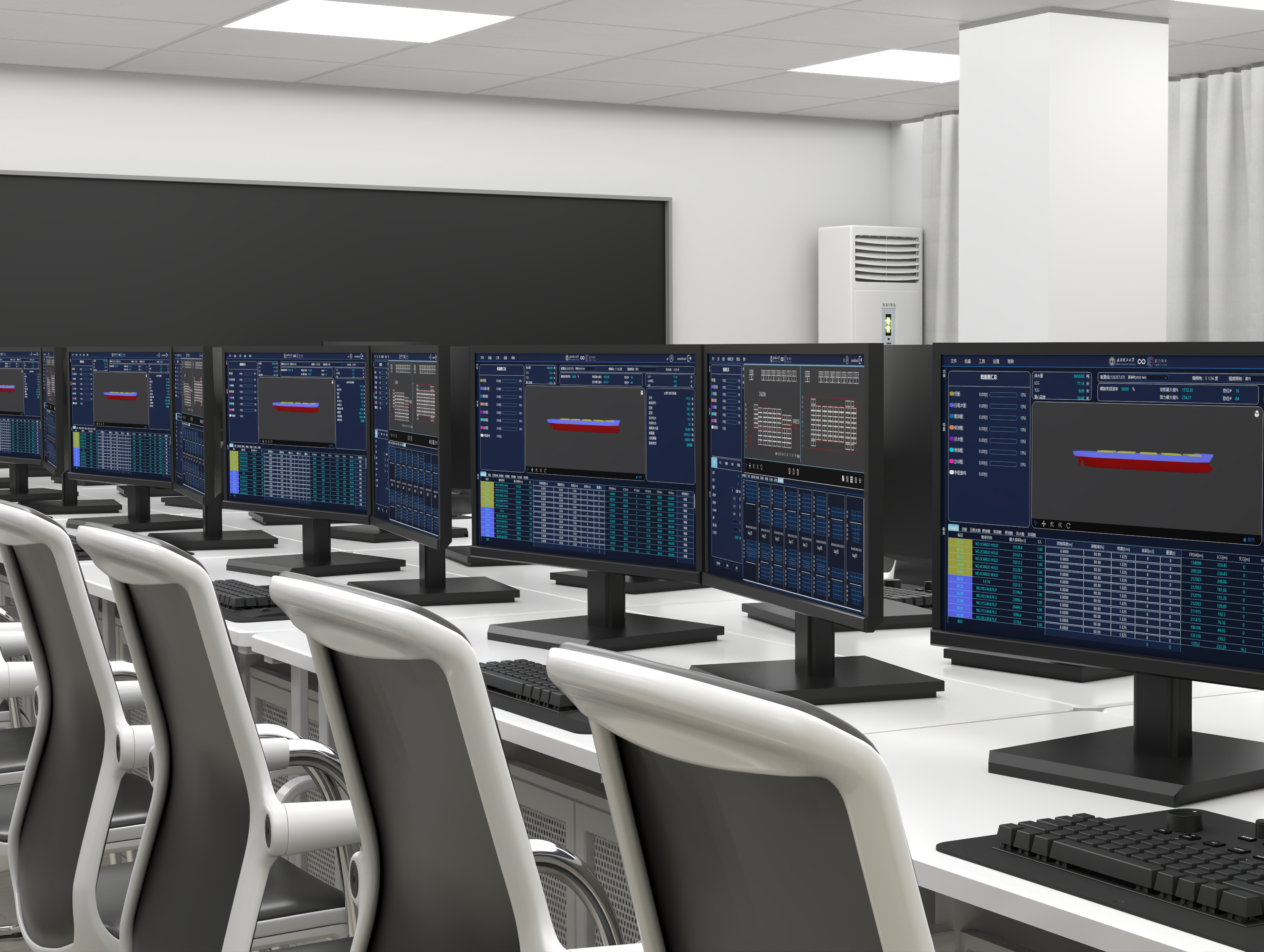
The integration of artificial intelligence and machine learning represents the next frontier in navigation simulator development. Modern systems increasingly incorporate intelligent tutoring systems that can analyze trainee performance, identify specific skill gaps, and automatically generate customized training scenarios to address those deficiencies. This adaptive learning approach, when combined with the comprehensive scenario generation capabilities of a full mission sailing simulator, creates powerfully effective training environments that accelerate competency development while ensuring consistent skill standards across trainees.
Environmental simulation has also seen remarkable advancement in recent generations of ship navigation simulator technology. Modern systems can accurately model complex meteorological conditions, ocean currents, tidal patterns, and even specialized phenomena like polar ice navigation or tropical storm avoidance. This environmental fidelity transforms the training experience from simple equipment operation to genuine situational mastery, where mariners must account for multiple dynamic variables simultaneously—just as they must in actual maritime operations.
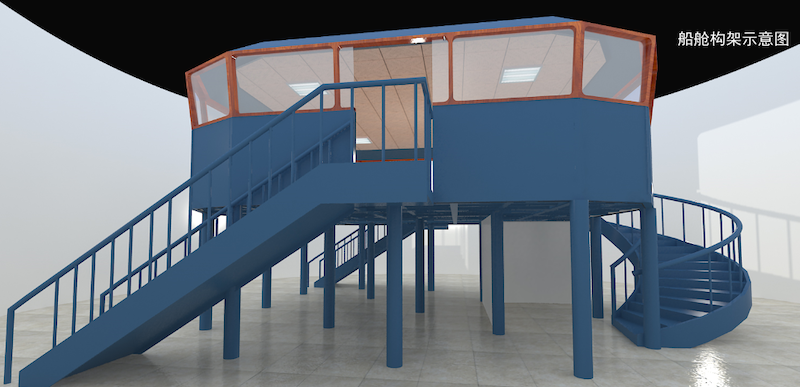
From a regulatory perspective, the widespread adoption of full mission ship simulator technology has prompted important developments in international training standards. Organizations including the International Maritime Organization (IMO) have established detailed performance standards for simulation-based training, ensuring that these advanced systems deliver consistent, measurable learning outcomes regardless of where they are implemented globally. This standardization has been crucial in establishing the credibility and reliability of simulation-based training across the international maritime community.
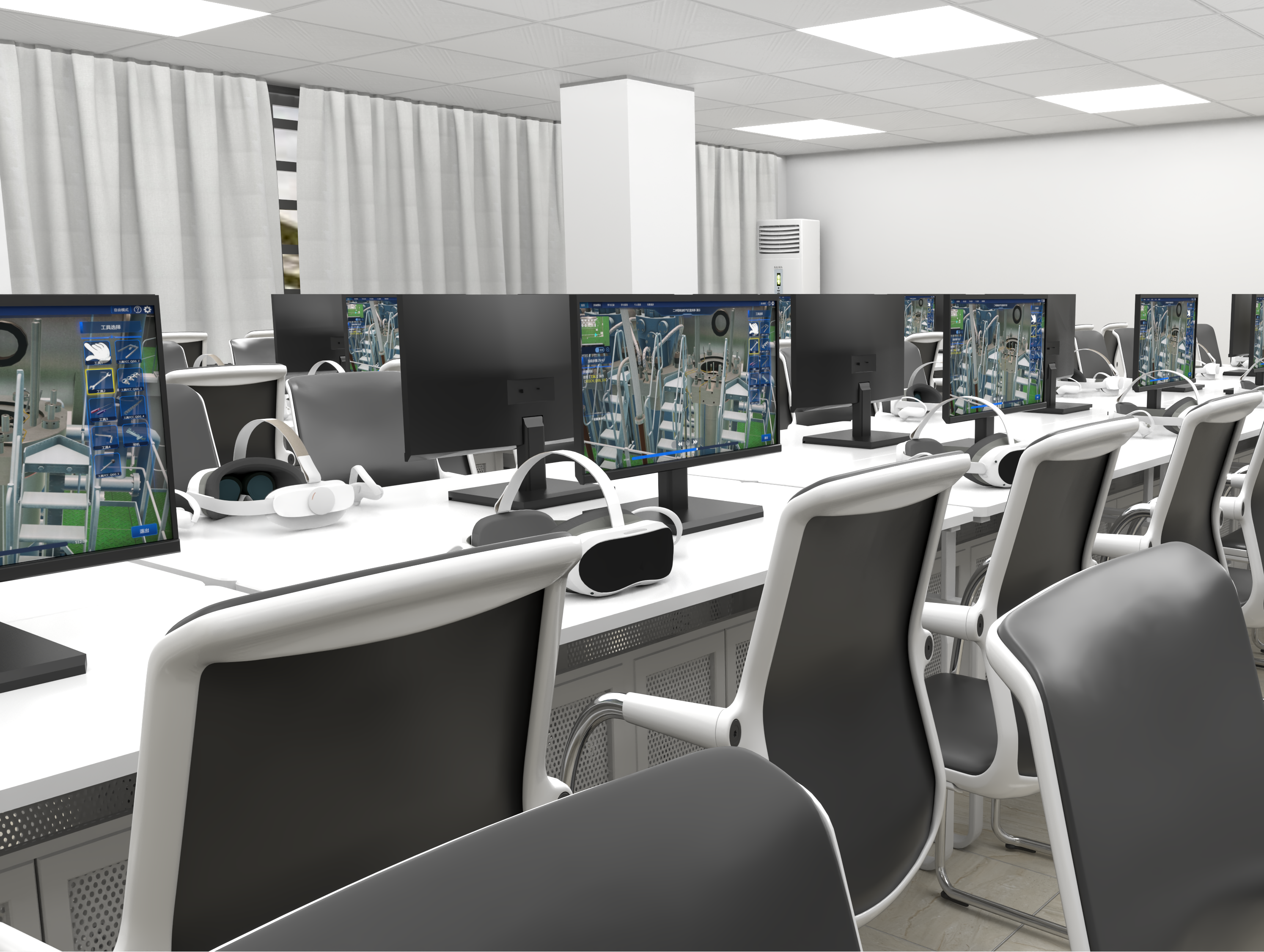
Looking toward future developments, the continued evolution of navigation simulator technology appears poised to further transform maritime training methodologies. Emerging technologies including virtual reality integration, enhanced haptic feedback systems, and cloud-based simulation networks promise to make maritime training even more accessible, realistic, and effective. These innovations will likely further blur the distinction between simulated and actual maritime experience, creating training environments that are simultaneously more comprehensive and more specifically tailored to individual learning needs.
The specialized boat navigation simulator sector is also experiencing significant technological innovation, with new systems offering unprecedented levels of detail in modeling specific small craft behaviors and operational environments. From training for high-speed coastal operations to practicing delicate maneuvering in crowded marinas, these specialized simulators provide valuable training opportunities that were previously unavailable or required actual vessel operation with its attendant costs and risks.
As the maritime industry confronts new challenges including digitalization, environmental regulations, and evolving security concerns, the role of advanced simulation in preparing professionals for these challenges becomes increasingly vital. The sophisticated scenario-generation capabilities of modern full mission sailing simulator systems allow training institutions to incorporate these emerging considerations directly into their training curricula, ensuring that mariners are prepared not just for today's operational environment, but for tomorrow's as well.
The ongoing advancement of navigation simulator technology represents one of the most significant developments in maritime training in recent decades. From comprehensive full mission ship simulator platforms to specialized boat navigation simulator systems, these technologies collectively enhance safety, improve operational efficiency, and elevate professional standards across the global maritime industry. As these systems continue to evolve with technological progress, their importance in developing competent, confident maritime professionals will only continue to grow, ensuring that the human element of maritime operations remains as advanced and capable as the technologies that vessels increasingly employ. The journey of simulation technology in maritime training continues to chart exciting new waters, promising even greater innovations and enhancements in the years ahead.