
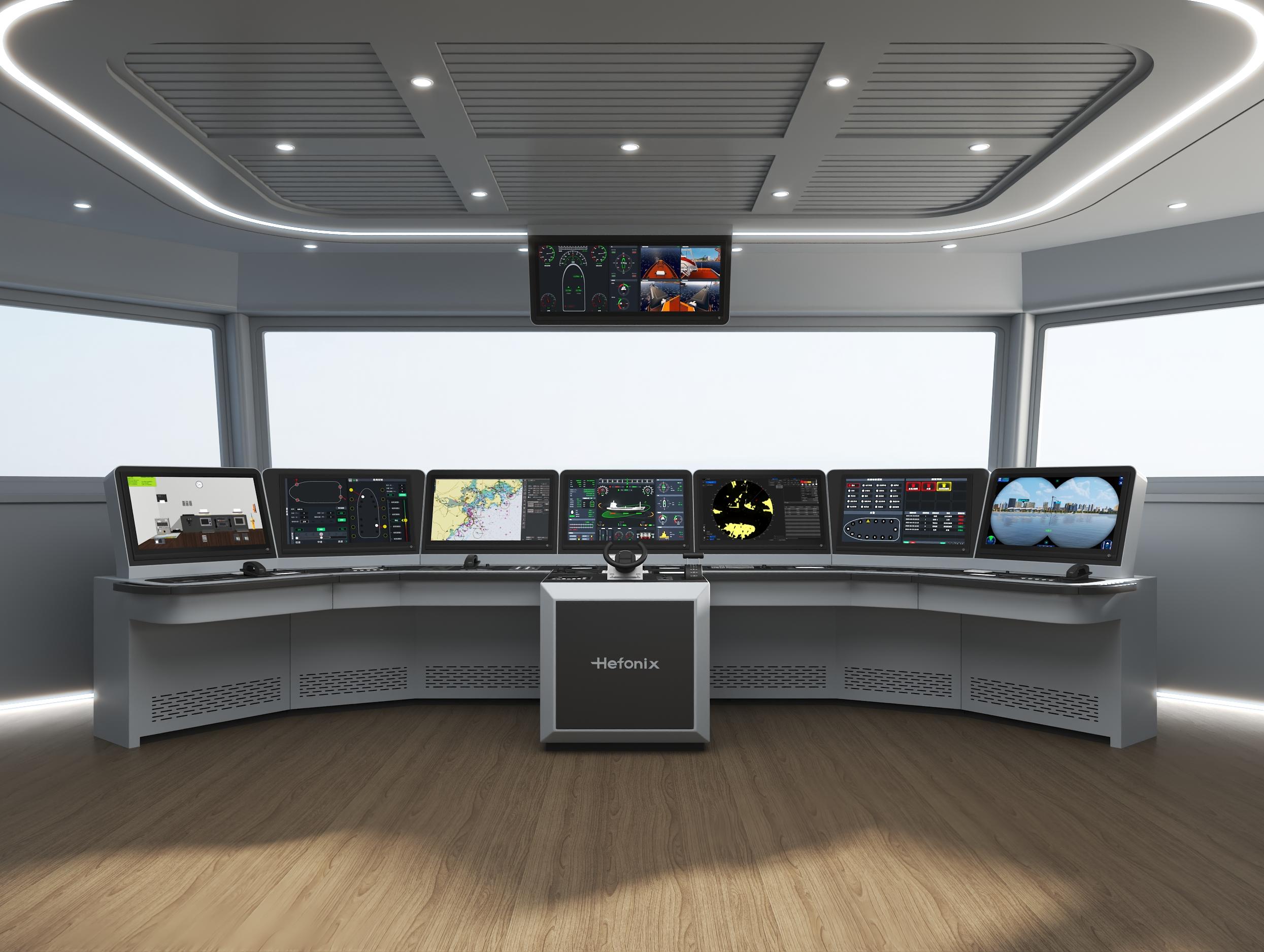
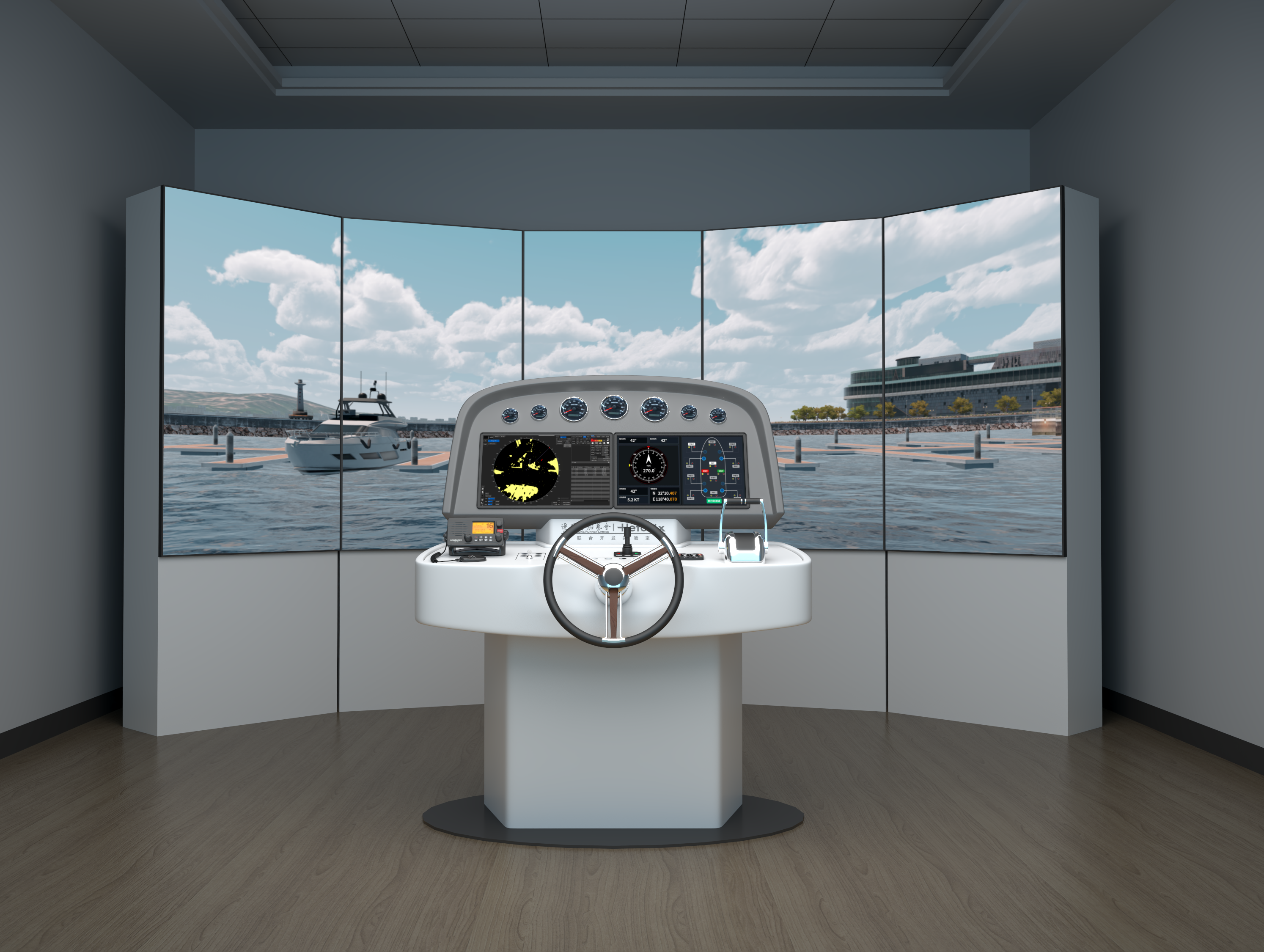
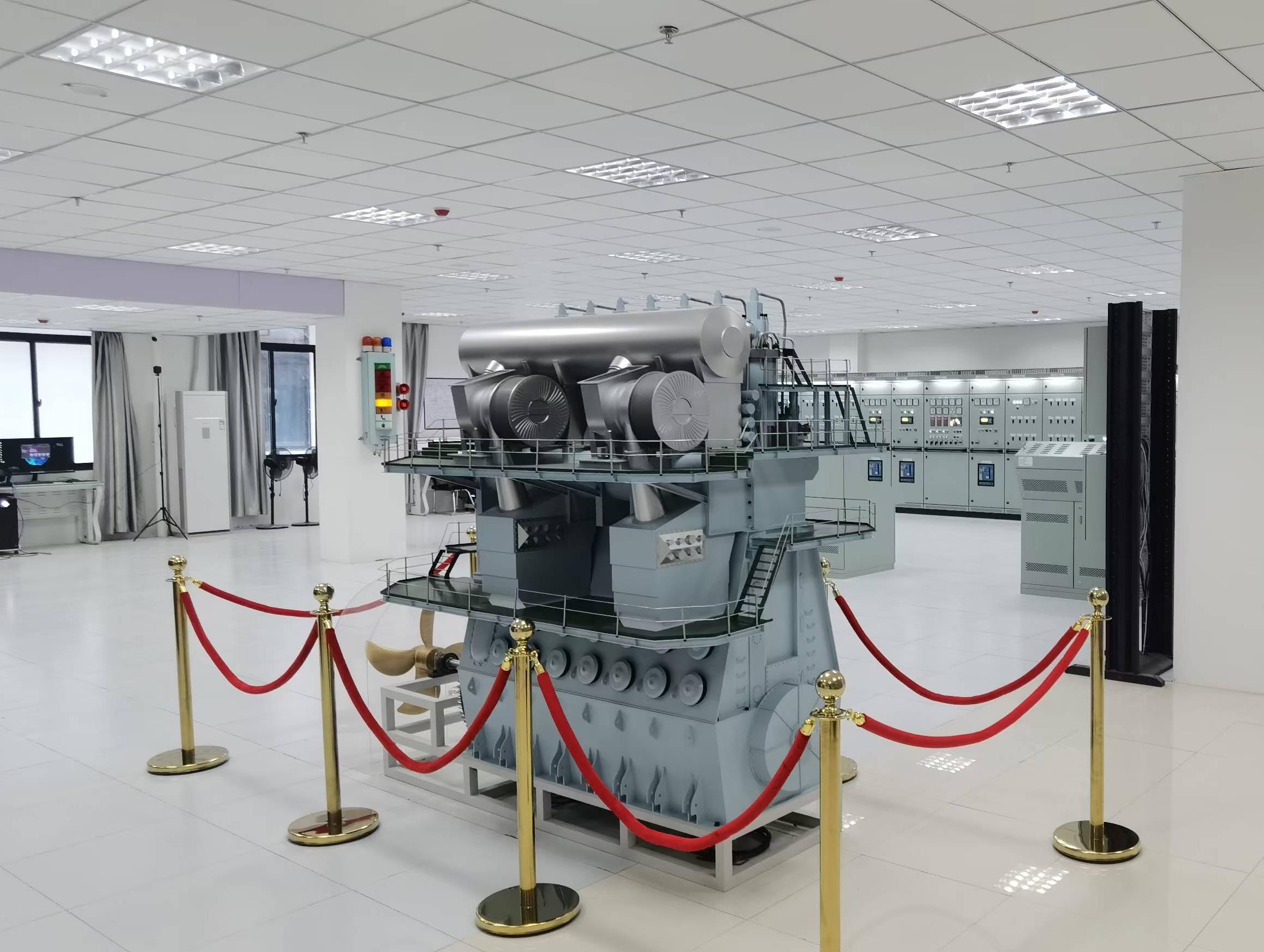
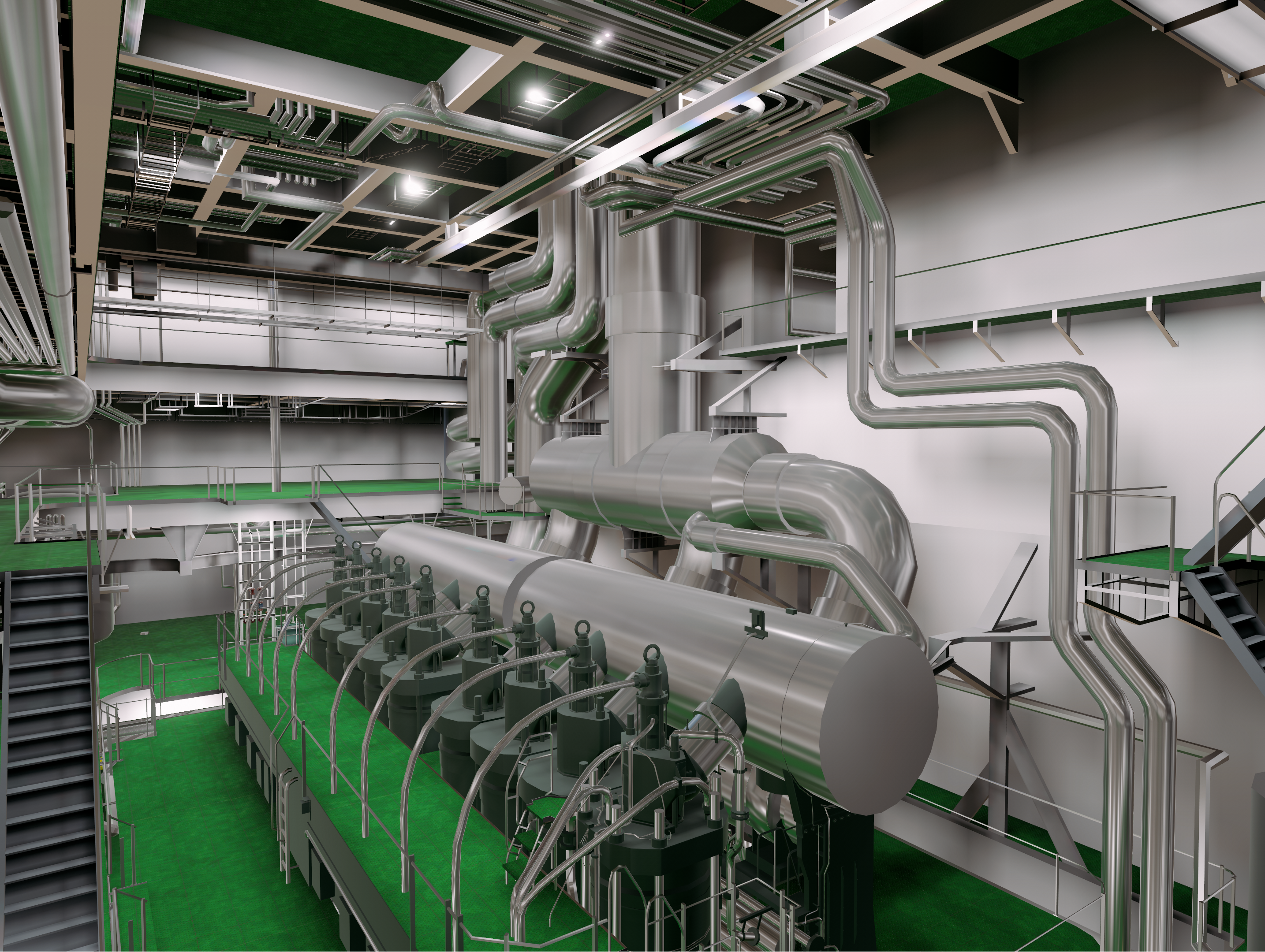
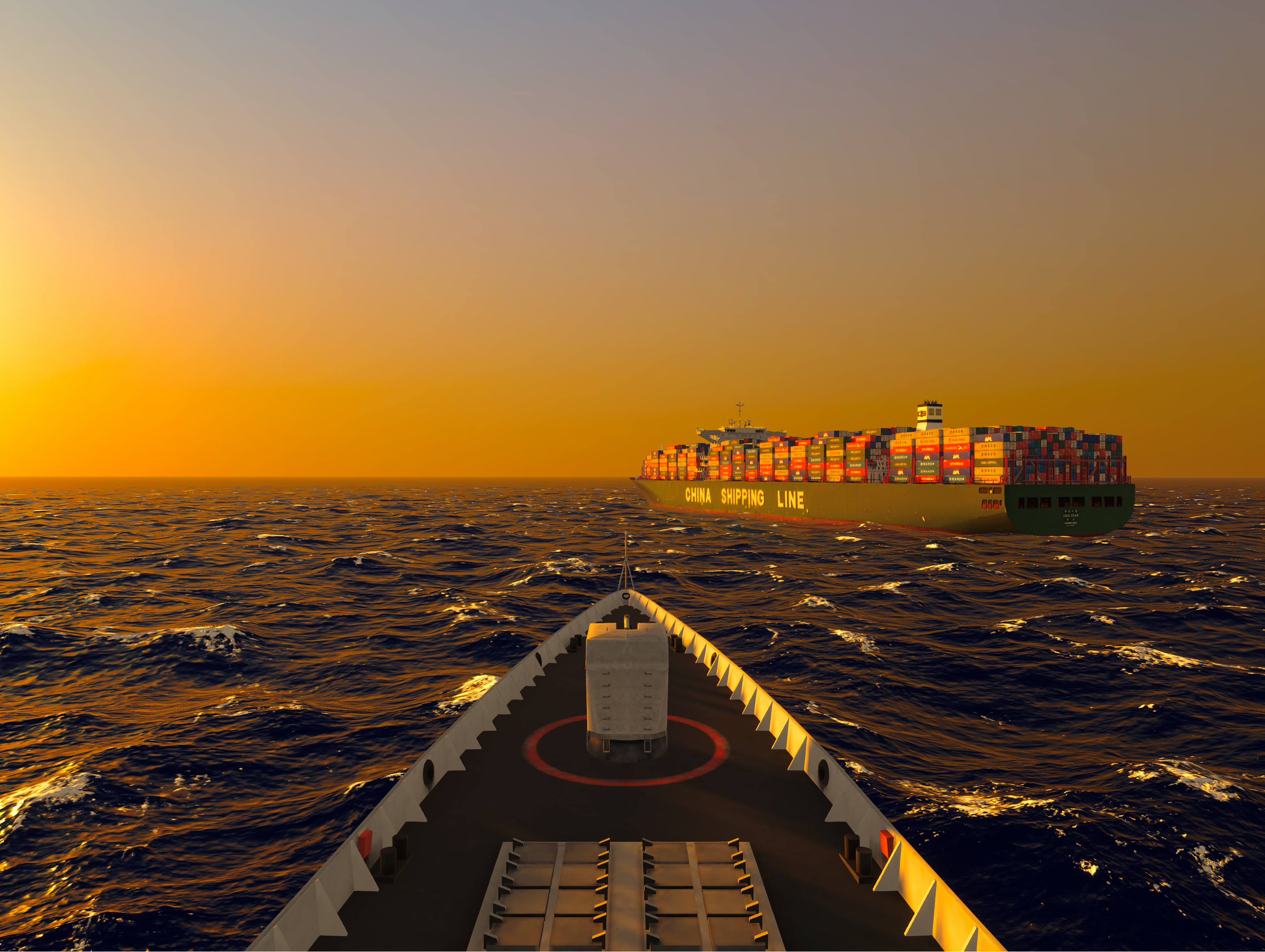
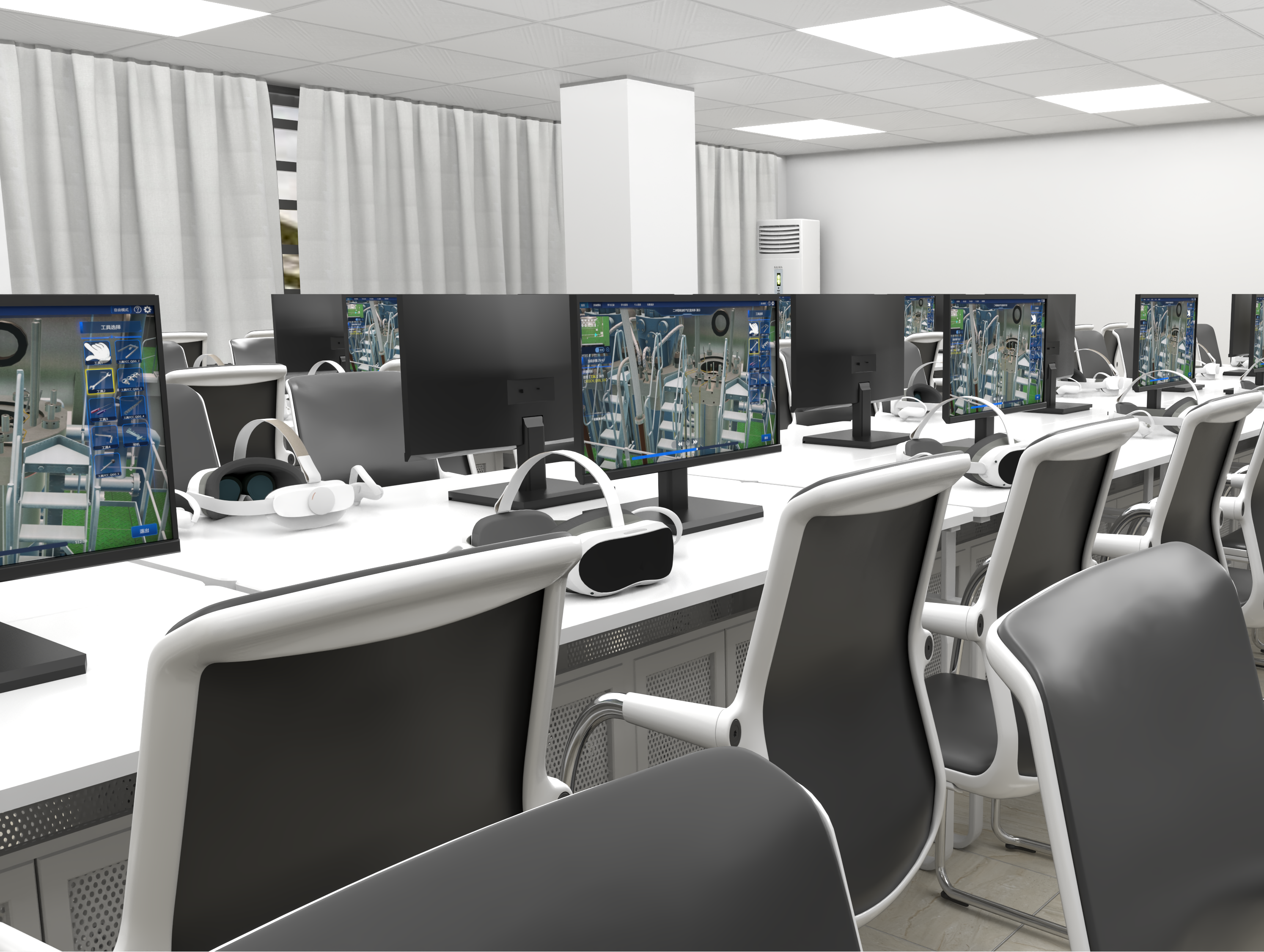
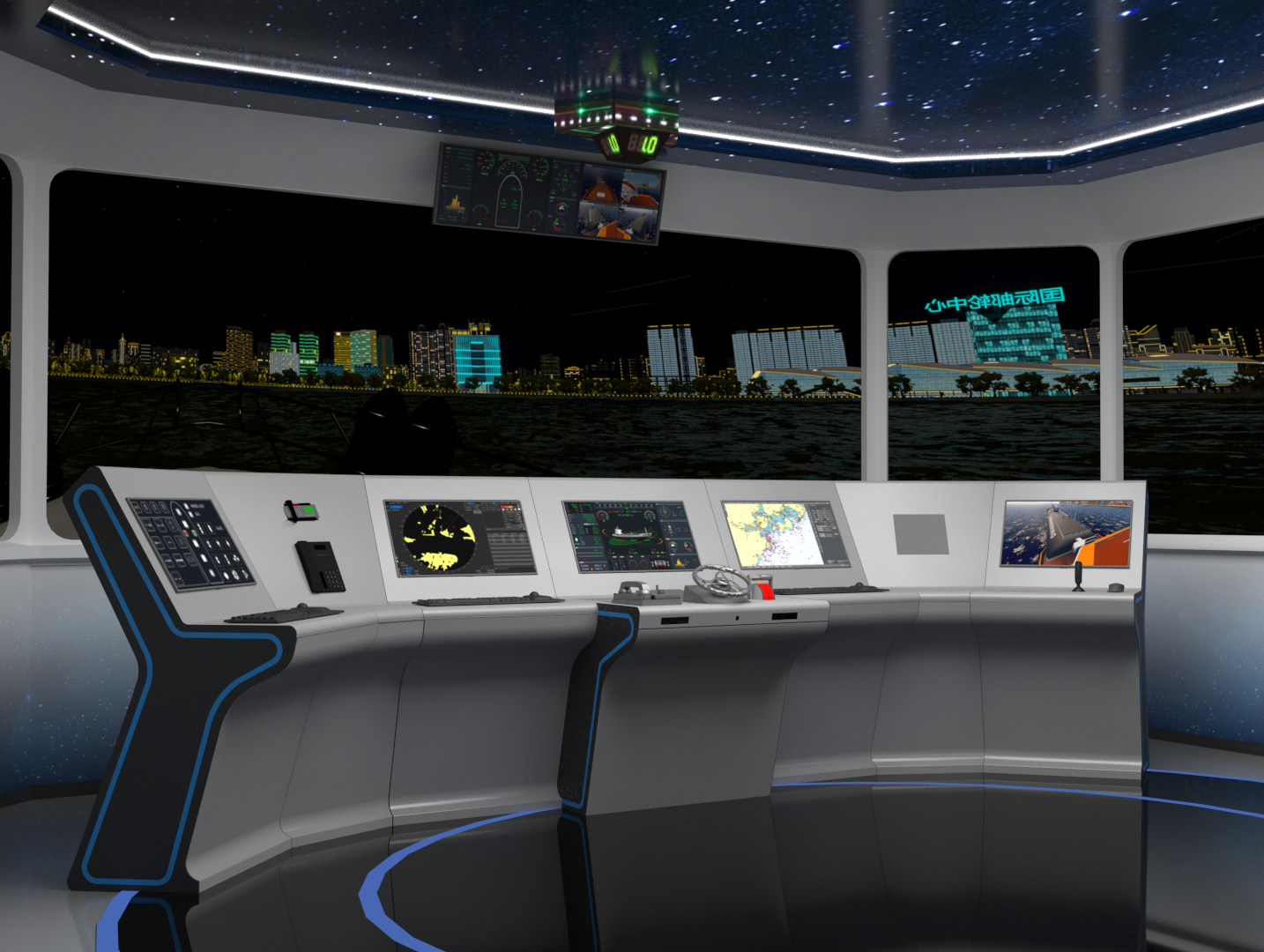
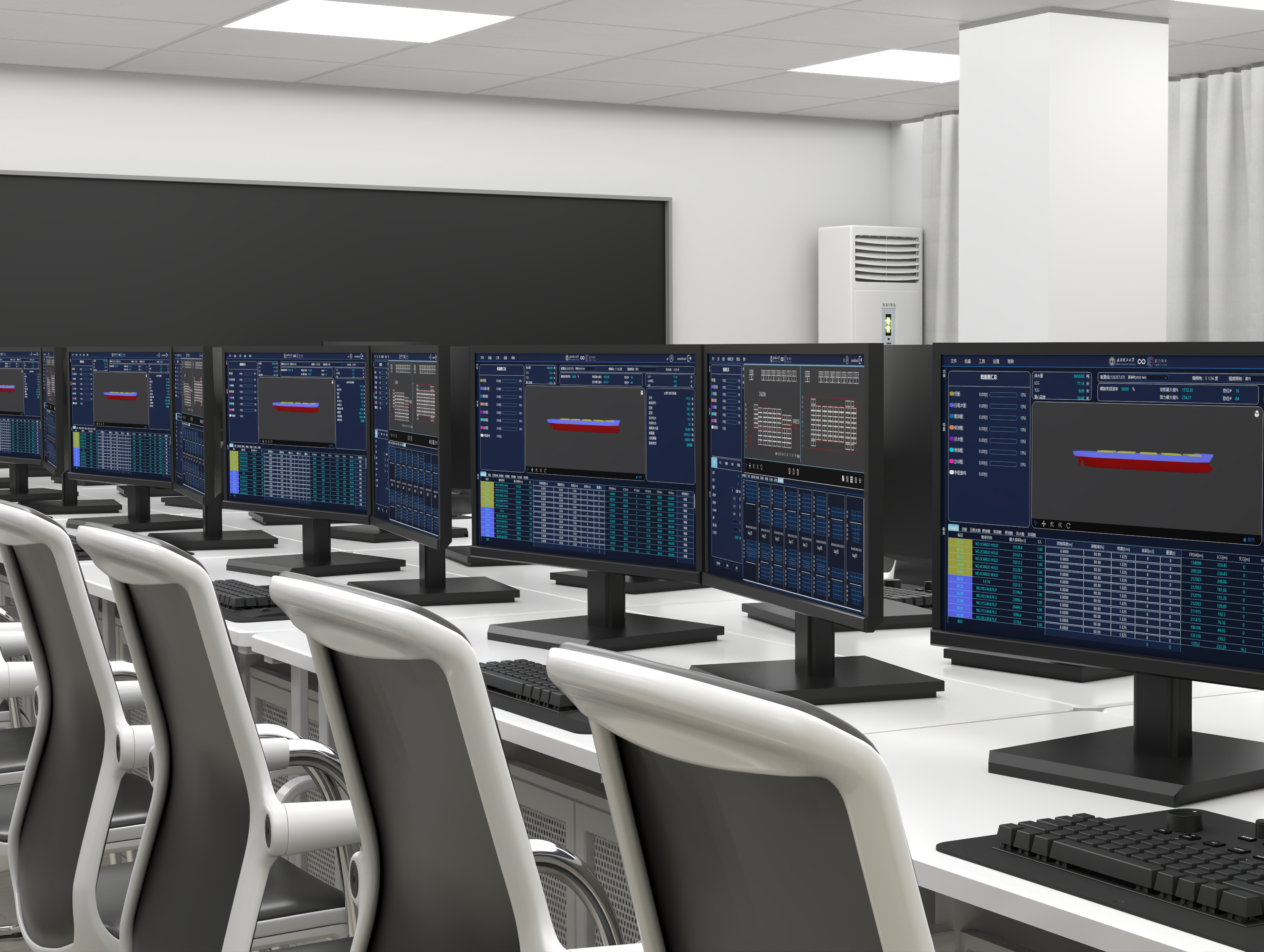

As maritime operations continue to expand in scale and complexity, the demand for highly skilled and well-trained professionals is increasing worldwide. A modern navigation simulator has become a fundamental tool for maritime institutions and commercial operators seeking to improve training quality, operational safety, and workforce readiness. By delivering realistic, repeatable, and measurable training environments, the navigation simulator is transforming traditional maritime education into a more efficient and technology-driven process. A high-performance navigation simulator enables trainees to experience real navigation scenarios without the risks associated with actual vessel operations. Through advanced modeling and visualization, a navigation simulator can replicate various sea states, weather conditions, and traffic situations. This allows trainees to build practical skills in a controlled environment. The integration of a marine navigation simulator further enhances training capabilities by combining multiple operational modules into a unified system. A marine navigation simulator can simulate complex maritime ecosystems, helping trainees understand how different factors interact during navigation. This makes the marine navigation simulator an essential component in modern maritime training centers. The ship navigation simulator is specifically designed to support professional-level bridge operations. By recreating real bridge layouts and navigation equipment, the ship navigation simulator provides an immersive training environment where officers can practice critical tasks. These include voyage planning, route monitoring, and emergency handling. One of the key advantages of the ship navigation simulator is its ability to simulate multi-ship interactions. This allows trainees to practice communication and coordination in high-traffic environments. As a result, the ship navigation simulator plays a vital role in improving situational awareness and decision-making skills for maritime professionals. In addition to large vessel training, the boat navigation simulator addresses the needs of smaller and more specialized vessels. A boat navigation simulator focuses on precise maneuvering, docking operations, and navigation in restricted waters. These skills are particularly important for coastal operations, port services, and high-speed craft handling. The flexibility of a boat navigation simulator allows training providers to adapt scenarios based on specific operational requirements. Whether for training new operators or enhancing the skills of experienced personnel, the boat navigation simulator delivers targeted and effective training solutions. The inland navigation simulator is designed to replicate the unique conditions of rivers, canals, and port areas. Unlike open sea navigation, inland waterways require precise control and a deep understanding of local navigation rules. An inland navigation simulator enables trainees to practice navigating through narrow channels, handling strong currents, and operating in congested traffic zones. By using an inland navigation simulator, operators can gain valuable experience in managing complex inland operations. This helps reduce risks and improve efficiency in logistics and transport activities. For training centers focused on inland navigation, the inland navigation simulator is an indispensable tool. A comprehensive marine navigation simulator integrates different simulation modules into a single platform. By combining the functionalities of a navigation simulator, ship navigation simulator, boat navigation simulator, and inland navigation simulator, the marine navigation simulator provides a complete training ecosystem. This integrated system allows organizations to deliver multi-level training programs, covering everything from basic navigation skills to advanced operational scenarios. The marine navigation simulator also supports customization, enabling training providers to tailor programs according to specific industry needs. The use of a navigation simulator significantly enhances training effectiveness by allowing repeated practice and performance evaluation. Trainees can learn from mistakes in a safe environment, improving their skills without real-world consequences. A marine navigation simulator further supports this process by providing detailed performance data and feedback. Through continuous use of the ship navigation simulator, boat navigation simulator, and inland navigation simulator, trainees can achieve higher levels of proficiency and confidence. This leads to improved operational performance and reduced risk in actual maritime operations. The future of maritime training is closely linked to the advancement of navigation simulator technologies. Innovations such as artificial intelligence, cloud-based systems, and real-time data integration will further enhance the capabilities of the marine navigation simulator. These technologies will enable more adaptive and personalized training experiences. At the same time, the ship navigation simulator, boat navigation simulator, and inland navigation simulator will continue to evolve, offering greater realism and interactivity. These advancements will ensure that maritime professionals are well-prepared to meet the challenges of modern navigation. The adoption of advanced navigation simulator systems is essential for improving maritime training and operational safety. From the ship navigation simulator used in professional bridge training to the boat navigation simulator and inland navigation simulator designed for specialized applications, each system plays a critical role in building a skilled maritime workforce. By integrating these technologies into a comprehensive marine navigation simulator platform, training institutions and operators can deliver high-quality, efficient, and future-ready training programs. In an increasingly complex maritime environment, investing in a reliable navigation simulator is key to long-term success.Driving Innovation in Maritime Education with Advanced Navigation Simulator Systems
Navigation Simulator as the Core of Digital Maritime Training
Ship Navigation Simulator for Professional Bridge Training
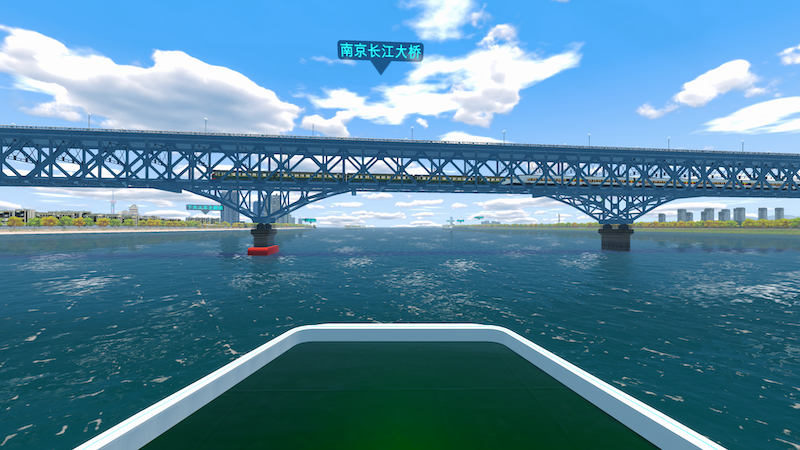
Boat Navigation Simulator for Flexible Training Applications
Inland Navigation Simulator for River and Port Environments
Marine Navigation Simulator for Integrated Training Systems
Improving Training Outcomes Through Simulation Technology
The Future of Navigation Simulator Development
40px
80px
80px
80px