

Ship Navigation Simulator Technology: Empowering Mariners with Real-World Skills Through Full Mission Training
In the vast and unpredictable realm of the oceans, the ability to navigate safely and efficiently is not just a skill—it’s a lifeline. As global maritime trade expands and vessels grow in size and complexity, the demand for highly trained seafarers has never been greater. At the heart of this training revolution lies navigation simulator technology, a suite of tools ranging from basic boat navigation simulators to state-of-the-art full mission sailing simulators. These innovations are redefining how mariners prepare for the challenges of the sea, making ship navigation simulators—especially full mission ship simulators—indispensable to modern maritime education.
From Basics to Mastery: The Evolution of Boat Navigation Simulators
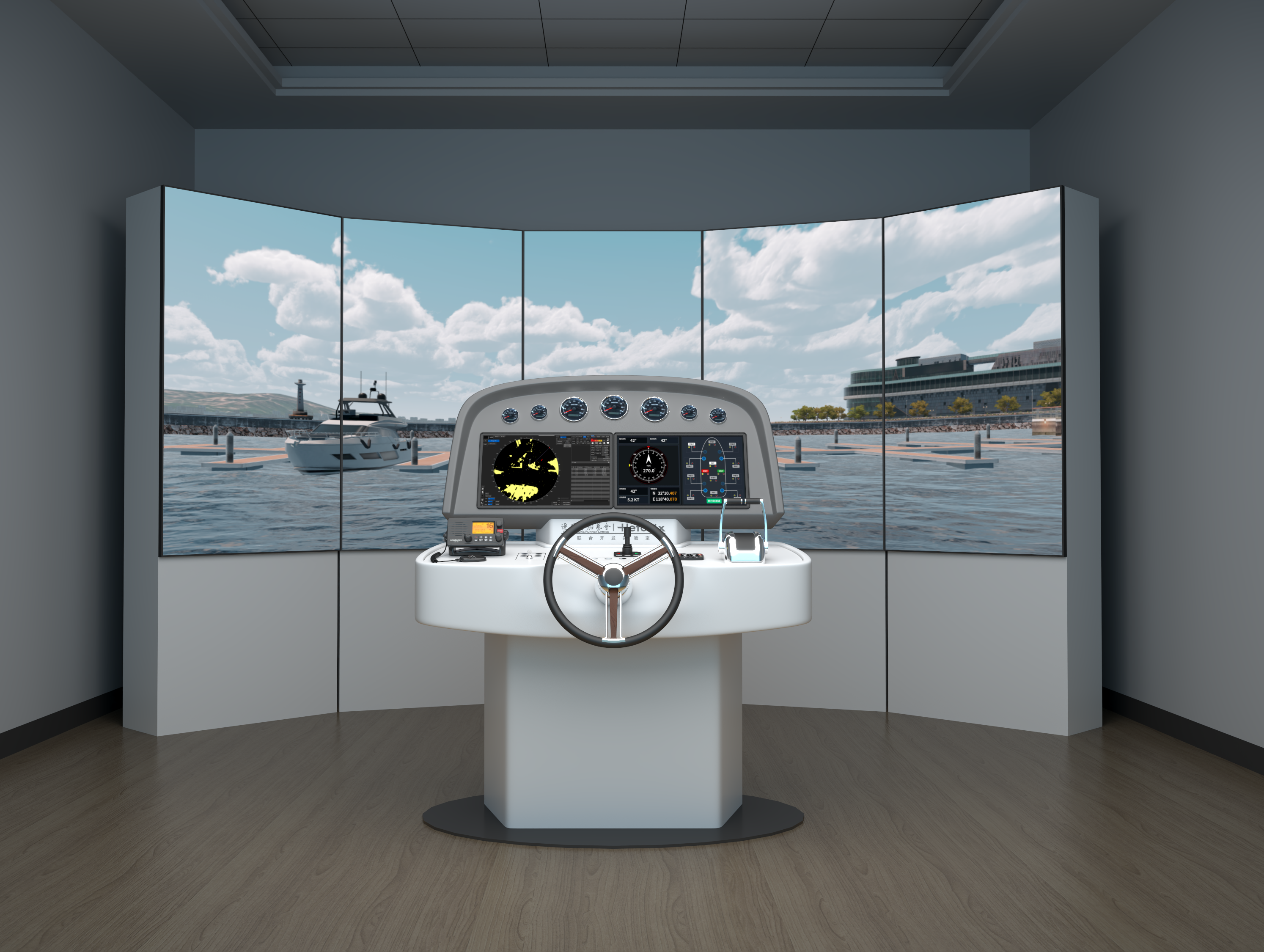
For decades, aspiring mariners learned the ropes through textbooks and limited hands-on experience. Enter the boat navigation simulator: a game-changer that introduced interactive learning. These early systems allowed trainees to practice fundamental tasks like plotting courses, interpreting nautical charts, and avoiding collisions in a controlled environment. While basic boat navigation simulators laid the groundwork, they soon revealed limitations—static scenarios, simplified controls, and a lack of real-world pressure.
Recognizing these gaps, the industry shifted toward more immersive solutions. Today’s navigation simulators are no longer just “games”; they’re hyper-realistic training ecosystems. By replicating everything from calm seas to hurricane-force storms, these tools ensure that no matter the scenario, mariners are ready.
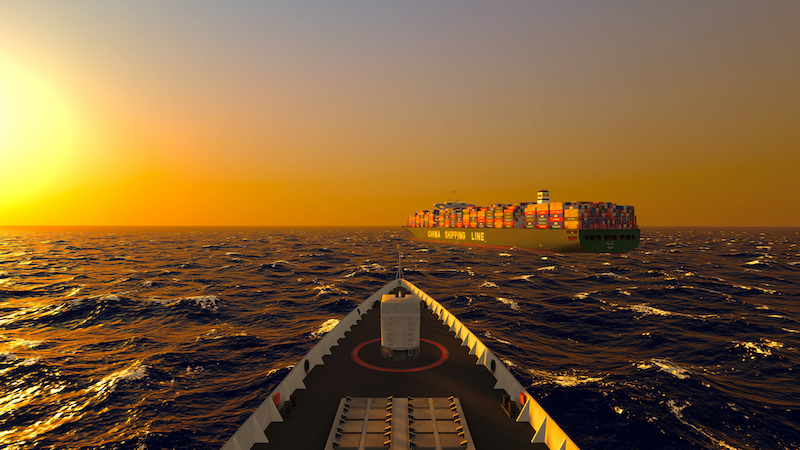
Full Mission Simulators: Where Realism Meets Readiness
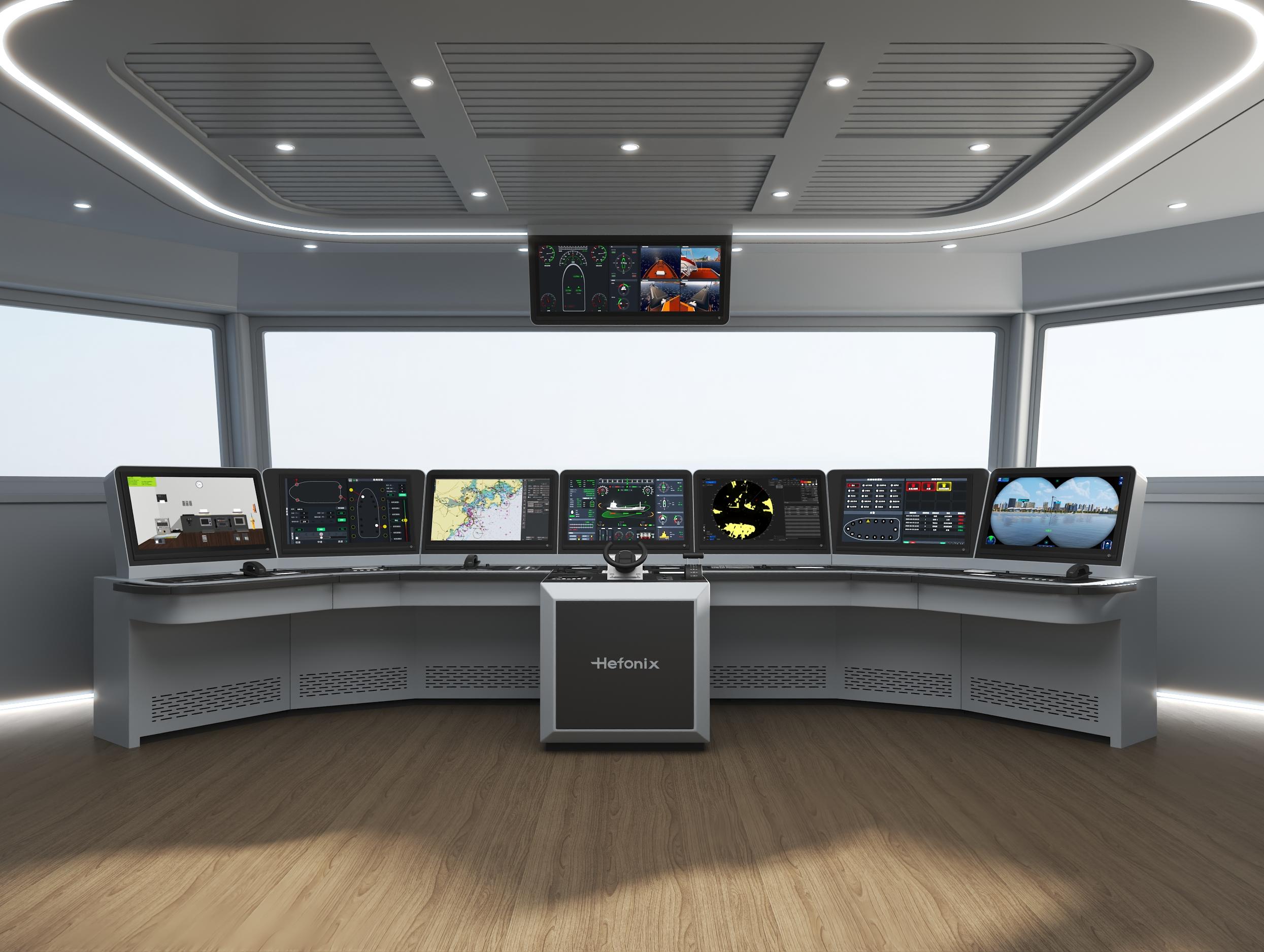
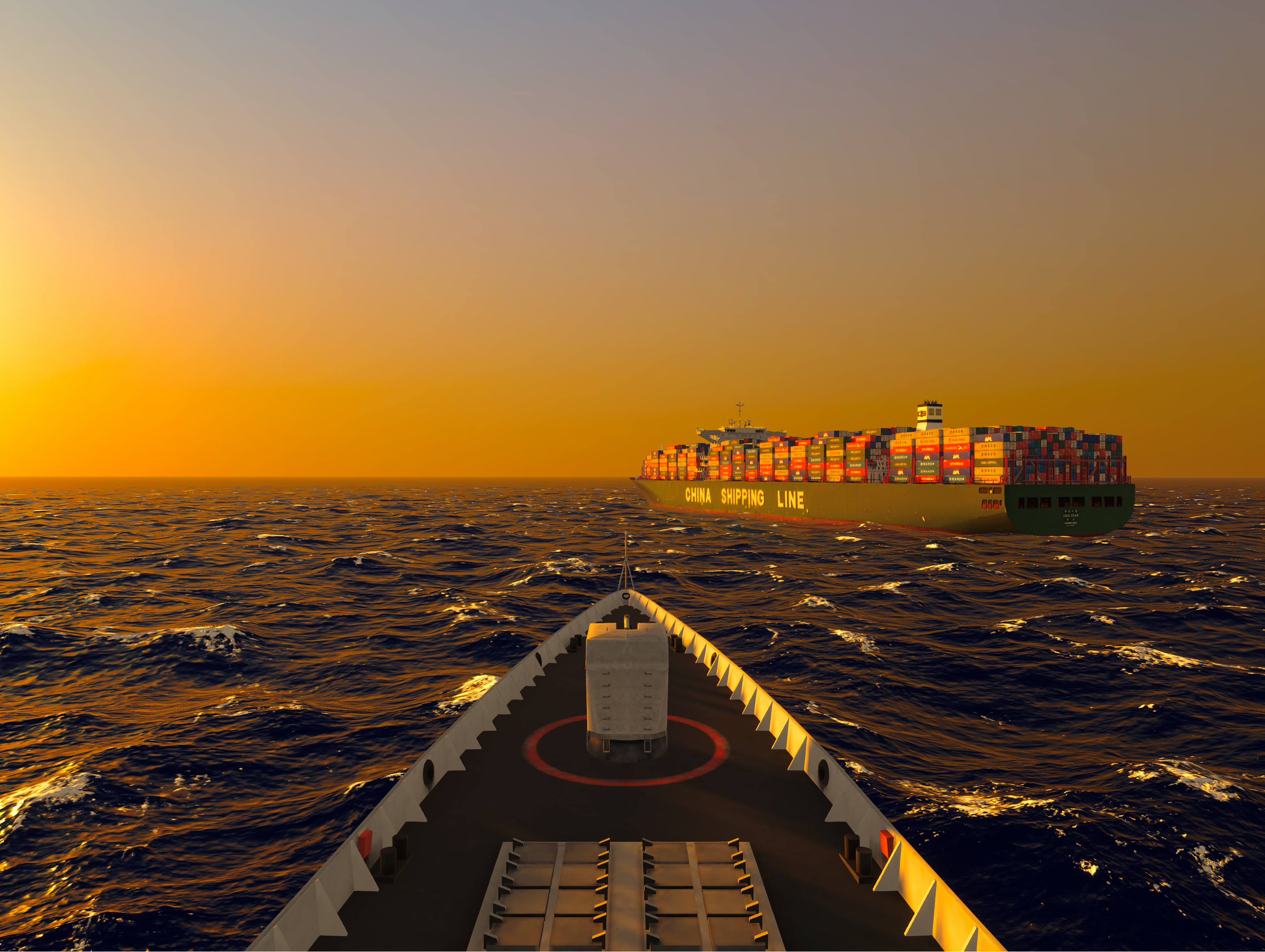
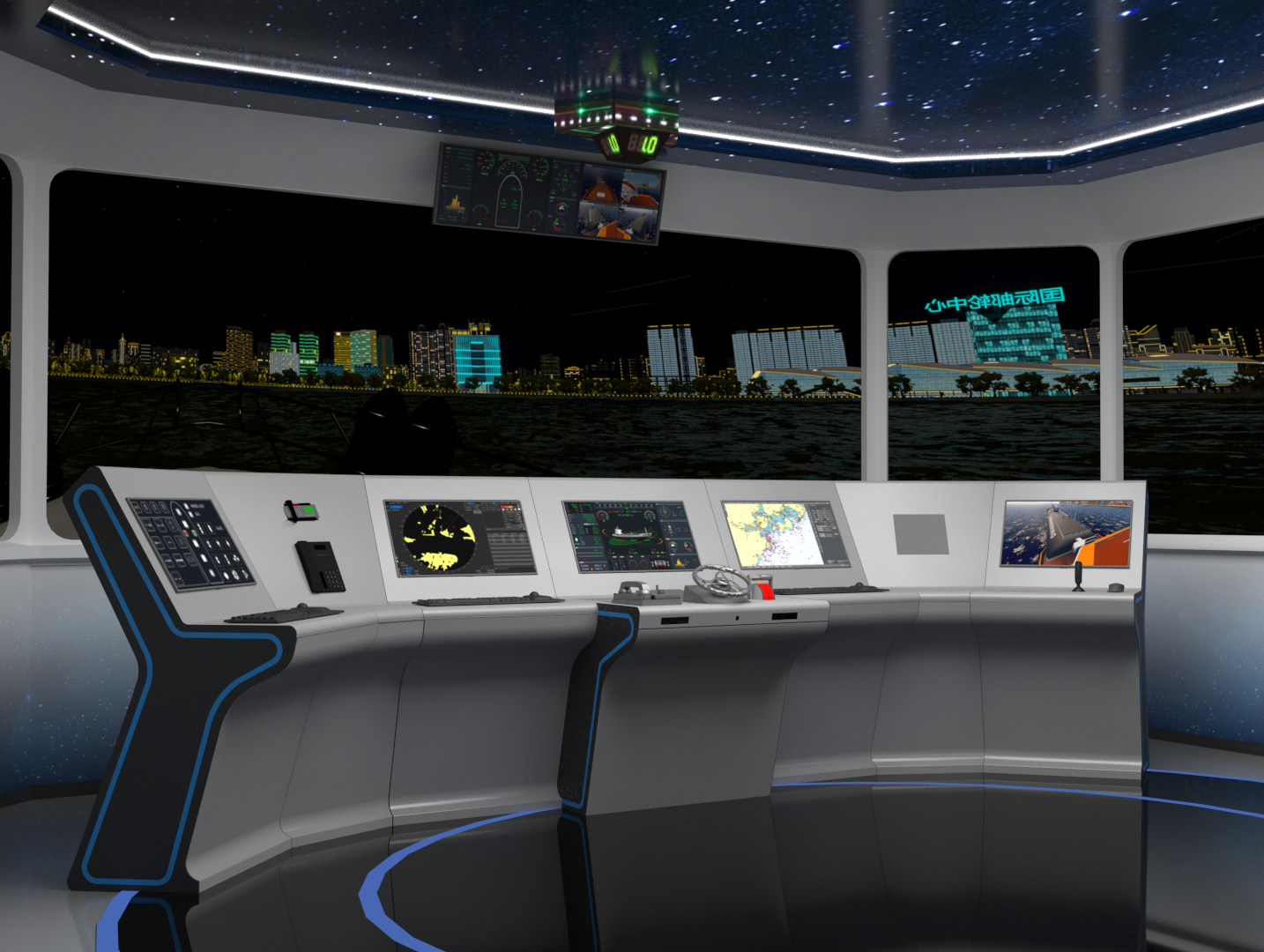
When it comes to preparing crews for the unpredictability of the open ocean, full mission sailing simulators stand in a league of their own. Designed to mirror every critical system on a modern ship’s bridge, these simulators integrate advanced technologies like ECDIS, radar, automatic identification systems (AIS), and dynamic positioning. A full mission ship simulator doesn’t just show trainees what a storm looks like—it makes them feelthe ship’s roll, hear the alarm bells, and react to a cascading series of emergencies, all while managing a crew and cargo.
Consider a common scenario: navigating the English Channel during peak traffic. A ship navigation simulator can populate the virtual waters with hundreds of other vessels, simulate dense fog, and introduce a sudden engine malfunction. Trainees must coordinate with a virtual crew, adjust routes, and communicate with port authorities—all under intense time pressure. Such training hones decision-making skills that no textbook can teach, reducing the risk of errors that lead to accidents, spills, or delays.
Why Ship Navigation Simulators Are Critical for Industry Resilience
The maritime industry faces mounting pressures: stricter environmental regulations, rising fuel costs, and the need to cut carbon emissions. Amid these challenges, navigation simulators play a pivotal role in building a resilient workforce. For instance, full mission ship simulators enable crews to practice energy-efficient routing, test ballast water management protocols, and respond to simulated oil spills—skills essential for meeting IMO 2030 targets.
Moreover, human error accounts for 75–96% of maritime incidents, according to industry studies. By immersing trainees in high-stakes scenarios, boat navigation simulators and their full-mission counterparts help break bad habits and instill best practices. A cadet who repeatedly practices mooring a container ship in a crosswind on a navigation simulator will approach the task with calm precision on their first real voyage, minimizing the risk of damage to the vessel or injury to the crew.
Accessibility and Innovation: Bringing Simulators to Every Trainee
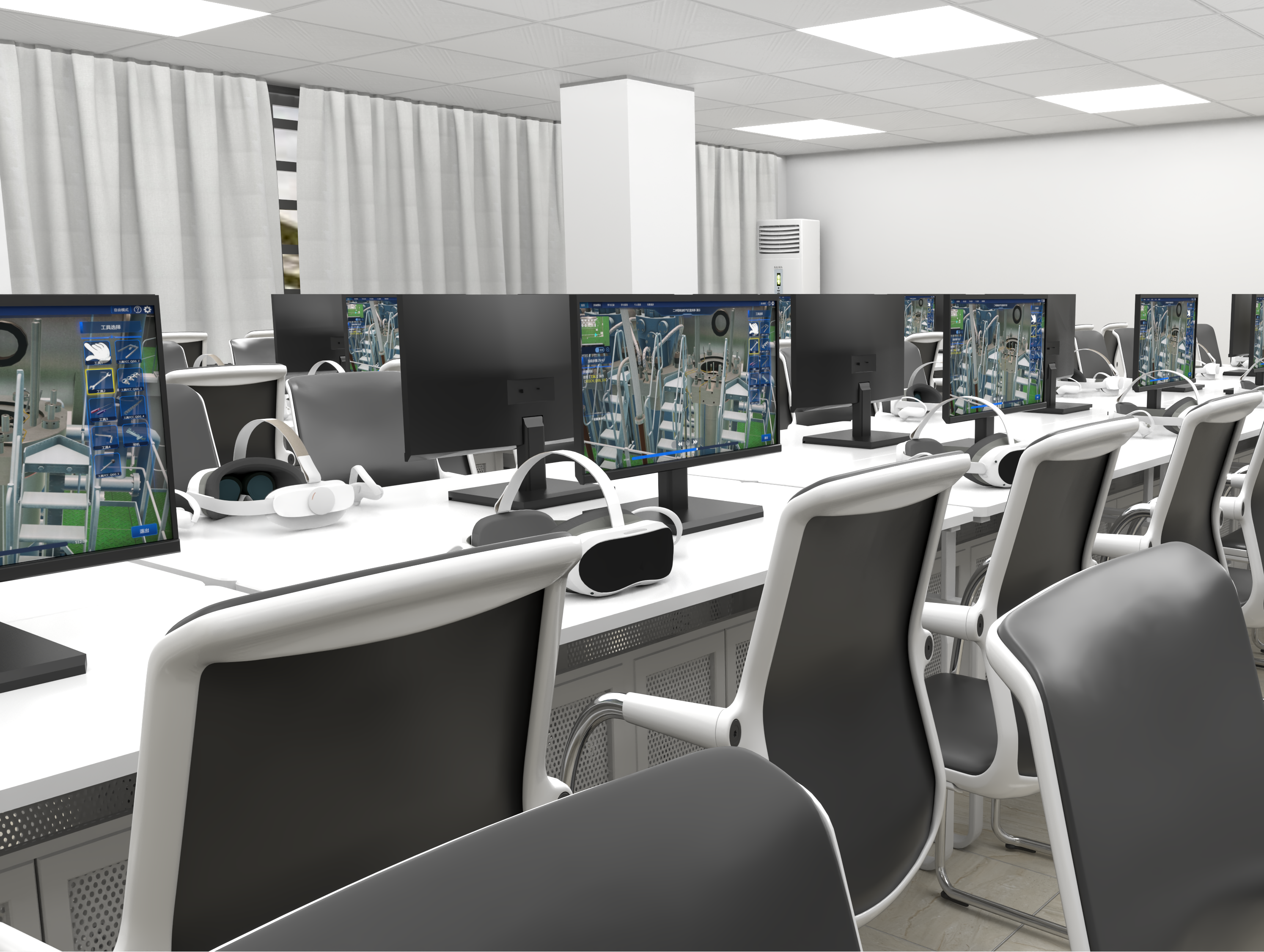
One of the most exciting developments in navigation simulator technology is its growing accessibility. Cloud-based platforms now allow maritime academies, even in remote regions, to offer boat navigation simulator training via laptops or tablets. Meanwhile, compact, cost-effective full mission sailing simulators are making advanced training available to smaller shipping companies, leveling the playing field for crew preparedness.
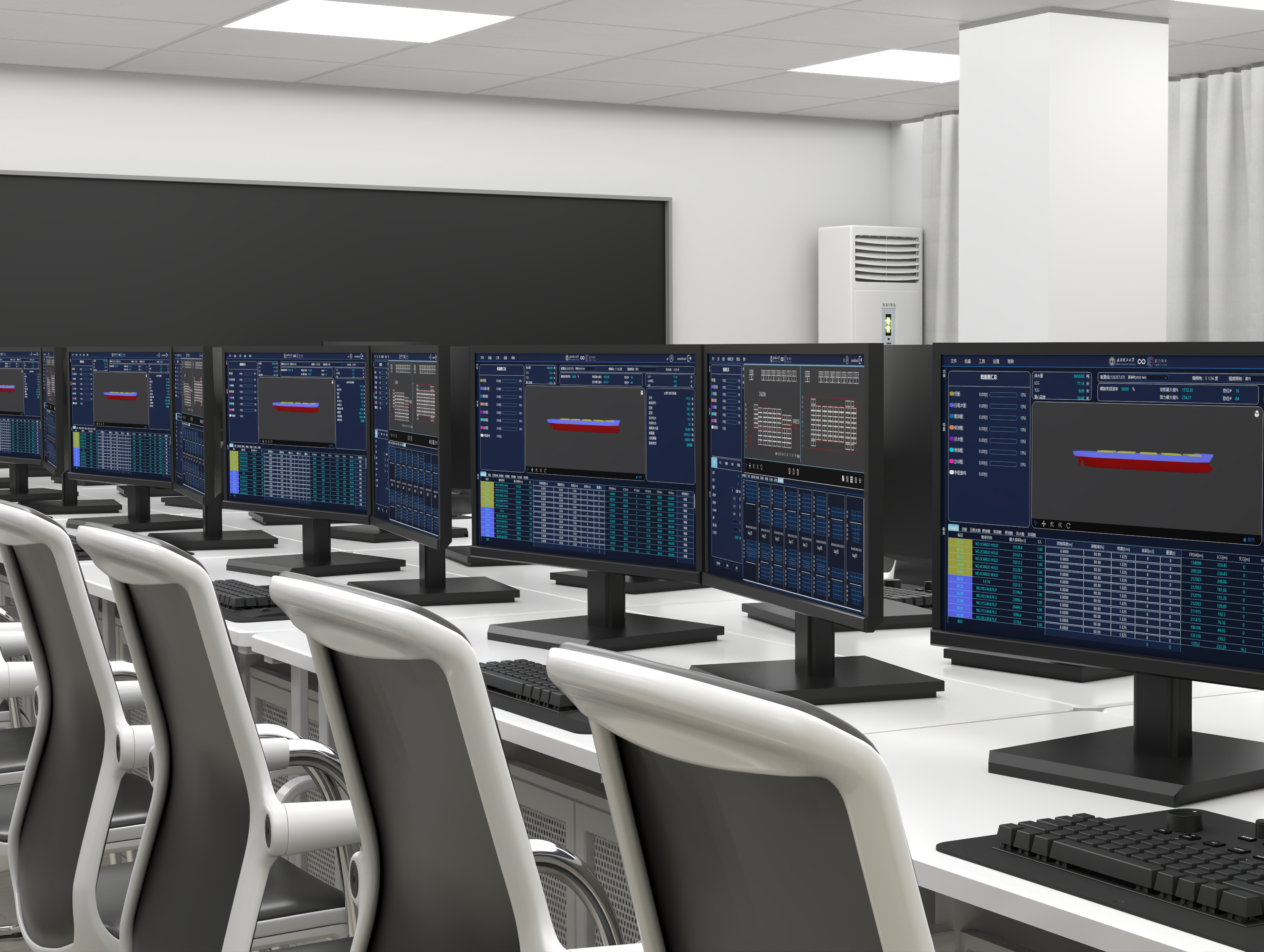
AI-powered analytics further enhance these systems. Modern ship navigation simulators track every action—from steering adjustments to communication logs—and provide instant feedback. Trainees receive personalized reports highlighting strengths (e.g., quick collision avoidance) and areas for improvement (e.g., slow response to engine alarms), accelerating skill development.
Navigating the Future with Confidence
From the humble boat navigation simulator to the cutting-edge full mission ship simulator, these tools are transforming maritime training from a reactive process to a proactive strategy. They empower mariners to face real-world challenges with confidence, ensuring safer seas, more efficient operations, and a more sustainable industry.
As technology continues to advance, one thing is clear: the future of maritime navigation depends not just on skilled captains, but on the navigation simulators that shape them. Whether you’re a trainee taking your first steps or a veteran refining your expertise, these simulators are your trusted partners in mastering the art of the sea.