

How Full Mission Ship Simulators Are Revolutionizing Maritime Training for Safer Navigation
In the ever-evolving world of maritime operations, navigation simulator technology has emerged as a cornerstone of modern seafarer training, bridging the gap between theoretical knowledge and real-world challenges. From basic boat navigation simulator setups to advanced full mission sailing simulators, these tools are reshaping how crews master the art of safe and efficient vessel handling. Today, we explore why ship navigation simulators—particularly full mission ship simulators—are becoming indispensable for the next generation of mariners.
The Rise of Simulation: Beyond Basic Boat Navigation
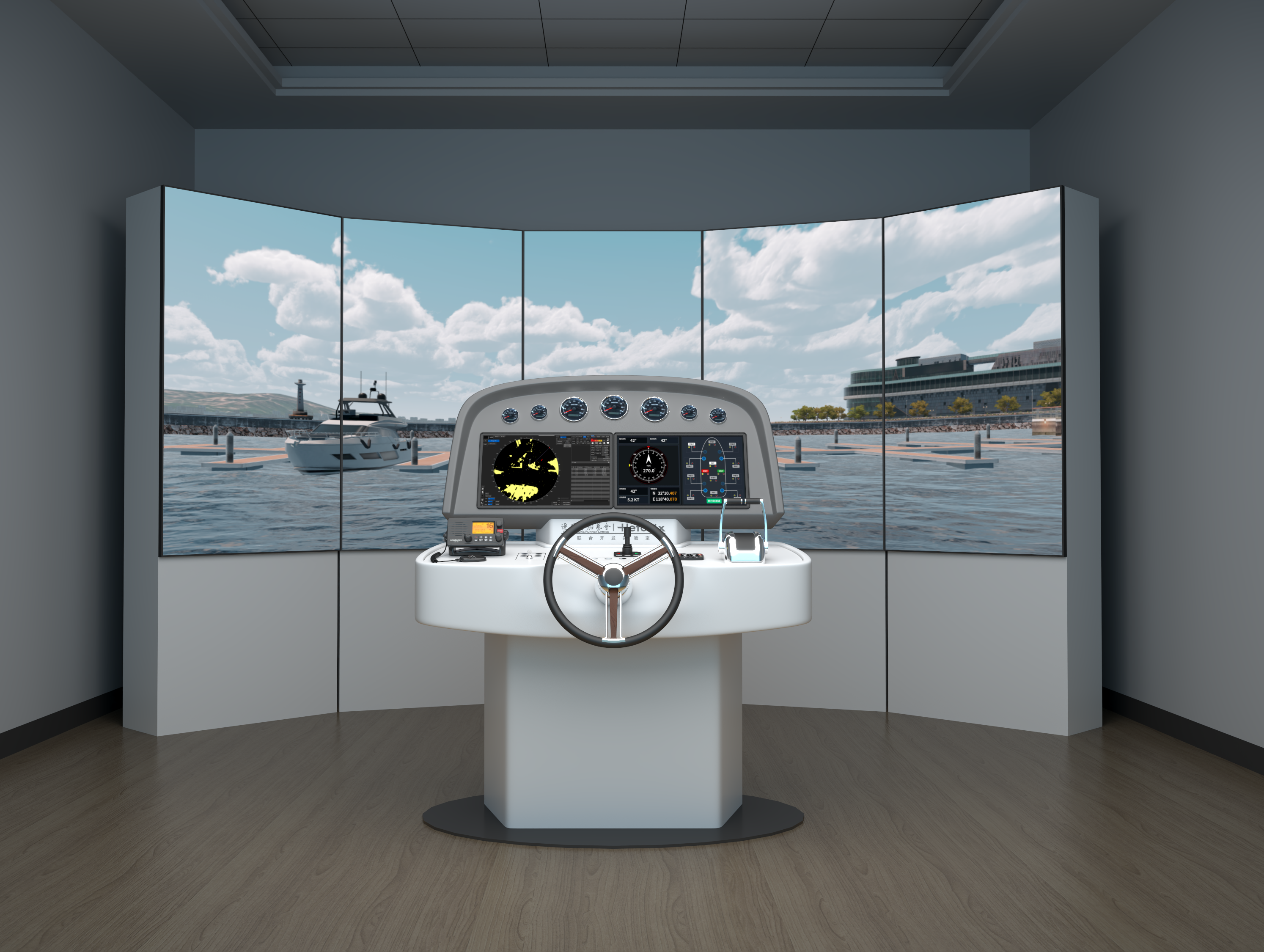
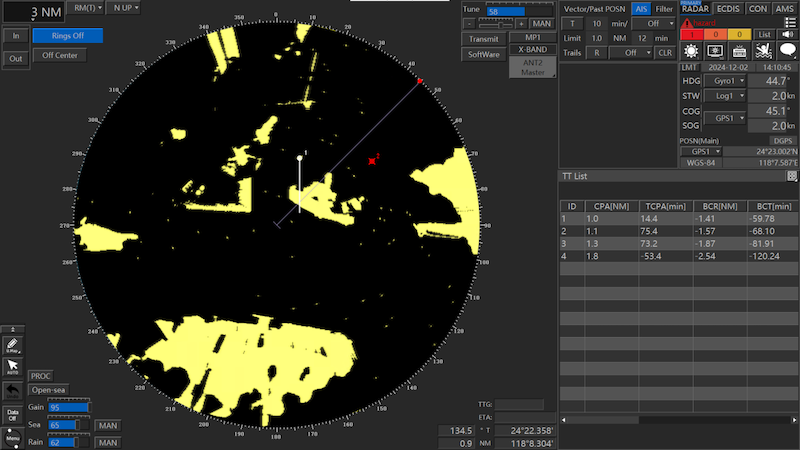
Gone are the days when maritime training relied solely on classroom lectures or limited onboard practice. A boat navigation simulator offers a foundational platform for learners to grasp core concepts like chart reading, radar interpretation, and collision avoidance. However, as global shipping demands grow more complex—with larger vessels, congested waterways, and stricter safety regulations—the need for immersive, high-fidelity training has surged. This is where navigation simulators step up, evolving into sophisticated systems that replicate real-sea conditions with stunning accuracy.
What Makes a Full Mission Simulator a Game-Changer?
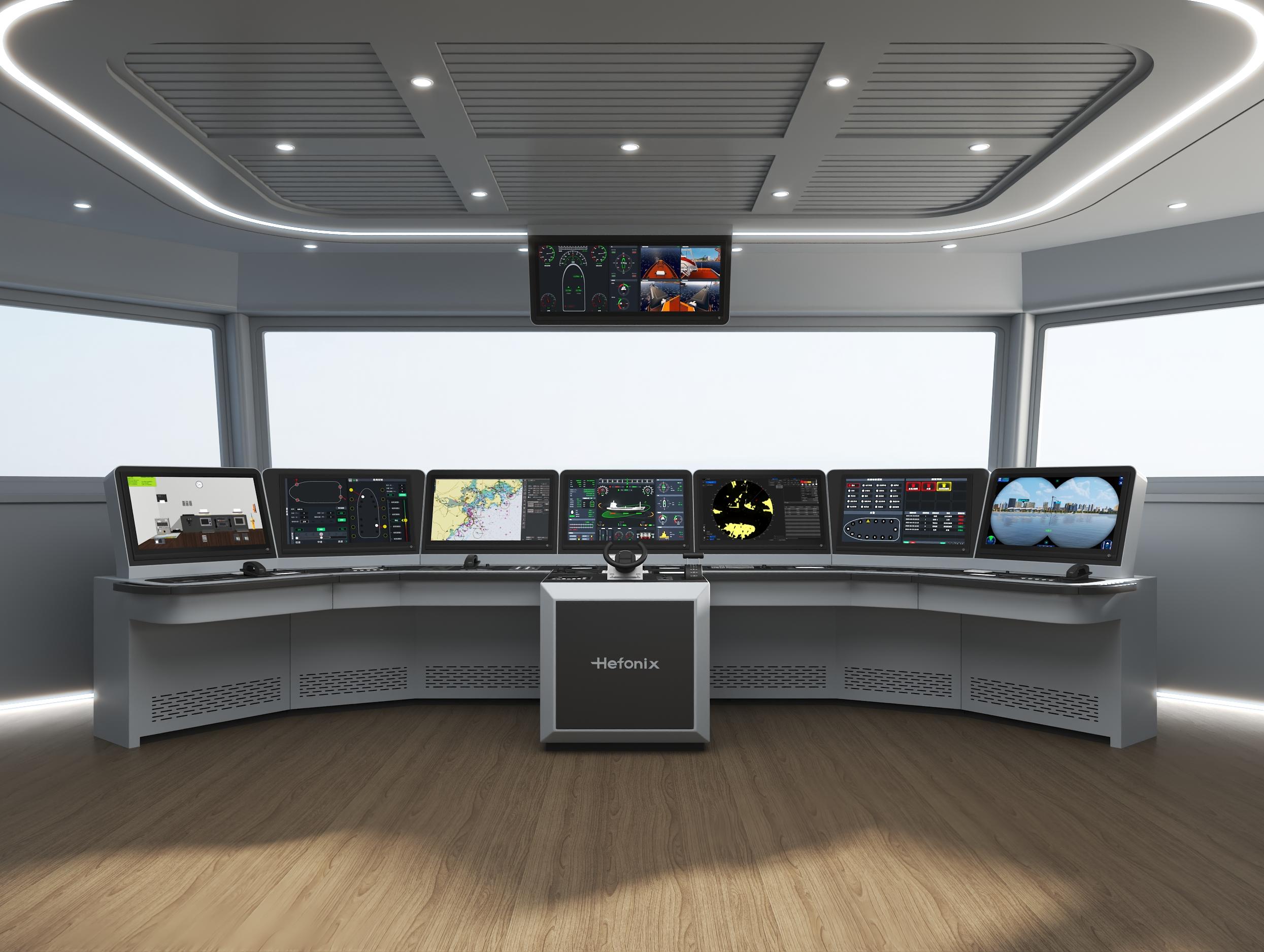
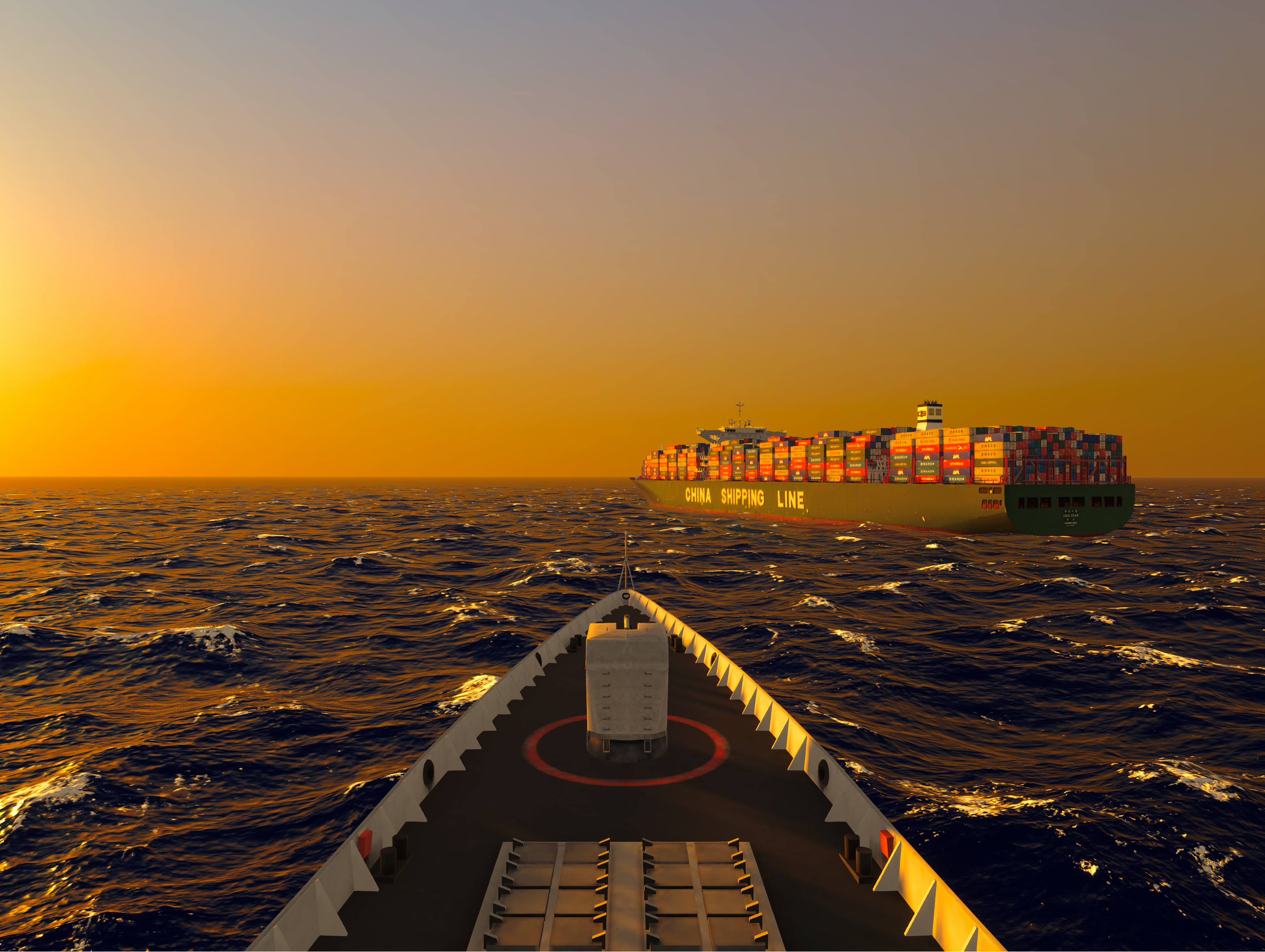
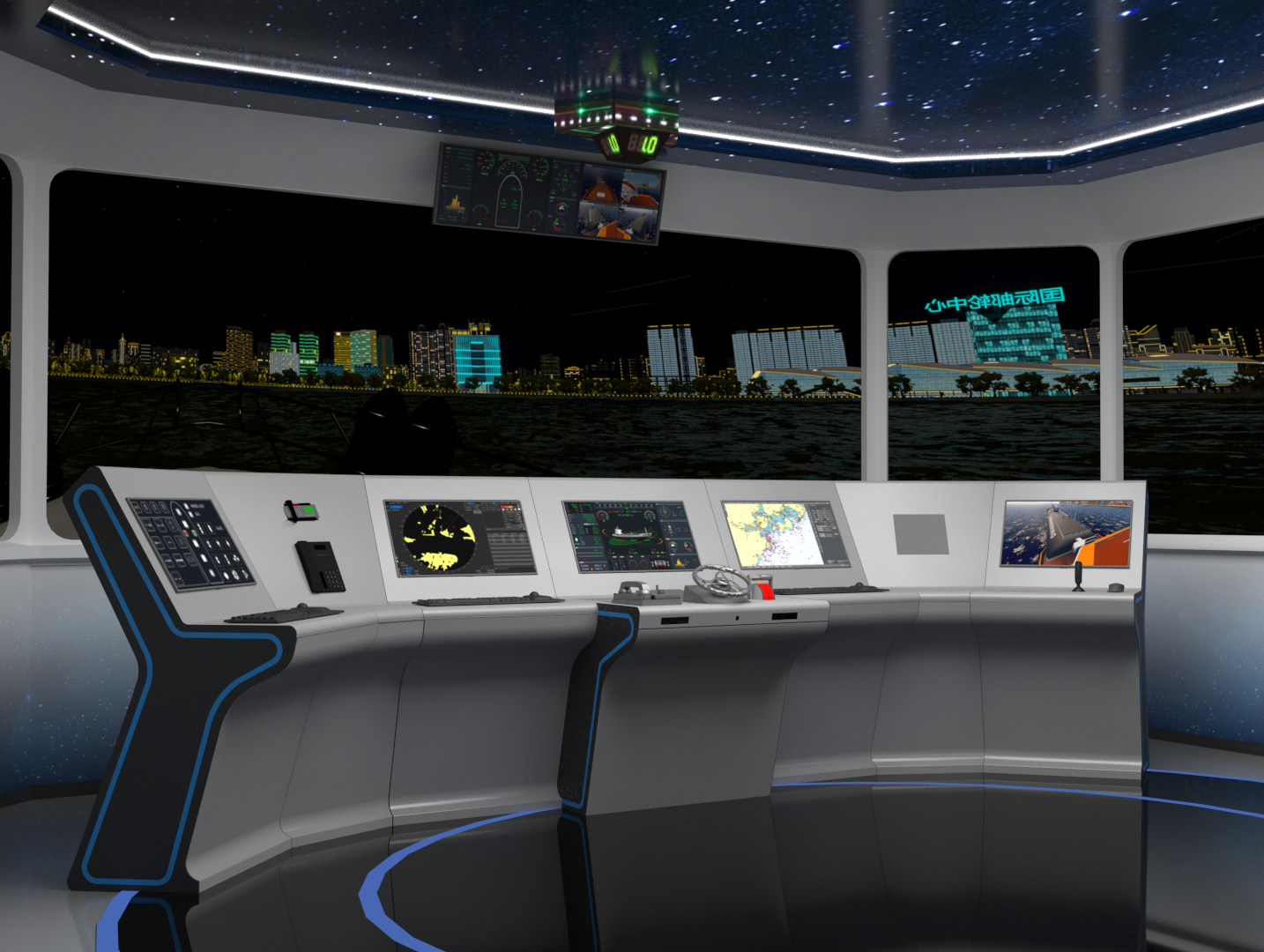
At the pinnacle of simulation technology lies the full mission sailing simulator. Unlike basic models, these systems deliver a "full mission" experience, integrating every critical bridge system found on modern ships: from Electronic Chart Display and Information Systems (ECDIS) and autopilot controls to dynamic positioning, cargo handling, and even emergency response scenarios. For instance, a full mission ship simulator can recreate a typhoon-struck strait, complete with shifting winds, reduced visibility, and sudden engine failures, forcing trainees to make split-second decisions that could mean life or death in actual voyages.
Such realism is no accident. Developers leverage cutting-edge physics engines, 360-degree visual displays, and motion platforms to mimic a ship’s pitch, roll, and heave. Trainees don’t just "watch" simulations—they livethem, honing muscle memory and situational awareness far beyond what static training allows. This is why leading maritime academies and shipping companies now prioritize full mission sailing simulators over fragmented tools; they transform learning from passive observation to active mastery.
Why Ship Navigation Simulators Are Critical for Industry Safety
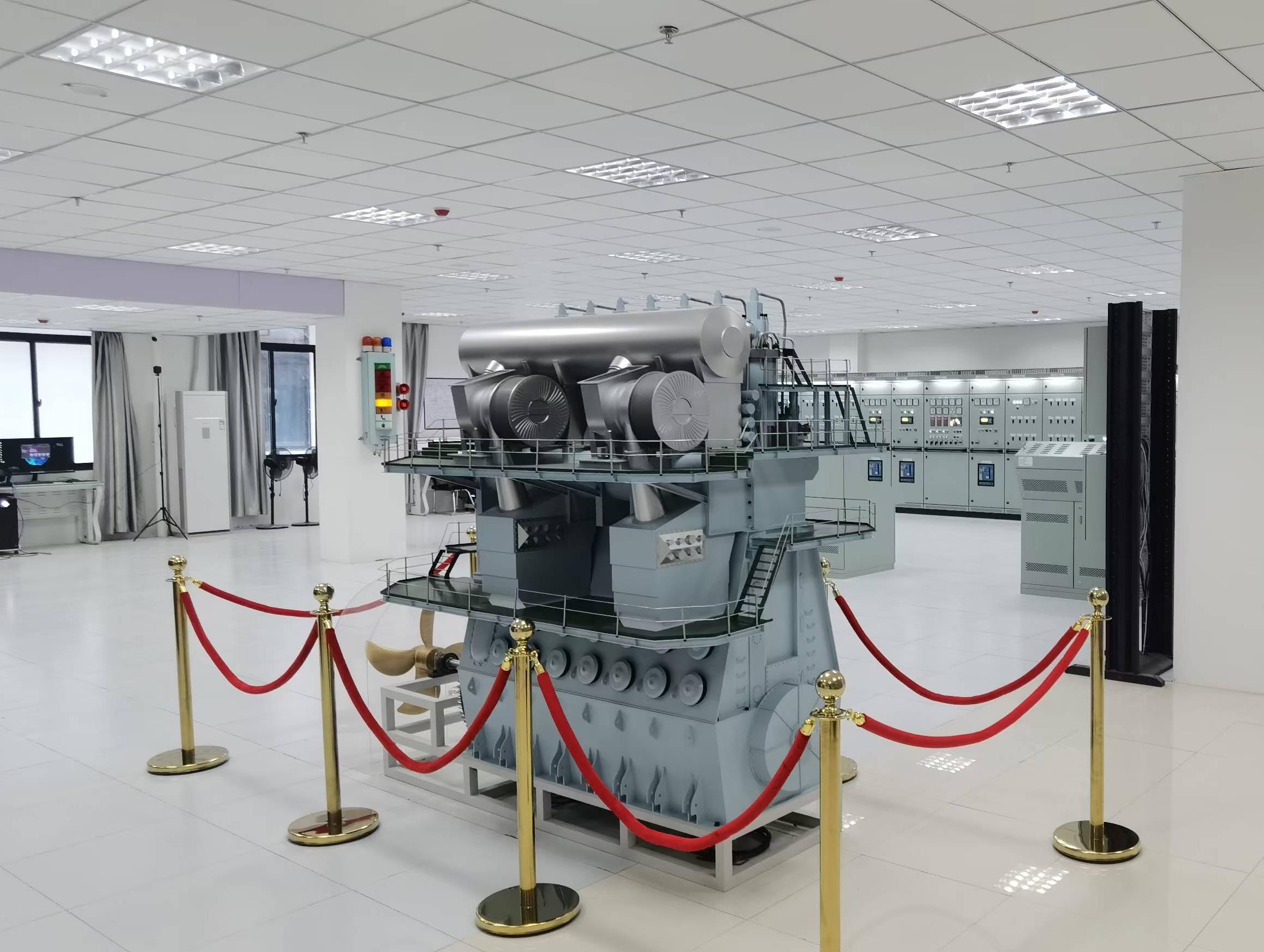
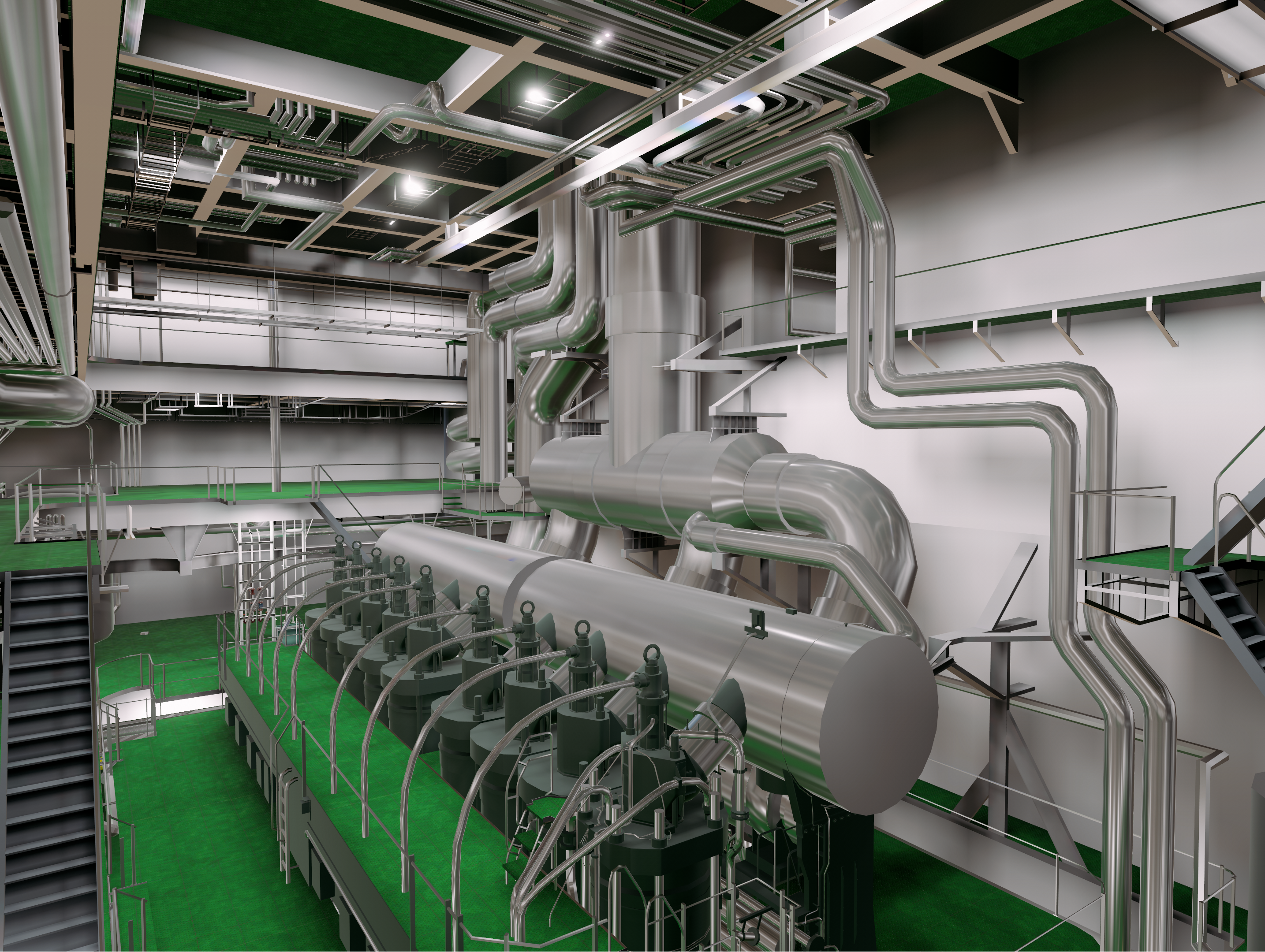
The maritime industry handles over 80% of global trade, yet human error remains a leading cause of accidents. Here, ship navigation simulators act as a proactive defense. By exposing crews to rare but high-risk scenarios—such as navigating narrow channels during fog or managing a fire in the engine room—simulators build confidence and competence long before trainees set foot on a real vessel. For example, a cadet using a navigation simulator might practice mooring a supertanker in a crowded port 50 times in a week, refining techniques that would take months to perfect at sea.
Moreover, full mission ship simulators support compliance with international standards like the International Convention on Standards of Training, Certification, and Watchkeeping for Seafarers (STCW). These systems enable trainers to assess skills objectively, ensuring crews meet competency benchmarks for everything from basic steering to crisis management. In an era where environmental regulations and cargo security are paramount, such precision is non-negotiable.
The Future: Smarter, More Accessible Simulators
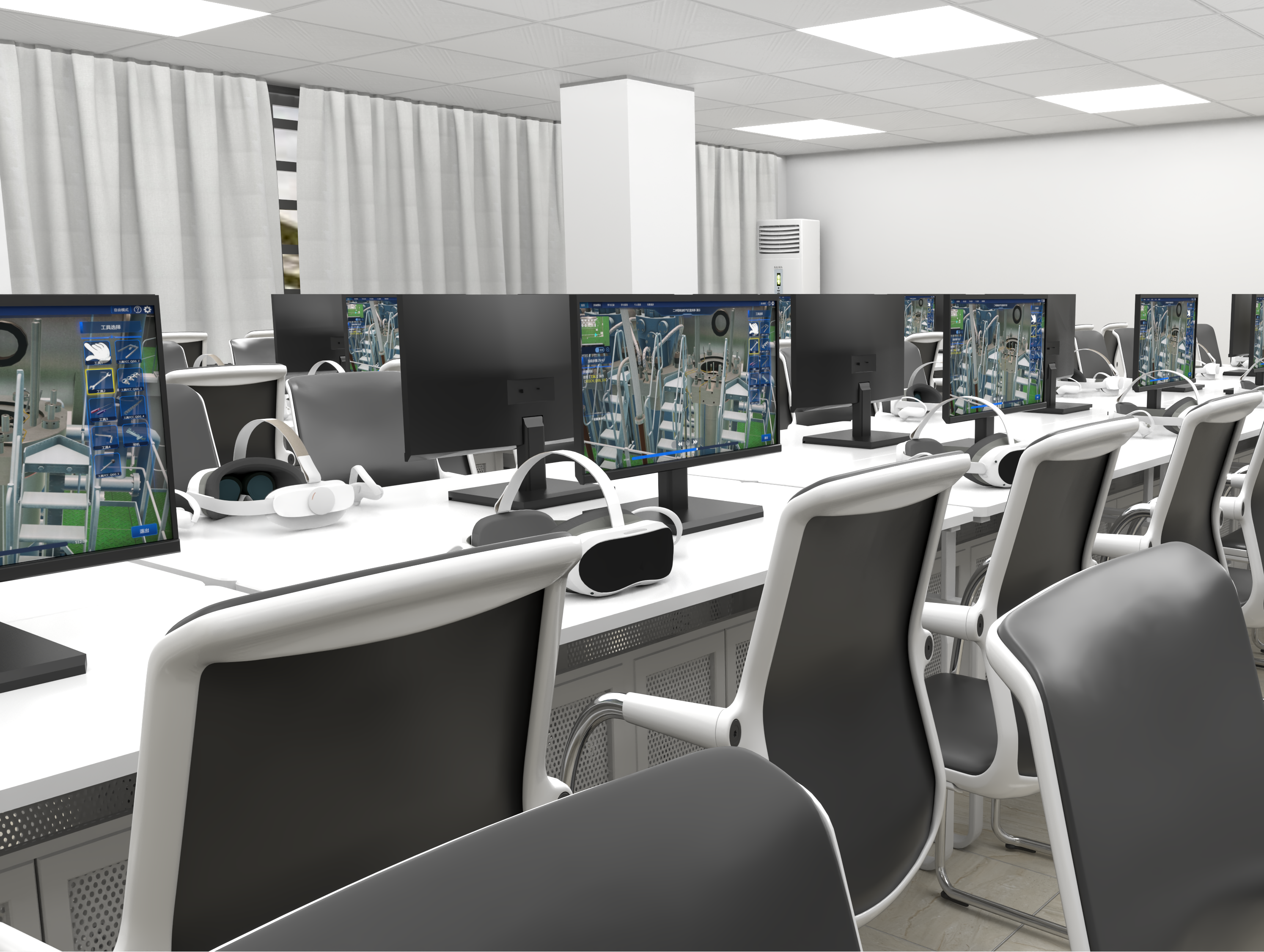
As technology advances, so do boat navigation simulators and their full-mission counterparts. Cloud-based platforms now allow remote access, letting trainees practice on tablets or laptops, while AI-driven feedback systems analyze performance in real time, offering personalized coaching. Even smaller ports and training centers can afford entry-level navigation simulators, democratizing access to high-quality maritime education.
For the industry, this means a workforce that’s not just trained but future-ready. Whether it’s a trainee mastering basics on a boat navigation simulator or a seasoned captain refining skills on a full mission ship simulator, these tools are proving that the safest ships start with the smartest simulations.
In short, navigation simulators—especially full mission sailing simulators and full mission ship simulators—are more than training aids; they’re lifelines. By turning hypothetical risks into manageable lessons, they empower mariners to navigate not just oceans, but the future of safe, sustainable shipping.