

Preparing for Autonomous and Unmanned Vessels Through Advanced Simulation-Based Training Systems
Autonomous and unmanned vessels are no longer a distant concept but a rapidly advancing reality in the maritime industry. From remotely operated ships to semi-autonomous navigation systems and future fully unmanned vessels, shipping is entering a new era driven by automation, artificial intelligence, and digital control. However, the success of autonomous shipping depends not only on technology but also on human readiness. Advanced training systems built on Navigation simulator, Ship Navigation simulator, Full mission sailing simulator, Full mission ship simulator, and boat navigation simulator platforms form the foundation of a safe and scalable autonomous vessel training framework.
Navigation Simulator as the Gateway to Autonomous Navigation
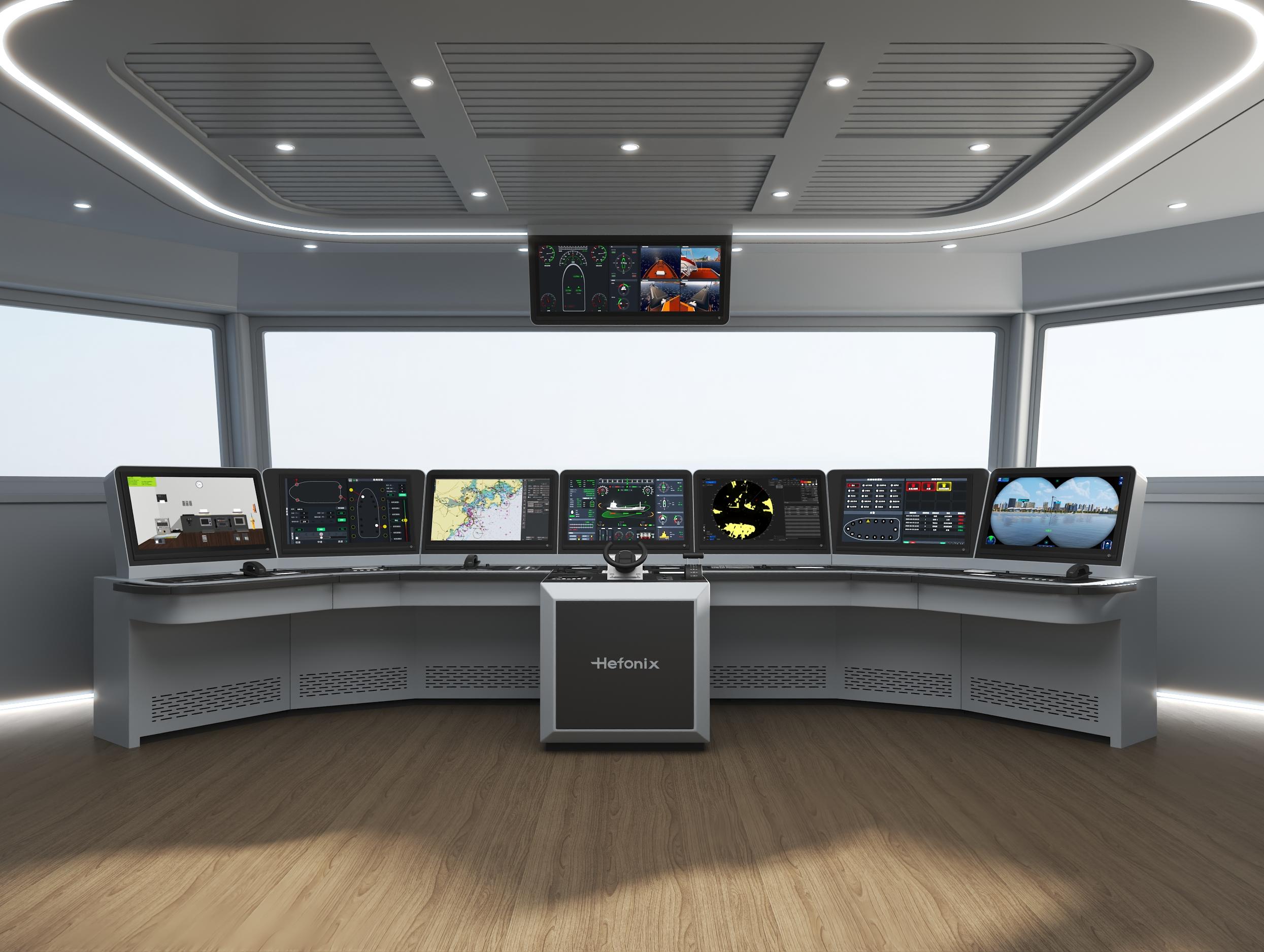
A modern Navigation simulator is essential for introducing crews and operators to autonomous navigation concepts. Navigation simulator environments allow trainees to understand how automated route planning, collision avoidance algorithms, and decision-support systems function under varying conditions. Through Navigation simulator training, operators learn to interpret system recommendations, evaluate automation limitations, and maintain situational awareness when human oversight is required.
Navigation simulator scenarios also support testing of human-in-the-loop and human-on-the-loop operational models, which are critical transitional stages toward fully autonomous shipping.
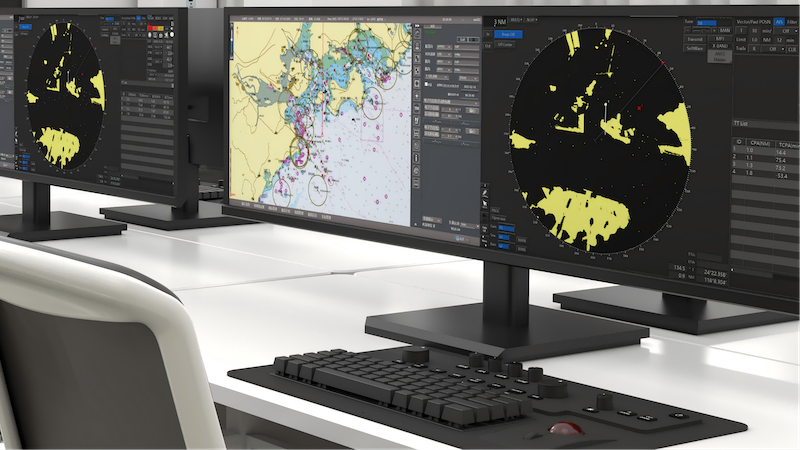
Ship Navigation Simulator for Remote and Hybrid Control Models
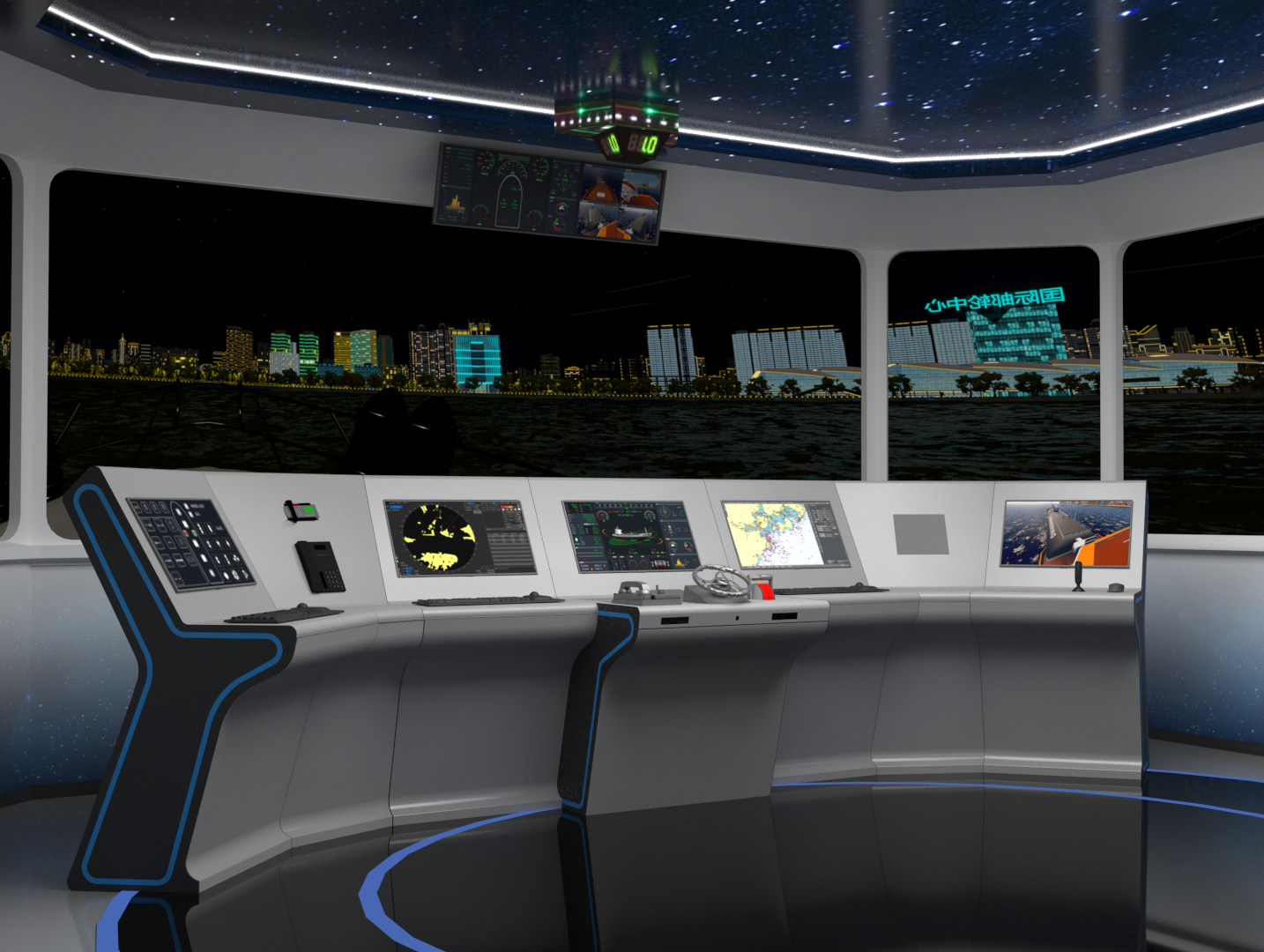
The Ship Navigation simulator plays a vital role in preparing crews for hybrid operations where control is shared between onboard systems and remote operators. Ship Navigation simulator setups replicate smart bridges and remote operation centers, allowing trainees to practice command transfer, system monitoring, and intervention protocols.
Ship Navigation simulator training supports regulatory compliance by demonstrating that human operators remain capable of assuming control during abnormal situations. This capability is central to the acceptance of autonomous vessels by flag states, coastal authorities, and insurers.
Full Mission Ship Simulator for System-Level Validation
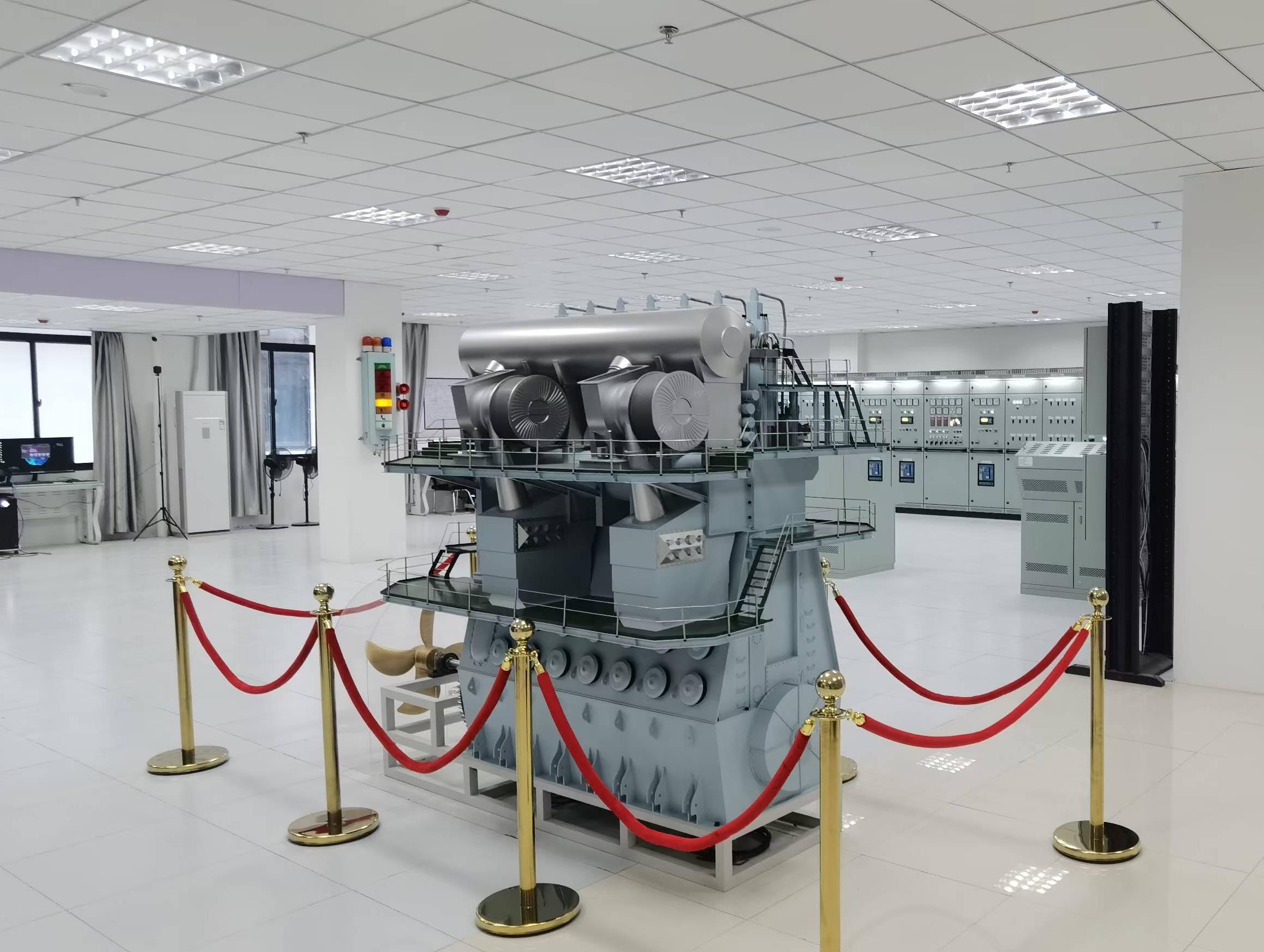
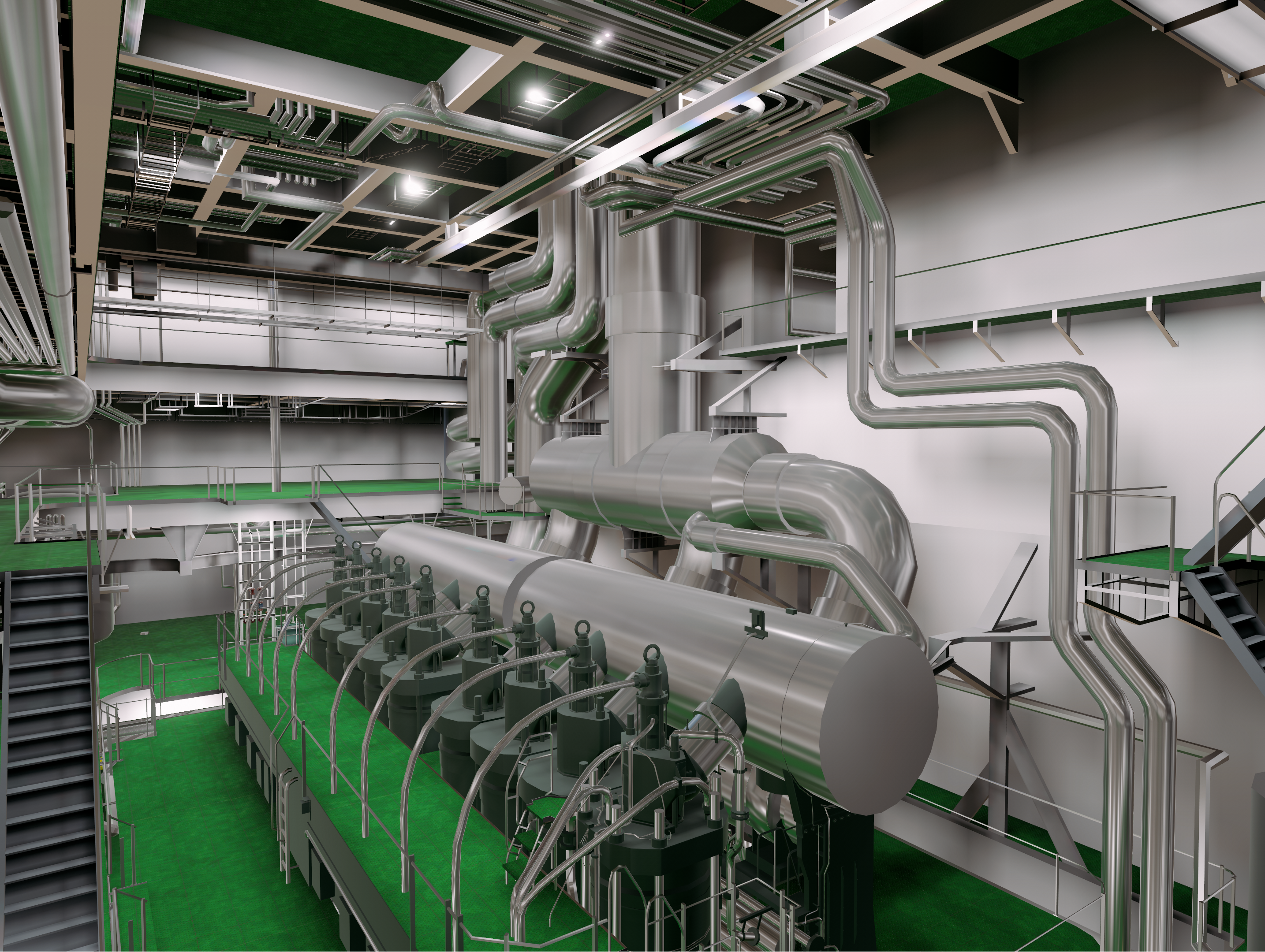
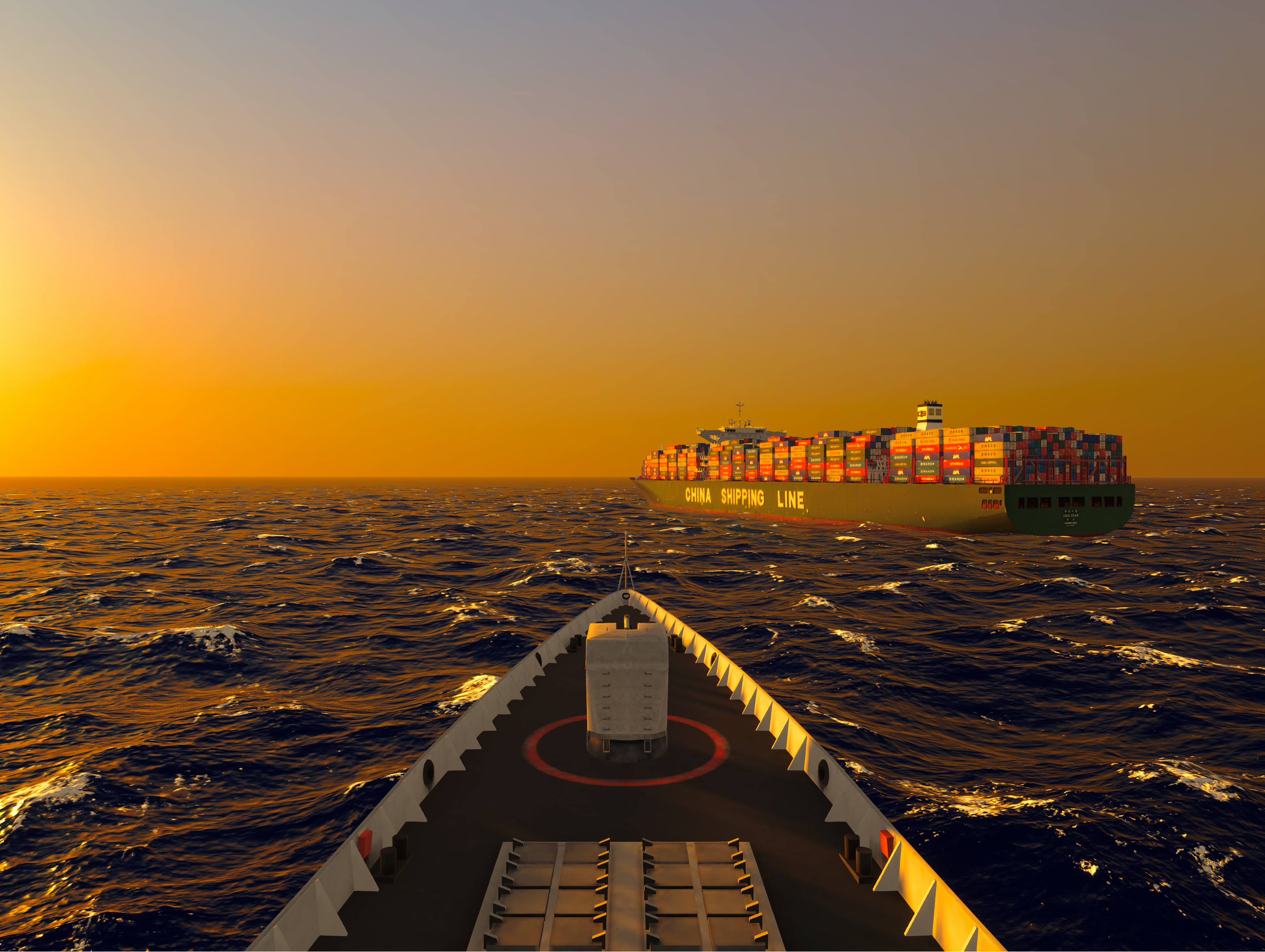
Autonomous vessels operate as integrated systems rather than isolated components. The Full mission ship simulator provides a complete environment where navigation, propulsion, sensors, and automation logic are simulated together. Full mission ship simulator exercises allow operators and engineers to test failure modes, redundancy systems, and emergency overrides in a safe setting.
The Full mission sailing simulator enhances these exercises by modeling real-world environmental complexity, including traffic interaction with conventional vessels. Full mission sailing simulator scenarios are particularly important for validating autonomous behavior in mixed-traffic environments, where unmanned vessels must coexist safely with crewed ships.
Boat Navigation Simulator for Autonomous Small Craft Operations
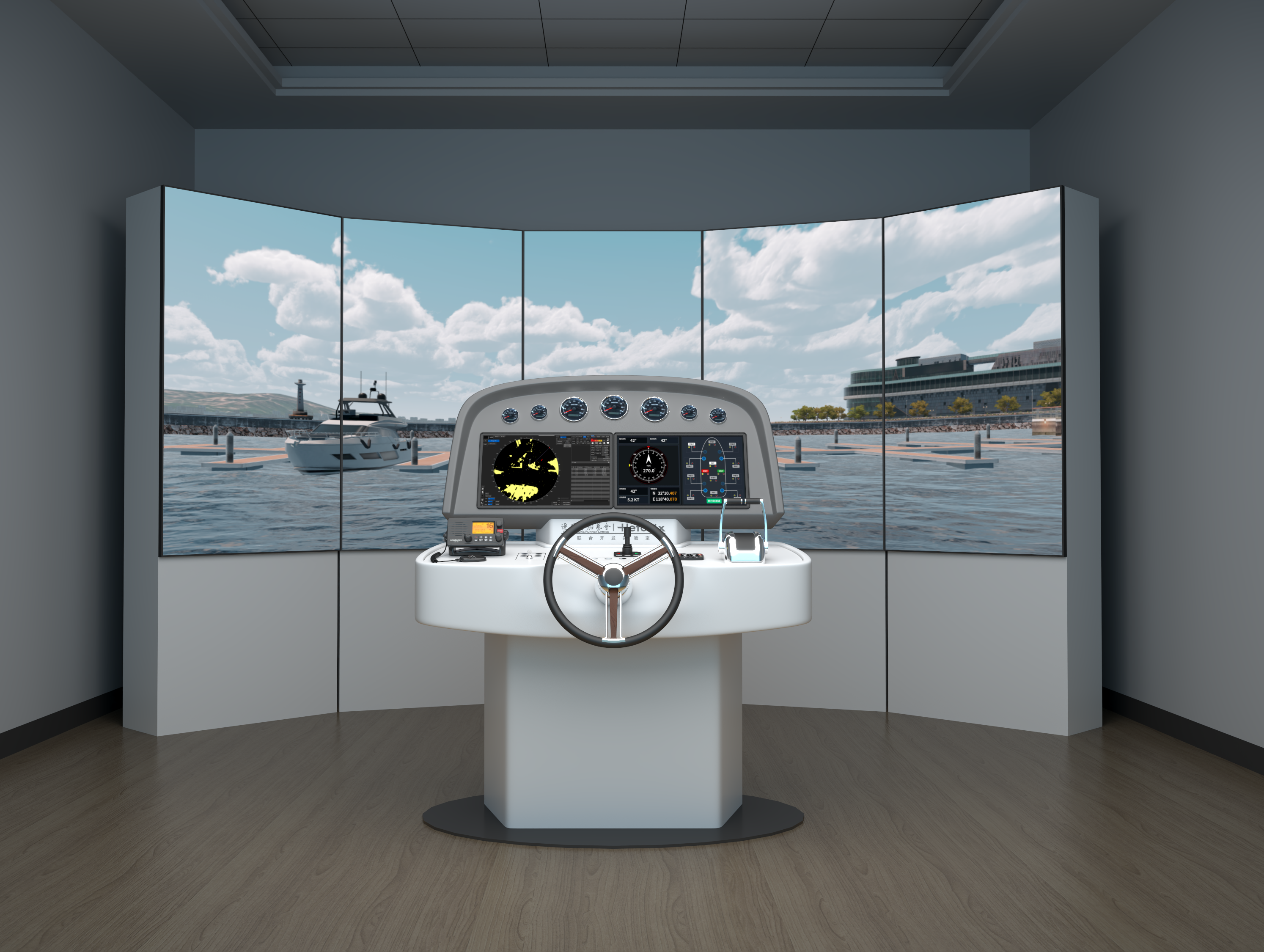
Autonomy is advancing rapidly in small craft such as survey boats, patrol vessels, and harbor service vessels. A boat navigation simulator enables targeted training for autonomous and remotely operated small vessels. Boat navigation simulator sessions allow operators to practice docking automation, obstacle avoidance, and emergency intervention in confined waters.
Integrating boat navigation simulator training with Navigation simulator and Full mission ship simulator programs ensures consistent operational logic across vessel sizes and autonomy levels.
Human Factors and Trust in Automation
One of the most critical challenges in autonomous shipping is building appropriate trust between humans and automated systems. Simulation-based training provides a controlled environment to develop this trust. Navigation simulator and Ship Navigation simulator exercises teach operators when to rely on automation and when to intervene. Full mission ship simulator and Full mission sailing simulator scenarios expose crews to edge cases where automation reaches its limits.
Boat navigation simulator training reinforces manual skill retention, ensuring that operators remain capable even as automation increases.
Data, Certification, and Regulatory Acceptance
Simulation platforms generate extensive data that supports certification, validation, and regulatory approval of autonomous systems. Performance metrics from Navigation simulator, Ship Navigation simulator, Full mission sailing simulator, Full mission ship simulator, and boat navigation simulator sessions provide evidence of system reliability and human competence.
Regulators increasingly expect simulation-based testing and training as part of autonomous vessel approval processes. Organizations that adopt simulation-driven training frameworks position themselves at the forefront of regulatory readiness.
Commercial Value and Strategic Advantage
For shipbuilders, technology providers, and fleet operators, autonomous vessel readiness represents a major competitive advantage. Simulation-based training reduces development risk, accelerates deployment timelines, and builds stakeholder confidence. Investing in Navigation simulator, Ship Navigation simulator, Full mission sailing simulator, Full mission ship simulator, and boat navigation simulator platforms demonstrates a structured and responsible approach to autonomy.
This investment not only supports safety and compliance but also enhances brand credibility, investor confidence, and long-term commercial viability in the future maritime ecosystem.
Autonomous and unmanned vessels represent a transformative shift in maritime operations, but their success depends on effective training and human-system integration. Advanced simulation platforms—including Navigation simulator, Ship Navigation simulator, Full mission sailing simulator, Full mission ship simulator, and boat navigation simulator—provide the essential infrastructure for autonomous vessel training, validation, and acceptance. By adopting simulation-driven autonomy frameworks, maritime organizations ensure safe transition, regulatory readiness, and sustained leadership in the next generation of global shipping.