



Enhancing Fleet-Wide Training and ROI for Commercial Shipping Companies Through Advanced Simulation Platforms
Commercial shipping companies face growing operational complexity as fleets expand, trade routes diversify, and regulatory requirements become more stringent. Ensuring uniform competency across an entire fleet requires scalable, measurable, and cost-effective training solutions. Advanced maritime simulators—including Navigation simulator, Ship Navigation simulator, Full mission sailing simulator, Full mission ship simulator, and boat navigation simulator—provide commercial operators with the tools necessary to implement fleet-wide training programs while maximizing return on investment (ROI).
Standardizing Fleet Training Across Multiple Vessels
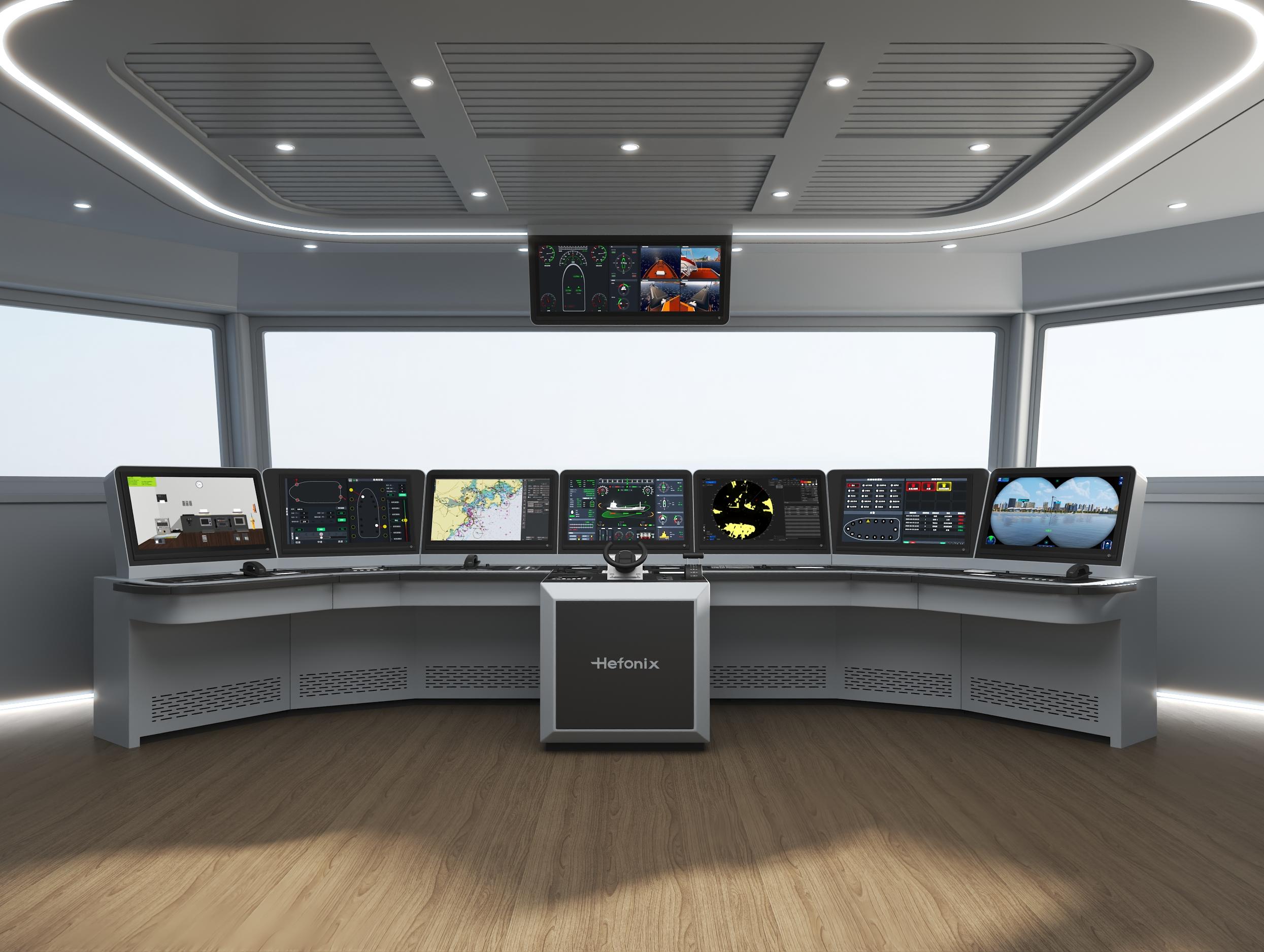
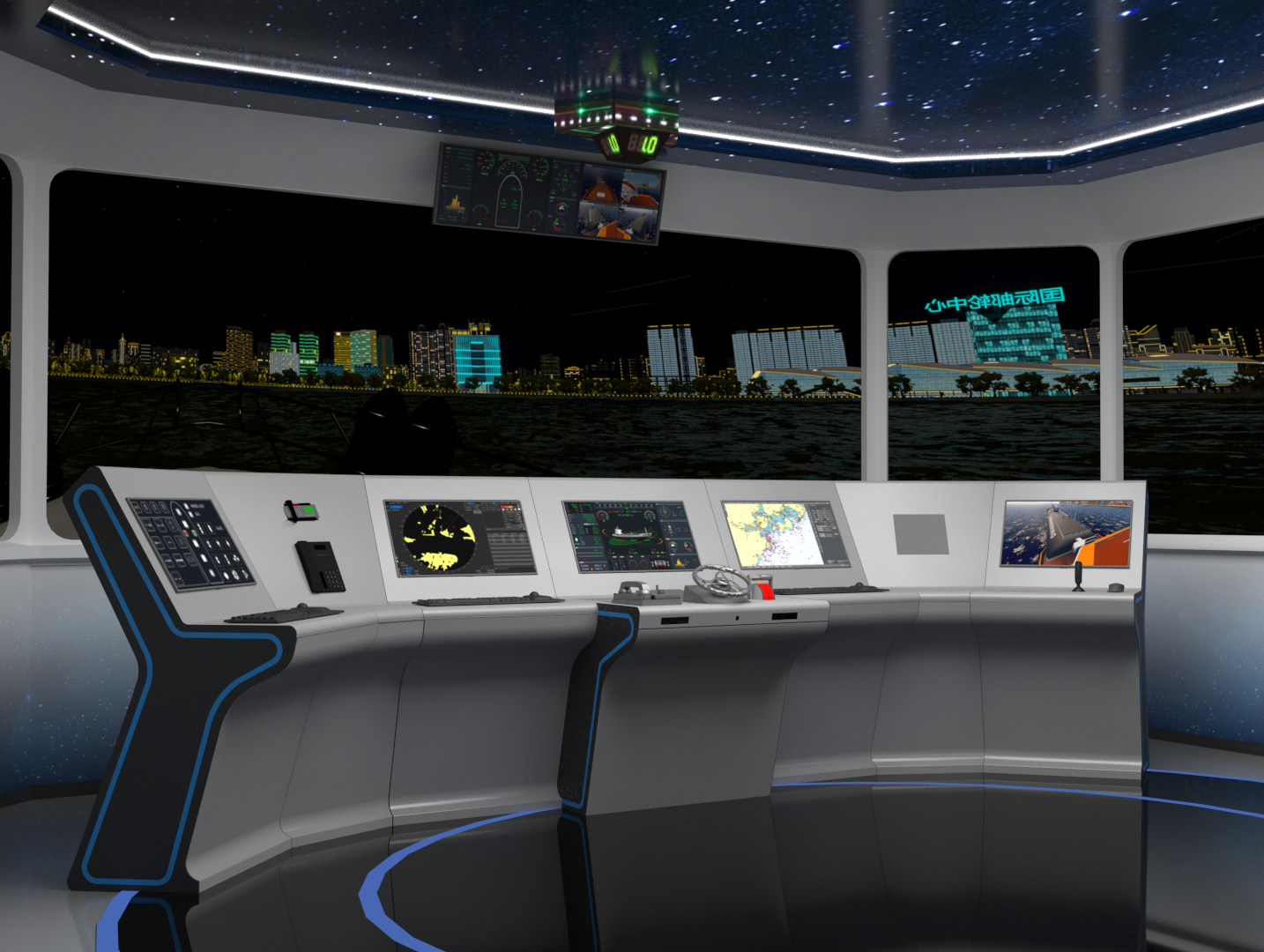
Fleet-wide training begins with the Navigation simulator, which delivers consistent training experiences across different vessels and crews. By simulating bridge operations, route planning, collision avoidance, and environmental conditions, a Navigation simulator allows officers to develop standardized competencies. For shipping companies managing multiple vessel types, from container ships to tankers, consistent use of the Navigation simulator ensures that all officers adhere to company-specific procedures and regulatory standards.
The Ship Navigation simulator complements this by enabling full-scale bridge operations for each vessel class. Ship Navigation simulator sessions replicate real-world voyages and port approaches, providing crews with hands-on experience in navigation, bridge resource management, and integrated system operations. This standardization across the fleet minimizes operational risk and strengthens compliance with international conventions such as STCW.
Full Mission Simulators for Integrated Skill Development
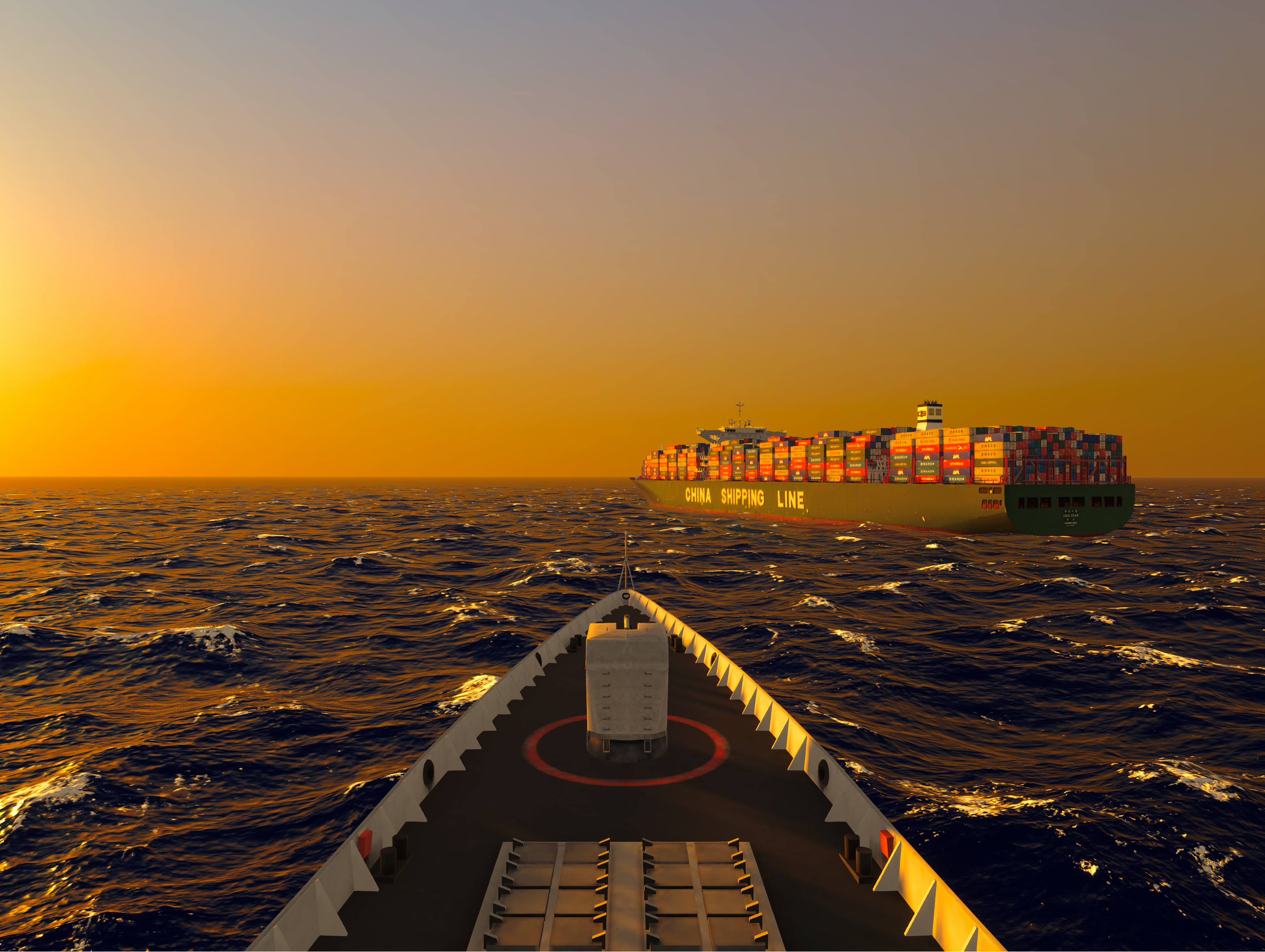
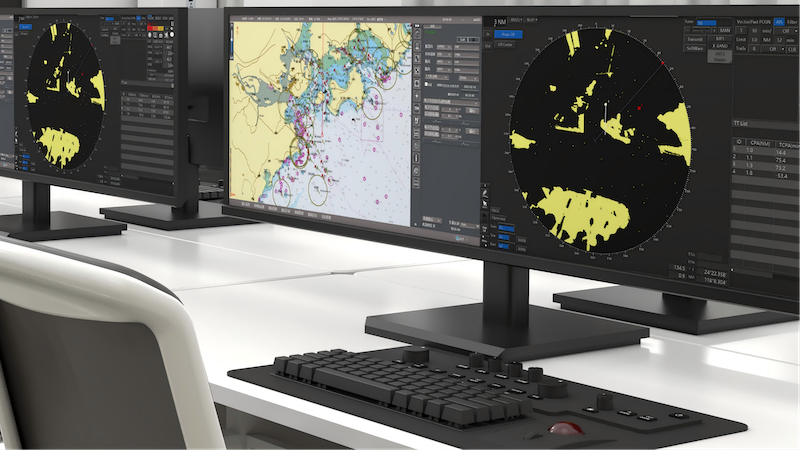
For more advanced fleet training, Full mission ship simulator and Full mission sailing simulator platforms enable comprehensive, mission-oriented exercises. These simulators integrate bridge and engine room operations, allowing multi-crew collaboration under complex scenarios such as adverse weather, mechanical failures, and high-traffic congested areas. Full mission sailing simulator exercises enhance coordination between captains, officers, and support crew, ensuring that the entire fleet operates cohesively and efficiently.
Fleet managers benefit from these platforms by being able to conduct realistic, repeatable drills without taking vessels offline, thereby reducing operational downtime and associated costs. In addition, the Full mission ship simulator supports scenario customization for company-specific standard operating procedures, allowing crews to train under conditions reflective of the actual trading routes they will navigate.
Targeted Boat and Pilot Training
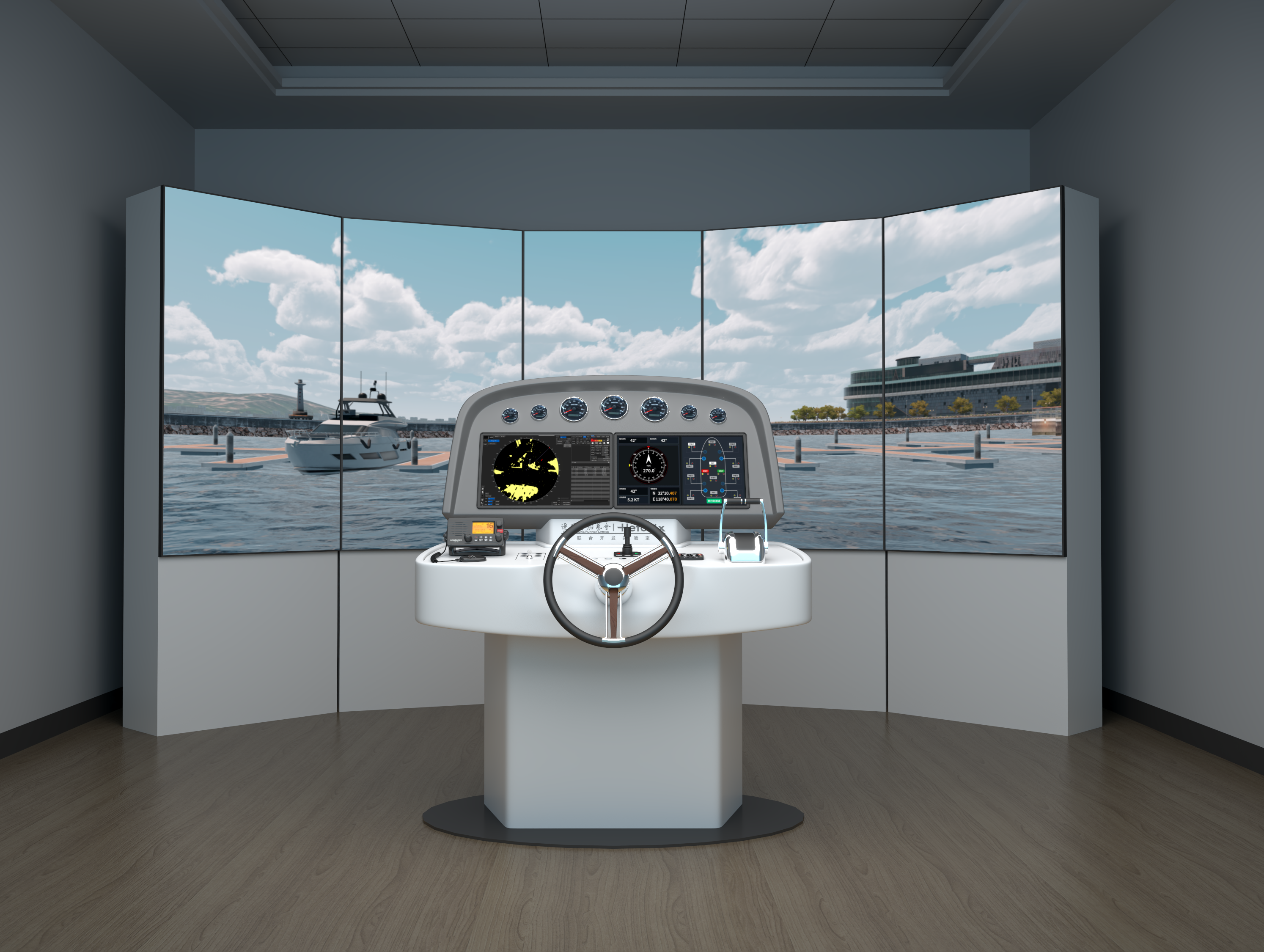
Certain fleet operations involve small craft support for port maneuvers, offshore transfers, or maintenance missions. The boat navigation simulator is ideal for training crews in precision handling, emergency response, and coordination with larger vessels. By including boat navigation simulator exercises in fleet training programs, shipping companies ensure that all operational layers of the fleet maintain high competency, from large vessels to small support boats.
KPI Monitoring and Performance Assessment
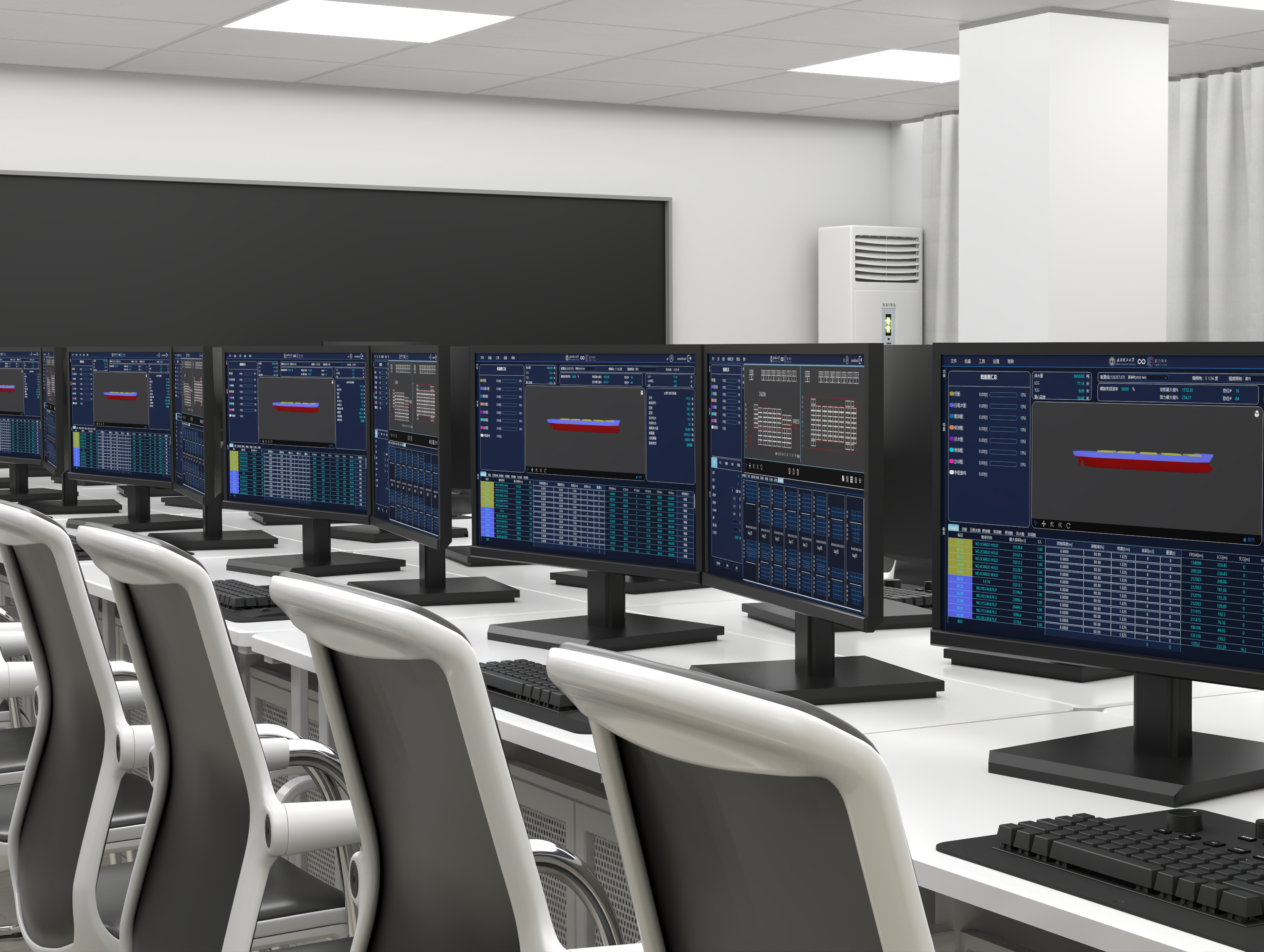
Measurable training outcomes are critical for fleet-wide program evaluation. Navigation simulator and Ship Navigation simulator systems generate detailed performance metrics, including decision-making accuracy, reaction times, and procedural compliance. Full mission sailing simulator and Full mission ship simulator exercises capture bridge team interactions and response to emergency scenarios. These KPIs allow fleet managers to identify skill gaps, adjust training priorities, and quantify improvements over time.
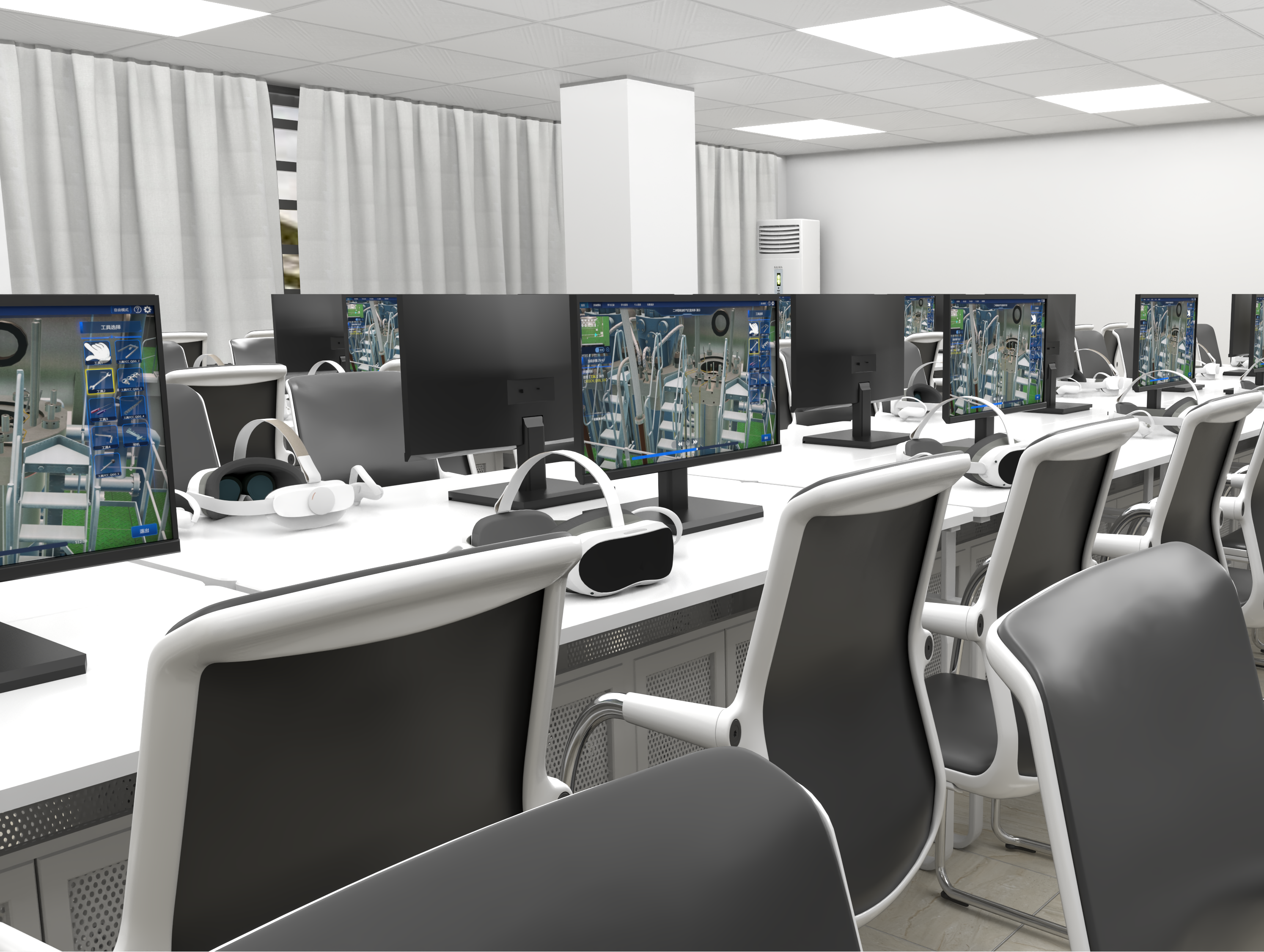
In addition, integration of simulator performance data into fleet management systems supports ROI calculation. By reducing accidents, fuel wastage, and vessel downtime, commercial shipping companies can clearly demonstrate the financial benefits of simulation-based training relative to the upfront investment. The scalability of these platforms allows multiple crews to train simultaneously across different locations, further enhancing efficiency and return on investment.
Long-Term Commercial and Operational Benefits
Adopting a fleet-wide simulator strategy strengthens competitive advantage. Crew readiness translates directly into safer operations, timely deliveries, and lower insurance premiums. Standardized simulator-based training ensures compliance with international regulations, which improves credibility with clients and regulatory authorities. Moreover, advanced platforms such as Navigation simulator, Ship Navigation simulator, Full mission sailing simulator, Full mission ship simulator, and boat navigation simulator facilitate continuous professional development, ensuring that the fleet adapts effectively to emerging technologies and operational challenges.
Commercial shipping companies that implement integrated fleet training programs using Navigation simulator, Ship Navigation simulator, Full mission sailing simulator, Full mission ship simulator, and boat navigation simulator achieve measurable ROI, operational consistency, and enhanced fleet safety. By combining scalable training solutions with KPI-driven performance evaluation, shipping operators can maintain a fully competent fleet, minimize risk, and strengthen long-term commercial competitiveness in a rapidly evolving global maritime market.