

Mastering the Seas: The Strategic Impact of Advanced Navigation Simulators on Global Maritime Training
In an era defined by rapid technological evolution and growing operational complexity, maritime training institutions face unprecedented challenges in preparing seafarers for real-world scenarios. The development of sophisticated navigation simulator technology has emerged as a transformative solution, revolutionizing how maritime professionals acquire, practice, and perfect their skills. These advanced systems bridge the gap between theoretical knowledge and practical application, creating immersive environments where mistakes become learning opportunities rather than costly incidents.
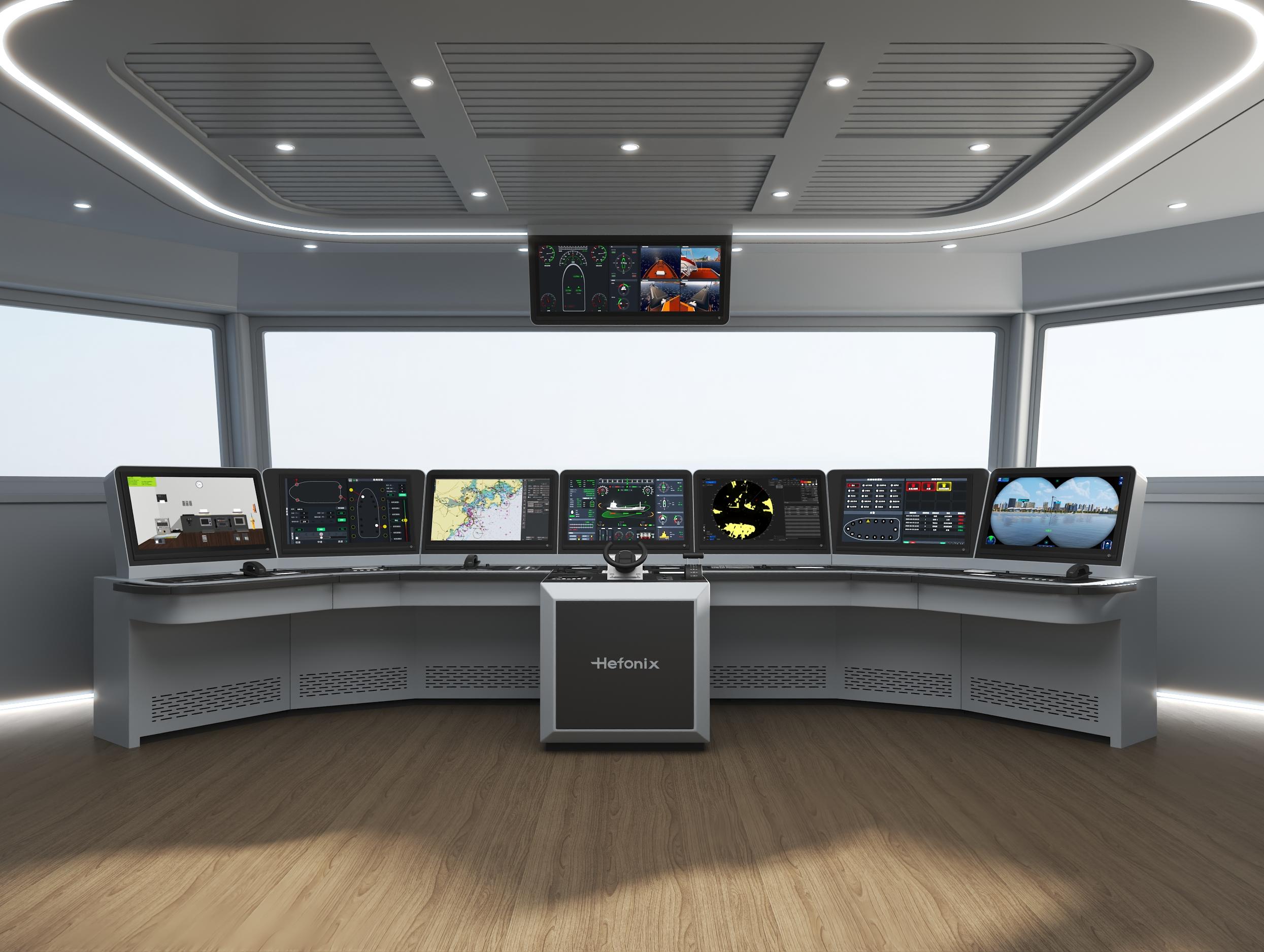
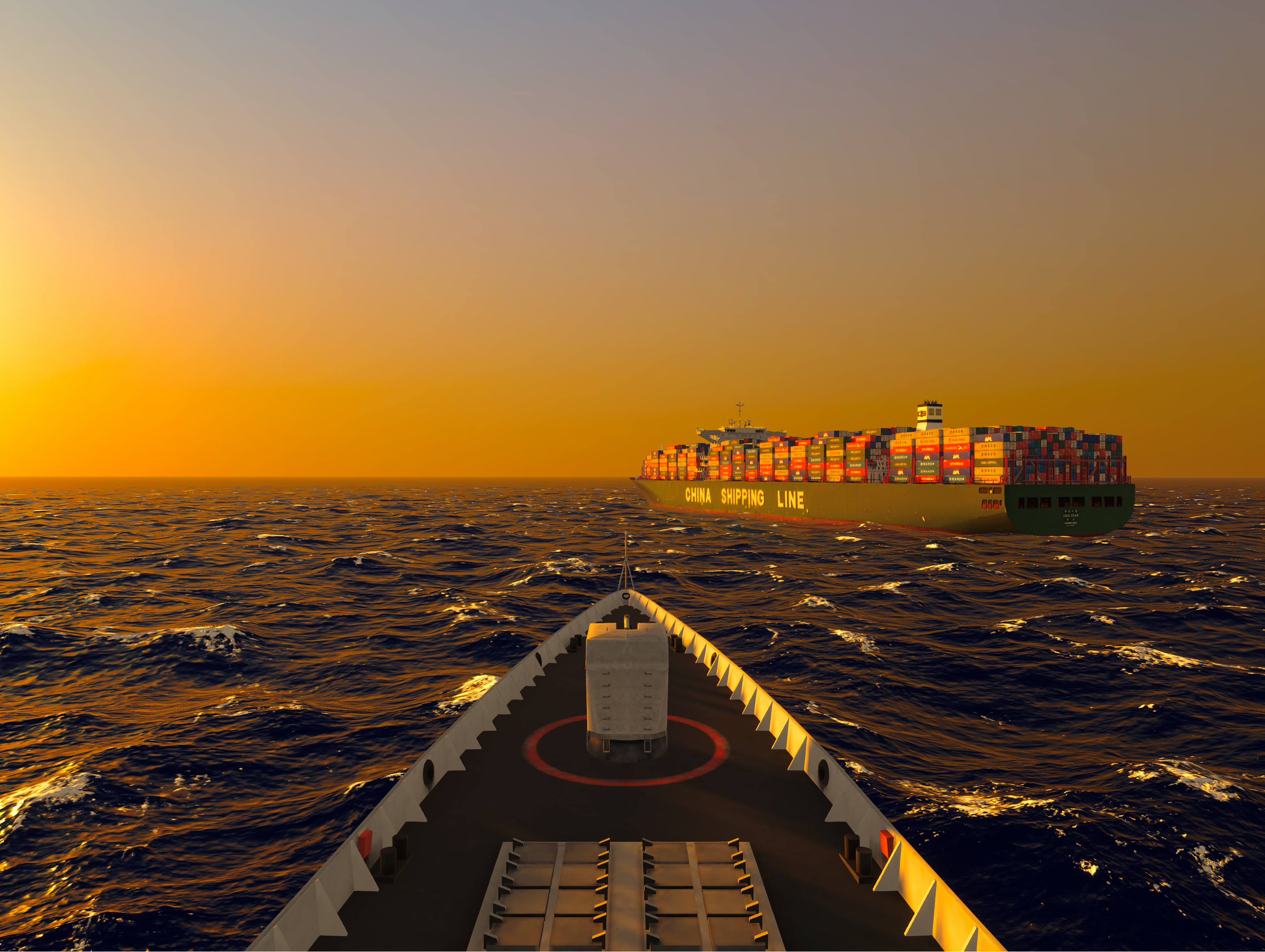
The modern ship navigation simulator represents a paradigm shift in maritime education methodology. Unlike traditional training approaches that relied heavily on classroom instruction followed by limited sea time, contemporary simulators offer comprehensive, repeatable, and measurable training experiences. These systems accurately replicate vessel behavior across diverse conditions - from calm seas to hurricane-force winds - allowing trainees to develop muscle memory and intuitive responses. The ship navigation simulator has become particularly valuable for practicing emergency procedures that would be too dangerous or impractical to recreate with actual vessels, including collision avoidance, man-overboard recovery, and machinery failure scenarios.
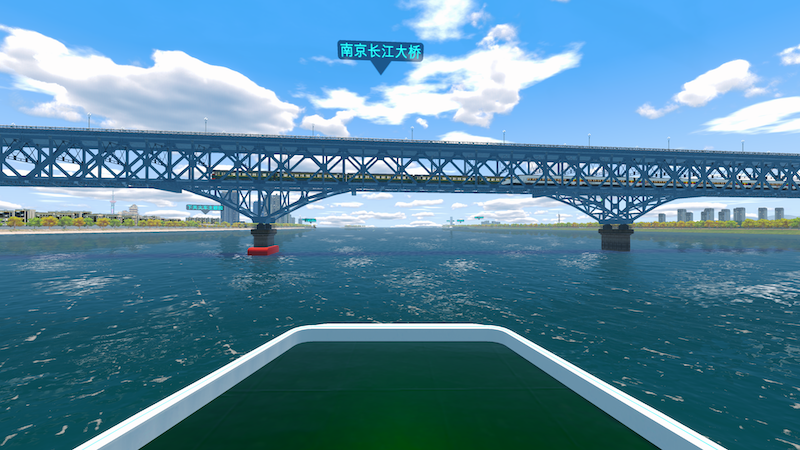
A significant advancement in this field is the development of the full mission sailing simulator, which provides an end-to-end training experience that encompasses complete voyage cycles. These systems simulate everything from pre-departure planning and cargo loading to navigation execution and port arrival procedures. The full mission sailing simulator stands out for its ability to create cohesive narrative-based training scenarios that develop not just technical skills but also critical thinking, resource management, and leadership capabilities. Trainees using these systems learn to anticipate problems, make strategic decisions under pressure, and coordinate complex operations - skills that define exceptional maritime professionals.
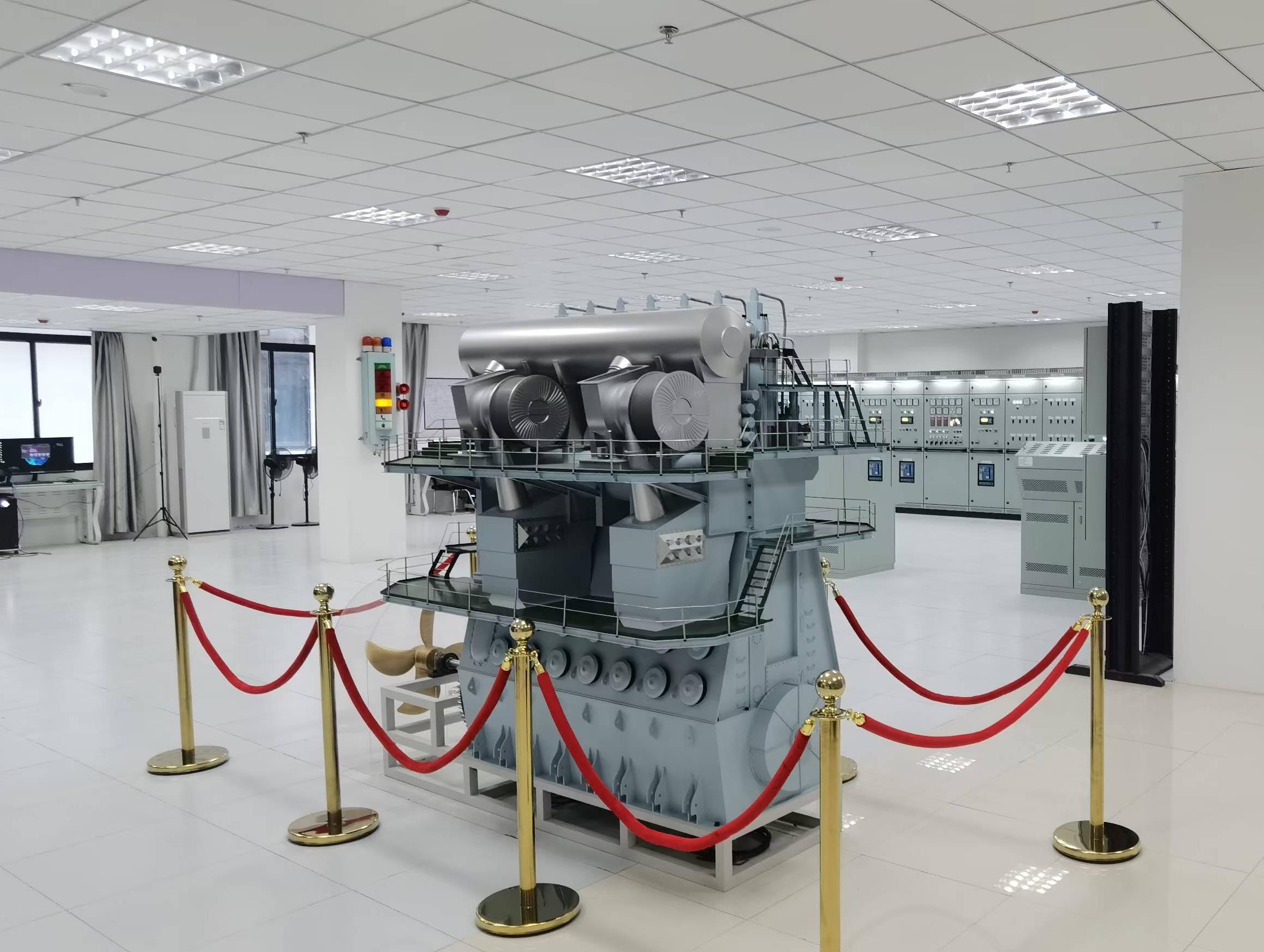
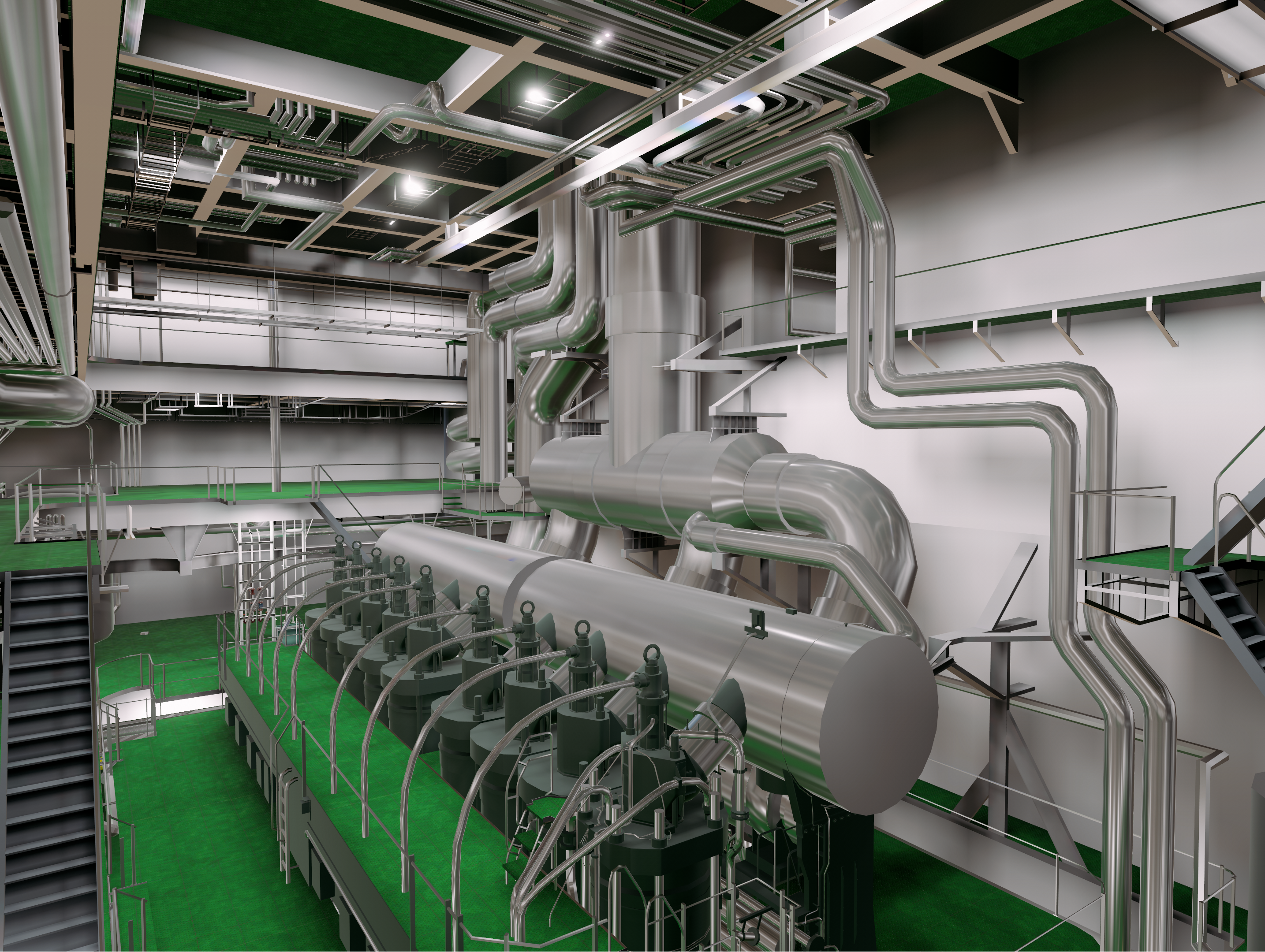
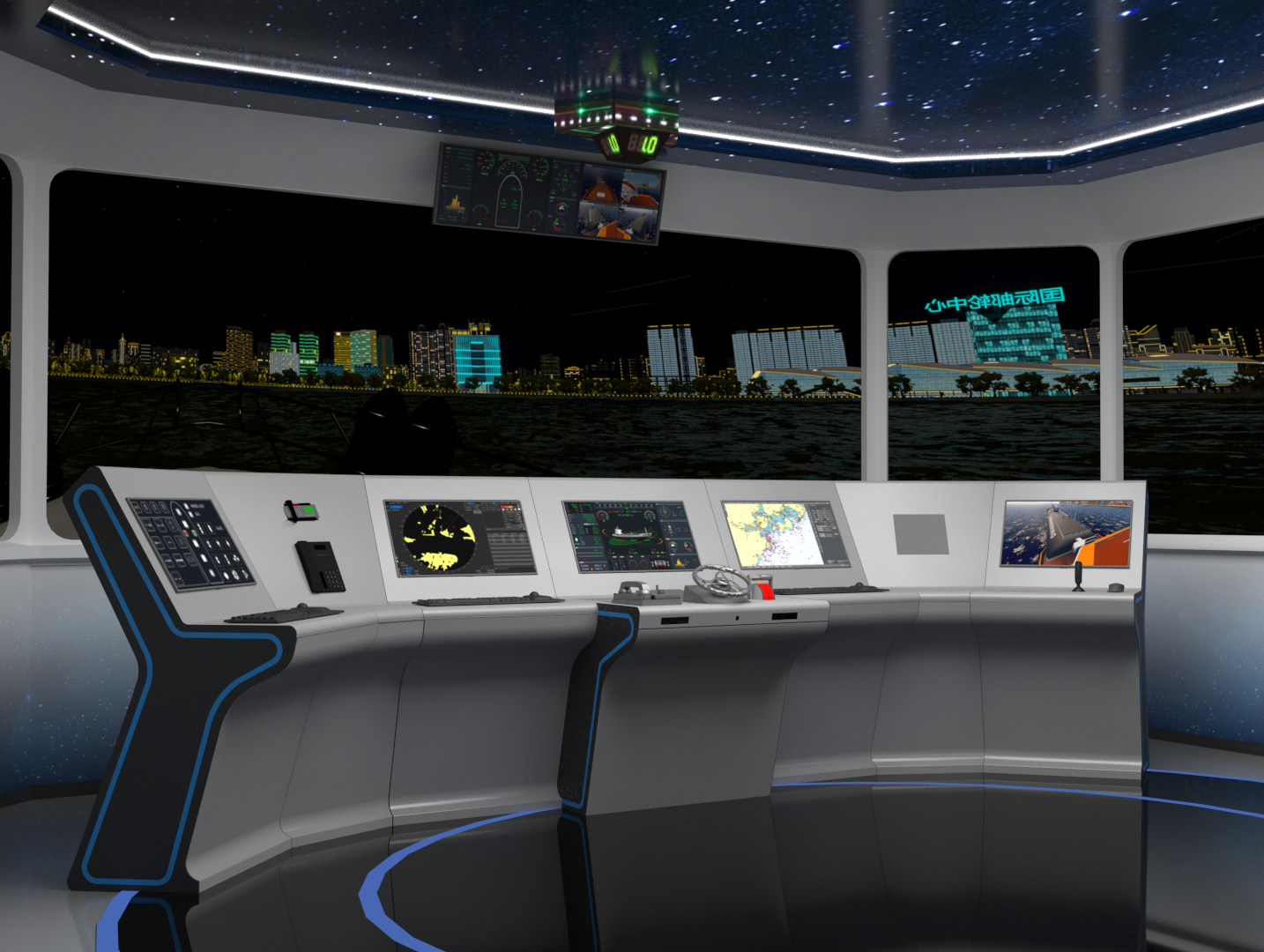
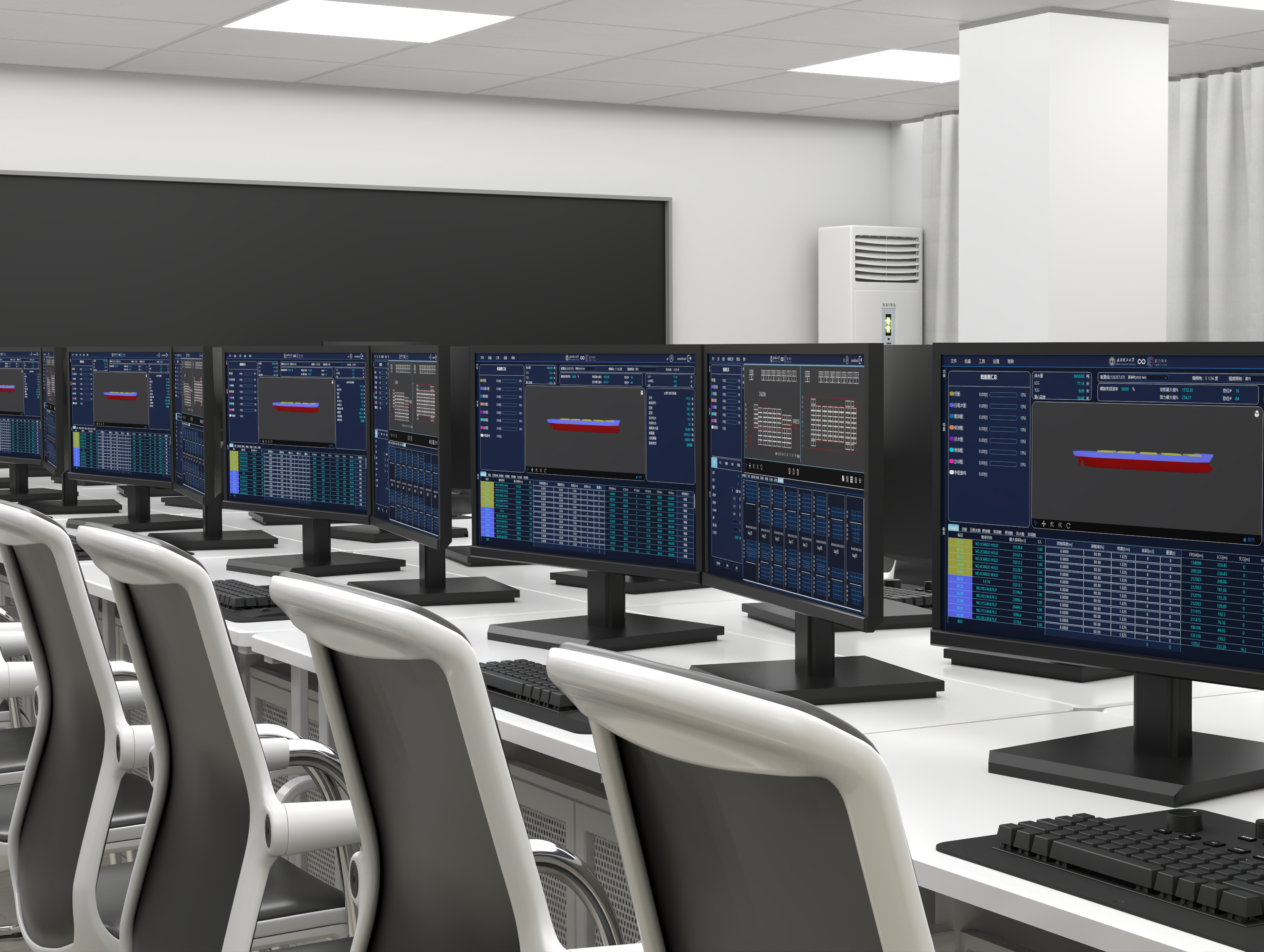
For specialized vessel training requirements, the full mission ship simulator offers unparalleled customization and realism. These systems can be precisely configured to match specific vessel types, from ultra-large container ships to specialized offshore support vessels. The full mission ship simulator typically includes detailed replication of bridge equipment, engine control systems, and cargo management interfaces, providing trainees with familiarization on systems they will encounter in actual operations. Perhaps most importantly, these simulators enable training on rare but critical scenarios - such as blackout recovery, firefighting operations, or damage control situations - that would be nearly impossible to practice safely on actual vessels.
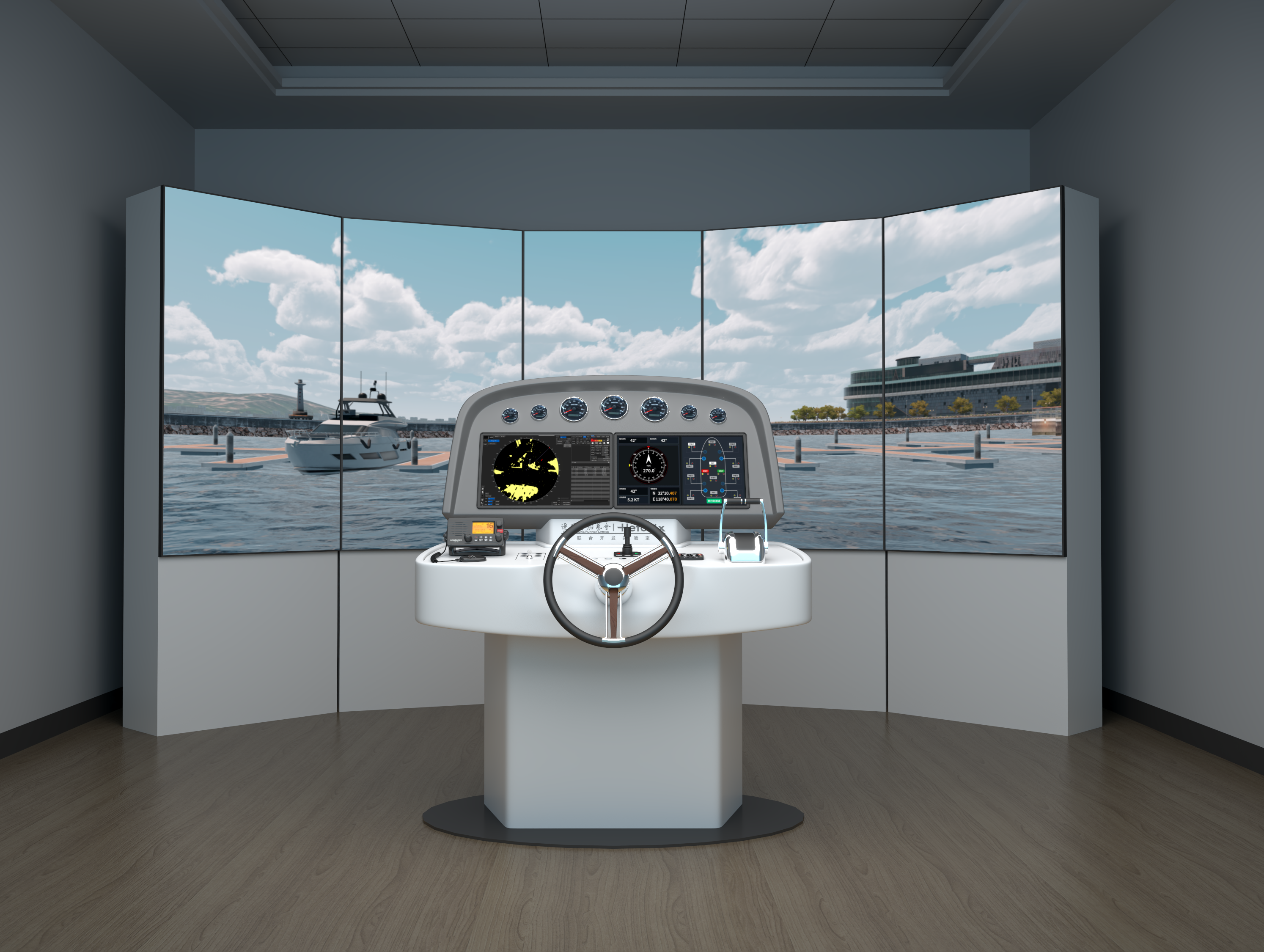
The growing recognition of small craft operations' importance in maritime ecosystems has driven innovation in boat navigation simulator technology. These specialized systems address the unique challenges of coastal navigation, inland waterway operations, and harbor maneuvering. A well-designed boat navigation simulator focuses on the specific skills needed for smaller vessels: rapid decision-making in confined spaces, shallow water navigation techniques, and specialized docking procedures. These systems have proven particularly valuable for training pilots, harbor masters, and coastal patrol personnel whose operations demand precision in challenging environments.
The integration of artificial intelligence and machine learning represents the next frontier in simulation technology. Modern navigation simulator platforms increasingly incorporate intelligent tutoring systems that adapt training scenarios based on individual performance, automatically adjusting difficulty levels and focusing on areas requiring improvement. This personalized approach, when combined with the comprehensive capabilities of a full mission sailing simulator, creates powerful learning environments that accelerate competency development while maintaining consistent training standards across institutions.
From a regulatory perspective, the widespread adoption of advanced simulation technology has prompted significant developments in international training standards. Major classification societies and maritime authorities now recognize training completed on certified full mission ship simulator systems as equivalent to certain sea service requirements. This regulatory acceptance reflects growing confidence in simulation technology's effectiveness and has helped standardize training quality across the global maritime industry.
The economic benefits of simulation-based training are equally compelling. While the initial investment in a comprehensive ship navigation simulator system may be substantial, the long-term savings in fuel costs, vessel wear and tear, and risk mitigation quickly justify the expenditure. Furthermore, the ability to train multiple crews simultaneously on shore-based systems minimizes operational disruptions and allows for more efficient use of both human and vessel resources.
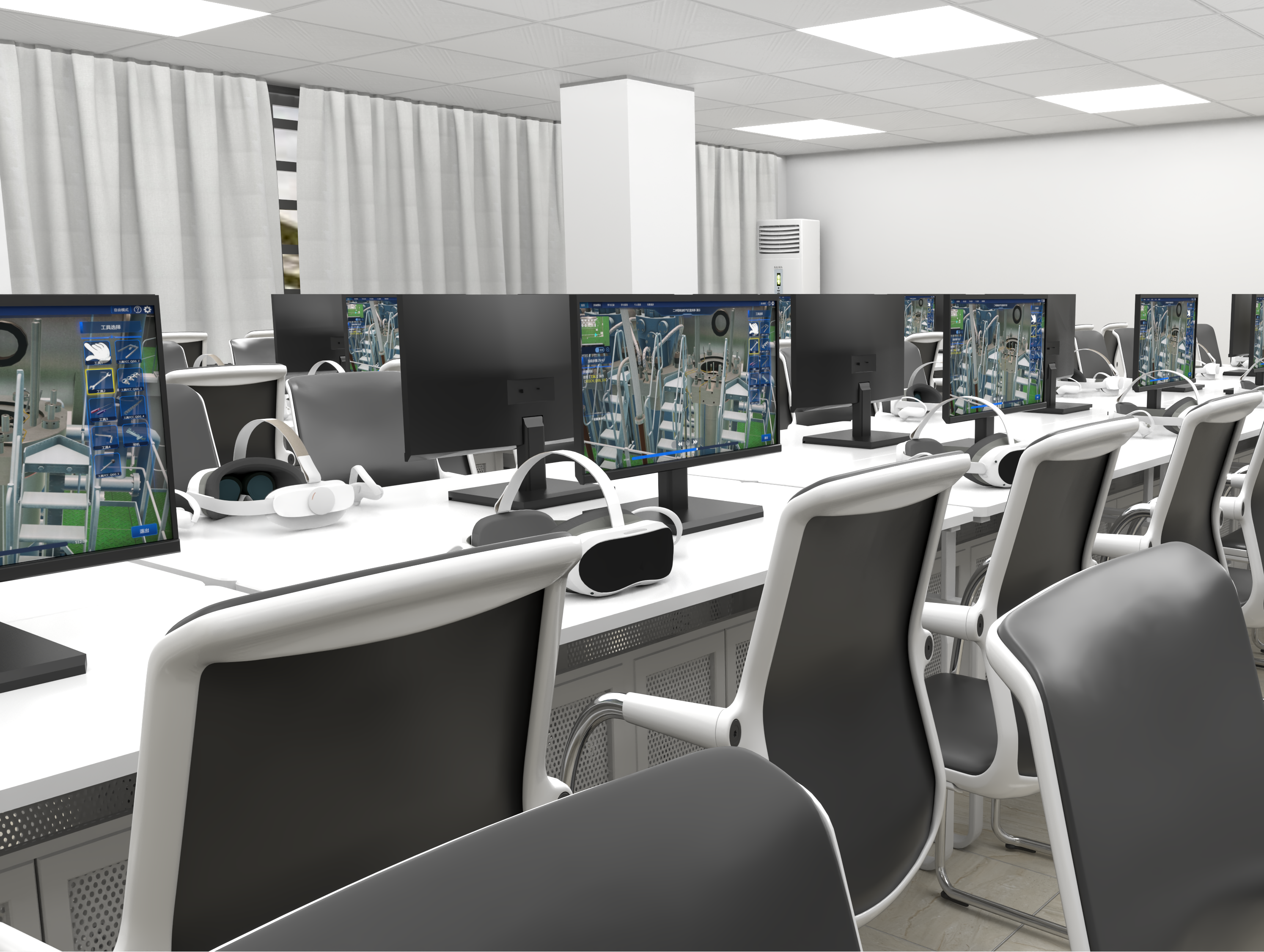
Looking to the future, several emerging trends promise to further enhance simulation technology's effectiveness. Virtual and augmented reality integration will create even more immersive training environments, while cloud-based simulation networks will enable collaborative training across geographical boundaries. The development of digital twin technology - creating virtual replicas of specific vessels and port environments - will allow for hyper-realistic training scenarios tailored to individual company operations.
Environmental considerations are also driving innovation in simulation technology. Modern boat navigation simulator systems increasingly include modules focused on eco-friendly navigation practices, fuel optimization techniques, and compliance with evolving environmental regulations. These features help prepare mariners for the industry's growing emphasis on sustainability and regulatory compliance.
The human factors aspect of maritime operations receives particular attention in advanced simulation systems. Contemporary full mission sailing simulator platforms incorporate crew resource management training, communication skill development, and fatigue management protocols. By simulating not just technical operations but also interpersonal dynamics and human performance factors, these systems prepare mariners for the complex social dimensions of shipboard life.
In response to growing cybersecurity concerns in maritime operations, modern navigation simulator systems now include training modules focused on cyber threat recognition, system vulnerability assessment, and emergency response to cyber incidents. This forward-looking approach ensures that mariners are prepared for both traditional and emerging threats in an increasingly digital maritime environment.
The global standardization of simulation-based training represents another significant development. International organizations are working to establish uniform certification standards for full mission ship simulator systems, ensuring consistent training quality regardless of where seafarers receive their education. This harmonization effort supports the maritime industry's global nature, where crews often come from diverse training backgrounds but must perform to common operational standards.
As maritime technology continues to advance - with developments in autonomous shipping, smart port systems, and digital navigation tools - simulation technology must evolve correspondingly. The next generation of ship navigation simulator systems will need to incorporate training for these emerging technologies, ensuring that mariners remain competent and confident as their operational environment transforms.
In conclusion, the strategic importance of advanced navigation simulators in contemporary maritime training cannot be overstated. From comprehensive full mission sailing simulator systems to specialized boat navigation simulator platforms, these technologies provide essential tools for developing the competent, confident maritime professionals needed to navigate tomorrow's challenges. As the industry continues to evolve in response to technological, environmental, and regulatory changes, simulation-based training will remain at the forefront of maritime education - ensuring safety, efficiency, and excellence across global maritime operations. The journey toward mastery of the seas continues, guided by the sophisticated simulation technologies that make comprehensive, risk-free training not just possible, but exceptionally effective.