

Optimizing Port Operations and Pilotage Training Through Advanced Maritime Simulation
Ports and pilotage services represent some of the most complex operational environments in the maritime industry. High-density traffic, limited maneuvering space, and regulatory compliance demands require a sophisticated approach to training. Advanced simulation systems, including Navigation simulator, Ship Navigation simulator, Full mission sailing simulator, Full mission ship simulator, and boat navigation simulator, are increasingly adopted to prepare crews, pilots, and shore-based personnel for these challenges.
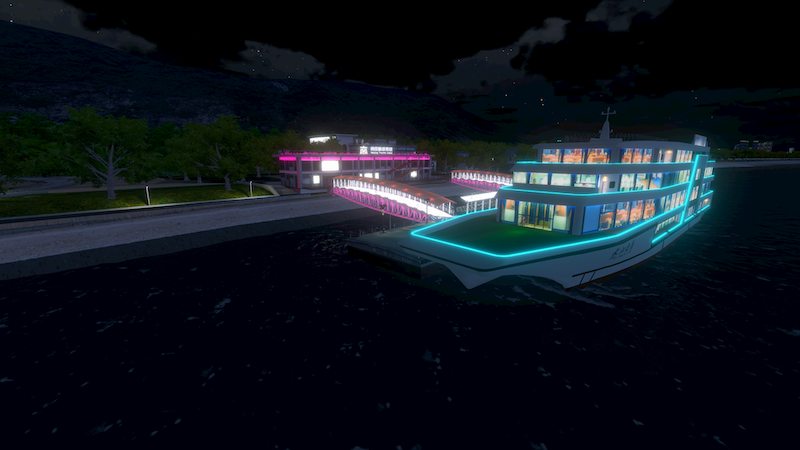
Pilotage and Tug Operations
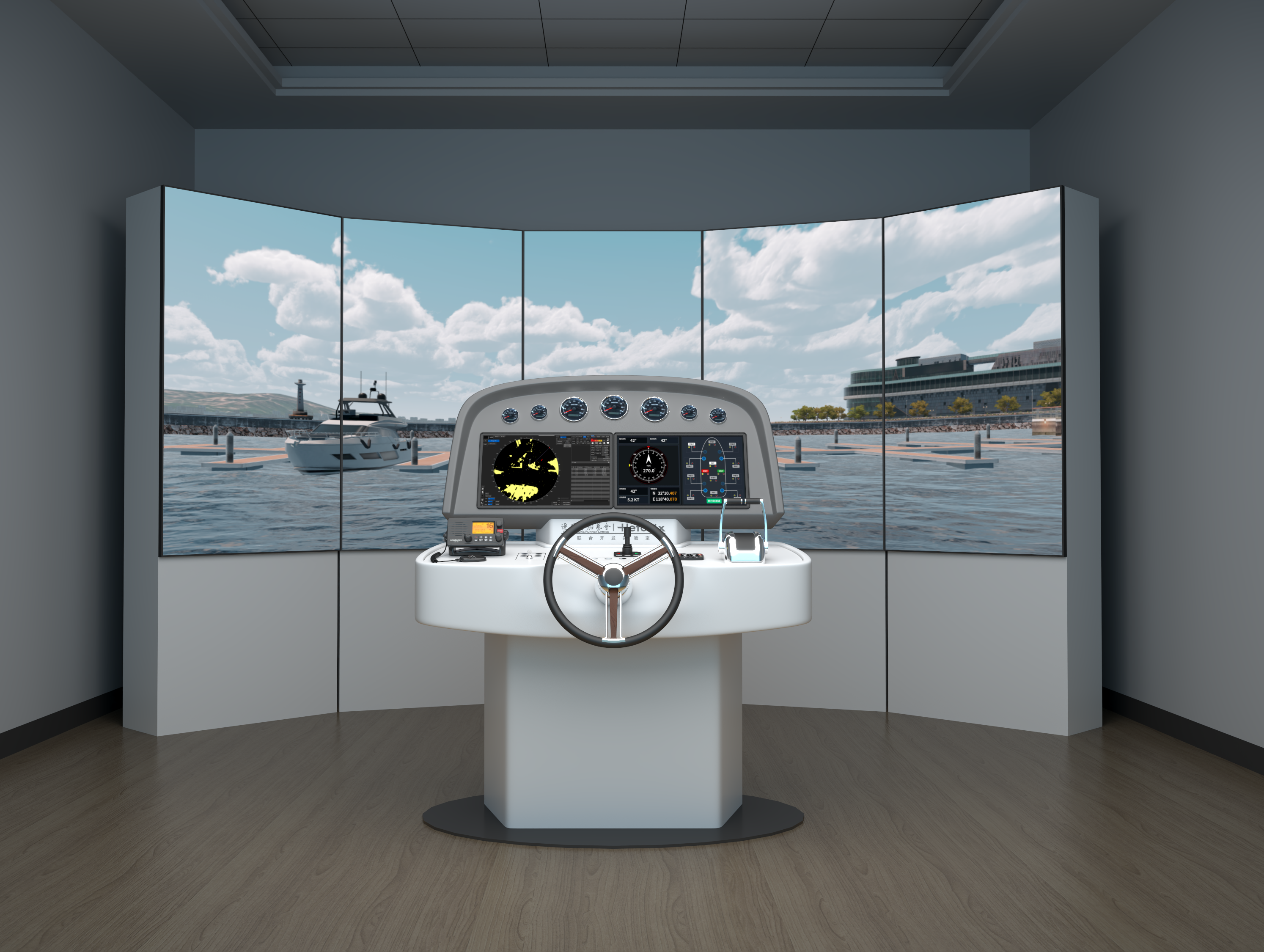
Pilots play a critical role in guiding vessels safely through port approaches and confined waterways. A boat navigation simulator provides targeted training for harbor pilots, tug operators, and escort vessels. It enables trainees to practice tight maneuvering, berthing, and emergency responses without putting real vessels at risk. Scenarios can replicate varying vessel sizes, draft restrictions, tidal conditions, and traffic congestion, ensuring operators gain practical experience applicable to real-world port conditions.
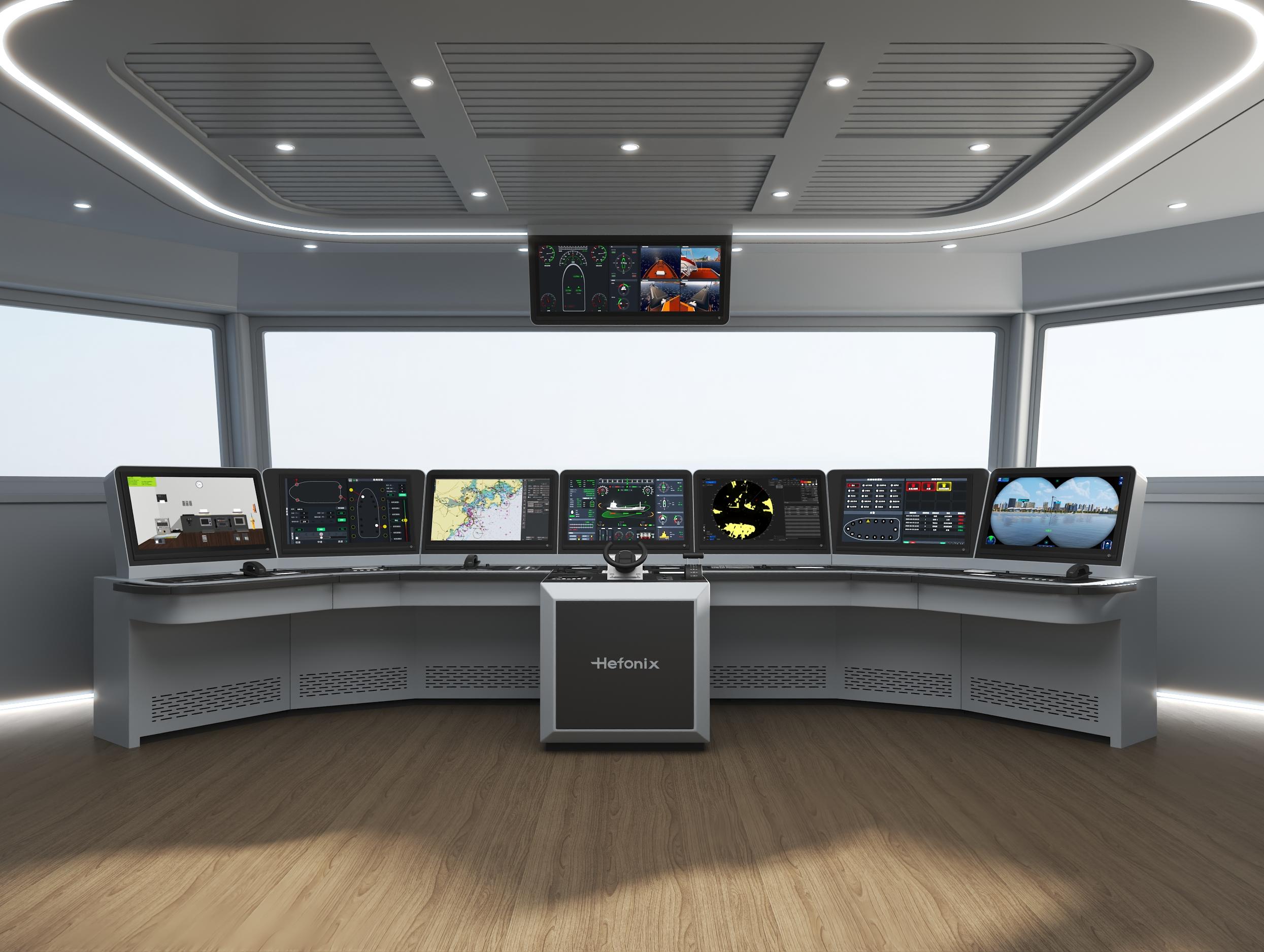
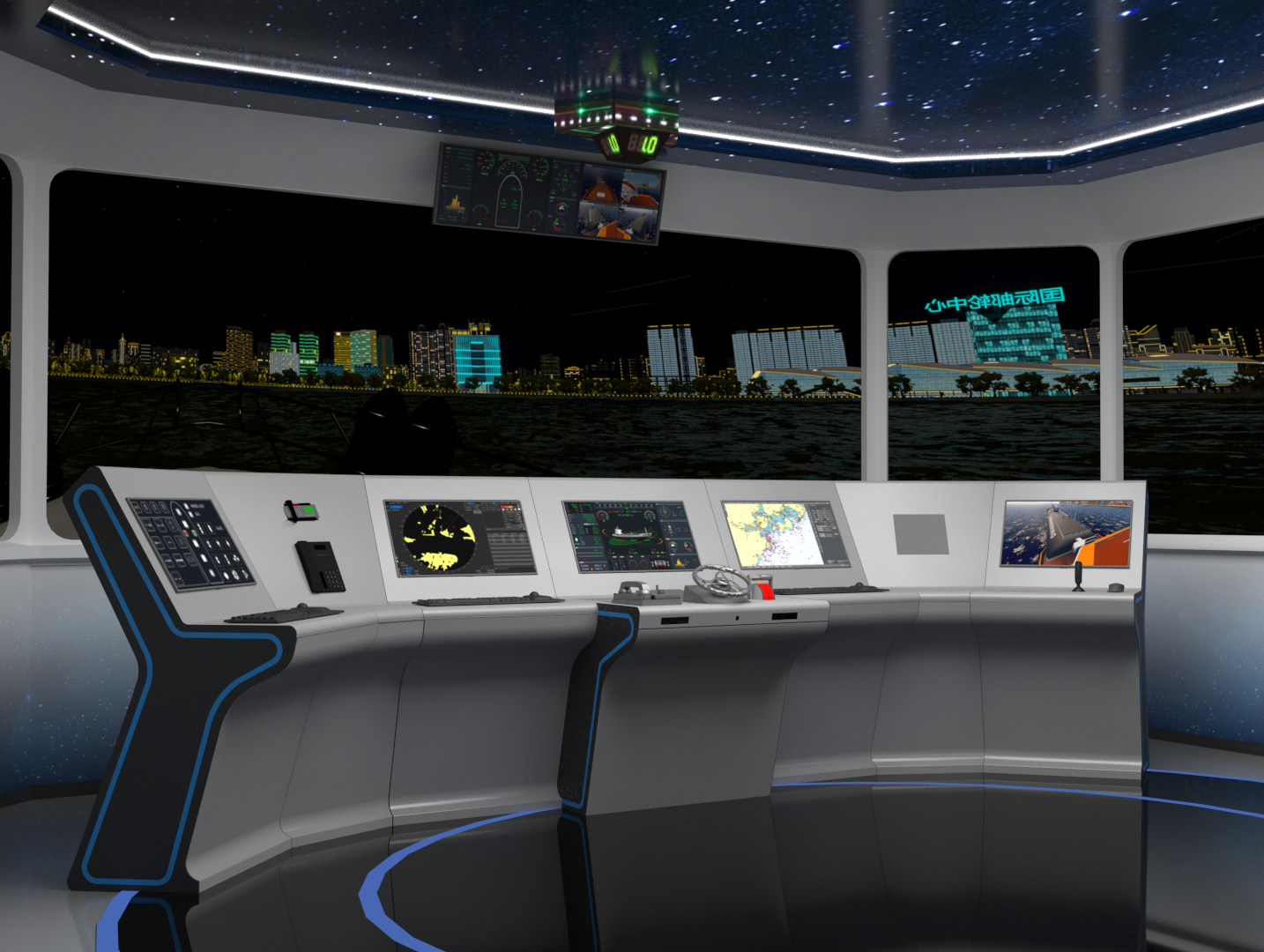
The Navigation simulator extends this training by integrating advanced bridge systems, radar operations, and ECDIS functionality. Operators can rehearse route planning, collision avoidance, and communication with port control in a fully immersive environment. By combining the Navigation simulator with scenario-based assessment, port authorities can objectively evaluate pilot competencies before deployment.
Full Mission Ship Simulator for Port Approaches
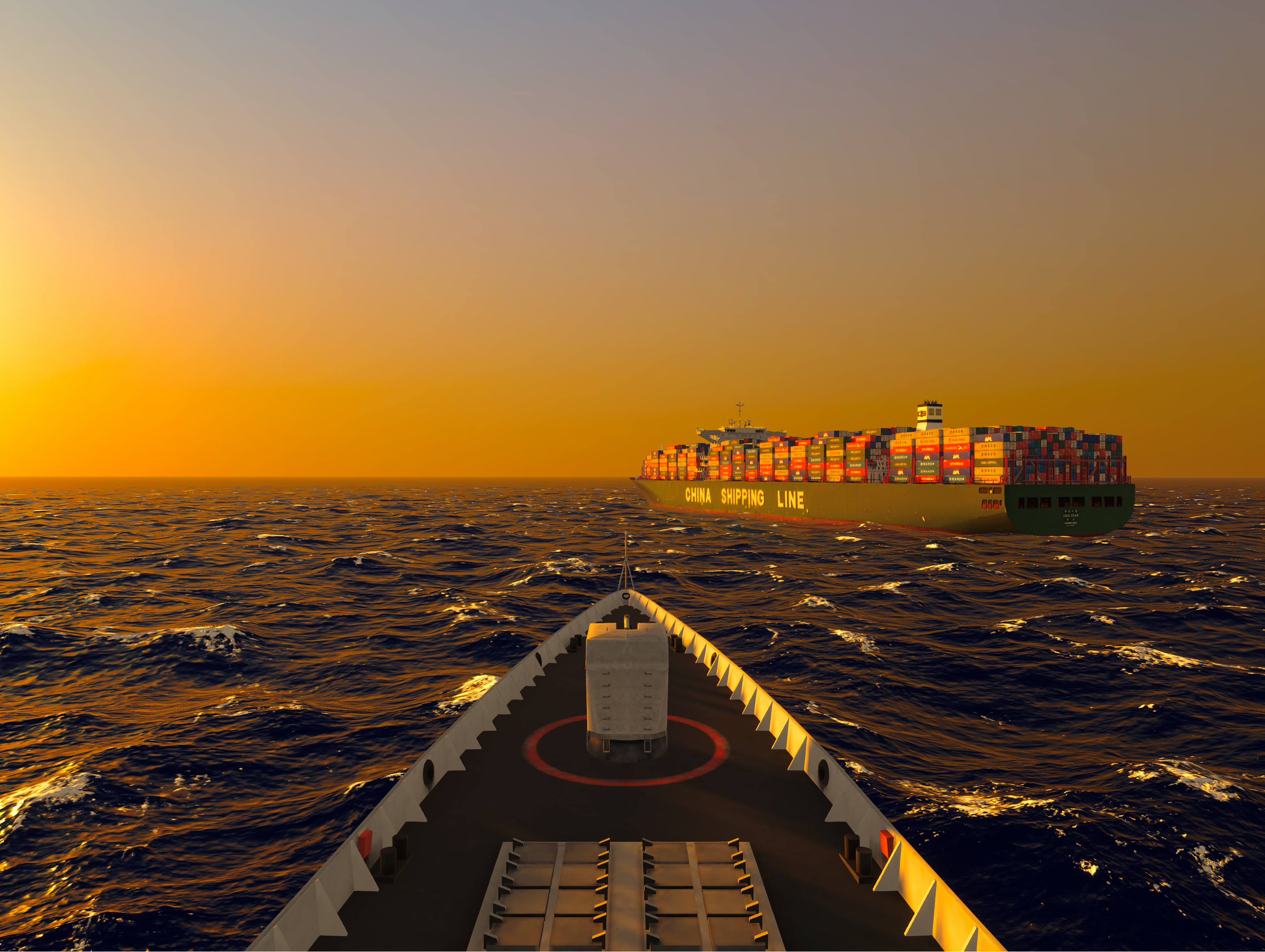
Larger vessels require precise handling when entering restricted port channels. The Full mission ship simulator replicates complete bridge operations, including bridge resource management, engine controls, and advanced navigational aids. This allows operators to experience full-scale maneuvering, ship handling in adverse weather, and multi-vessel coordination exercises. For port authorities, Full mission ship simulator training reduces the risk of accidents and operational delays, which are costly in high-traffic ports.
Similarly, the Full mission sailing simulator complements pilotage training by simulating real-time environmental variables such as tides, currents, wind, and port traffic. Trainees can practice approach strategies for container ships, bulk carriers, and cruise vessels in controlled yet highly realistic scenarios. The integration of Full mission sailing simulator exercises ensures consistent training standards across different types of vessels and operators.
Port Traffic Management and Coordination
Ship Navigation simulator systems support comprehensive training for vessel operators and port control staff. By simulating congested port approaches, berthing sequences, and coordination with multiple vessels, these simulators allow personnel to understand both the vessel perspective and the shore-side traffic management perspective. Operators develop situational awareness and decision-making skills that directly reduce collision risk and improve operational efficiency.
In addition, integrated scenarios combining Ship Navigation simulator, Navigation simulator, and boat navigation simulator exercises can replicate emergency responses such as engine failure, pilot incapacitation, or sudden environmental changes. By practicing these scenarios virtually, port operators and pilots can react quickly and confidently during real-life situations.
Tug and Pilot Crew Collaboration
Effective port operations require close coordination between pilot crews and tug operators. Simulation training using boat navigation simulator and full mission platforms allows multi-role teams to rehearse complex docking and undocking procedures. These exercises improve communication protocols, timing accuracy, and risk mitigation strategies. When these teams train together in a Full mission ship simulator environment, the results include smoother port operations and increased throughput efficiency.
Compliance and Certification
Port authorities and pilotage organizations are subject to stringent regulatory requirements, including competency-based assessment and periodic certification. Simulation-based training using Navigation simulator, Ship Navigation simulator, Full mission sailing simulator, Full mission ship simulator, and boat navigation simulator provides quantifiable performance metrics. Training sessions can be logged, assessed, and reported, ensuring compliance with national and international standards while supporting continuous skill development.
Strategic Benefits
Beyond safety and regulatory compliance, simulation-based port and pilot training delivers measurable operational advantages. Reduced pilot error leads to fewer delays, lower insurance claims, and enhanced port reputation. Full mission simulators allow for cost-effective repeated training without disrupting real vessel schedules. Boat navigation simulator and Navigation simulator platforms reduce dependence on live training exercises while maintaining high realism.
Integrating Navigation simulator, Ship Navigation simulator, Full mission sailing simulator, Full mission ship simulator, and boat navigation simulator into port and pilotage training programs establishes a comprehensive, scalable, and high-performance ecosystem. Ports and pilotage organizations gain not only enhanced safety and compliance but also measurable efficiency gains,