

Industry-Specific Maritime Training Scenarios Enabled by Advanced Navigation Simulation Systems
As maritime operations diversify across commercial shipping, offshore services, port operations, and professional training institutions, the demand for scenario-specific training solutions continues to grow. A one-size-fits-all training approach is no longer sufficient. Instead, industry stakeholders increasingly rely on advanced simulation platforms such as the Navigation simulator, Ship Navigation simulator, and Full mission ship simulator to address the unique operational challenges of different maritime sectors.
At the core of modern maritime education and professional training lies the Navigation simulator. Unlike traditional classroom instruction, a Navigation simulator provides immersive, scenario-driven learning environments that replicate real navigational challenges. From coastal navigation to open-sea passage planning, the Navigation simulator enables trainees to practice critical skills repeatedly, ensuring consistent competency development across different operational contexts.
Commercial Shipping and Deep-Sea Operations
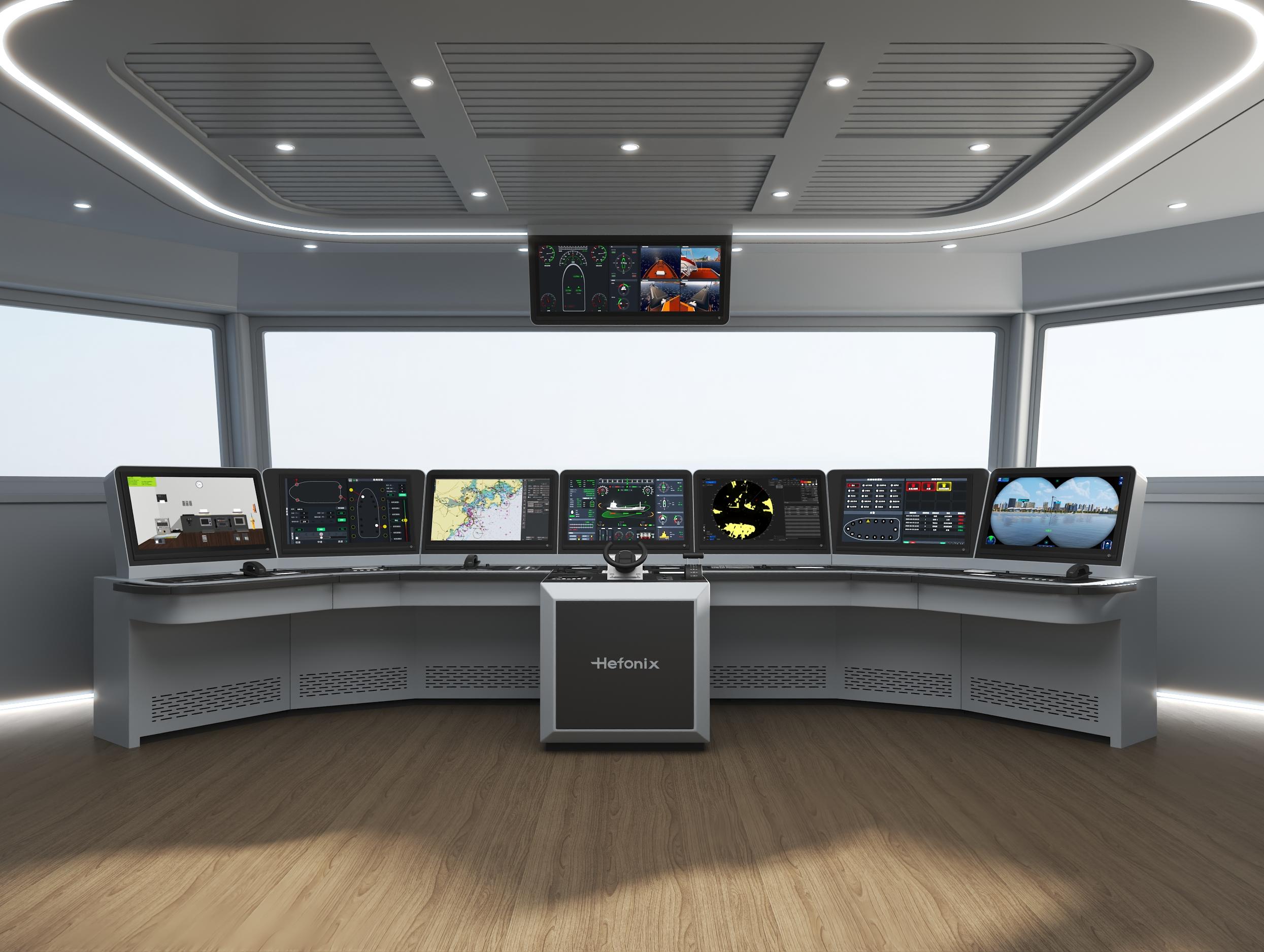
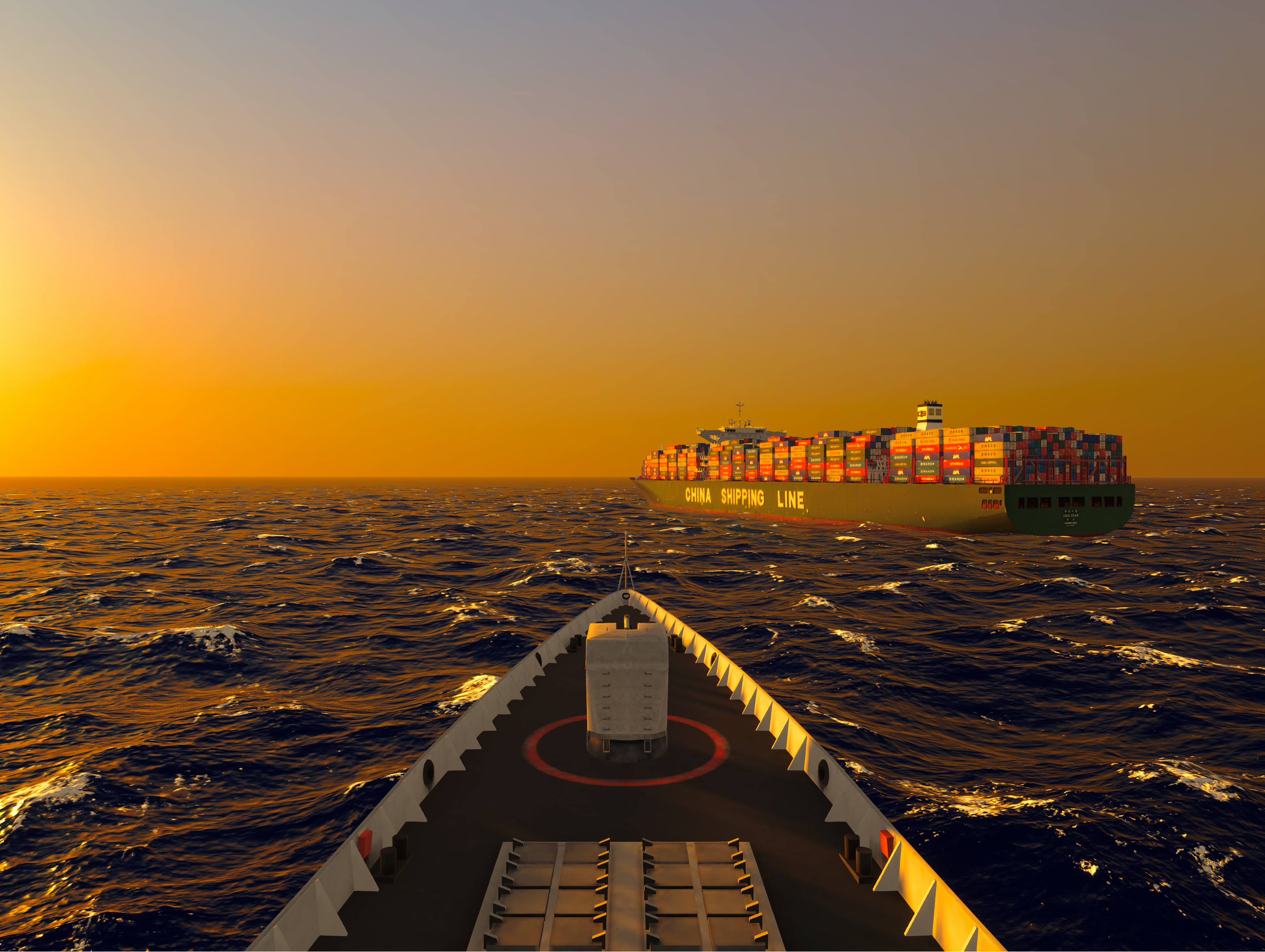
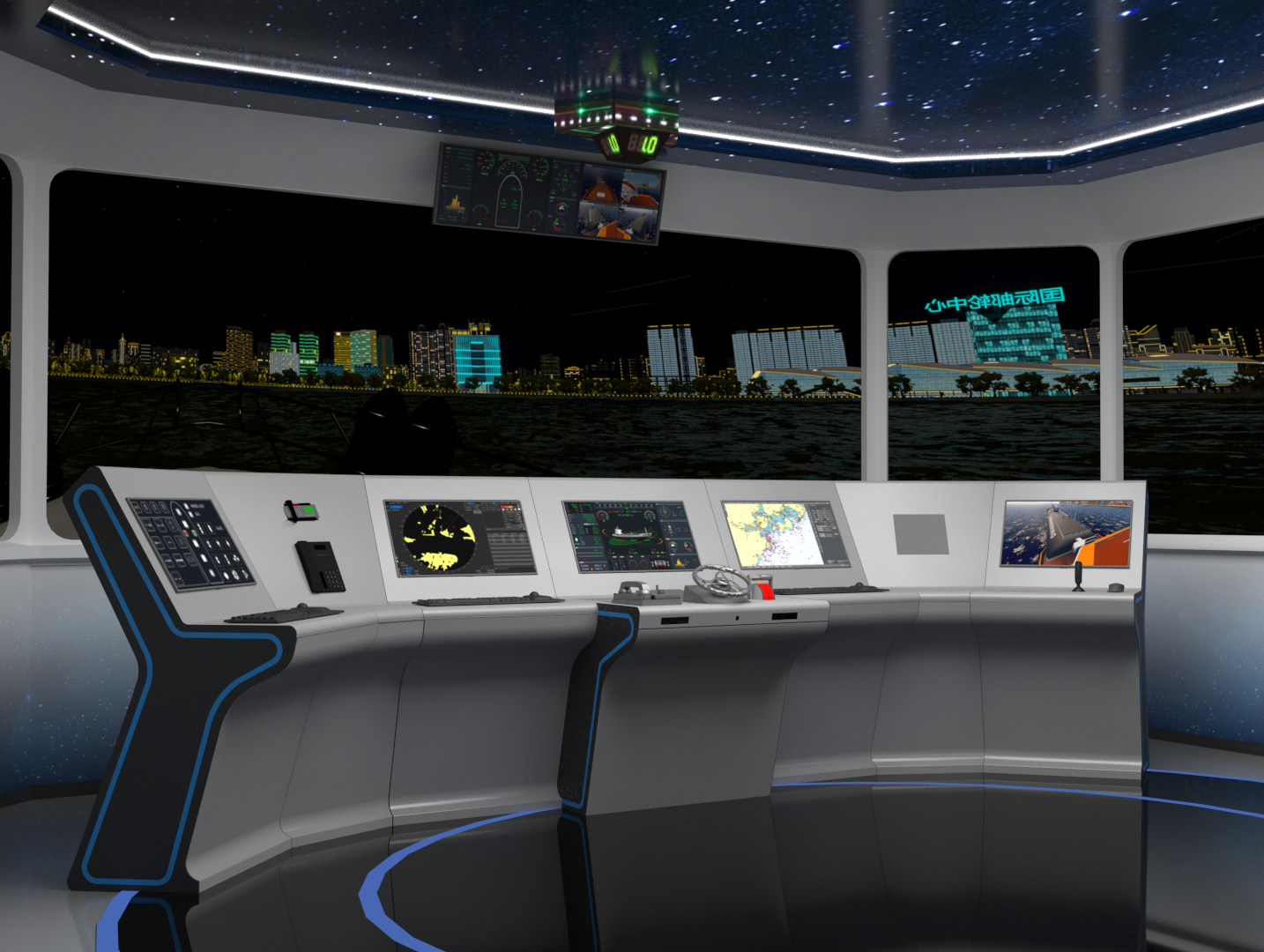
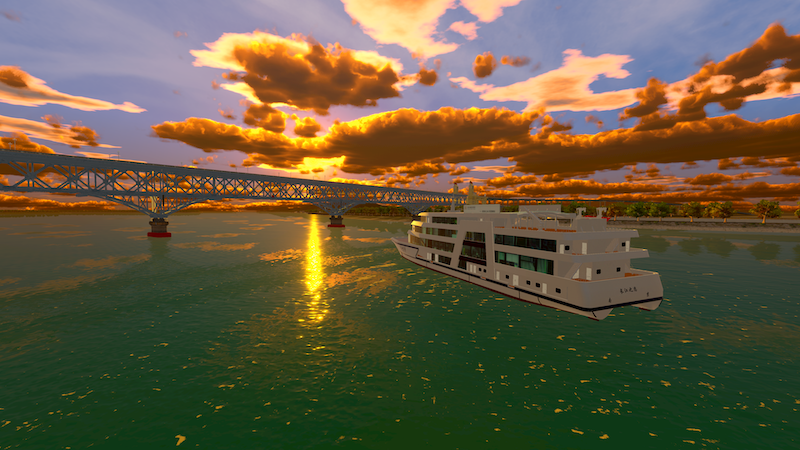
In the commercial shipping sector, the Ship Navigation simulator and Full mission ship simulator play a decisive role in preparing officers for complex voyages. These platforms simulate large vessel dynamics, bridge equipment integration, and international traffic separation schemes. A Full mission ship simulator allows crews to experience complete bridge operations, including radar, ECDIS, engine control, and bridge resource management. Through repeated Ship Navigation simulator exercises, shipping companies improve safety performance while reducing dependency on costly live training voyages.
The Full mission sailing simulator further enhances training realism by recreating long-duration voyages under varying weather and traffic conditions. This enables shipping companies to standardize training outcomes across fleets and regions while maintaining compliance with international regulations.
Port Operations and Restricted Waterways
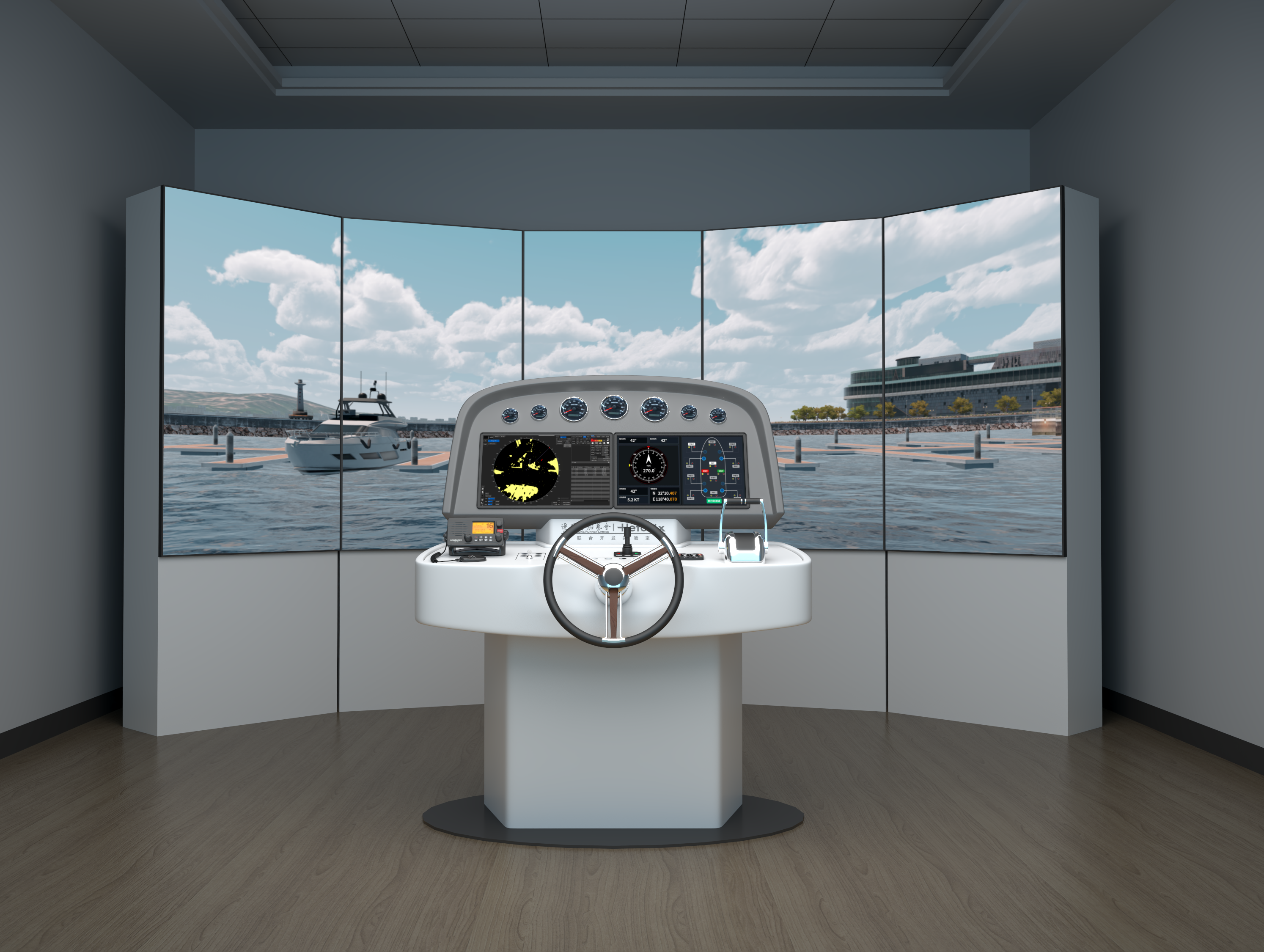
Ports and harbors represent some of the most demanding navigational environments. A boat navigation simulator is particularly effective for training pilots, tug operators, and service vessels operating in confined waters. Boat navigation simulator systems emphasize precision maneuvering, low-speed control, and situational awareness in high-density traffic zones.
For port authorities and pilotage organizations, the Navigation simulator and Ship Navigation simulator are often integrated into localized port models. These models replicate real port layouts, tides, currents, and berth configurations. When combined with a Full mission ship simulator, trainees gain a comprehensive understanding of ship-to-shore coordination, significantly reducing incident rates during real operations.
Offshore, Renewable Energy, and Support Vessels
Offshore service vessels operate under unique conditions that require specialized training. The Navigation simulator enables crews to practice dynamic positioning approaches, platform supply operations, and standby vessel procedures. A Full mission sailing simulator is particularly valuable in offshore scenarios where weather conditions and vessel response must be carefully managed.
Smaller support craft benefit from targeted boat navigation simulator training. By focusing on approach angles, station keeping, and emergency response, boat navigation simulator platforms reduce operational risk while improving mission efficiency. These capabilities are critical for offshore wind farms, oil and gas operations, and subsea construction projects.
Maritime Academies and Professional Training Centers
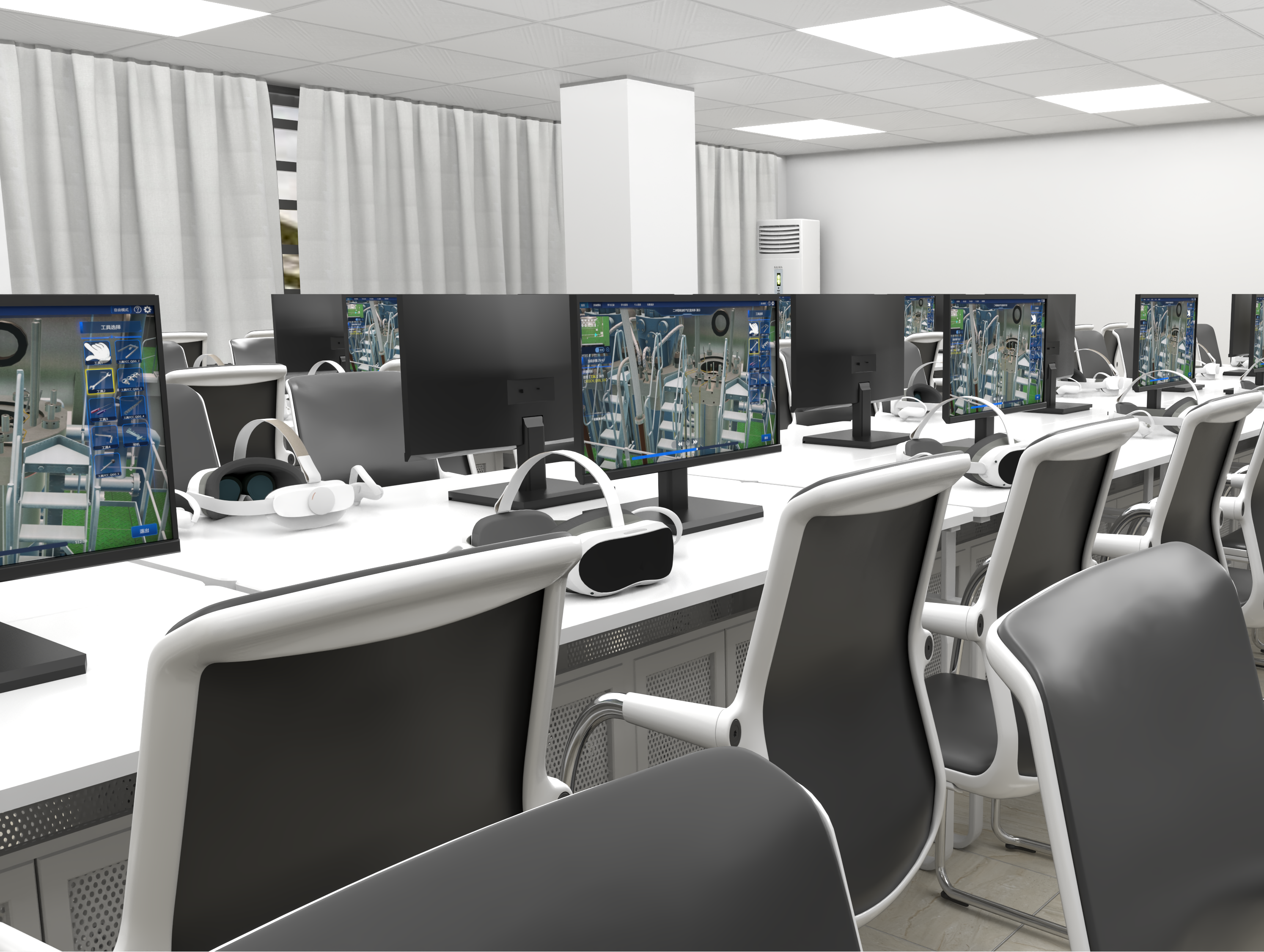
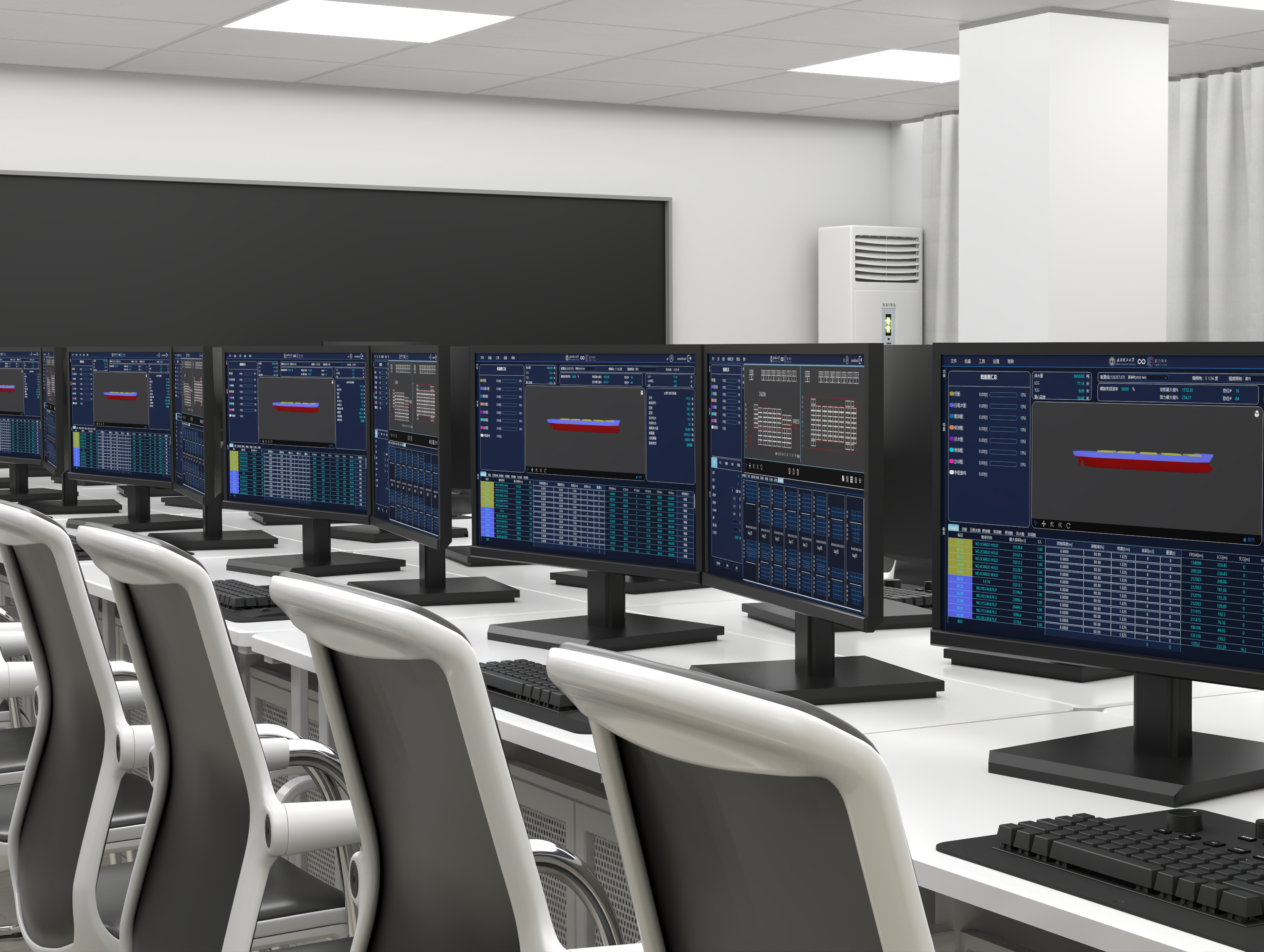
For maritime academies, accreditation and instructional quality are closely linked to the training infrastructure. The Navigation simulator and Ship Navigation simulator form the backbone of competency-based education systems. Through structured scenarios, instructors can objectively assess decision-making, situational awareness, and procedural compliance.
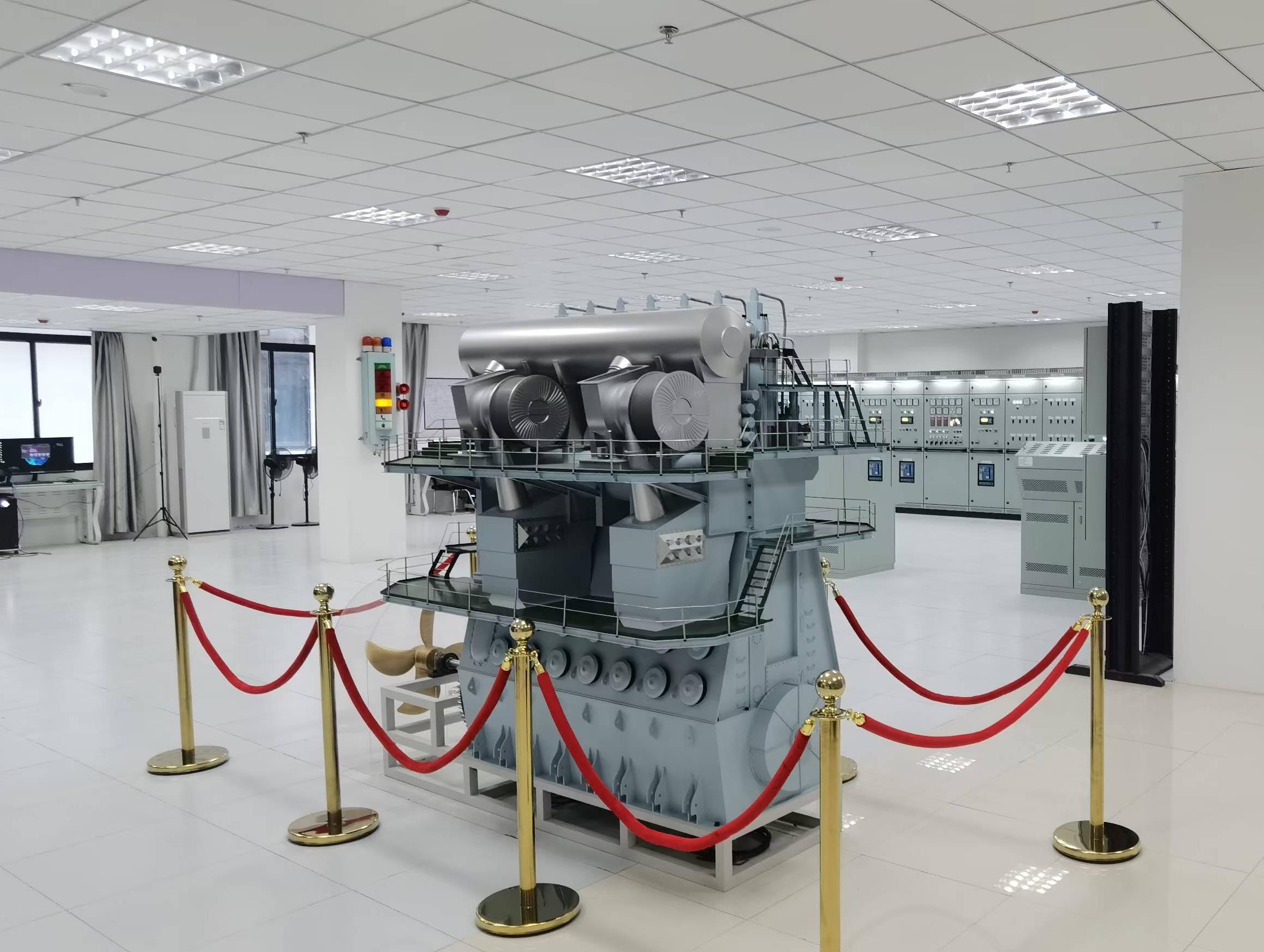
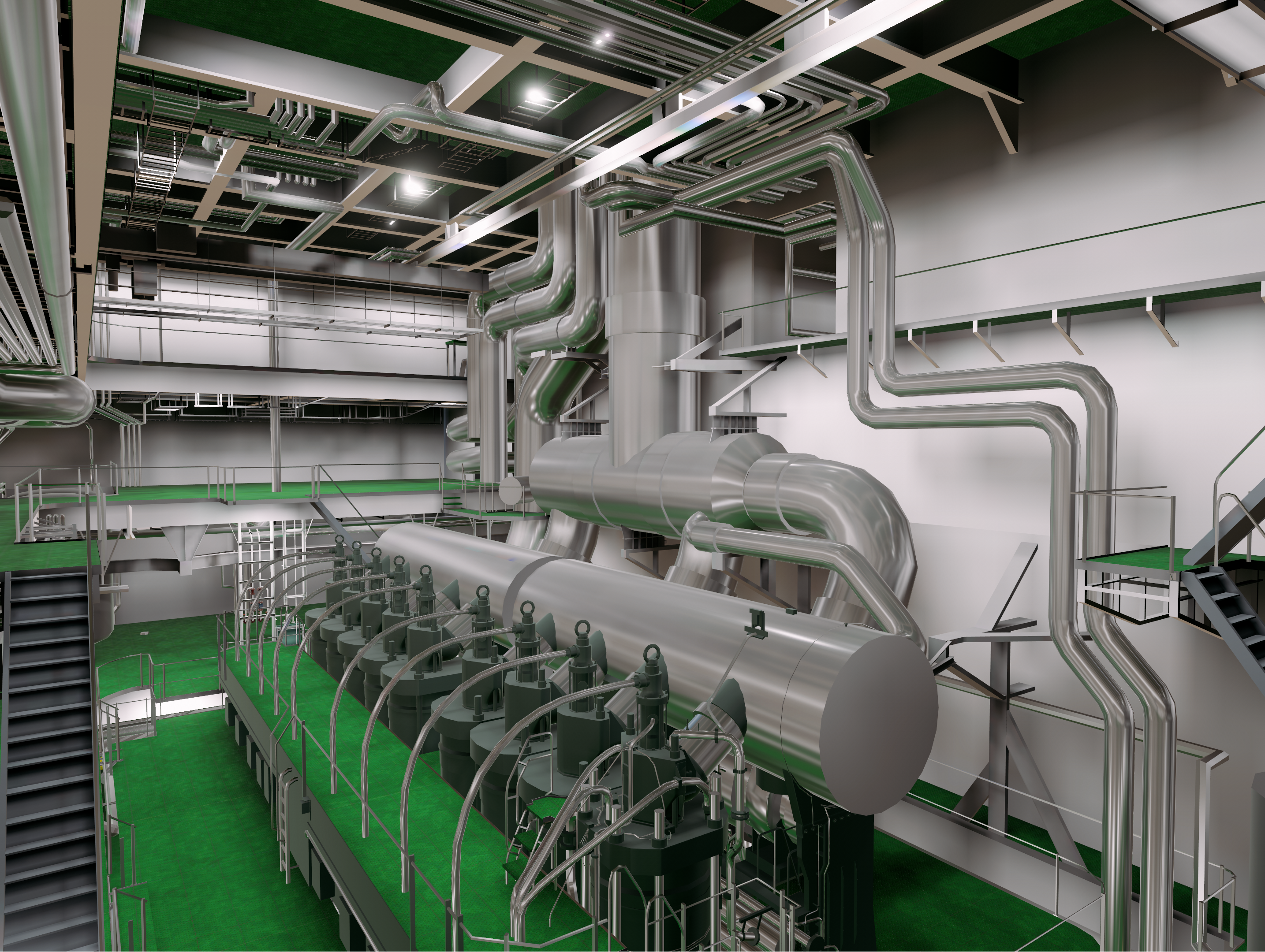
Advanced institutions deploy Full mission ship simulator and Full mission sailing simulator systems to support bridge team training and integrated assessments. These platforms allow students to transition seamlessly from basic boat navigation simulator exercises to complex multi-ship scenarios, ensuring a progressive learning pathway.
Inland Waterways and Regional Transport
Inland and coastal transport sectors present distinct navigational challenges, including narrow channels, strong currents, and mixed traffic. A boat navigation simulator is especially effective for training operators in these environments. When combined with a Navigation simulator and Ship Navigation simulator, inland waterway authorities can standardize training while accounting for regional conditions.
The Full mission ship simulator further supports advanced training for larger inland vessels, ensuring that operators are prepared for both routine operations and emergency situations.
Strategic Value of Integrated Simulation Systems
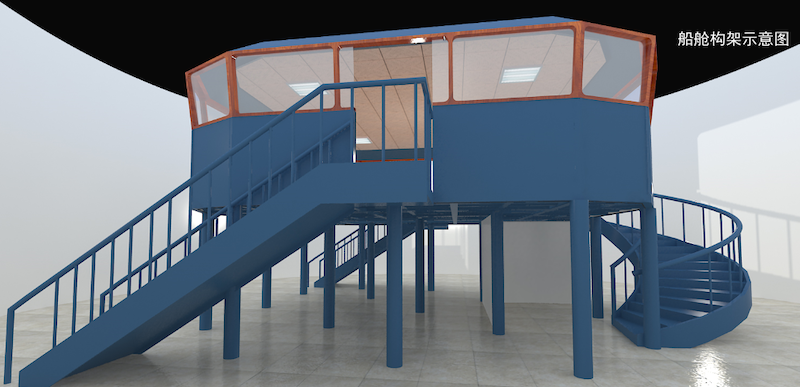
Across all industry segments, the integration of Navigation simulator, Ship Navigation simulator, Full mission sailing simulator, Full mission ship simulator, and boat navigation simulator platforms creates a scalable and future-proof training ecosystem. These systems reduce operational risk, improve training efficiency, and support regulatory compliance.
From commercial shipping to port operations and offshore services, industry-specific simulation training delivers measurable value. Organizations that adopt a comprehensive Navigation simulator strategy position themselves for long-term success in an increasingly complex maritime environment.