

Navigating the Future: How Advanced Ship Simulators Are Transforming Maritime Excellence
In the dynamic world of maritime operations, where safety, precision, and adaptability are paramount, the role of simulation technology has evolved from a training accessory to an indispensable pillar of modern seafarer education. At the heart of this transformation are high-fidelity navigation simulator systems, which today represent not only tools for skill development but integrated ecosystems for risk-free mastery of the seas. These platforms enable maritime professionals to encounter, analyze, and respond to complex scenarios—from congested waterways to extreme weather—without ever leaving shore.
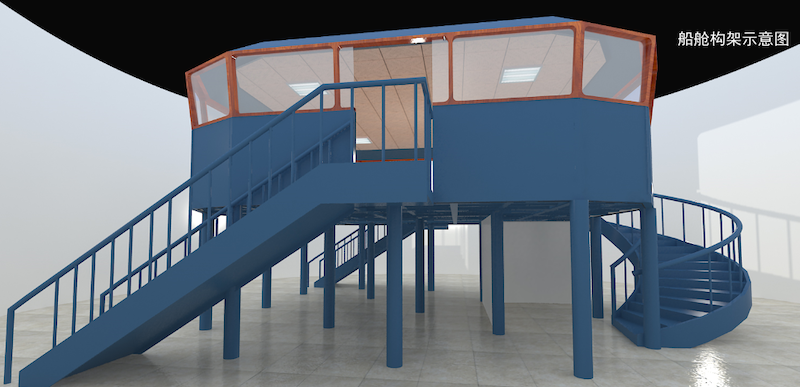
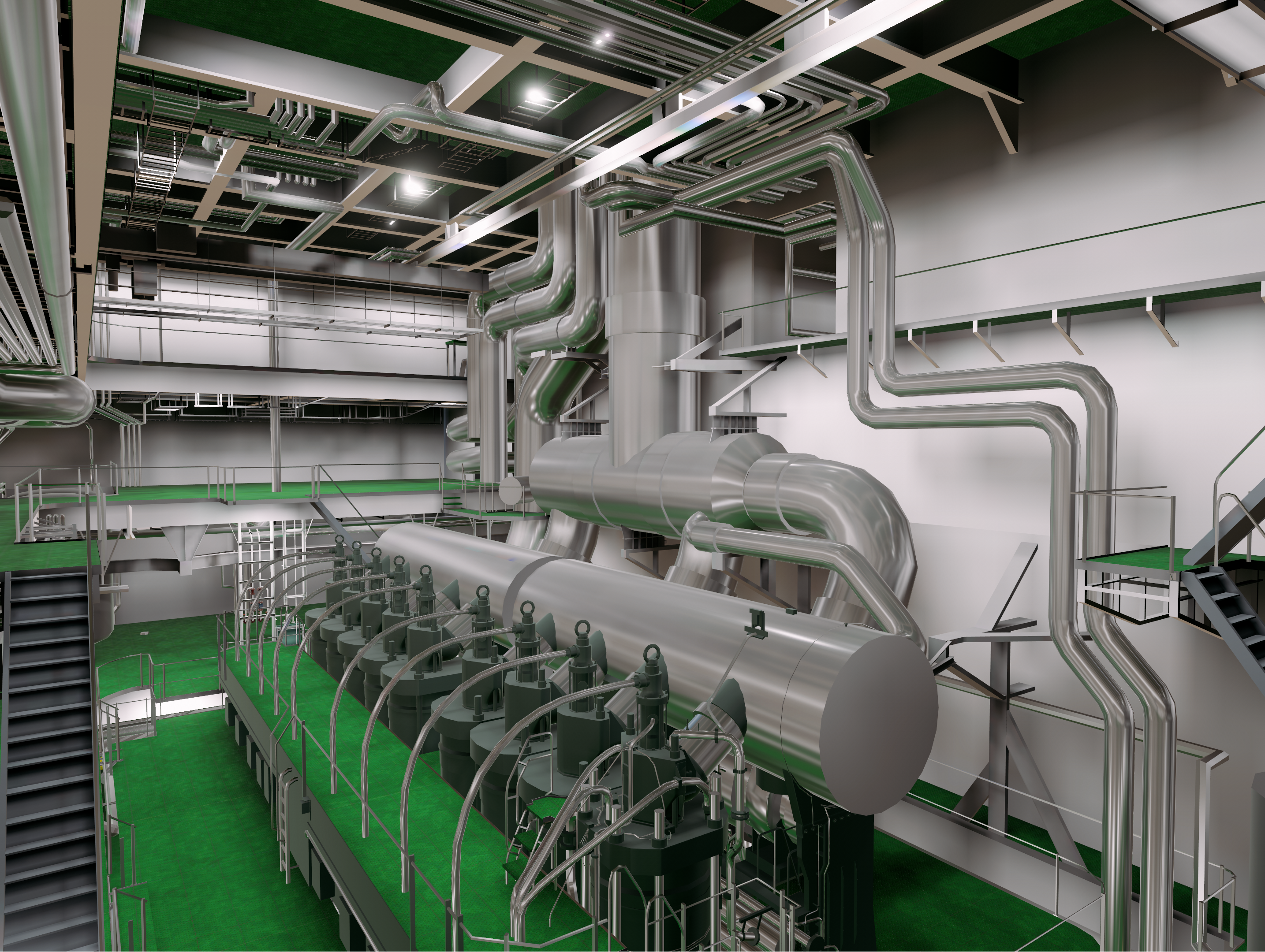
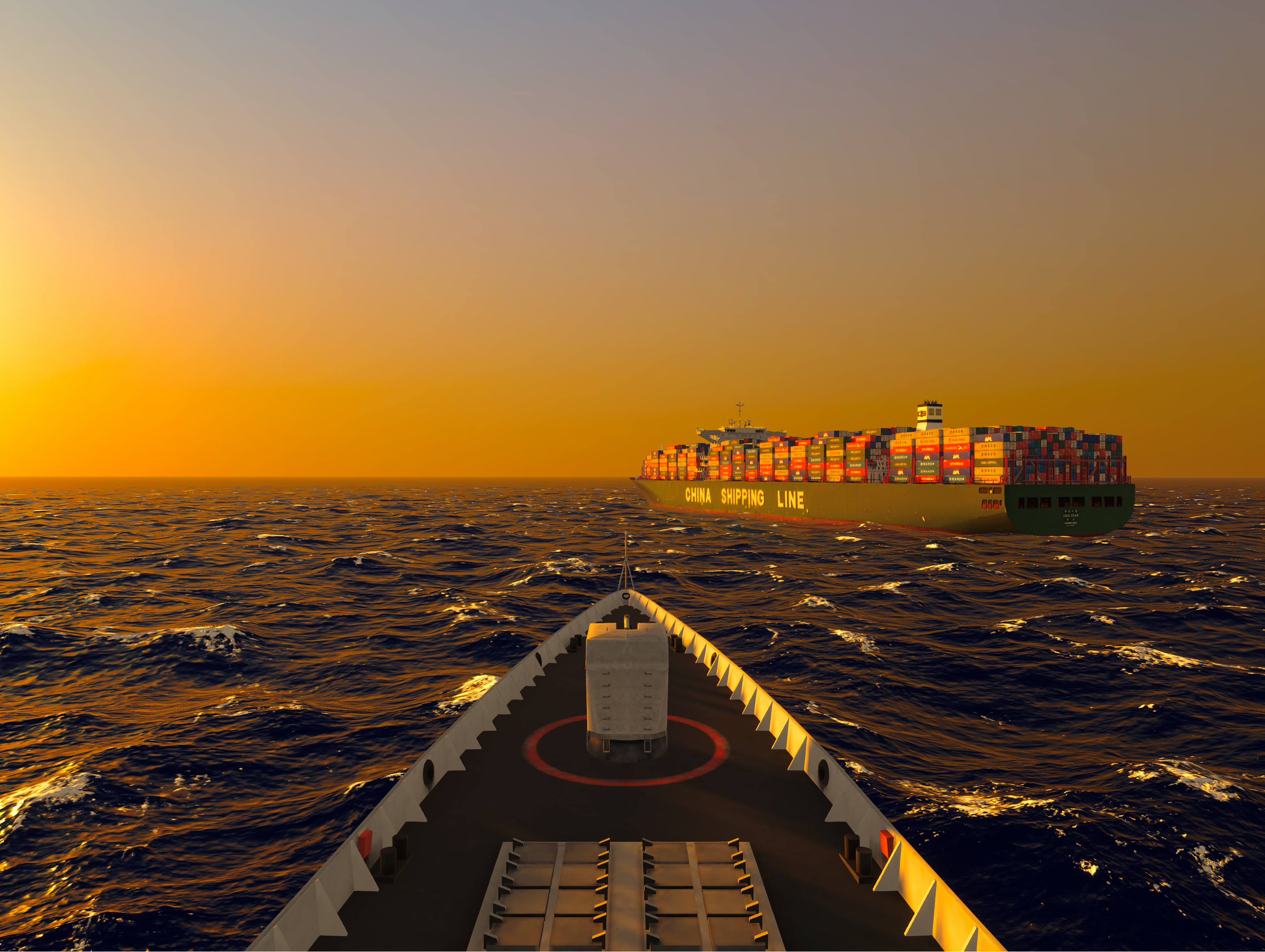
The contemporary ship navigation simulator is engineered to replicate real-world maritime environments with astonishing accuracy. Through advanced hydrodynamic modeling, real-time weather systems, and detailed visual and auditory feedback, trainees can experience the subtle nuances of vessel handling in varying conditions. Whether maneuvering a container ship through the narrow straits of the Malacca Strait or navigating an oil tanker into a busy port, the ship navigation simulator provides a controlled yet realistic setting for building critical competencies. Such training is increasingly recognized by global maritime authorities as essential for certification, reflecting the growing trust in simulation-based learning.
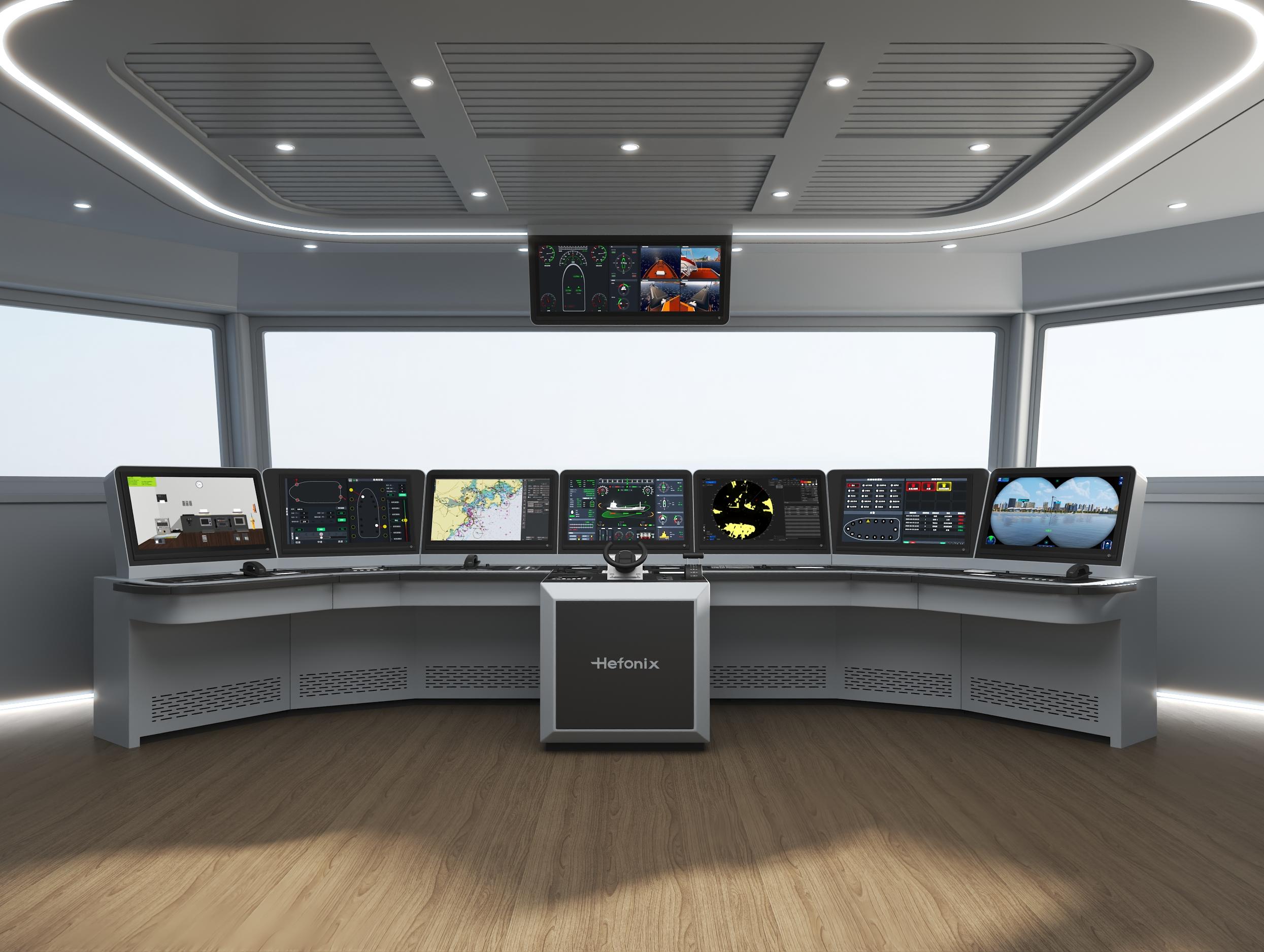
A significant step forward in this domain is the full mission sailing simulator, designed to immerse users in comprehensive, end-to-end voyage scenarios. Unlike basic simulation tools, a full mission sailing simulator integrates all elements of a real voyage—passage planning, crew coordination, equipment management, and emergency response—into a single seamless experience. This holistic approach ensures that trainees develop not only technical skills but also situational awareness, communication abilities, and decision-making prowess. For training academies and shipping companies, investing in a full mission sailing simulator means cultivating mariners who are prepared not just to operate a vessel, but to command it with confidence.
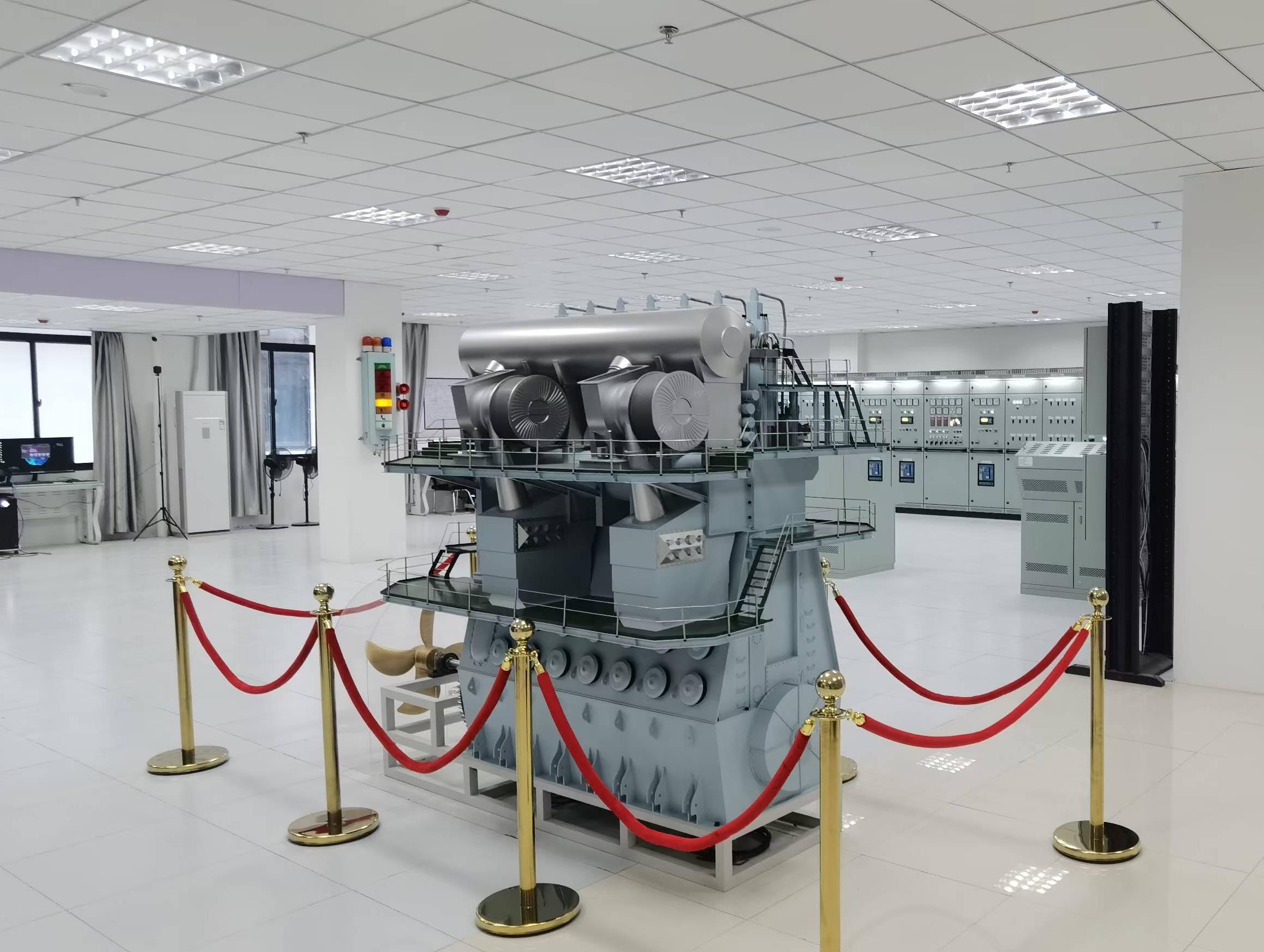
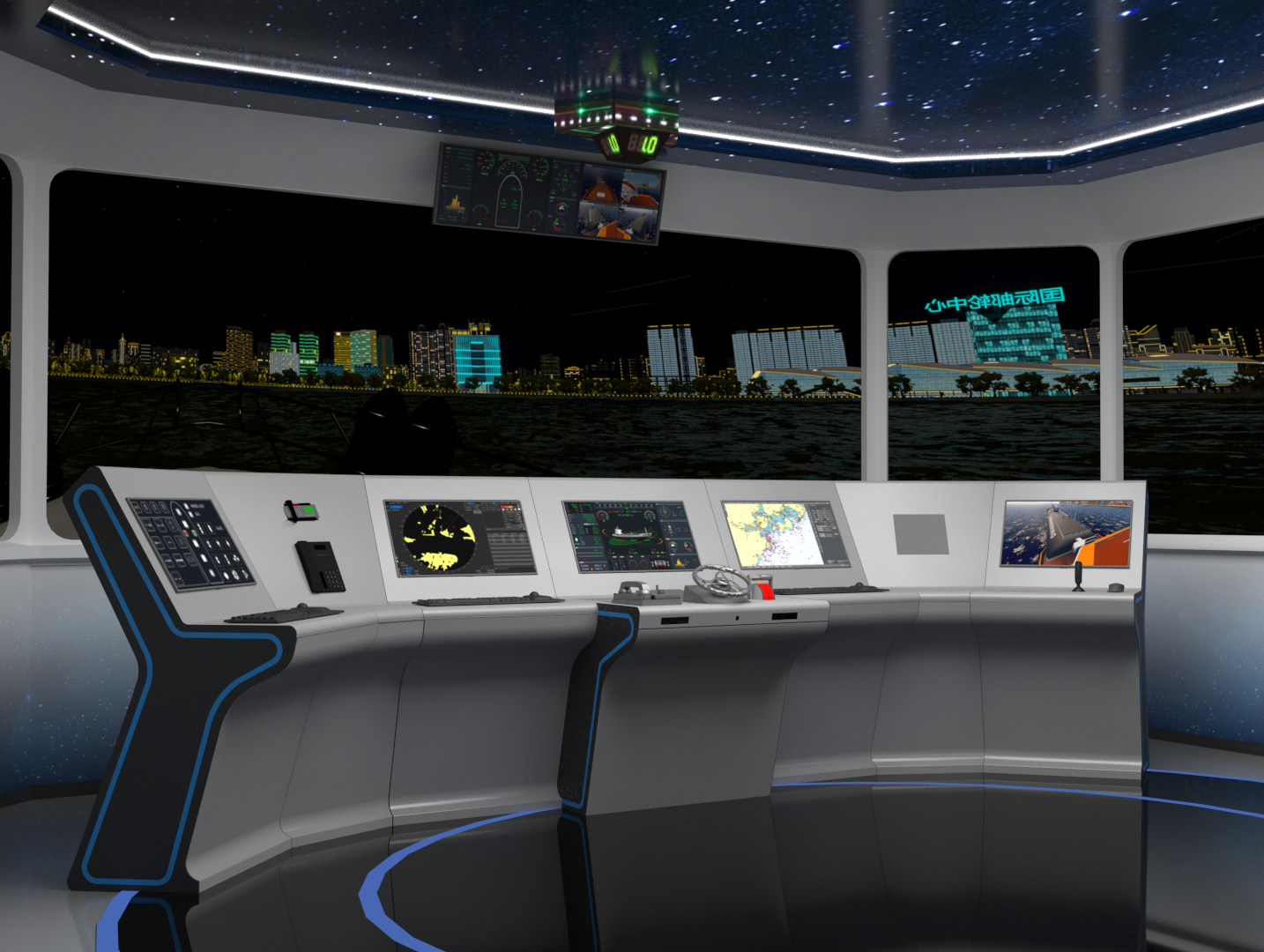
Equally impactful is the full mission ship simulator, which takes immersion a step further by incorporating vessel-specific dynamics and advanced system integrations. These simulators are often customized to mimic the behavior of particular ship types—whether LNG carriers, bulk carriers, or passenger ferries—allowing crews to train on the very systems they will use at sea. The full mission ship simulator also supports multi-bridge networking, enabling teams in different locations to collaborate in real time within the same virtual maritime environment. This capability is invaluable for training in convoy operations, joint rescue exercises, or complex port approaches requiring precise coordination.
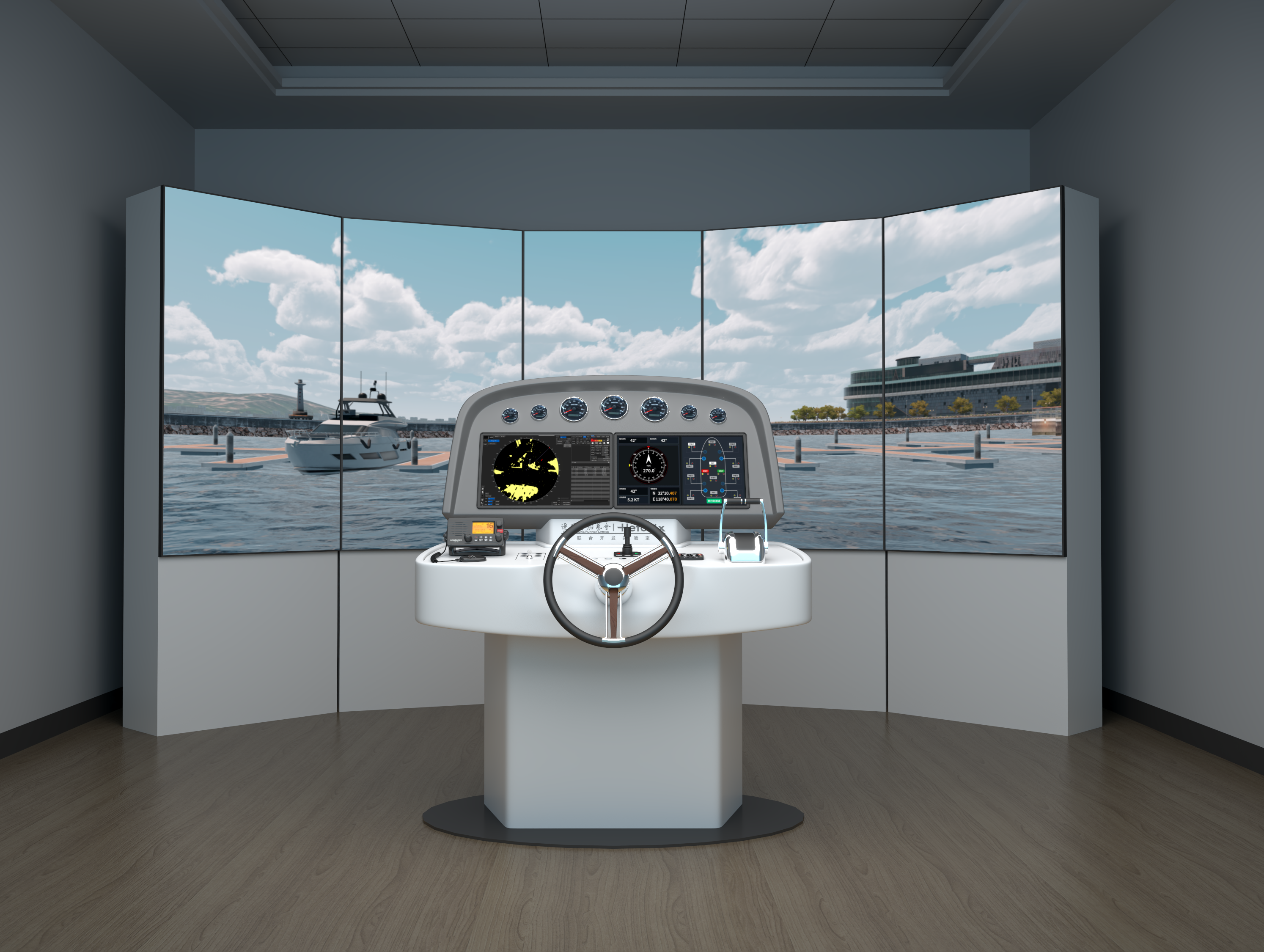
For operators of smaller craft, from pilot boats and patrol vessels to fishing and leisure boats, the boat navigation simulator offers a tailored training solution. Compact, cost-effective, and highly focused, a boat navigation simulator emphasizes skills specific to coastal and inland waterway navigation. This includes shallow-water maneuvering, docking in confined spaces, and using electronic chart systems optimized for smaller vessels. By providing accessible and scenario-based training, the boat navigation simulator plays a vital role in enhancing safety and operational fluency among coastal mariners—a group essential to the broader maritime ecosystem.
Behind these technological advances lies a commitment to pedagogical innovation. Modern simulators are increasingly adaptive, using performance analytics and AI-driven feedback to personalize training pathways. Whether on a full mission sailing simulator or a focused boat navigation simulator, trainees receive real-time guidance and post-scenario debriefs that highlight strengths and areas for improvement. This responsive approach not only accelerates skill acquisition but also helps build the kind of reflective practice that defines expert seafarers.
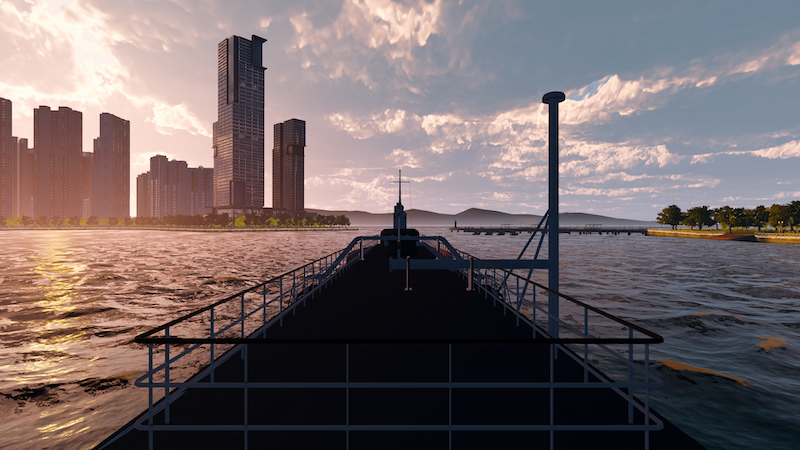
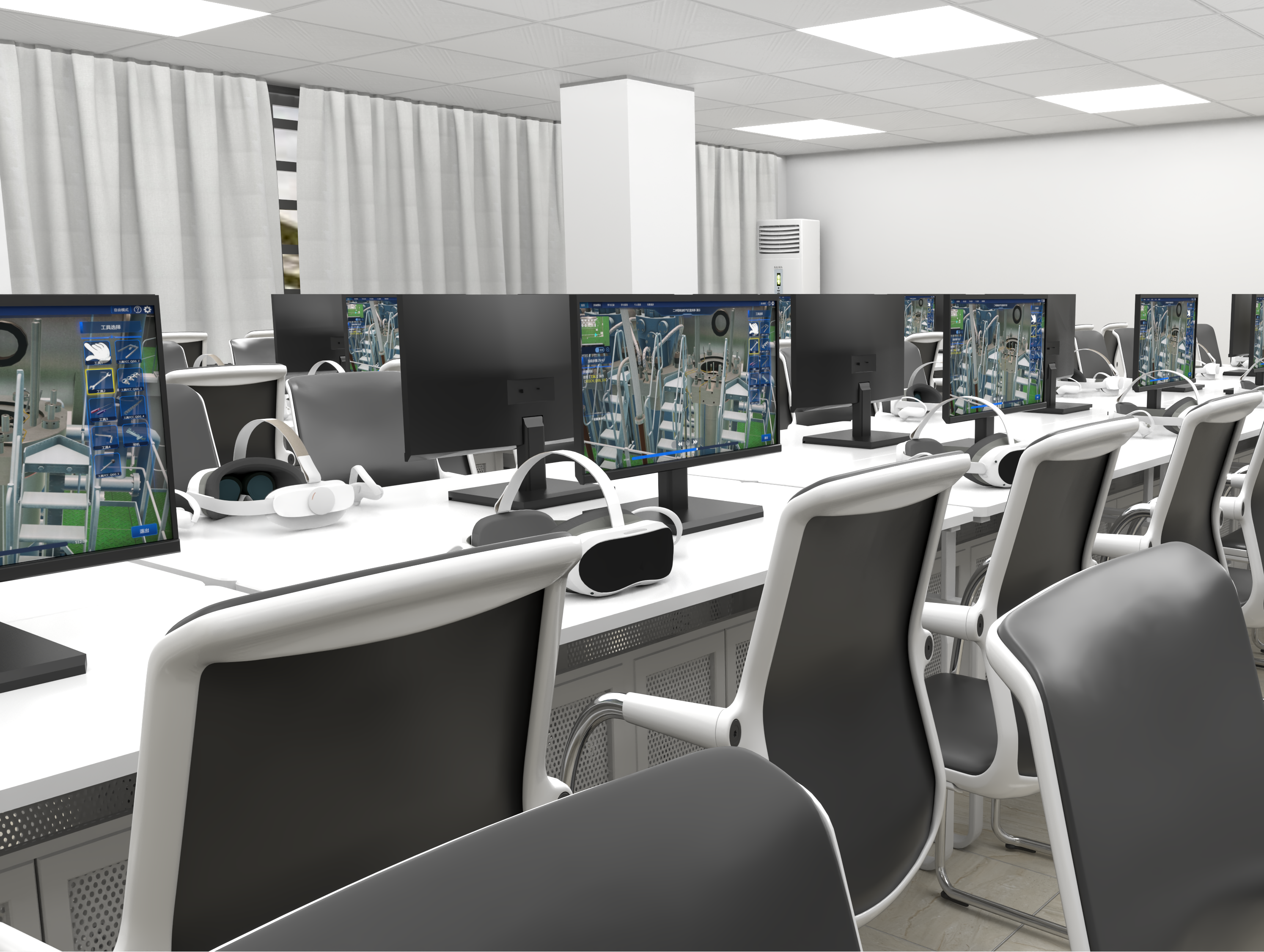
Looking ahead, the integration of emerging technologies—such as virtual reality (VR), augmented reality (AR), and cloud-based simulation networks—promises to further enhance the accessibility and realism of maritime training. Soon, a cadet might train on a full mission ship simulator from a remote classroom, or a seasoned captain might use a VR-enhanced navigation simulator to rehearse a challenging port entry. These innovations will continue to blur the lines between simulation and reality, making high-quality training more scalable and immersive than ever before.
In an industry where human error remains a leading cause of incidents, the value of simulation cannot be overstated. By leveraging tools like the ship navigation simulator, the full mission sailing simulator, and the specialized boat navigation simulator, the maritime sector is not only improving individual competency but also fostering a culture of continuous learning and safety. As regulations tighten and operational environments grow more complex, these simulators will remain at the core of efforts to navigate the future—with greater intelligence, preparedness, and confidence on every voyage.