

Marine Engine Room Simulator for Modern Maritime Education
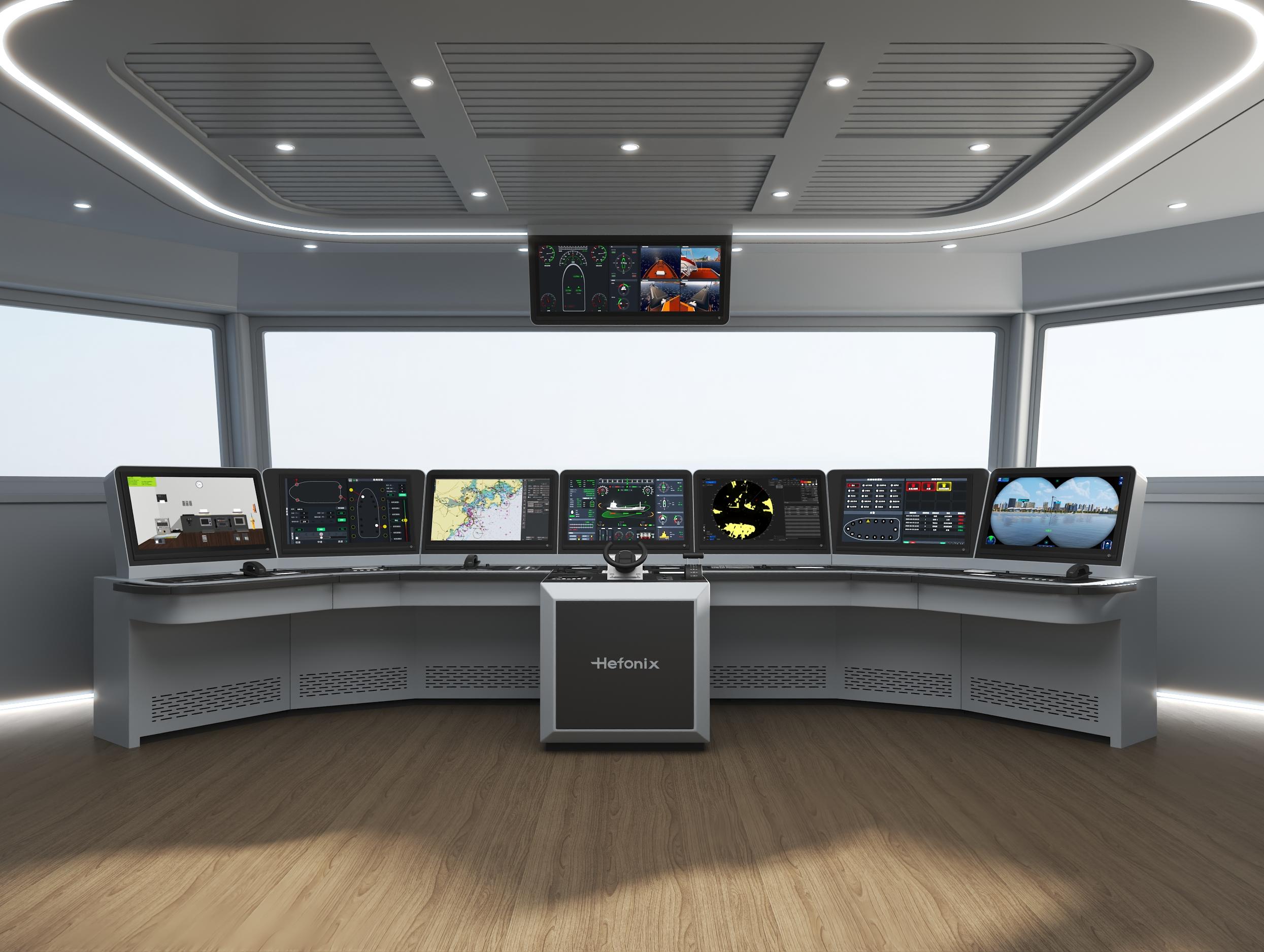
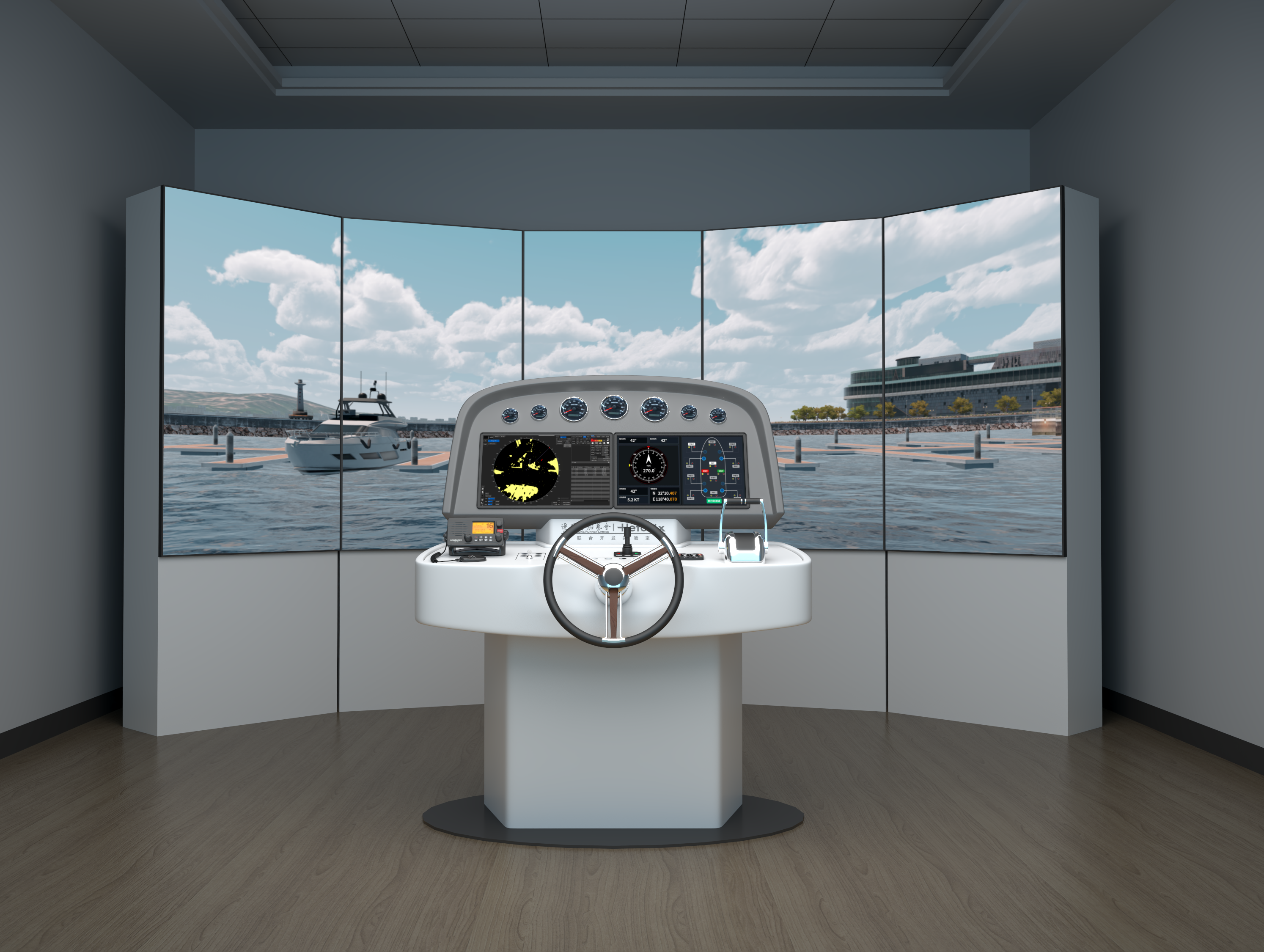
Modern maritime education is undergoing a significant transformation driven by digitalization, automation, and increasingly strict international training standards. In this evolving landscape, the marine engine room simulator has become a core component of maritime training systems, enabling institutions to deliver high-quality, efficient, and standardized education. By integrating advanced technologies and realistic system modeling, the marine engine room simulator is redefining how marine engineering knowledge is taught and applied.
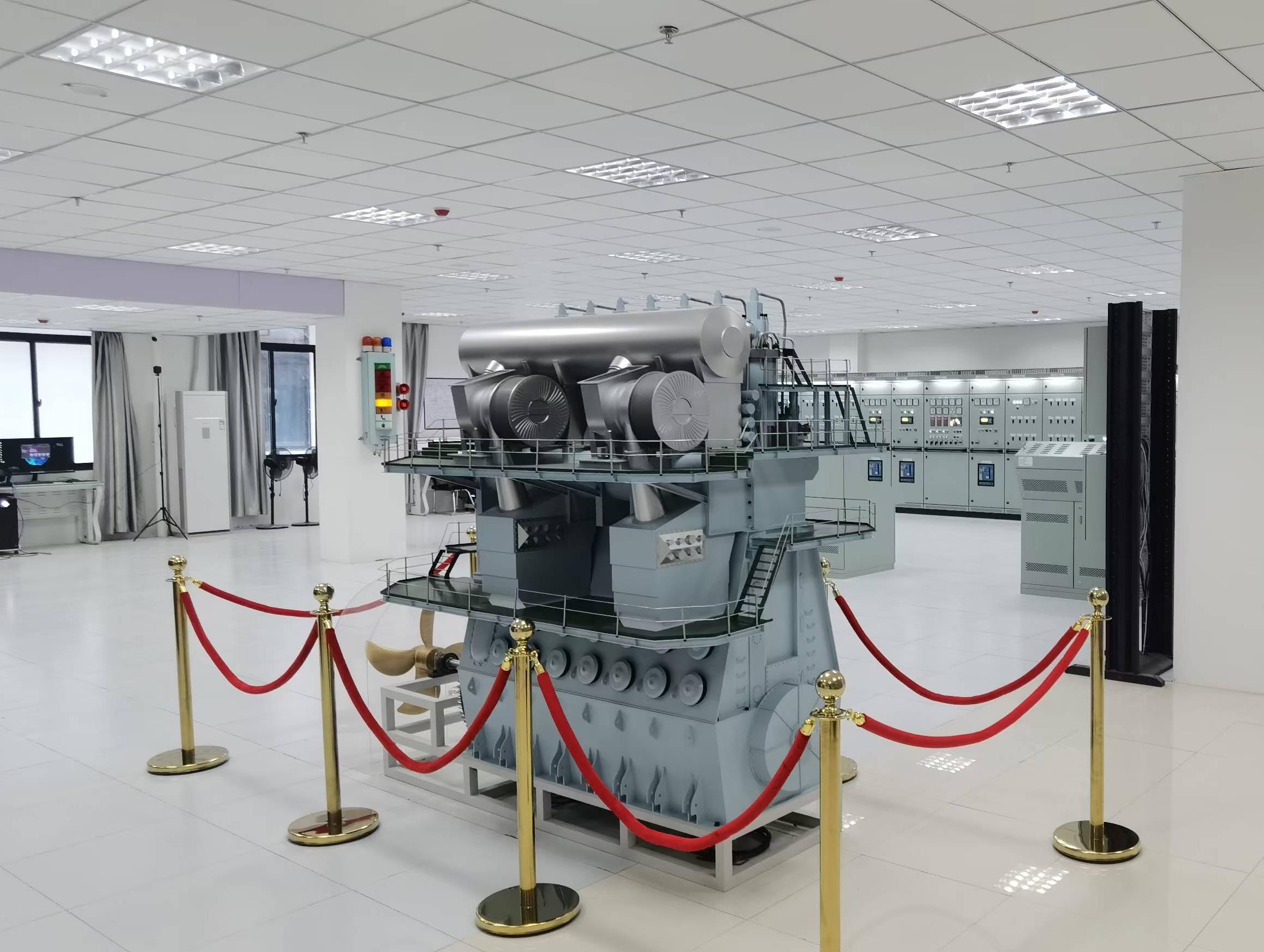
A comprehensive marine engine room simulator provides a unified platform that integrates propulsion systems, auxiliary machinery, electrical systems, and automation controls. Through this integrated approach, trainees can clearly understand how different subsystems interact within a vessel. Unlike traditional classroom-based teaching, the marine engine room simulator allows students to experience real operational processes, improving both comprehension and retention.
The engine ship simulator plays an important supporting role in modern maritime education by providing system-level simulation of vessel operations. With an advanced engine ship simulator, trainees can explore the functional behavior of engines, power generation, and system responses under different operational conditions. This enables maritime institutions to bridge the gap between theoretical knowledge and practical application. The use of an engine ship simulator also allows repeated practice, helping students build confidence and operational proficiency.
At the same time, the Engine Room Simulator serves as a critical training interface where trainees interact directly with system controls. A high-quality Engine Room Simulator provides real-time feedback on system performance, allowing students to monitor parameters, identify abnormalities, and perform corrective actions. Through continuous use of the Engine Room Simulator, trainees develop the ability to respond quickly and effectively to operational challenges.
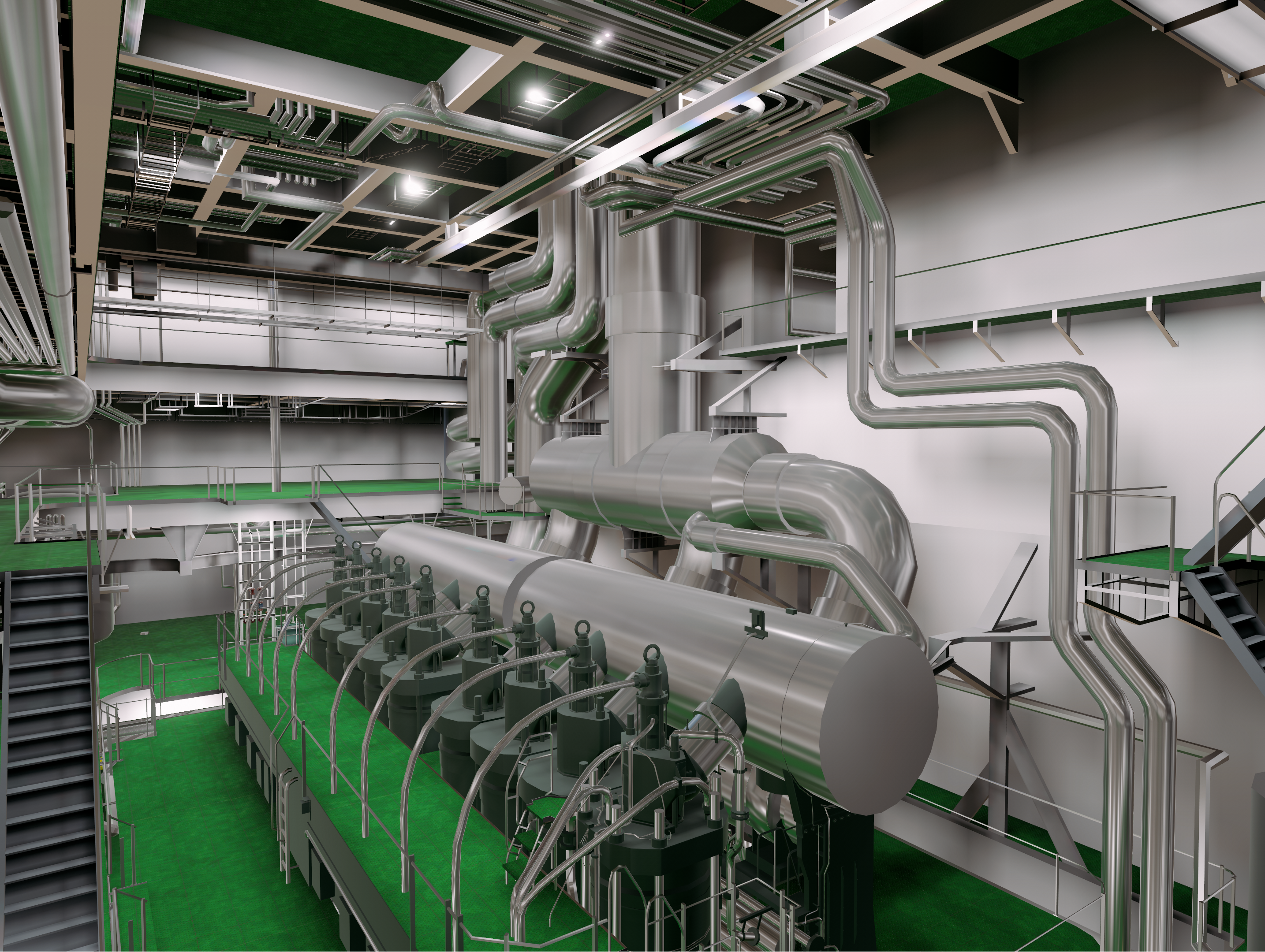
A Ship Engine Room Simulator further enhances the learning experience by replicating the full layout and workflow of a real vessel’s engine room. With a Ship Engine Room Simulator, students can practice essential tasks such as engine start-up, system monitoring, load adjustment, and emergency handling. The realistic environment created by the Ship Engine Room Simulator ensures that trainees are well-prepared for onboard operations.
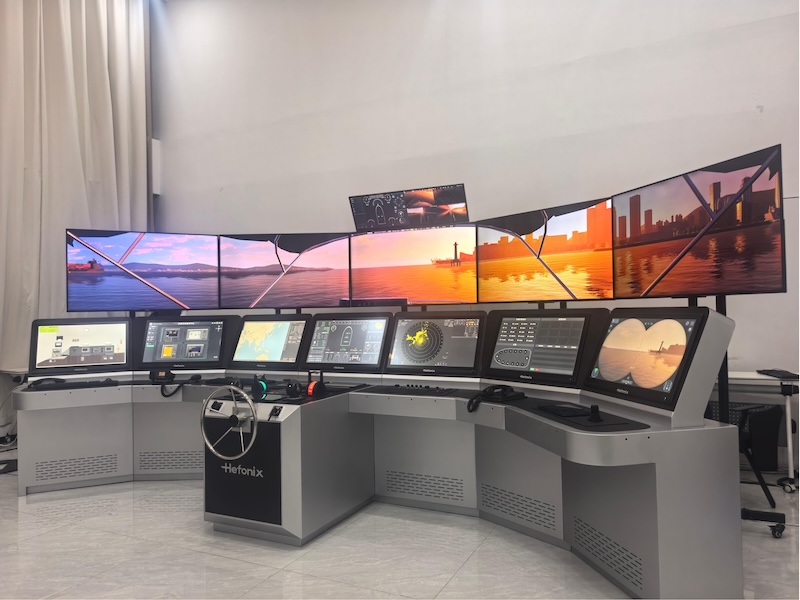
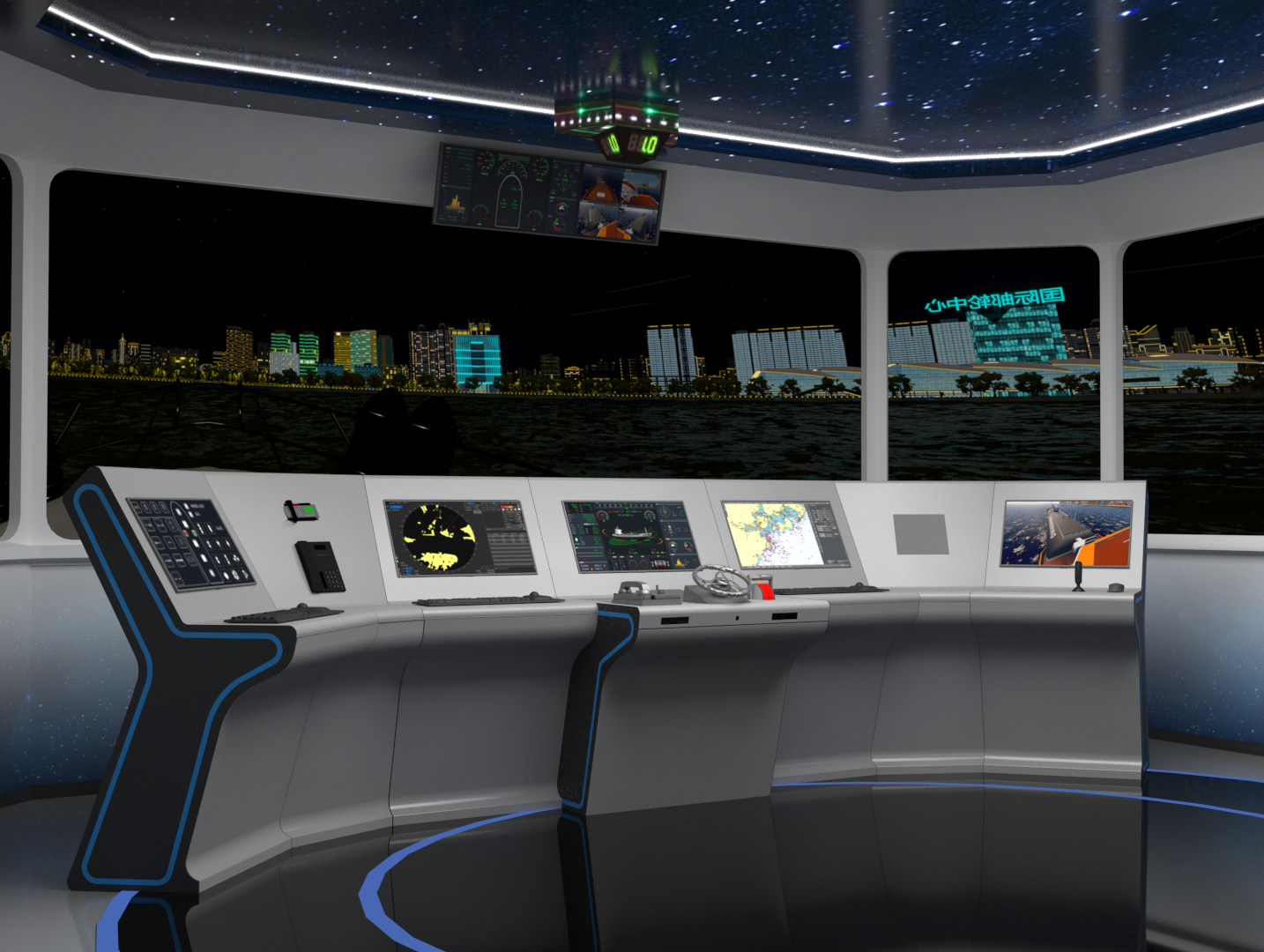
For institutions aiming to provide advanced training, the full mission engine room simulator offers the highest level of realism. A full mission engine room simulator recreates the entire engine room environment, including control rooms, machinery spaces, and automated systems. This allows trainees to experience complex scenarios such as system failures, emergency situations, and coordinated team operations. The immersive nature of the full mission engine room simulator significantly enhances training effectiveness.
One of the key advantages of using a marine engine room simulator in education is the ability to standardize training processes. By using simulation-based learning, instructors can design consistent training modules and evaluation criteria. The marine engine room simulator also enables performance tracking, allowing educators to assess student progress and identify areas for improvement.
The flexibility of the marine engine room simulator makes it suitable for various training levels. Beginners can use the system to understand basic concepts, while advanced trainees can engage in complex operational scenarios. The engine ship simulator, Engine Room Simulator, and Ship Engine Room Simulator can be configured to meet different educational requirements, ensuring a scalable and adaptable training solution.
Another important benefit of the full mission engine room simulator is its ability to support competency-based education. By simulating real-world conditions, the full mission engine room simulator allows trainees to demonstrate their skills in a controlled environment. This aligns with international maritime training standards and helps institutions ensure that their graduates meet industry expectations.
The integration of the marine engine room simulator into maritime education represents a major advancement in training methodology. Supported by technologies such as the engine ship simulator, Engine Room Simulator, Ship Engine Room Simulator, and full mission engine room simulator, modern training programs can deliver more effective, realistic, and standardized learning experiences. As the maritime industry continues to evolve, these simulation systems will remain essential for developing the next generation of skilled marine engineers.