


Maximizing Return on Investment in Maritime Training Through Advanced Simulation Technologies
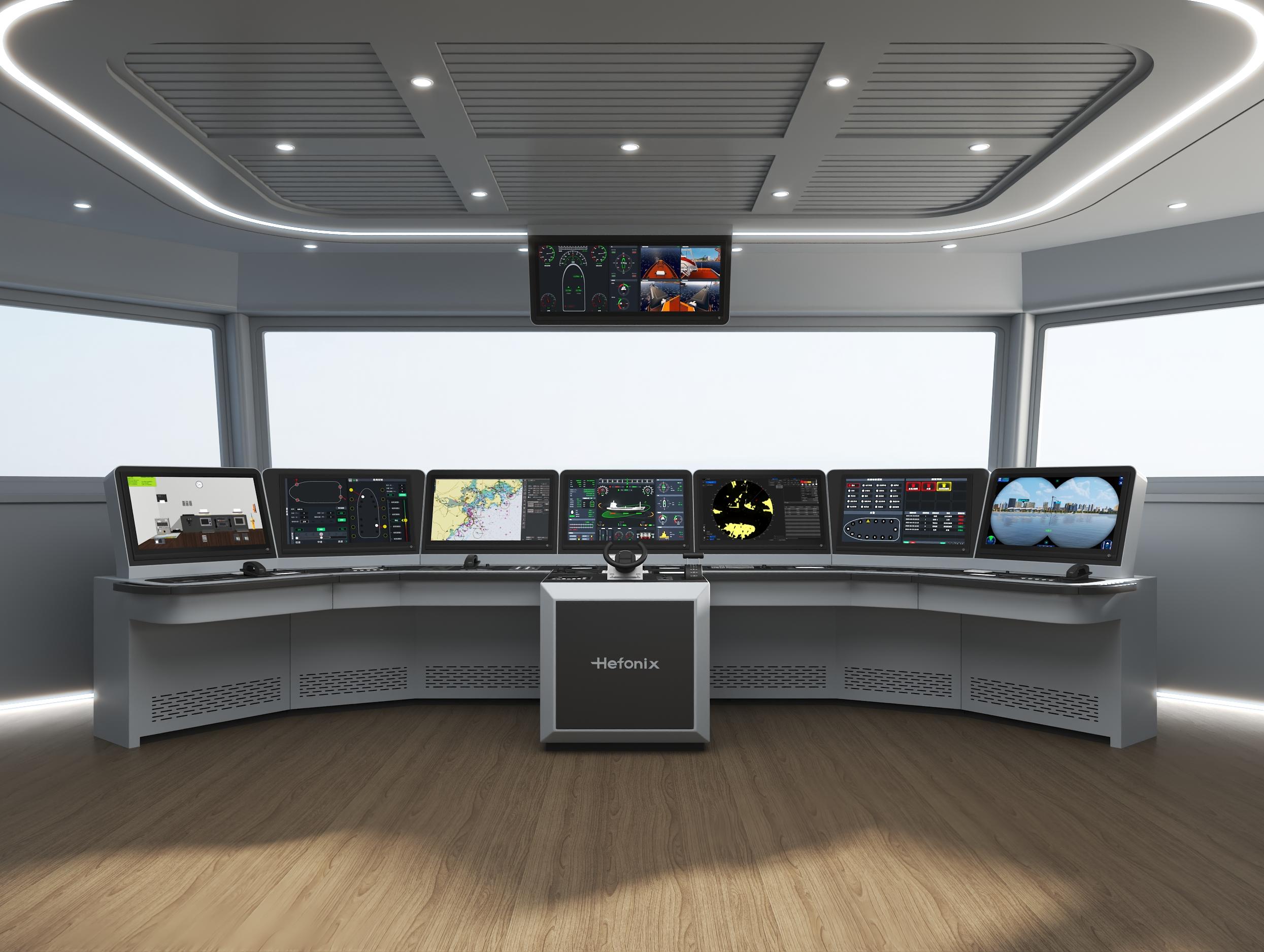
In an era of tightening budgets and increasing accountability, return on investment (ROI) has become a decisive factor in maritime training procurement. Government agencies, maritime academies, and commercial operators are no longer evaluating training systems solely on technical performance; instead, they demand measurable outcomes, cost efficiency, and long-term value. Advanced simulation technology—centered around the Navigation Simulator—has emerged as a proven solution that delivers both operational excellence and financial sustainability.
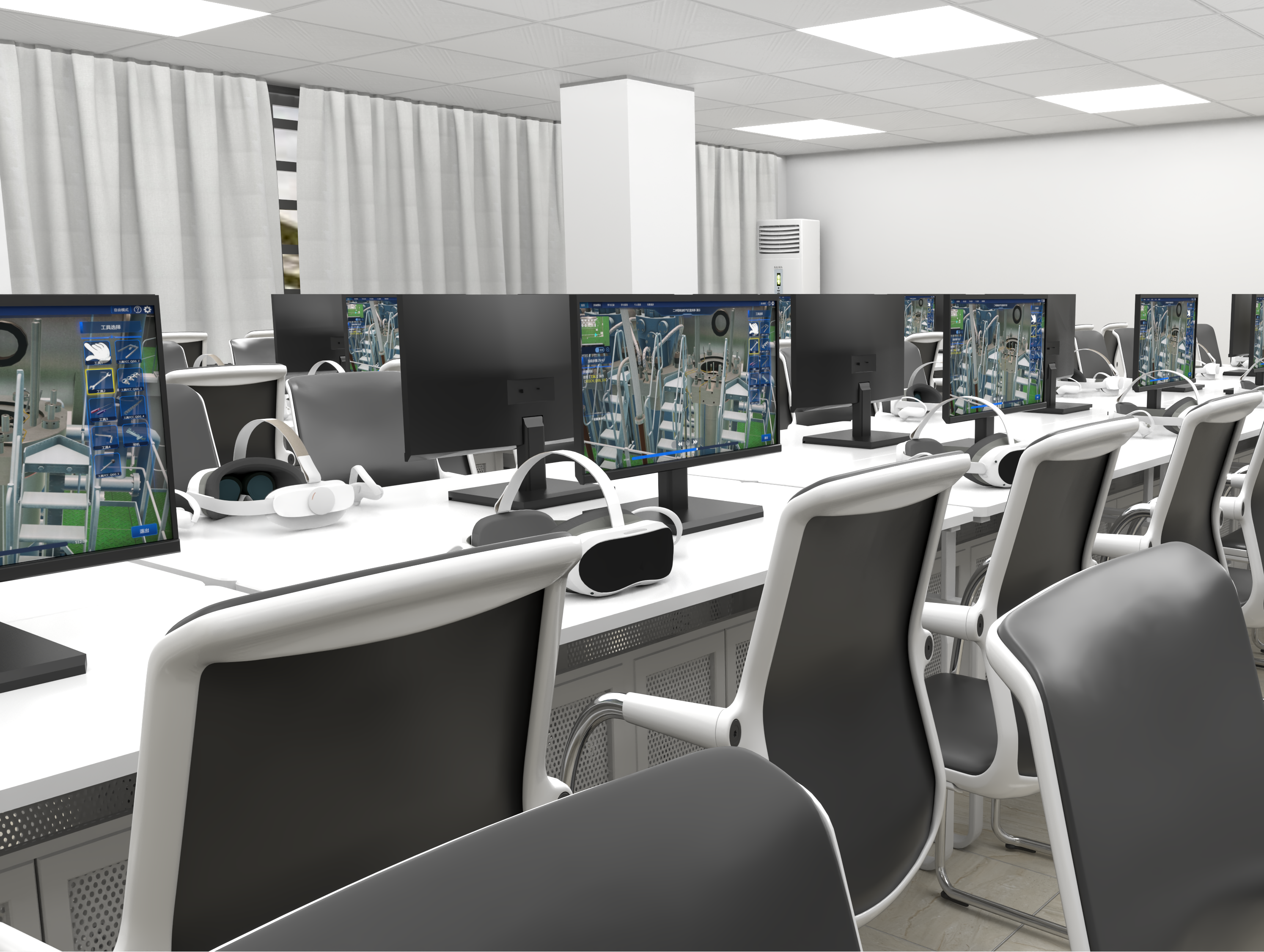
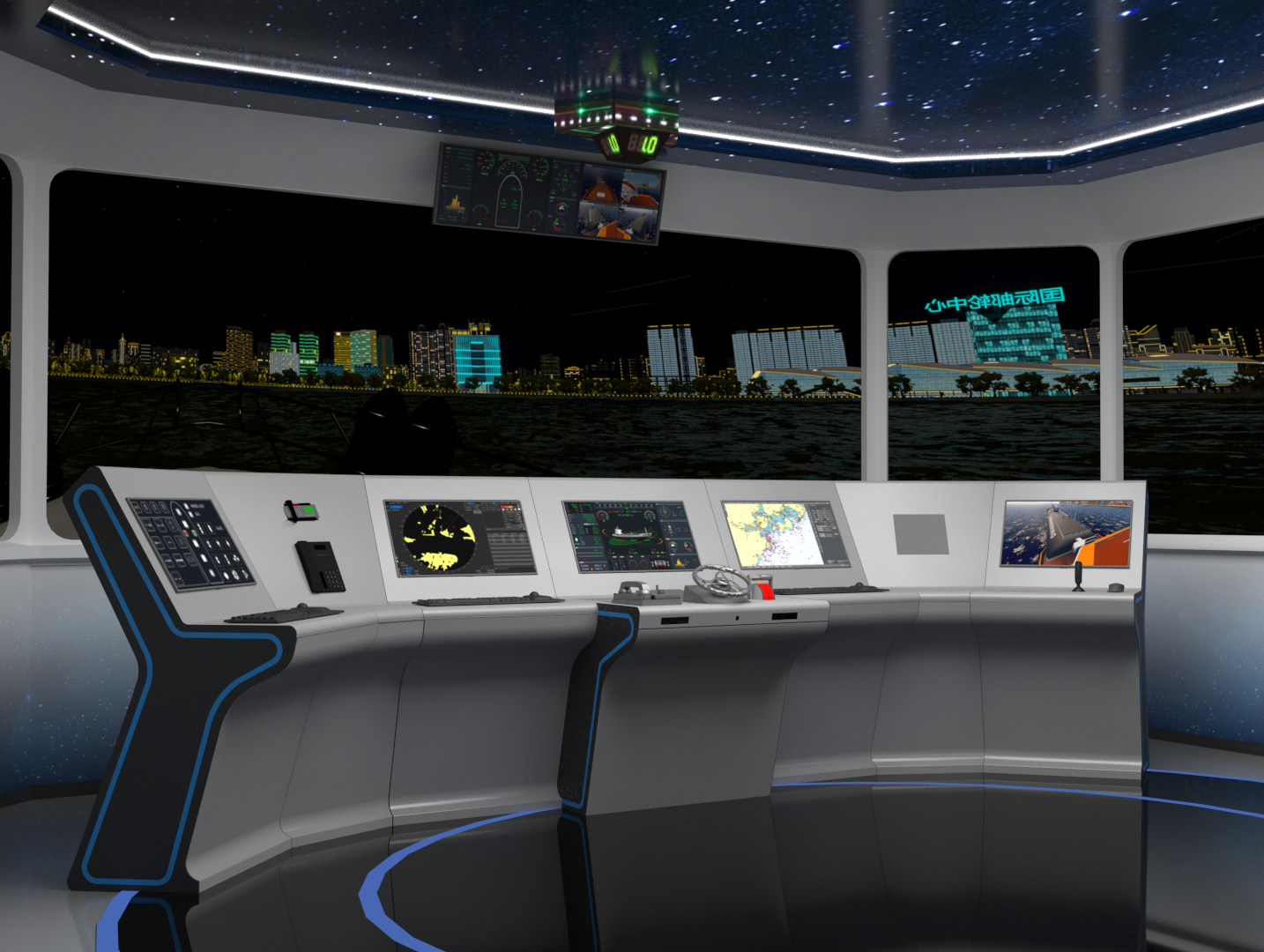
A modern Navigation Simulator significantly reduces the dependency on traditional sea-time training, which is costly, weather-dependent, and logistically complex. By enabling repeated practice in a controlled environment, the Navigation Simulator accelerates skill acquisition while minimizing fuel consumption, vessel wear, and instructor workload. Over time, these efficiencies translate directly into lower training costs and a faster return on investment.
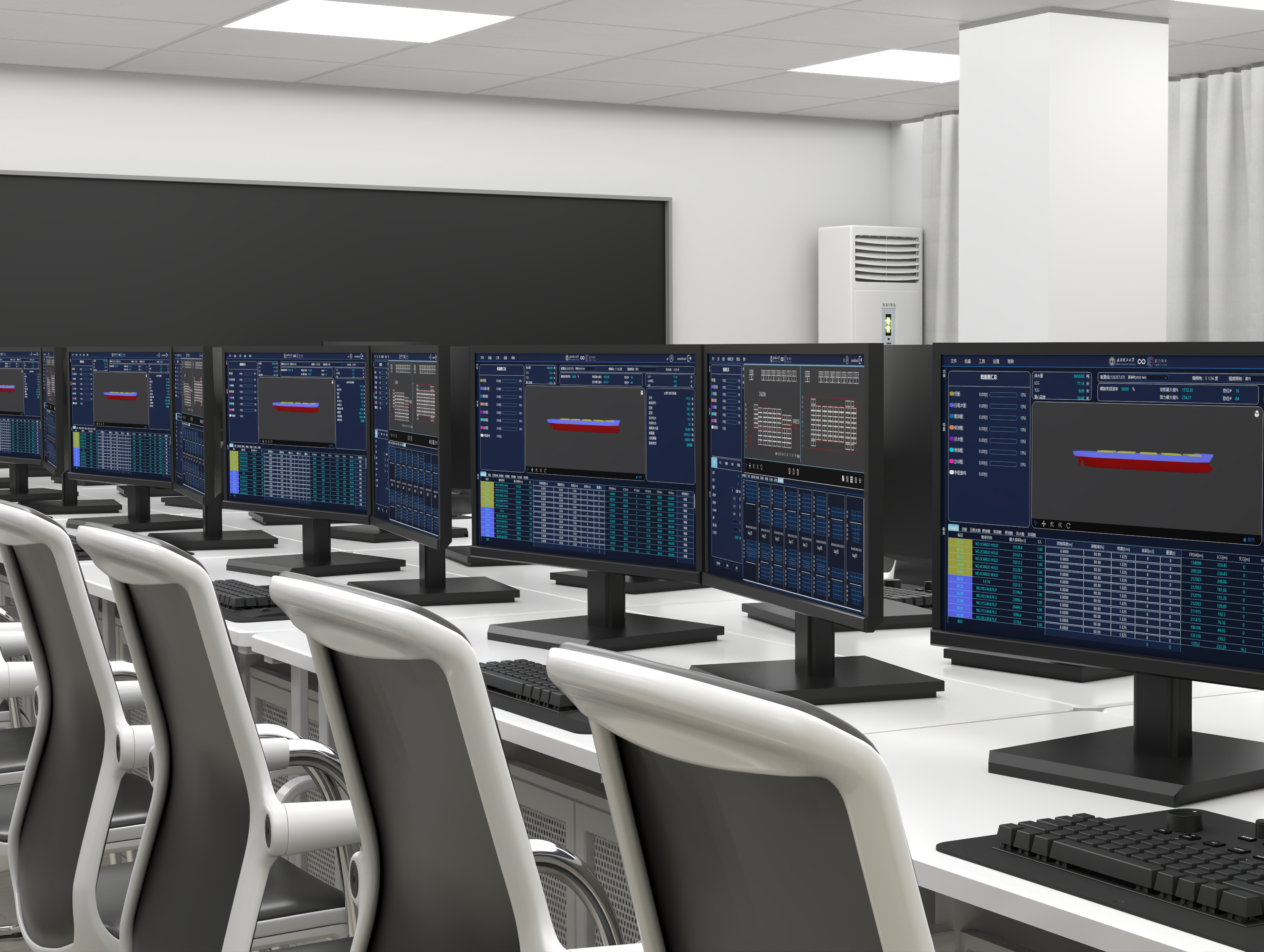
From a systemic perspective, training ROI increases substantially when shipboard simulation is combined with shore-based traffic management training. VTS Simulation allows port authorities and maritime administrations to train operators without disrupting live traffic. Through VTS Simulation, institutions can conduct high-frequency training sessions, emergency drills, and performance assessments without incurring operational downtime. This scalability makes VTS Simulation a highly cost-effective investment for busy ports and waterways.
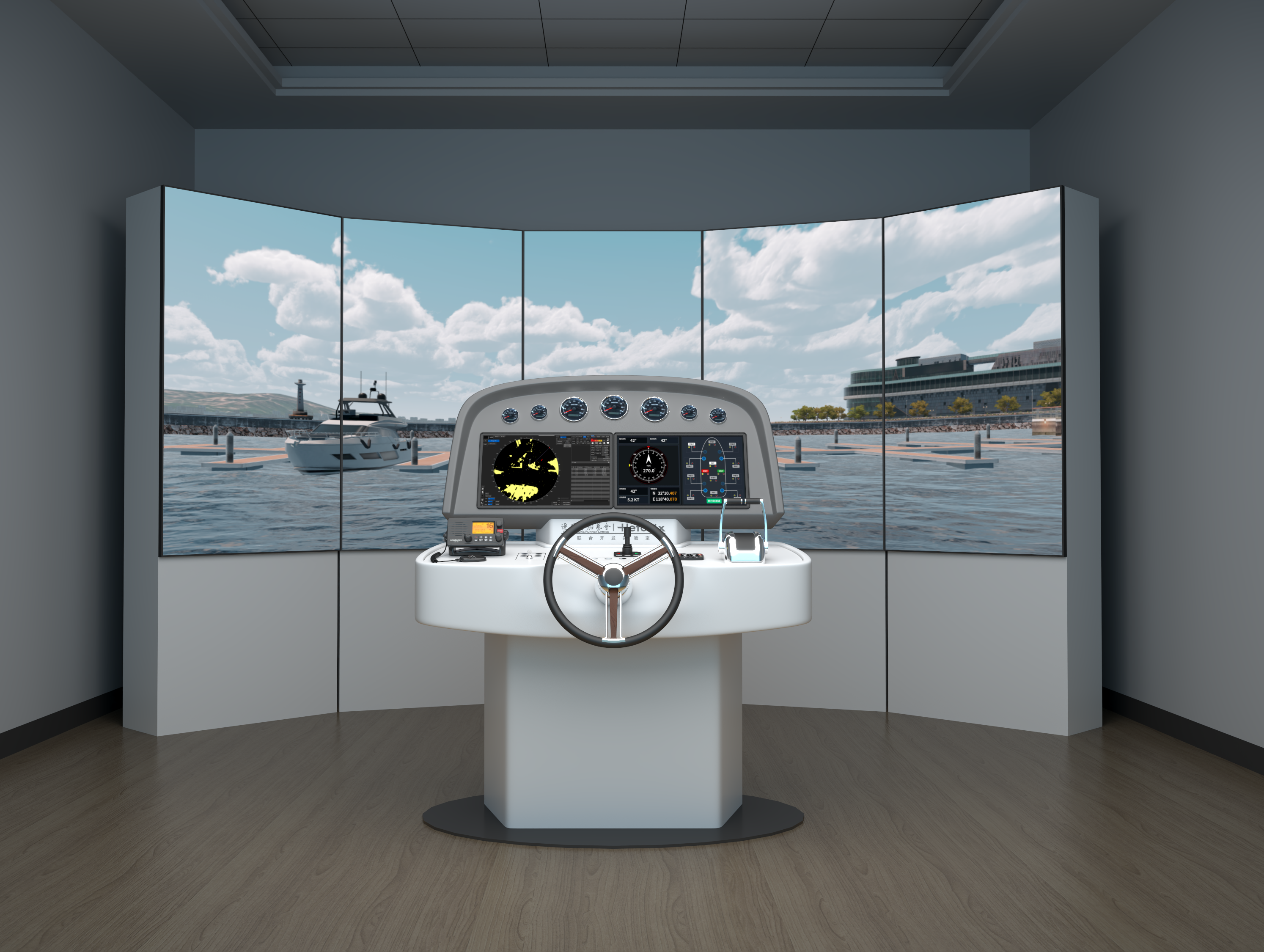
High-speed vessel operations present another compelling ROI case. Training accidents involving fast craft often result in significant repair costs, insurance claims, and reputational damage. A professional Speed Boat Simulator mitigates these risks by transferring high-risk training activities into a virtual environment. Speed Boat Simulator platforms allow operators to master complex maneuvers and emergency responses without exposing real vessels to danger, leading to long-term savings that far exceed the initial system investment.
In the commercial fishing sector, profitability is closely linked to crew efficiency and safety. The Fishing Boat Simulator contributes directly to ROI by reducing accidents, improving decision-making, and extending vessel service life. Fishing Boat Simulator training enables crews to optimize route planning, manage vessel stability, and respond effectively to adverse conditions, all of which reduce unplanned downtime and operational losses.
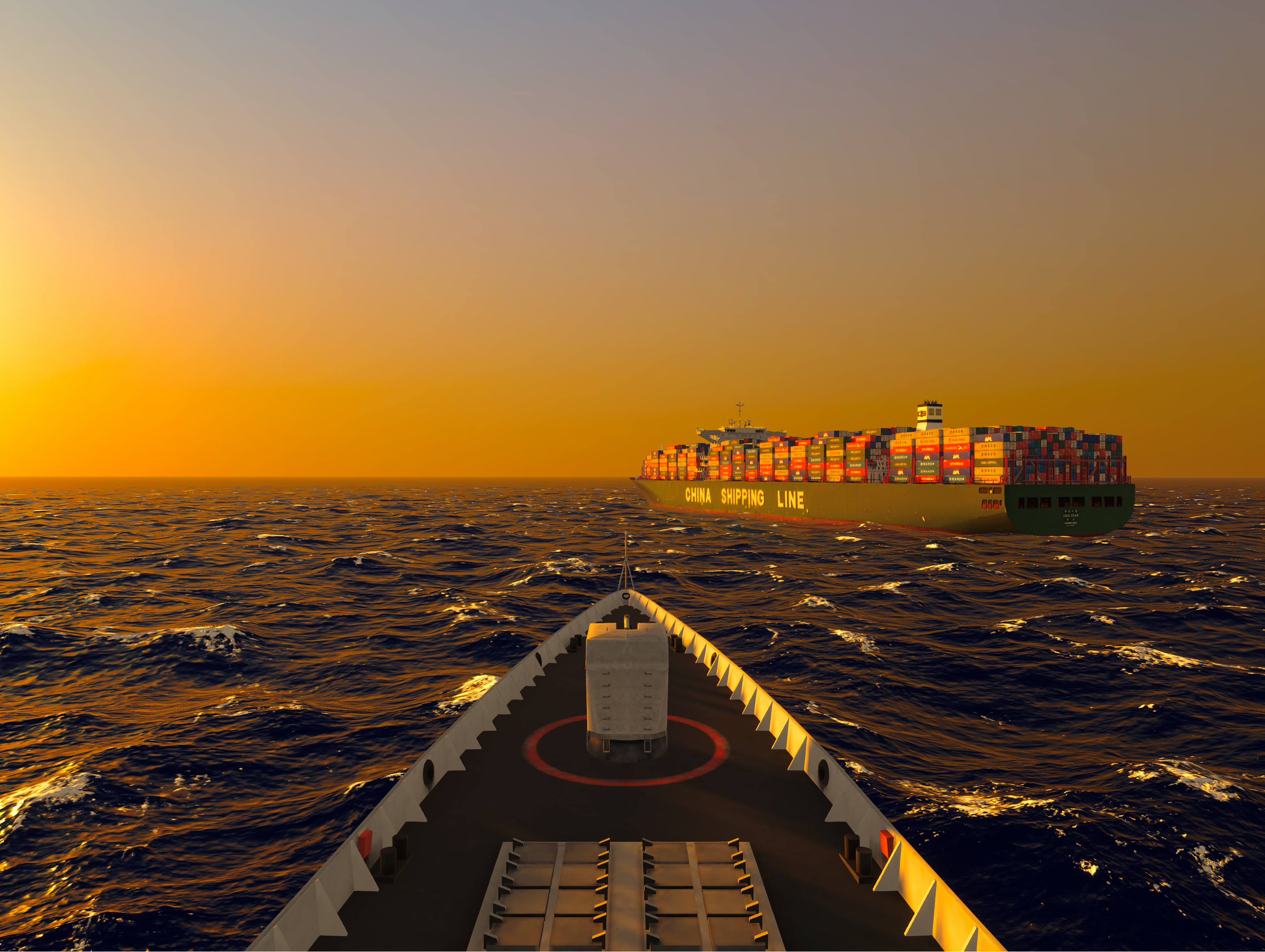
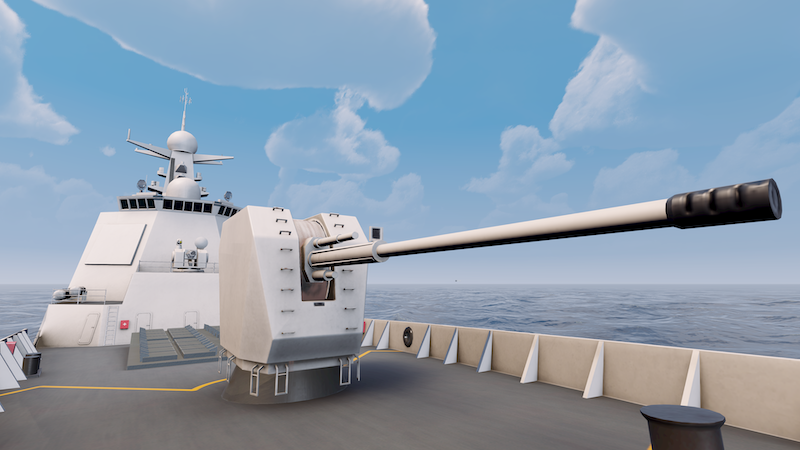
For military and law-enforcement organizations, ROI is measured not only in financial terms but also in readiness and mission success. A Naval Training Simulator supports continuous training without the high operational costs of live exercises. Naval Training Simulator systems enable repeated mission rehearsal, system familiarization, and joint-force coordination, delivering long-term value through improved preparedness and reduced resource consumption.
Beyond direct cost savings, simulation-based training generates strategic value through standardization and scalability. Navigation Simulator and VTS Simulation platforms support unified training curricula across multiple locations, ensuring consistent outcomes and simplified certification processes. Speed Boat Simulator and Fishing Boat Simulator systems reduce instructor dependency by enabling self-guided and scenario-based learning. Naval Training Simulator platforms further support institutional resilience by preserving operational knowledge and best practices.
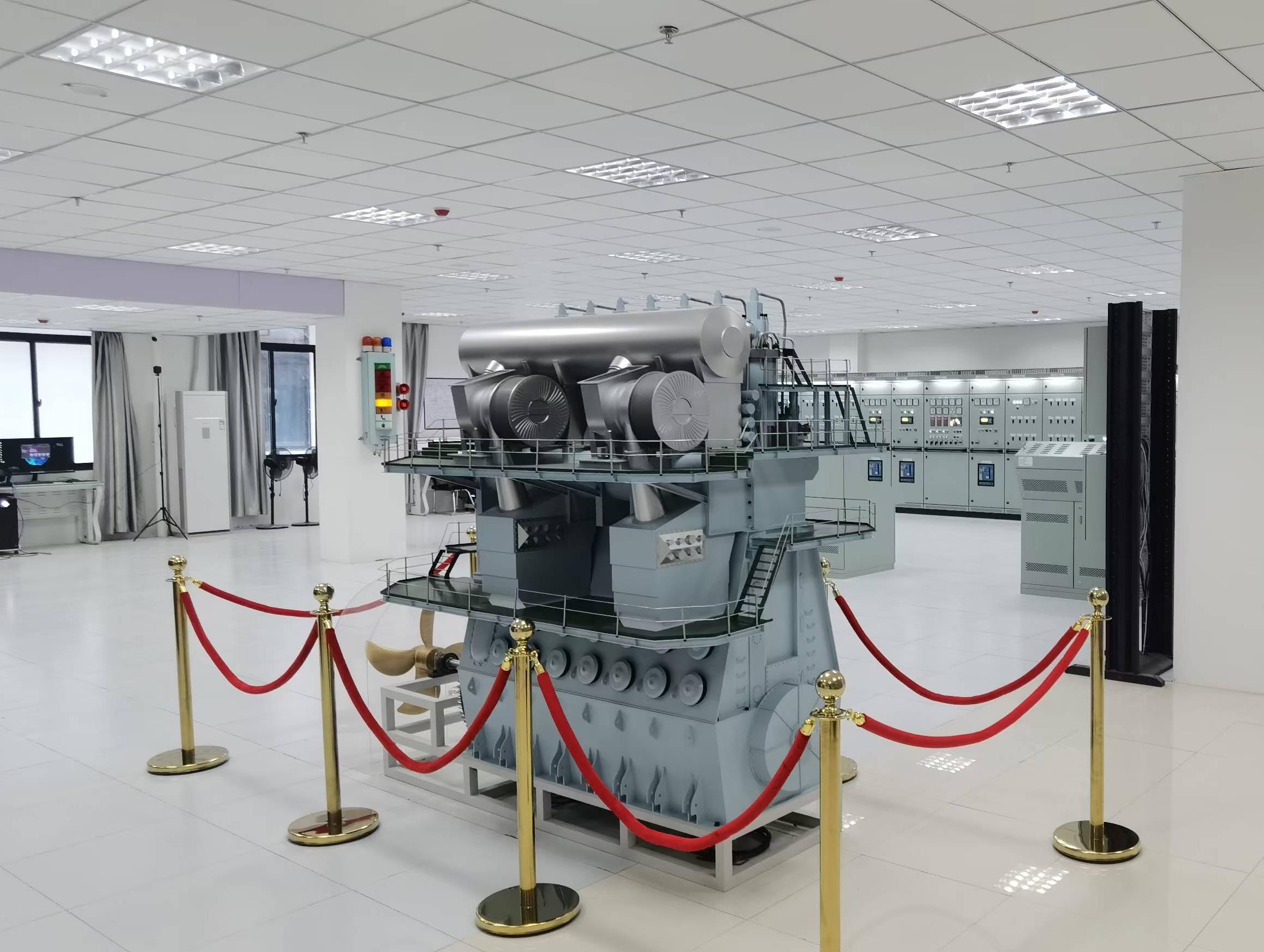
From a lifecycle perspective, advanced simulation systems offer exceptional durability and adaptability. Software-based upgrades allow Navigation Simulator, VTS Simulation, Speed Boat Simulator, Fishing Boat Simulator, and Naval Training Simulator platforms to evolve with regulatory changes and operational needs, extending system lifespan and protecting capital investment.
In summary, organizations that adopt an integrated simulation training ecosystem achieve superior ROI through reduced operating costs, enhanced safety performance, and improved training efficiency. By strategically investing in Navigation Simulator, Speed Boat Simulator, Fishing Boat Simulator, VTS Simulation, and Naval Training Simulator technologies, maritime stakeholders secure not only immediate financial benefits but also sustainable competitive advantage in an increasingly demanding industry.