

Offshore Energy and Marine Support Vessel Training Powered by Advanced Simulation Technologies
The offshore energy sector—including offshore wind farms, oil and gas platforms, subsea construction, and marine engineering projects—operates in one of the most complex maritime environments in the world. Vessels supporting offshore energy operations must navigate congested work zones, maintain precise positioning, and coordinate closely with multiple stakeholders under strict safety and environmental regulations. To meet these demands, advanced simulation-based training built on Navigation simulator, Ship Navigation simulator, Full mission sailing simulator, Full mission ship simulator, and boat navigation simulator platforms has become an essential component of offshore workforce development.
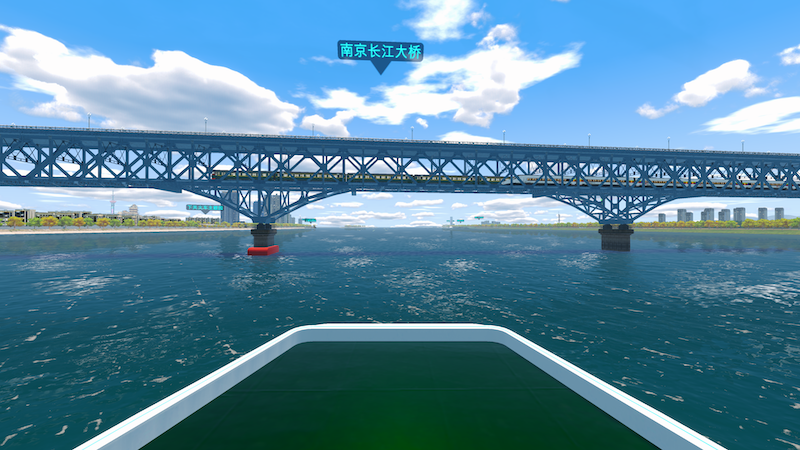
Navigation Simulator for Offshore Route Planning and Risk Control
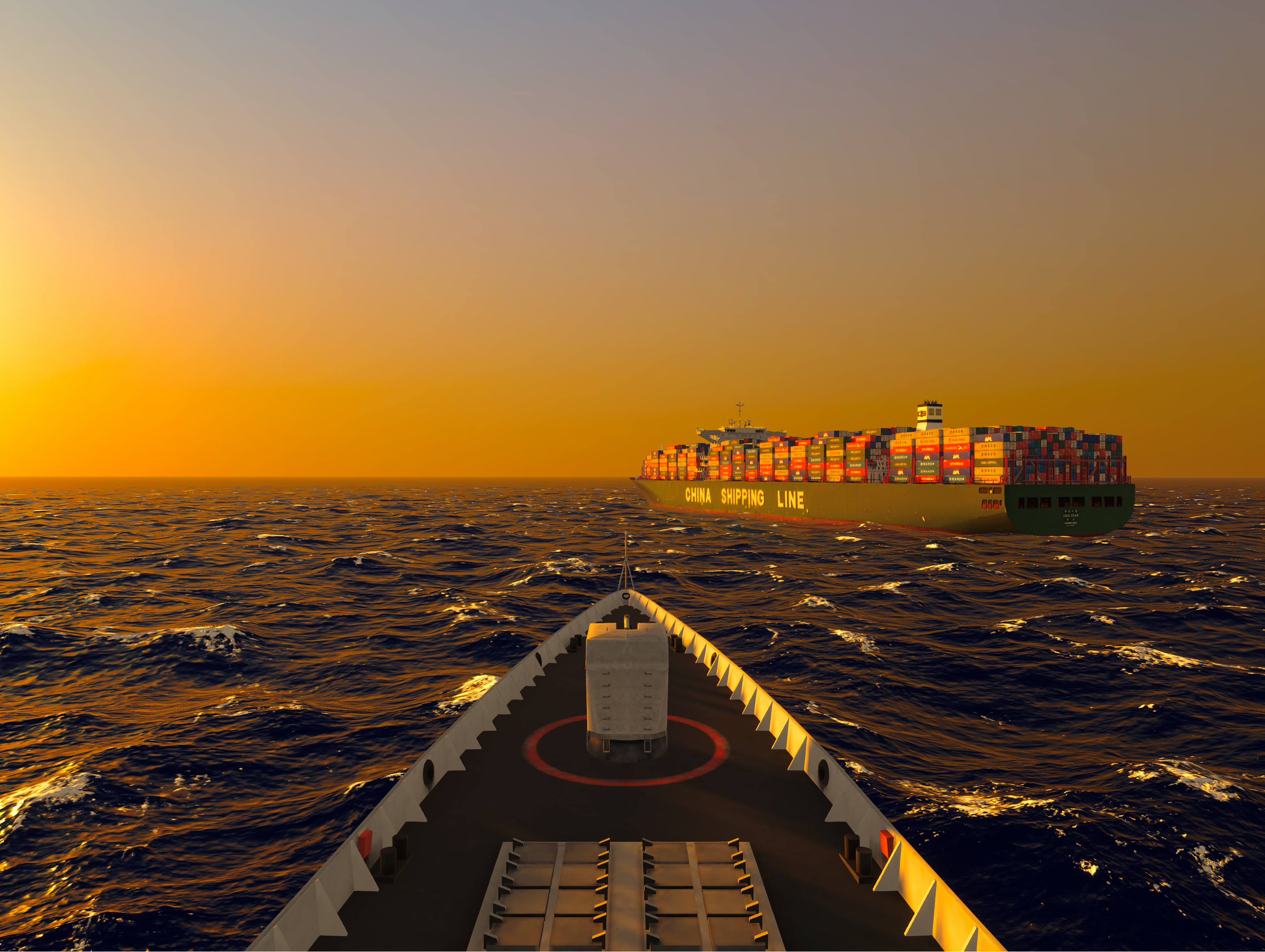
A high-fidelity Navigation simulator enables offshore crews to rehearse complex transit routes to wind farms, drilling platforms, and subsea construction sites. These routes often involve restricted areas, dynamic weather systems, and high traffic density. Navigation simulator training allows officers to analyze route safety, optimize fuel efficiency, and prepare contingency plans before real-world deployment.
For offshore projects with strict schedules and high operating costs, the Navigation simulator reduces uncertainty by allowing crews to experience site-specific conditions repeatedly. This proactive preparation significantly lowers navigational risk and improves operational reliability.
Ship Navigation Simulator for Offshore Bridge Operations
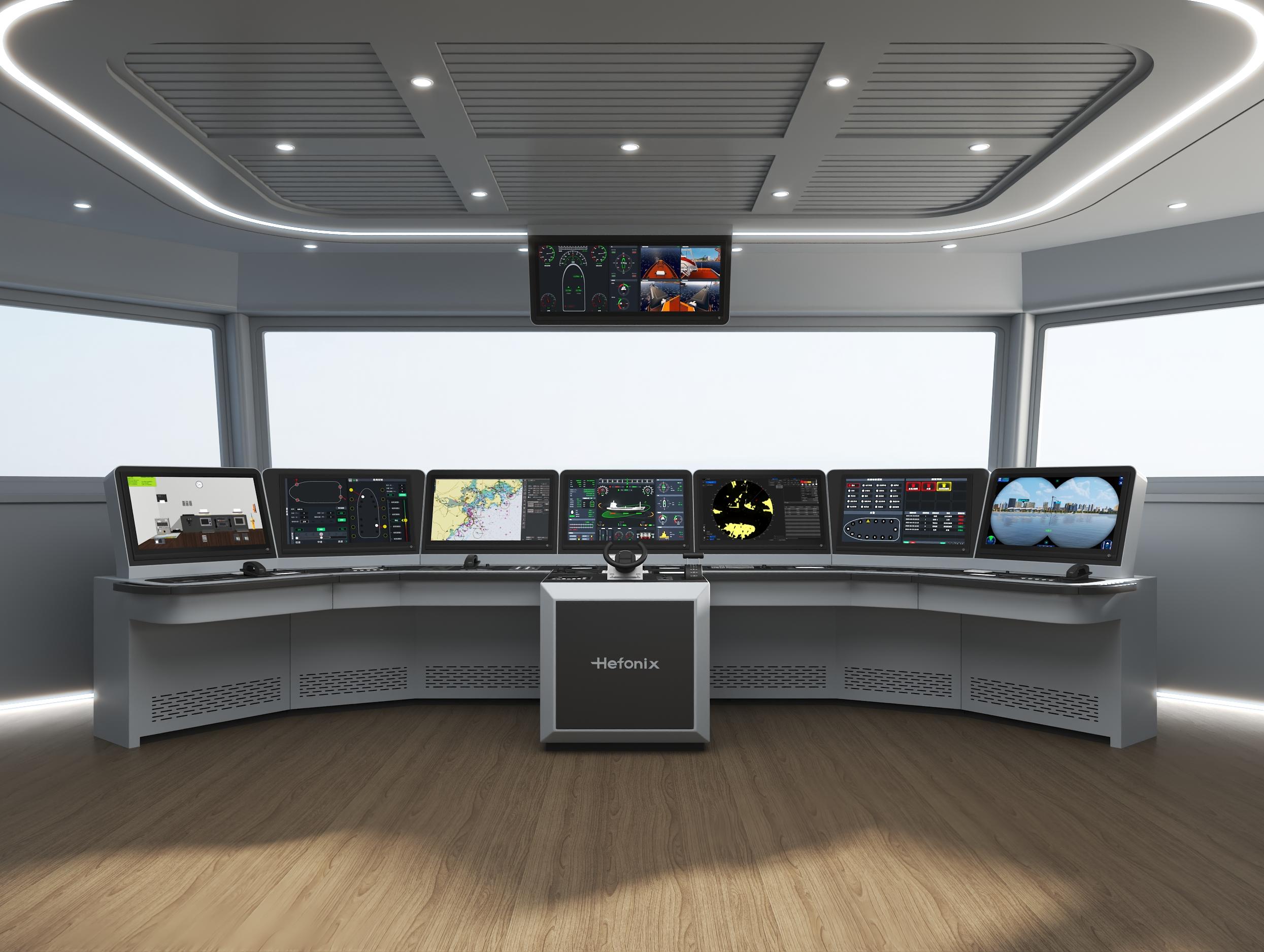
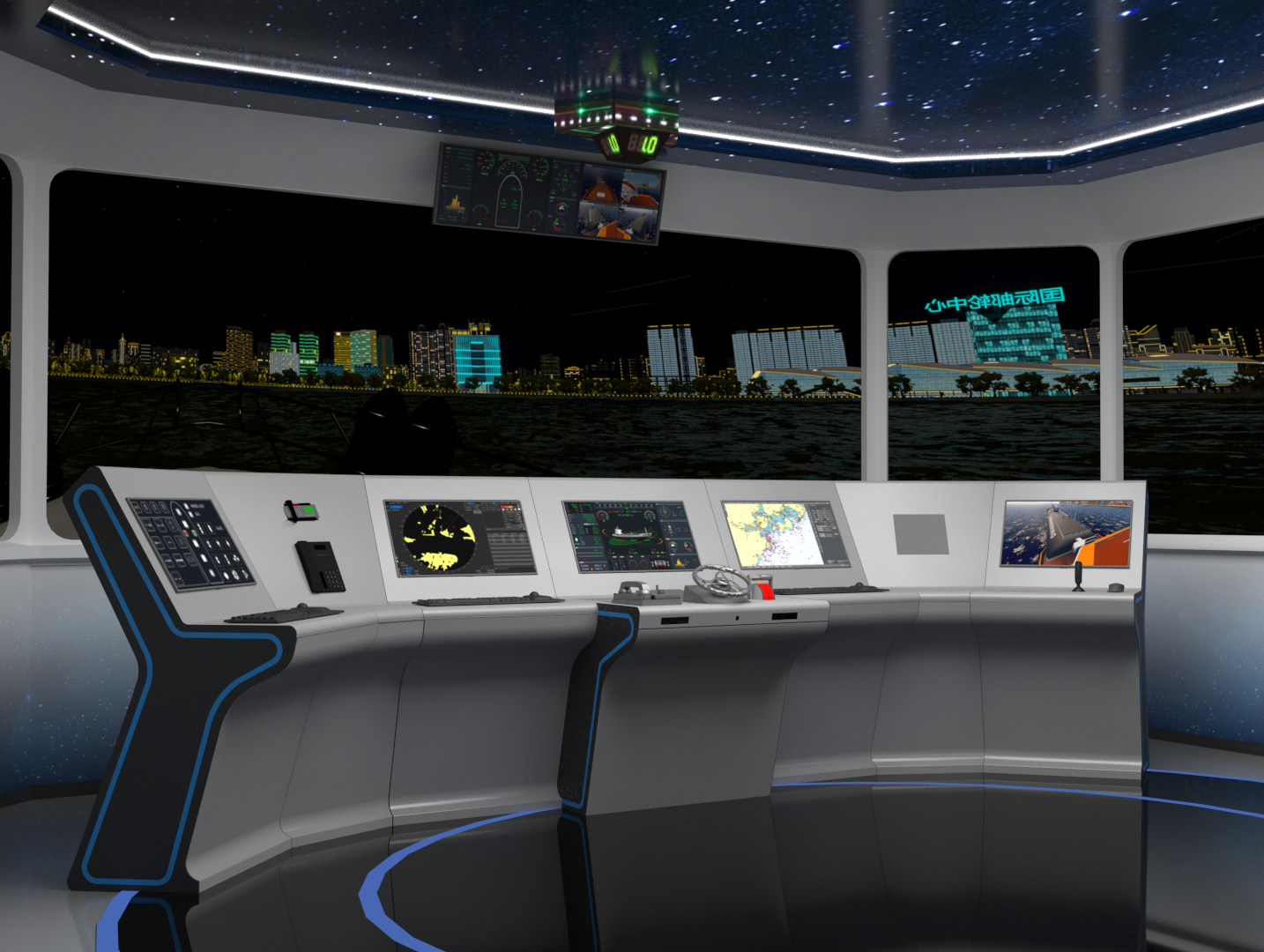
The Ship Navigation simulator plays a critical role in preparing bridge teams for offshore support missions. Ship Navigation simulator environments replicate integrated bridge systems, DP interfaces, radar overlays, and offshore communication protocols. Trainees practice coordination between navigation officers, DP operators, and offshore installation managers, ensuring seamless execution of complex tasks.
Ship Navigation simulator scenarios include close-proximity operations near turbines or platforms, emergency maneuvering, collision avoidance, and coordination with multiple support vessels. These exercises enhance situational awareness and decision-making accuracy in high-risk offshore zones.
Full Mission Ship Simulator for Integrated Offshore Operations
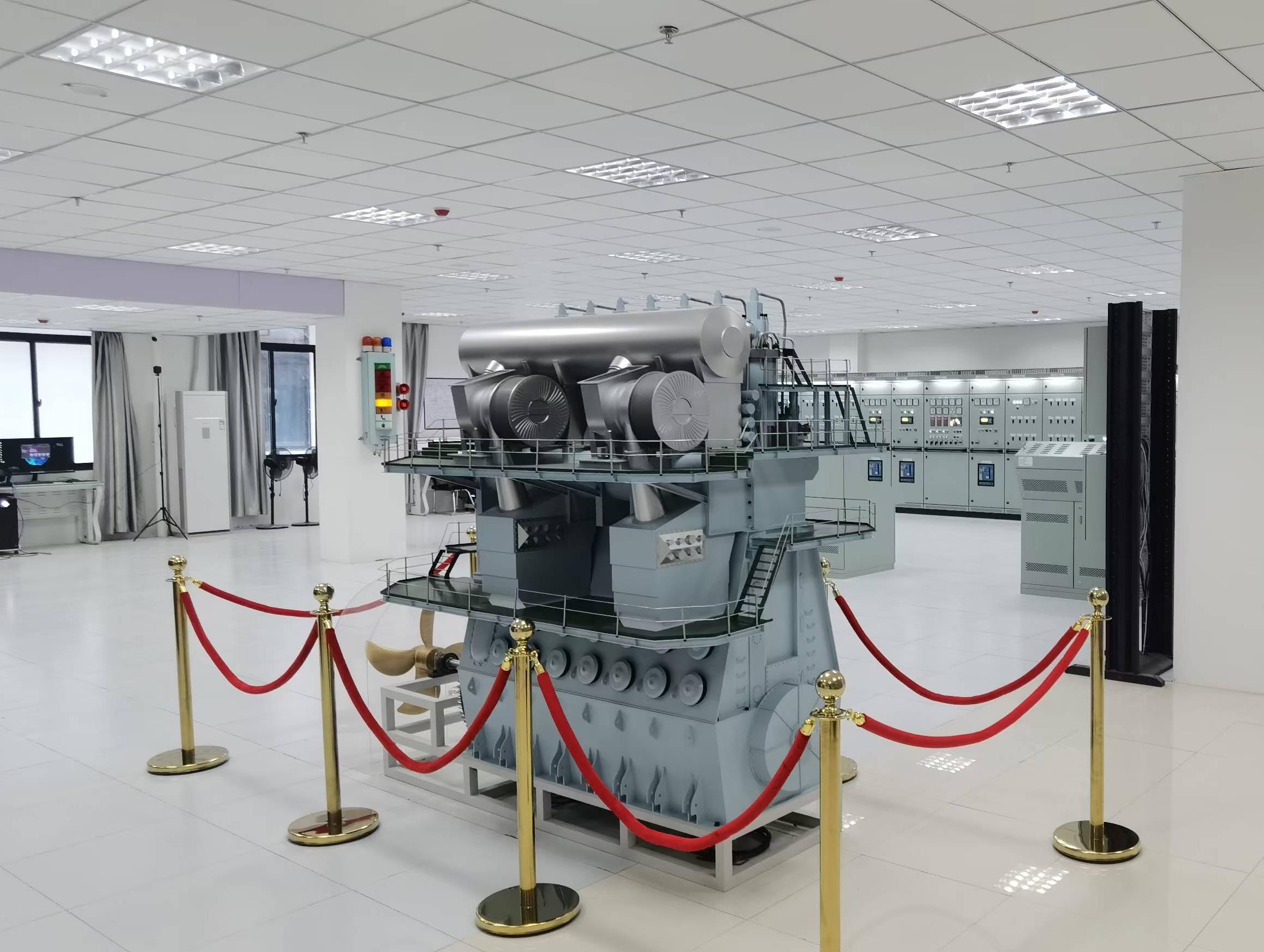
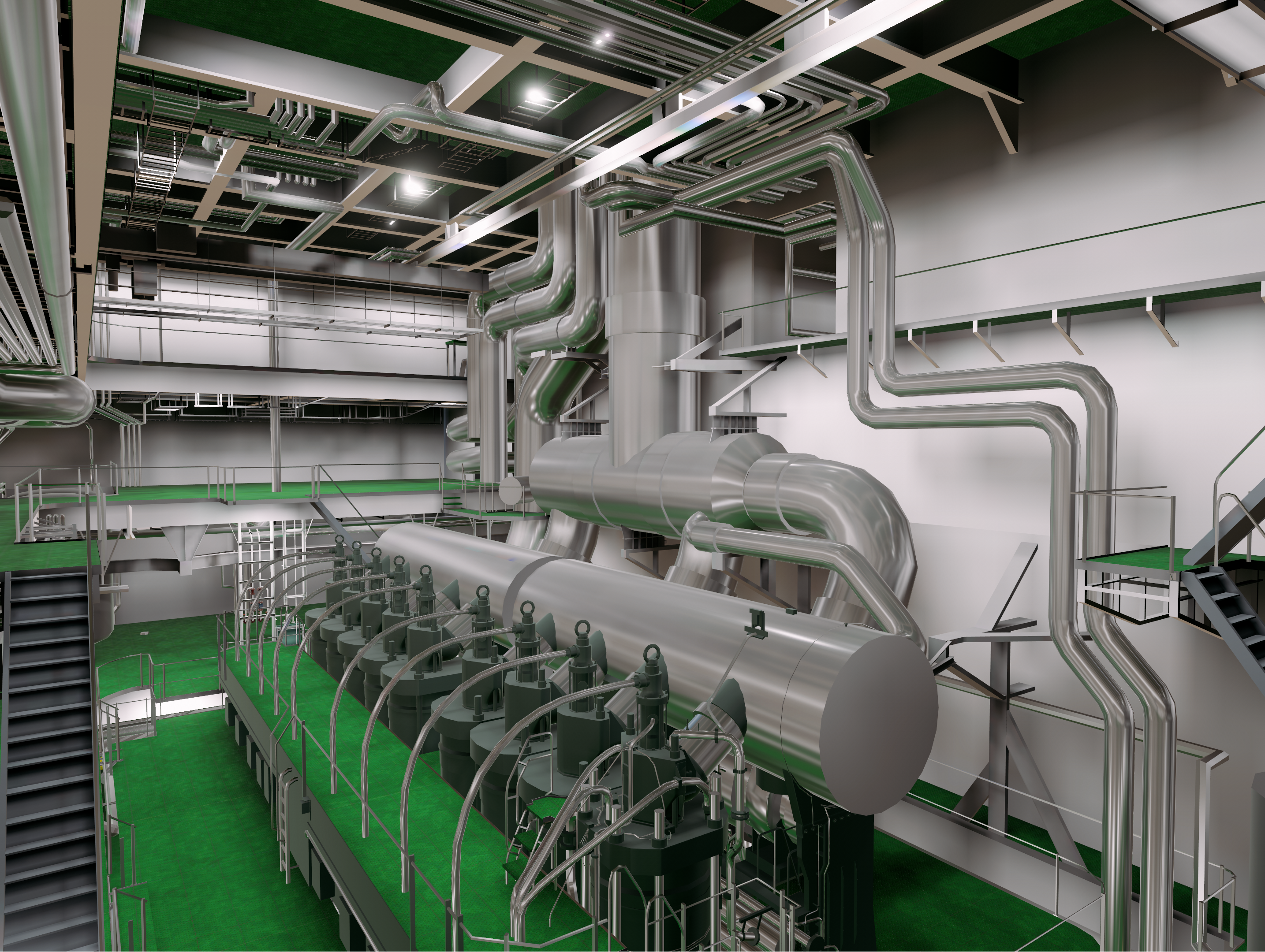
Offshore energy projects require tight coordination between navigation, propulsion, and onboard systems. The Full mission ship simulator provides a complete operational environment that integrates bridge operations, engine control, DP systems, and emergency management. Crews can rehearse entire offshore missions—from port departure to offshore installation and safe return—under realistic conditions.
The Full mission sailing simulator complements this training by modeling complex sea states, strong currents, and harsh weather conditions common in offshore environments. Full mission sailing simulator sessions allow teams to practice heavy-weather station keeping, emergency disengagement, and rapid response to mechanical or environmental failures.
Boat Navigation Simulator for Offshore Support Craft
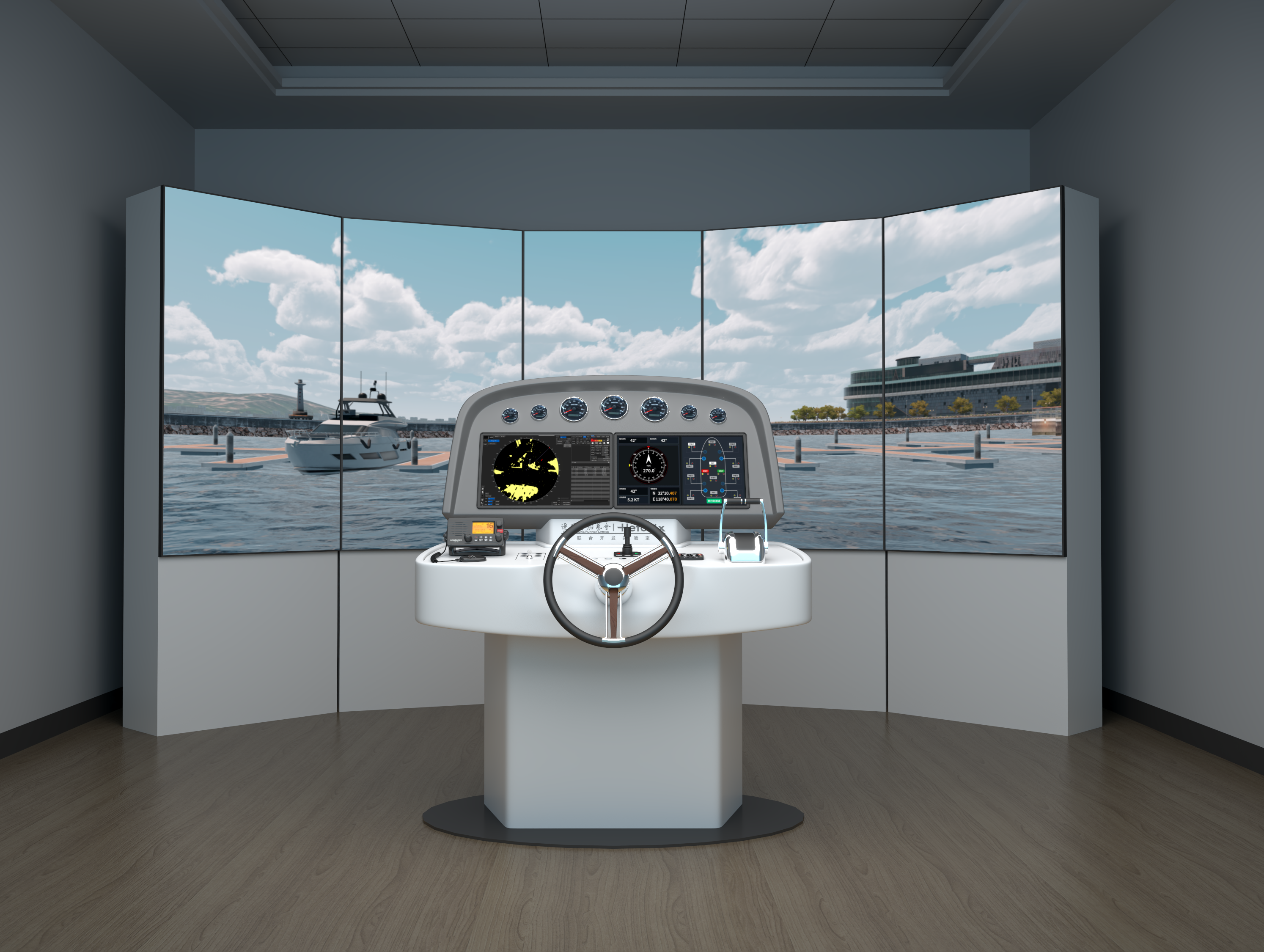
Smaller vessels such as crew transfer vessels (CTV), service operation vessels (SOV), and fast rescue crafts are critical to offshore energy operations. A dedicated boat navigation simulator enables operators to practice precise maneuvering, personnel transfer, and emergency response near offshore structures.
Boat navigation simulator training is particularly valuable for wind farm maintenance operations, where frequent transfers occur under tight safety margins. By integrating boat navigation simulator exercises with Navigation simulator and Full mission ship simulator scenarios, organizations ensure consistency and safety across all vessel classes.
Scenario-Based Offshore Emergency Training
Simulation-based training allows offshore crews to experience rare but high-impact emergencies without risk. Navigation simulator and Ship Navigation simulator scenarios can replicate loss of DP capability, sudden weather deterioration, or navigational system failure. Full mission ship simulator and Full mission sailing simulator sessions simulate fire, collision, oil spill response, and evacuation procedures.
Boat navigation simulator exercises further prepare rescue craft operators for rapid deployment in challenging sea states. This integrated training approach strengthens emergency preparedness and ensures compliance with offshore safety regulations.
Performance Metrics, Compliance, and ROI
Advanced simulators provide detailed performance analytics, including station-keeping accuracy, response times, fuel efficiency, and procedural compliance. Data generated by Navigation simulator, Ship Navigation simulator, Full mission sailing simulator, Full mission ship simulator, and boat navigation simulator systems supports competency assessment, certification, and continuous improvement.
From a commercial perspective, simulation-based offshore training delivers strong ROI. Reduced incident rates, lower insurance premiums, minimized downtime, and improved project efficiency directly impact profitability. For offshore operators and contractors, these measurable benefits justify long-term investment in advanced simulation platforms.
Strategic Value for Offshore Energy Stakeholders
As offshore energy projects expand globally, operators face increasing pressure to deliver safe, efficient, and sustainable operations. Organizations that integrate Navigation simulator, Ship Navigation simulator, Full mission sailing simulator, Full mission ship simulator, and boat navigation simulator systems into their training programs gain a strategic advantage. These platforms enhance workforce readiness, support regulatory audits, and strengthen credibility with energy companies, regulators, and investors.
Offshore energy and marine support operations demand exceptional precision, coordination, and risk management. Advanced simulation solutions—built on Navigation simulator, Ship Navigation simulator, Full mission sailing simulator, Full mission ship simulator, and boat navigation simulator platforms—provide a scalable, measurable, and future-ready approach to offshore training. By adopting these technologies, offshore operators ensure safety, efficiency, compliance, and long-term competitiveness in one of the most demanding sectors of the maritime industry.