

Ship Navigation Simulators: Bridging Classroom Knowledge and Ocean Reality for Next-Gen Mariners
In an era where 90% of global goods travel by sea, the safety and efficiency of maritime operations hinge on one critical factor: well-trained mariners. Enter navigation simulator technology—a transformative force that turns theoretical learning into actionable expertise. From entry-level boat navigation simulators to immersive full mission sailing simulators, these tools are redefining how crews master the complexities of modern ship navigation simulators, particularly the gold-standard full mission ship simulators. Let’s dive into why these systems are the backbone of contemporary maritime training.
The Foundation: How Boat Navigation Simulators Spark Early Competence
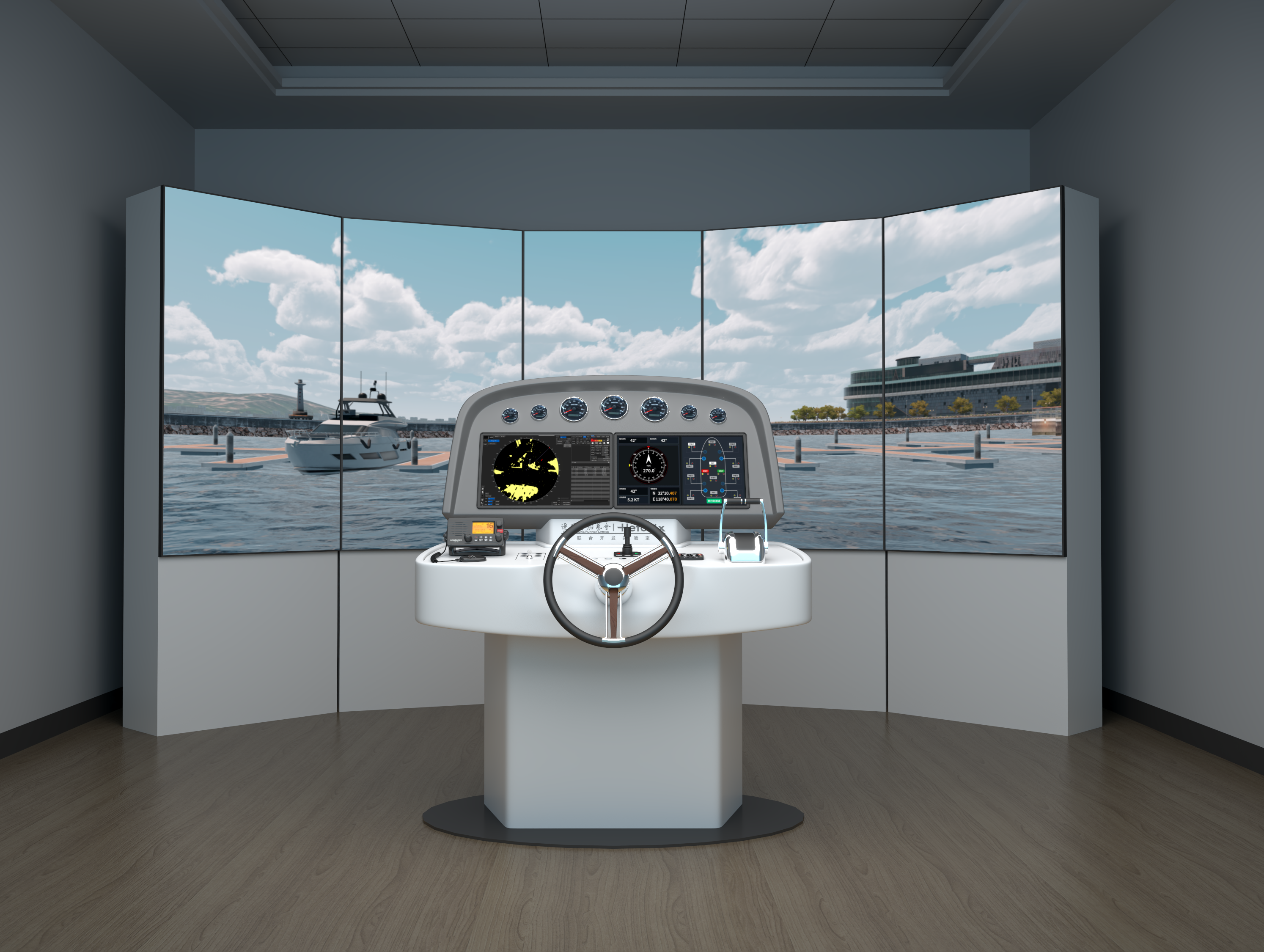
Every seasoned captain starts with basics: reading nautical charts, understanding buoyage systems, and practicing basic steering. This is where boat navigation simulators shine. Designed for beginners, these systems strip away real-world risks, letting trainees experiment freely. A student can miscalculate a turn in a boat navigation simulator and simply reset—no damaged hulls, no near-collisions.
But don’t mistake simplicity for insignificance. These simulators build muscle memory. For example, plotting a course across a virtual bay teaches spatial reasoning, while adjusting speed to avoid a “fishing boat” hones situational awareness. Studies show trainees using boat navigation simulators retain 40% more foundational knowledge than those relying solely on textbooks. It’s the first step in a journey that leads to mastery with advanced navigation simulators.
Beyond Basics: Full Mission Simulators Unleash Real-World Readiness
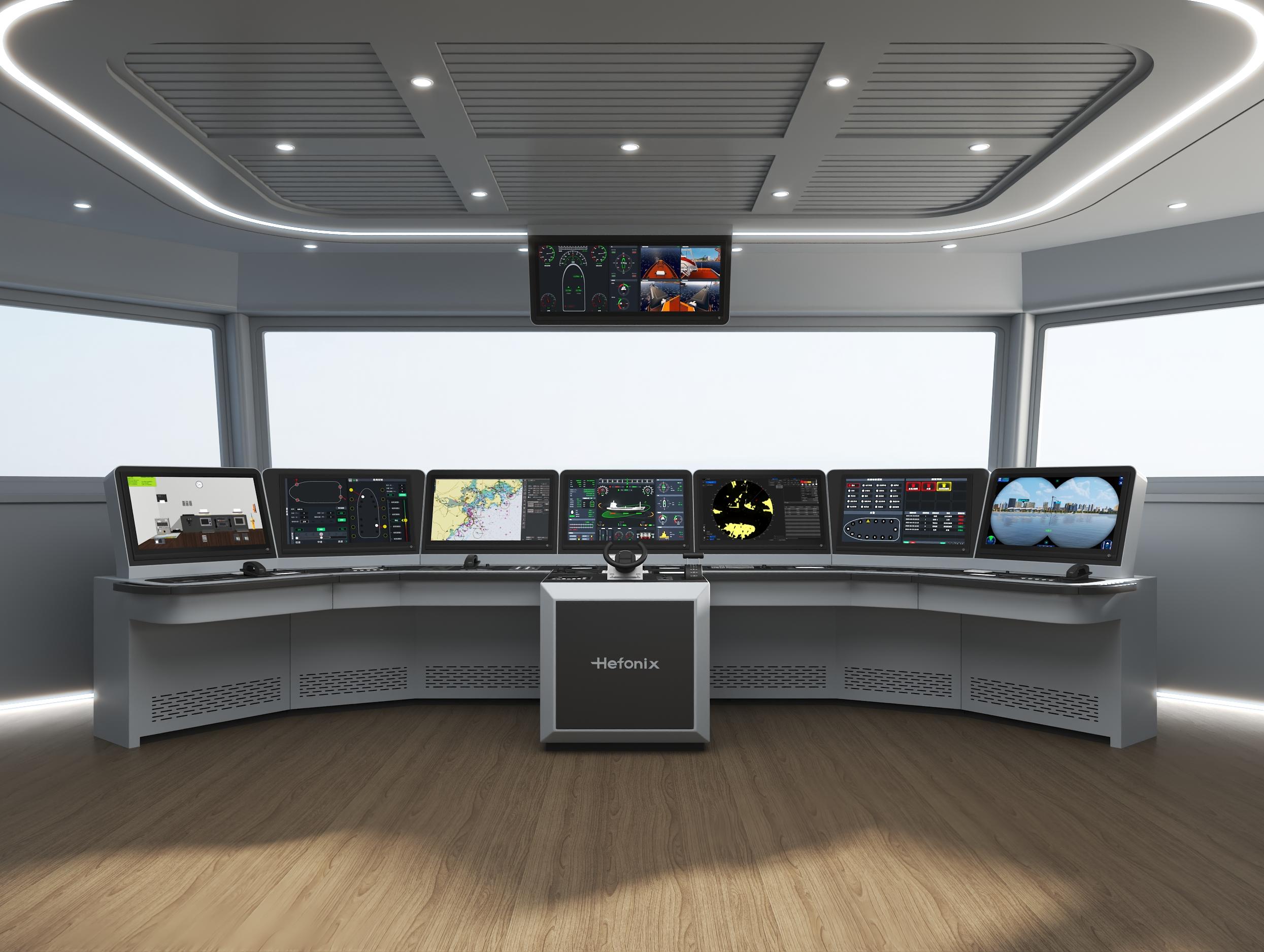
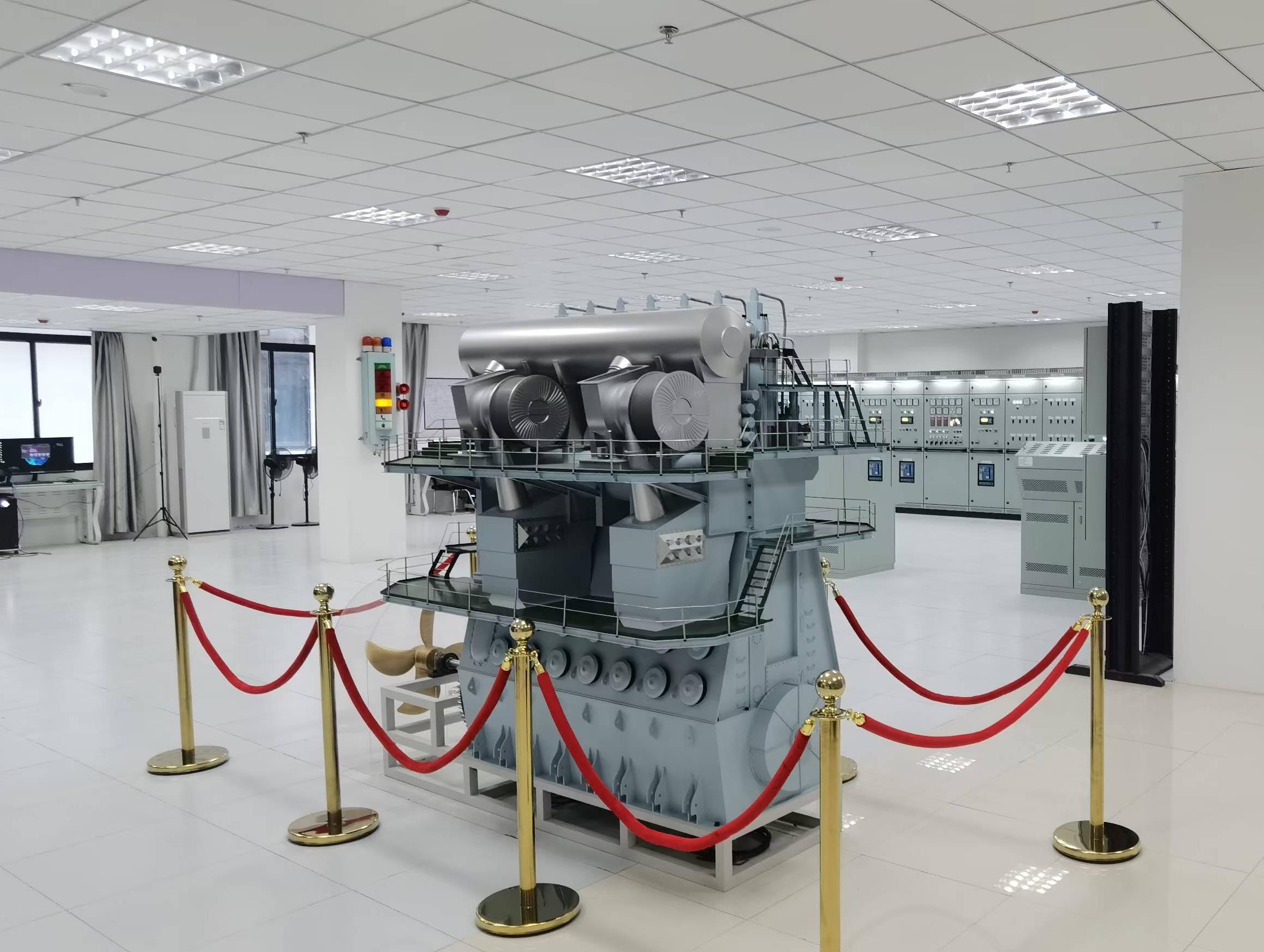
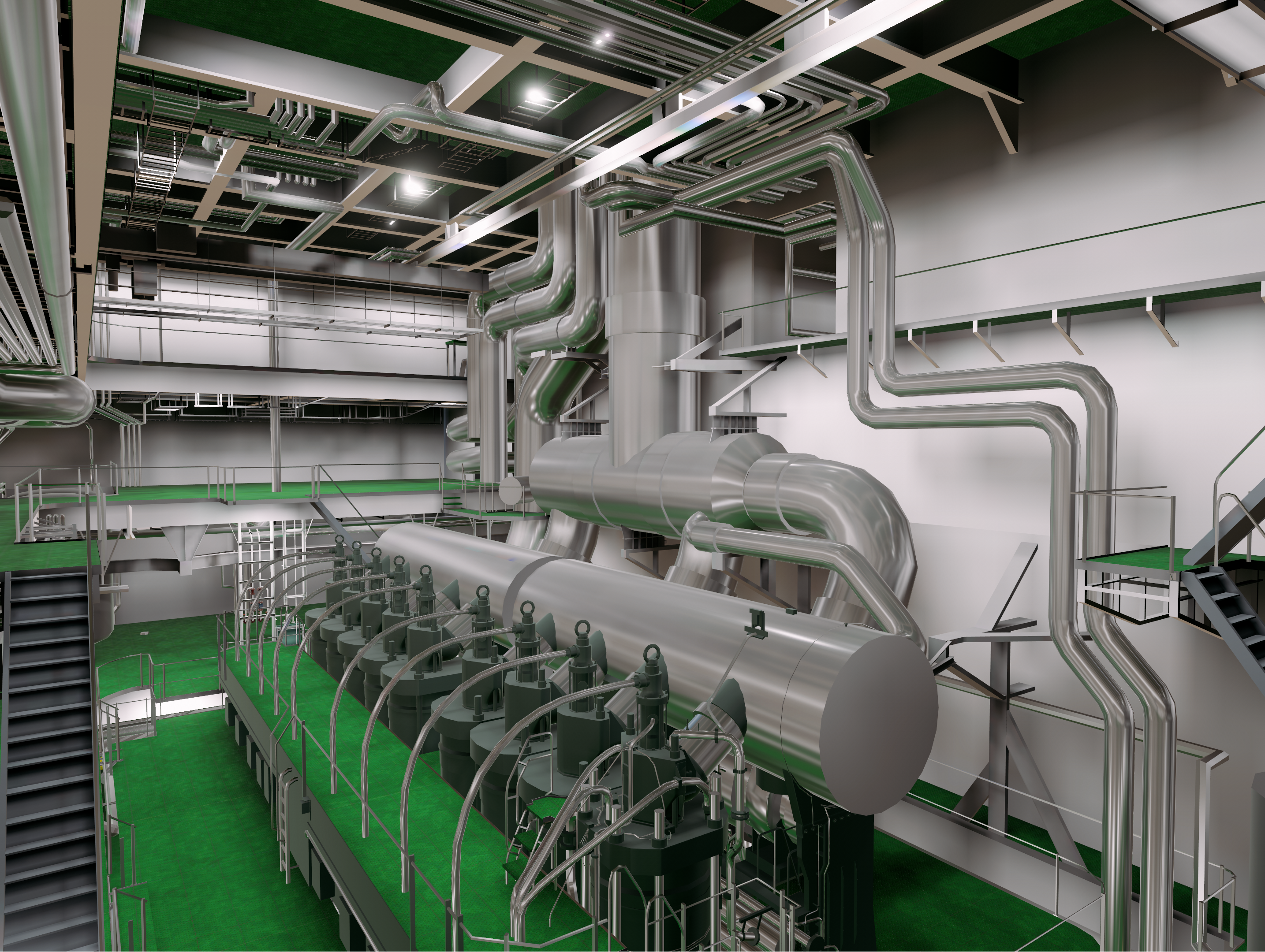
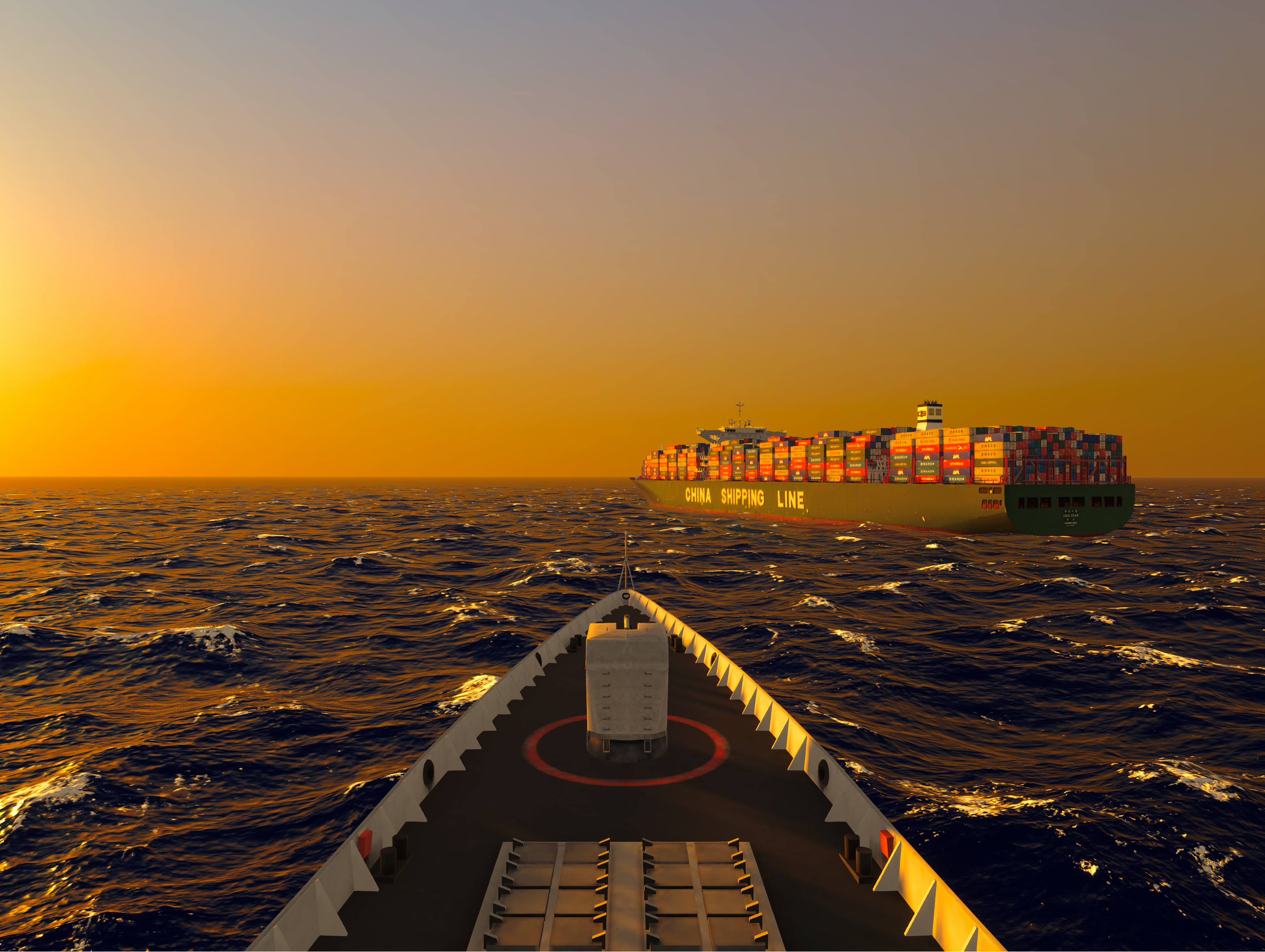
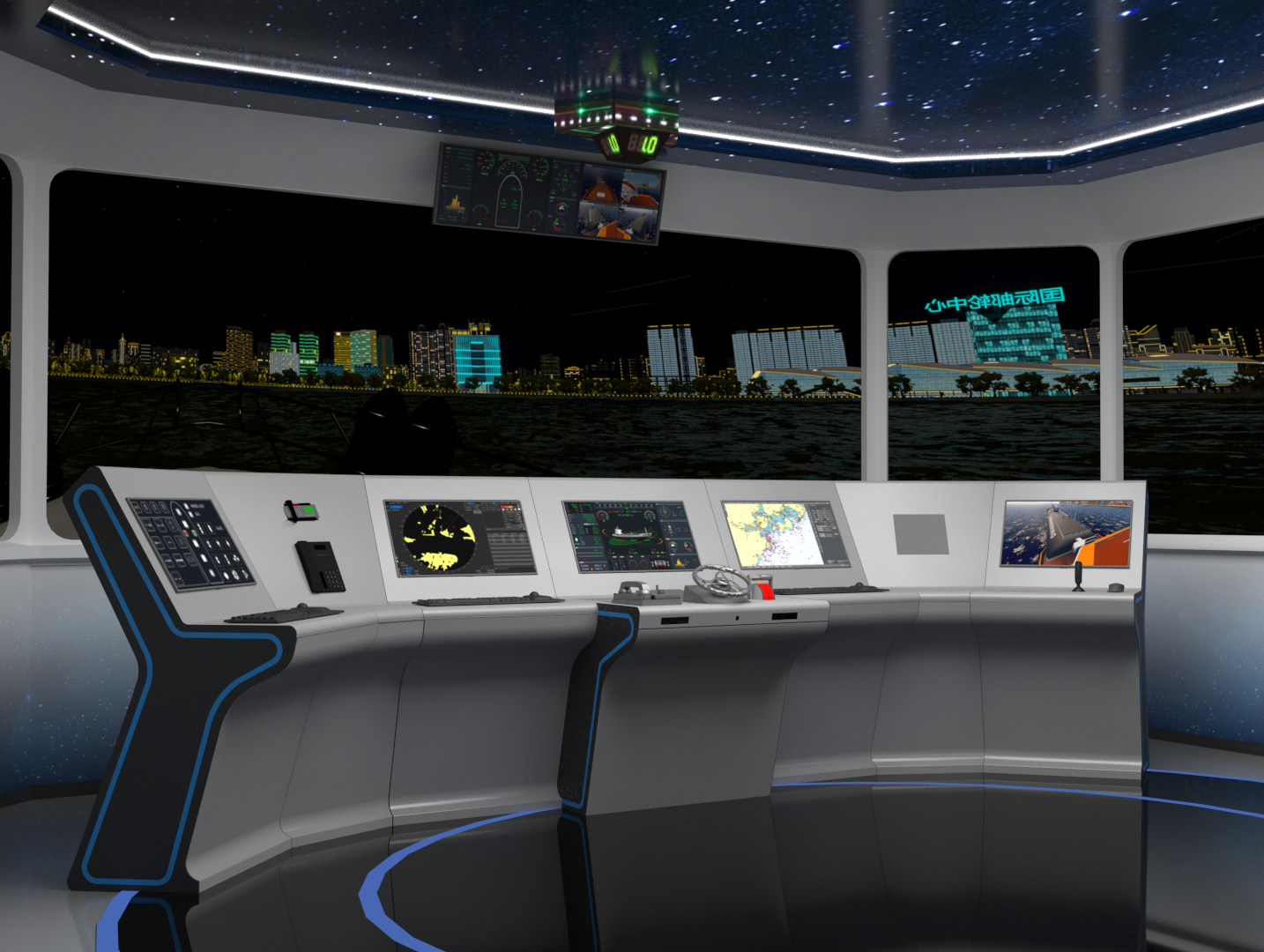
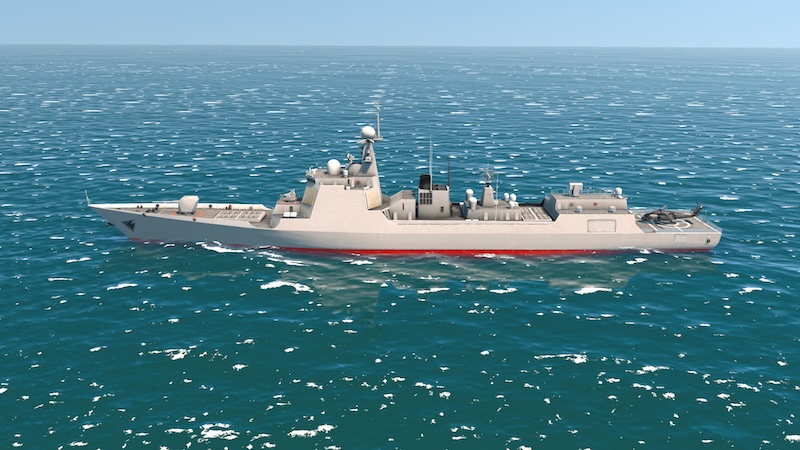
While boat navigation simulators lay the groundwork, full mission sailing simulators take training to the stratosphere. These aren’t just screens—they’re 360-degree, motion-enabled replicas of ship bridges, complete with working radar, ECDIS, and even the hum of generators. A full mission ship simulator can mimic a container ship navigating the Suez Canal during a sandstorm, with reduced visibility, sudden engine failure, and a call from port control demanding immediate course correction.
What sets full mission sailing simulators apart is their “full mission” scope: they train crews to manage everybridge function simultaneously. Trainees might steer, monitor radar, communicate with other vessels, and troubleshoot a simulated fire—all under time pressure. This holistic approach mirrors real voyages, where distractions and multi-tasking are the norm. For instance, a cadet using a ship navigation simulator to practice nighttime anchoring in a crowded harbor learns to balance depth soundings, wind direction, and nearby traffic—skills that prevent groundings and collisions.
Why Ship Navigation Simulators Are Non-Negotiable for Industry Safety
The numbers speak volumes: human error causes 80% of maritime accidents, from groundings to collisions. Navigation simulators directly combat this by letting crews fail safely. A full mission ship simulator can recreate the 2012 Costa Concordia disaster’s key elements—poor communication, delayed evacuation orders—allowing trainees to identify mistakes beforethey board a real ship.
Regulators agree. The International Maritime Organization (IMO) mandates simulator training for STCW certification, and for good reason: ship navigation simulators reduce accident rates by 35% among trained crews. Advanced full mission sailing simulators go further, preparing teams for “low-frequency, high-impact” events like piracy threats or iceberg encounters—scenarios too rare or dangerous for real-world drills.
Innovations Making Simulators Smarter and More Accessible
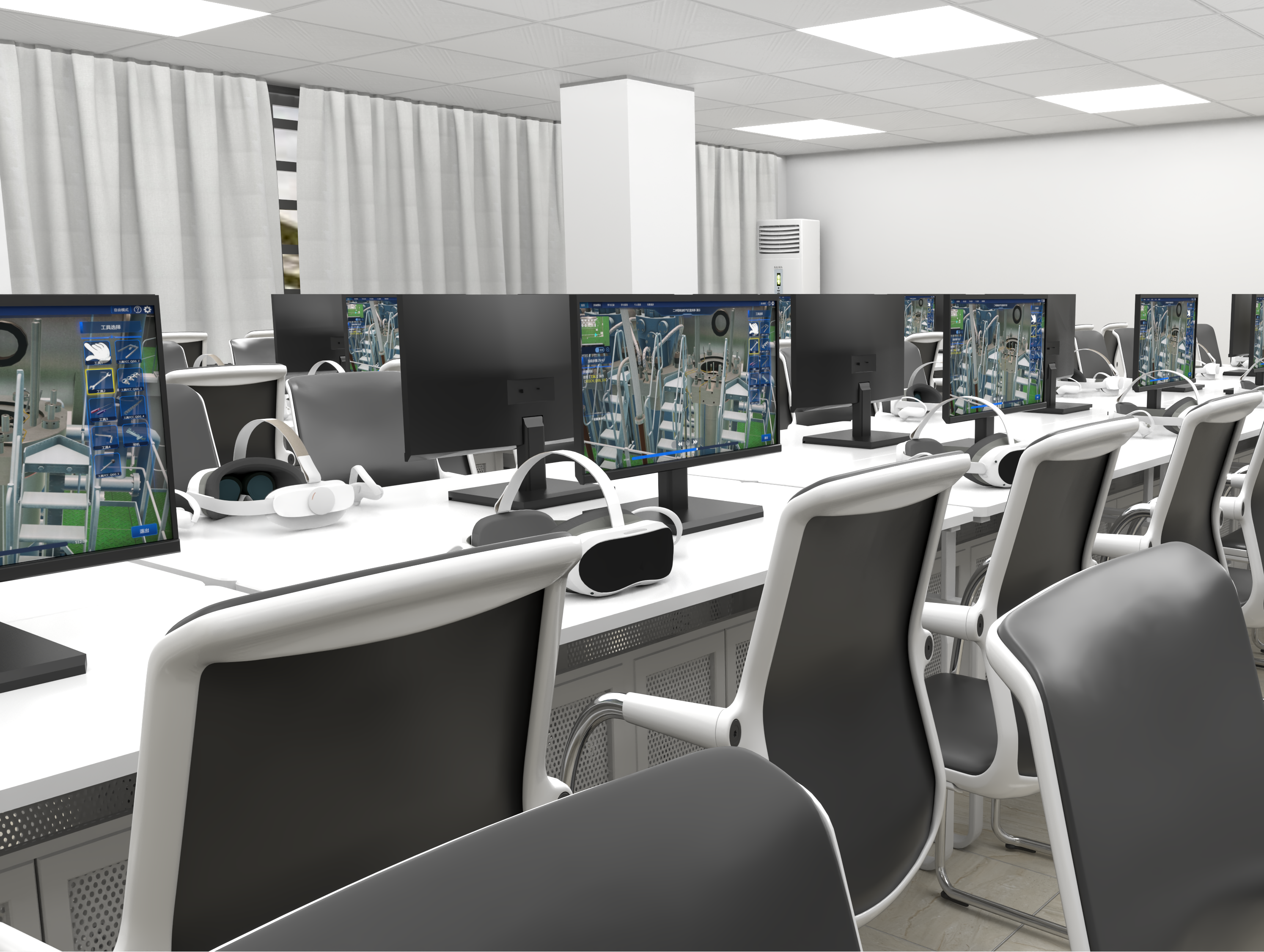
Today’s navigation simulators are smarter than ever. AI-powered boat navigation simulators now adapt to a trainee’s skill level, increasing difficulty as they improve. Meanwhile, cloud-based platforms let sailors practice on full mission ship simulators remotely, using VR headsets or even smartphones. This democratizes access: a small fishing co-op can now afford a basic navigation simulator, while major shipping lines use full mission sailing simulators to train entire fleets.
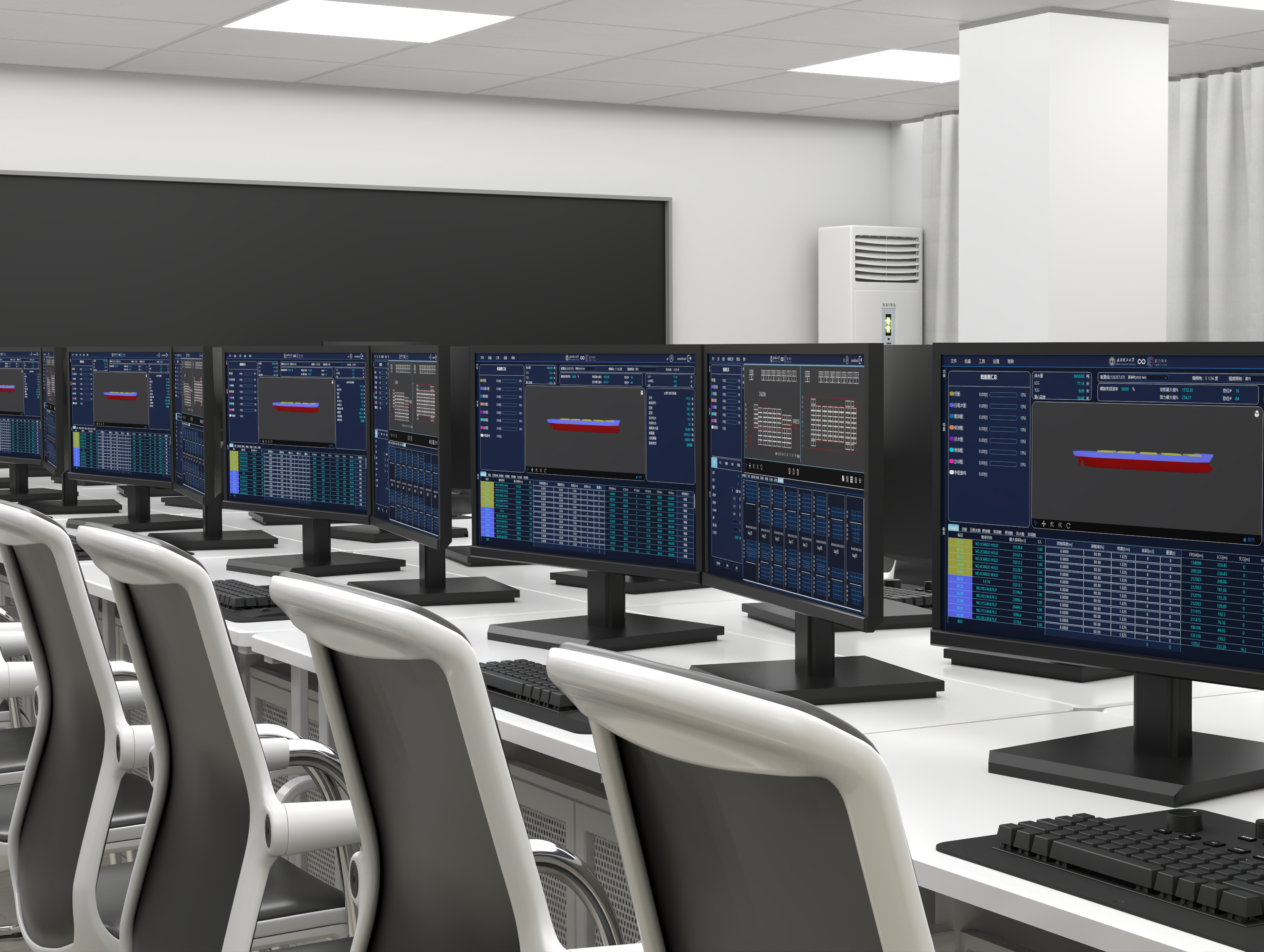
Feedback is another game-changer. Modern ship navigation simulators generate detailed reports, flagging hesitation during emergency drills or missed radar contacts. Trainees review these insights, turning weaknesses into strengths. It’s like having a personal coach for every voyage.
Simulators Shape the Mariners of Tomorrow
From the first timid maneuvers on a boat navigation simulator to the confident command of a full mission ship simulator, these tools are the unsung heroes of maritime safety. They turn novices into navigators, and navigators into leaders. As the industry embraces greener fuels and autonomous tech, navigation simulators will evolve too—but their core mission remains: equipping mariners to face the ocean’s uncertainties with skill, courage, and precision.
In the end, the safest ships aren’t just built strong—they’re steered by crews trained to perfection, thanks to the power of navigation simulators, ship navigation simulators, full mission sailing simulators, and full mission ship simulators.