News

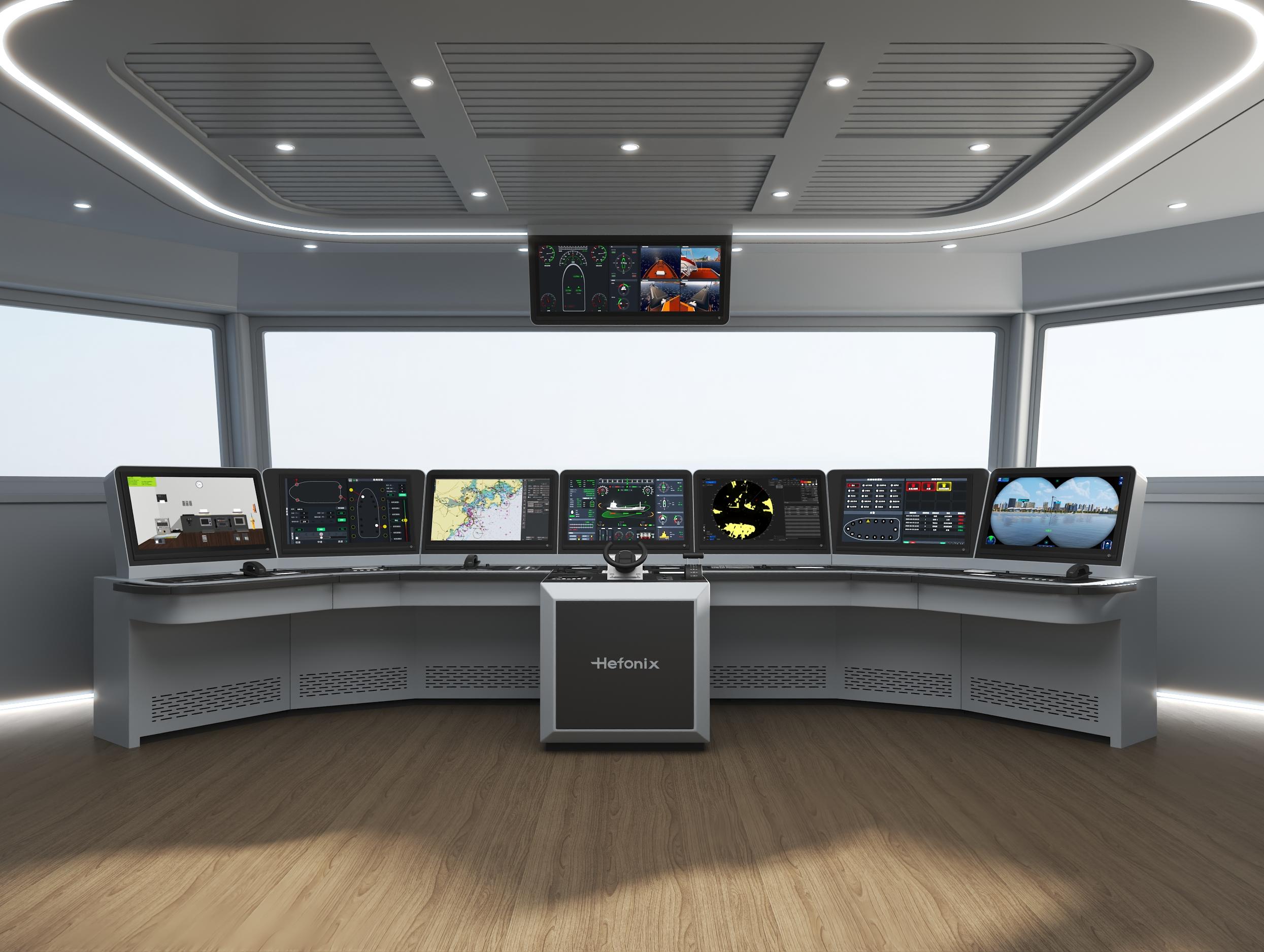
  • Maximizing ROI in Maritime Education: The Economic and Safety Benefits of Advanced Marine Simulators
    2026
    07-18
    The global shipping sector is under immense pressure to decarbonize, digitalize, and optimize fleet operations. For maritime academies and training centers, this means preparing the next generation of seafarers for highly complex environments. However, live ship training is increasingly expensive, logistically difficult, and inherently risky. This is why forward-thinking institutions are deploying next-generation marine simulators to deliver cost-effective, high-impact education.
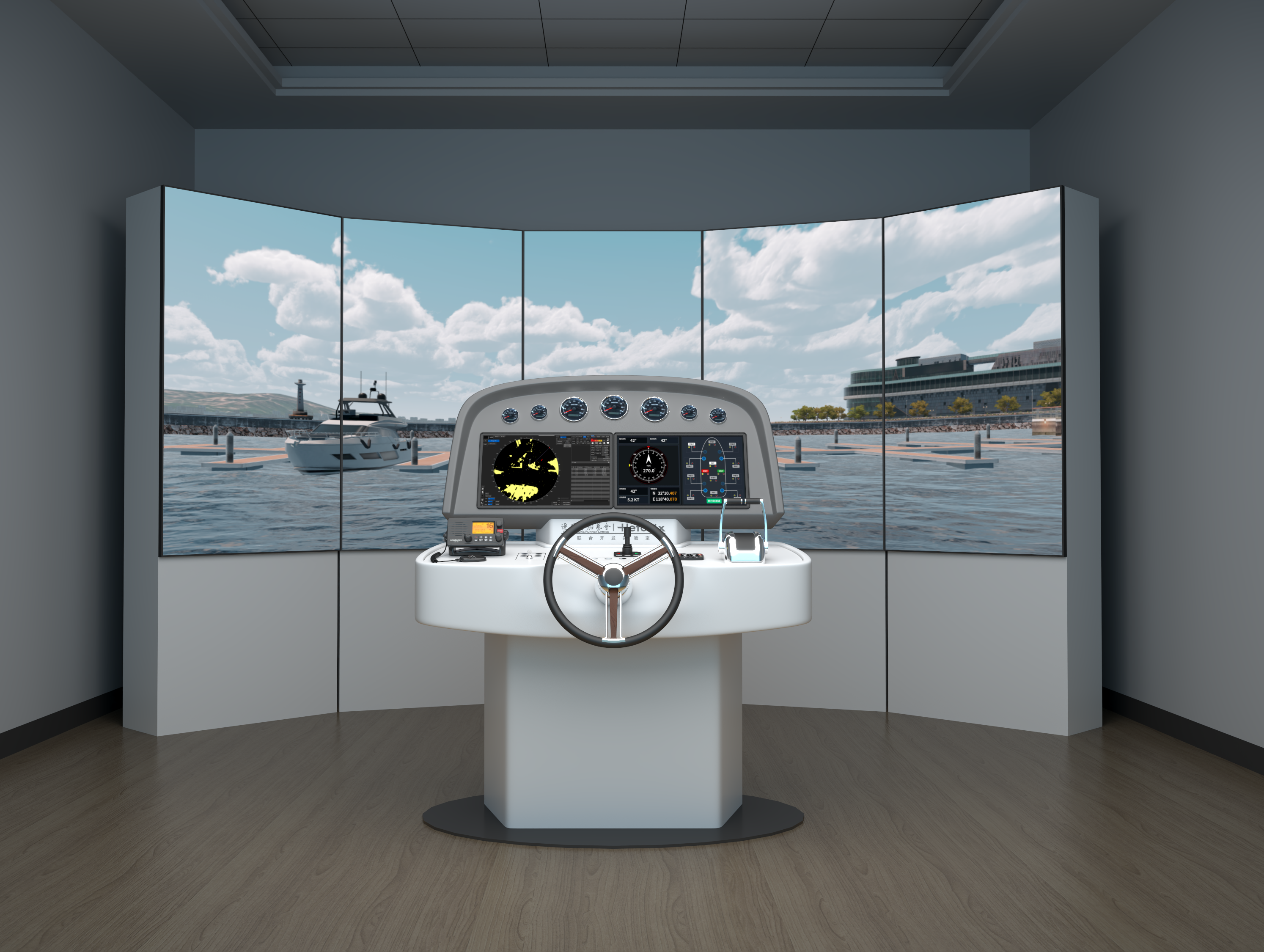
  • How Next-Gen Marine Simulators are Transforming Maritime Training
    2026
    07-15
    The maritime industry is facing a massive digital shift. As vessels become more advanced, traditional training methods are no longer enough to prepare crews for unpredictable sea conditions. To bridge this gap, maritime academies and private fleets are turning to advanced marine simulators to ensure safety, efficiency, and operational excellence.
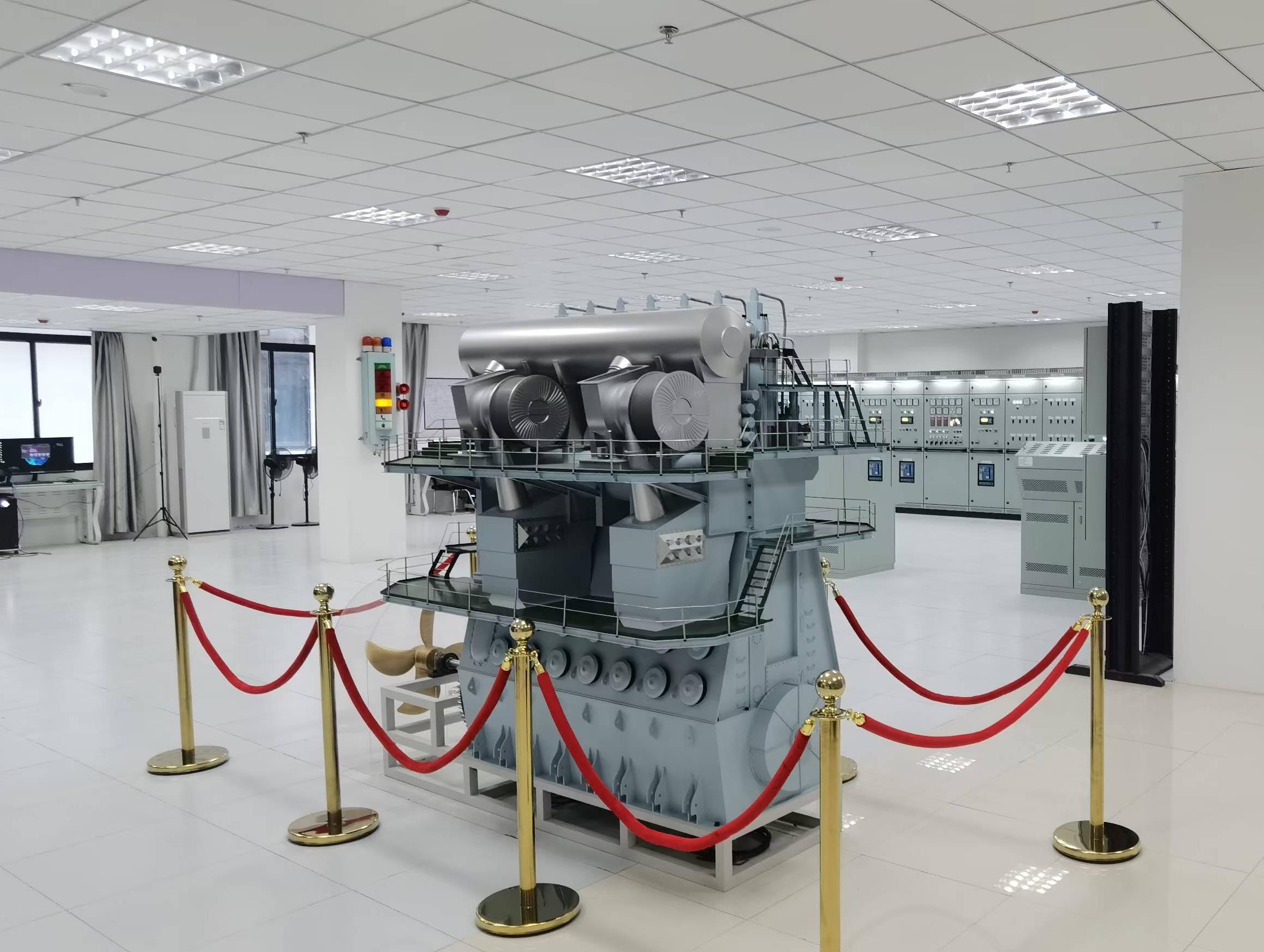
  • Why Next-Gen Marine Simulators are the Ultimate Safety Net for Modern Seafaring
    2026
    07-13
    The maritime industry has always been defined by its unpredictability. From sudden localized storms to complex mechanical failures in congested shipping lanes, the margins for error at sea are razor-thin. Today, as ships grow larger and technologies become more complex, relying solely on traditional on-the-job training is a liability.
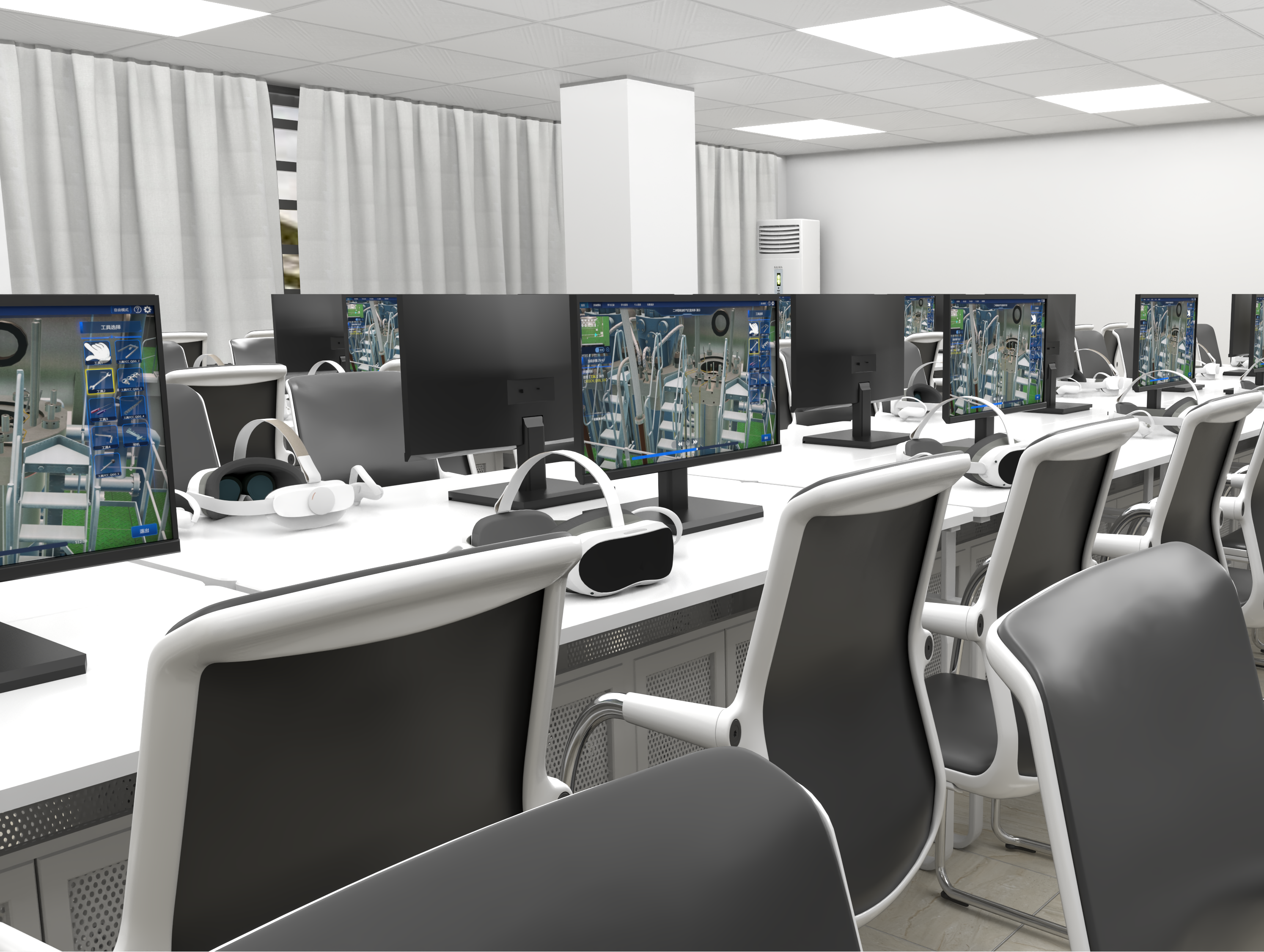
  • How Hefonix is Redefining Maritime Training Through Immersive Simulation
    2026
    07-11
    In an era driven by digitalization and smart shipping, global maritime training is undergoing a massive paradigm shift. Traditional text-book instruction and rigid standard layouts are no longer enough to prepare crews for today's complex sea conditions and advanced vessel operations. As a global innovator in maritime simulation technology, Hefonix is standing at the forefront of this revolution, delivering next-generation marine simulators that empower maritime, nautical, and professional institutions worldwide.
  • Driving Business Value and Competitive Advantage Through Integrated Maritime Simulation Solutions
    2026
    02-08
    In the global maritime industry, training investment is no longer viewed as a cost center but as a strategic lever for operational excellence and market differentiation. For B2B decision-makers, including shipping companies, training providers, and port operators, the evaluation of training systems increasingly focuses on commercial impact, scalability, and long-term competitiveness. Advanced simulation-based training—centered on the Navigation Simulator—has become a critical driver of sustainable business value.
  • Enhancing Academic Accreditation and Teaching Quality Through Simulation-Based Maritime Training Systems
    2026
    02-07
    Maritime education institutions operate within a highly regulated environment where academic quality, instructional effectiveness, and compliance with international standards are subject to continuous evaluation. Accreditation bodies, education authorities, and industry partners increasingly require demonstrable evidence of teaching outcomes, curriculum alignment, and training effectiveness. In this context, advanced simulation-based training systems—anchored by the Navigation Simulator—have become a critical component of modern maritime education and quality assurance frameworks.
  • Strengthening Operational Readiness and Rapid Response Capabilities Through Maritime Simulation Training Systems
    2026
    02-06
    For military, coast guard, and maritime law enforcement organizations, operational readiness is a strategic imperative. Missions are often conducted in high-risk, time-critical environments where human error can have severe consequences. As operational demands increase and resources face tighter control, advanced simulation-based training has become a core component of modern defense and law enforcement
  • Supporting Government Procurement and Regulatory Compliance Through Certified Maritime Simulation Systems
    2026
    02-05
    Public-sector procurement in the maritime domain is governed by strict regulatory frameworks, technical standards, and accountability requirements. Government agencies, port authorities, and maritime administrations must ensure that every training investment complies with national regulations, international conventions, and long-term public interest. In this environment, advanced simulation-based training systems—anchored by the Navigation Simulator—provide a compliant, auditable, and future-proof solution for government procurement.

  • Maximizing Return on Investment in Maritime Training Through Advanced Simulation Technologies
    2026
    02-04
    In an era of tightening budgets and increasing accountability, return on investment (ROI) has become a decisive factor in maritime training procurement. Government agencies, maritime academies, and commercial operators are no longer evaluating training systems solely on technical performance; instead, they demand measurable outcomes, cost efficiency, and long-term value. Advanced simulation technology—centered around the Navigation Simulator—has emerged as a proven solution that delivers both operational excellence and financial sustainability.
  • Optimizing Port Traffic Efficiency and Safety Through Integrated VTS Simulation and Maritime Training Systems
    2026
    02-03
    Global ports are under unprecedented pressure as maritime trade volumes continue to rise and vessel sizes increase. Congested waterways, tighter environmental regulations, and higher safety expectations demand a new approach to port traffic management. In this context, advanced simulation-based training has emerged as a strategic solution. At the heart of this transformation is VTS Simulation, which enables port authorities and training institutions to optimize traffic efficiency while maintaining the highest safety standards.

40px

80px

80px

80px

Get Quote