

As maritime transportation continues to play a vital role in global trade and national economic development, governments around the world are increasing investments in maritime education infrastructure. Modern training facilities equipped with Yacht Simulator, Marine Simulator, Ship Navigation simulator, marine engine simulator, and ship simulator technologies are becoming essential components of national maritime development strategies.
From Asia and the Middle East to Africa and South America, government agencies are launching initiatives to improve seafarer competency, strengthen maritime safety, and support the long-term growth of domestic shipping industries. Advanced simulation systems are at the center of these efforts.
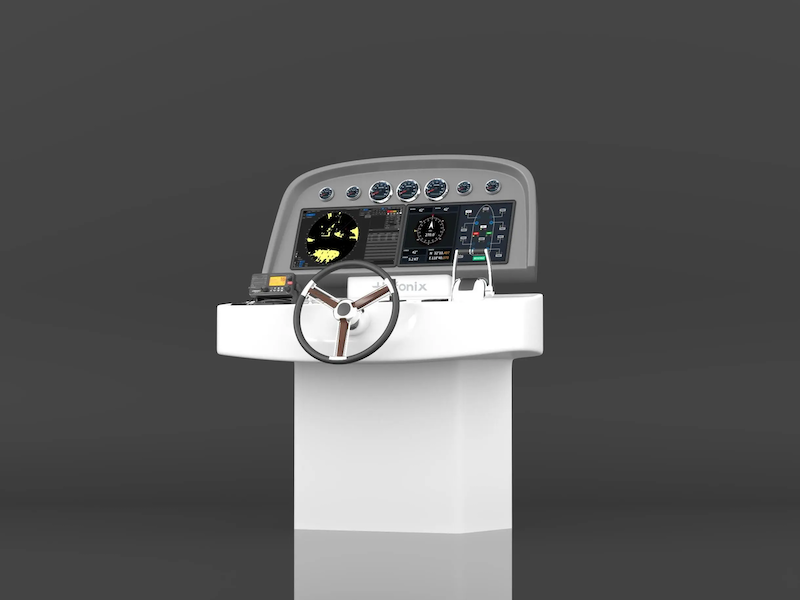
Building National Maritime Training Capacity
One of the primary objectives of government-funded maritime projects is to increase training capacity while maintaining high educational standards.
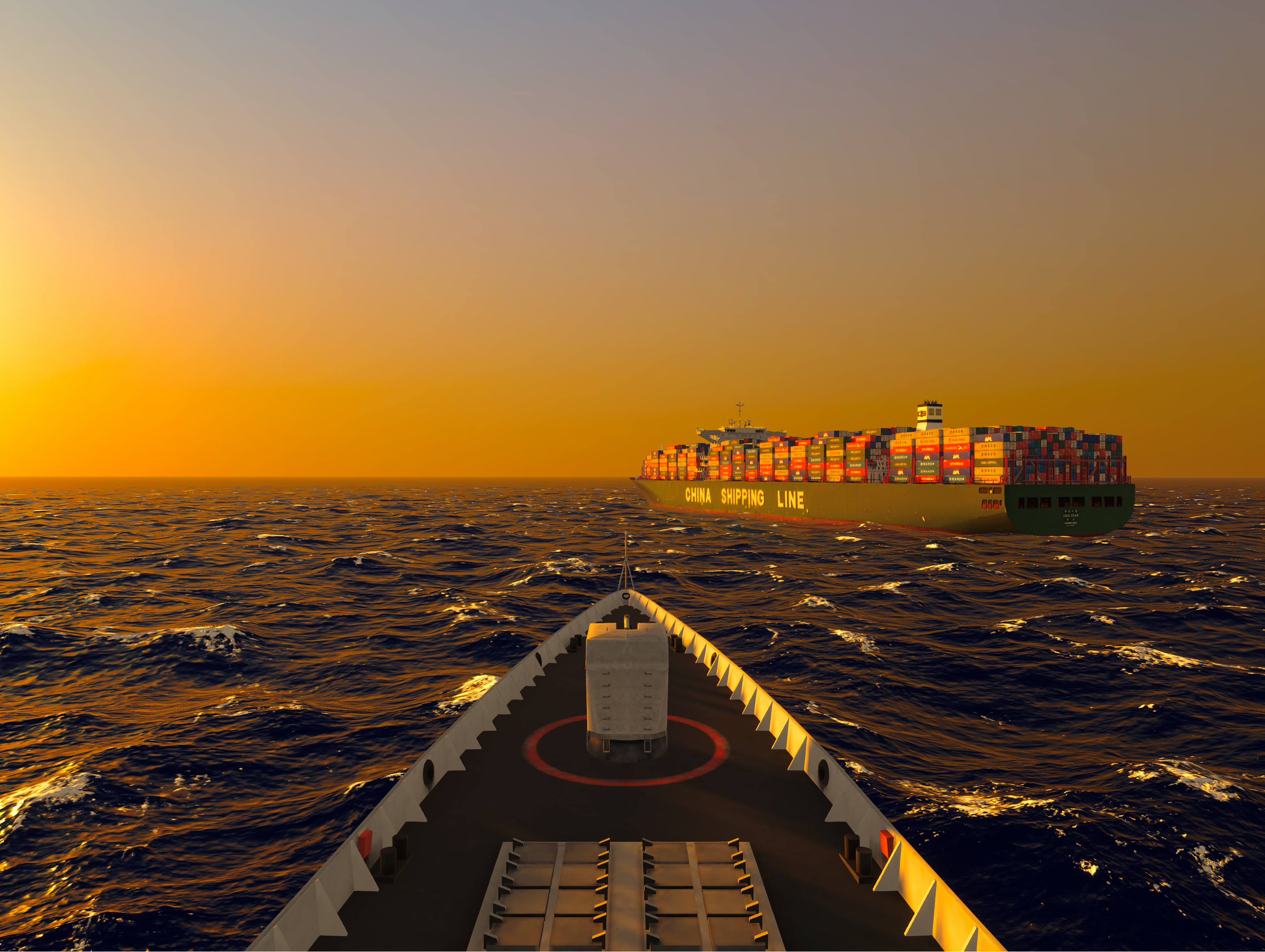
A modern ship simulator allows maritime academies and government training centers to train large numbers of cadets efficiently. Through a ship simulator, trainees can practice navigation, vessel handling, emergency response, and operational procedures in a safe environment.
Compared with relying solely on training vessels, a ship simulator provides a cost-effective solution that supports year-round instruction regardless of weather conditions or vessel availability.
As governments seek to expand maritime workforce development programs, investment in ship simulator infrastructure continues to increase.
Ship Navigation Simulator Supports Maritime Safety Goals
Reducing maritime accidents remains a major priority for regulatory authorities worldwide.
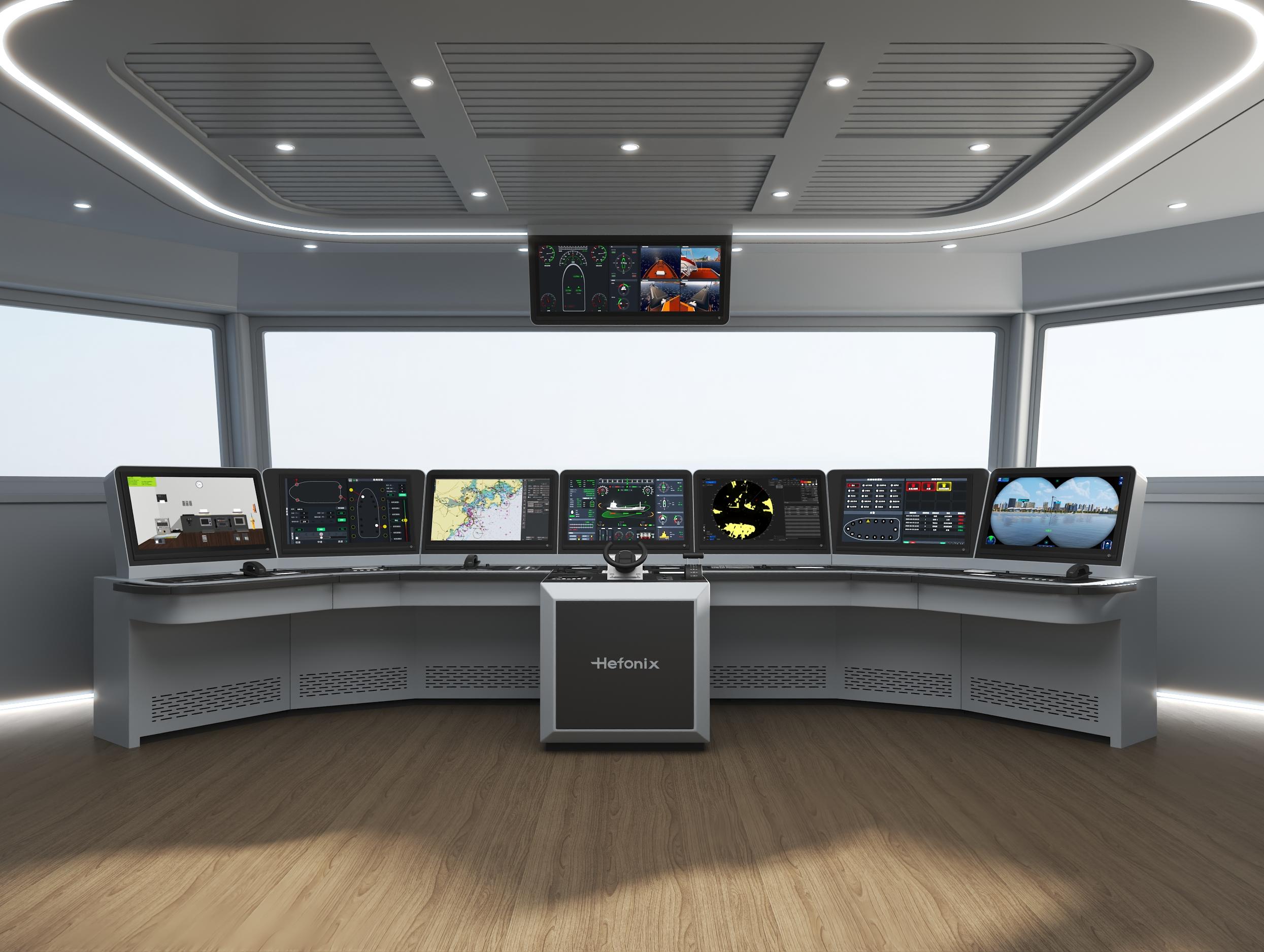
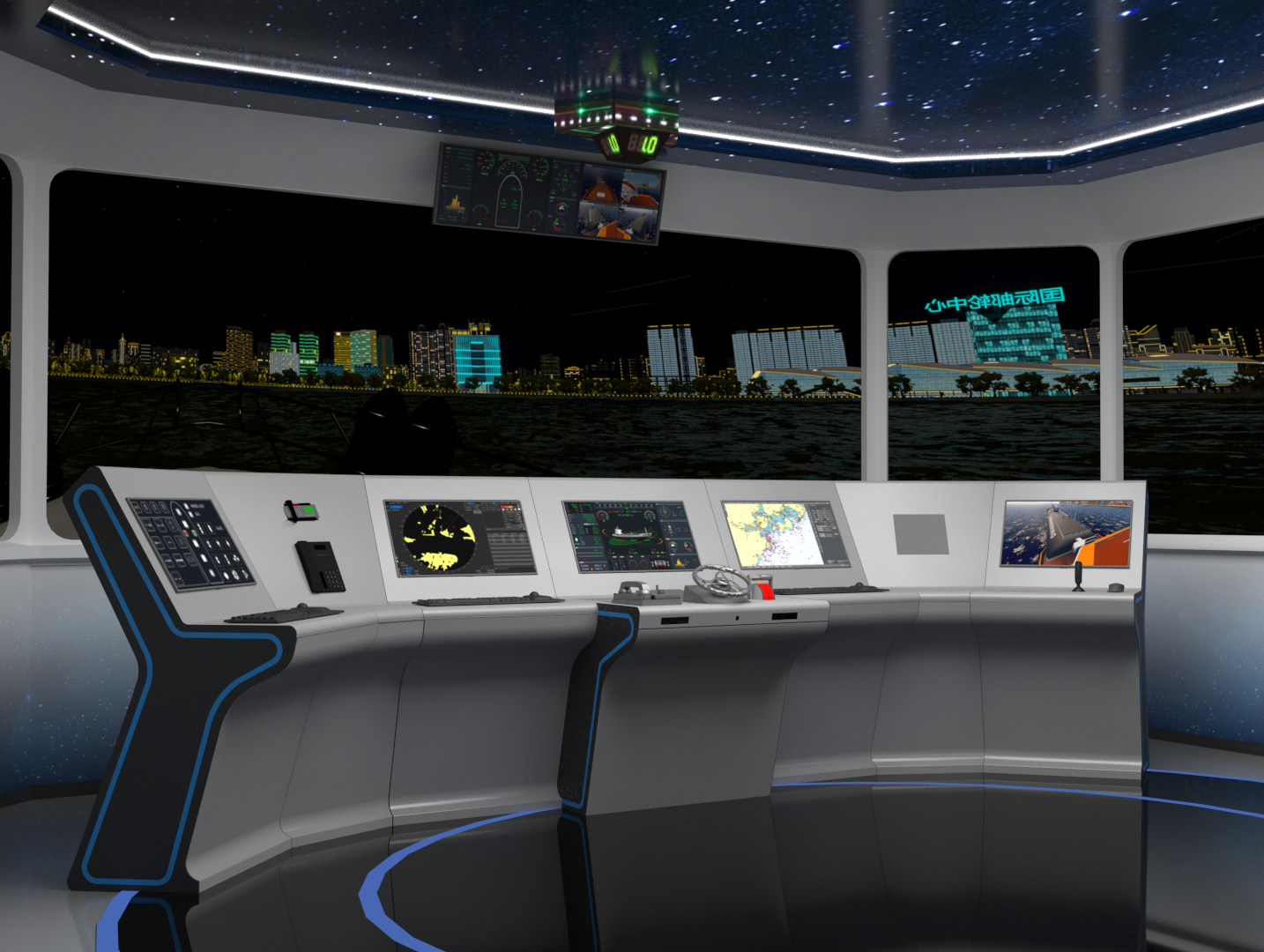
A professional Ship Navigation simulator helps future officers develop critical navigation skills before they enter operational service. Through a Ship Navigation simulator, trainees can experience complex traffic situations, restricted waterways, adverse weather conditions, and emergency scenarios.
Government institutions value the Ship Navigation simulator because it allows standardized training and assessment across multiple locations.
Many maritime administrations now consider the Ship Navigation simulator a core component of modern maritime education infrastructure.
The increasing deployment of Ship Navigation simulator systems reflects a global commitment to improving navigation safety and reducing human error.
Marine Engine Simulator Strengthens Technical Competency
Engineering competency is equally important for maritime safety and operational reliability.
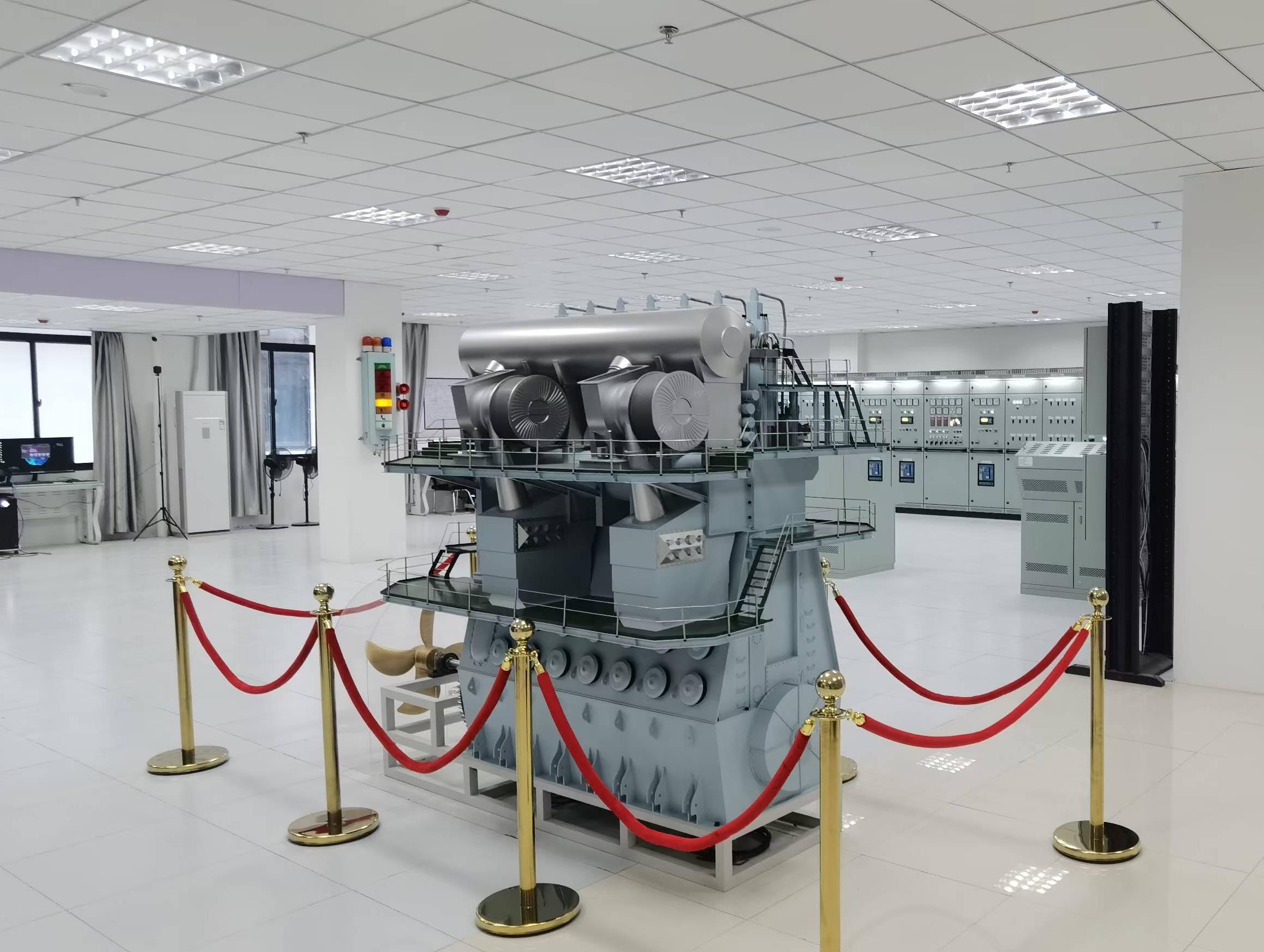
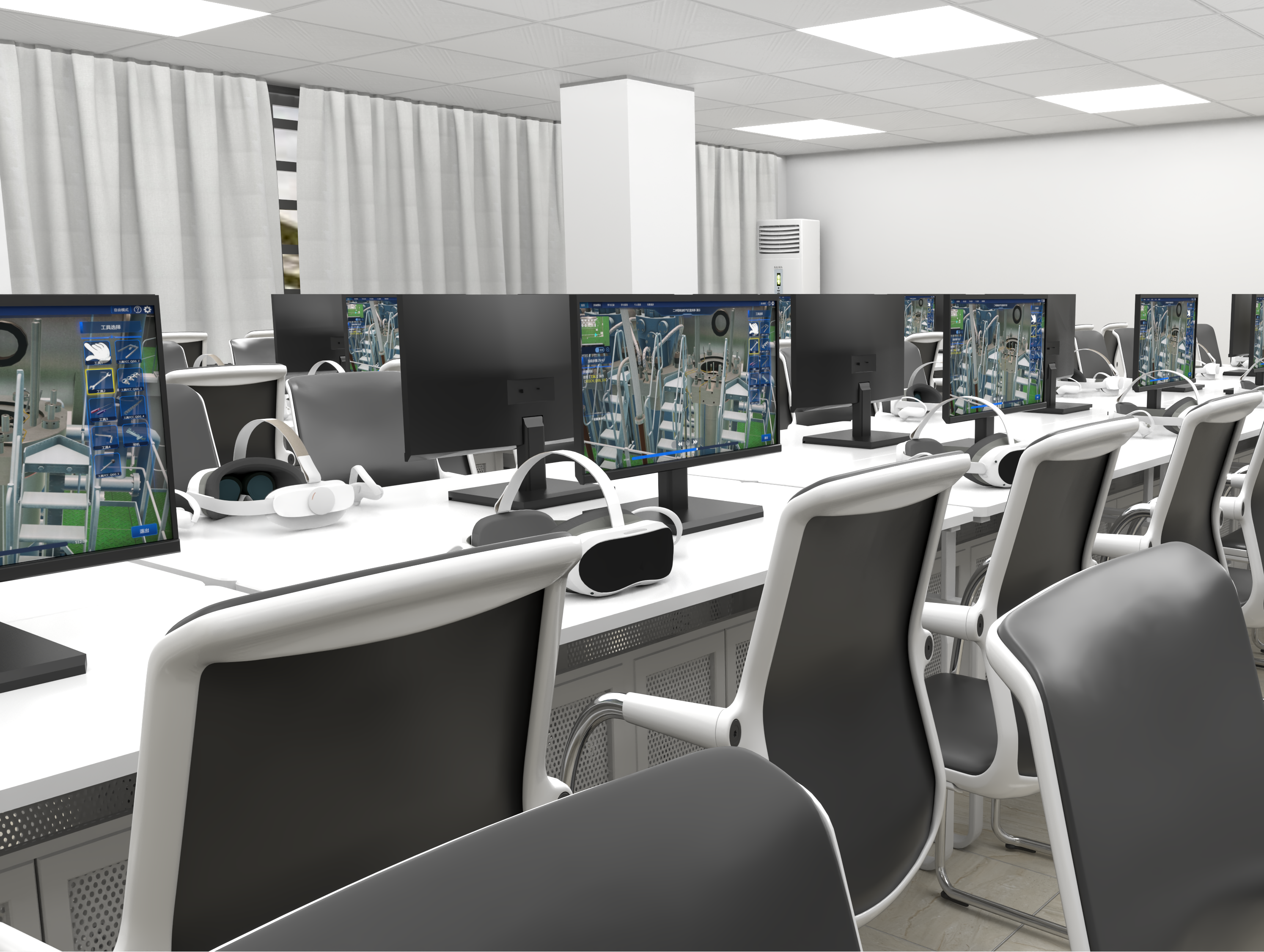
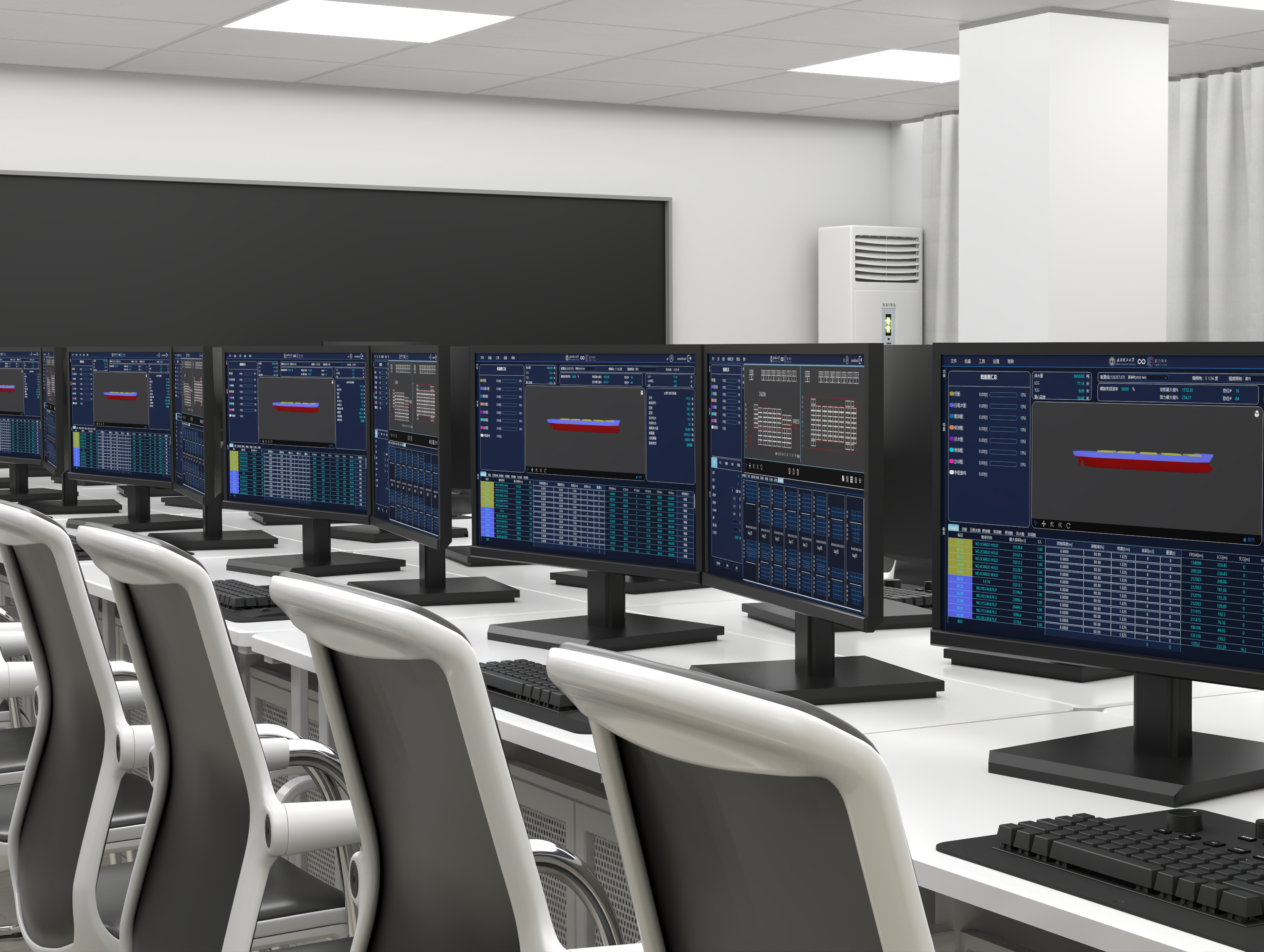
A marine engine simulator provides practical training opportunities that are difficult to achieve through classroom instruction alone. Using a marine engine simulator, students can learn machinery operations, fault diagnosis, fuel system management, and emergency procedures.
Many governments are investing in marine engine simulator technology to ensure future marine engineers possess the practical skills required by modern vessels.
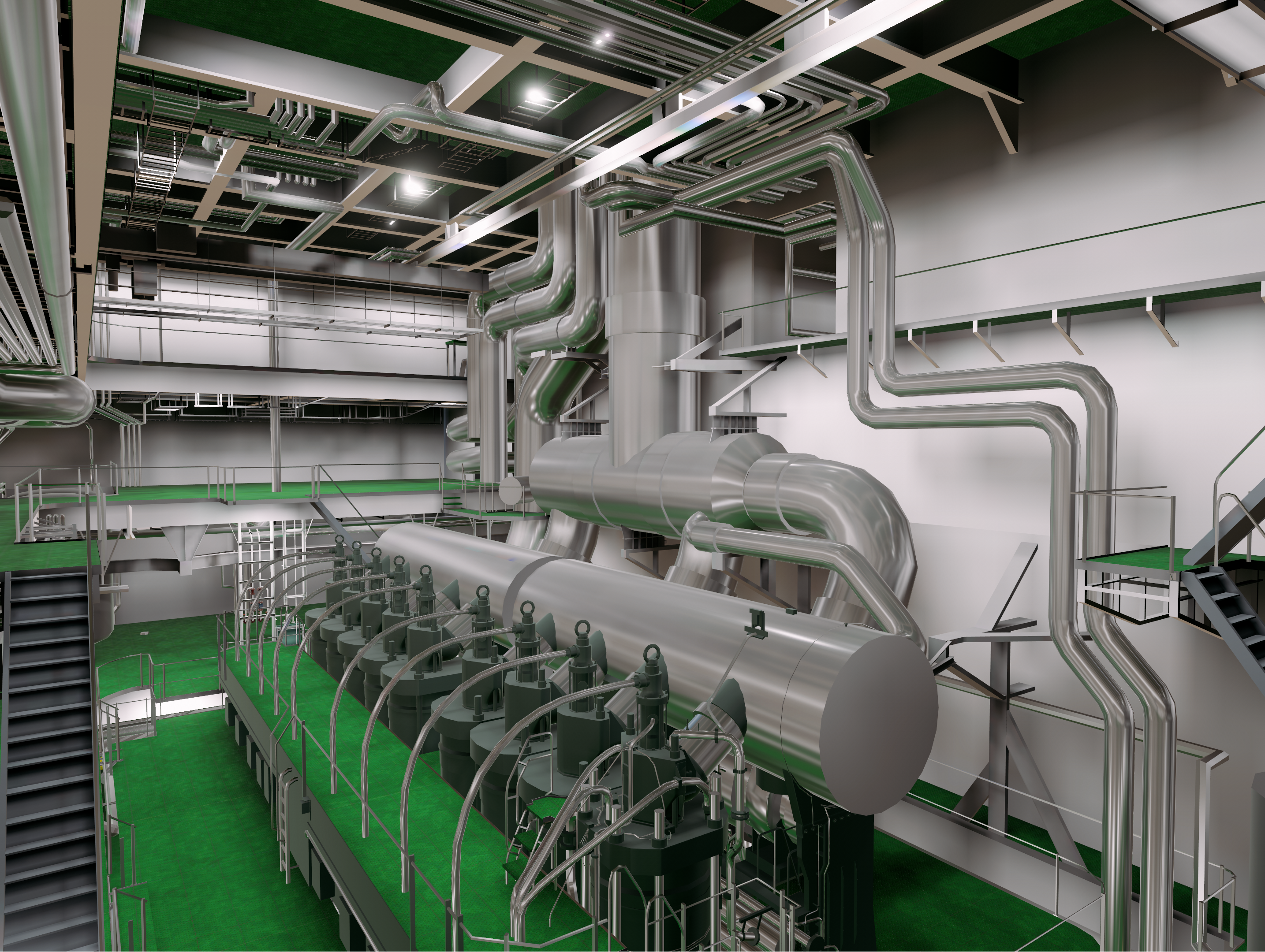
The ability of a marine engine simulator to replicate real engine room conditions makes it an indispensable tool for technical education.
As maritime technology becomes more sophisticated, marine engine simulator systems are expected to play an even larger role in workforce development programs.
Marine Simulator Creates Integrated National Training Platforms
Government-funded training centers increasingly prefer integrated Marine Simulator solutions.
A comprehensive Marine Simulator combines bridge operations, engineering systems, communication equipment, and environmental modeling into a unified training ecosystem.
For public institutions, a Marine Simulator offers several advantages:
Standardized national training programs
Centralized instructor management
Efficient resource utilization
Future system scalability
Multi-vessel training capabilities
A modern Marine Simulator can support commercial shipping, fishing vessel operations, offshore activities, and government maritime services within a single platform.
This flexibility makes the Marine Simulator particularly attractive for large-scale public-sector projects.
Yacht Simulator Expands Specialized Maritime Education
Many governments are also supporting the development of tourism and recreational marine industries.
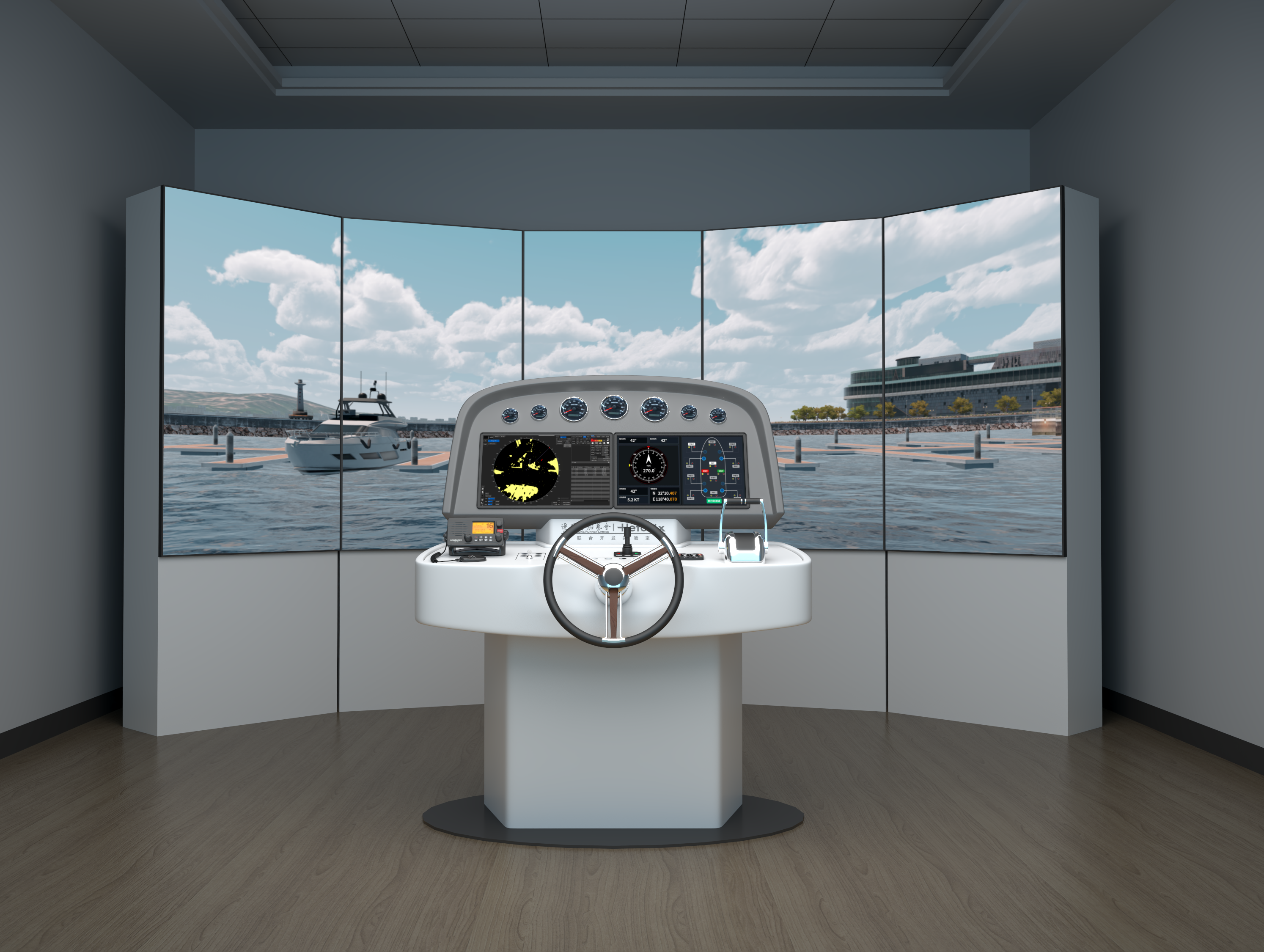
As a result, demand for Yacht Simulator training programs is increasing. A Yacht Simulator allows trainees to practice marina operations, coastal navigation, docking procedures, and high-speed vessel handling.
The Yacht Simulator is particularly useful for countries seeking to develop yacht tourism, marina services, and recreational boating sectors.
By introducing Yacht Simulator technologies into maritime training programs, governments can support economic diversification while creating new employment opportunities.
Supporting Future Maritime Development
The maritime sector is undergoing rapid digital transformation. Autonomous technologies, smart shipping systems, and advanced vessel management platforms are reshaping industry requirements.
To prepare future maritime professionals, governments are investing in advanced ship simulator, Ship Navigation simulator, marine engine simulator, Marine Simulator, and Yacht Simulator technologies.
These systems enable institutions to deliver realistic, practical training while maintaining international educational standards.
Furthermore, simulation-based training helps governments build sustainable maritime talent pipelines capable of supporting long-term economic growth.
Around the world, governments are recognizing that maritime education is a strategic national investment.
By deploying Yacht Simulator, Marine Simulator, Ship Navigation simulator, marine engine simulator, and ship simulator systems, public institutions can improve training quality, enhance maritime safety, and strengthen workforce development.
As global shipping continues to evolve, simulation technology will remain a critical foundation for modern maritime education and national maritime competitiveness.