

The maritime industry is facing one of its biggest workforce challenges in decades. As global trade continues to expand and shipping activities increase, the demand for qualified maritime professionals is growing faster than the supply of trained personnel. According to industry reports, many shipping companies are experiencing difficulties recruiting experienced officers, engineers, and specialized vessel operators.
To address this challenge, maritime academies, training centers, shipping companies, and government agencies are investing heavily in advanced simulation technologies such as the Yacht Simulator, Marine Simulator, Ship Navigation simulator, marine engine simulator, and ship simulator. These technologies are transforming the way maritime professionals are trained and certified.
The Growing Need for Efficient Maritime Training
Traditional onboard training remains important, but it is increasingly difficult to scale. Training vessels are expensive to operate, fuel costs continue to rise, and safety considerations limit the types of scenarios that can be practiced in real-world environments.
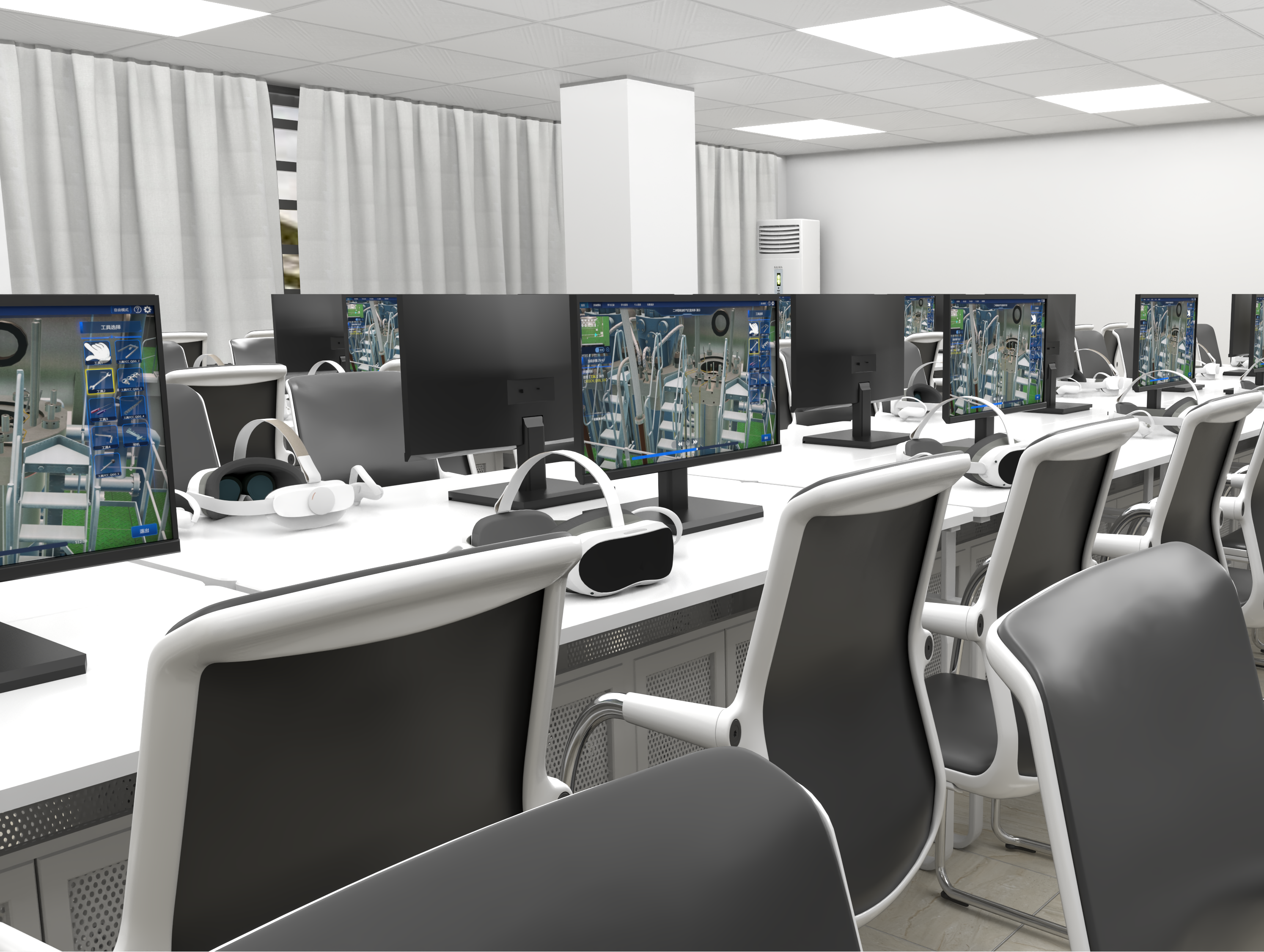
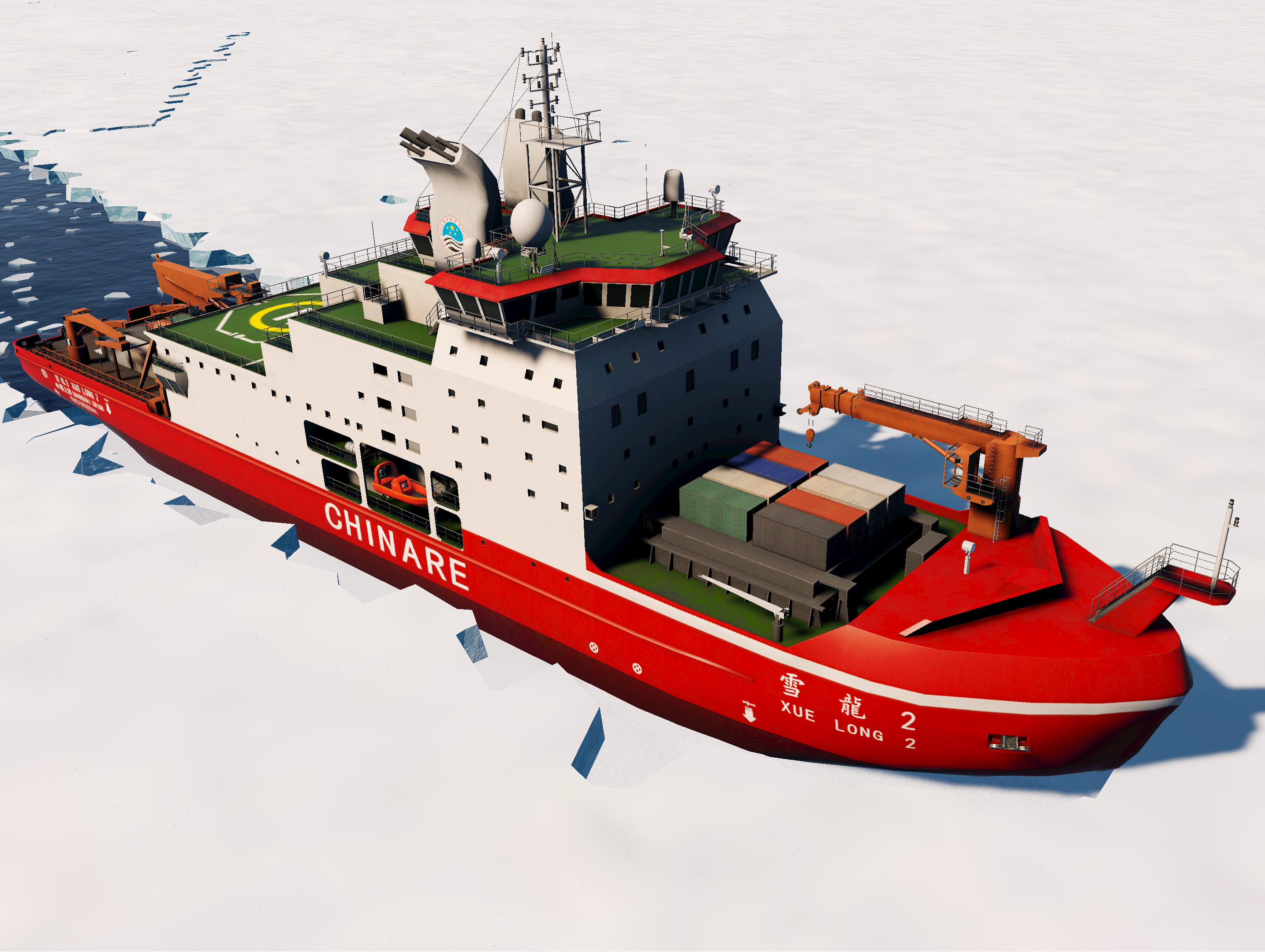
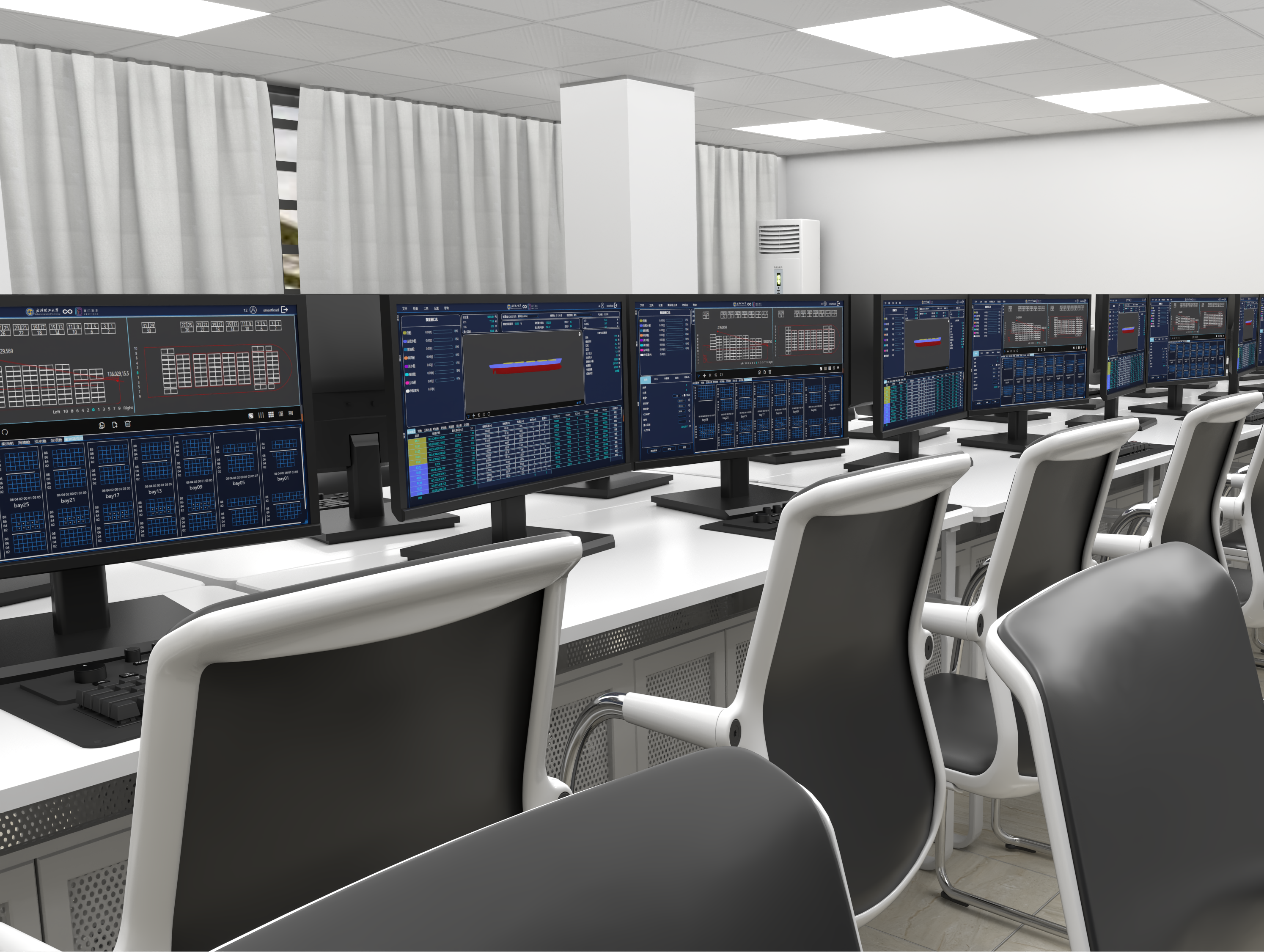
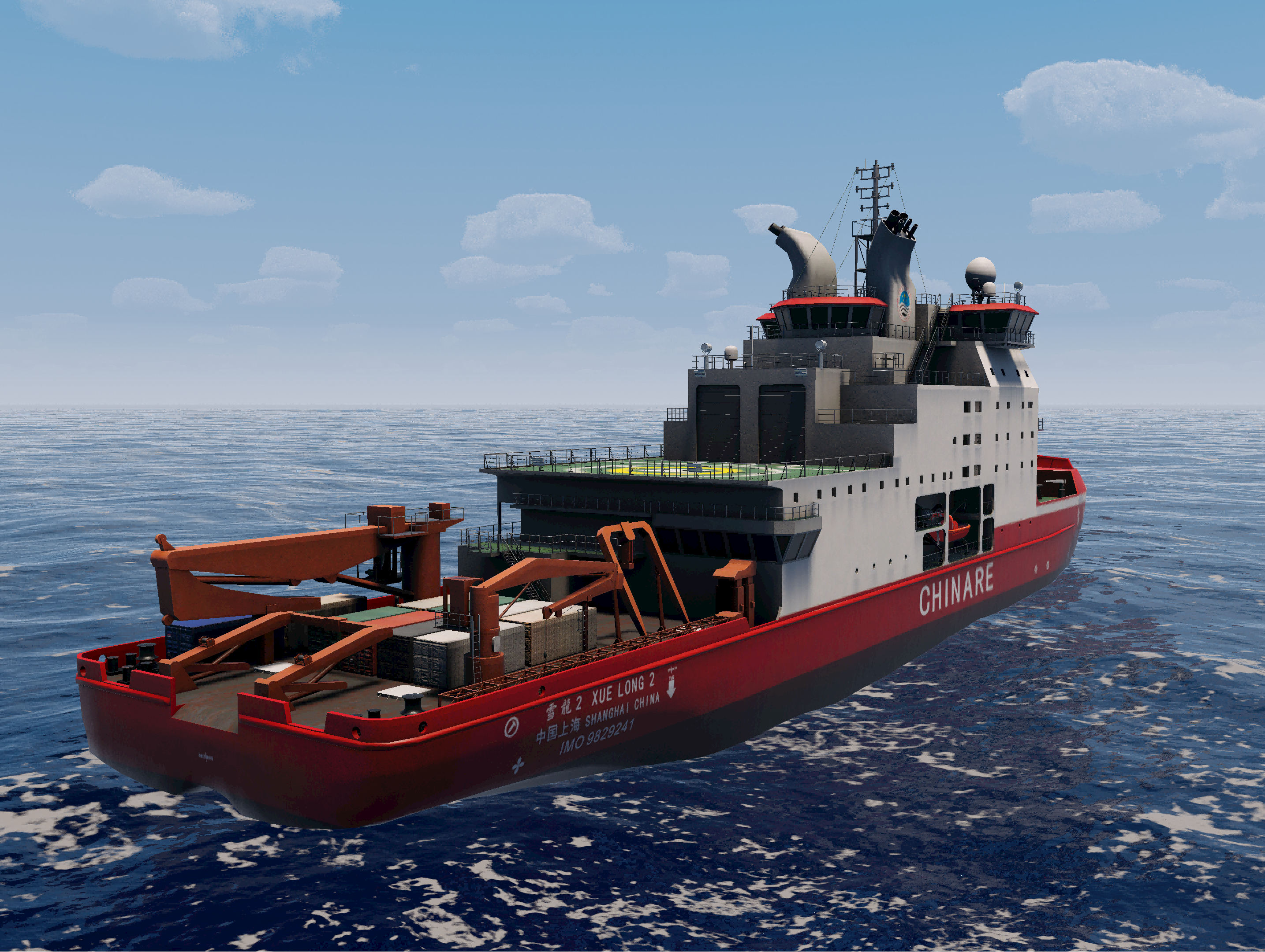
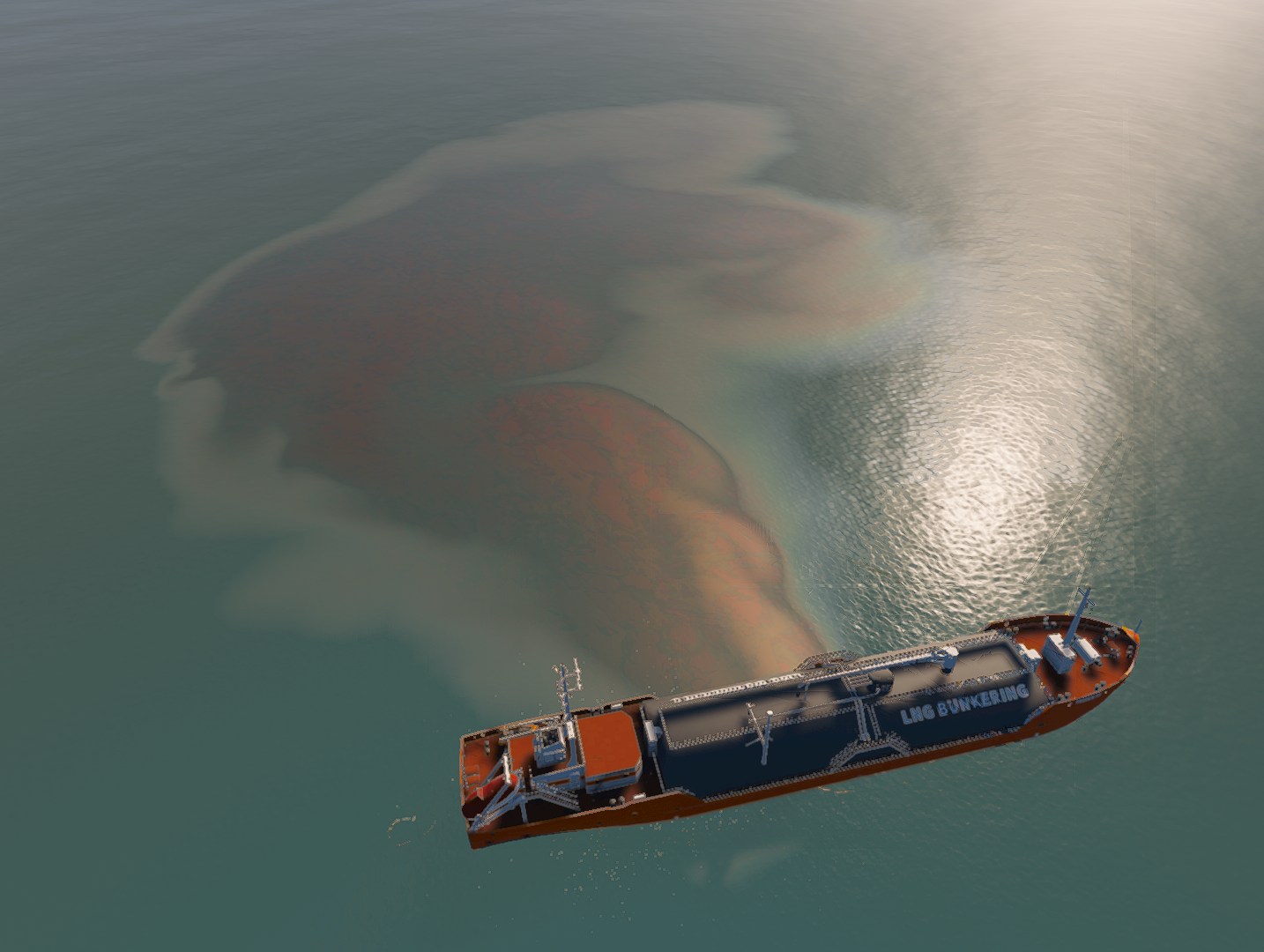
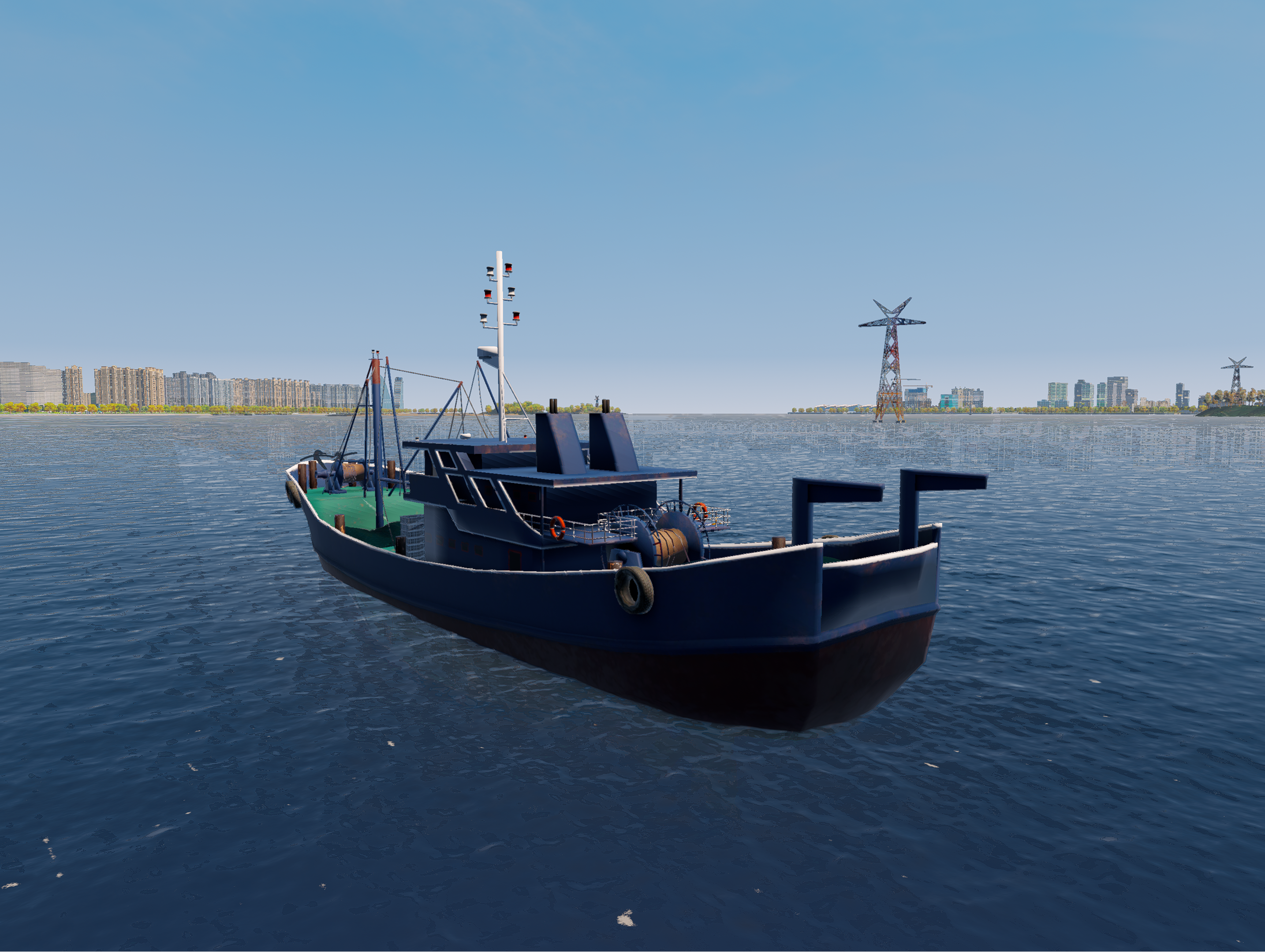
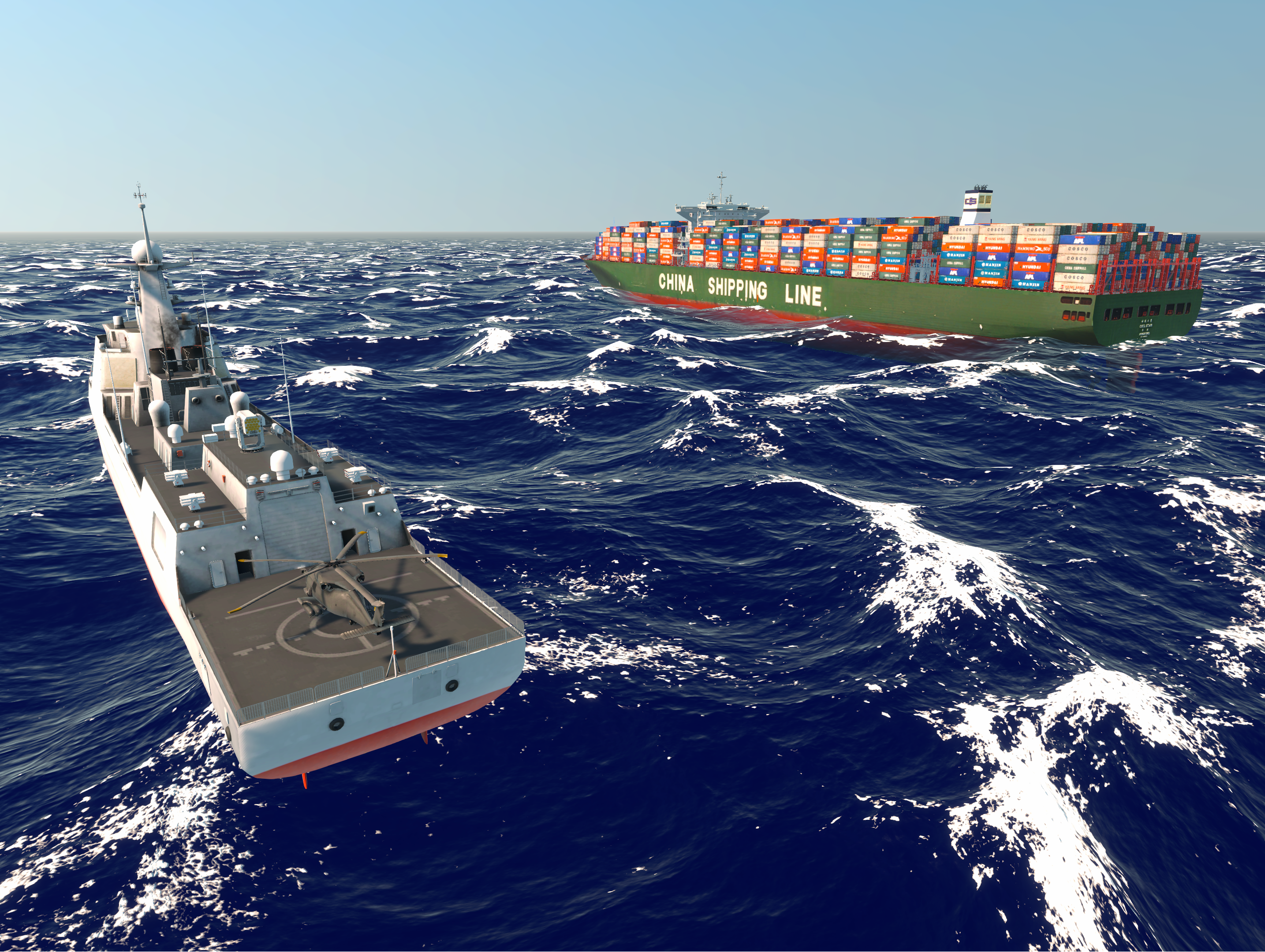
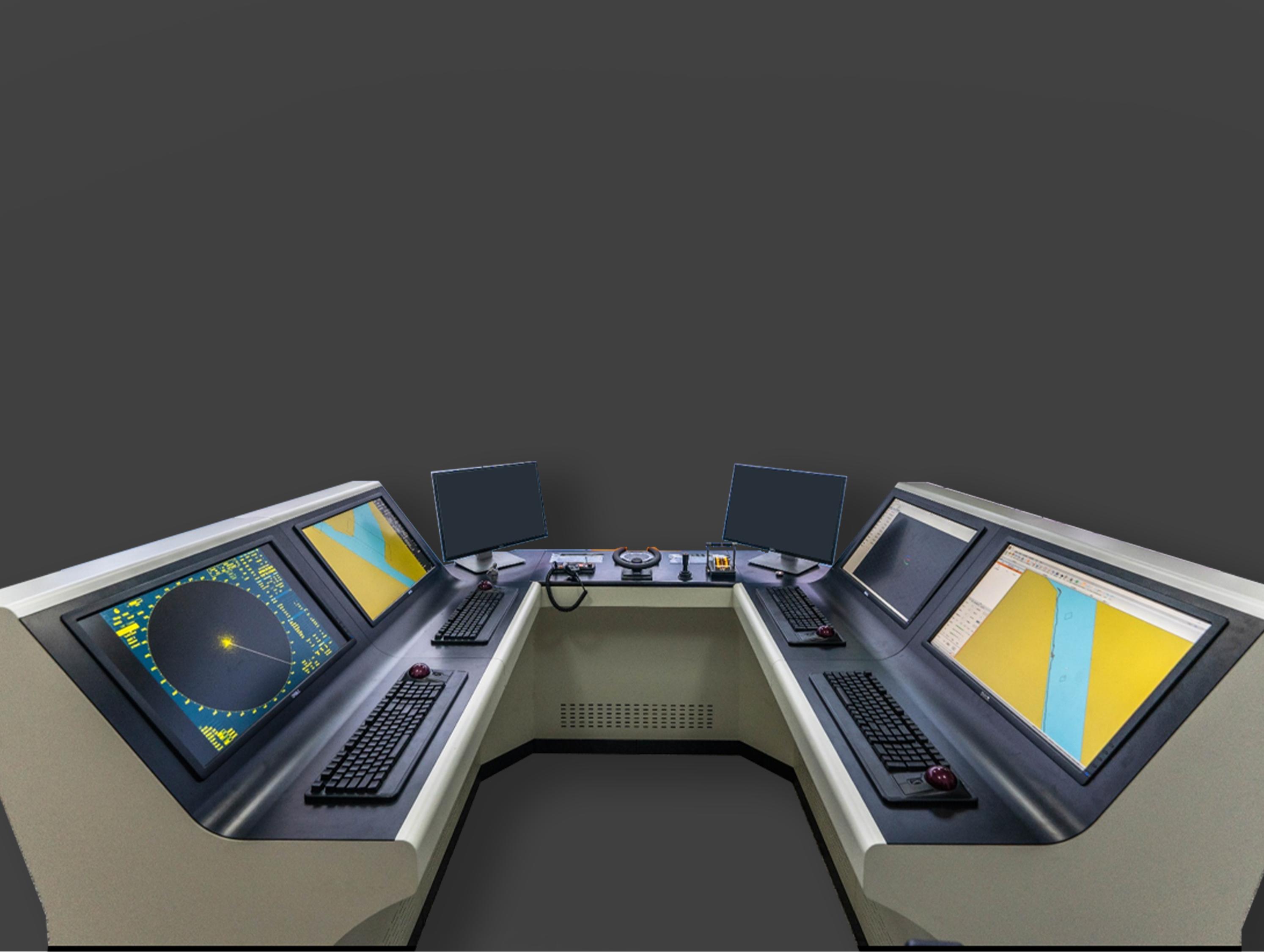
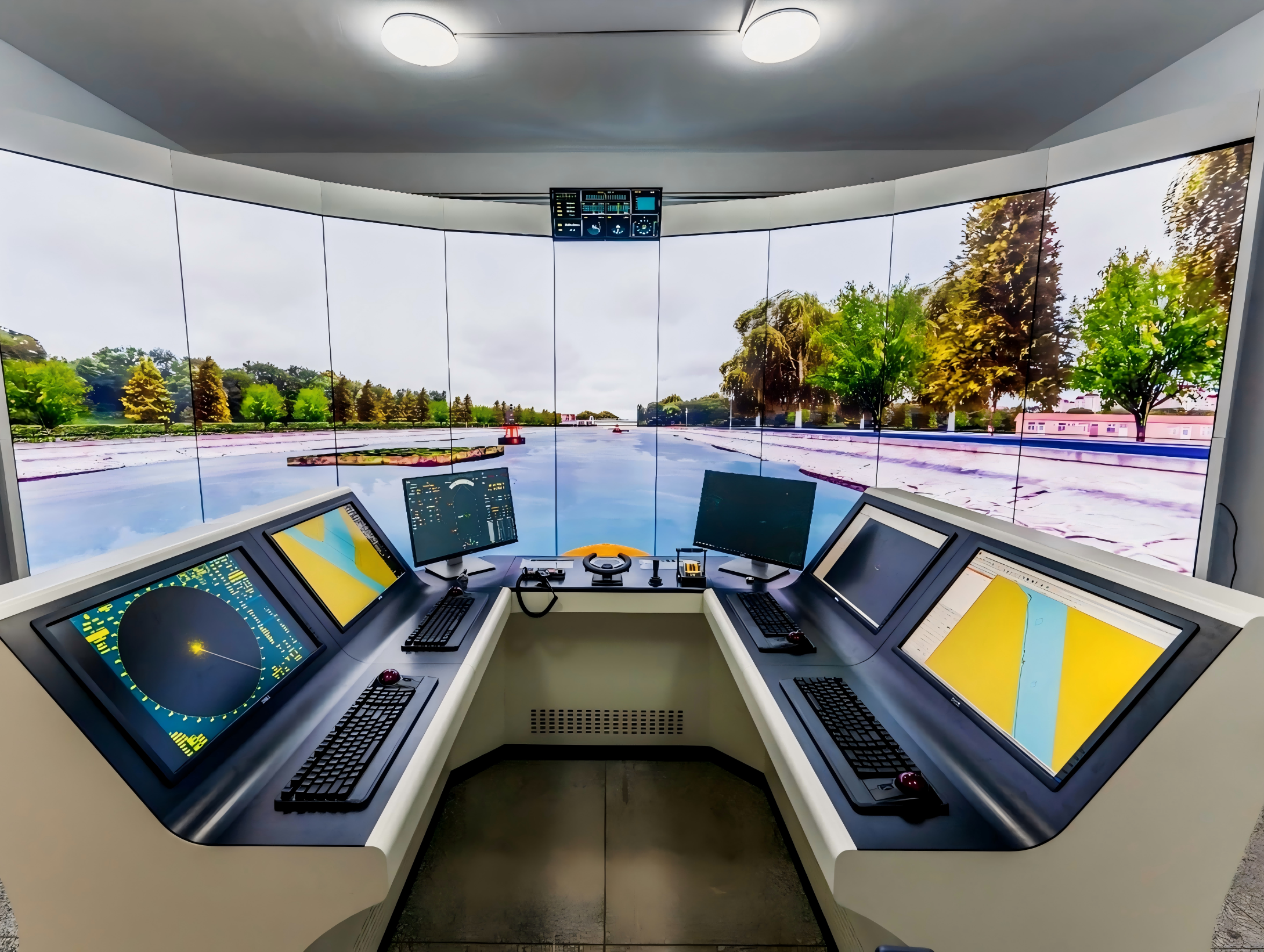
A modern ship simulator provides an effective solution. Through a ship simulator, trainees can gain practical experience in vessel operations without the operational risks associated with live training. A ship simulator allows institutions to train more students within shorter periods while maintaining high training standards.
As a result, the ship simulator has become a critical investment for organizations seeking to expand maritime workforce development programs.
Ship Navigation Simulator Improves Officer Readiness
One of the most important responsibilities onboard any vessel is safe navigation. Training future deck officers requires extensive exposure to various operational situations, environmental conditions, and emergency scenarios.
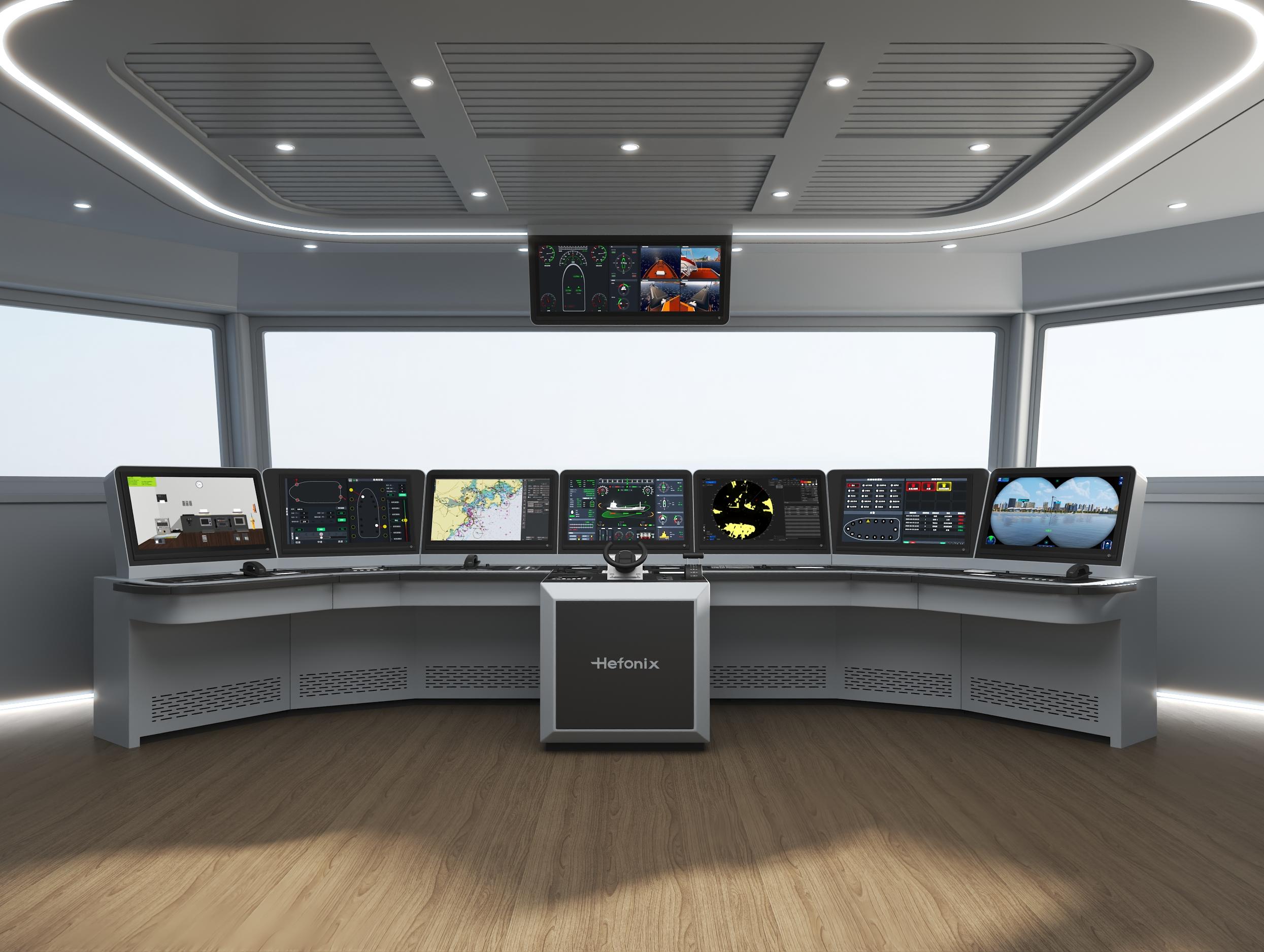
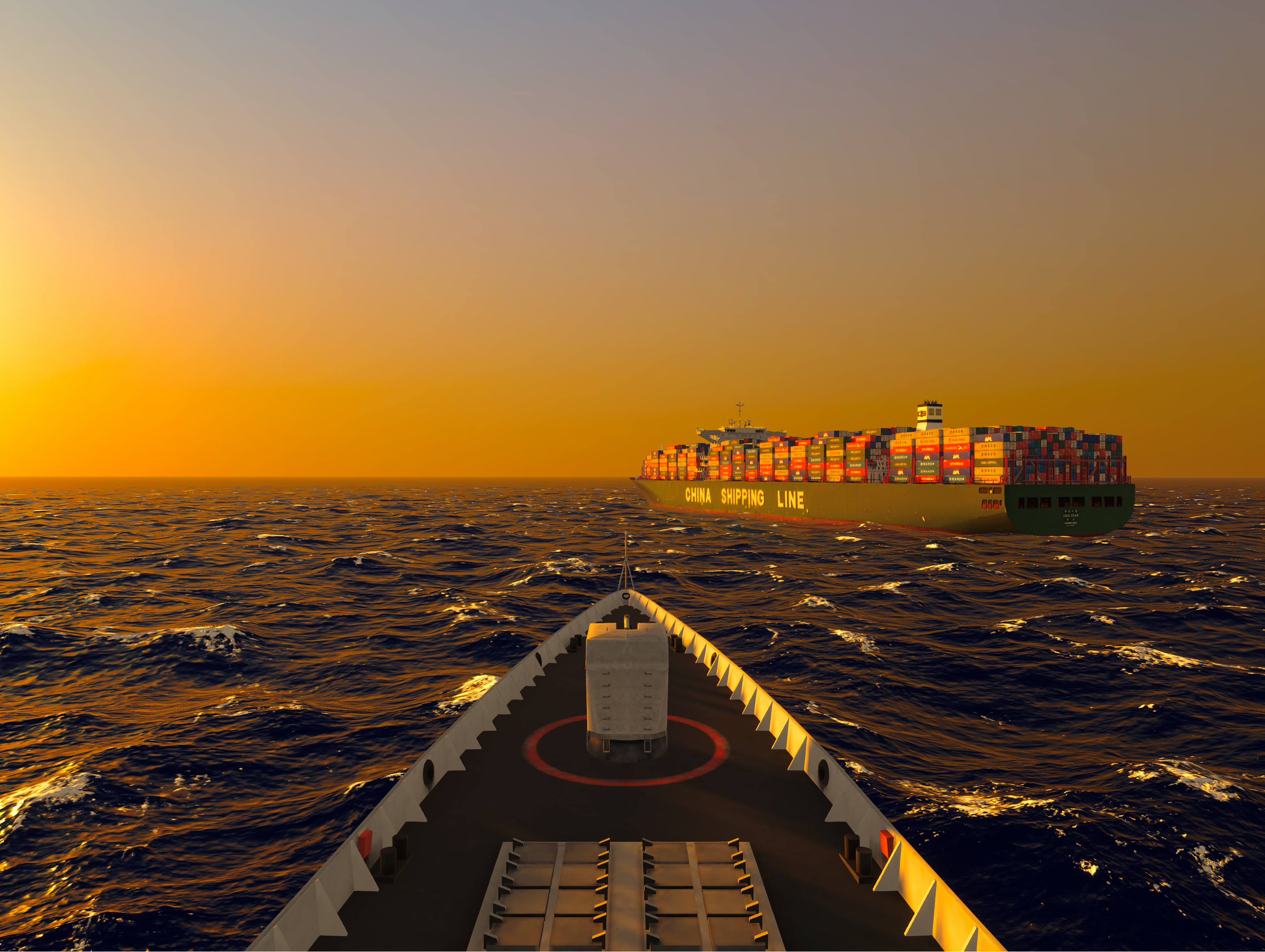
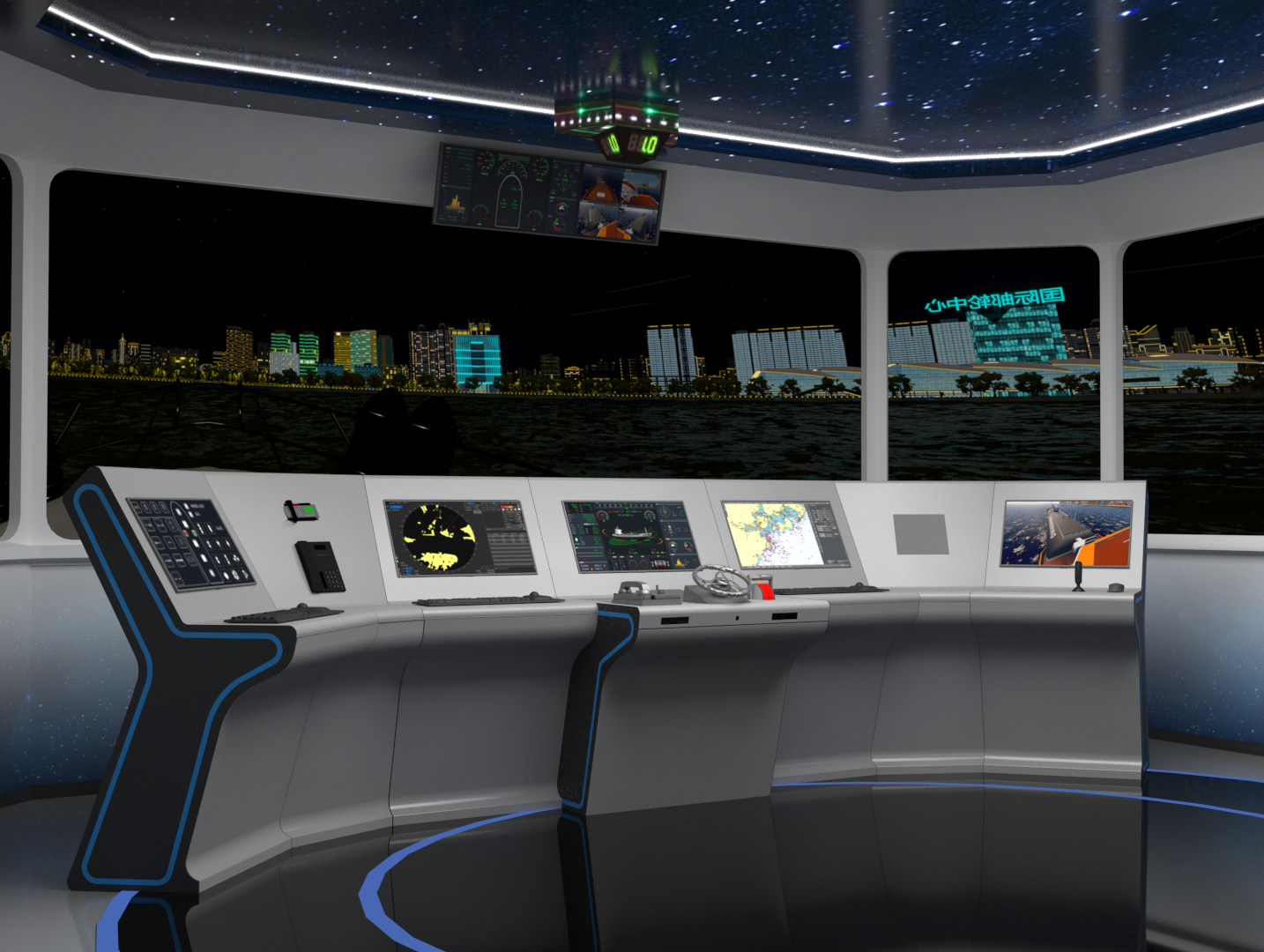
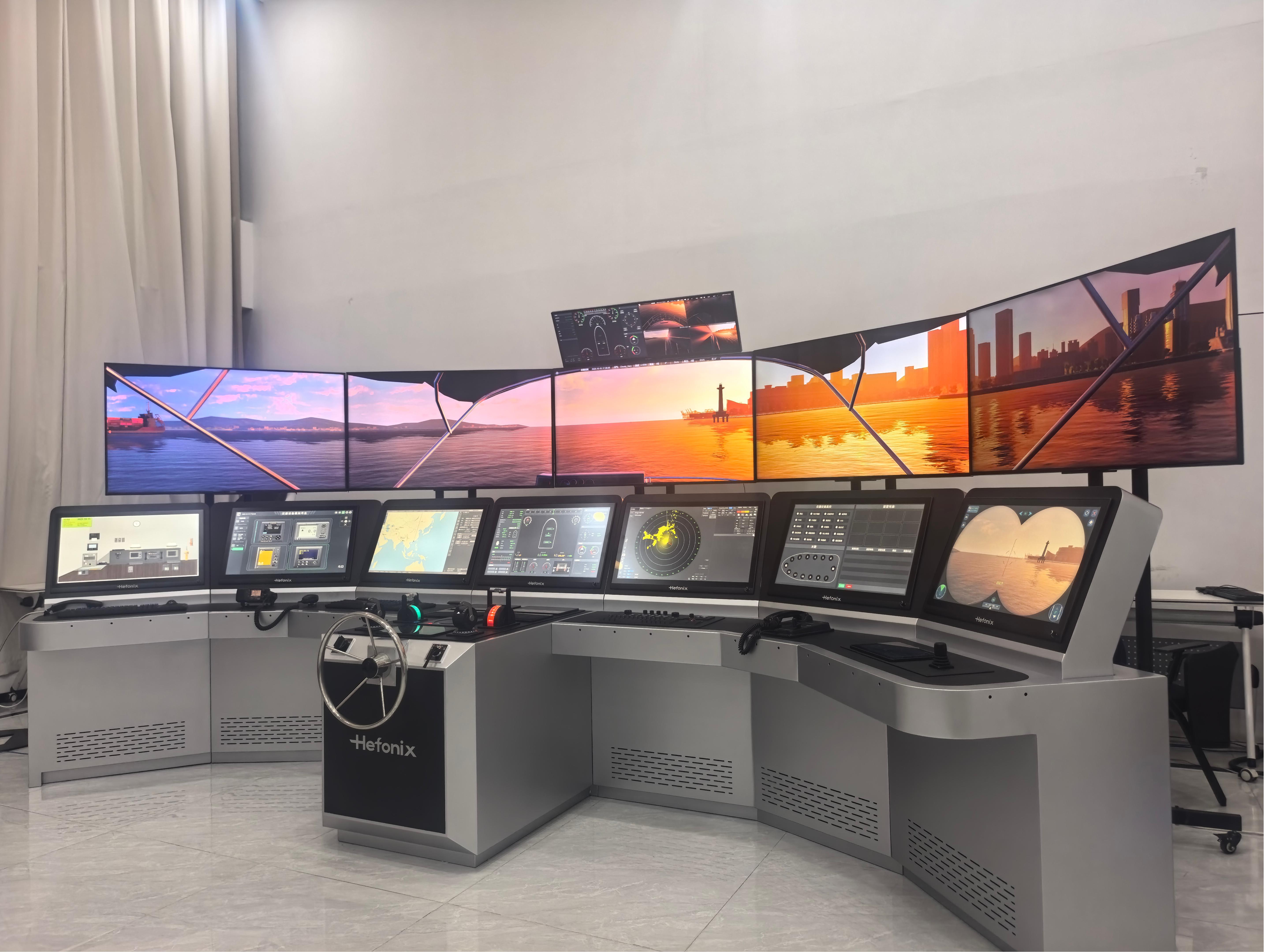
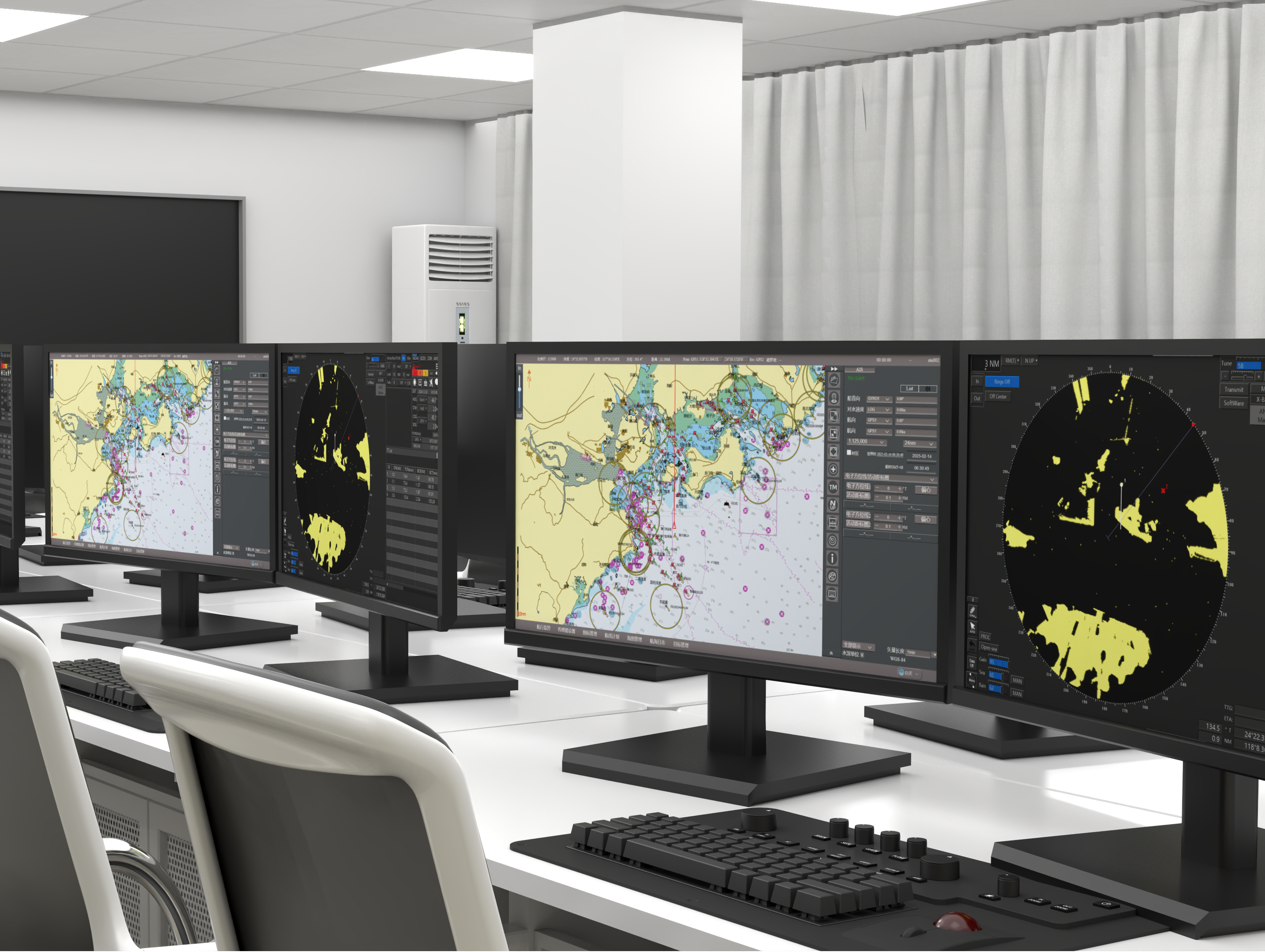
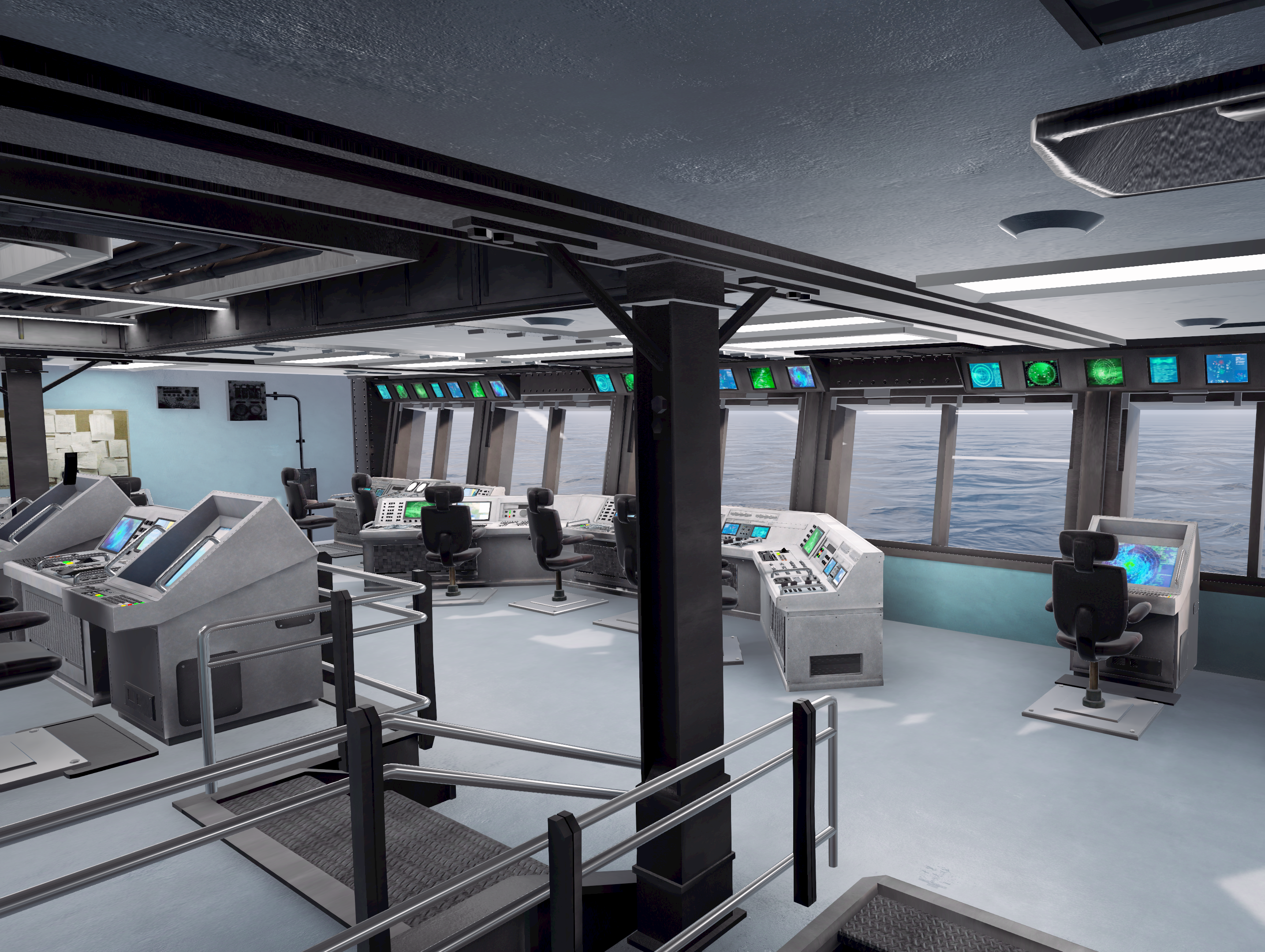
A Ship Navigation simulator enables trainees to practice these situations repeatedly. Through a Ship Navigation simulator, students can learn route planning, collision avoidance, bridge resource management, and port approach procedures in a realistic virtual environment.
Many maritime institutions have found that graduates who receive extensive Ship Navigation simulator training demonstrate stronger decision-making skills and operational confidence during their first onboard assignments.
Because of these benefits, the Ship Navigation simulator has become an essential component of officer development programs worldwide.
Marine Engine Simulator Accelerates Engineering Training
The shortage of qualified marine engineers is another major concern for the shipping industry.
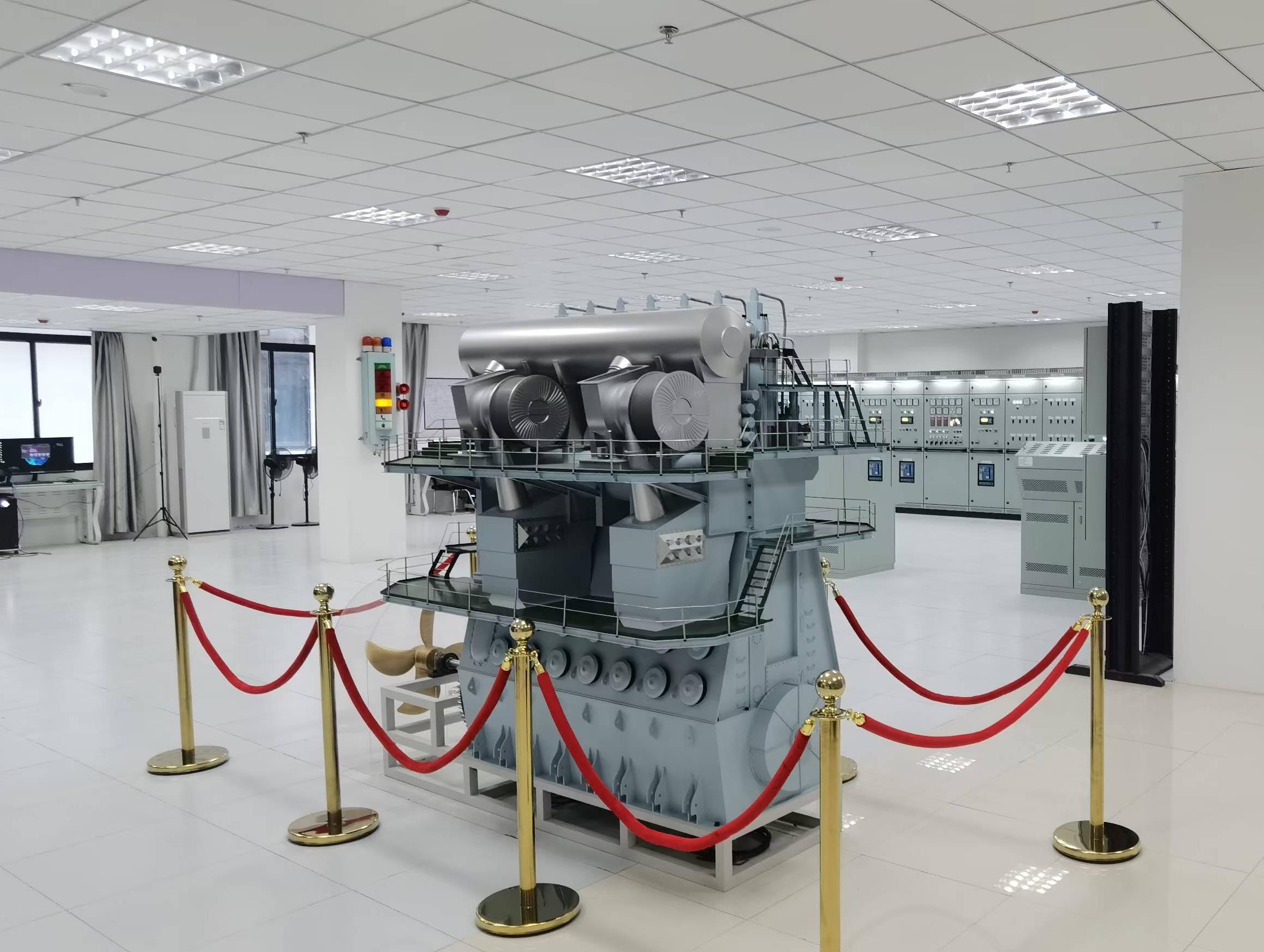
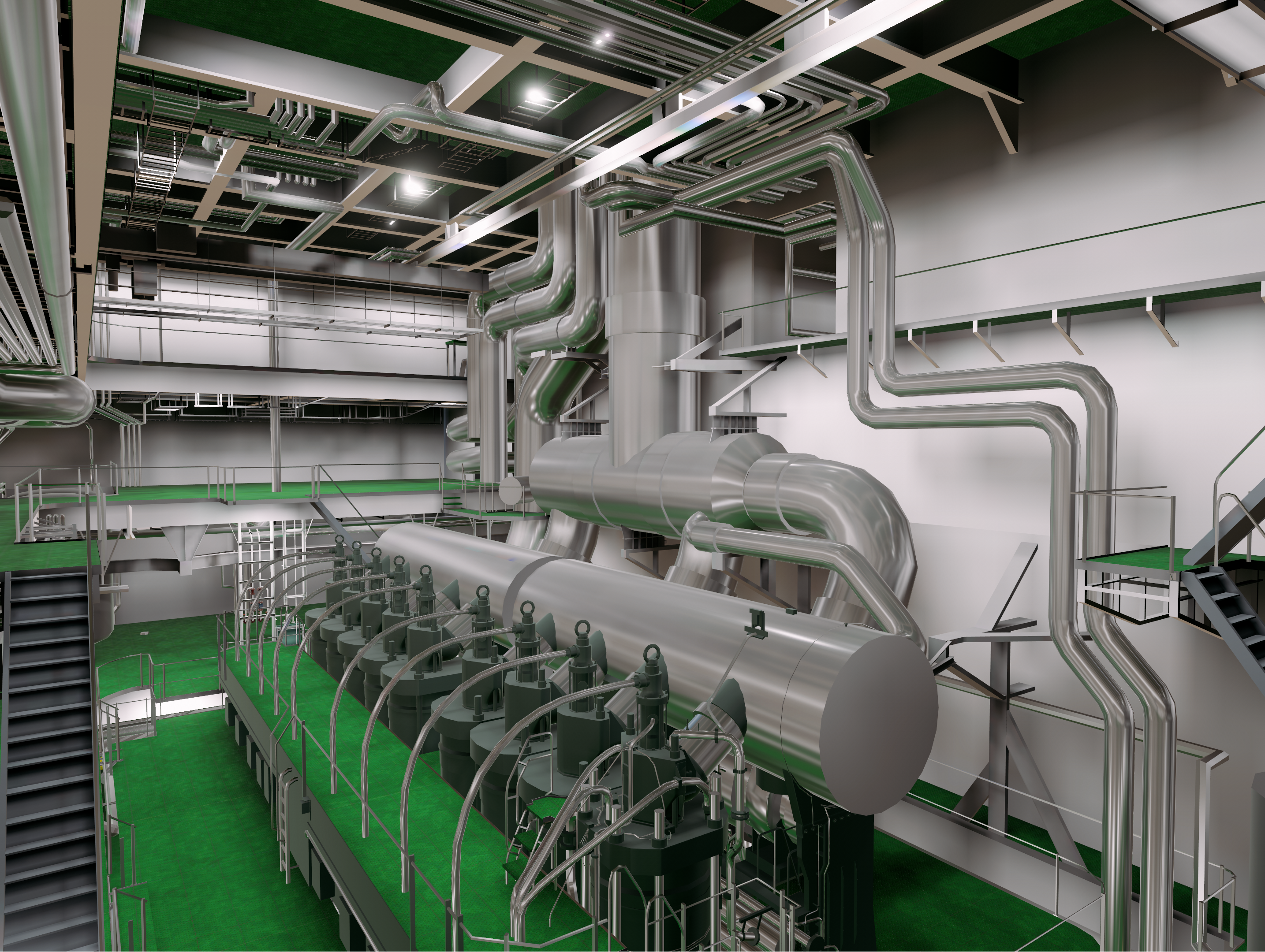
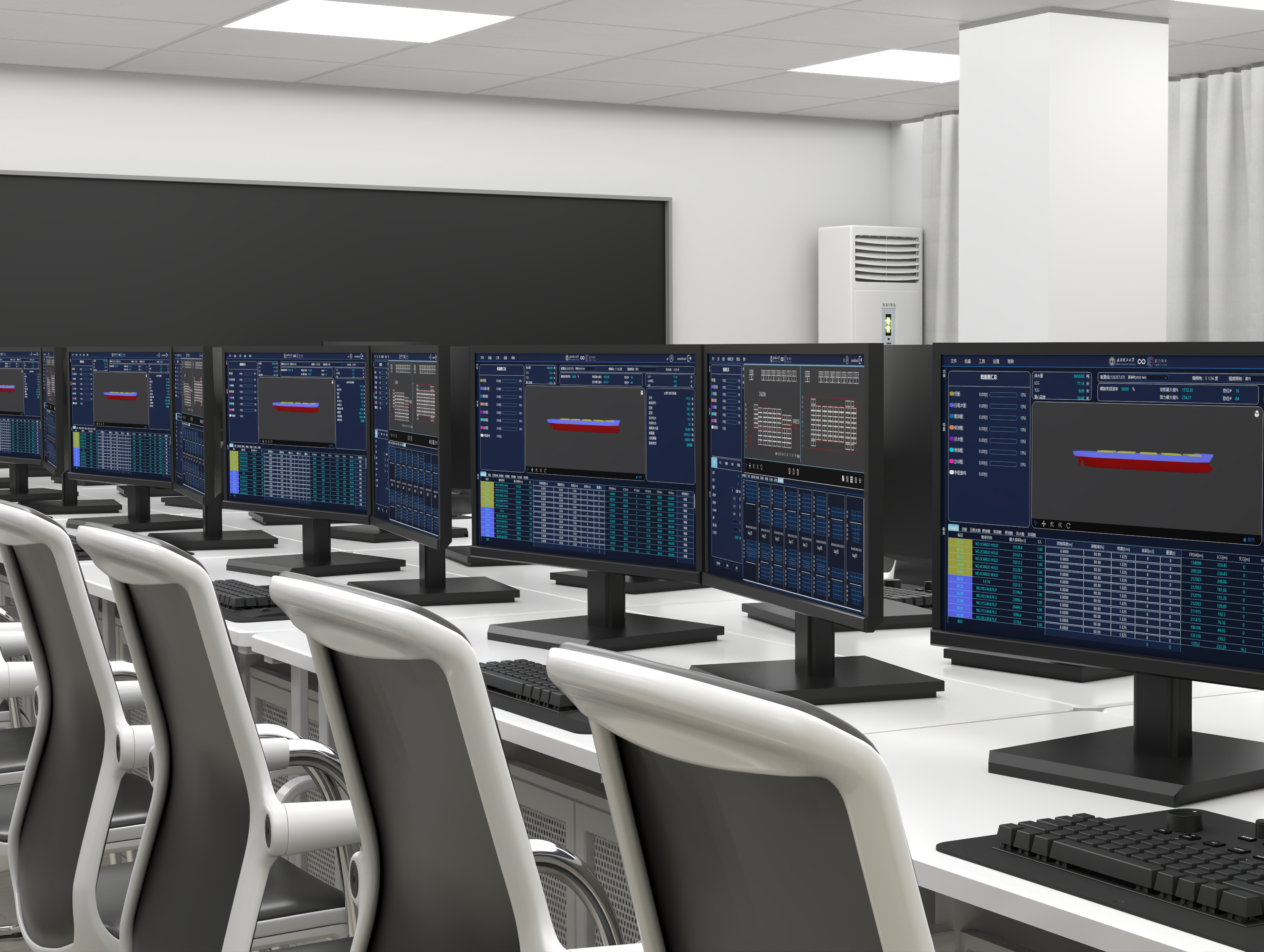
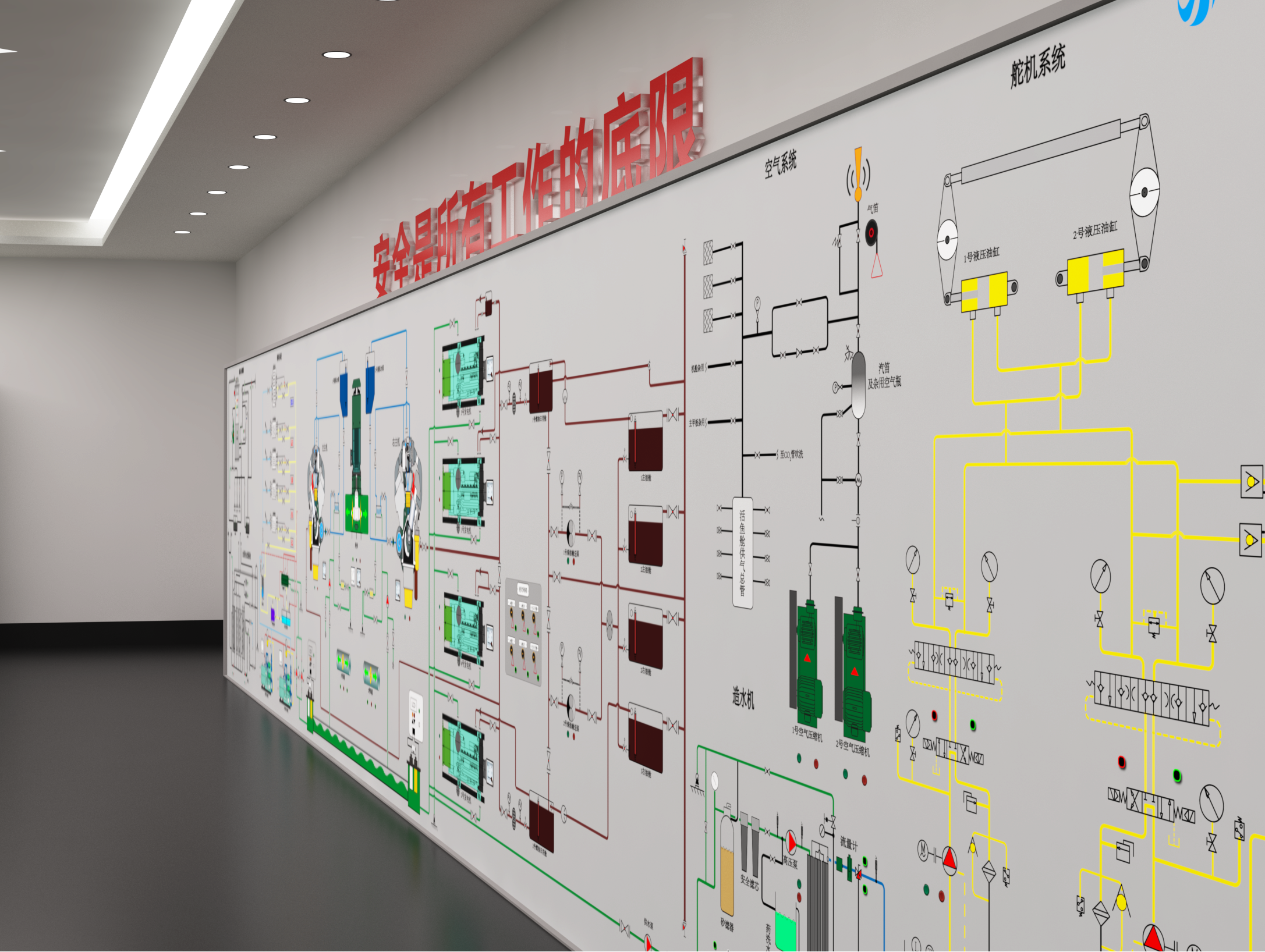
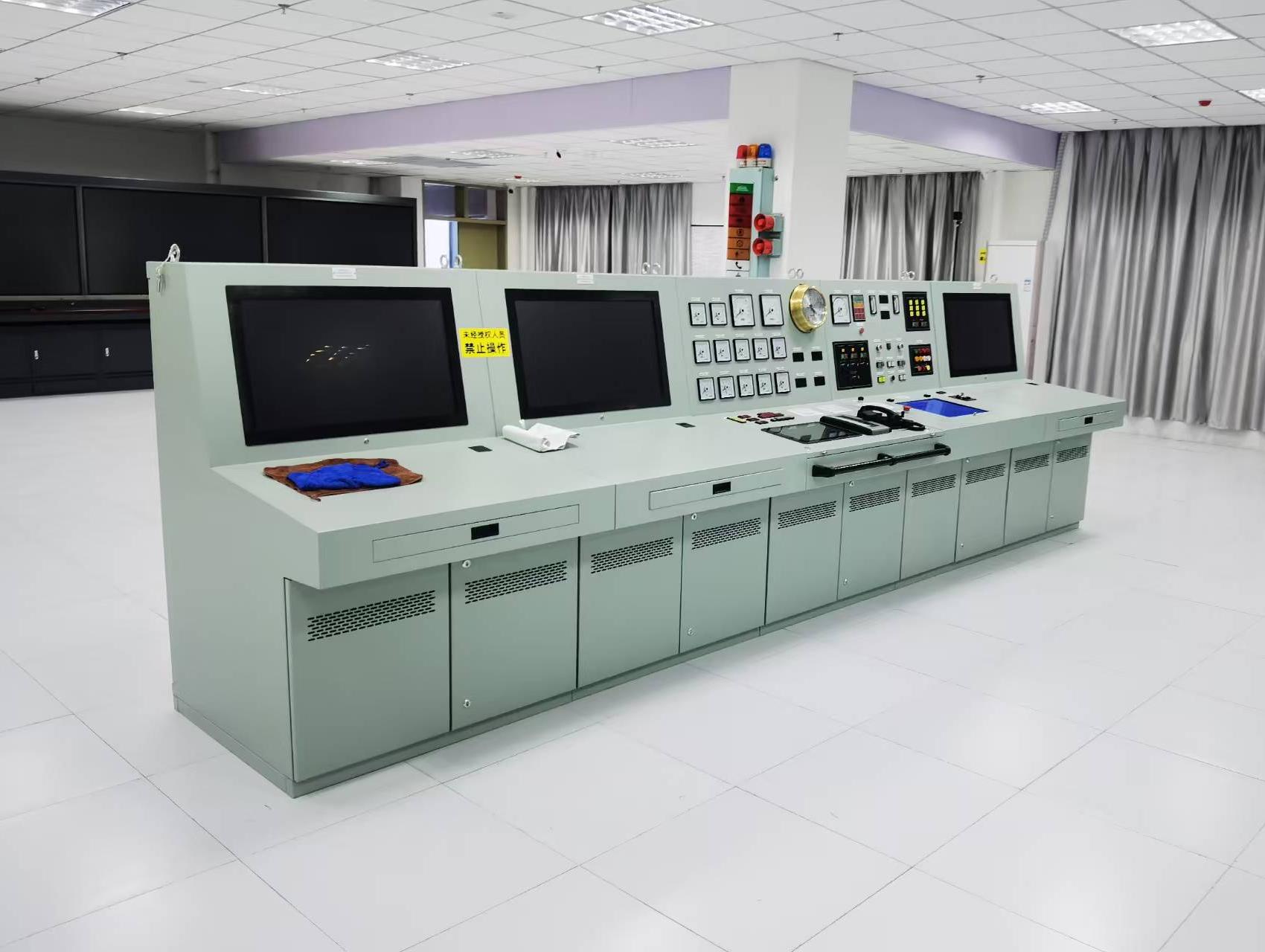
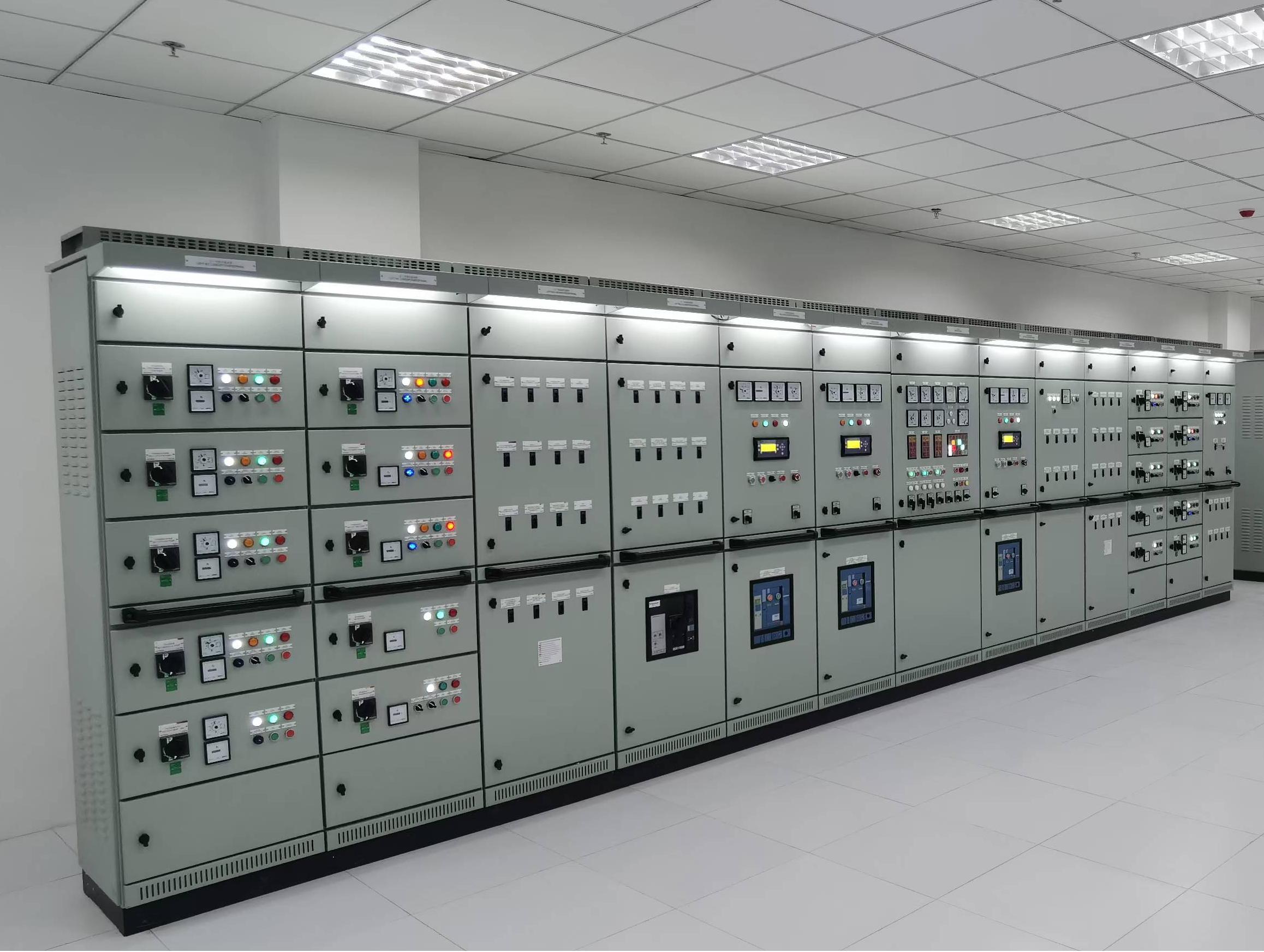
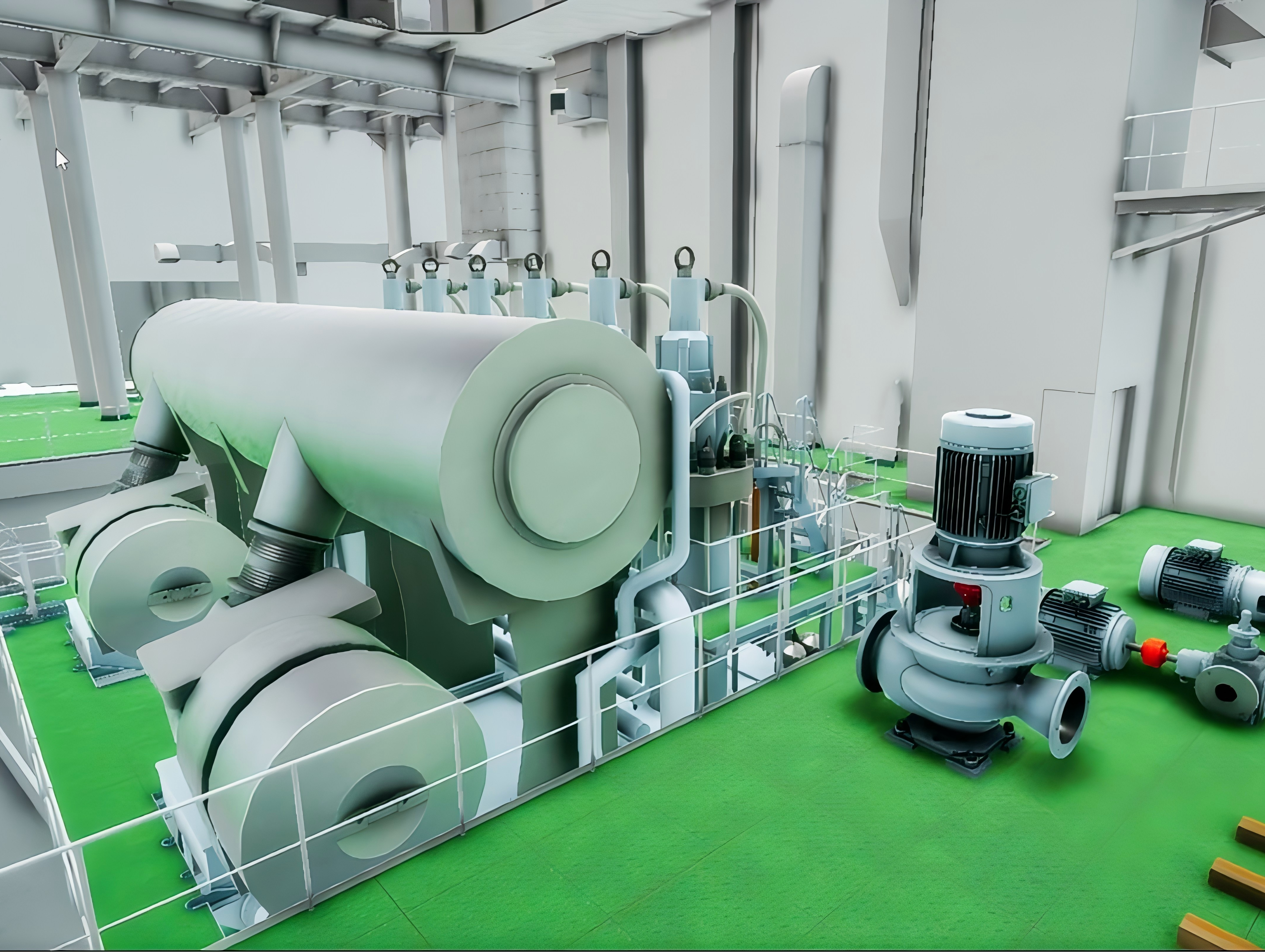
Modern vessels incorporate increasingly sophisticated propulsion and machinery systems, making engineering education more complex than ever before. A marine engine simulator helps address this challenge by providing realistic machinery operation training without requiring access to an actual vessel.
Through a marine engine simulator, trainees can learn engine startup procedures, equipment monitoring, fuel management, troubleshooting techniques, and emergency response operations.
A marine engine simulator also enables instructors to create machinery failures and abnormal operating conditions that would be difficult or dangerous to reproduce onboard.
This practical learning approach significantly improves engineering competency while reducing training costs.
Marine Simulator Creates Comprehensive Learning Environments
Today's maritime organizations increasingly prefer integrated solutions rather than standalone training tools.
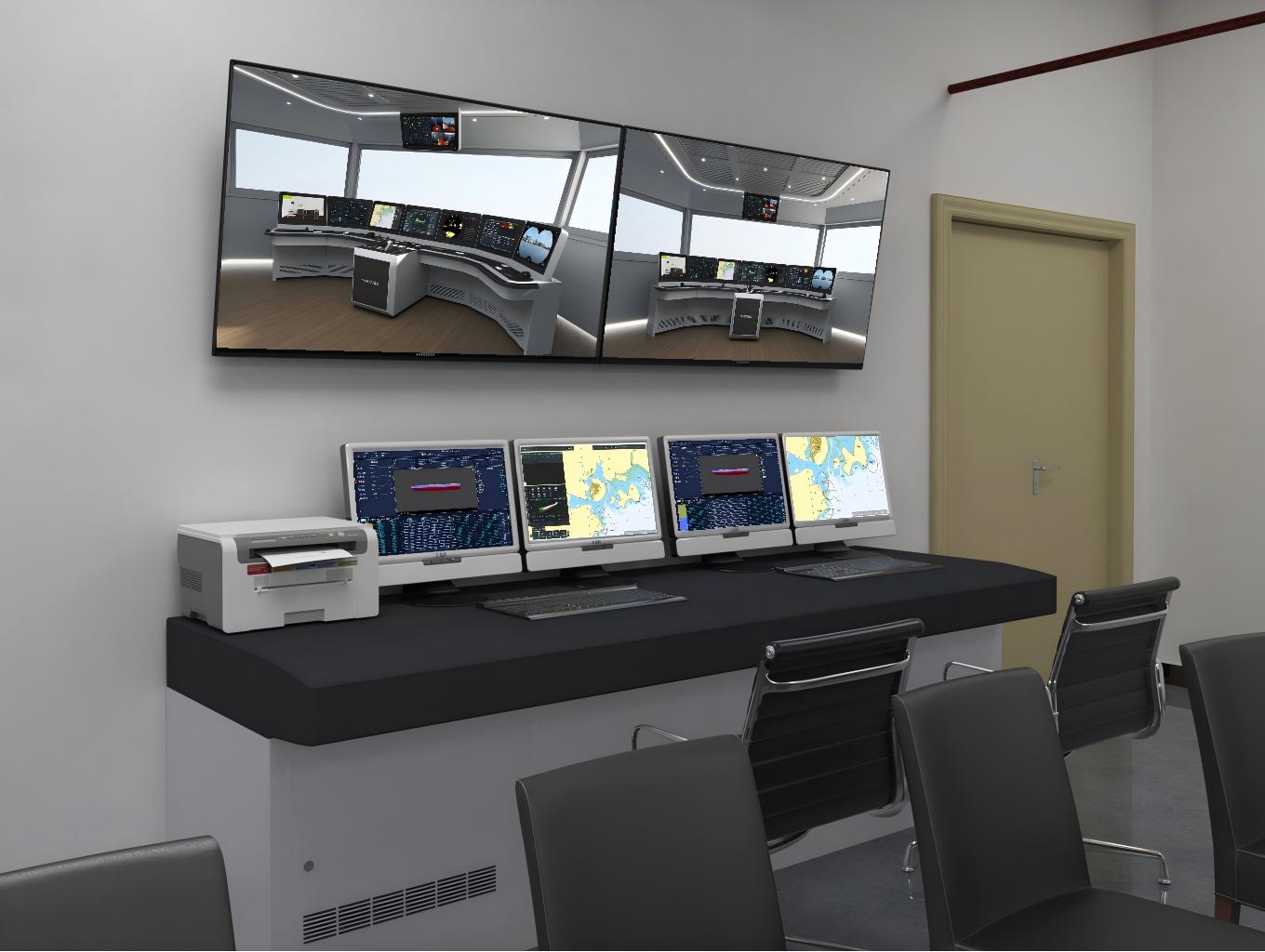
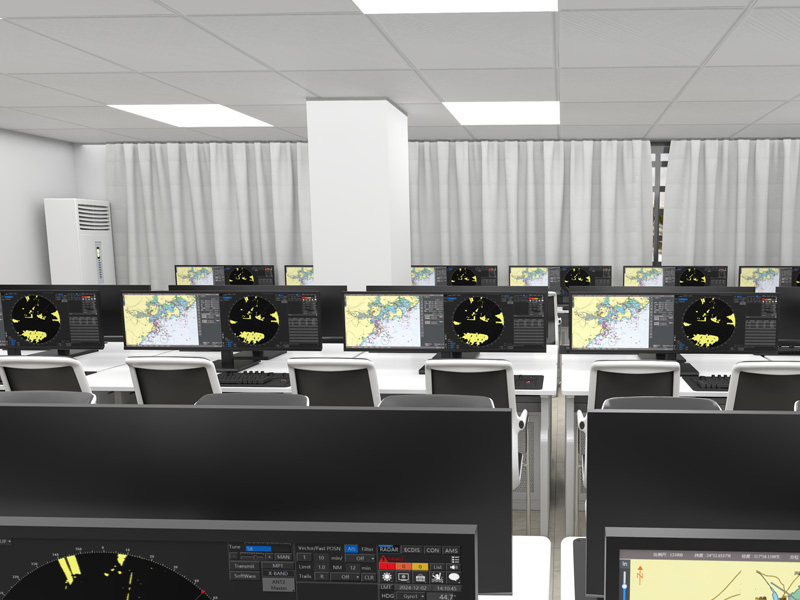
A modern Marine Simulator combines navigation, engineering, communication, and environmental modeling into one training ecosystem. This allows institutions to deliver coordinated exercises involving multiple departments and vessel functions.
The flexibility of a Marine Simulator enables organizations to support a wide range of training programs, from cadet education to advanced officer certification.
Because a Marine Simulator can serve multiple educational objectives simultaneously, it offers exceptional value for institutions seeking to maximize training efficiency.
Yacht Simulator Supports Emerging Maritime Markets
Beyond commercial shipping, the global demand for specialized vessel operators continues to increase.
Tourism, coastal transportation, marina operations, and private yacht management are creating new career opportunities throughout the maritime sector. To support these markets, many institutions are introducing Yacht Simulator programs.
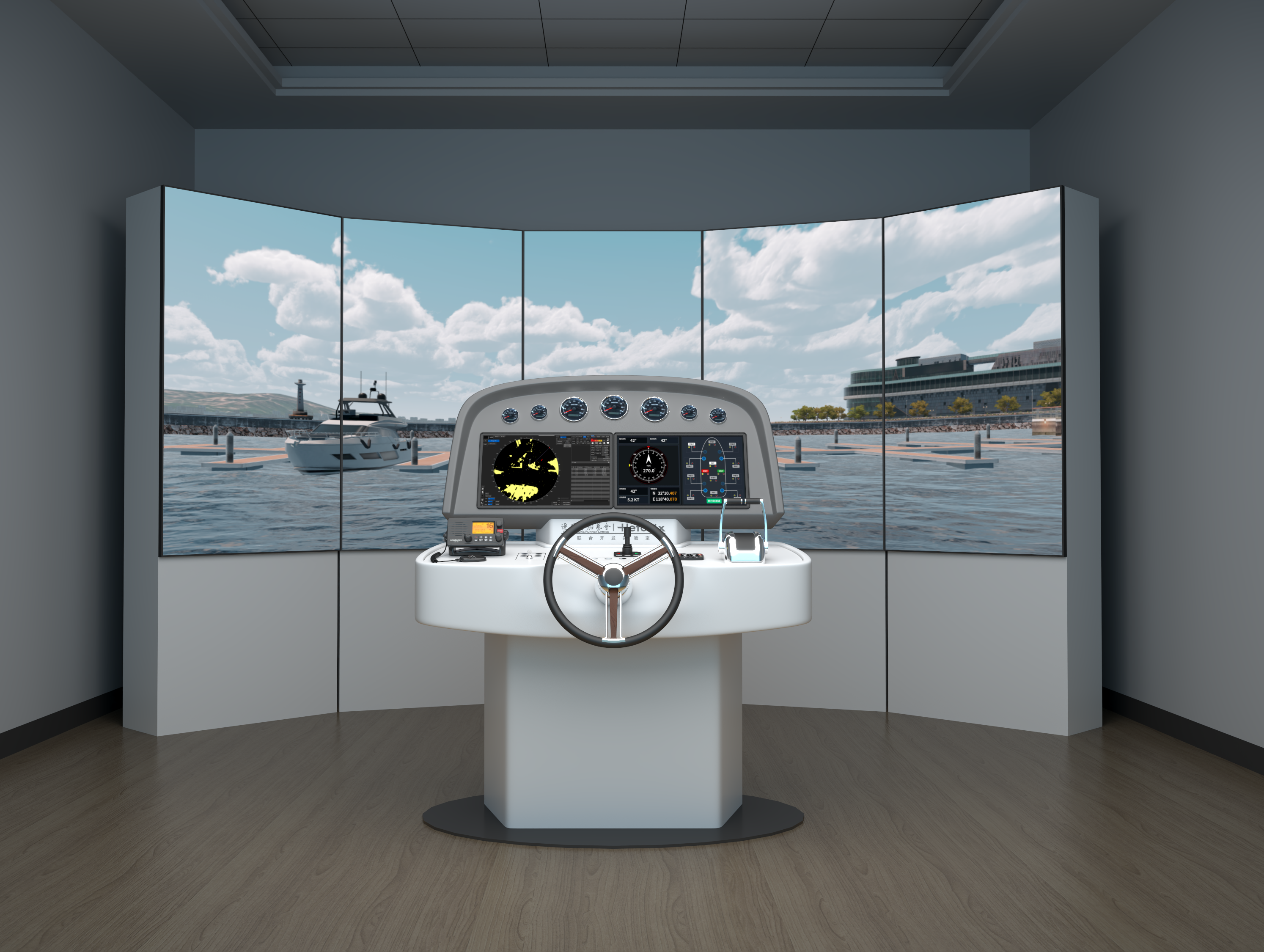
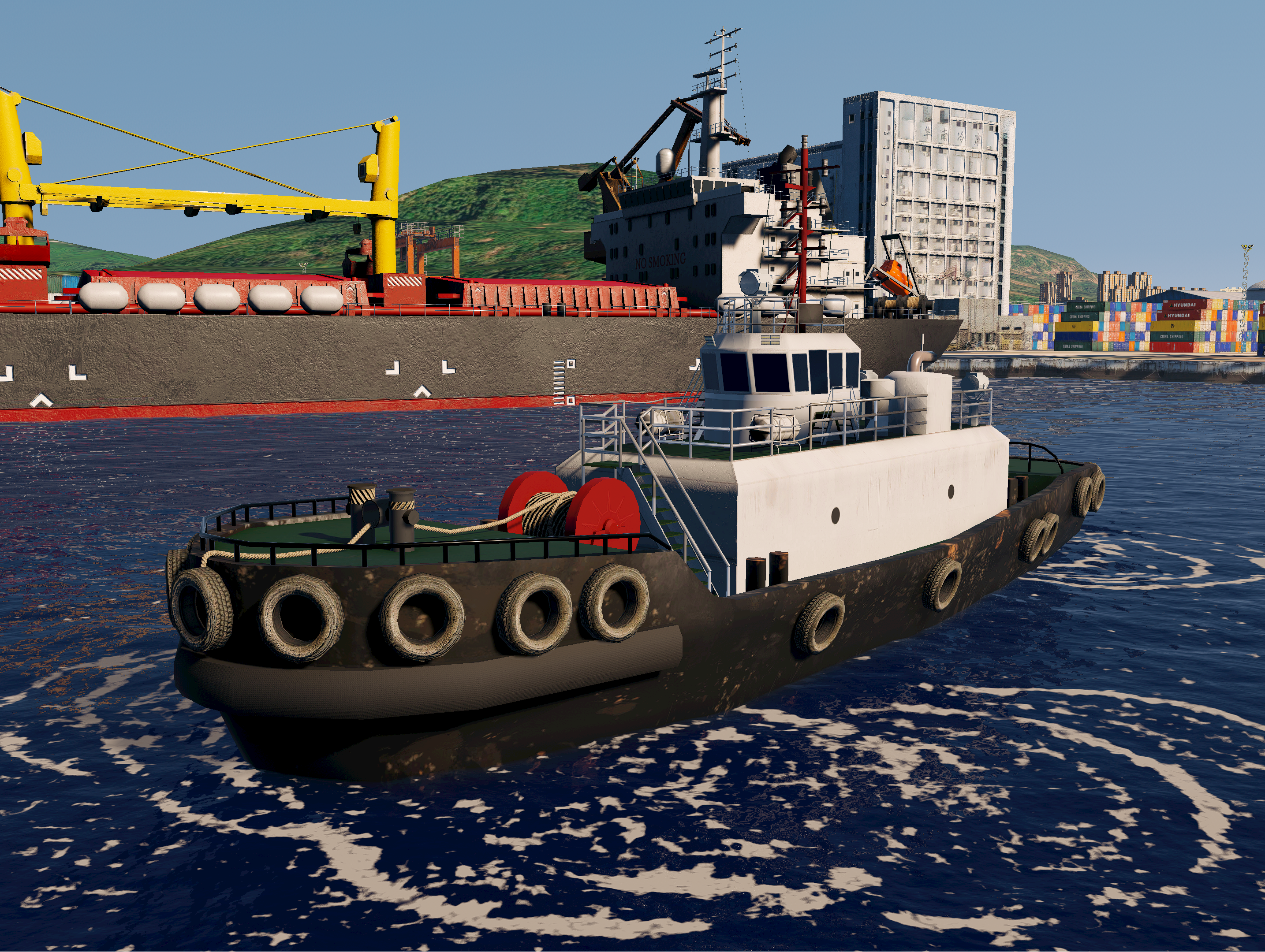
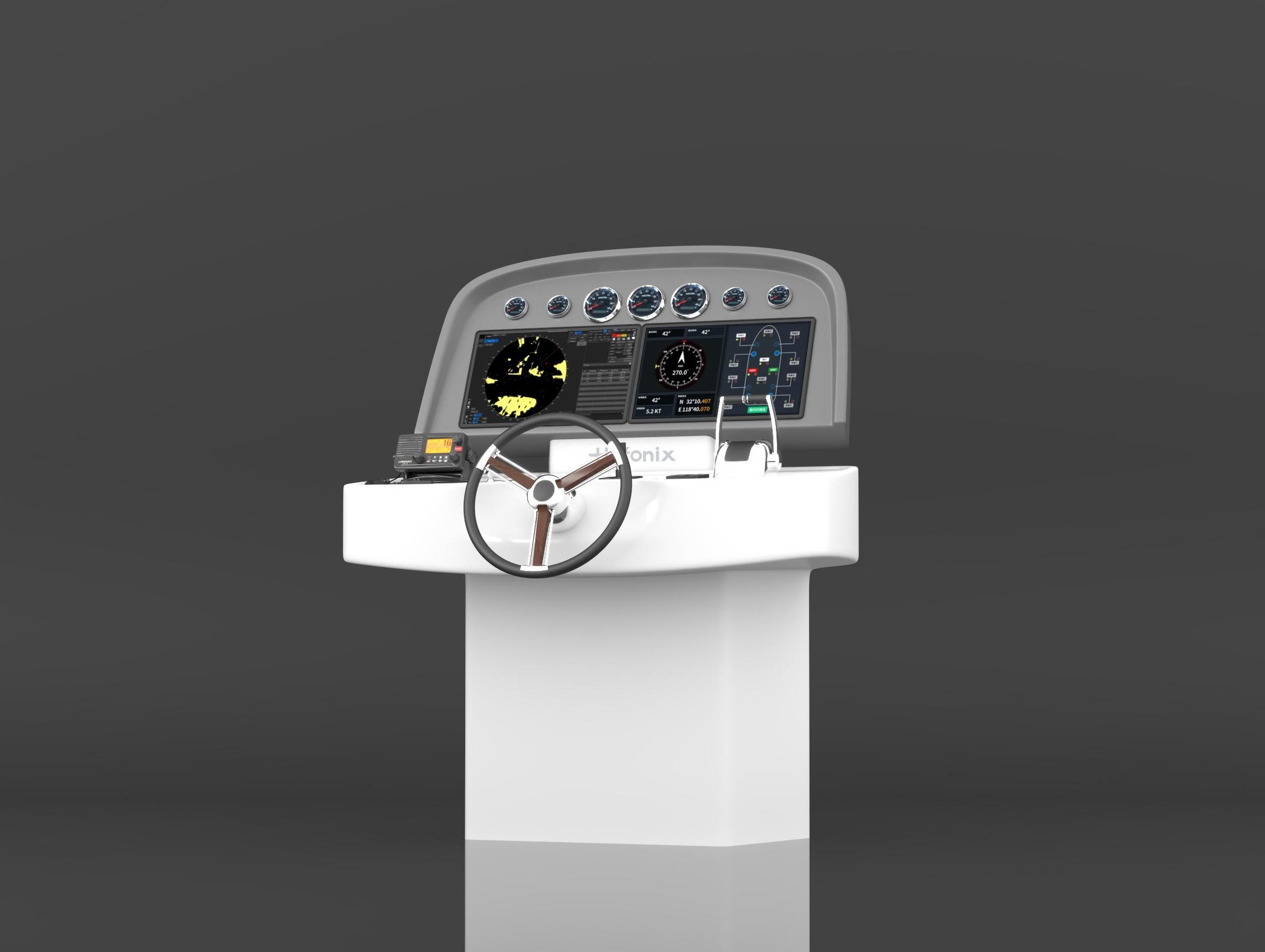
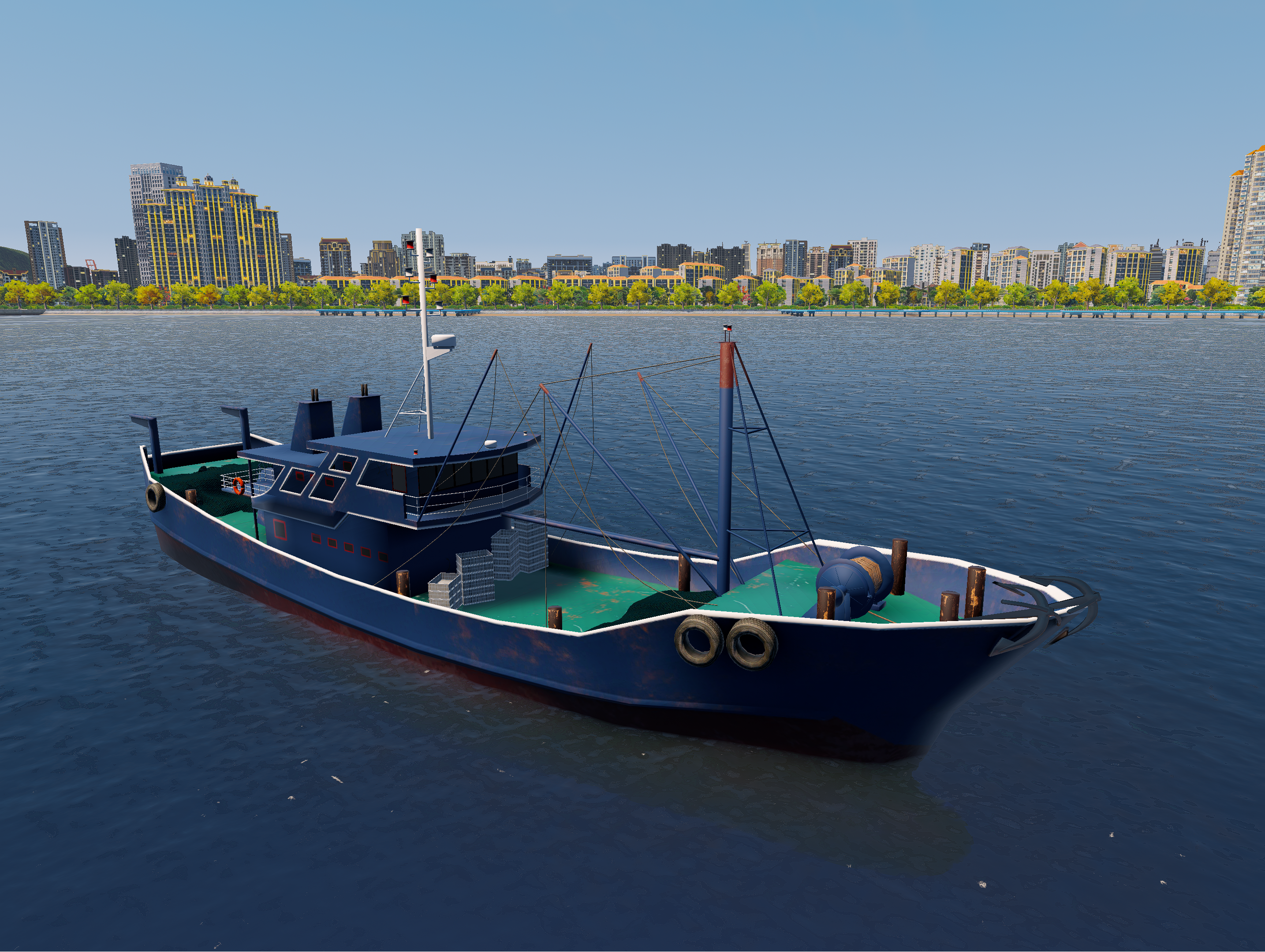
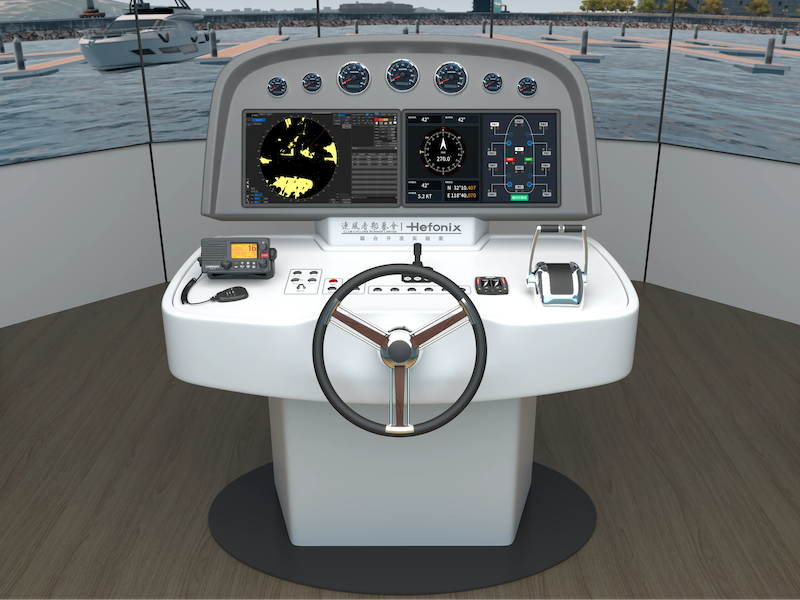
A Yacht Simulator allows trainees to practice high-speed vessel handling, marina maneuvering, docking procedures, and coastal navigation techniques.
The Yacht Simulator is particularly valuable because it prepares operators for vessel types that require different handling characteristics compared with large commercial ships.
As recreational and luxury marine industries continue to grow, demand for Yacht Simulator training is expected to increase significantly.
Preparing the Next Generation of Maritime Professionals
The future of maritime education depends on the ability to train larger numbers of qualified professionals while maintaining high competency standards.
By combining ship simulator, Ship Navigation simulator, marine engine simulator, Marine Simulator, and Yacht Simulator technologies, training institutions can create comprehensive learning environments that prepare students for real-world maritime careers.
These technologies allow trainees to gain practical experience, develop operational confidence, and improve decision-making abilities before stepping aboard an actual vessel.
The global shortage of maritime professionals presents a significant challenge, but it also creates opportunities for innovation in training and education.
Advanced simulation technologies such as Yacht Simulator, Marine Simulator, Ship Navigation simulator, marine engine simulator, and ship simulator are helping maritime organizations expand training capacity, improve learning outcomes, and prepare the next generation of seafarers.
As the maritime industry continues to evolve, simulation-based training will play an increasingly important role in building a safer, more skilled, and more sustainable global maritime workforce.