


The global maritime training market is becoming increasingly competitive. As shipping companies expand fleets, maritime academies modernize training facilities, and governments strengthen competency requirements, the demand for advanced simulation systems continues to grow. However, for international buyers, selecting a maritime simulation supplier involves much more than comparing product specifications.
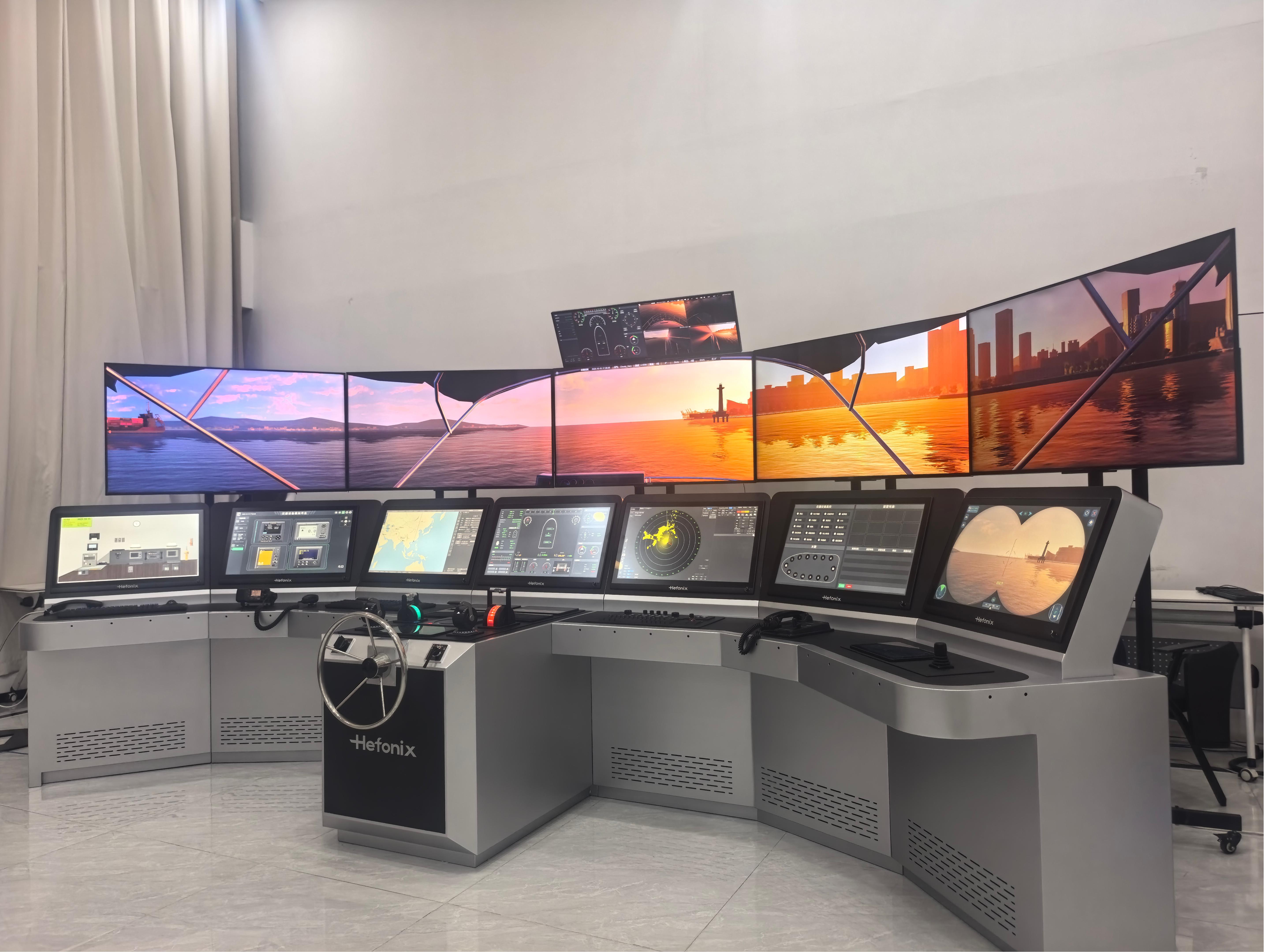
Today, procurement teams evaluate suppliers based on long-term partnership value, technology capabilities, service support, and future scalability. This shift is driving greater attention toward integrated solutions such as the Yacht Simulator, Marine Simulator, Ship Navigation simulator, marine engine simulator, and full-featured ship simulator platforms.
 /product-yacht-sailing-simulator.html
Why Supplier Capability Matters More Than Hardware
In previous years, many buyers focused primarily on simulator hardware configurations. However, maritime training requirements have become more sophisticated. Buyers now understand that the success of a training center depends not only on equipment quality but also on the supplier's ability to provide continuous innovation.
A modern ship simulator must support evolving training standards, vessel models, and operational scenarios. Therefore, buyers increasingly prioritize suppliers with strong software development capabilities and maritime industry expertise.
When evaluating a ship simulator supplier, procurement teams often ask:
Can the system be upgraded in the future?
Does the supplier have independent R&D capabilities?
How quickly can technical issues be resolved?
Can customized scenarios be developed?
These questions are often more important than hardware specifications alone.
The Growing Importance of Integrated Marine Simulator Solutions
Many maritime institutions are moving away from isolated training systems and investing in comprehensive Marine Simulator ecosystems.
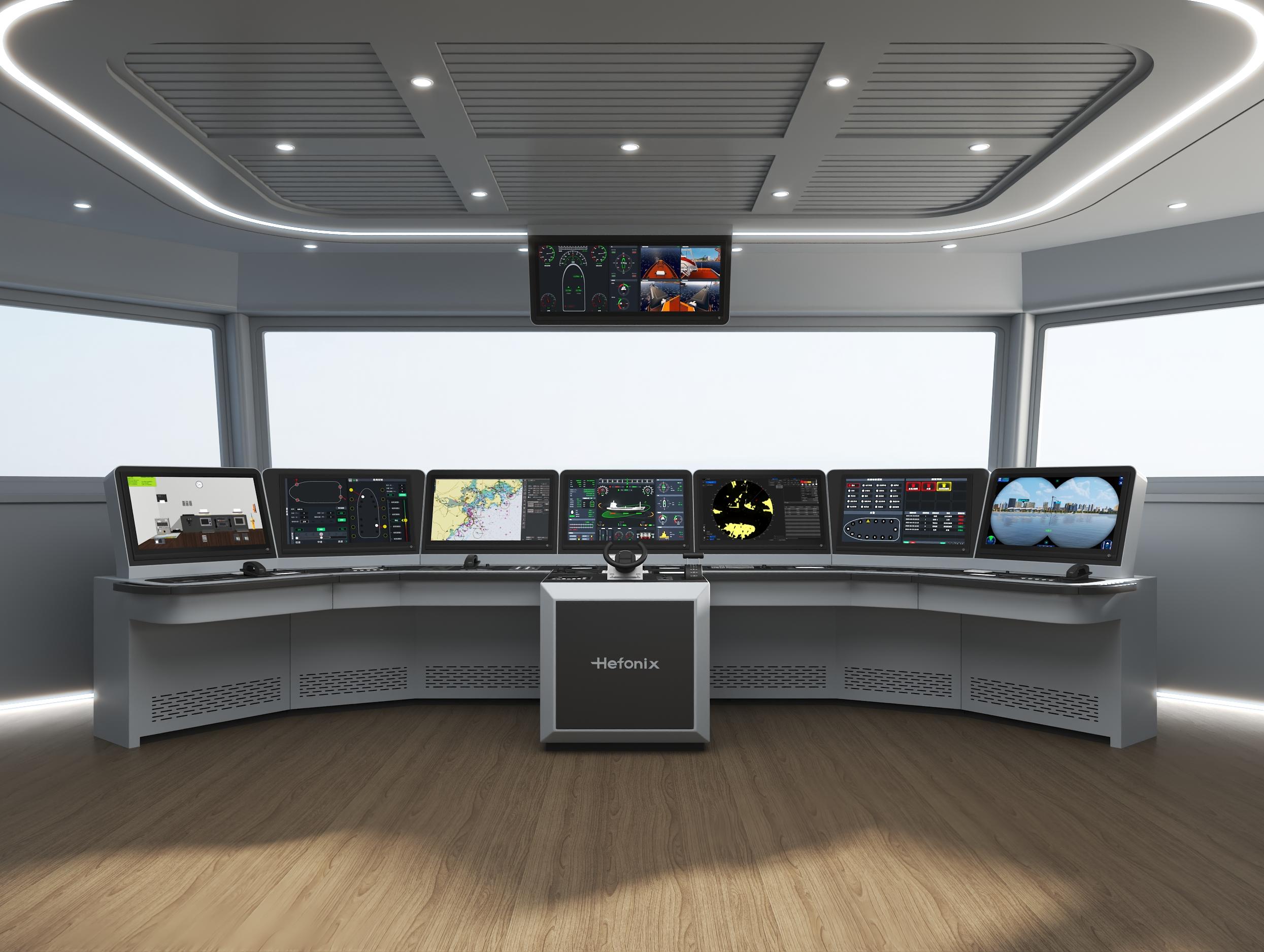
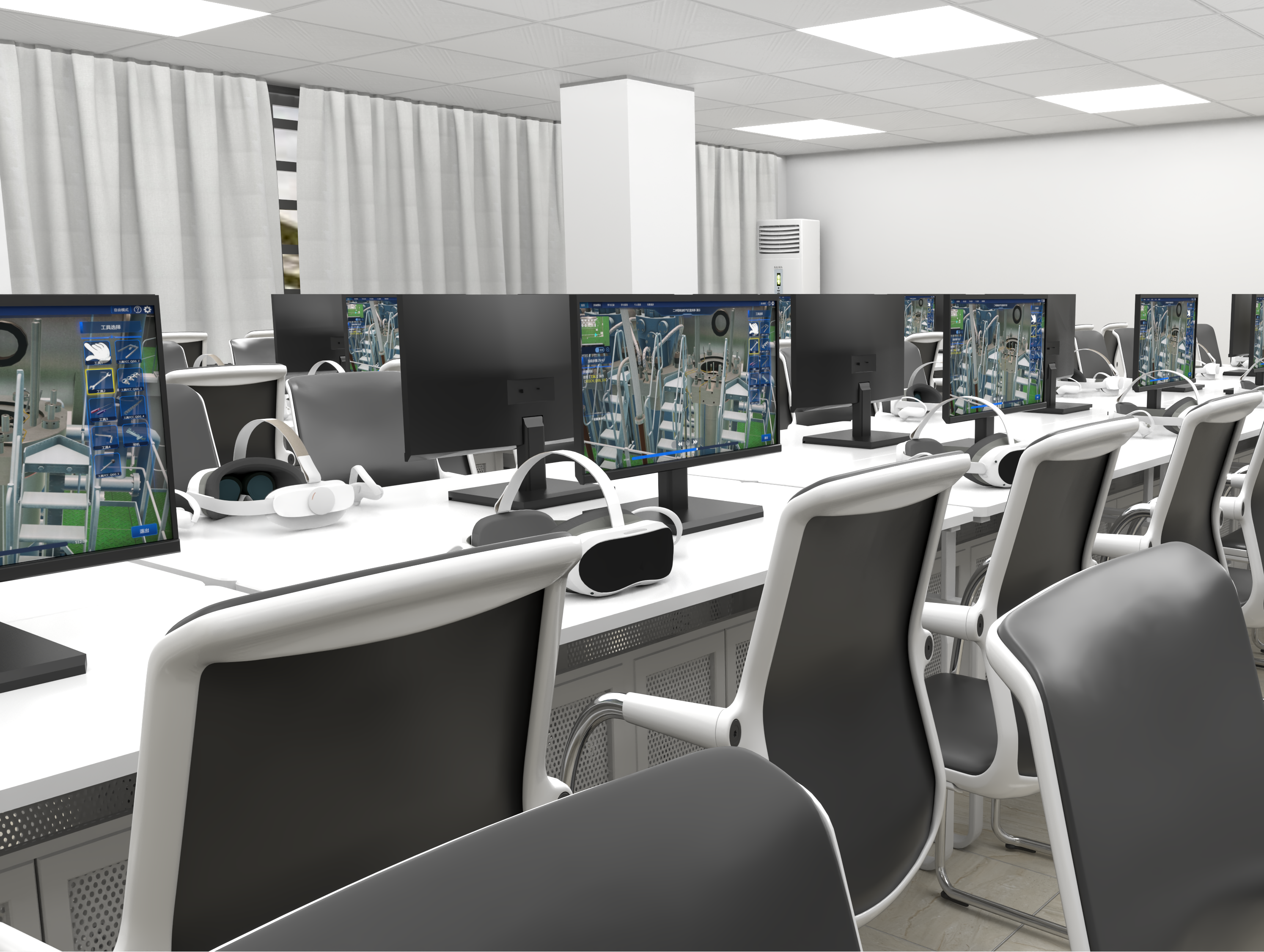
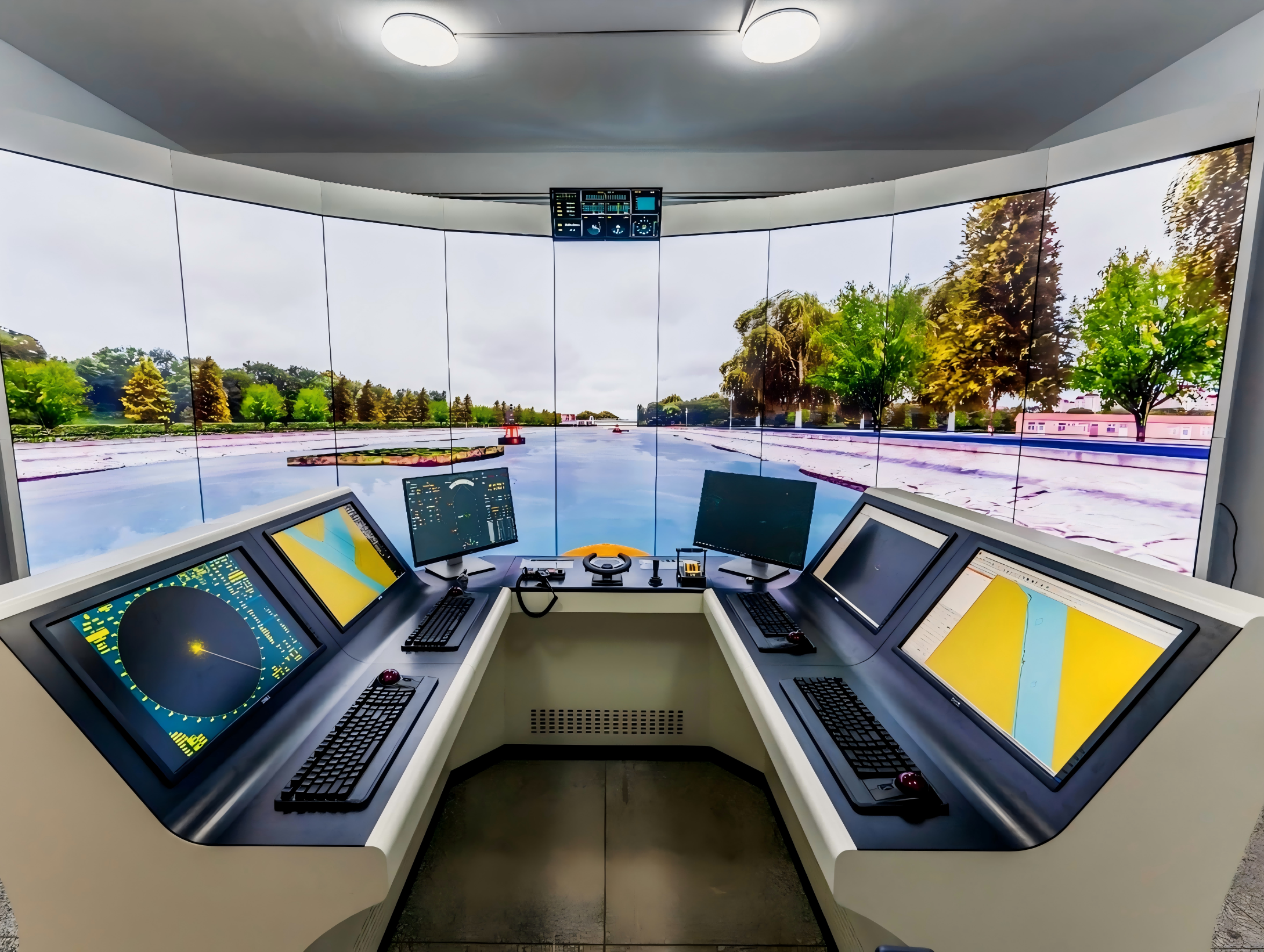
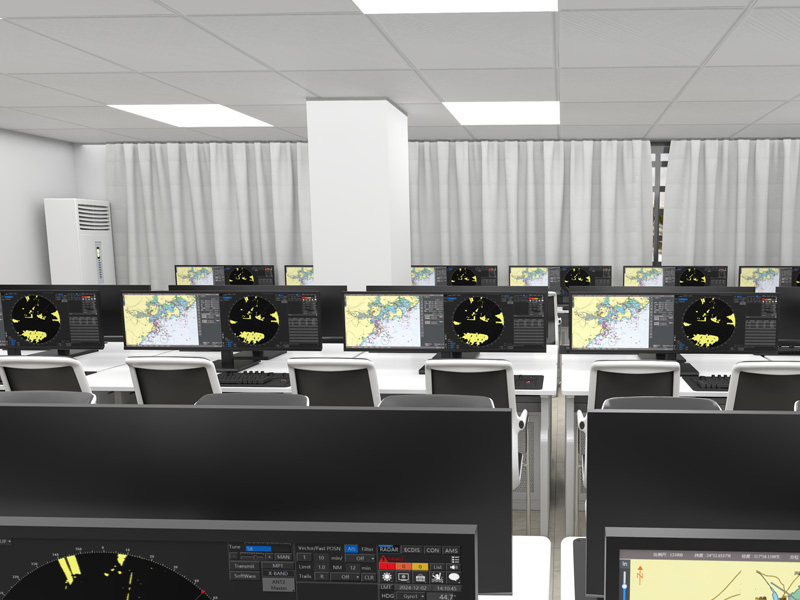
A professional Marine Simulator platform allows organizations to train deck officers, engineering personnel, and vessel operators within a unified environment. This approach improves resource utilization while reducing management complexity.
For international buyers, a Marine Simulator supplier capable of integrating navigation, engineering, and vessel operation modules offers significant advantages. Instead of purchasing multiple independent systems, institutions can build a scalable training infrastructure through a single Marine Simulator platform.
This trend has become especially popular among maritime universities and large shipping groups seeking long-term technology partnerships.
Ship Navigation Simulator Accuracy Becomes a Key Procurement Factor
One of the most heavily scrutinized products during procurement is the Ship Navigation simulator.
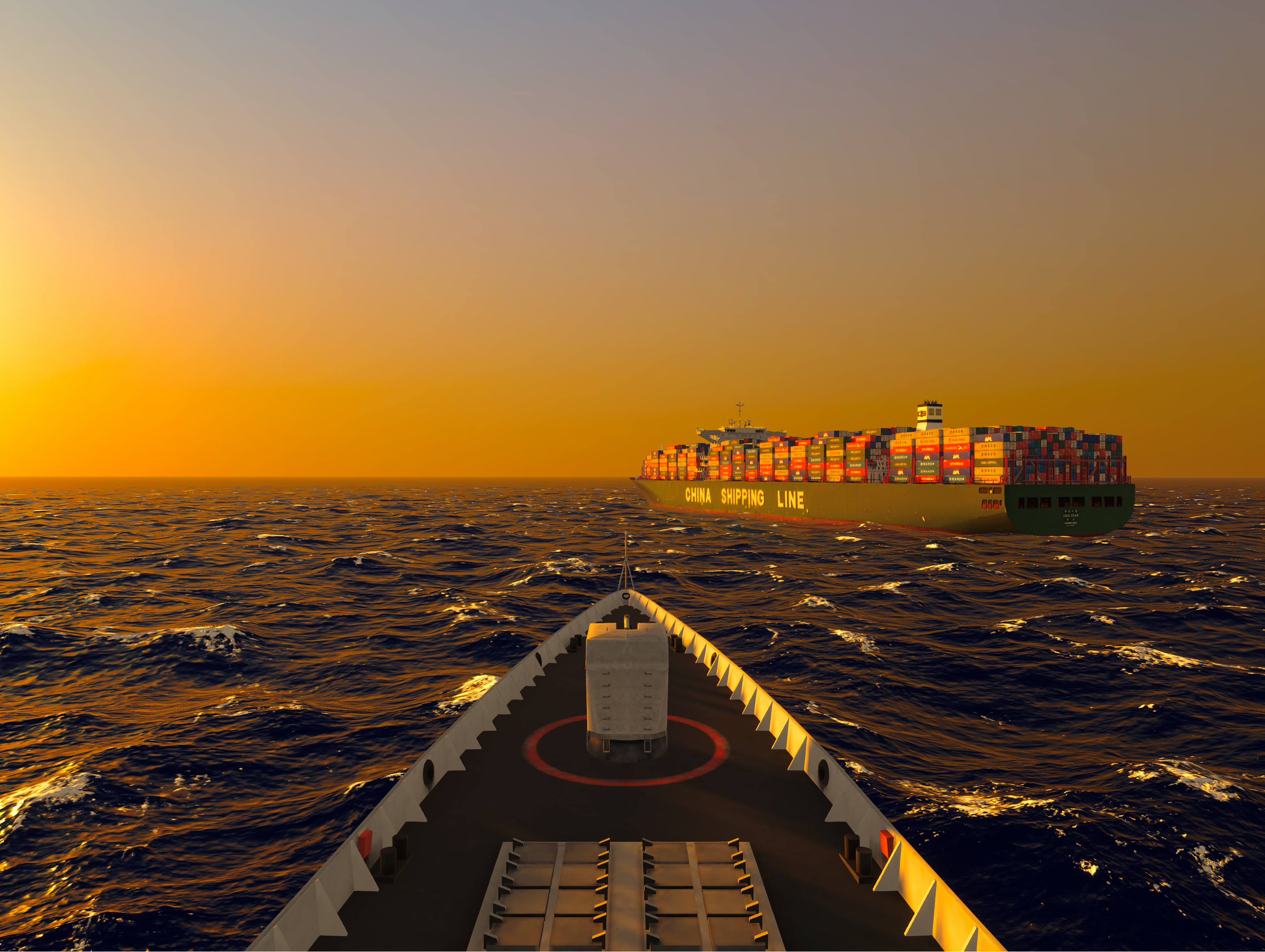
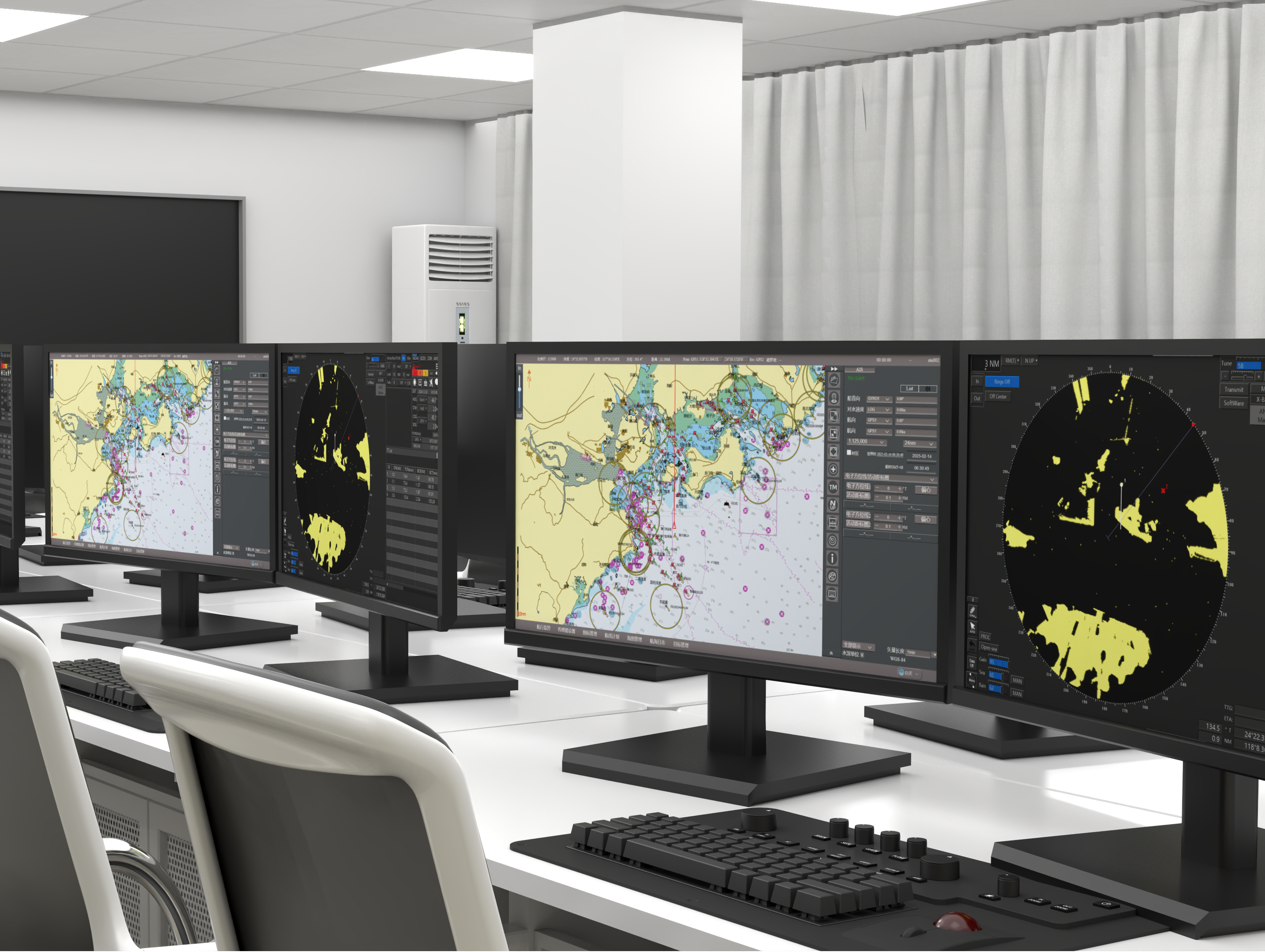
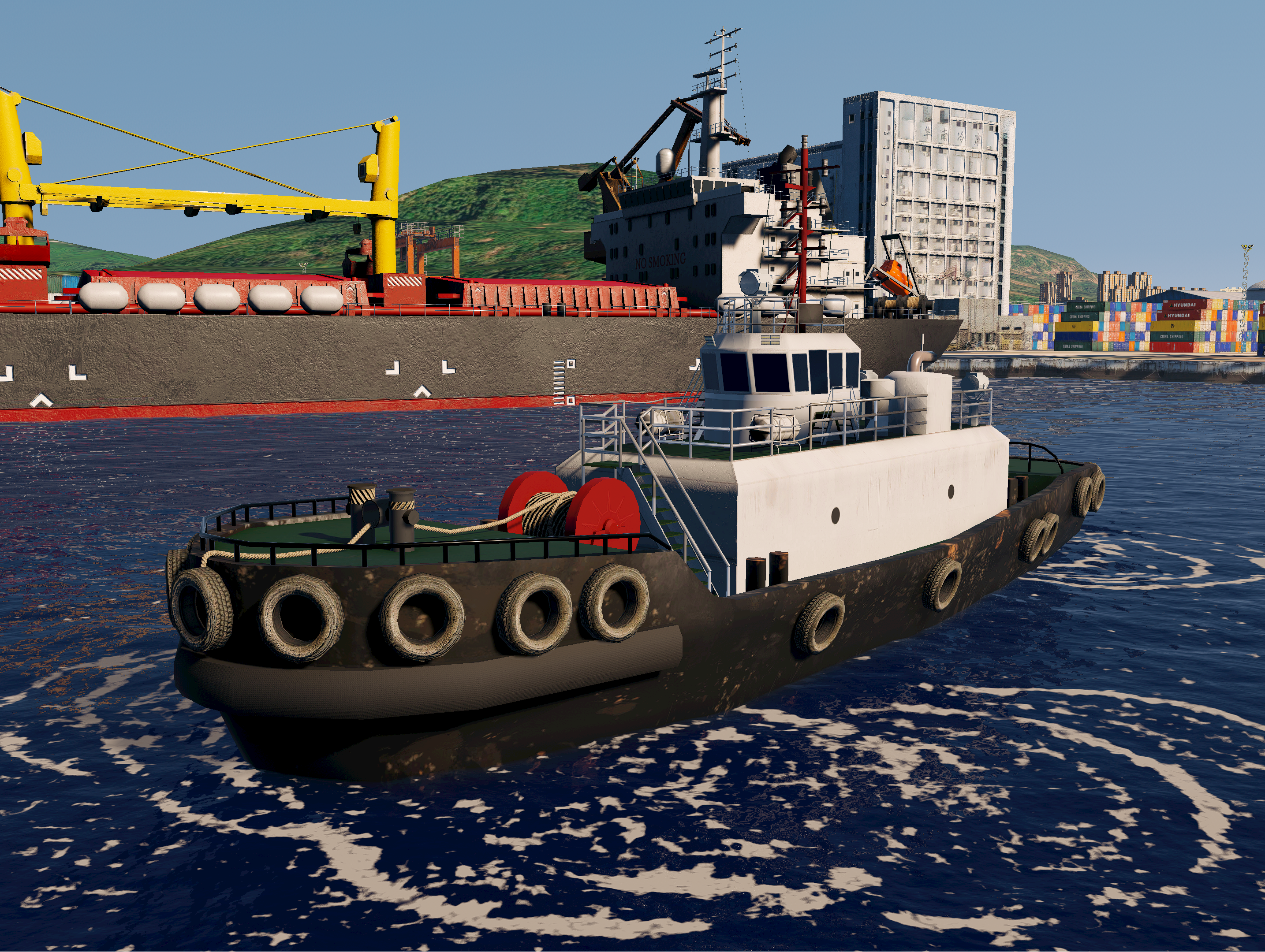
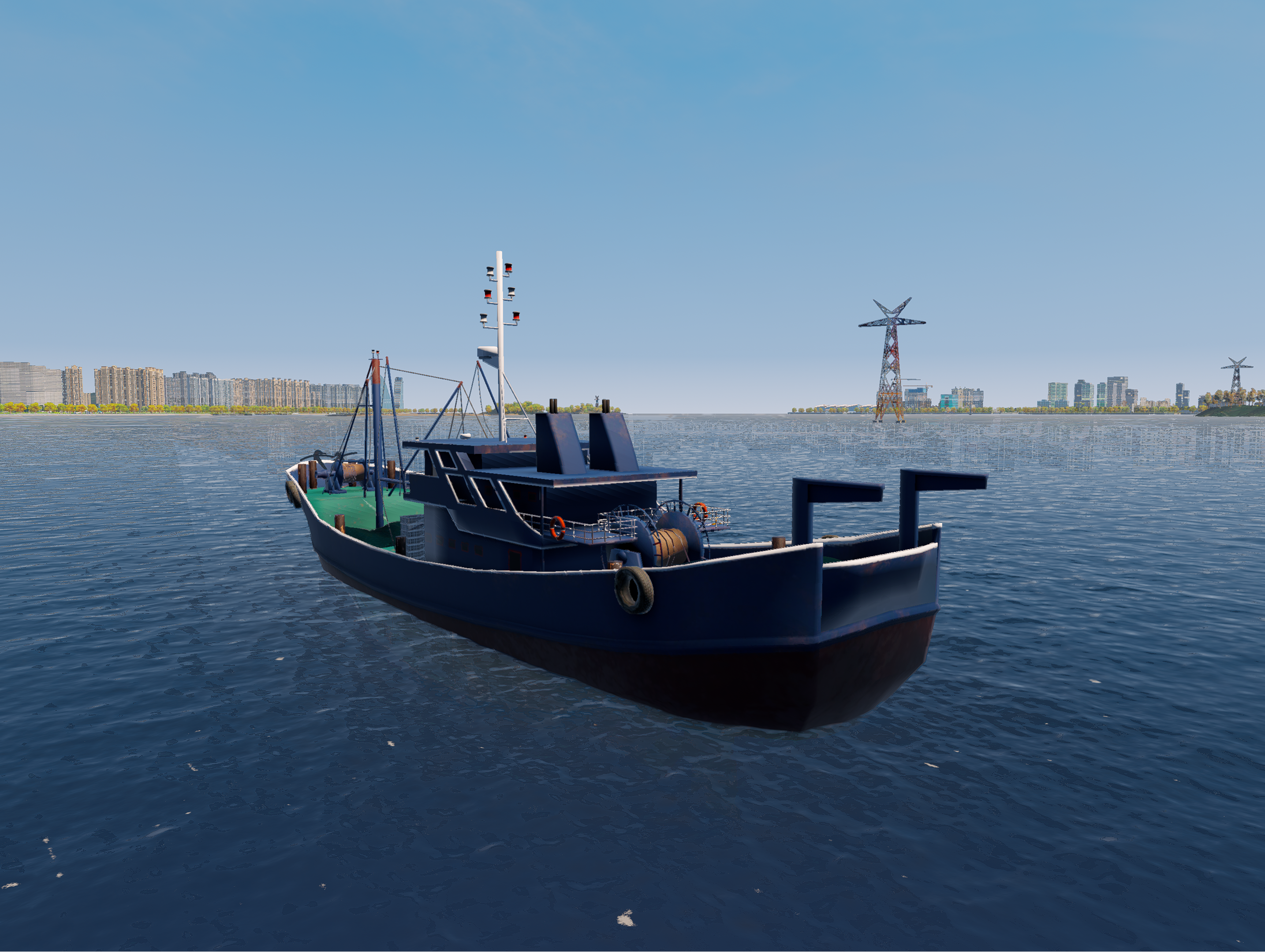
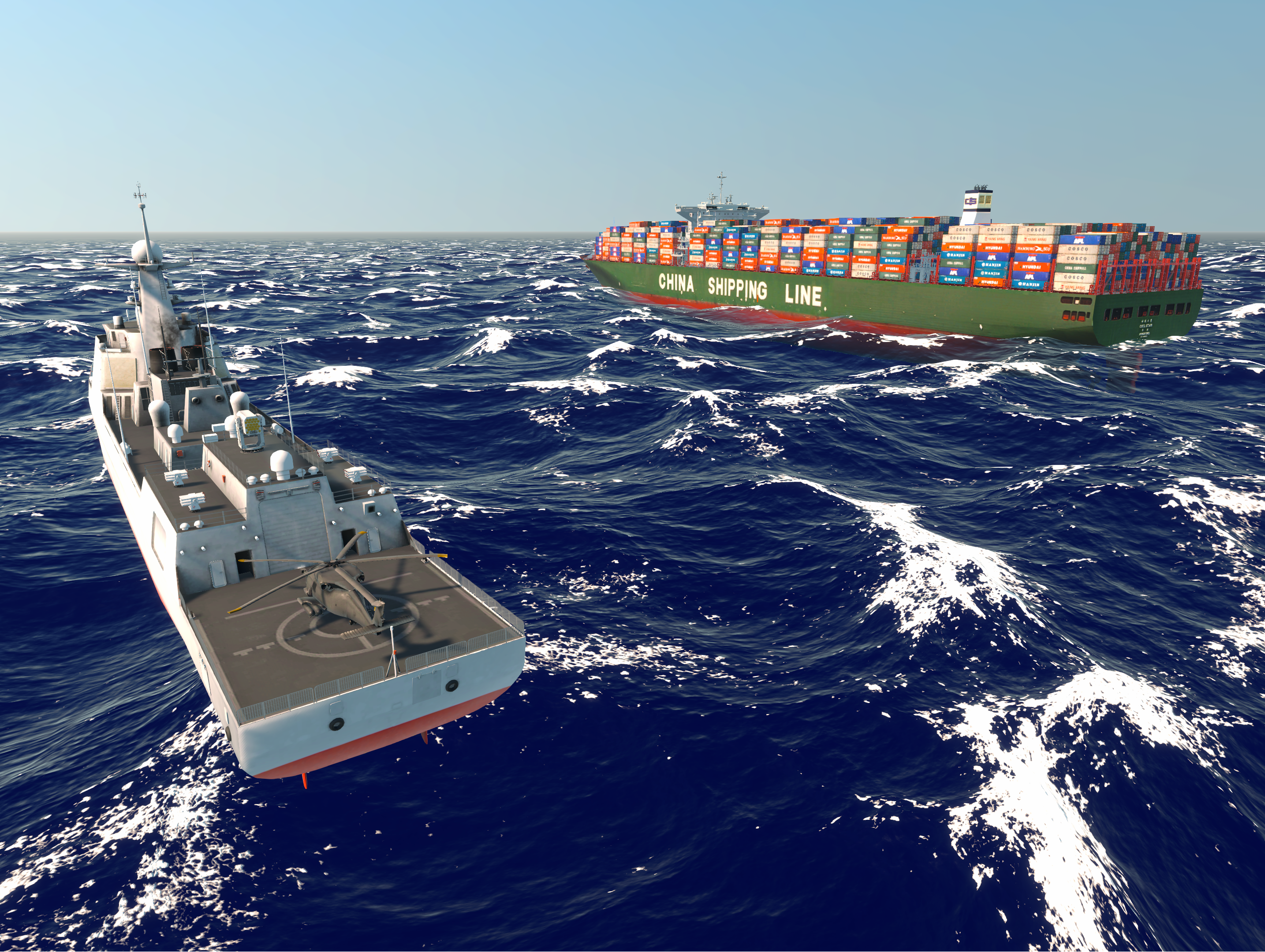
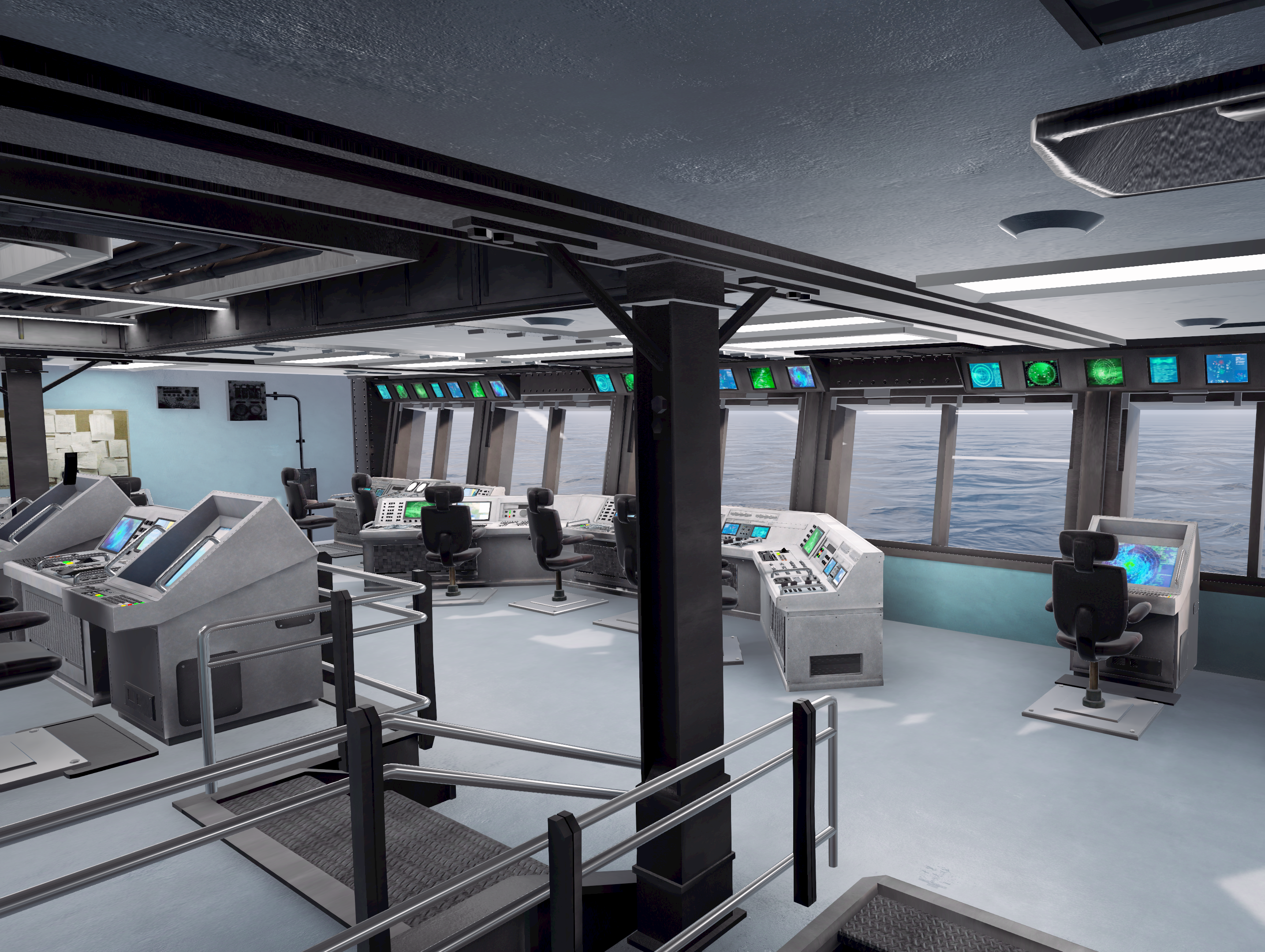
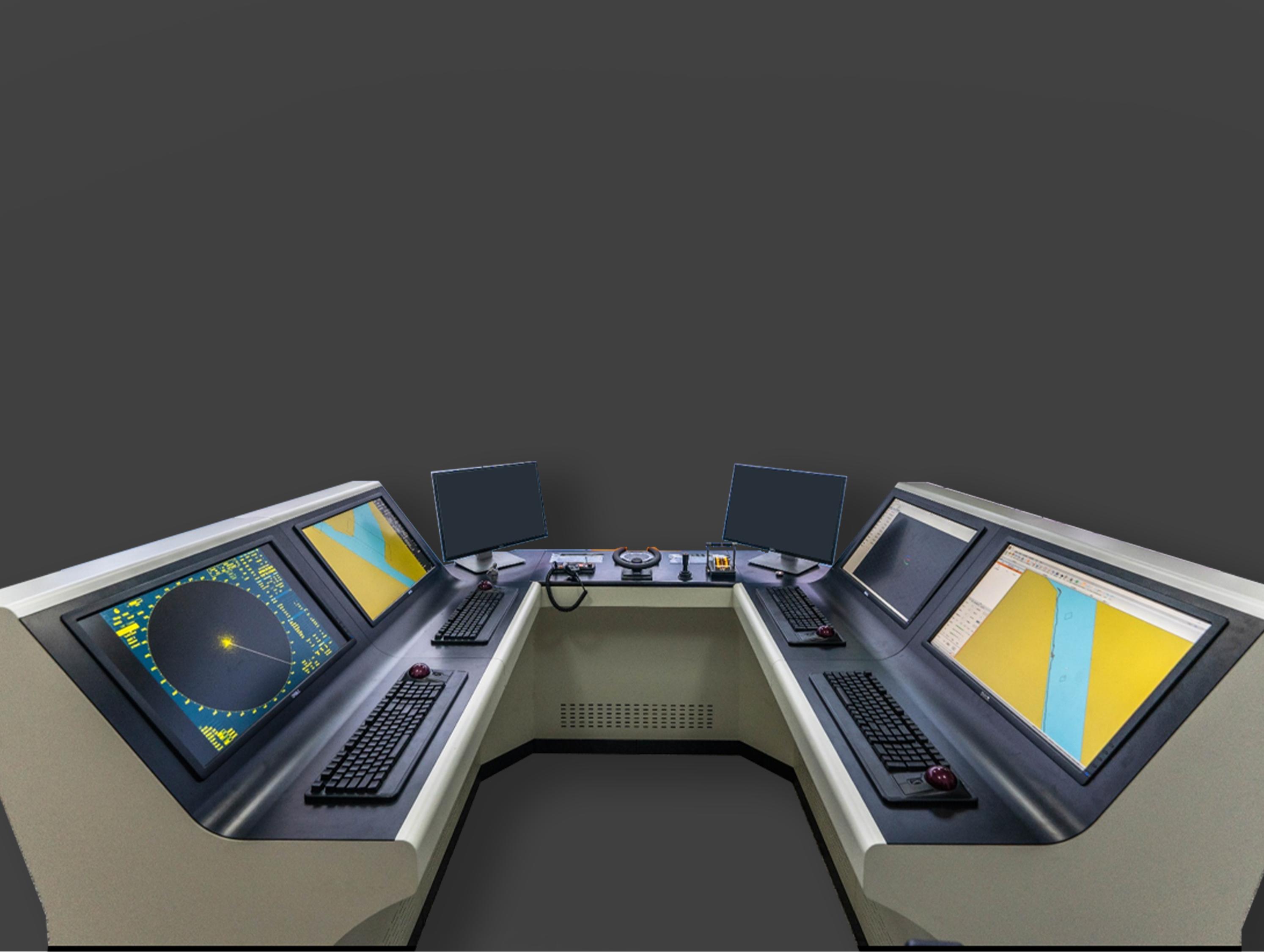
Global buyers increasingly require Ship Navigation simulator systems capable of reproducing real-world navigation conditions with high accuracy. Ports, waterways, traffic density, environmental conditions, and vessel response characteristics must all be realistically modeled.
A high-quality Ship Navigation simulator helps institutions improve training effectiveness while supporting compliance with international maritime standards.
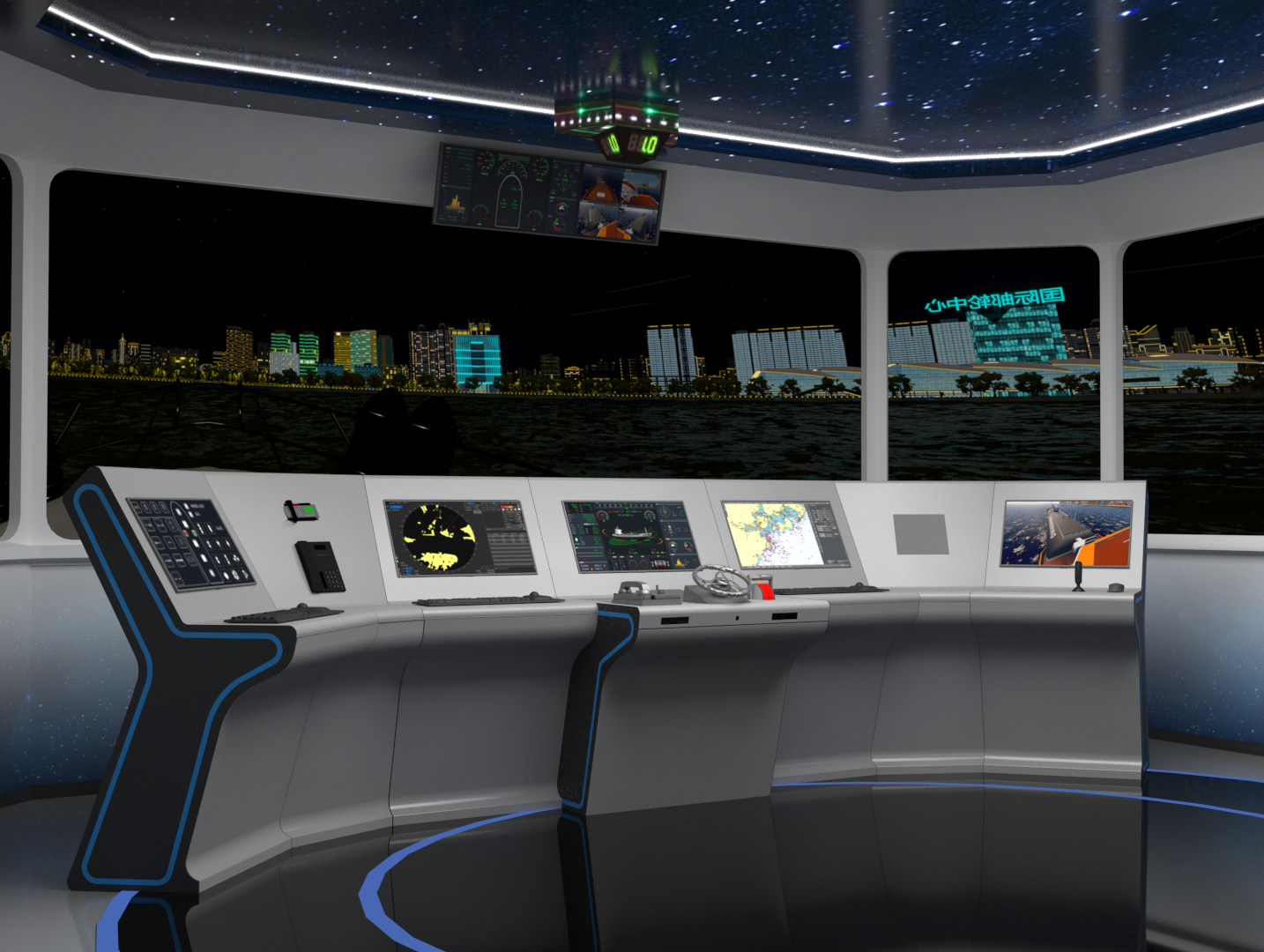
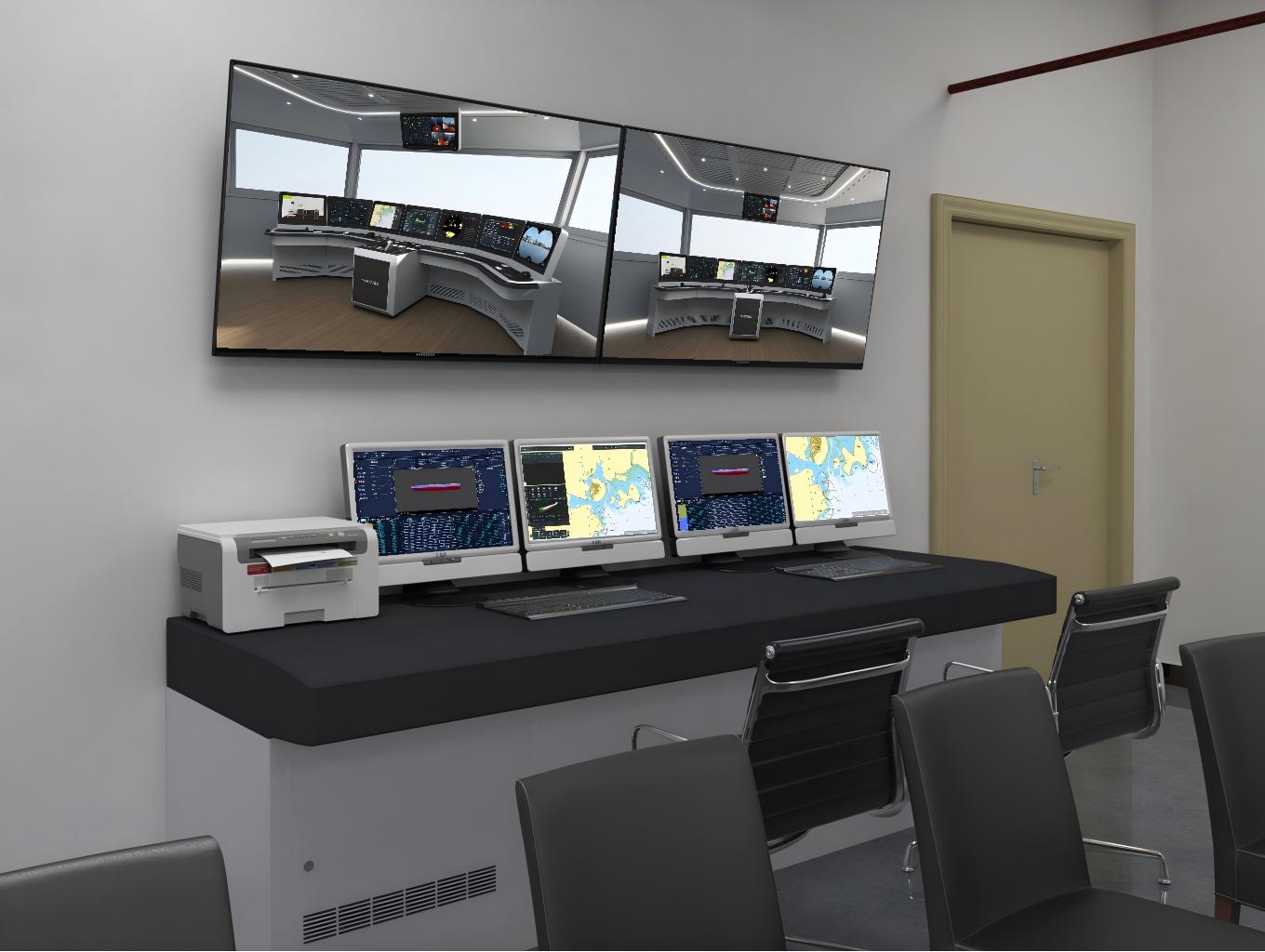
As a result, buyers often request demonstration sessions before purchasing a Ship Navigation simulator to evaluate realism, system stability, and instructor control functions.
The ability of a supplier to continuously update Ship Navigation simulator databases and navigation environments is becoming a major competitive advantage.
Why Marine Engine Simulator Demand Continues to Rise
While bridge training remains a priority, buyers are placing equal emphasis on engineering competency development.
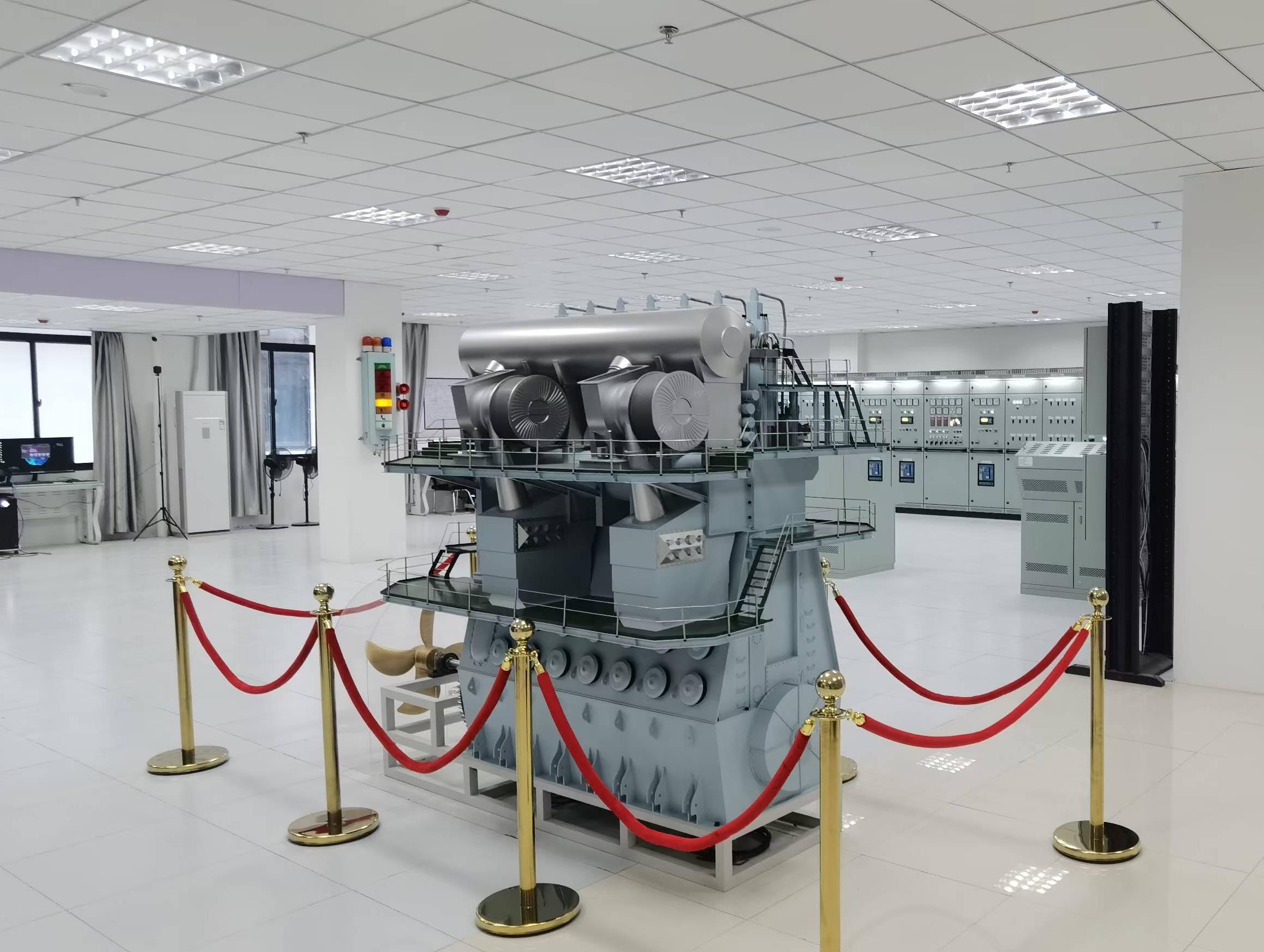
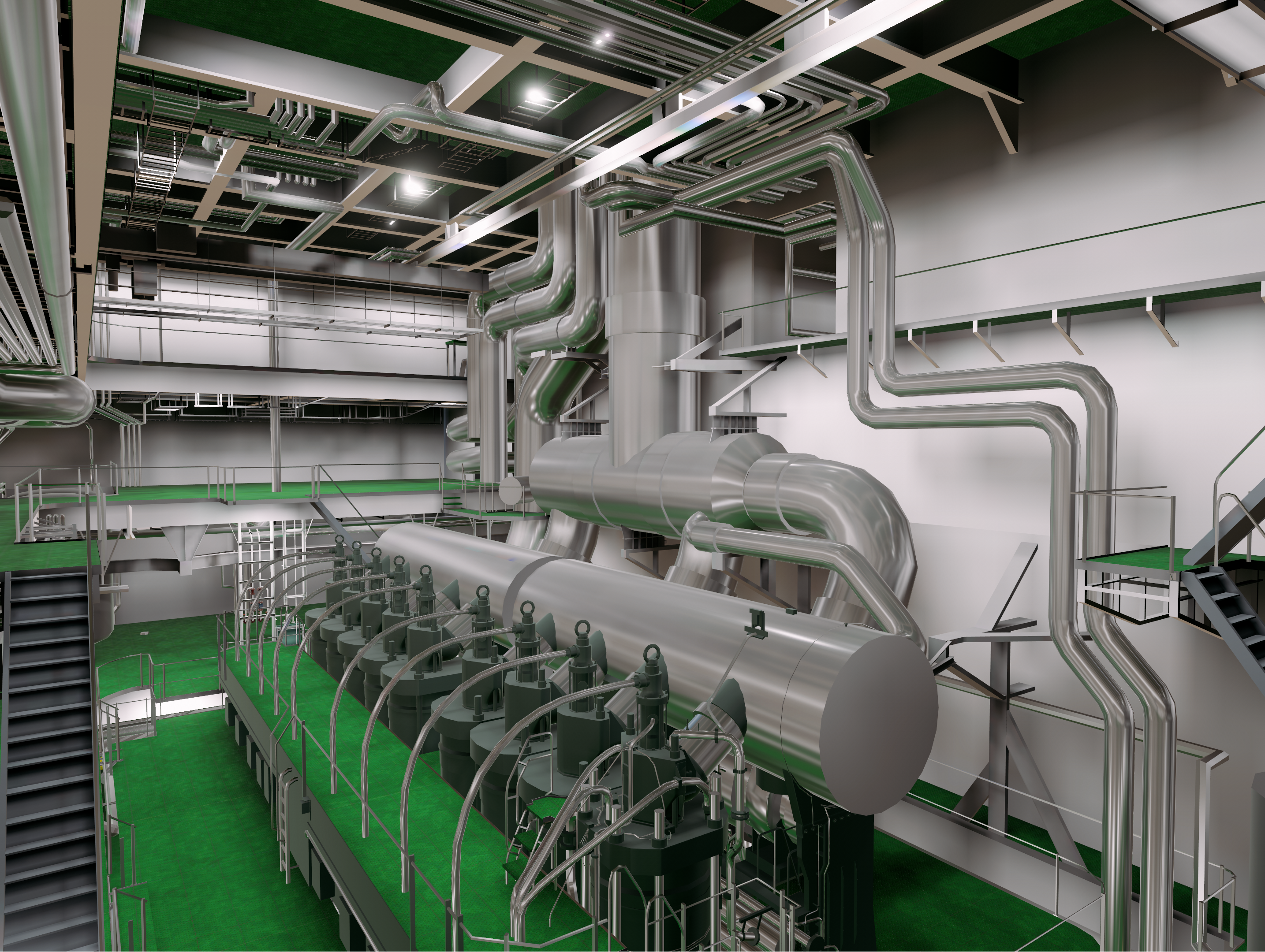
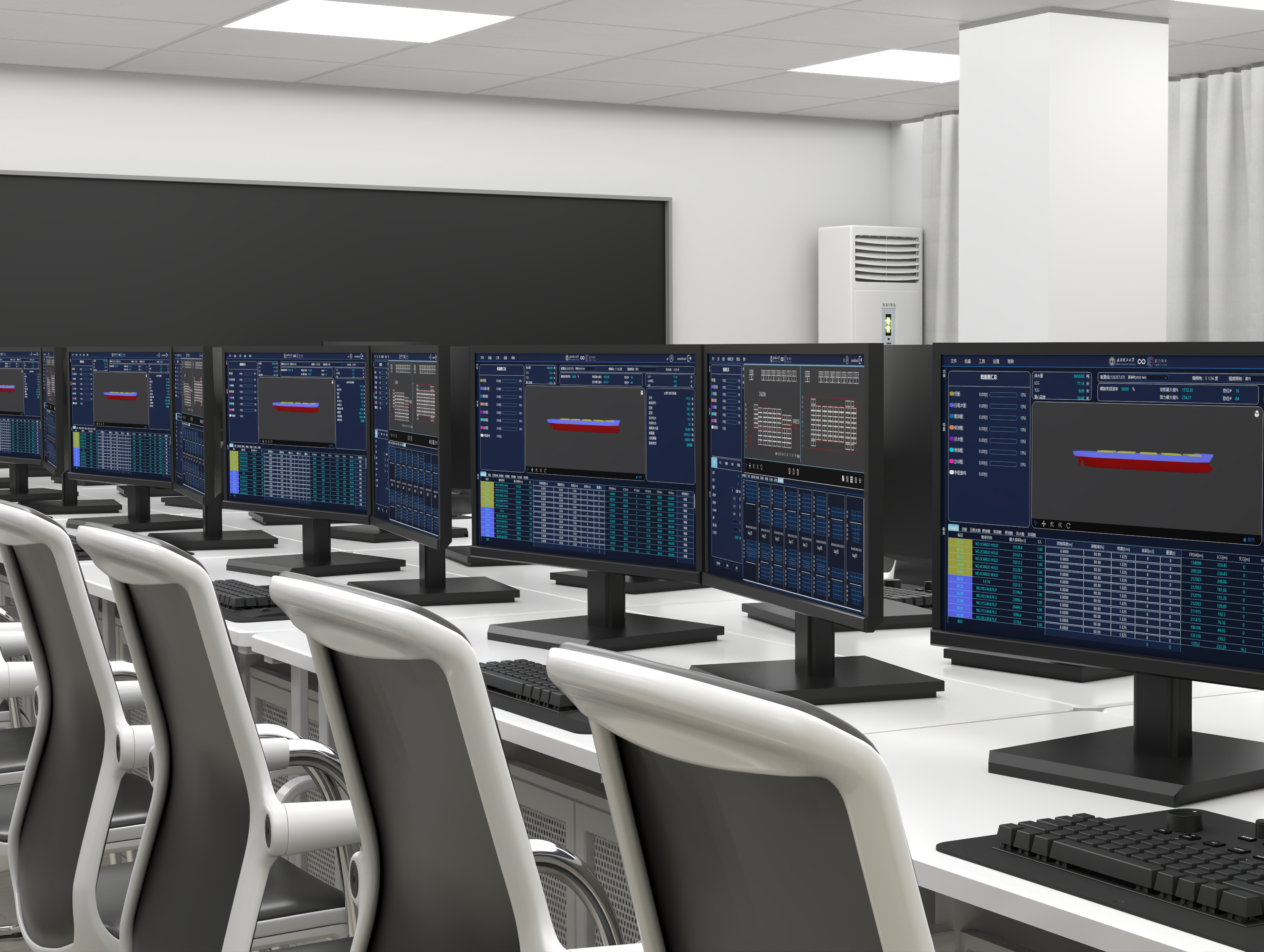
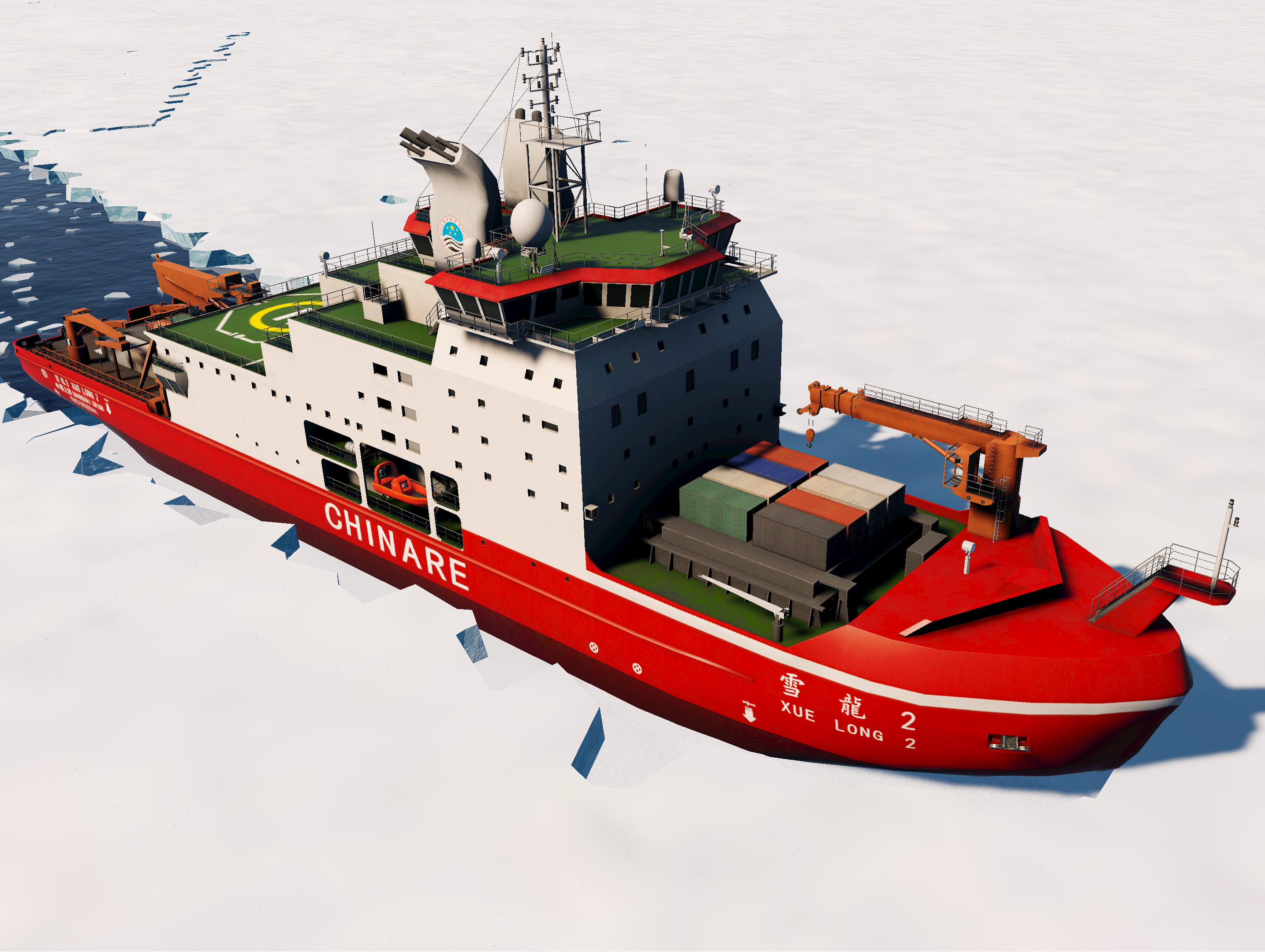
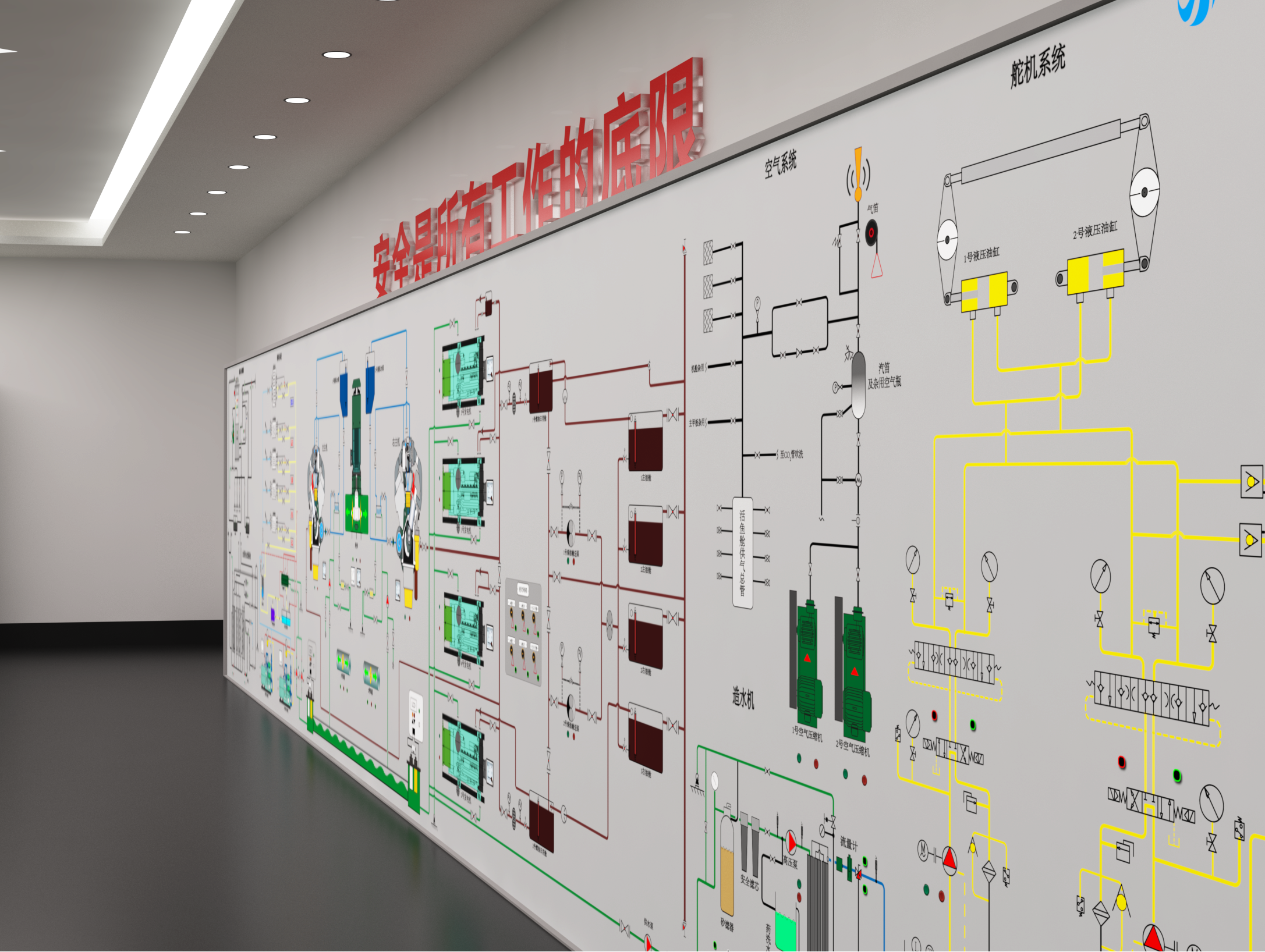
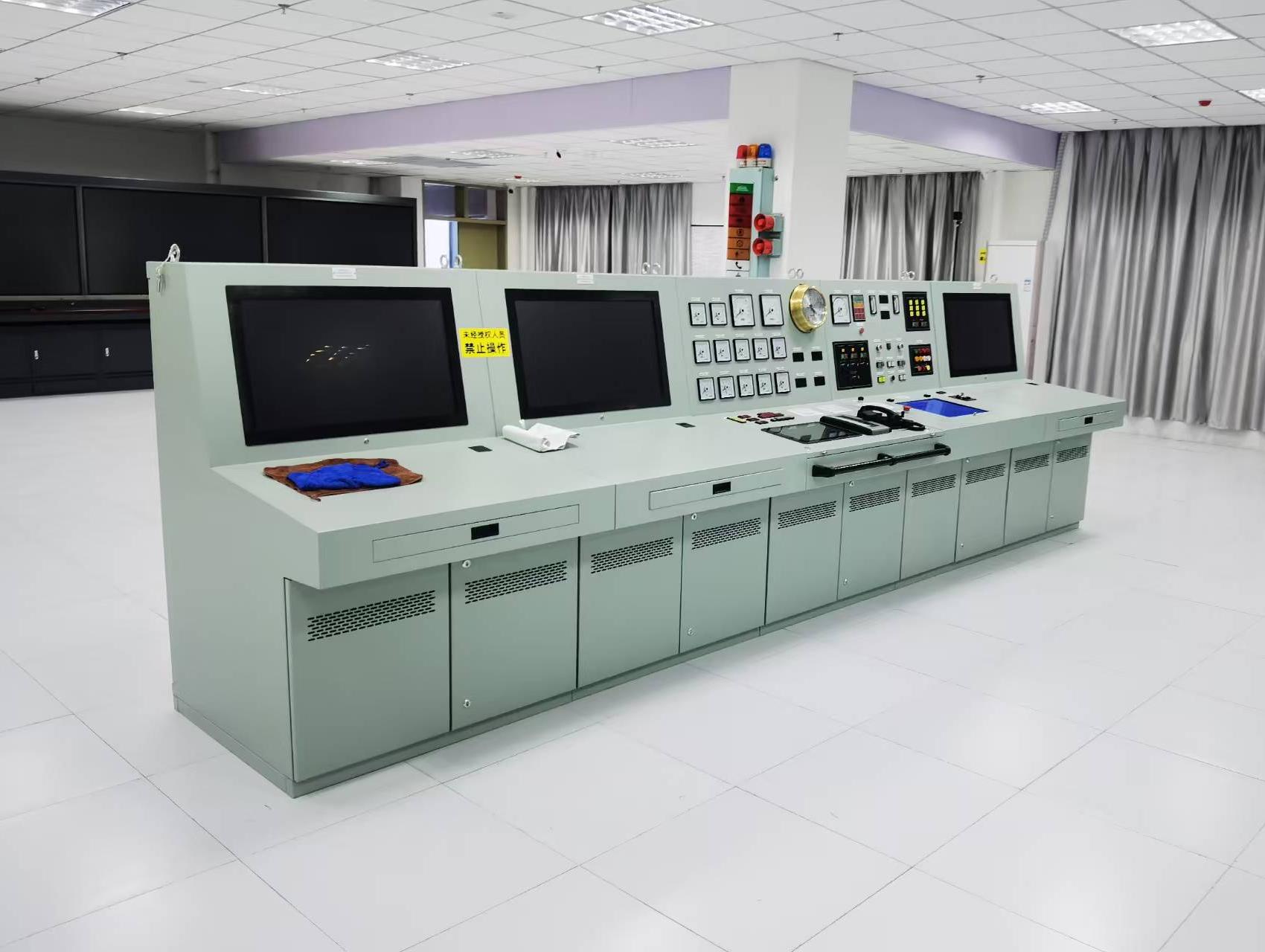
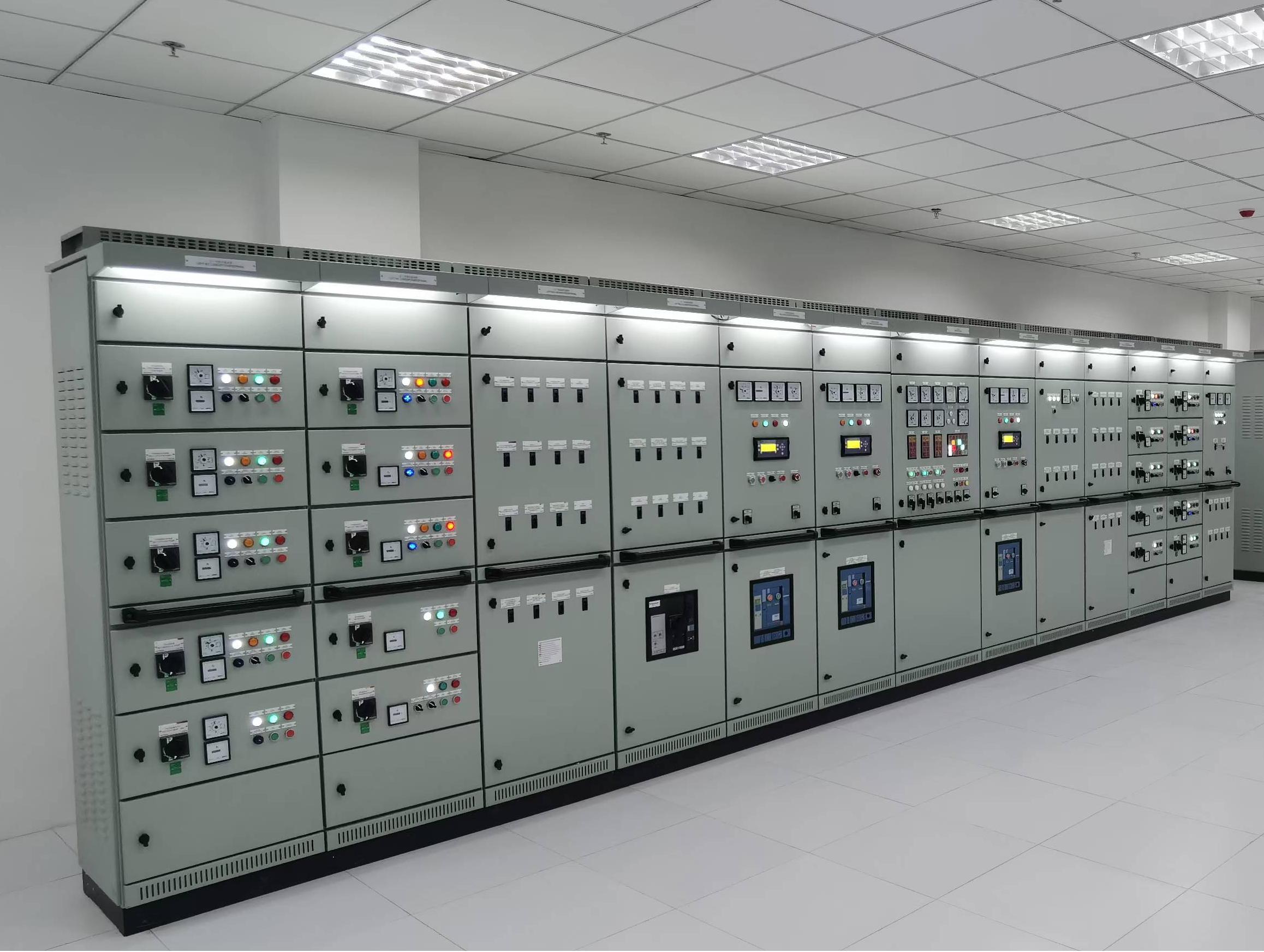
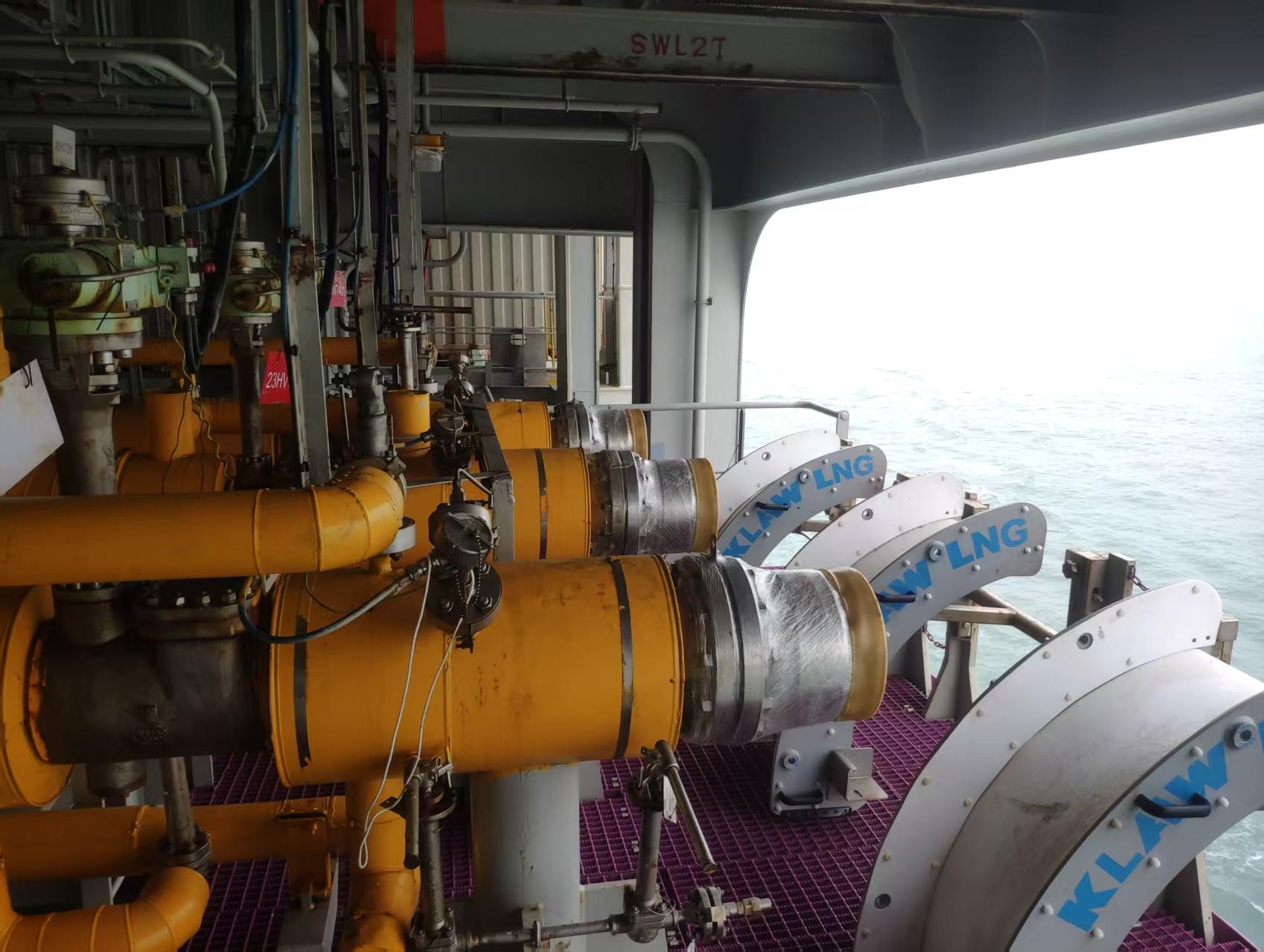
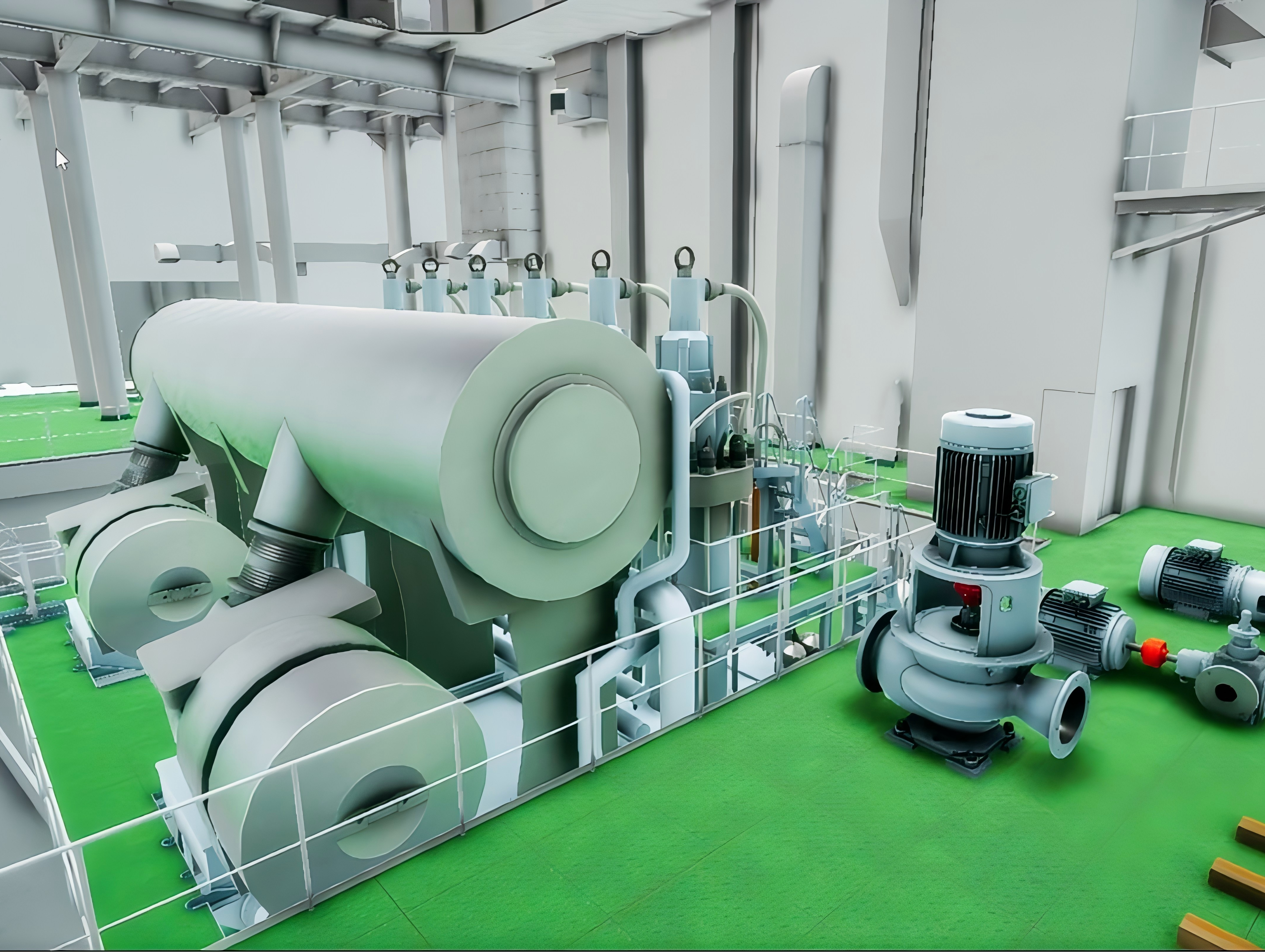
The marine engine simulator has become a critical component of modern maritime education because engineering failures remain one of the leading causes of operational disruptions.
A professional marine engine simulator enables trainees to practice:
Machinery operations
System troubleshooting
Fuel management
Emergency response procedures
Engine room teamwork
International buyers increasingly prefer marine engine simulator systems that replicate real vessel machinery behavior and support multiple engine configurations.
The ability to customize marine engine simulator scenarios for specific vessel types often influences final purchasing decisions.
Yacht Simulator Opens New Market Opportunities
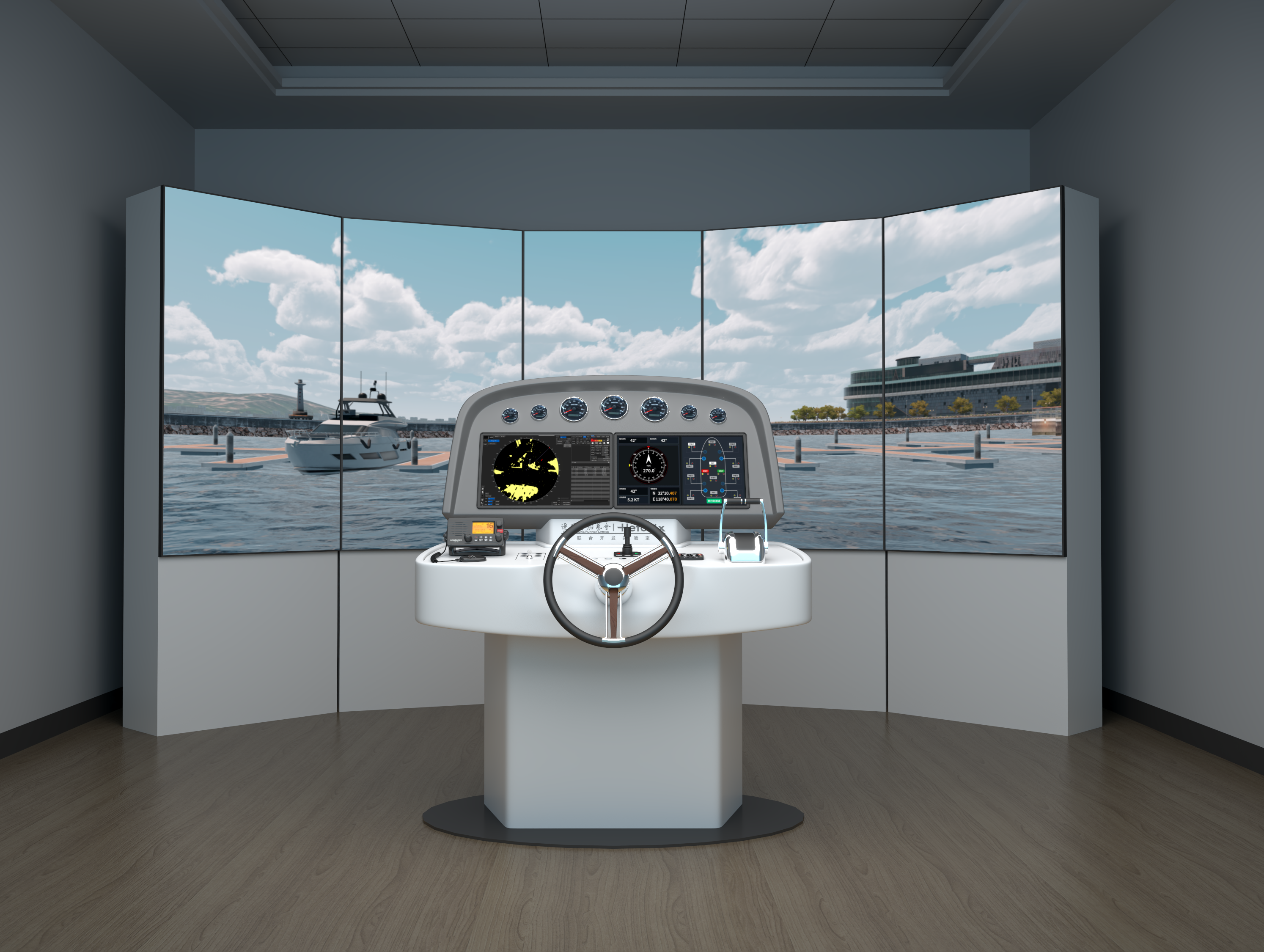
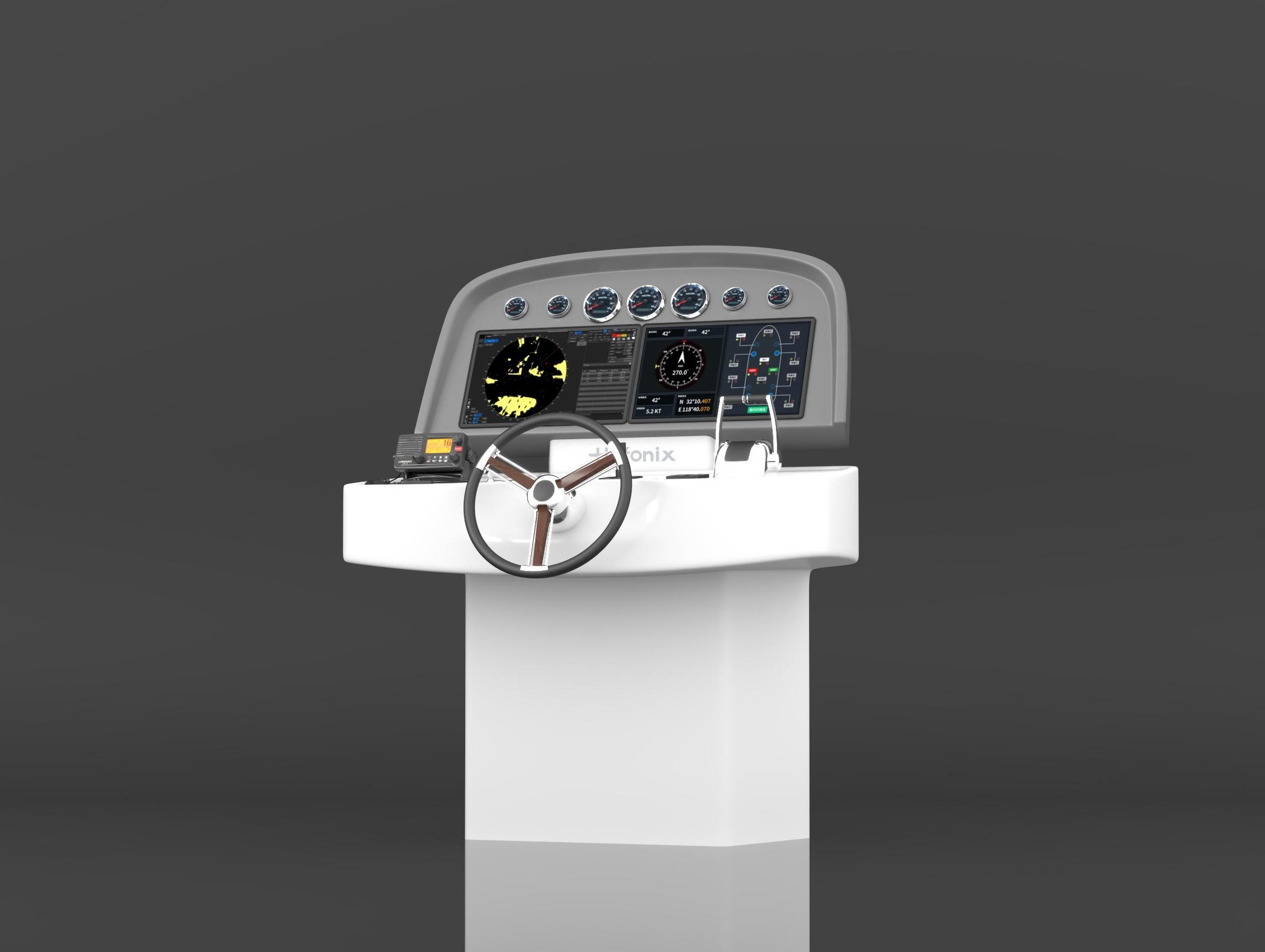
An emerging trend in maritime training procurement is the rapid growth of Yacht Simulator applications.
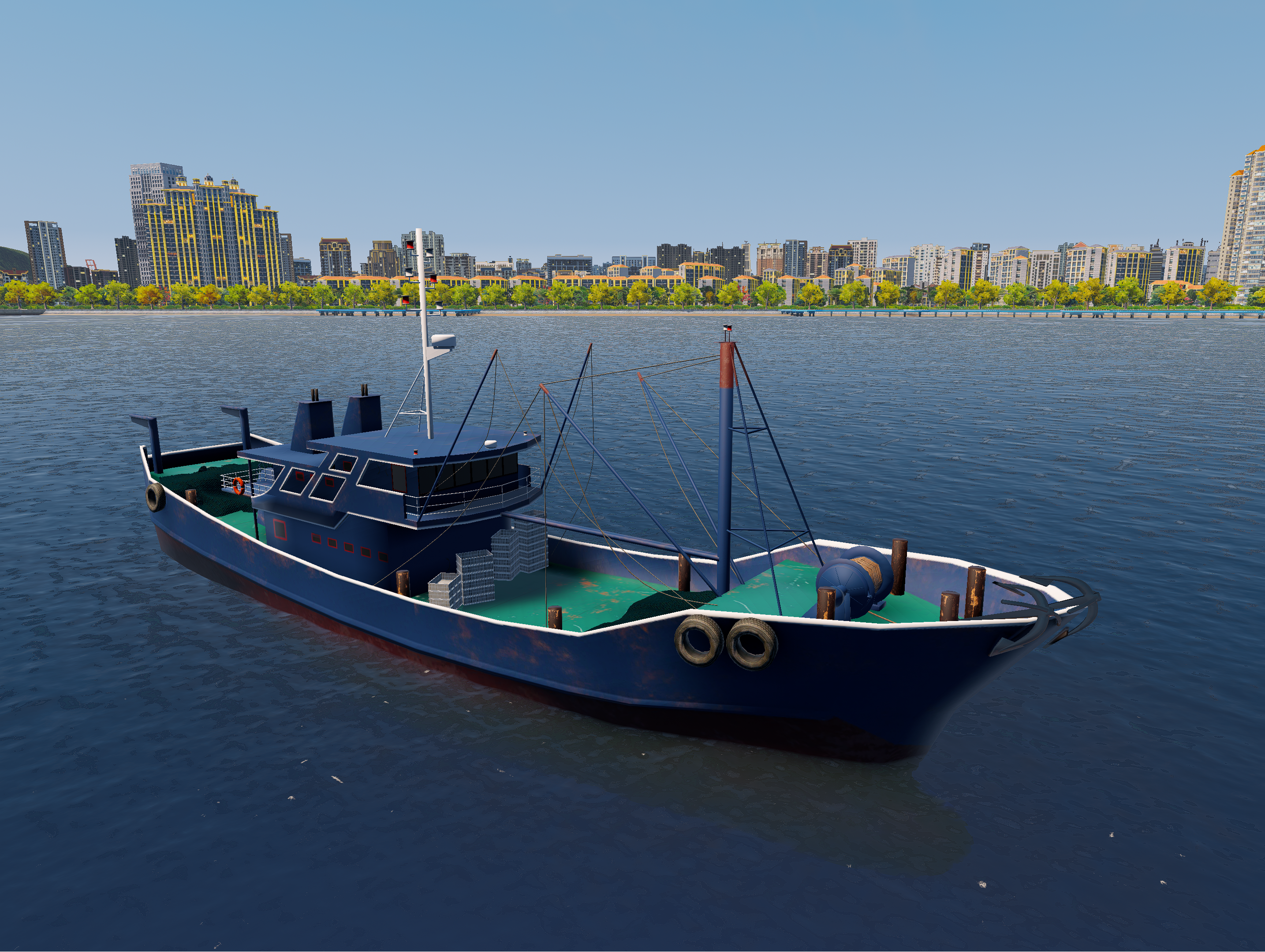
Historically, yacht training represented a niche market. However, increasing demand for coastal tourism, private vessel operations, and marina management has expanded Yacht Simulator adoption worldwide.
Many training institutions are adding Yacht Simulator programs to attract new student groups and diversify revenue streams.
For procurement teams, Yacht Simulator systems offer flexibility because they can be used for both recreational and professional training applications.
The versatility of a Yacht Simulator makes it an attractive investment for organizations looking to broaden their maritime training portfolio.
What Global Buyers Expect from Future Ship Simulator Suppliers
The future of maritime simulation procurement is centered on partnership rather than simple product acquisition.
Buyers increasingly expect suppliers to provide:
Continuous software updates
Scenario customization
Technical training
Remote support services
System integration expertise
Long-term development roadmaps
This is particularly important for ship simulator projects, where training requirements may evolve over the next decade.
A supplier that can seamlessly integrate Yacht Simulator, Marine Simulator, Ship Navigation simulator, marine engine simulator, and ship simulator technologies into a unified ecosystem is more likely to secure large international projects.
As the maritime industry continues its digital transformation, procurement strategies are evolving accordingly. International buyers are no longer searching only for equipment—they are searching for technology partners.
The growing demand for Yacht Simulator, Marine Simulator, Ship Navigation simulator, marine engine simulator, and ship simulator solutions reflects a broader industry movement toward intelligent, scalable, and future-ready maritime training systems.
Organizations that invest in the right simulation partner today will be better positioned to develop skilled crews, improve operational safety, and remain competitive in the global shipping market for years to come.