News

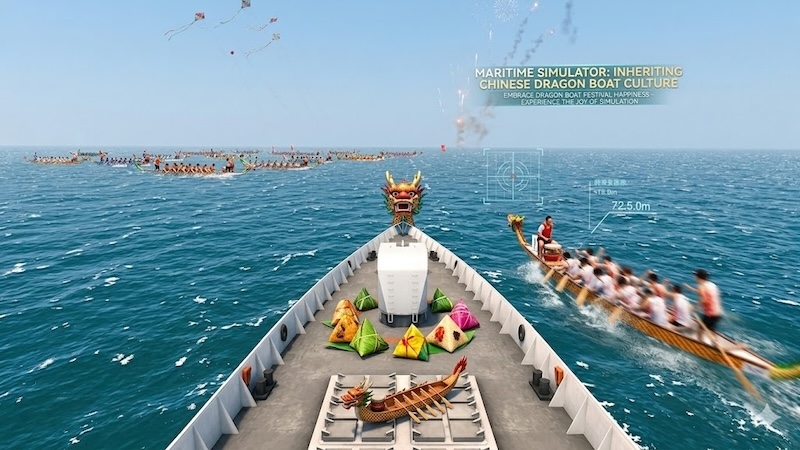
  • Celebrating Dragon Boat Festival: Embracing Tradition, Innovation, and Global Maritime Cooperation
    2026
    06-19
    The Dragon Boat Festival, one of the most important traditional Chinese holidays, carries a history of more than 2,000 years. This meaningful festival represents values of unity, perseverance, respect, and cultural heritage. As a maritime technology company, Hefonix embraces the spirit of the Dragon Boat Festival while continuing to promote innovation and cooperation in the global maritime industry.
  • How Global Buyers Use Simulation to Reduce Operational Risk
    2026
    06-18
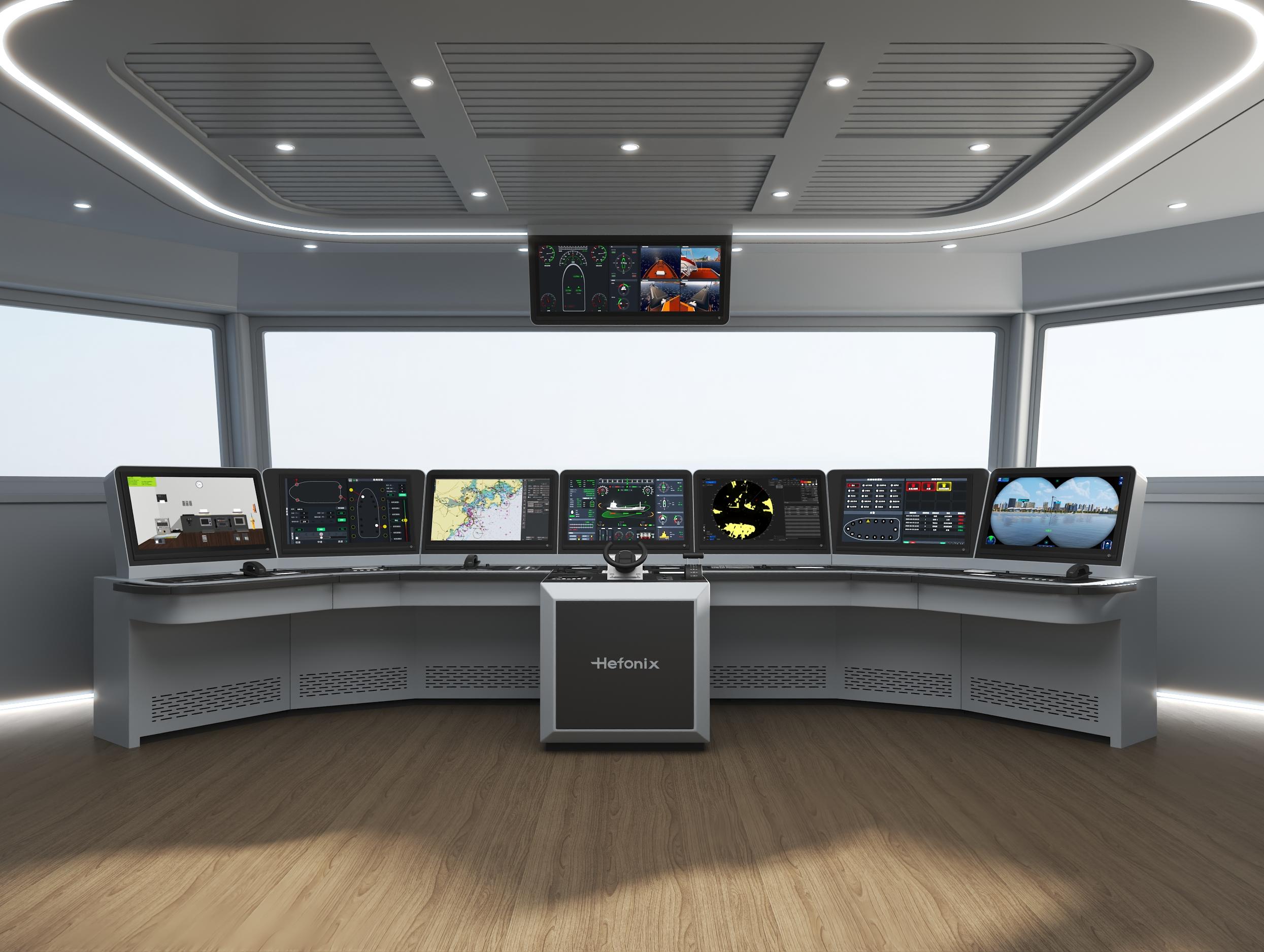
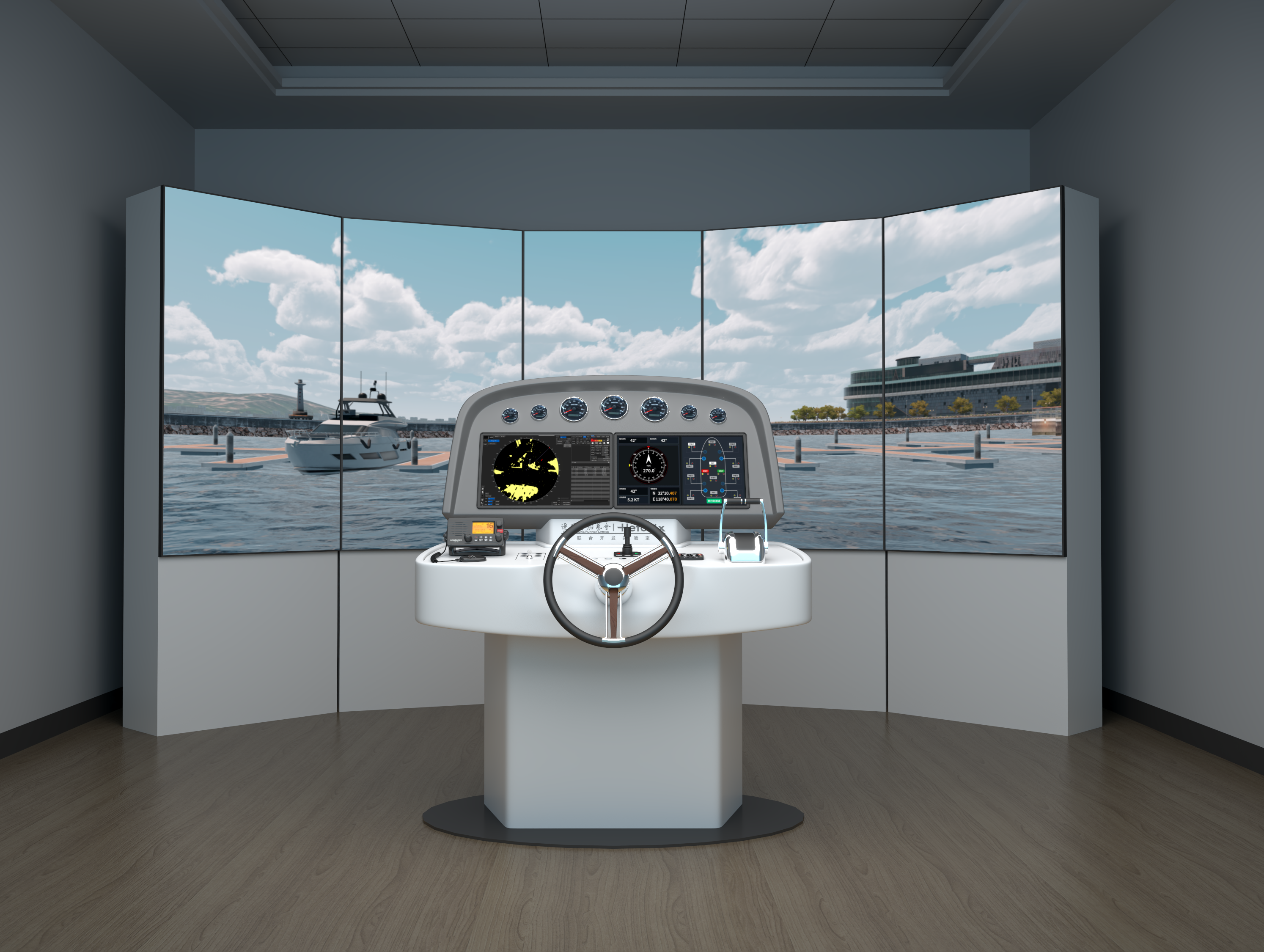
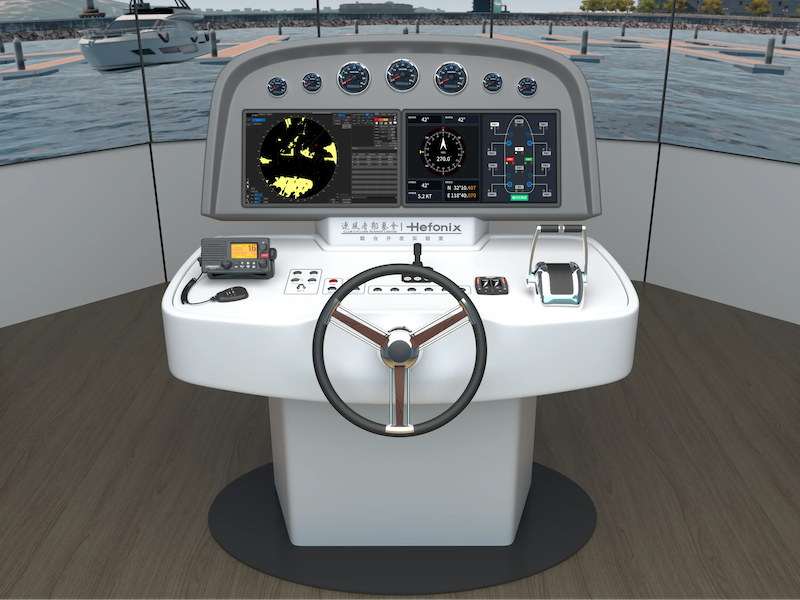
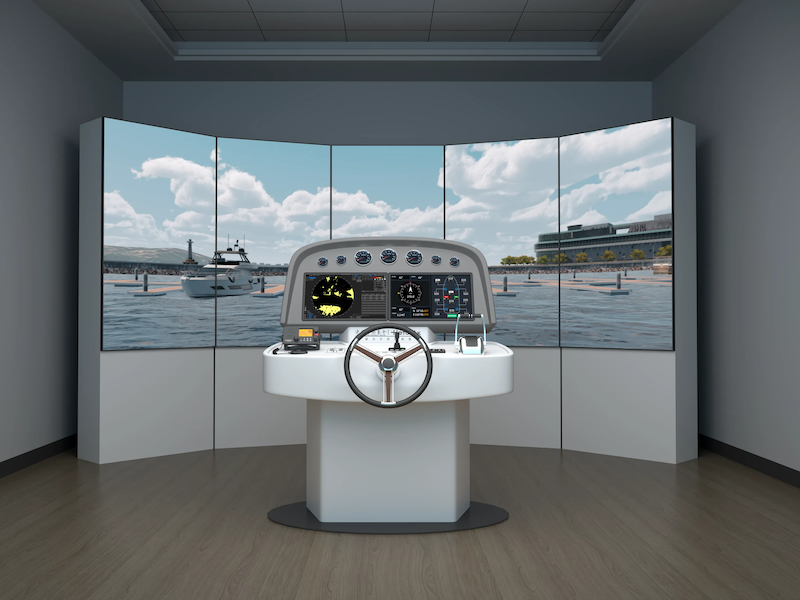
    In recent years, maritime procurement strategies have shifted significantly toward one dominant priority: operational safety assurance through high-fidelity training systems. For global shipping companies, maritime academies, and government training institutions, investment decisions are increasingly centered around advanced simulation platforms such as the Yacht Simulator, Marine Simulator, Ship Navigation simulator, marine engine simulator, and integrated ship simulator systems.
  • Why Global Buyers Are Prioritizing Integrated Simulation Systems
    2026
    06-15
    The maritime industry is entering a new phase of digital transformation, where training infrastructure is no longer evaluated as standalone equipment but as part of a fully connected learning ecosystem. For international procurement teams, this shift is driving strong investment interest in advanced systems such as the Yacht Simulator, Marine Simulator, Ship Navigation simulator, marine engine simulator, and fully integrated ship simulator platforms.
  • Global Buyers Boost Investment in Marine & Yacht Simulators
    2026
    06-11
    As global shipping companies continue to modernize fleet operations and strengthen crew competency standards, international procurement demand for advanced simulation technologies is increasing rapidly. Among the most sought-after solutions are the Yacht Simulator, Marine Simulator, Ship Navigation simulator, marine engine simulator, and integrated ship simulator systems, which are now becoming key assets in maritime training infrastructure investments worldwide.
  • Hefonix Signs 240° Ship Handling Simulator Project with Seacon Group
    2026
    06-08
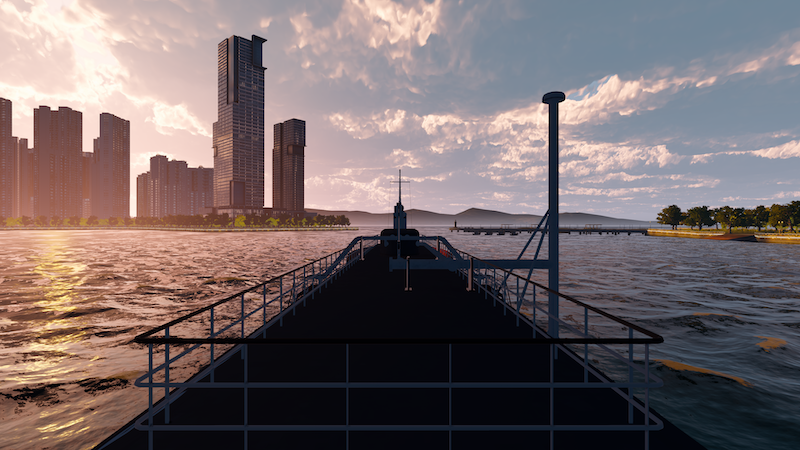
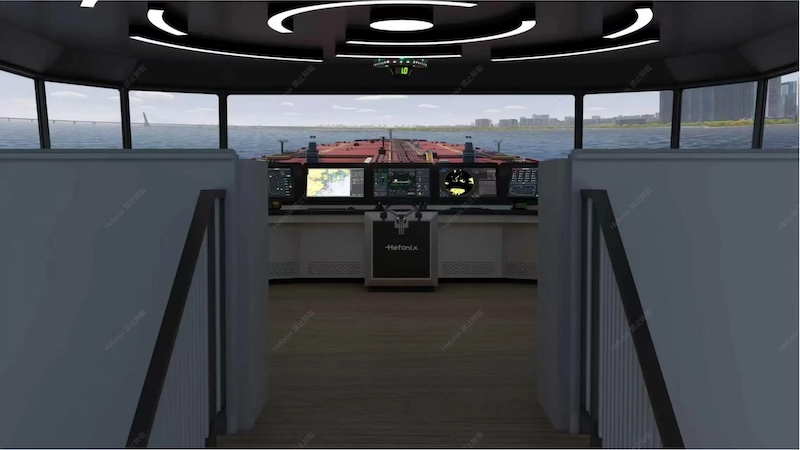
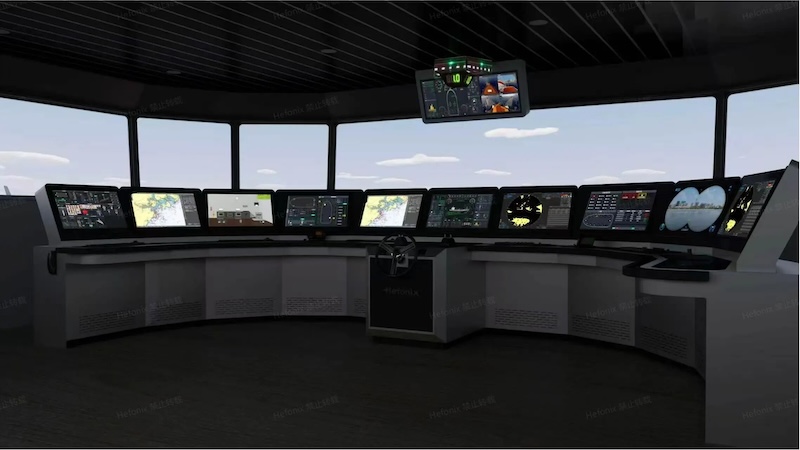
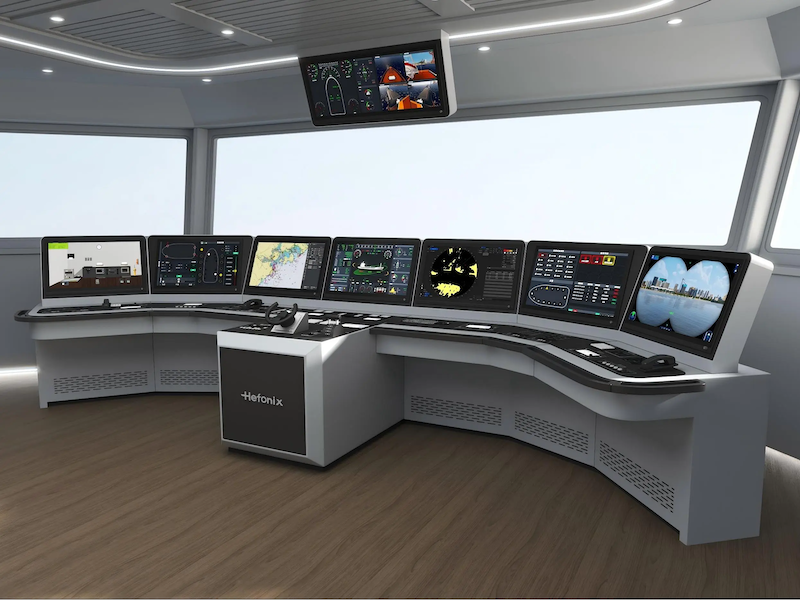
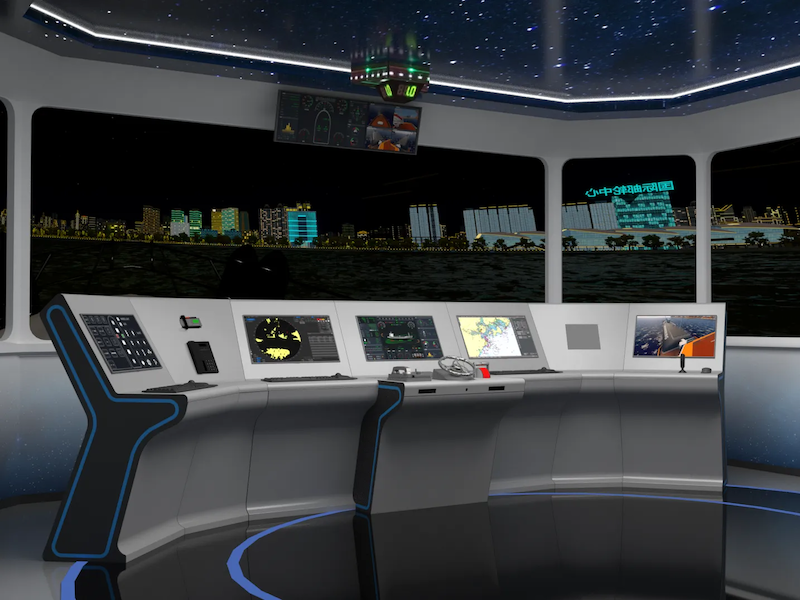
    By leveraging advanced ship simulator, Ship Navigation simulator, marine engine simulator, Yacht Simulator, and integrated Marine Simulator systems, Hefonix is committed to supporting the digital transformation of the global shipping industry and contributing to the development of next-generation maritime talent.
  • Exploring New Paths for International Maritime Education Cooperation
    2026
    05-14
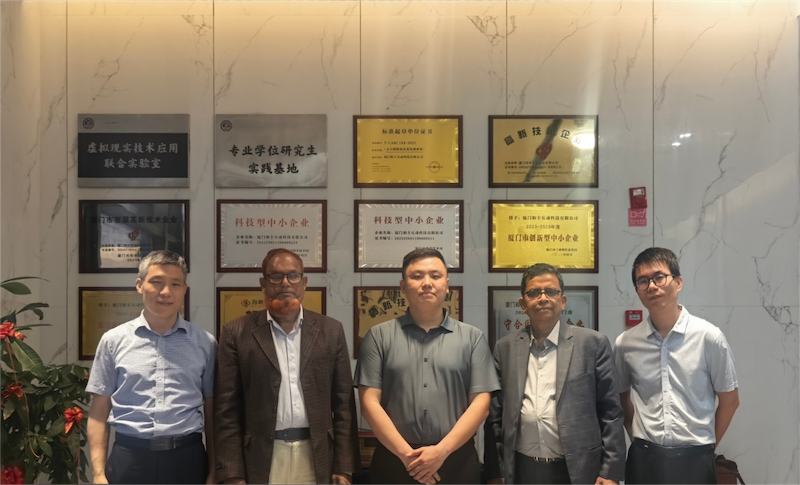
    On May 12, Hefonix welcomed a distinguished delegation from Naf Maritime Services Group of Bangladesh for an in-depth research and exchange visit focused on the future of intelligent maritime education and simulation-based training systems. The visit highlighted the growing importance of advanced Marine Simulator technologies and international cooperation in maritime talent development.
  • Benefits of Engine Ship Simulator in Modern Maritime Training
    2026
    05-05
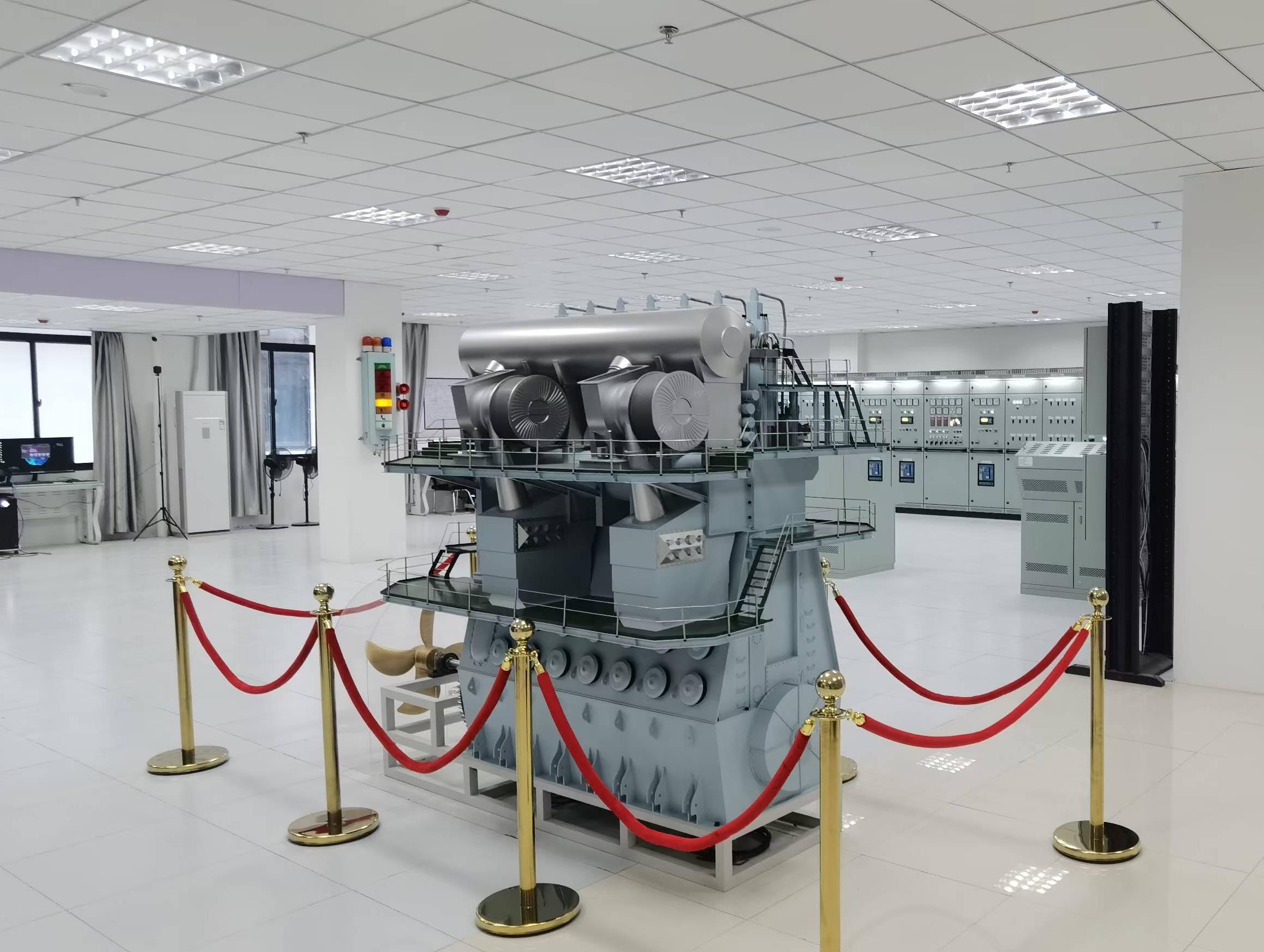
    The maritime industry is evolving rapidly, requiring highly skilled engineering crews capable of handling complex systems on board modern vessels. In response to this demand, advanced simulation technologies such as the engine ship simulator have become essential tools for maritime training. By combining realistic scenarios, immersive environments, and interactive exercises, training programs that utilize an engine ship simulator, Engine Room Simulator, Ship Engine Room Simulator, marine engine room simulator, and full mission engine room simulator can significantly enhance crew competence, safety awareness, and operational efficiency.

  • Ship Engine Room Simulator Technology Explained for Maritime Industry
    2026
    05-03
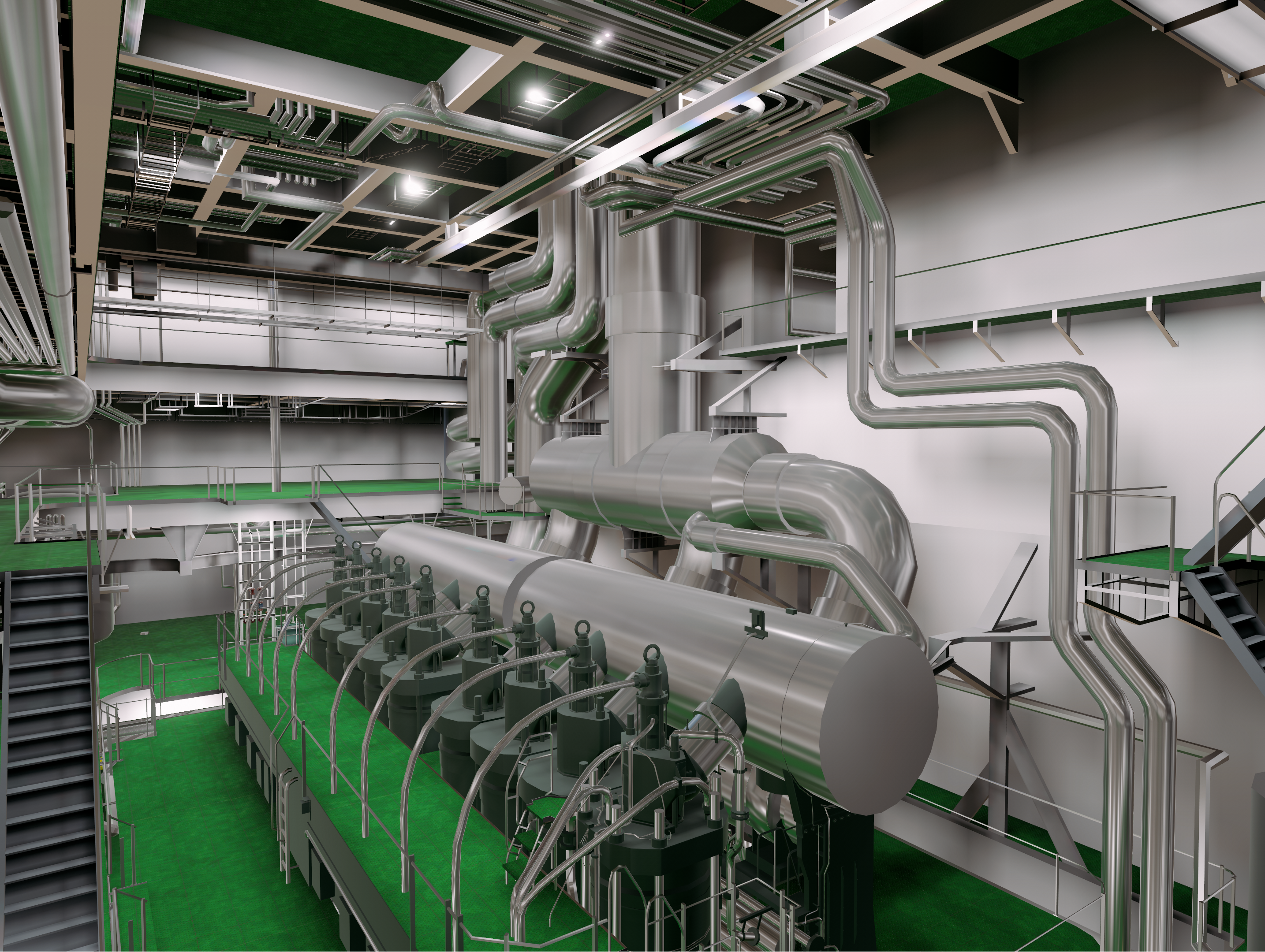
    At its core, a Ship Engine Room Simulator is a complex integration of hardware and software designed to replicate the behavior of a vessel’s propulsion and power generation systems. Unlike basic computer-based training tools, a true full mission engine room simulator creates an immersive environment where trainees interact with authentic control panels, monitoring systems, and physical interfaces. The architecture typically consists of three layers: mathematical models that simulate thermodynamic and electrical processes, a visualization engine that renders the engine room environment, and instructor stations that control scenario execution.
  • Marine Engine Room Simulator vs Traditional Training Methods
    2026
    05-01
    The marine engine room simulator eliminates this risk entirely. Trainees can make mistakes, trigger catastrophic failures, and learn from errors without any real-world consequences. A full mission engine room simulator allows instructors to introduce dangerous scenarios—such as crankcase explosions or cooling water failures—that would be impossible to replicate safely on an actual vessel. This risk-free environment accelerates learning while protecting both personnel and assets.
  • Key Technologies Behind Full Mission Engine Room Simulator Systems
    2026
    04-29
    The foundation of any credible Engine Room Simulator is its mathematical core. Early simulators relied on simplified equations that could not accurately reflect the behavior of modern marine diesel engines, steam turbines, or electrical systems. Today's advanced full mission engine room simulator employs high-fidelity thermodynamic and fluid dynamics models that calculate real-time performance based on actual engineering principles.

40px

80px

80px

80px

Get Quote