

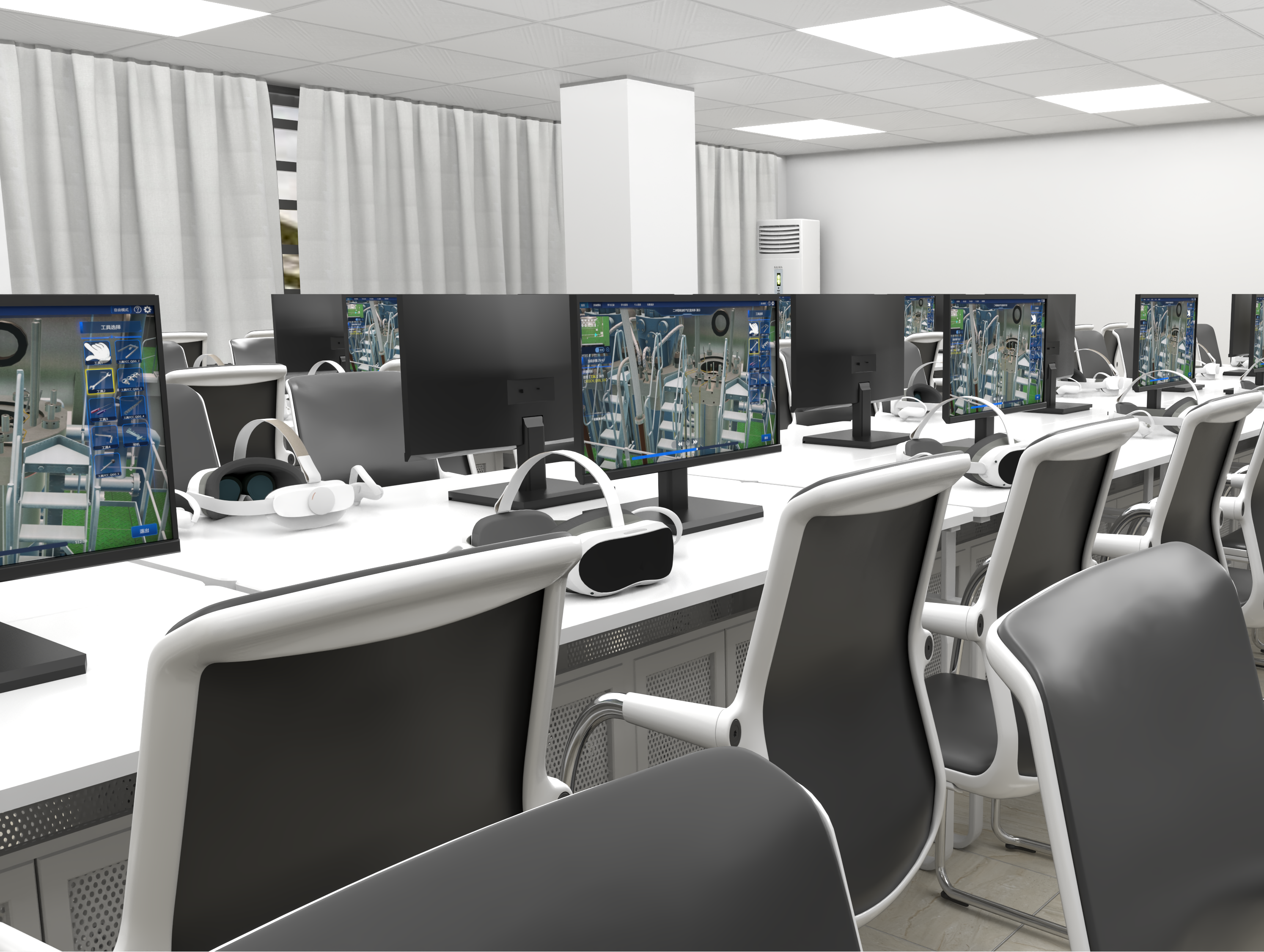
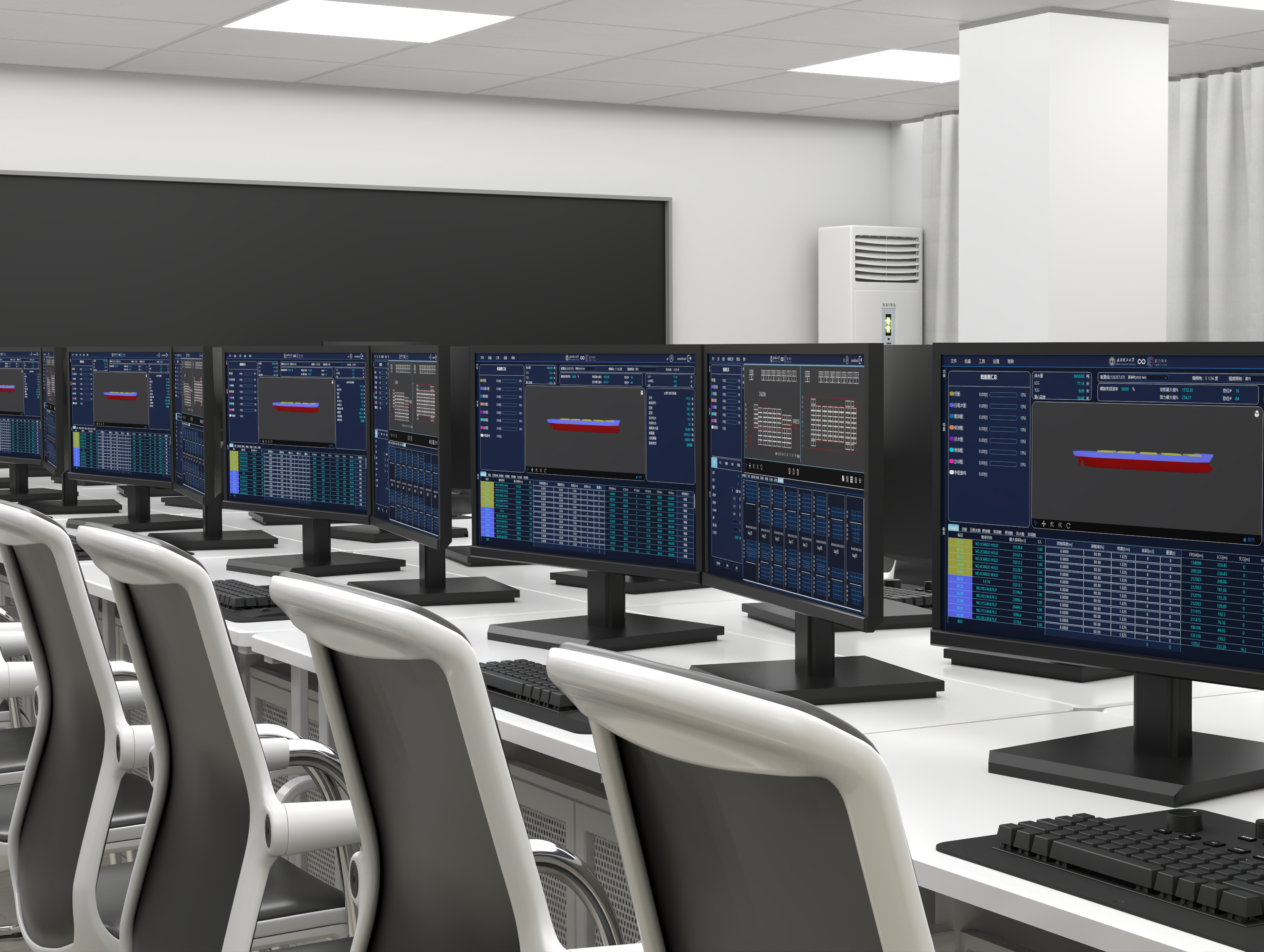
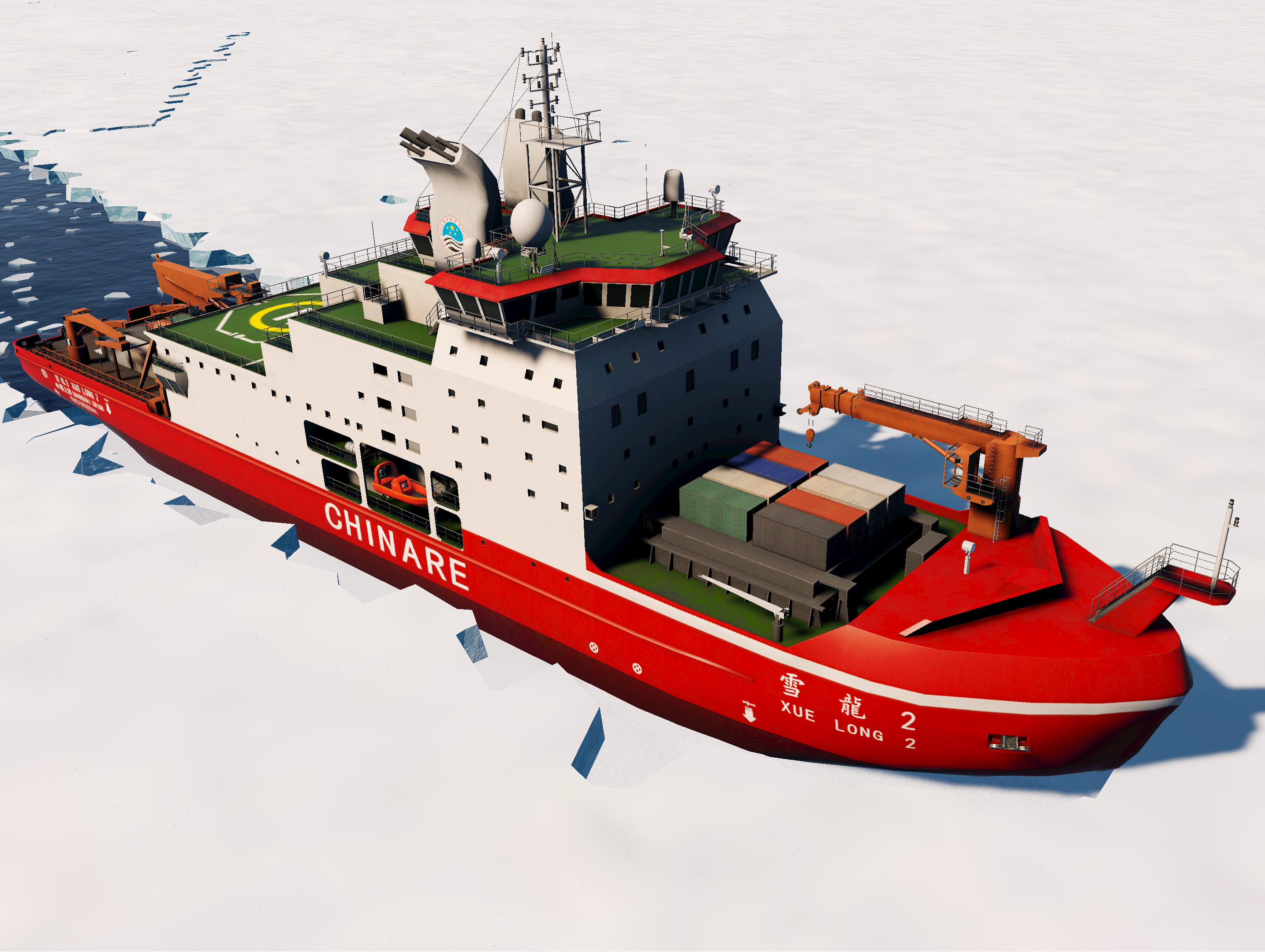
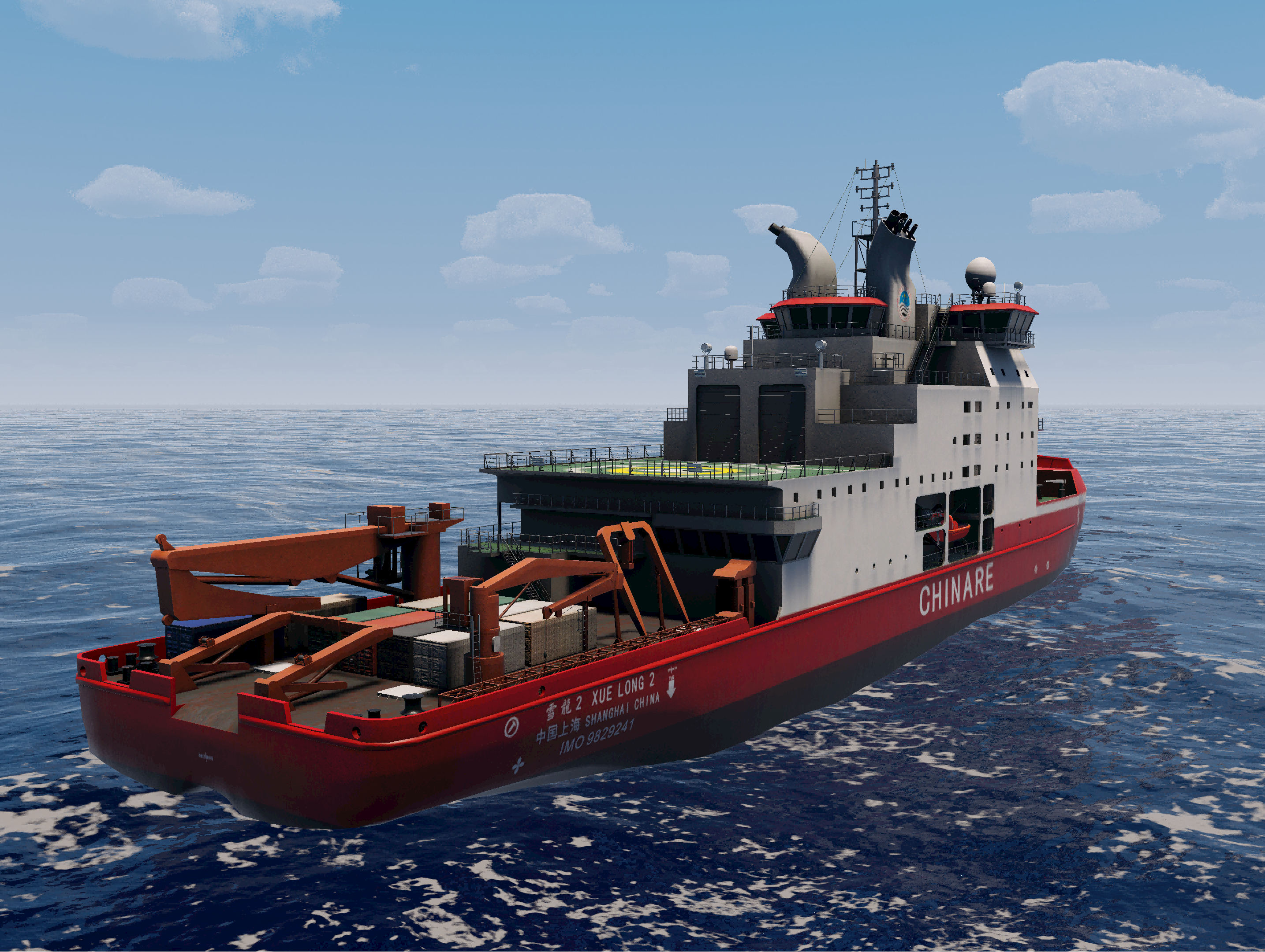
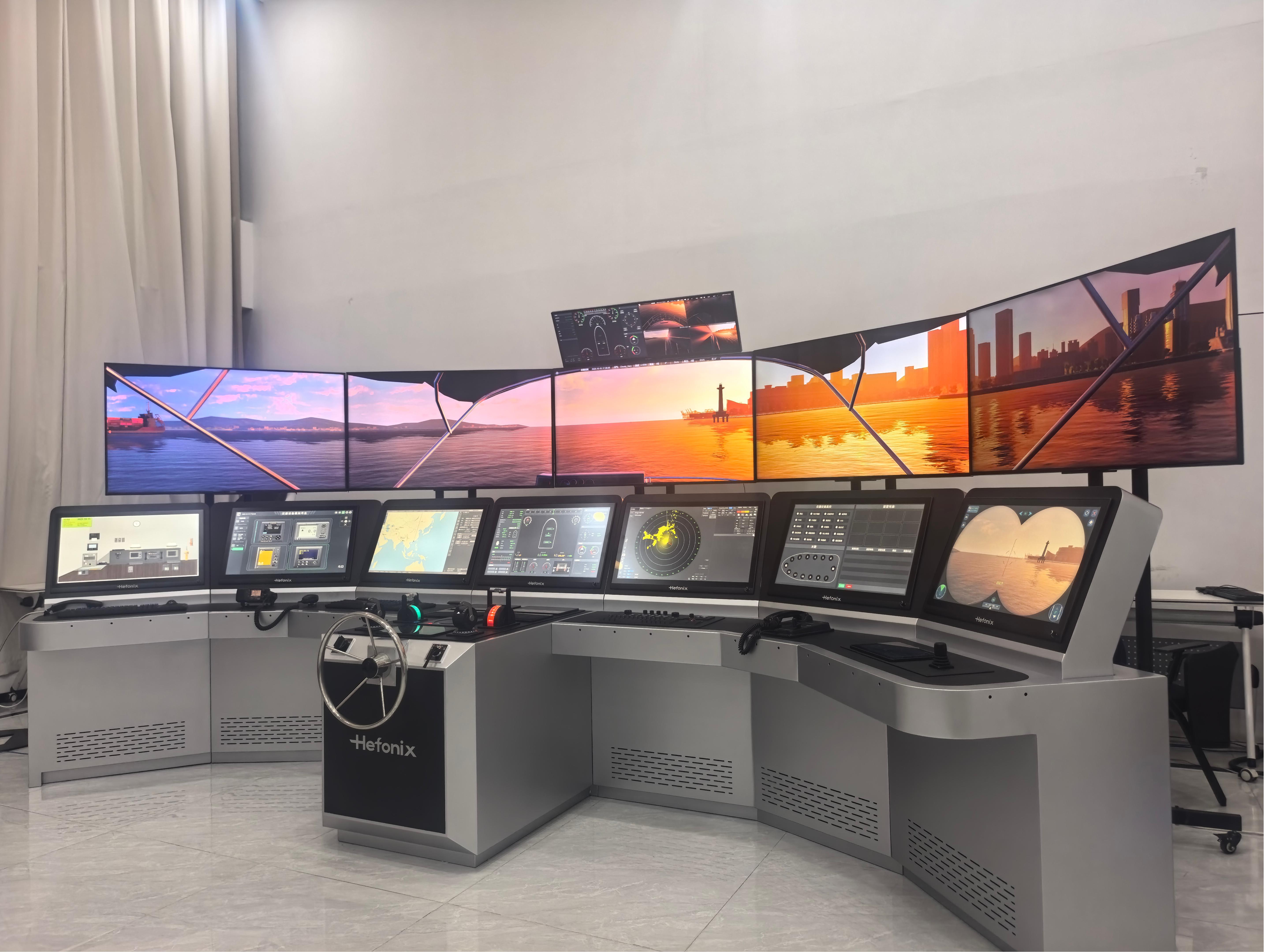
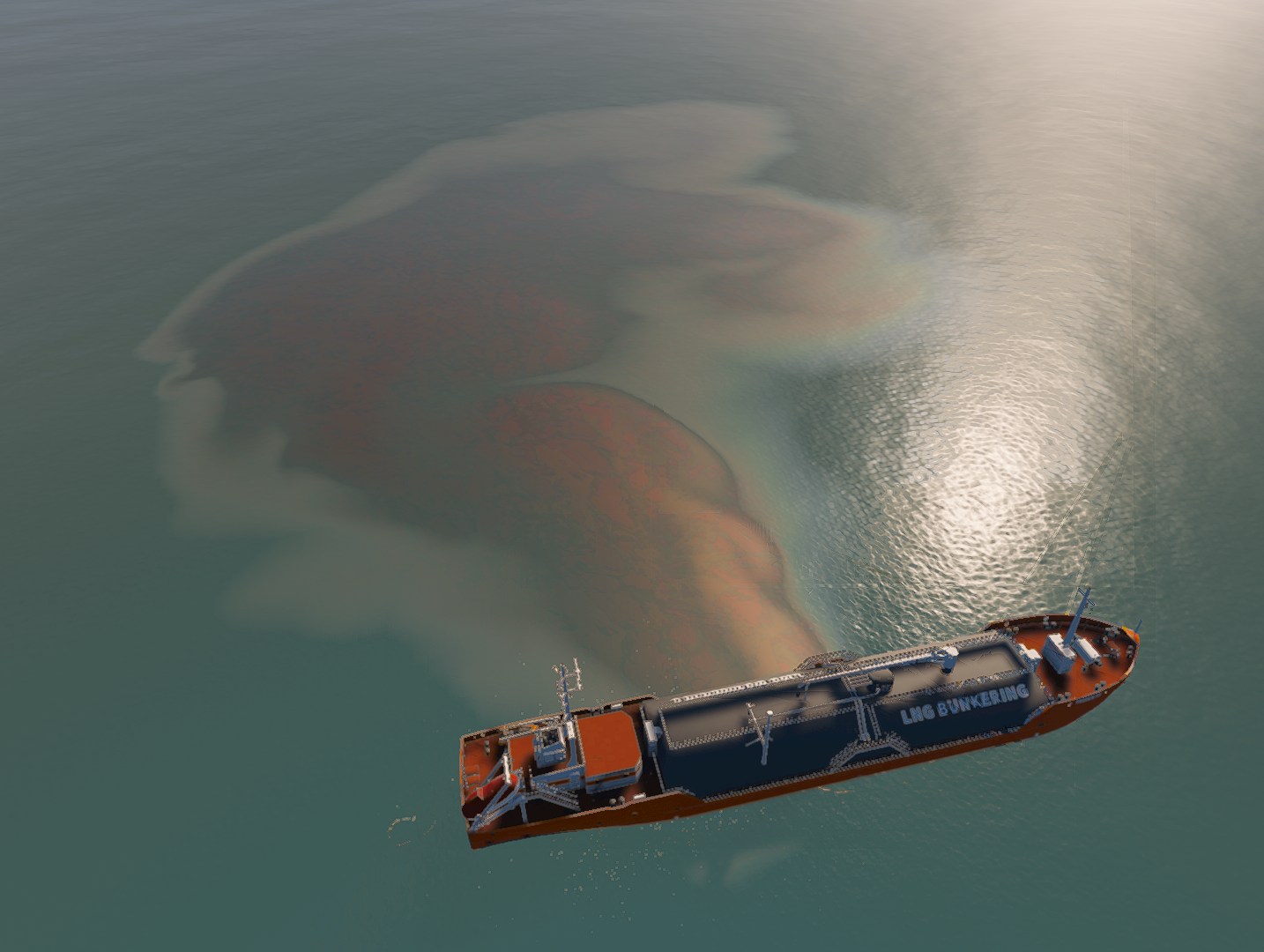
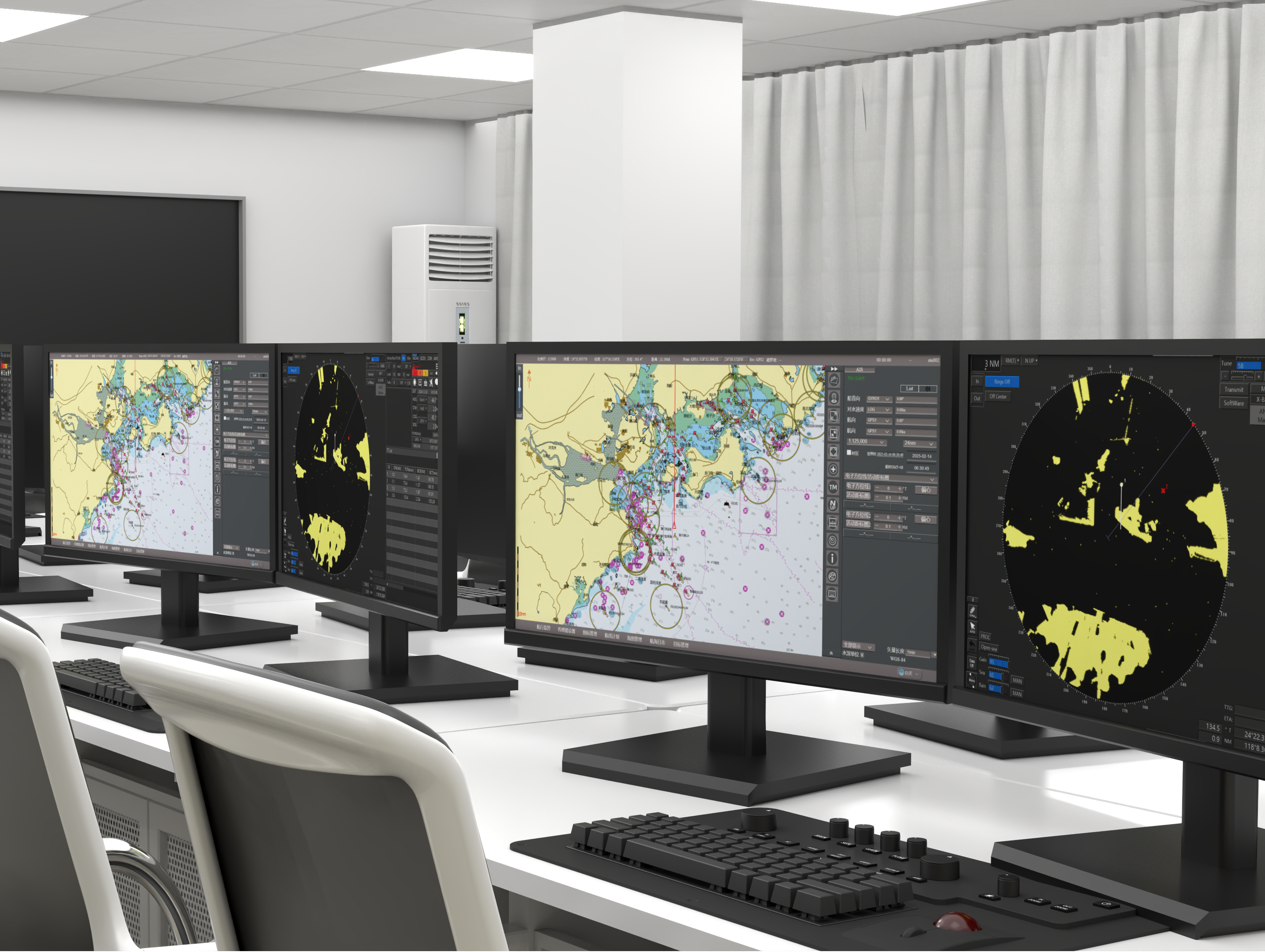
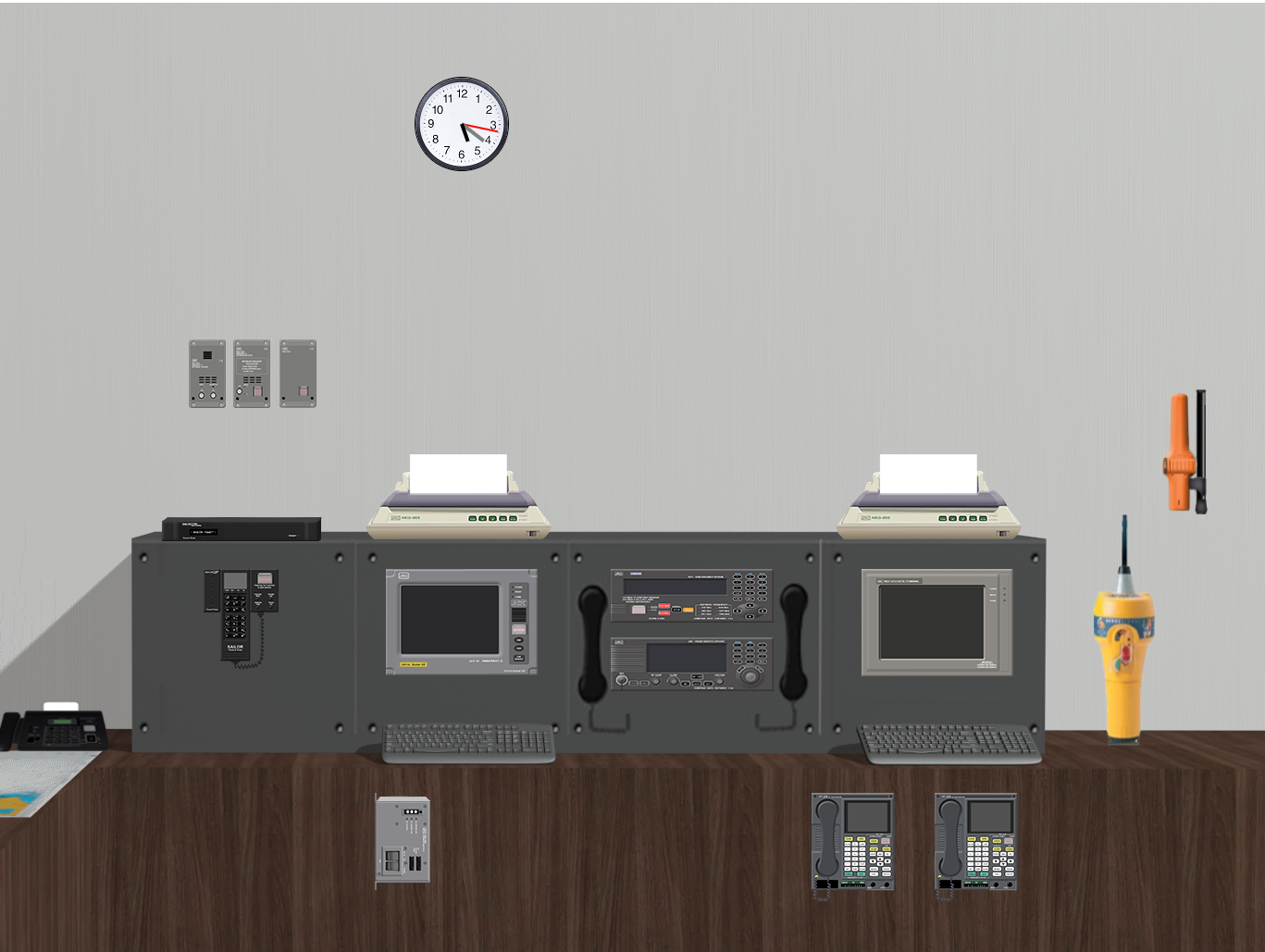
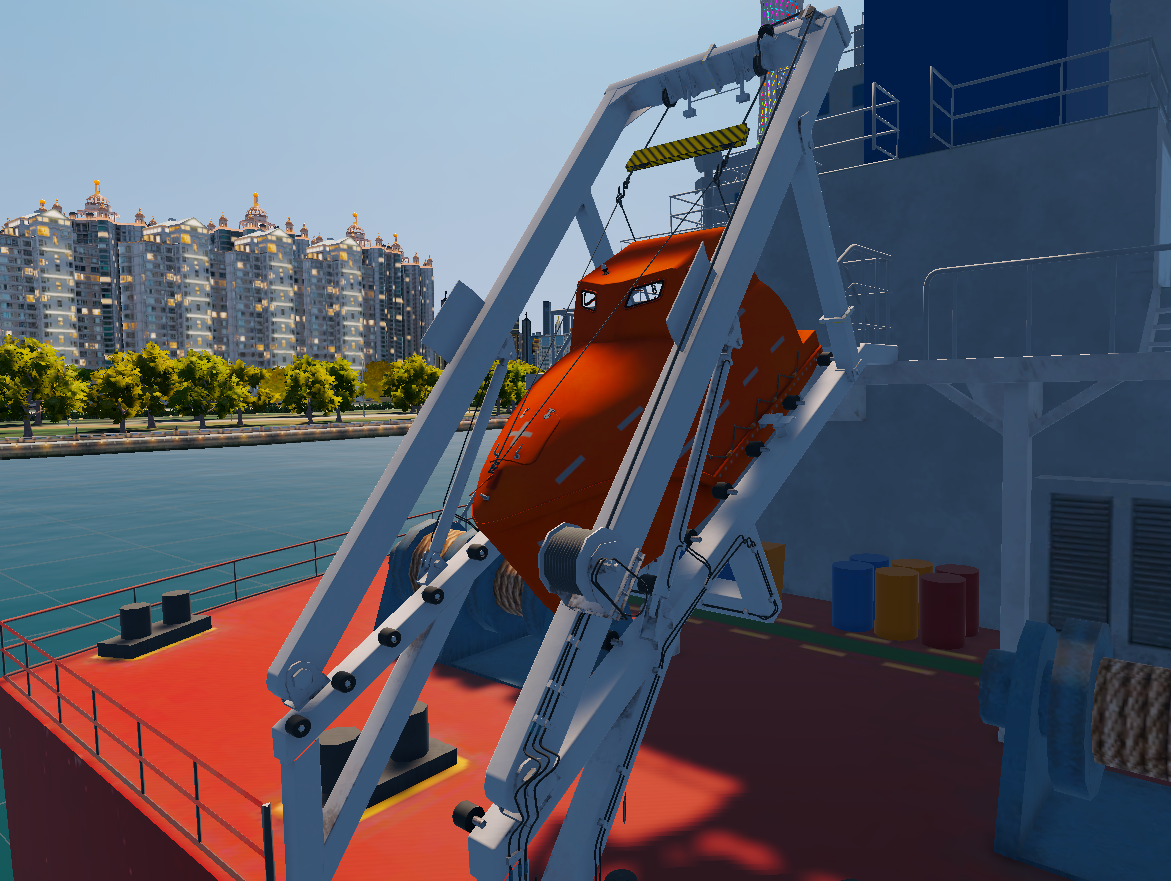
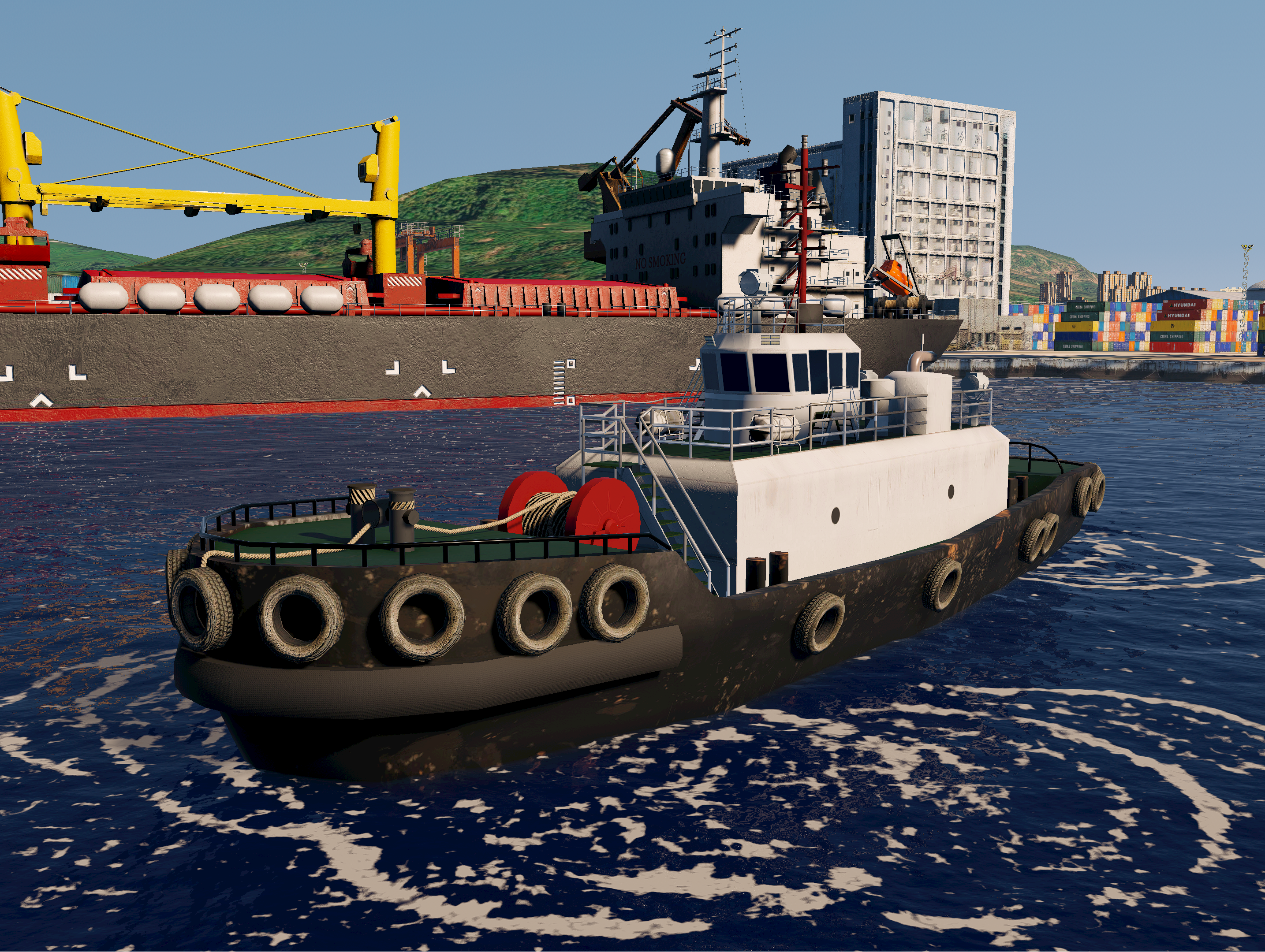
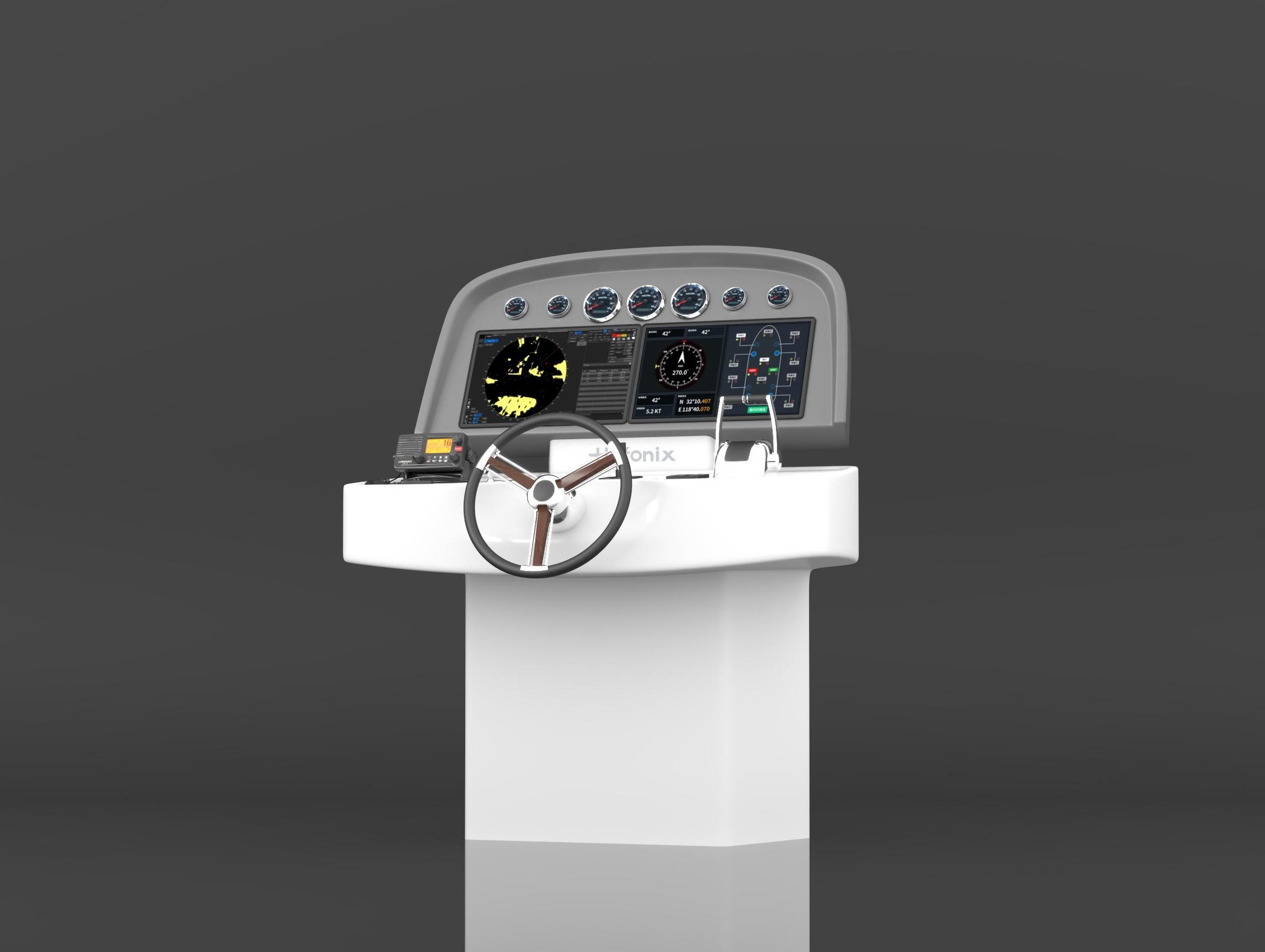

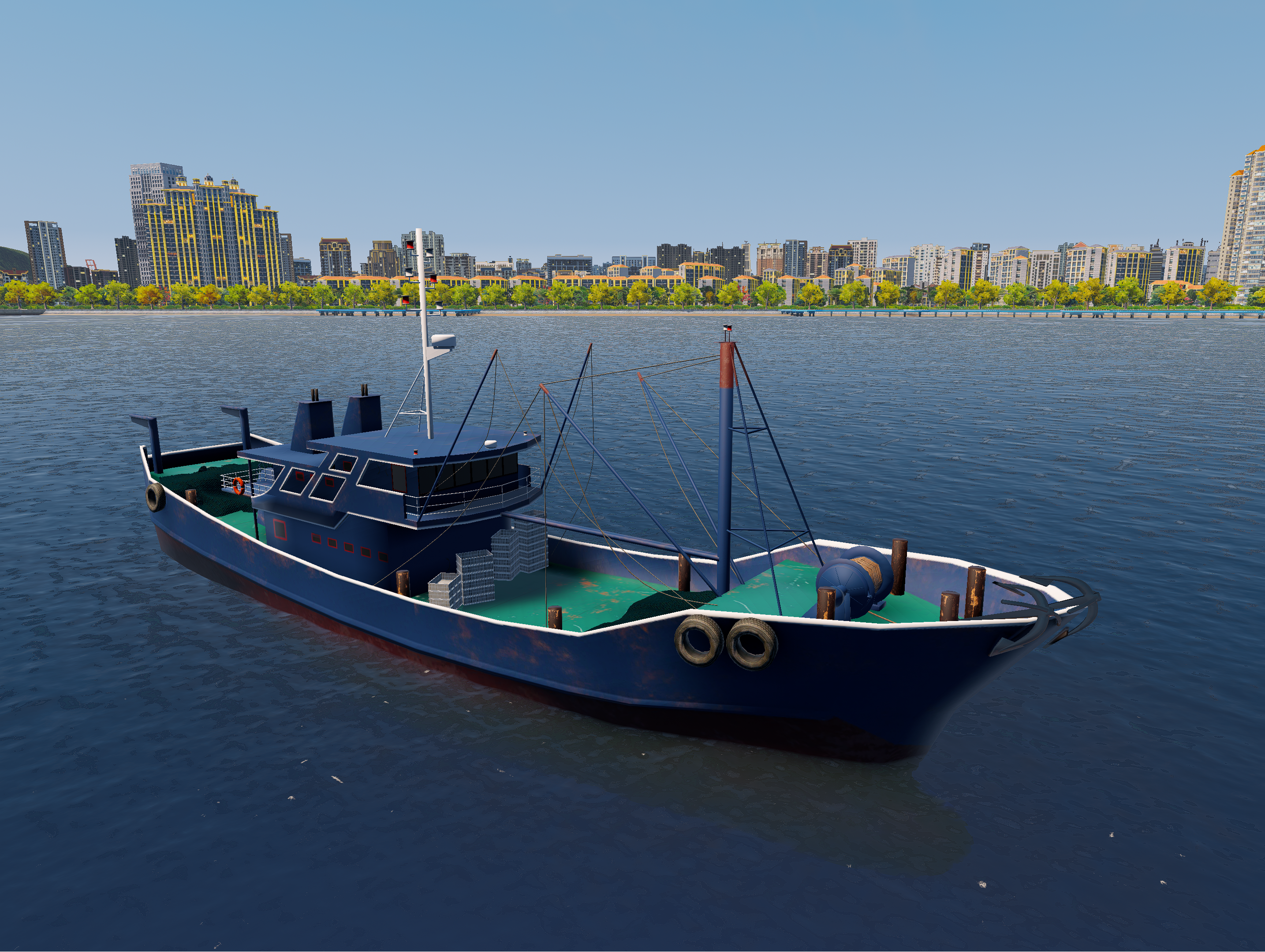
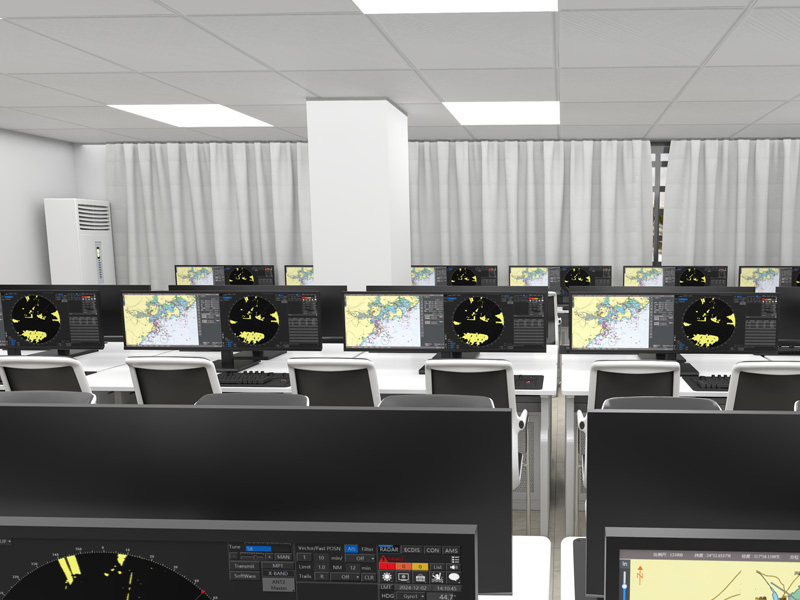

The maritime industry is entering a new phase of digital transformation, where training infrastructure is no longer evaluated as standalone equipment but as part of a fully connected learning ecosystem. For international procurement teams, this shift is driving strong investment interest in advanced systems such as the Yacht Simulator, Marine Simulator, Ship Navigation simulator, marine engine simulator, and fully integrated ship simulator platforms.
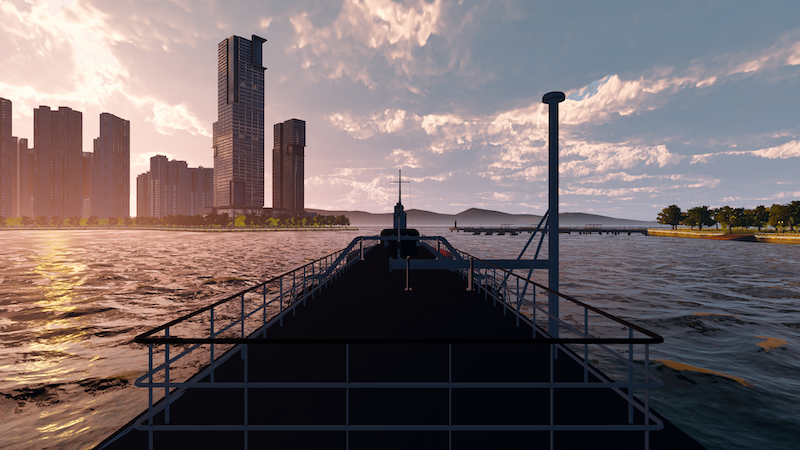
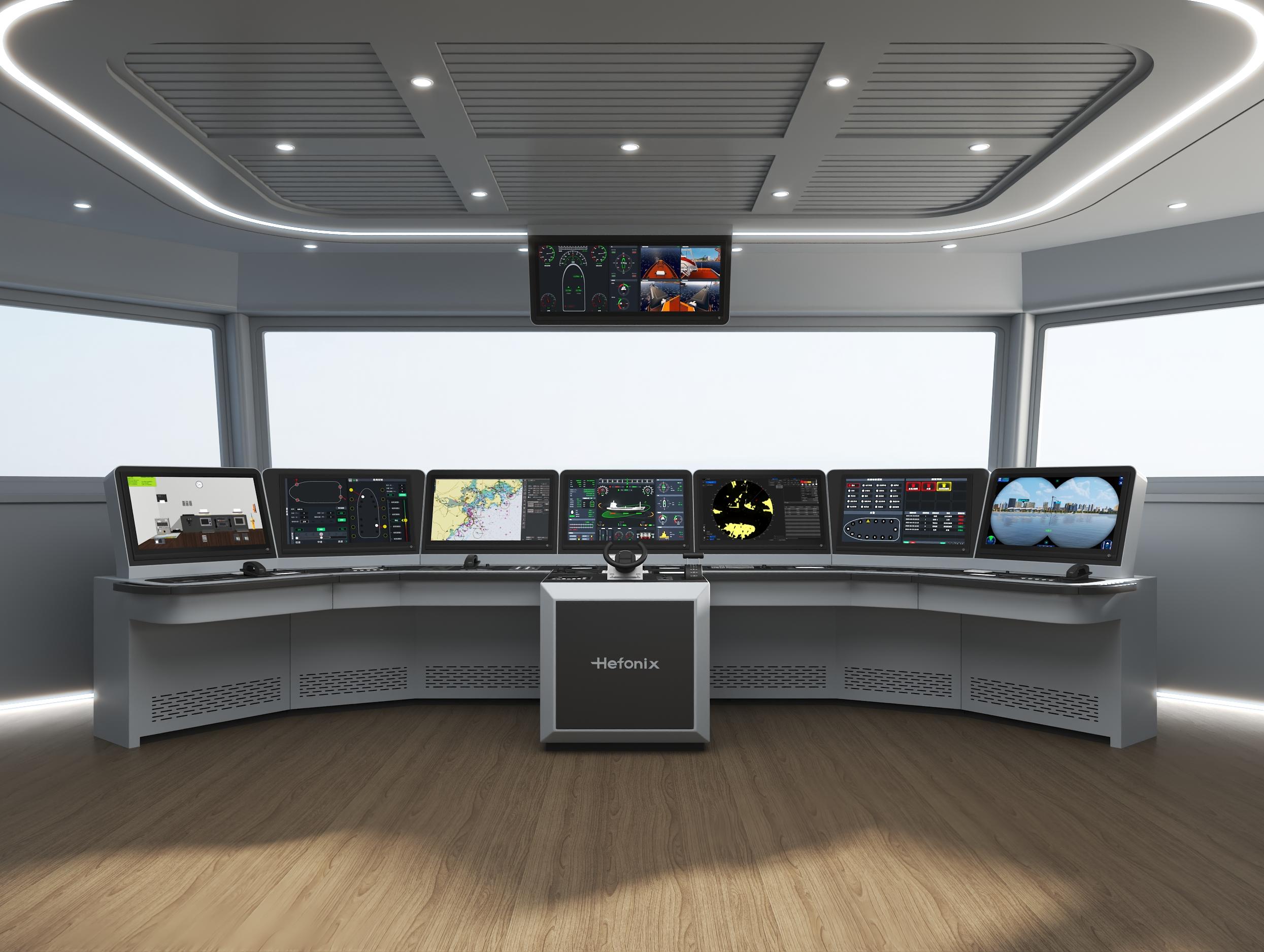
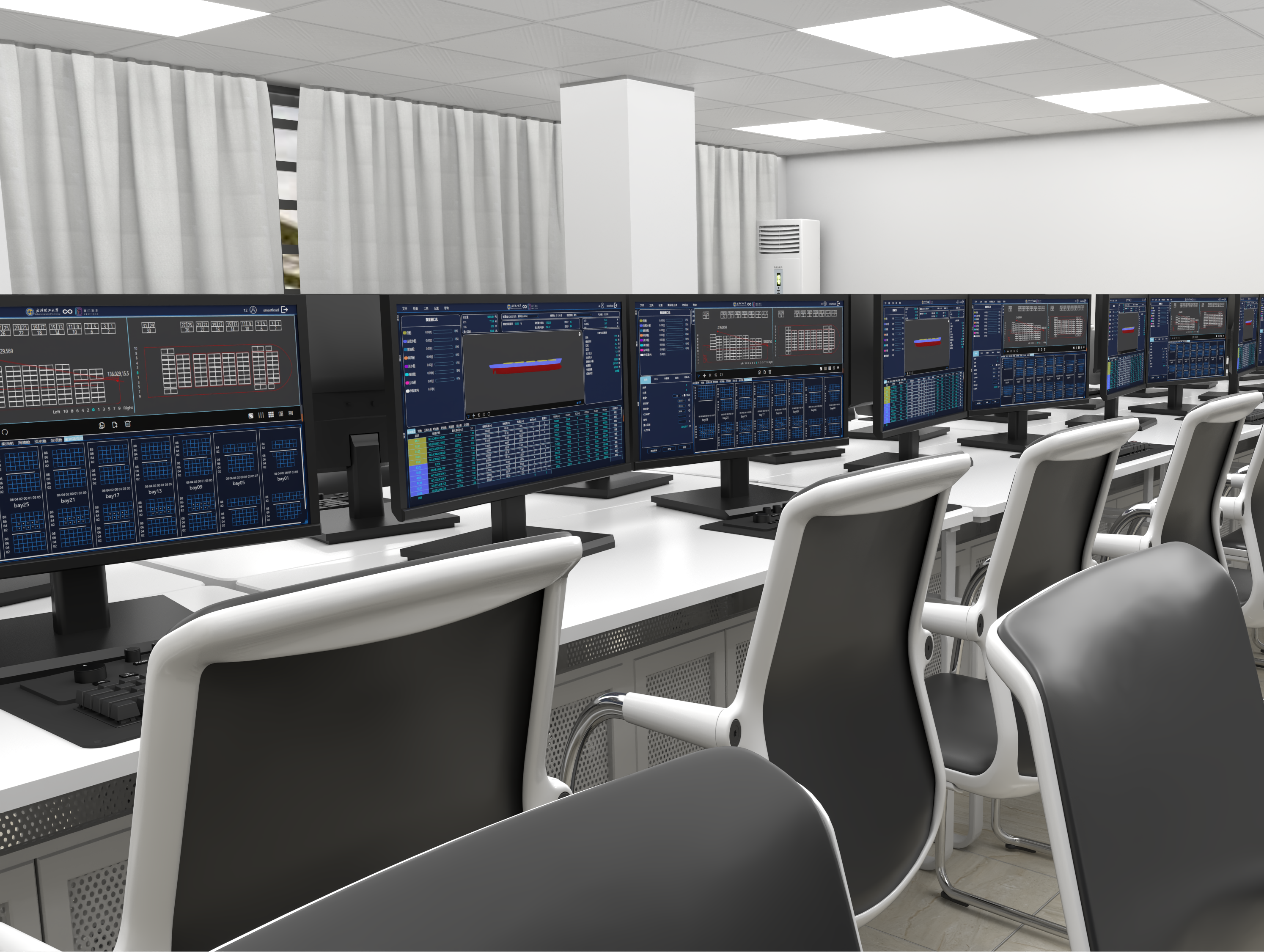
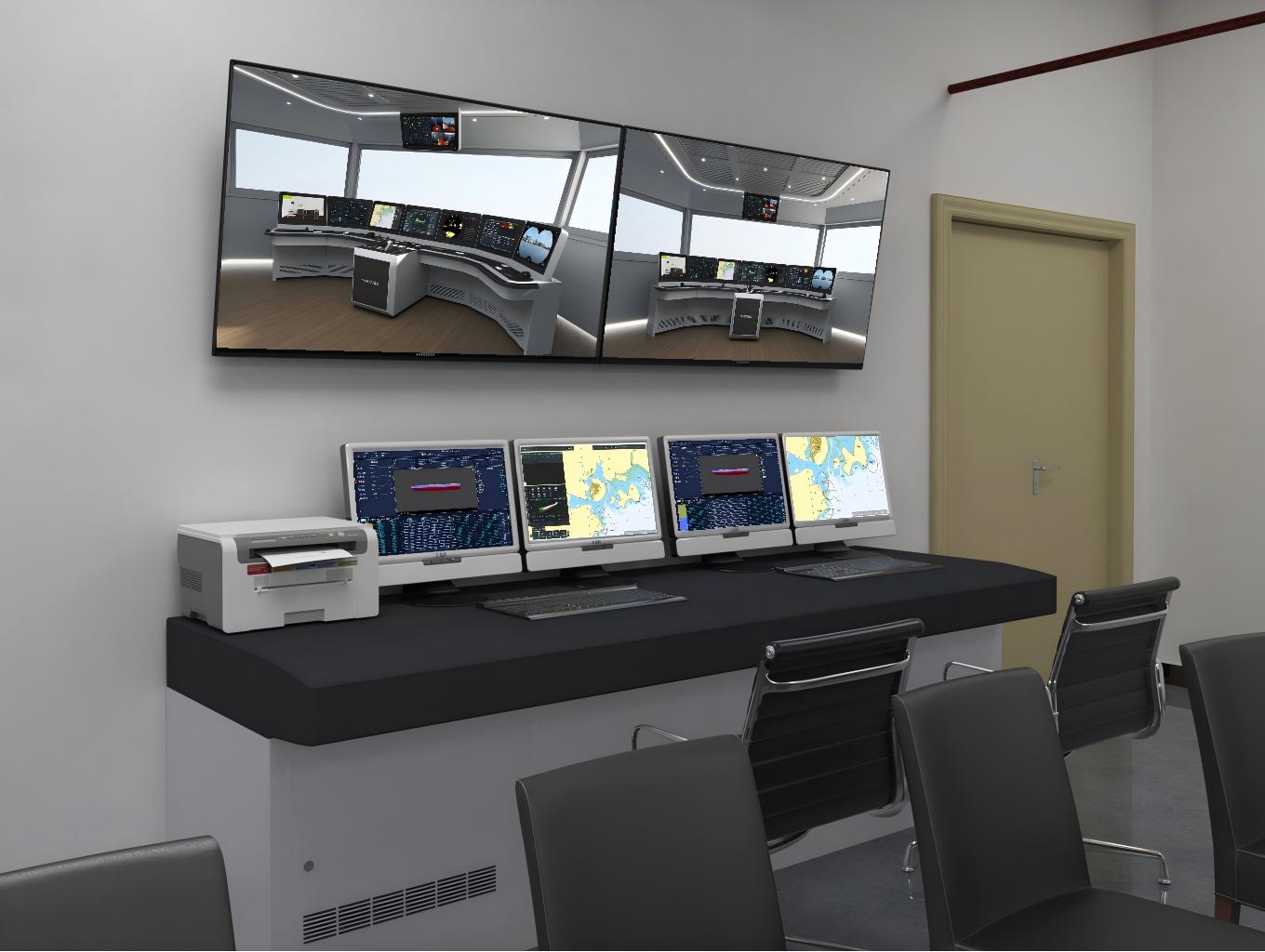
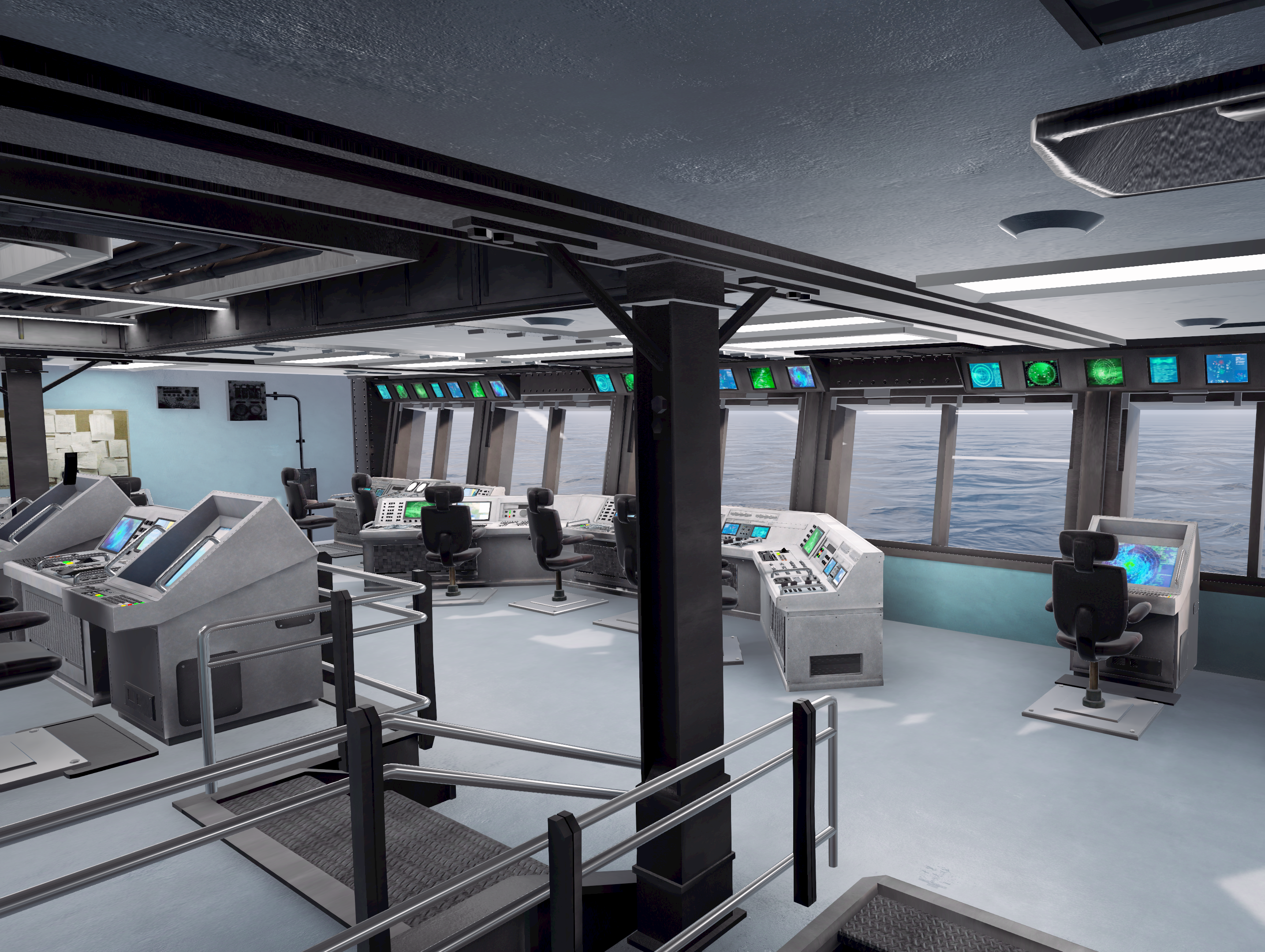
From the perspective of global buyers, the primary procurement driver is no longer simple skill training—it is risk reduction, operational standardization, and digital competency alignment. In this context, the ship simulator has become the central asset in modern maritime training centers. A high-end ship simulator enables end-to-end operational training, allowing cadets and professional officers to experience realistic voyage execution, emergency handling, and coordinated bridge-engine communication within a controlled digital environment.
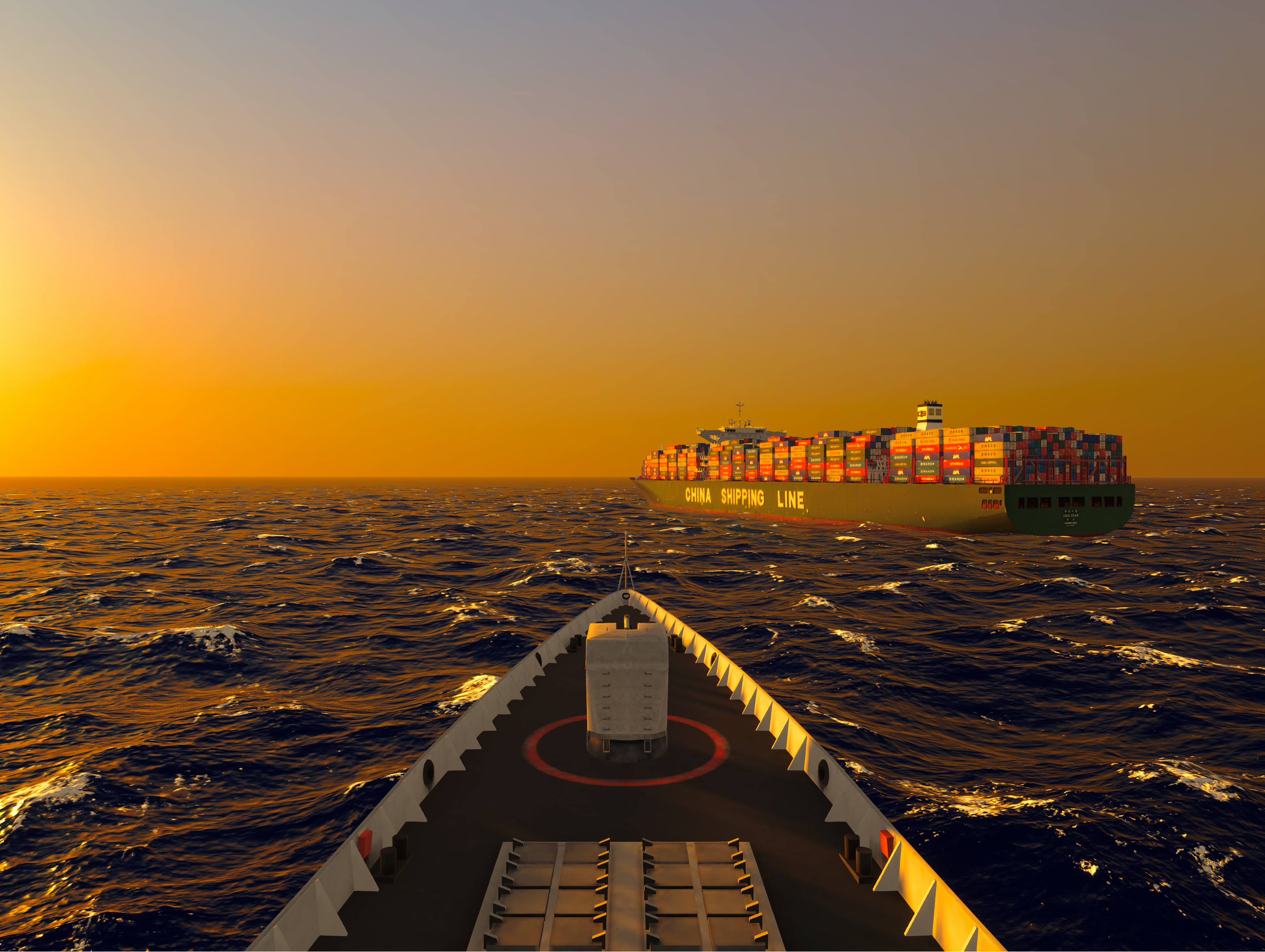
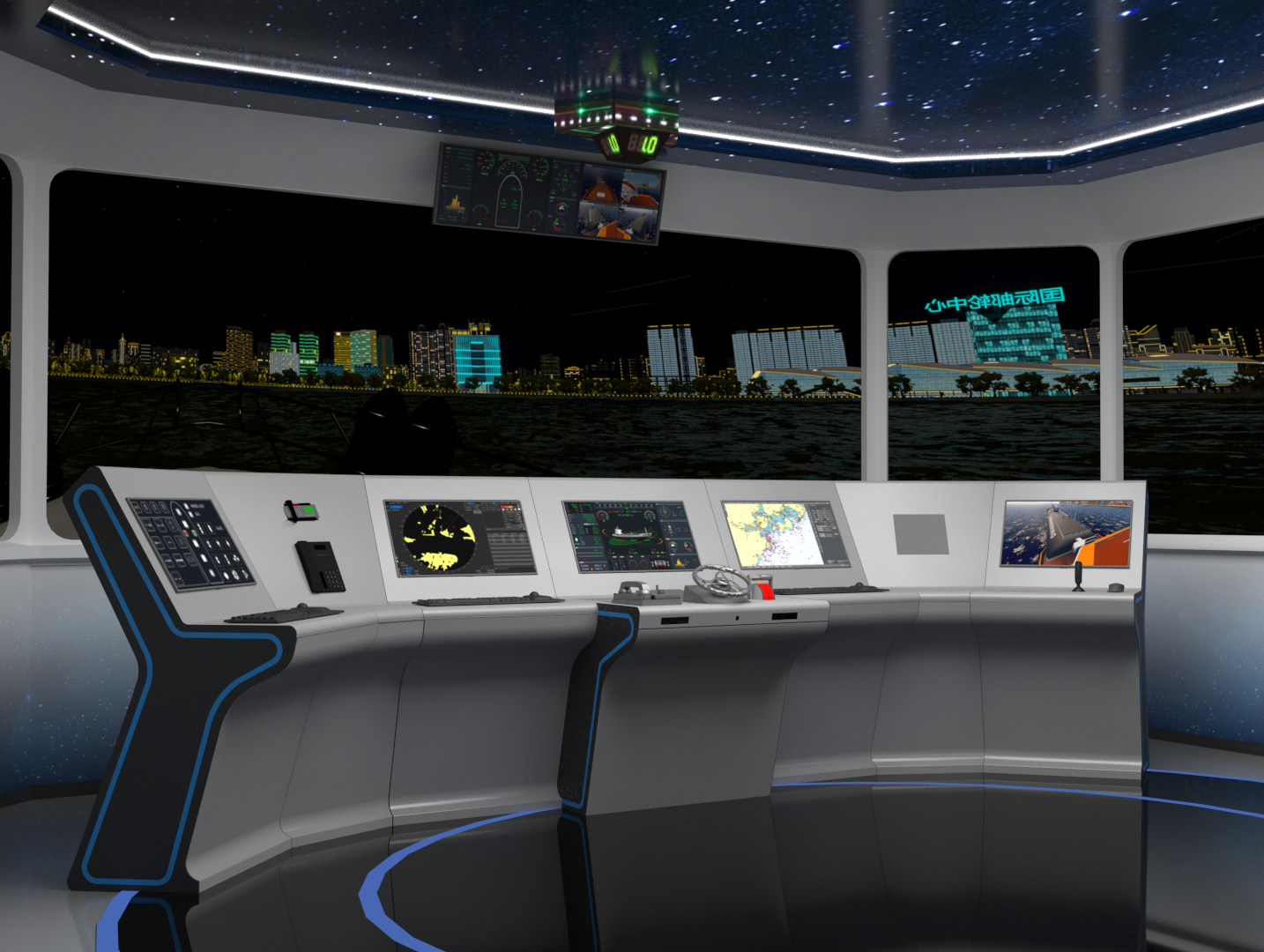
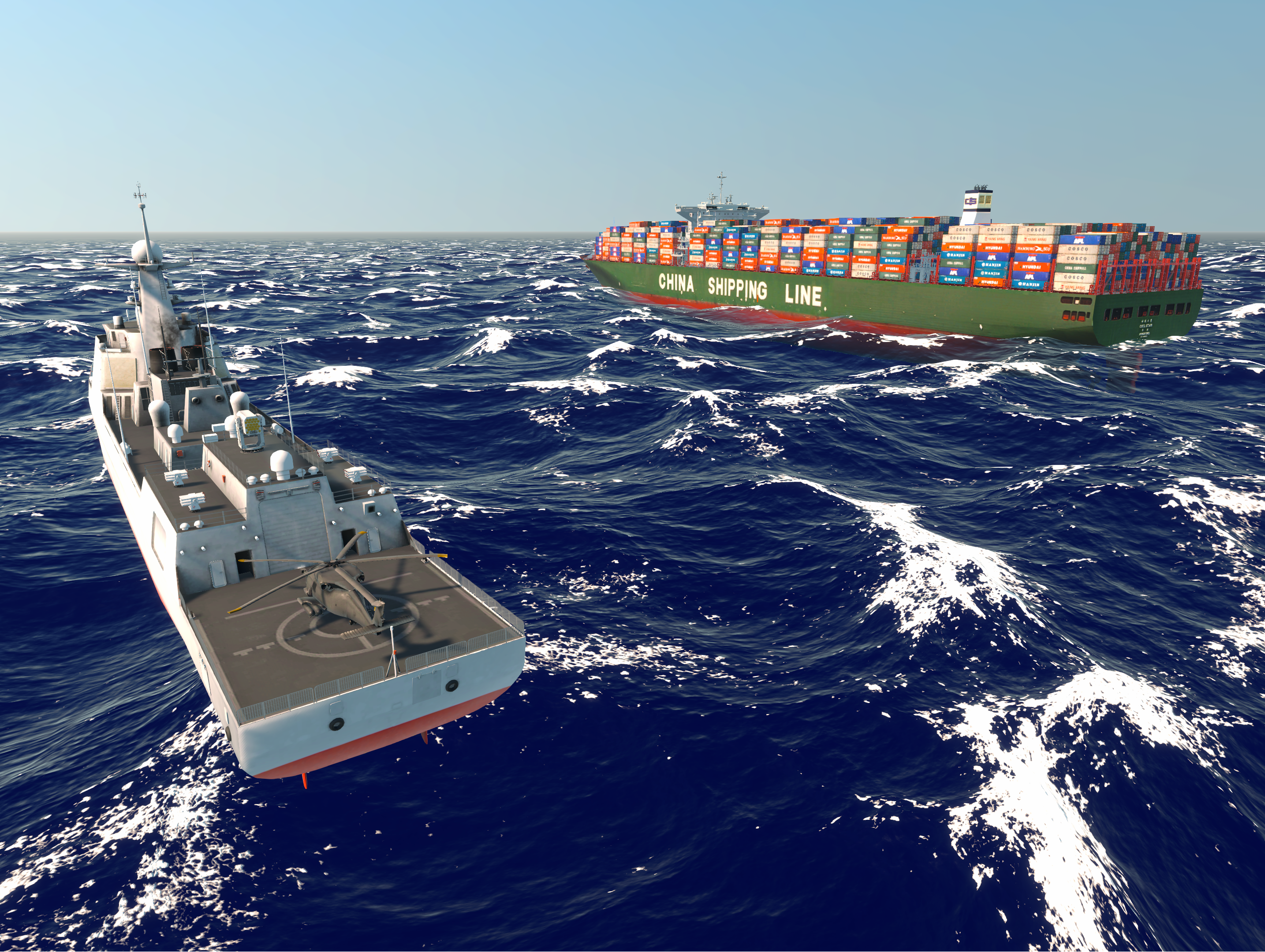
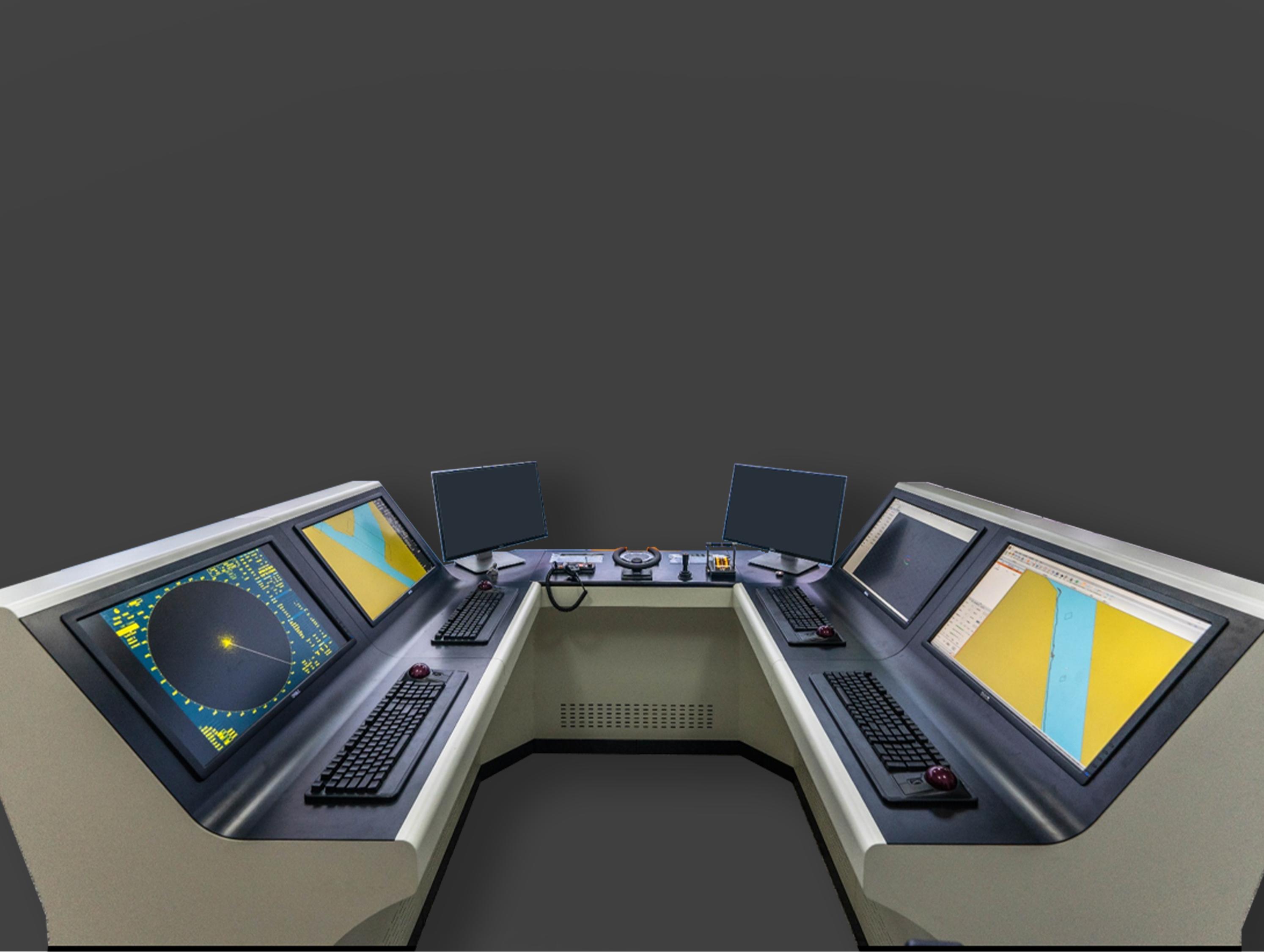
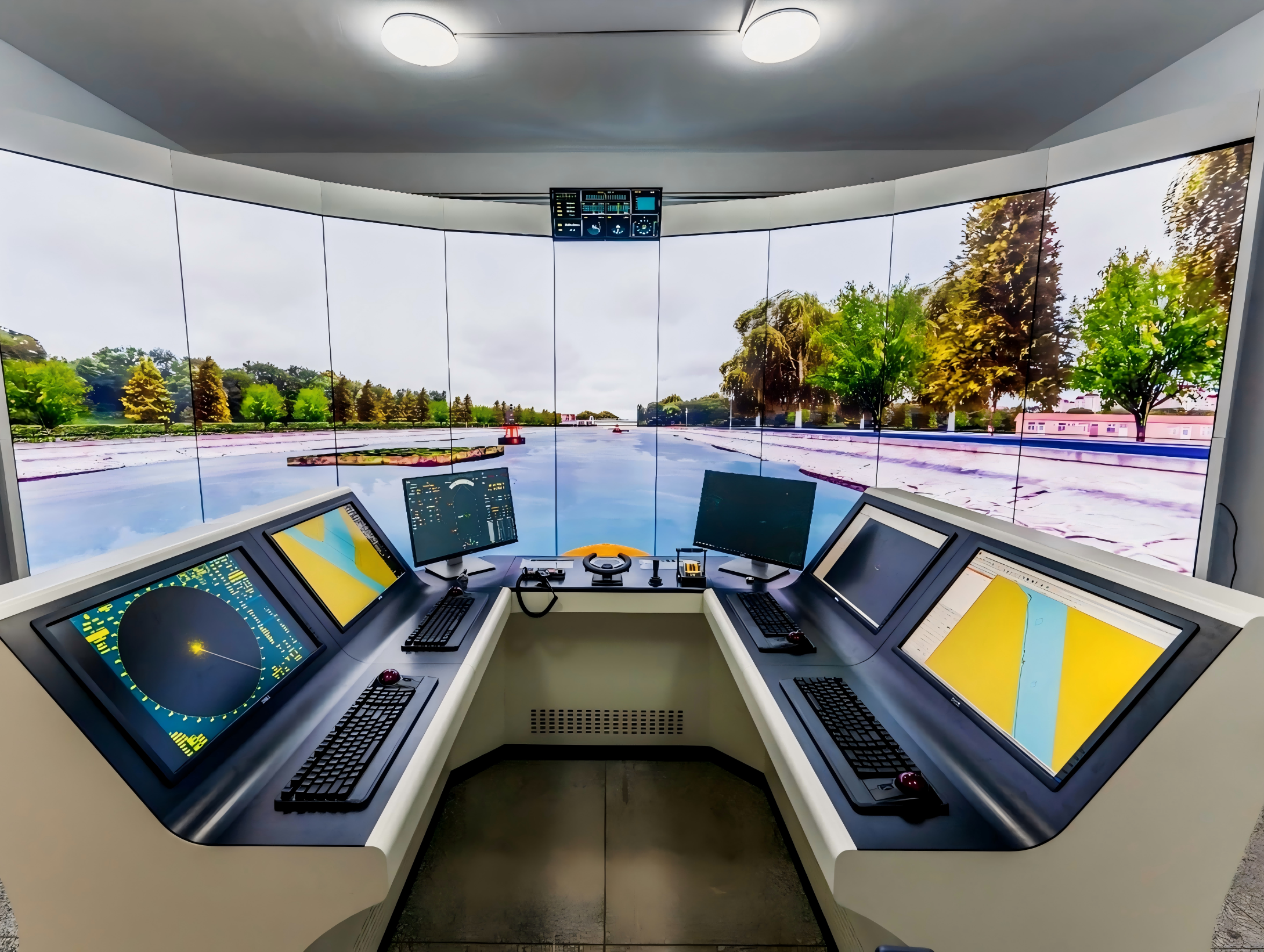
At the same time, demand for specialized navigation training continues to grow, particularly for coastal and offshore operations. The Ship Navigation simulator is increasingly viewed as a core procurement item by maritime academies and shipping operators. Buyers value the Ship Navigation simulator for its ability to replicate real-world traffic density, port entry procedures, weather variability, and collision avoidance decision-making. For procurement teams, the accuracy of the Ship Navigation simulator directly correlates with training quality and regulatory readiness.
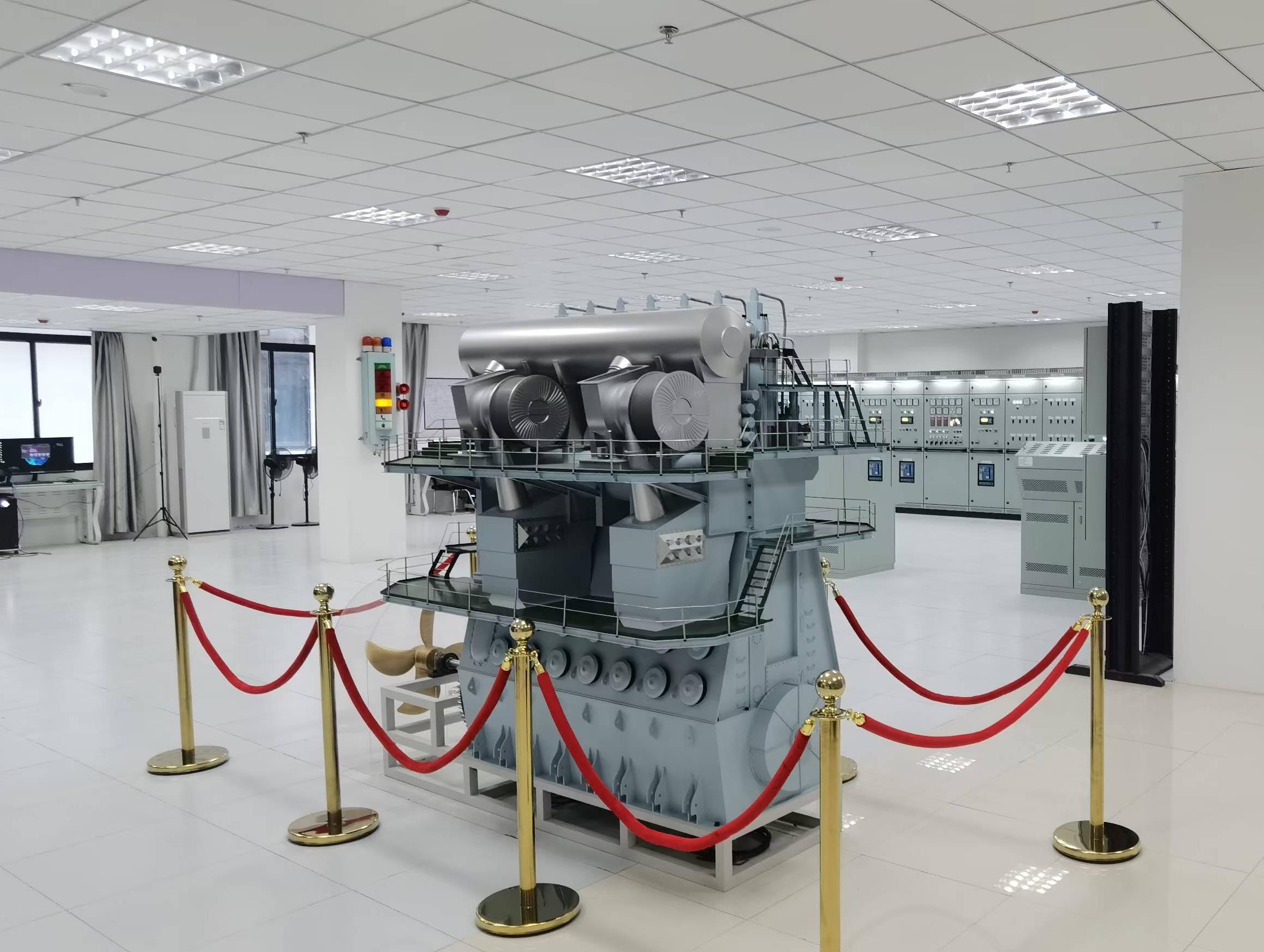
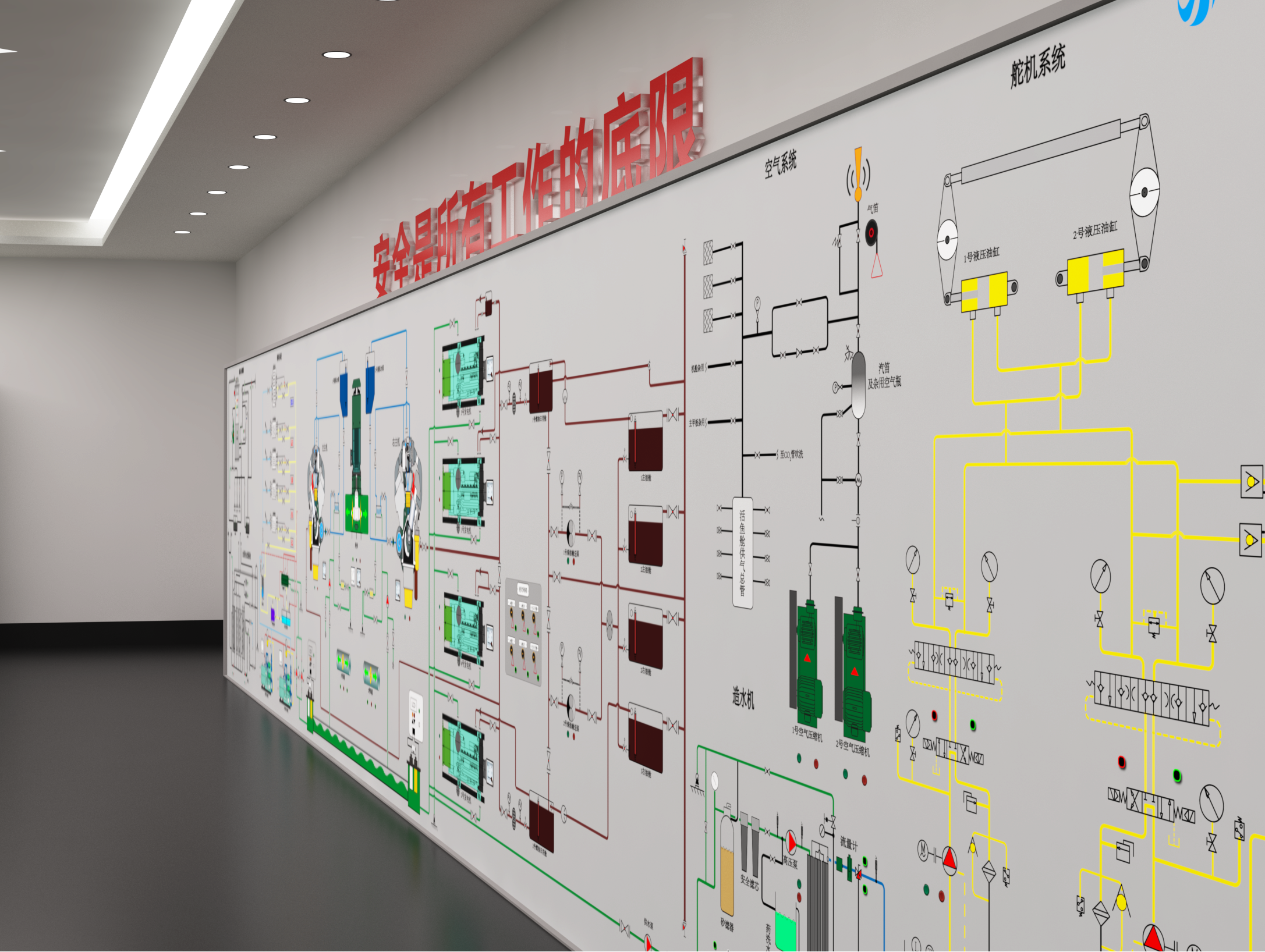
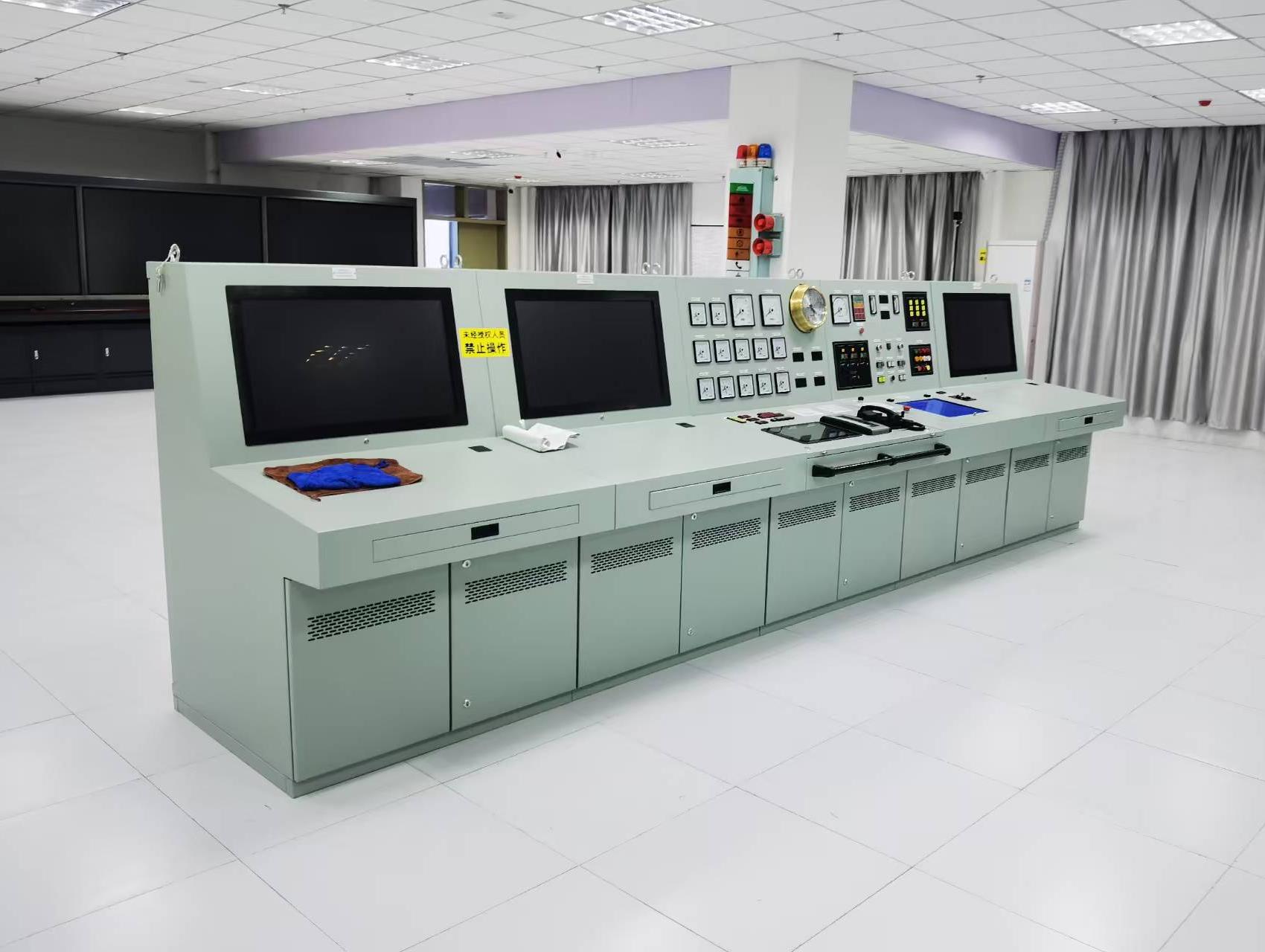
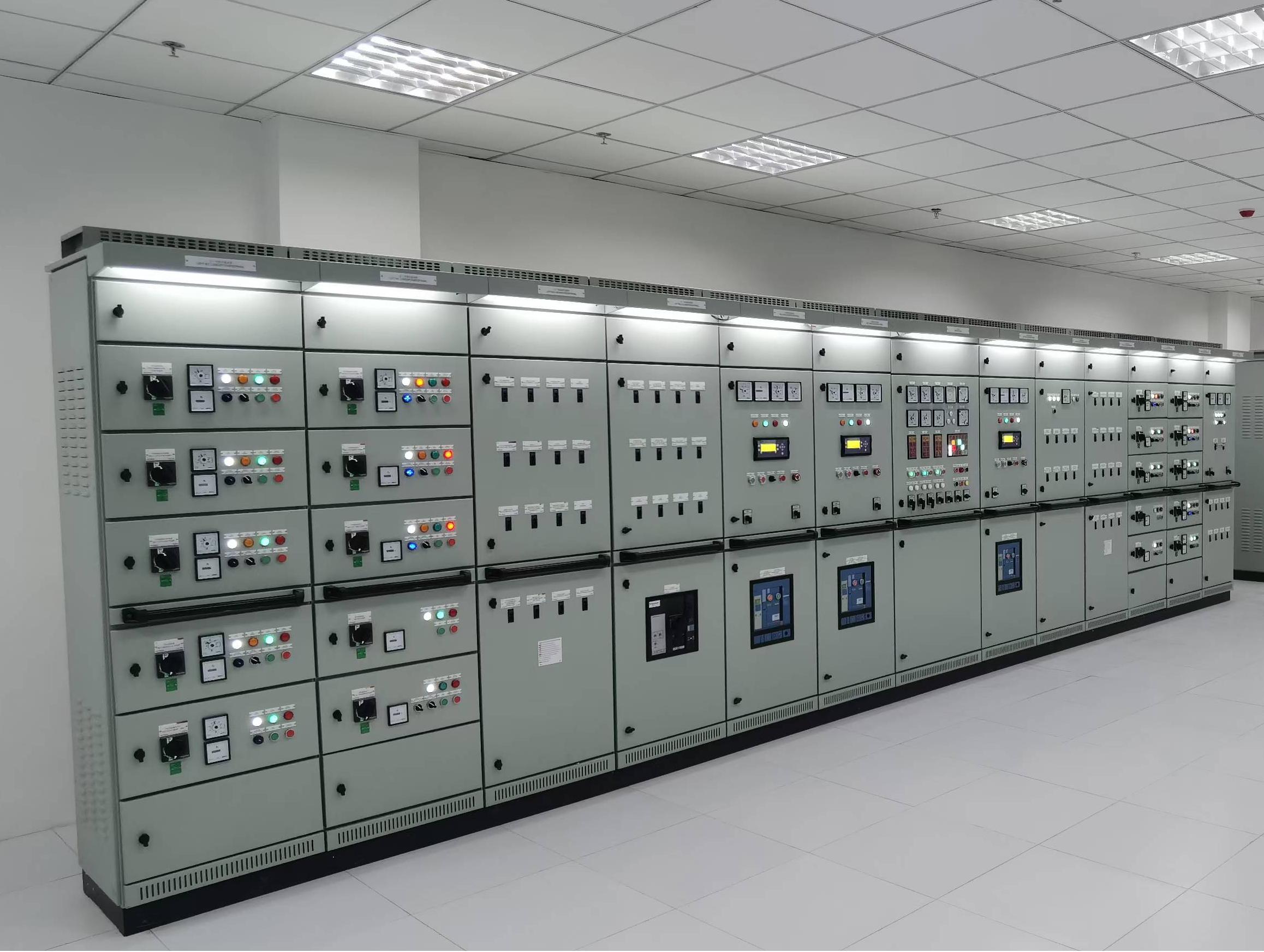
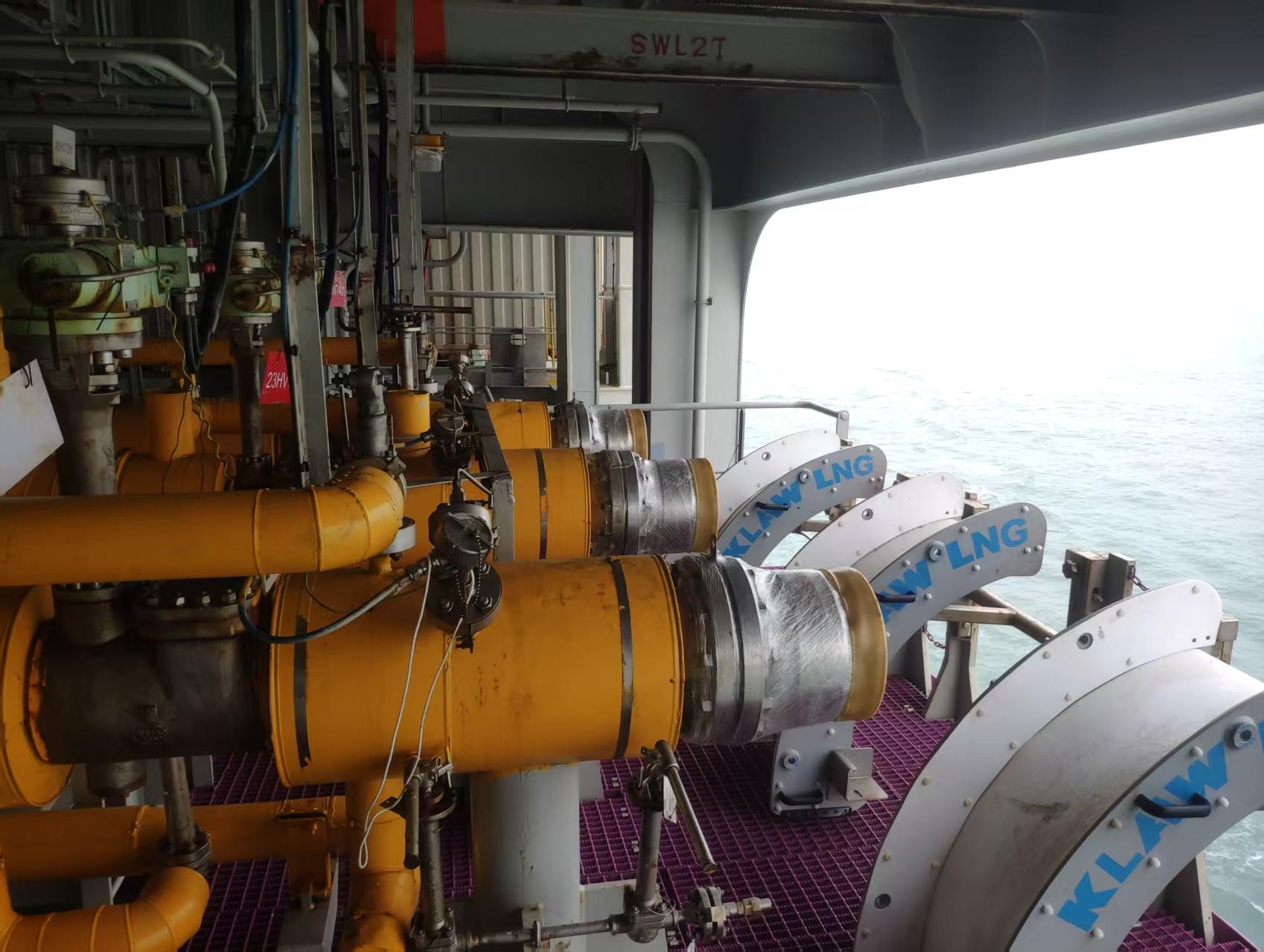
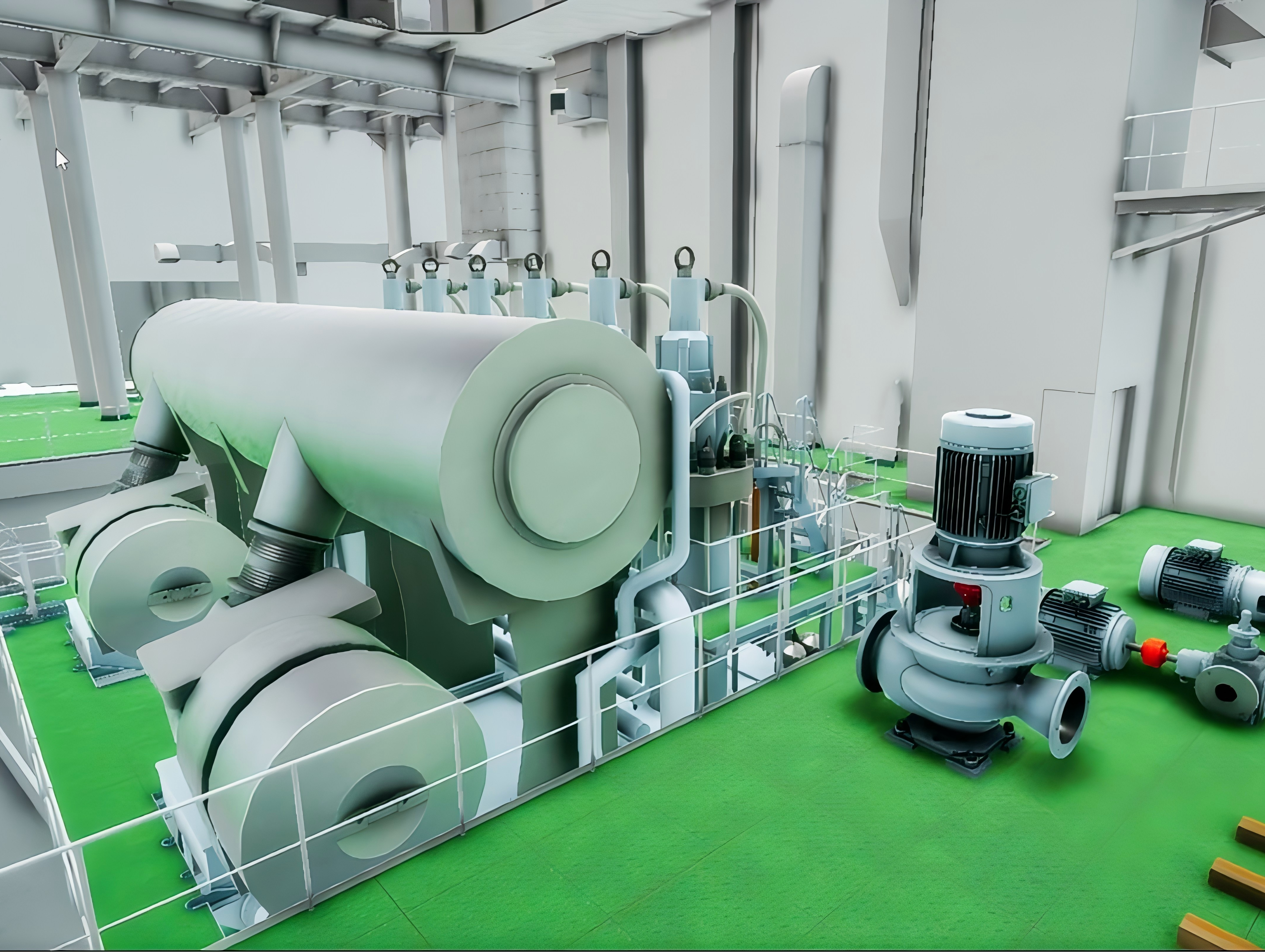
Another major purchasing trend is the expansion of propulsion-focused training systems. The marine engine simulator plays a critical role in bridging the gap between theoretical engine room knowledge and real operational experience. Global buyers increasingly require a marine engine simulator that can replicate engine load changes, fuel system behavior, and emergency machinery responses. As vessels become more automated, the marine engine simulator is no longer optional—it is a core requirement for competency-based training programs.
In parallel, maritime institutions are investing heavily in broader simulation ecosystems under the Marine Simulator framework. A modern Marine Simulator is no longer limited to a single function; it integrates navigation, engine operations, and environmental conditions into one unified platform. For procurement decision-makers, the value of a Marine Simulator lies in its scalability, upgrade potential, and ability to support multi-level training programs across different vessel types and certification requirements.
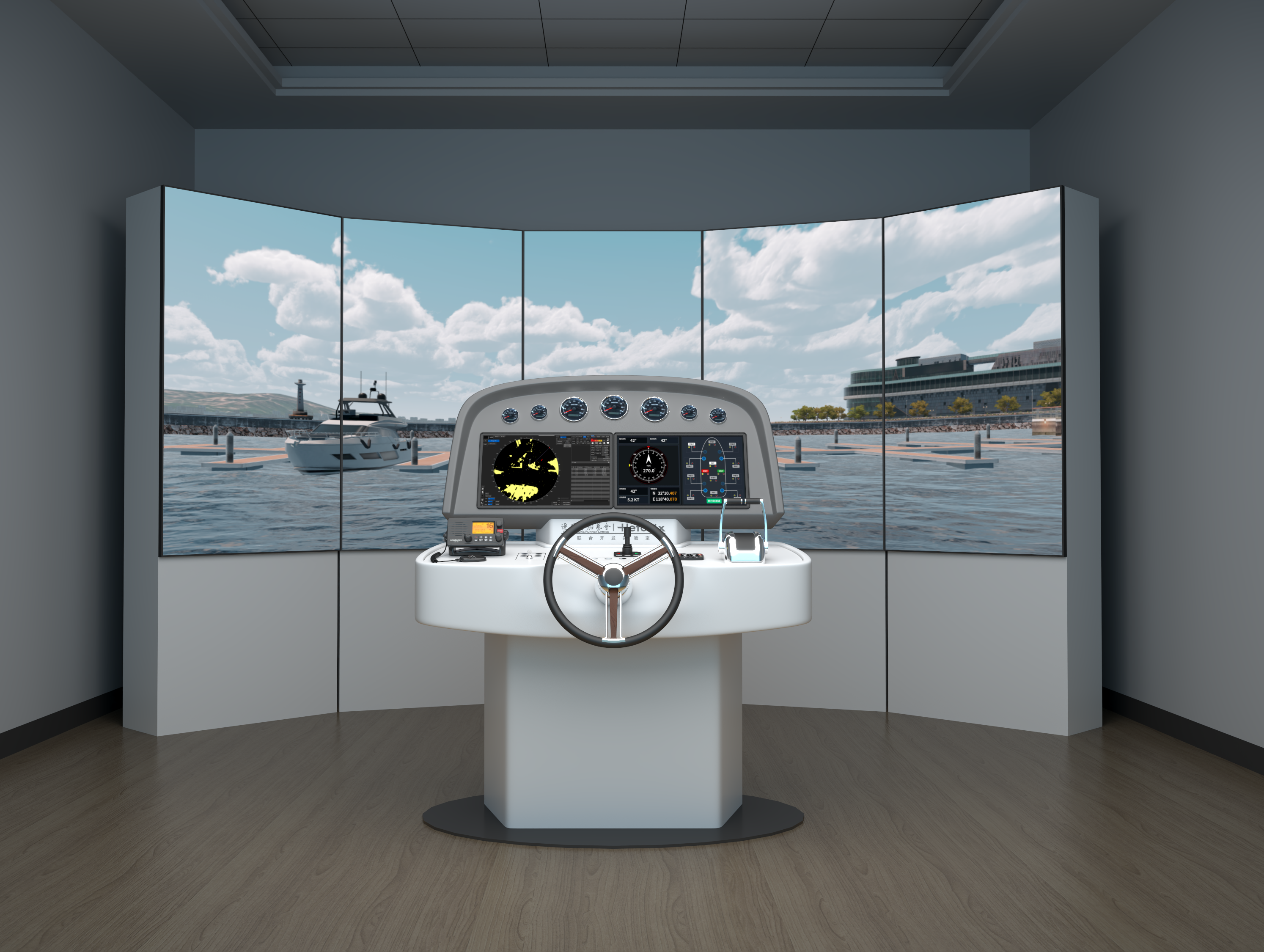
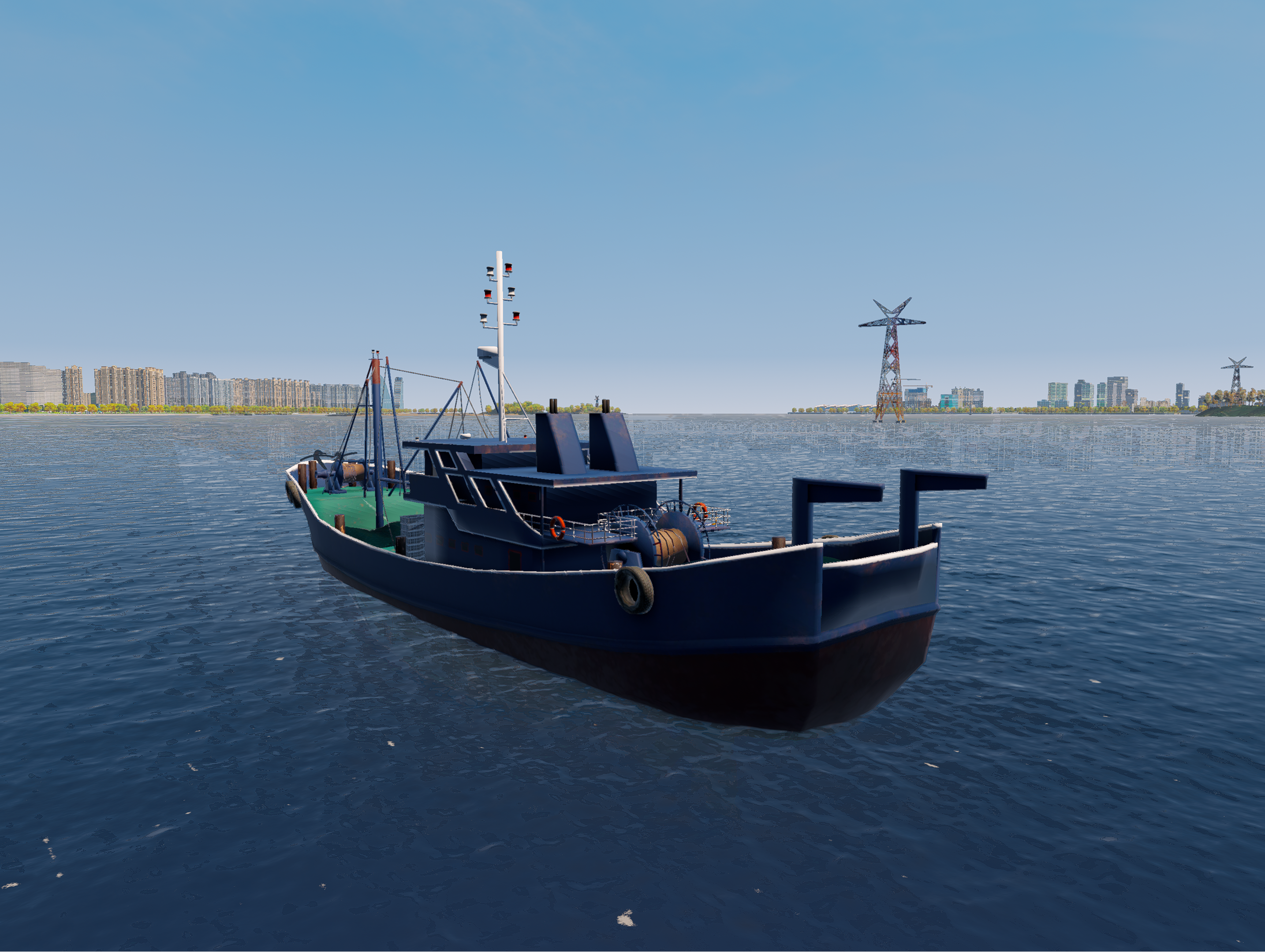
The growing popularity of the Yacht Simulator further highlights the diversification of maritime training demand. International buyers are increasingly adopting Yacht Simulator systems not only for leisure craft training but also for high-speed vessel handling, coastal navigation practice, and emergency maneuver training. The flexibility of the Yacht Simulator makes it particularly attractive for private training centers, offshore service providers, and specialized maritime institutions.
What sets current procurement trends apart is the demand for integration over isolation. Buyers are no longer purchasing individual simulation modules; instead, they are prioritizing ecosystems where the Yacht Simulator, Marine Simulator, Ship Navigation simulator, marine engine simulator, and ship simulator work together as a unified training architecture. This integration ensures synchronized training across bridge operations, engine room systems, and vessel handling environments.
From a strategic procurement perspective, this shift also reflects a broader industry transformation. Shipping companies are under pressure to improve safety performance, reduce operational errors, and comply with increasingly strict international training standards. As a result, investment in advanced ship simulator systems is being positioned not as a training expense, but as a long-term operational risk management strategy.
In conclusion, global maritime buyers are redefining procurement priorities around digital training ecosystems. The combined adoption of Yacht Simulator, Marine Simulator, Ship Navigation simulator, marine engine simulator, and ship simulator solutions represents a clear movement toward fully integrated, data-driven, and standardized maritime education systems. This evolution is shaping the future of global maritime training infrastructure and setting new benchmarks for industry-wide competency development.