

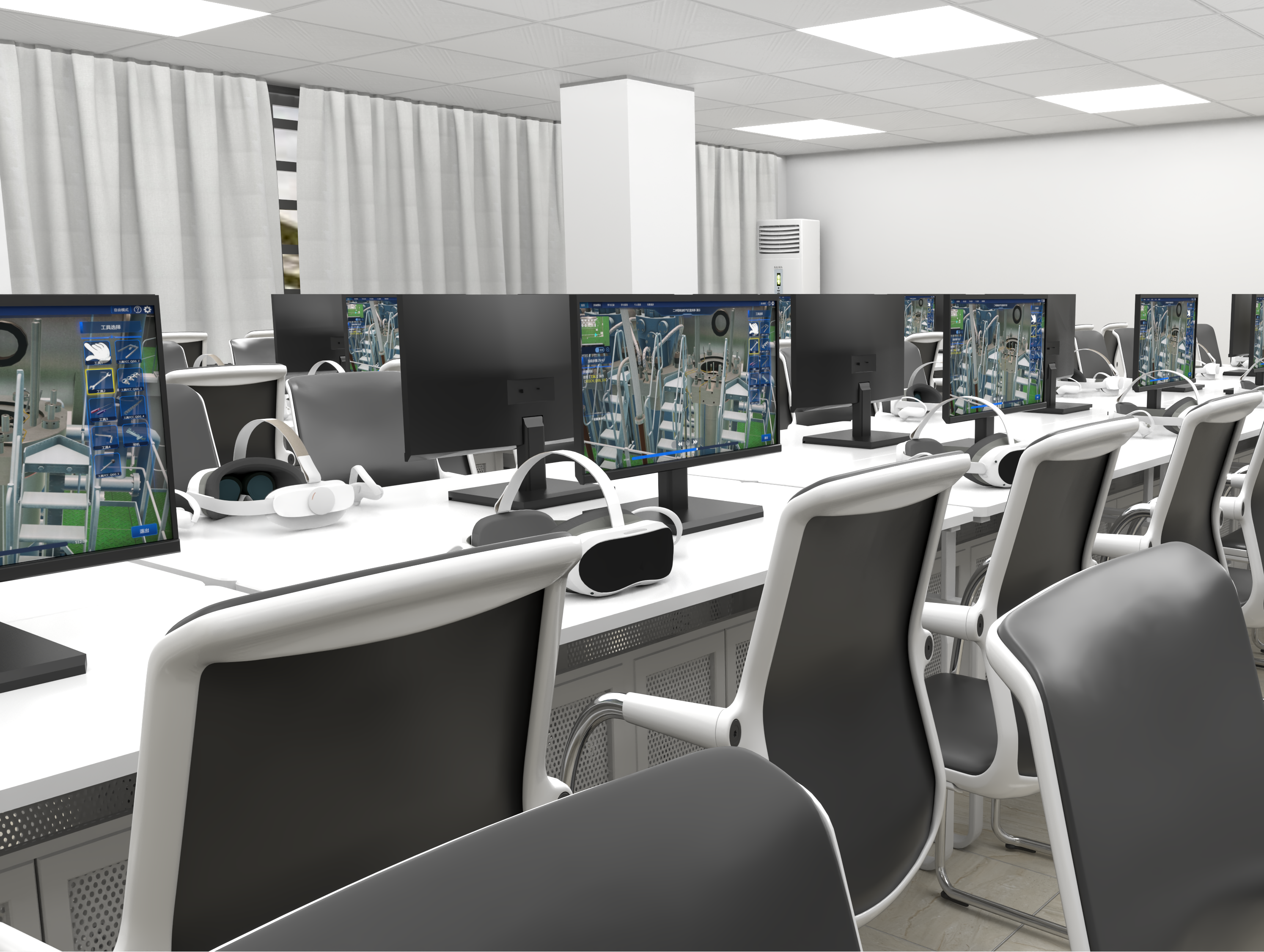
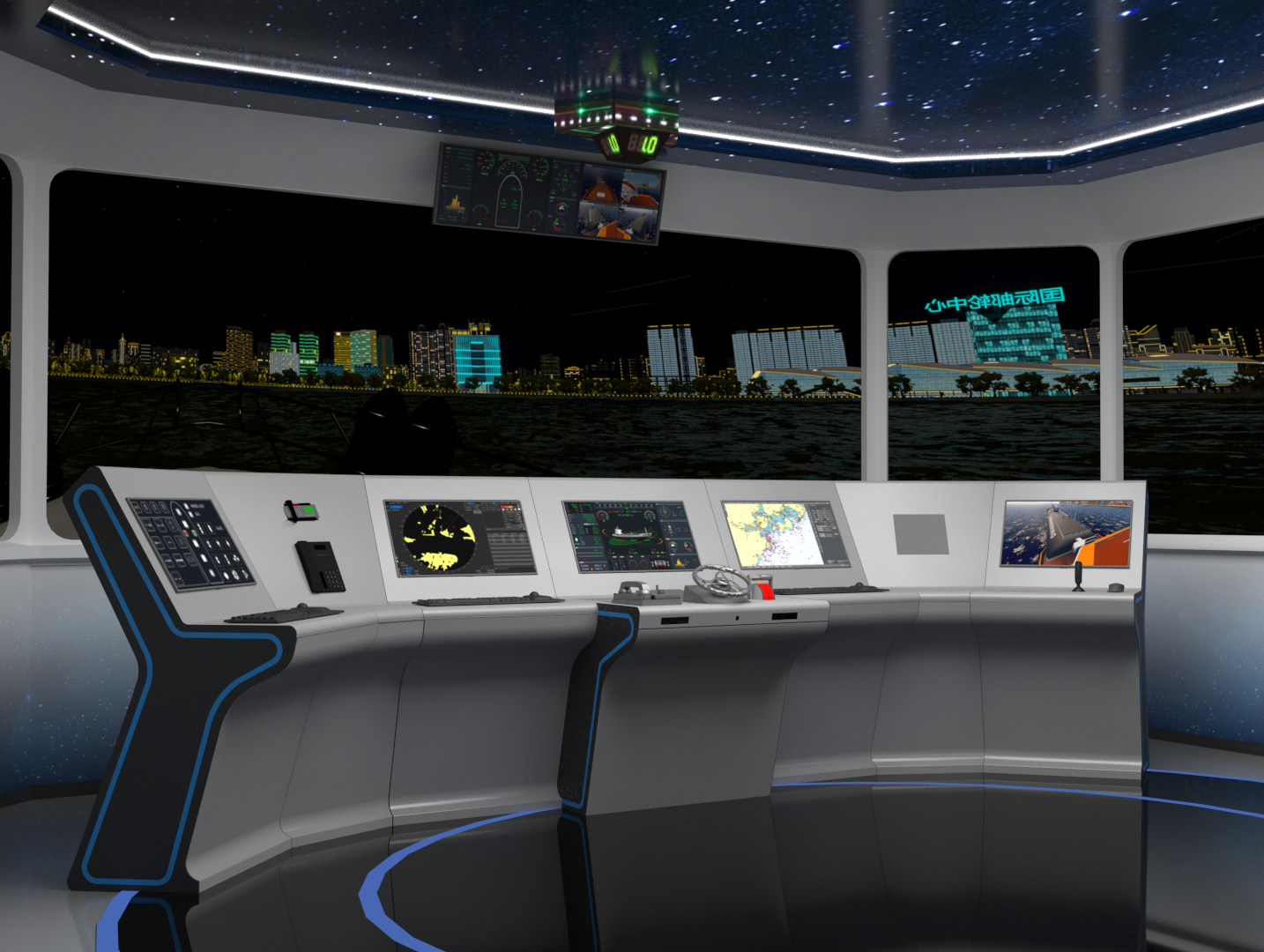
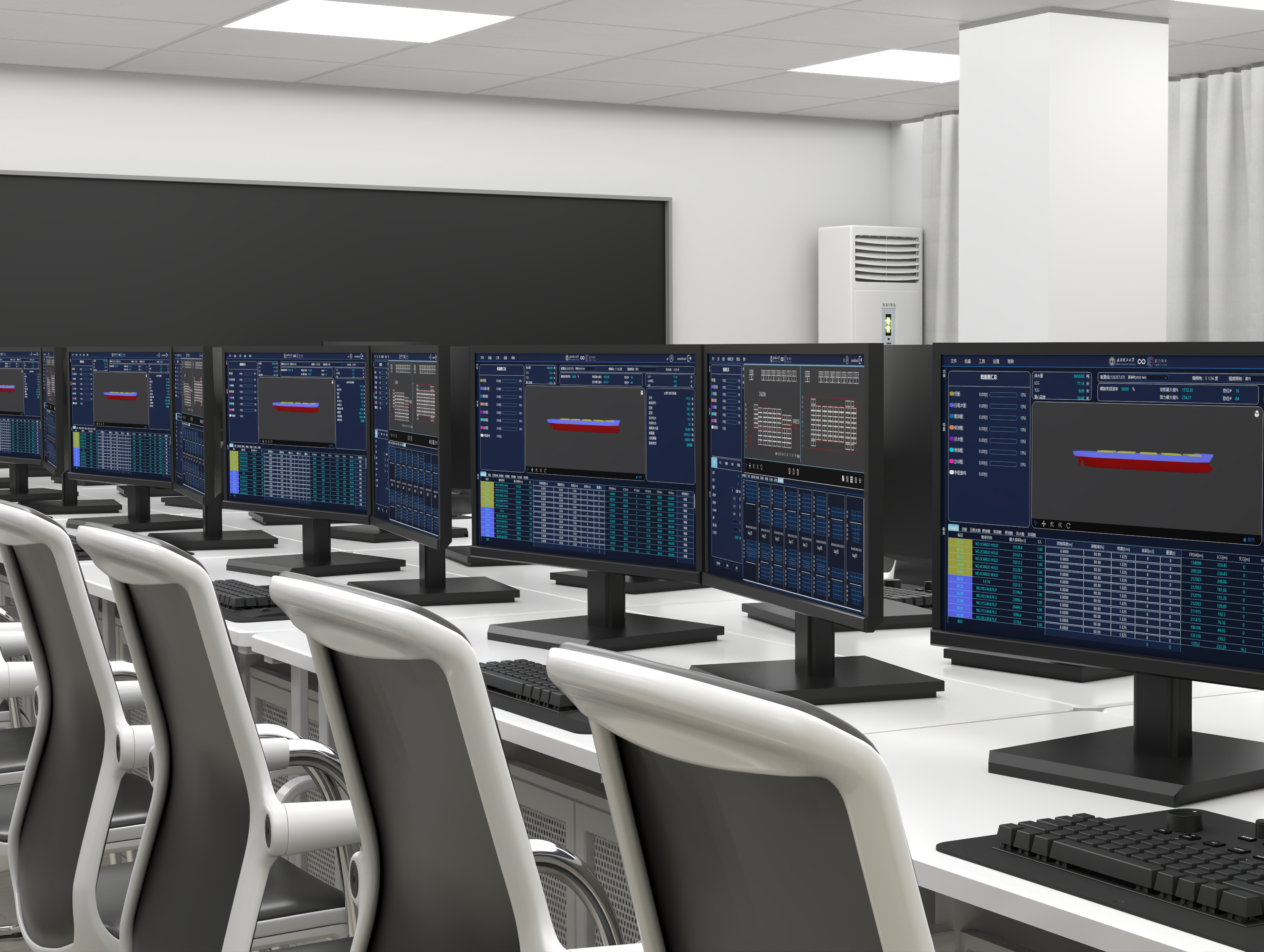
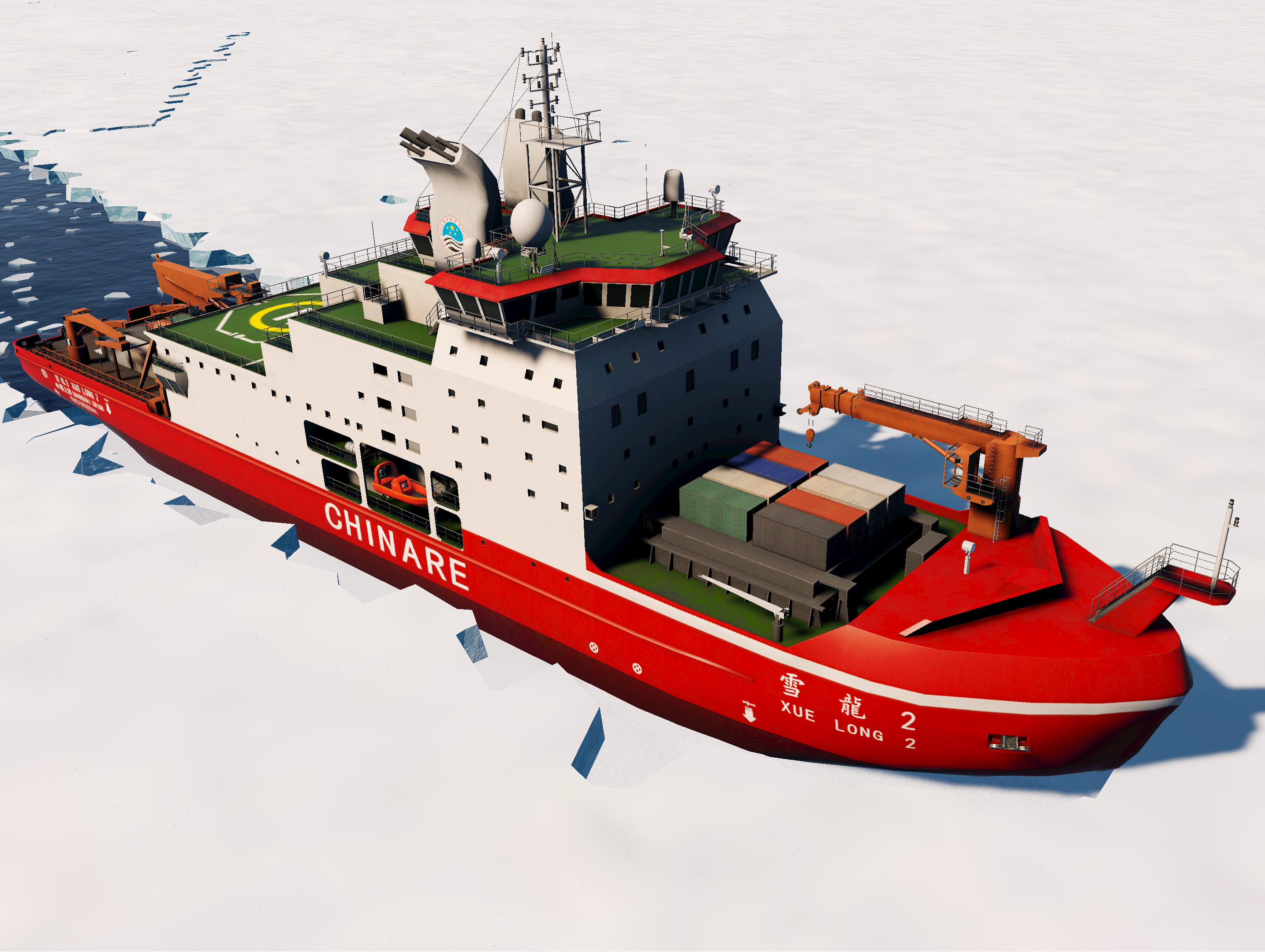
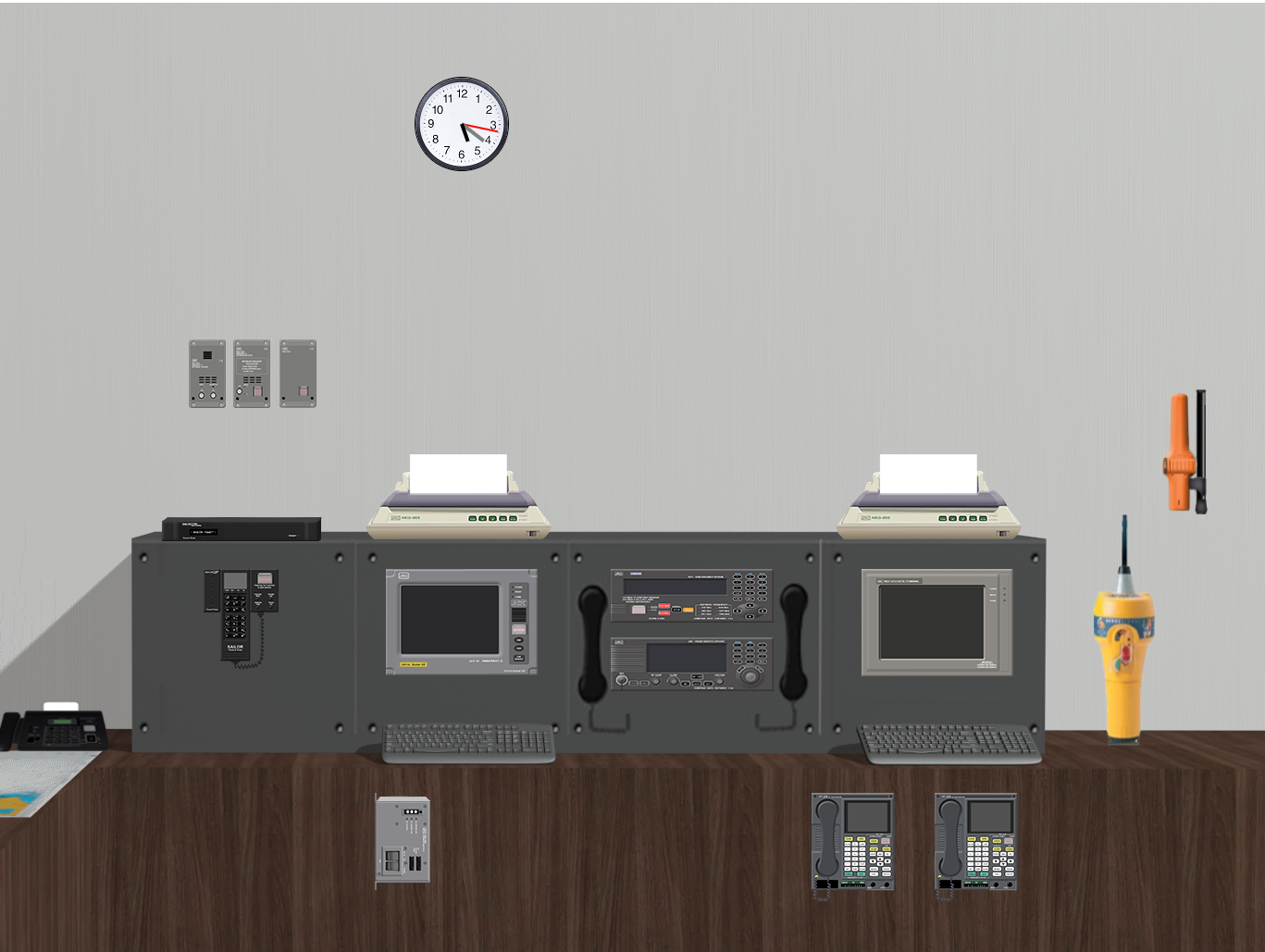
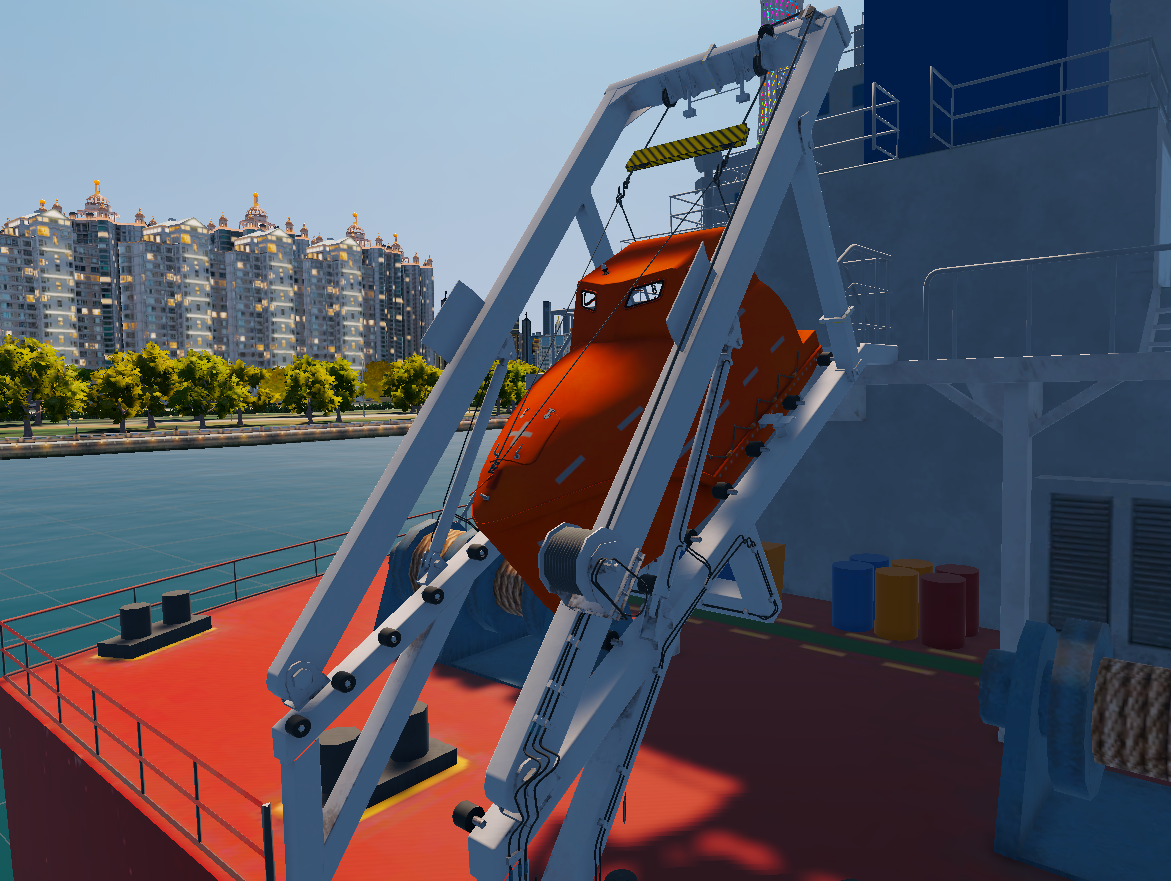
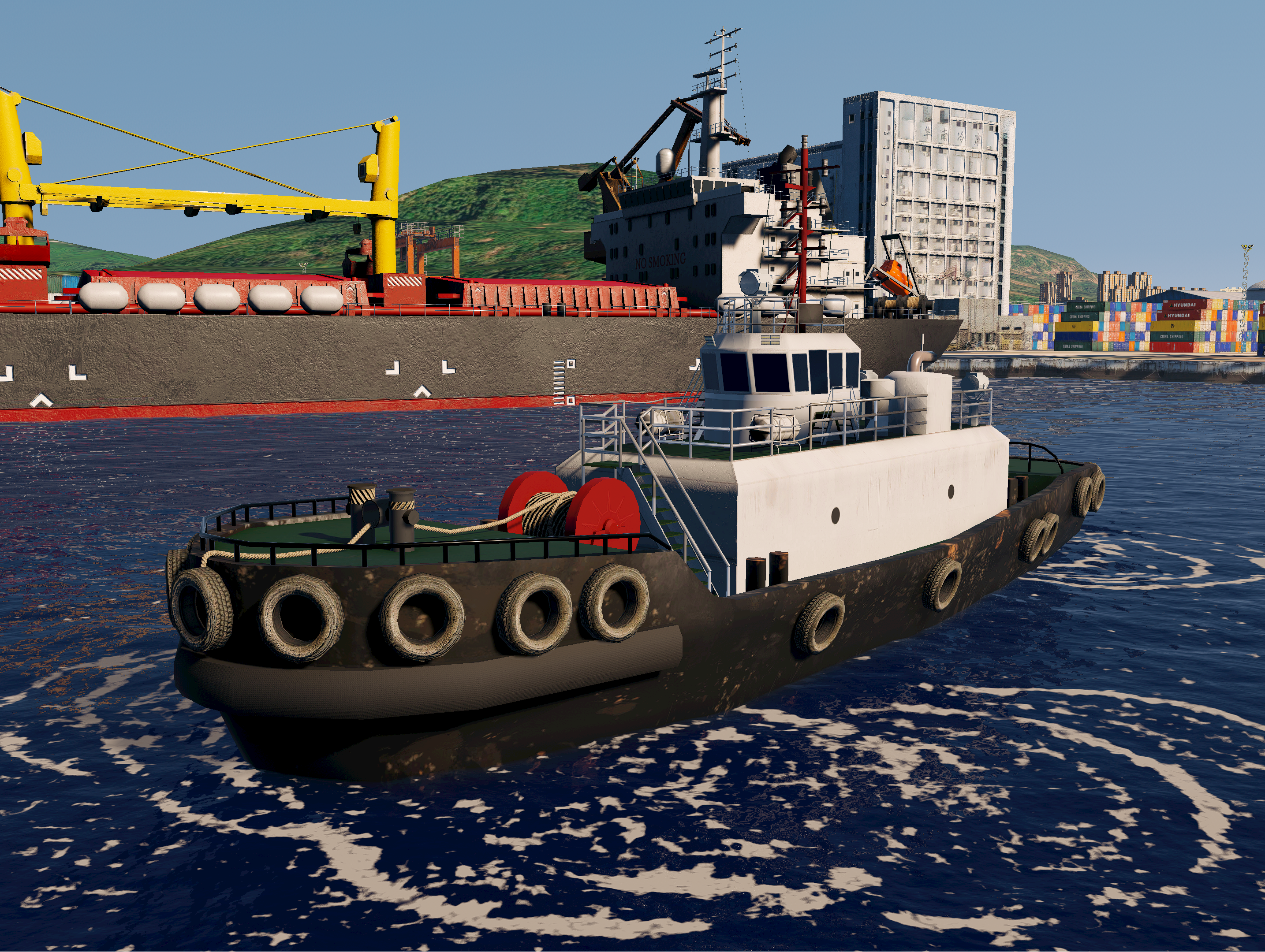
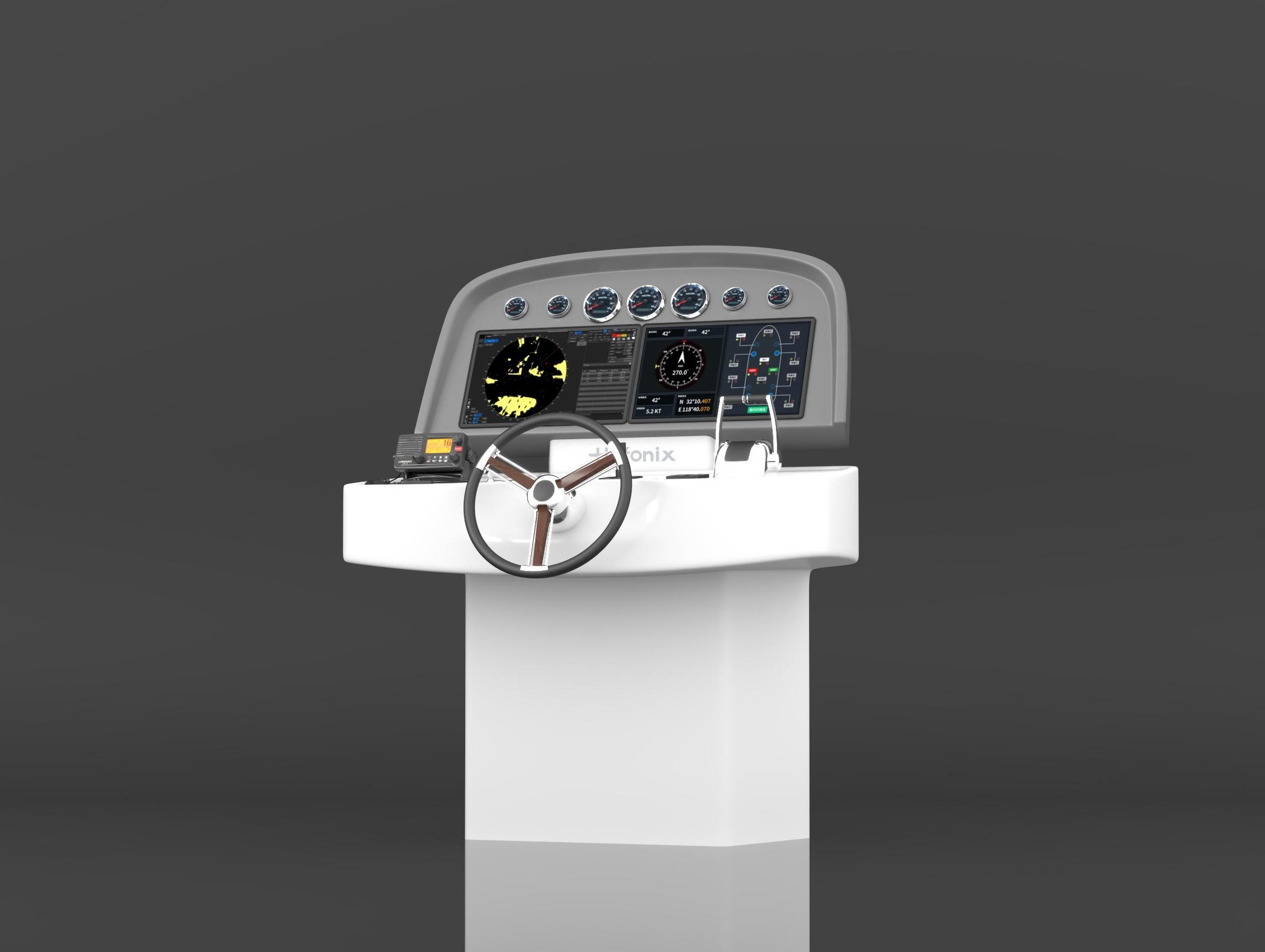
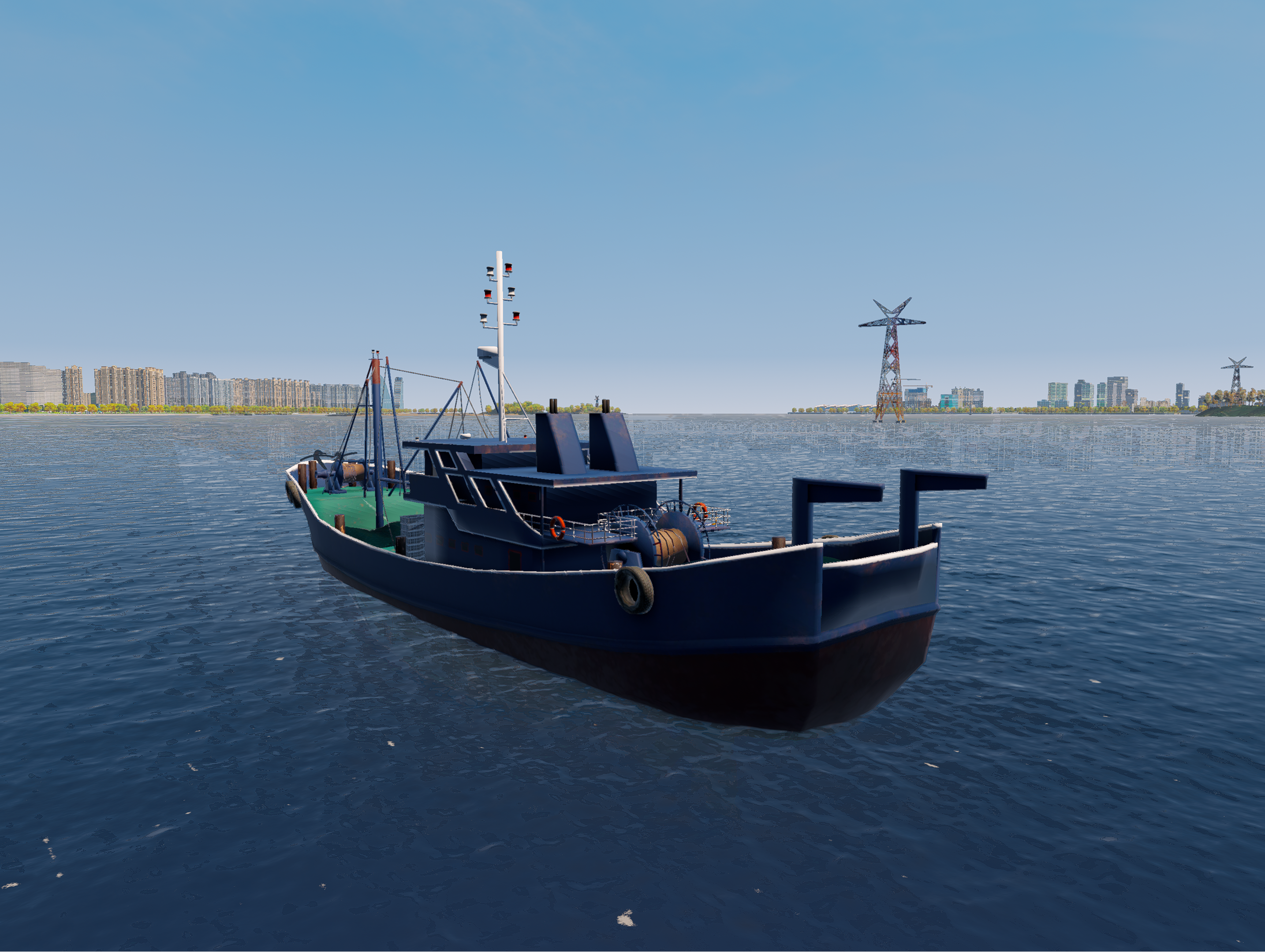

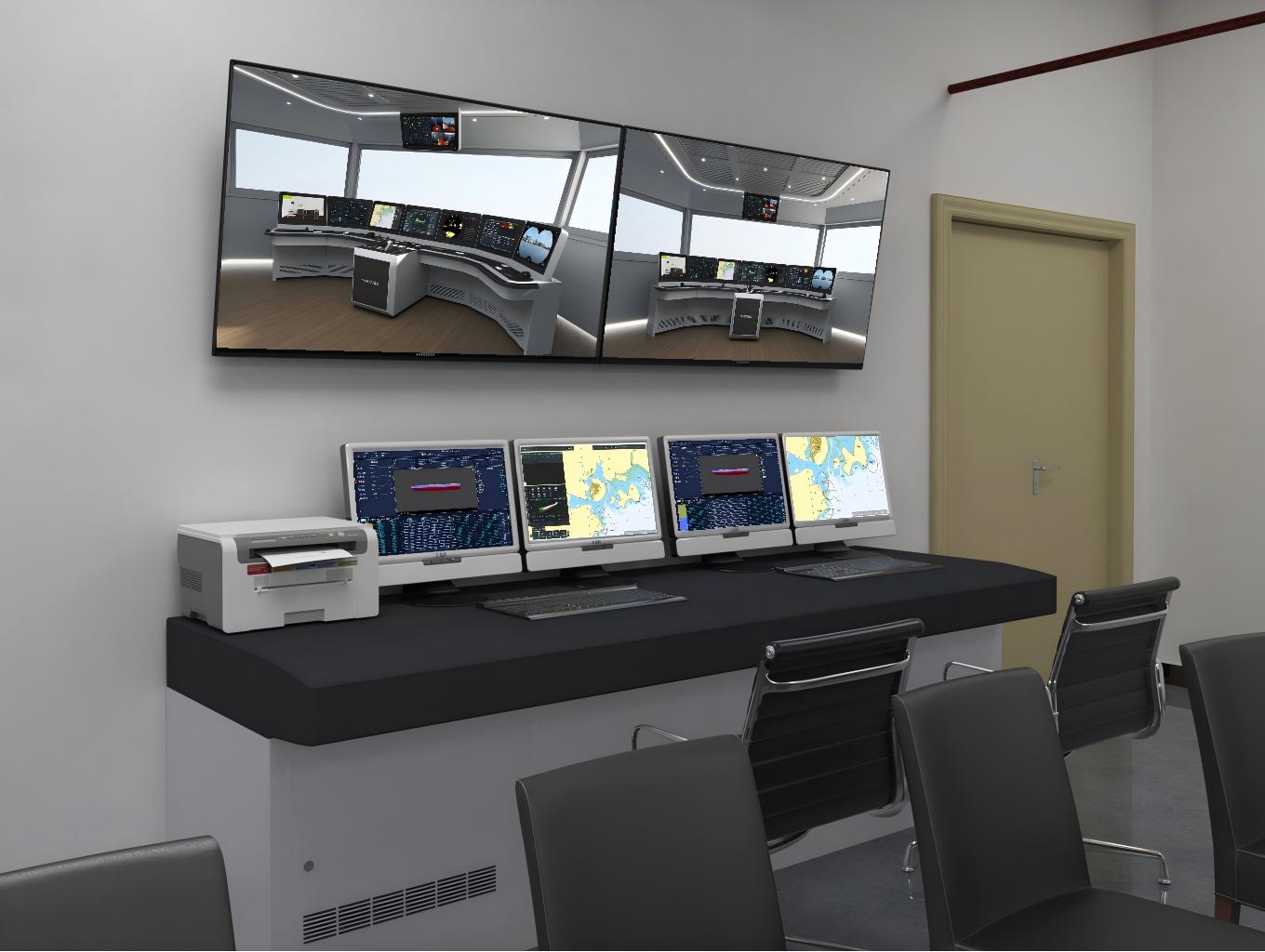
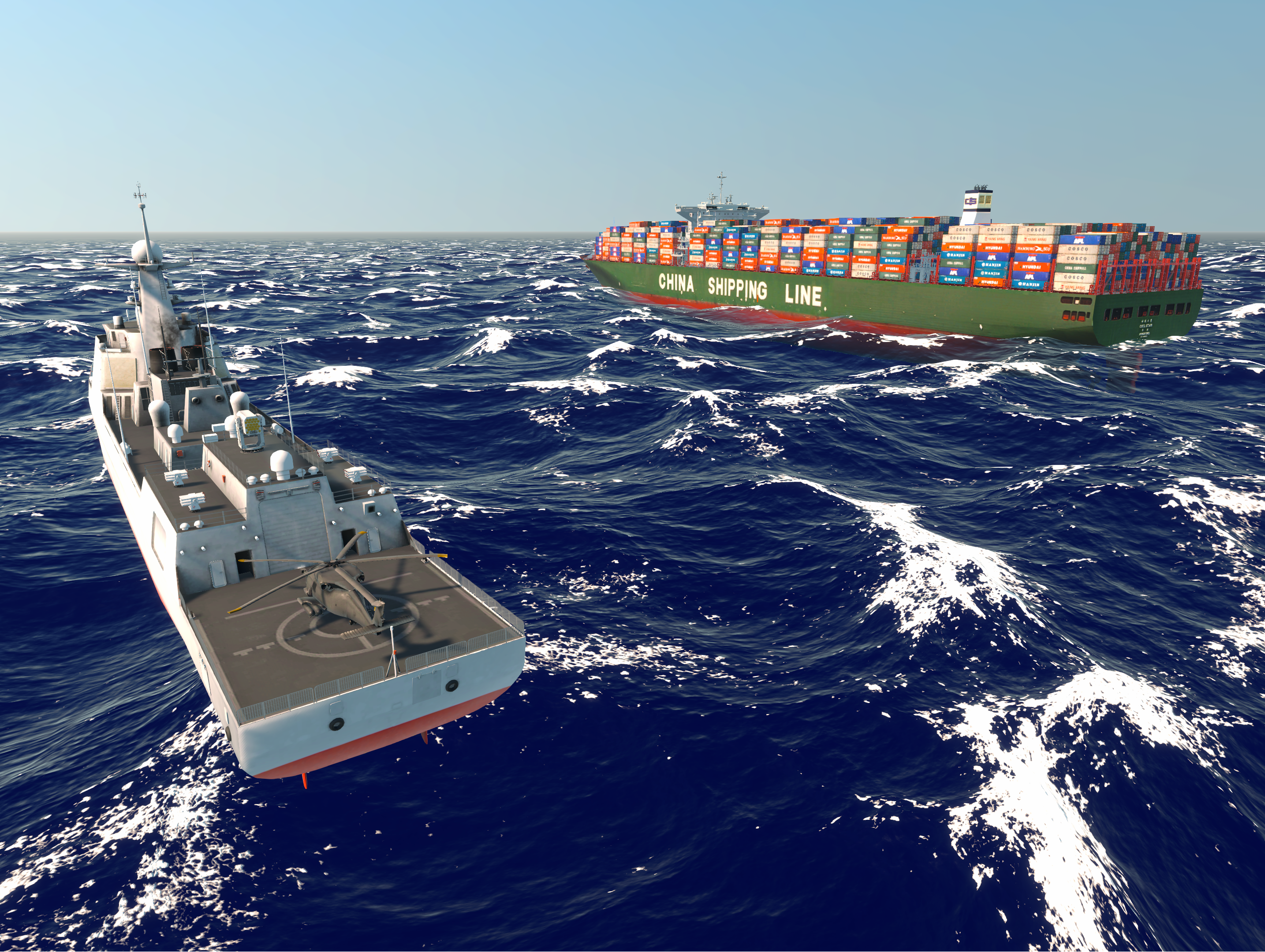
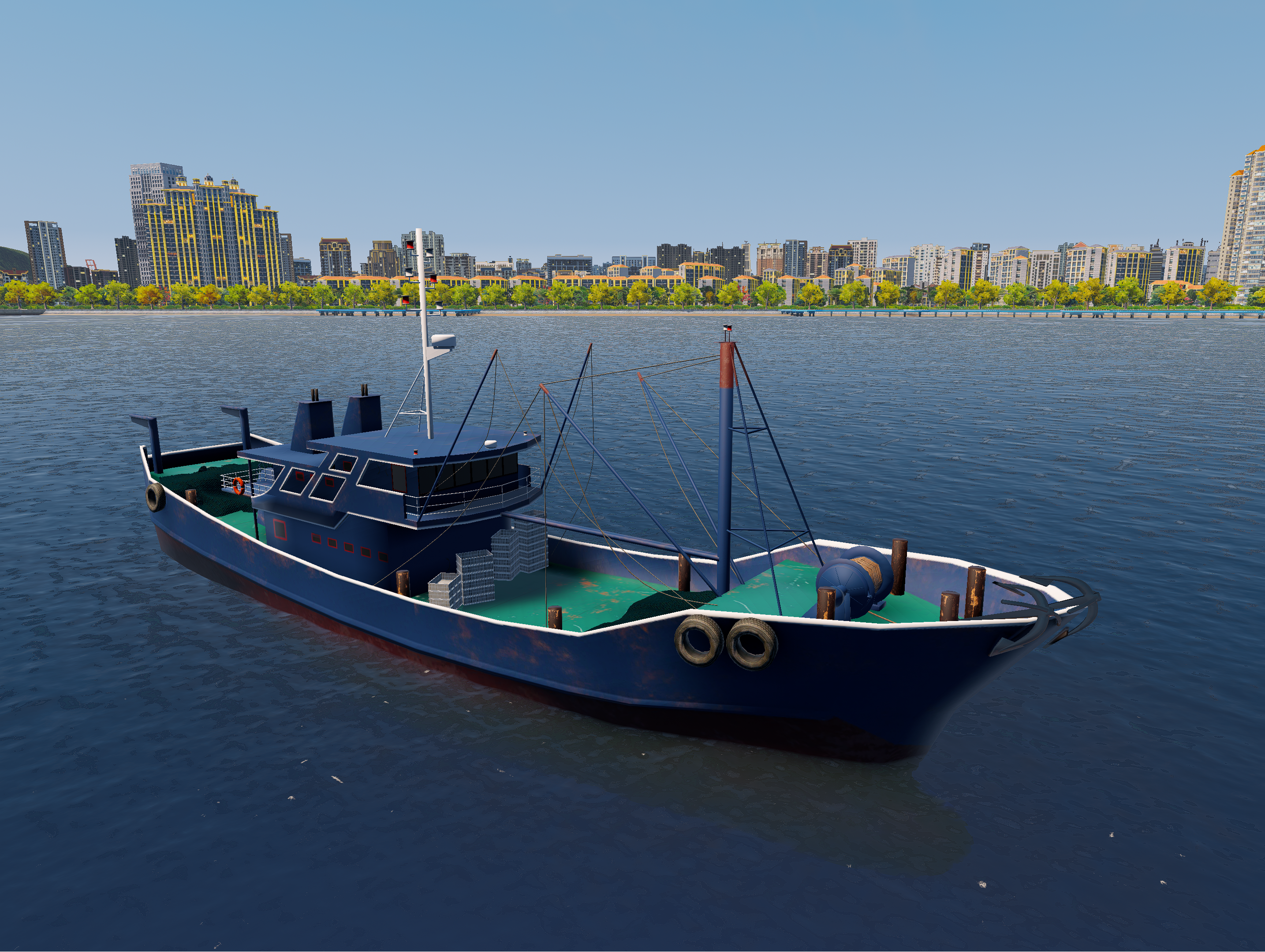
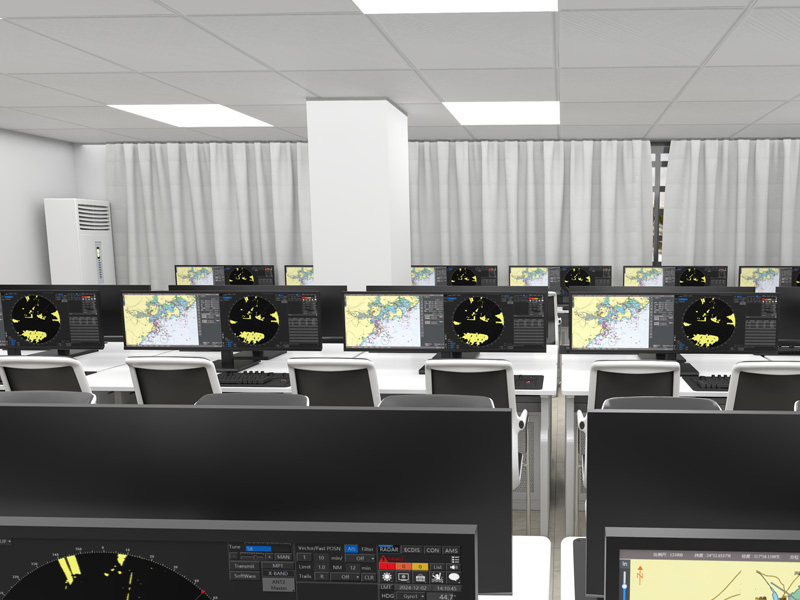

As global shipping companies continue to modernize fleet operations and strengthen crew competency standards, international procurement demand for advanced simulation technologies is increasing rapidly. Among the most sought-after solutions are the Yacht Simulator, Marine Simulator, Ship Navigation simulator, marine engine simulator, and integrated ship simulator systems, which are now becoming key assets in maritime training infrastructure investments worldwide.
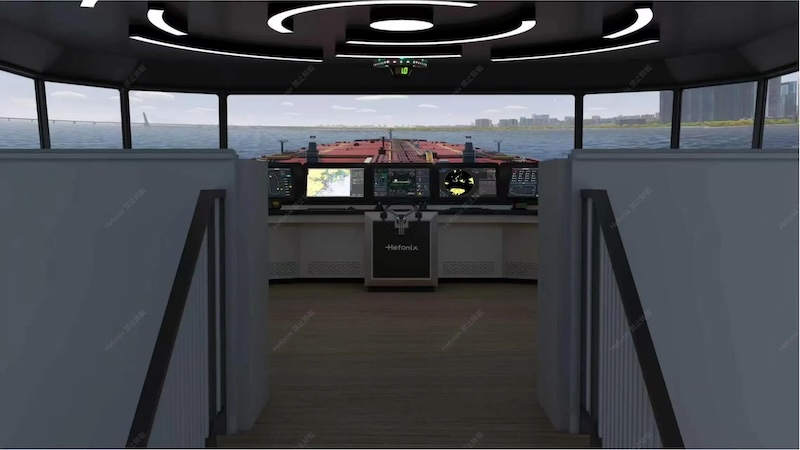
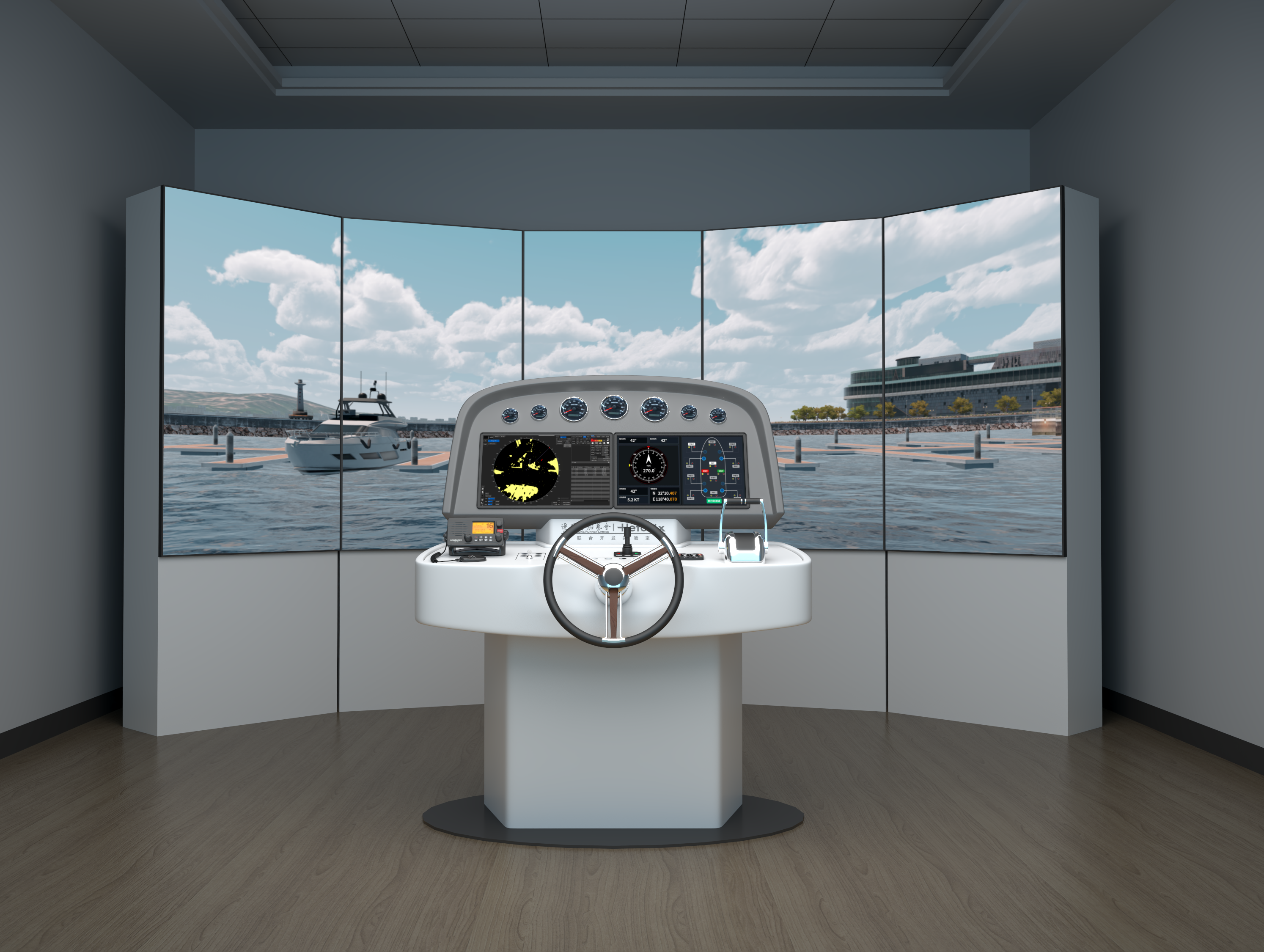
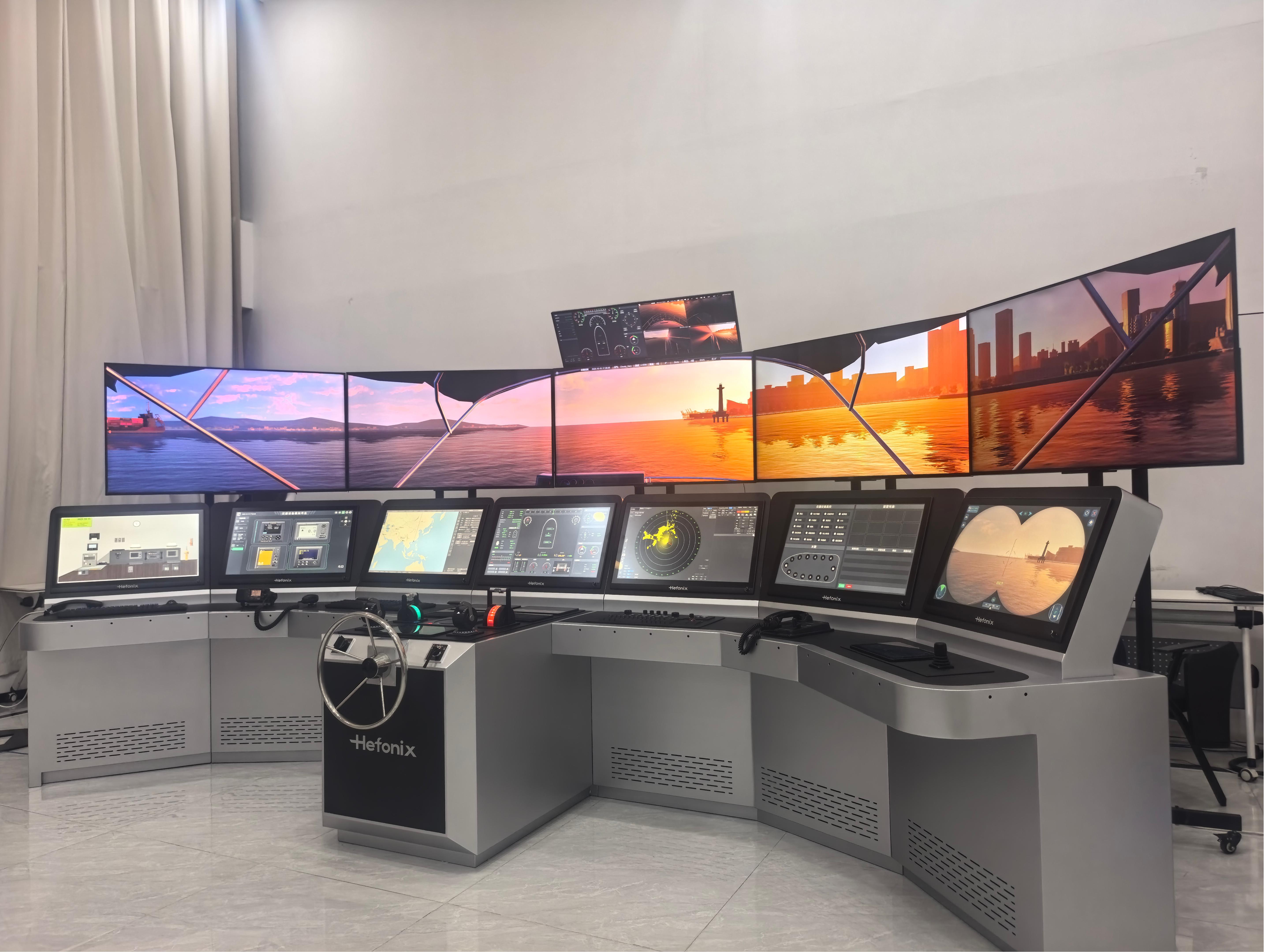
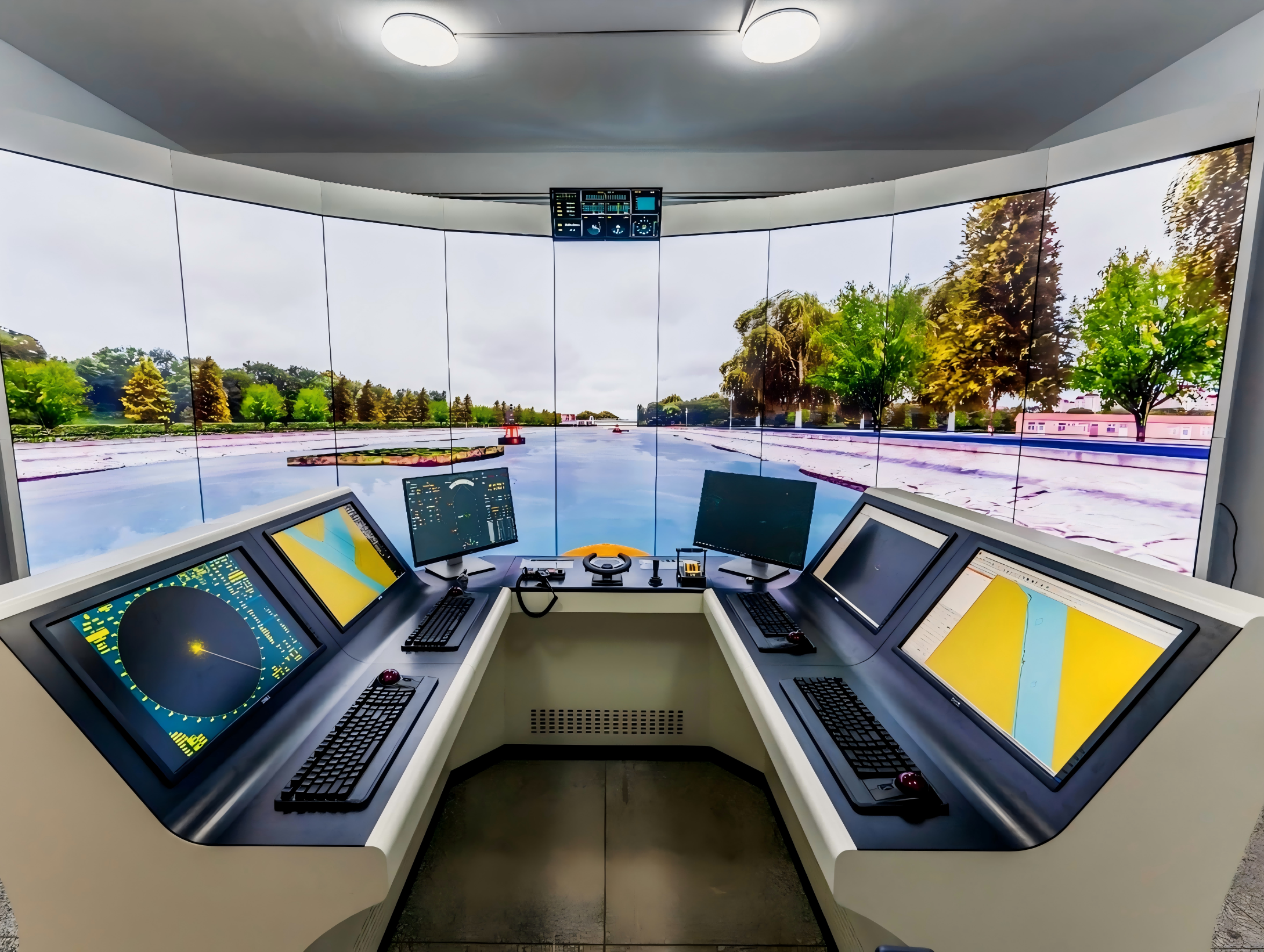
From a global buyer’s perspective, the procurement of a high-performance Yacht Simulator is no longer limited to luxury or leisure training applications. Instead, it has become an important component of diversified maritime training programs. Shipping academies, private training centers, and offshore operators are increasingly adopting Yacht Simulator systems to train operators in high-speed maneuvering, coastal navigation, and emergency response scenarios. The rising demand for Yacht Simulator solutions reflects a broader trend toward specialized vessel training and scenario-based learning.
At the same time, institutional buyers are prioritizing the deployment of scalable Marine Simulator platforms. A modern Marine Simulator allows training organizations to integrate multiple vessel types, operational environments, and system behaviors into a unified digital ecosystem. For international procurement teams, the value of a Marine Simulator lies in its flexibility, allowing institutions to train bridge officers, engineering crews, and cadets within a single system architecture. This consolidation significantly improves training efficiency and reduces long-term operational costs.
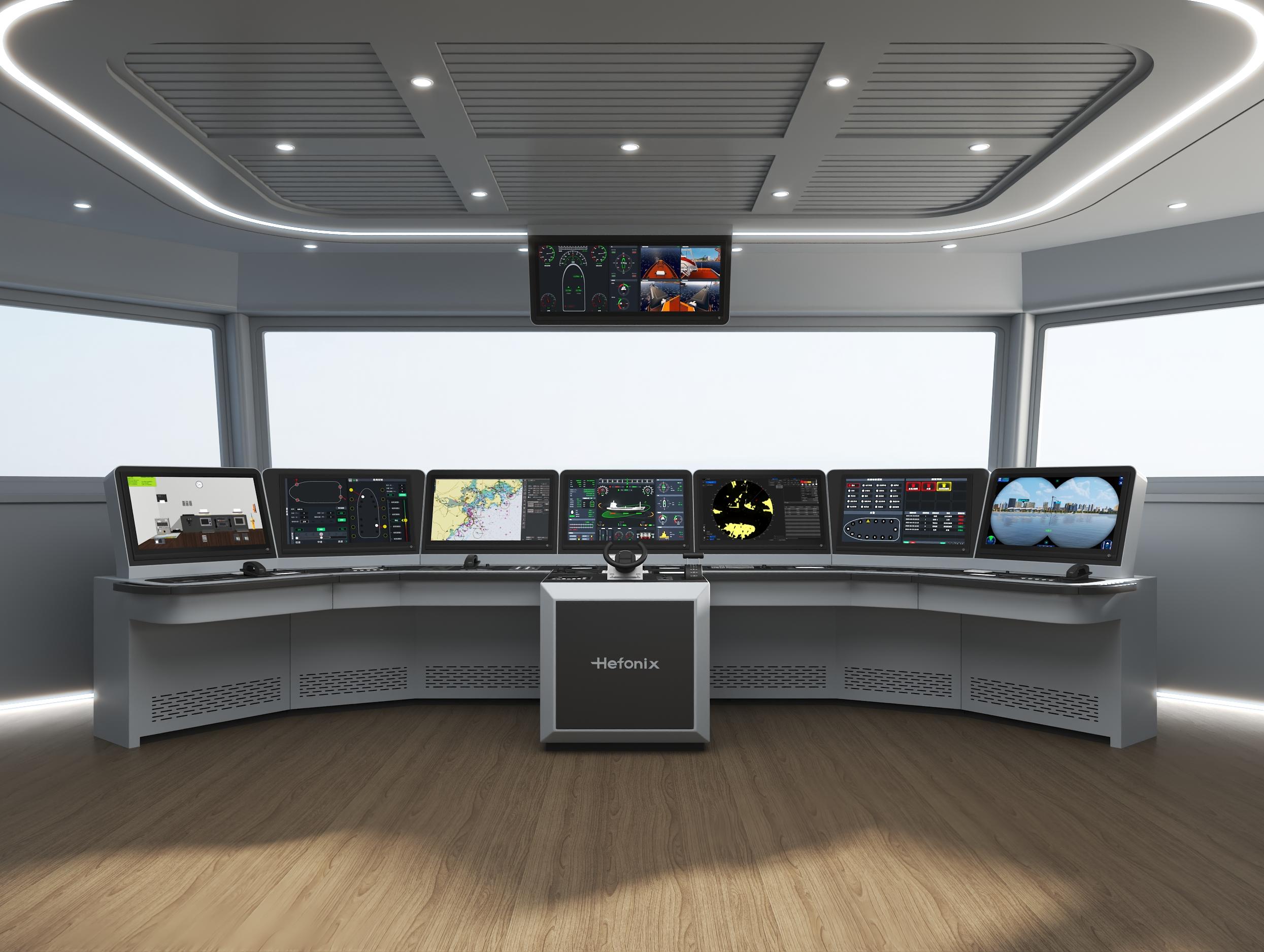
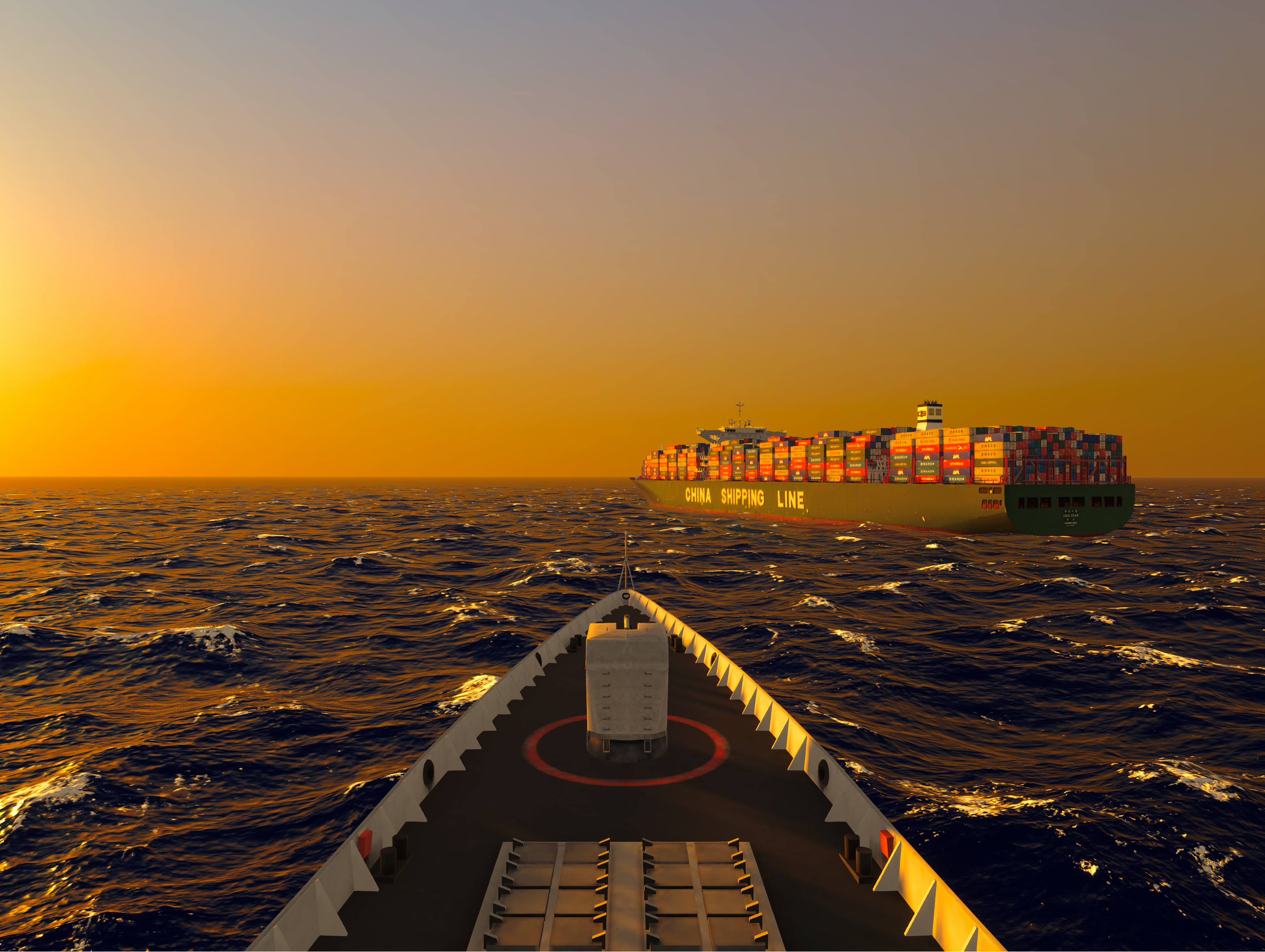
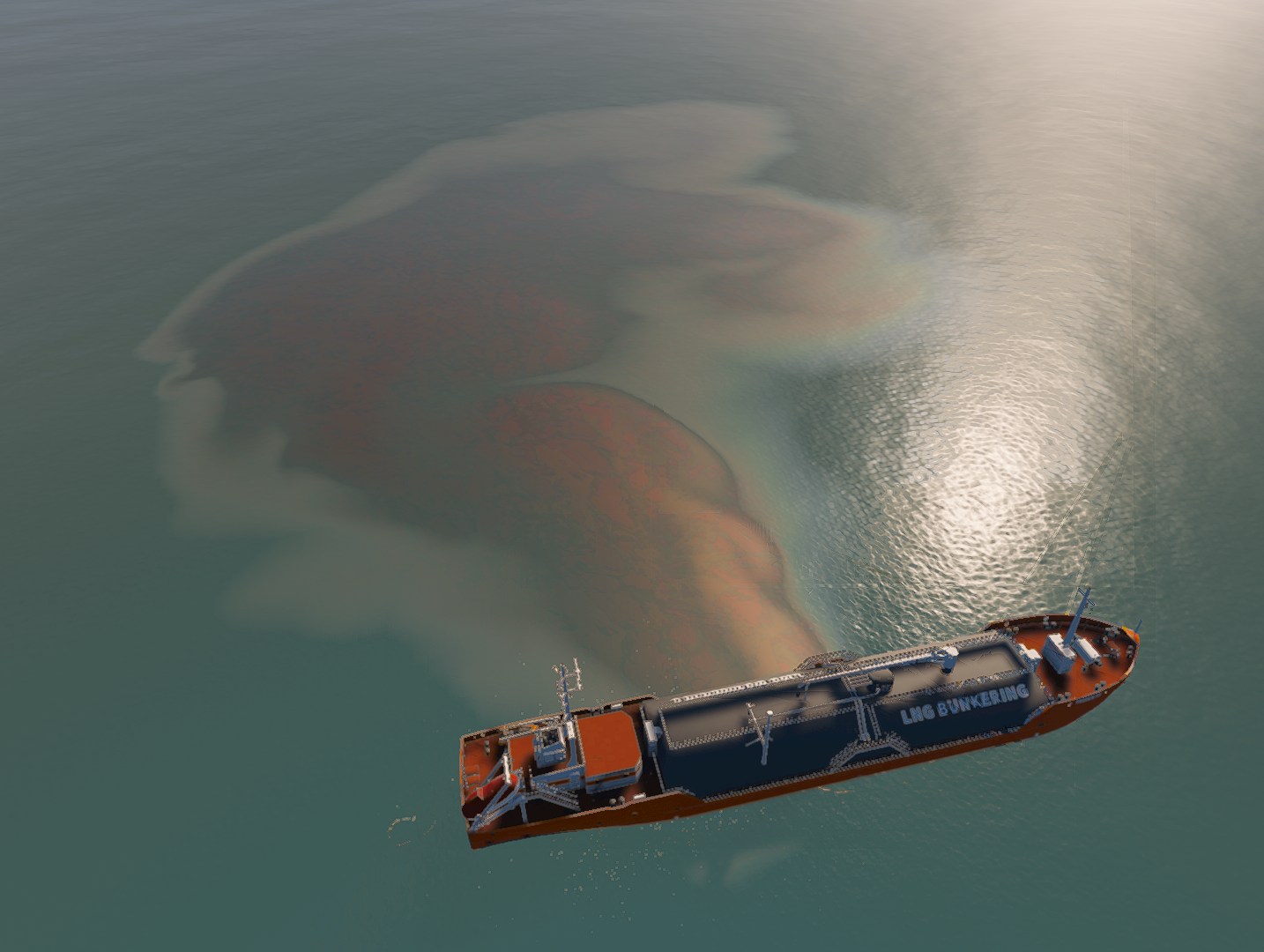
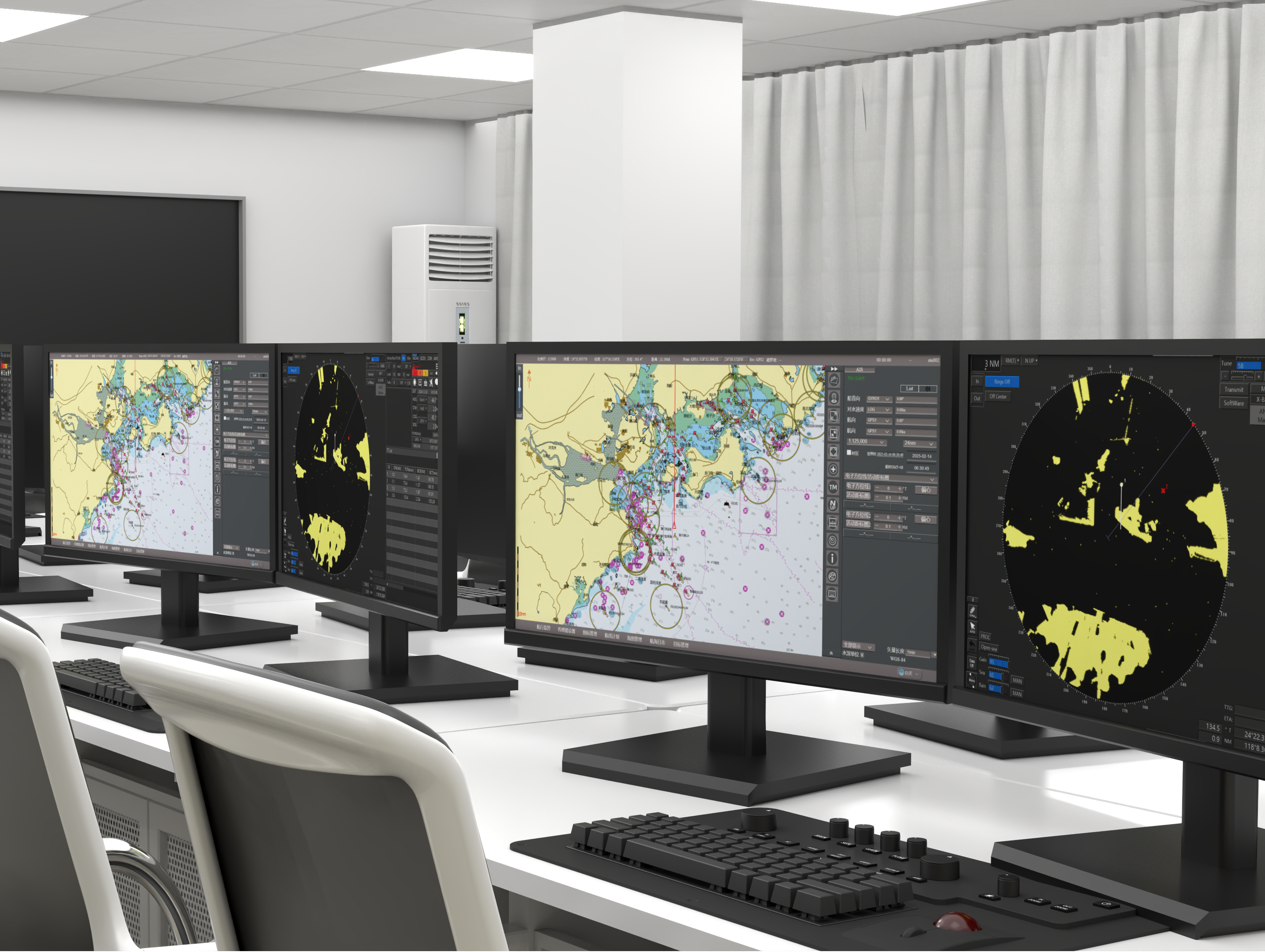
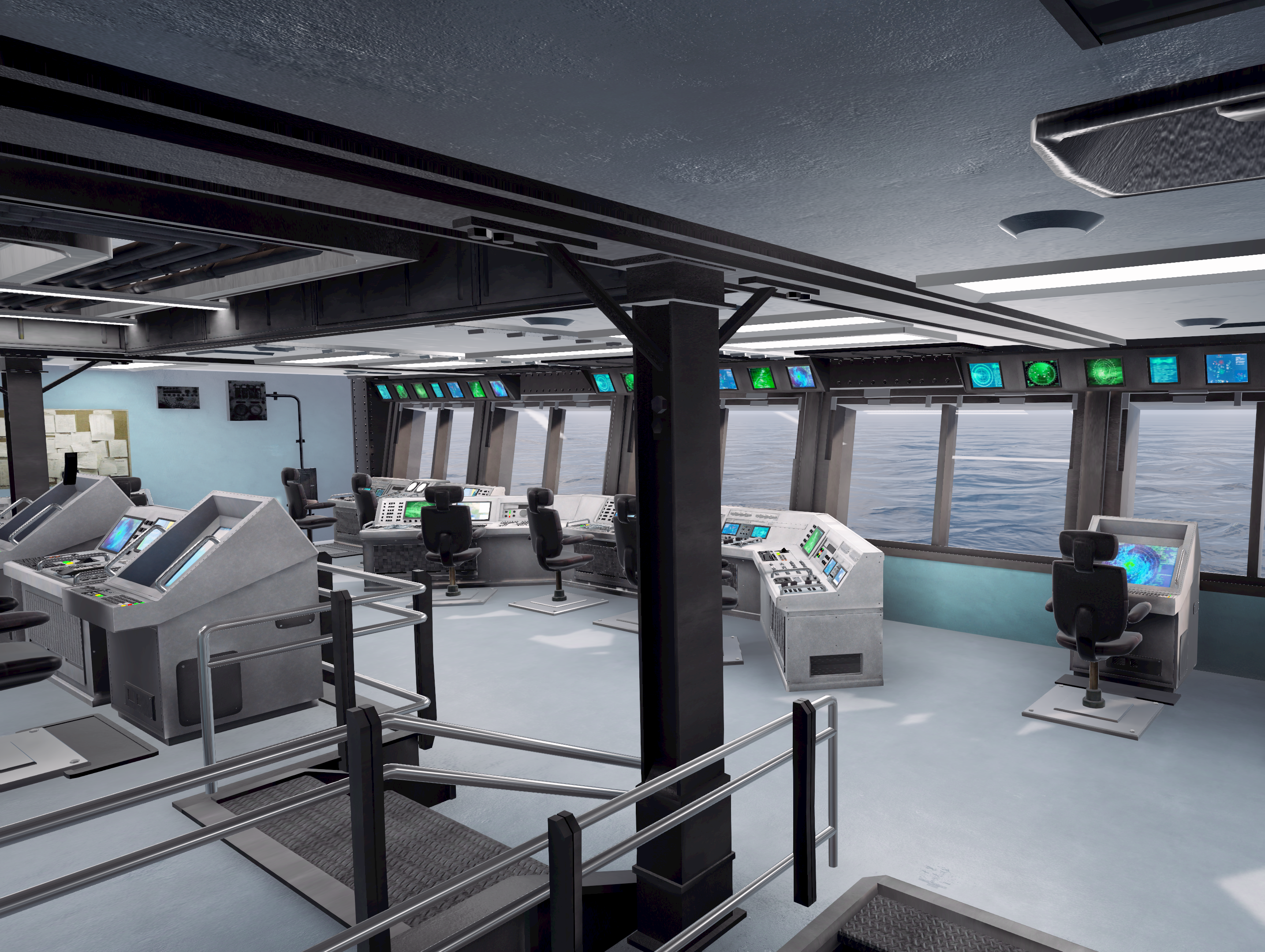
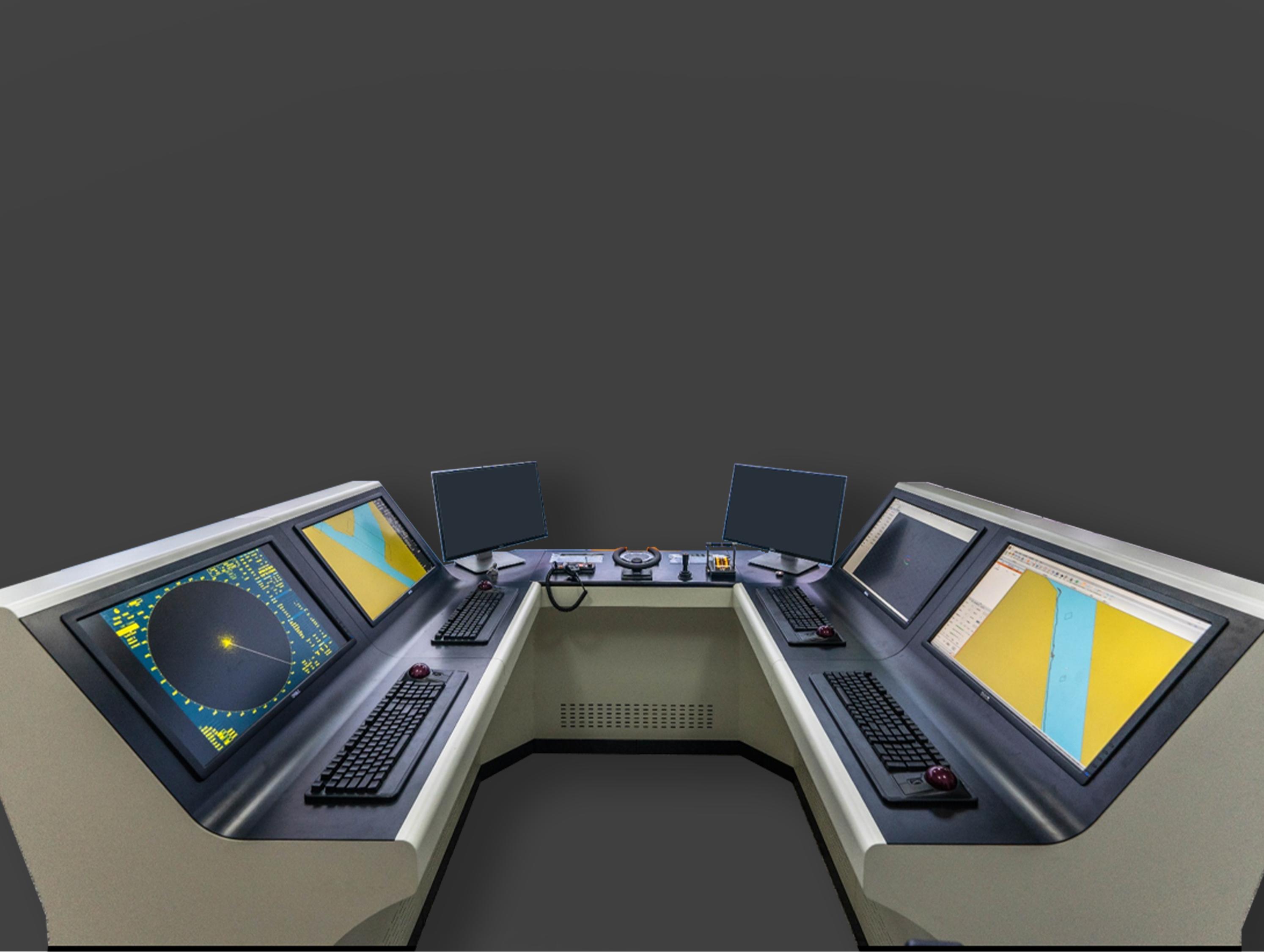
One of the core purchasing drivers in global markets is the Ship Navigation simulator, which remains essential for bridge training programs. Buyers are increasingly seeking high-fidelity Ship Navigation simulator systems capable of reproducing real-world port conditions, ocean currents, weather variations, and collision avoidance scenarios. The accuracy and realism of a Ship Navigation simulator directly influence training outcomes, making it a top priority in procurement decisions for maritime academies and shipping companies.
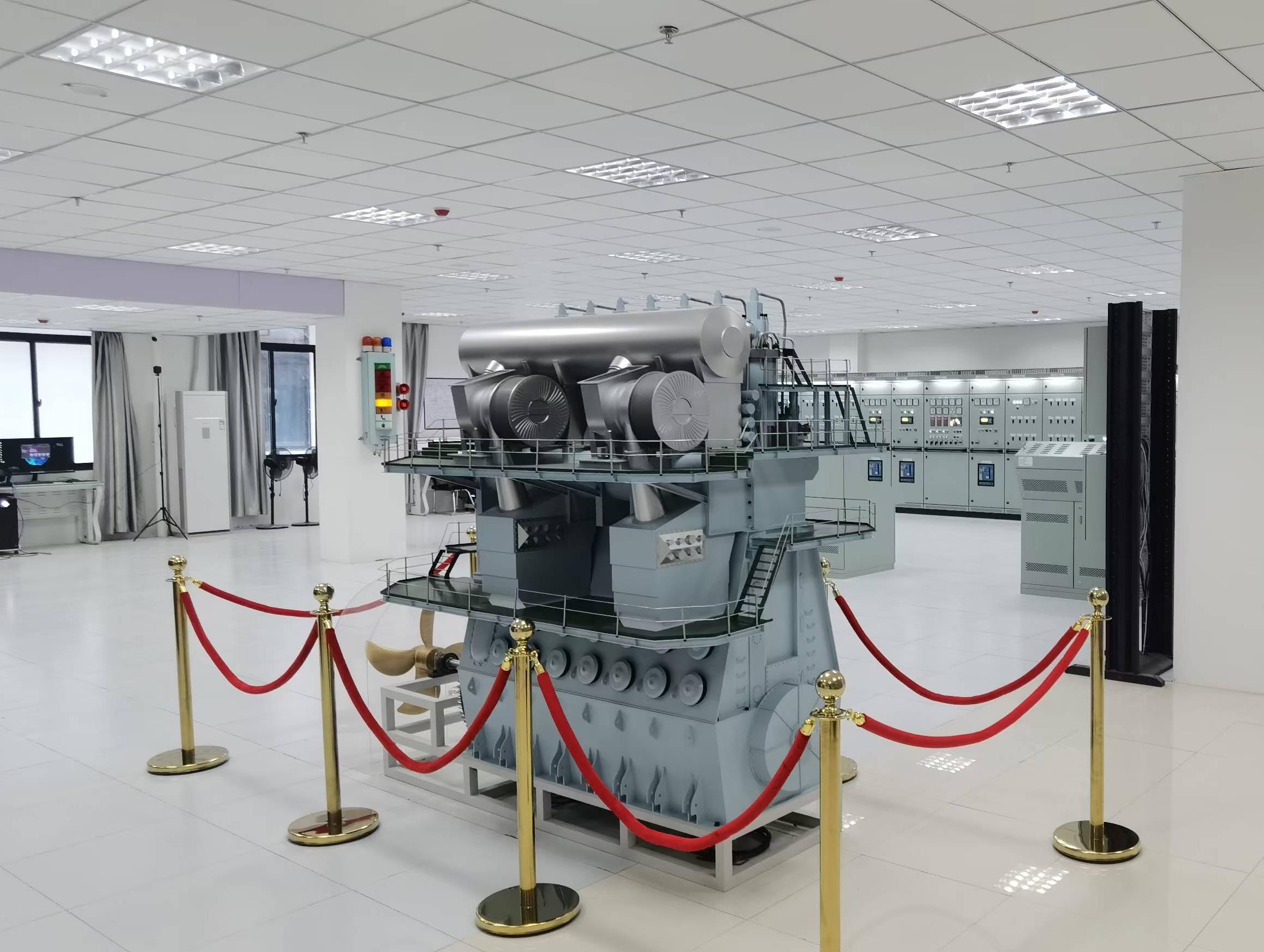
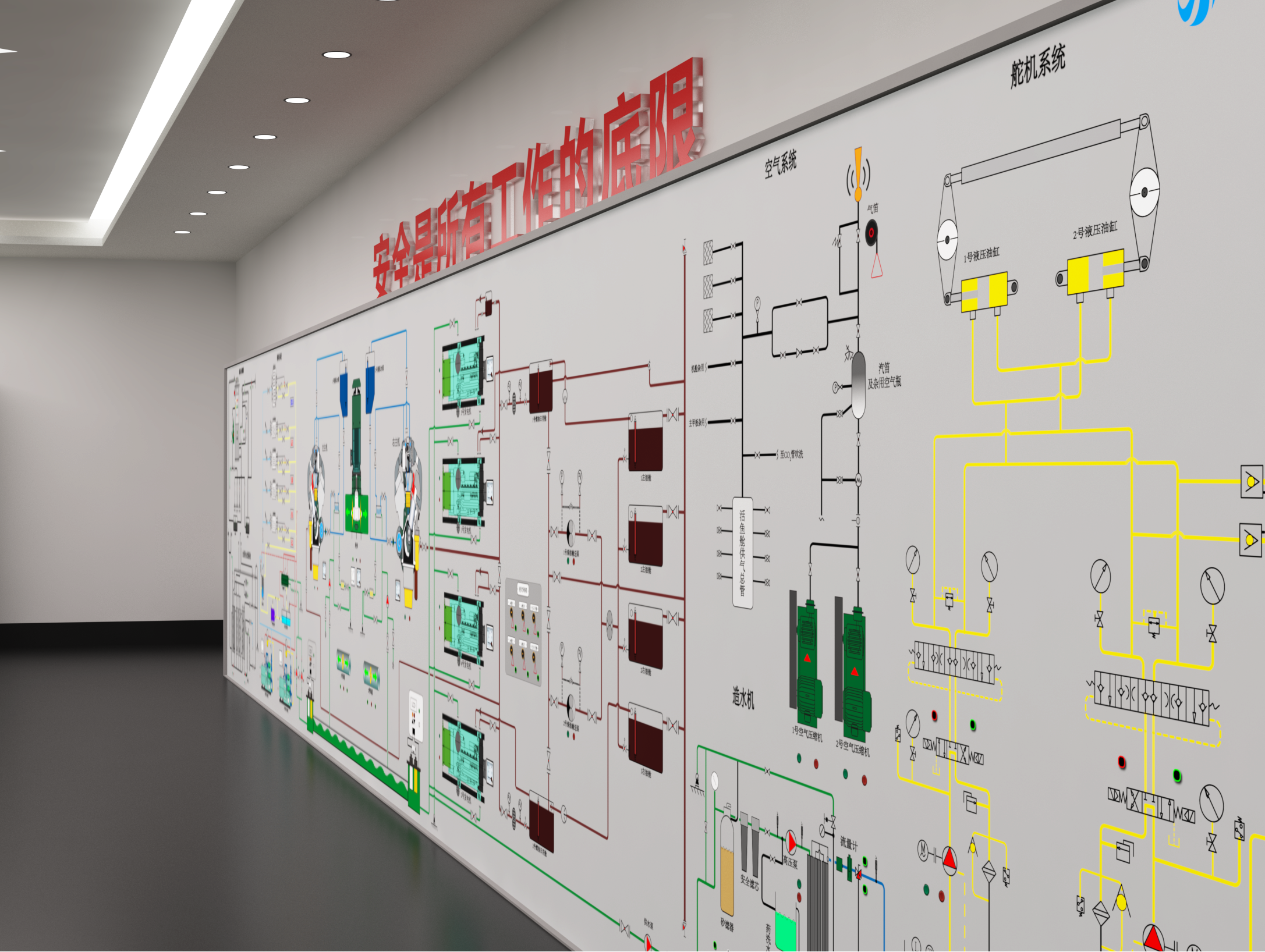
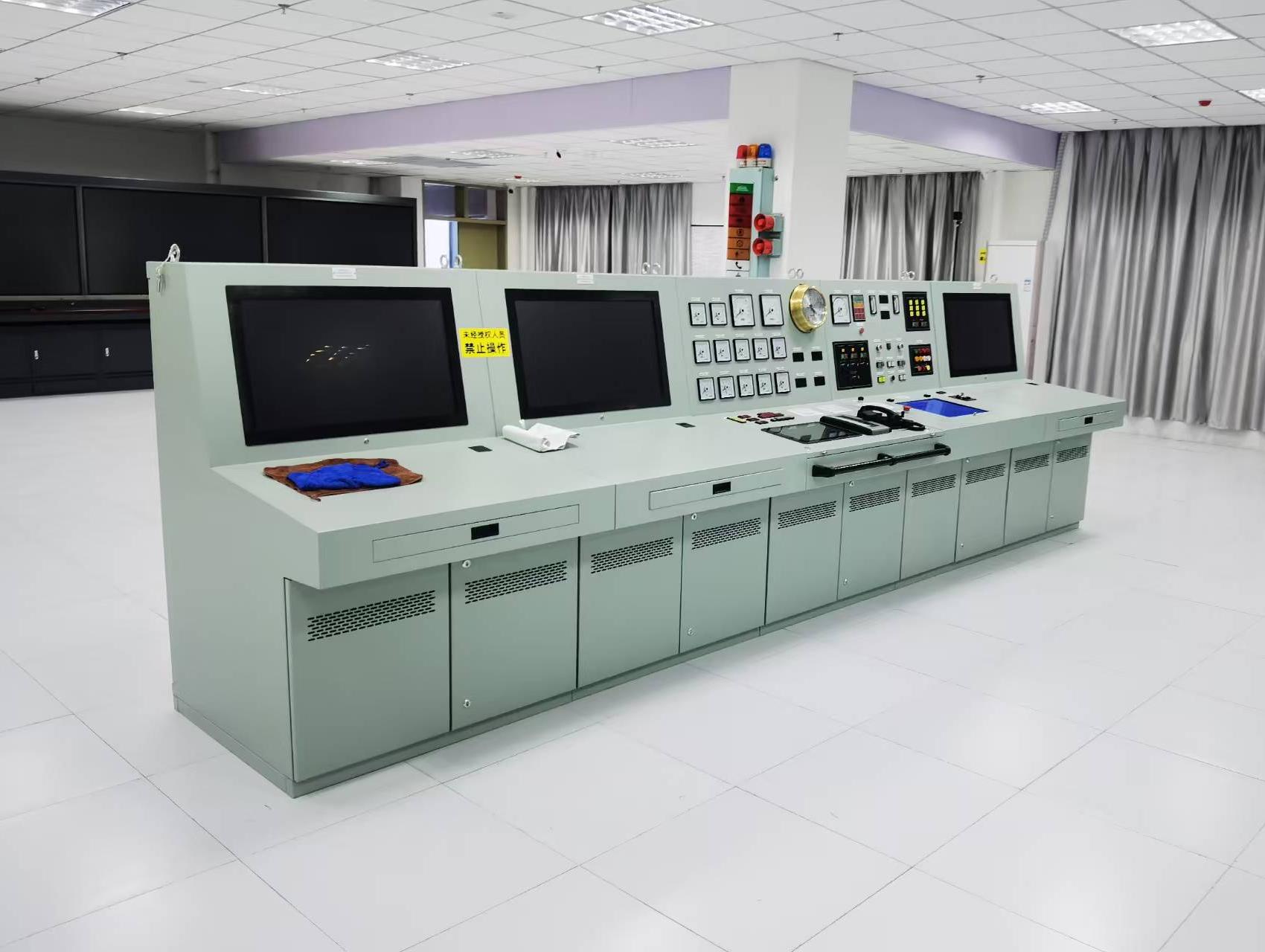
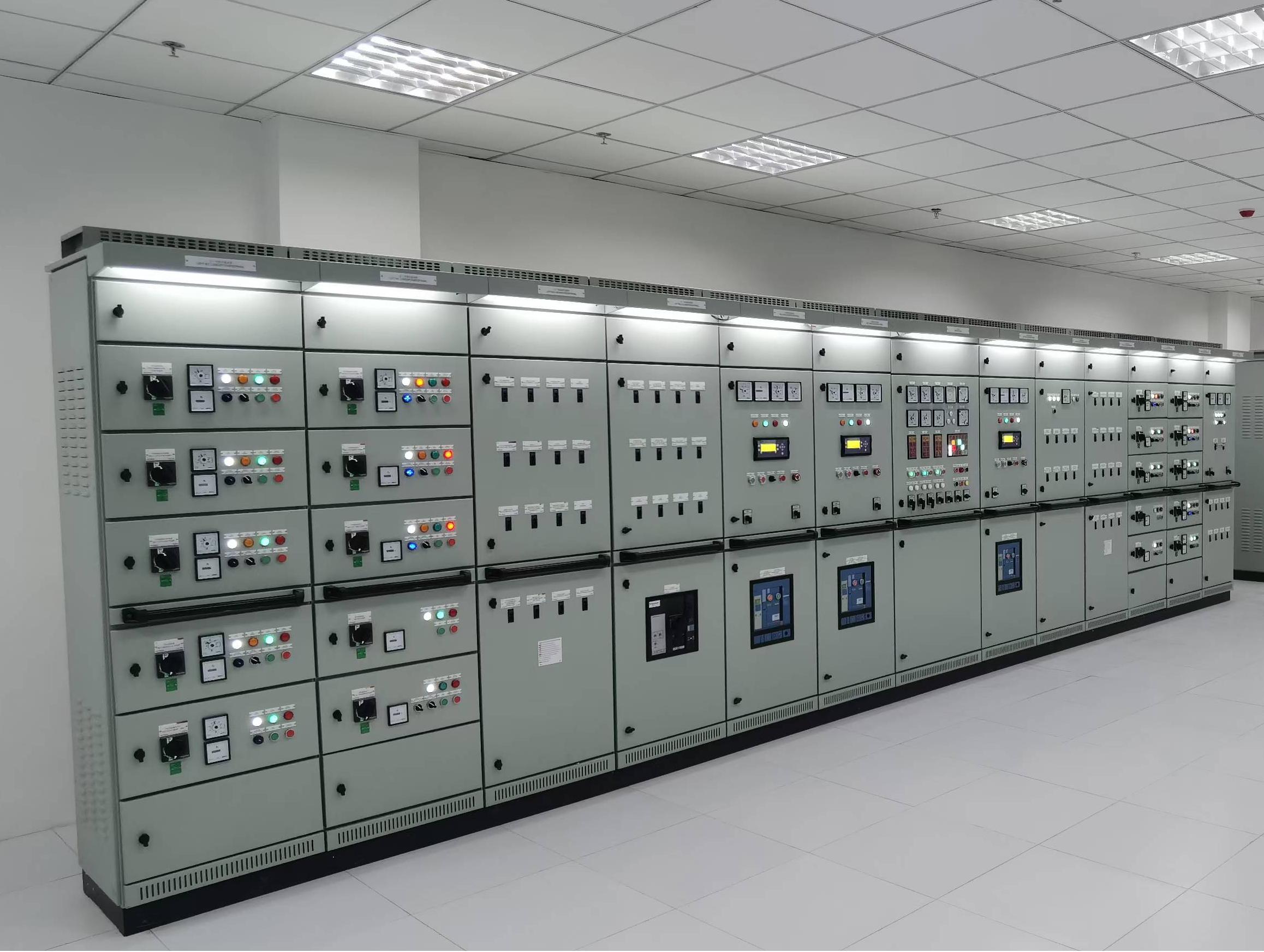
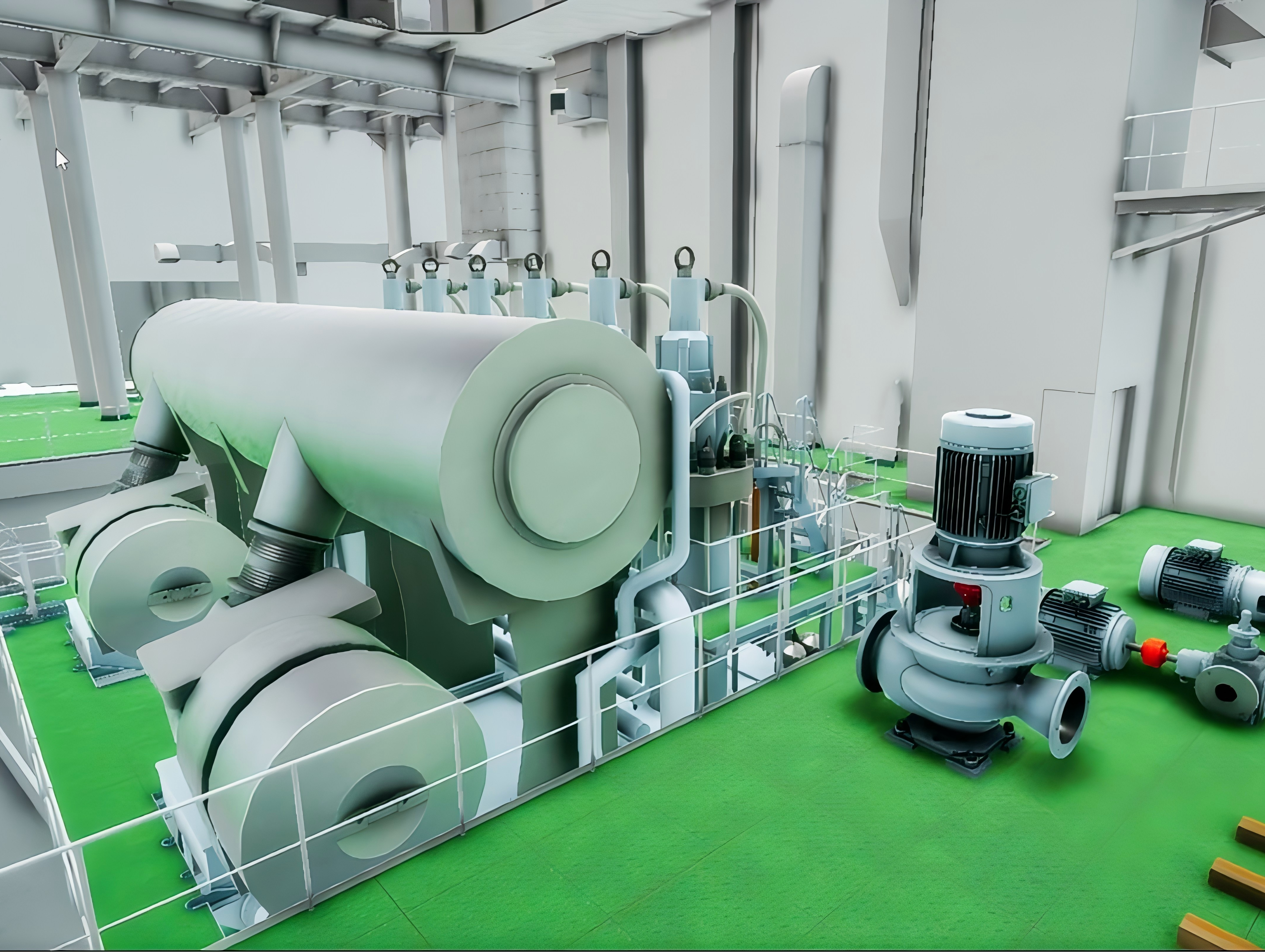
In parallel, demand for propulsion-focused training tools such as the marine engine simulator is also expanding. International buyers recognize that engine room competency is critical for safe vessel operations. A high-quality marine engine simulator enables trainees to understand engine performance, fuel systems, and machinery response under varying operational loads. Procurement departments increasingly view the marine engine simulator as a necessary complement to navigation training, ensuring full coverage of both bridge and engine operations.
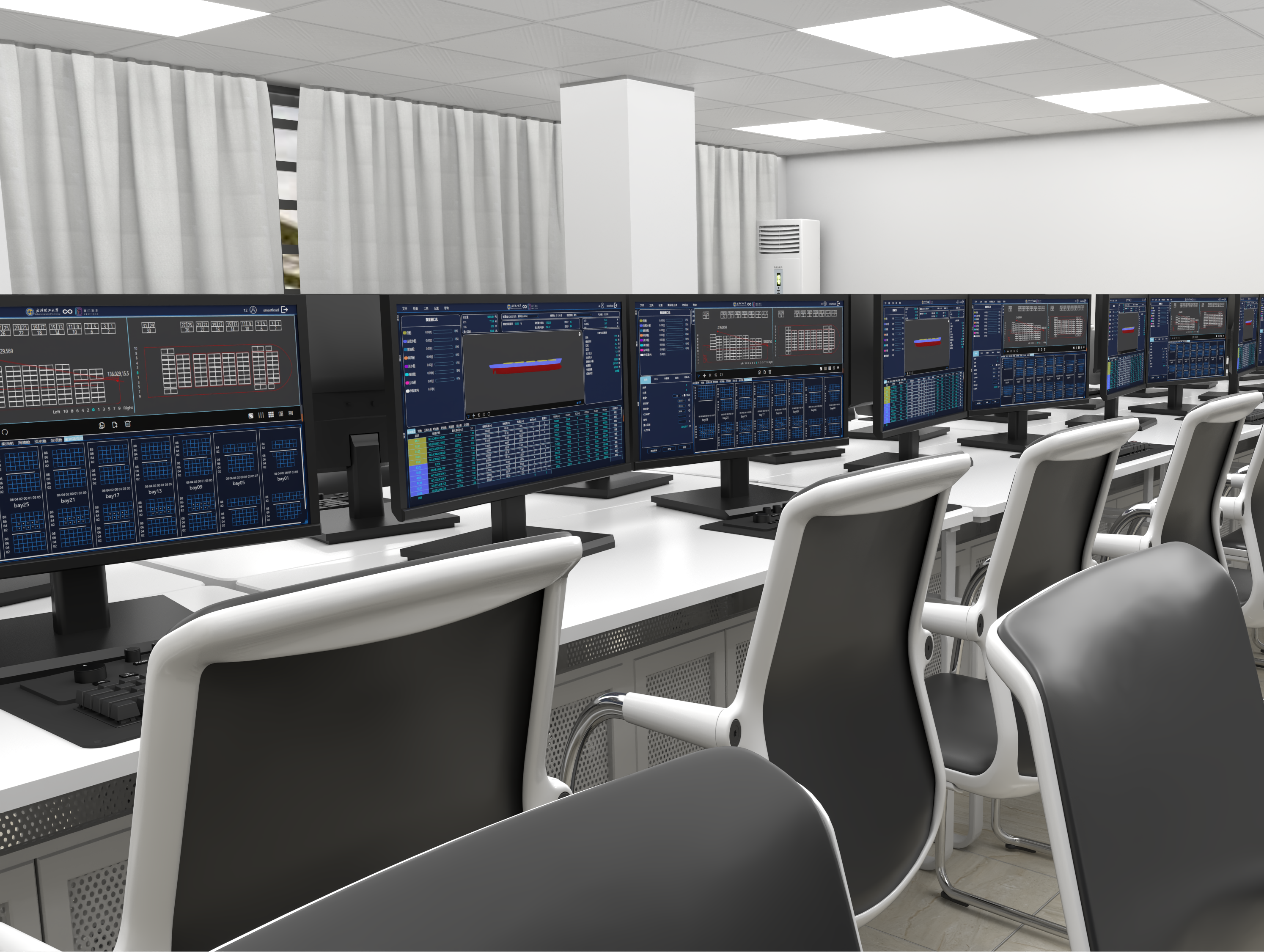
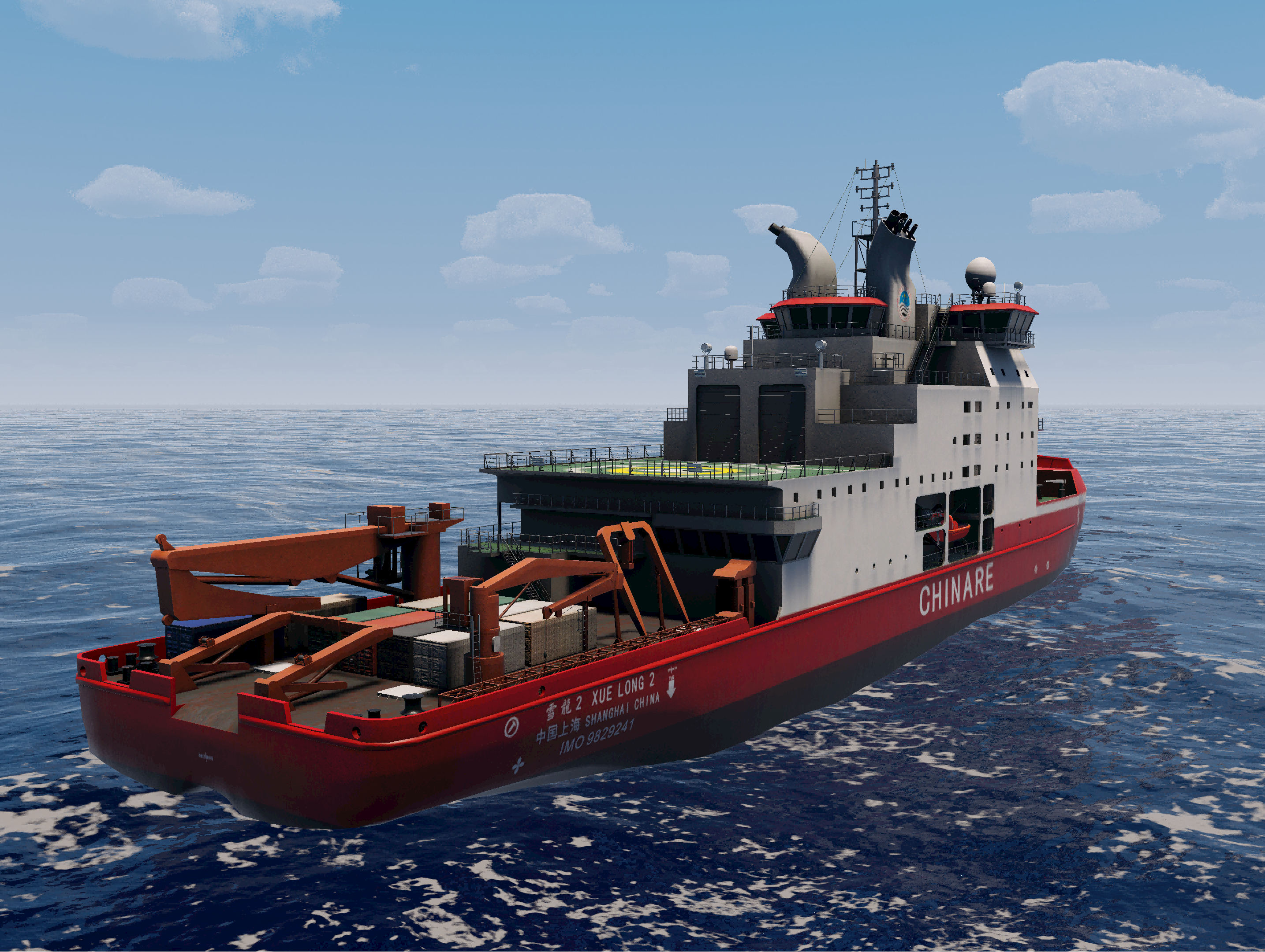
However, the most strategic investment trend is the adoption of fully integrated ship simulator systems. A modern ship simulator combines navigation, engine control, and environmental simulation into one unified platform. For global buyers, the advantage of a ship simulator lies in its ability to deliver end-to-end training scenarios, from departure and voyage execution to emergency handling and port arrival operations. This holistic capability makes the ship simulator the core infrastructure of advanced maritime training centers.
From a procurement standpoint, international buyers are no longer evaluating systems based solely on hardware specifications. Instead, they focus on system scalability, scenario customization, interoperability, and long-term training value. A comprehensive solution that integrates Yacht Simulator, Marine Simulator, Ship Navigation simulator, marine engine simulator, and ship simulator capabilities is increasingly seen as the industry benchmark.
Another important factor influencing global purchasing decisions is standardization. Many buyers seek simulation systems that comply with international maritime training frameworks while also allowing localized scenario development. In this context, integrated Marine Simulator platforms that unify Ship Navigation simulator and marine engine simulator functions are particularly attractive, as they support both regulatory compliance and operational customization.
In conclusion, global procurement trends clearly indicate a shift toward fully integrated, multi-functional simulation ecosystems. The combined deployment of Yacht Simulator, Marine Simulator, Ship Navigation simulator, marine engine simulator, and ship simulator technologies is reshaping how maritime institutions approach training investment. For international buyers, these systems are not just equipment purchases—they represent long-term strategic investments in safety, efficiency, and workforce capability development across the global shipping industry.