


Key Technologies Behind Full Mission Engine Room Simulator Systems
Modern maritime training has undergone a profound transformation, shifting from textbook theory to immersive, hands-on virtual environments. At the heart of this evolution lies the full mission engine room simulator, a sophisticated platform that replicates the complexity of real vessel propulsion and power systems with stunning accuracy. But what technologies power these advanced training solutions? Behind every effective engine ship simulator is a convergence of high-fidelity mathematical modeling, real-time physics engines, and integrated hardware-software ecosystems. Hefonix has maintained a clear strategic focus: not merely a manufacturer or supplier of maritime simulation equipment, but a comprehensive solution provider built upon the pillars of R&D and services. Every business initiative we pursue is rooted in a profound understanding of the challenges in crew training and the evolving needs of the maritime industry. Understanding the technology behind these systems reveals why they have become indispensable for developing competent marine engineers.
High-Fidelity Thermodynamic and Fluid Dynamics Modeling
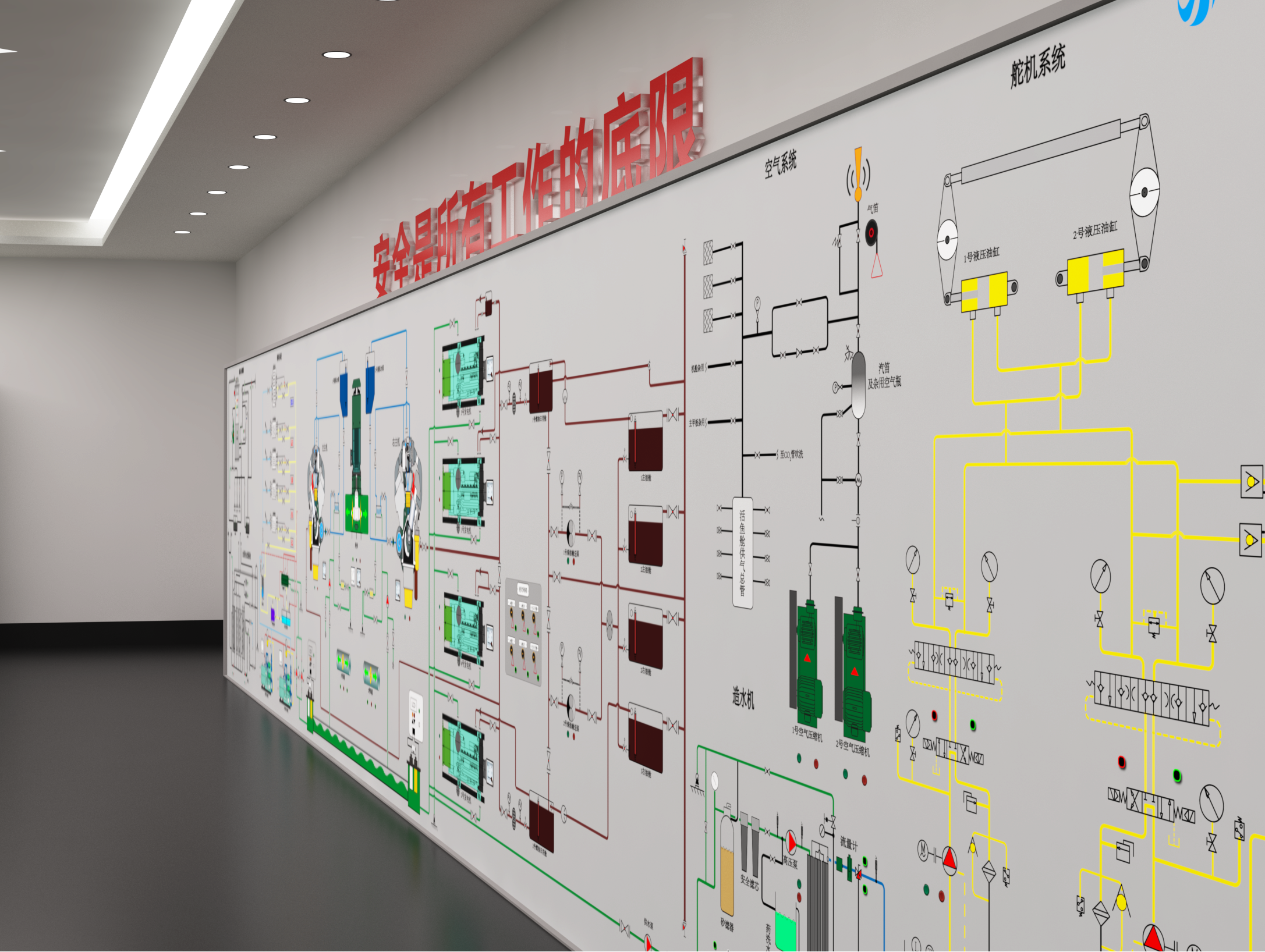
The foundation of any credible Engine Room Simulator is its mathematical core. Early simulators relied on simplified equations that could not accurately reflect the behavior of modern marine diesel engines, steam turbines, or electrical systems. Today's advanced full mission engine room simulator employs high-fidelity thermodynamic and fluid dynamics models that calculate real-time performance based on actual engineering principles.
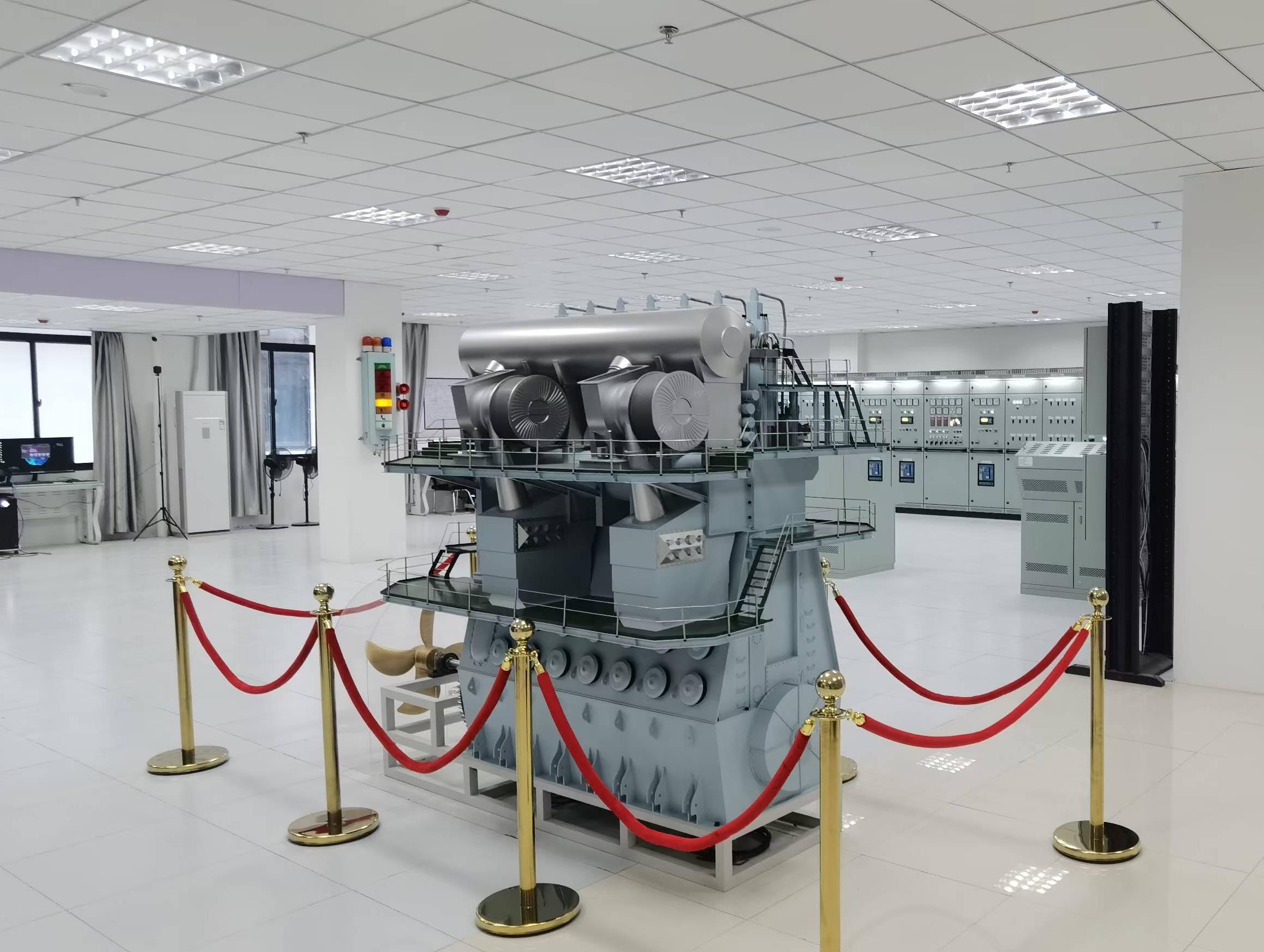
When a trainee adjusts fuel injection timing or load distribution on a Ship Engine Room Simulator, the system computes combustion efficiency, exhaust temperatures, and turbocharger response with precision matching real-world data. This level of detail ensures that the behaviors observed in simulation align exactly with those on actual vessels. Hefonix invests heavily in R&D to refine these models, capturing the unique characteristics of two-stroke main engines, four-stroke generators, and emerging alternative fuel systems. The result is a marine engine room simulator that behaves authentically, forcing trainees to apply genuine engineering judgment rather than memorizing scripted sequences.
Real-Time Physics and Dynamic System Interaction
Modern vessels are complex interconnected systems where a change in one area triggers cascading effects elsewhere. An effective engine ship simulator must replicate these interdependencies in real time. This requires a physics engine capable of processing thousands of variables simultaneously—from fuel viscosity and cooling water temperatures to electrical load sharing and shaft generator synchronization.
In a full mission engine room simulator, the main engine, power plant, auxiliary systems, and even the vessel's hydrodynamic performance are all interconnected. If a trainee mismanages the cooling water system, the engine temperature rises, affecting fuel efficiency, potentially triggering alarms, and ultimately reducing vessel speed. This dynamic interaction teaches engineers to think systemically rather than in isolation. Hefonix's simulation platforms leverage distributed computing architectures to maintain this real-time responsiveness, ensuring that every Ship Engine Room Simulator delivers a seamless and realistic training experience.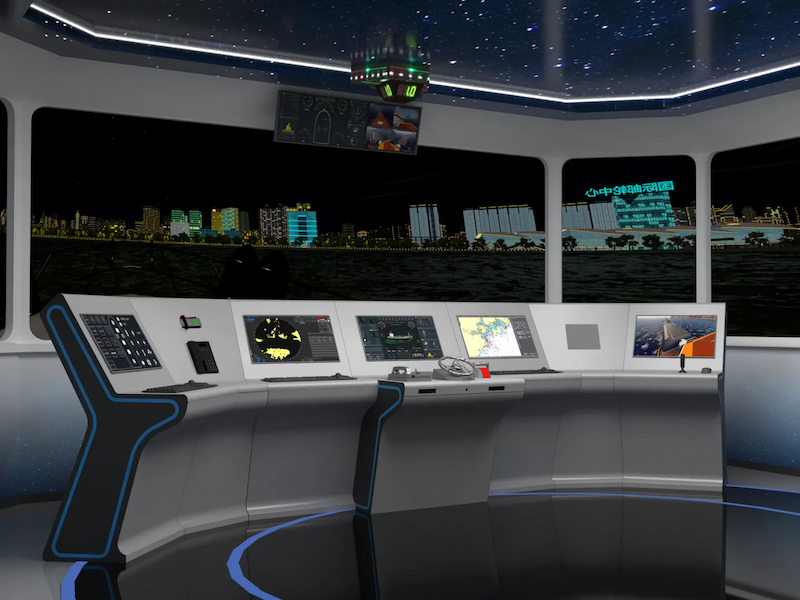
Immersive Visual and Auditory Environments
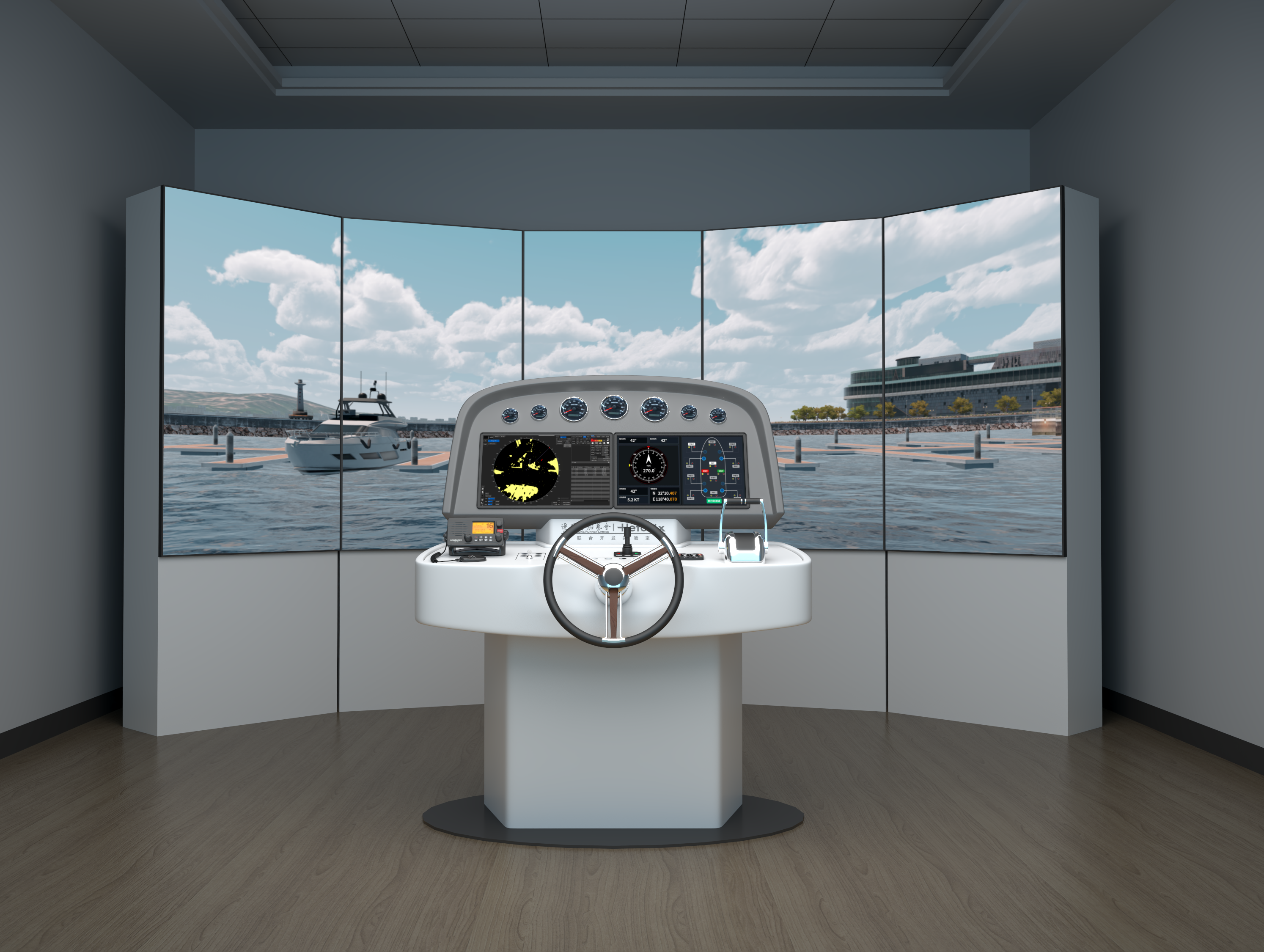
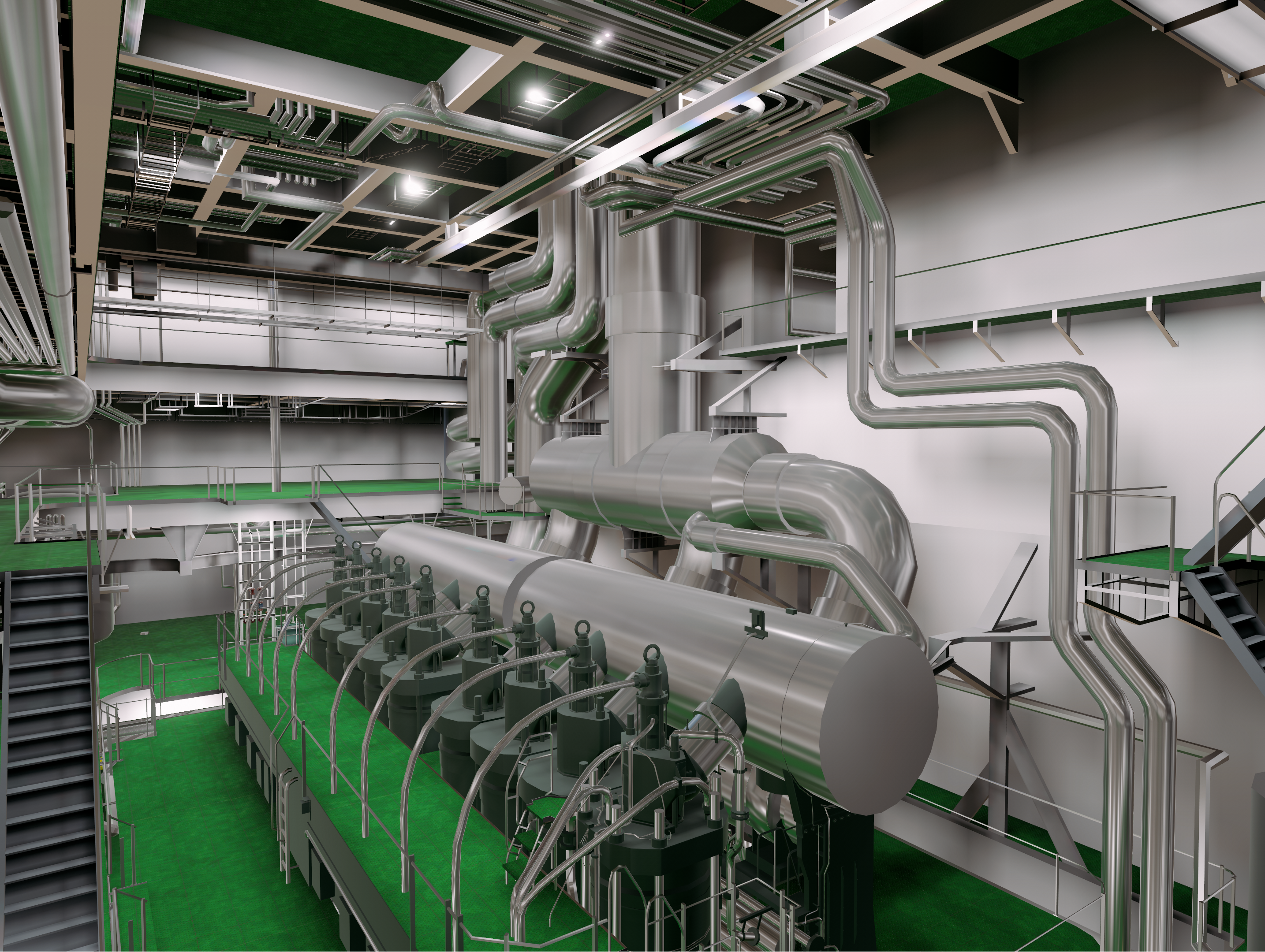
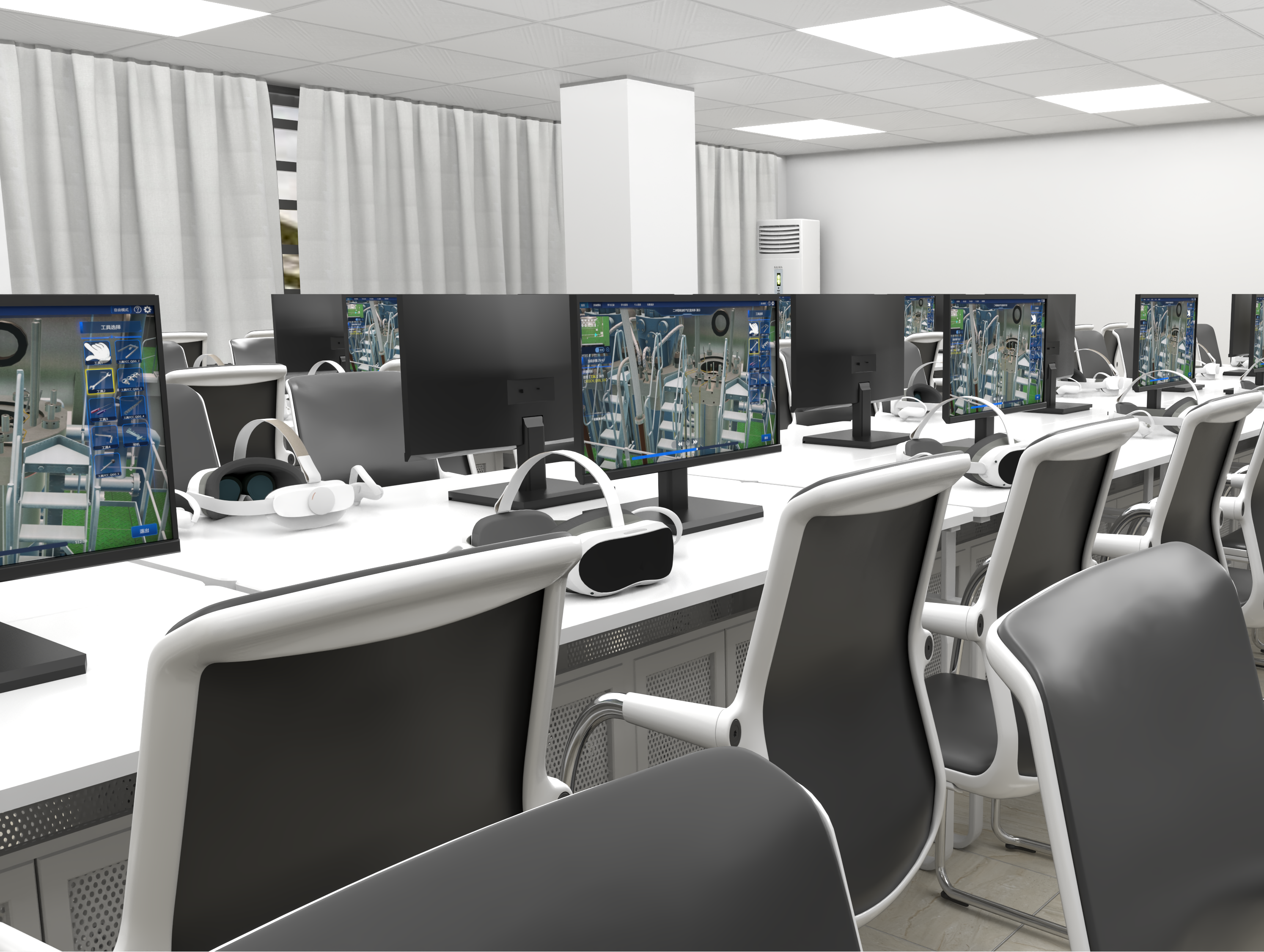
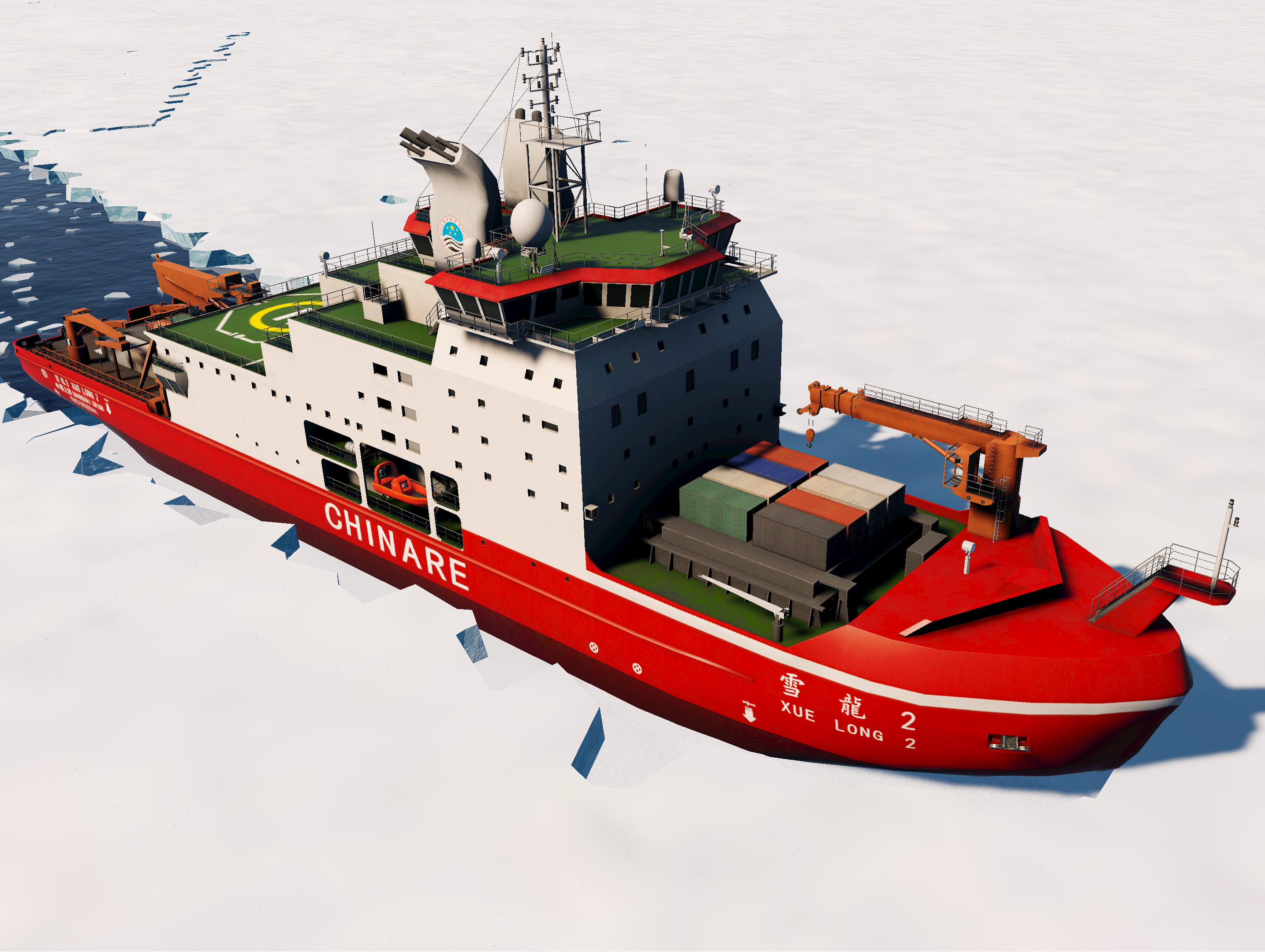
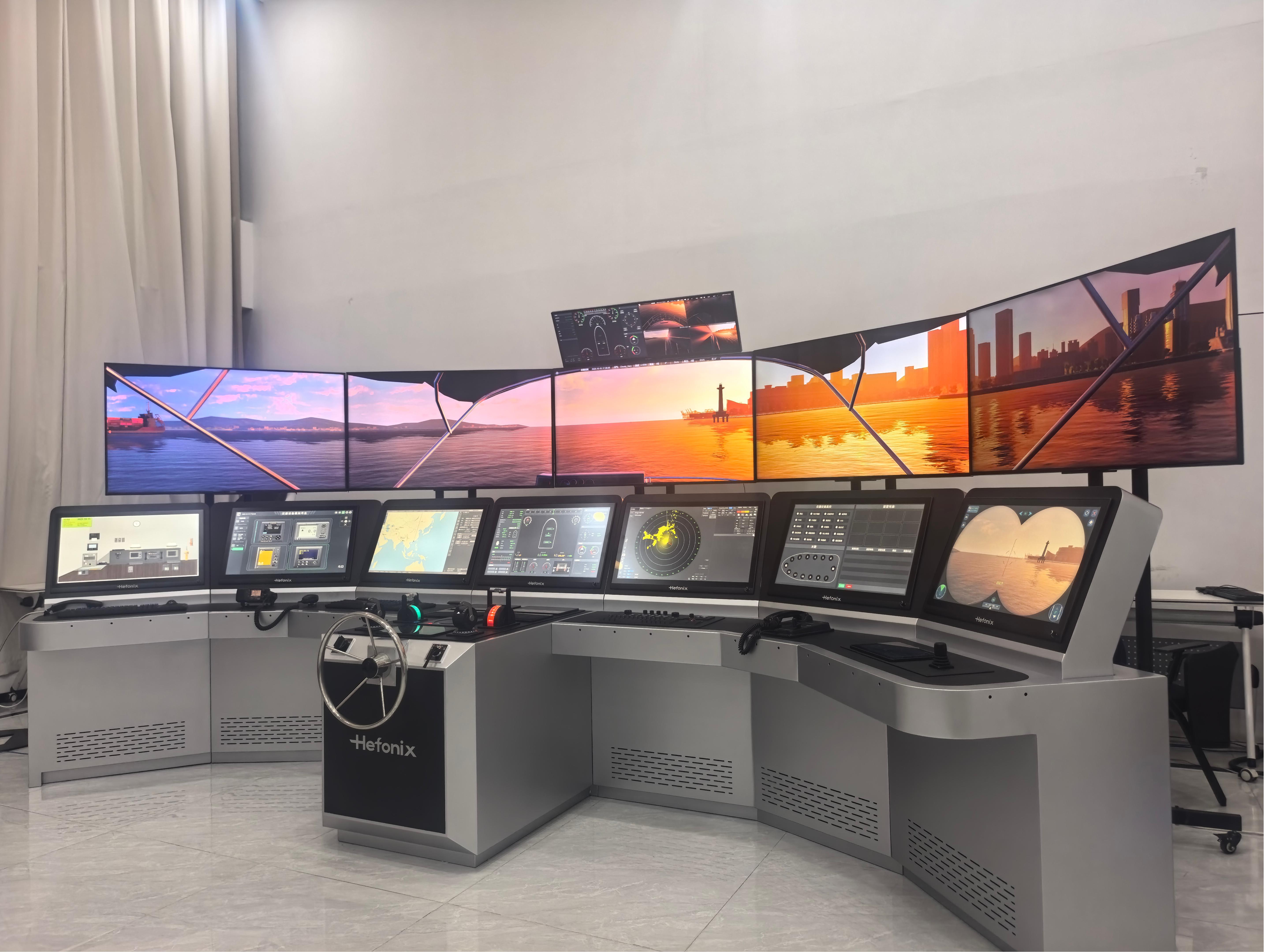
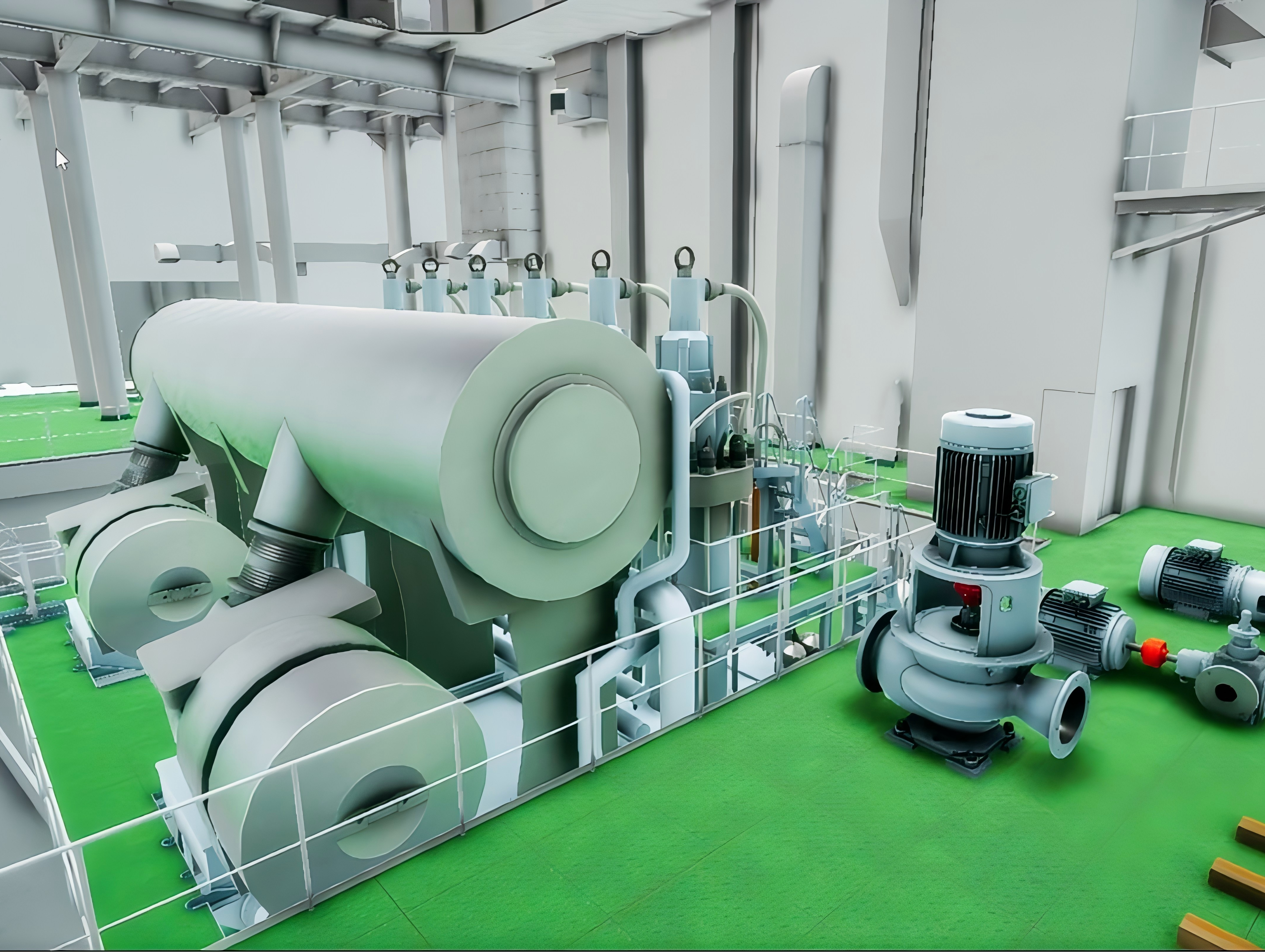
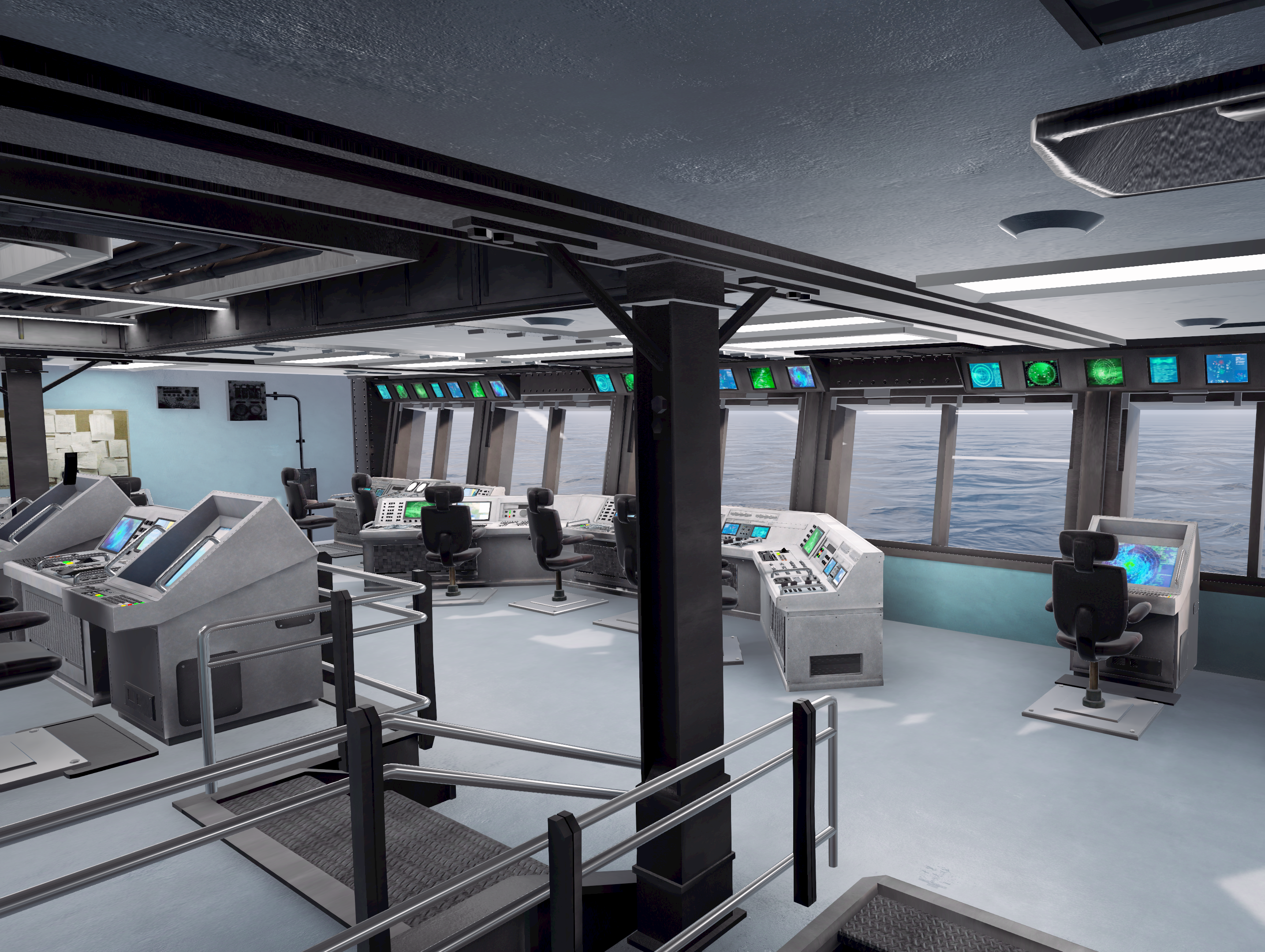
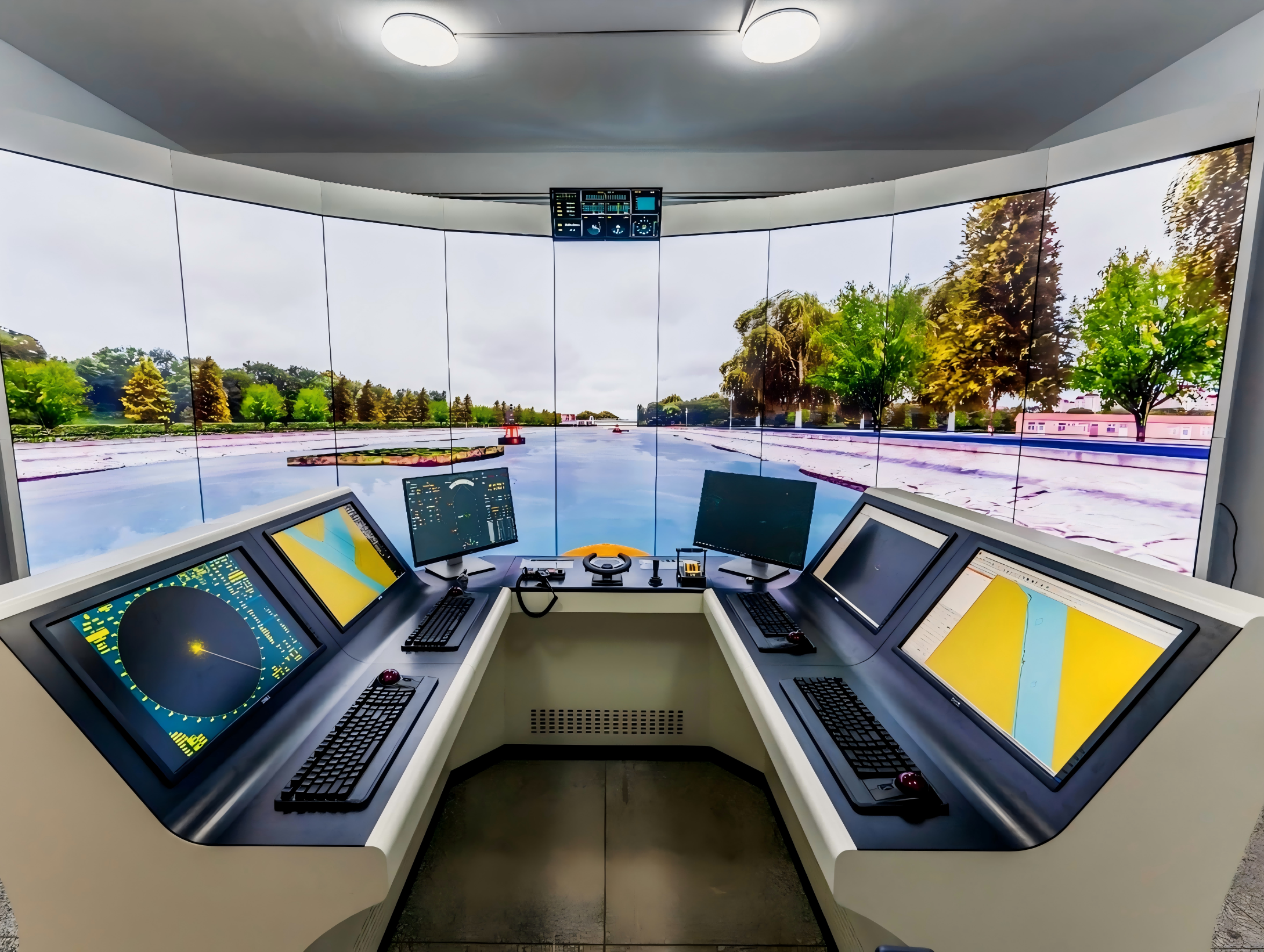
Fidelity extends beyond mathematical accuracy to sensory immersion. A marine engine room simulator must replicate the visual and auditory environment of an actual engine space. Advanced 3D rendering technologies allow trainees to virtually walk through engine rooms, interact with equipment, and read analog and digital displays exactly as they would onboard.
Equally critical is the acoustic environment. The hum of generators, the rhythmic thrum of the main engine, and the piercing sound of alarms all contribute to situational awareness. In a full mission engine room simulator, these auditory cues are spatially mapped, meaning a trainee can locate the source of a high-temperature alarm by sound alone. This sensory realism conditions engineers to respond appropriately under the stressful conditions they will encounter at sea. Hefonix integrates these immersive technologies as part of its commitment to being a comprehensive solution provider, ensuring that training scenarios replicate not just machinery behavior but the full operational context.
Distributed Control System Integration
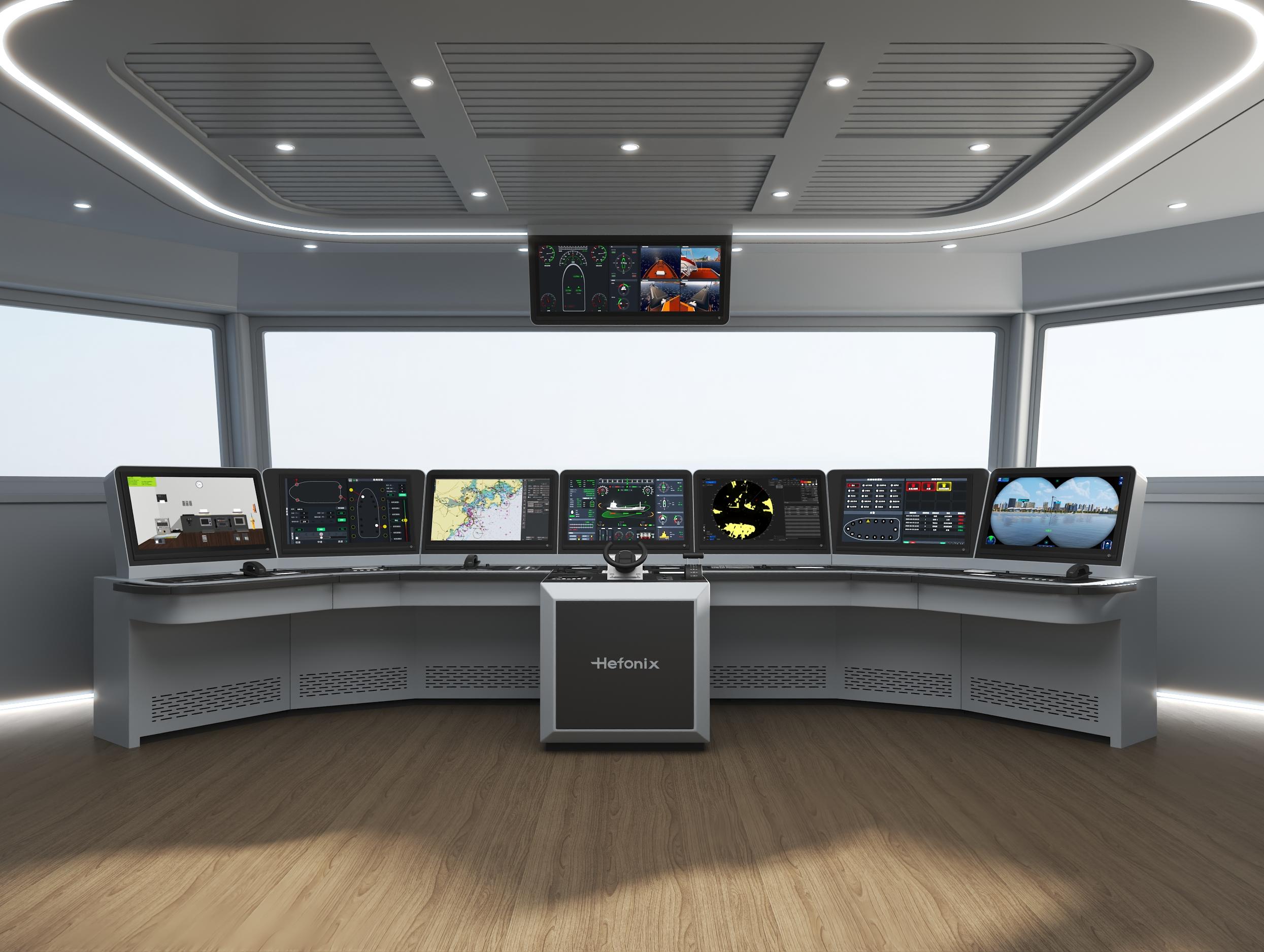
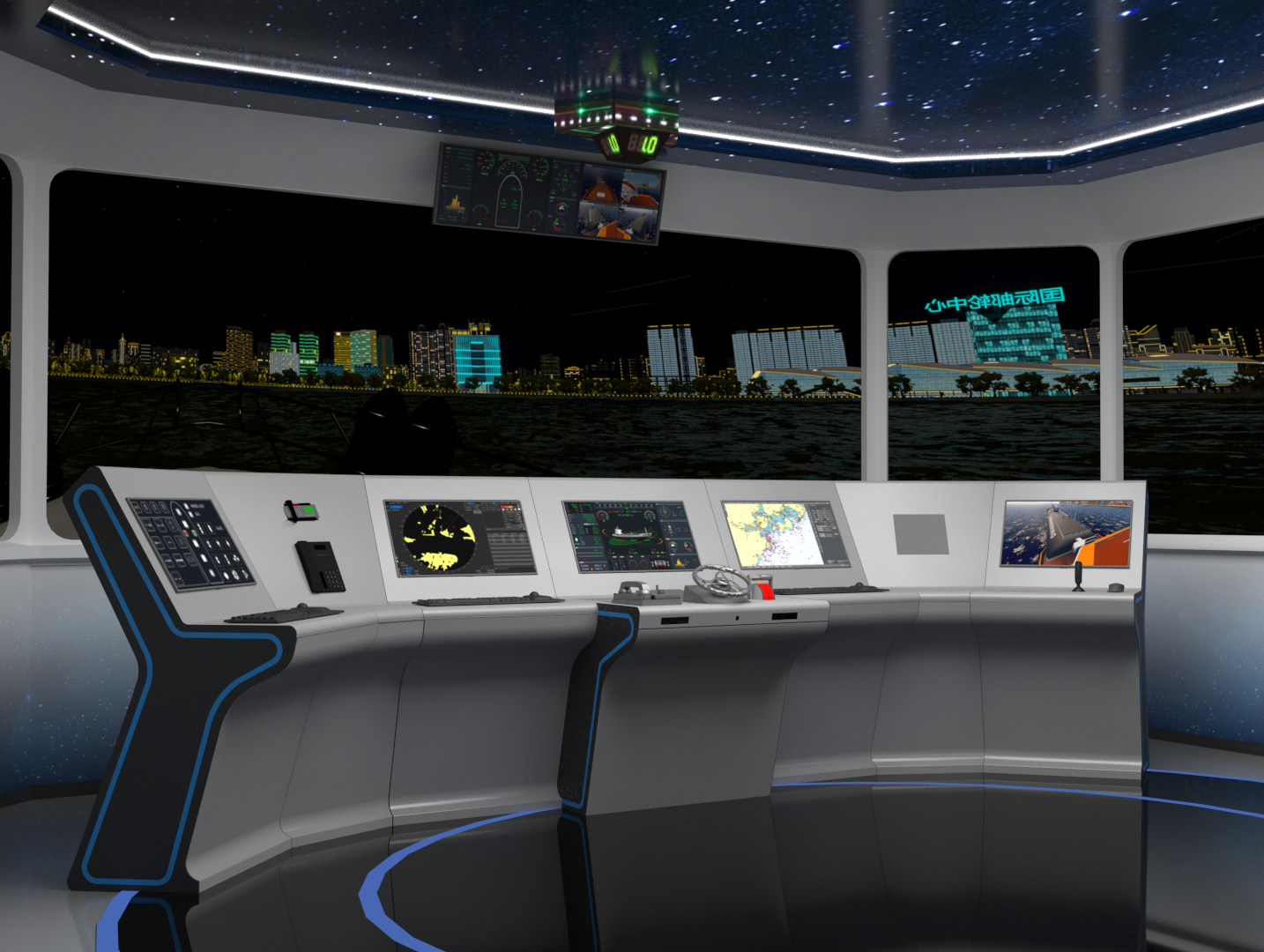
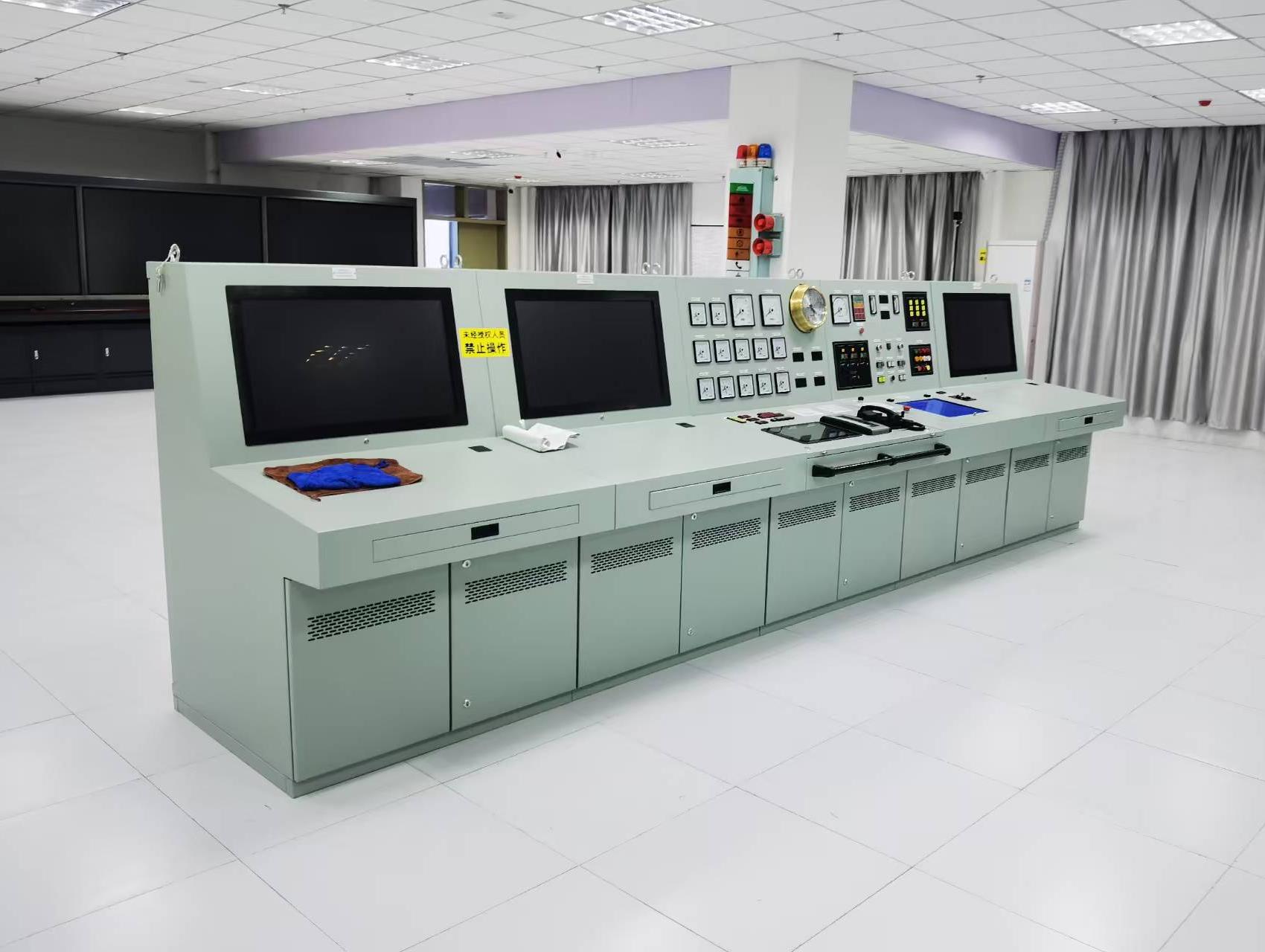
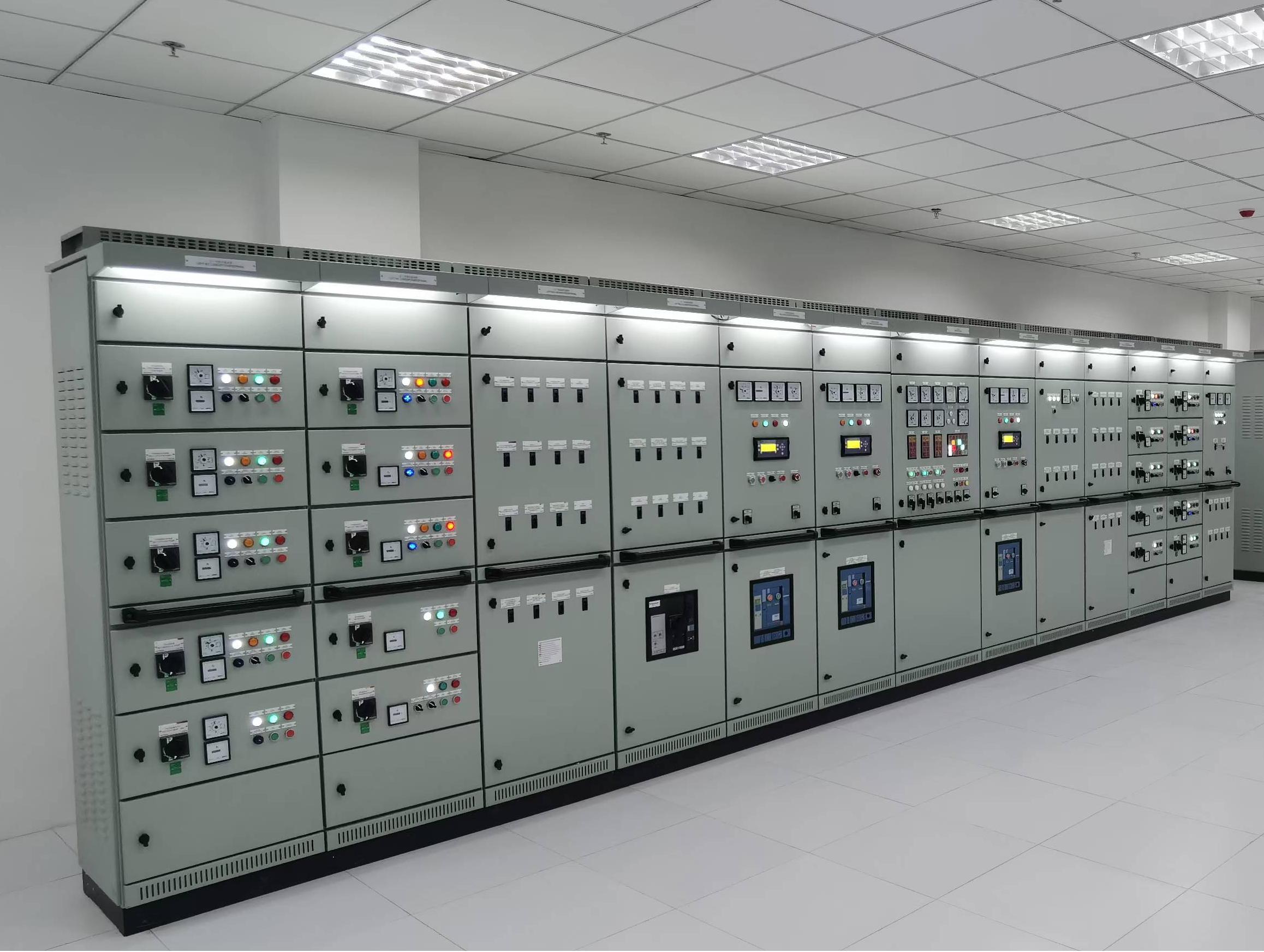
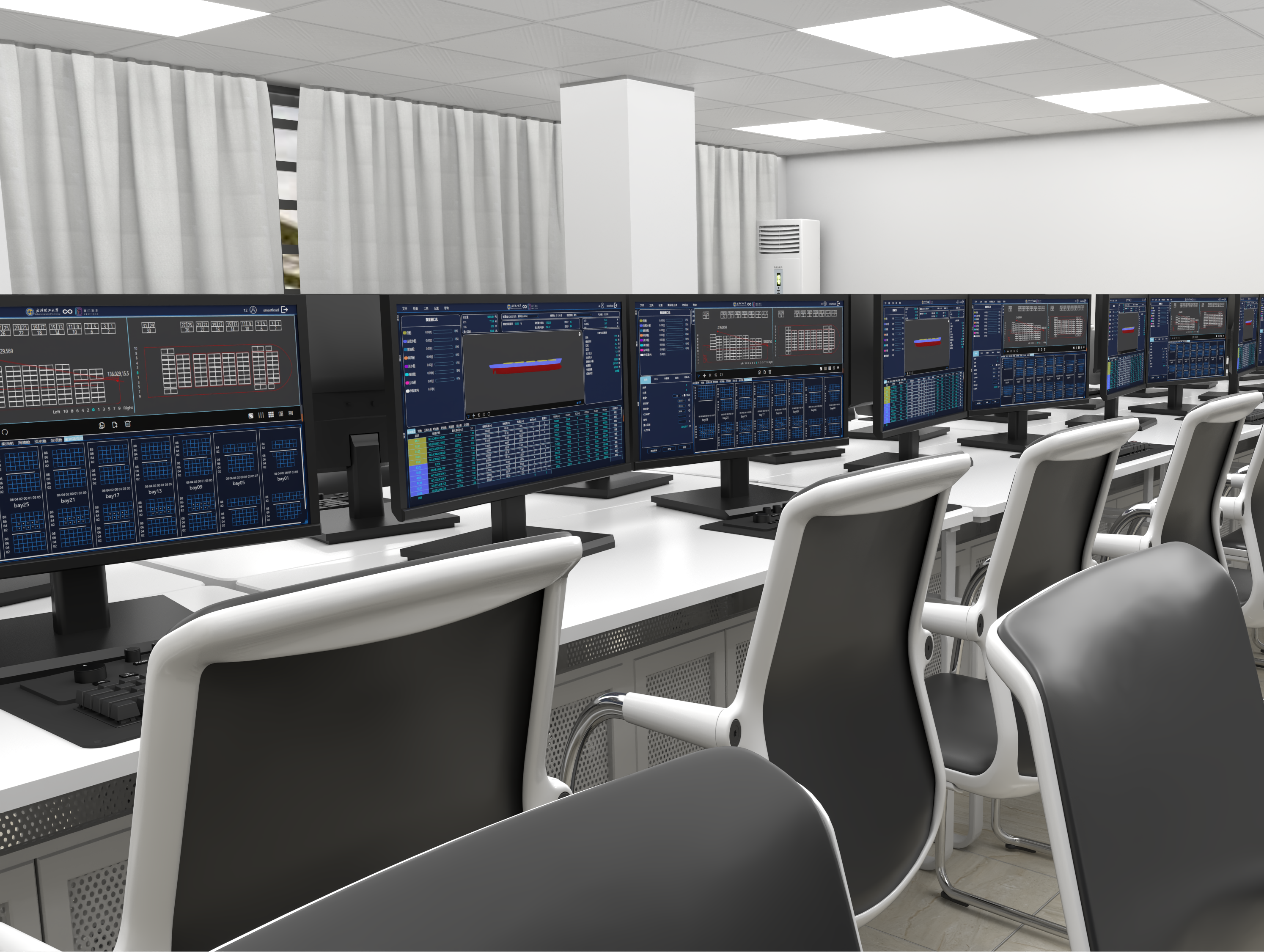
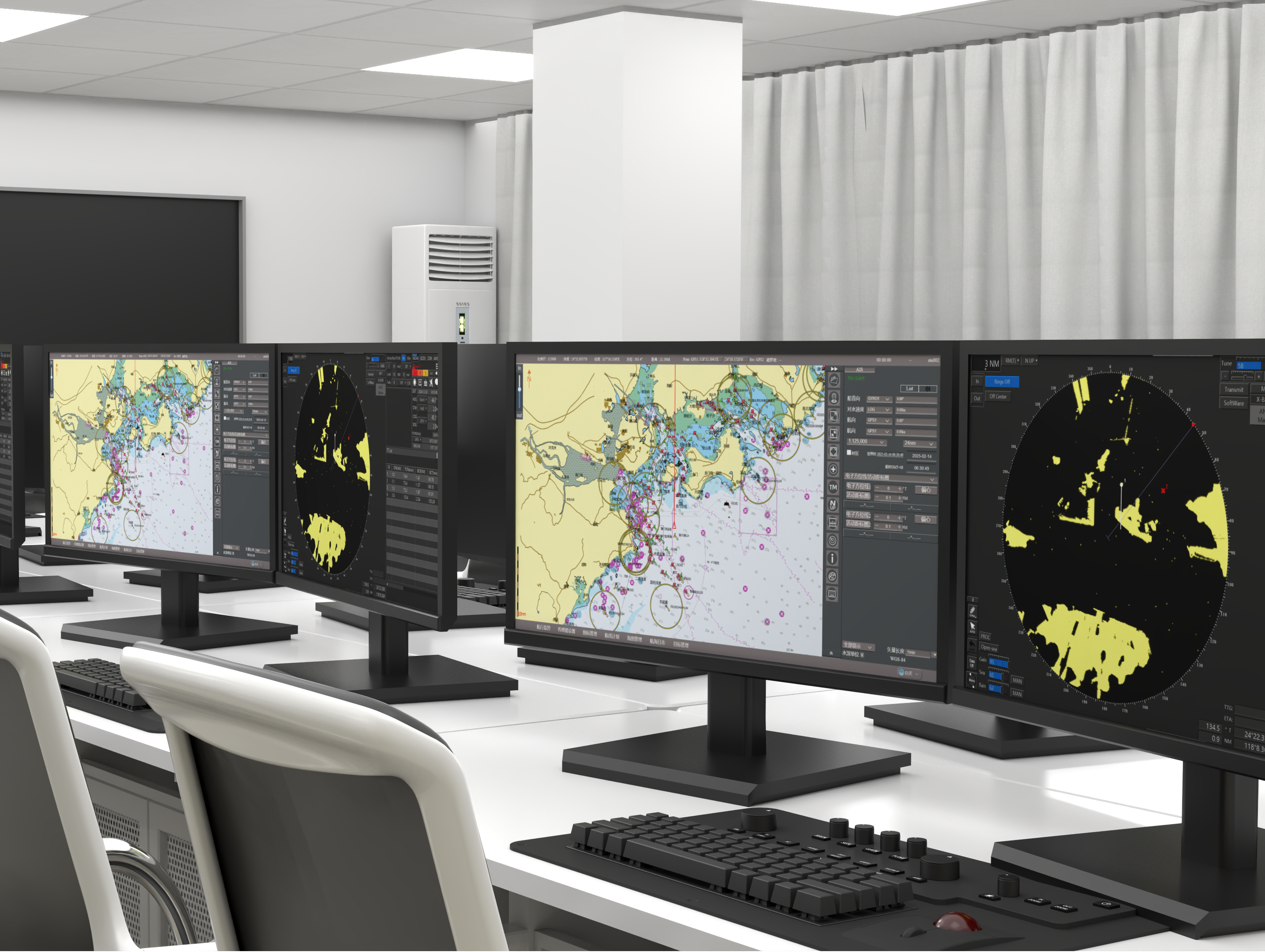
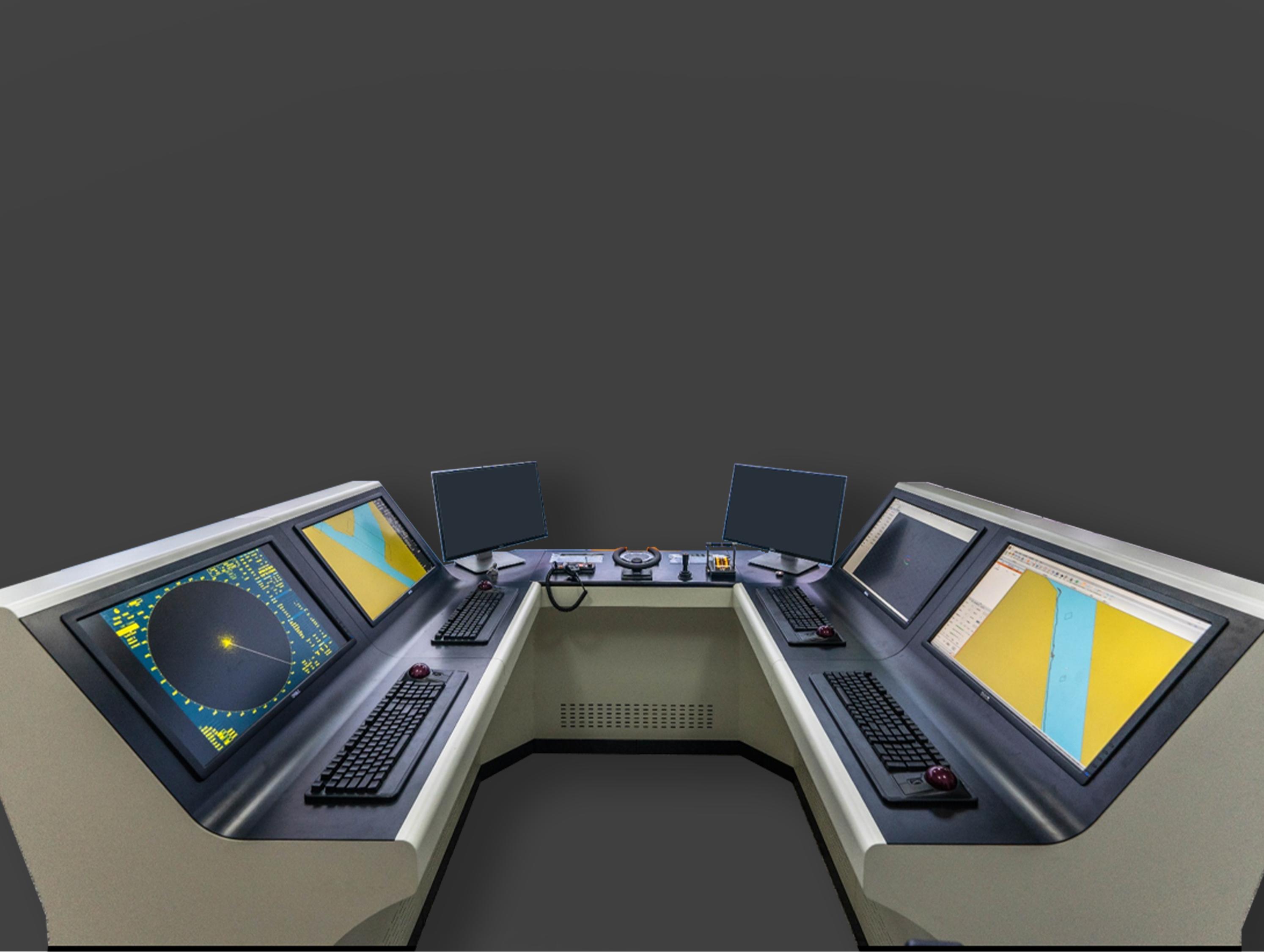
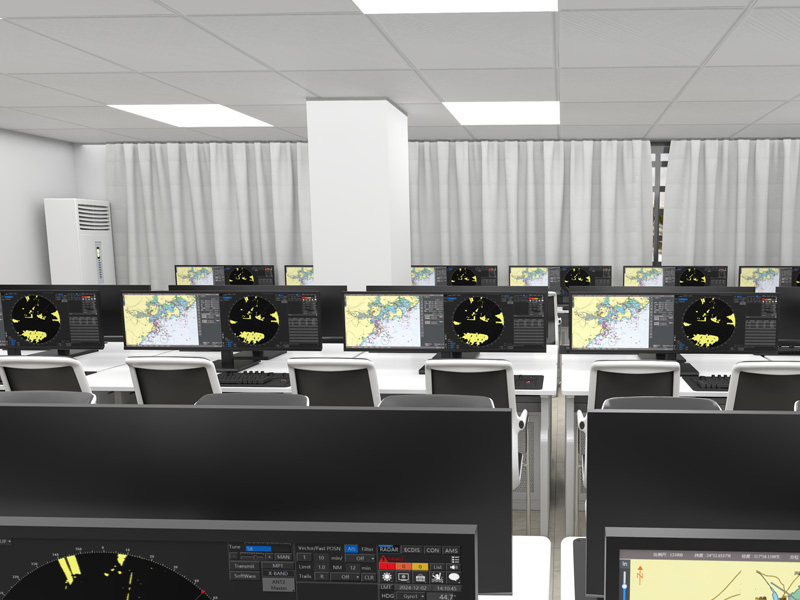
Modern vessels are managed through sophisticated Distributed Control Systems (DCS) and alarm monitoring systems. A truly effective engine ship simulator must replicate these interfaces with exacting precision. Trainees need to navigate the same human-machine interfaces (HMIs), touchscreen panels, and programmable logic controllers (PLCs) they will encounter in the field.
Hefonix's engine ship simulator platforms feature authentic replicas of leading automation systems, allowing engineers to practice power management, alarm response, and condition monitoring in a risk-free environment. This integration ensures that when graduates join a vessel, they are not learning a new interface—they are simply applying skills already mastered in simulation. For training institutions, this capability transforms a Ship Engine Room Simulator into a powerful tool for reducing onboarding time and improving operational safety.
Cloud-Based Assessment and Distributed Learning
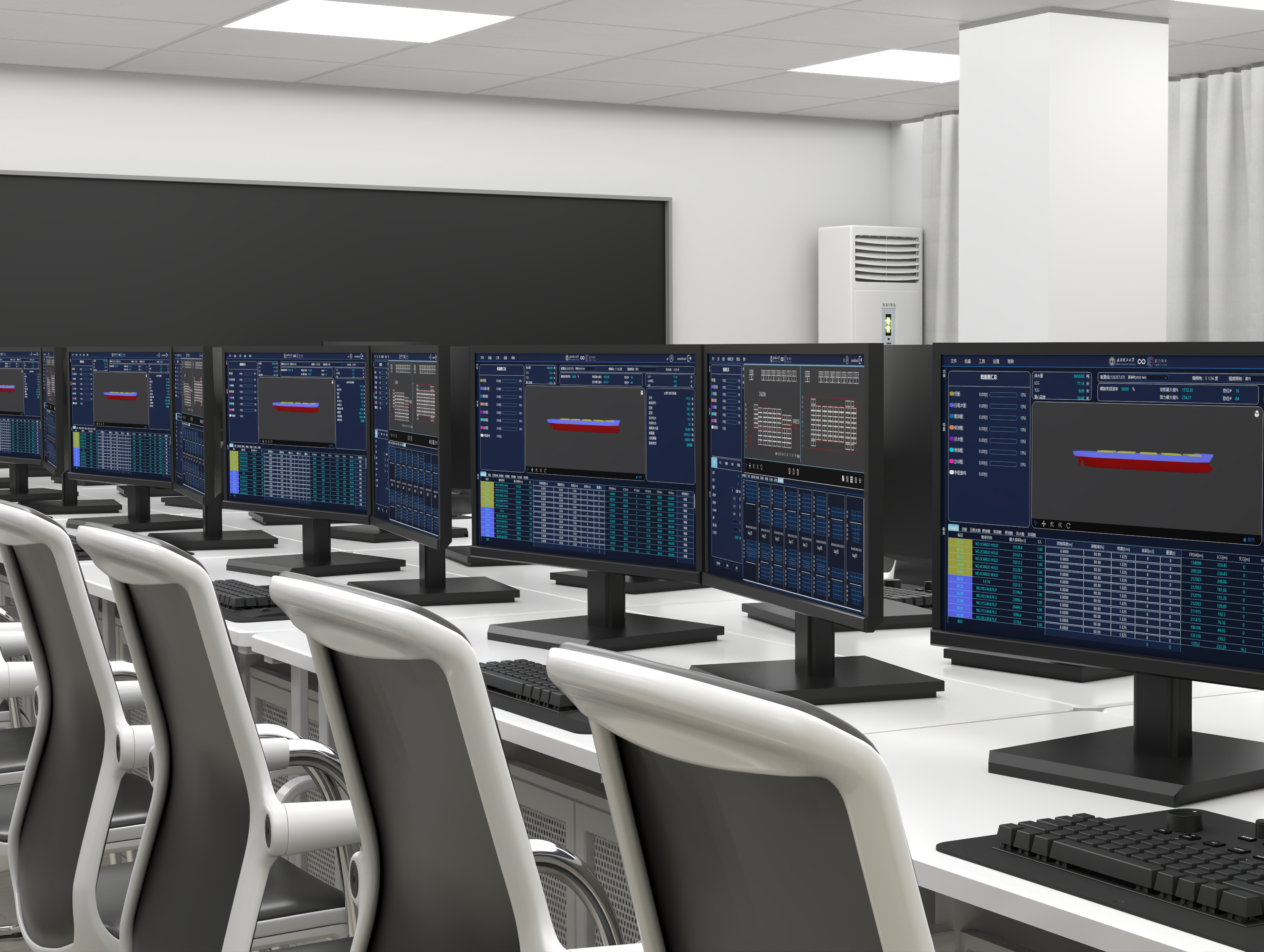
The evolving needs of the maritime industry demand training solutions that extend beyond a single physical facility. Advanced full mission engine room simulator systems now incorporate cloud-based architectures that enable remote instruction, distributed team training, and data-driven competency assessment.
Instructors can inject faults, monitor trainee performance, and generate detailed debriefing reports from anywhere in the world. A marine engine room simulator equipped with these capabilities allows shipping companies to train entire engine room teams across multiple locations, fostering collaboration and standardizing procedures. Hefonix's focus on R&D and services ensures that its platforms not only incorporate these technologies but also provide ongoing support to maximize their educational value.
Conclusion
The technologies behind today's full mission engine room simulator systems represent a significant leap forward in maritime education. From high-fidelity thermodynamics and real-time physics to immersive environments and cloud-based assessment, each component works together to create training experiences that are safe, realistic, and highly effective.
By maintaining a clear strategic focus on R&D and services, Hefonix continues to lead the industry in developing these advanced platforms. Every engine ship simulator, Engine Room Simulator, Ship Engine Room Simulator, and marine engine room simulator delivered is built upon a profound understanding of crew training challenges. As the maritime industry evolves toward decarbonization and increased automation, these technologies will only grow in importance. For training institutions and shipping companies alike, investing in advanced simulation is not merely adopting a tool—it is embracing the future of maritime engineering education.