
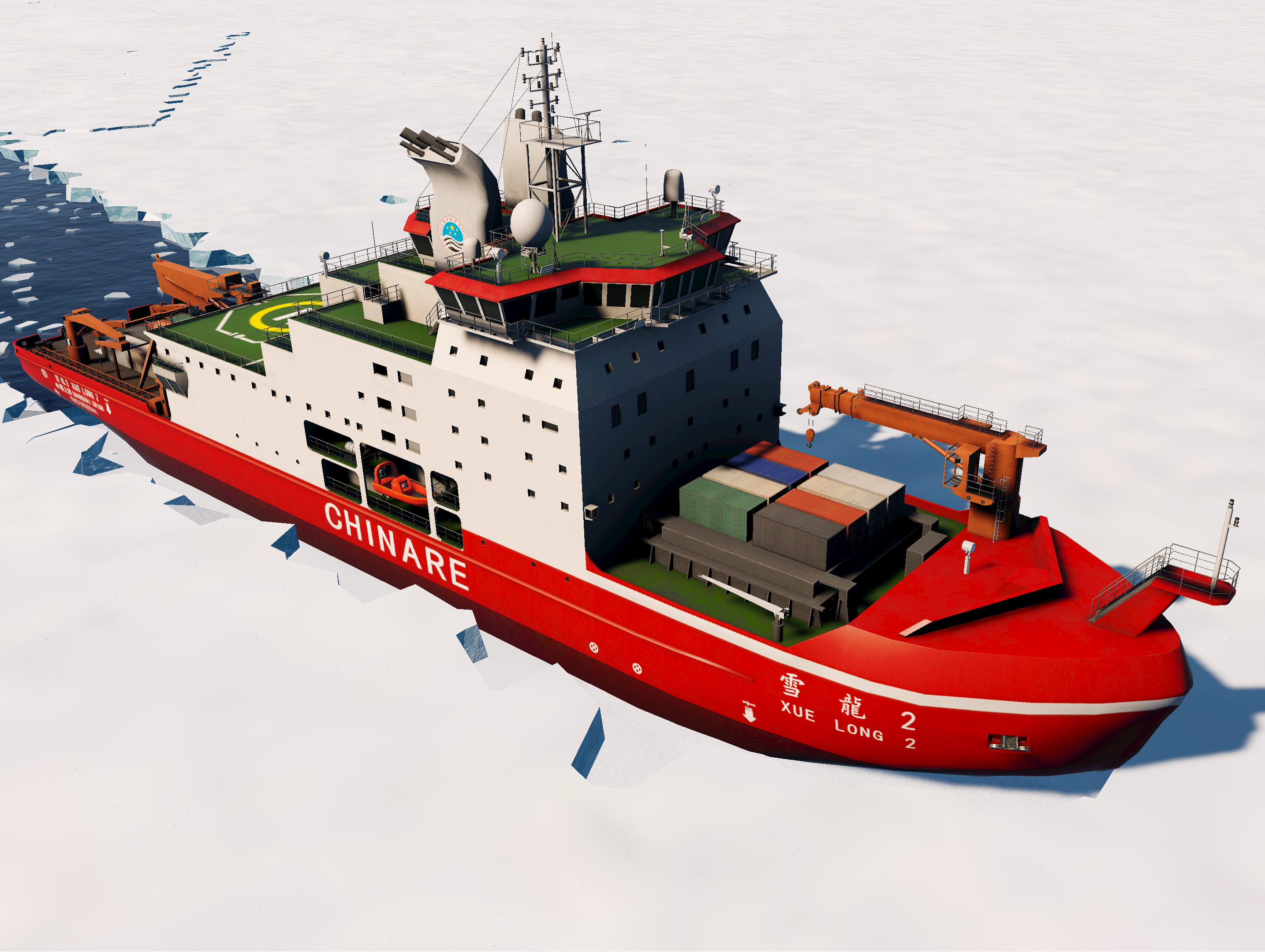
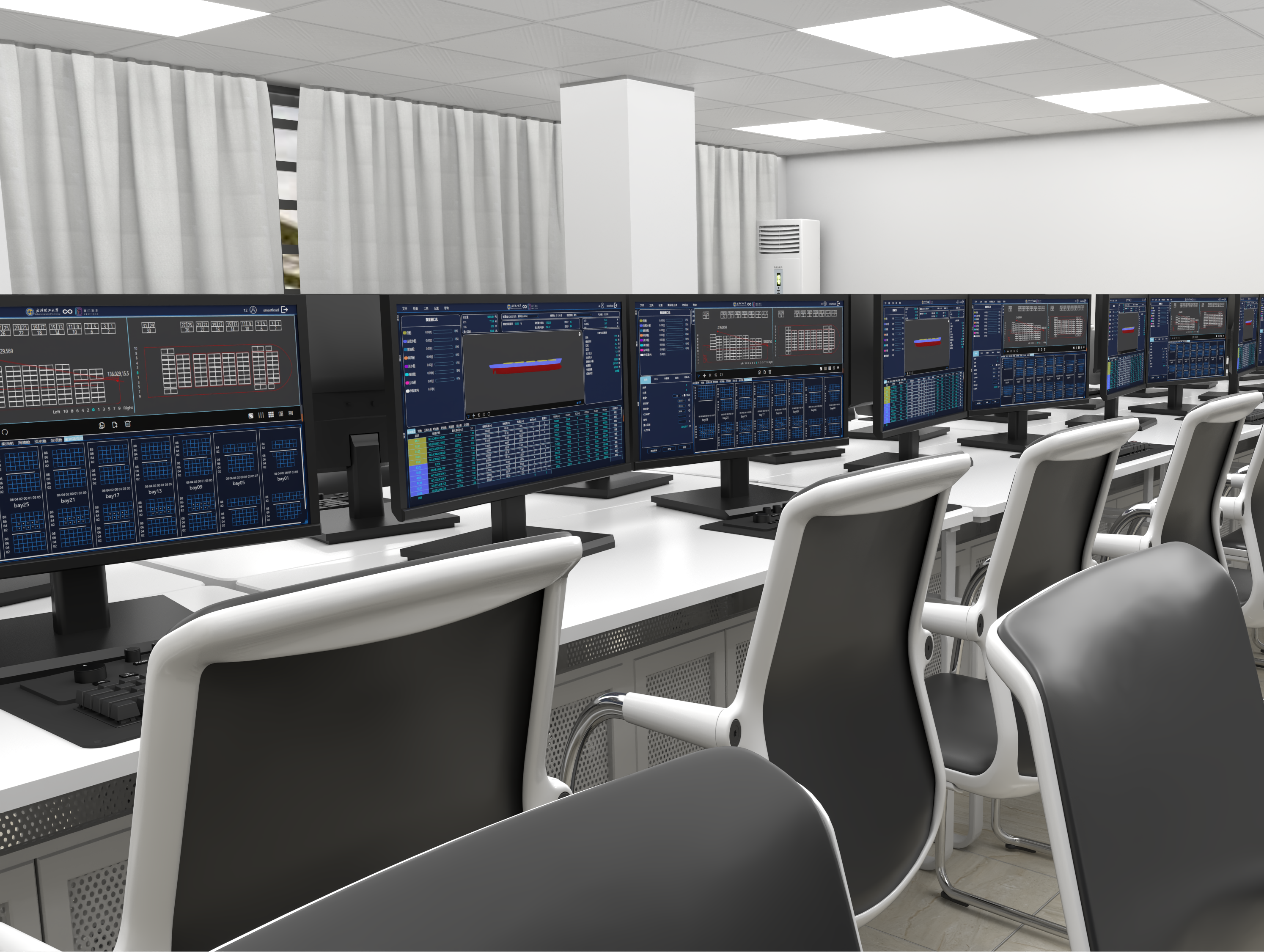
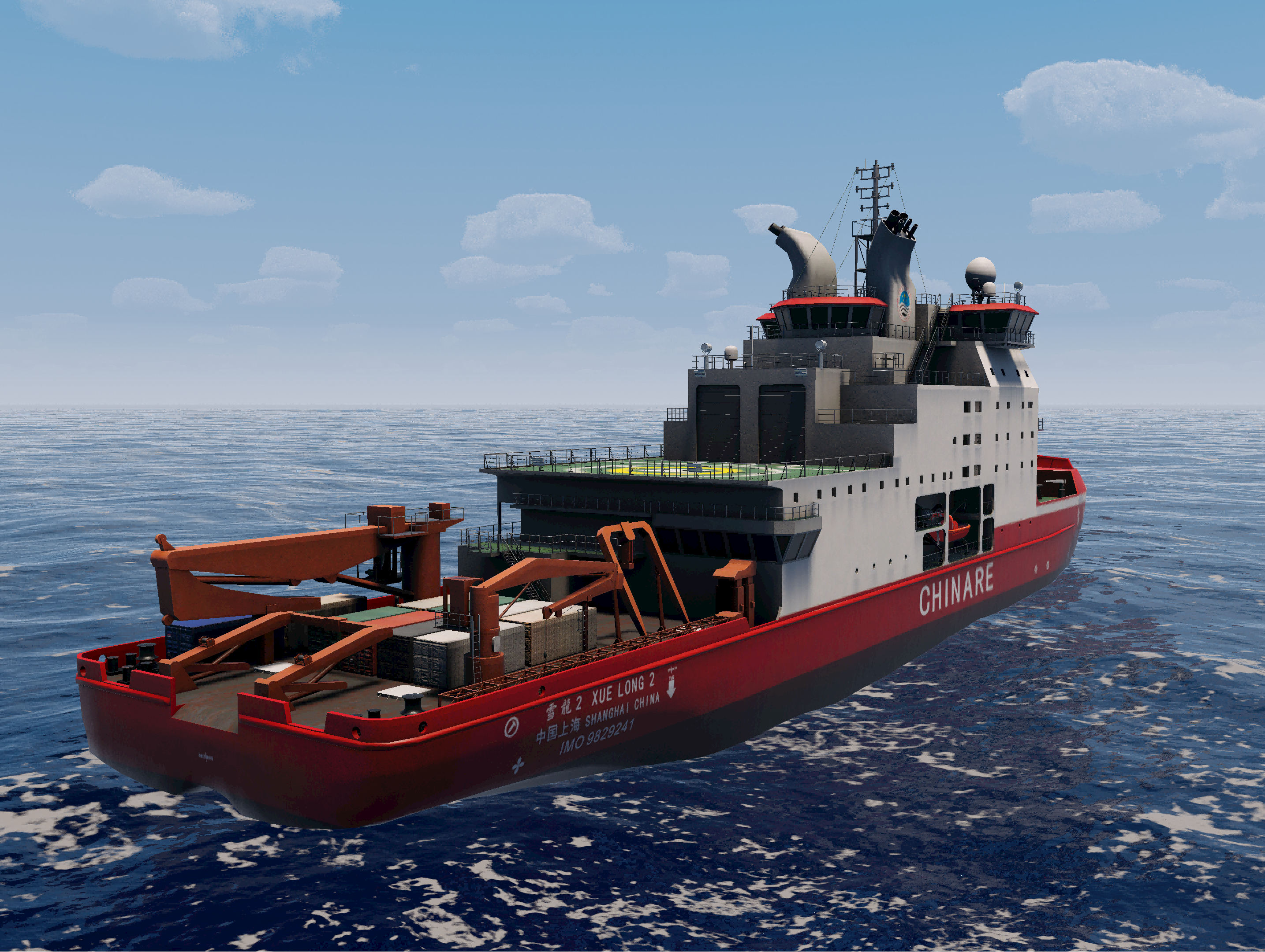


In recent years, maritime procurement strategies have shifted significantly toward one dominant priority: operational safety assurance through high-fidelity training systems. For global shipping companies, maritime academies, and government training institutions, investment decisions are increasingly centered around advanced simulation platforms such as the Yacht Simulator, Marine Simulator, Ship Navigation simulator, marine engine simulator, and integrated ship simulator systems.

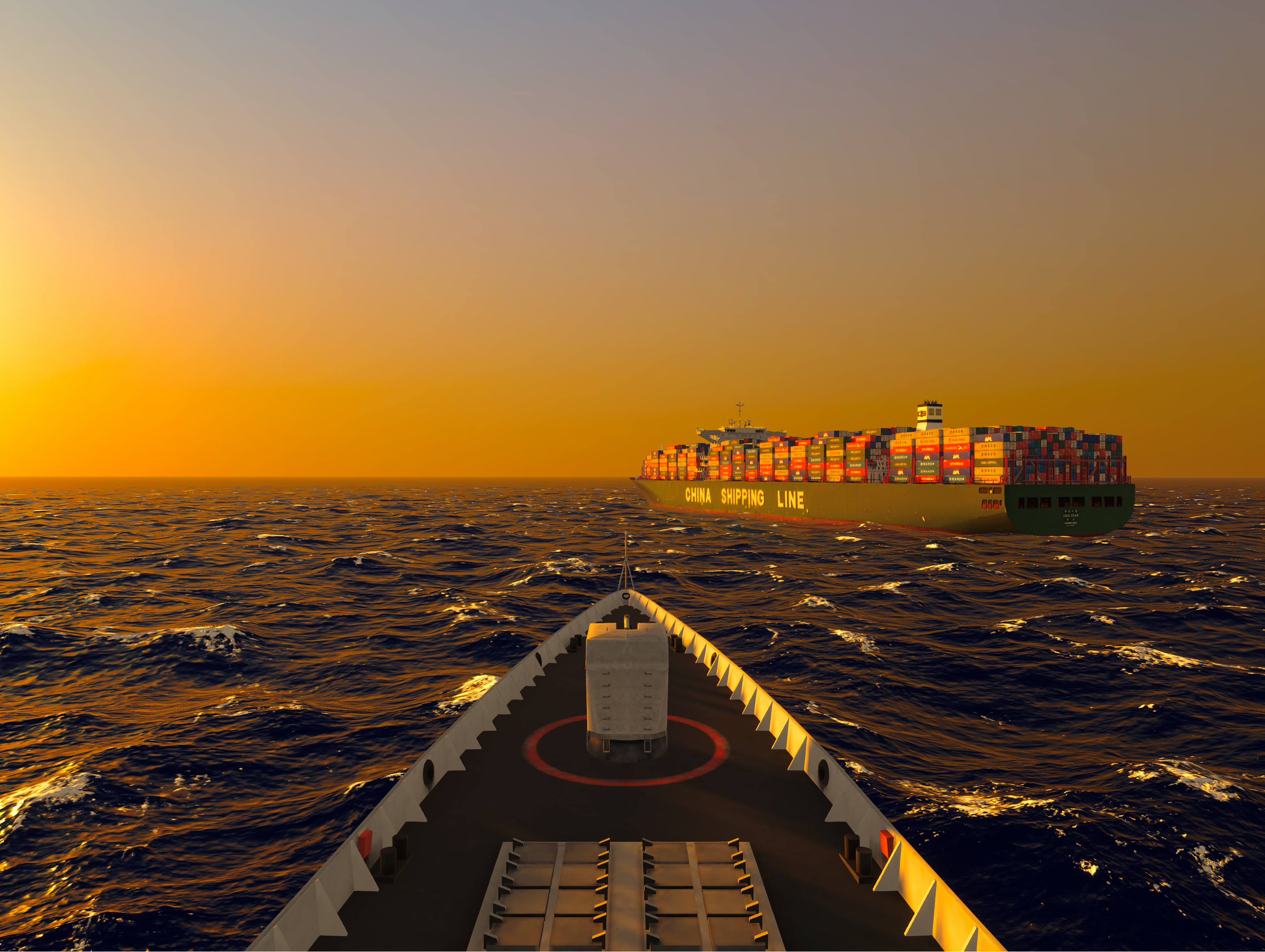
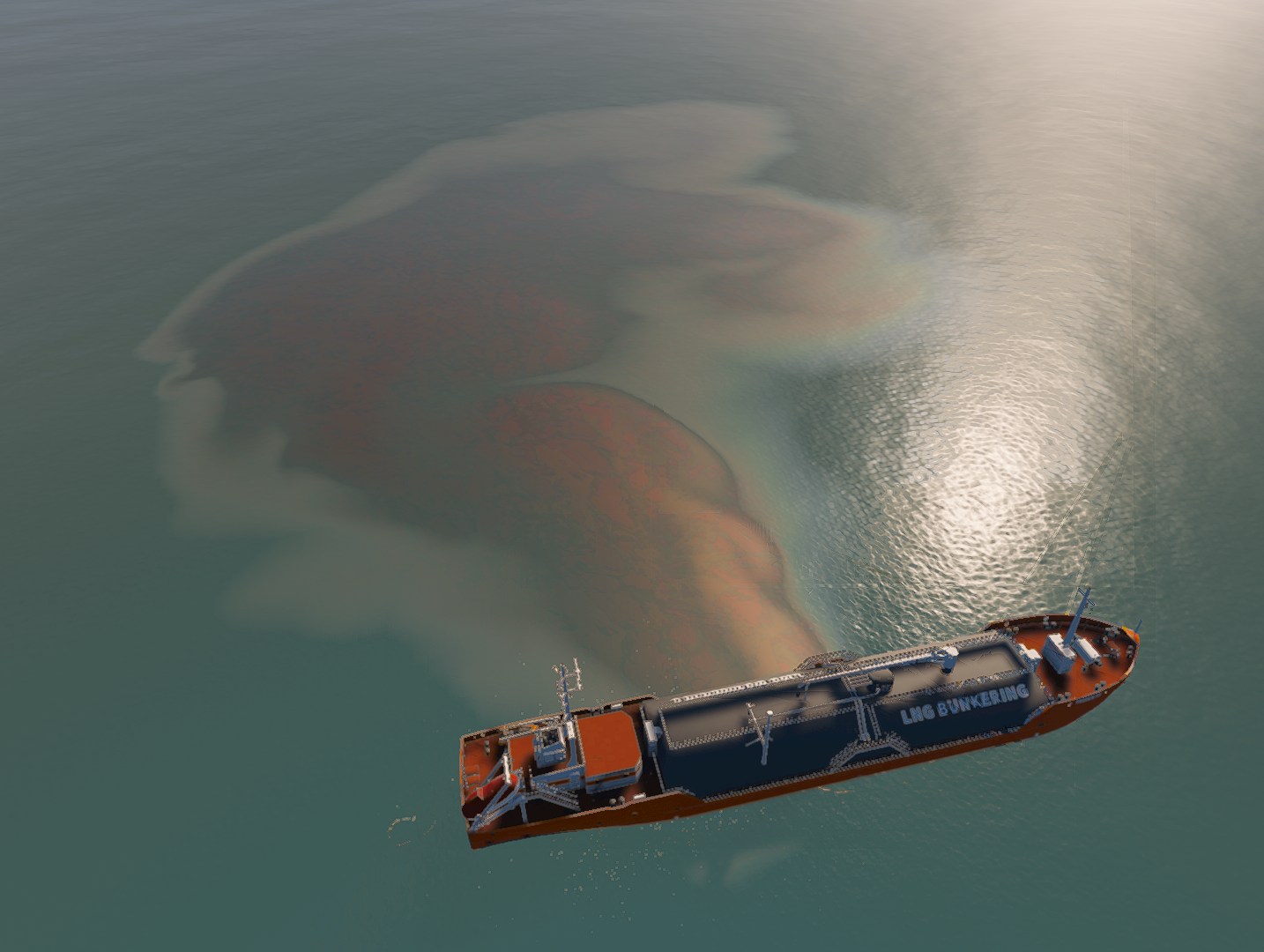
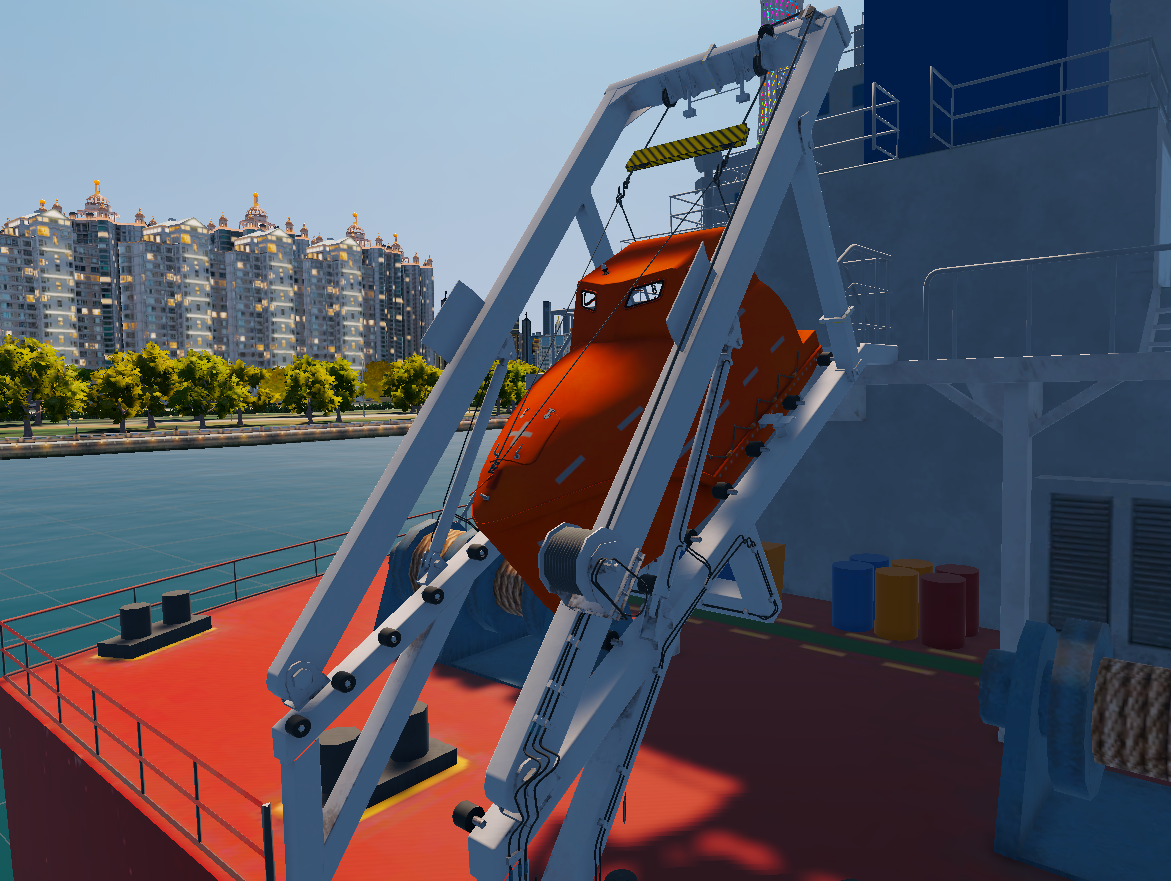
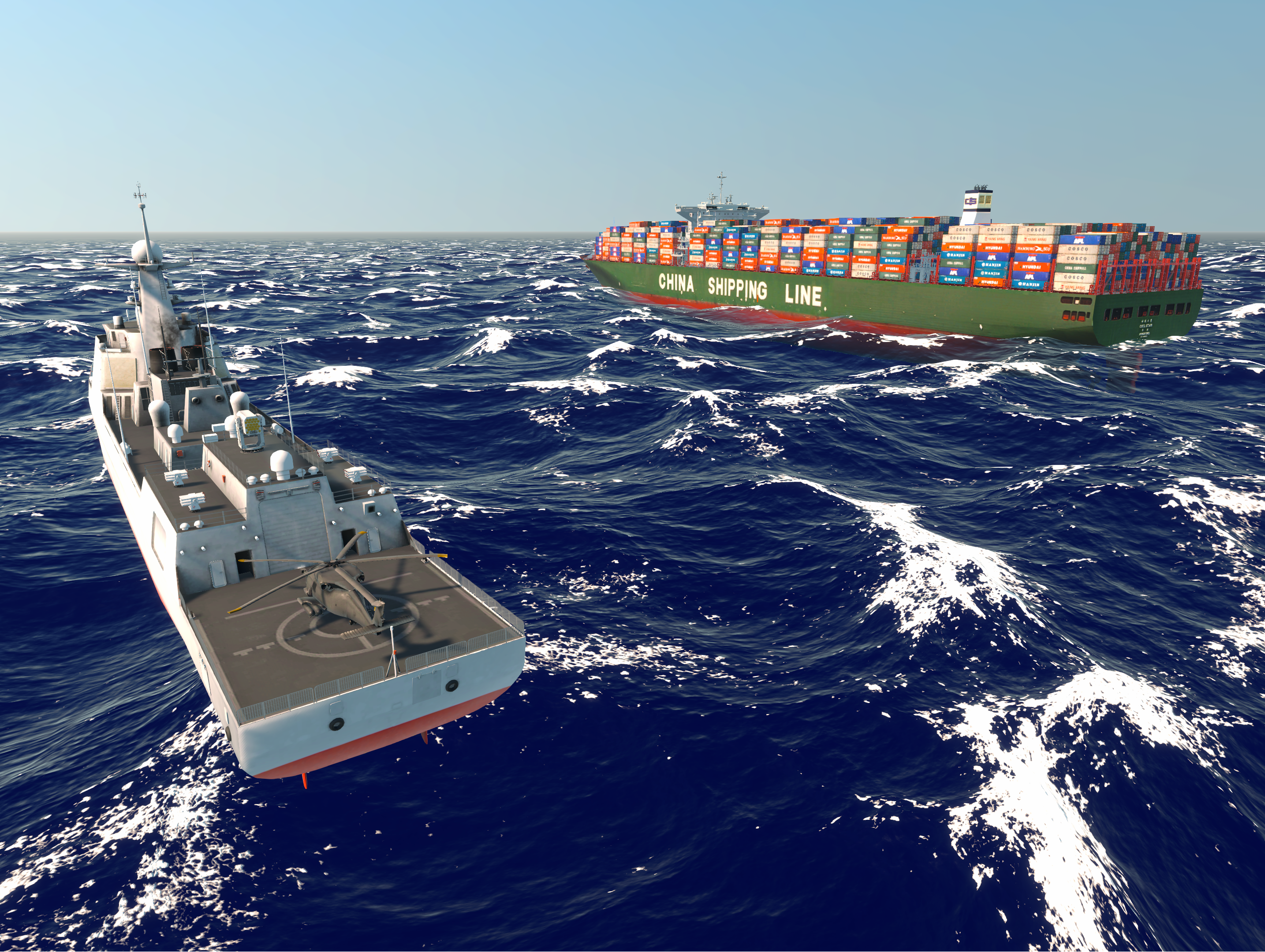
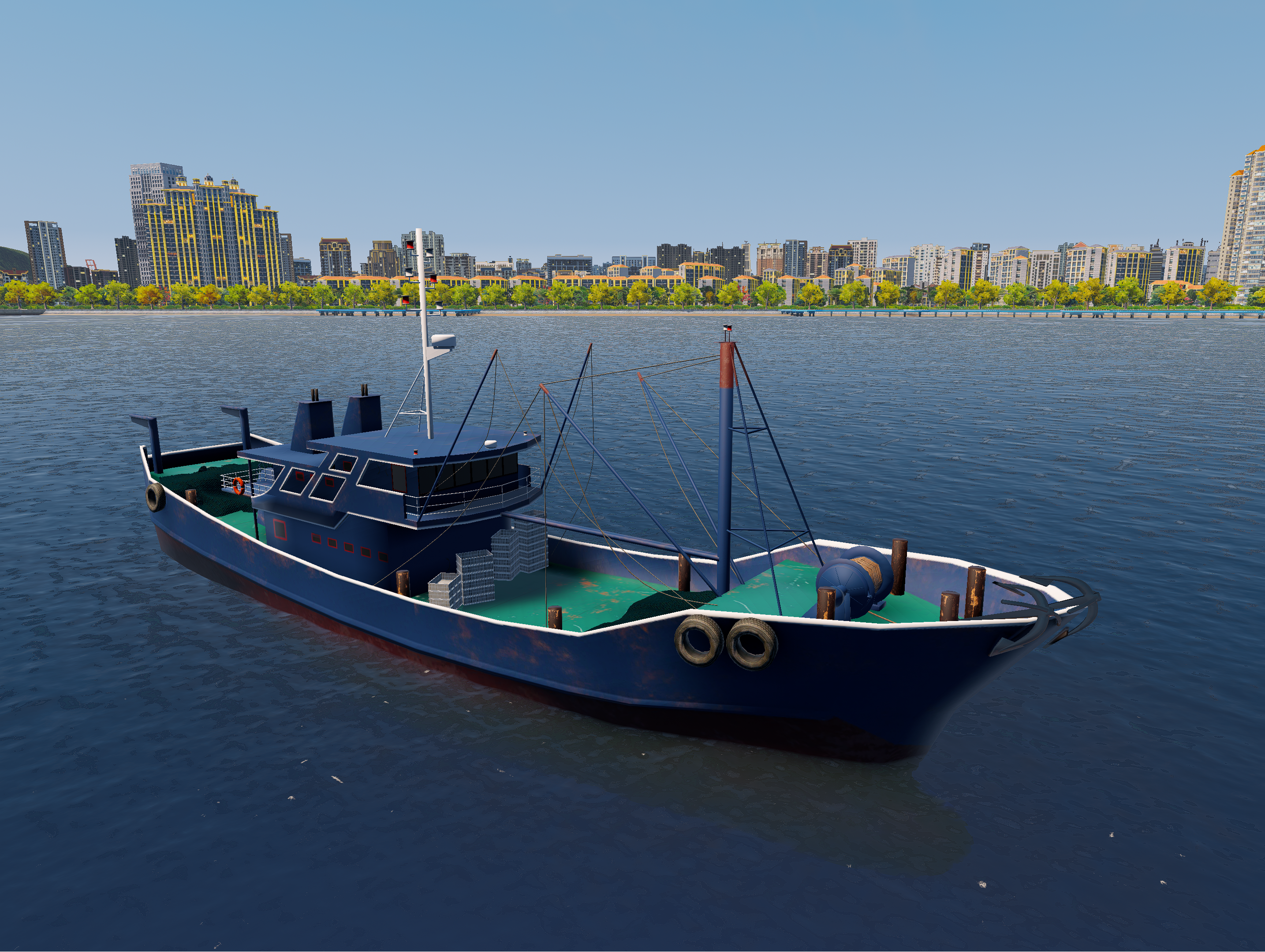
Unlike traditional training investments, today’s buyers evaluate simulation systems through a risk-management lens. The ship simulator has become a foundational procurement asset because it enables crews to rehearse complex voyage operations without exposing vessels, personnel, or cargo to real-world danger. A high-performance ship simulator allows operators to simulate emergencies, port entry failures, navigation conflicts, and extreme weather conditions—scenarios that are costly or impossible to replicate in real operations.
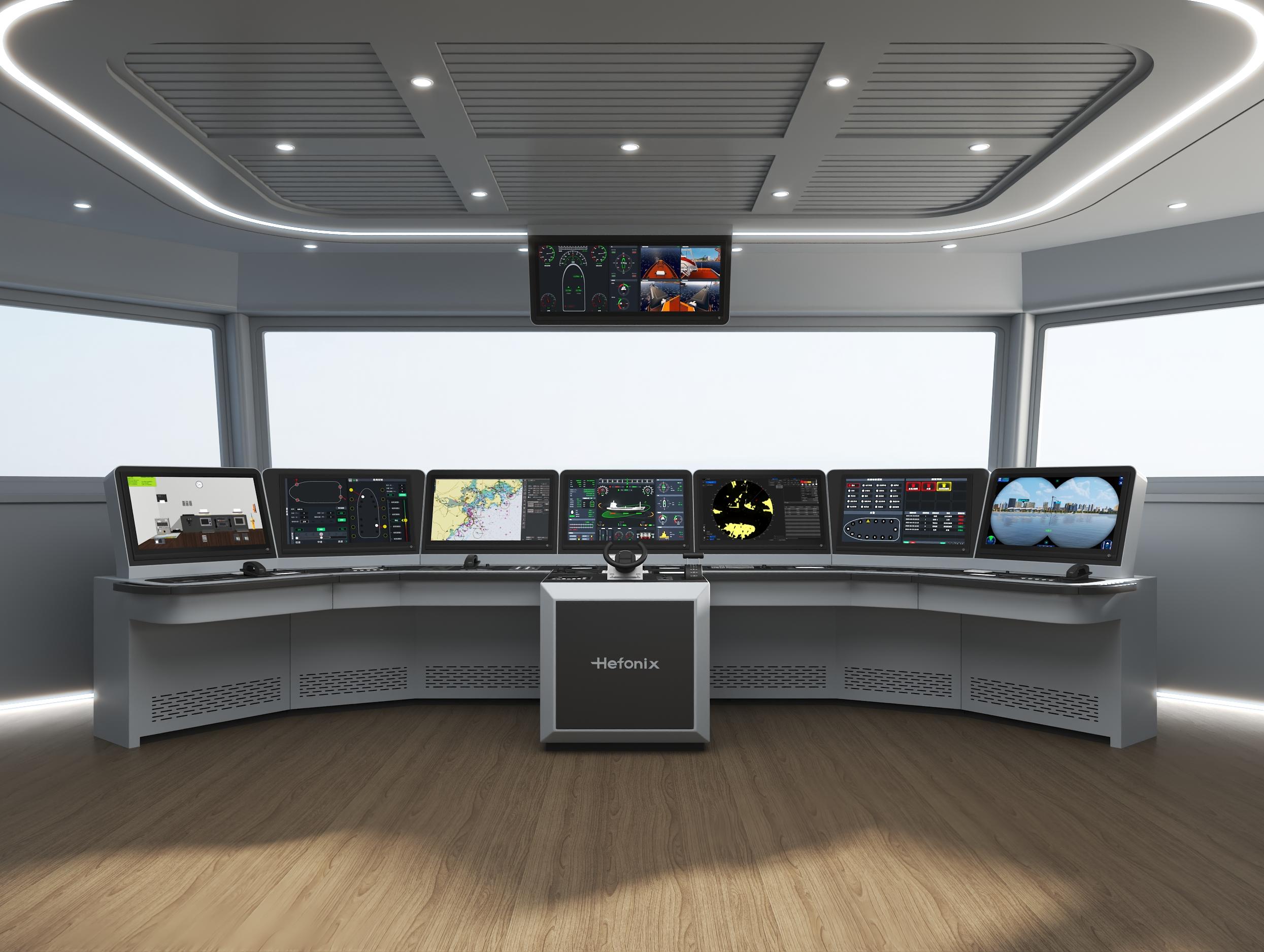
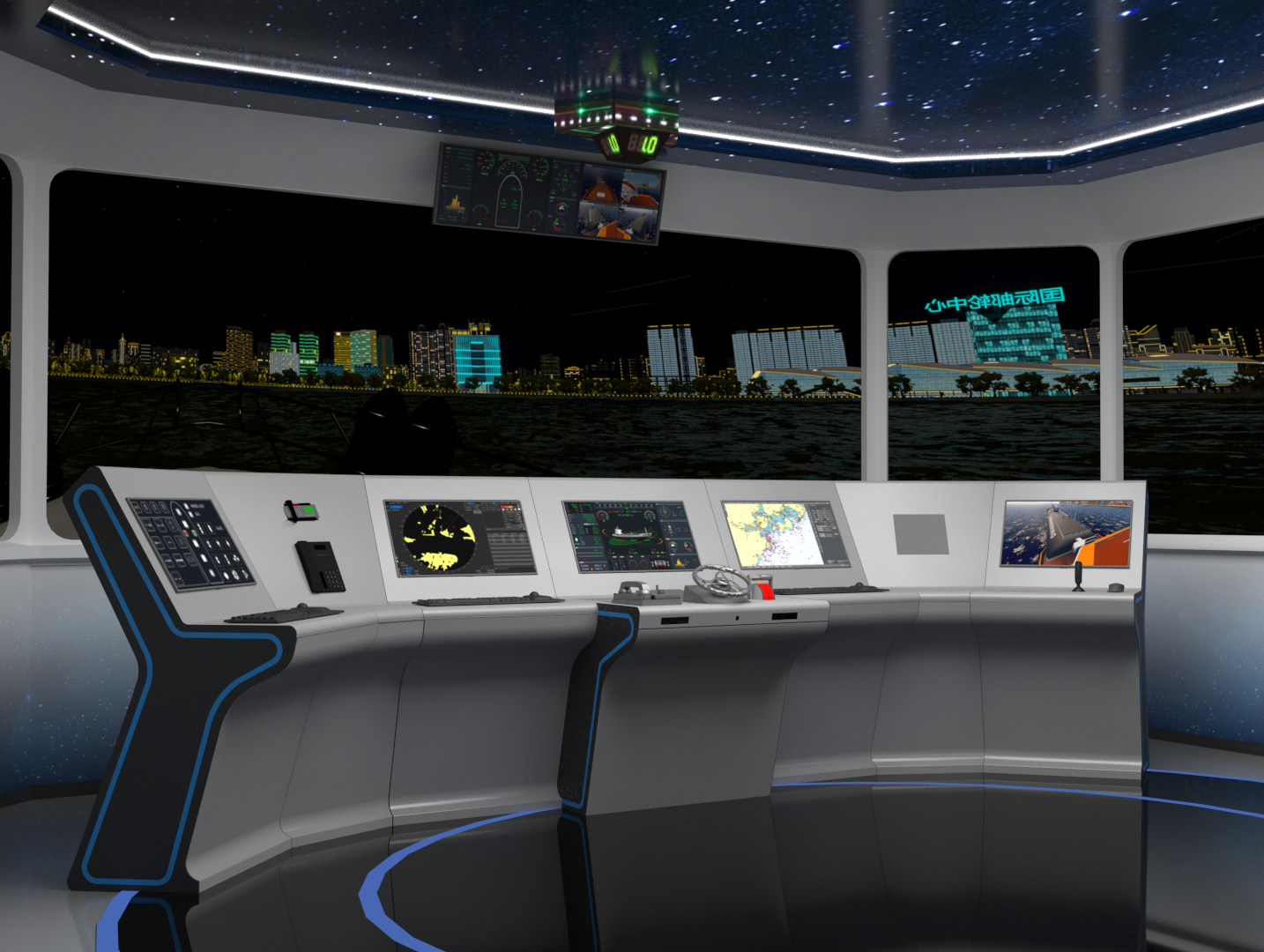
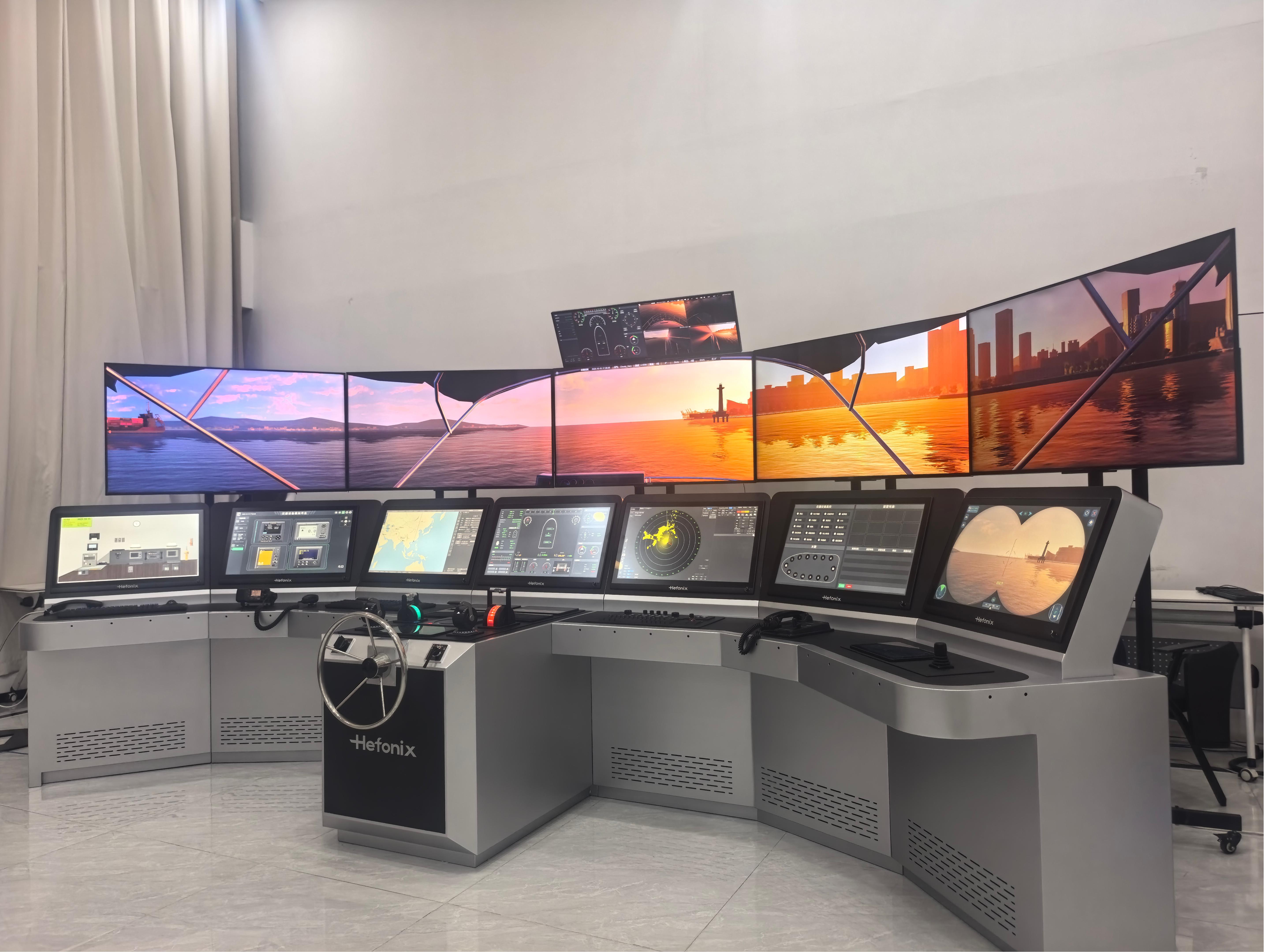
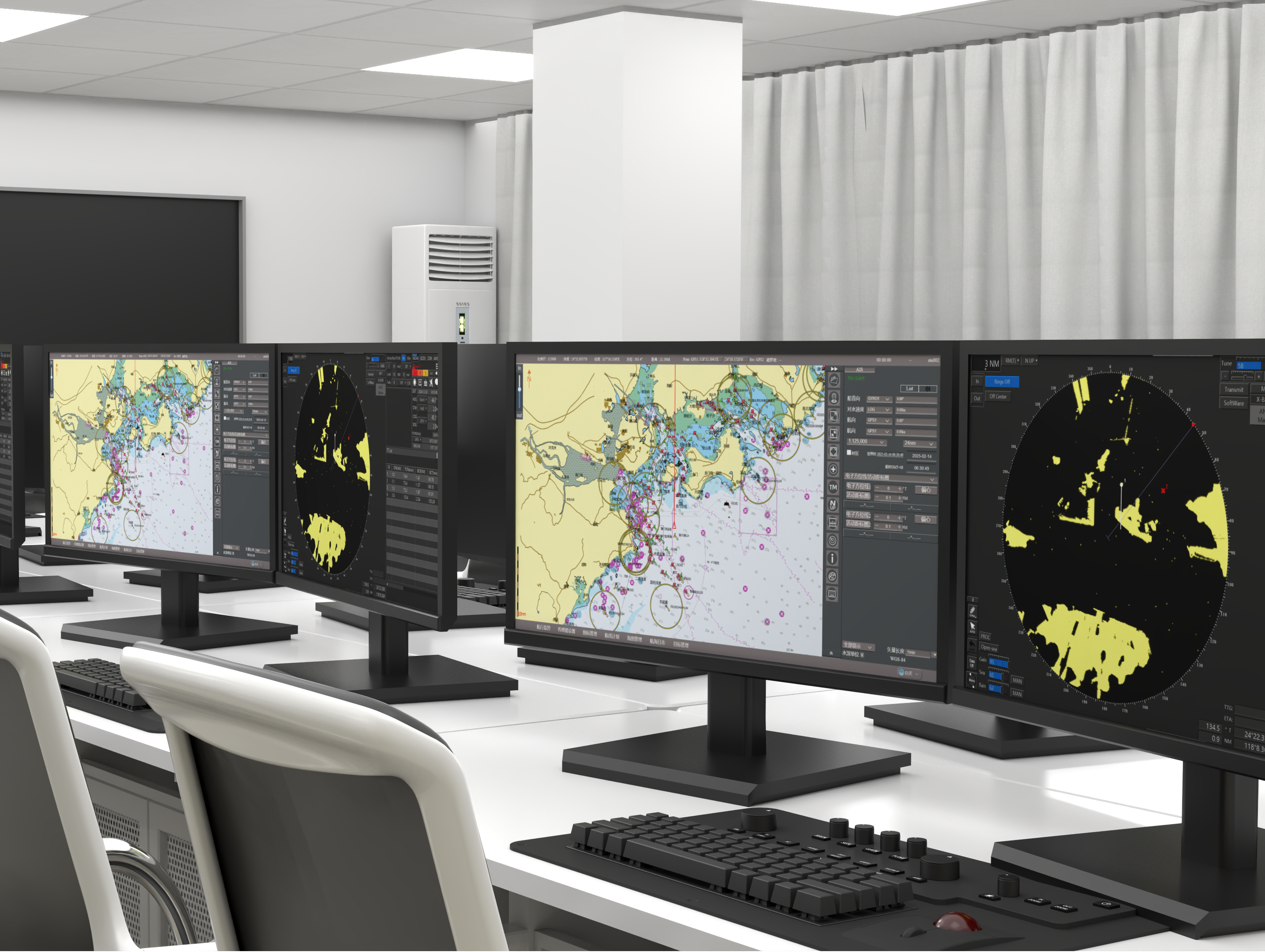
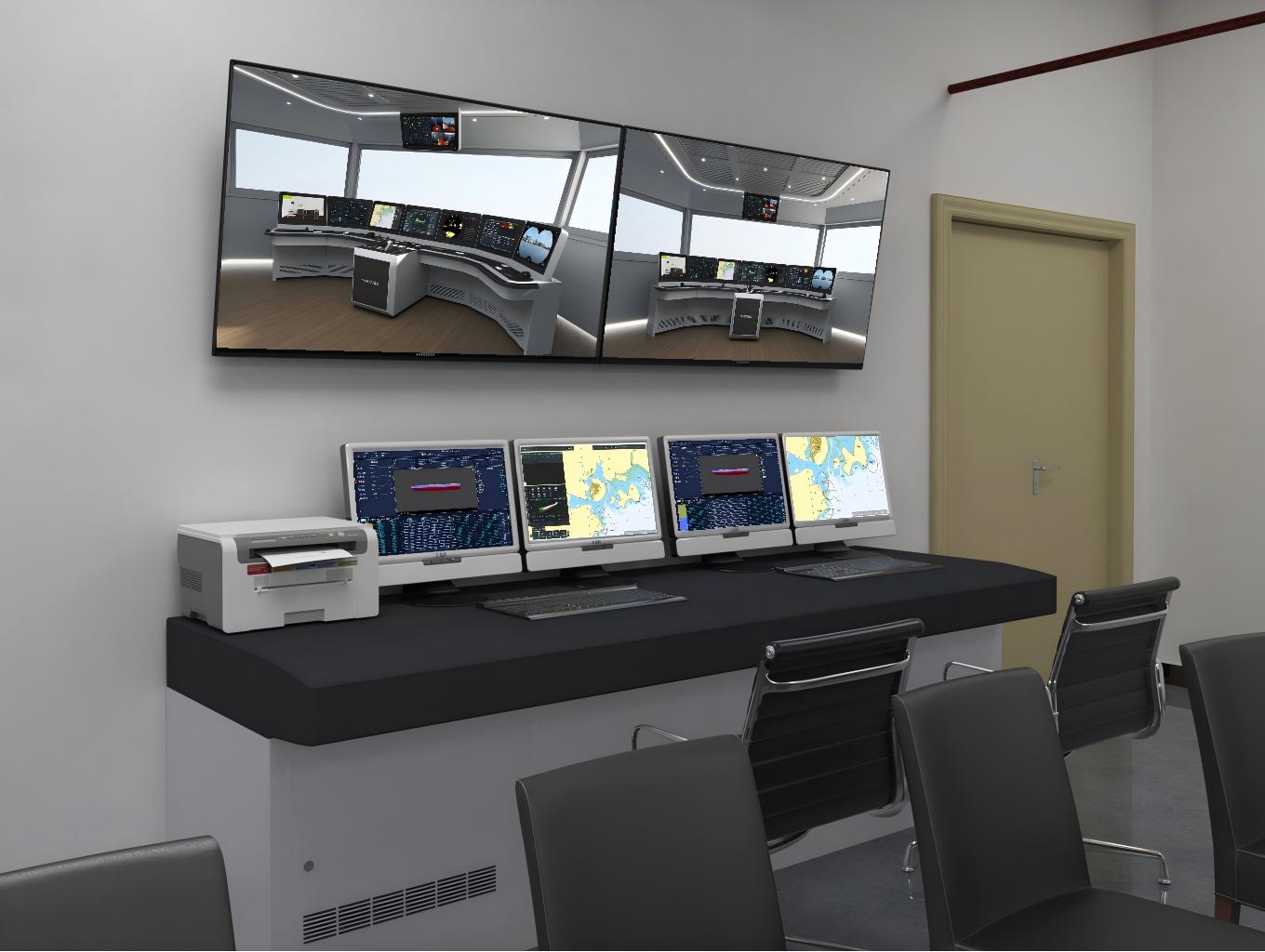
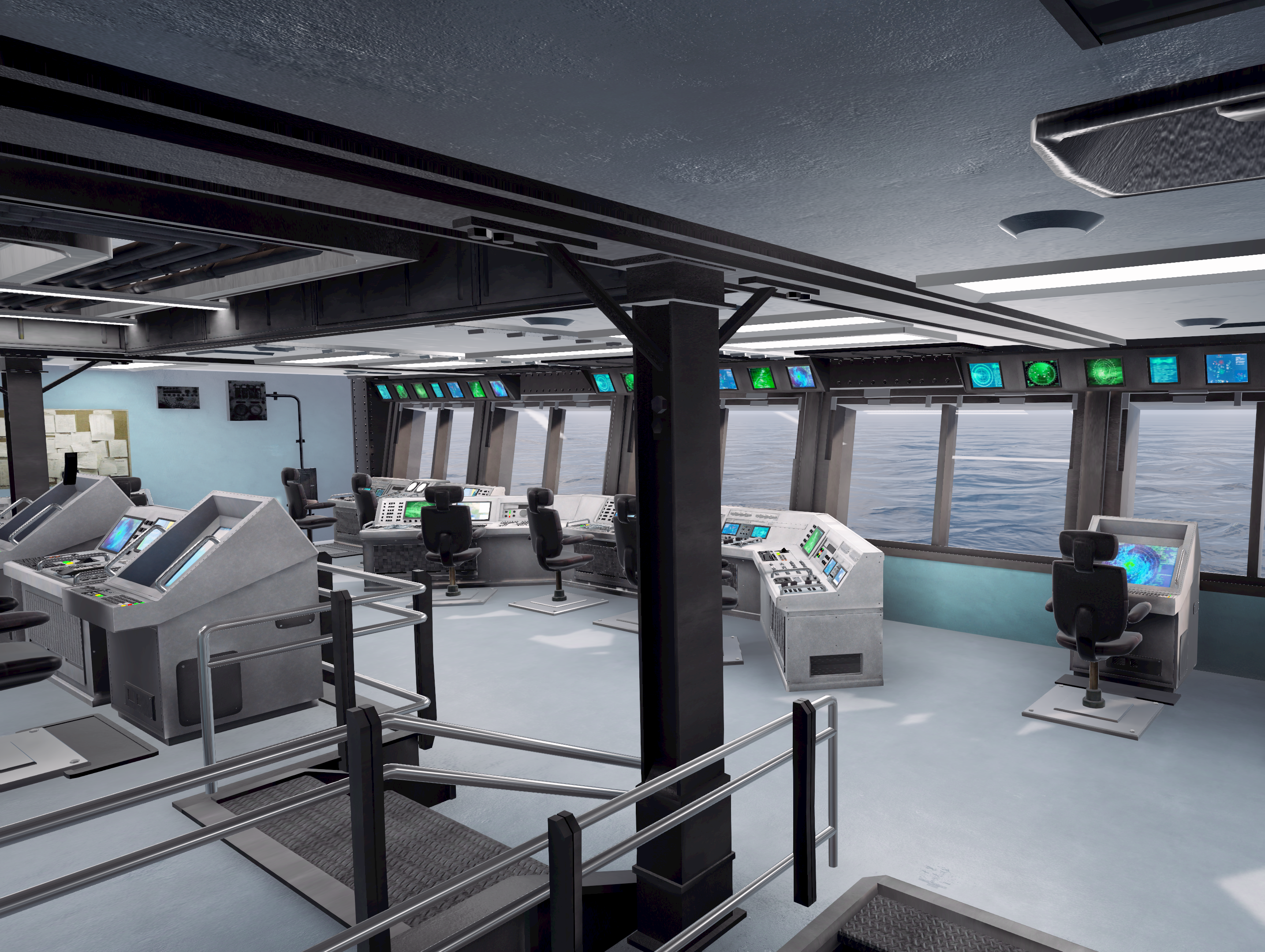
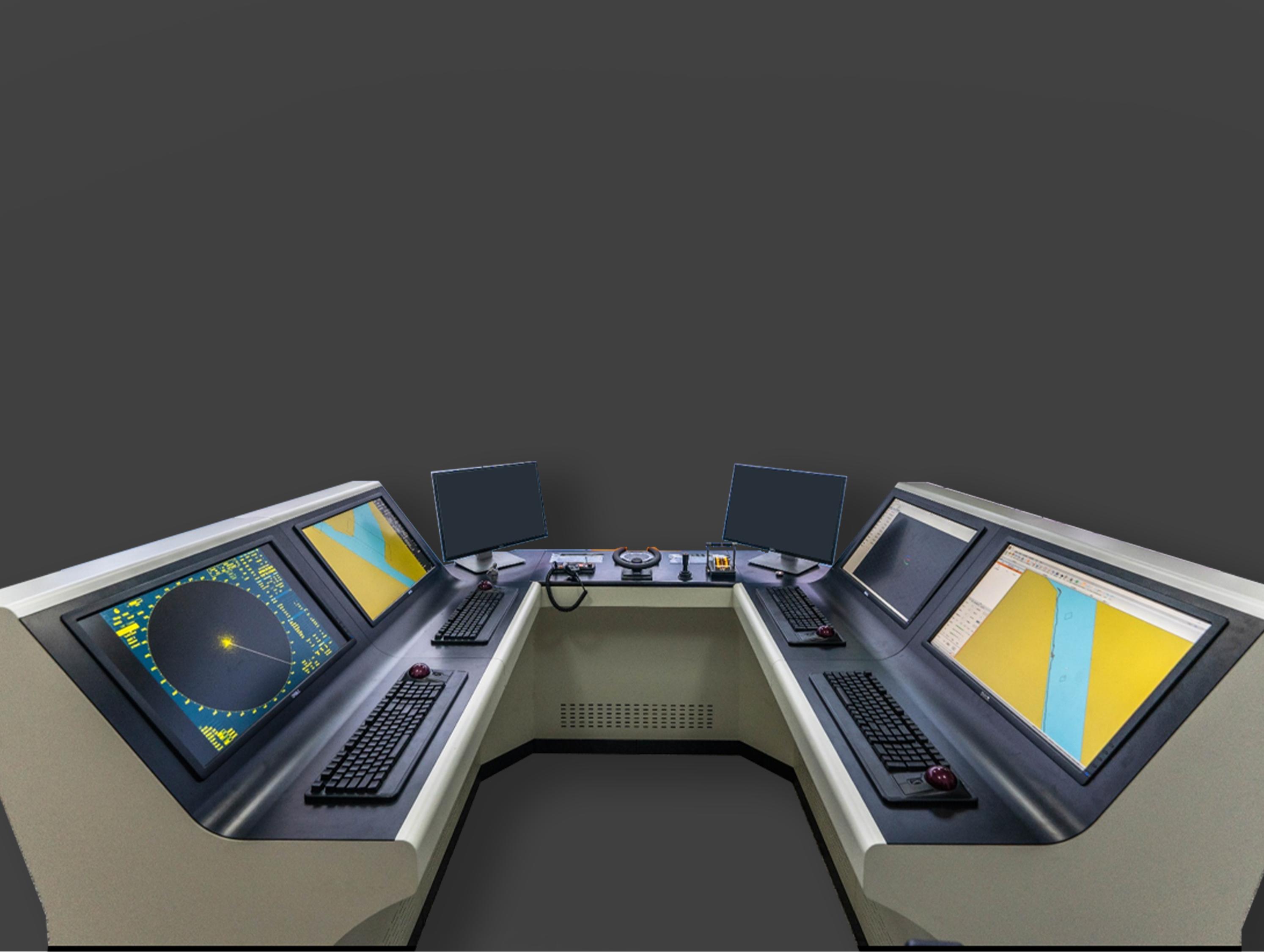
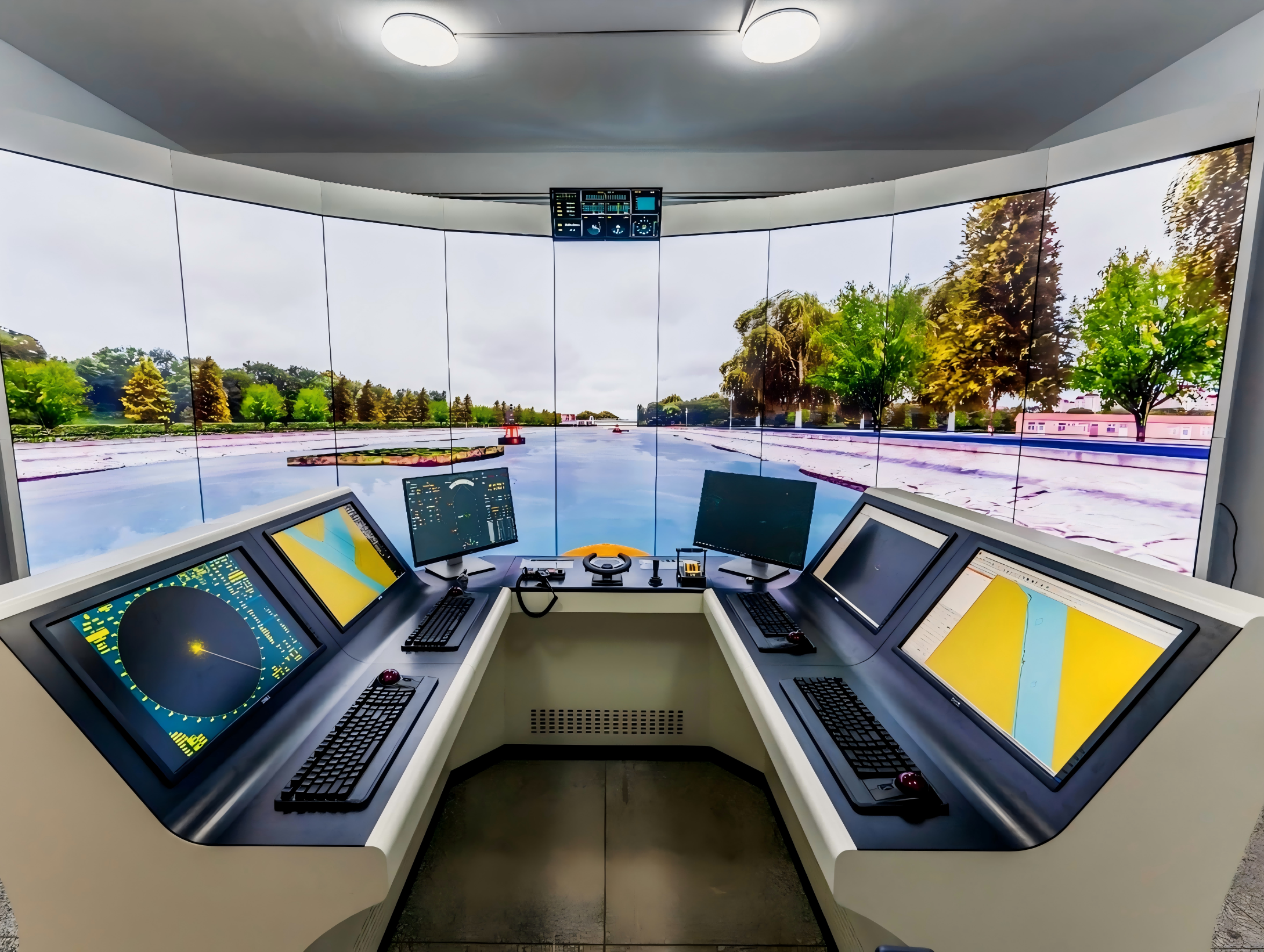
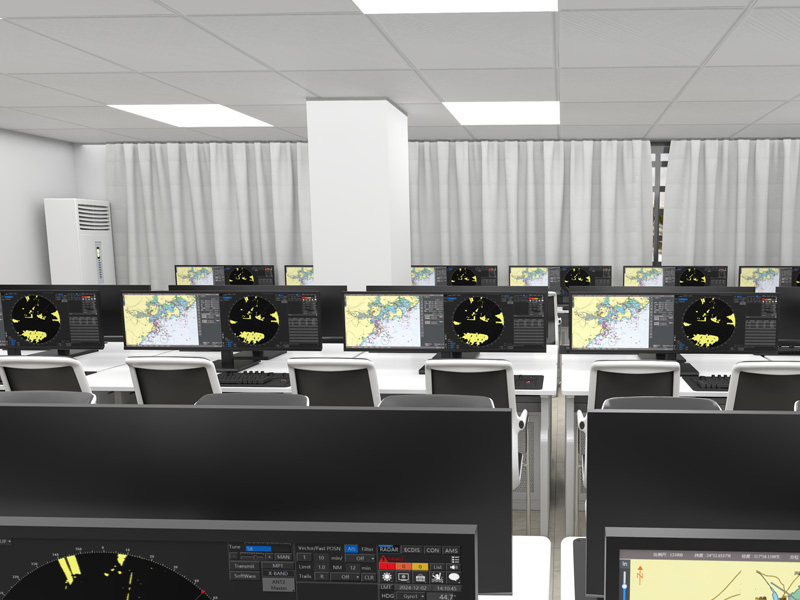
From a safety compliance perspective, the Ship Navigation simulator is one of the most critical tools in modern maritime training procurement. International buyers place strong emphasis on the Ship Navigation simulator because it directly supports collision avoidance training, ECDIS operation practice, and bridge resource management (BRM) exercises. For many procurement committees, the accuracy and behavioral realism of the Ship Navigation simulator is a decisive factor in vendor selection.
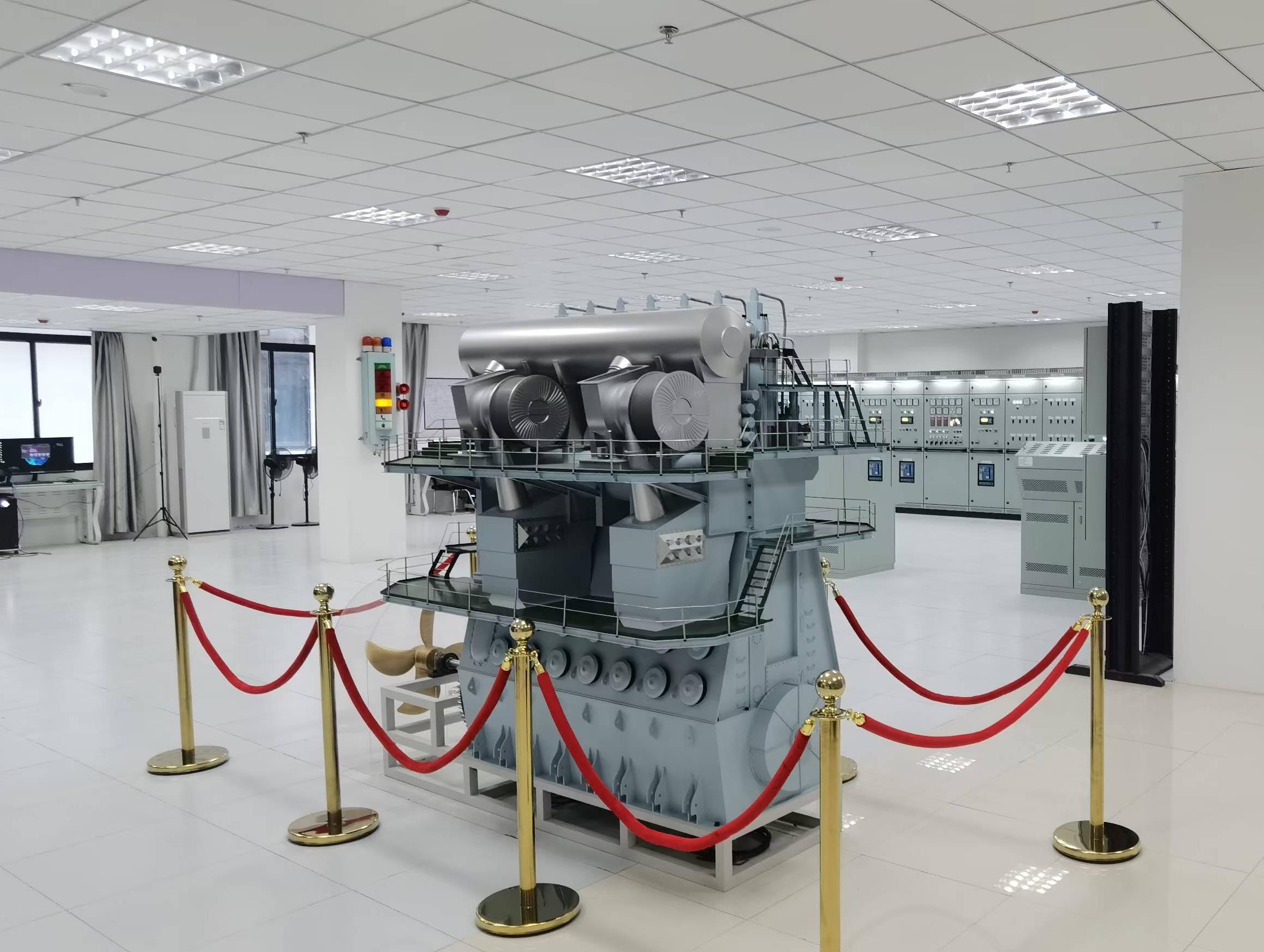
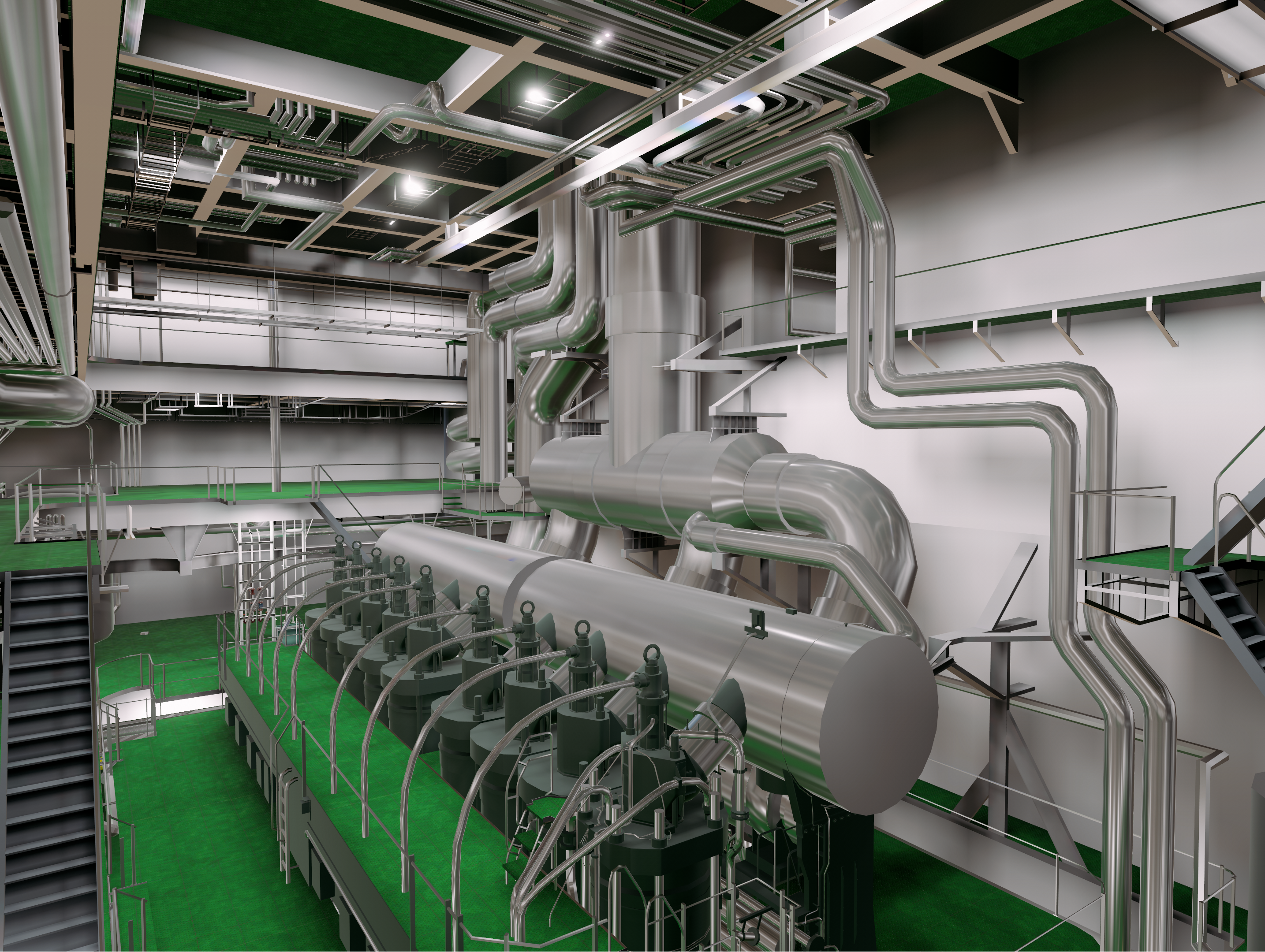
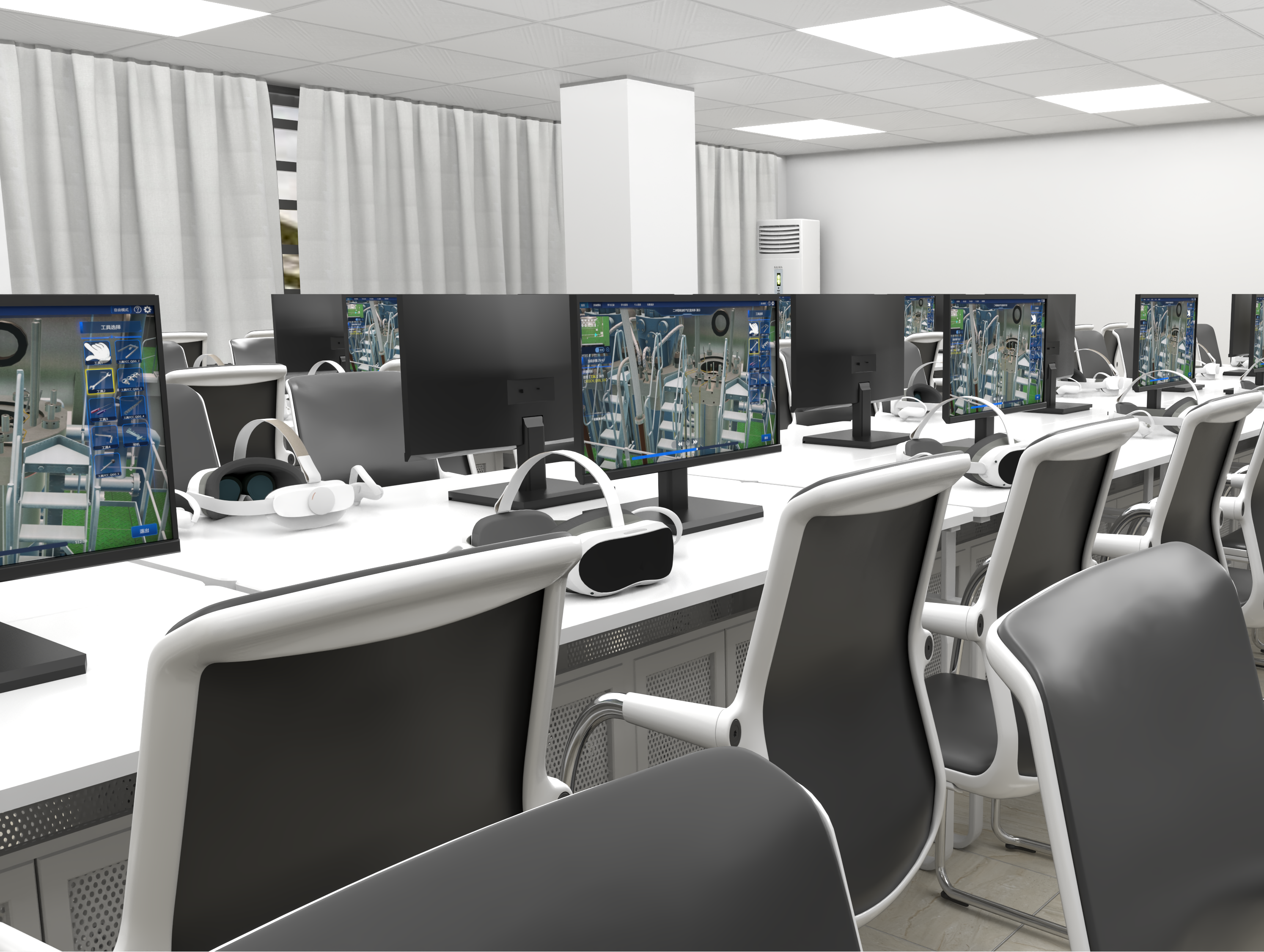
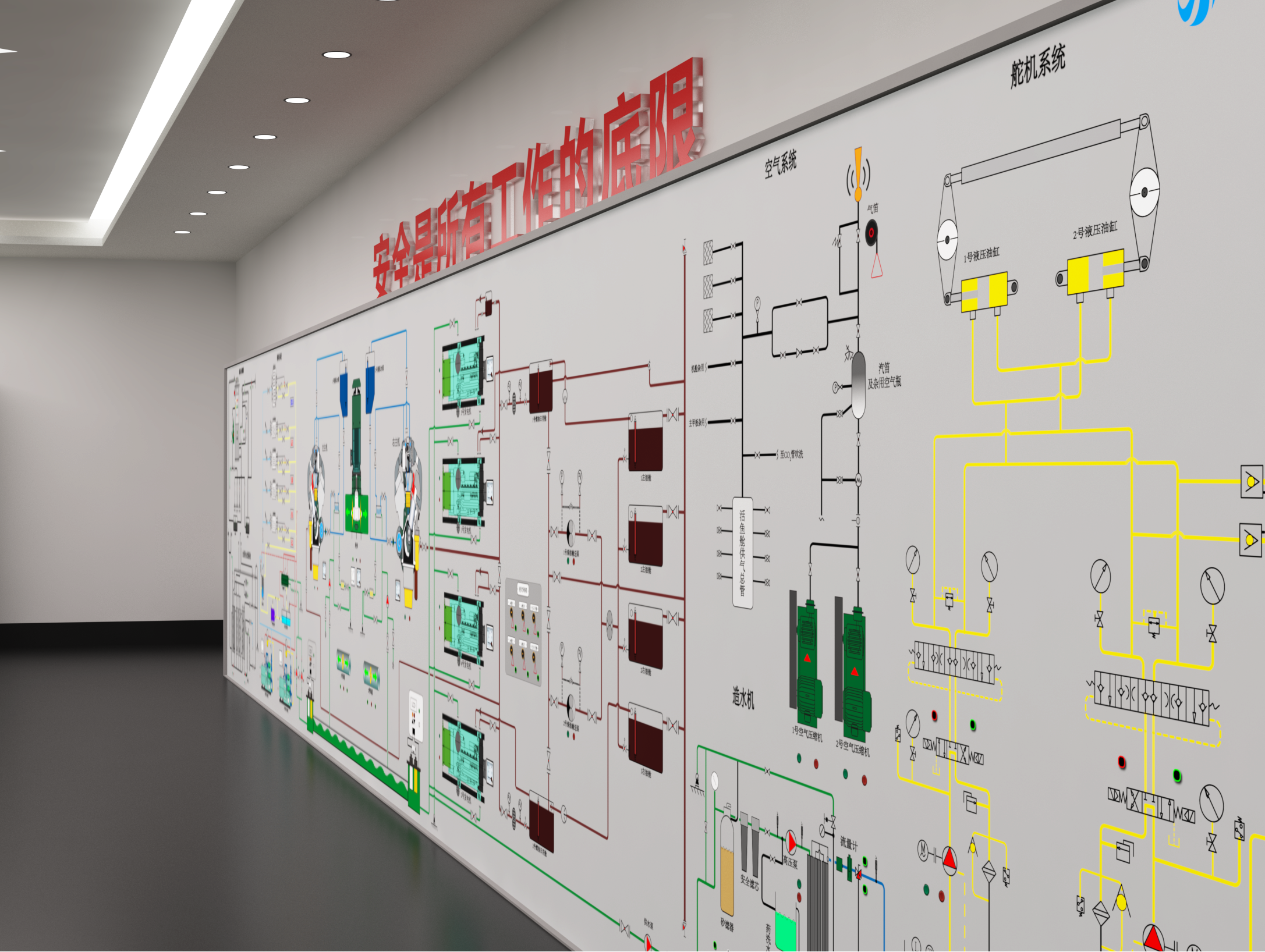
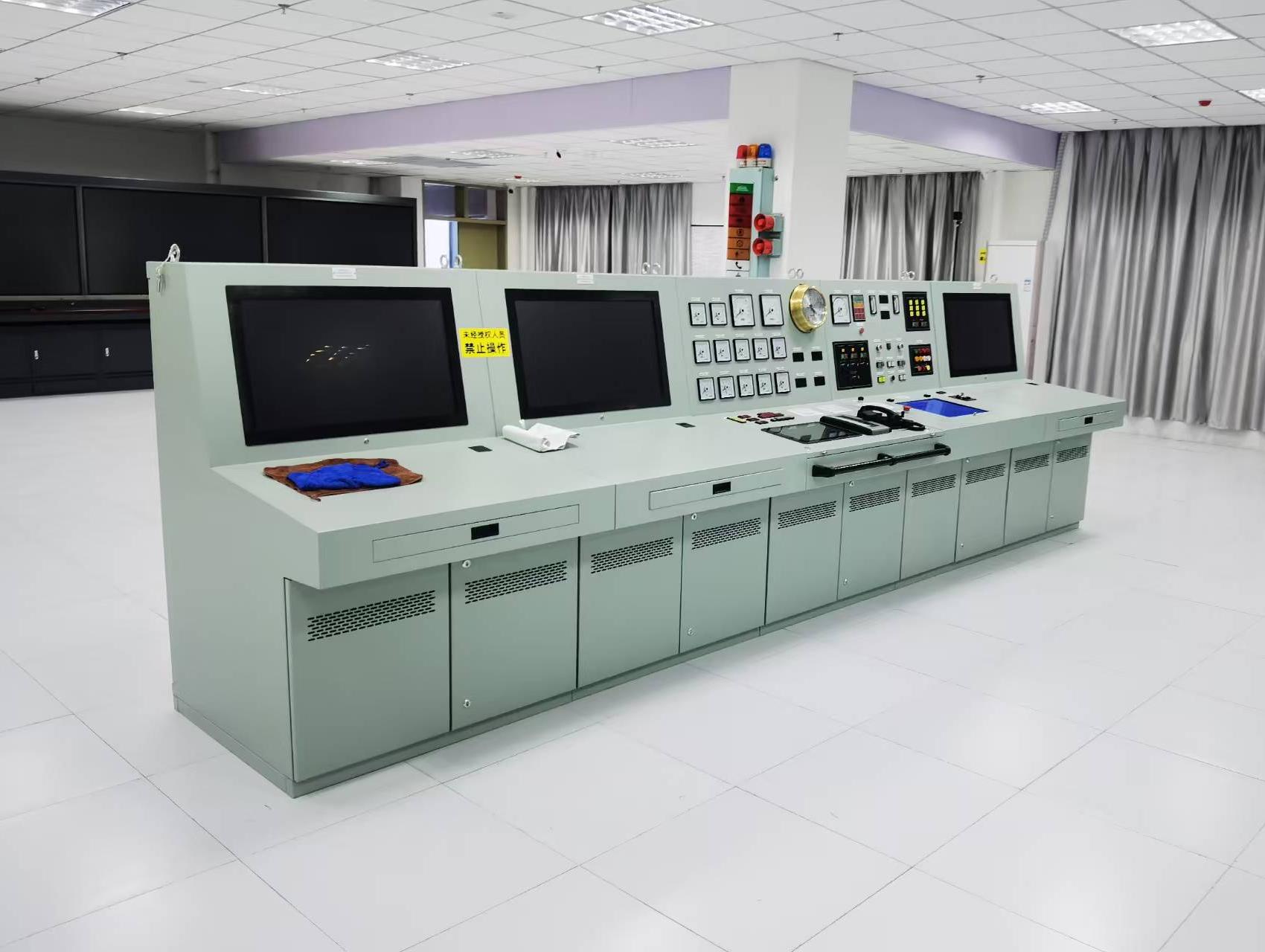
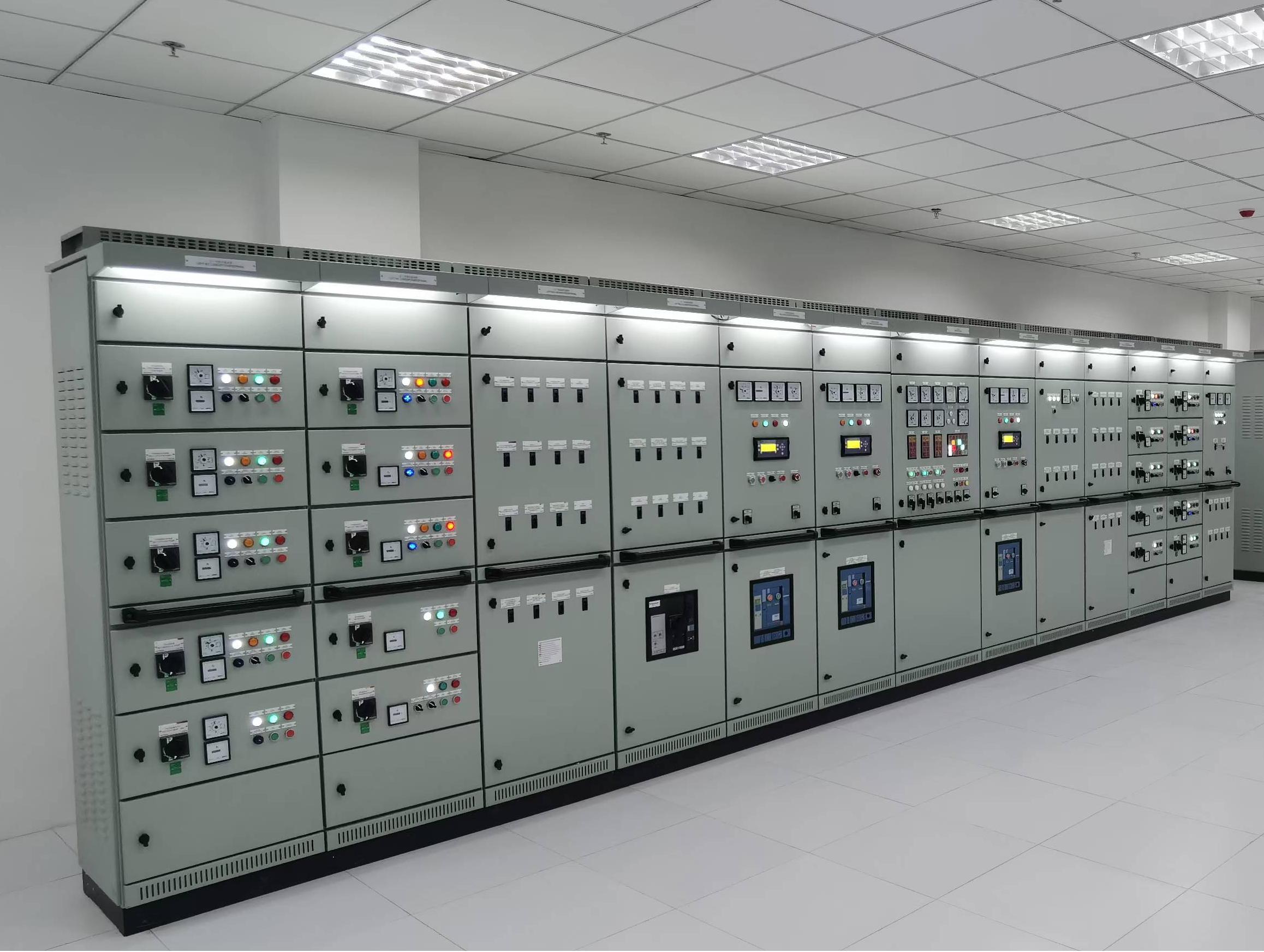
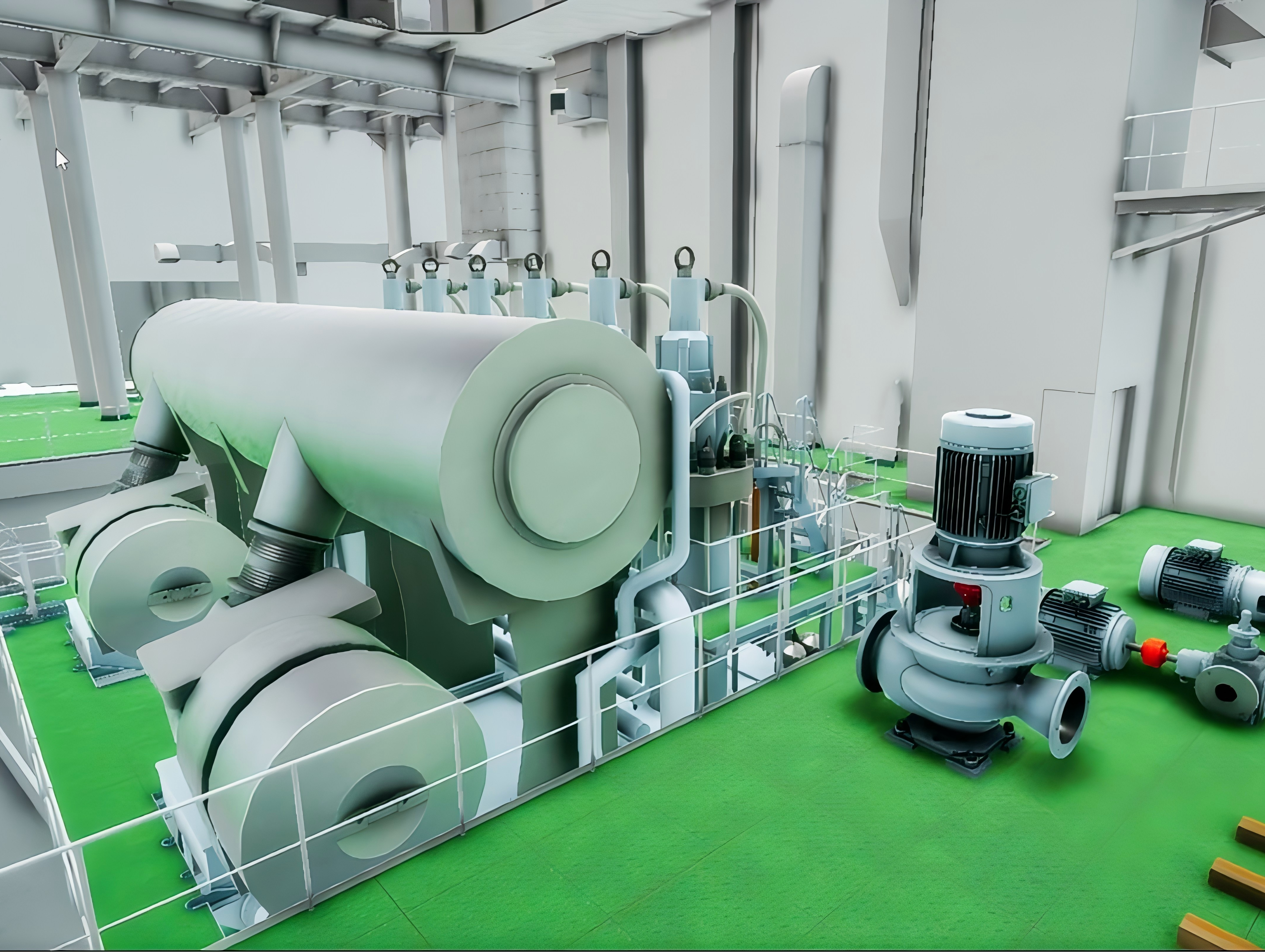
At the same time, engine-related incidents remain a major source of maritime operational risk, which is driving increased investment in the marine engine simulator. Global buyers recognize that engine room failures can lead to catastrophic operational disruptions. As a result, the marine engine simulator is now widely adopted to train engineers in fault diagnosis, system monitoring, and emergency shutdown procedures. A well-designed marine engine simulator significantly reduces onboard risk exposure by ensuring engineers are fully prepared before deployment.
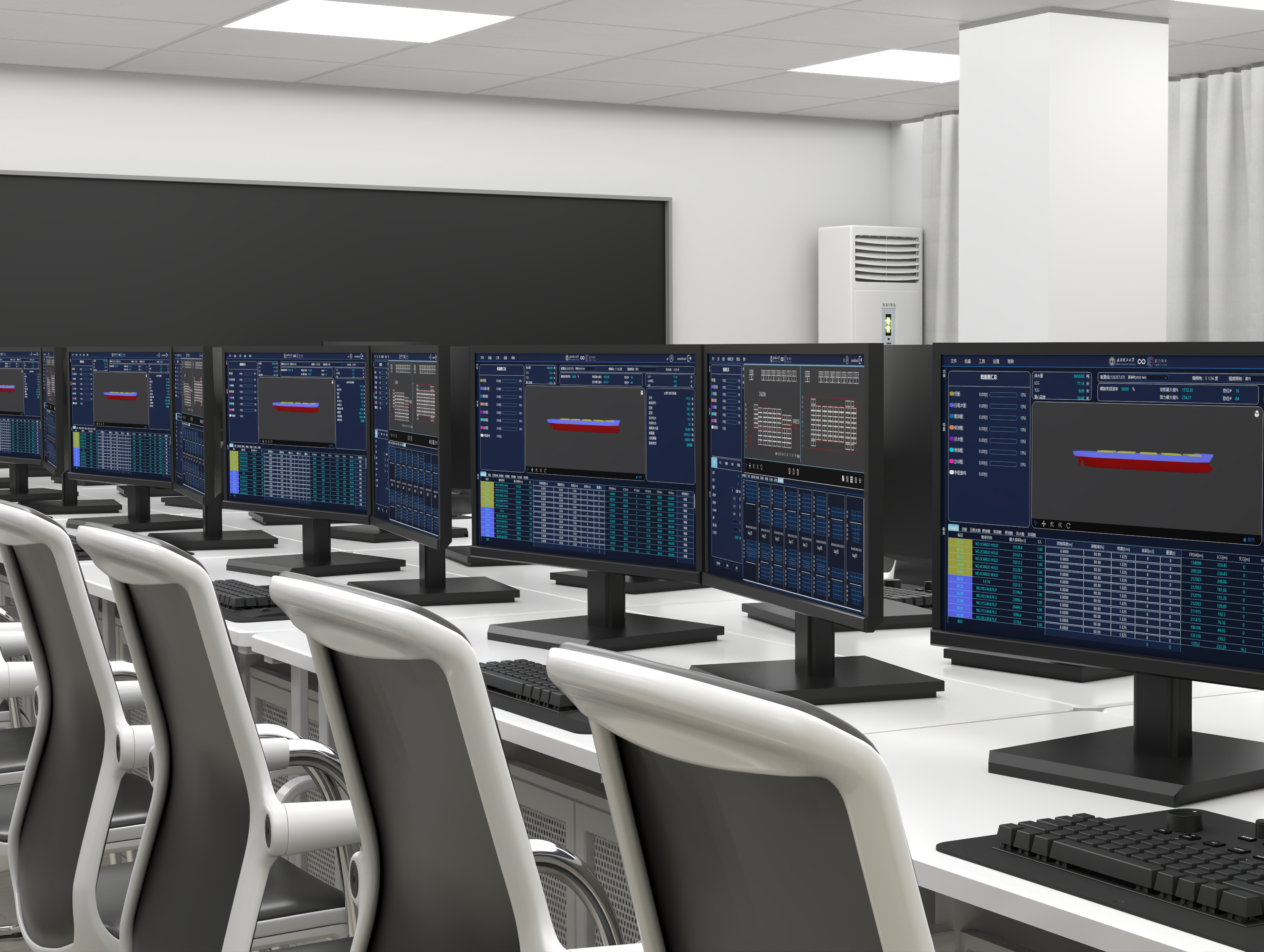
Beyond individual systems, institutional buyers are increasingly prioritizing integrated platforms under the Marine Simulator category. A modern Marine Simulator allows safety training programs to connect navigation, propulsion, and environmental simulation into a unified operational scenario. For procurement teams, the advantage of a Marine Simulator lies in its ability to standardize safety training across multiple vessel types and operational environments, ensuring consistent competency levels across global fleets.
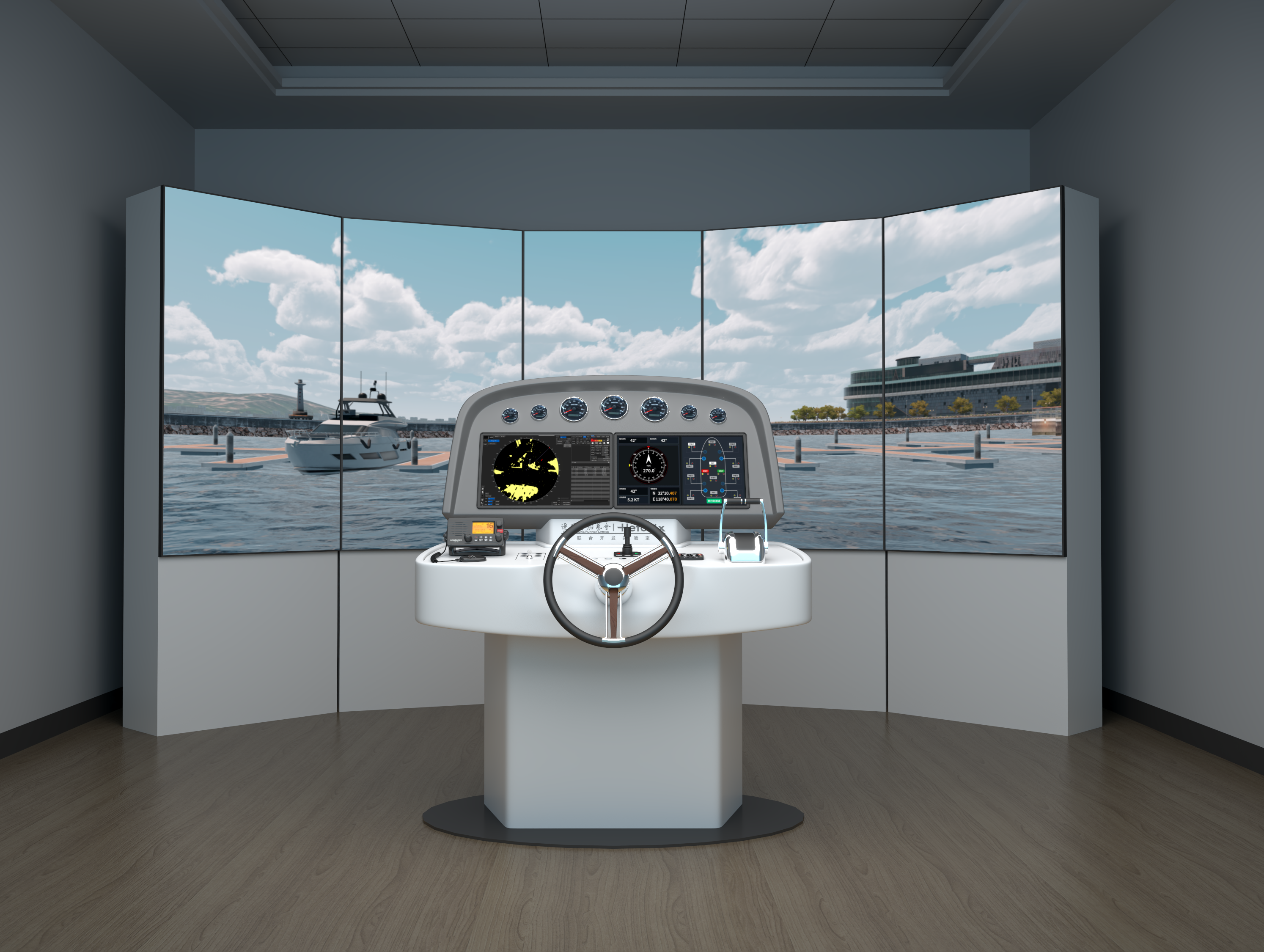
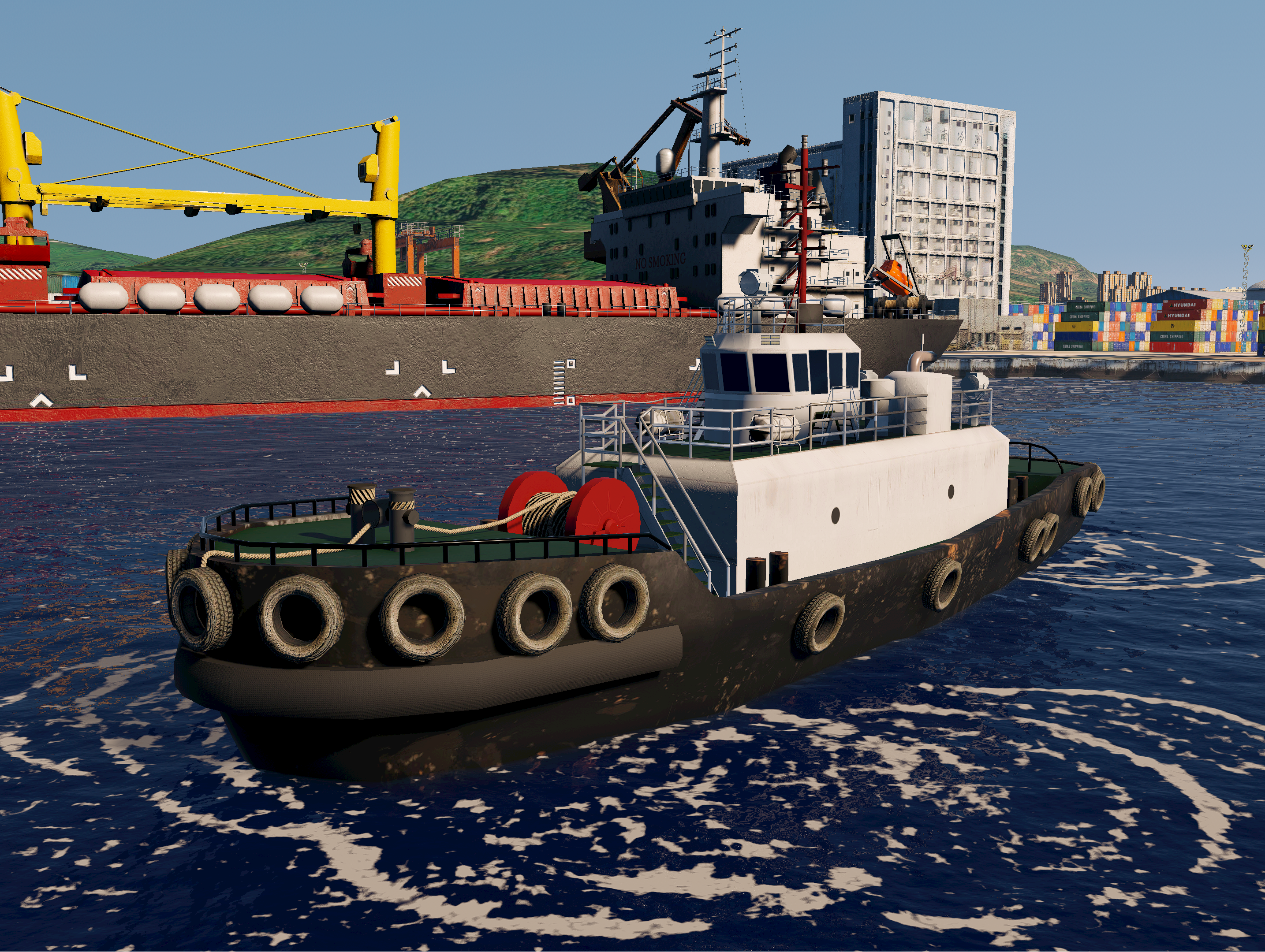
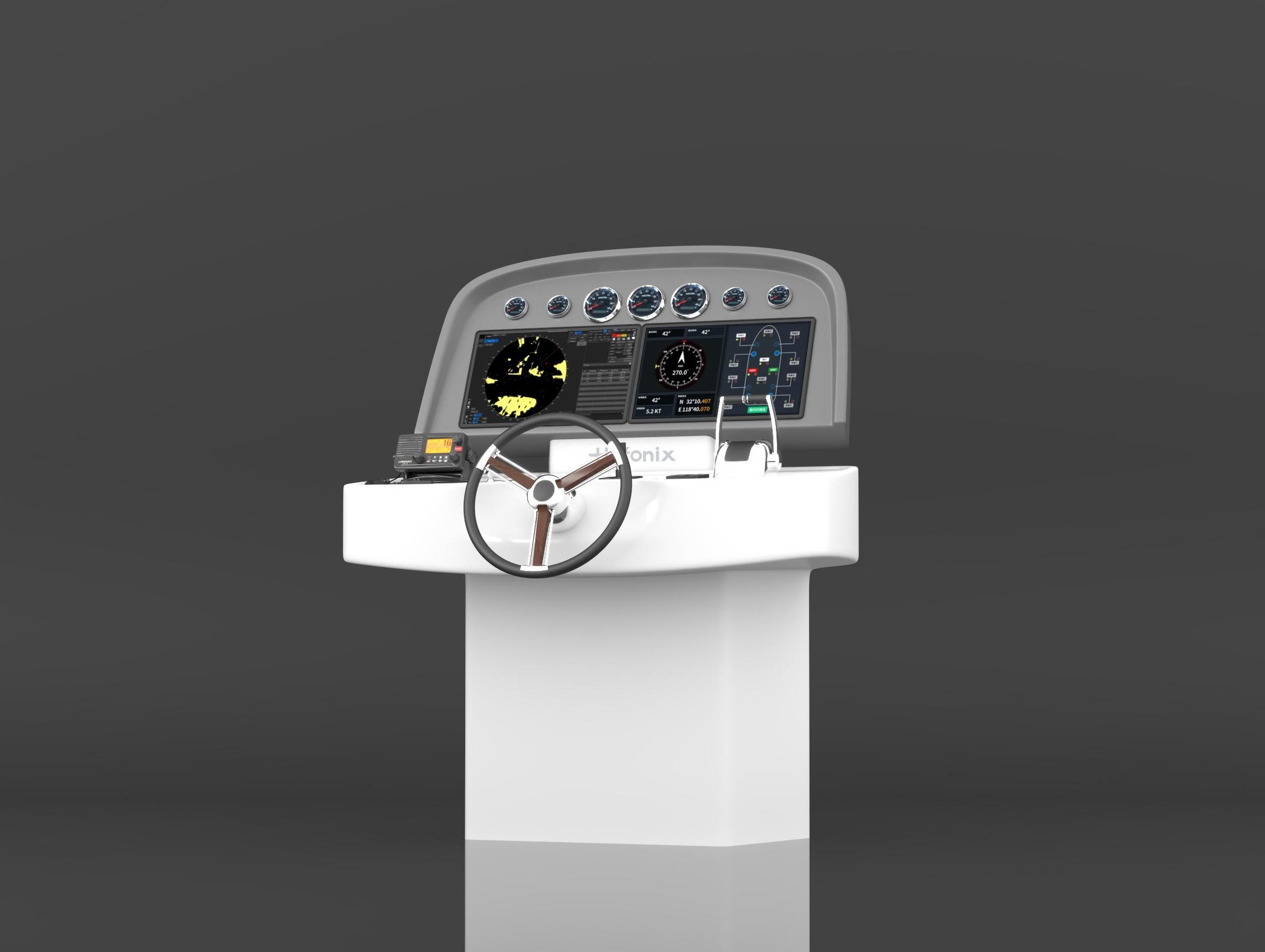
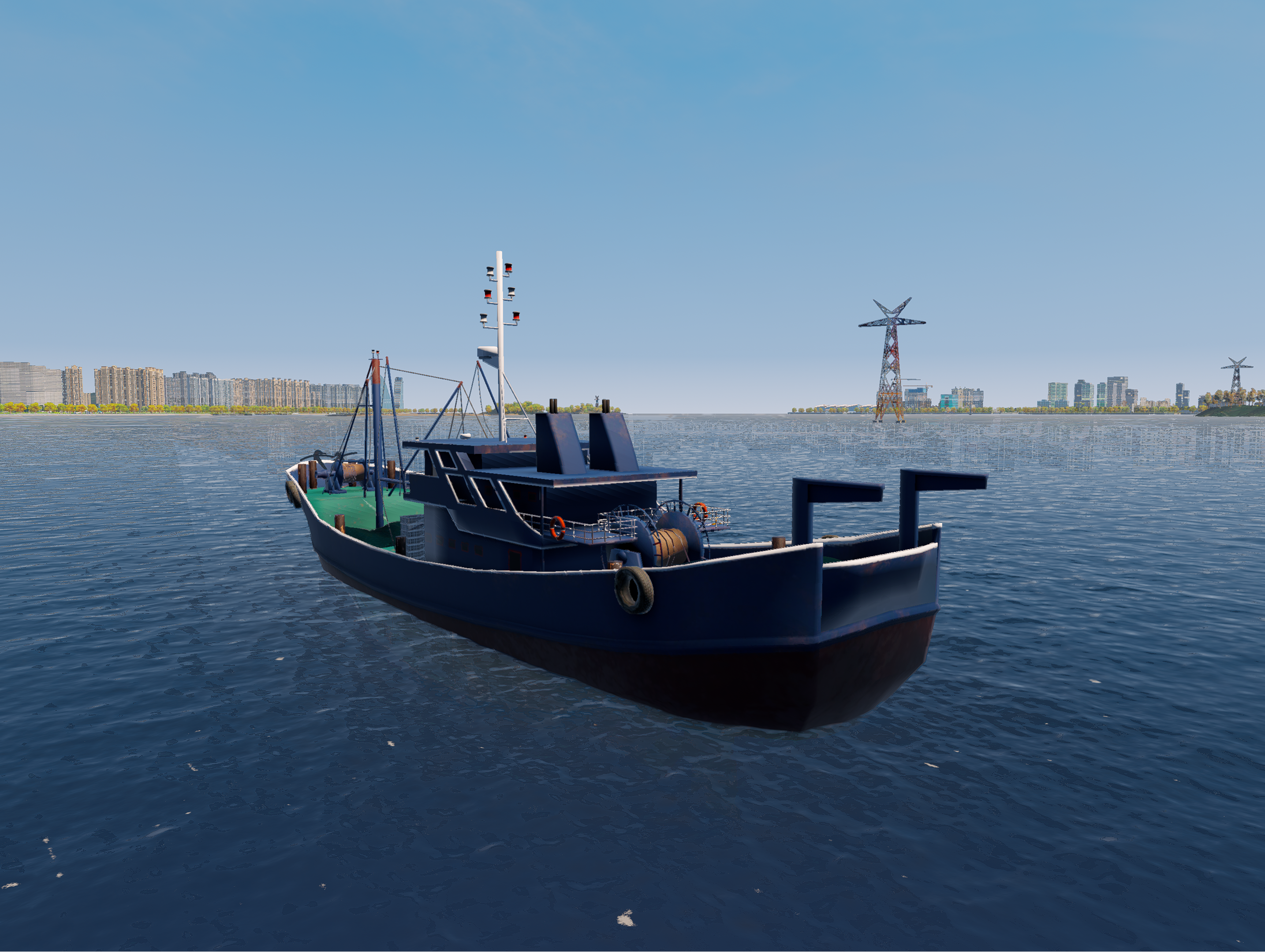
The Yacht Simulator is also gaining attention from buyers focused on specialized safety training segments. High-speed maneuvering, coastal navigation, and passenger vessel operation require distinct safety protocols. A Yacht Simulator enables trainees to practice rapid-response decision-making, docking procedures, and emergency avoidance techniques in controlled environments. This makes the Yacht Simulator particularly valuable for private operators, offshore service providers, and coastal training institutions.
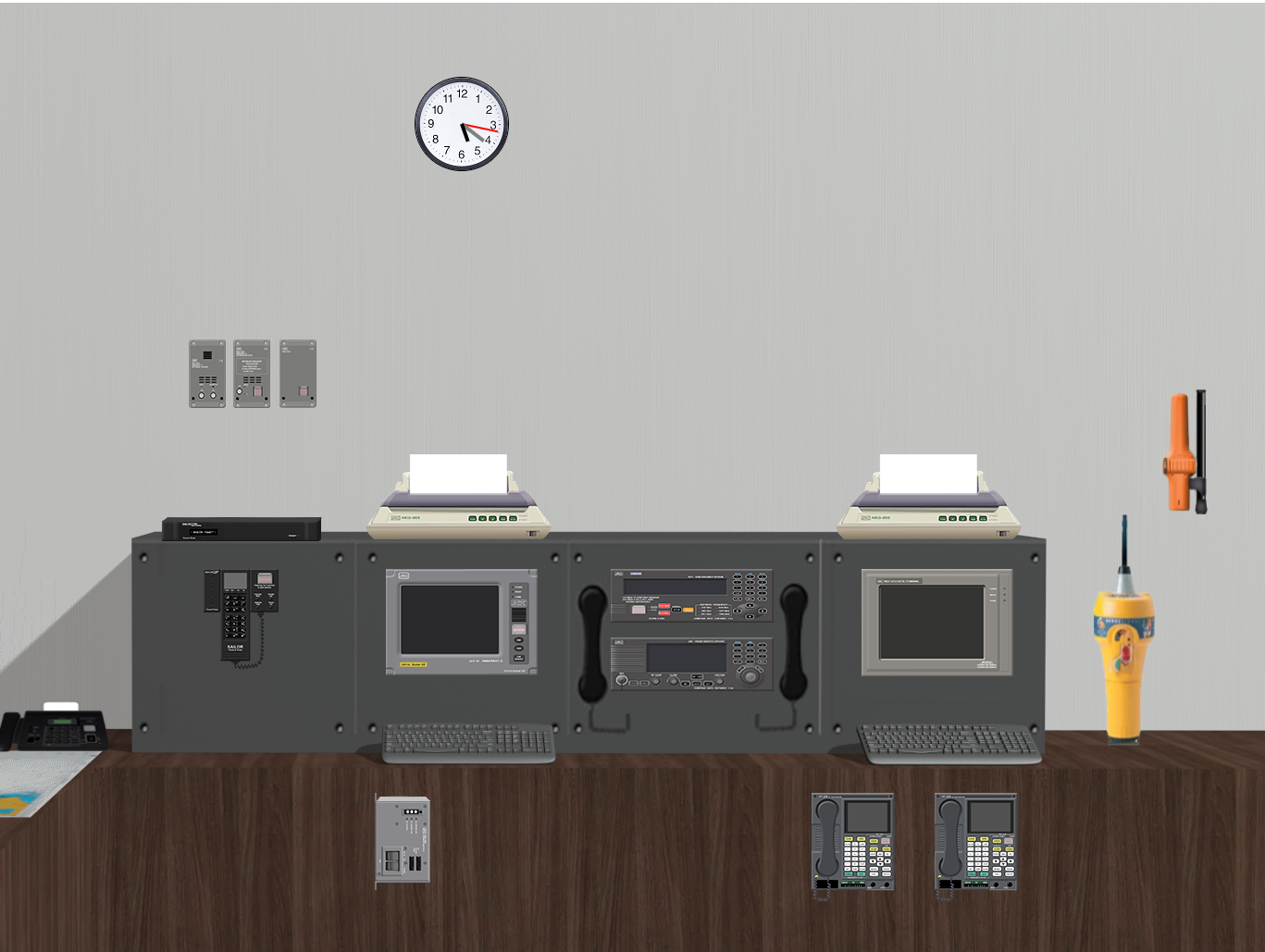
However, the strongest procurement trend is the demand for fully integrated safety ecosystems centered around the ship simulator. Modern buyers are no longer satisfied with standalone systems. Instead, they require a unified ship simulator environment that combines bridge operations, engine room dynamics, and environmental simulation into one synchronized platform. This integration ensures that training scenarios reflect real operational complexity, where navigation decisions and engine responses are interdependent.
From a procurement strategy standpoint, this shift represents a broader transformation in maritime safety philosophy—from reactive training to predictive risk preparation. Buyers are investing in systems like the Ship Navigation simulator, marine engine simulator, Yacht Simulator, and Marine Simulator not just for compliance, but to proactively reduce accident probability and improve fleet-wide operational resilience.
In conclusion, global maritime procurement is increasingly driven by safety optimization goals. The combined adoption of the Yacht Simulator, Marine Simulator, Ship Navigation simulator, marine engine simulator, and ship simulator reflects a clear industry trend toward integrated, scenario-based, and risk-focused training infrastructure. These systems are now essential tools in building safer, more efficient, and more resilient maritime operations worldwide.