


Ship Engine Room Simulator Technology Explained for Maritime Industry
The maritime industry stands at a technological crossroads. As vessels become more complex with integrated automation, alternative propulsion systems, and stringent environmental regulations, the demand for highly skilled engineering officers has never been greater. Meeting this demand requires training tools that mirror the complexity of modern ships. At the forefront of this educational evolution is the Ship Engine Room Simulator, a sophisticated platform that has fundamentally transformed how marine engineers are trained. Hefonix has maintained a clear strategic focus: not merely a manufacturer or supplier of maritime simulation equipment, but a comprehensive solution provider built upon the pillars of R&D and services. Every business initiative we pursue is rooted in a profound understanding of the challenges in crew training and the evolving needs of the maritime industry. Understanding the technology behind these systems is essential for maritime stakeholders seeking to invest in effective training solutions.
The Architecture of Modern Simulation
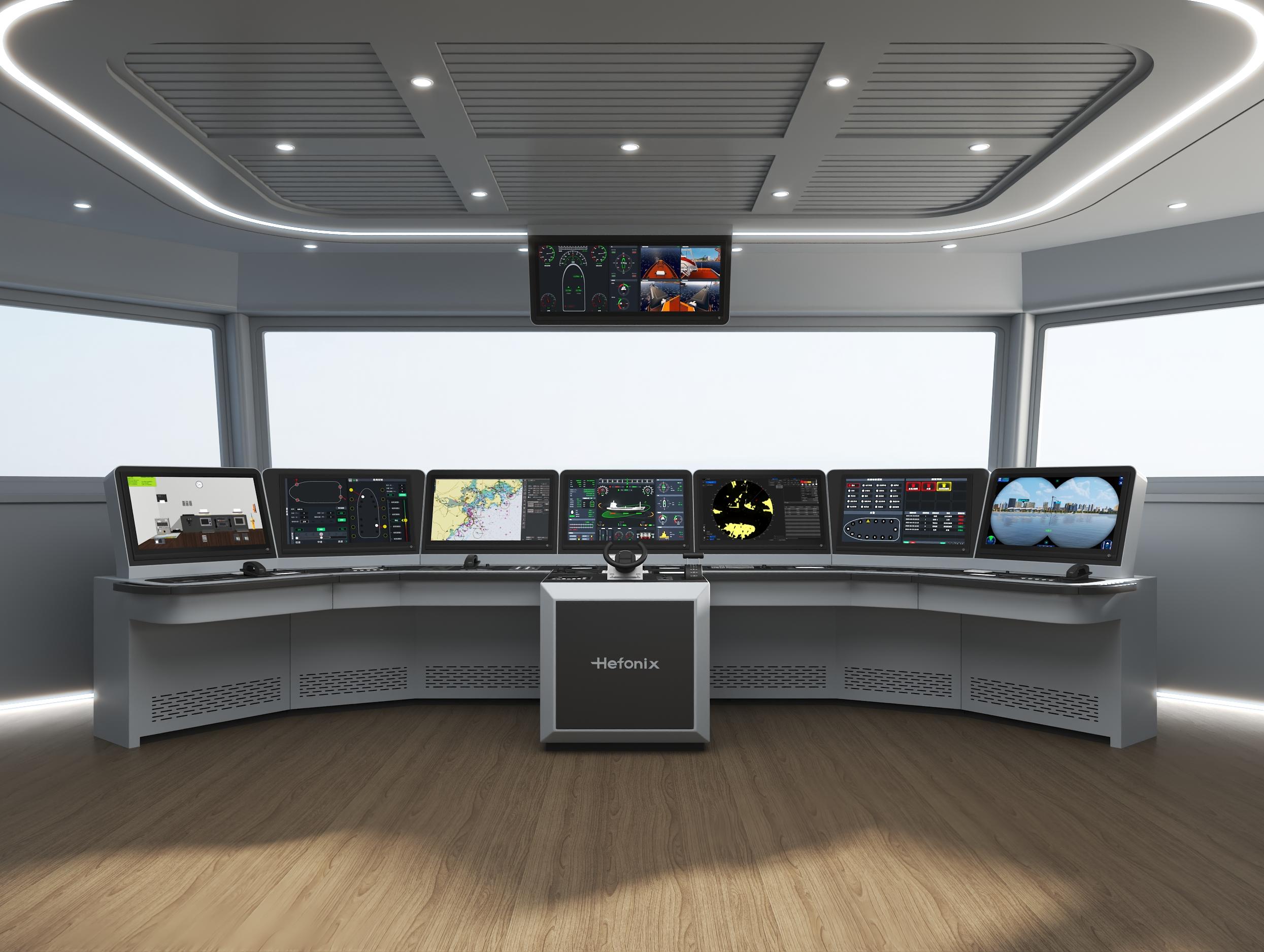
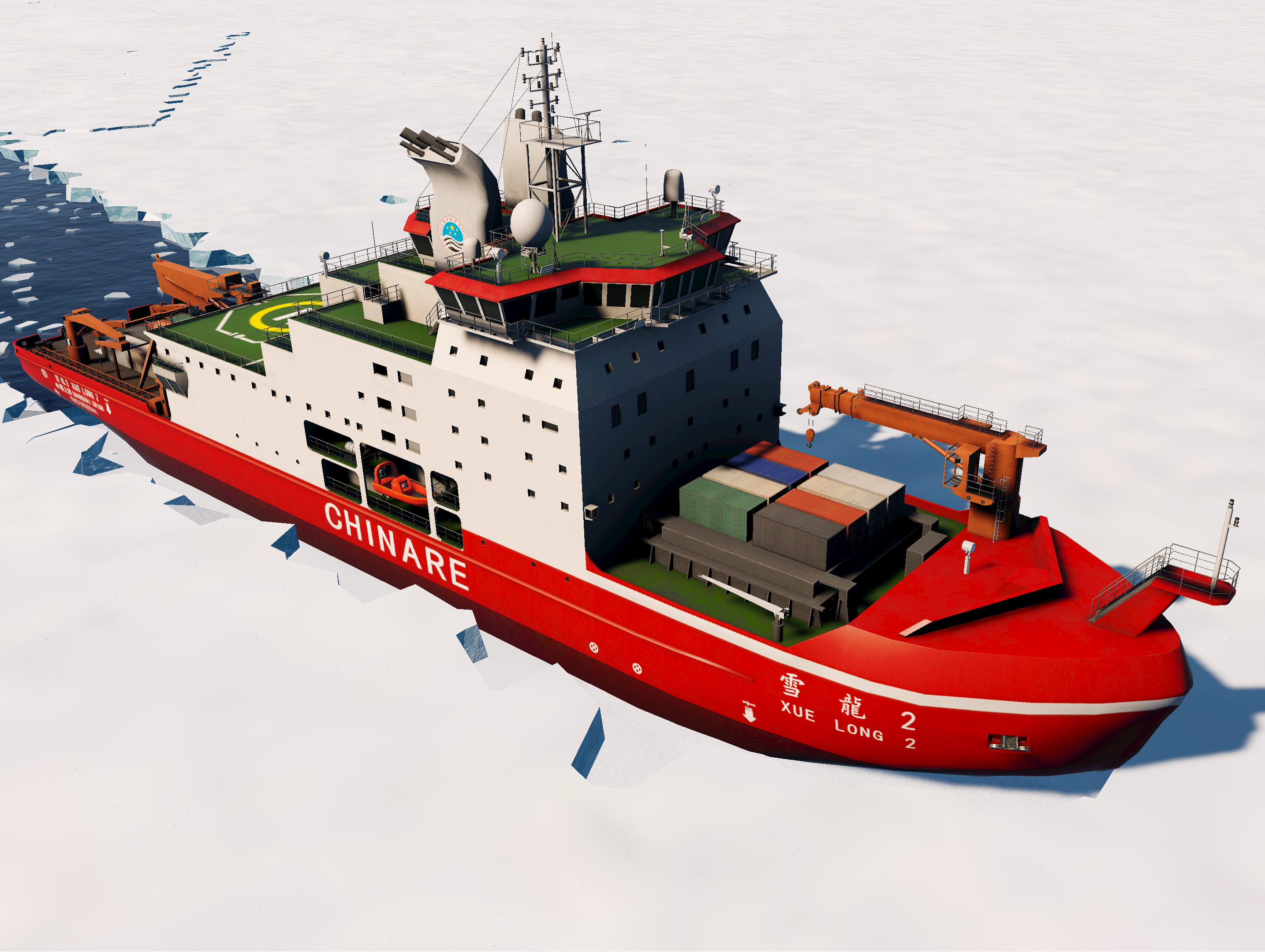
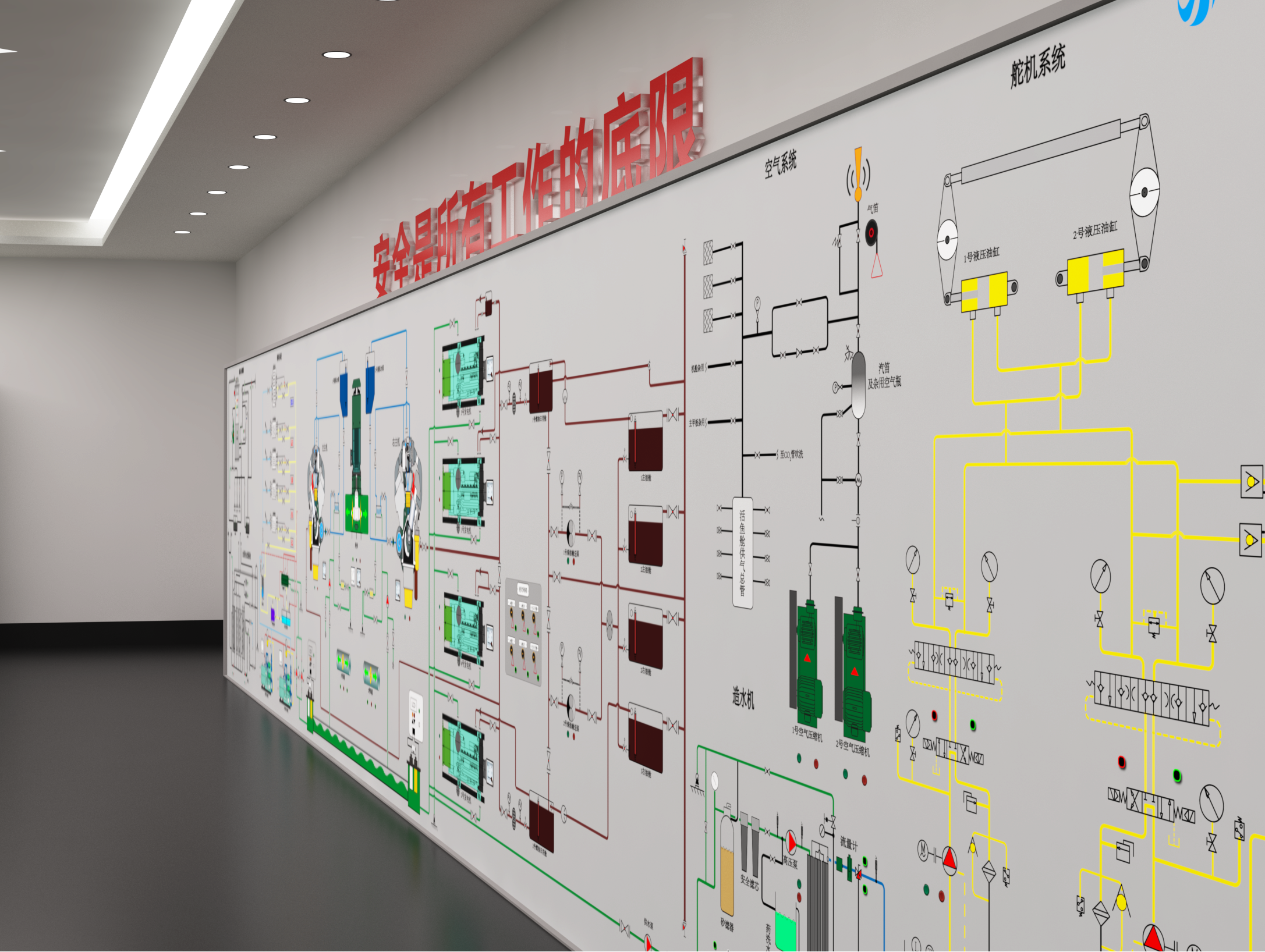
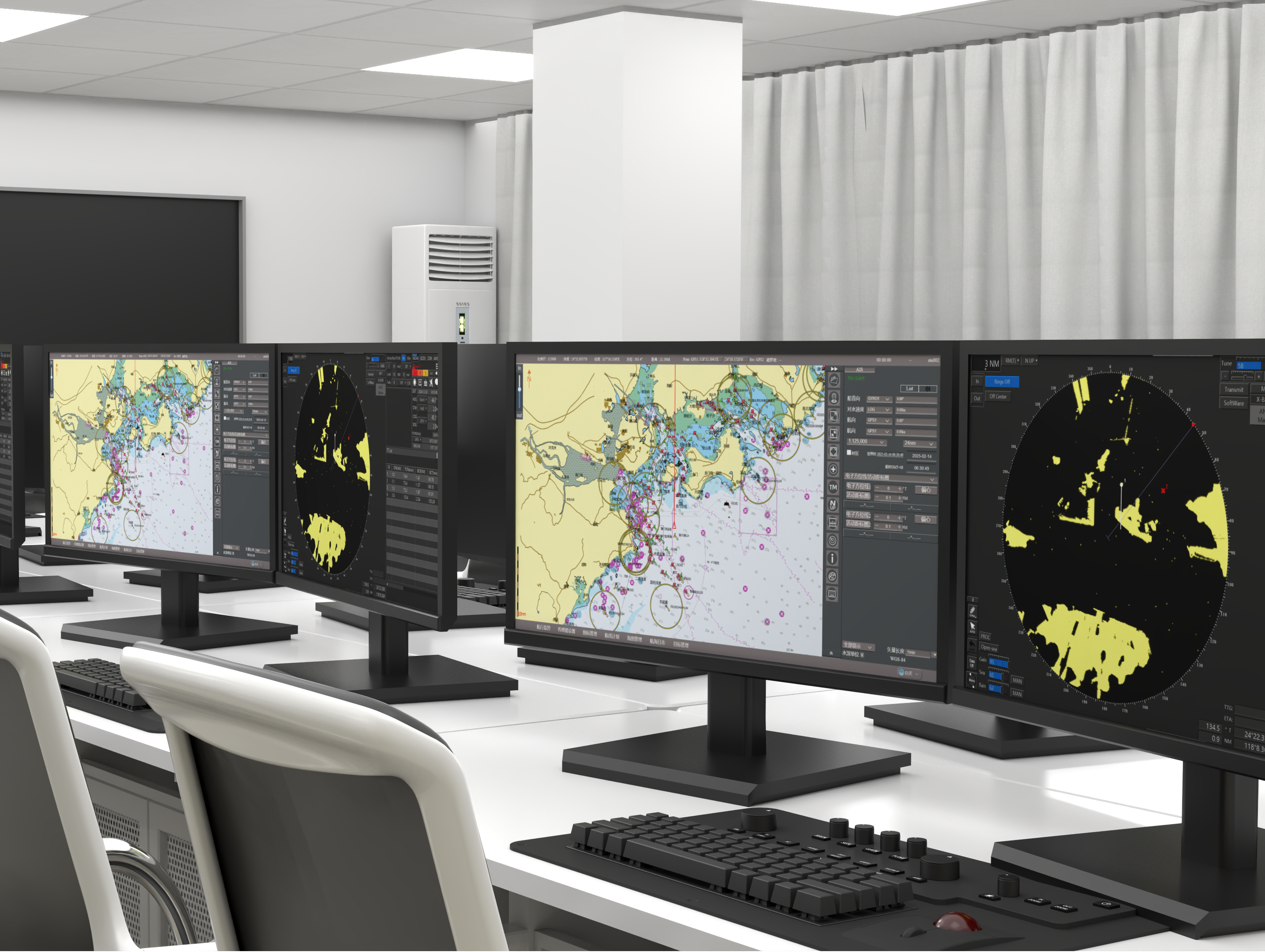
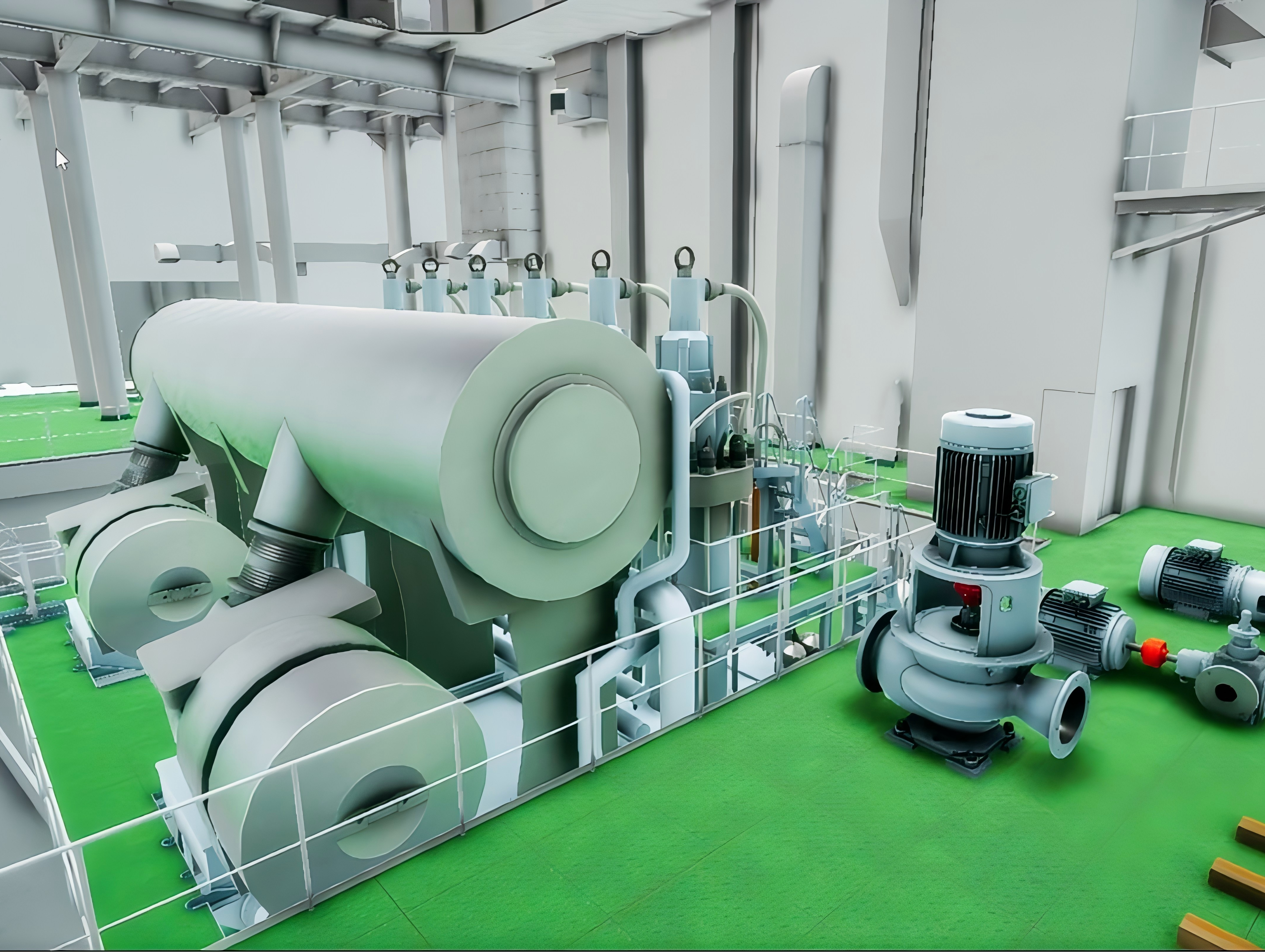
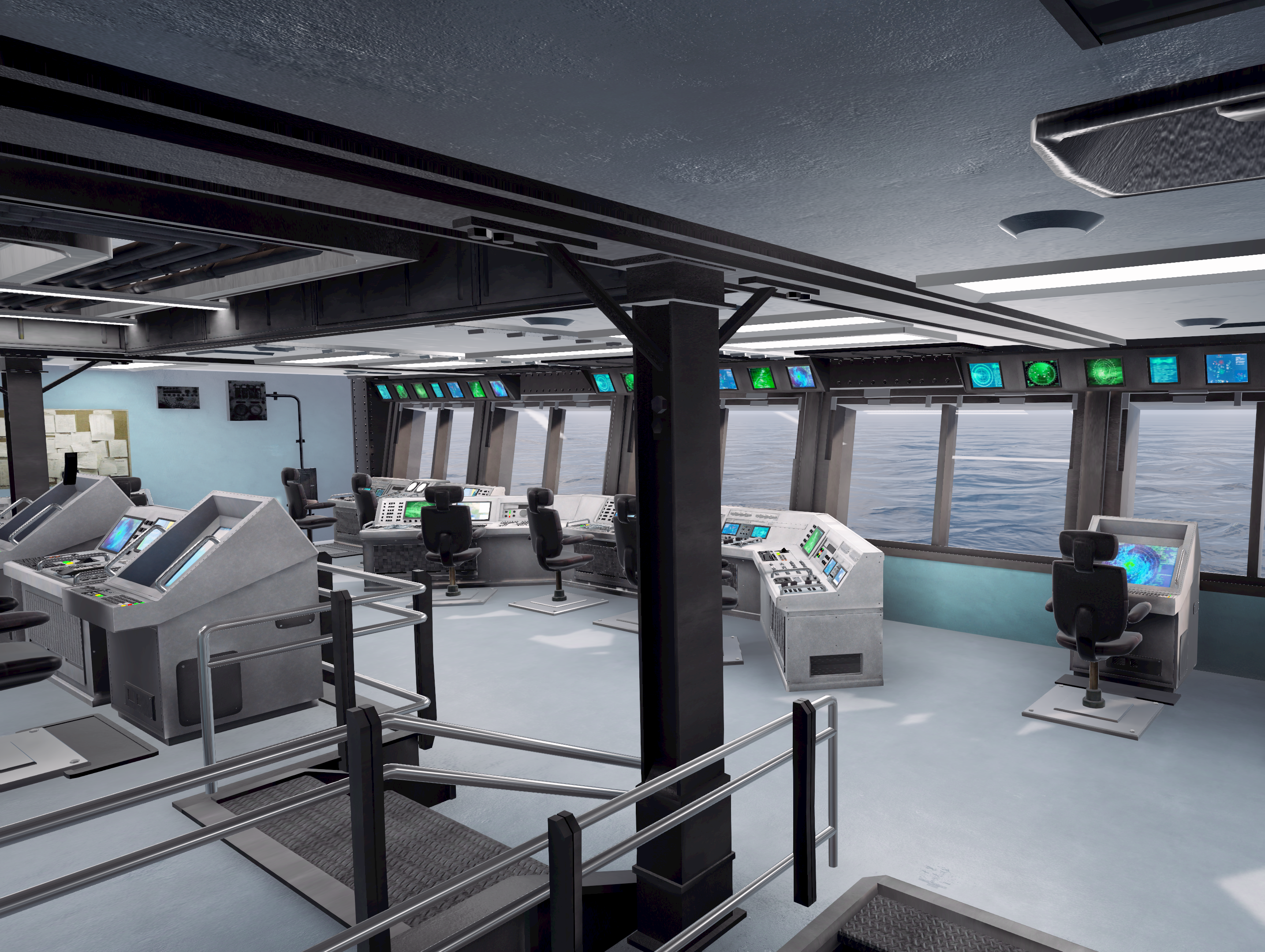
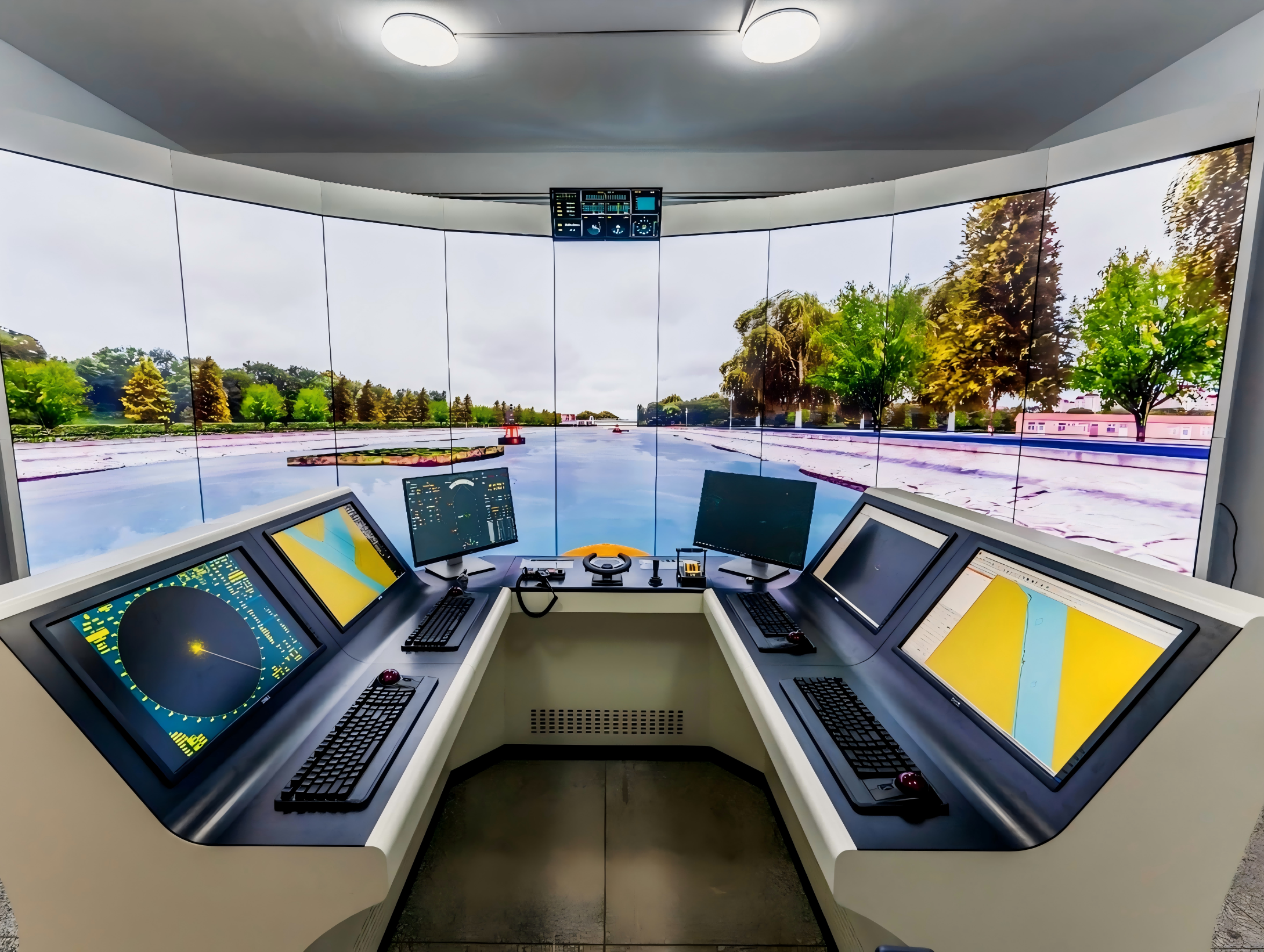
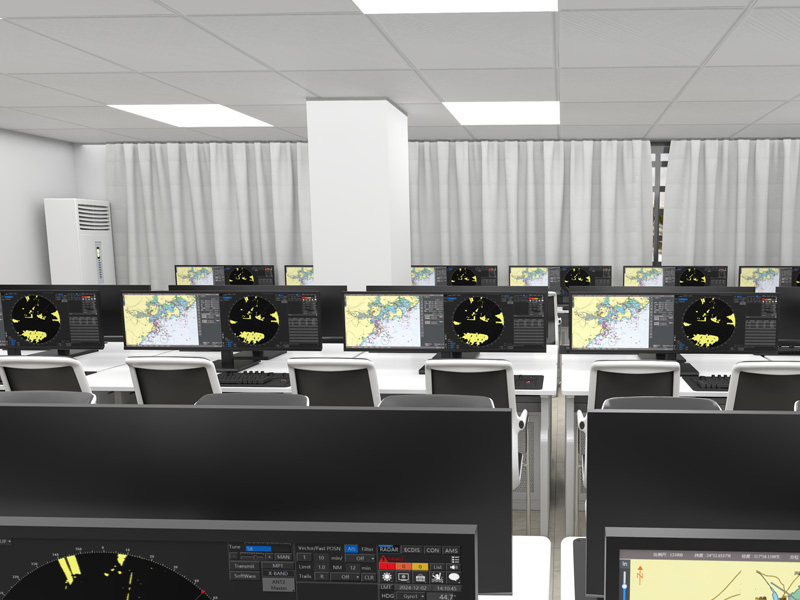
At its core, a Ship Engine Room Simulator is a complex integration of hardware and software designed to replicate the behavior of a vessel’s propulsion and power generation systems. Unlike basic computer-based training tools, a true full mission engine room simulator creates an immersive environment where trainees interact with authentic control panels, monitoring systems, and physical interfaces. The architecture typically consists of three layers: mathematical models that simulate thermodynamic and electrical processes, a visualization engine that renders the engine room environment, and instructor stations that control scenario execution.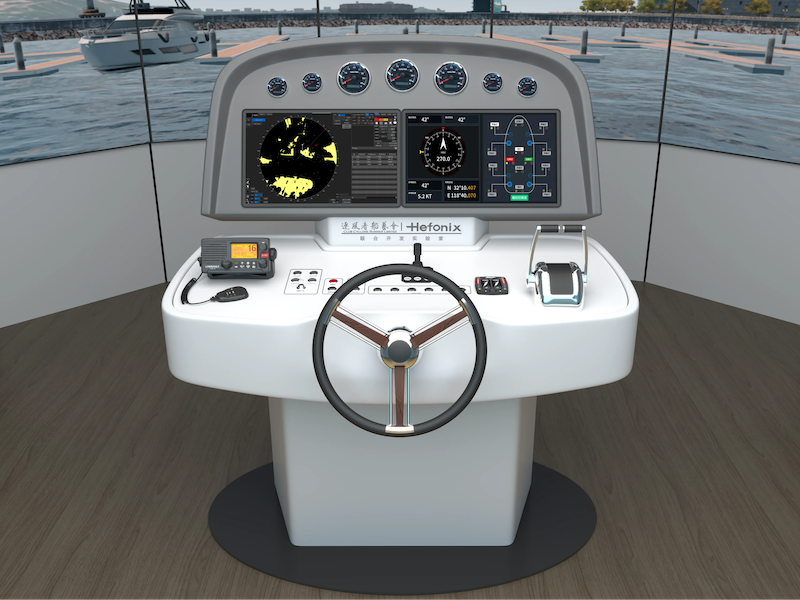
The engine ship simulator category encompasses a range of platforms, from part-task trainers focused on specific systems to comprehensive marine engine room simulator solutions that replicate entire vessel operations. Hefonix approaches each deployment with a focus on scalability, ensuring that training institutions can start with foundational systems and expand to full mission engine room simulator capabilities as their programs grow.
High-Fidelity Mathematical Modeling
The intelligence of any Engine Room Simulator lies in its mathematical models. These models calculate real-time system behavior based on engineering principles rather than pre-scripted responses. When a trainee on a Ship Engine Room Simulator adjusts the fuel rack position on a main engine, the model computes combustion dynamics, exhaust gas temperatures, turbocharger response, and propulsion output based on actual thermodynamic equations.
Advanced marine engine room simulator platforms incorporate models for two-stroke and four-stroke engines, steam systems, electrical power plants, and auxiliary machinery. The most sophisticated full mission engine room simulator systems also model the hydrodynamic interaction between the engine and vessel hull, meaning trainees experience how engine performance affects ship speed and maneuvering. Hefonix invests heavily in R&D to ensure these models accurately reflect the latest engine technologies, including emerging alternative fuel systems for methanol, ammonia, and hybrid-electric propulsion.
Hardware-in-the-Loop Integration
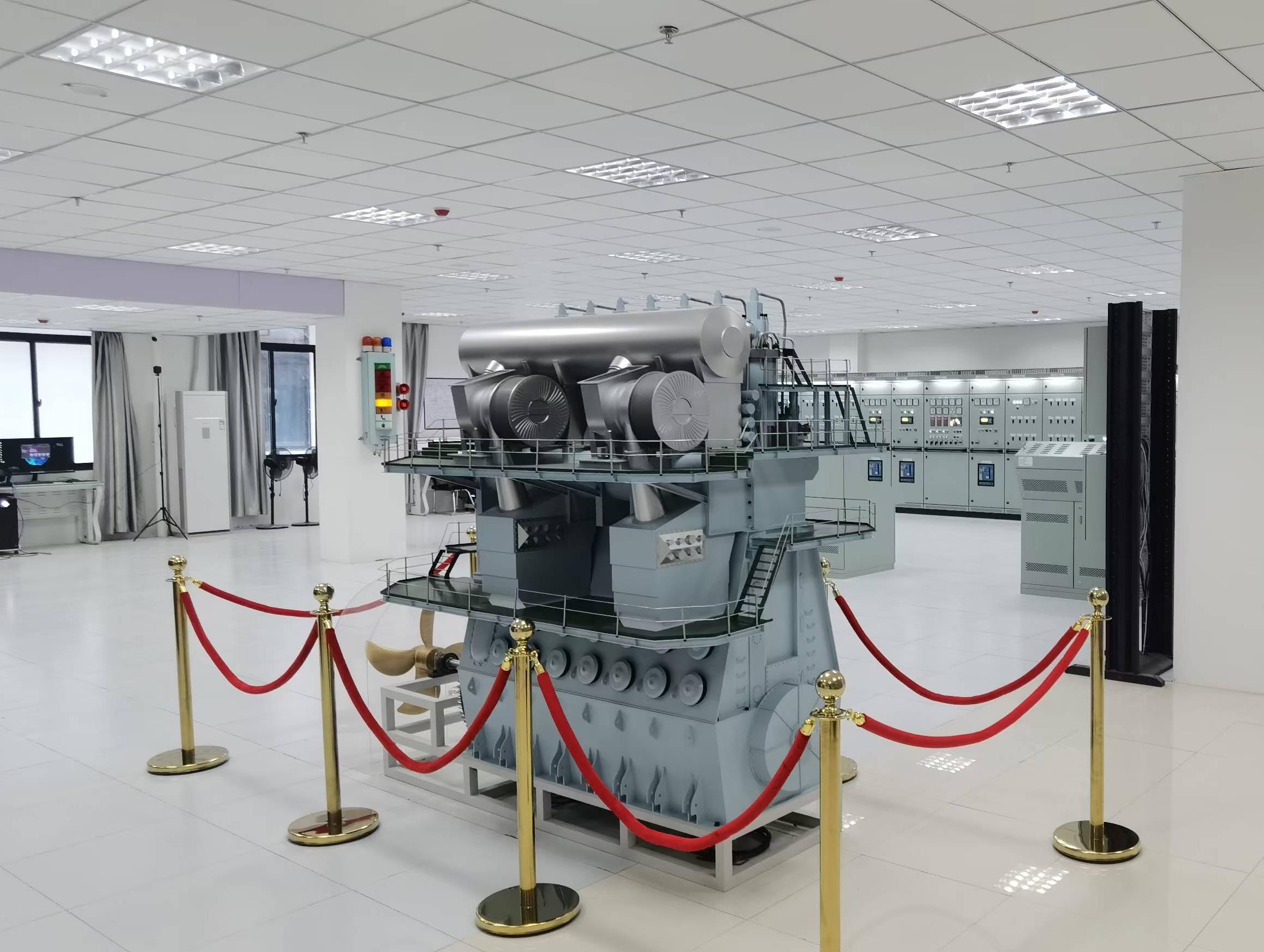
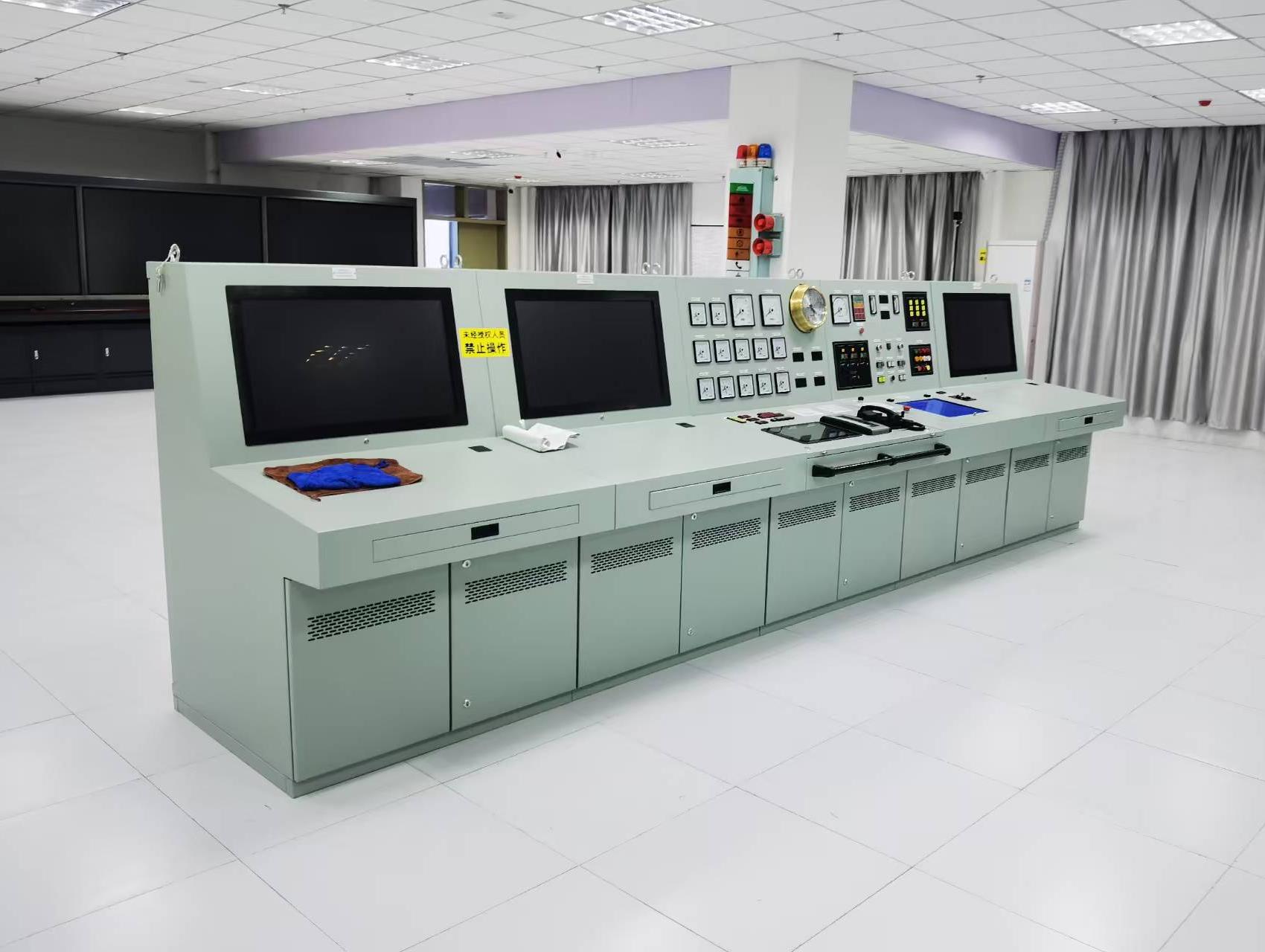
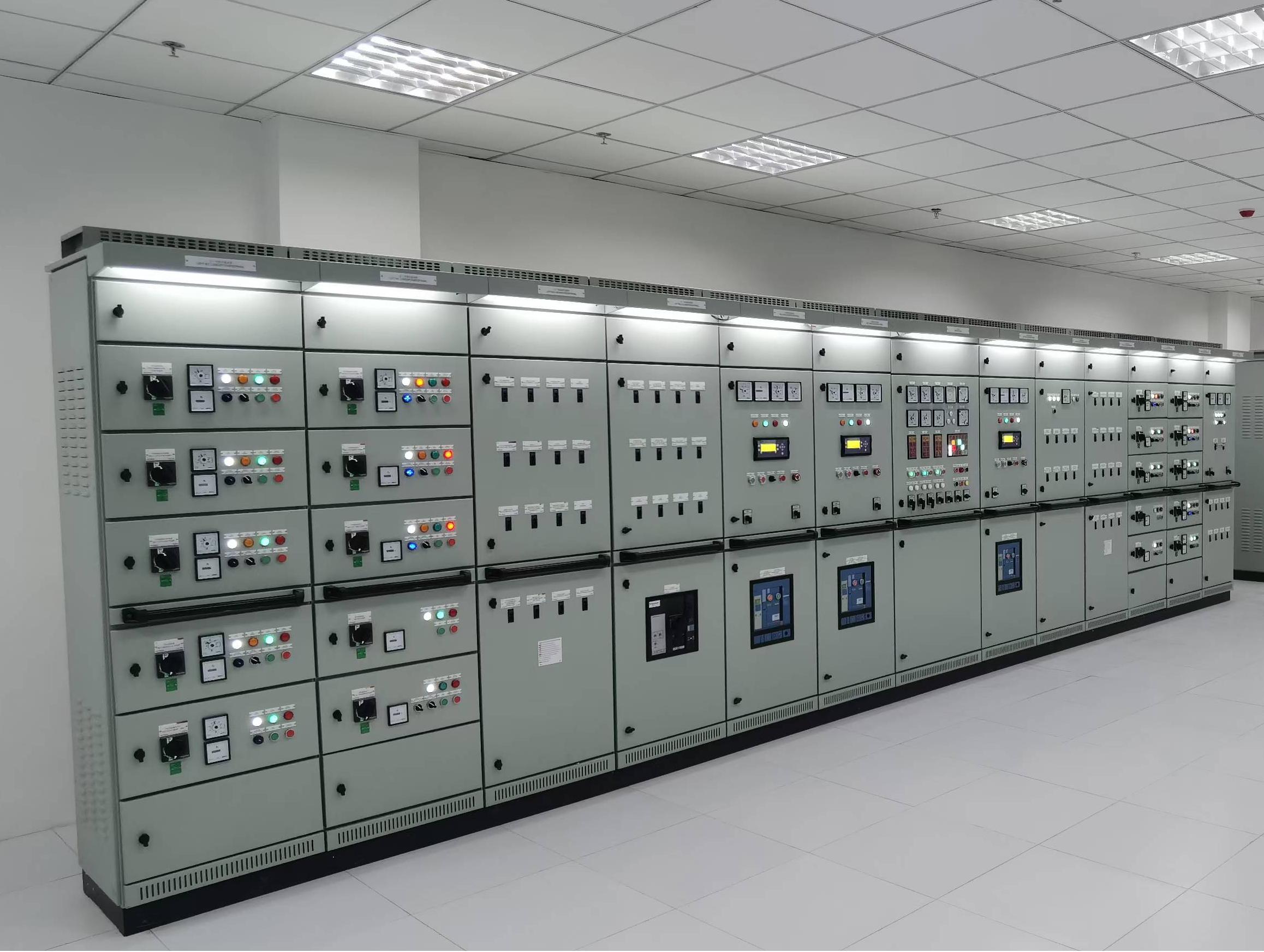
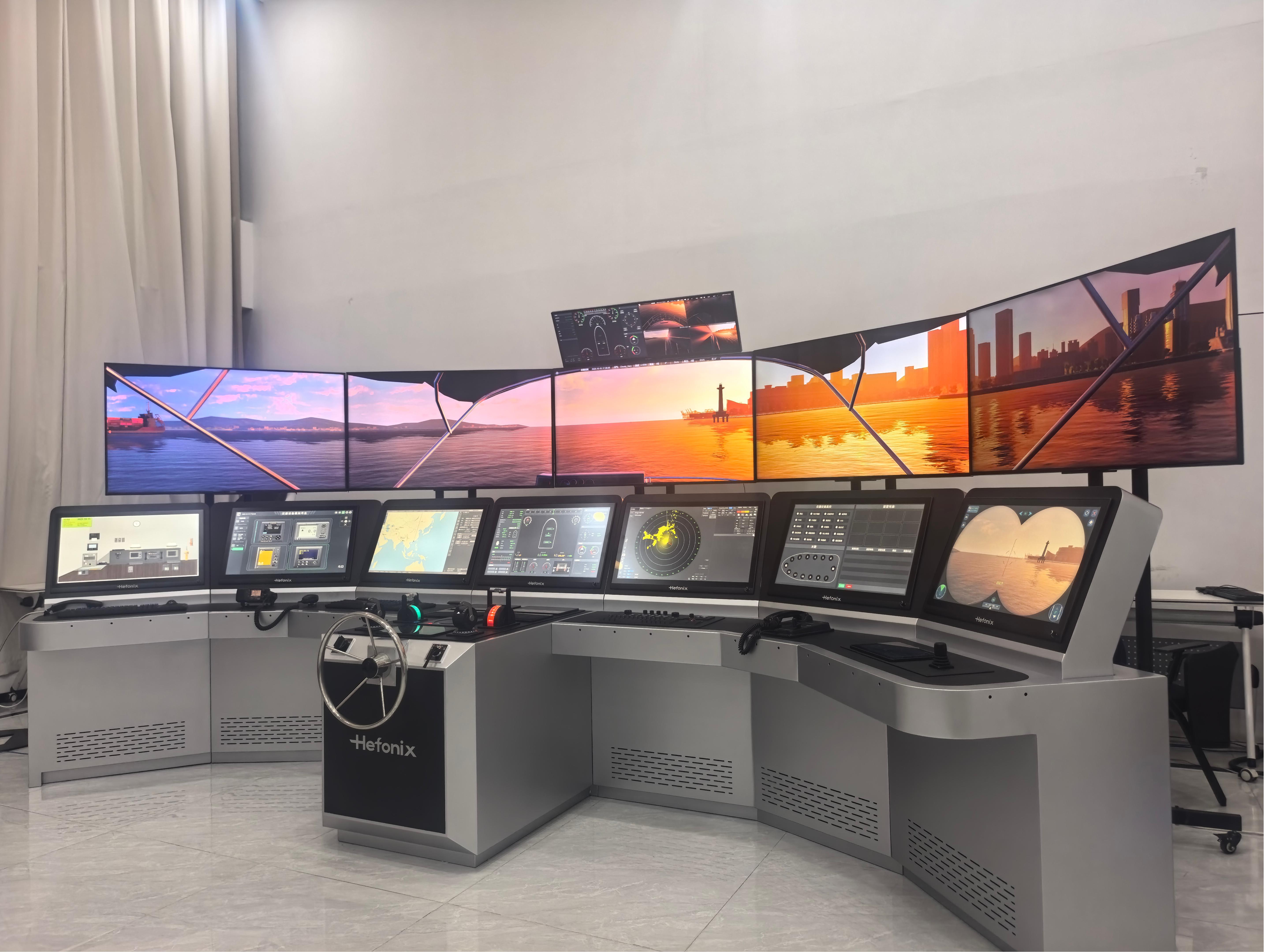
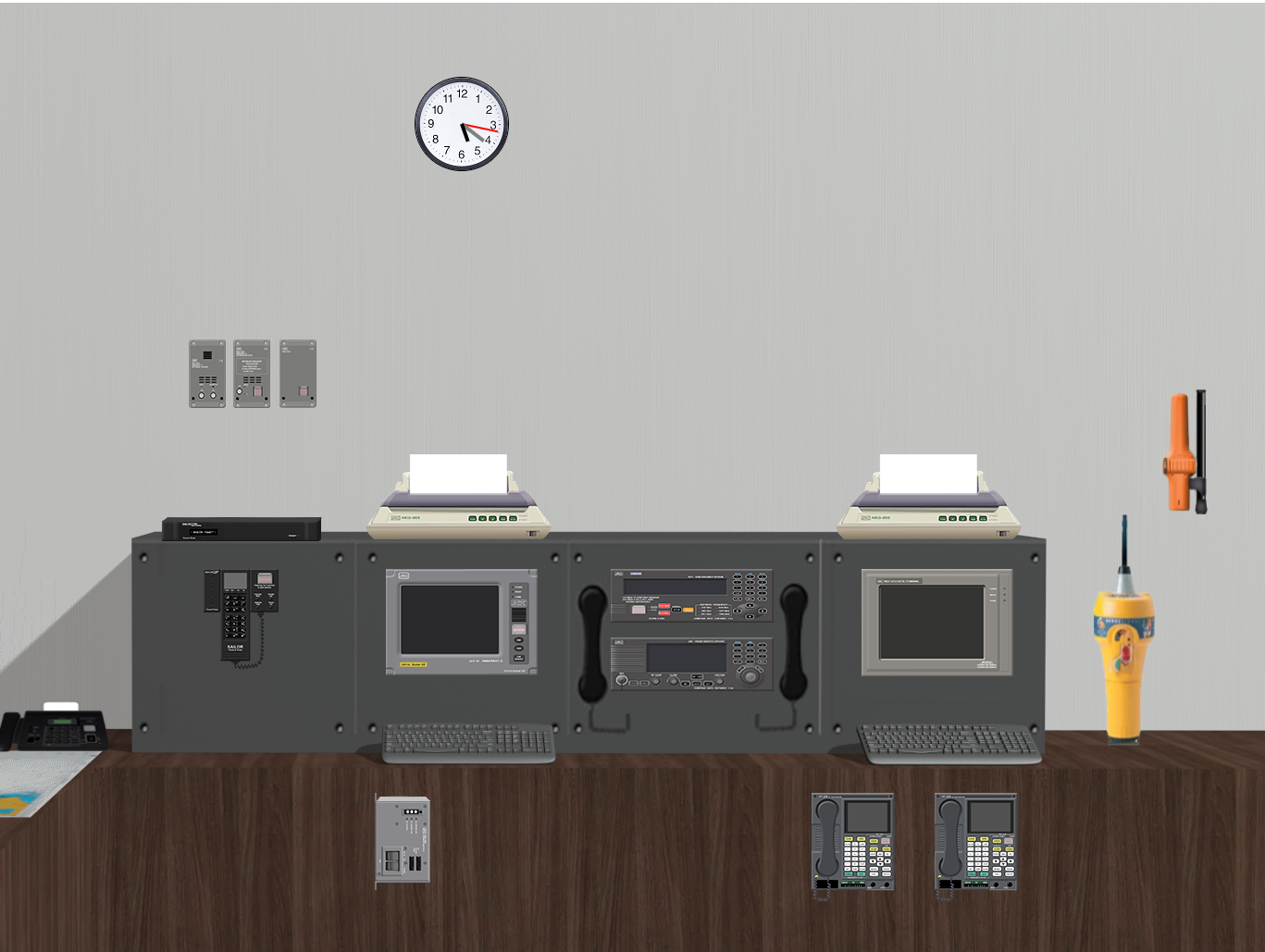
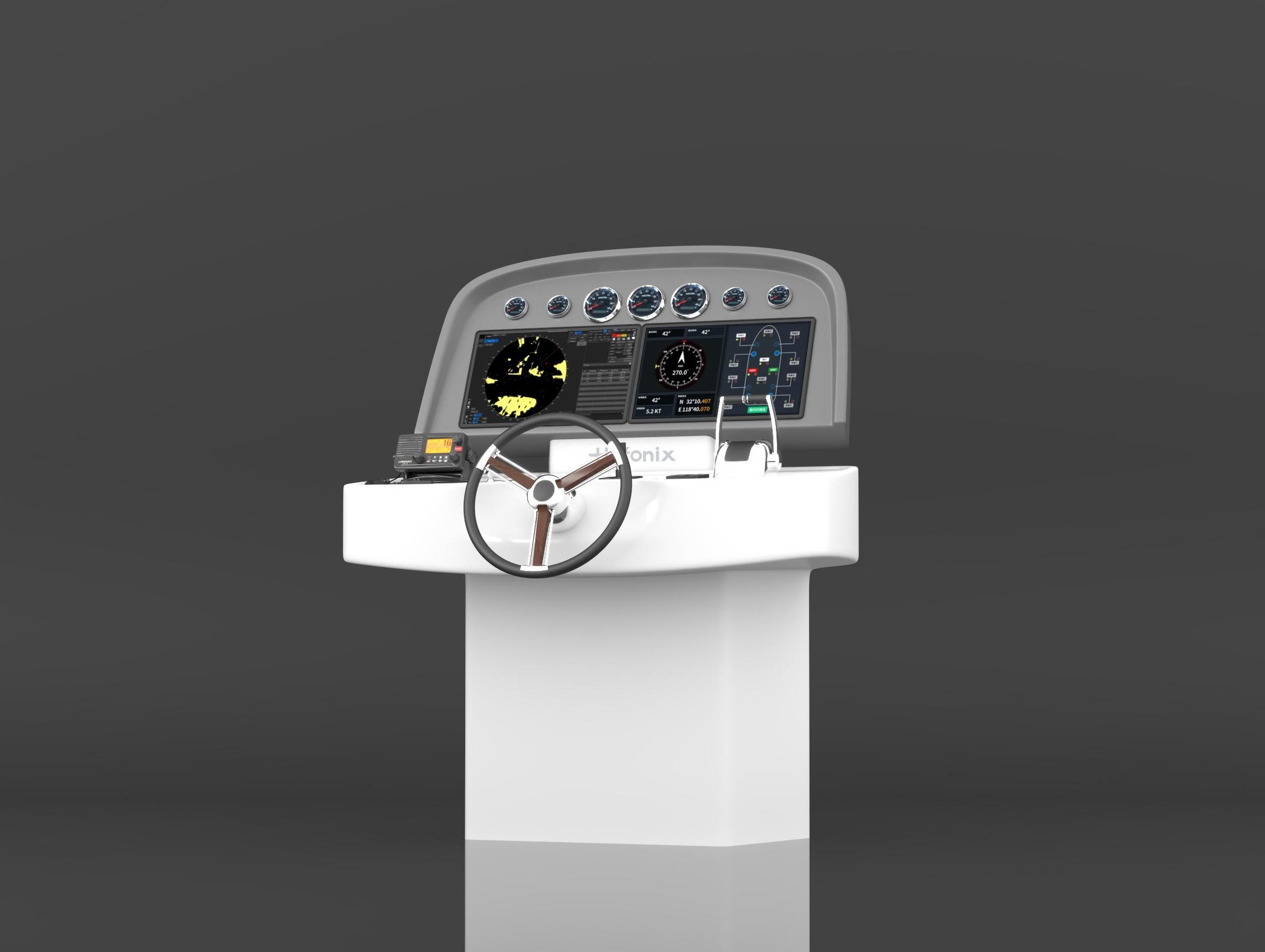
A critical differentiator between basic simulation and professional engine ship simulator technology is hardware-in-the-loop integration. Authentic training requires that trainees interact with physical controls that match those found on actual vessels. This means replicating engine telegraphs, push-button panels, programmable logic controllers, and alarm monitoring systems with exacting detail.
A Ship Engine Room Simulator from Hefonix features hardware interfaces that are functionally identical to modern vessel installations. When a trainee presses a start button on a generator control panel, the physical switch sends a signal to the simulation engine, which executes the appropriate logic and returns feedback through authentic indicator lamps and digital displays. This hardware-software integration ensures that skills developed on a marine engine room simulator transfer directly to onboard operations.
Distributed Control System Replication
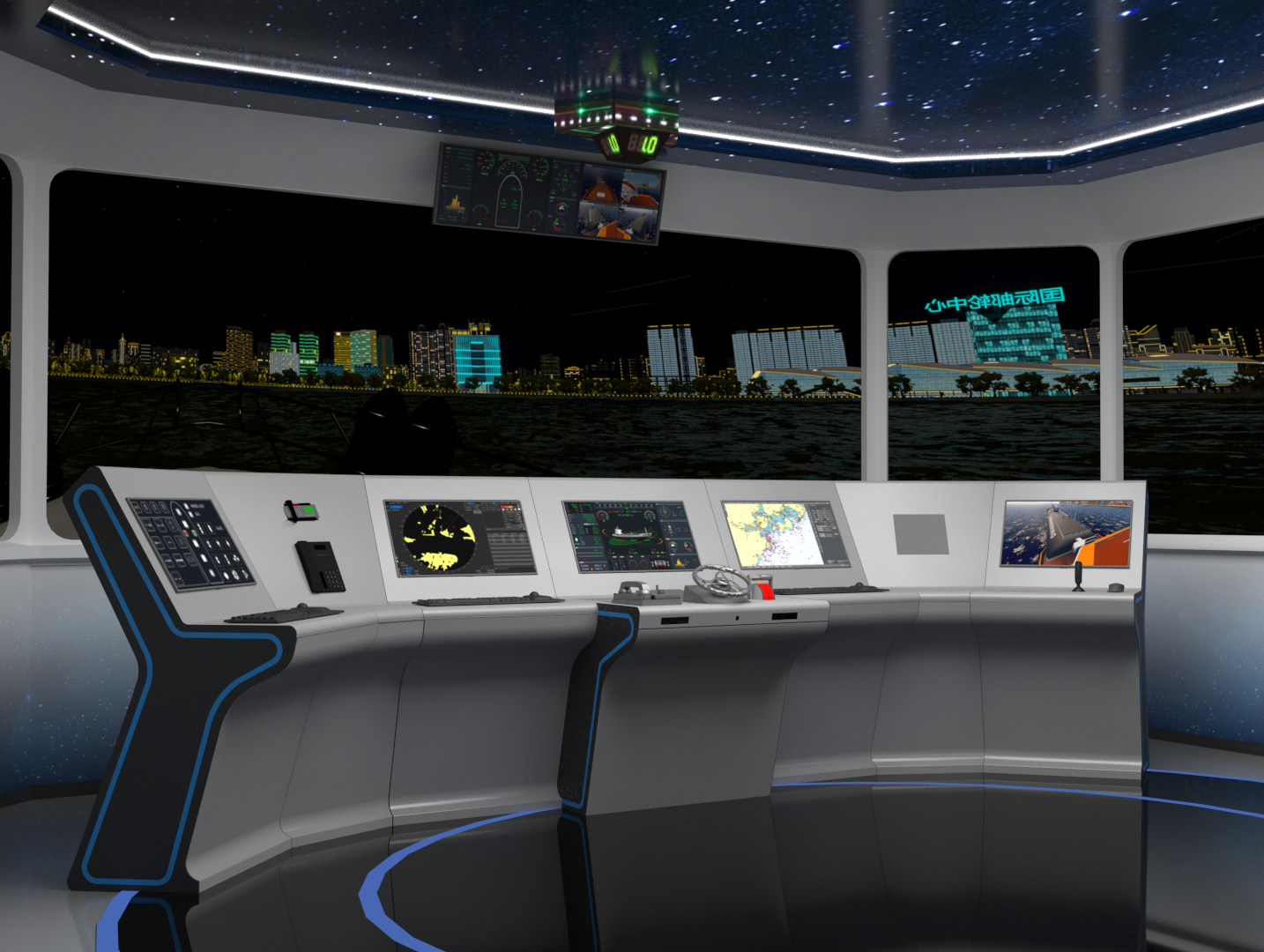
Modern vessels are managed through sophisticated distributed control systems that present complex human-machine interfaces. An effective full mission engine room simulator must replicate these interfaces with precision. Trainees need to navigate the same touchscreen displays, alarm lists, and control hierarchies they will encounter in the field.
Hefonix’s engine ship simulator platforms feature authentic replicas of leading automation systems, allowing engineers to practice power management, condition monitoring, and fault diagnosis in a realistic digital environment. This replication ensures that when graduates join a vessel, they are not learning new software interfaces—they are simply applying skills already mastered. For shipping companies, this capability dramatically reduces the time required for new officers to become productive team members.
Immersive Visualization and Acoustic Environments
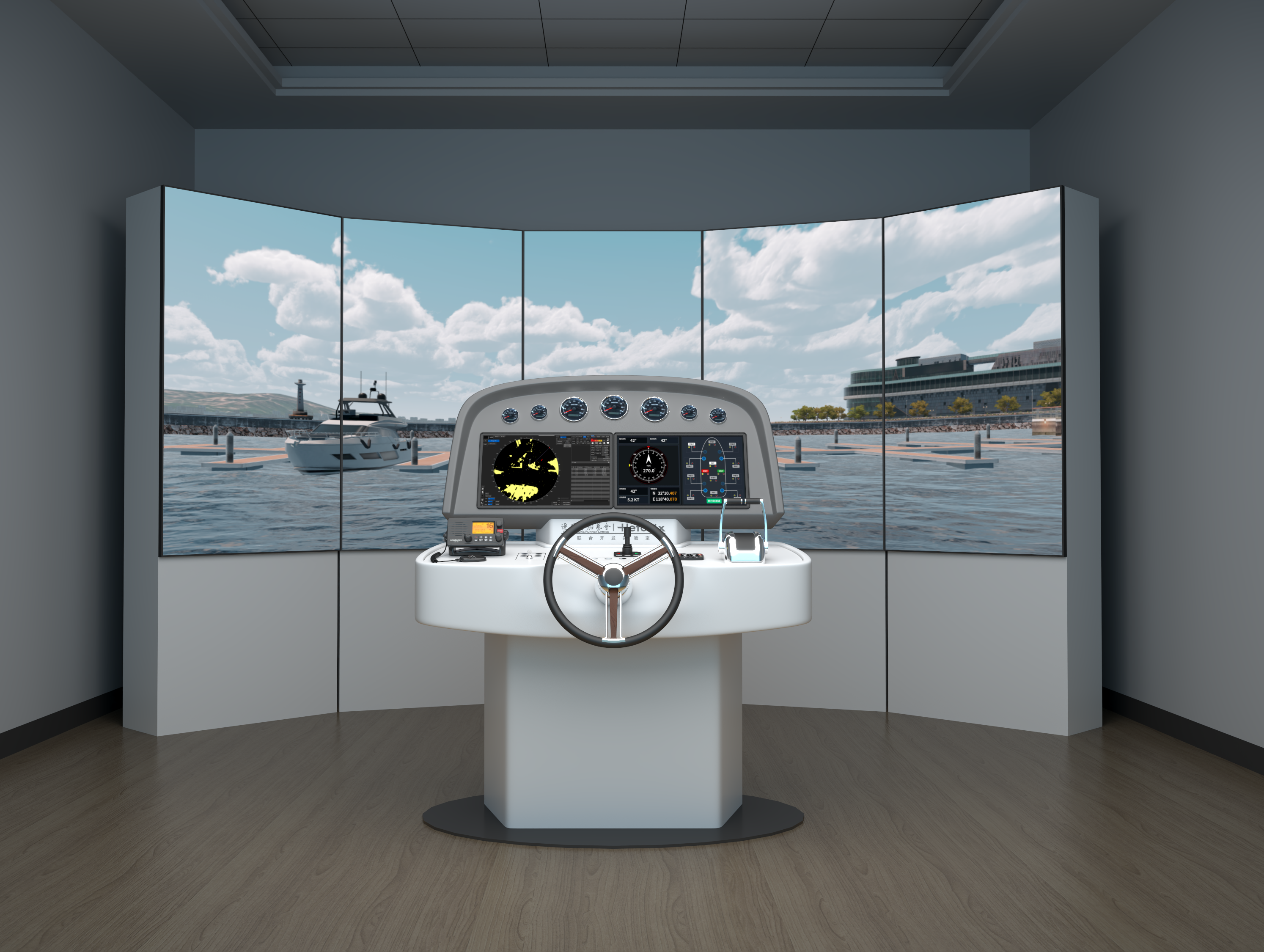
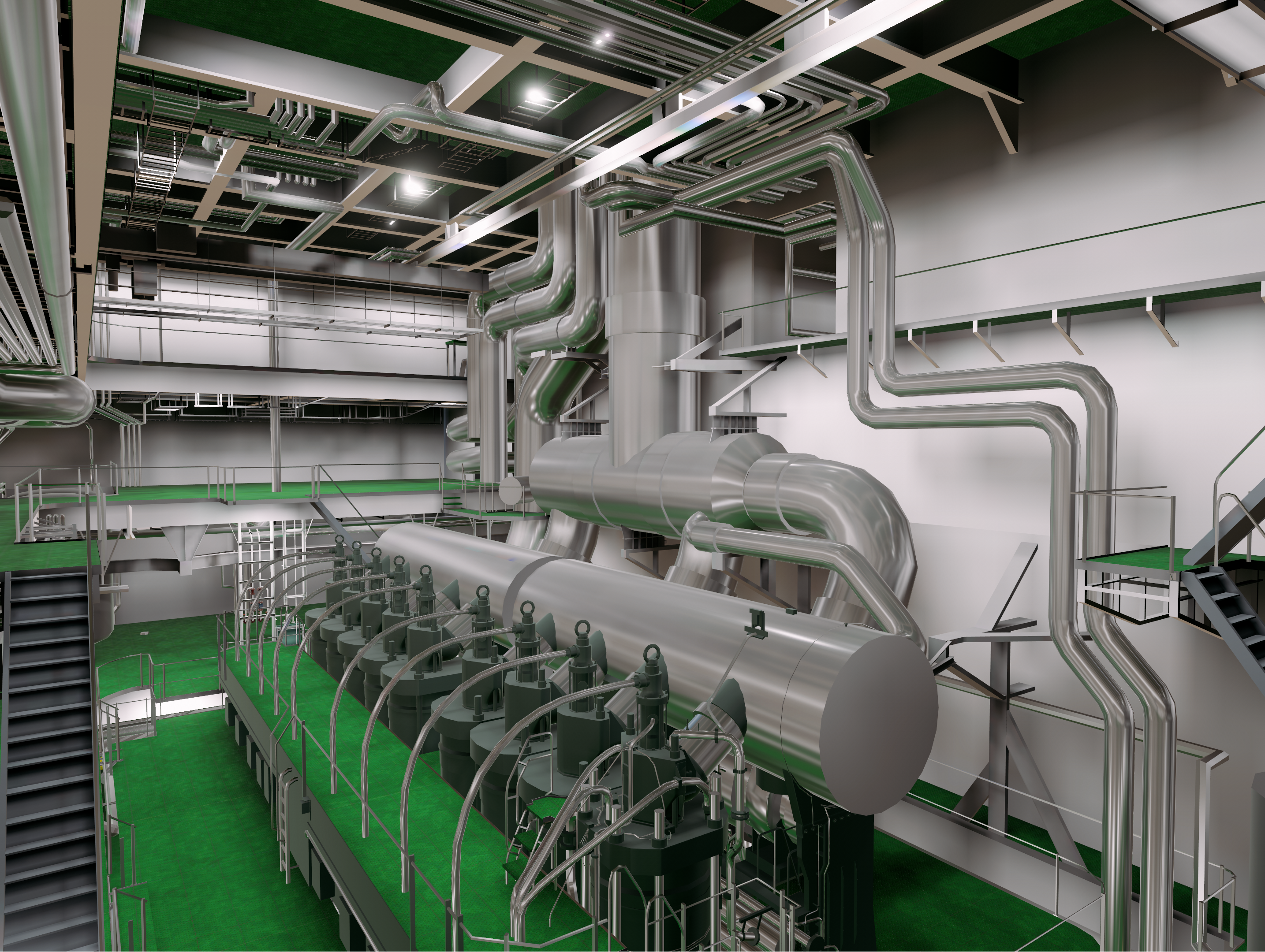
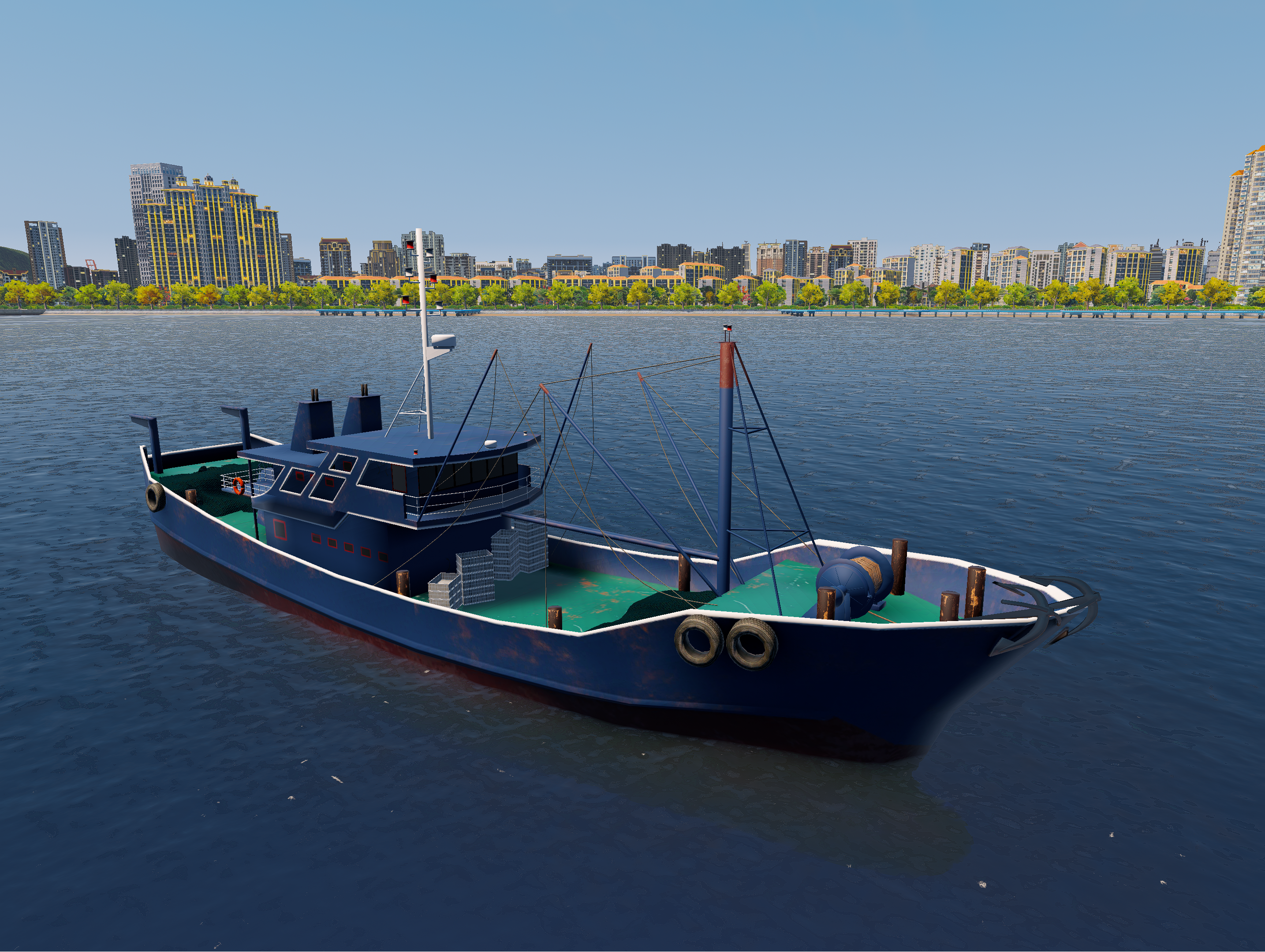
The sensory environment of an engine room is a critical component of situational awareness. A truly effective Ship Engine Room Simulator replicates not only the visual appearance of machinery spaces but also the acoustic environment. Advanced visualization systems use 3D rendering to create virtual engine rooms where trainees can walk freely, inspect equipment, and locate components.
Acoustic modeling adds another dimension of realism. The characteristic sounds of diesel engines at various loads, the whine of generators, and the urgent tone of alarm systems all contribute to authentic training. In a full mission engine room simulator, these auditory cues are spatially mapped, allowing trainees to identify equipment issues by sound alone. This sensory immersion conditions engineers to maintain situational awareness under the stress of emergency conditions.
Instructor Facilitation and Assessment Systems
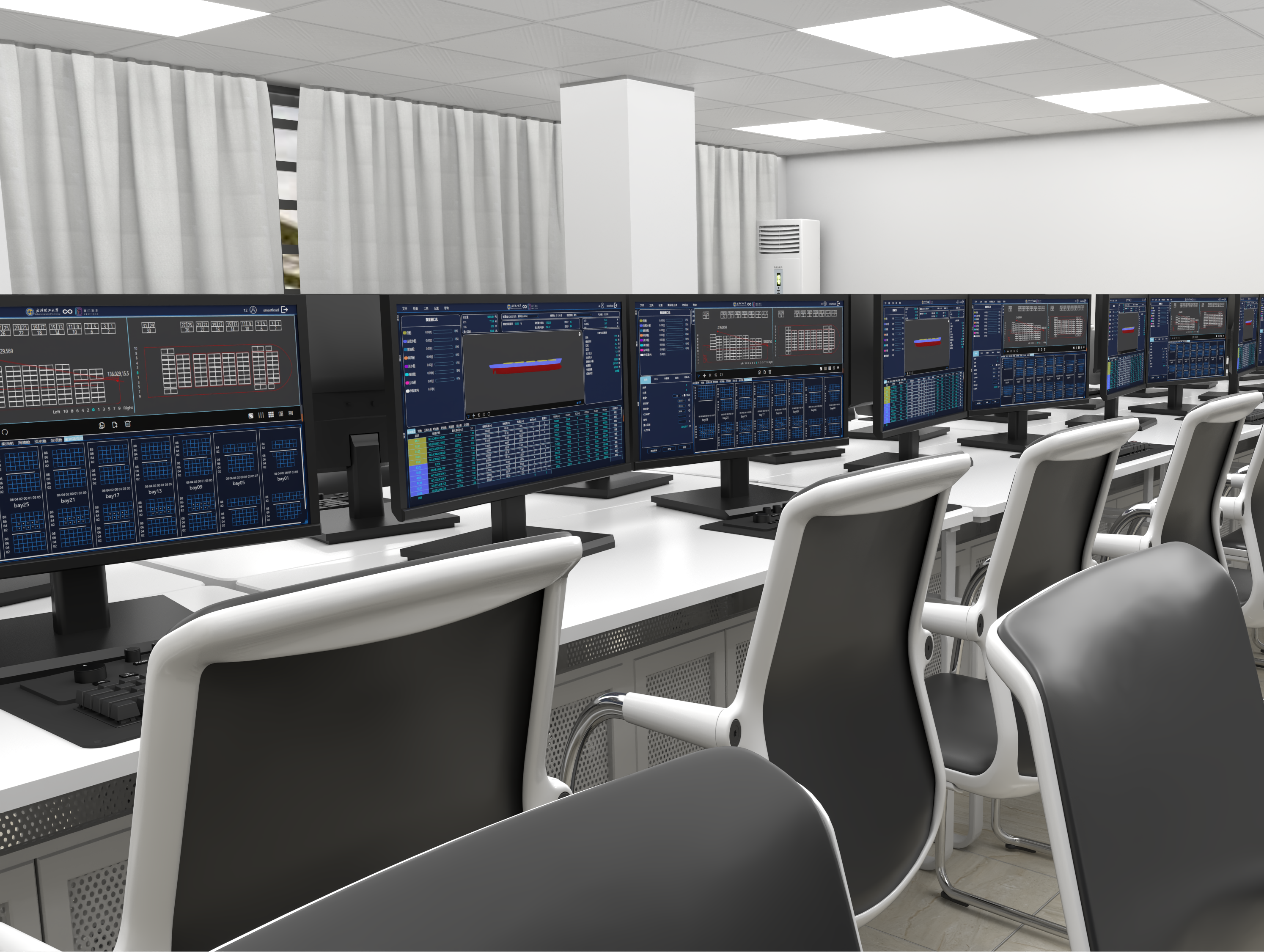
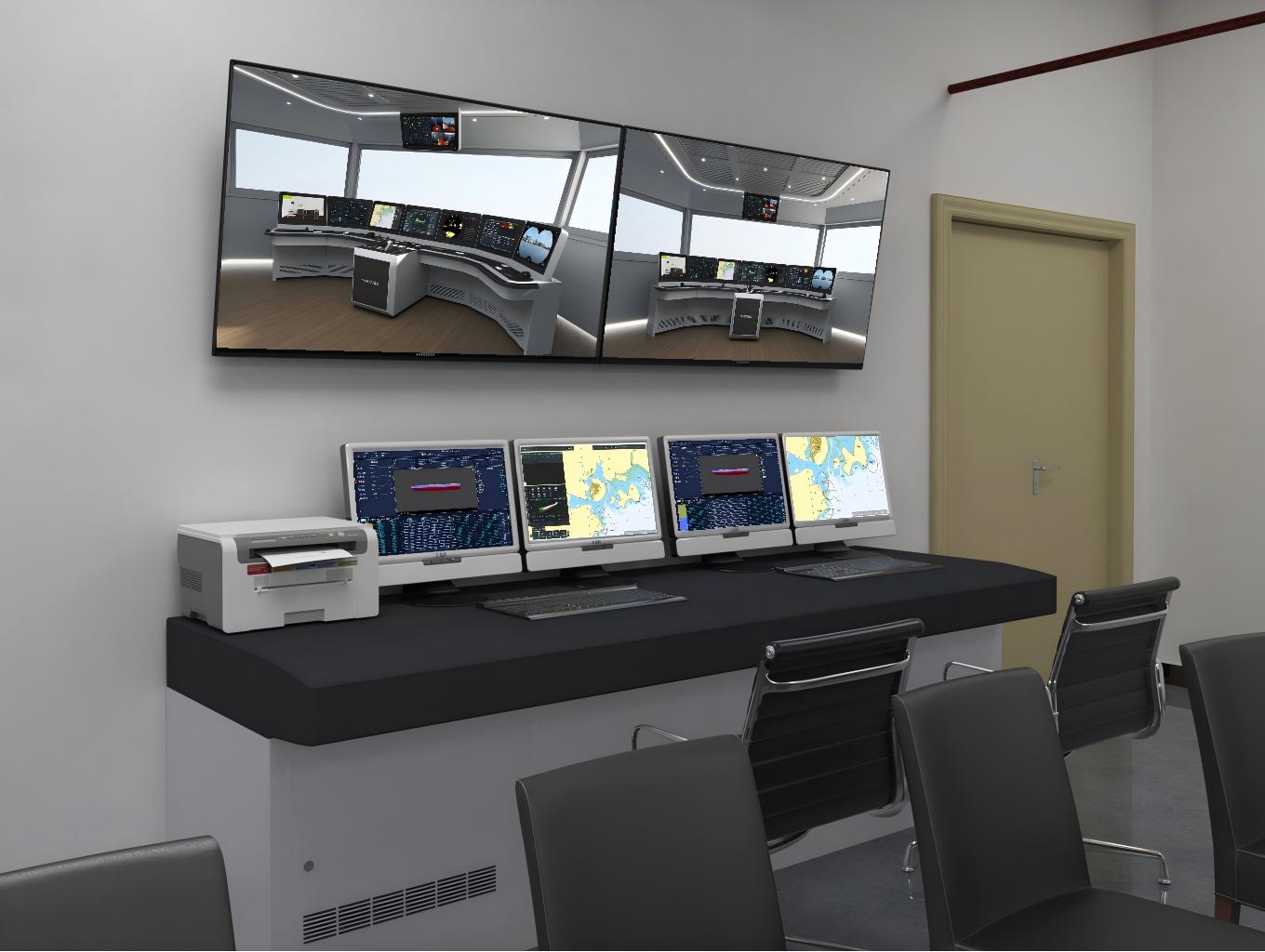
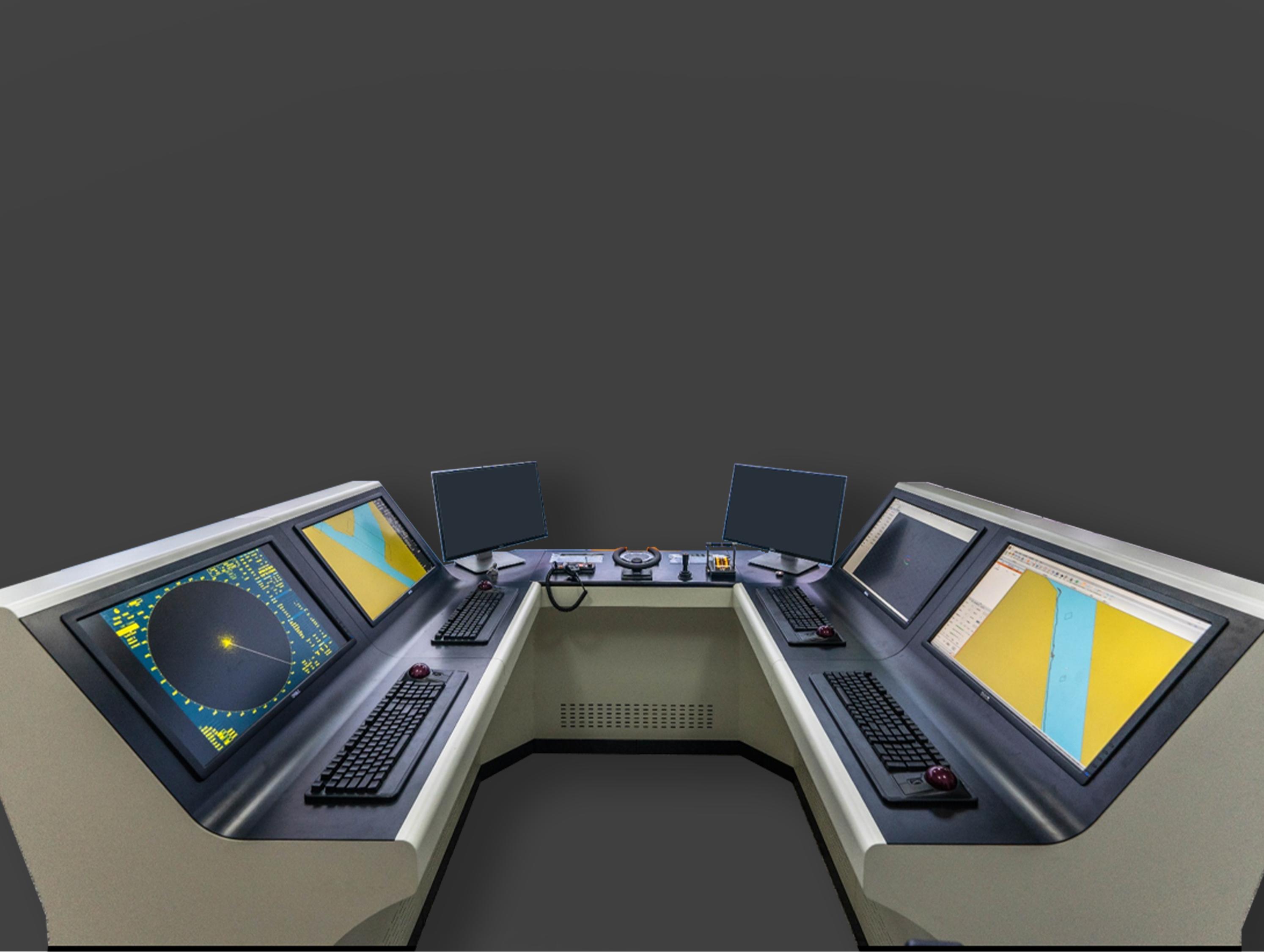
Technology alone does not create effective training. The value of a marine engine room simulator is realized through skilled instruction and objective assessment. Modern simulation platforms include sophisticated instructor stations that allow facilitators to create scenarios, inject faults, and monitor trainee performance in real time.
Hefonix’s engine ship simulator solutions include comprehensive debriefing tools that record every trainee action. Instructors can replay scenarios, analyze decision-making processes, and provide targeted feedback based on objective data rather than subjective observation. This capability transforms the Ship Engine Room Simulator from a simple practice tool into a comprehensive assessment platform that measures competency against established standards.
Remote and Distributed Training Capabilities
The evolving needs of the maritime industry demand training solutions that transcend physical boundaries. Modern full mission engine room simulator systems incorporate cloud-based architectures that enable remote instruction and distributed team training. Multiple trainees in different locations can collaborate within the same simulated engine room, developing teamwork and communication skills essential for multinational crews.
This distributed capability is particularly valuable for shipping companies managing fleets spread across global operations. A marine engine room simulator accessible via secure networks allows training departments to deliver consistent instruction across all vessels, ensuring standardized procedures and shared best practices. Hefonix’s focus on services ensures that clients receive ongoing support to maximize the value of these advanced capabilities.
Future Developments in Simulation Technology
The trajectory of engine ship simulator technology points toward increasing integration with digital twin systems, artificial intelligence, and virtual reality. Digital twins—virtual replicas of actual vessels—allow training to be customized to specific ships, enabling crews to practice procedures on the exact systems they will encounter. AI-powered assessment tools can analyze trainee performance patterns and identify areas requiring additional focus.
Hefonix remains at the forefront of these developments, leveraging its R&D capabilities to anticipate the evolving needs of the maritime industry. Every Ship Engine Room Simulator, Engine Room Simulator, marine engine room simulator, and full mission engine room simulator delivered is built upon a profound understanding of crew training challenges.
The technology behind Ship Engine Room Simulator systems represents a significant advancement in maritime education. From high-fidelity mathematical modeling and hardware integration to immersive visualization and distributed learning capabilities, these platforms provide the realism and flexibility required to prepare engineers for modern vessel operations.
Hefonix has maintained a clear strategic focus as a comprehensive solution provider built upon the pillars of R&D and services. By delivering advanced simulation technology rooted in industry understanding, Hefonix empowers maritime stakeholders to build the skilled workforce needed for the challenges ahead. As vessels continue to evolve, the role of simulation in maritime training will only grow, making investment in advanced full mission engine room simulator technology not merely beneficial but essential.