


Marine Engine Room Simulator vs Traditional Training Methods
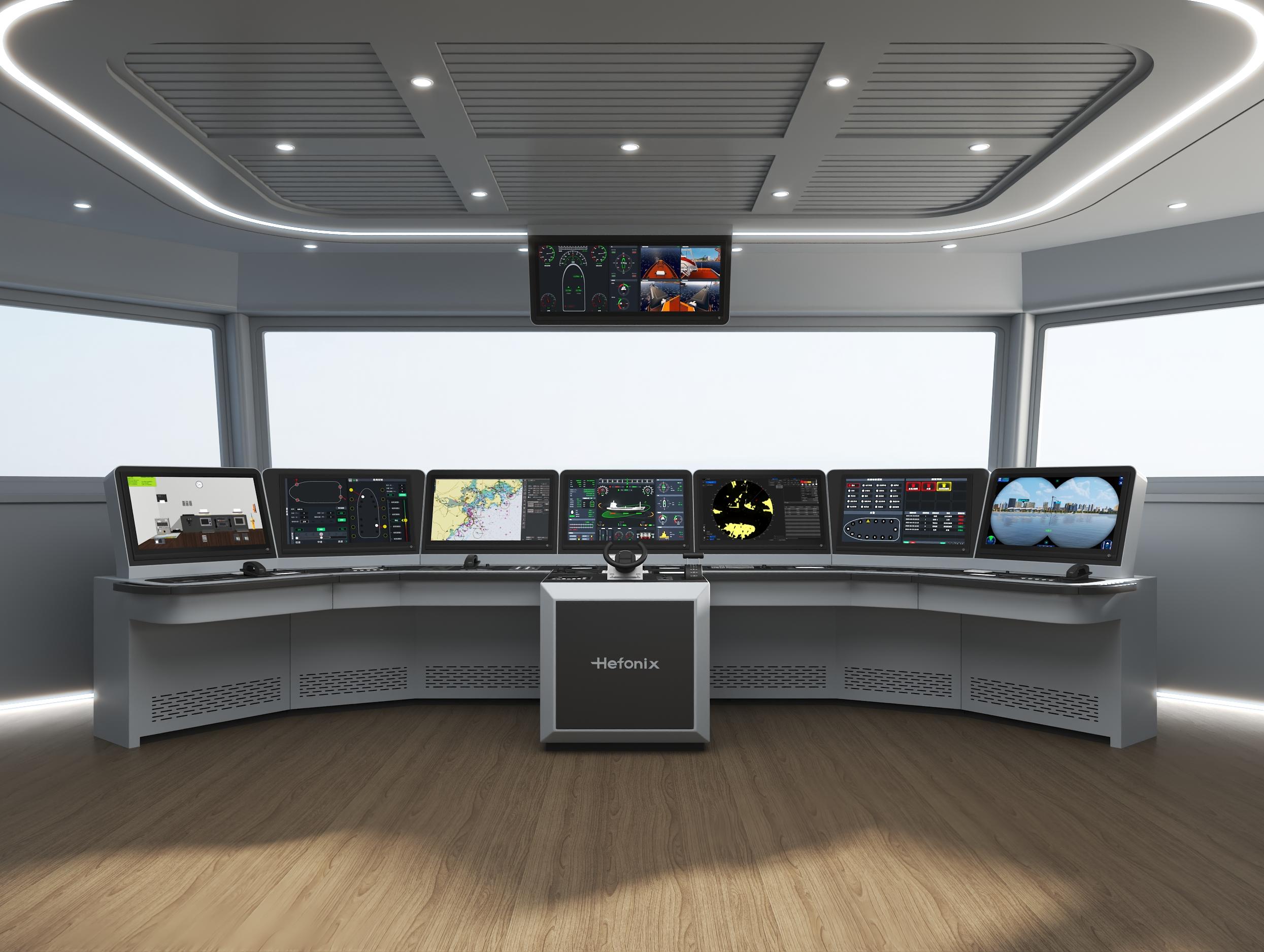
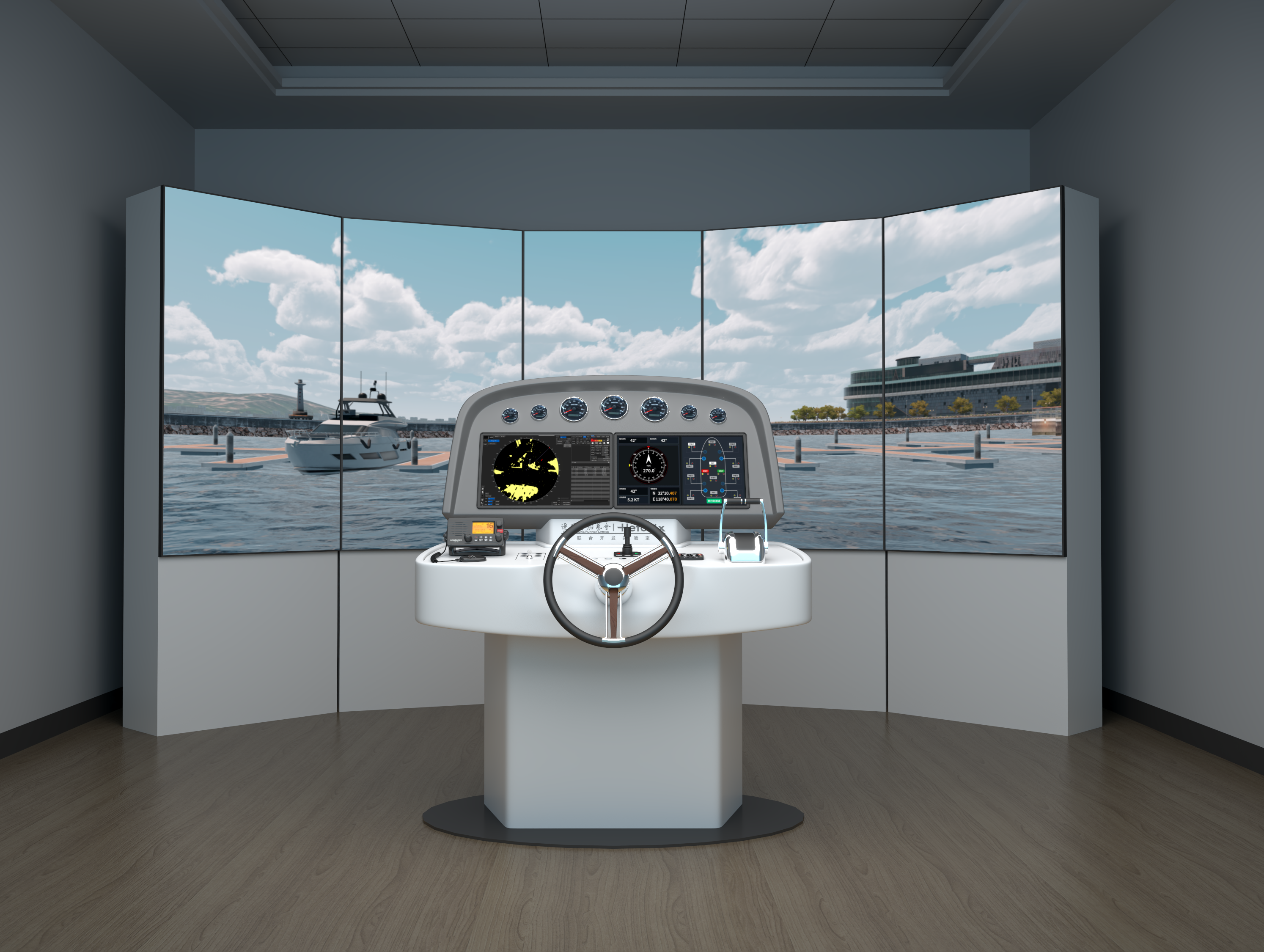
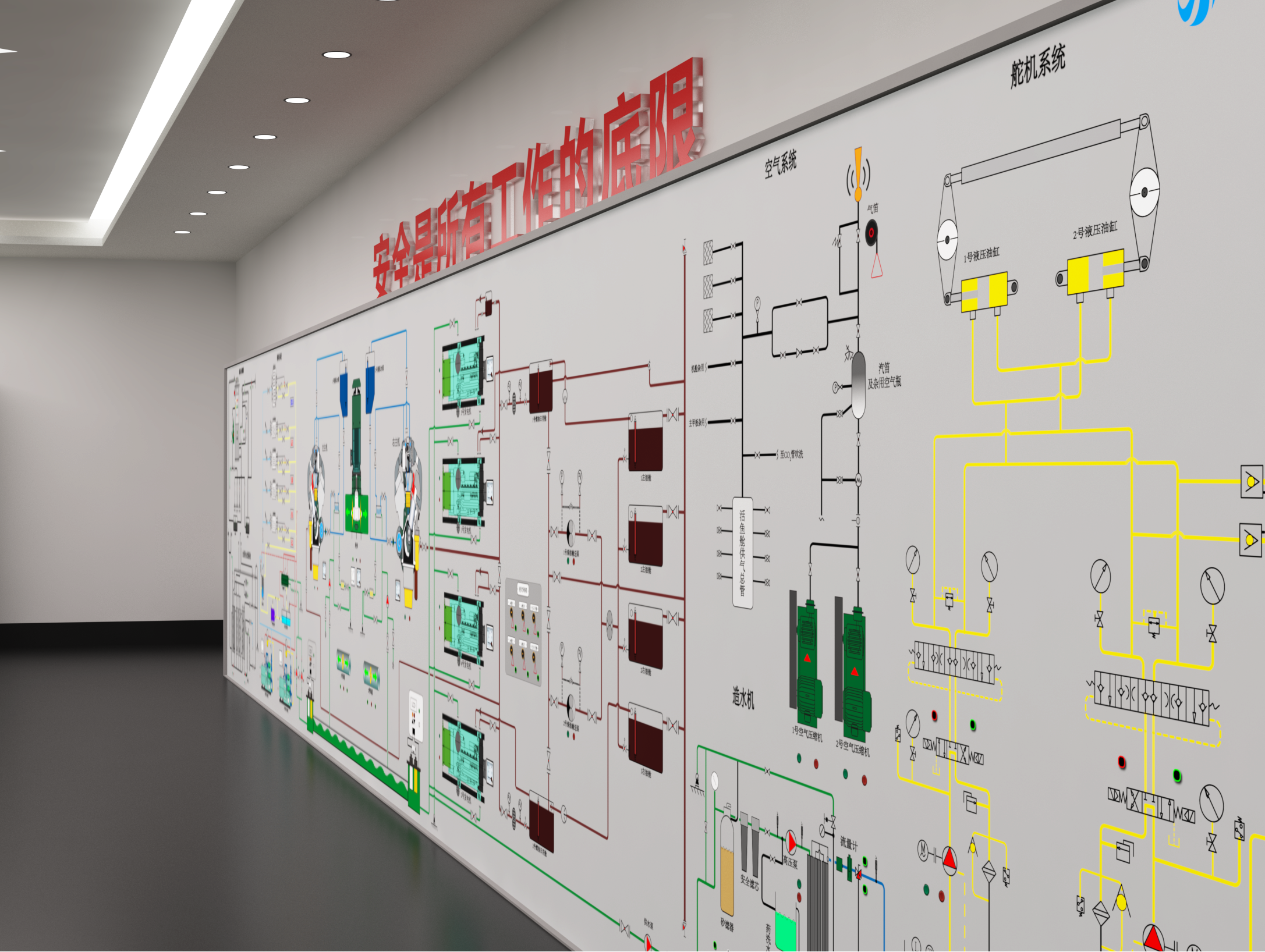
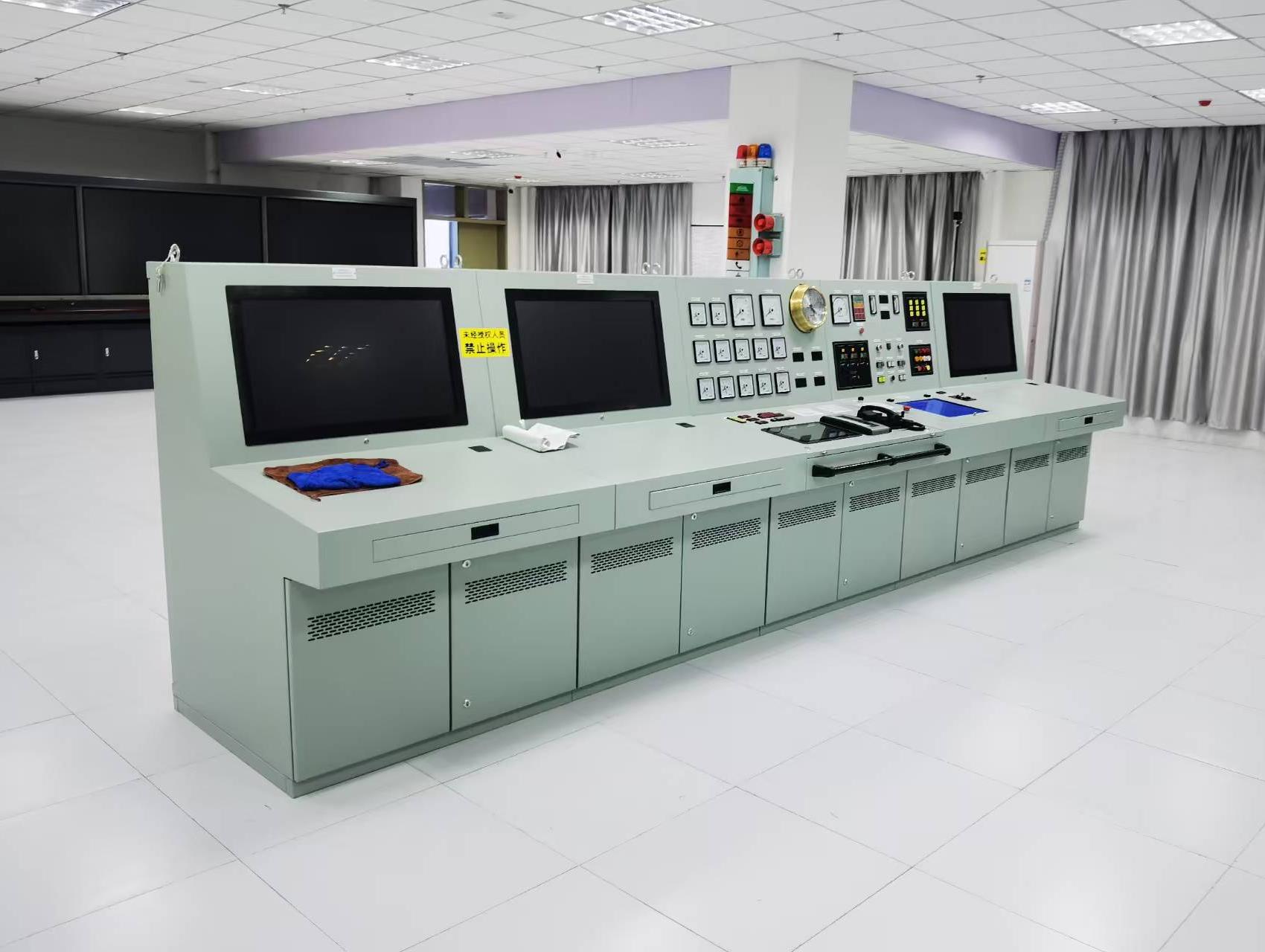
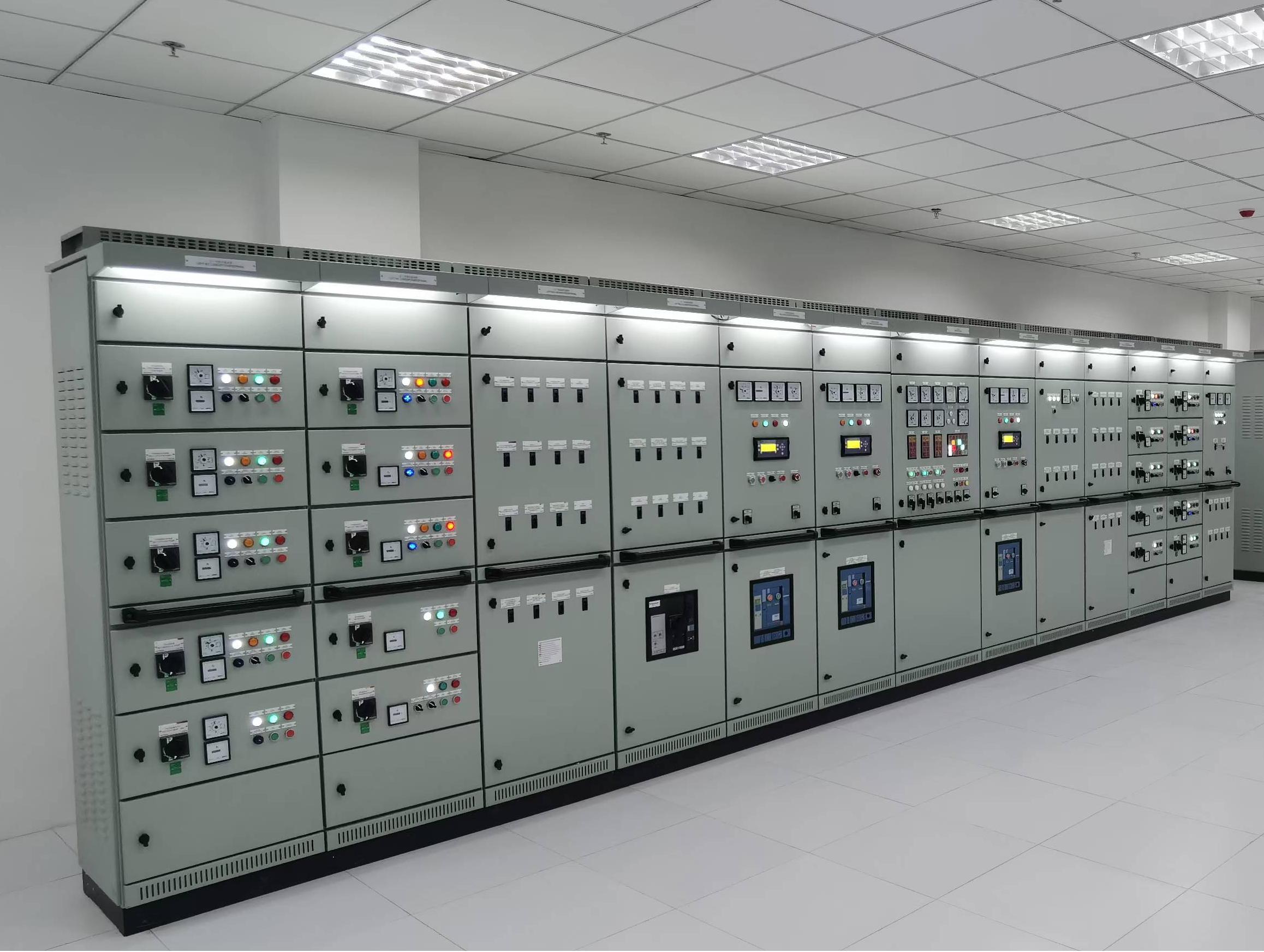
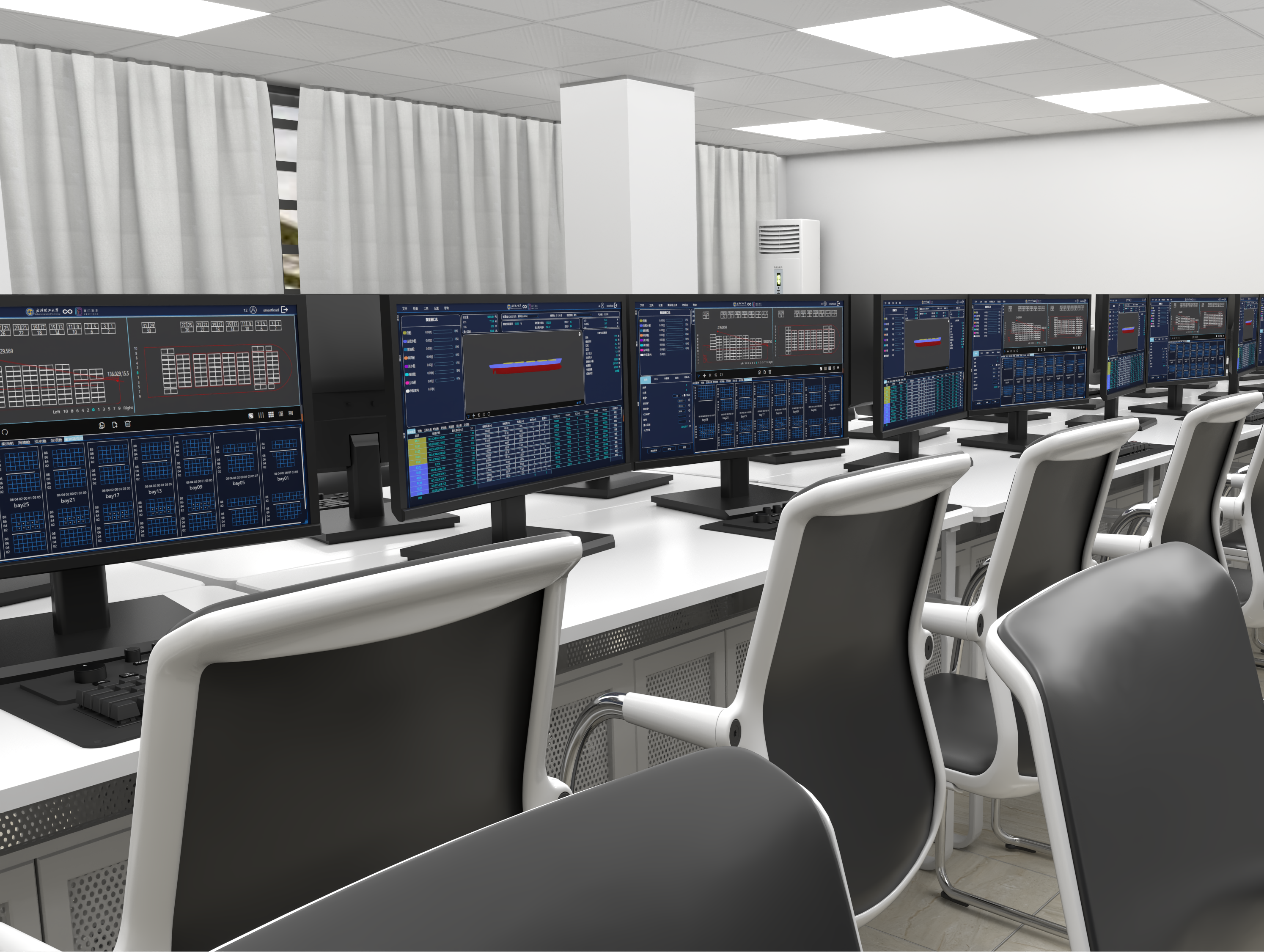
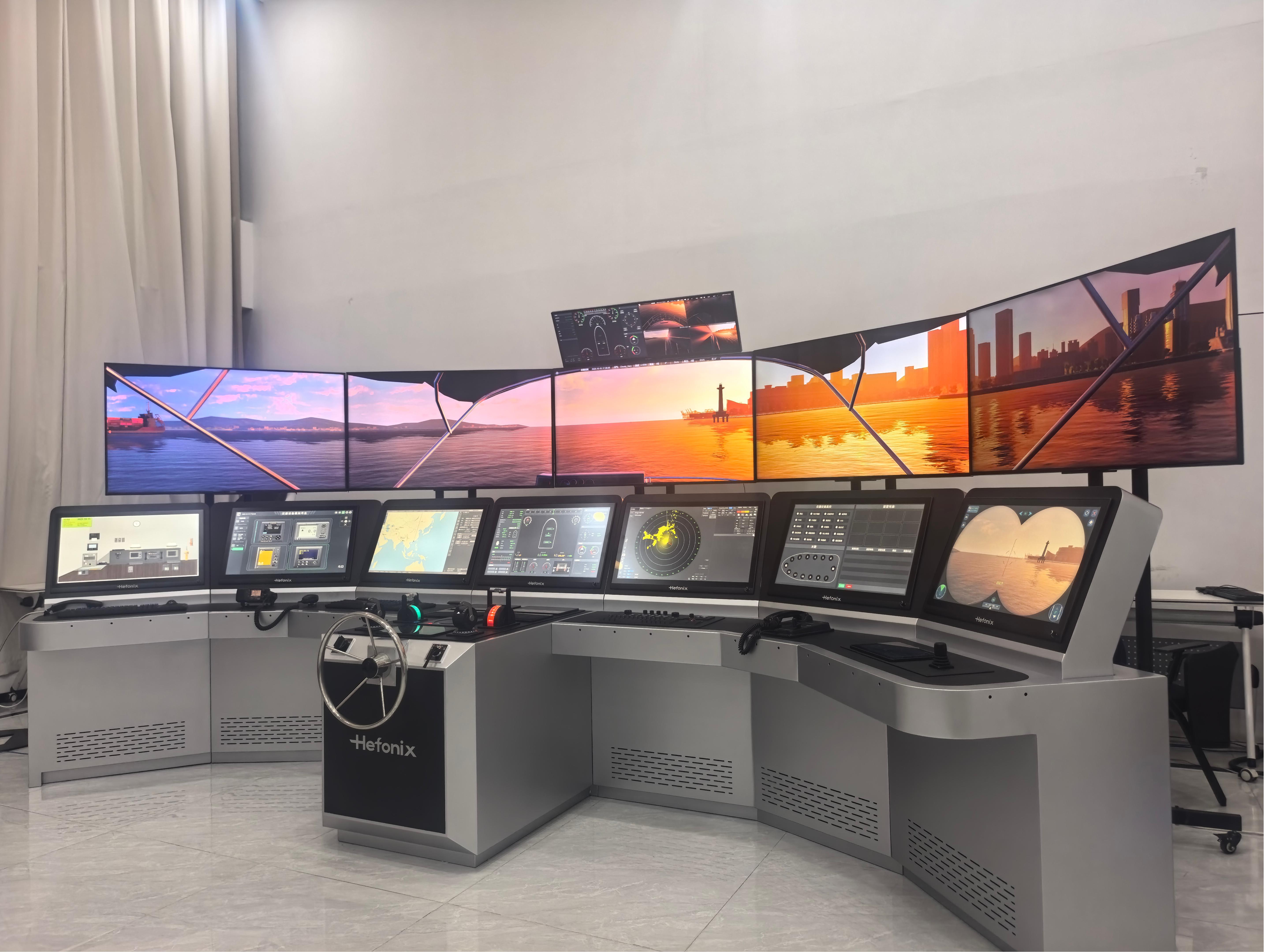
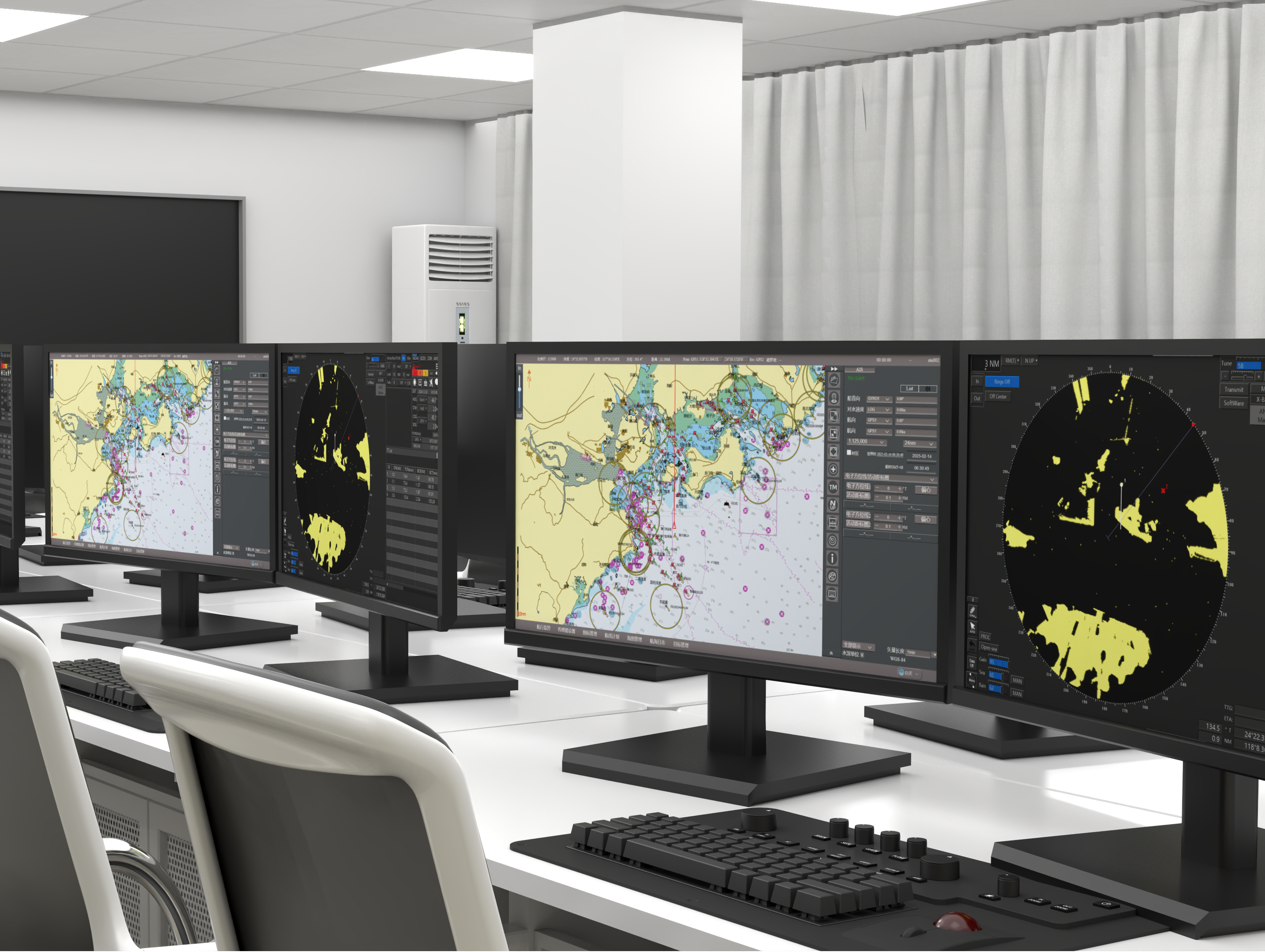
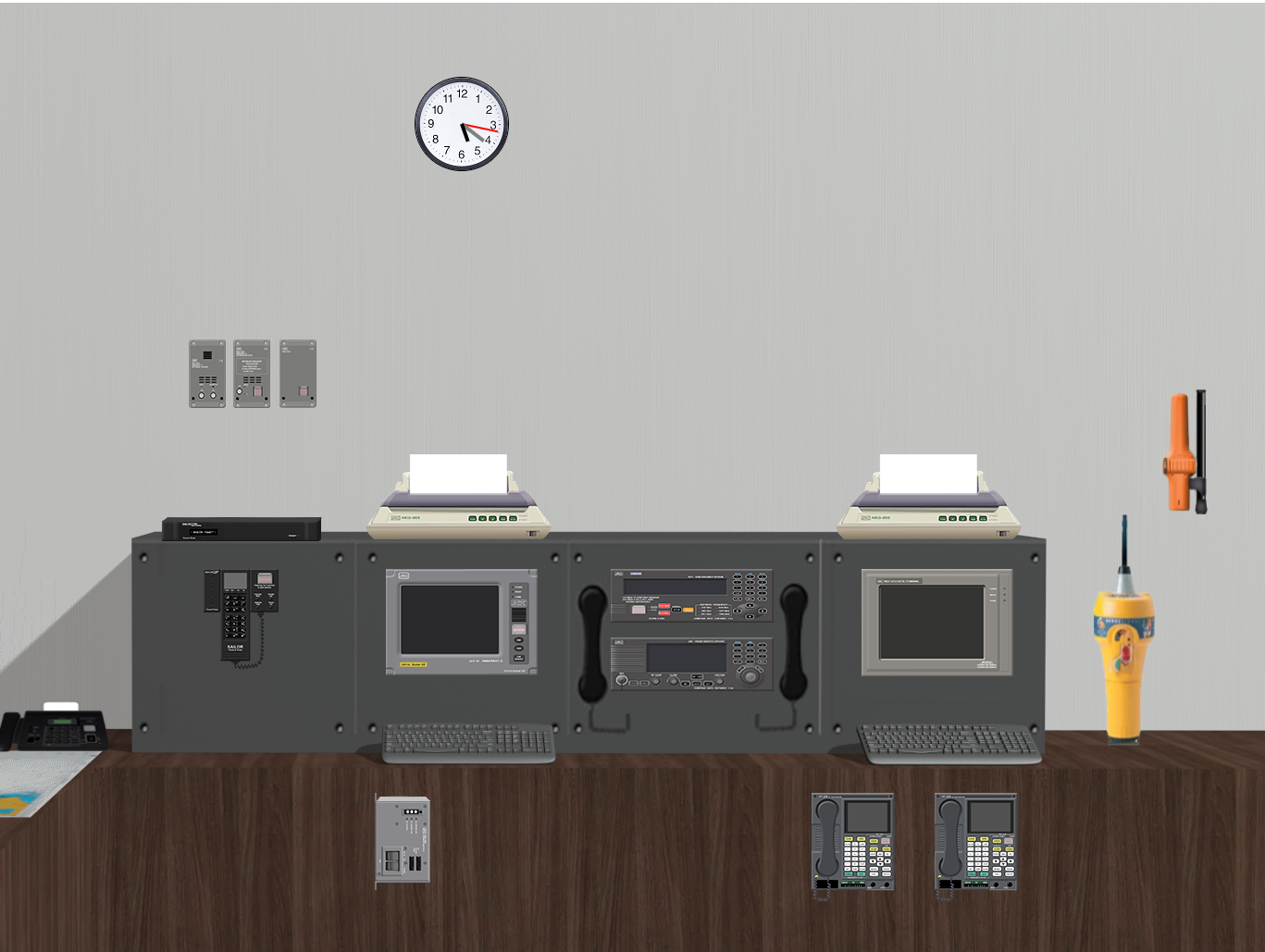
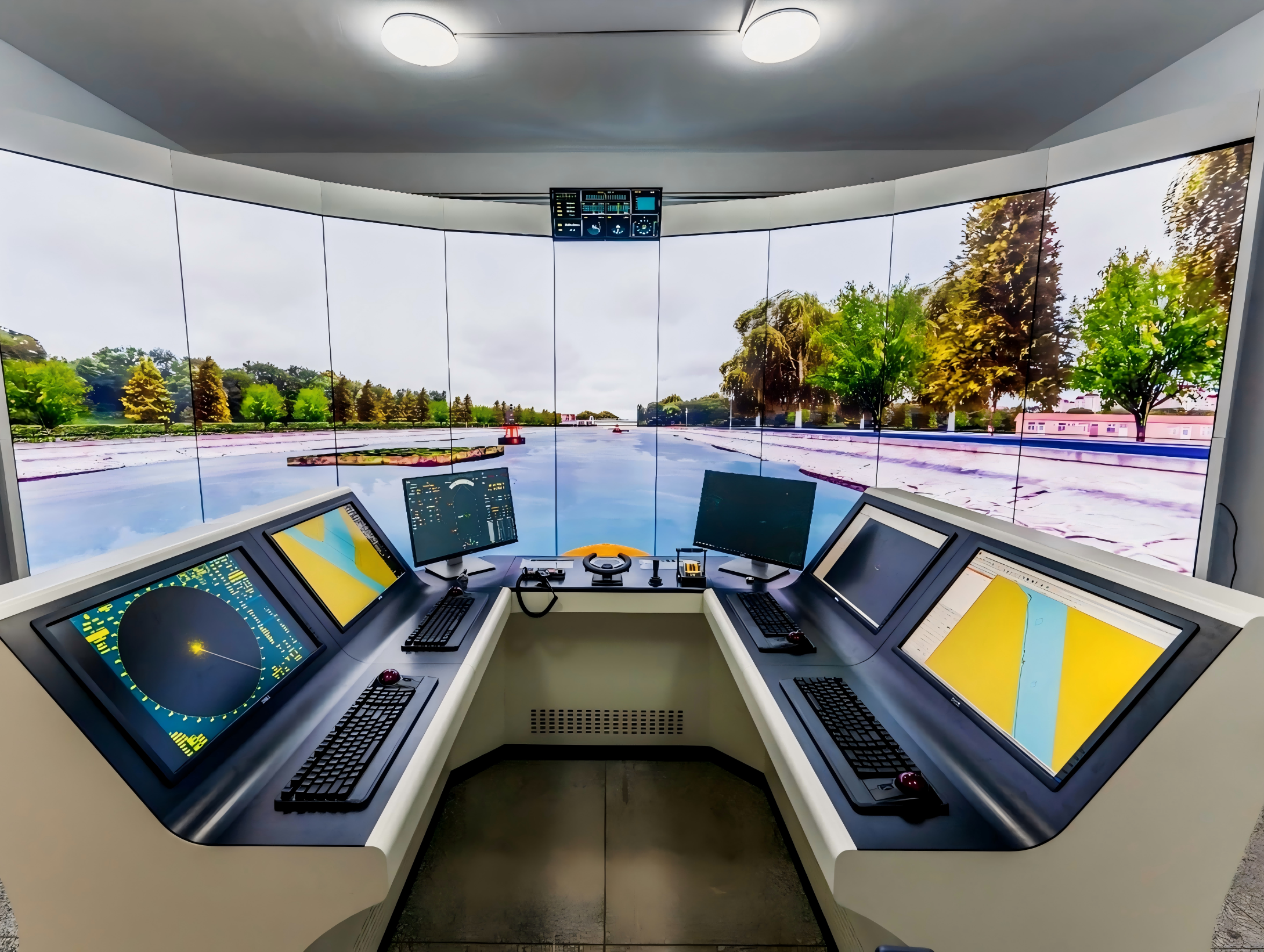
The maritime industry has long relied on a combination of classroom instruction and onboard apprenticeship to develop competent marine engineers. While this traditional approach has produced generations of skilled professionals, it comes with inherent limitations. Today, a fundamental shift is underway as training institutions and shipping companies increasingly embrace advanced simulation technology. The question is no longer whether simulation has value, but rather how the marine engine room simulator compares to conventional methods. Hefonix has maintained a clear strategic focus: not merely a manufacturer or supplier of maritime simulation equipment, but a comprehensive solution provider built upon the pillars of R&D and services. Every business initiative we pursue is rooted in a profound understanding of the challenges in crew training and the evolving needs of the maritime industry. Understanding the differences between simulation and traditional training reveals why modern maritime education is transforming.
Safety and Risk Exposure
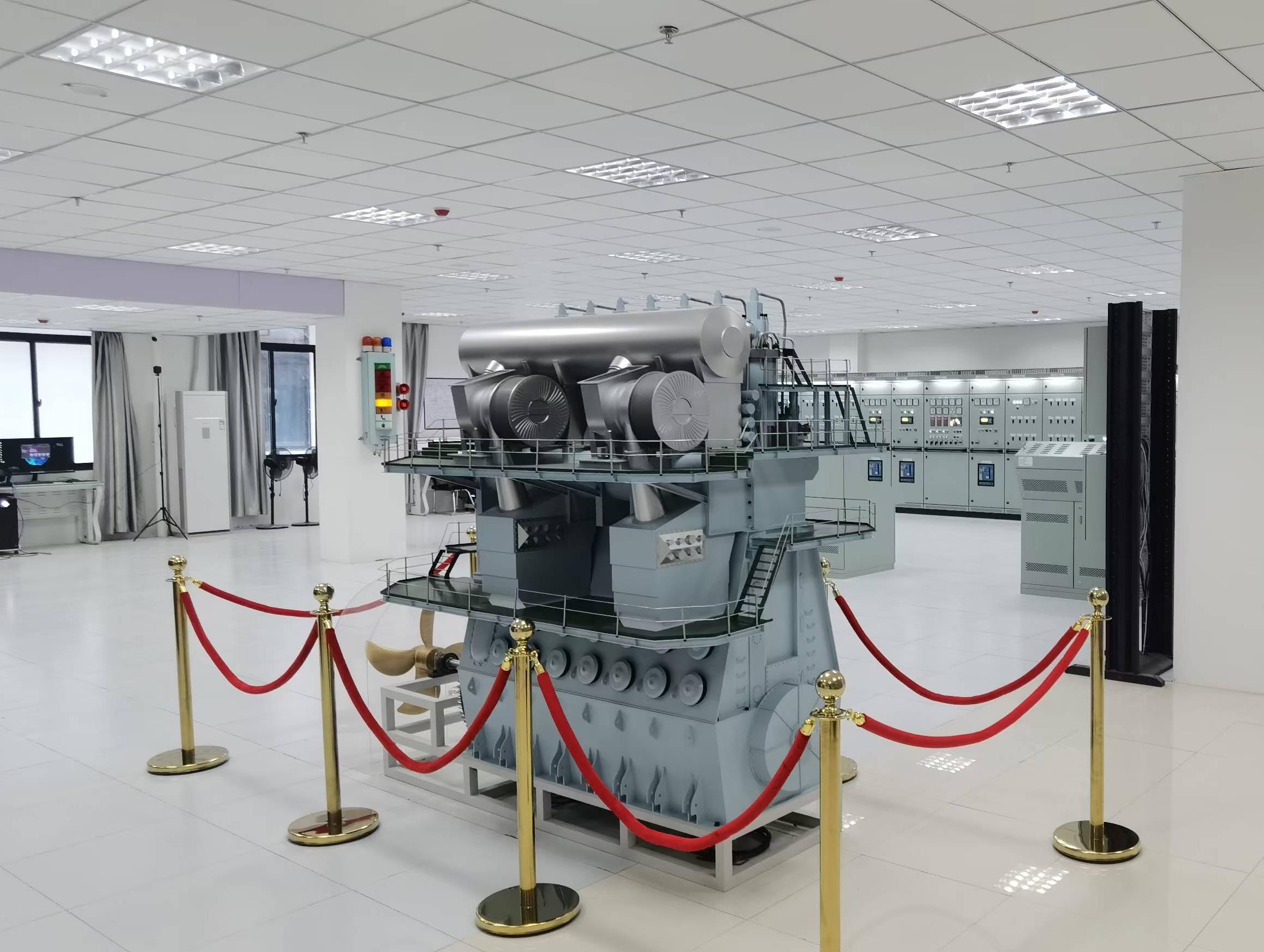
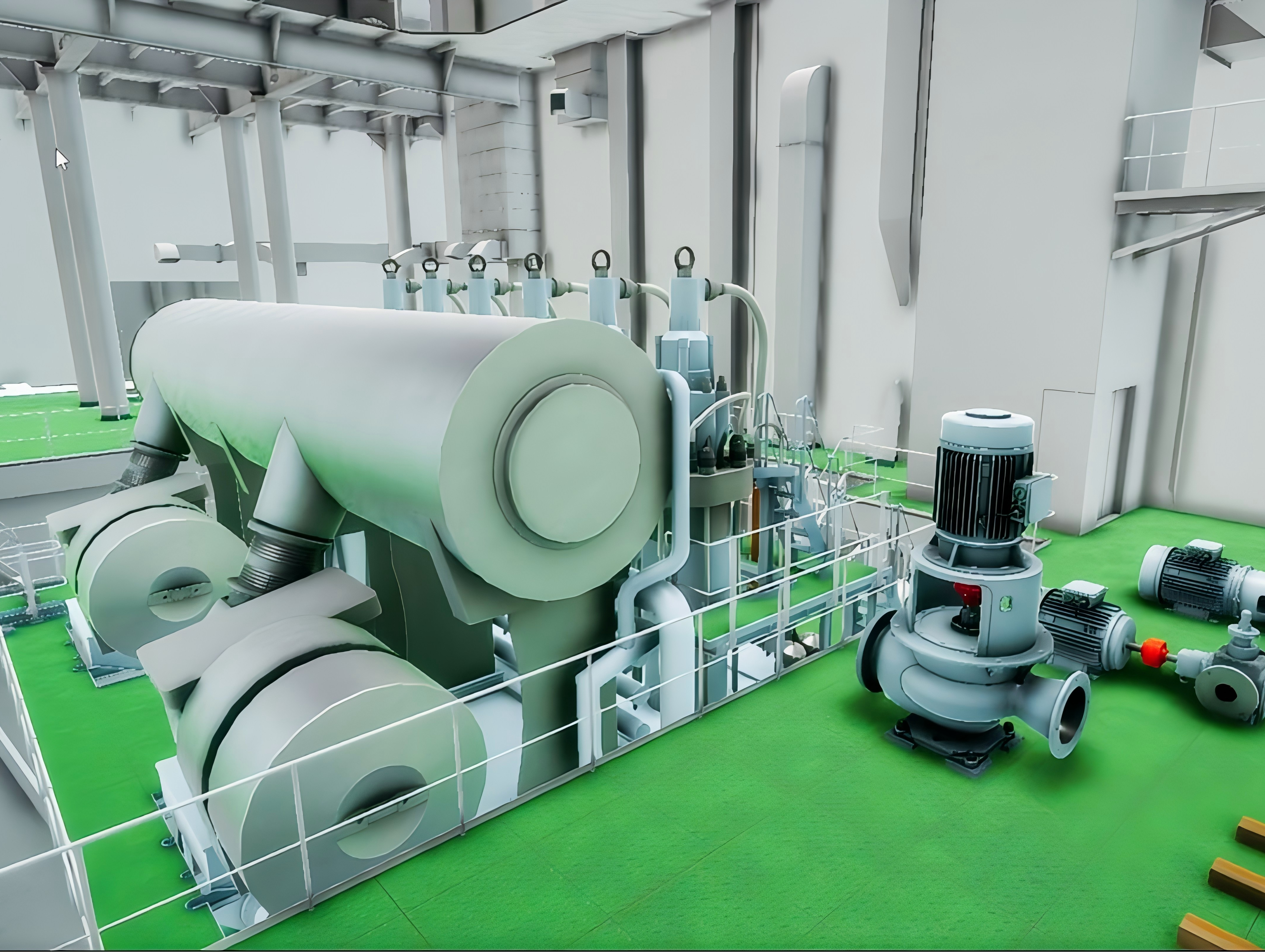
Traditional training relies heavily on onboard experience. Junior engineers learn by working alongside senior officers on live machinery. While this mentorship is valuable, it exposes trainees to significant risks. A mistake during generator synchronization or main engine maneuvering can result in equipment damage, costly downtime, or even personnel injury. The marine engine room simulator eliminates this risk entirely. Trainees can make mistakes, trigger catastrophic failures, and learn from errors without any real-world consequences. A full mission engine room simulator allows instructors to introduce dangerous scenarios—such as crankcase explosions or cooling water failures—that would be impossible to replicate safely on an actual vessel. This risk-free environment accelerates learning while protecting both personnel and assets.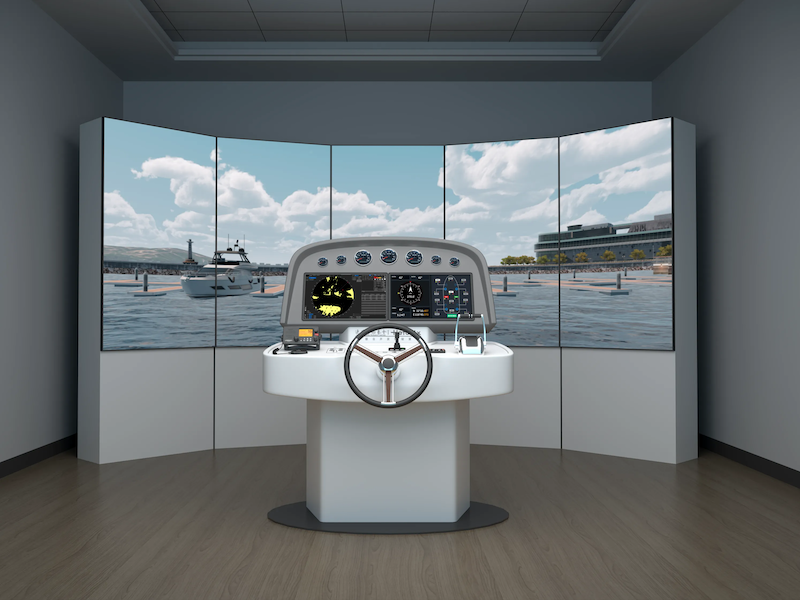
Repetition and Skill Reinforcement
Traditional training offers limited opportunities for repetition. A junior engineer may encounter a specific machinery fault only once during an entire sea tour, and the opportunity to practice the response is fleeting. In contrast, an engine ship simulator allows unlimited repetition. Trainees can practice emergency procedures dozens of times until responses become instinctive. A Ship Engine Room Simulator enables instructors to repeat specific scenarios with variations, reinforcing correct procedures and building muscle memory. This repetition is critical for developing the automatic responses required during high-stress emergencies. Hefonix’s simulation platforms are designed to facilitate this iterative learning process, ensuring that engineers graduate with deeply ingrained procedural knowledge.
Scenario Diversity and Complexity
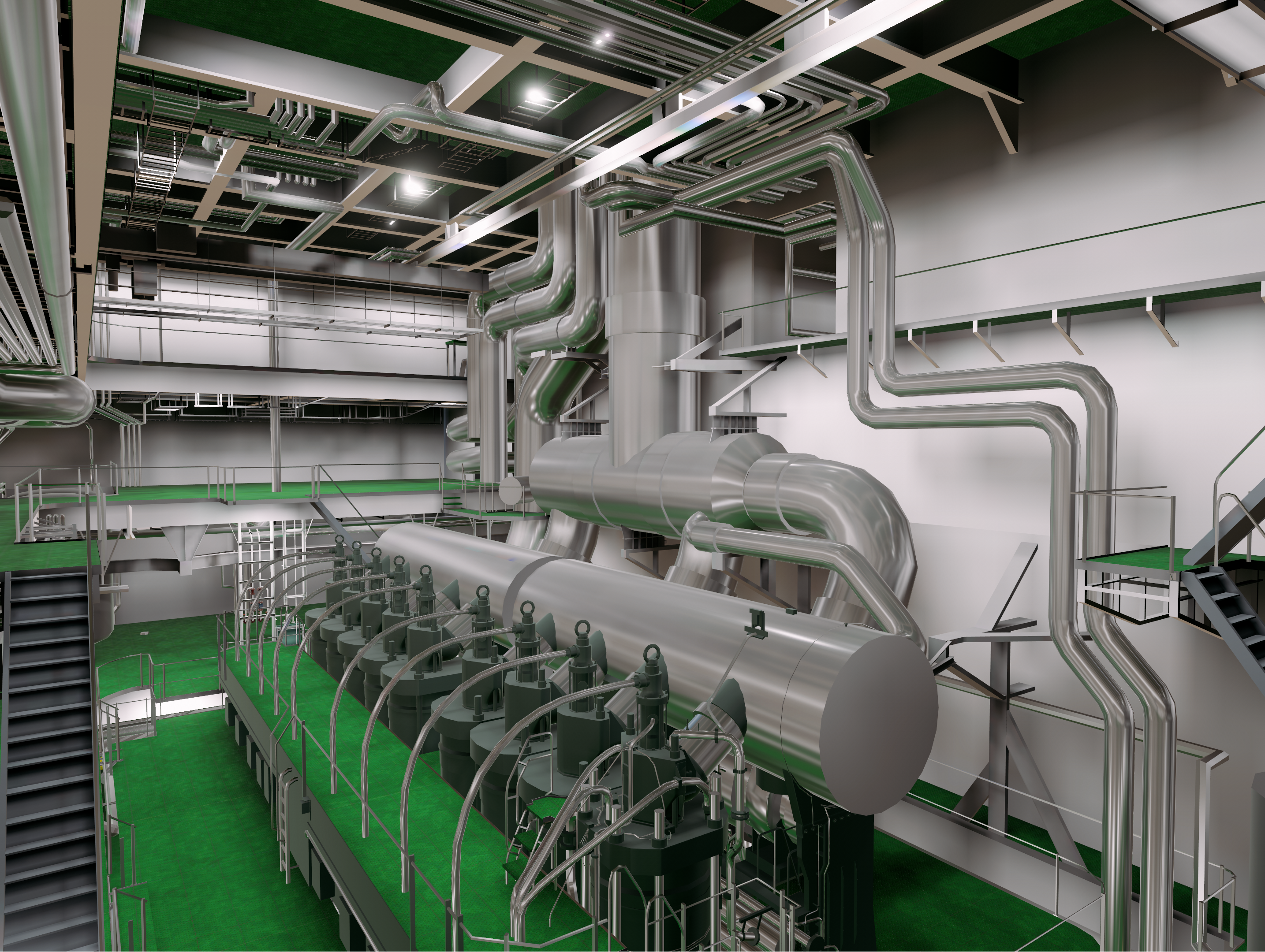
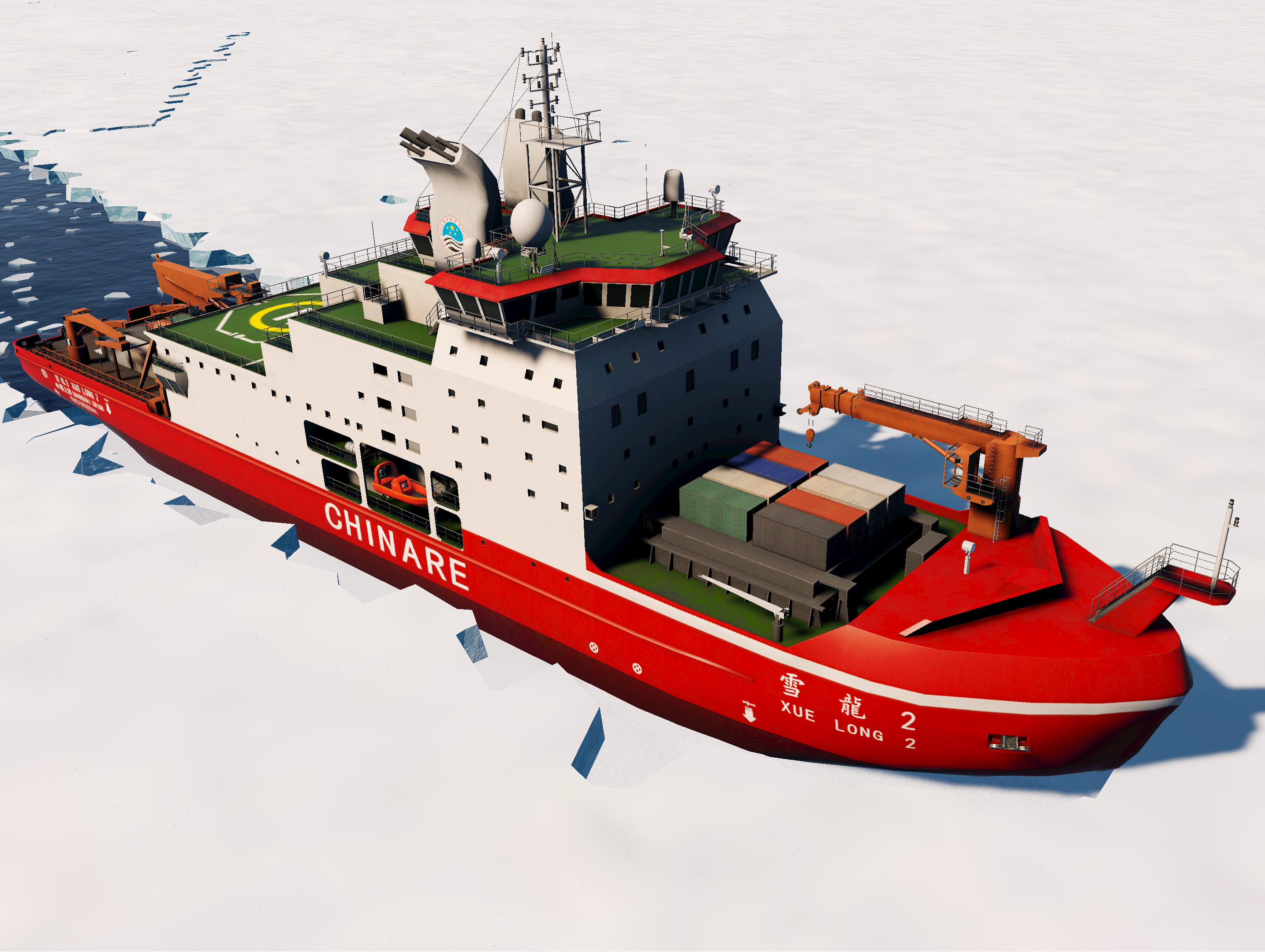
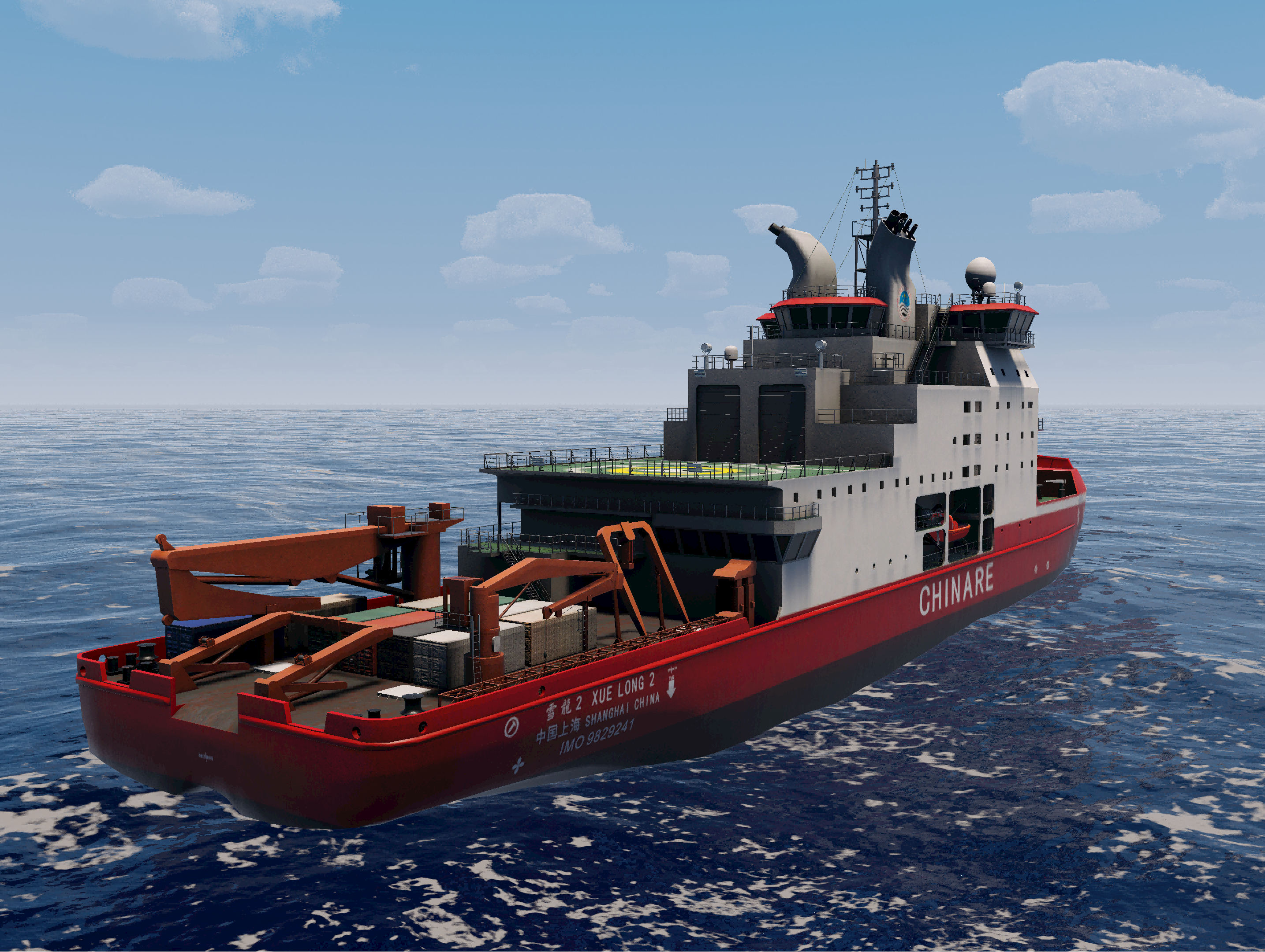
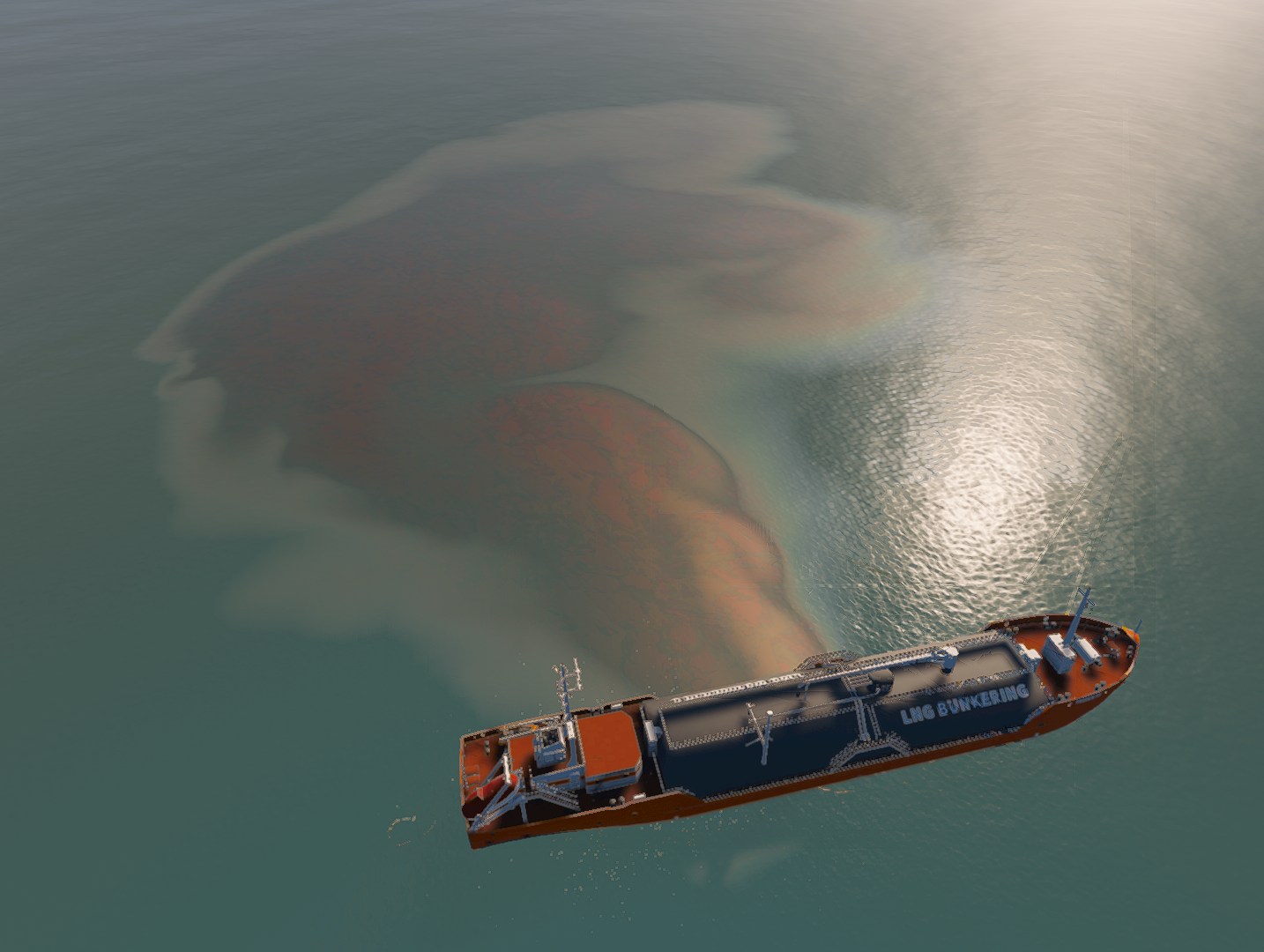
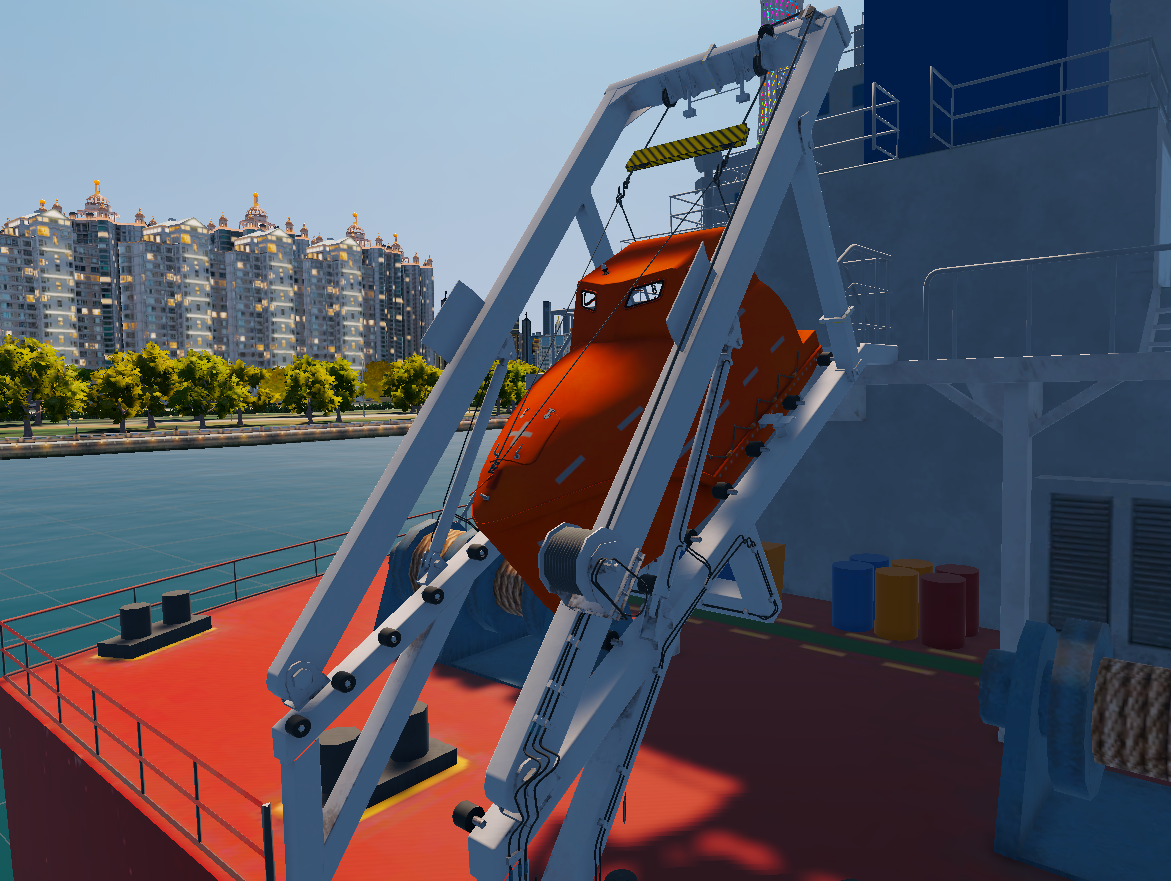
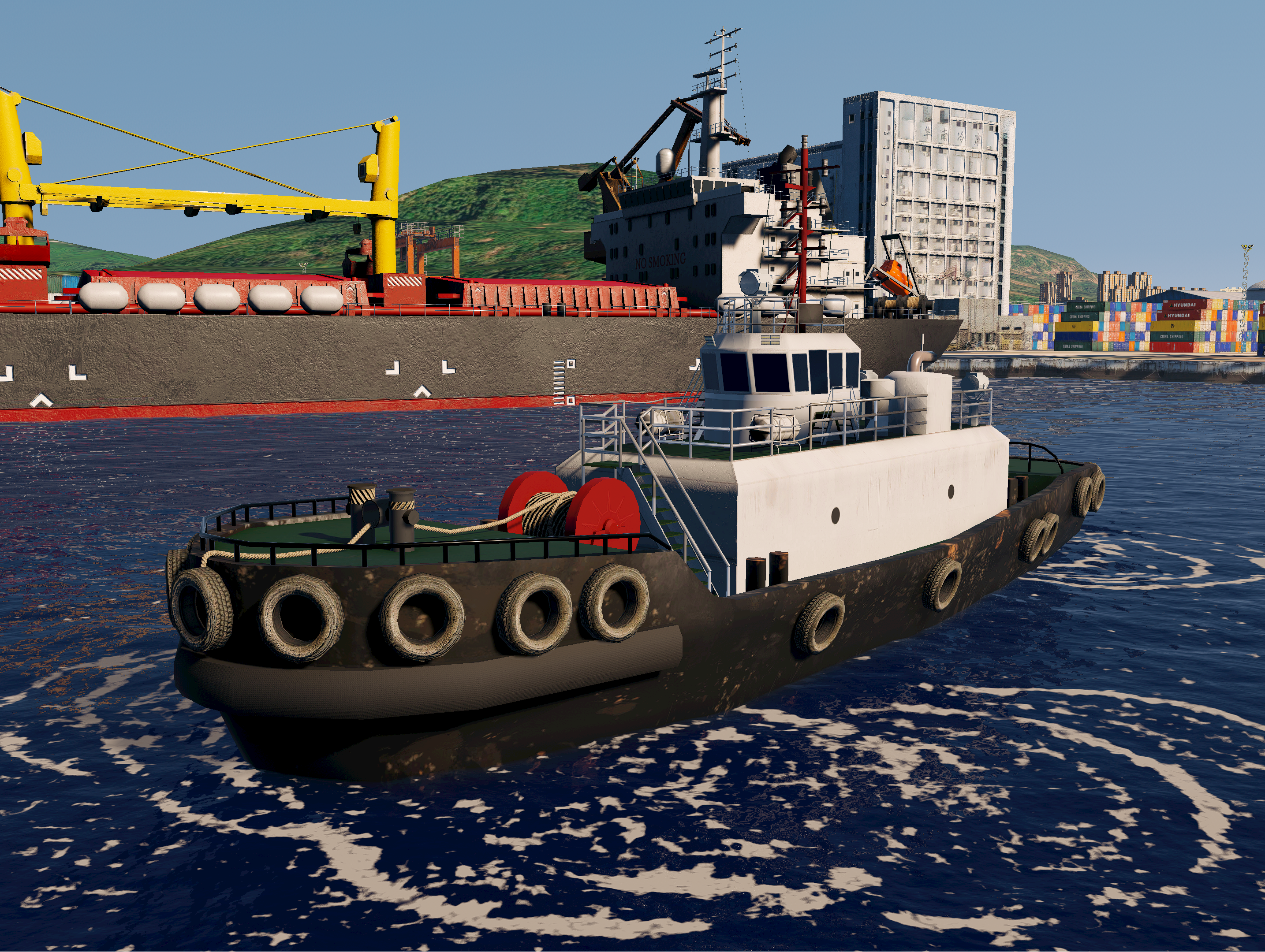
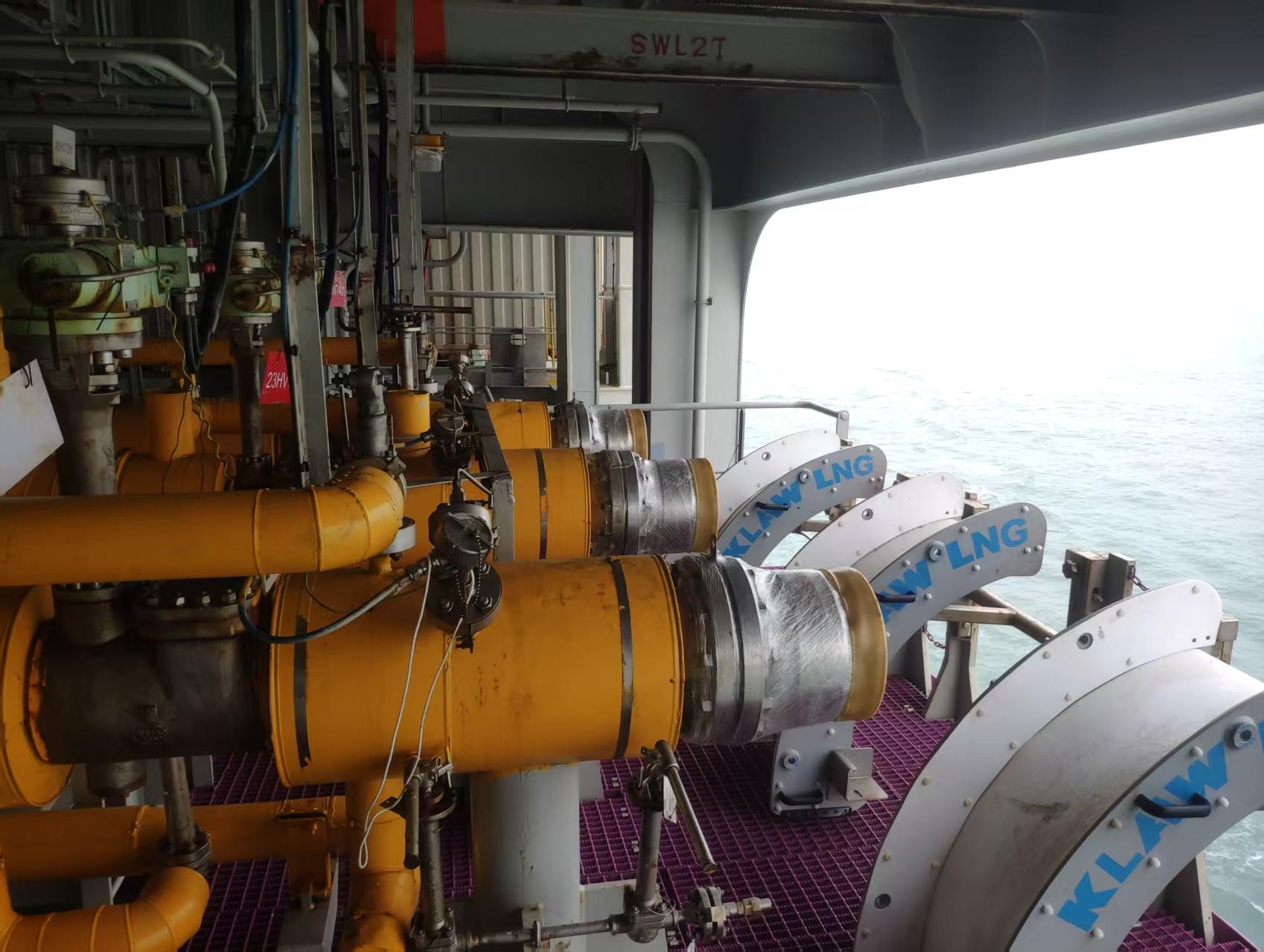
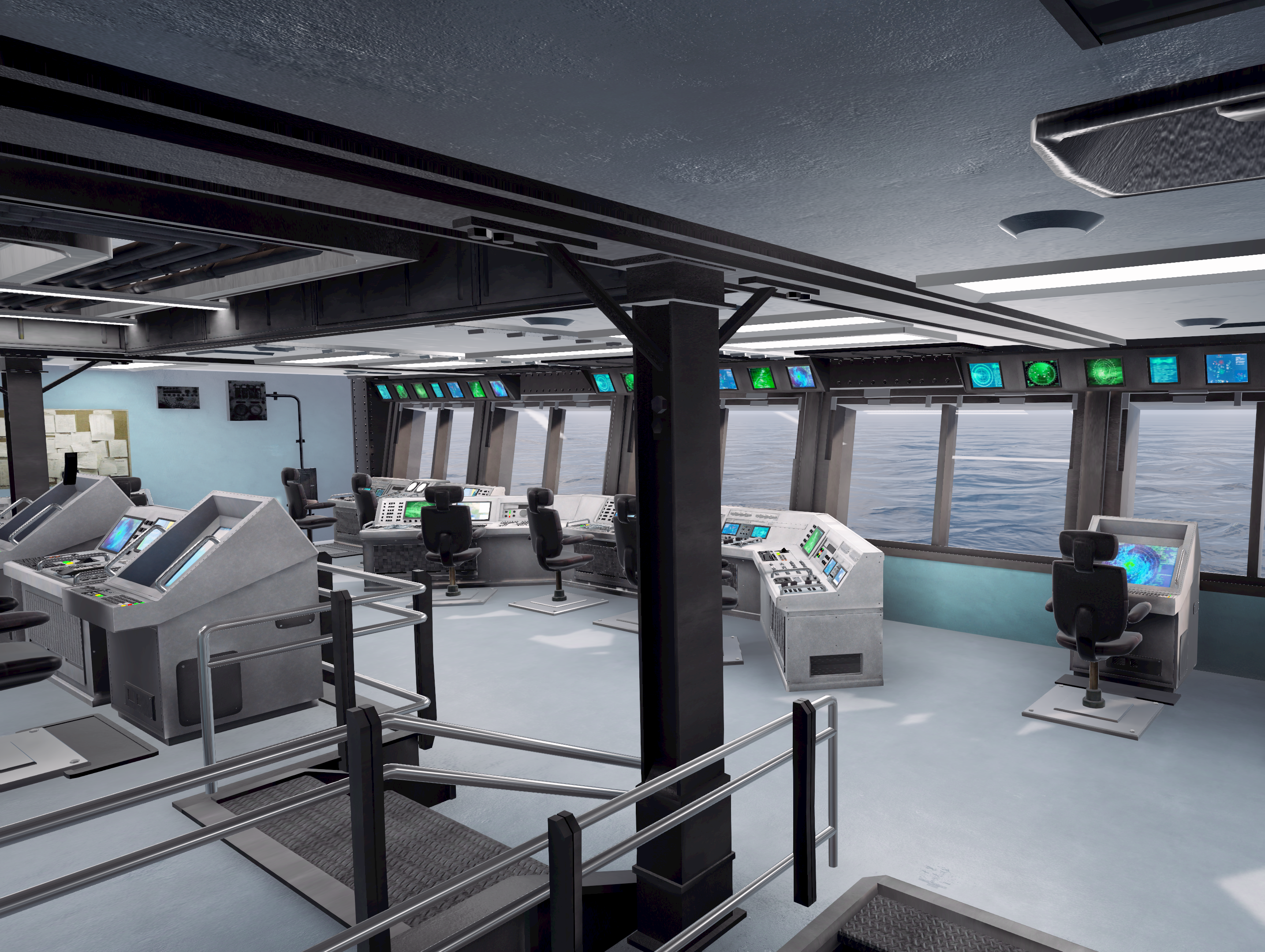
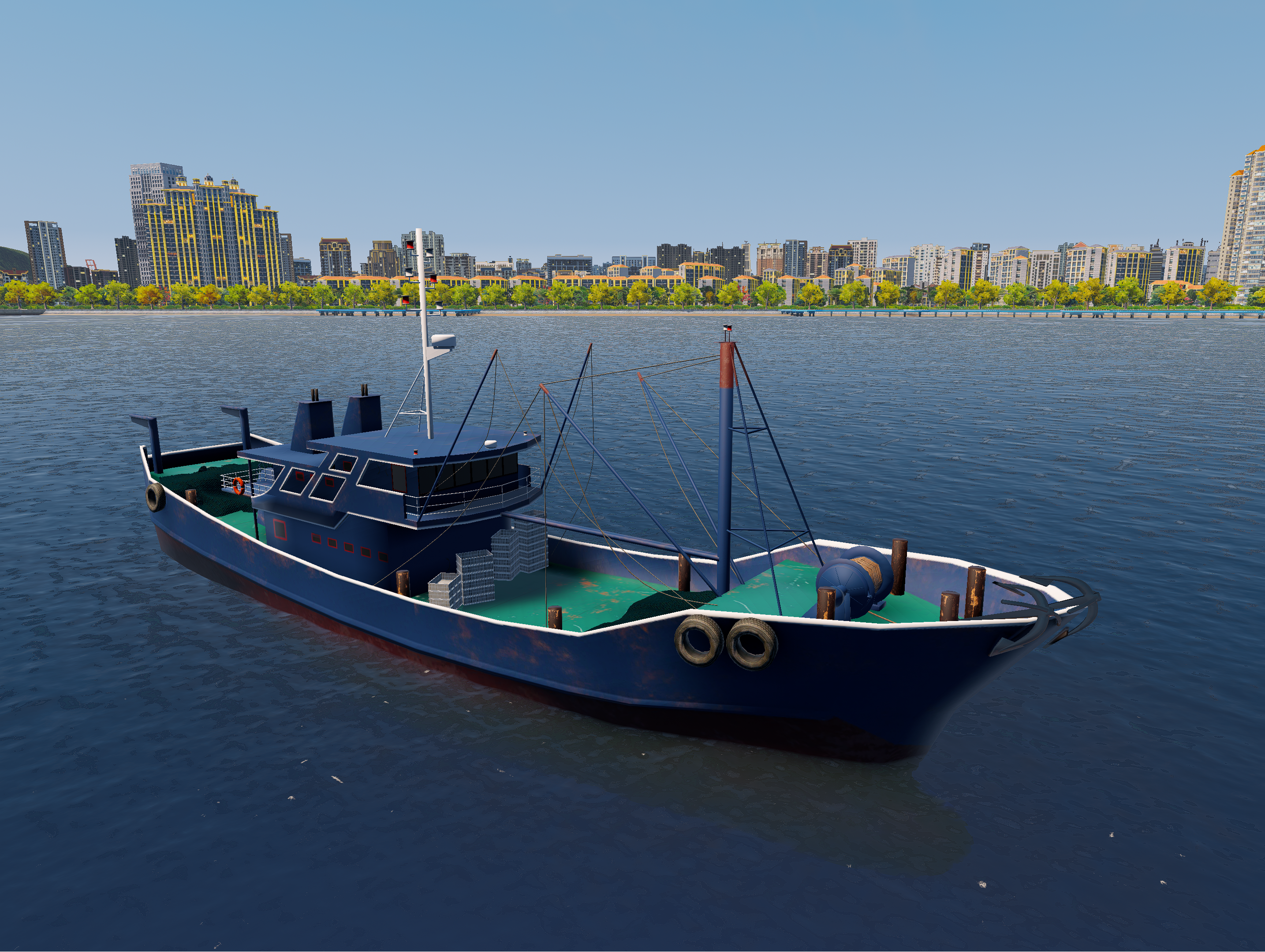
Traditional onboard training is limited by the vessel’s operational profile. If the ship never experiences a blackout or a turbocharger surge, the trainee will never practice responding to those events. Traditional methods also struggle to expose trainees to diverse vessel types and propulsion configurations. A marine engine room simulator overcomes these limitations by offering virtually unlimited scenario diversity. Instructors can create custom scenarios ranging from routine watchkeeping to complex machinery failures. A full mission engine room simulator can replicate different vessel types—from container ships to LNG carriers—allowing trainees to gain experience across multiple platforms without ever changing ships. This breadth of exposure produces engineers who are adaptable and prepared for varied assignments.
Assessment and Feedback Quality
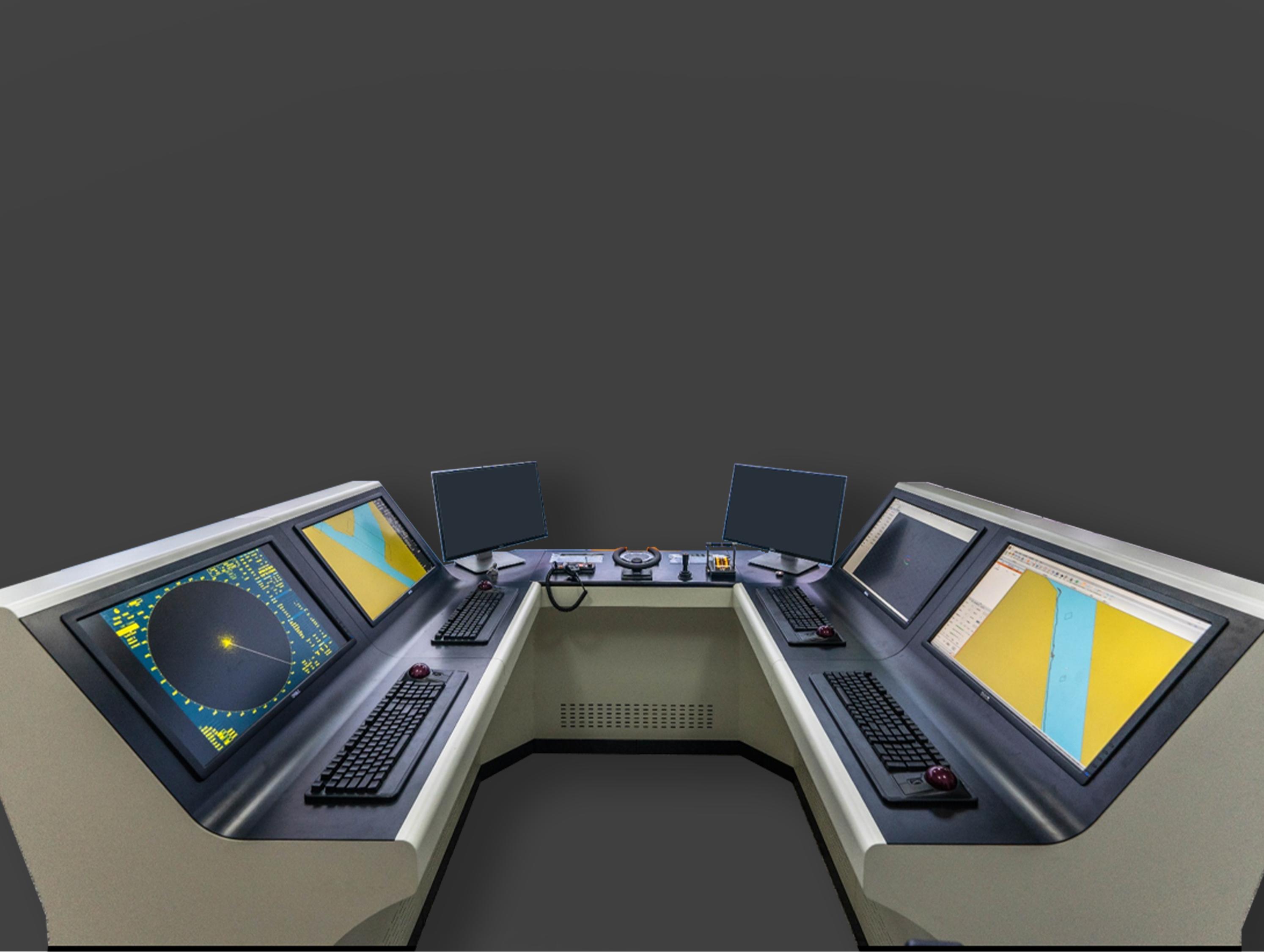
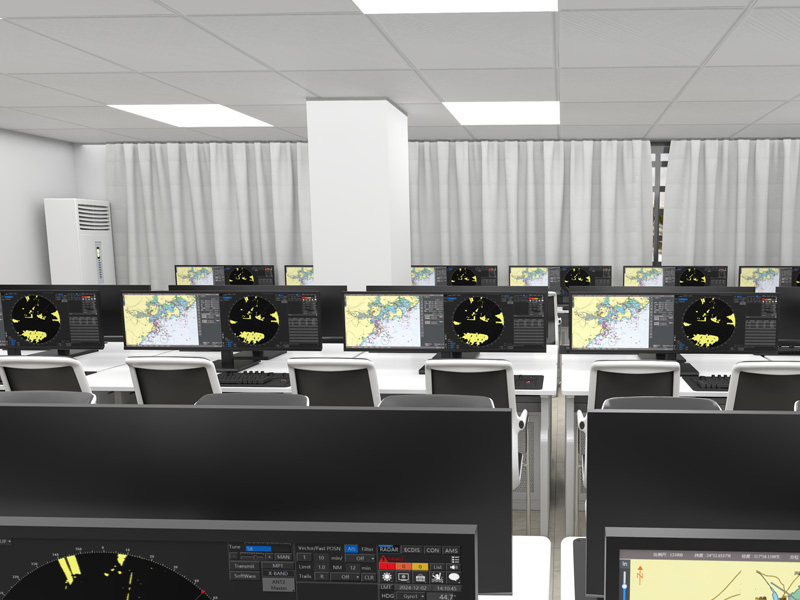
Traditional training relies heavily on subjective assessment. A senior engineer’s evaluation of a junior’s competence is based on observation during routine operations. This assessment can be inconsistent and may miss critical gaps in knowledge. Simulation transforms assessment into an objective, data-driven process. Every action taken on an engine ship simulator is logged and timestamped. Instructors can review detailed logs, replay scenarios, and provide specific feedback on decision-making, timing, and procedural accuracy. A Ship Engine Room Simulator equipped with debriefing tools allows for thorough after-action reviews that identify precisely where improvements are needed. Hefonix integrates these assessment capabilities as part of its comprehensive solution approach, enabling training centers to deliver measurable competency outcomes.
Cost and Resource Efficiency
Traditional training is resource-intensive. Onboard training requires dedicated berths, consumes fuel, and places wear on actual machinery. Instructors must take time away from operational duties to mentor trainees. These costs add up significantly across a fleet. A marine engine room simulator offers dramatic efficiency gains. Once installed, the operational cost per training hour is minimal. Multiple trainees can cycle through scenarios without consuming fuel or accumulating machinery hours. A full mission engine room simulator can operate continuously, supporting training around the clock. For shipping companies, this translates to faster competency development with lower operational impact. Hefonix’s focus on R&D ensures that its simulation platforms deliver maximum educational value while minimizing total cost of ownership.
Adaptability to Evolving Industry Needs
The maritime industry is evolving rapidly. Alternative fuels such as methanol and ammonia are entering the fleet, and automation systems are becoming increasingly sophisticated. Traditional training struggles to keep pace because new technologies take years to proliferate across operational vessels. Simulation offers a solution. An engine ship simulator can be updated with new models for emerging technologies before they enter widespread service. A marine engine room simulator can prepare crews for alternative fuel systems, hybrid propulsion, and advanced automation years before they encounter these systems at sea. Hefonix’s commitment to understanding the evolving needs of the maritime industry ensures that its simulation platforms remain at the forefront of technological change.
The comparison between simulation and traditional training reveals clear advantages for the full mission engine room simulator. Safety, repetition, scenario diversity, objective assessment, cost efficiency, and adaptability all favor simulation-based approaches. However, this is not an either-or proposition. The most effective training programs integrate both methods, using simulation to build foundational competence before reinforcing skills through carefully structured onboard experience.
Hefonix has maintained a clear strategic focus as a comprehensive solution provider built upon R&D and services. By delivering advanced engine ship simulator, Engine Room Simulator, Ship Engine Room Simulator, marine engine room simulator, and full mission engine room simulator platforms, Hefonix empowers training institutions and shipping companies to modernize their approach. As the maritime industry faces increasing complexity, the shift toward simulation-based training is not just an improvement—it is a necessity for building the skilled workforce of tomorrow.