

Charting the Course of Maritime Education: The Comprehensive Role of Navigation Simulators
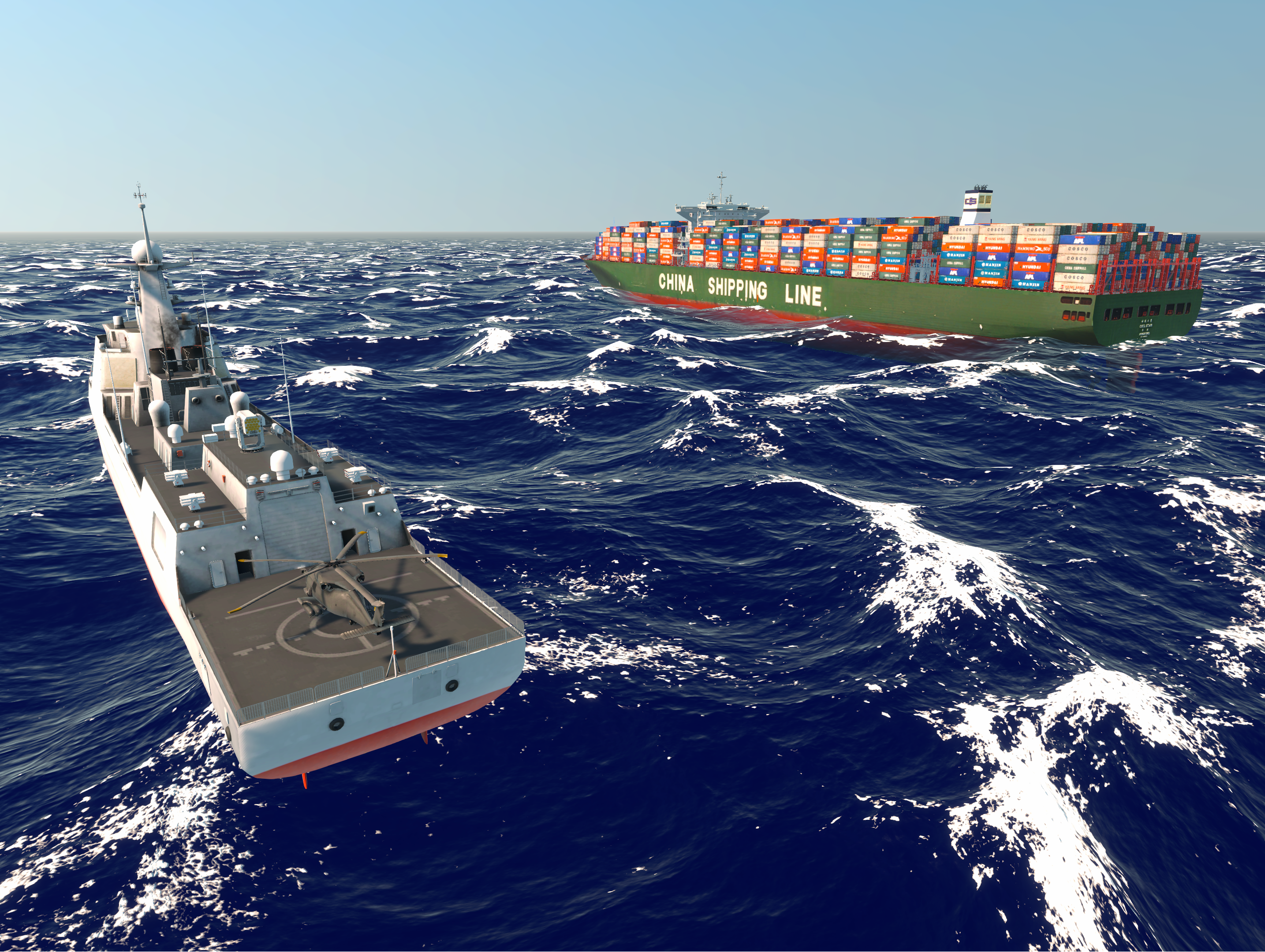
In the vast expanse of maritime operations, where safety and precision are paramount, the evolution of training methodologies has become inseparable from technological advancement. Central to this evolution is the navigation simulator, a sophisticated training tool that has revolutionized how mariners develop and refine essential skills. By creating controlled, realistic maritime environments, these systems allow for repeated practice of complex scenarios—from routine navigation to crisis response—without the risks associated with live training at sea.
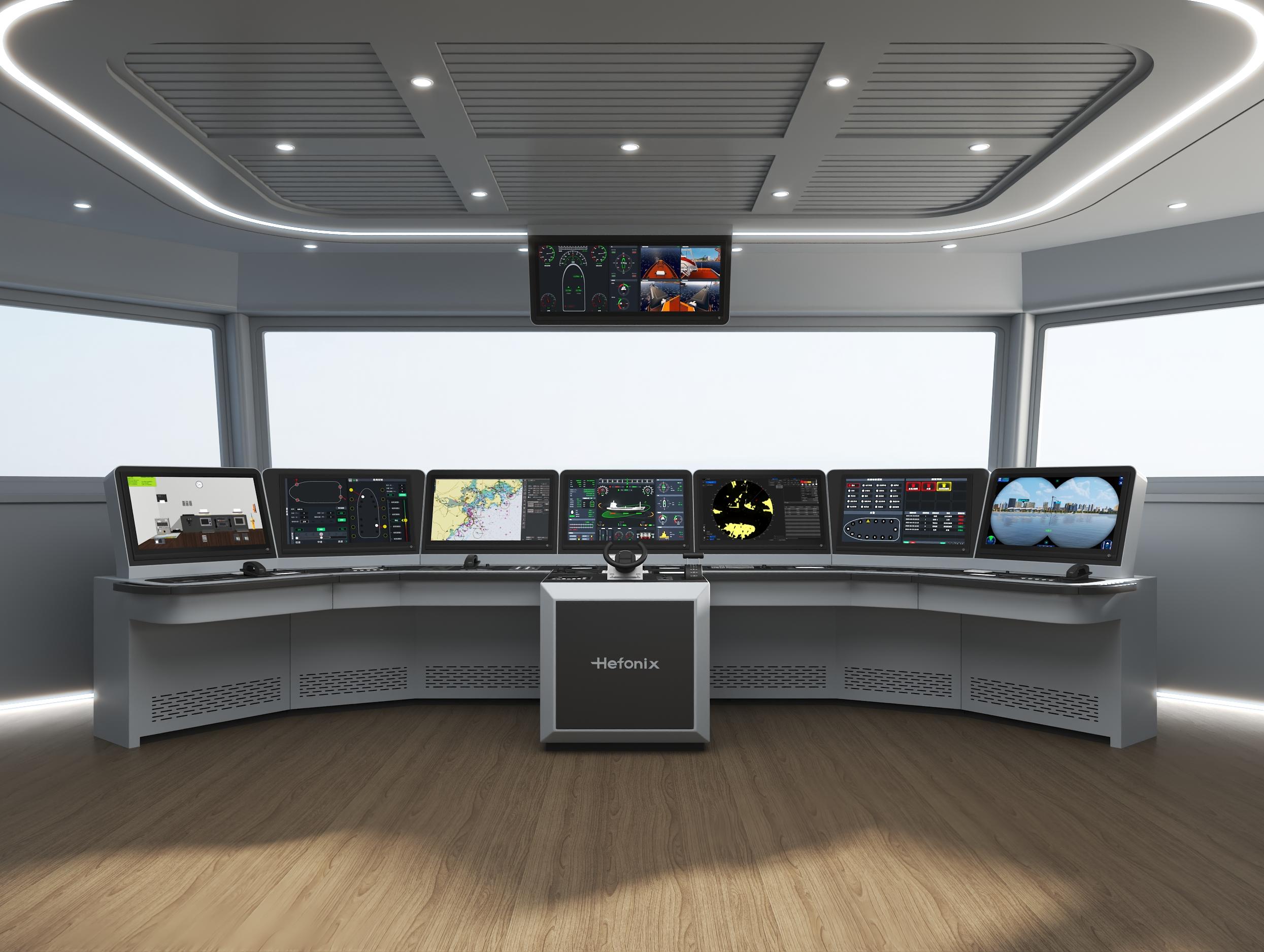
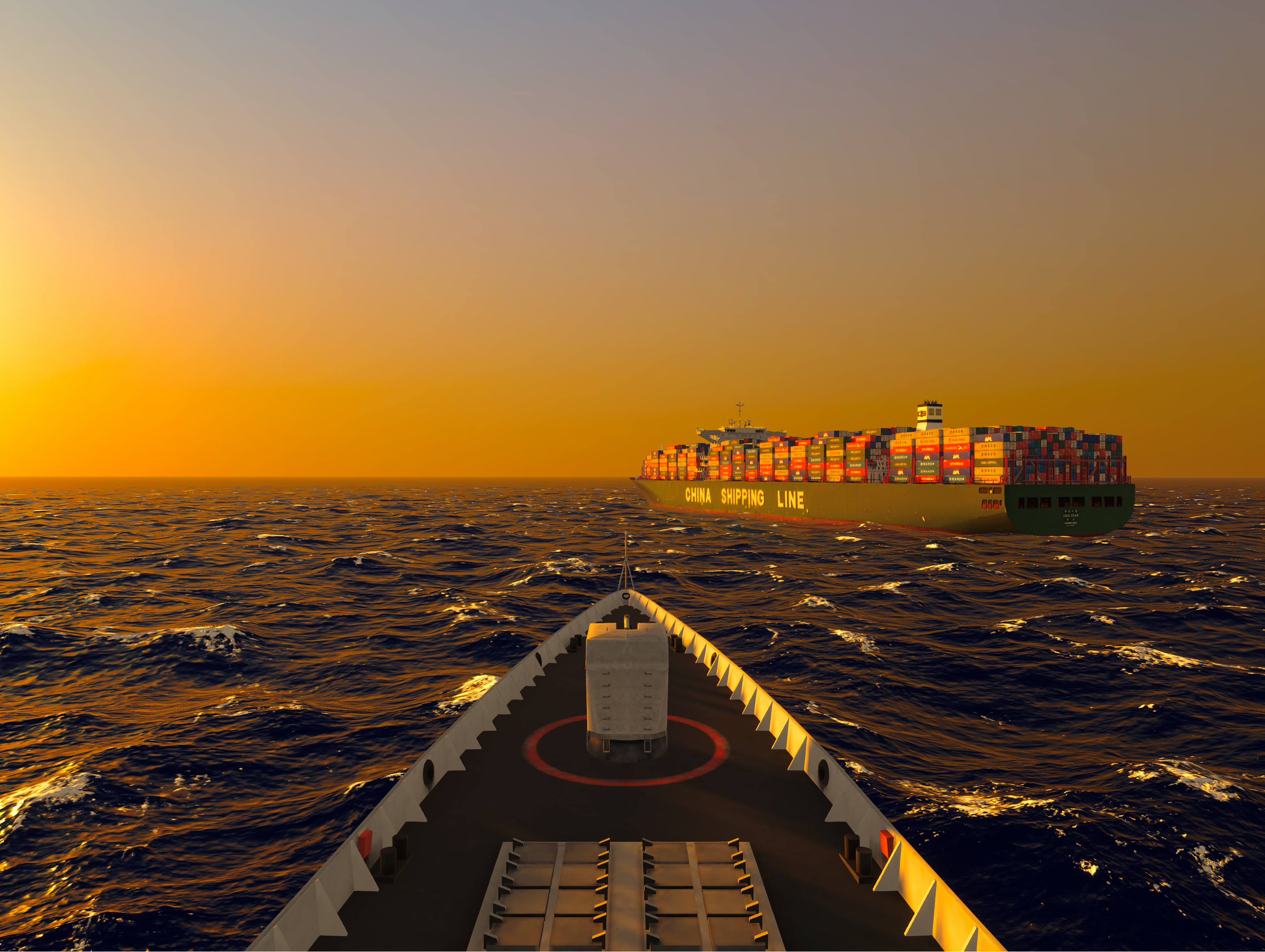
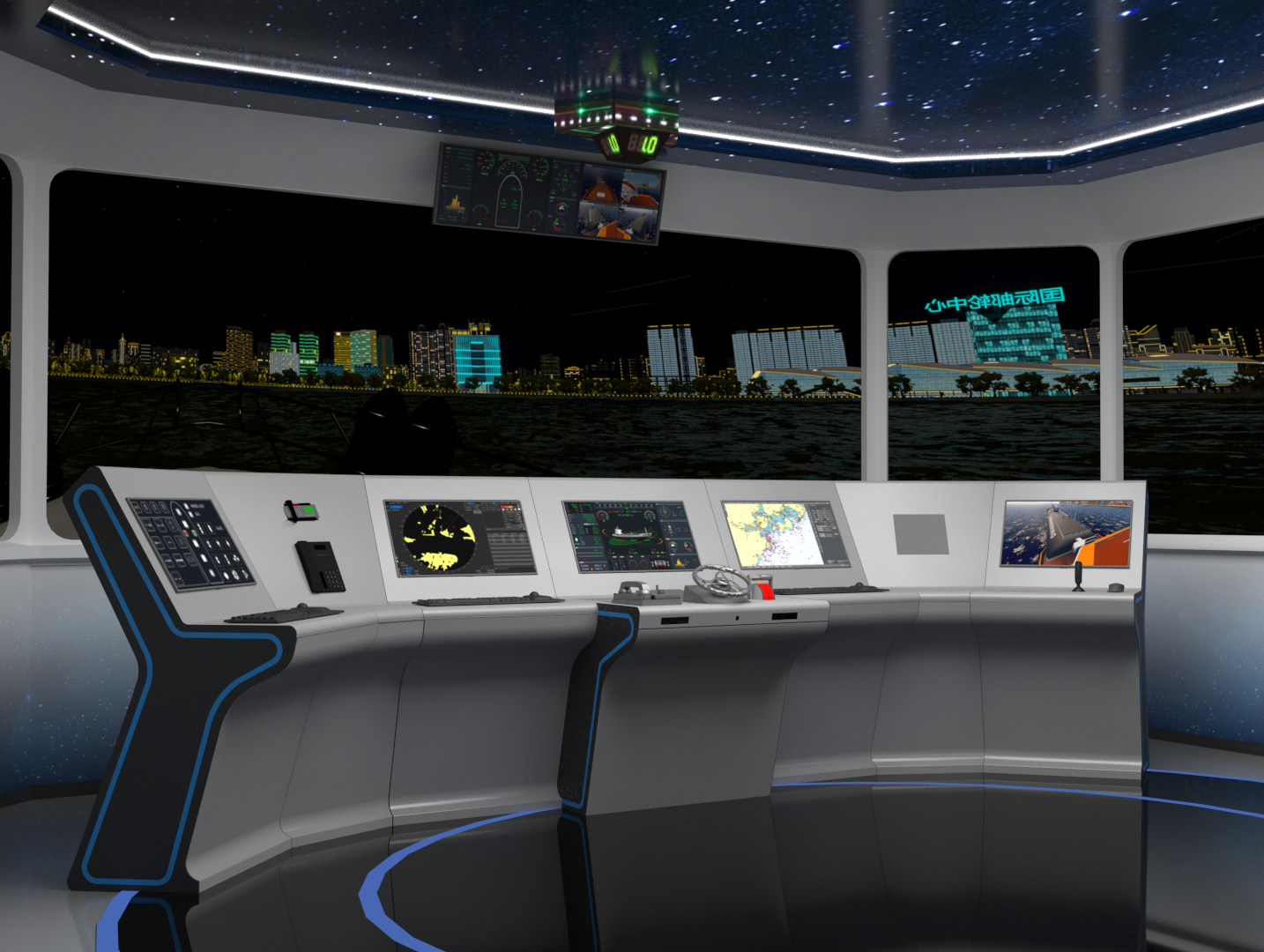
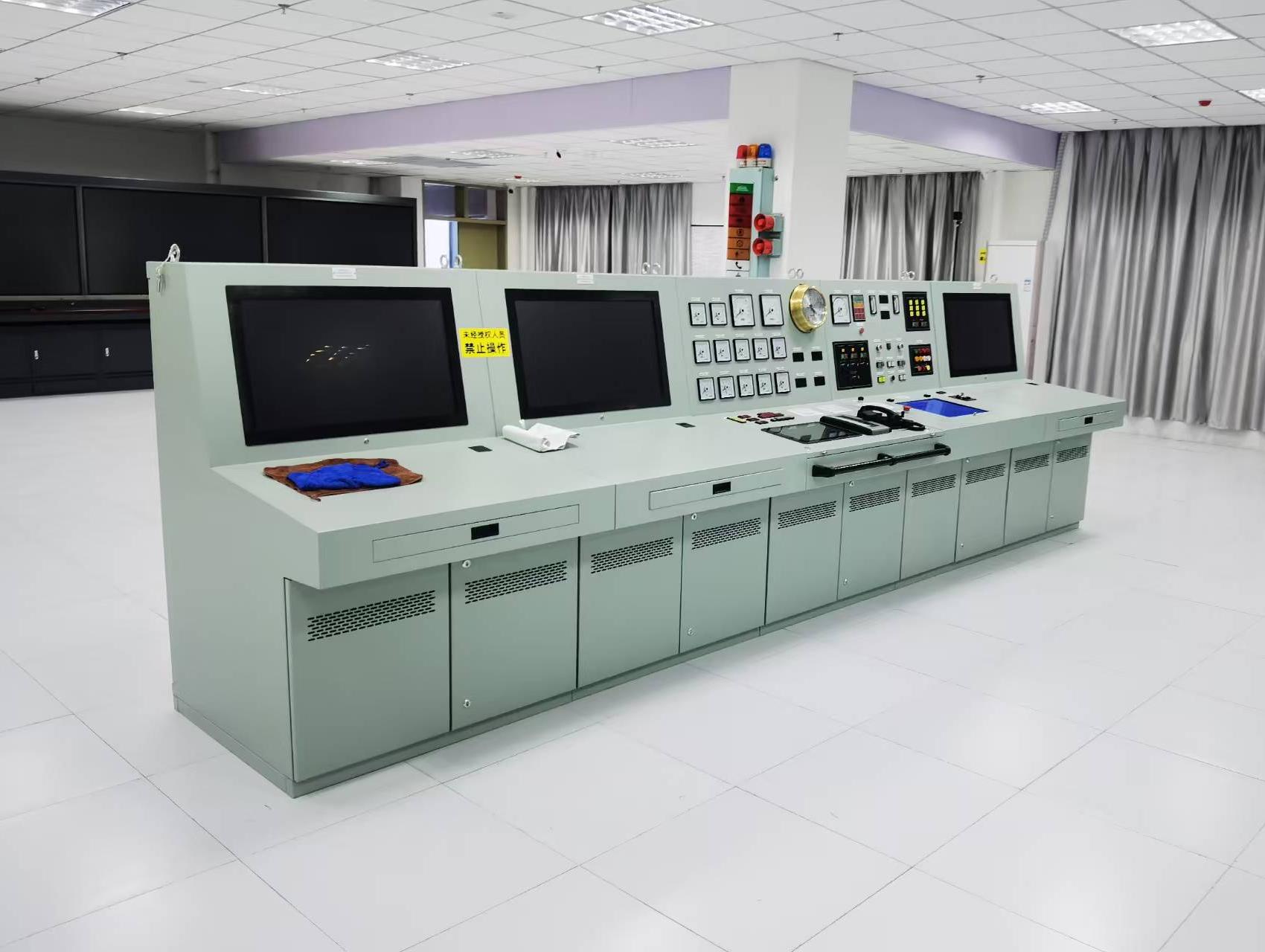
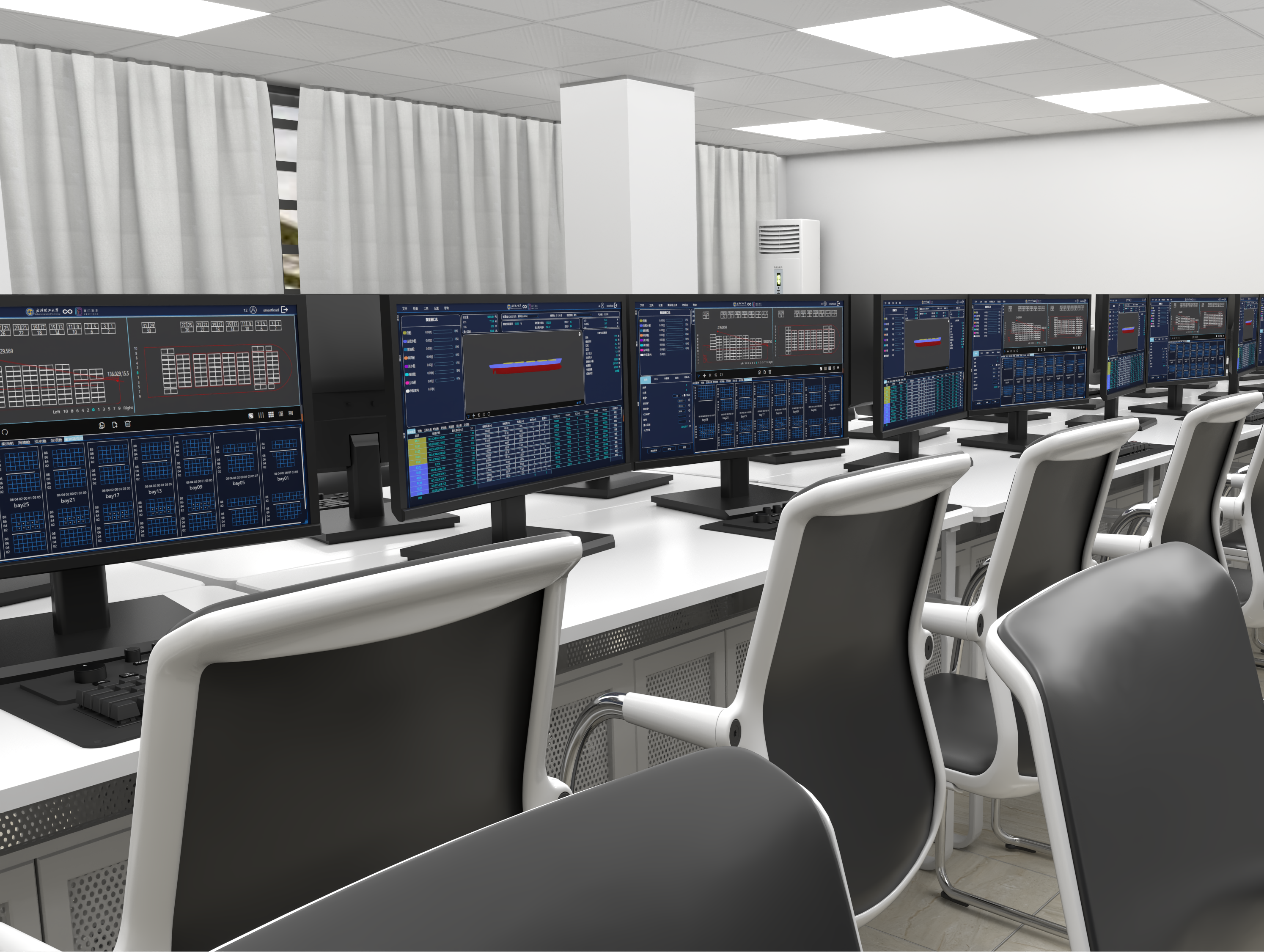
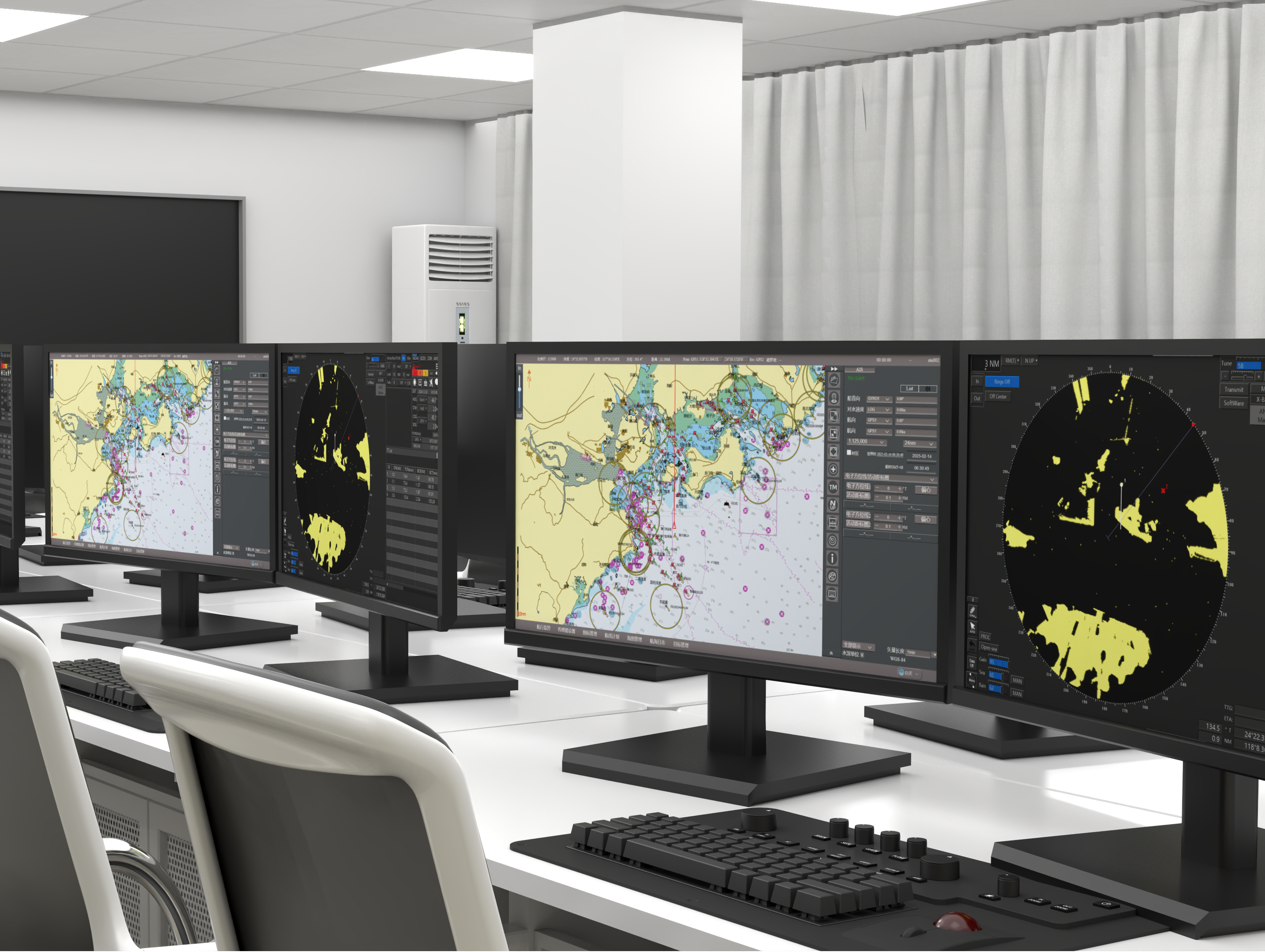
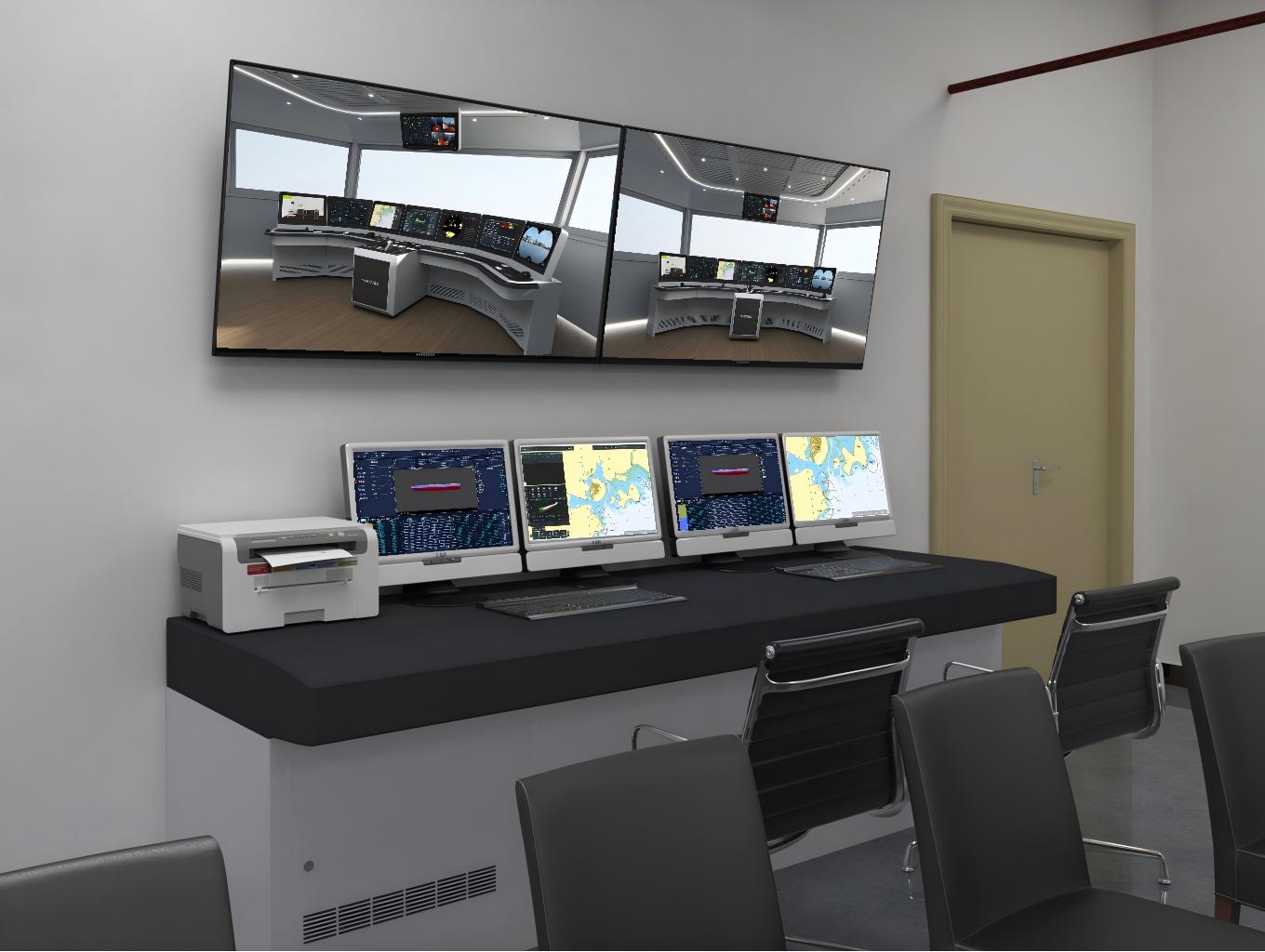
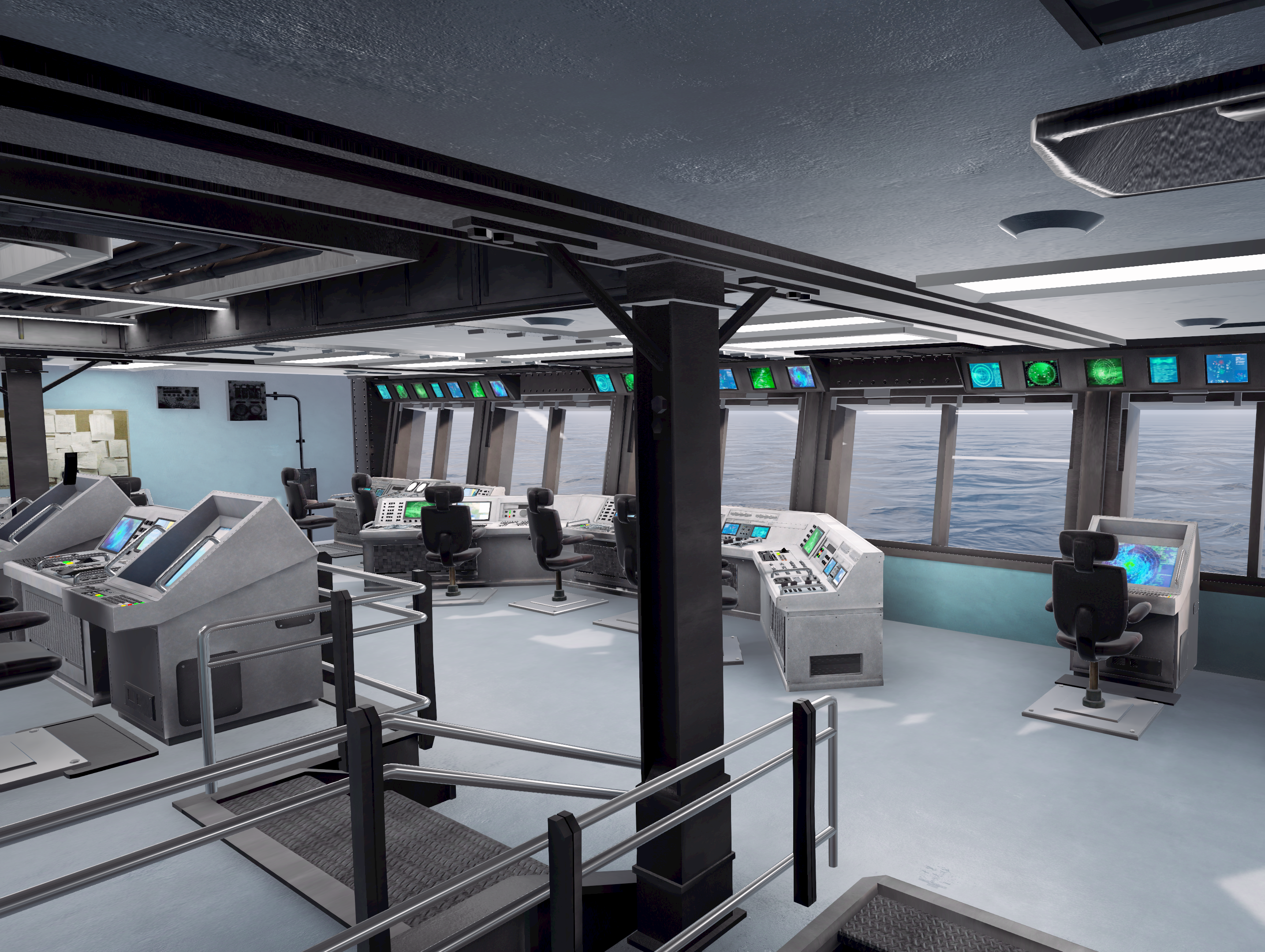
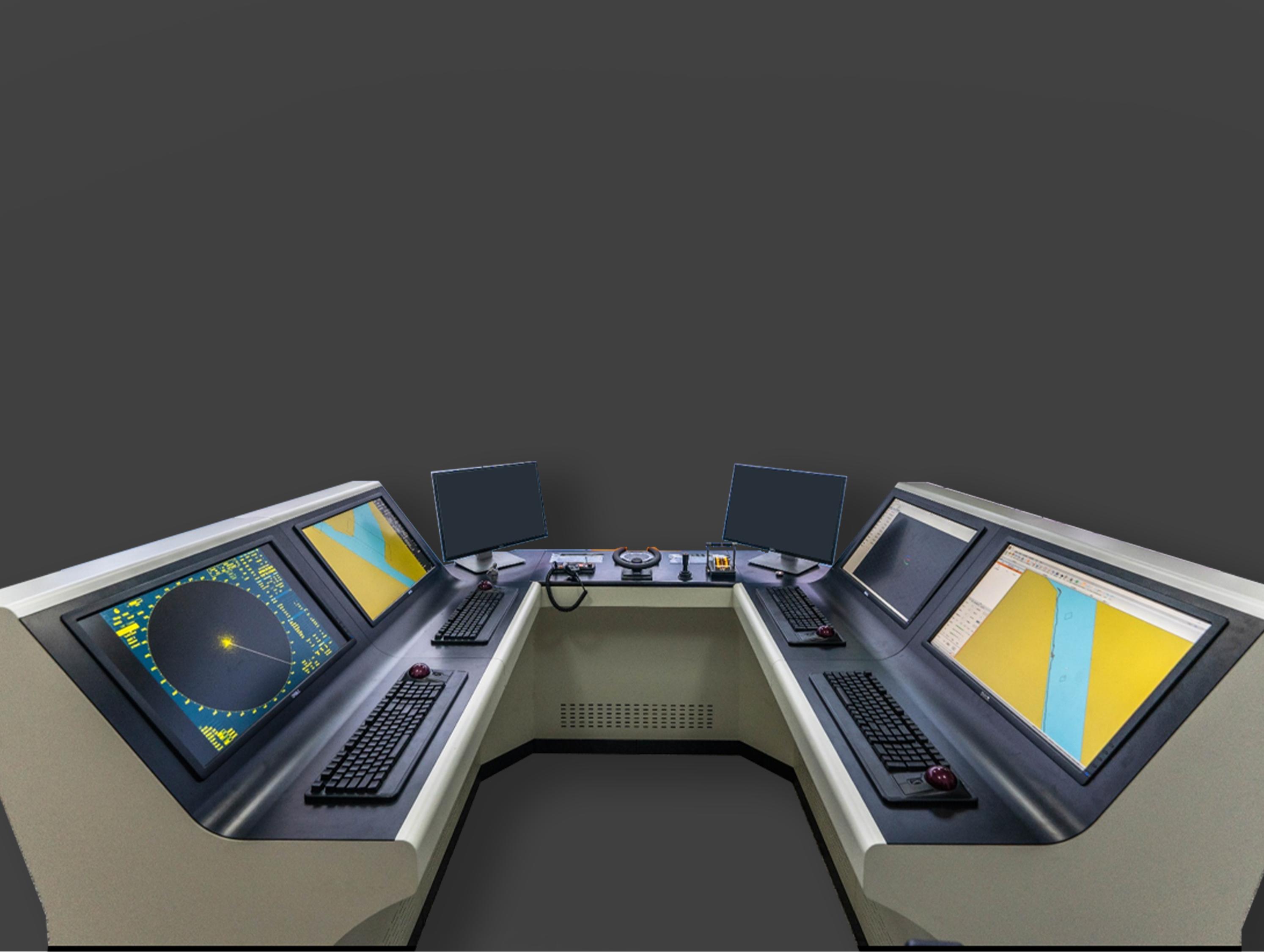
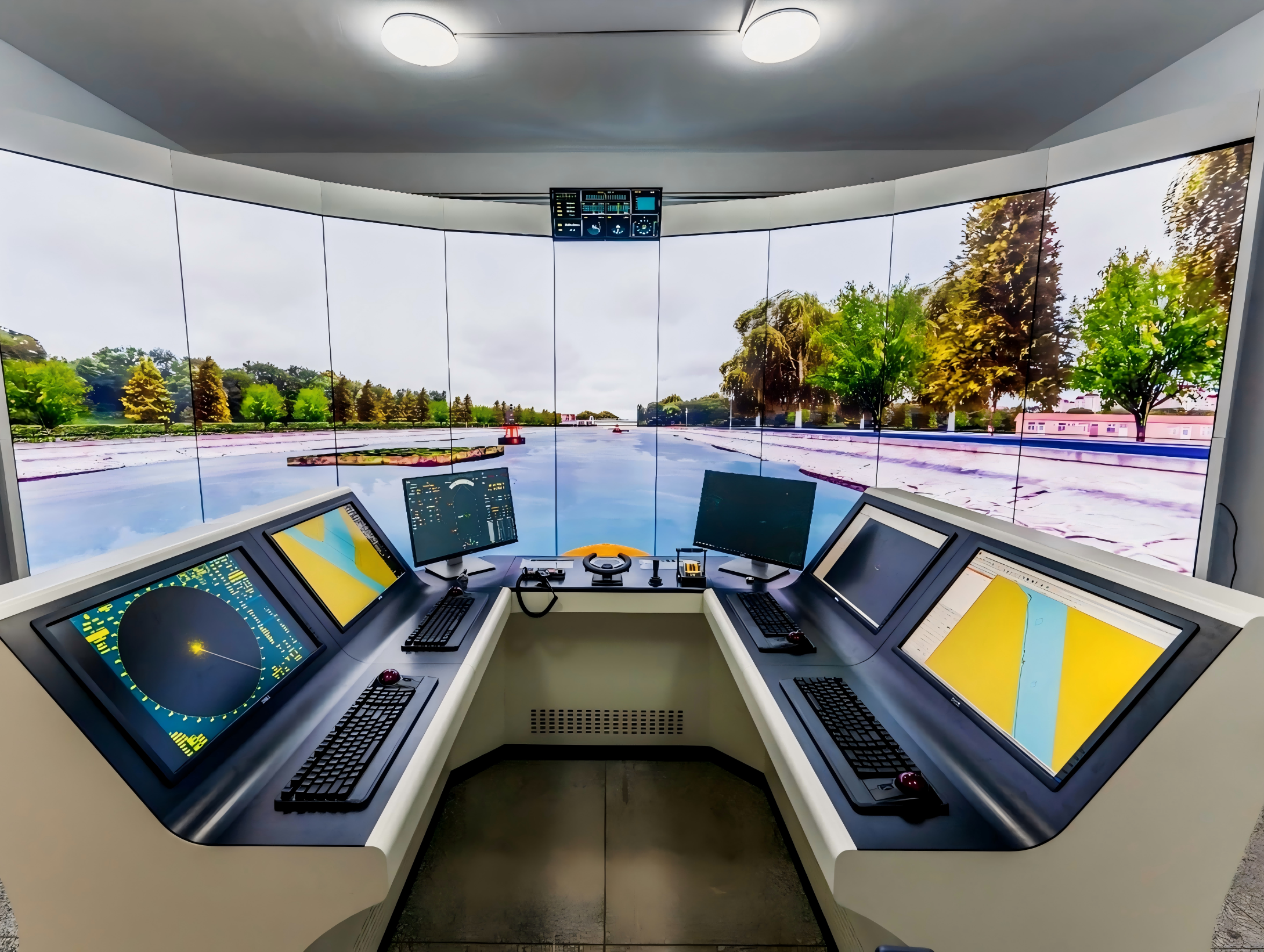
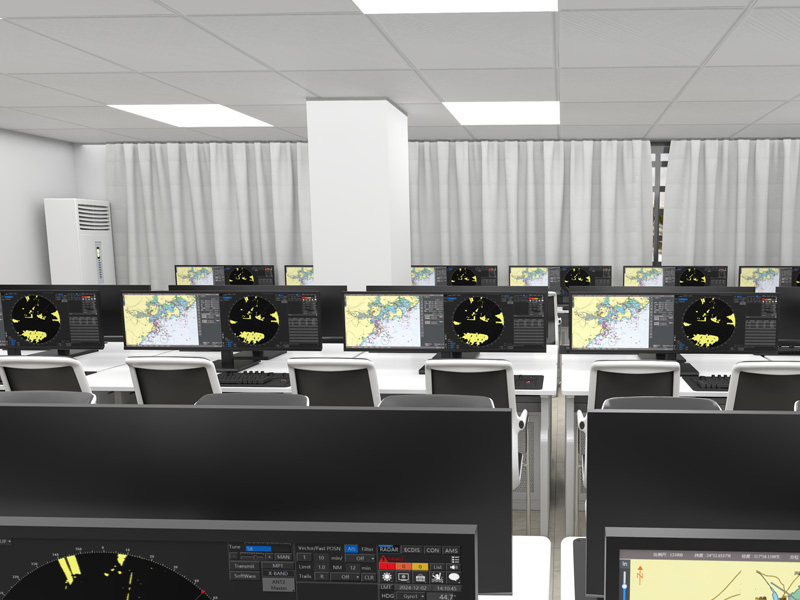
The ship navigation simulator represents the cornerstone of modern maritime education. Designed to emulate real-world bridge operations, it integrates high-fidelity visual systems, accurate hydrodynamic modeling, and realistic environmental conditions. Trainees using a ship navigation simulator can experience everything from coastal pilotage to open-ocean navigation, all while learning to operate advanced electronic systems such as ECDIS and radar. This hands-on approach bridges the gap between theoretical knowledge and practical application, fostering competency that is both deep and actionable. The result is a new generation of officers who are not only technically adept but also confident in their decision-making abilities.
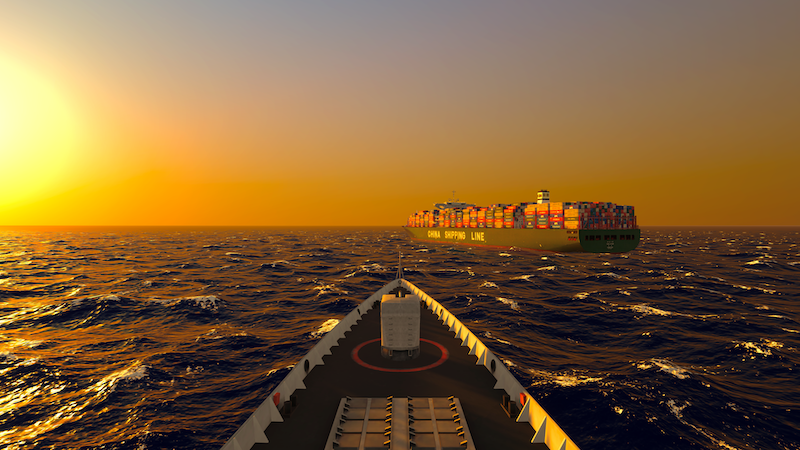
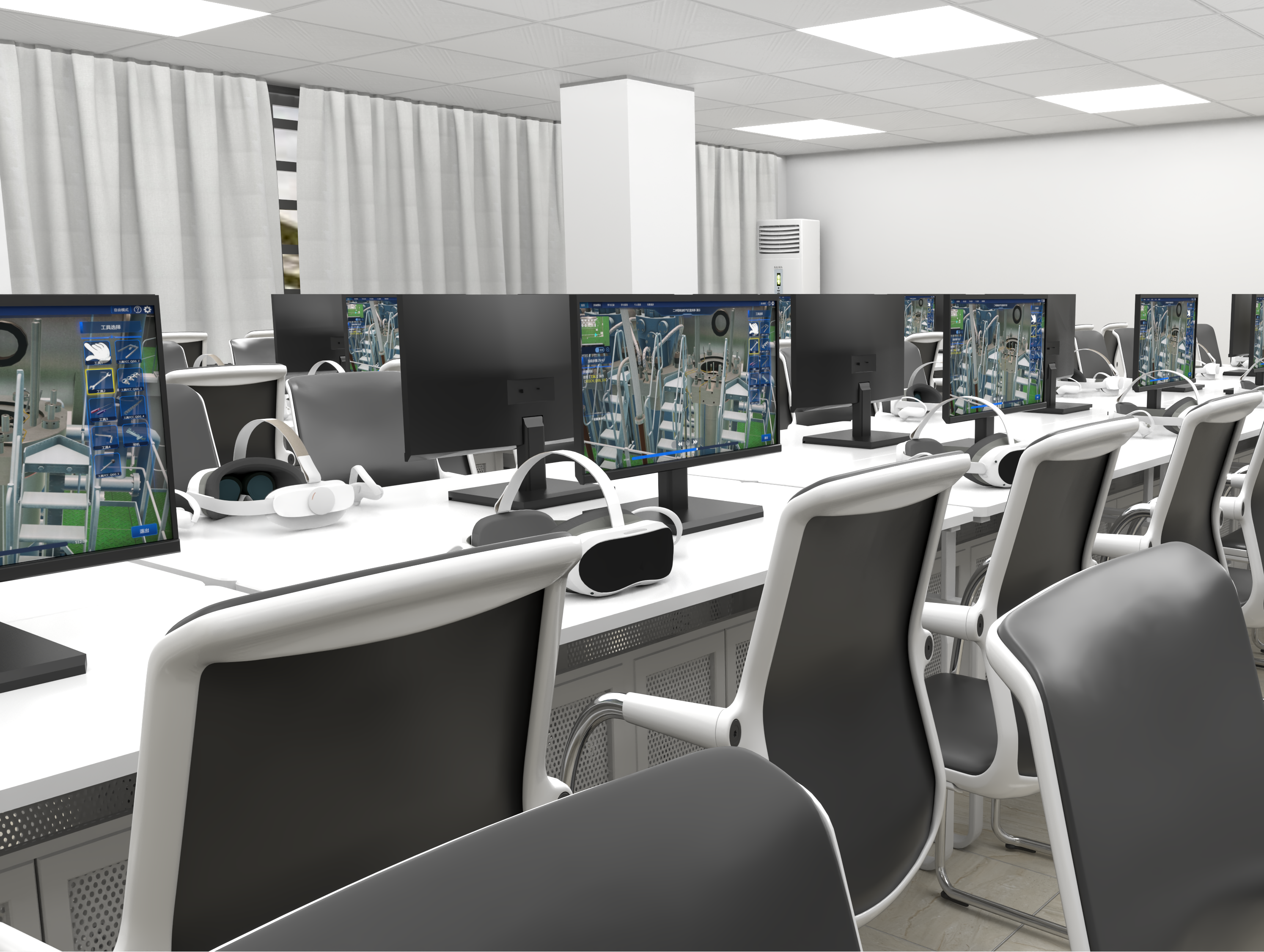
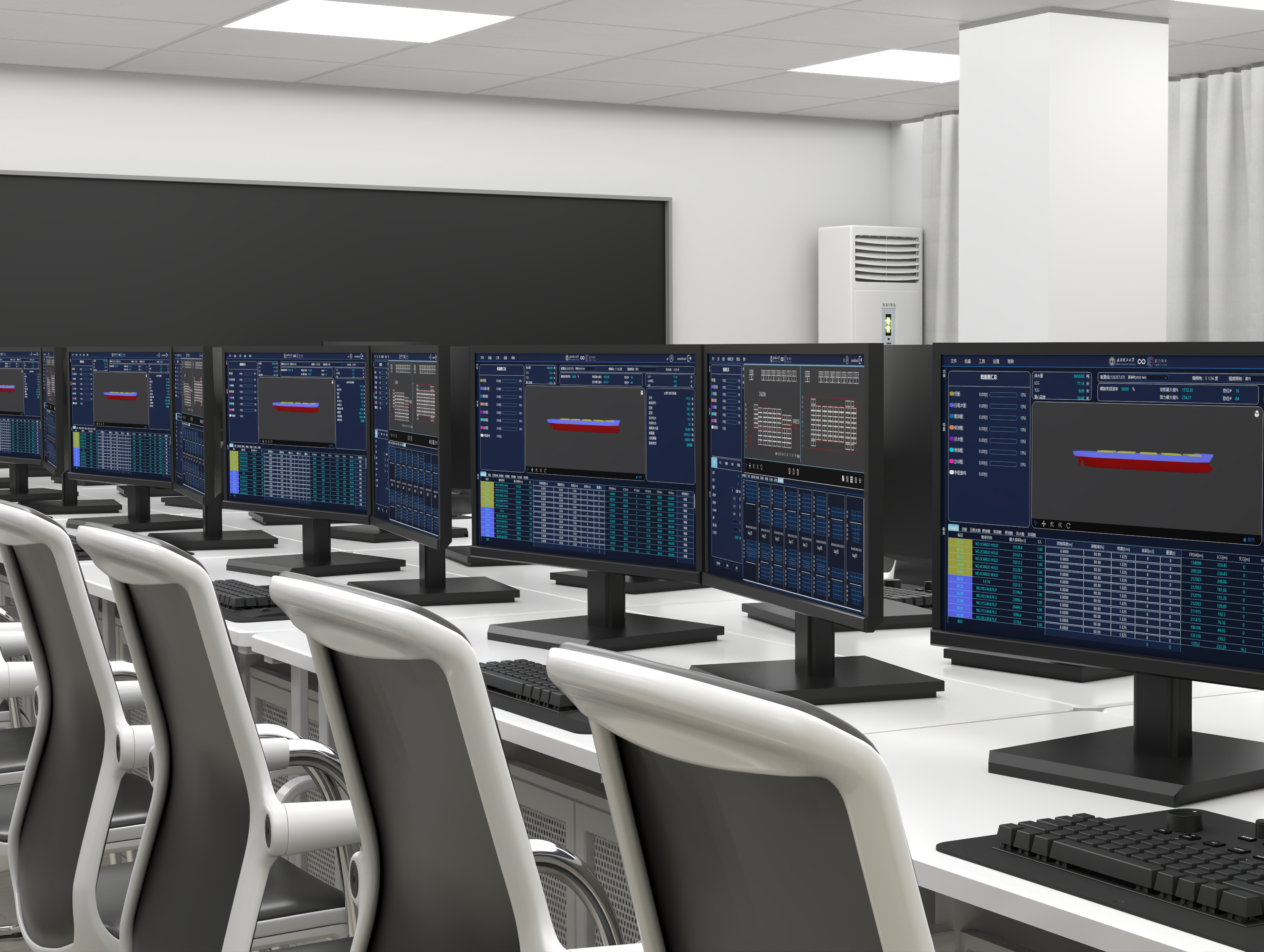
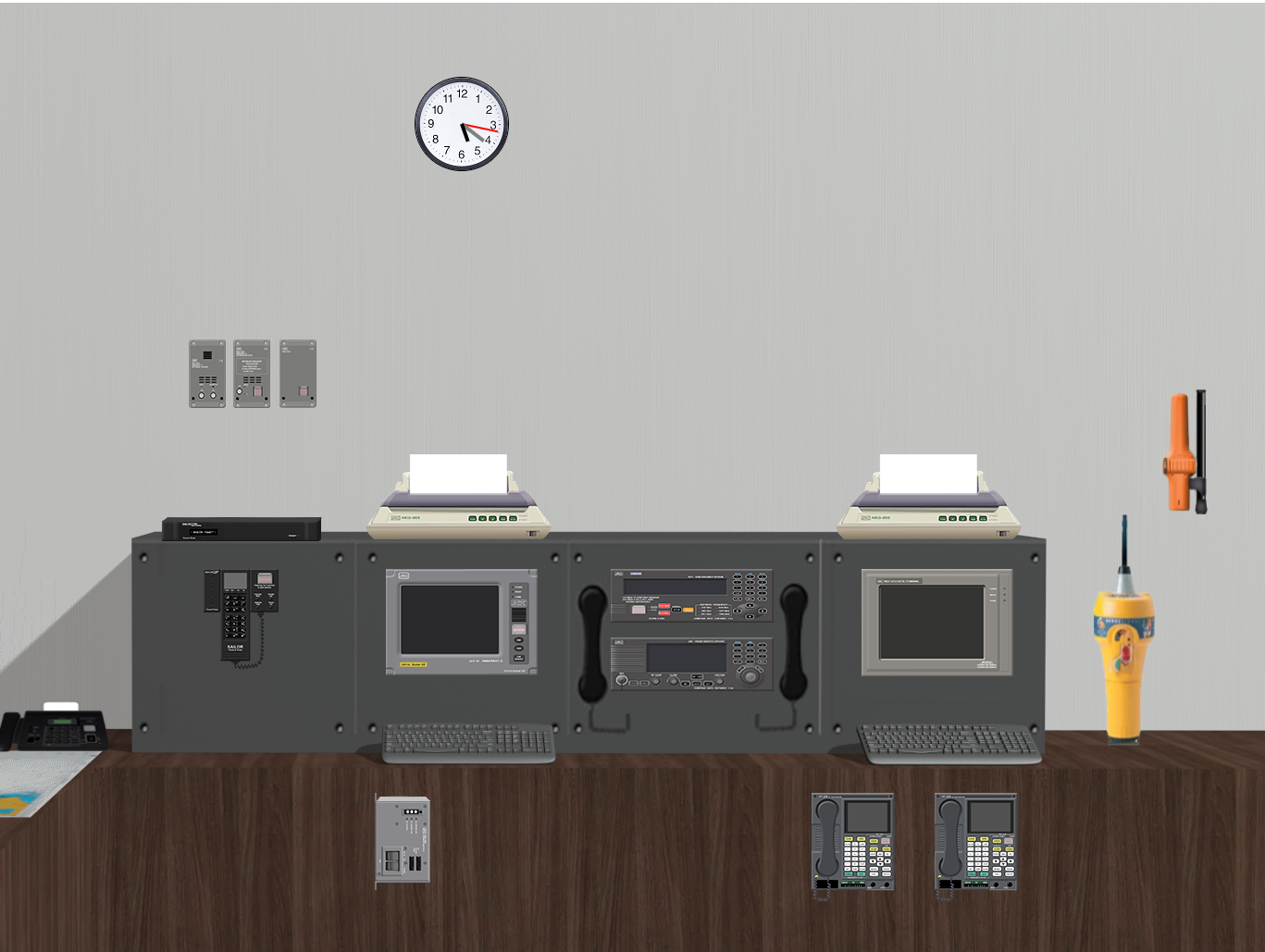
Expanding on this foundation, the full mission sailing simulator offers a holistic training experience that covers the entire voyage cycle. Unlike basic simulators, a full mission sailing simulator immerses users in continuous, multi-phase operations that include pre-voyage planning, cargo management, weather routing, and port arrival procedures. This comprehensive approach ensures that mariners develop an integrated skill set, learning to balance technical tasks with strategic oversight. Maritime academies and training centers increasingly rely on the full mission sailing simulator to prepare cadets for the realities of ship command, where isolated skills must coalesce into seamless operational execution.
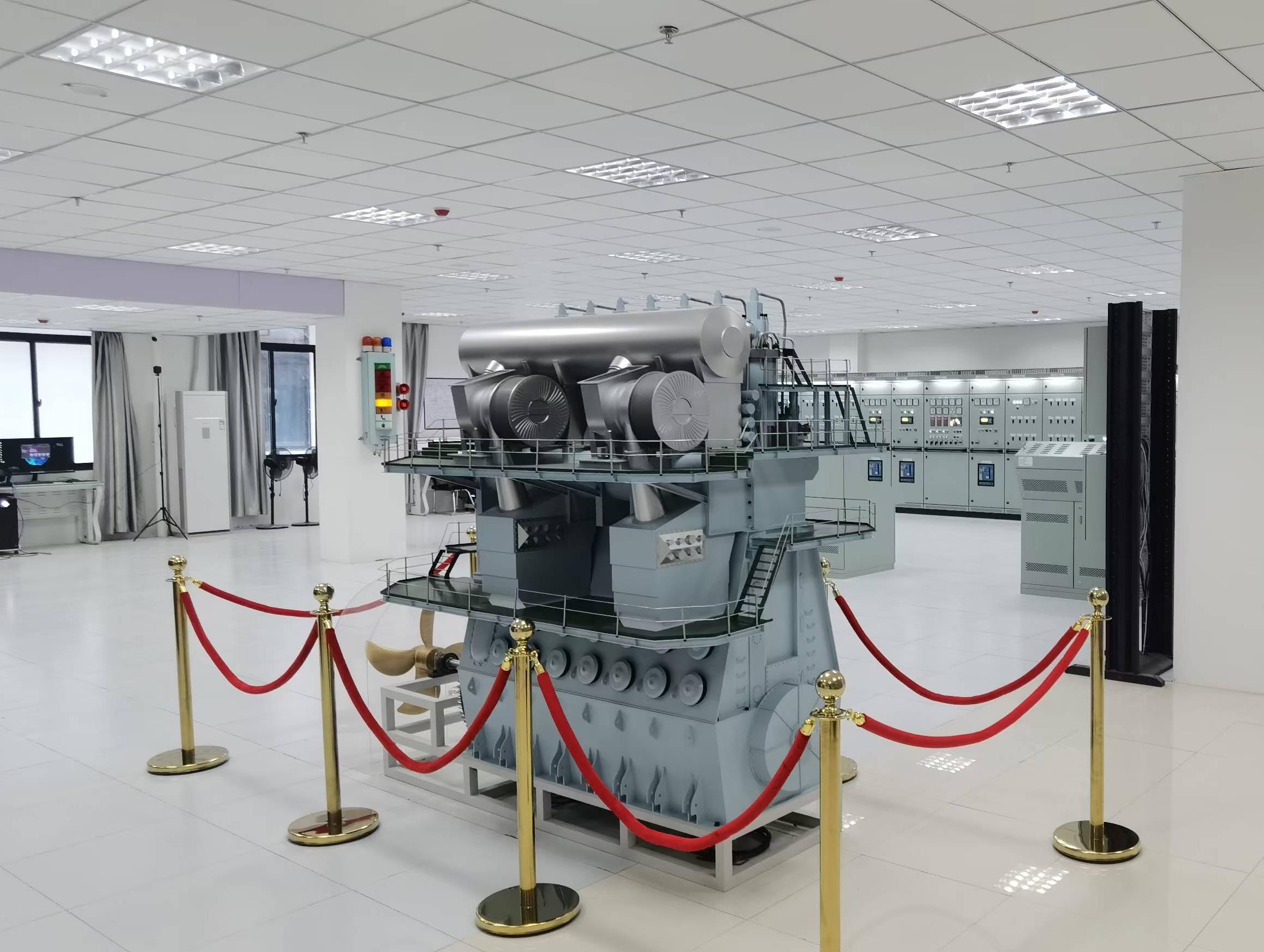
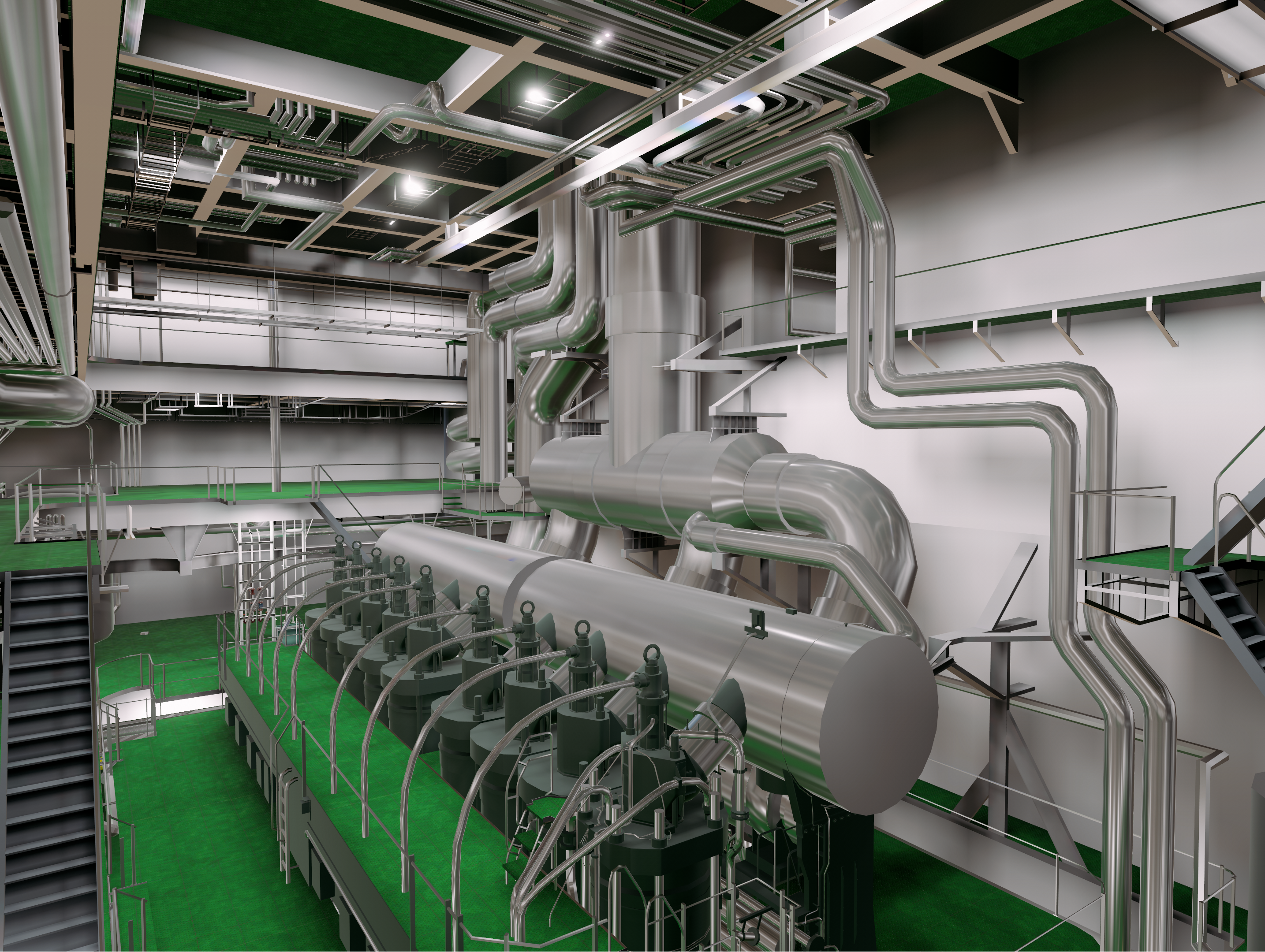
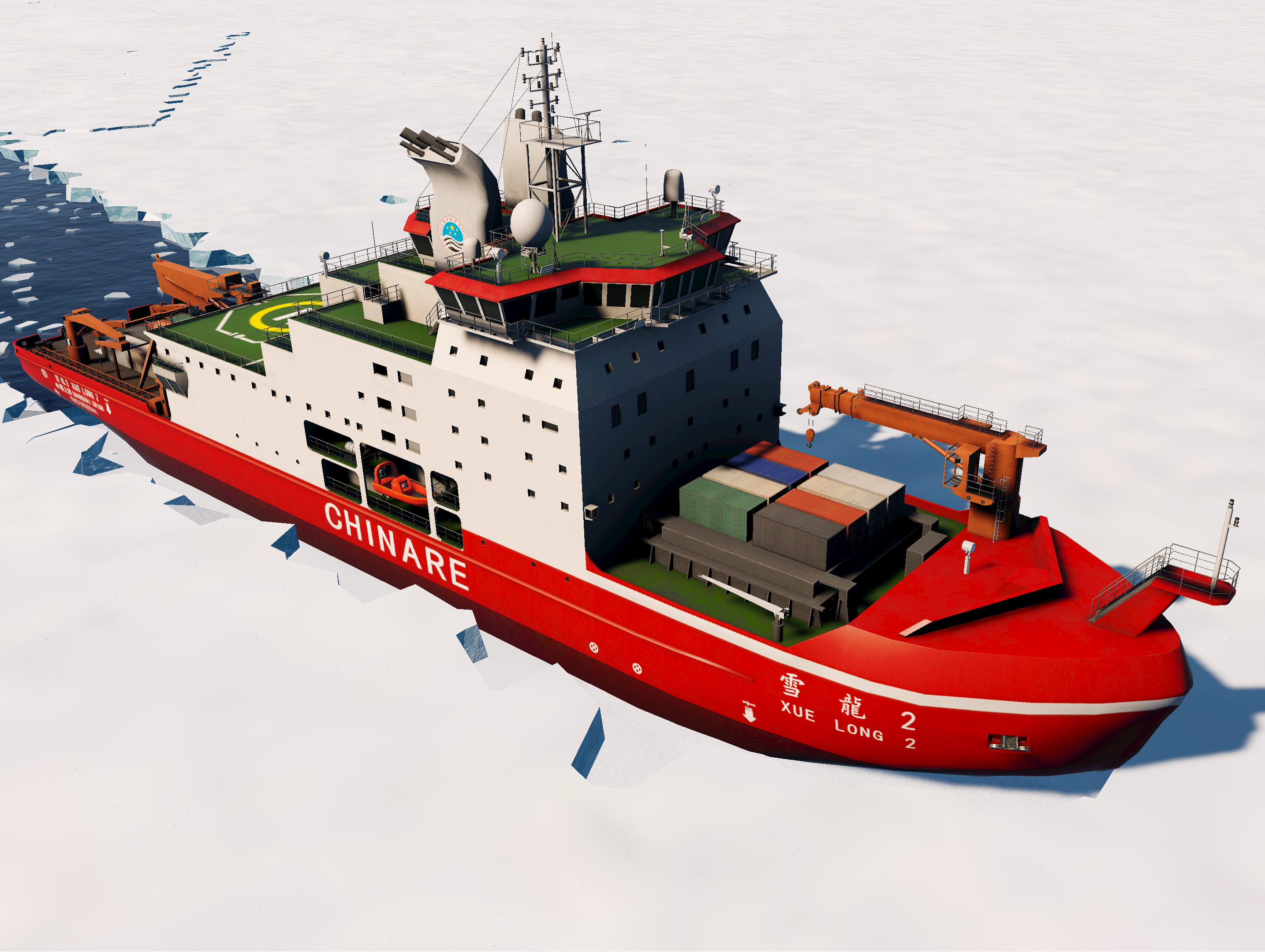
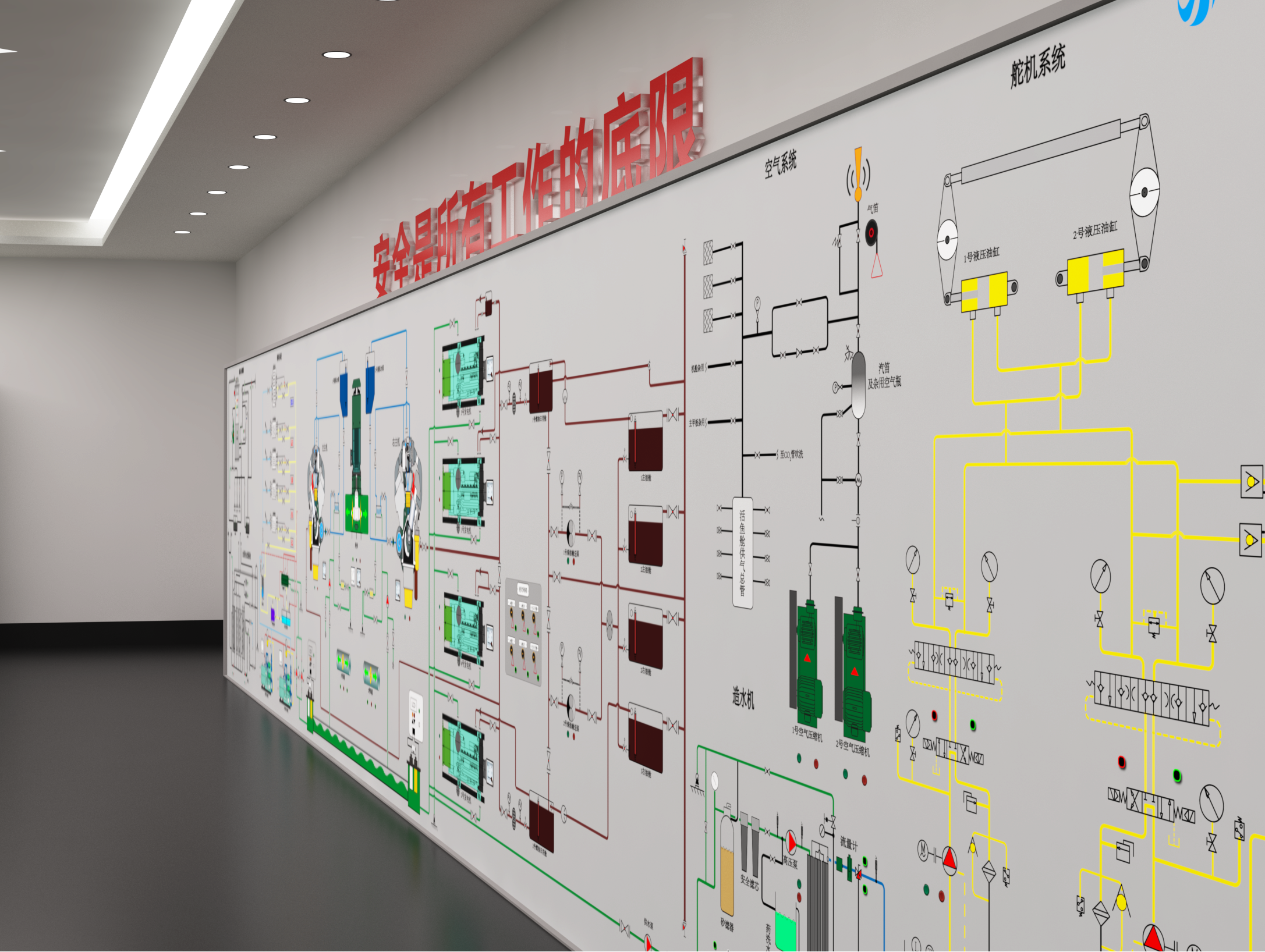
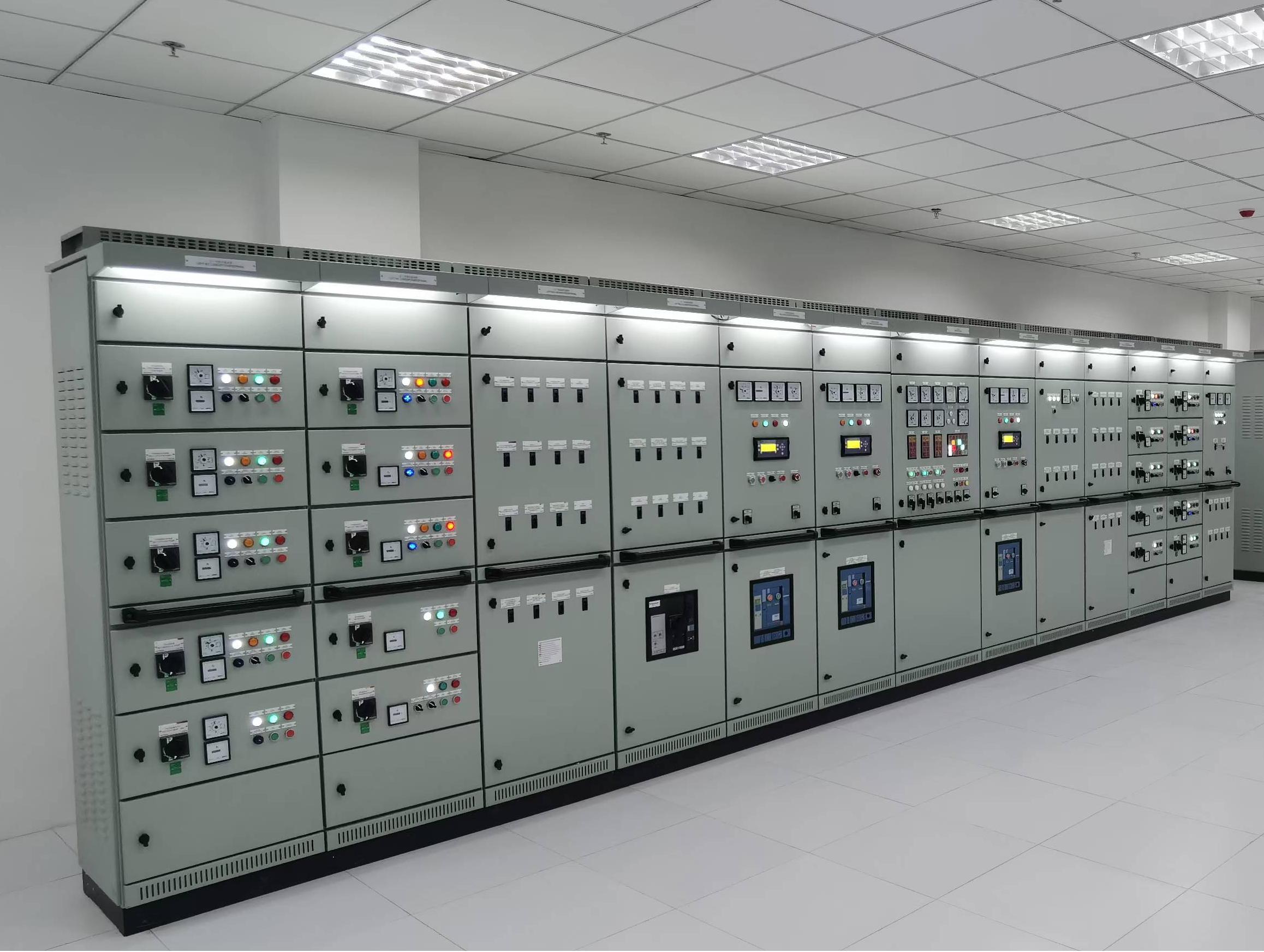
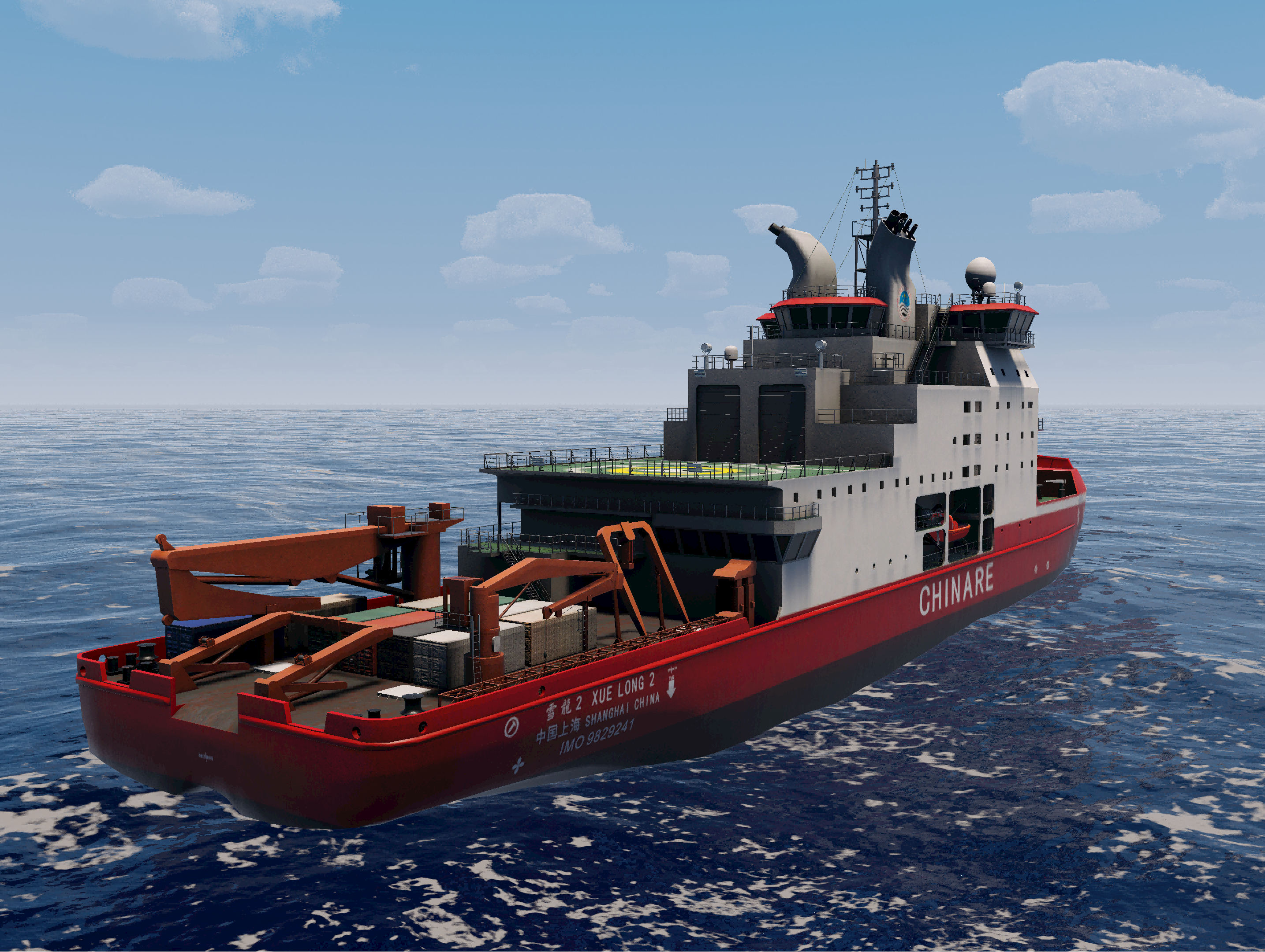
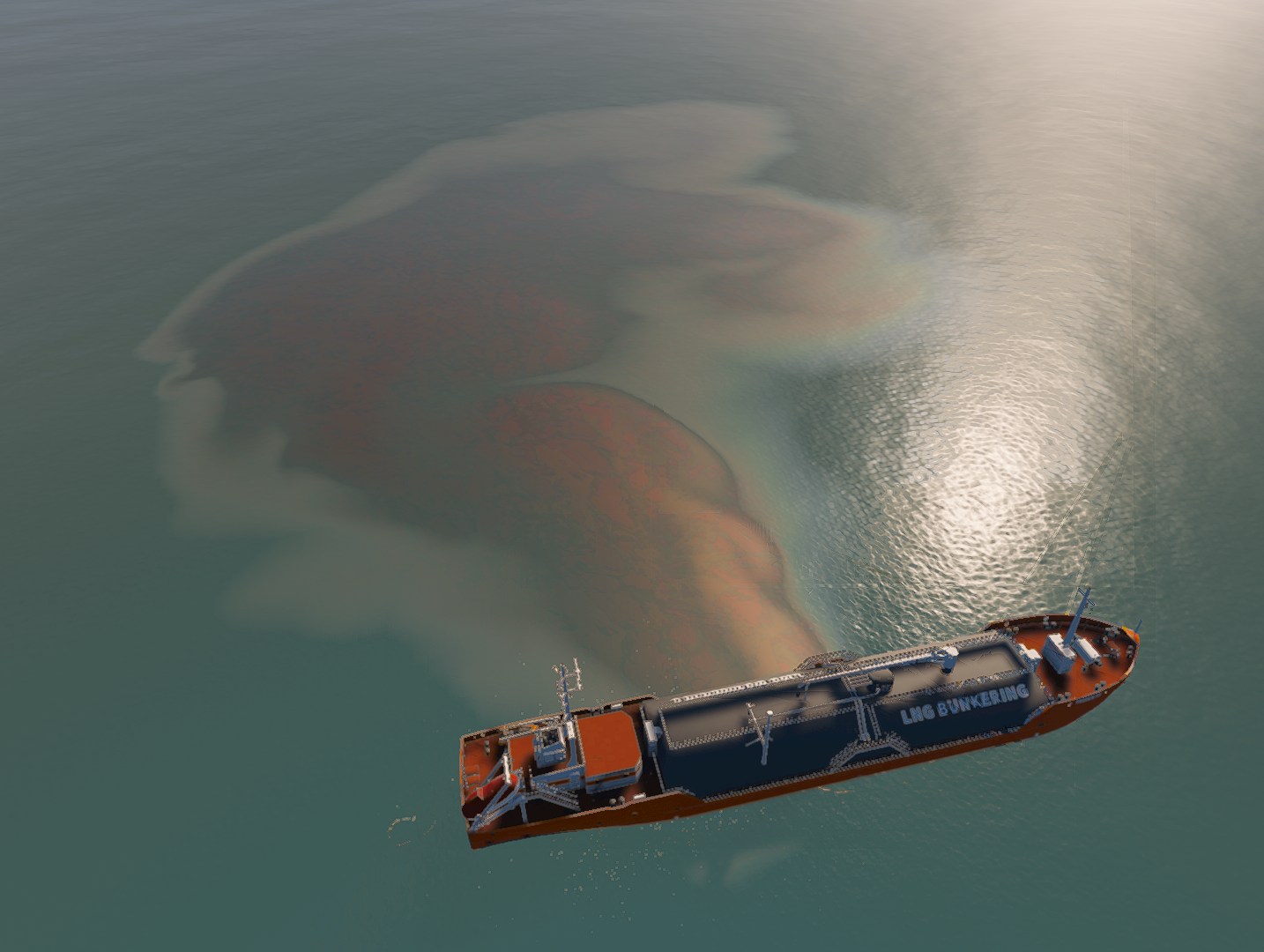
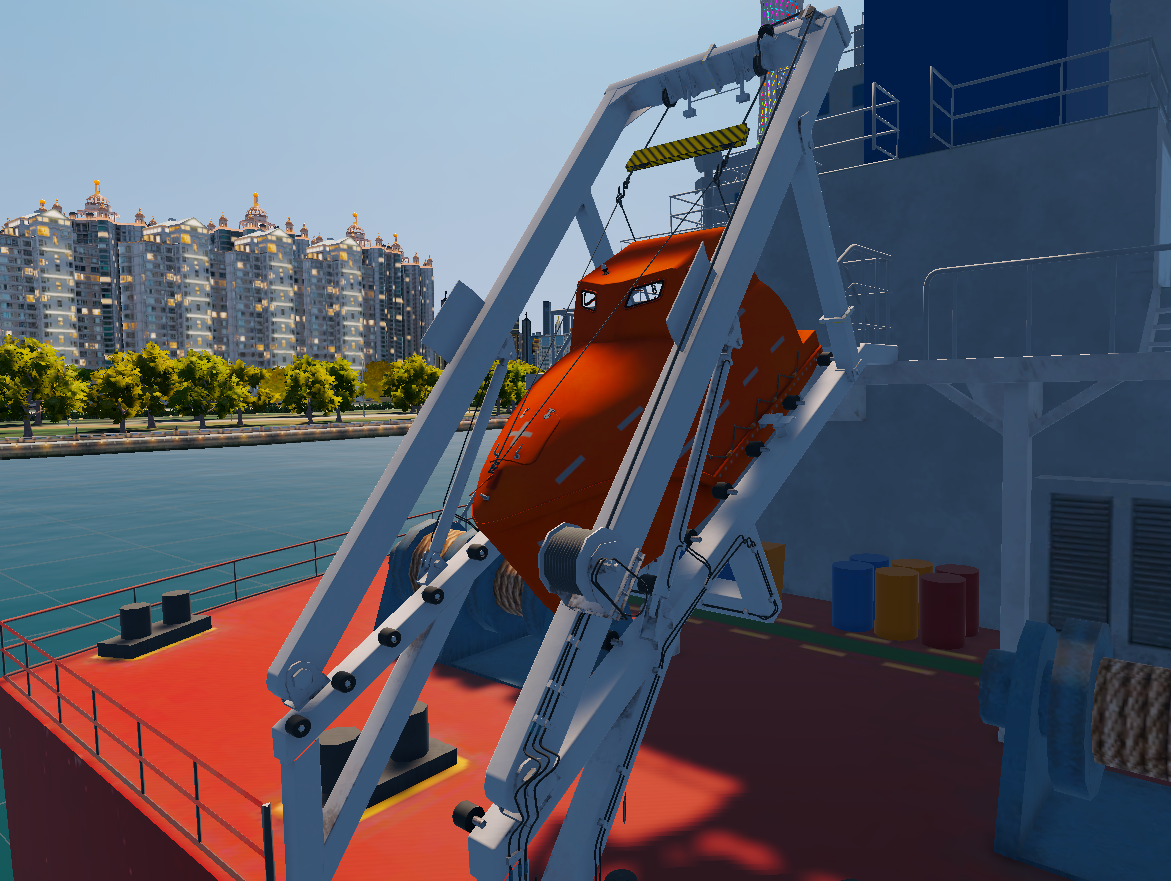
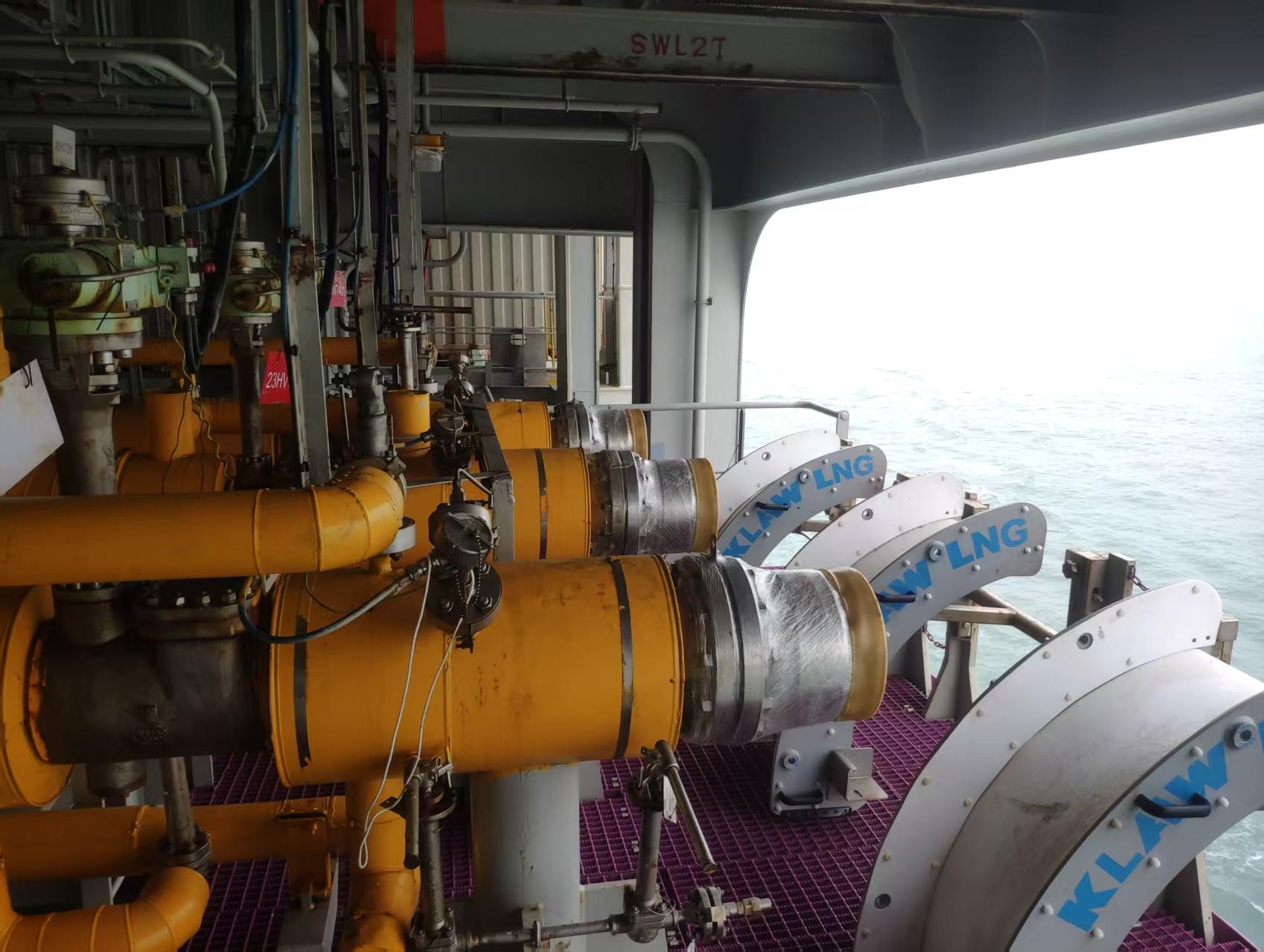
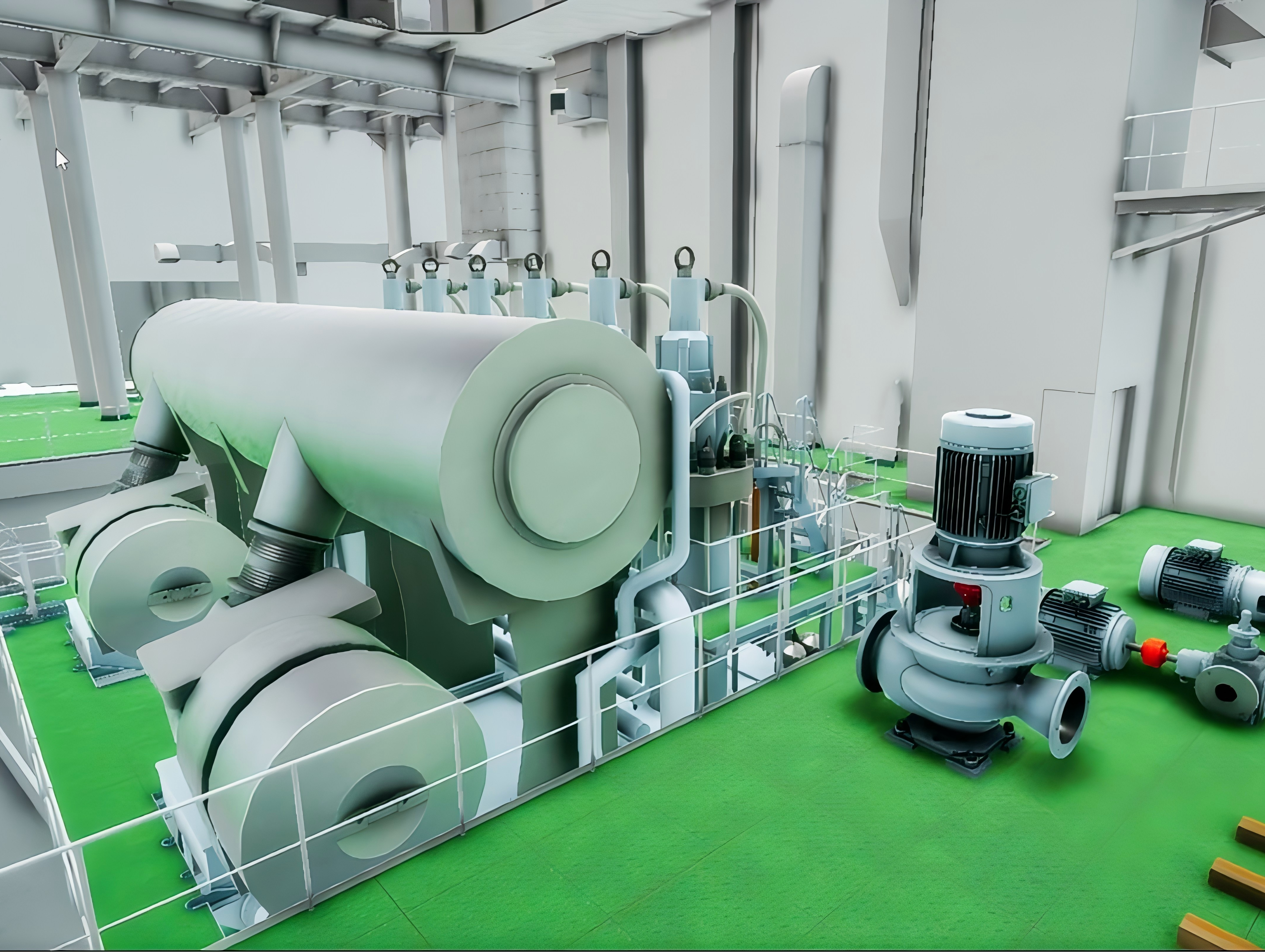
For specialized training tailored to specific vessel types or operational requirements, the full mission ship simulator provides an unparalleled platform. Configurable to replicate the exact characteristics of various ships—from container vessels and tankers to passenger ferries—this simulator enables type-specific familiarization and advanced emergency training. Crews can practice responses to scenarios such as main engine failure, fire outbreaks, or flooding in a risk-free environment, building muscle memory and procedural fluency. The full mission ship simulator has thus become a critical tool for compliance with international standards, including STCW requirements for emergency preparedness and system familiarity.
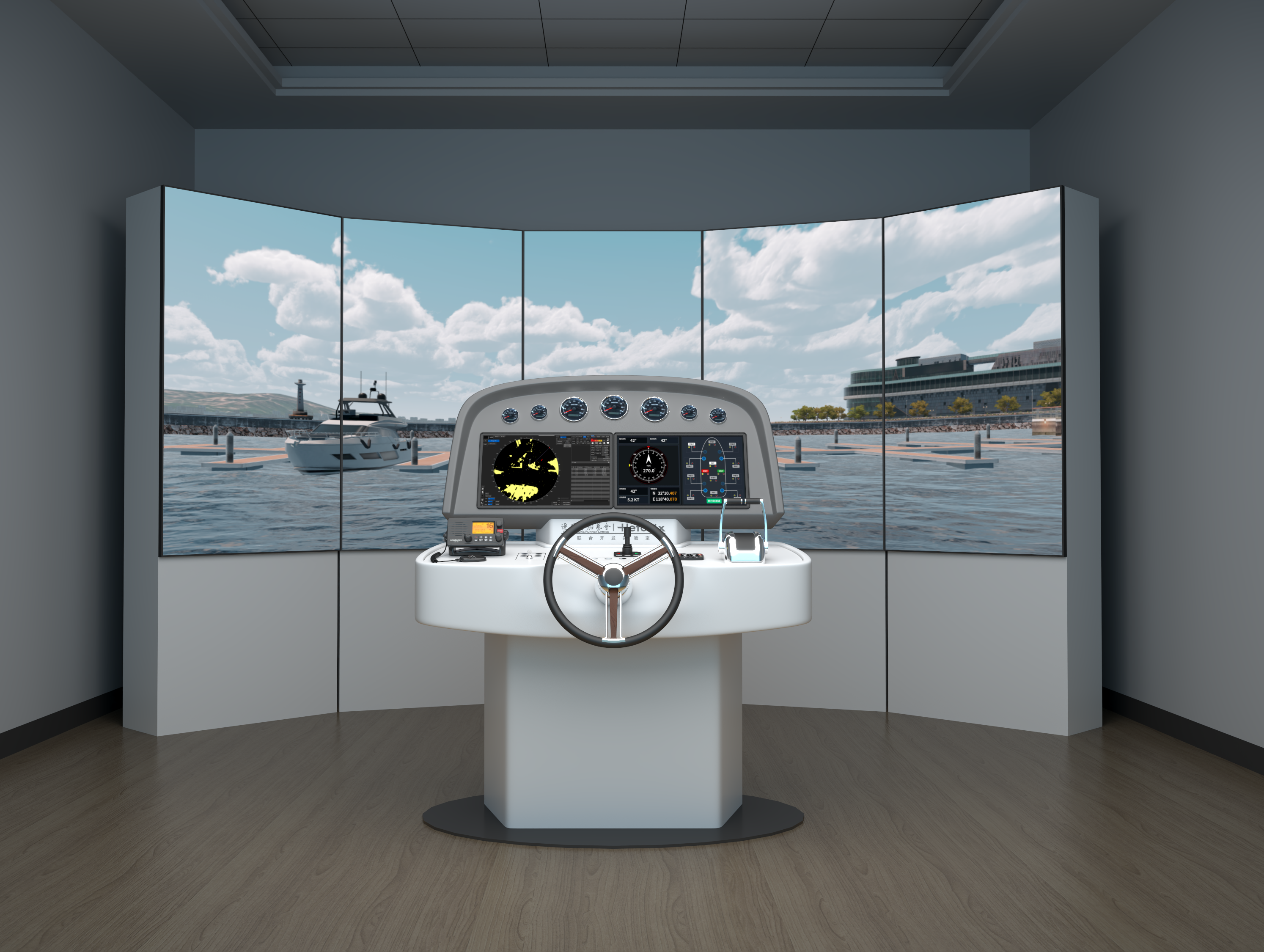
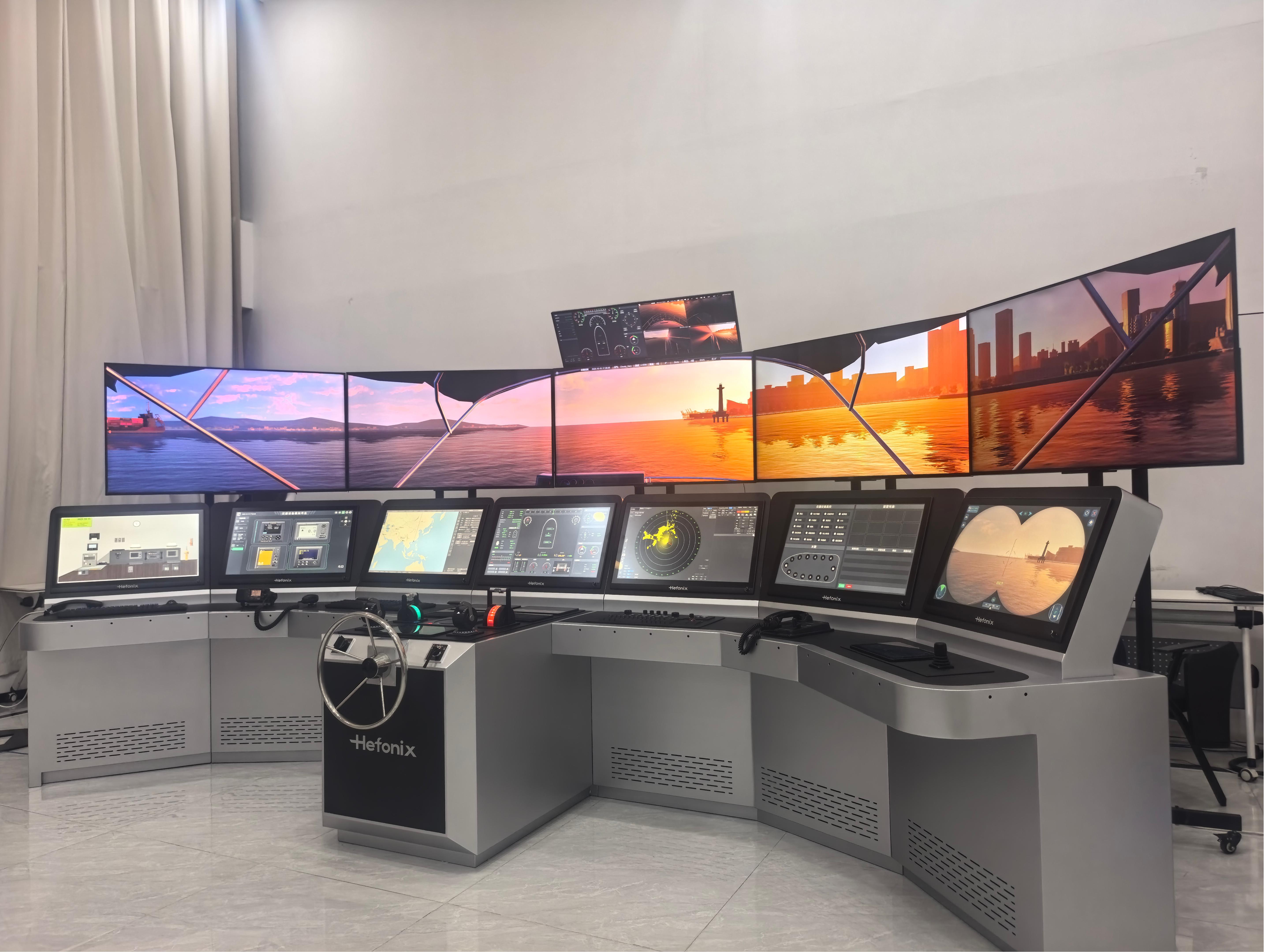
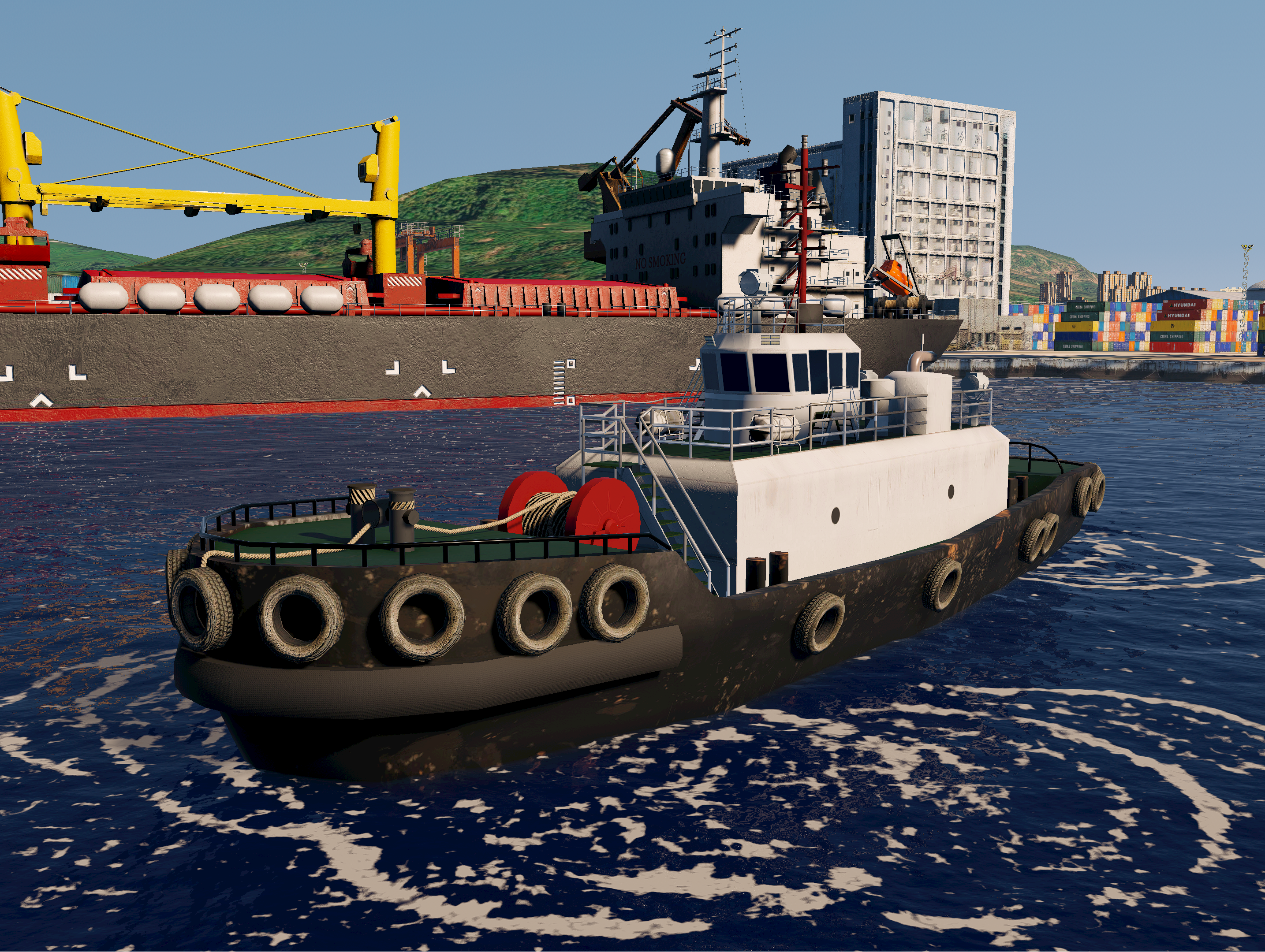
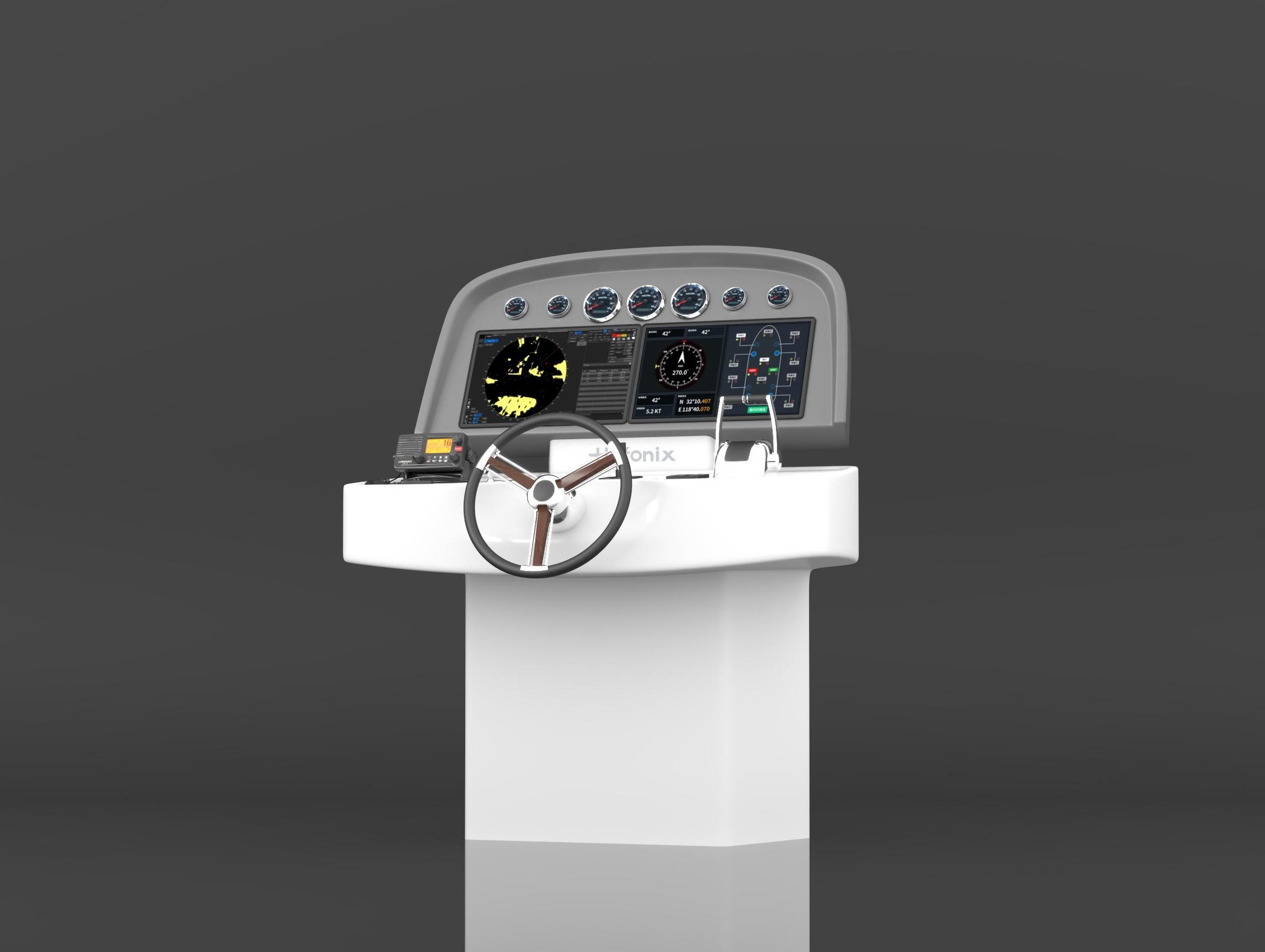
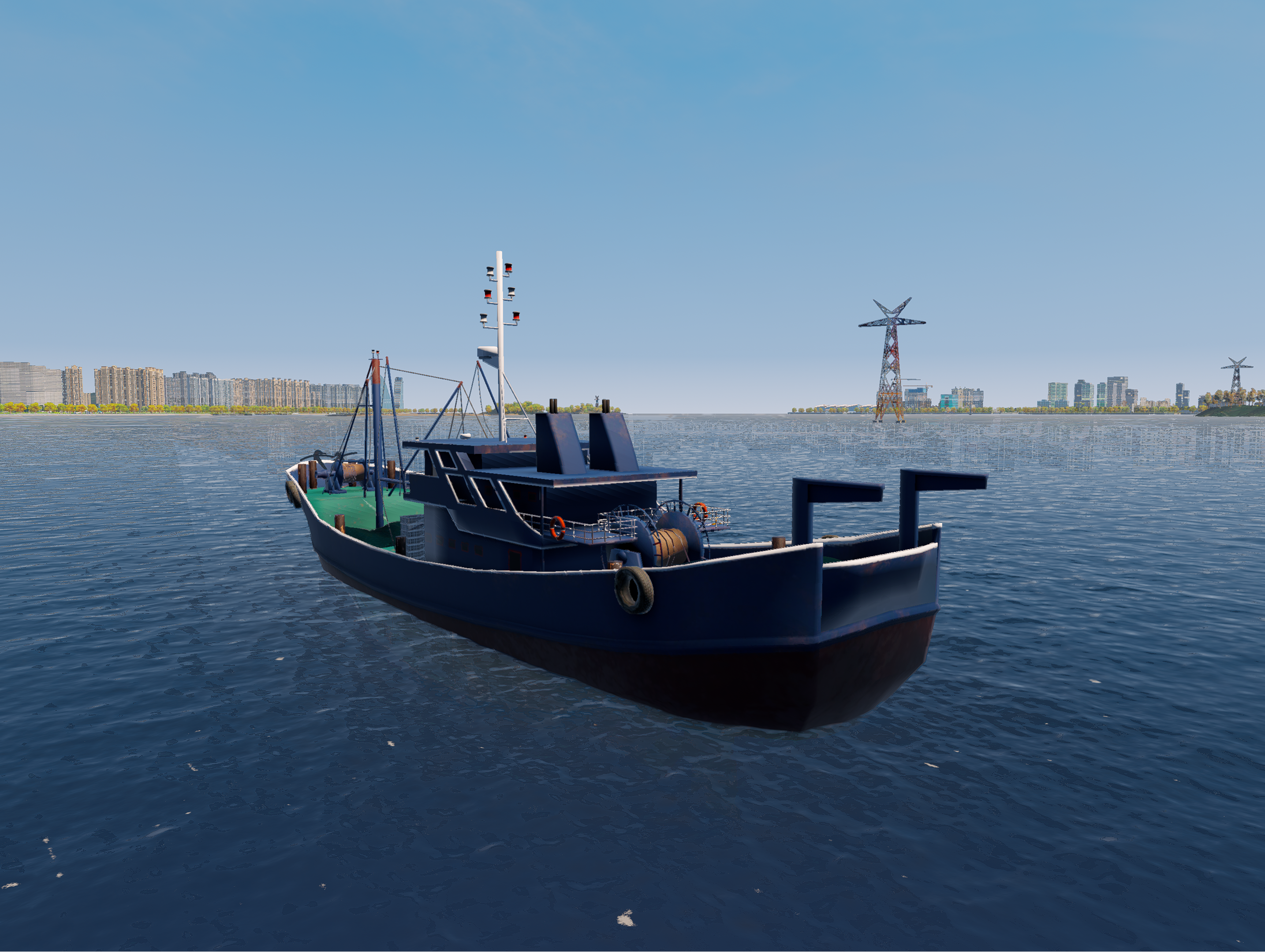
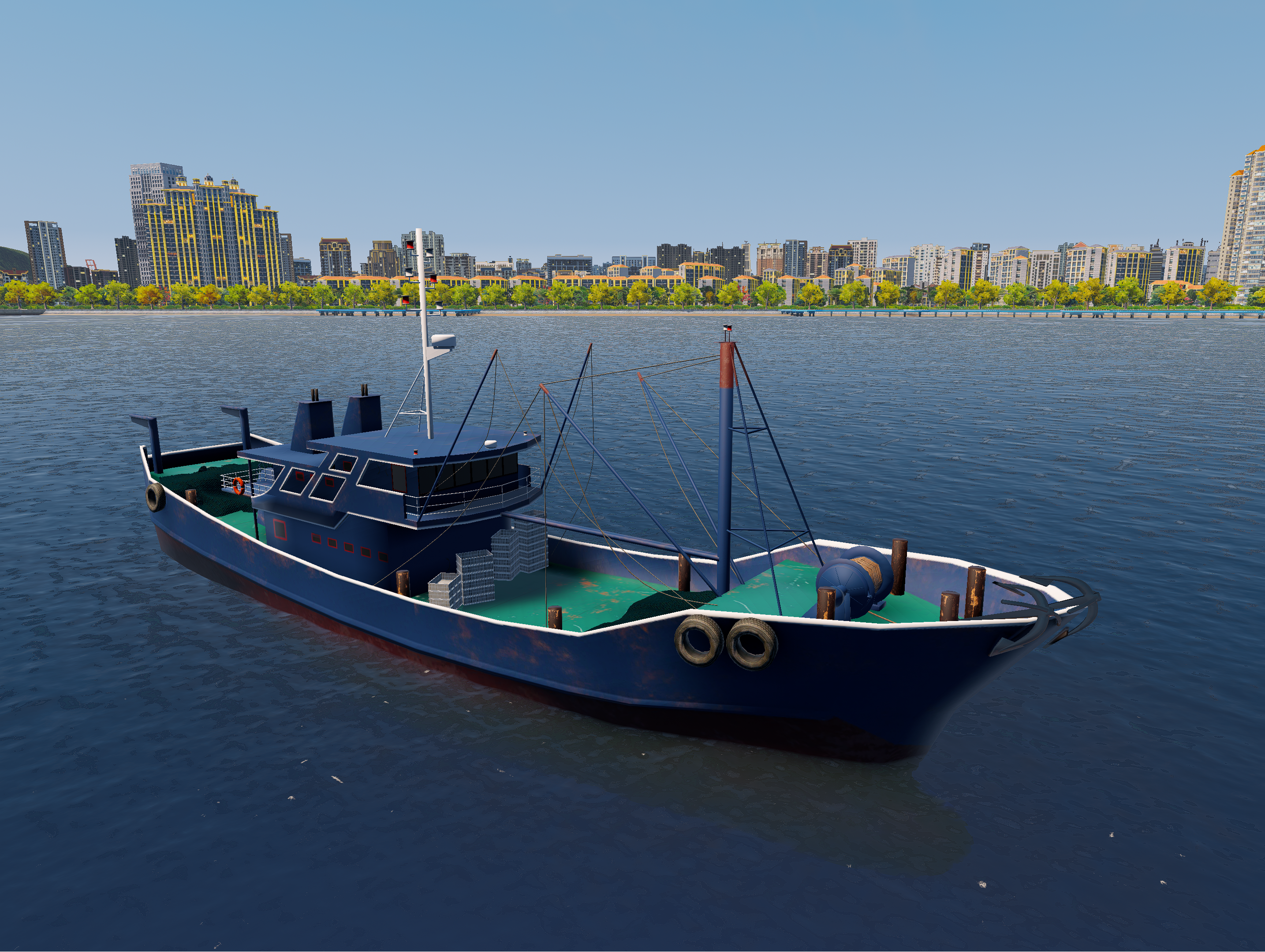
Equally significant is the role of the boat navigation simulator in training operators of smaller craft. Focused on the unique challenges of coastal and inland waterways, a boat navigation simulator emphasizes skills such as shallow-water navigation, docking in confined spaces, and maneuvering in strong currents. This technology is particularly valuable for pilotage services, harbor patrols, search and rescue teams, and fishing vessel operators. By offering targeted, scenario-based training, the boat navigation simulator enhances safety and efficiency in maritime sectors where precision and quick reflexes are essential.
Technological innovation continues to drive the capabilities of modern simulators. Today's navigation simulator often incorporates artificial intelligence, which enables adaptive learning pathways and real-time performance assessment. These intelligent systems can identify a trainee’s weaknesses and automatically generate customized exercises to address them. When integrated into a full mission sailing simulator, AI transforms static training into a dynamic, responsive educational experience that accelerates skill acquisition and ensures consistent competency standards.
The regulatory recognition of simulation-based training has grown substantially. Maritime authorities worldwide now approve training conducted on certified full mission ship simulator systems as meeting mandatory sea-service requirements for various officer ranks. This endorsement underscores the effectiveness of simulation in replicating—and in certain aspects surpassing—traditional onboard training. Standardized simulation curricula also promote global harmonization in maritime education, ensuring that seafarers from different regions share a common foundation of knowledge and skills.
From an economic perspective, investment in simulation technology delivers measurable returns. While establishing a ship navigation simulator facility entails significant upfront costs, the long-term savings are considerable. Reduced fuel consumption, lower maintenance expenses for training vessels, and decreased downtime for commercial fleets all contribute to a compelling financial case. Moreover, the ability to conduct intensive, repeatable training ashore allows shipping companies to maintain operational continuity while ensuring their crews remain proficient and compliant with evolving regulations.
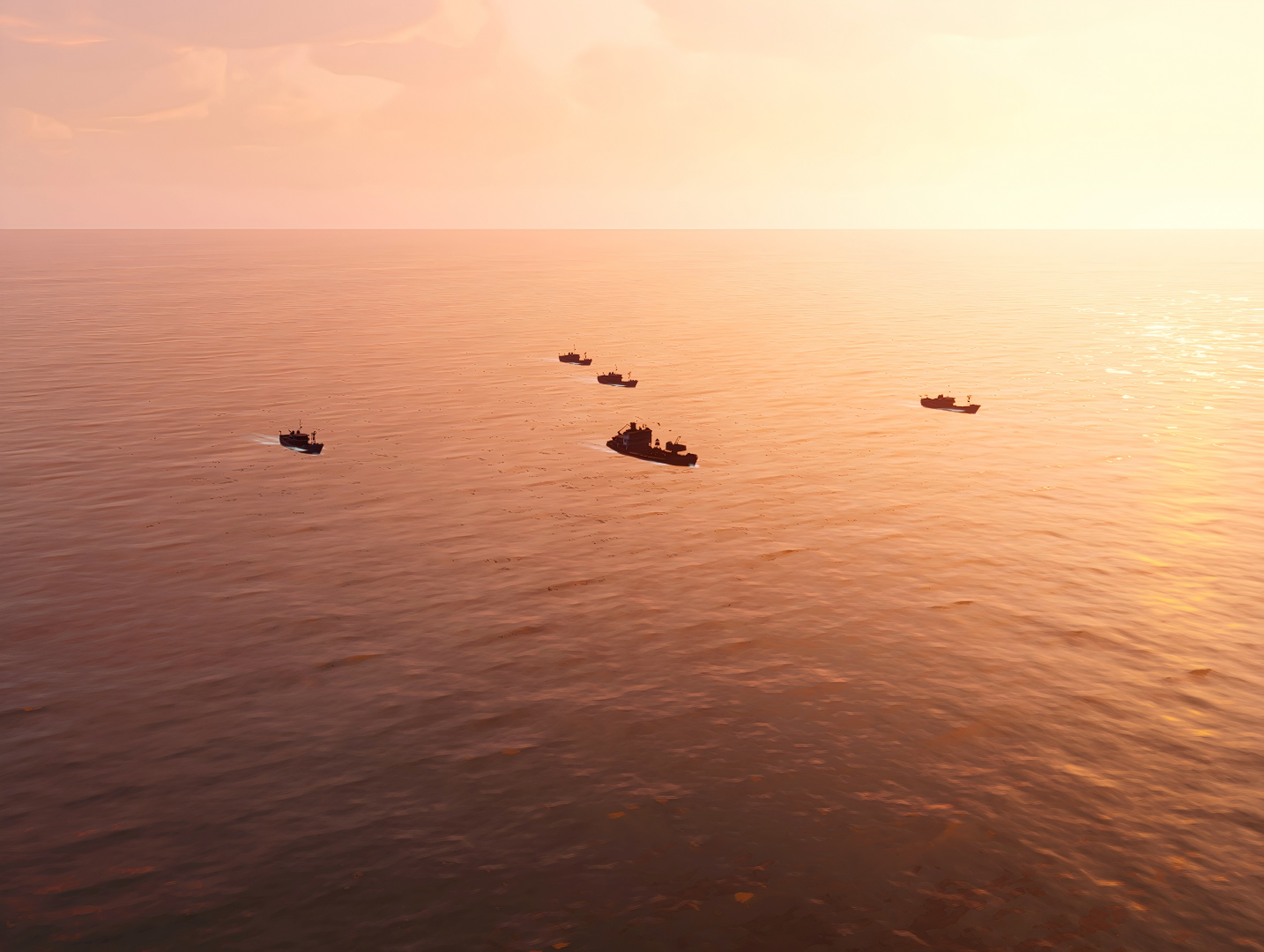
The future of maritime simulation is being shaped by digital integration and collaborative technologies. Cloud-based platforms now enable multiple full mission sailing simulator systems to connect across distances, allowing for joint training exercises between crews in different parts of the world. Digital twin technology—virtual replicas of specific ships or ports—adds another layer of realism, enabling hyper-accurate scenario planning. These advancements not only enhance training quality but also foster a more interconnected and resilient global maritime community.
Human factors and behavioral training have become integral components of simulation programs. Modern simulators increasingly include modules focused on crew resource management, communication under stress, and cultural competency. By simulating high-pressure scenarios—such as navigating through a storm or managing a medical emergency—the boat navigation simulator and its larger counterparts help mariners develop the soft skills necessary for effective teamwork and leadership in multicultural environments.
As the maritime industry confronts emerging challenges such as automation, environmental sustainability, and cybersecurity, simulation systems are evolving to address these themes. Future iterations of the navigation simulator are expected to include training on energy-efficient voyage optimization, remote monitoring systems, and cyber threat response protocols. This forward-looking adaptability ensures that simulation remains relevant in an industry characterized by rapid change and increasing complexity.
The transformative impact of navigation simulators on maritime education and safety is profound. From the comprehensive training offered by a full mission sailing simulator to the specialized focus of a boat navigation simulator, these systems collectively elevate the standards of seafaring professionalism. By enabling risk-free mastery of technical skills, fostering critical decision-making abilities, and preparing mariners for both current and future challenges, simulation technology stands as a pillar of modern maritime competence—guiding the industry toward safer, more efficient, and more sustainable operations across the world’s oceans.