


Enhancing Maritime Engineering Skills with Full Mission Engine Room Simulators
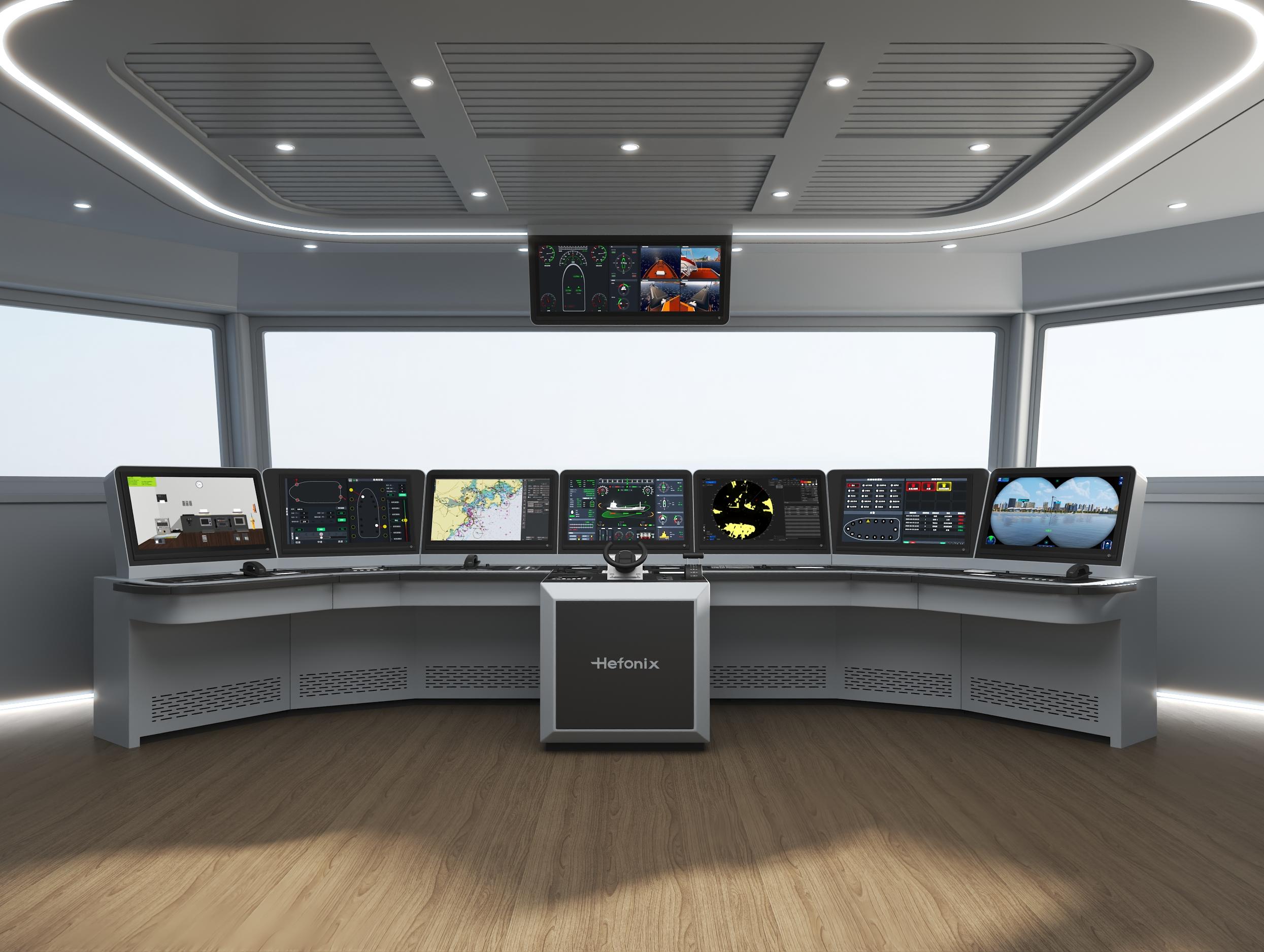
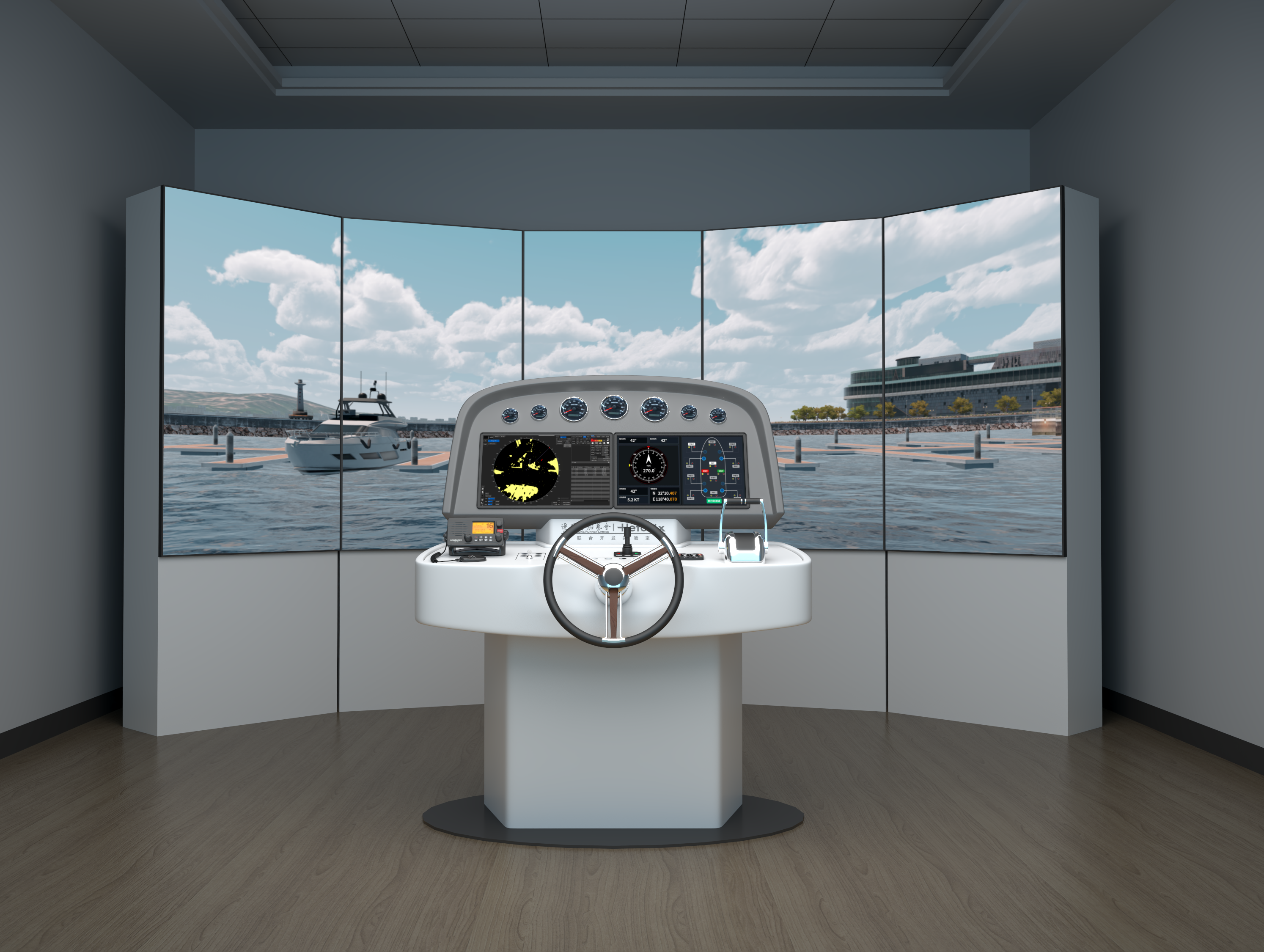
The modern maritime industry demands highly skilled engineering crews capable of managing complex vessel operations efficiently and safely. To meet these challenges, maritime training institutions and shipping companies are increasingly adopting advanced simulation technologies. Among these, the full mission engine room simulator stands out as a comprehensive solution, providing realistic, interactive, and scenario-driven training for marine engineers.
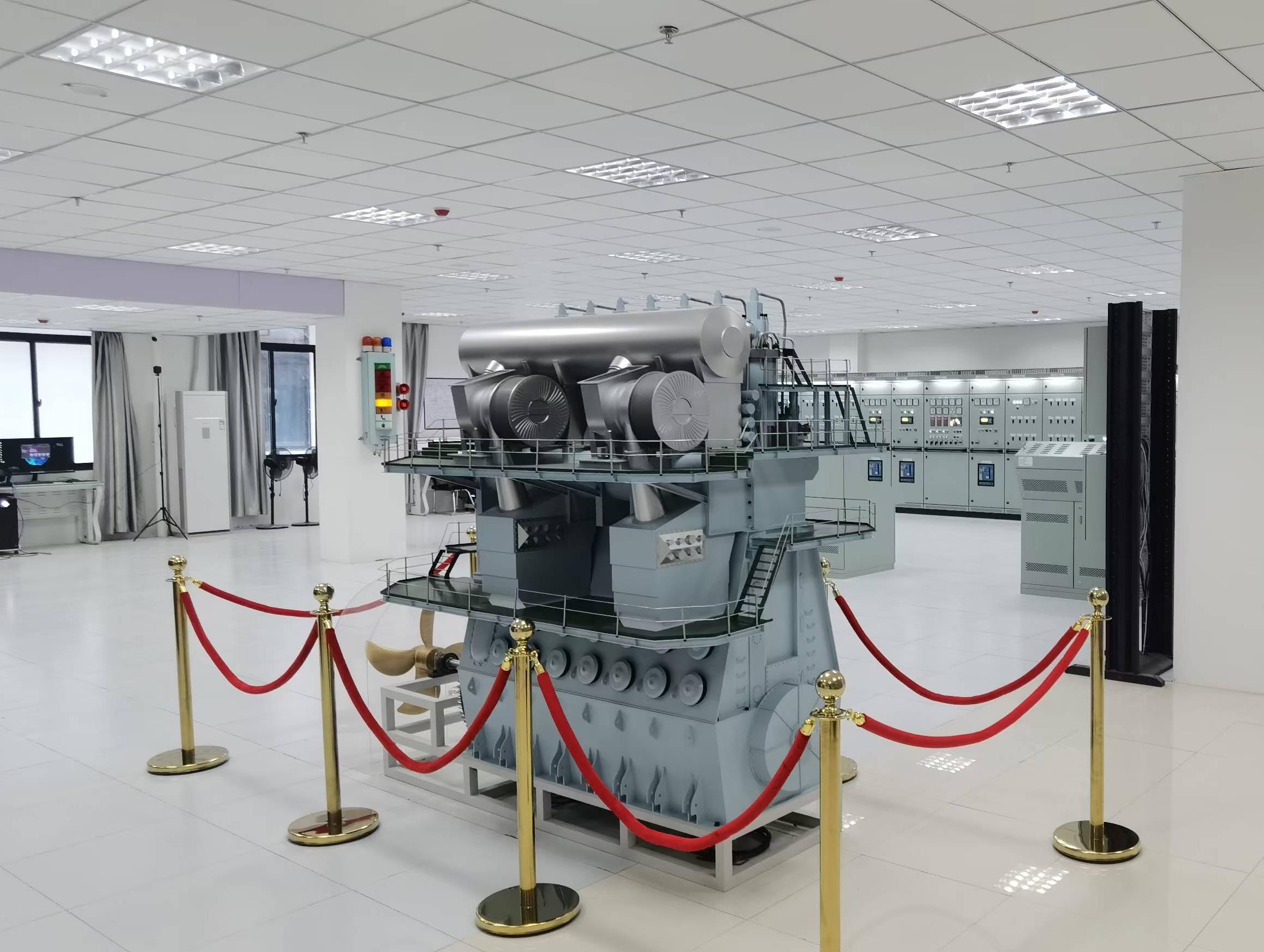
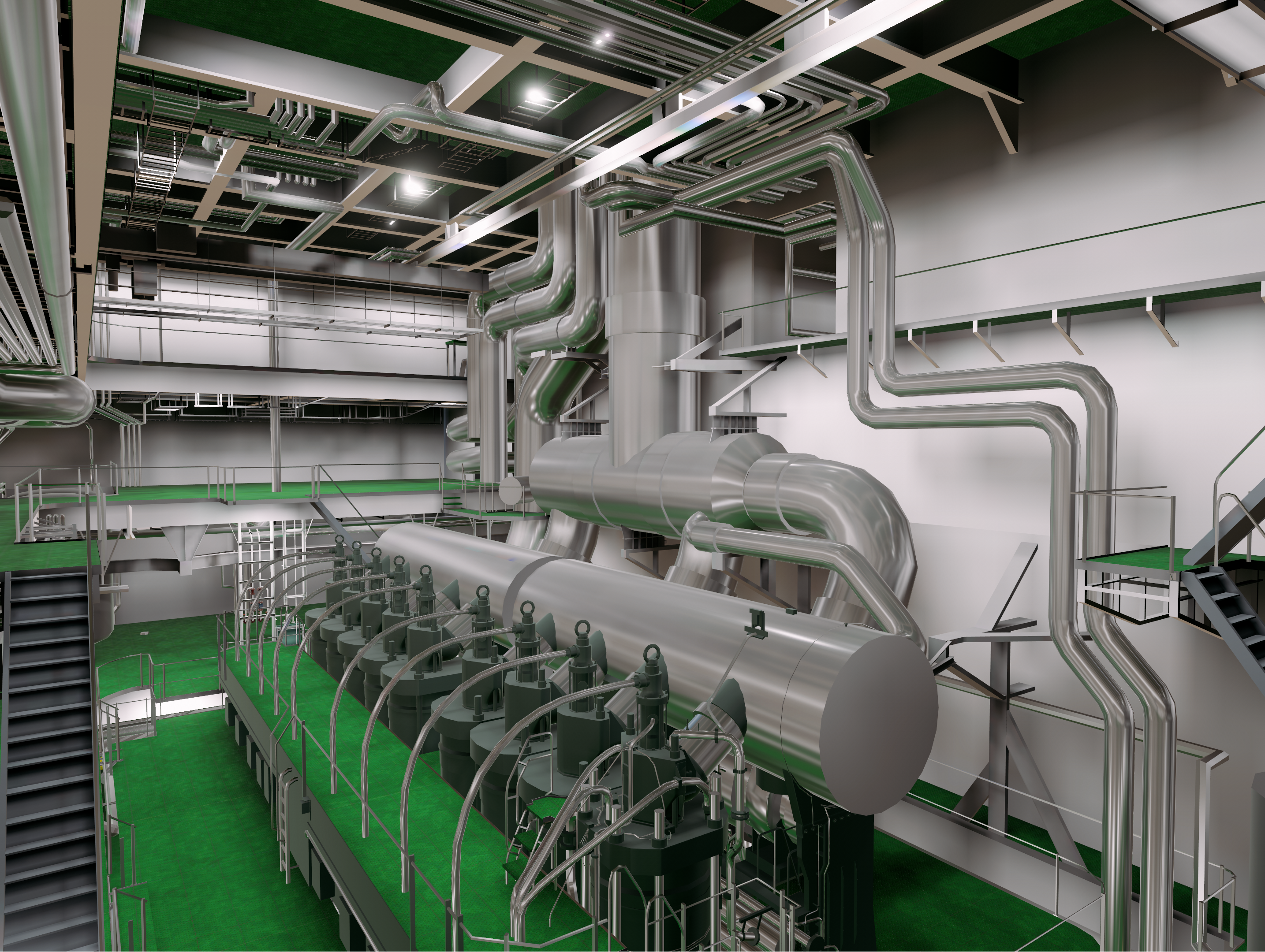
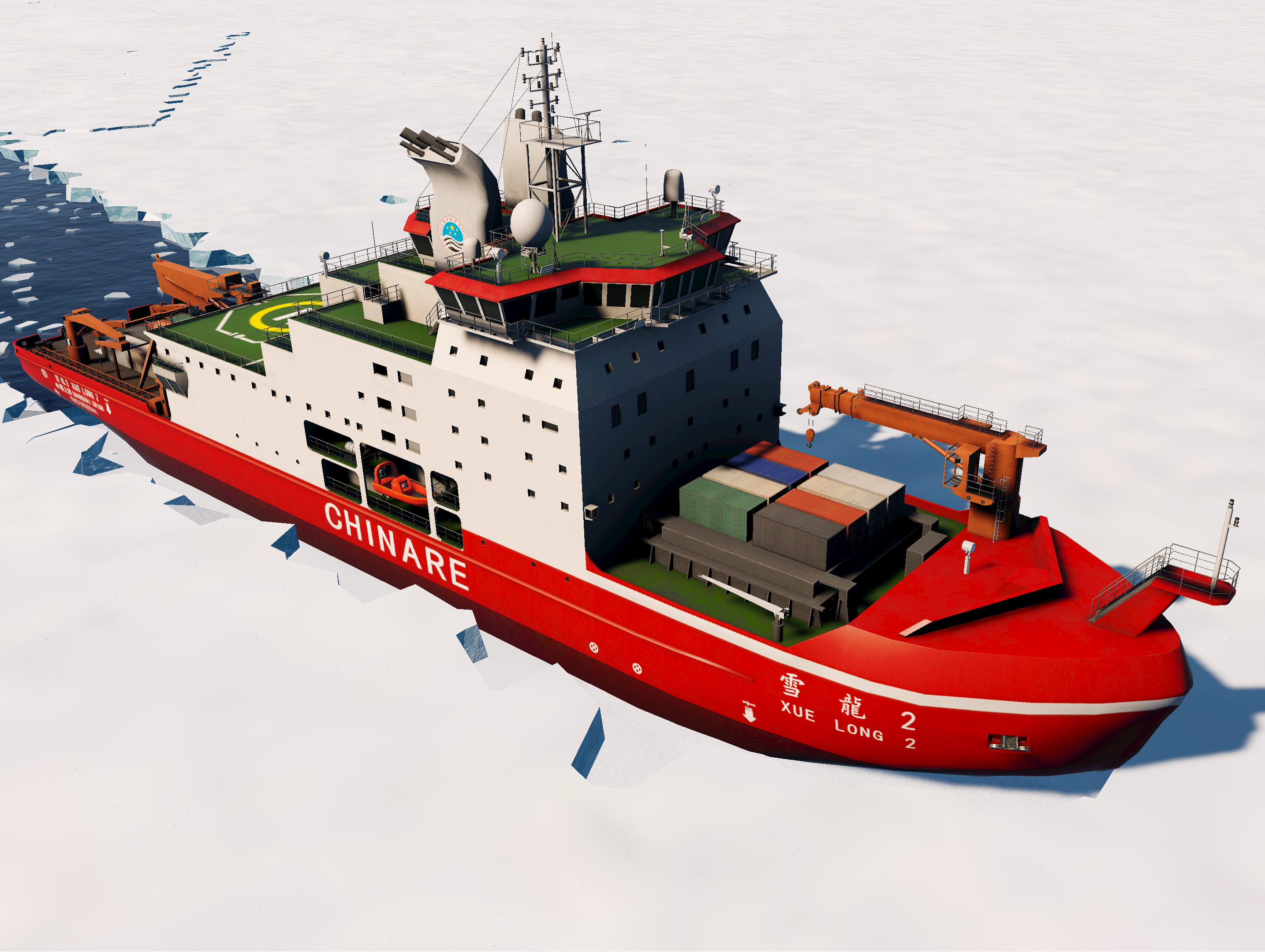
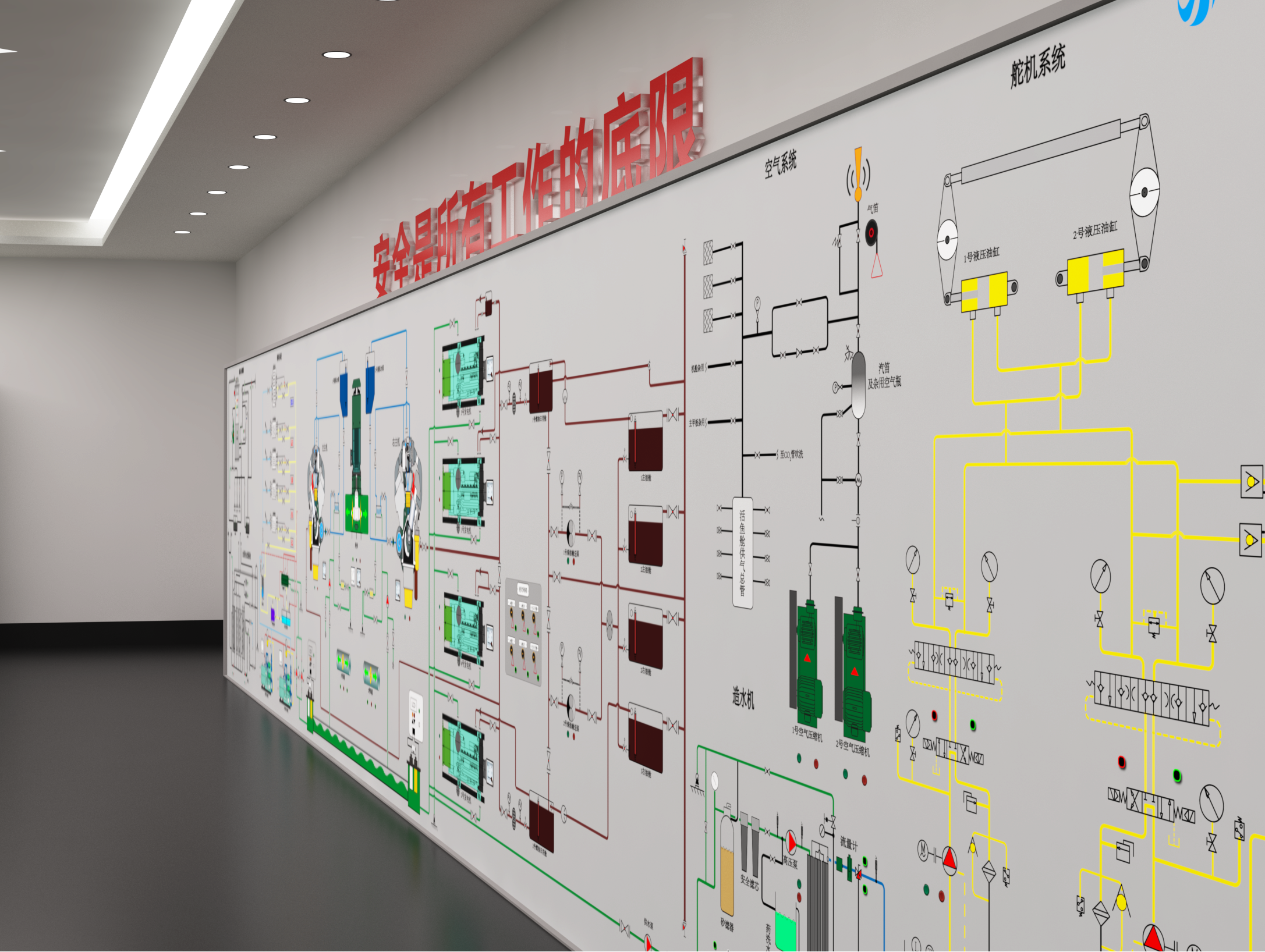
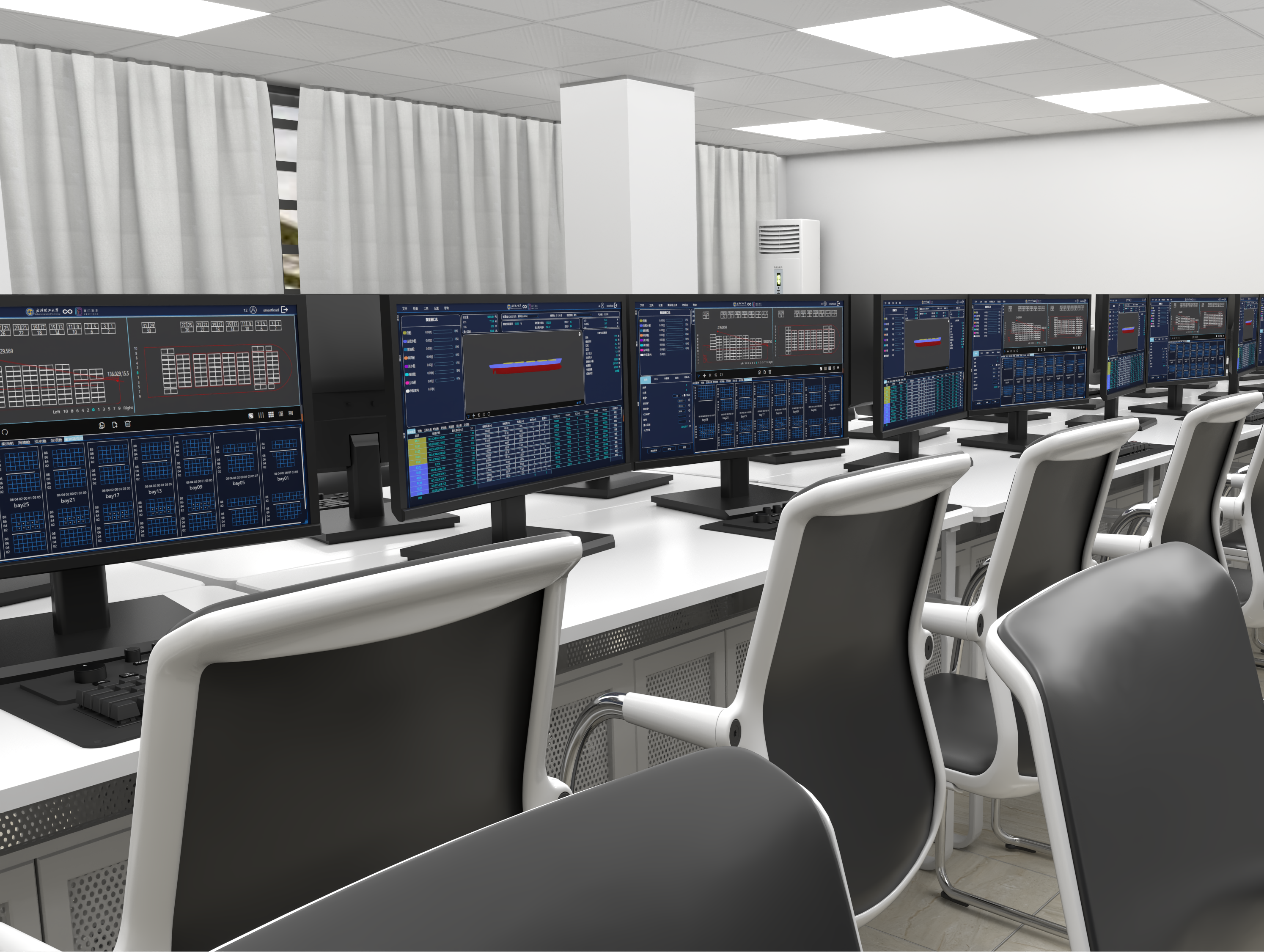
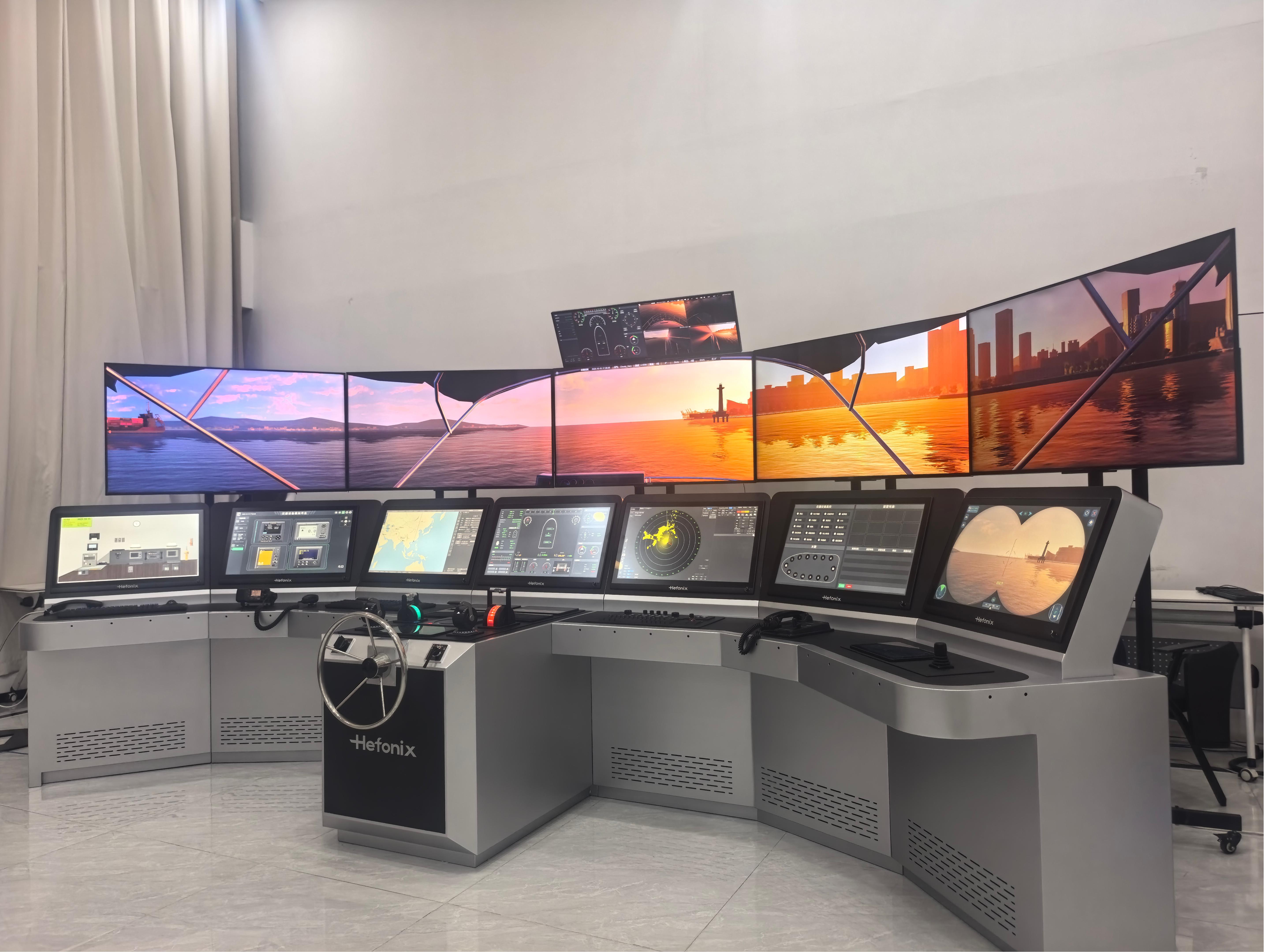
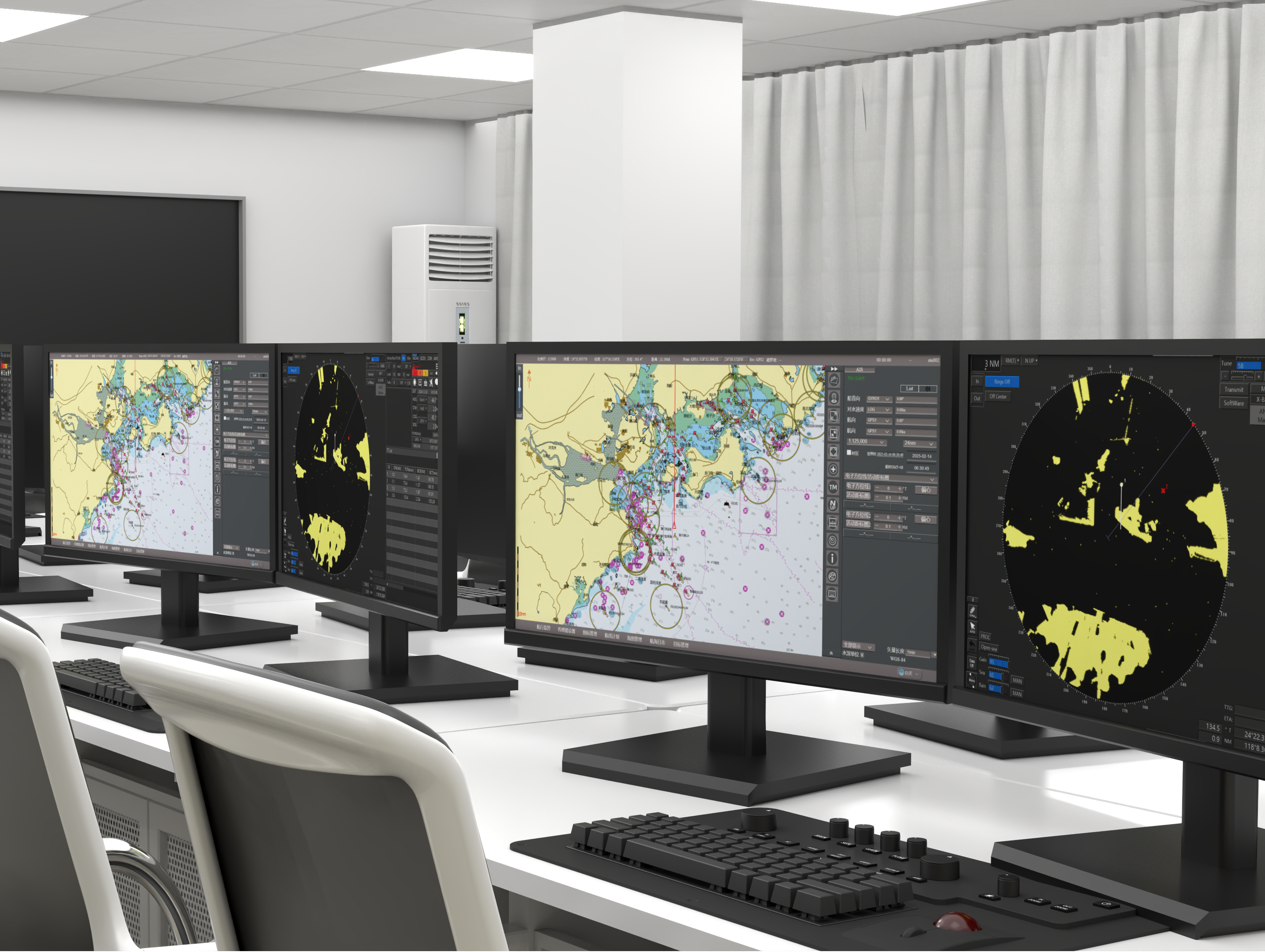
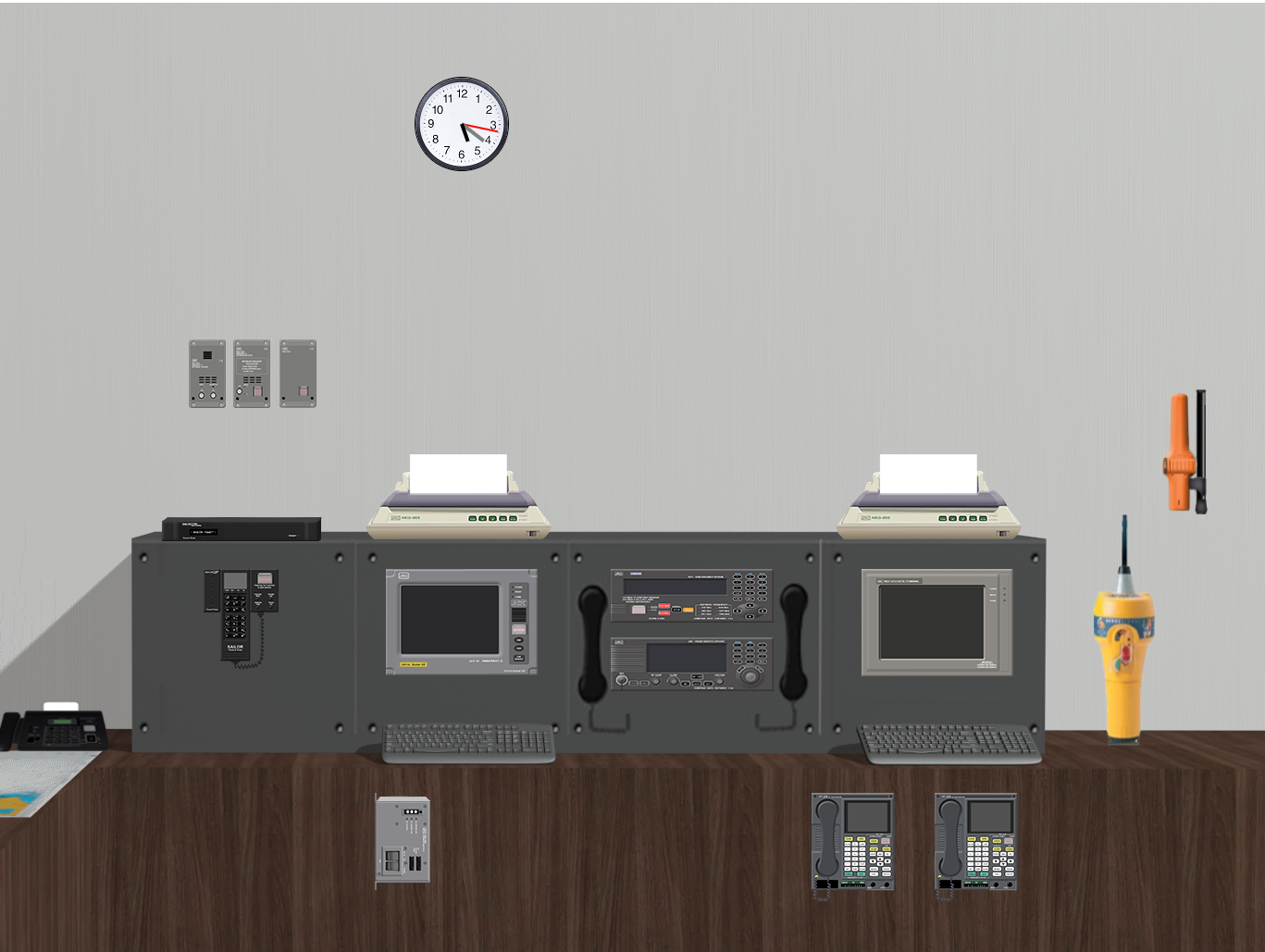
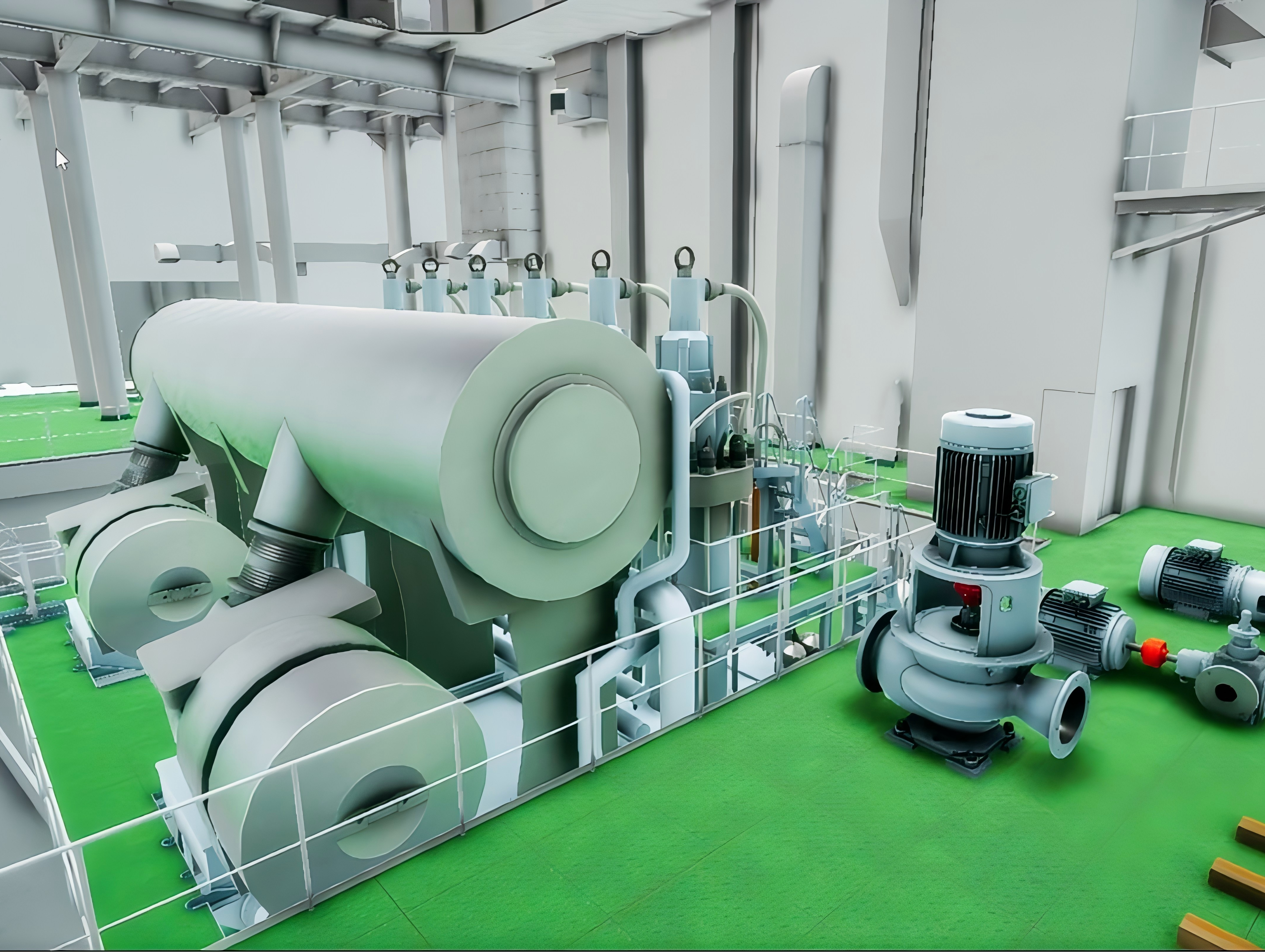
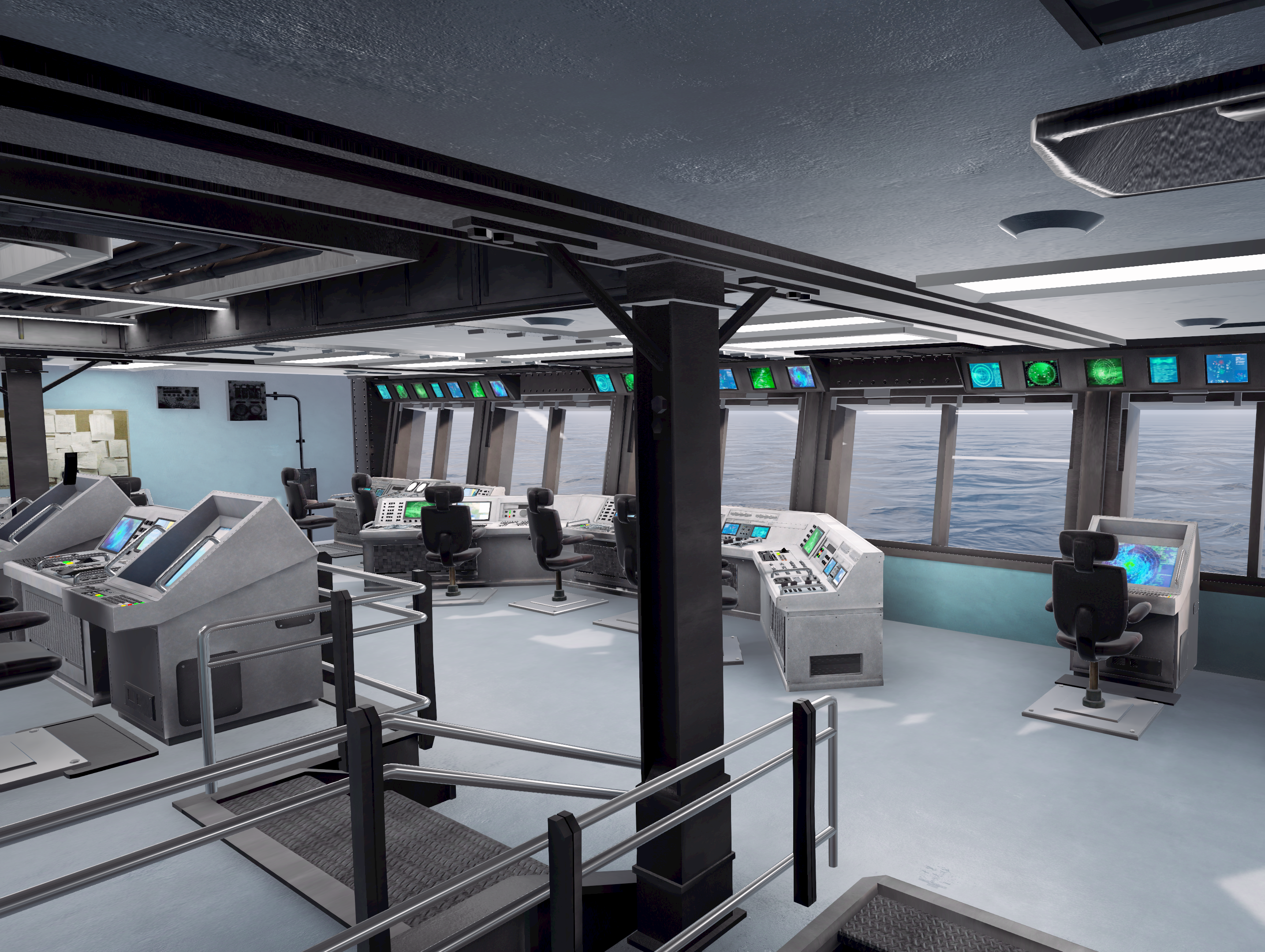
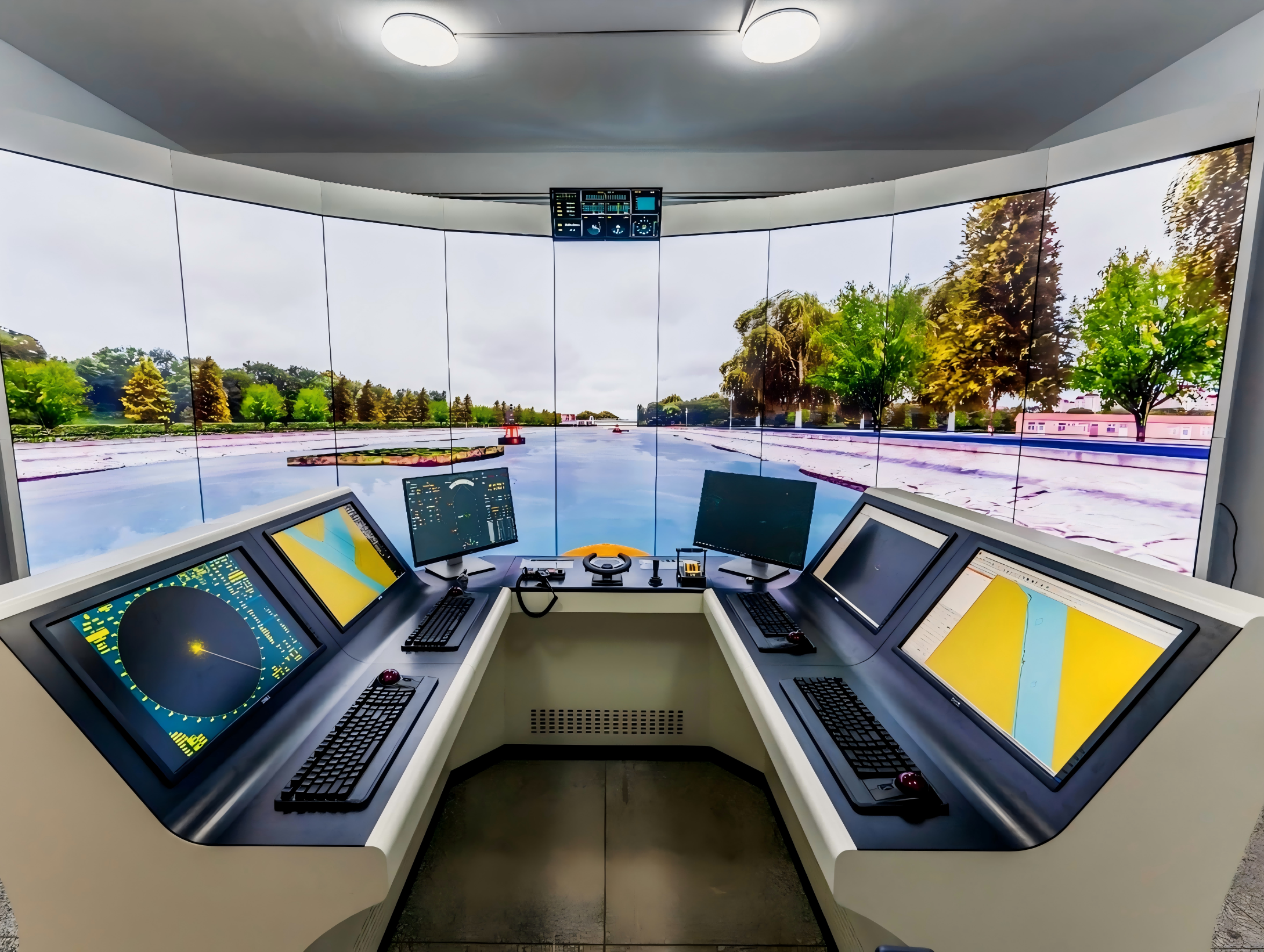
A marine engine room simulator replicates the complete operational environment of a vessel’s engine room, including propulsion systems, auxiliary machinery, and control automation. This immersive environment allows trainees to practice system monitoring, routine operations, and emergency responses without the risks associated with onboard training. By using a marine engine room simulator, trainees can gain hands-on experience in a safe, controlled setting, enhancing their technical proficiency and confidence.
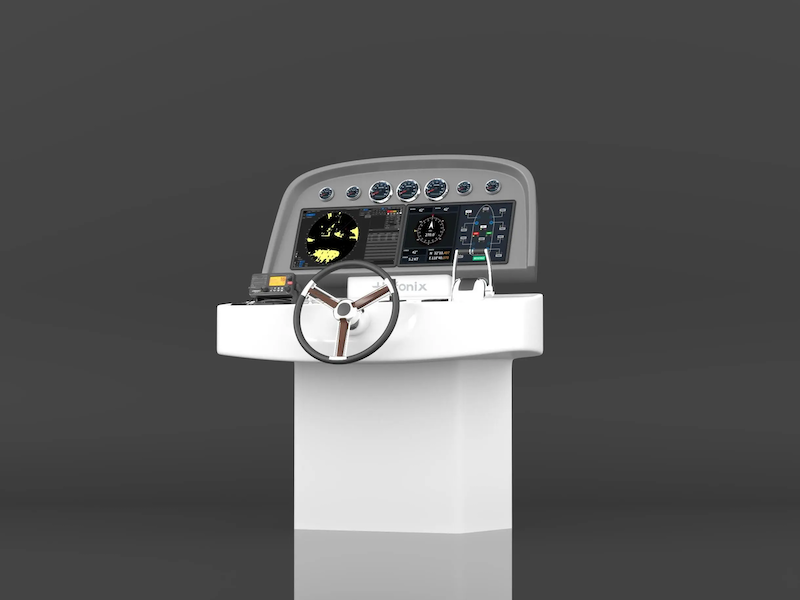
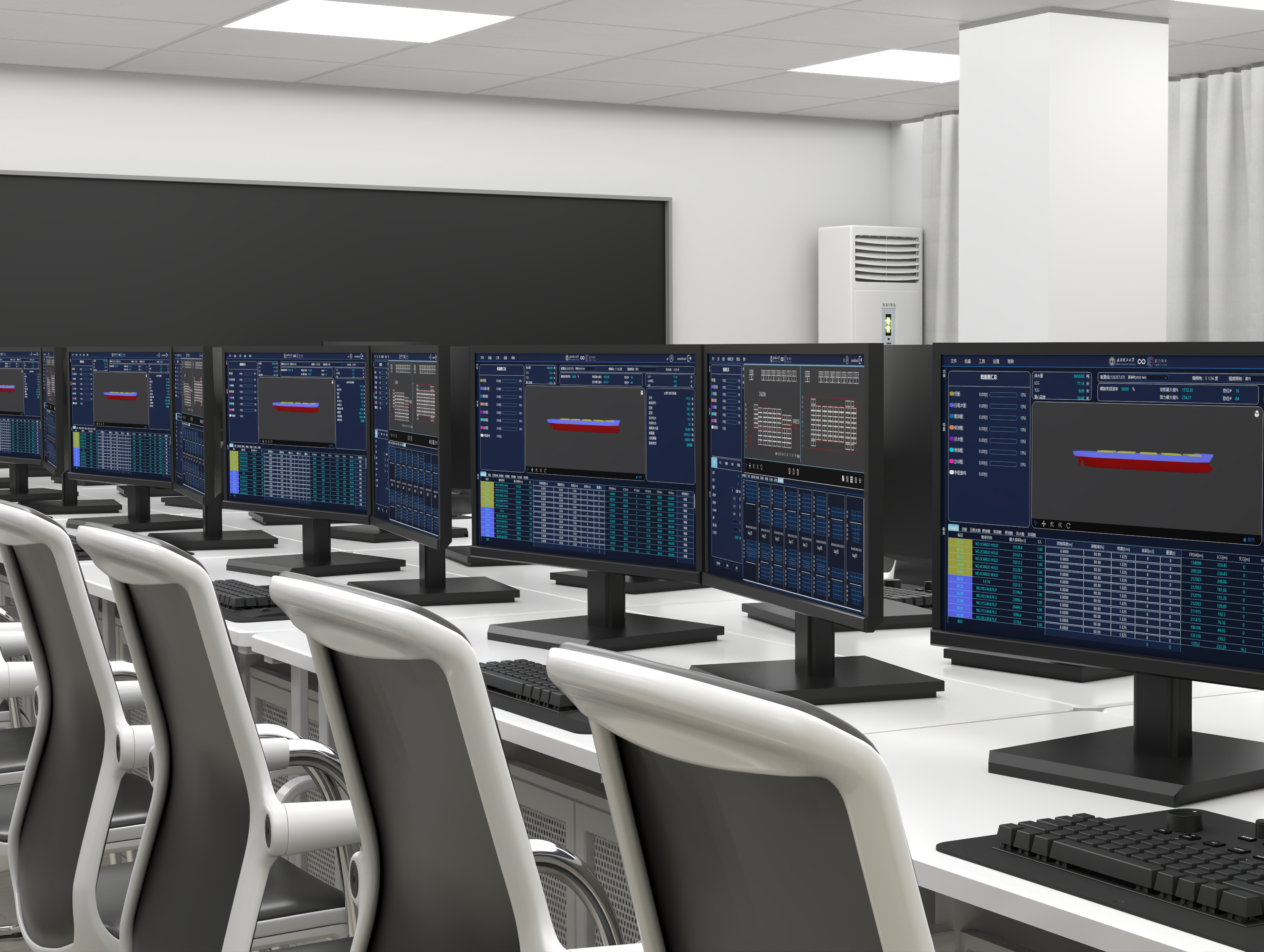
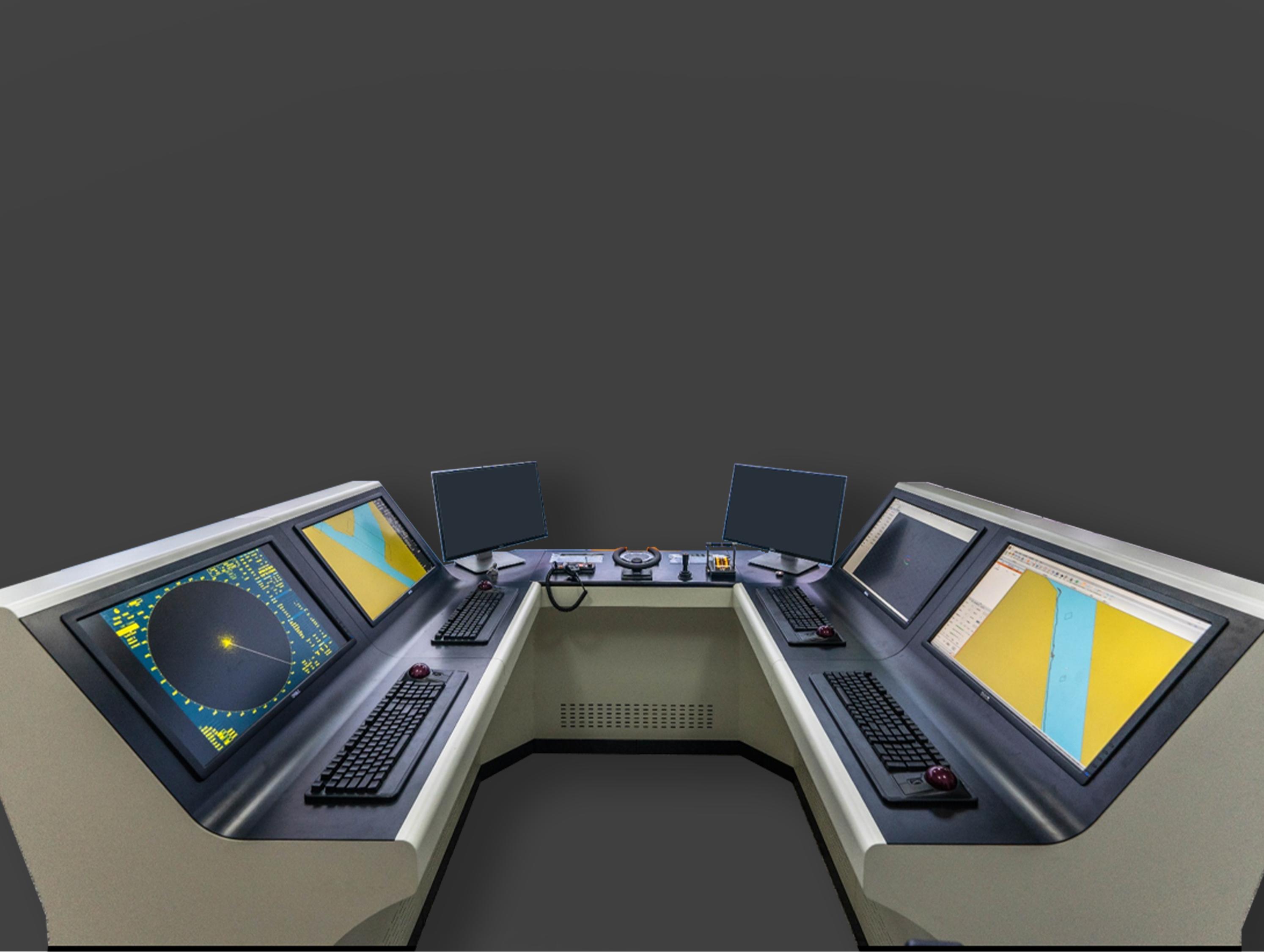
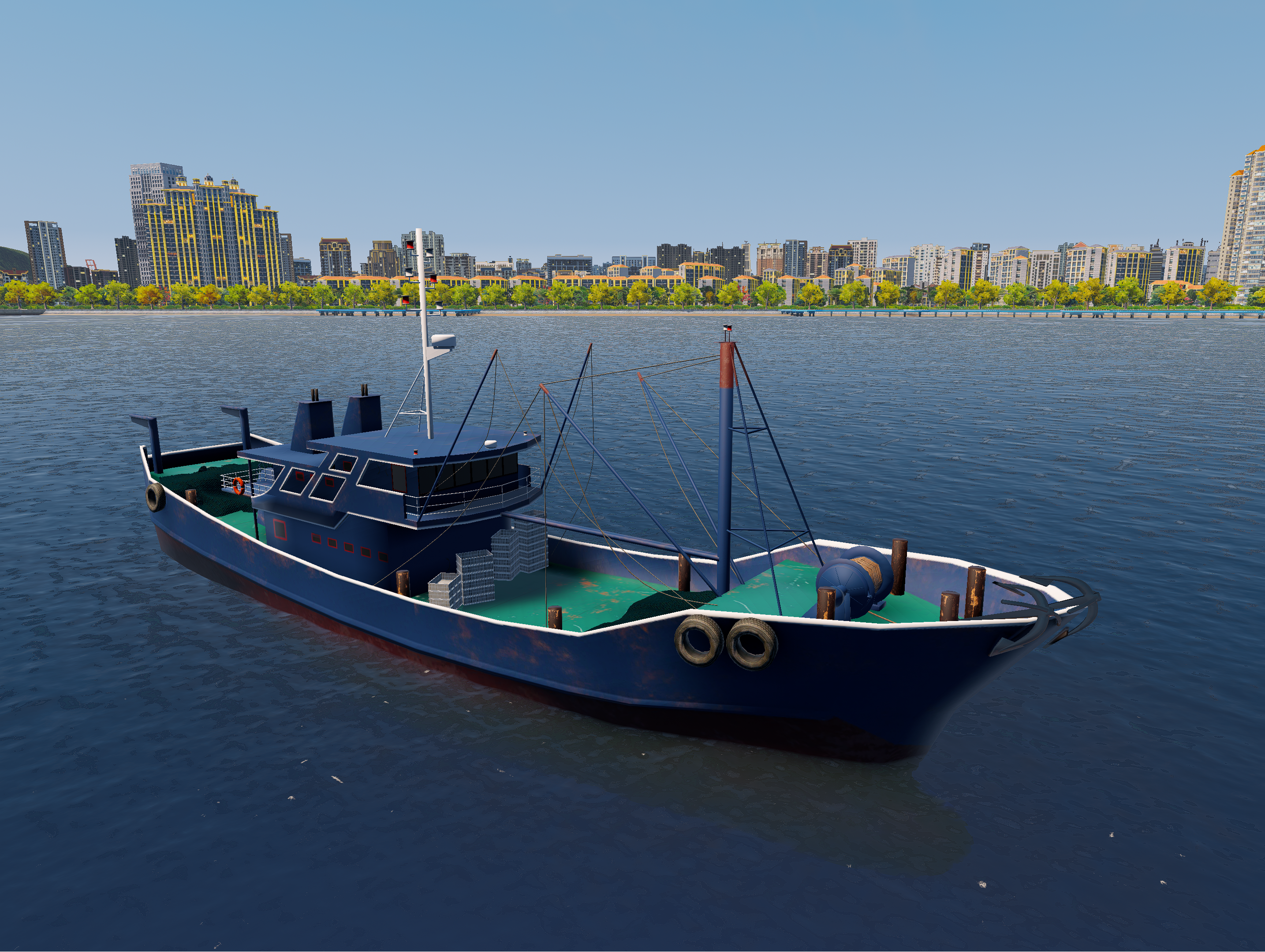
The engine ship simulator serves as an essential complement, offering system-level understanding and operational insights. Trainees can explore engine performance, monitor fuel efficiency, and simulate a range of operational scenarios. By practicing repeatedly in the engine ship simulator, engineers develop a strong understanding of system dynamics and gain the ability to respond effectively under pressure.
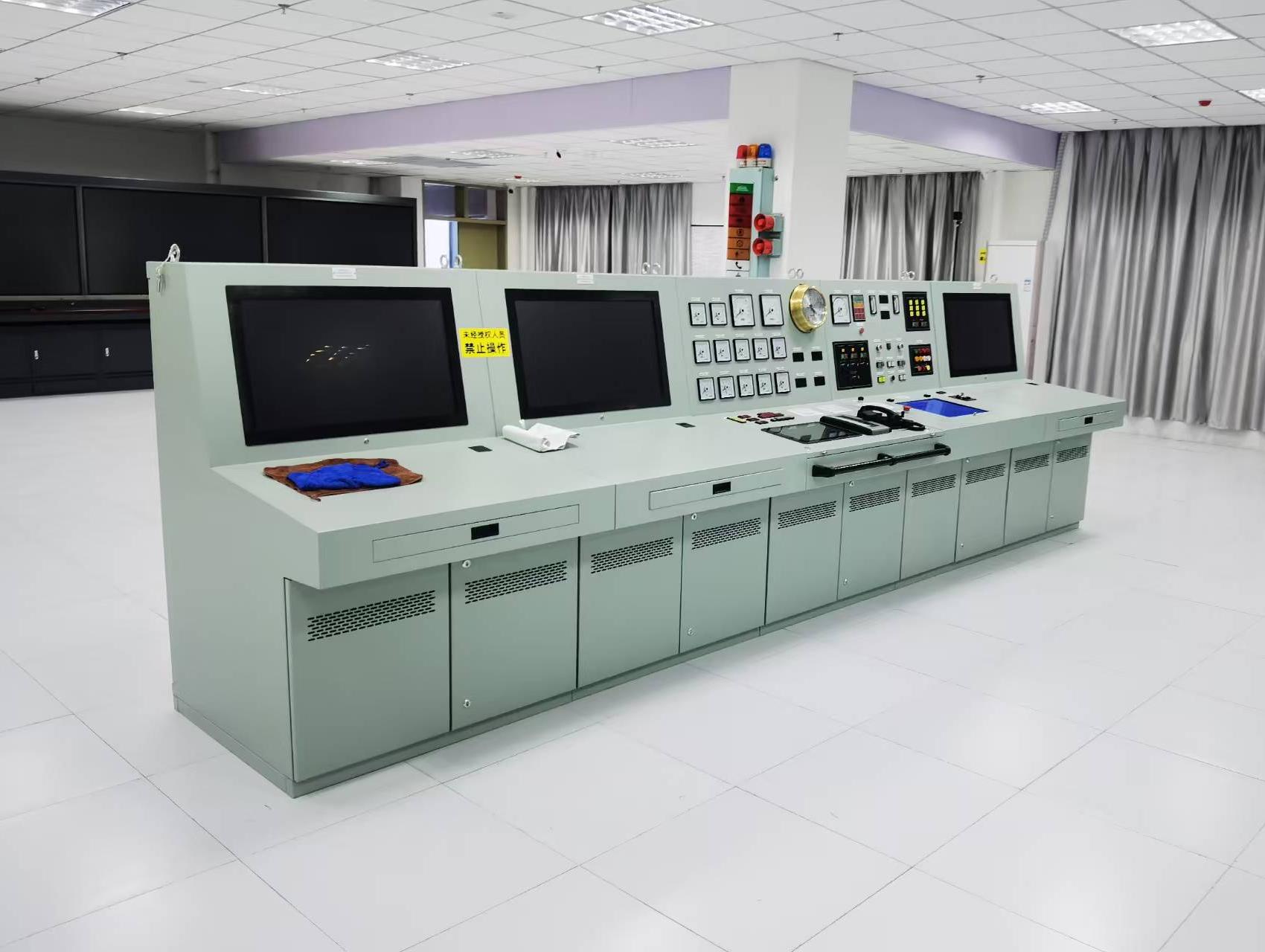
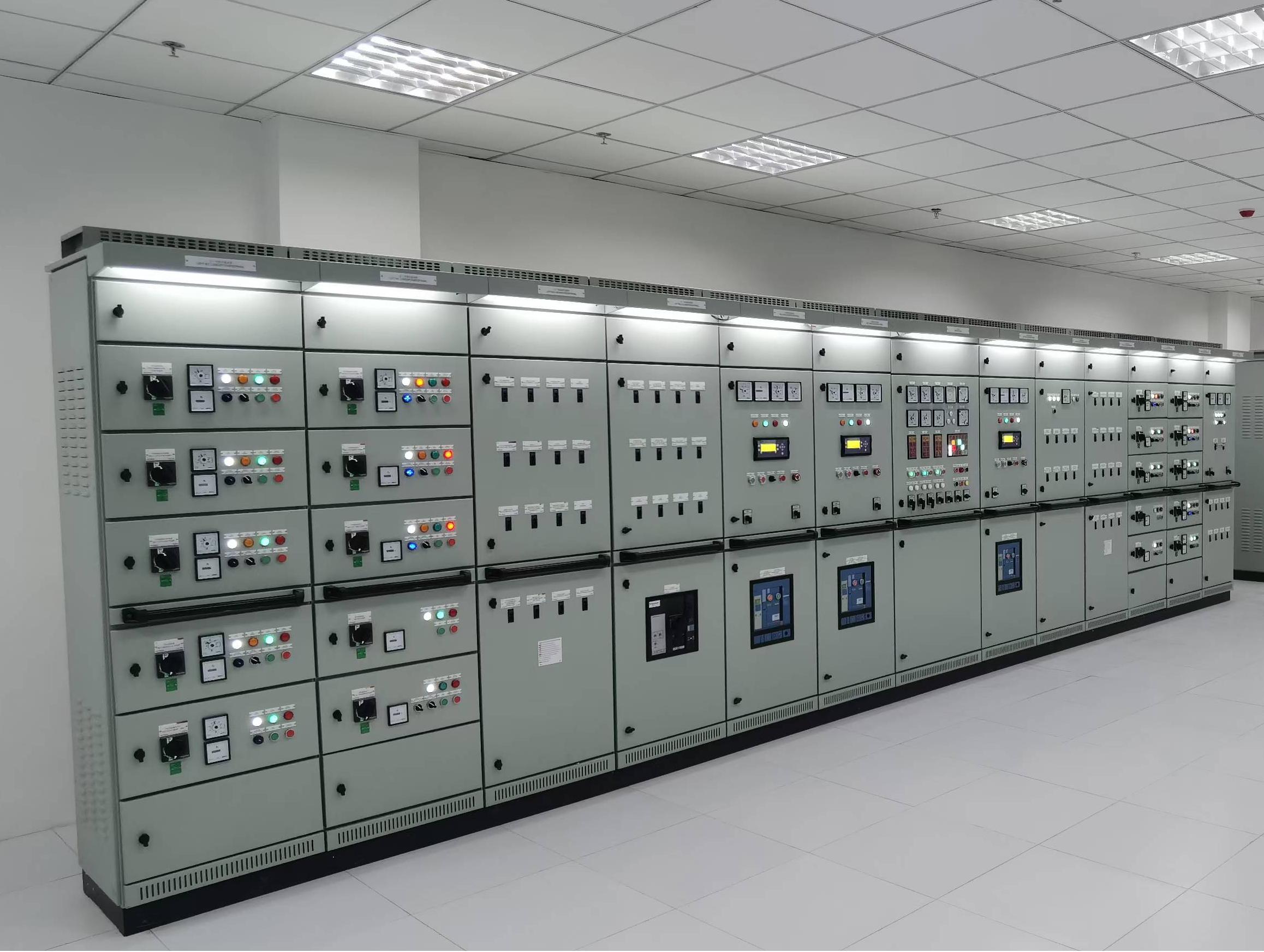
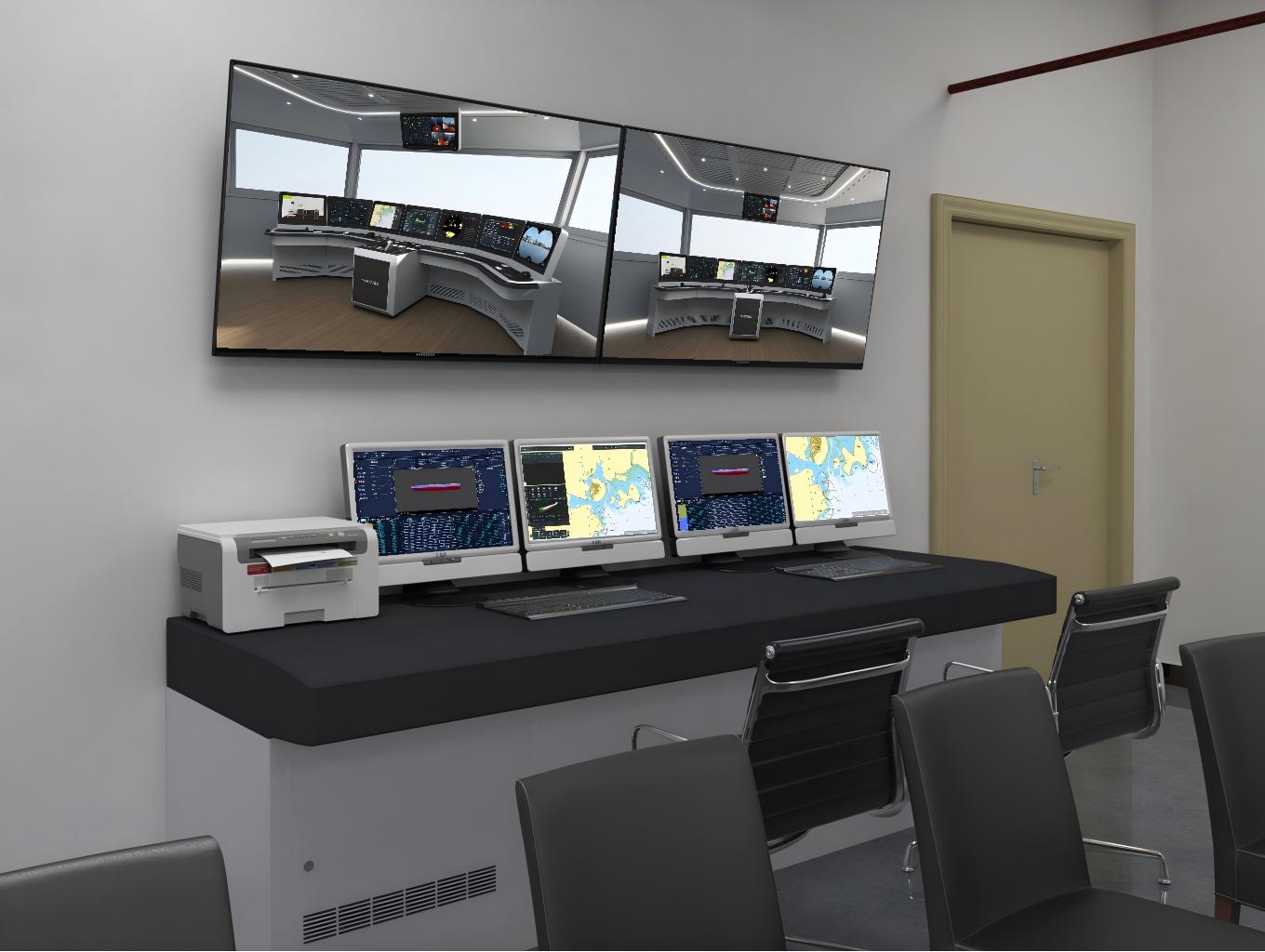
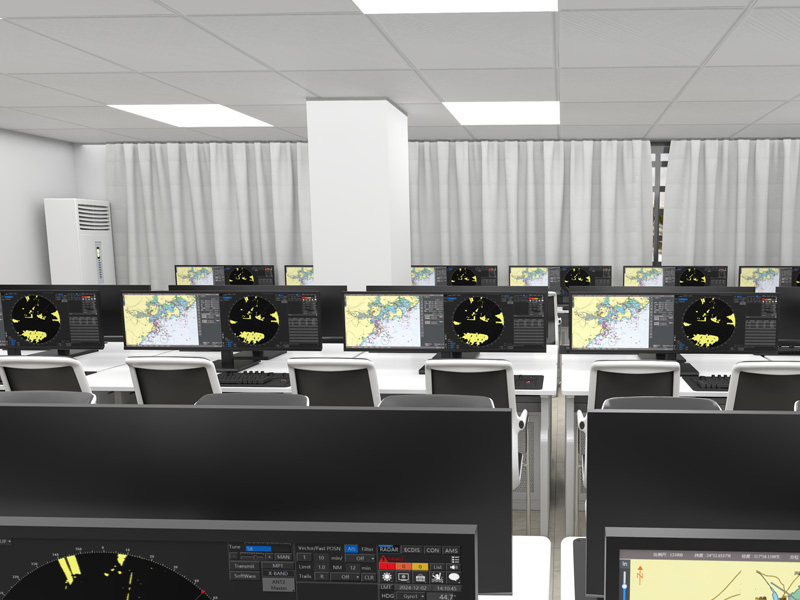
The Engine Room Simulator provides interactive, instructor-led training that focuses on procedural accuracy, troubleshooting, and emergency management. Within an Engine Room Simulator, trainees can perform start-up sequences, test alarm responses, and conduct fault diagnostics. This approach ensures that engineers not only understand system mechanics but also develop situational awareness and problem-solving skills.
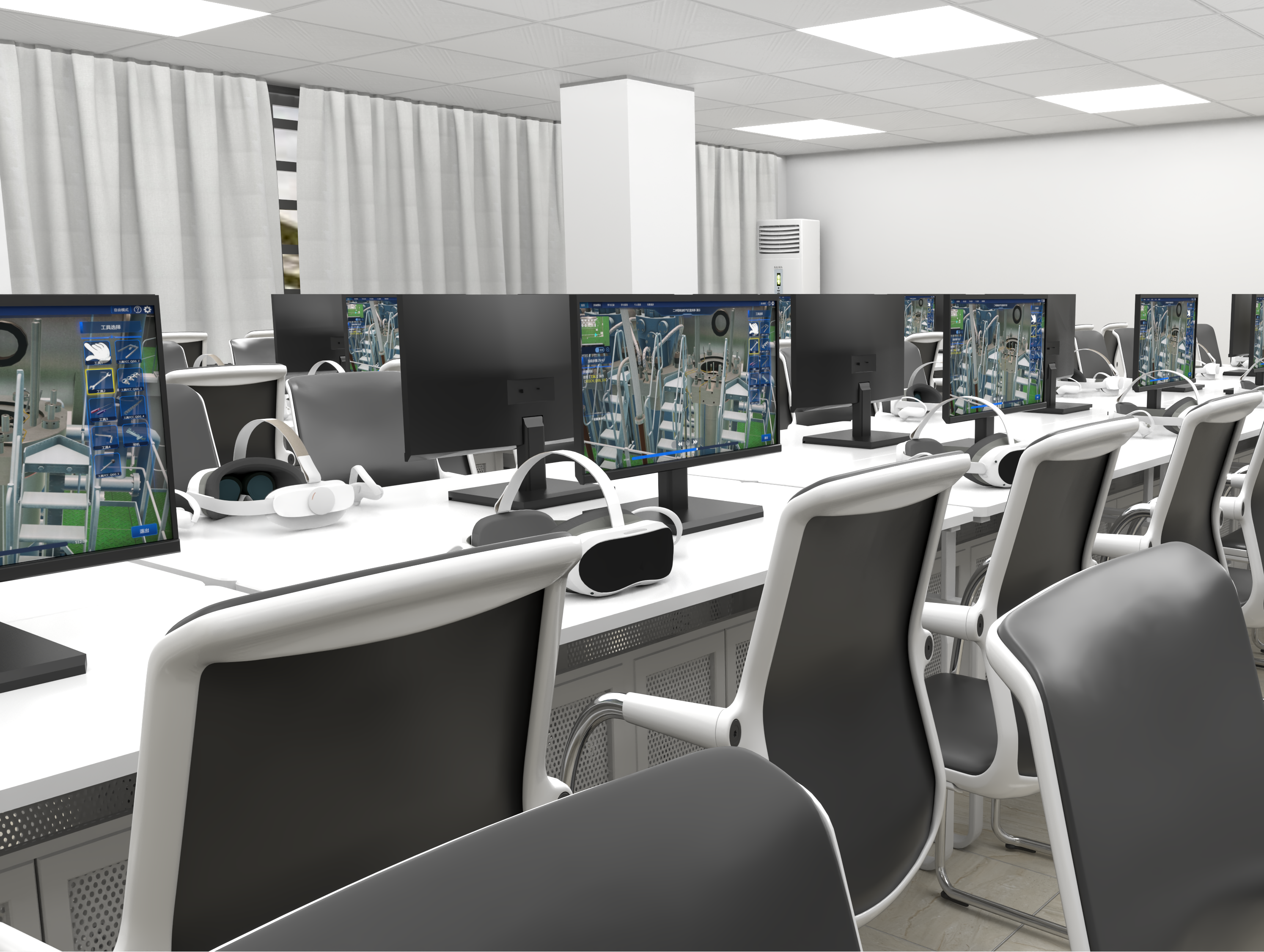
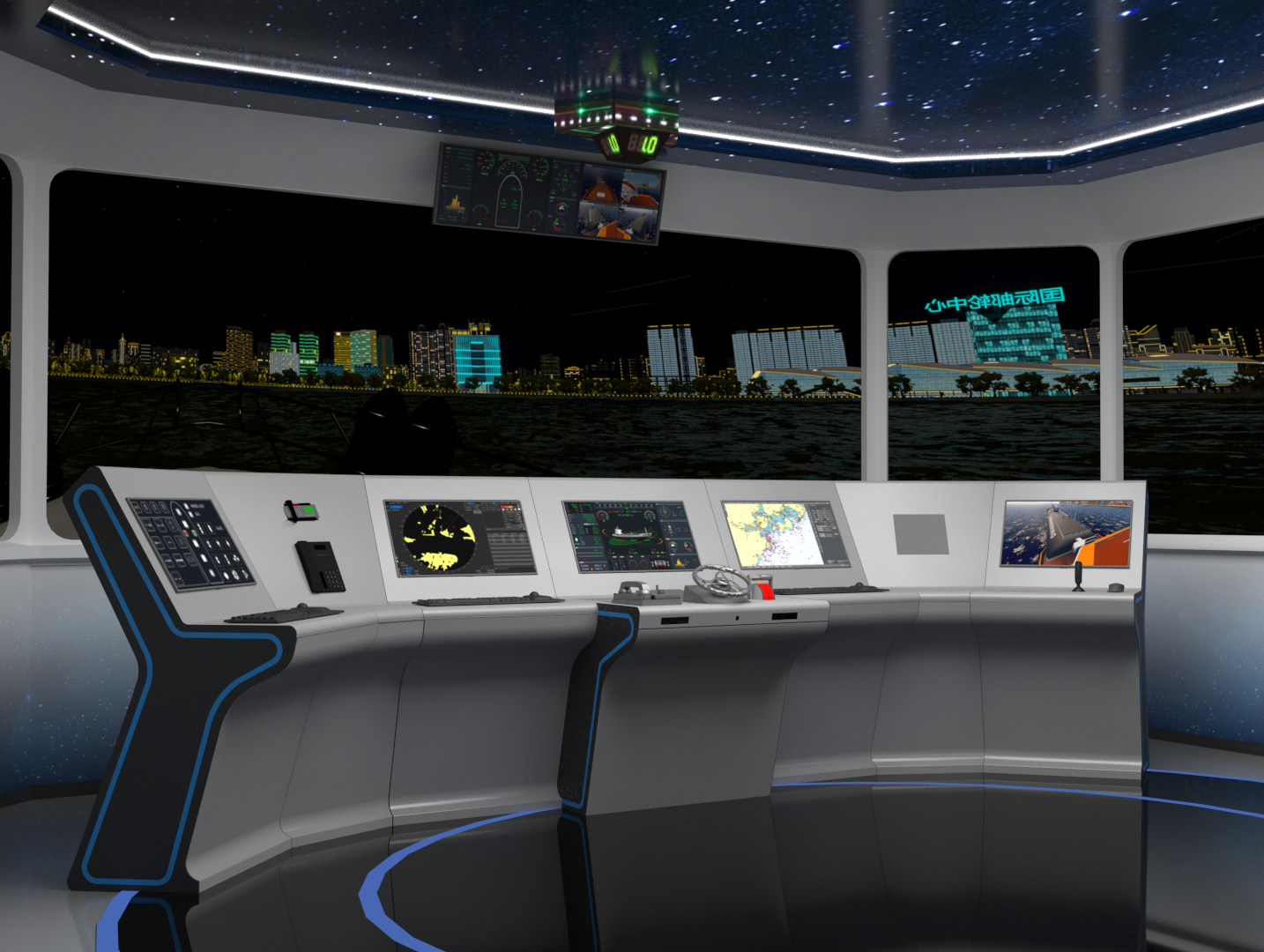
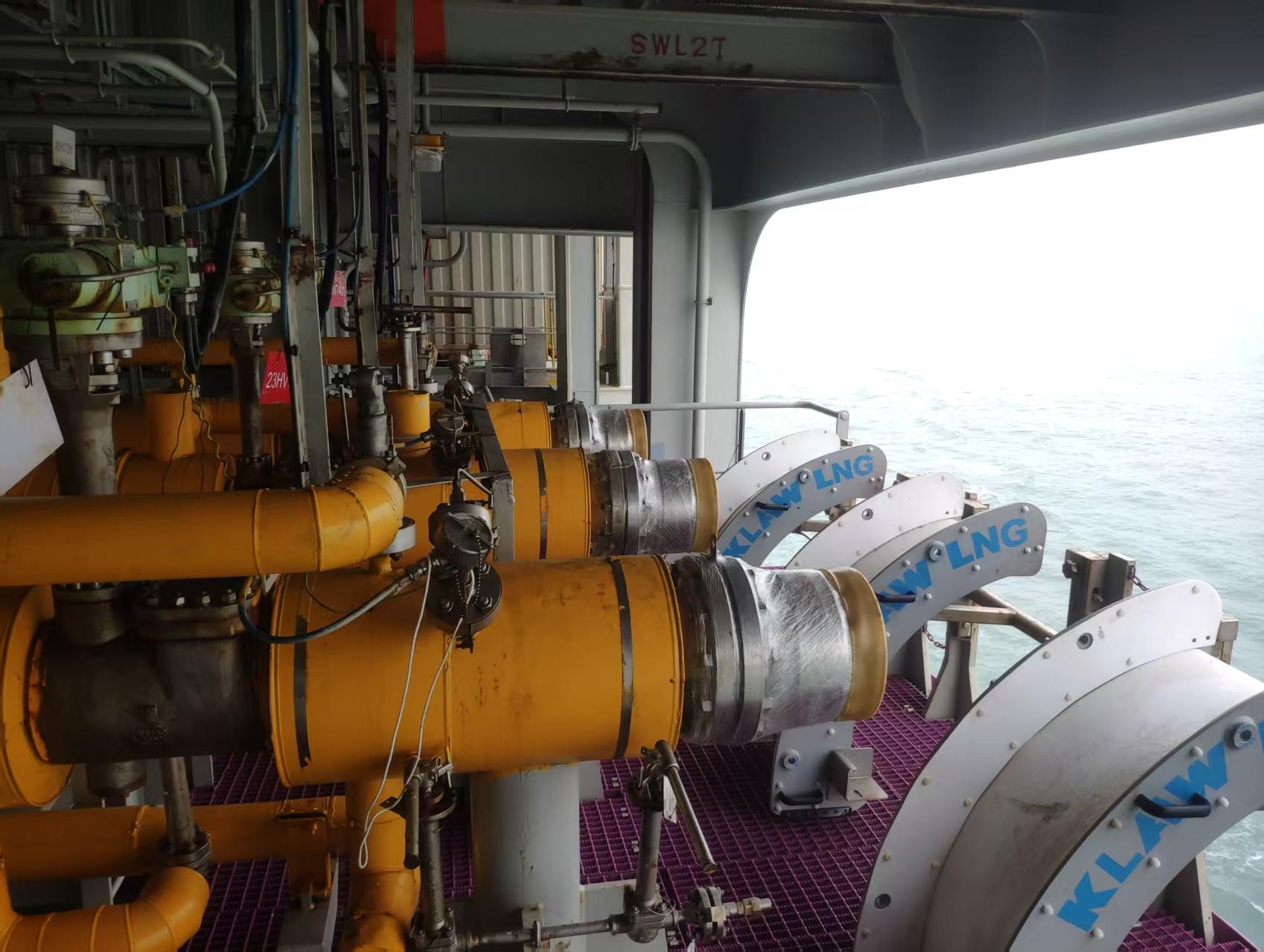
For enhanced realism, the Ship Engine Room Simulator replicates the physical layout and workflow of an actual engine room. Trainees can familiarize themselves with equipment placement, operational procedures, and maintenance routines. The combination of the Ship Engine Room Simulator and full mission engine room simulator allows for multi-system operation training, emergency drills, and fully immersive exercises that mirror real-world conditions.
By integrating the engine ship simulator, Engine Room Simulator, Ship Engine Room Simulator, marine engine room simulator, and full mission engine room simulator, maritime institutions can deliver structured, high-quality training programs. These simulation platforms enable continuous skill development, risk-free practice, and standardized learning across different fleets.
In conclusion, the adoption of a full mission engine room simulator and its related systems represents a strategic advancement in maritime training. Leveraging the engine ship simulator, Engine Room Simulator, Ship Engine Room Simulator, marine engine room simulator, and full mission engine room simulator, training institutions and shipping companies can enhance crew competence, operational safety, and efficiency, preparing engineers to meet the complex demands of today’s maritime environment.