


Navigating Excellence: The Evolution and Impact of Modern Marine Simulation Systems
In today’s increasingly complex maritime environment, the reliance on cutting-edge simulation systems has shifted from optional enhancement to fundamental necessity. At the heart of this paradigm lies the navigation simulator—a dynamic, intelligent platform engineered to replicate real-world maritime conditions with exceptional fidelity. These systems are more than training aids; they are interactive classrooms where theory meets practice, risk meets resolution, and competency is built through repetition and reflection.
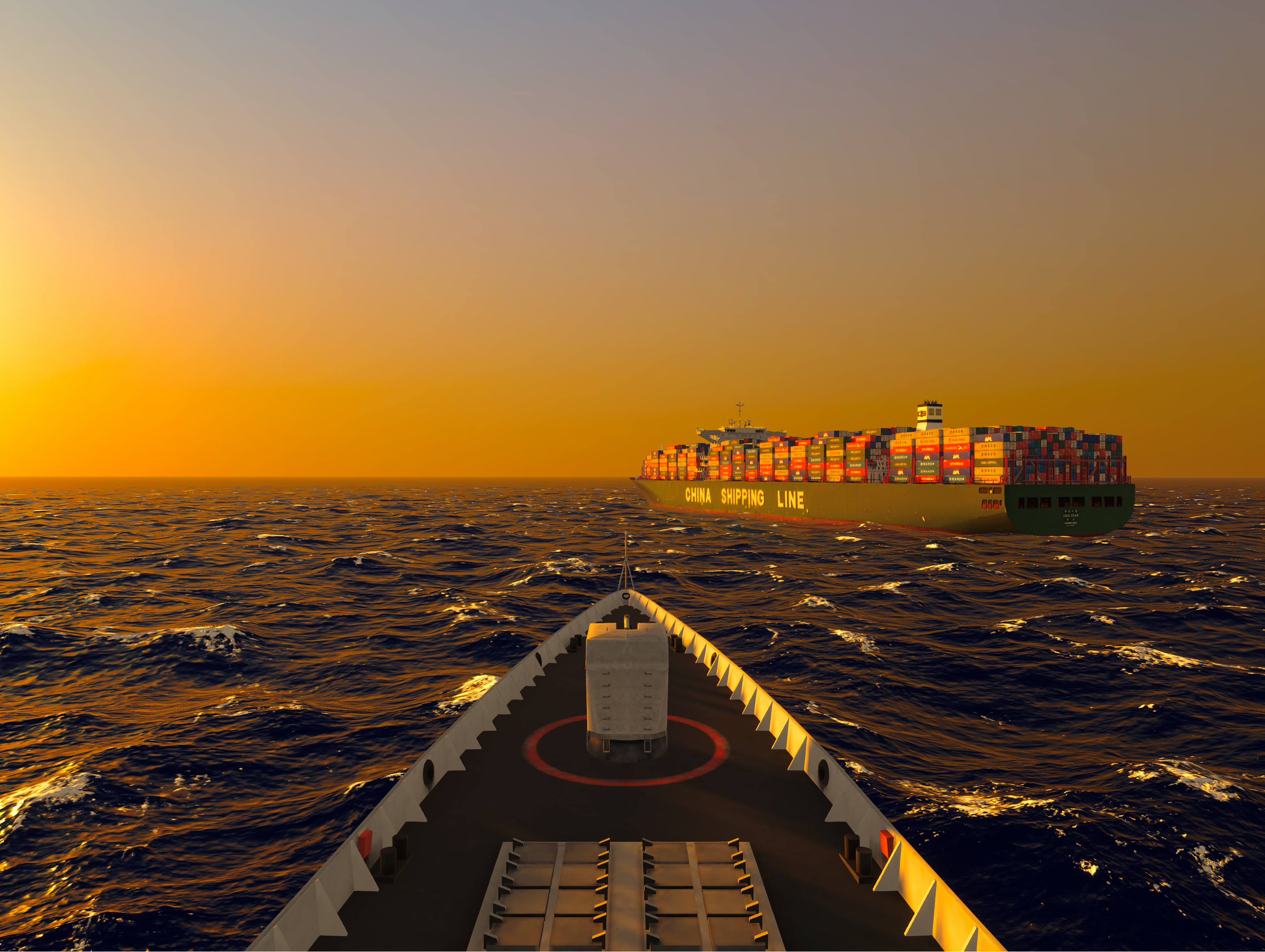
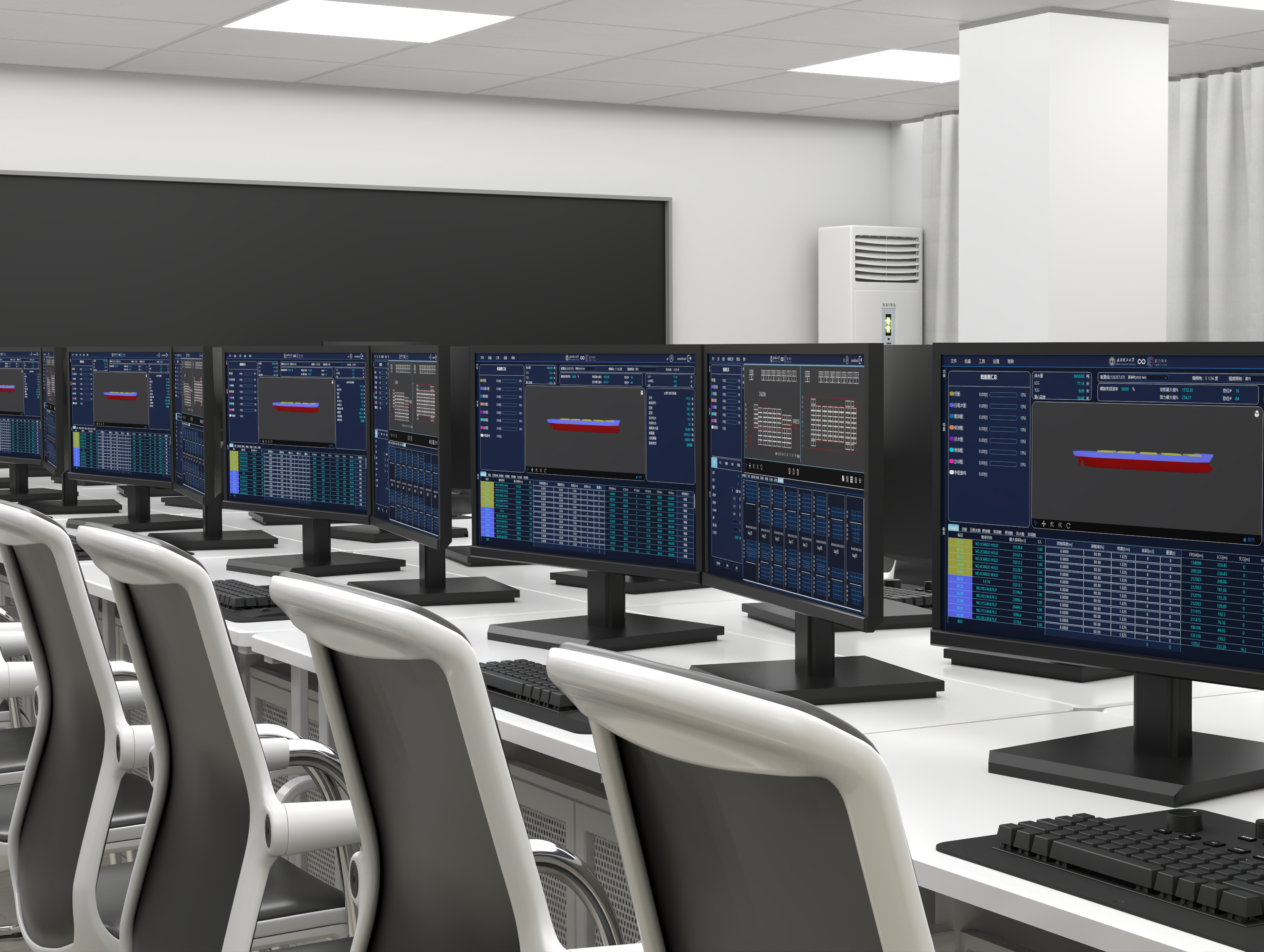
The modern ship navigation simulator has redefined seamanship training. By integrating real-time environmental data, advanced hydrodynamic algorithms, and scenario-based learning modules, it offers cadets and seasoned officers alike a safe space to master vessel handling, emergency response, and electronic navigation. Whether simulating dense fog in the English Channel or navigating the volatile currents of the Strait of Gibraltar, the ship navigation simulator bridges the gap between textbook knowledge and hands-on experience—a critical step in reducing human error, which remains a leading contributor to maritime incidents.
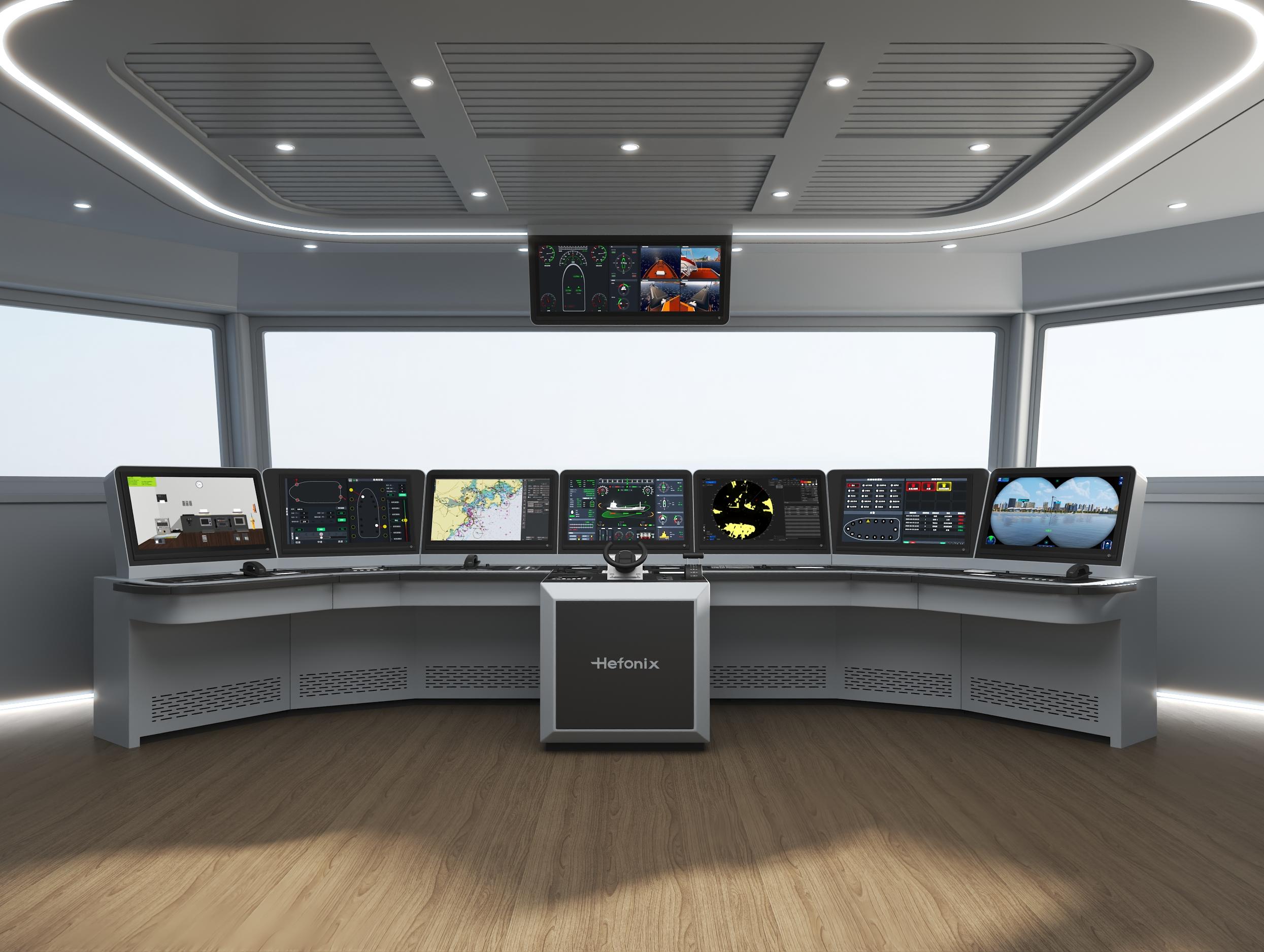
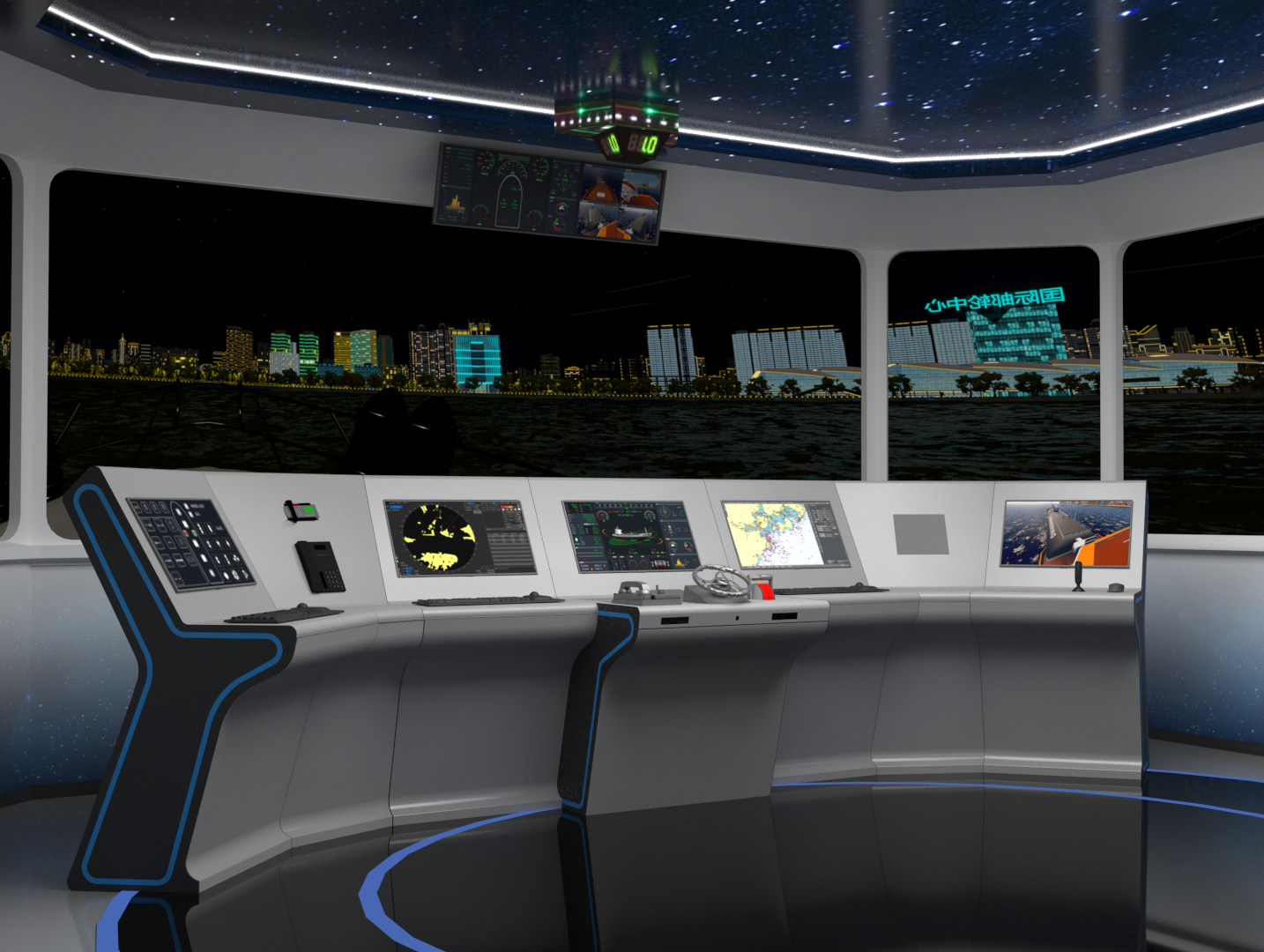
For holistic training that mirrors the full voyage cycle, the full mission sailing simulator stands as the industry benchmark. Unlike modular or part-task trainers, a full mission sailing simulator immerses users in continuous, multi-phase scenarios—from departure planning and open-sea transit to port arrival and cargo operations. This end-to-end approach cultivates not only technical proficiency but also cognitive skills such as situational awareness, decision-making under pressure, and effective bridge resource management. Institutions worldwide now integrate the full mission sailing simulator into their certification pathways, recognizing its capacity to produce officers who are not just operators, but commanders.
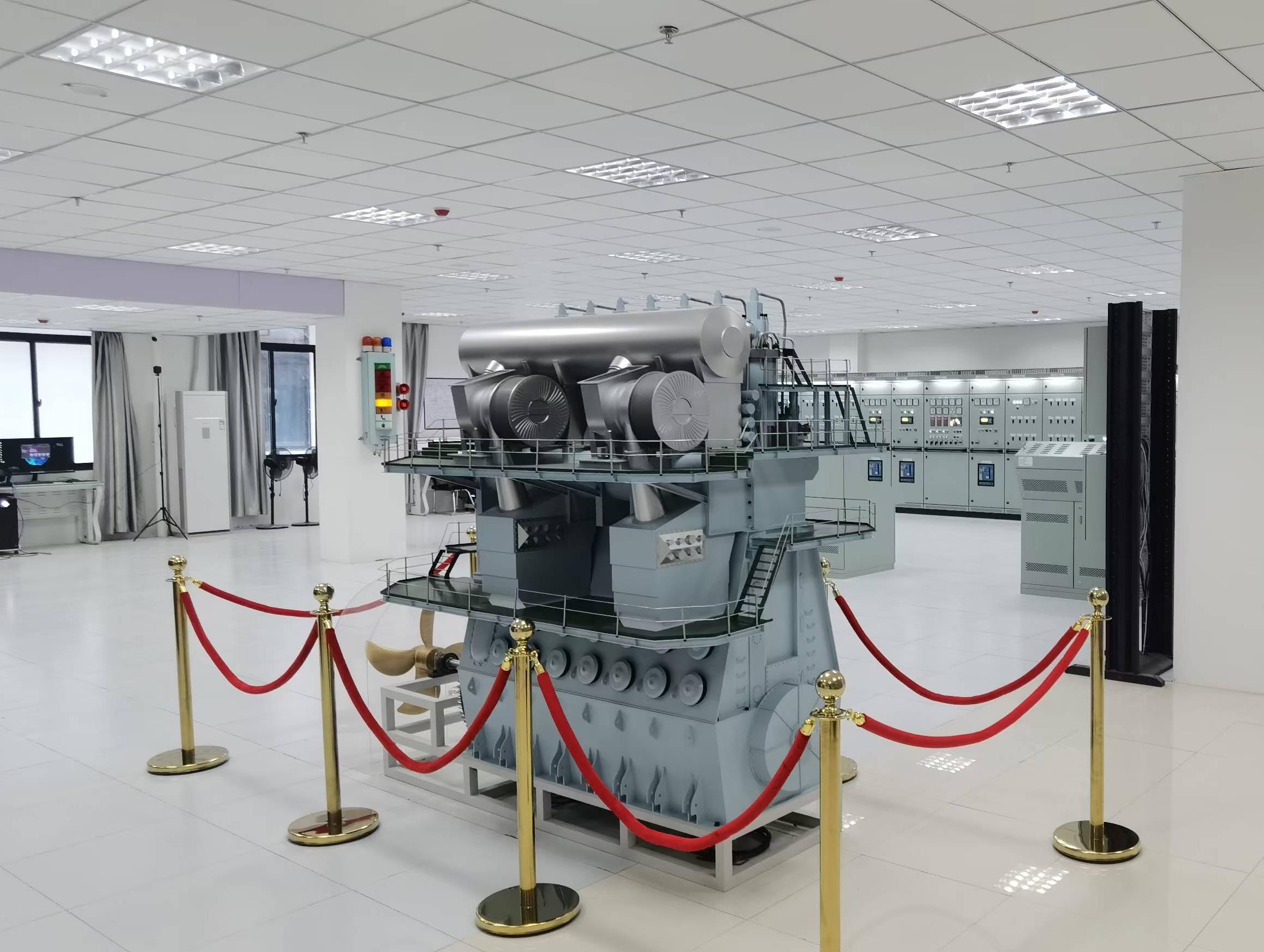
When training must be tailored to specific vessel classes or operational profiles, the full mission ship simulator delivers unmatched precision. Configurable to mimic everything from a mega-container ship to a specialized LNG carrier, this simulator replicates exact bridge layouts, propulsion behaviors, and system interfaces. The full mission ship simulator is particularly invaluable for type-rating, emergency drills, and familiarization with new technologies such as integrated bridge systems or electronic chart display and information systems (ECDIS). By offering a risk-free replica of real ship systems, it allows crews to build confidence and competence long before they step on board.
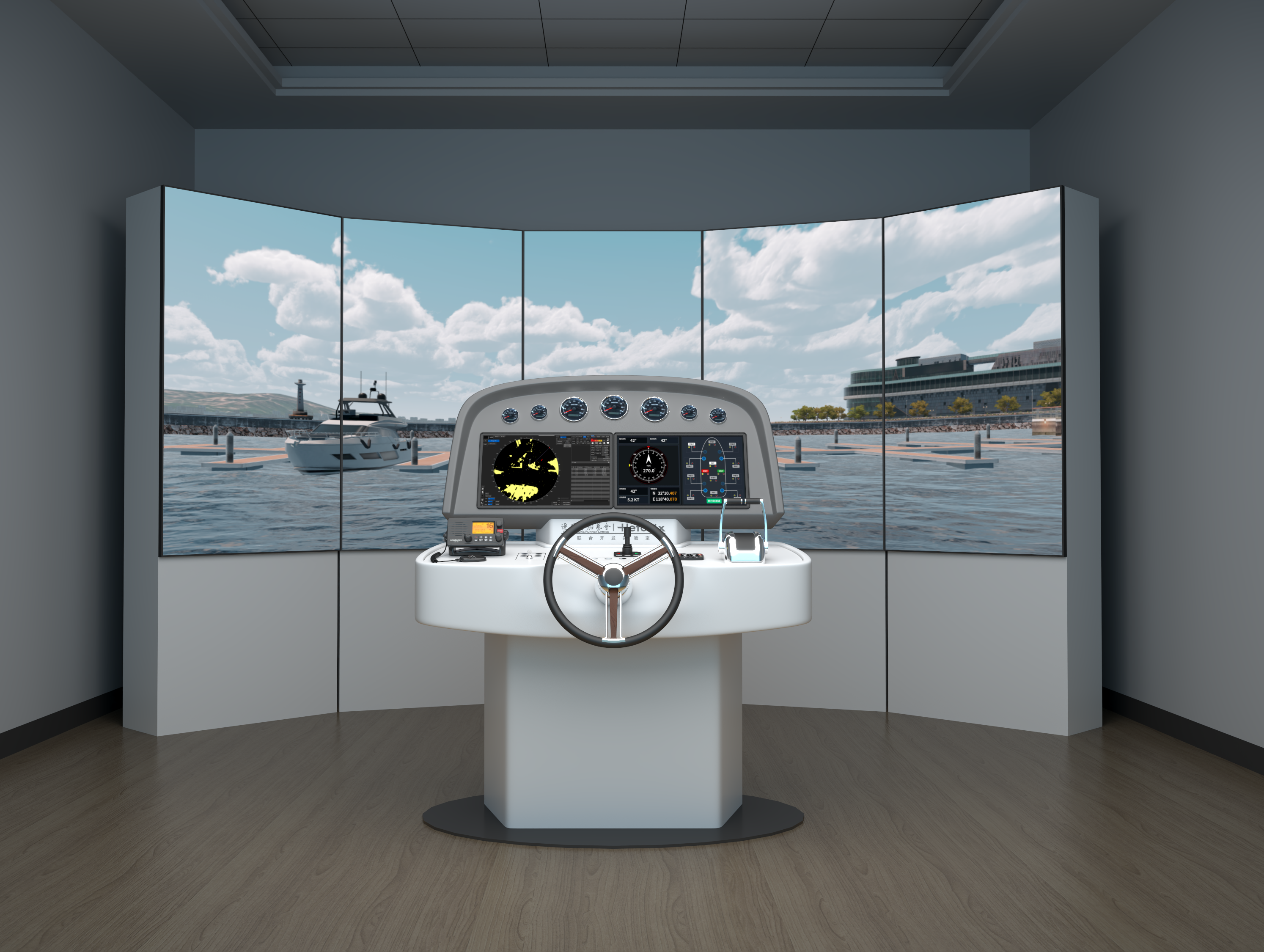
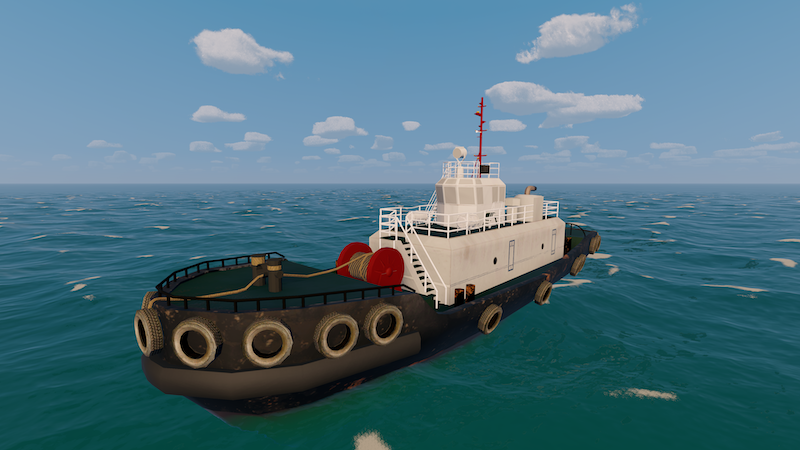
Not to be overlooked is the vital role of the boat navigation simulator in training for coastal, inland, and nearshore operations. Compact, cost-effective, and highly focused, a boat navigation simulator hones the specialized skills required for pilotage, search and rescue, fishery patrol, and harbor operations. Emphasizing shallow-water dynamics, close-quarters maneuvering, and rapid response protocols, the boat navigation simulator ensures that operators of smaller craft are equally prepared for the unique challenges of their maritime domains. In an industry where every vessel size matters, this simulator fills a crucial training niche.
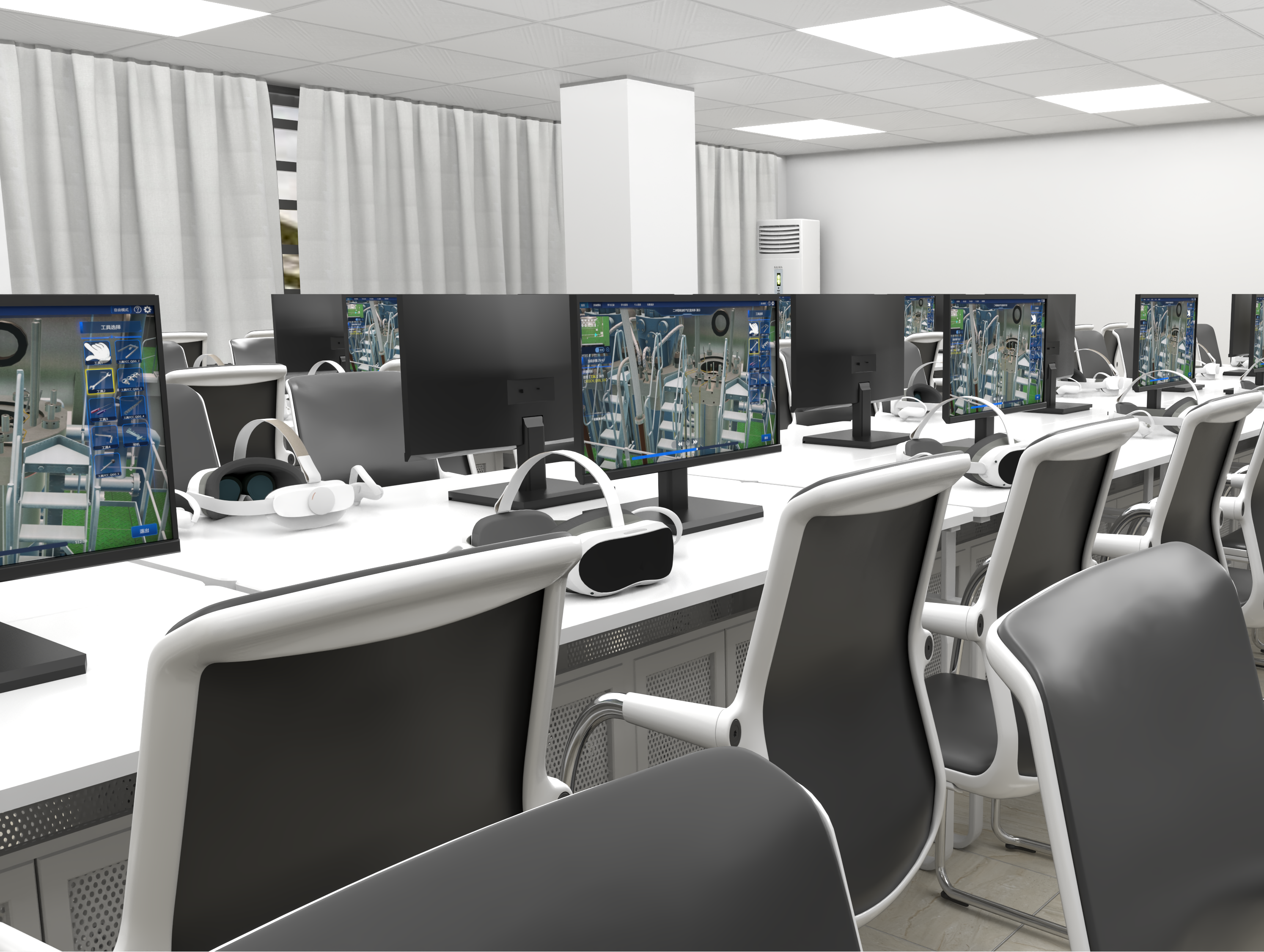
Technological integration continues to push the boundaries of what simulation can achieve. Today’s navigation simulator often incorporates AI-driven performance analytics, adaptive scenario generation, and even virtual and augmented reality modules. These features personalize the learning journey, enabling the full mission sailing simulator to adjust difficulty in real time, provide instant feedback, and track long-term competency growth. Such smart training environments are not only more engaging—they are also more effective at preparing mariners for the unpredictable nature of the sea.
The regulatory landscape has increasingly embraced simulation-based training. Major flag states and classification societies now mandate training hours on certified full mission ship simulator systems for various officer licenses and endorsements. This shift acknowledges that well-designed simulation can replicate—and in some cases surpass—certain forms of sea-based training, particularly for emergency preparedness and system familiarity. Standardization across simulators also promotes global training equity, ensuring a Filipino cadet and a Norwegian cadet meet the same competency thresholds.
From an operational and economic standpoint, investment in simulation technology yields substantial returns. While a high-fidelity ship navigation simulator represents a significant capital outlay, it reduces long-term costs associated with fuel consumption, vessel wear, onboard training logistics, and potential incident-related losses. Moreover, the ability to train multiple crews simultaneously—onshore, in controlled conditions—minimizes downtime and maximizes fleet readiness. In an industry driven by efficiency, the full mission sailing simulator is not an expense, but a strategic asset.
Looking ahead, the future of marine simulation is being shaped by digitalization and connectivity. Emerging concepts such as cloud-based simulation networks, digital twin integration, and interoperable multi-simulator platforms will further democratize and enhance training access. Soon, a cadet in Asia might join a virtual exercise with a simulator in Europe, both operating within the same full mission ship simulator environment. Such collaborative, boundary-less training will better prepare mariners for the globally interconnected nature of modern shipping.
Equally important is the growing emphasis on human factor training within simulated environments. Modern simulators increasingly embed scenarios that test communication, leadership, fatigue management, and cultural competency—soft skills essential for today’s multicultural crews. By blending technical and human-centric training, the boat navigation simulator and its larger counterparts foster not only skilled operators, but resilient and responsive maritime teams.
As the industry confronts new challenges—from decarbonization and autonomous shipping to heightened cybersecurity risks—simulation systems must evolve in parallel. Future iterations of the navigation simulator will likely include modules on energy-efficient voyage planning, remote vessel monitoring, and cyber incident response. This forward-focused adaptability ensures that simulation remains relevant and essential amid rapid technological and regulatory change.
In summary, the transformative power of marine simulation systems is undeniable. From the comprehensive scope of the full mission sailing simulator to the specialized focus of the boat navigation simulator, these technologies collectively elevate training quality, enhance safety culture, and strengthen operational readiness across the maritime sector. As the industry sails toward a more automated, regulated, and environmentally conscious future, simulation will continue to serve as the cornerstone of maritime competence—guiding the next generation of seafarers with precision, realism, and unwavering relevance.