

Mastering the Seas: How Navigation Simulators Are Shaping the Future of Maritime Excellence
The ocean is both a pathway and a challenge—a realm where precision, quick thinking, and deep knowledge determine success or disaster. As global shipping grows more complex and vessels operate in increasingly unpredictable environments, navigation simulator technology has become the bedrock of maritime training. Ranging from accessible boat navigation simulators for beginners to ultra-realistic full mission sailing simulators used by top academies, these tools are transforming how crews interact with the sea. Among them, ship navigation simulators—especially full mission ship simulators—stand out as the most comprehensive solution for cultivating truly competent mariners.
From First Steps to Expertise: The Role of Boat Navigation Simulators
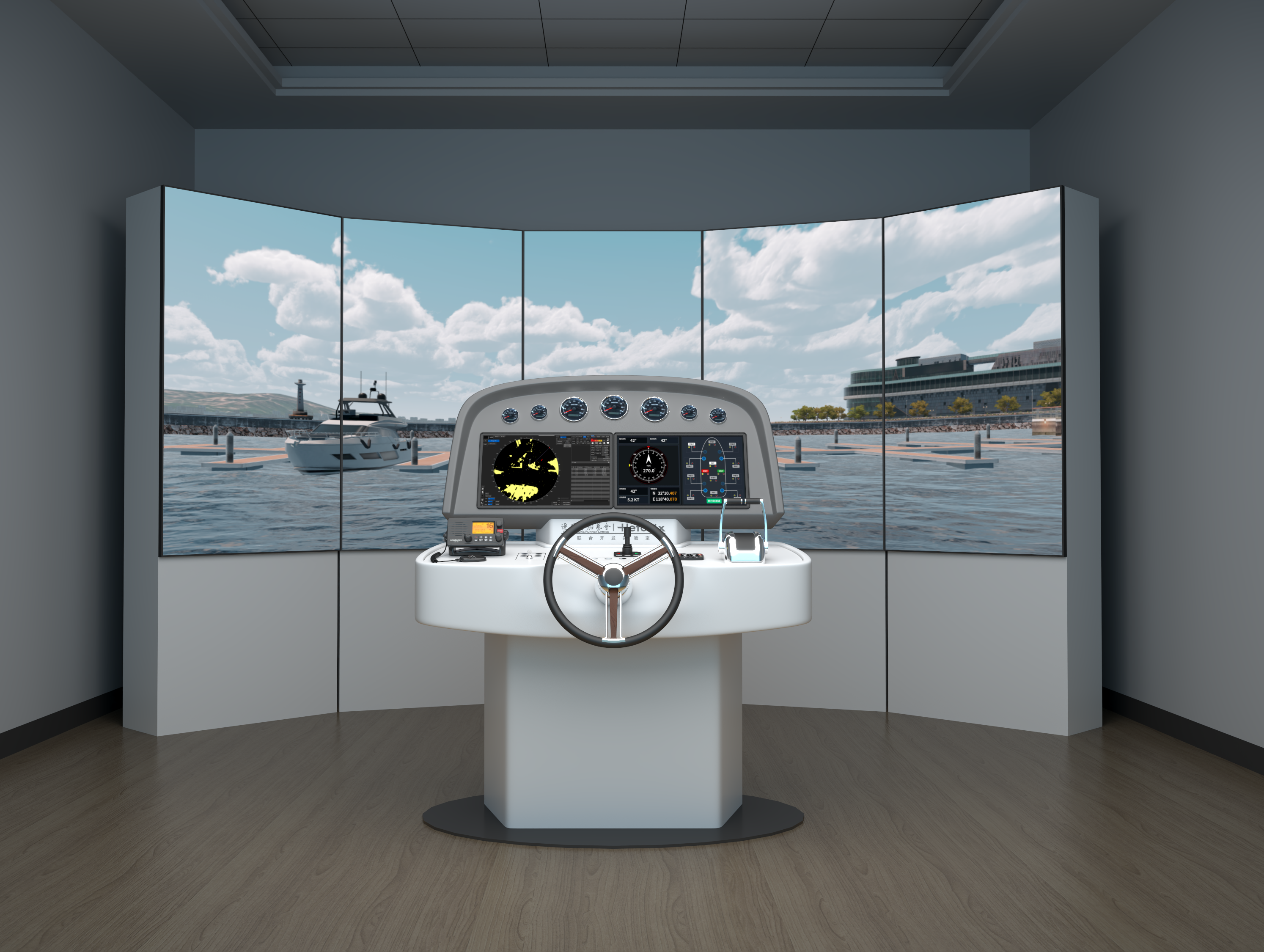
Every maritime career begins with fundamentals: understanding compass directions, recognizing navigation markers, and executing simple maneuvers. Boat navigation simulators provide a risk-free space for learners to absorb these essentials. With intuitive interfaces and simplified scenarios, trainees can practice steering through virtual harbors, responding to buoys, and calculating distances without worrying about real-world consequences.
These simulators are especially valuable in early education because they encourage experimentation. A student can intentionally steer off-course to see the result, then immediately try again with corrected input. This iterative learning builds confidence and cements core skills. Moreover, boat navigation simulators often include progressive modules, allowing users to move from calm waters to busier traffic, gradually increasing difficulty. In doing so, they prepare trainees for the leap to more advanced navigation simulators.
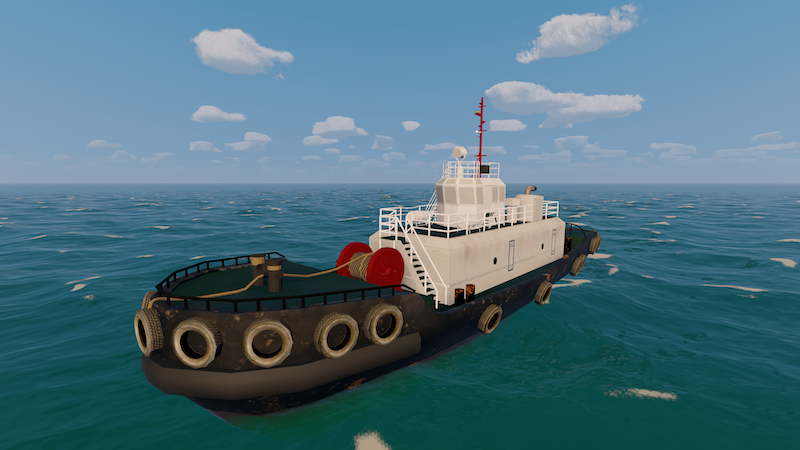
Immersive Realism: The Power of Full Mission Ship Simulators
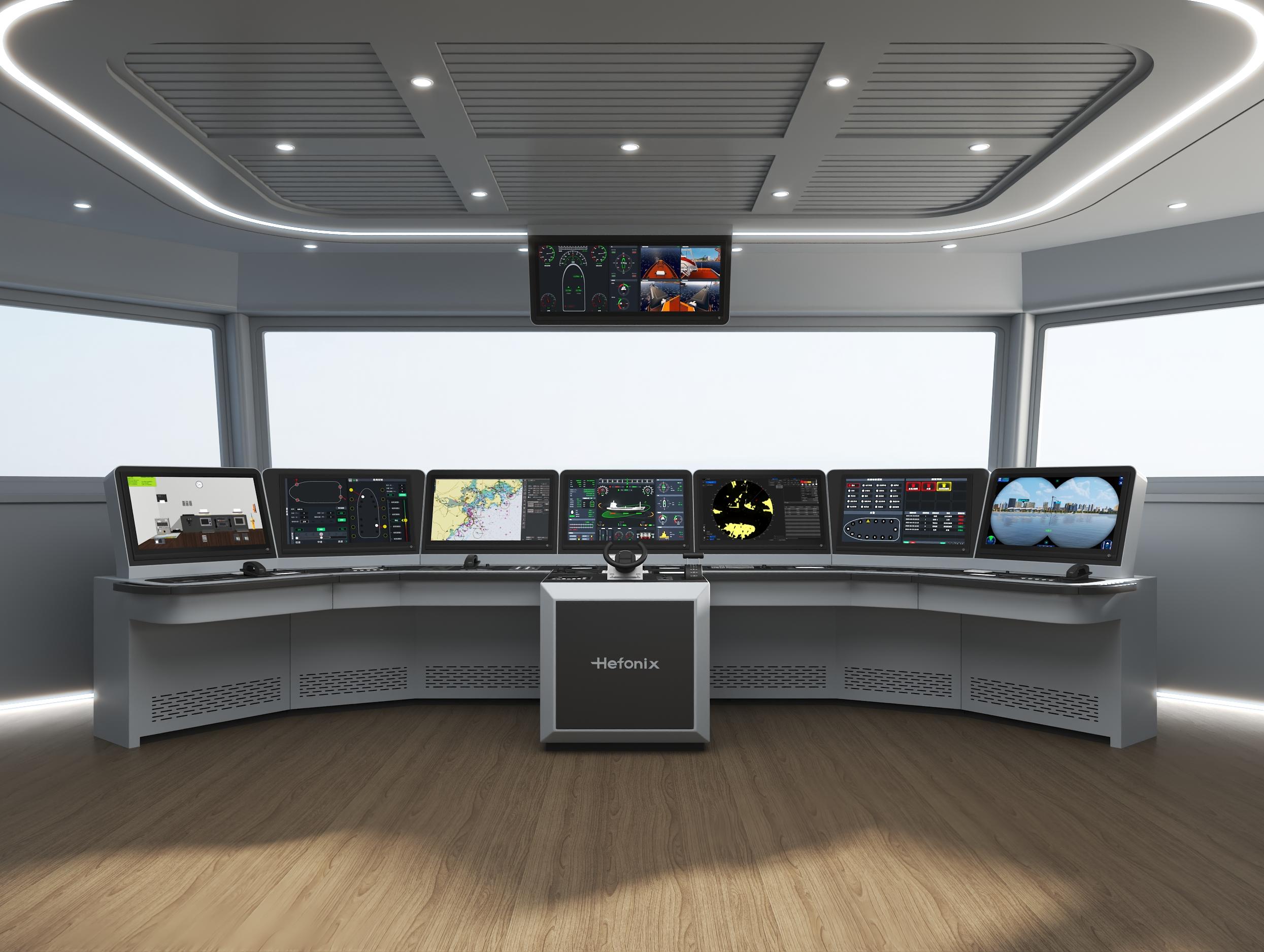
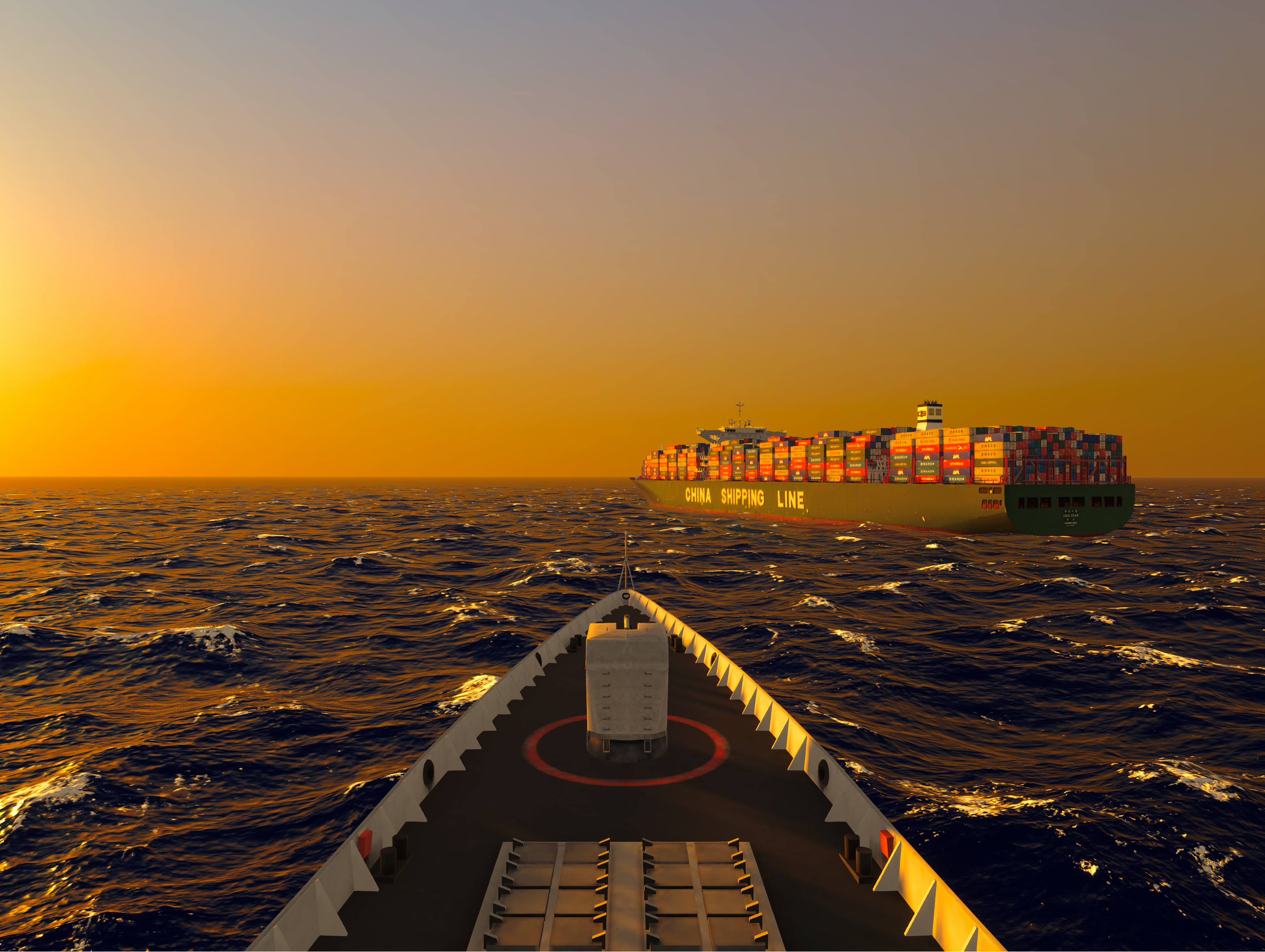
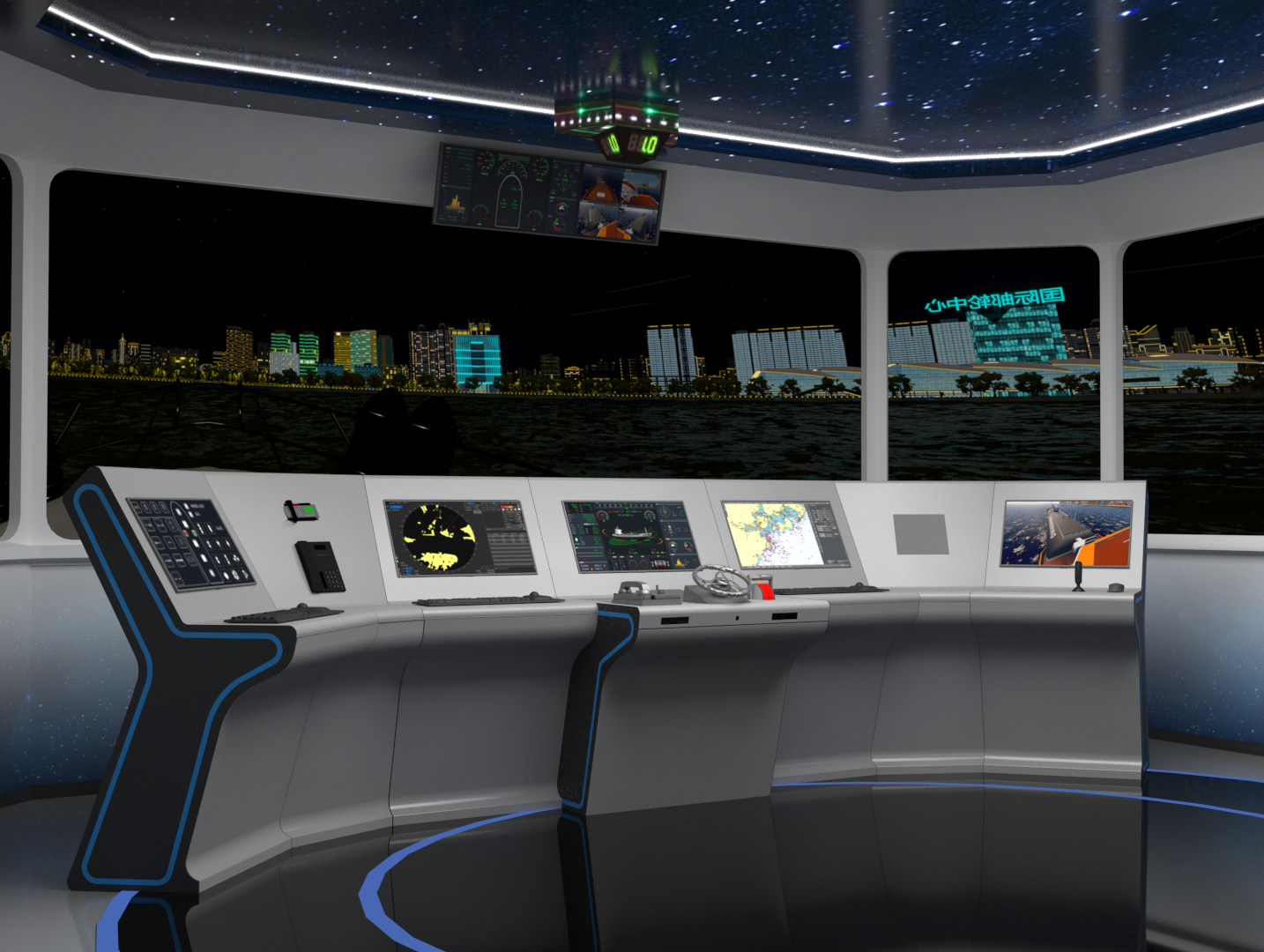
Where boat navigation simulators teach the basics, full mission ship simulators immerse crews in the totality of modern shipboard operations. These systems replicate every critical element of a ship’s bridge—multi-function displays, radar, ECDIS, autopilot, VHF radios, and even environmental controls. When paired with motion platforms, 3D visuals, and surround sound, a full mission sailing simulator can convincingly mimic pitching decks, rolling swells, and blinding rain.
Imagine a training scenario on a full mission ship simulator: a bulk carrier approaches a narrow channel in thick fog. Suddenly, radar picks up an unidentified vessel on a collision course. Engine trouble adds urgency. Trainees must coordinate helm adjustments, issue commands to virtual crew members, update passage plans, and communicate with port authorities—all within minutes. This level of integration tests not only technical skill but also leadership, communication, and stress management.
Such fidelity is vital. Maritime accidents often stem from chains of minor errors made under pressure. Ship navigation simulators let crews rehearse these chains in a safe setting, breaking the chain before it leads to tragedy.
Safety, Compliance, and Efficiency: Why Navigation Simulators Matter
The maritime industry moves over $14 trillion worth of goods each year, and with great volume comes great responsibility. Human error remains the primary cause of marine incidents, contributing to groundings, collisions, and pollution events. Navigation simulators directly address this by providing realistic, repeatable training for high-risk situations that are rare or too dangerous to stage at sea.
Compliance is another driver. The STCW convention requires simulation-based training for key competencies, and full mission ship simulators are the preferred tool for meeting these standards. They enable instructors to evaluate performance objectively, ensuring crews are prepared for emergencies such as engine failure, man-overboard rescues, and severe weather navigation.
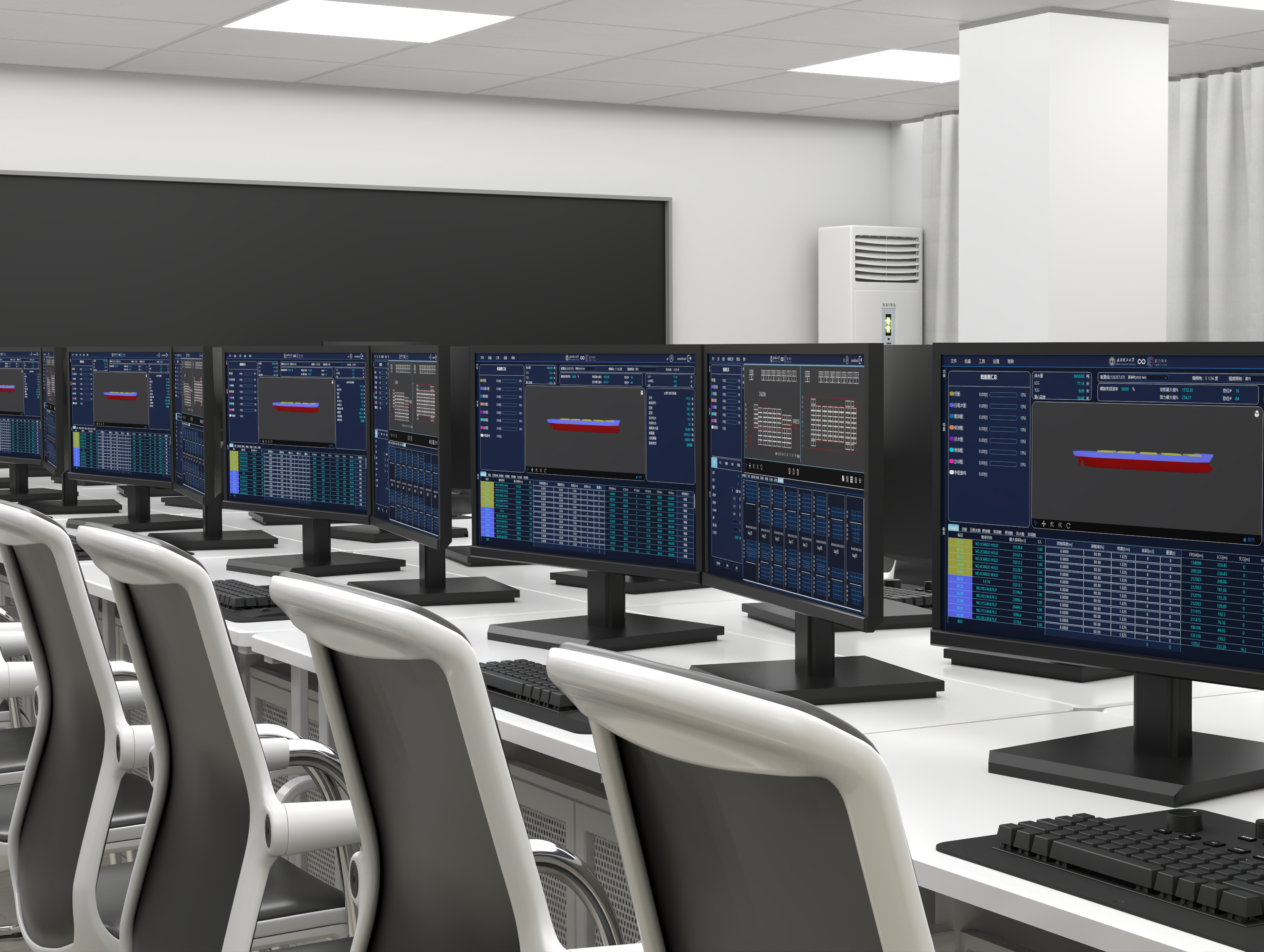
Beyond safety, simulators boost operational efficiency. Trainees using ship navigation simulators can refine fuel-saving routes, practice just-in-time arrival maneuvers, and learn optimal cargo-handling procedures. These efficiencies translate into lower emissions and higher profitability for shipping companies.
Innovation and Accessibility: Expanding the Reach of Simulation
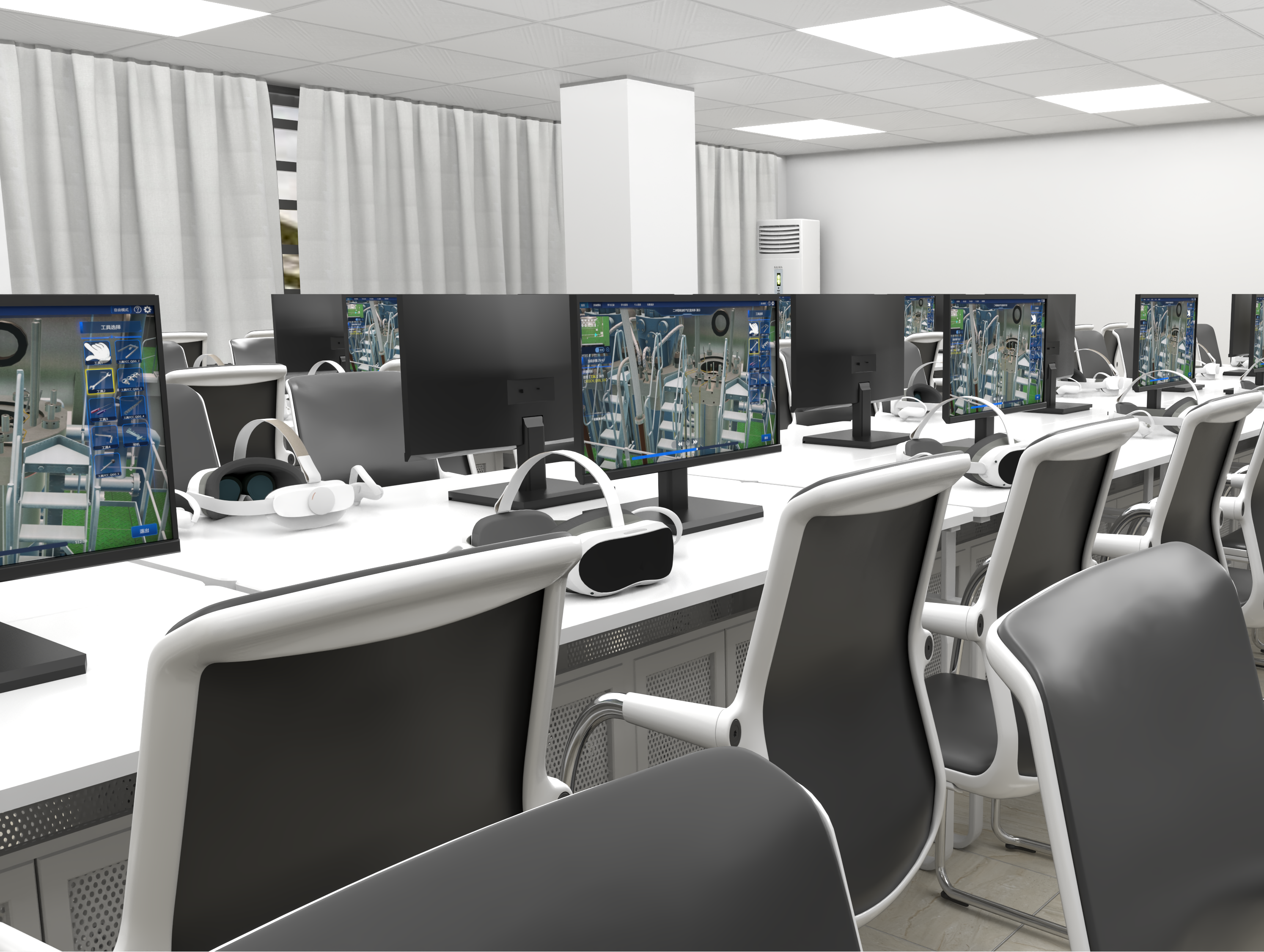
Modern navigation simulators are more accessible than ever. Compact versions of boat navigation simulators run on standard PCs and tablets, bringing quality training to remote coastal communities and smaller maritime schools. Cloud technology allows fleets to maintain a centralized library of scenarios, which crews can access from multiple locations for consistent instruction.
Artificial intelligence enhances these systems further. AI-driven full mission sailing simulators adapt scenarios based on user performance, focusing training on individual weaknesses. Real-time feedback helps trainees correct mistakes instantly, accelerating skill acquisition. Some platforms even incorporate data analytics to track long-term progress across entire crews.
This technological spread ensures that whether a learner starts on a basic boat navigation simulator or trains for command on a full mission ship simulator, the quality of preparation keeps rising.
Navigators of Today, Leaders of Tomorrow
From the controlled exercises of a boat navigation simulator to the high-stakes trials of a full mission sailing simulator, these tools form a continuum of maritime education. Ship navigation simulators unite theory and practice, building the competence and confidence that keep global trade flowing safely. As shipping confronts new challenges—from autonomous vessel integration to climate-driven route changes—full mission ship simulators will continue to be at the forefront, shaping mariners who can thrive in any condition.
In essence, the future of the seas belongs to those who have trained on the best navigation simulators—because mastery of the ocean begins long before a ship leaves the pier.