


Marine Engine Room Simulator Solution for Shipping Companies
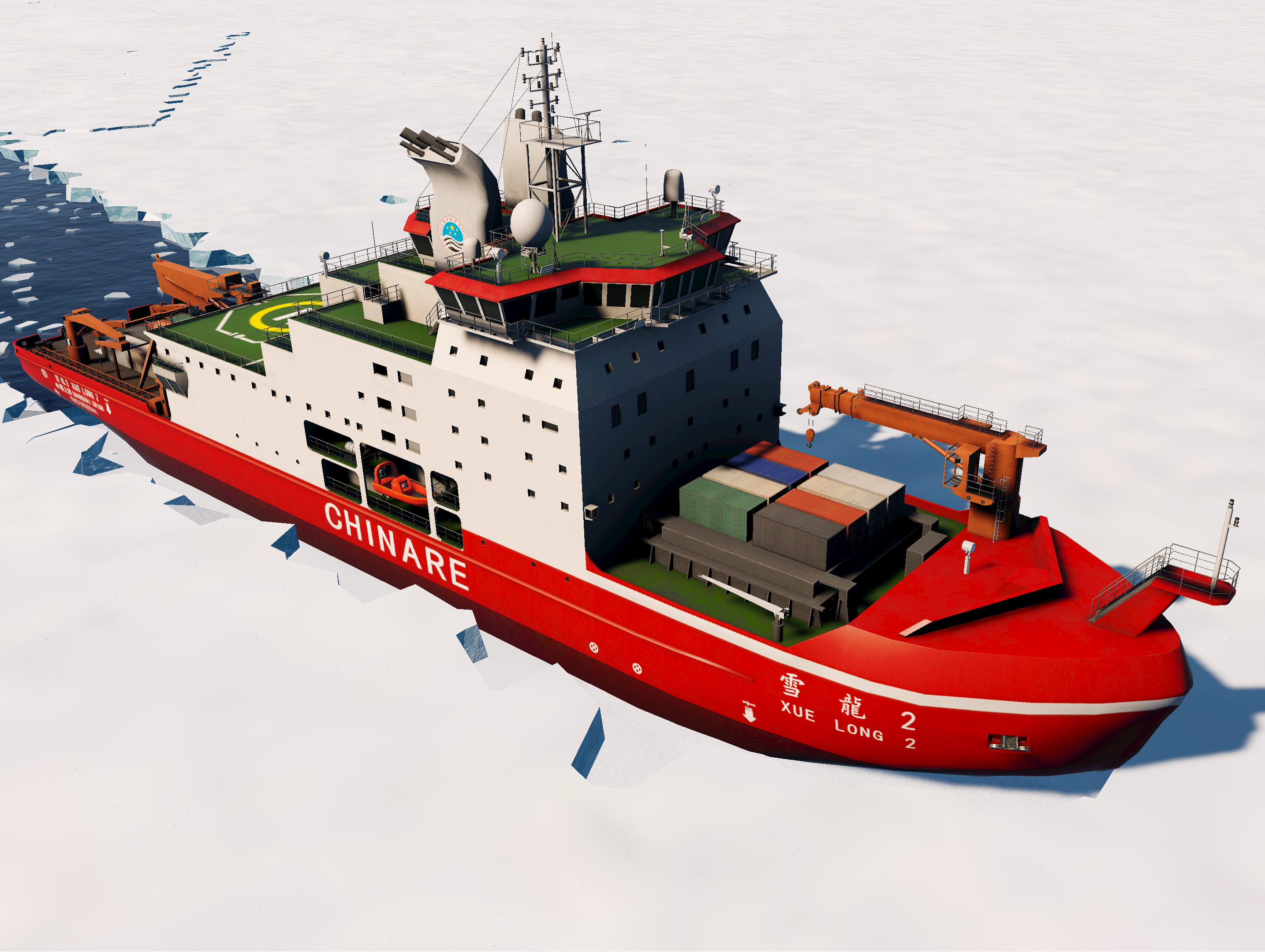
As global shipping operations become more complex and efficiency-driven, shipping companies are increasingly investing in advanced training systems to strengthen crew competence and reduce operational risks. Among these systems, the marine engine room simulator has emerged as a critical solution for improving engineering performance and ensuring safe vessel operations. By integrating technologies such as the engine ship simulator and Engine Room Simulator, shipping companies can establish a comprehensive and scalable training framework.
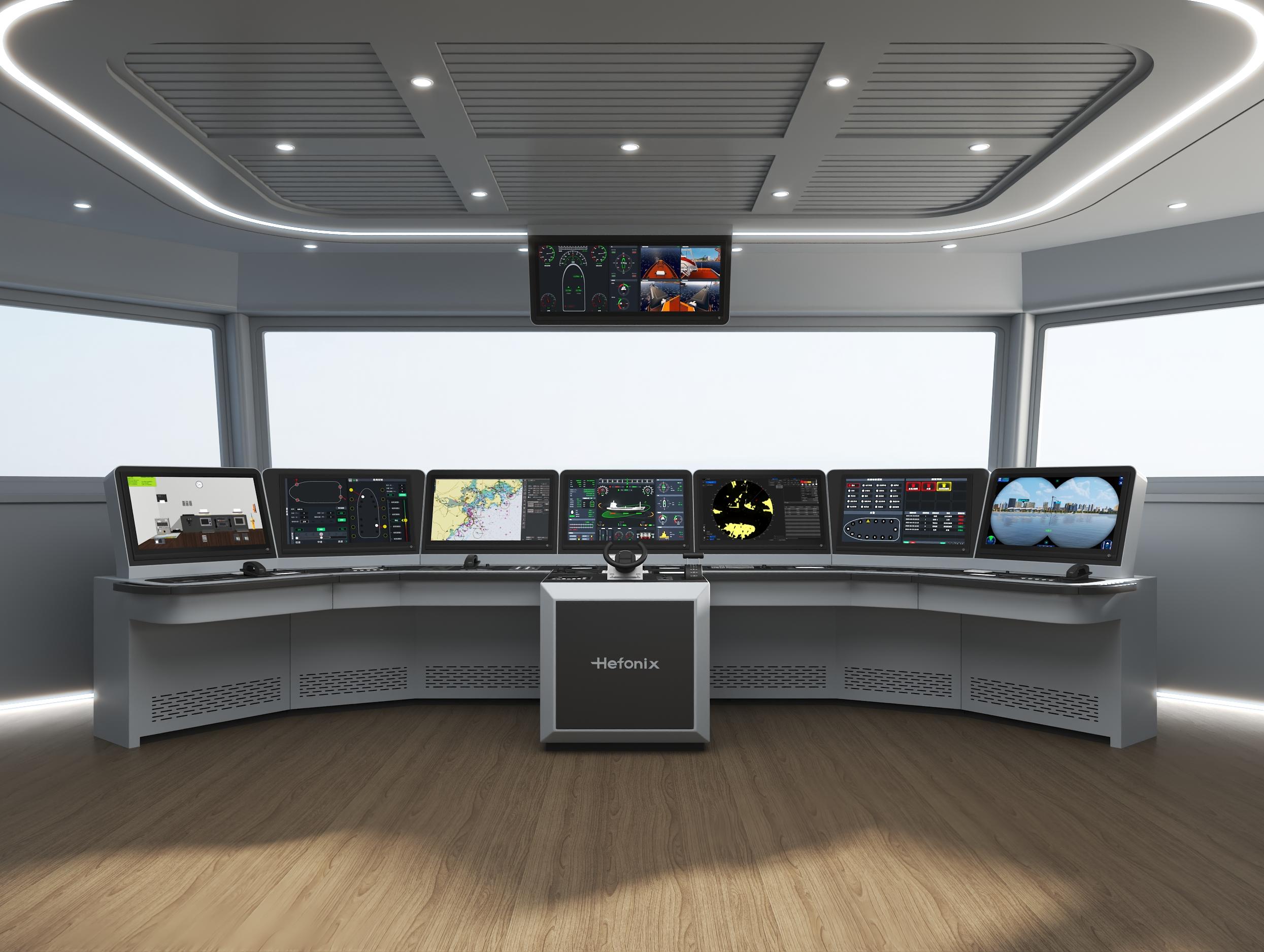
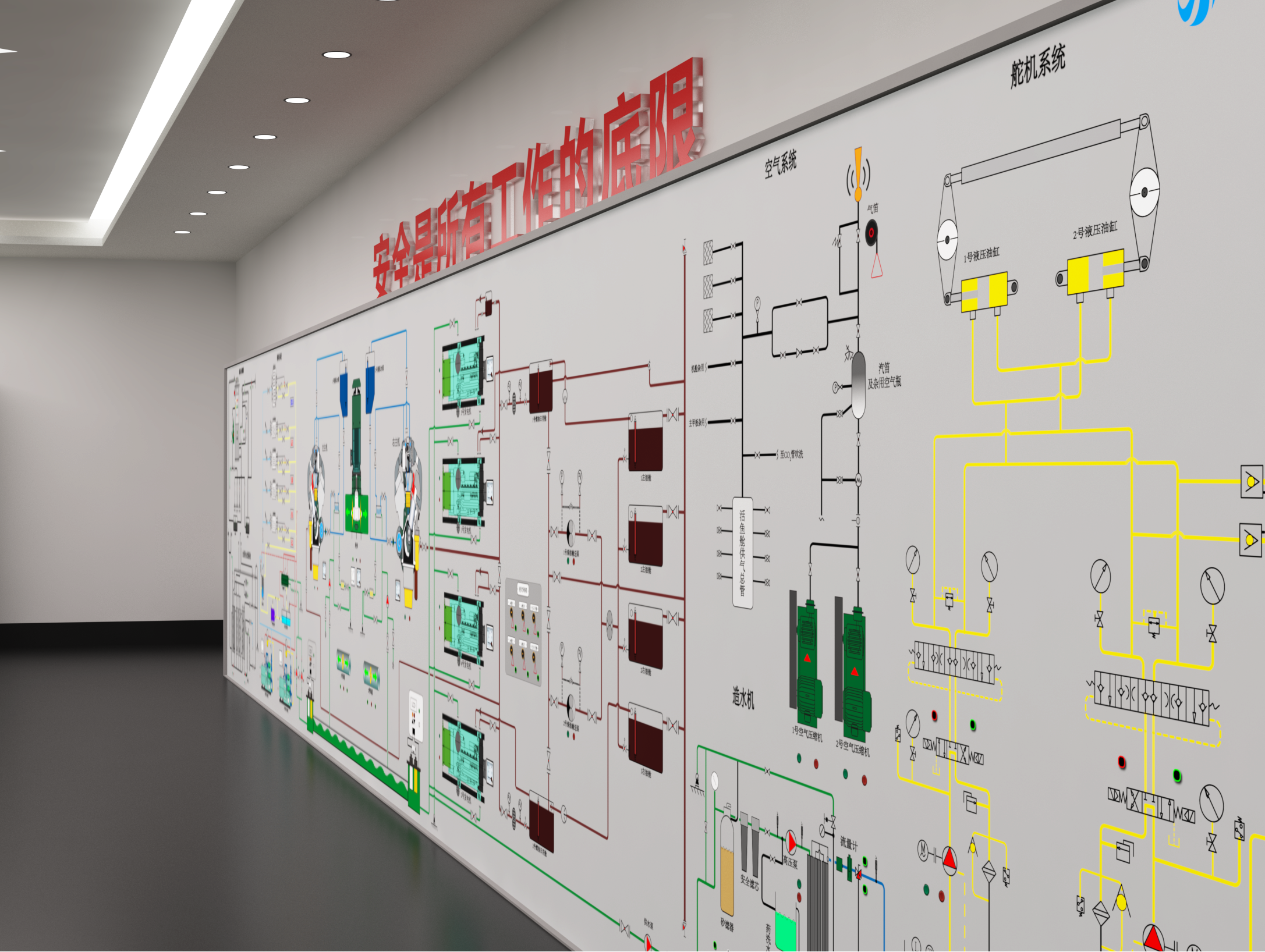
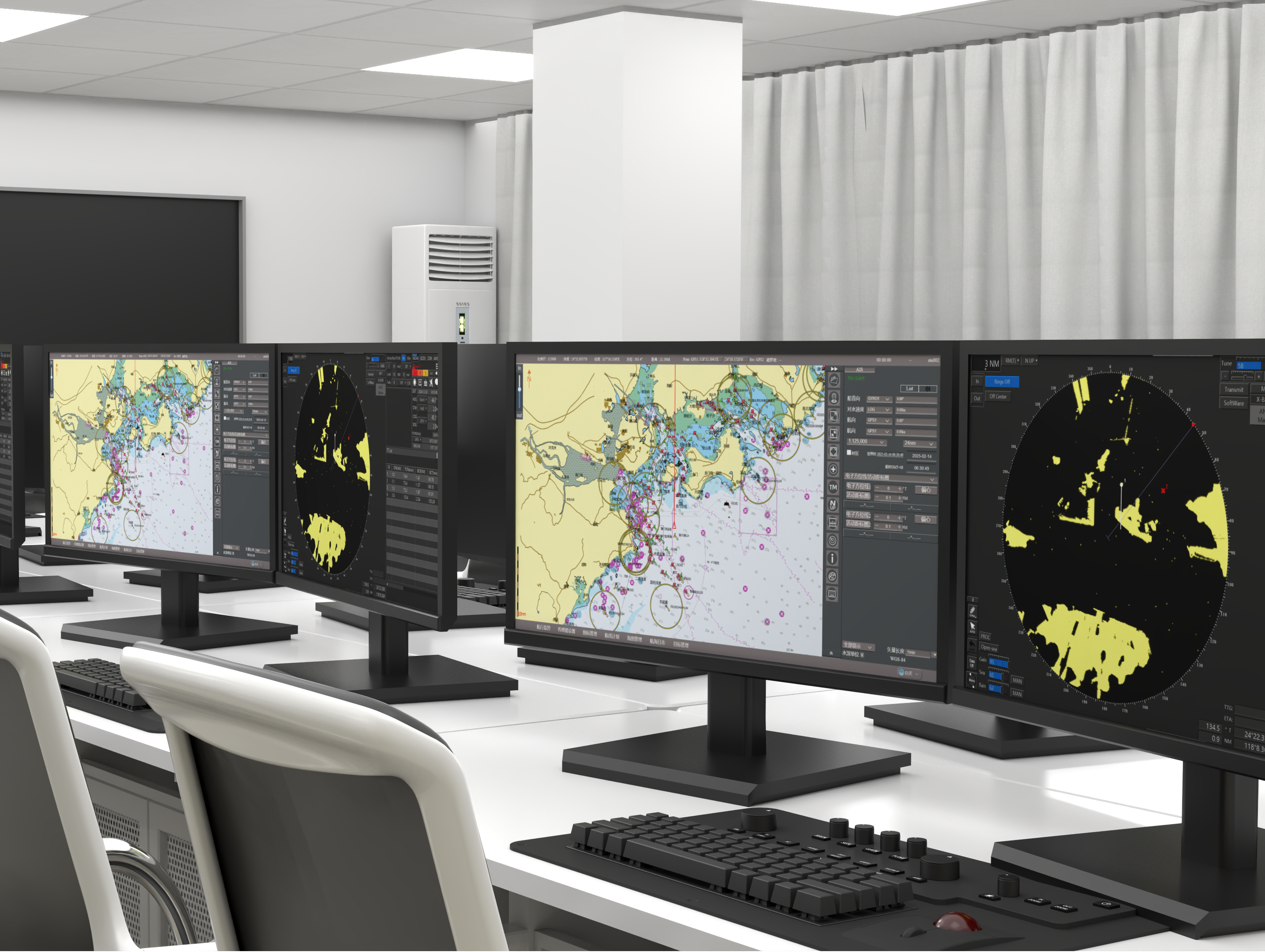
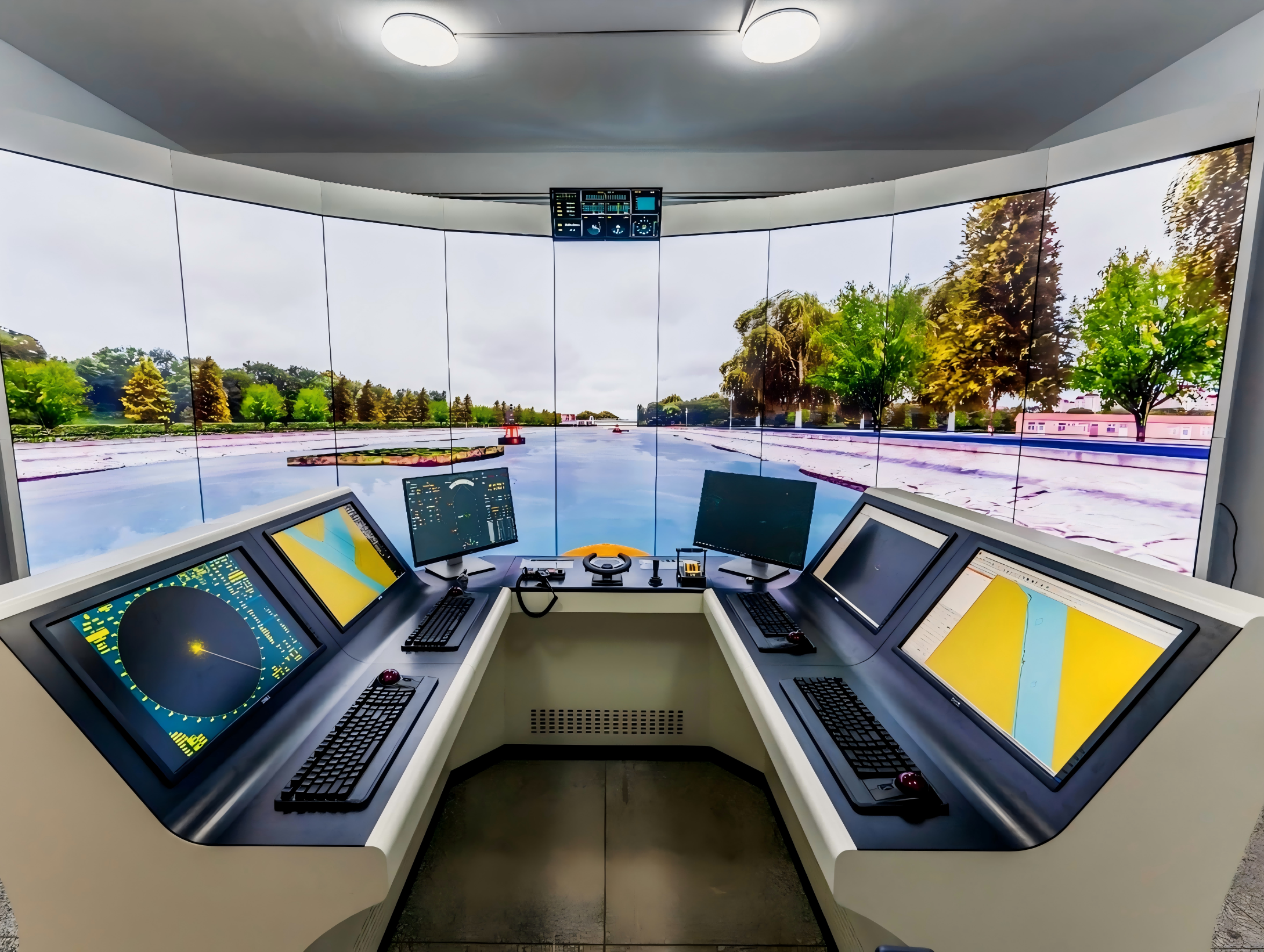
A modern marine engine room simulator provides a fully integrated environment where crew members can understand the interaction between propulsion systems, auxiliary machinery, and onboard automation. Through a marine engine room simulator, engineers can simulate real operating conditions, analyze system behavior, and practice decision-making in a controlled setting. This level of integration is essential for modern vessels, where system coordination directly impacts operational efficiency.
The engine ship simulator plays a foundational role in this training ecosystem. With an engine ship simulator, crew members can explore engine performance under various operational scenarios, including load changes, fuel optimization, and system adjustments. By repeatedly using an engine ship simulator, engineers develop a deeper understanding of system dynamics, which improves their ability to manage real vessel operations effectively.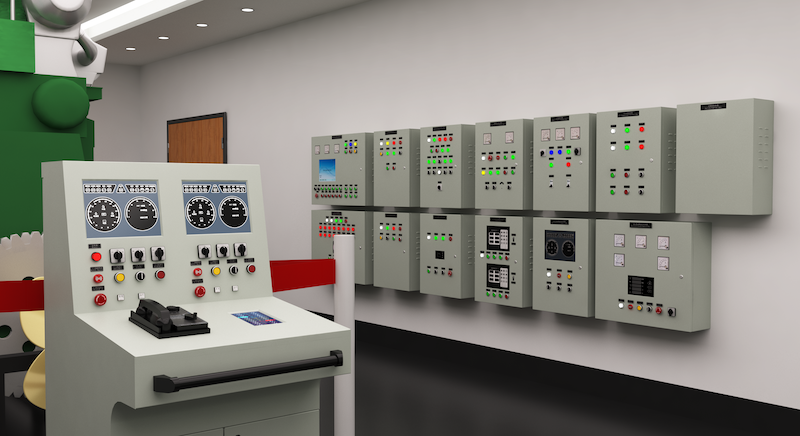
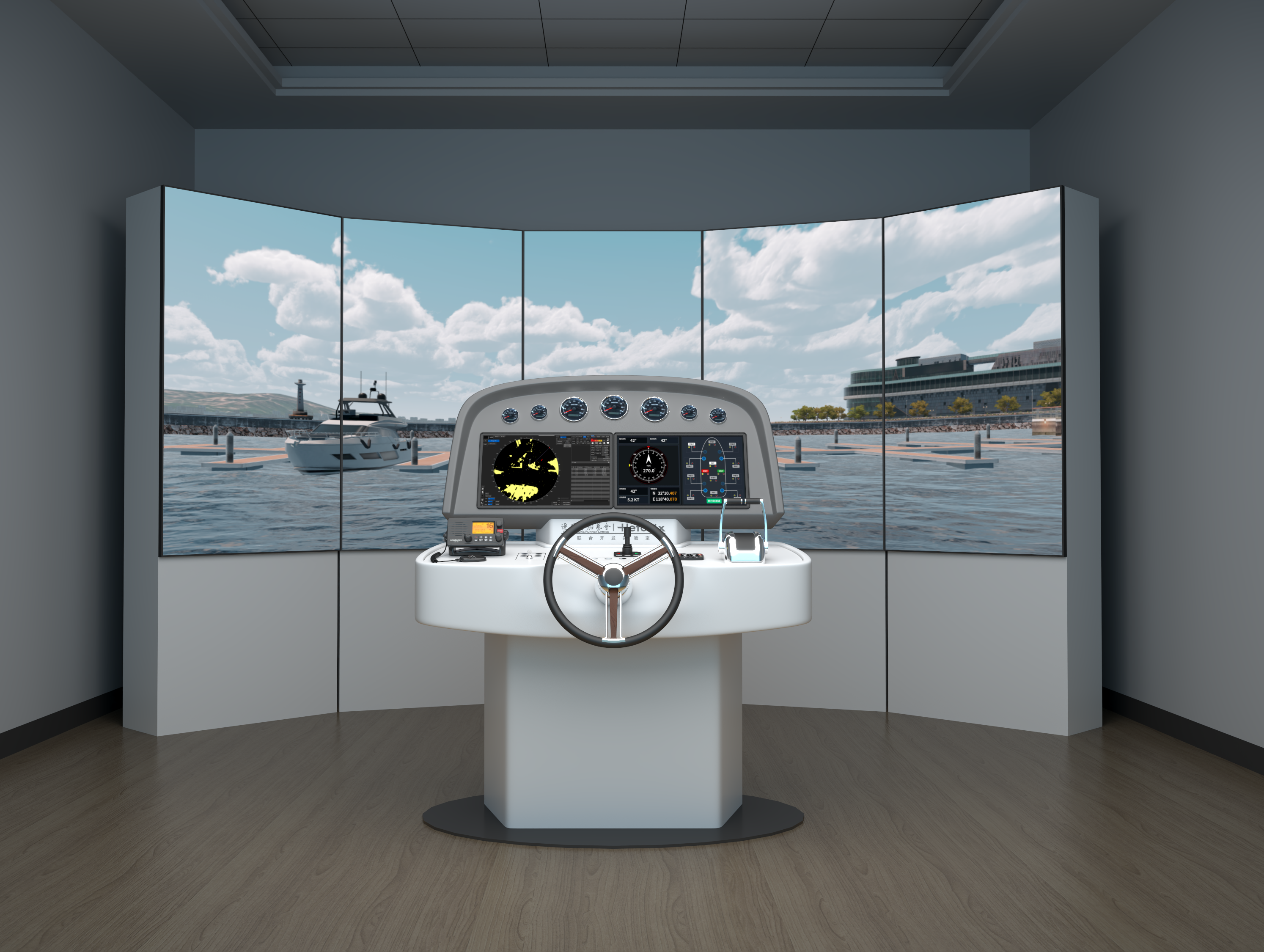
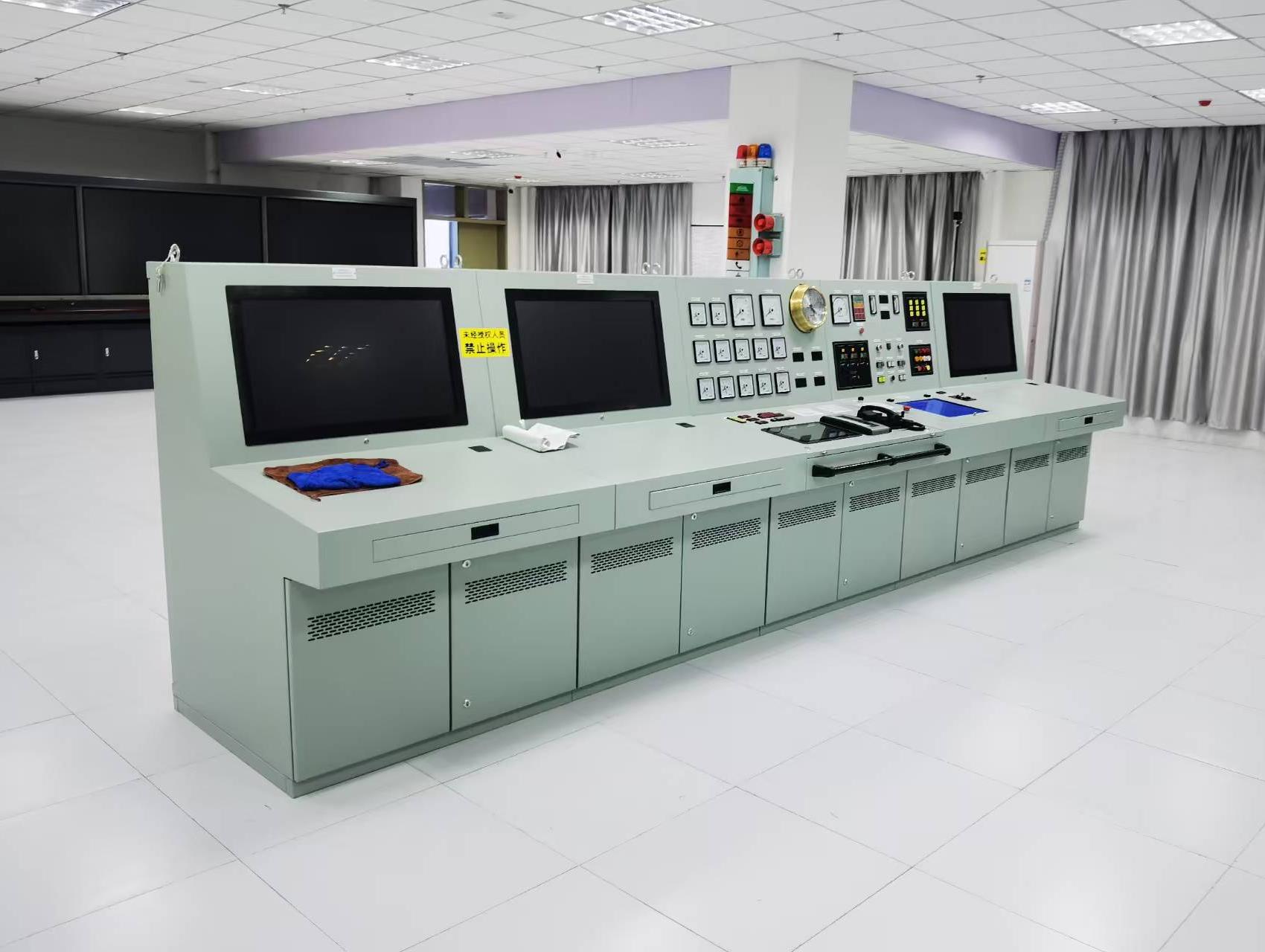
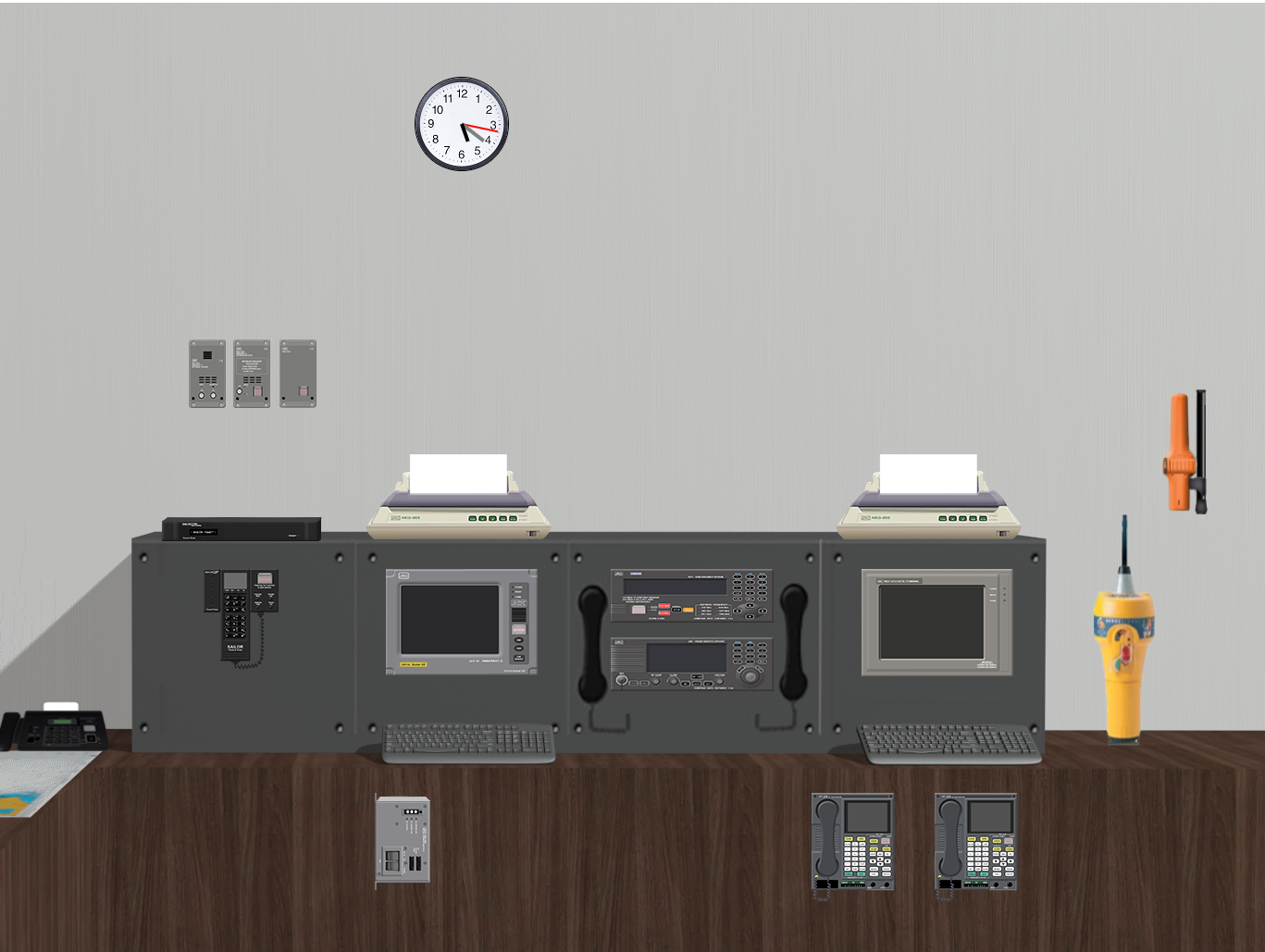
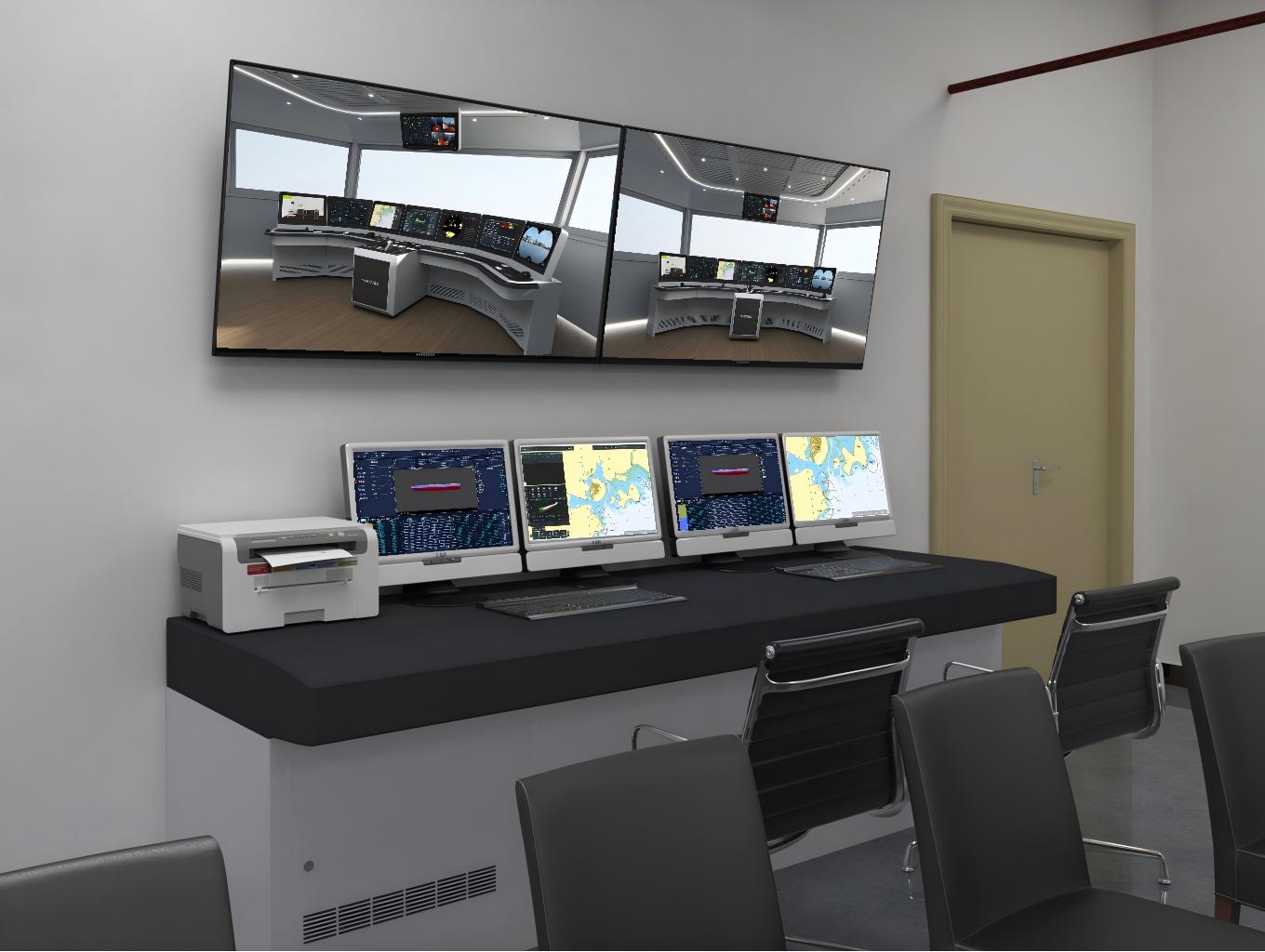
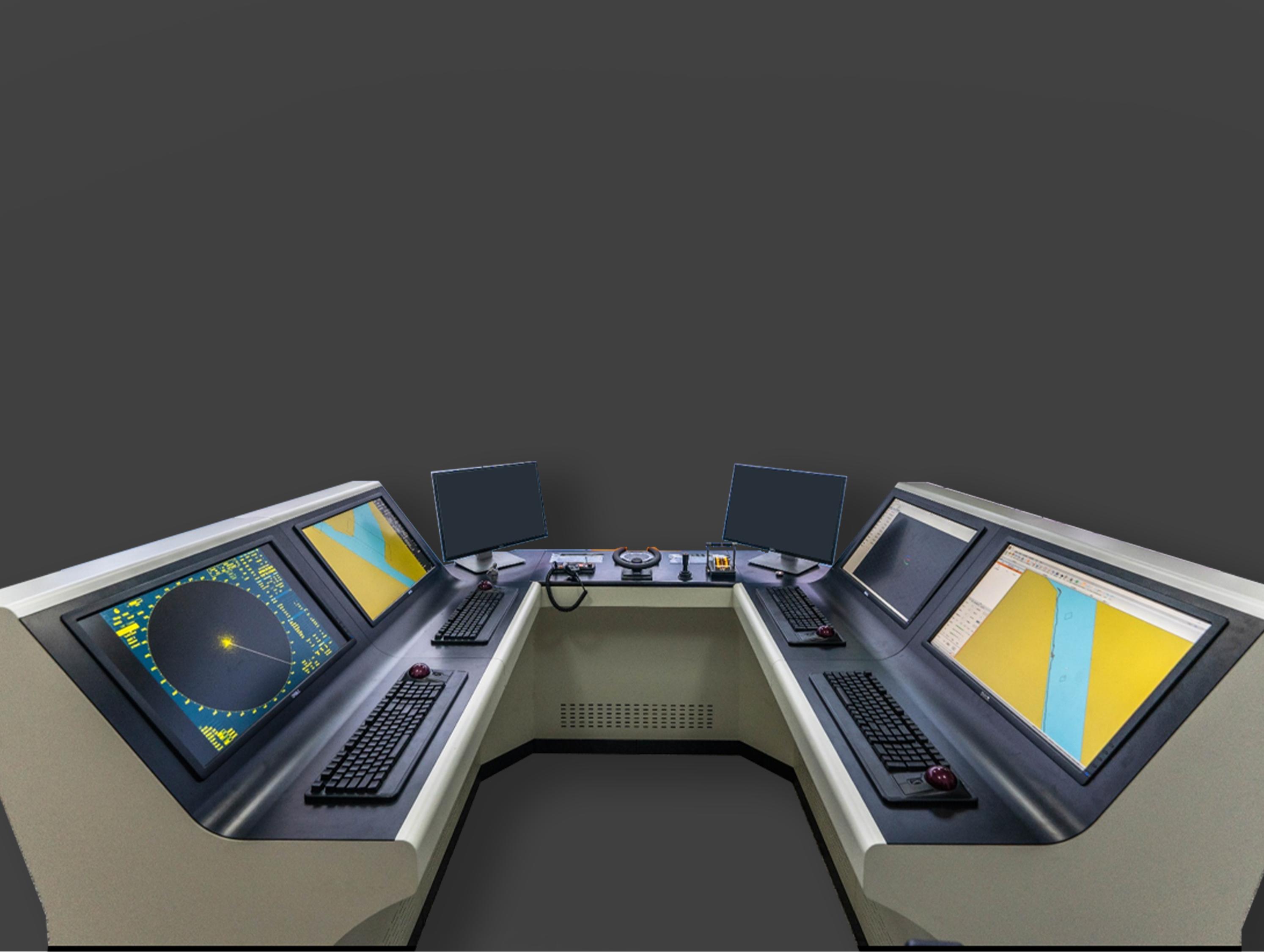
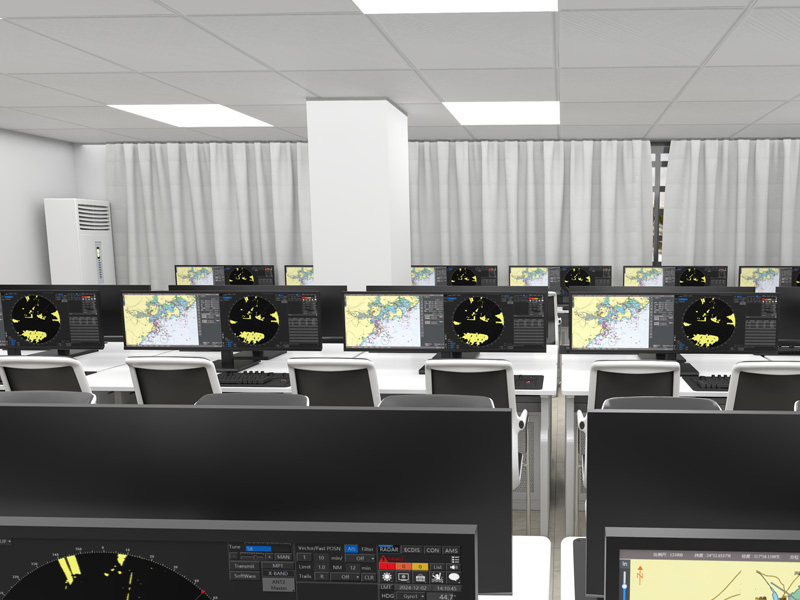
An Engine Room Simulator enhances hands-on training by providing an interactive interface for system control and monitoring. Within an Engine Room Simulator, trainees can operate equipment, track system parameters, and respond to simulated alarms. This practical experience is crucial for building confidence and ensuring that engineers can handle both routine tasks and unexpected challenges. The Engine Room Simulator also allows companies to standardize training procedures across different fleets.
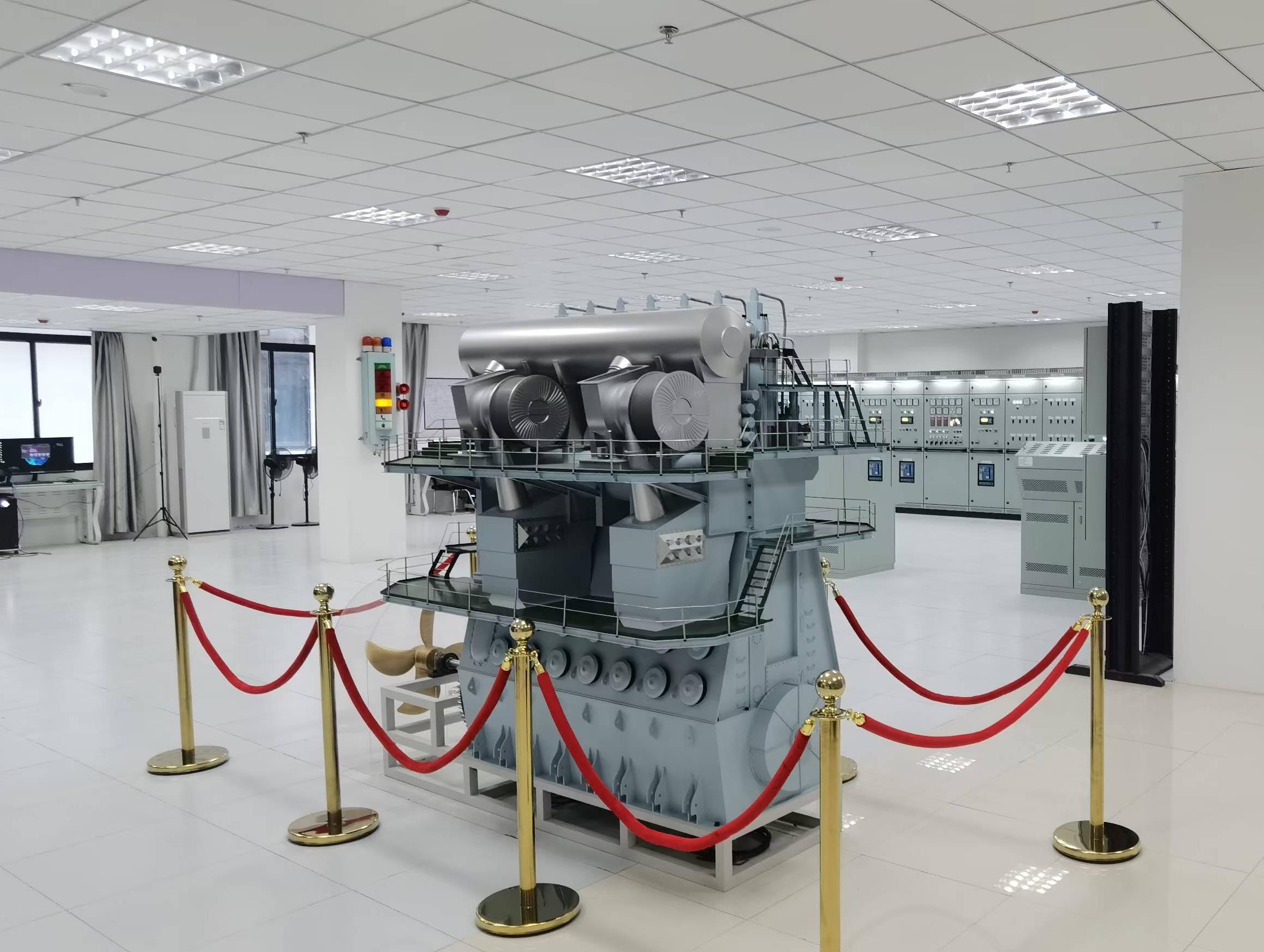
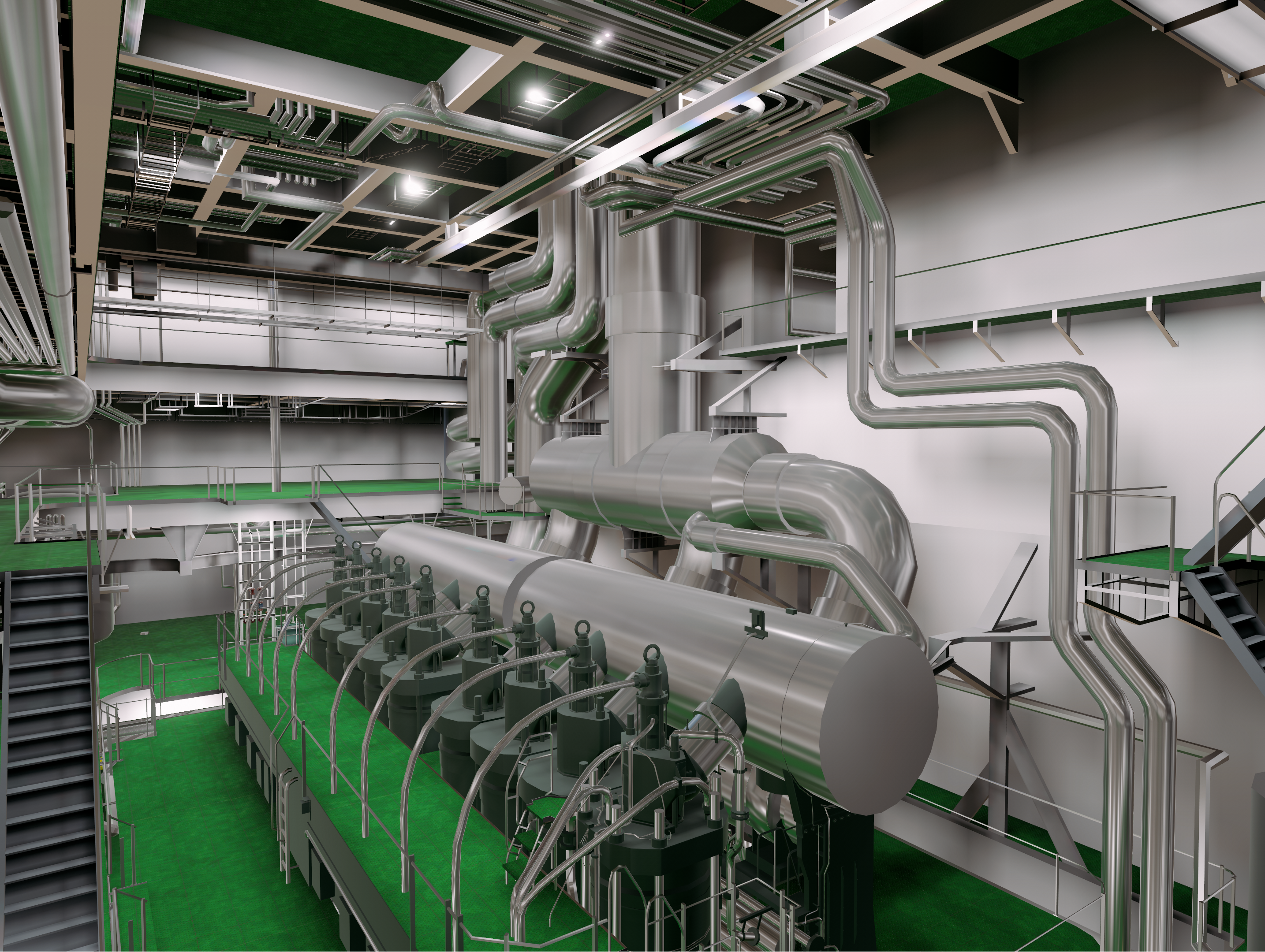
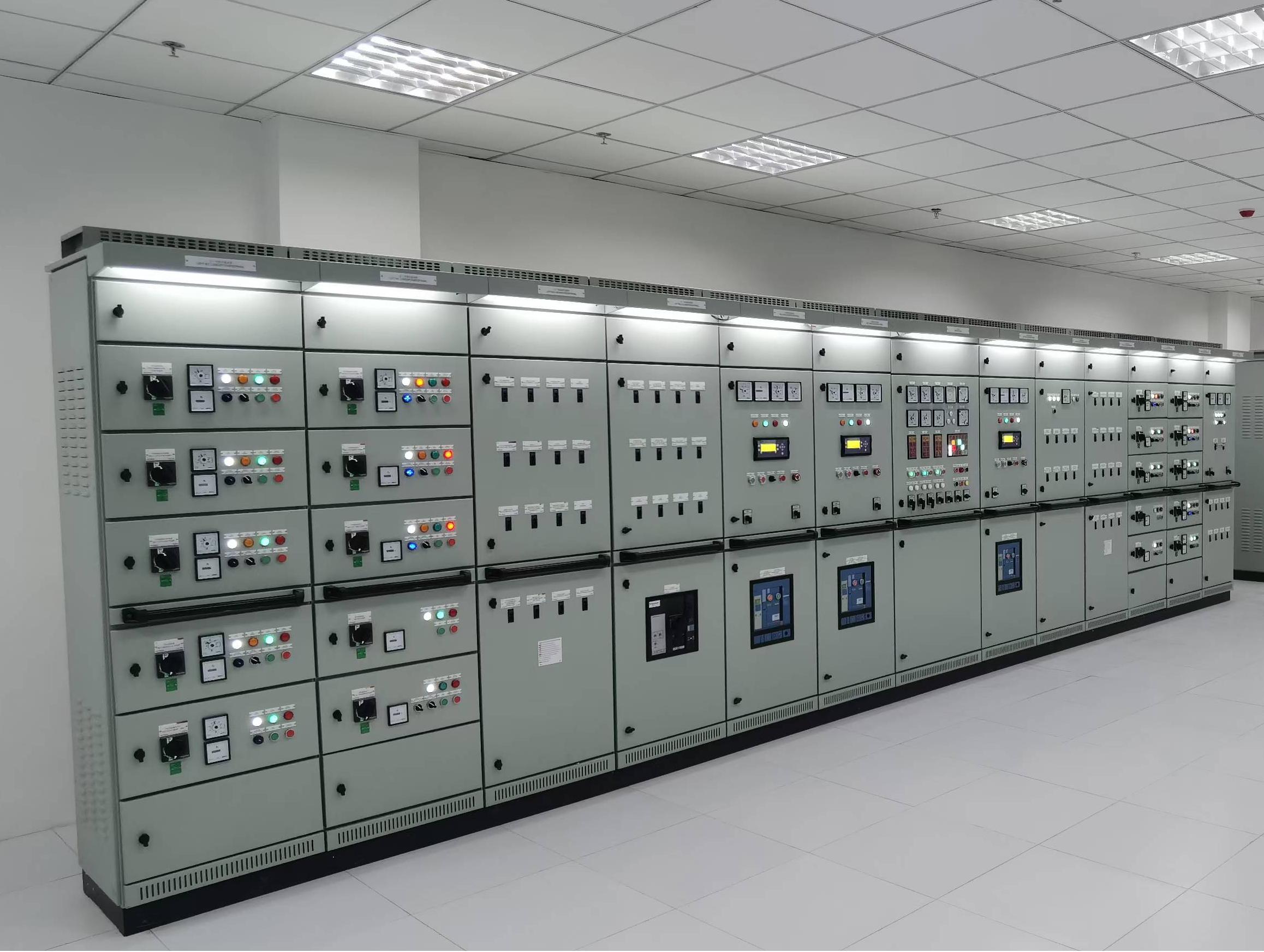
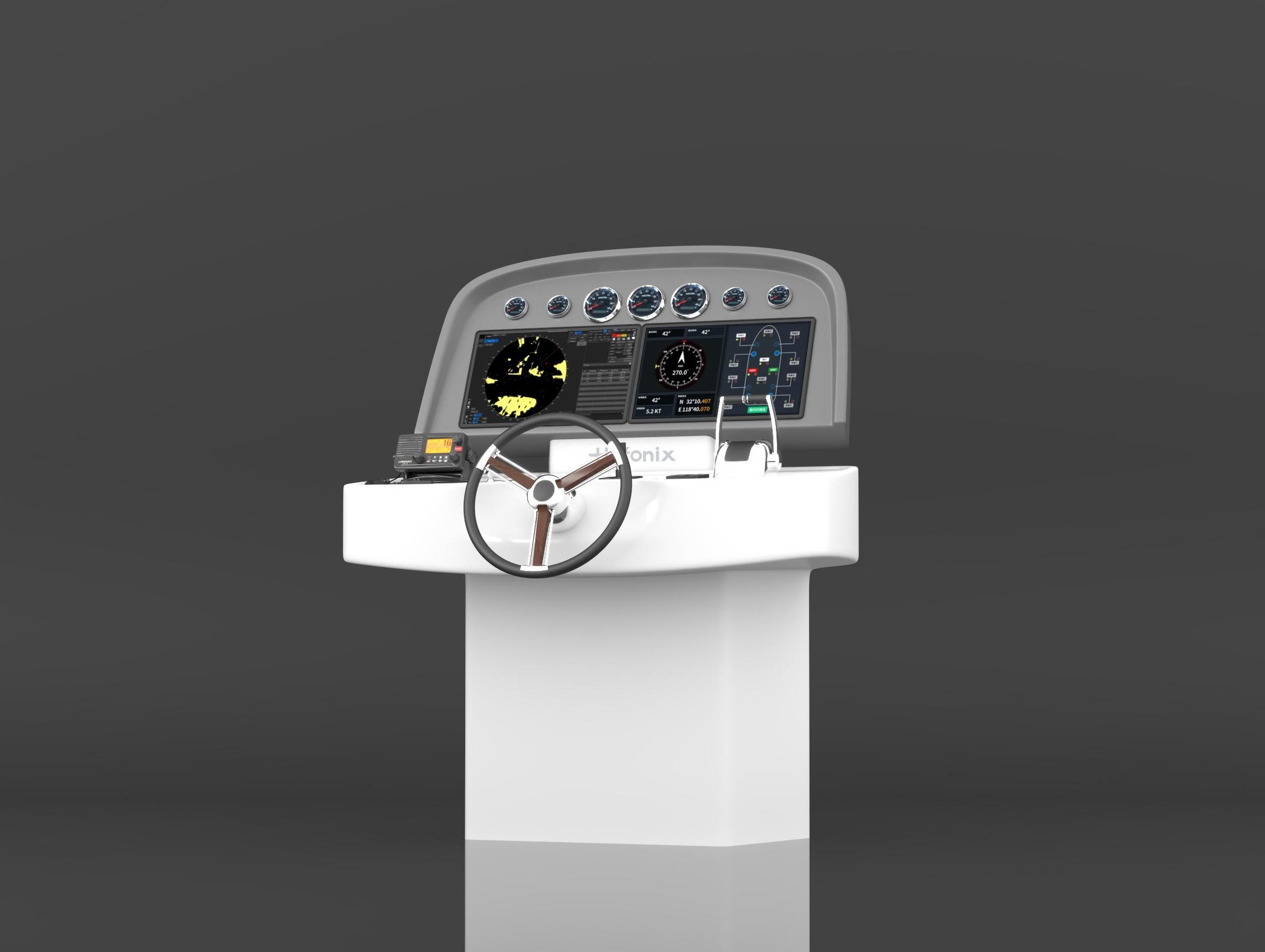
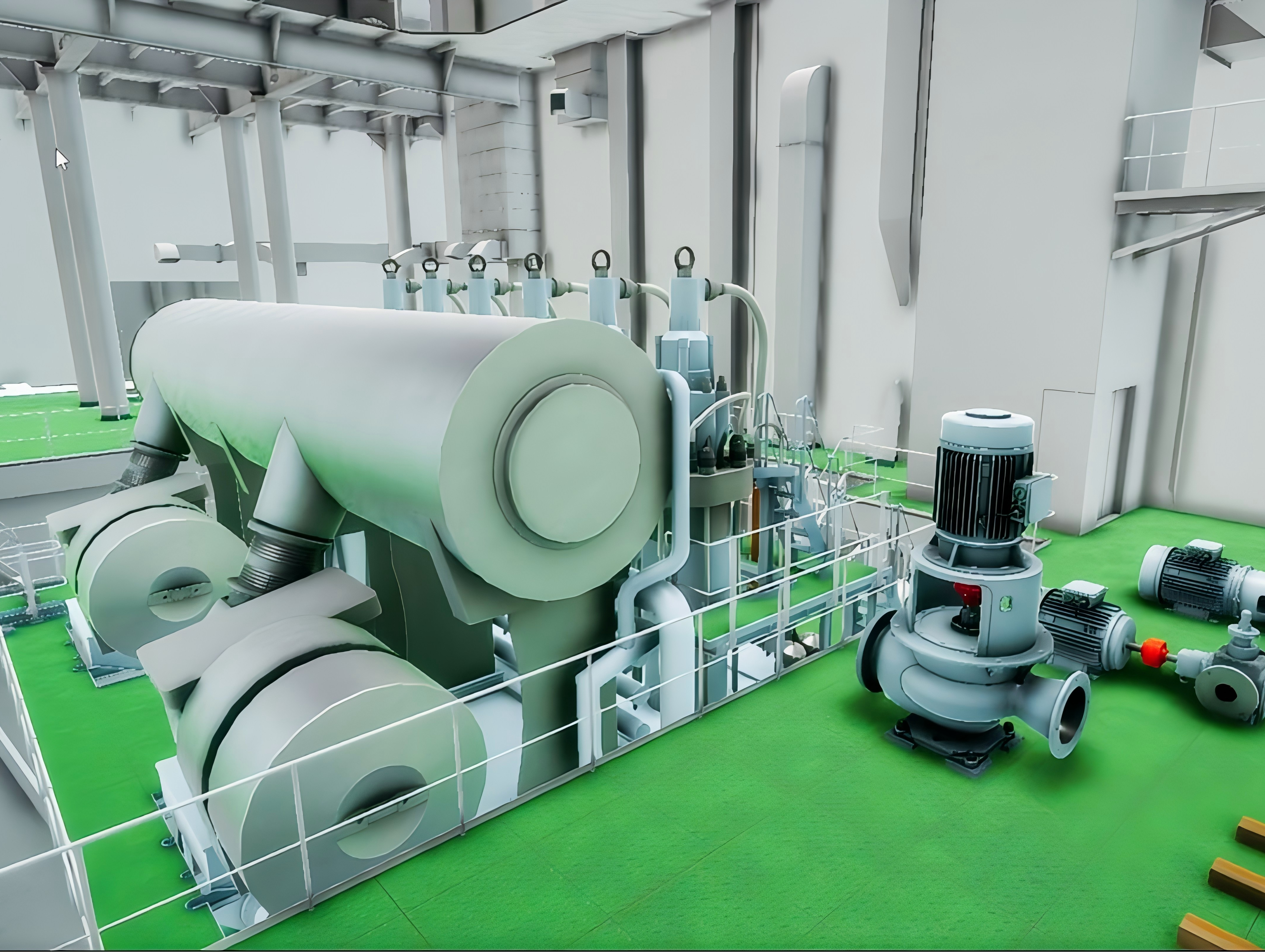
A Ship Engine Room Simulator further strengthens the training process by replicating the physical layout and workflow of onboard engine rooms. Using a Ship Engine Room Simulator, crew members can practice operational procedures such as start-up sequences, system checks, and maintenance routines. The realistic environment of the Ship Engine Room Simulator helps reduce human error and ensures smoother onboard operations.
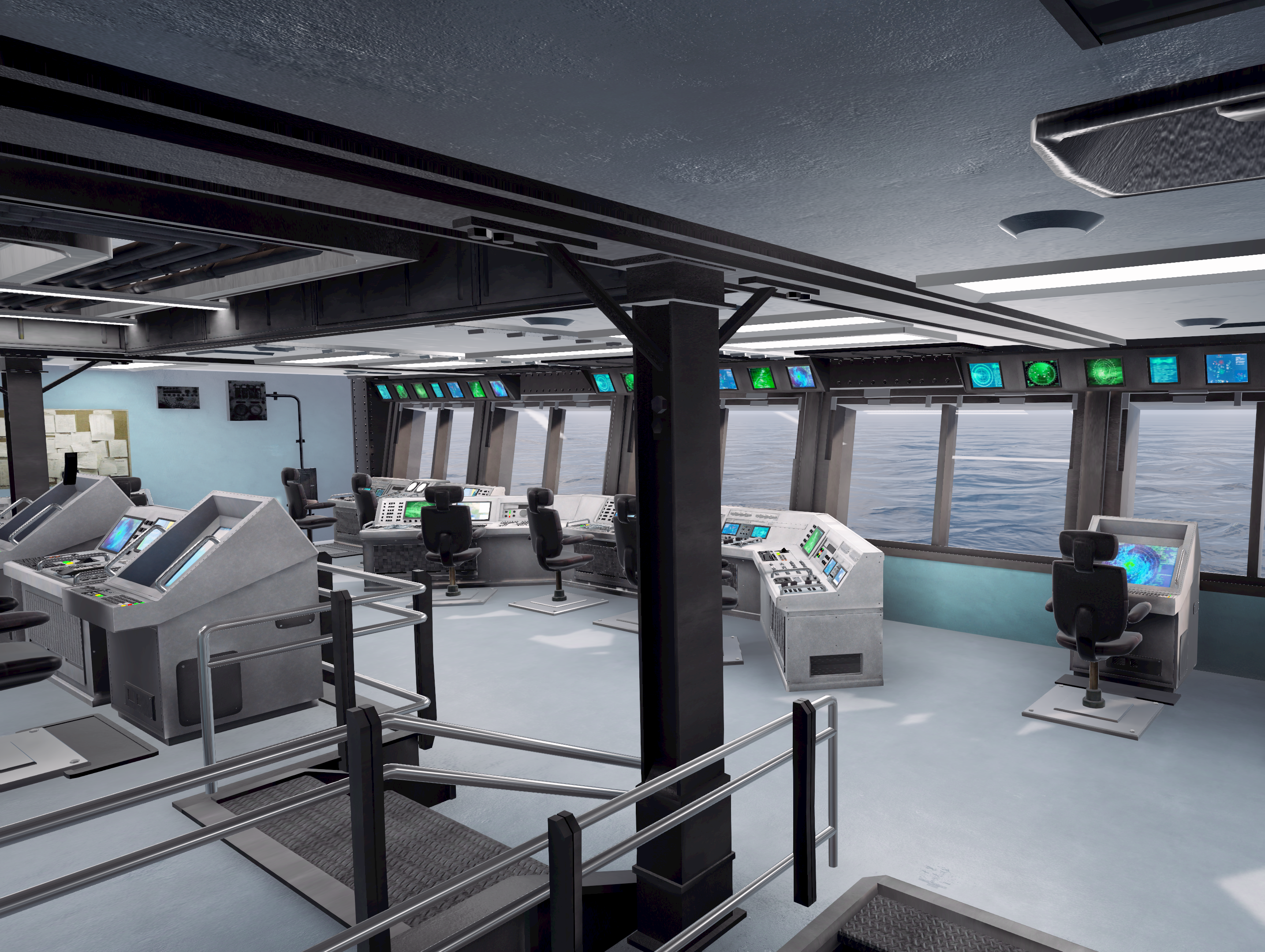
For advanced operational training, the full mission engine room simulator offers a highly immersive experience that closely mirrors real-world conditions. A full mission engine room simulator enables crews to train for complex scenarios, including system failures, emergency responses, and coordinated team operations. By practicing in a full mission engine room simulator, engineers can improve their readiness and response time, which is critical for minimizing risks at sea.
One of the key advantages of adopting a marine engine room simulator solution is its ability to support continuous training and skill development. Shipping companies can use the engine ship simulator and Engine Room Simulator to provide ongoing training programs for both new and experienced crew members. This ensures that all personnel maintain a high level of competence and stay updated with the latest technologies.
Simulation-based training helps reduce operational costs by minimizing the need for onboard training and lowering the risk of equipment damage. The combined use of the Ship Engine Room Simulator, marine engine room simulator, and full mission engine room simulator allows companies to optimize training resources while maintaining high safety standards.
Implementing a comprehensive marine engine room simulator solution is a strategic decision for shipping companies aiming to improve operational efficiency and safety. Supported by the engine ship simulator, Engine Room Simulator, Ship Engine Room Simulator, and full mission engine room simulator, these systems provide a robust training platform that enhances crew performance and ensures long-term success in maritime operations.