

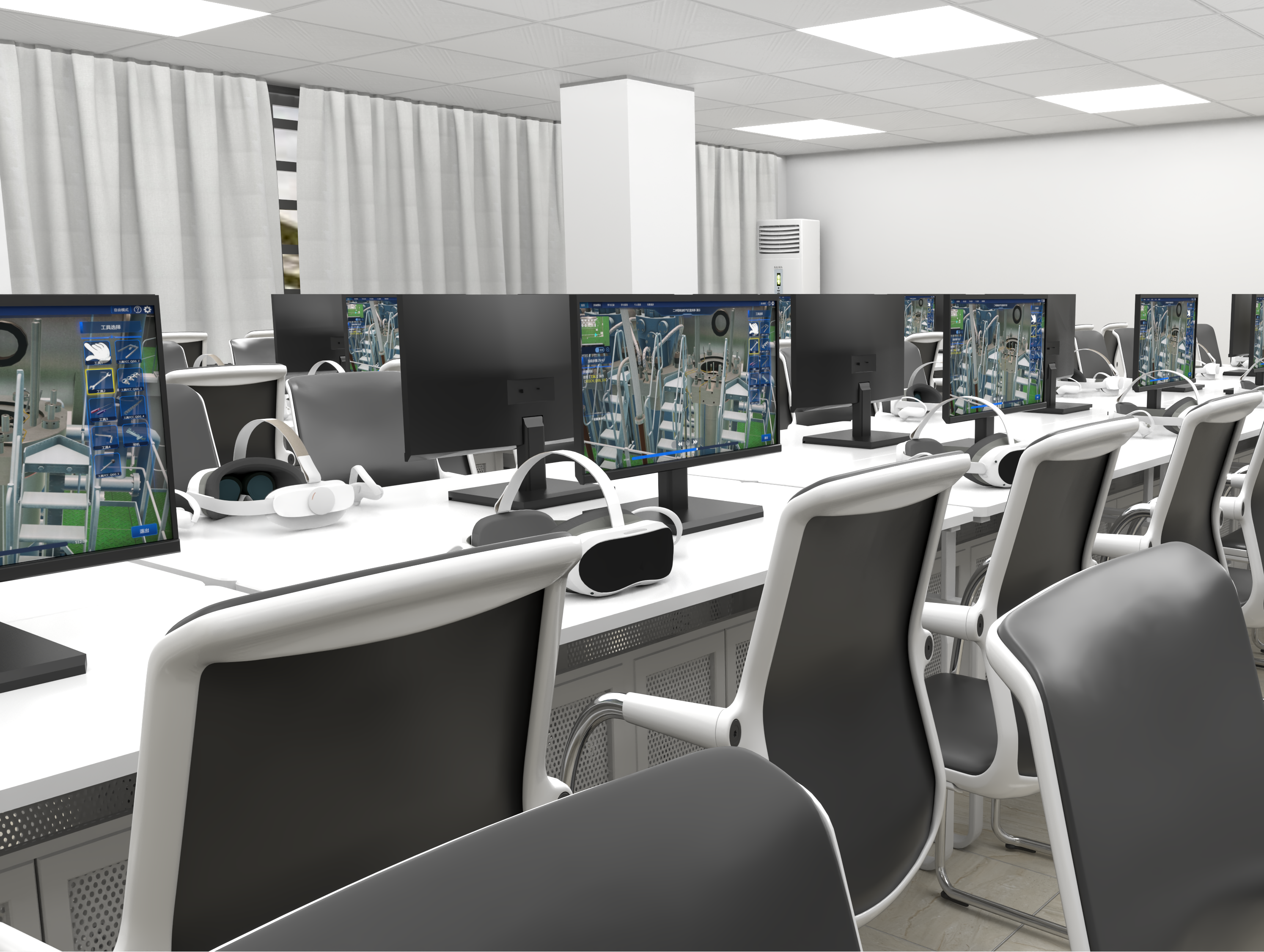
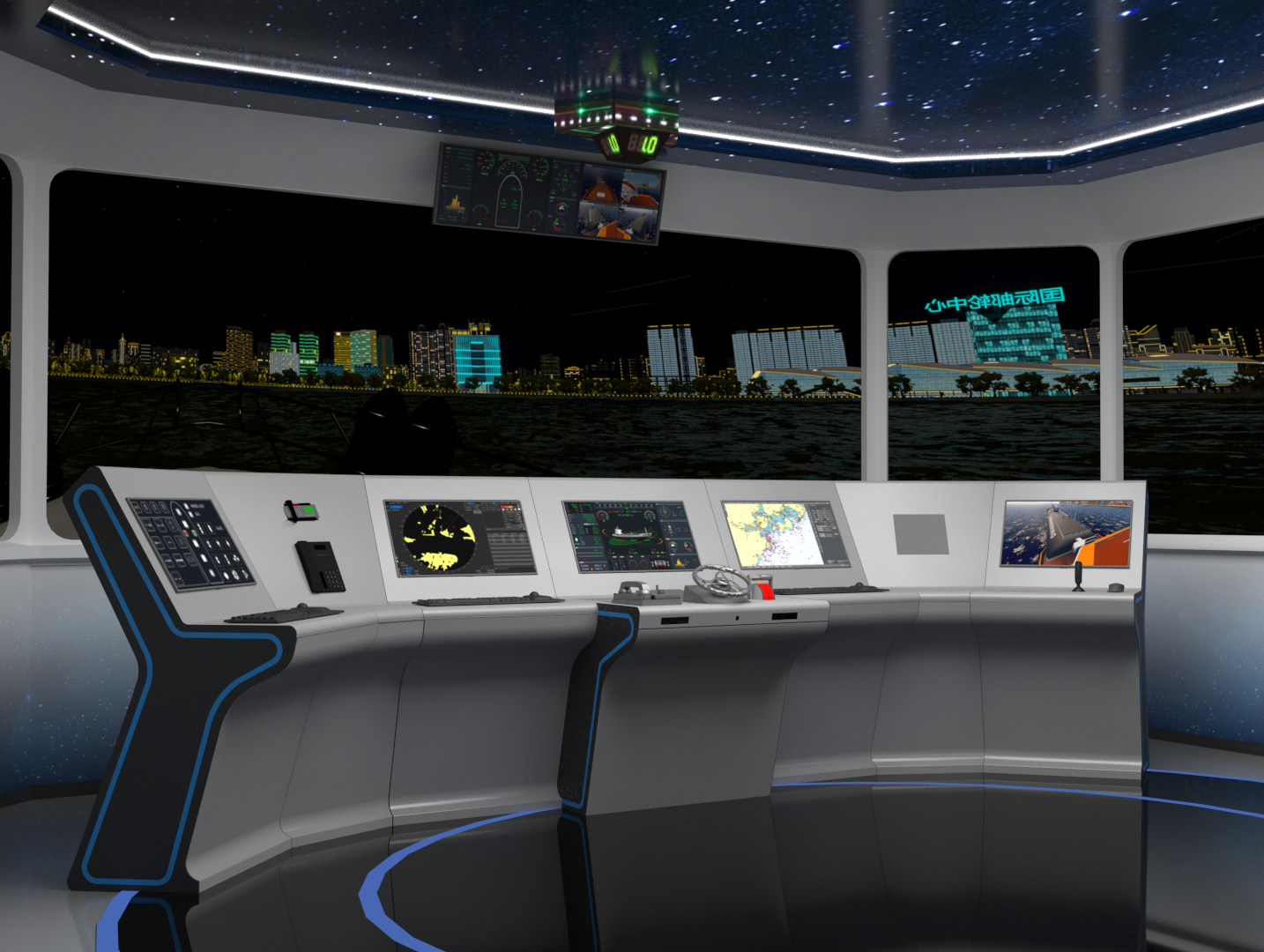
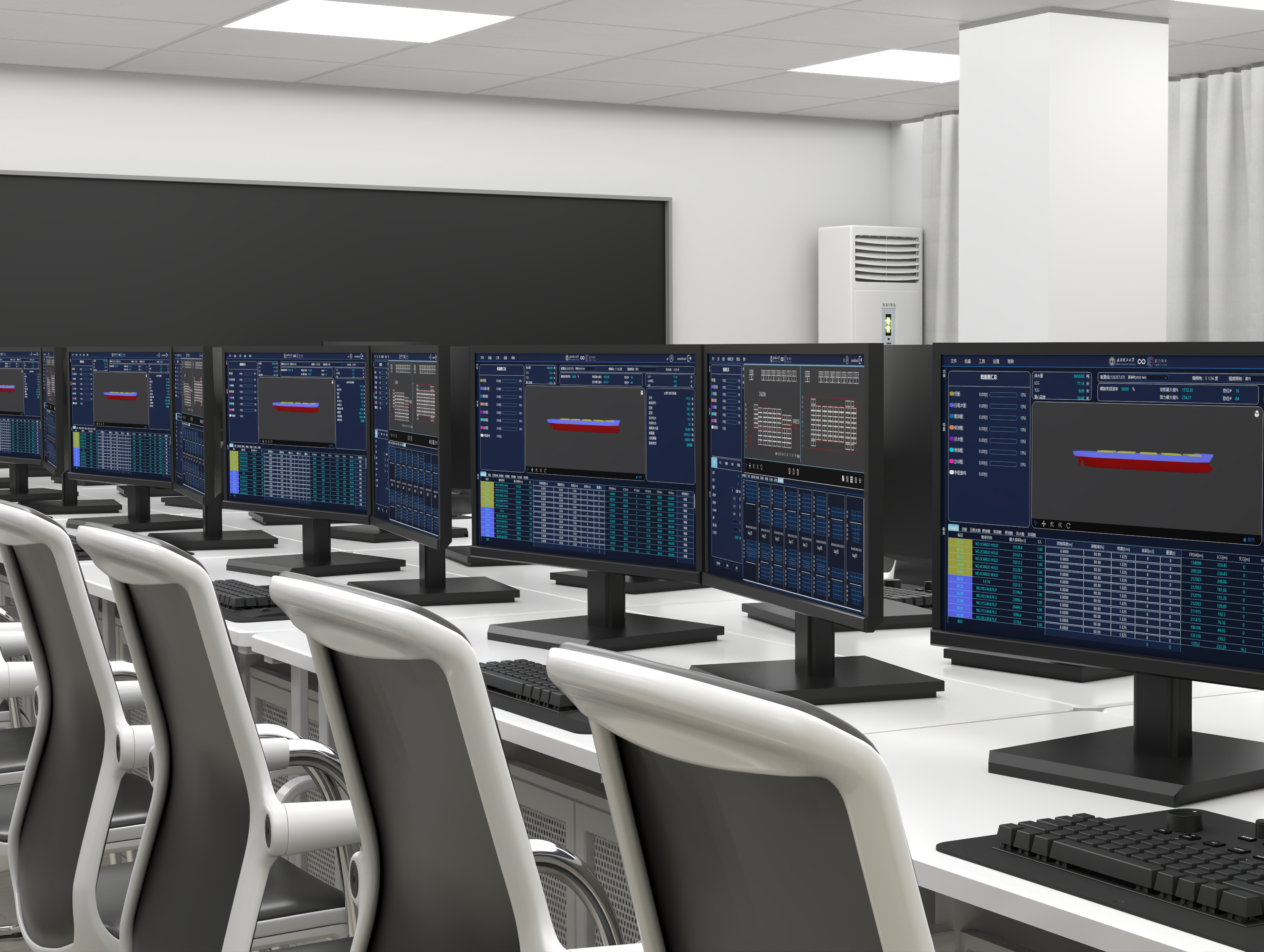
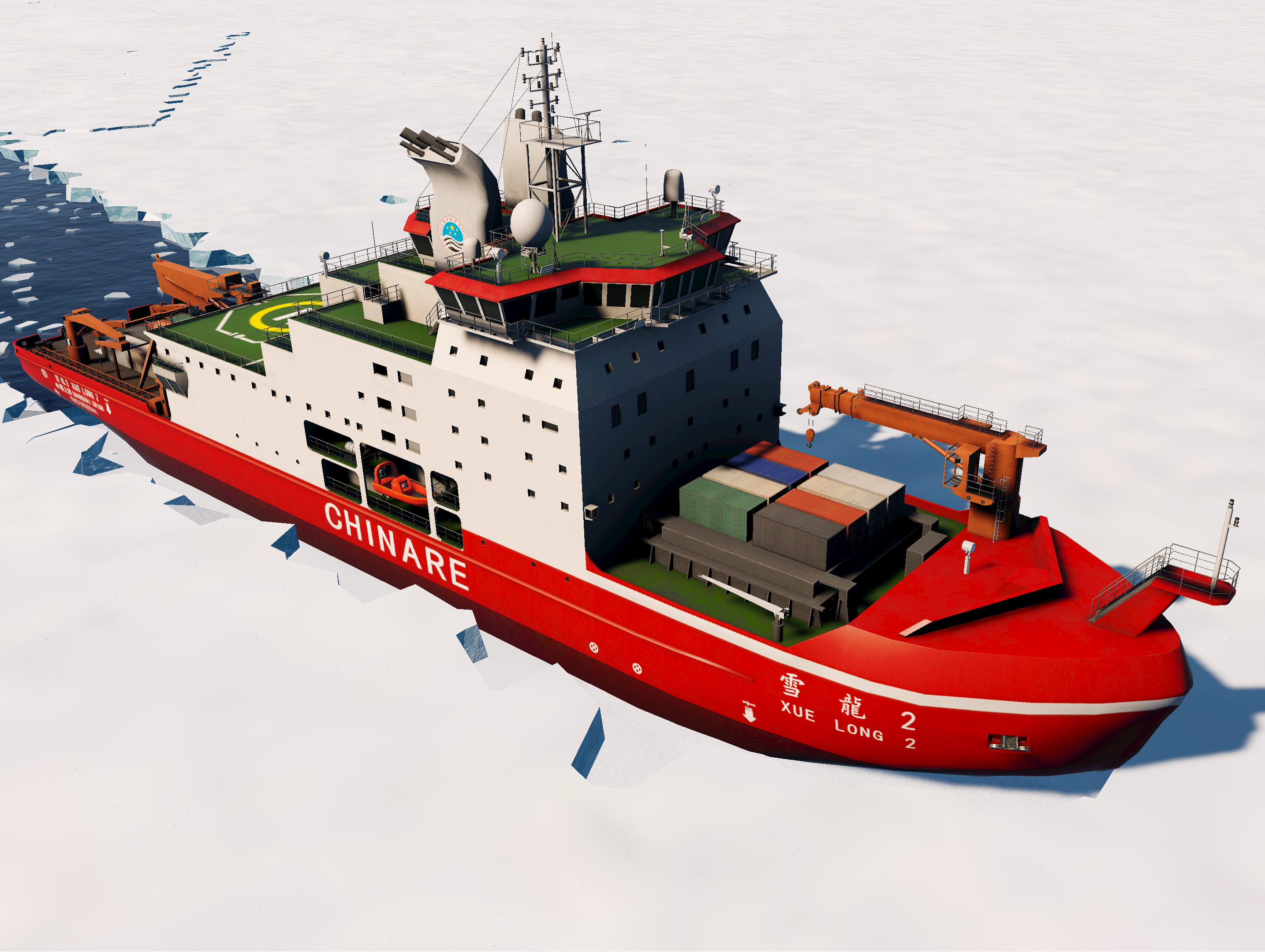
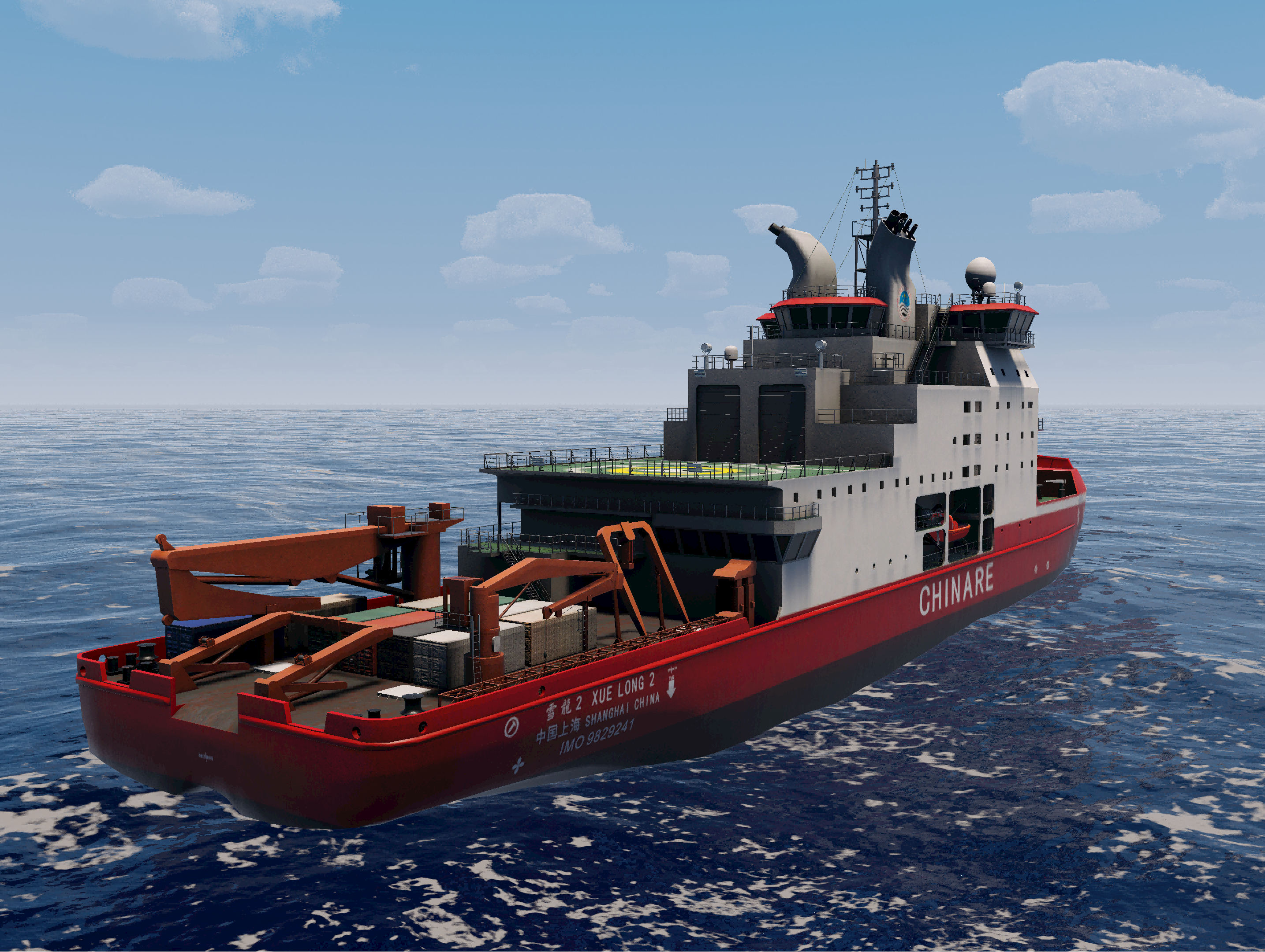
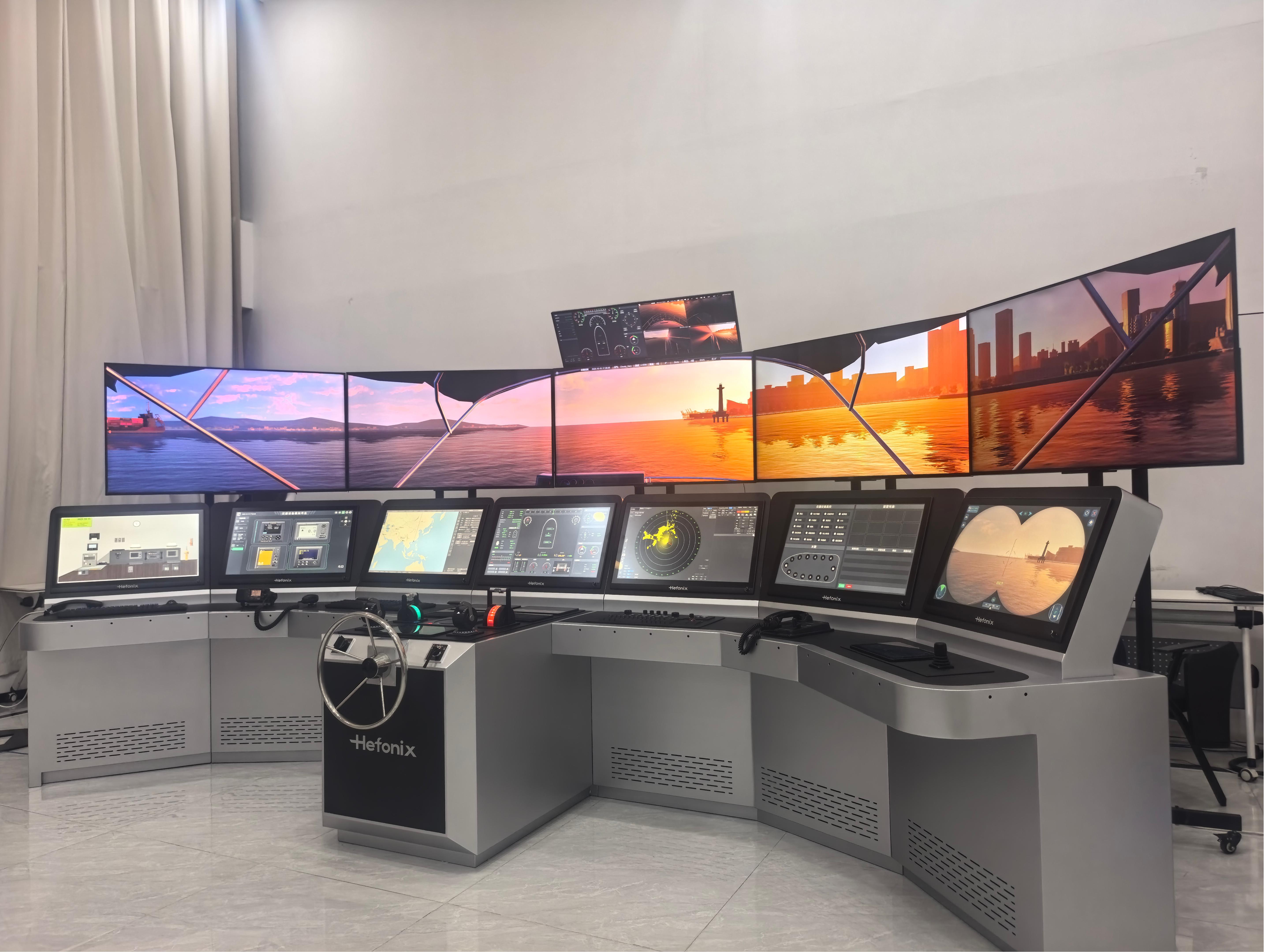
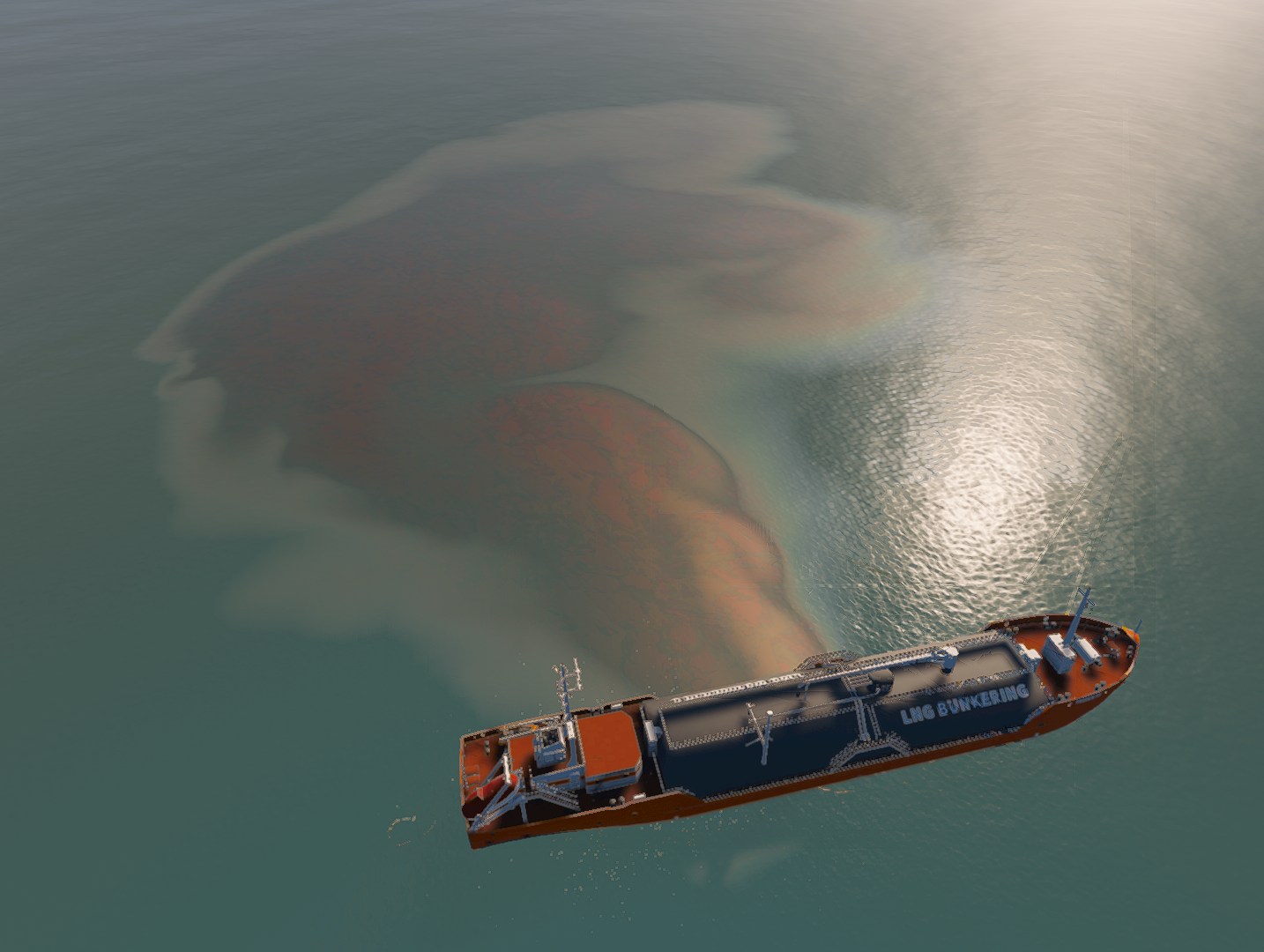
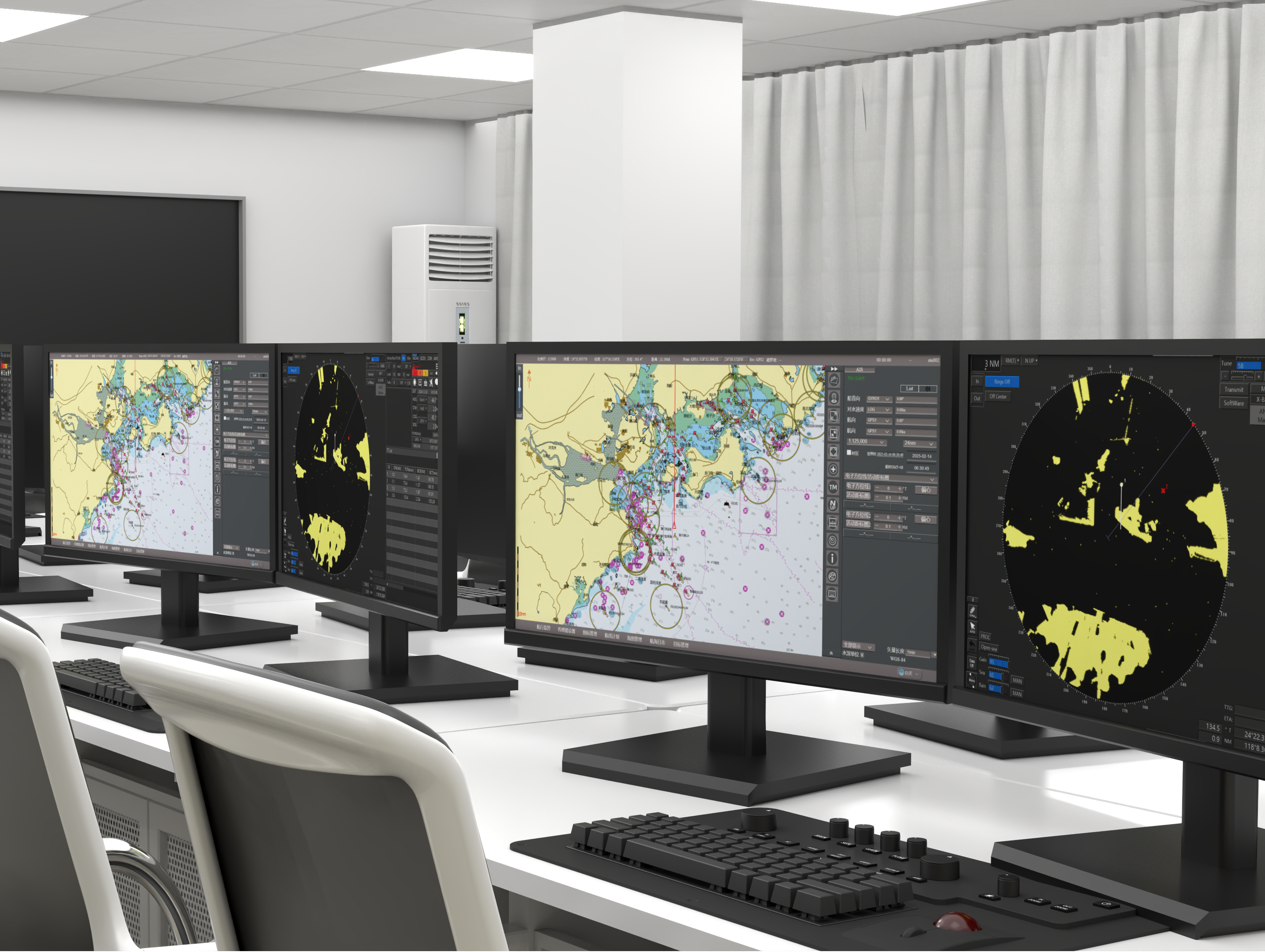

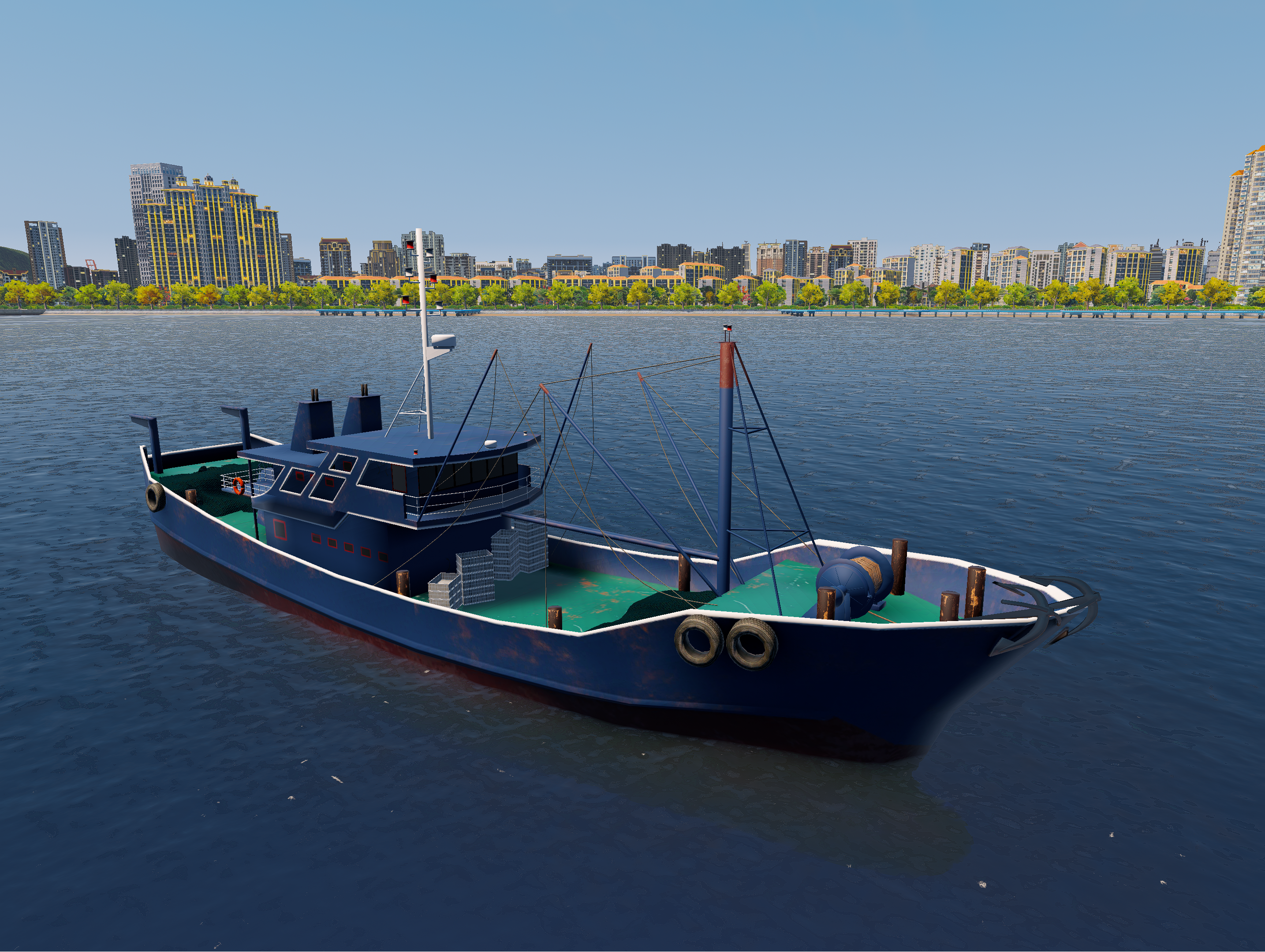
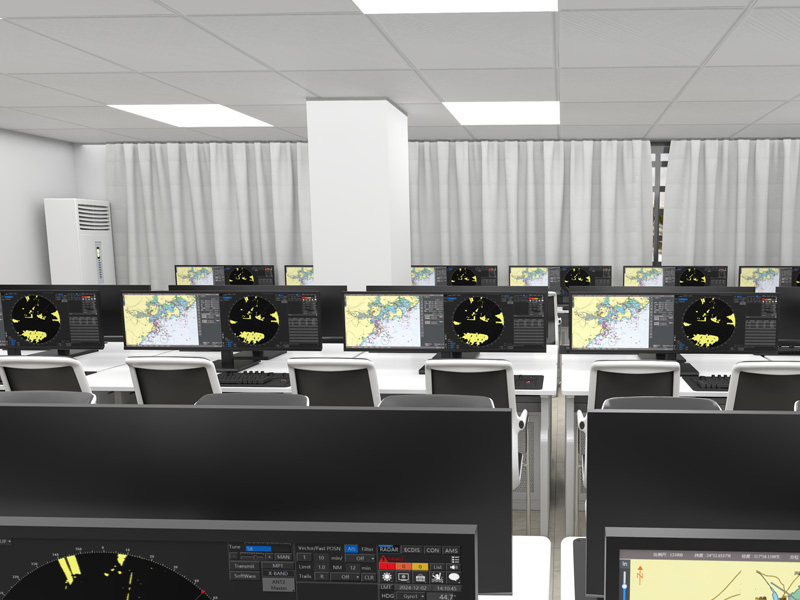

In the global maritime industry, procurement priorities are undergoing a structural shift. Instead of evaluating training equipment purely on technical specifications, international buyers are increasingly focused on return on investment (ROI), lifecycle cost efficiency, and training output scalability. This has led to rapid adoption of advanced simulation ecosystems, including the Yacht Simulator, Marine Simulator, Ship Navigation simulator, marine engine simulator, and integrated ship simulator platforms.
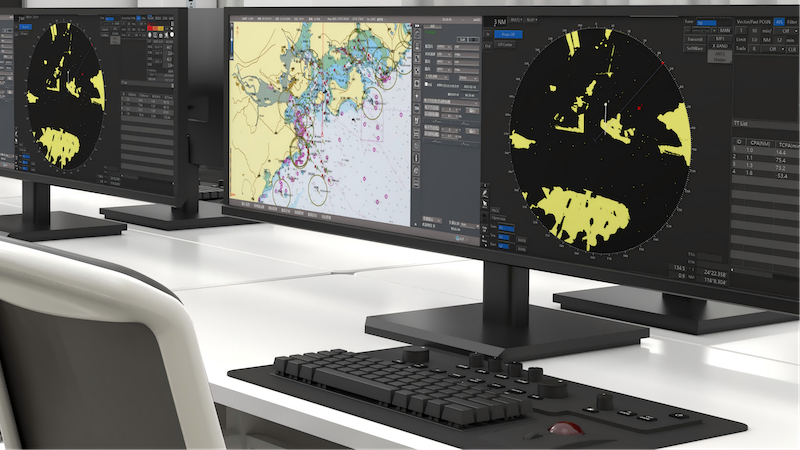
From a financial and procurement standpoint, the ship simulator has become a long-term capital asset rather than a simple training tool. Global shipping companies now assess a ship simulator based on its ability to reduce onboard training costs, minimize vessel downtime, and accelerate crew readiness cycles. A high-performance ship simulator enables organizations to shift a significant portion of training from real vessels to simulation environments, dramatically improving cost efficiency while maintaining training quality.
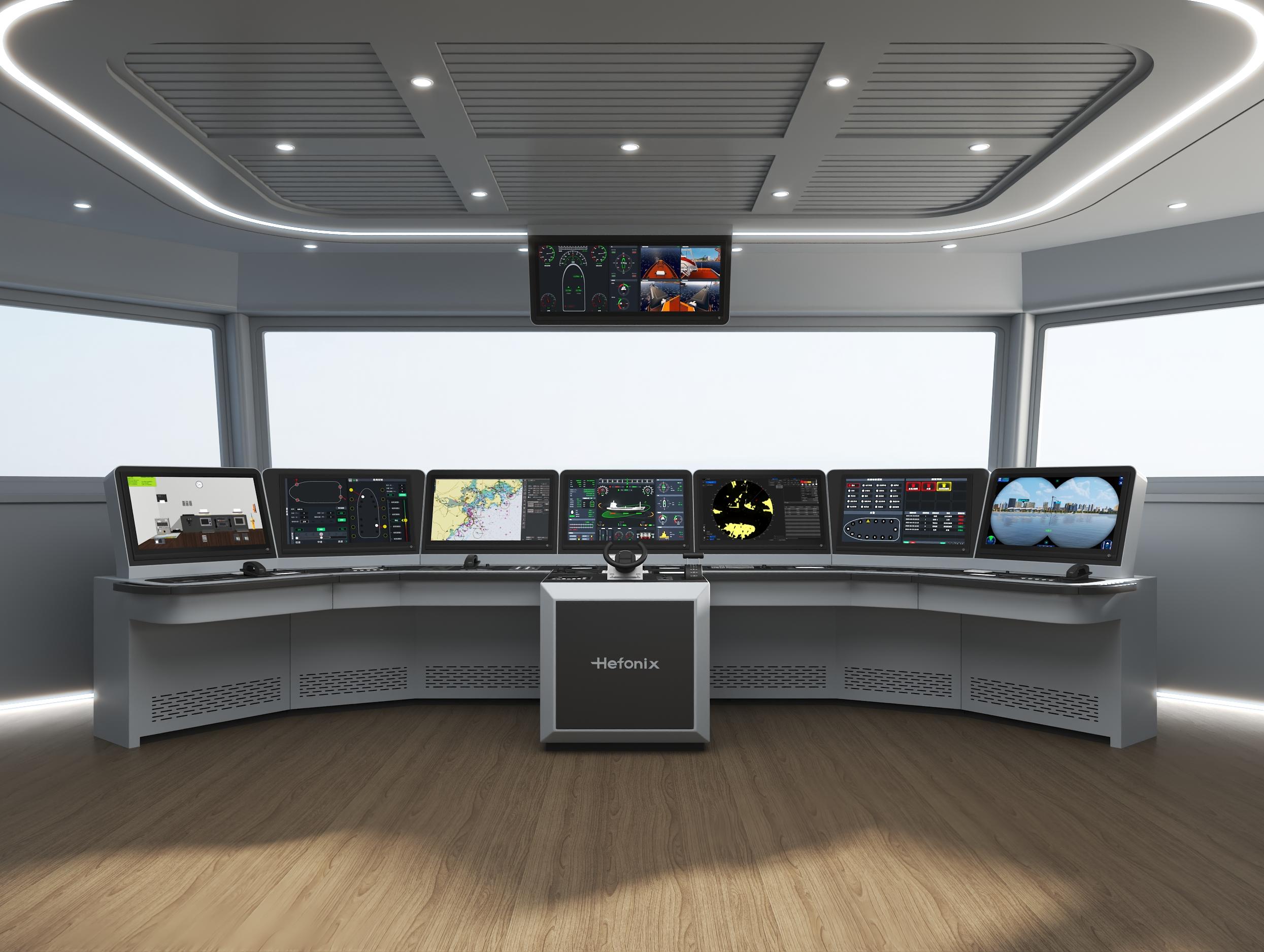
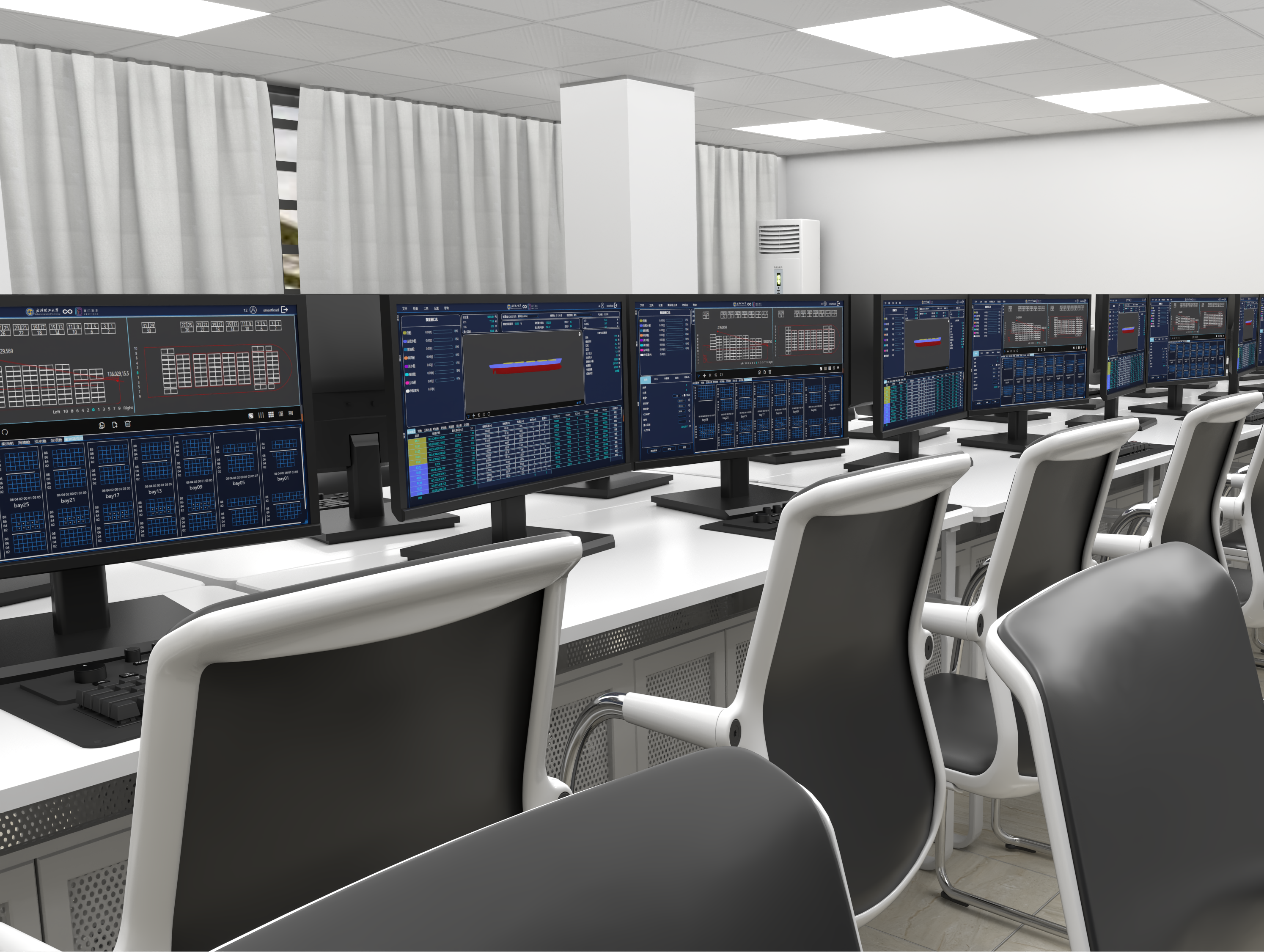
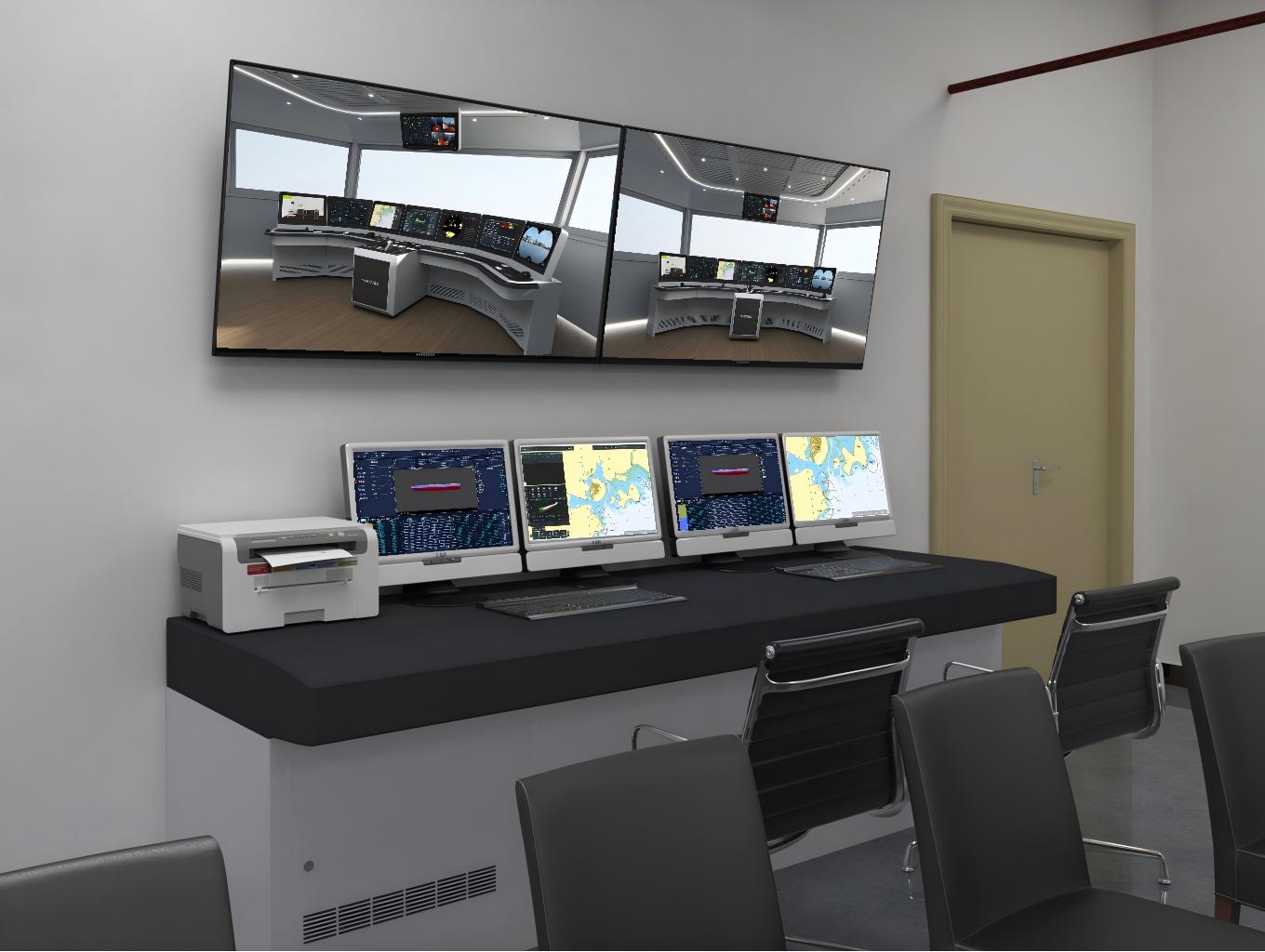
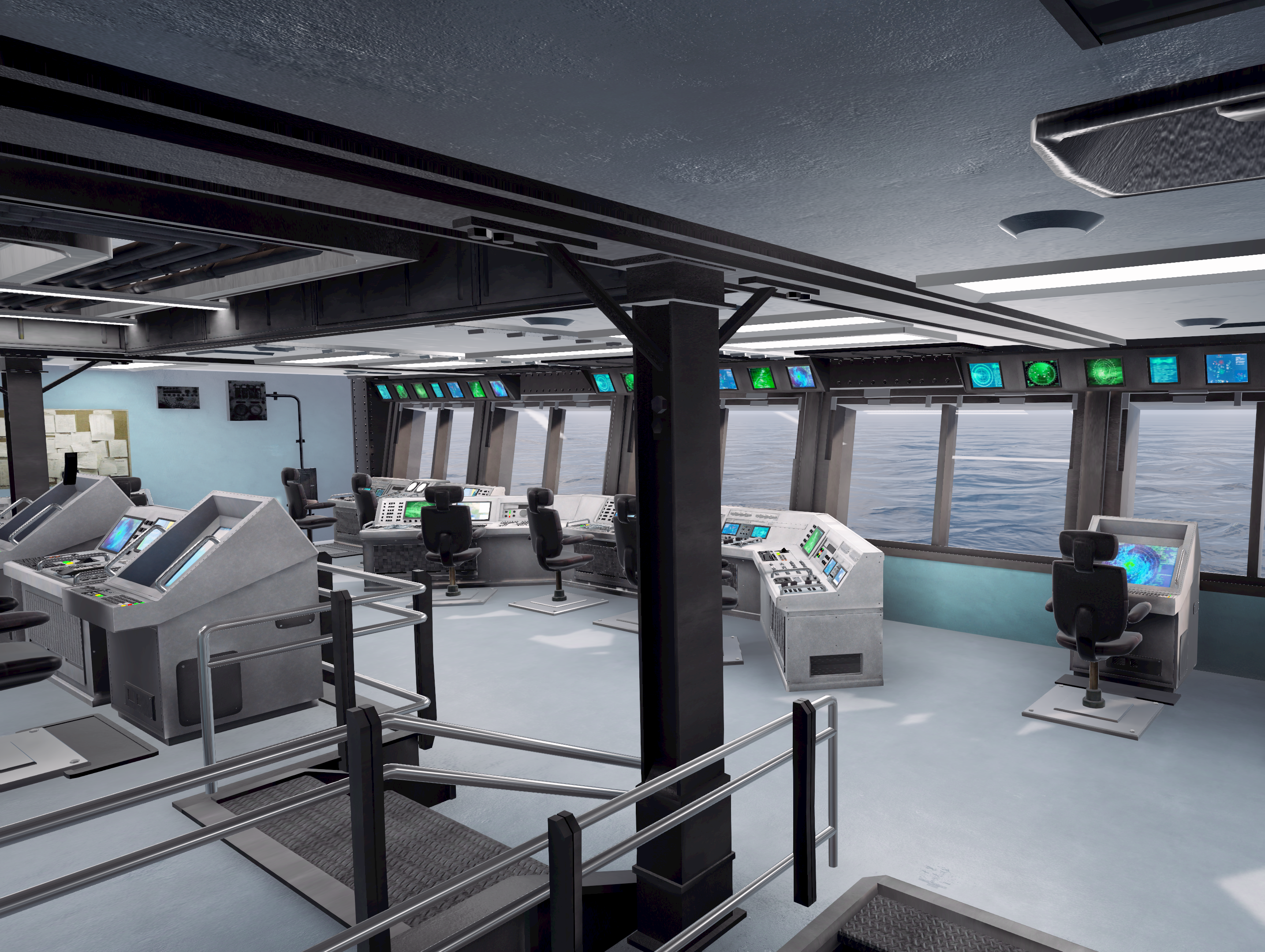
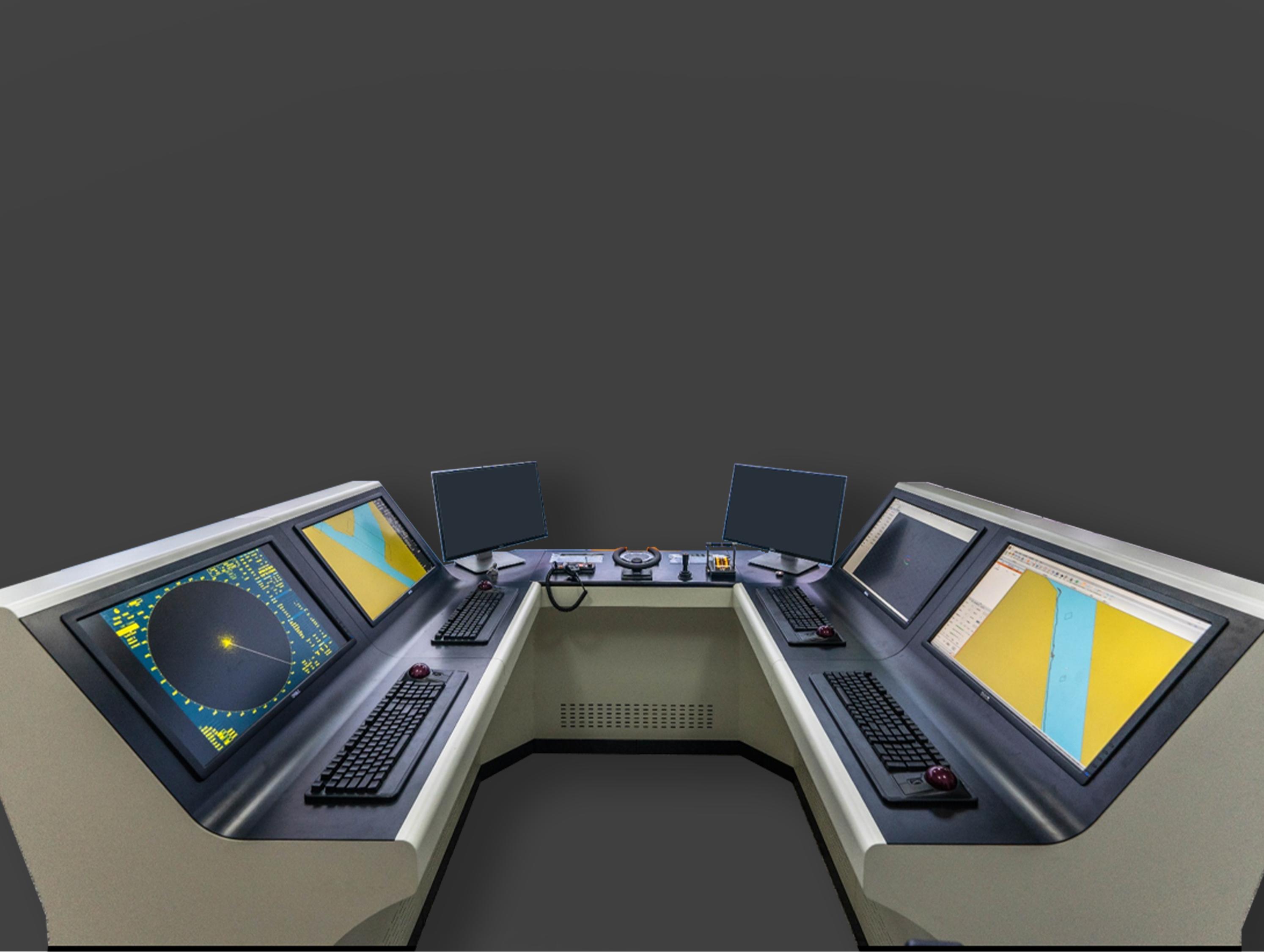
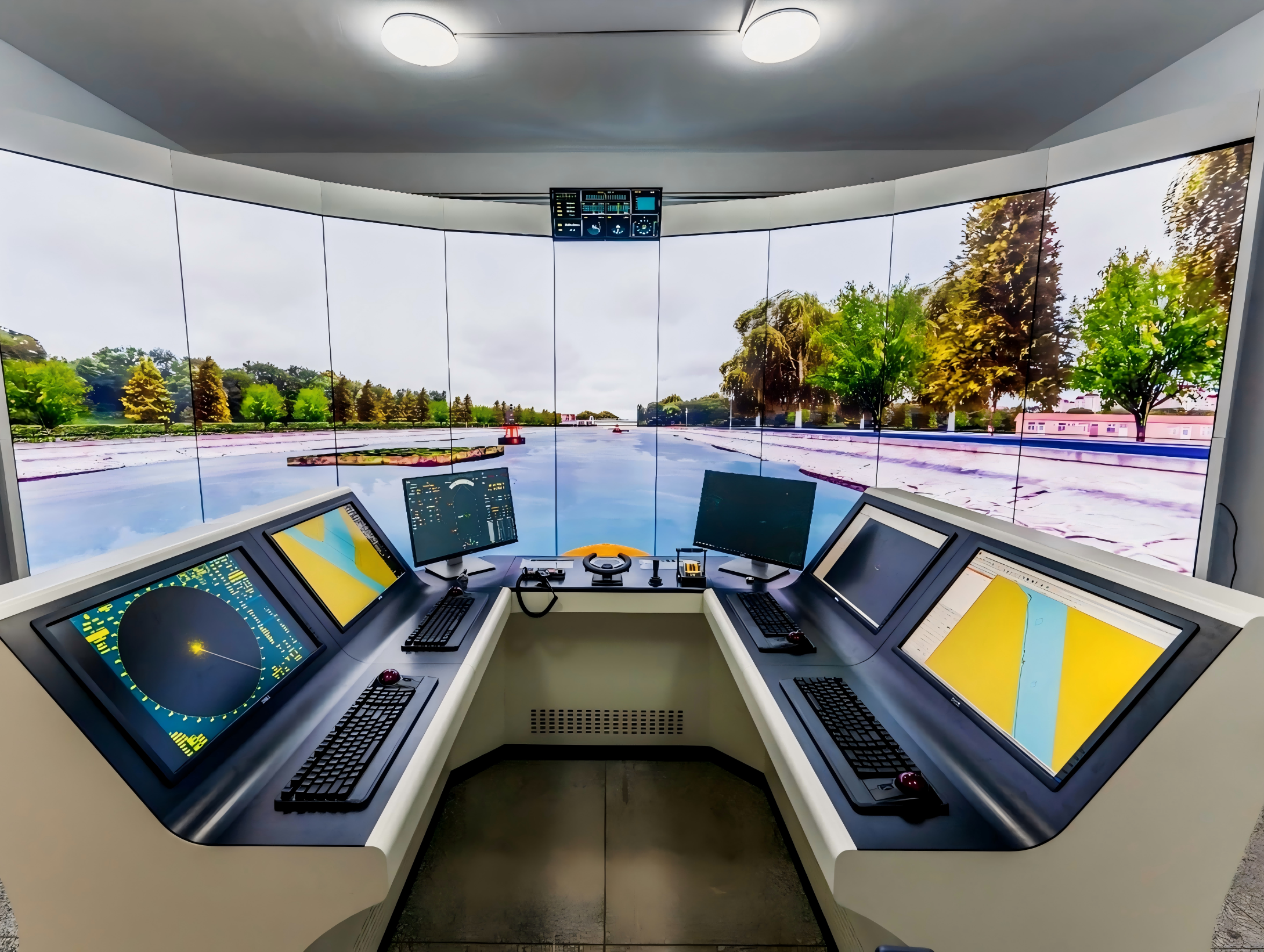
The Ship Navigation simulator plays a particularly important role in ROI-driven procurement decisions. Buyers recognize that navigation errors can lead to high operational losses, insurance claims, and compliance penalties. As a result, investing in a Ship Navigation simulator allows organizations to reduce these risks while improving training throughput. A scalable Ship Navigation simulator can train multiple cohorts simultaneously, significantly lowering per-trainee cost over time.
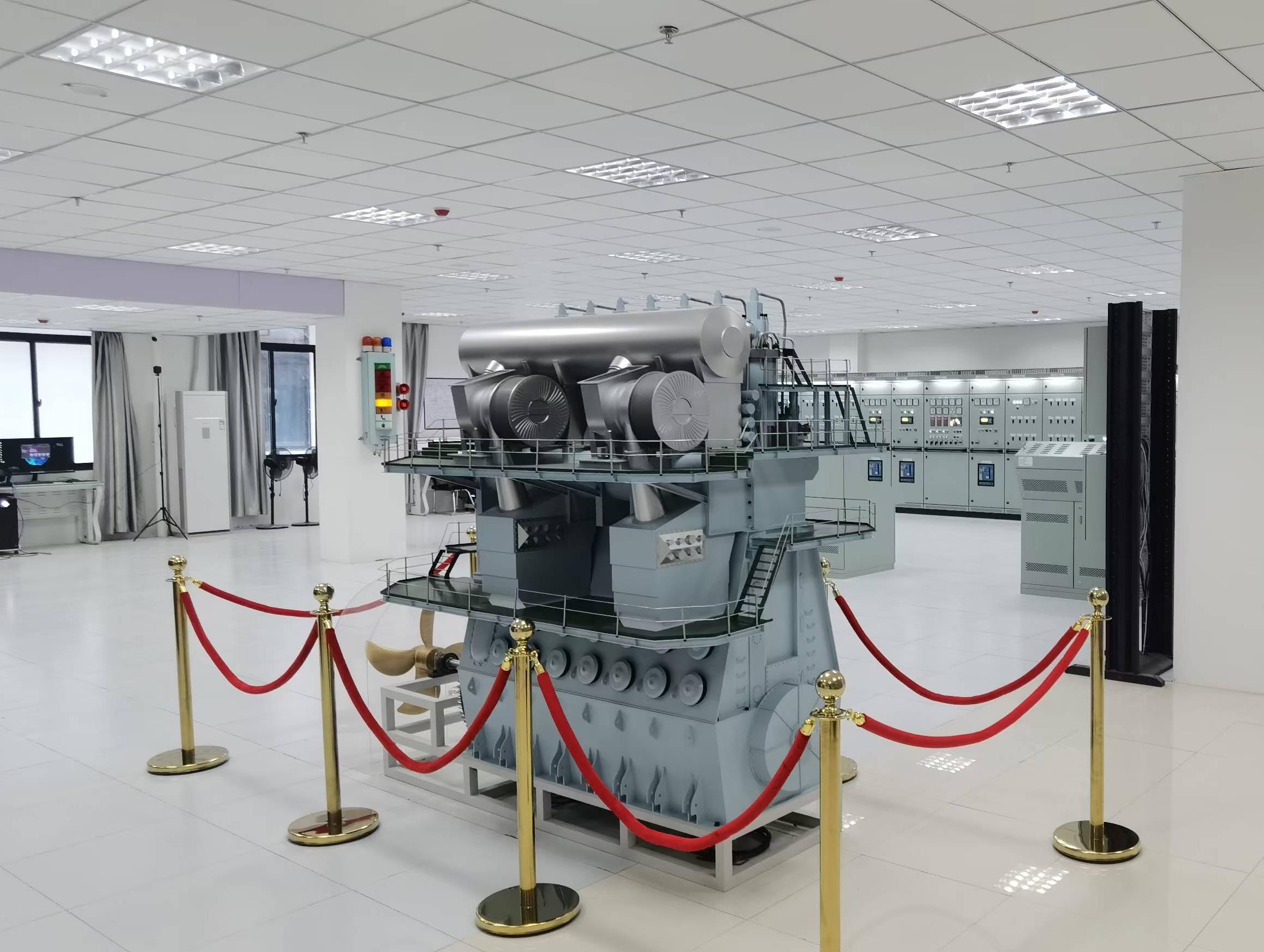
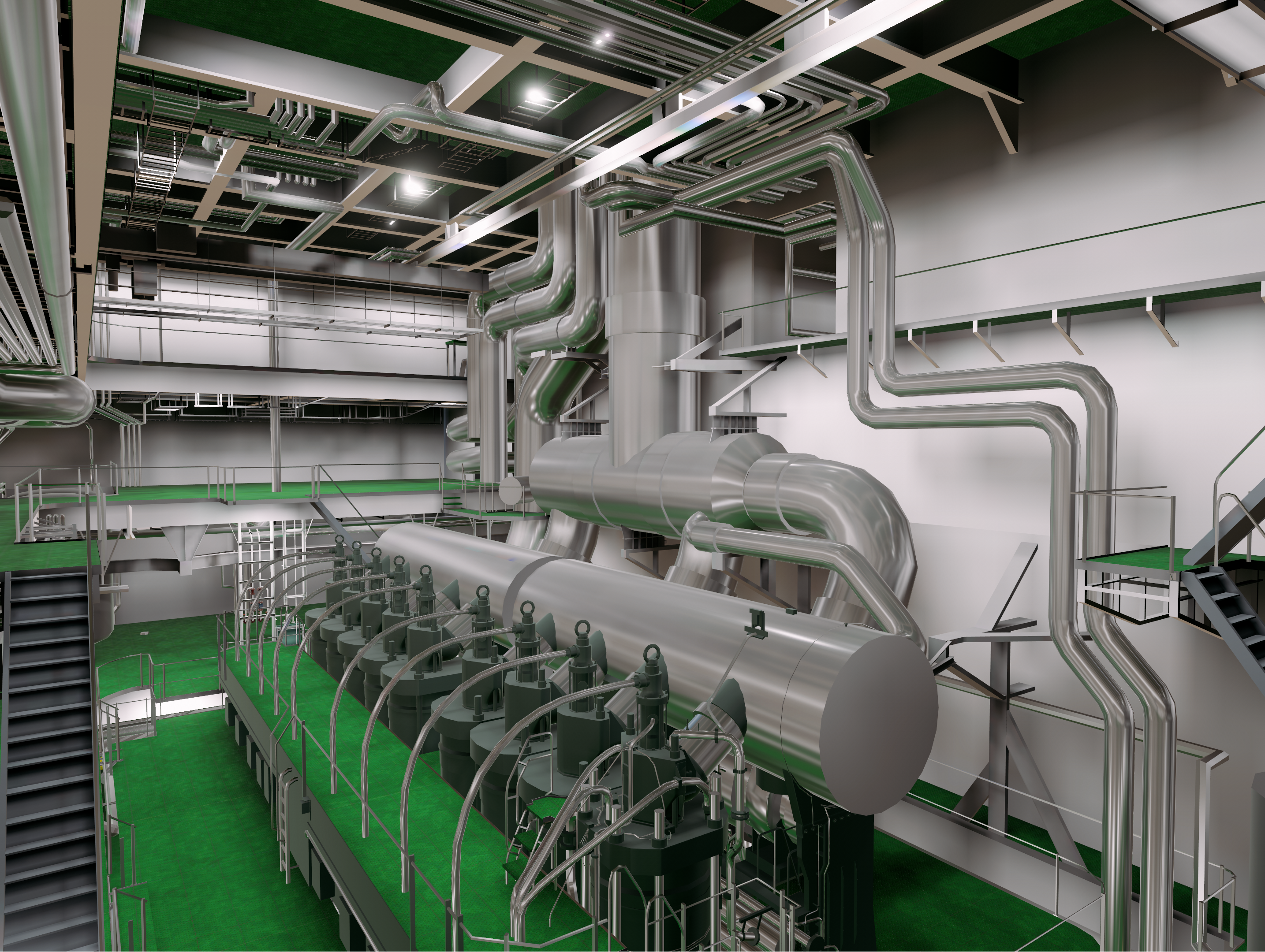
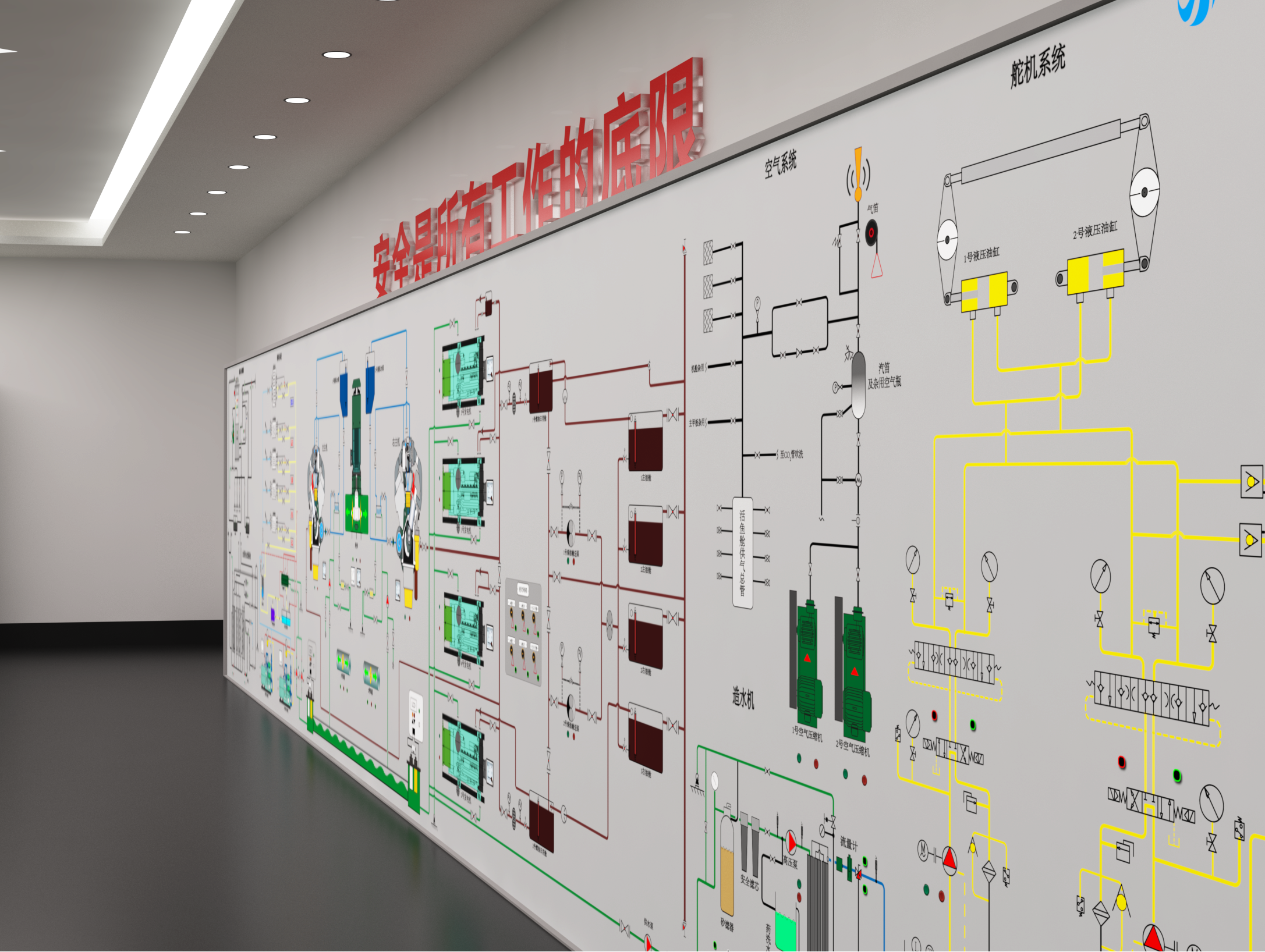
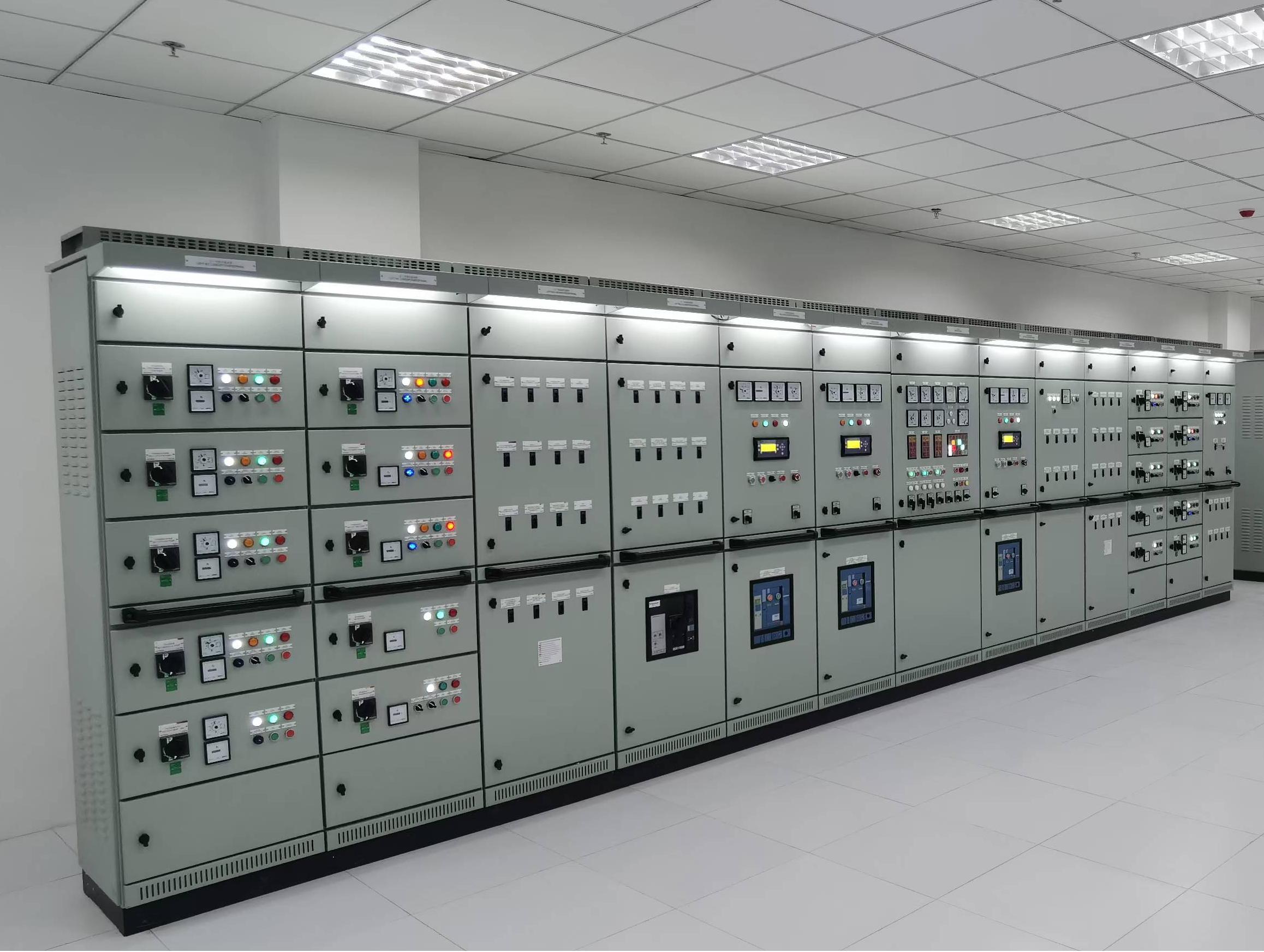
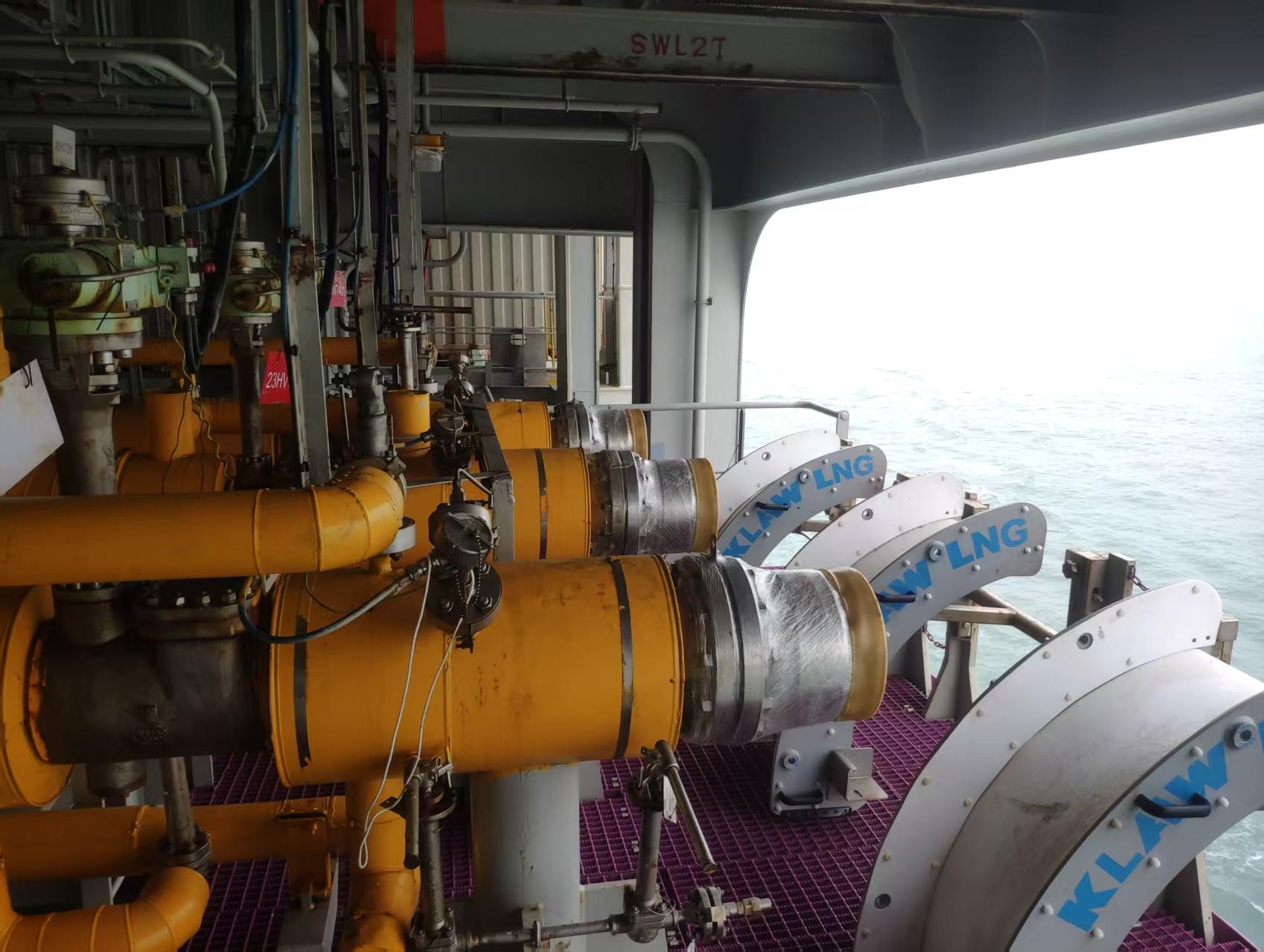
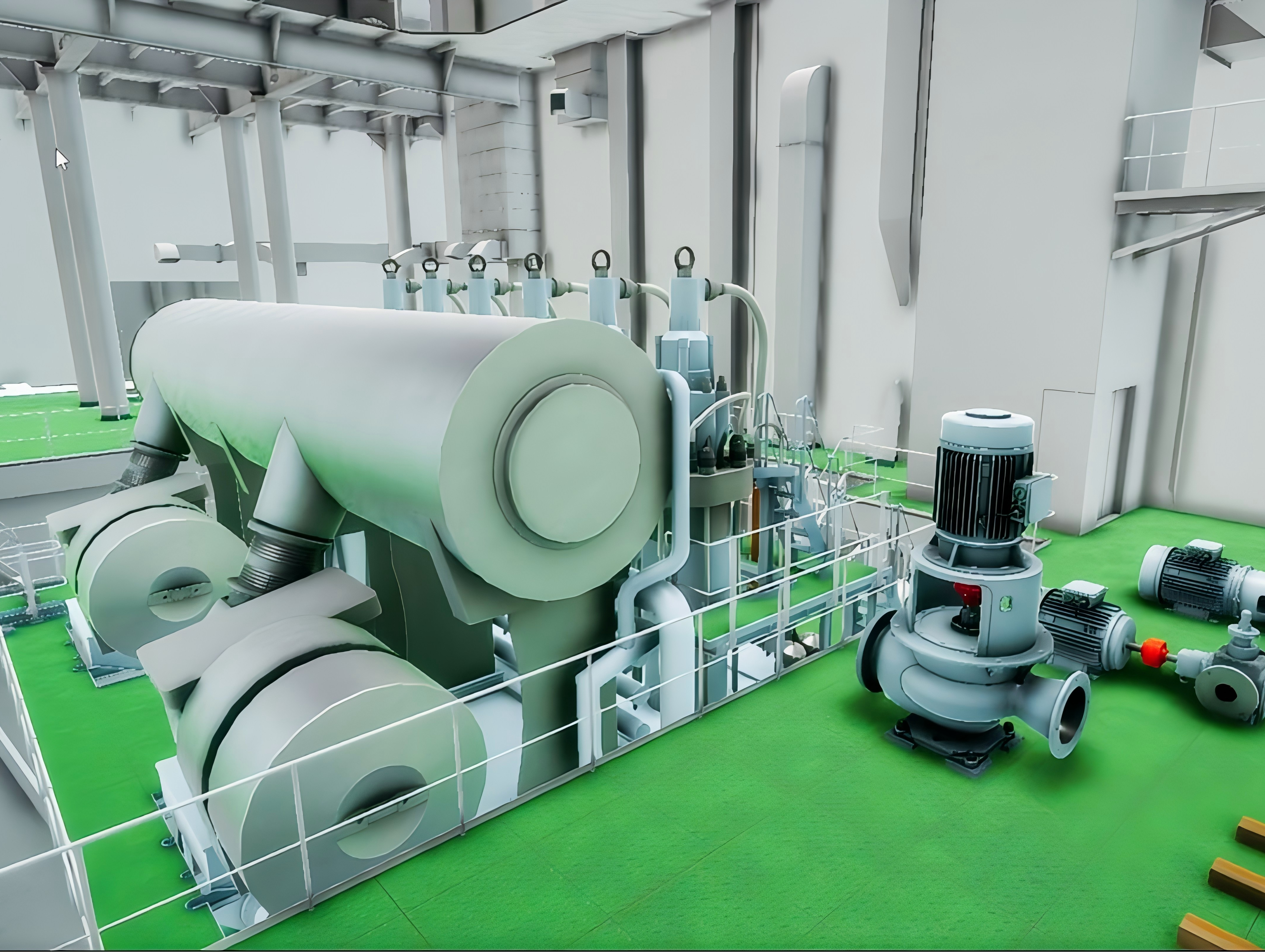
Similarly, the marine engine simulator is increasingly viewed as a cost-control mechanism within engineering departments. Engine room training on actual vessels is expensive, time-consuming, and operationally disruptive. By using a marine engine simulator, shipping companies can conduct repeated fault training, system familiarization, and emergency drills without consuming fuel or risking equipment damage. For procurement teams, the marine engine simulator directly contributes to measurable reductions in operational expenditure (OPEX).
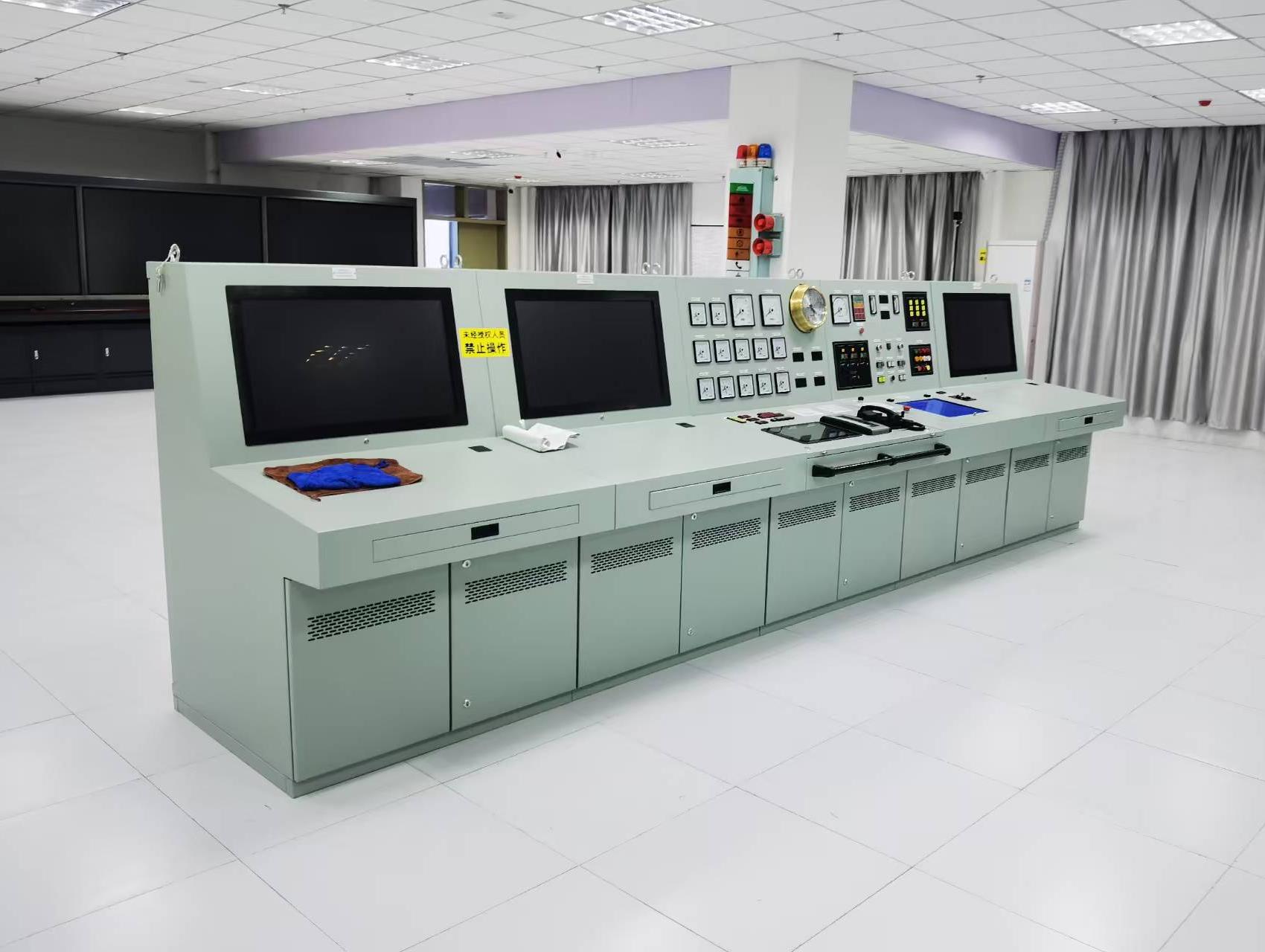
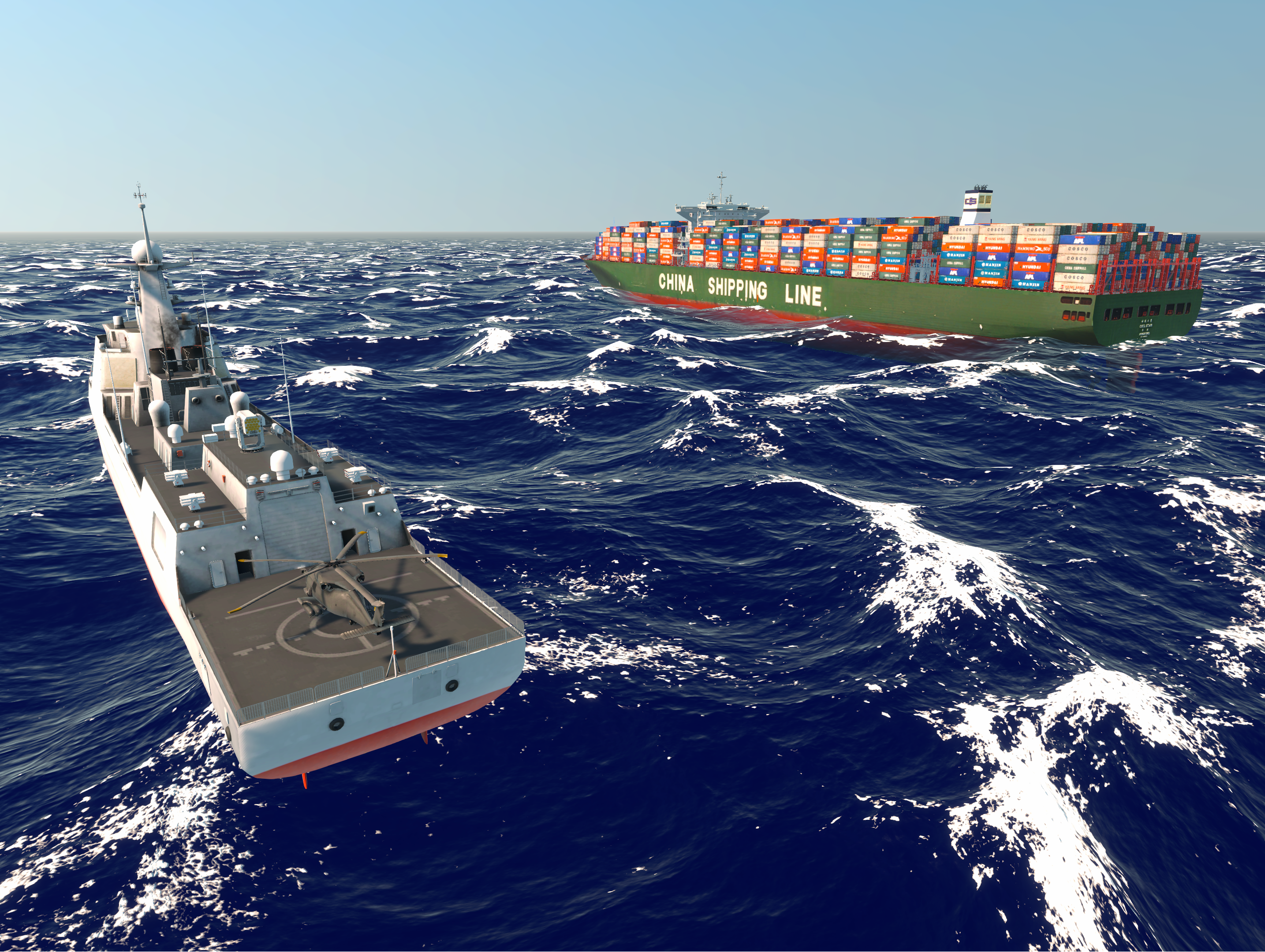
At the system level, institutional buyers are prioritizing integrated Marine Simulator platforms that unify multiple training domains. A modern Marine Simulator allows navigation, engine operation, and environmental simulation to be delivered through a single ecosystem. This integration improves asset utilization rates, reduces maintenance complexity, and increases overall training efficiency. For decision-makers, a scalable Marine Simulator is a key driver of long-term ROI optimization.
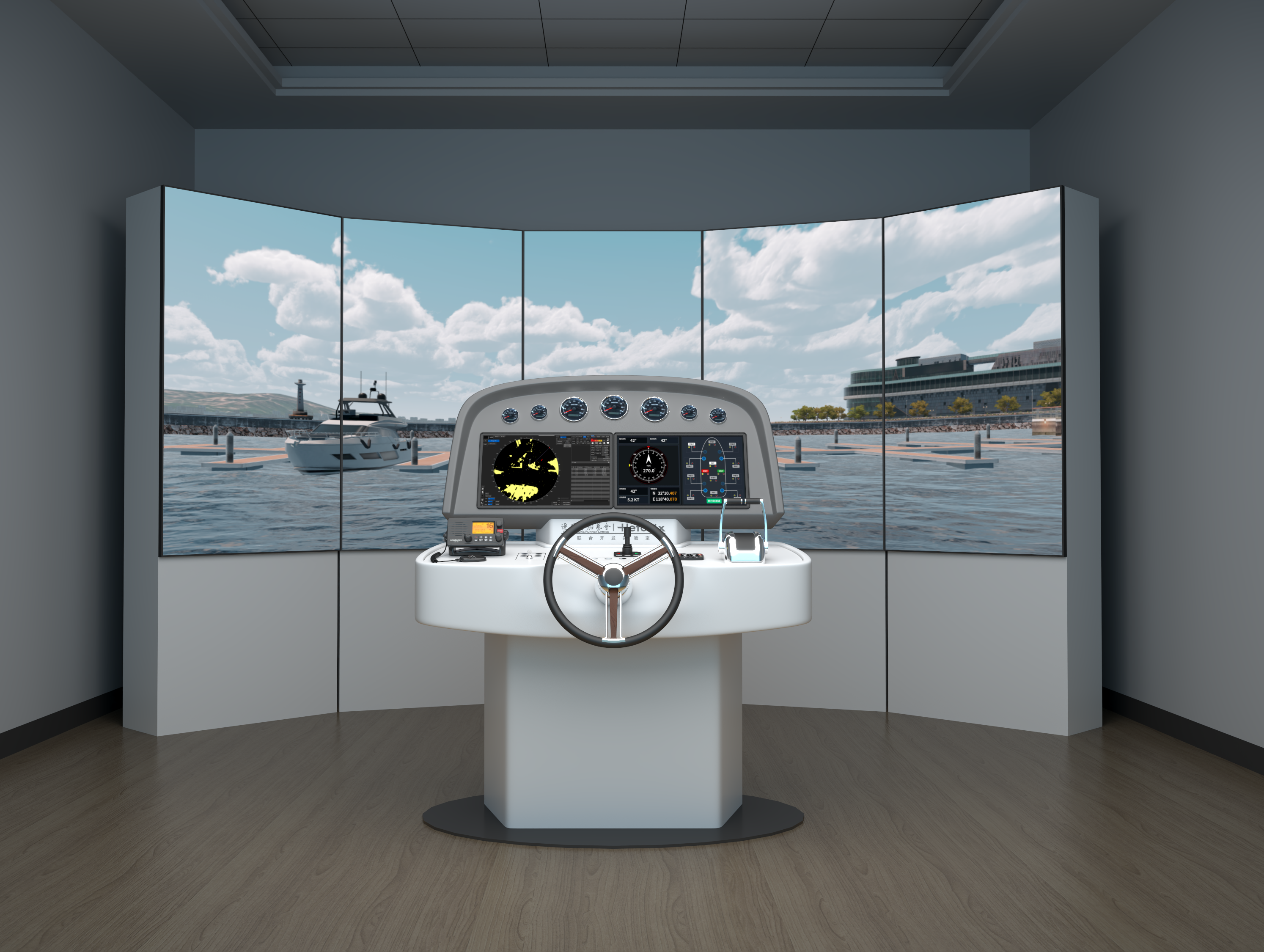
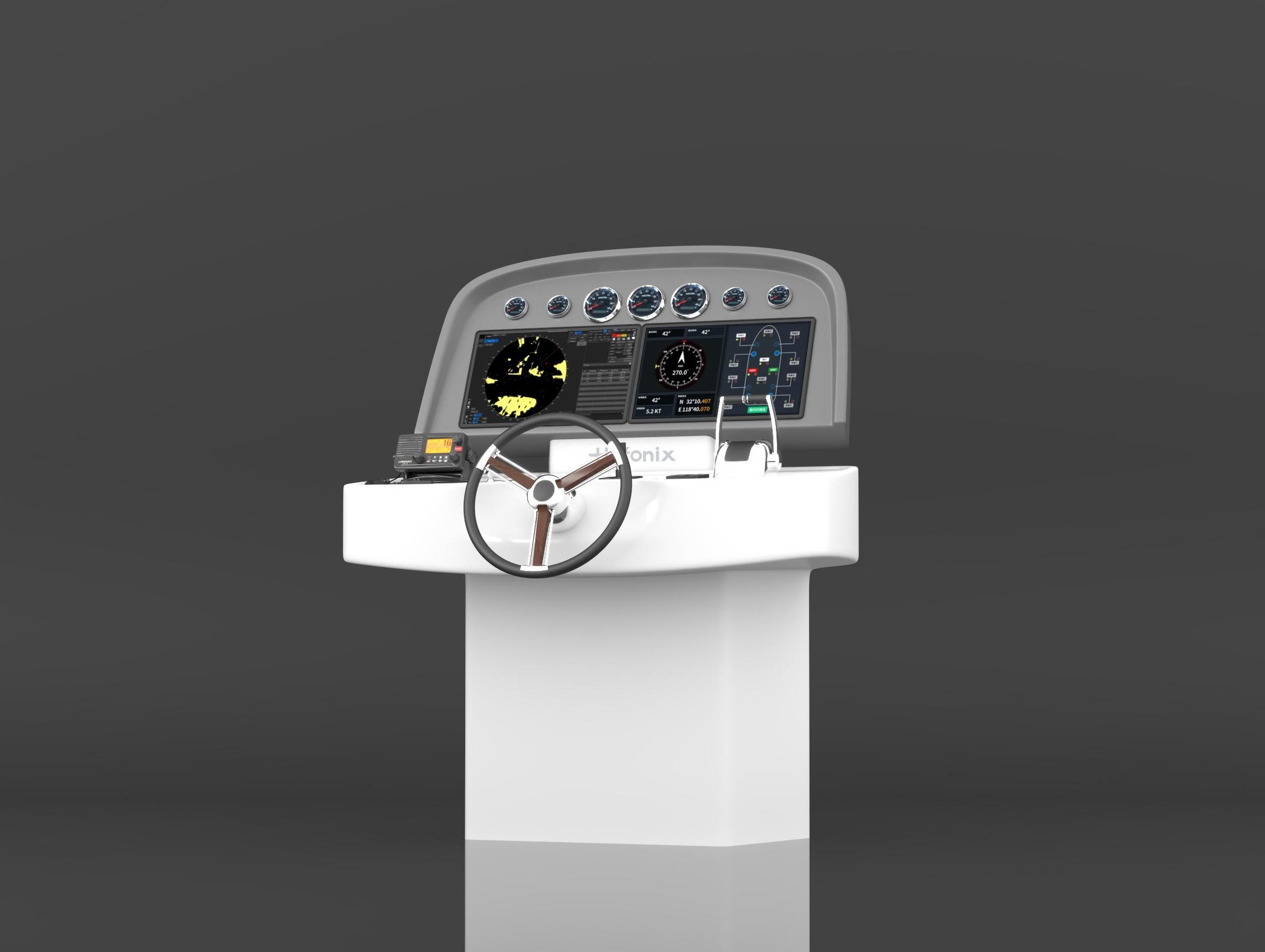
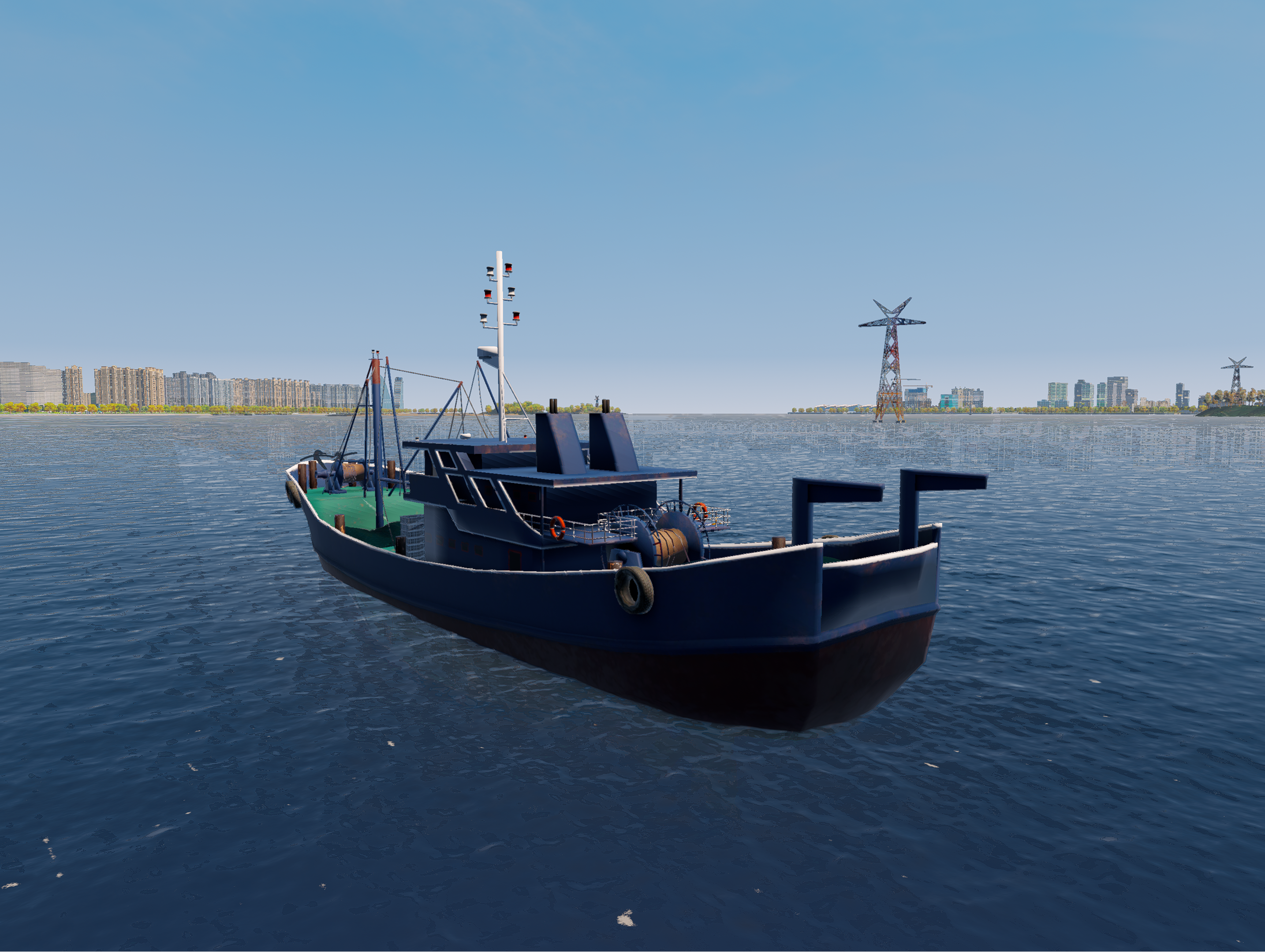
The Yacht Simulator segment is also gaining attention in ROI-focused procurement strategies. Although traditionally associated with specialized or leisure craft training, the Yacht Simulator now plays a broader role in high-speed navigation and coastal operational training. Institutions use the Yacht Simulator to diversify training offerings, attract new student segments, and expand revenue streams. From a business perspective, the Yacht Simulator contributes not only to training capability but also to market competitiveness.
What is reshaping procurement logic most significantly is the transition from standalone equipment purchases to integrated system investment. The ship simulator is now being evaluated as a modular platform that can combine Ship Navigation simulator, marine engine simulator, and Yacht Simulator functions into a unified training architecture. This integration increases system utilization rates and ensures that every training module contributes to overall ROI performance.
In addition, global buyers are increasingly demanding measurable performance outcomes from simulation systems. Metrics such as training cycle reduction, competency improvement rate, and certification pass efficiency are now directly tied to procurement approval. In this context, a fully integrated ship simulator ecosystem becomes a strategic investment rather than an operational expense.
In conclusion, the maritime industry is entering a new procurement era defined by ROI optimization and training efficiency. The combined deployment of Yacht Simulator, Marine Simulator, Ship Navigation simulator, marine engine simulator, and ship simulator systems reflects a clear shift toward data-driven investment strategies. These platforms are no longer optional training tools—they are core infrastructure assets that directly influence financial performance, operational efficiency, and long-term competitiveness in global maritime operations.