
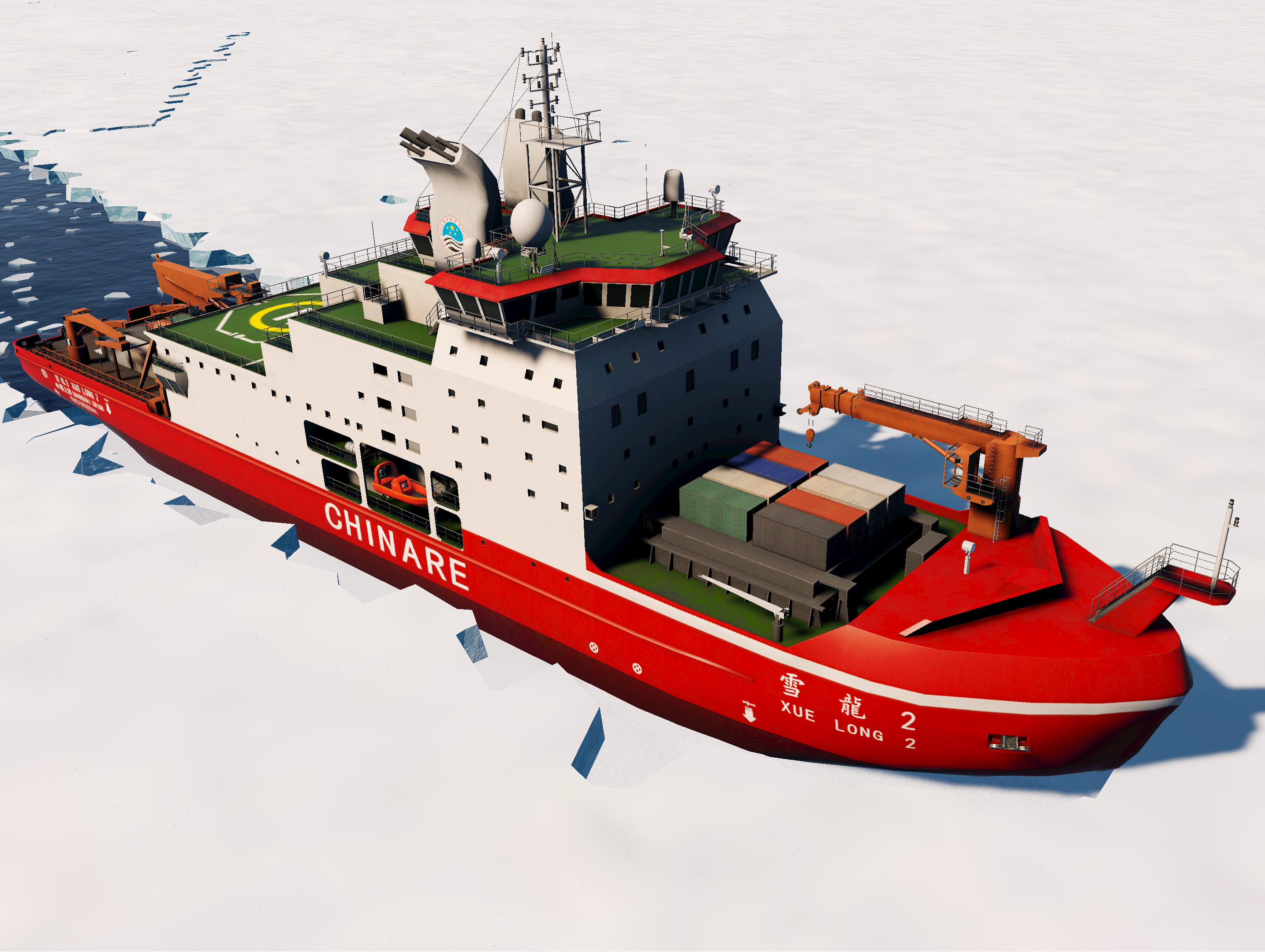
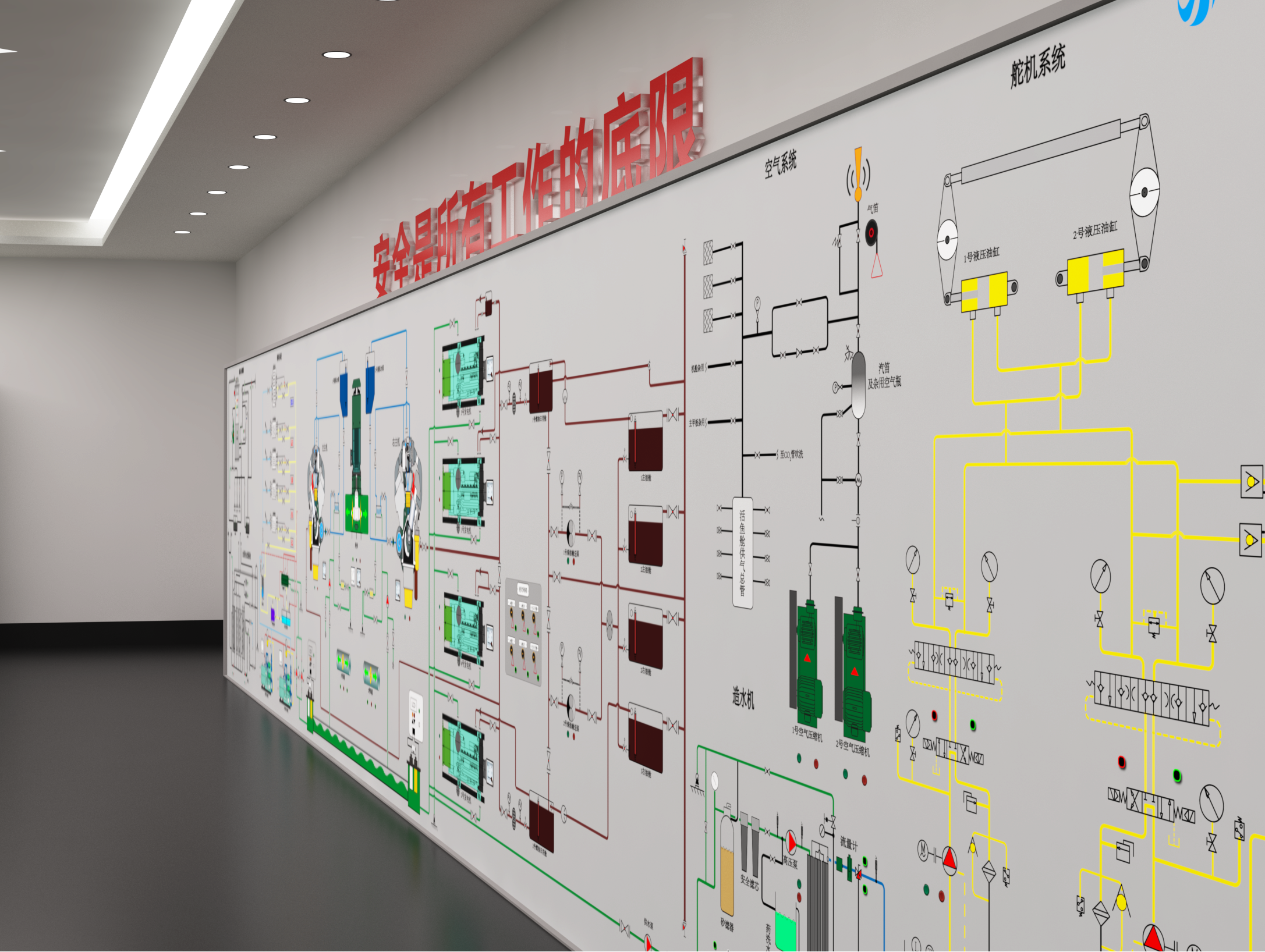
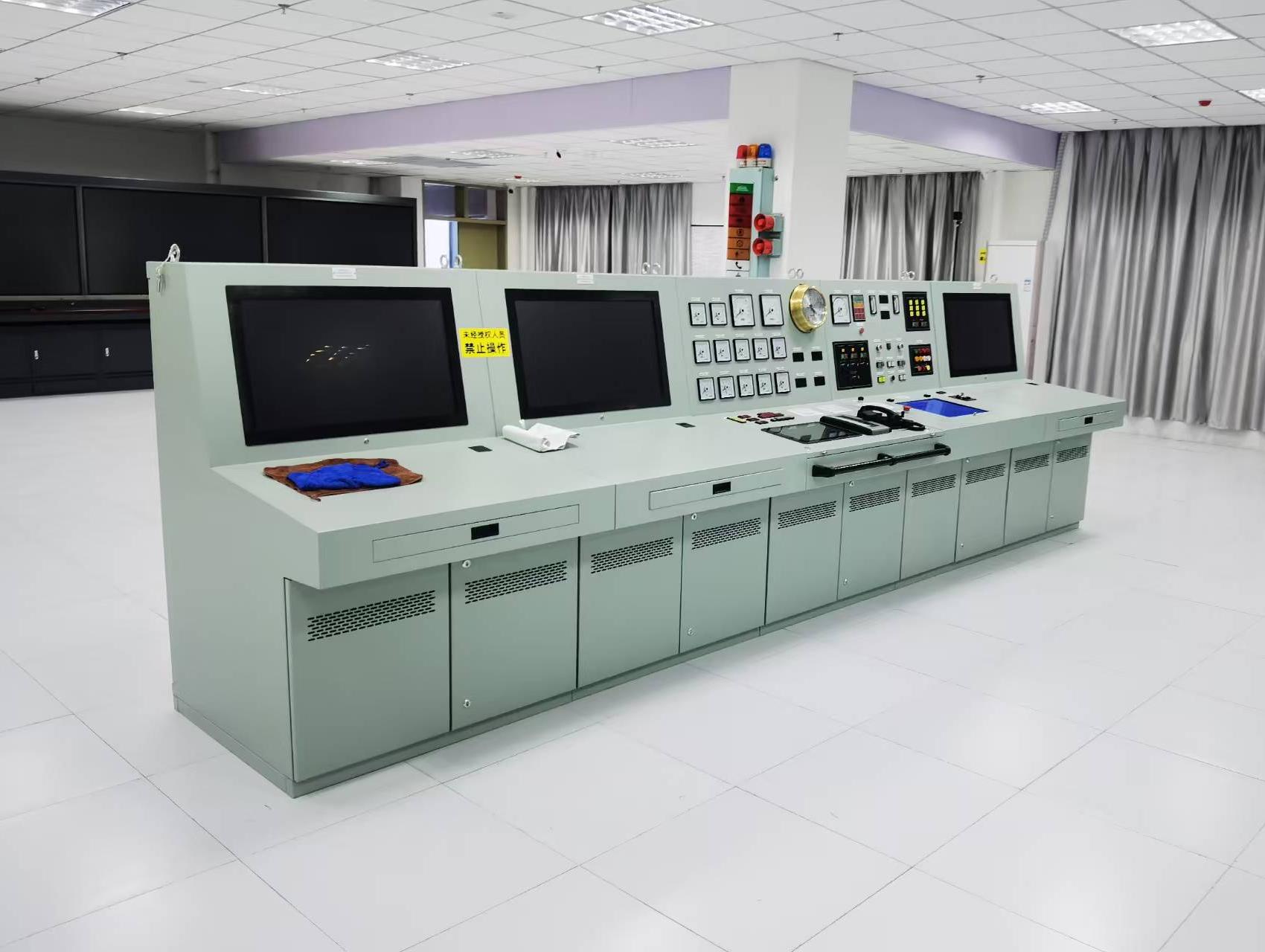
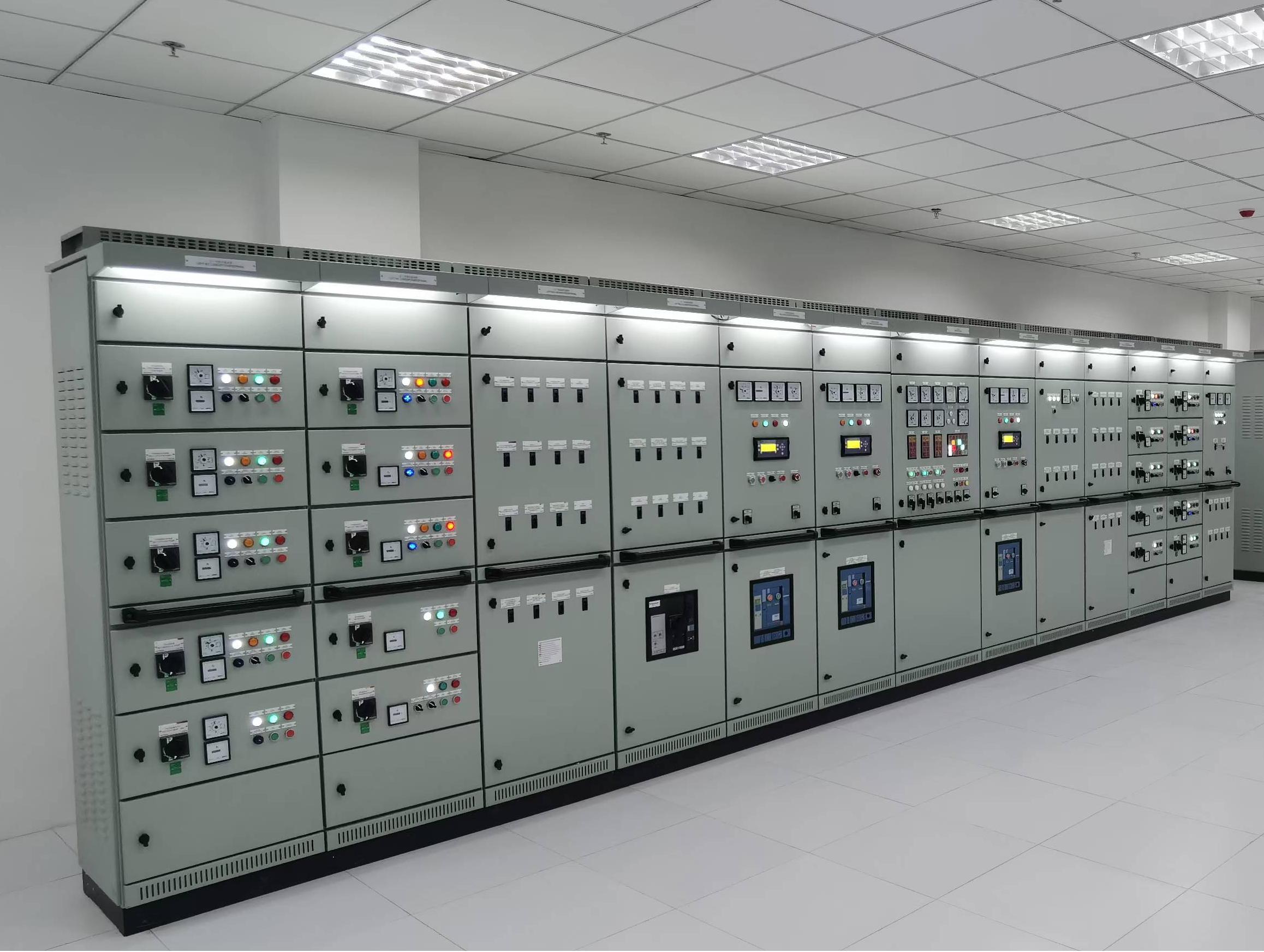
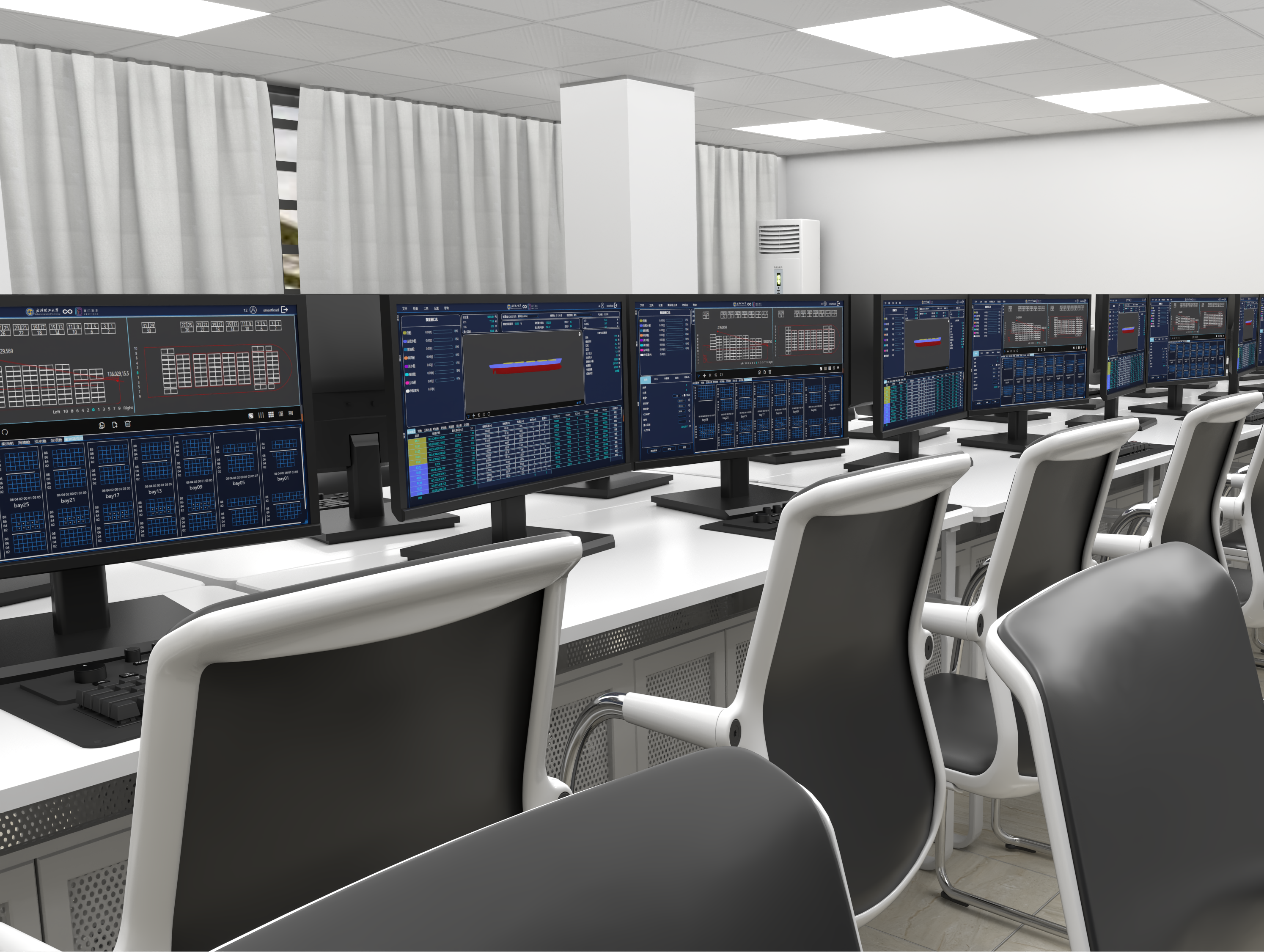
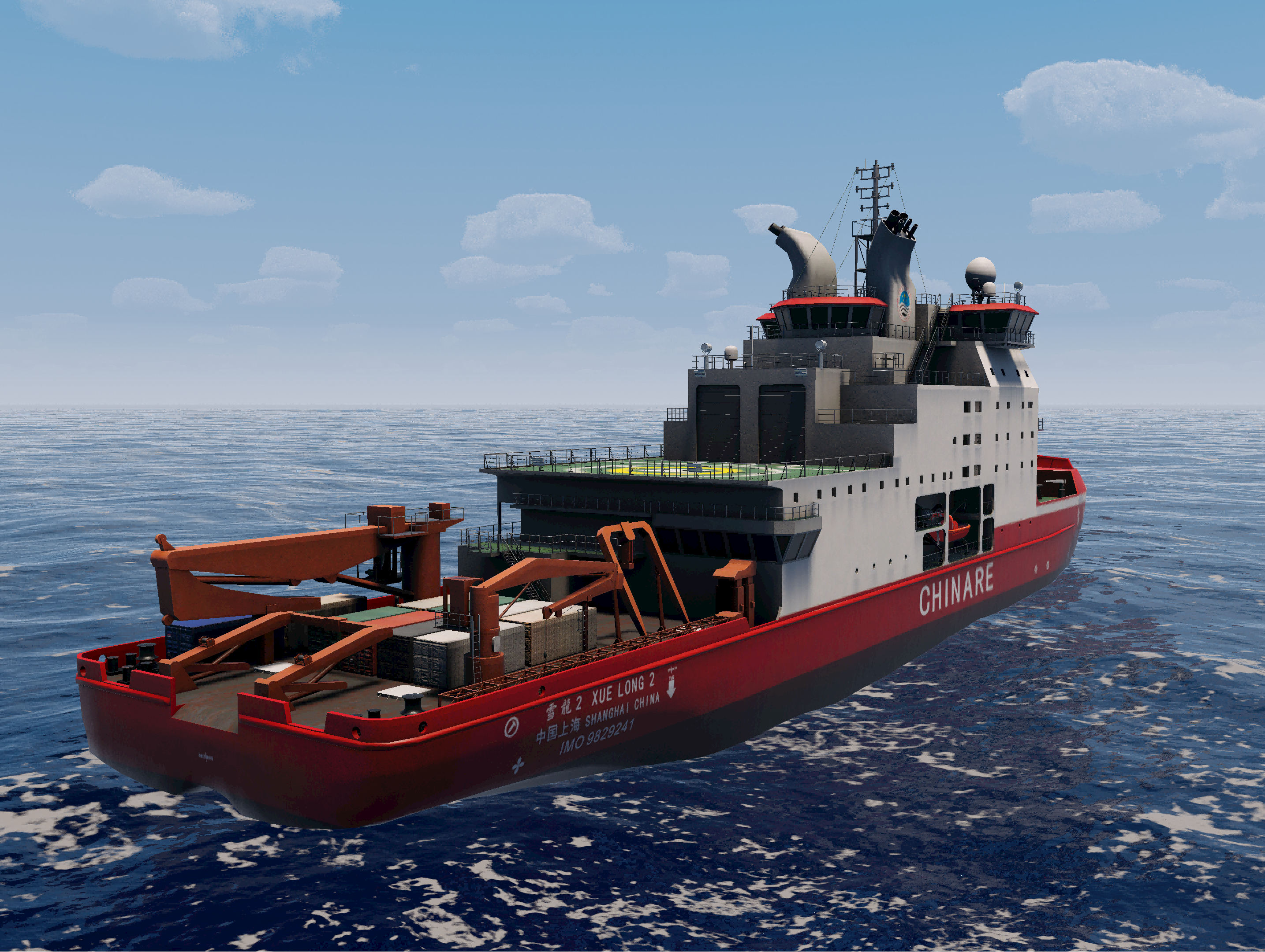
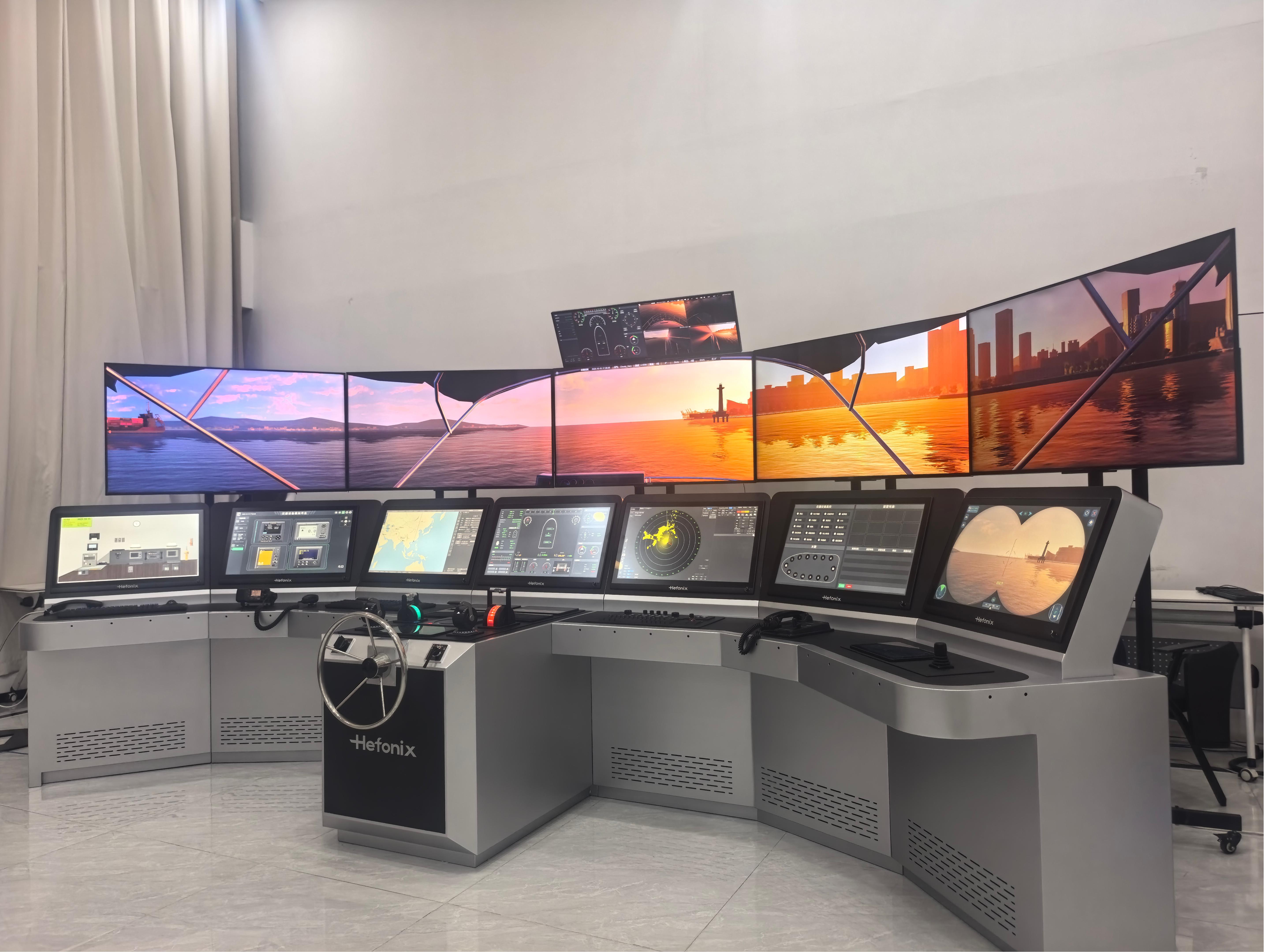
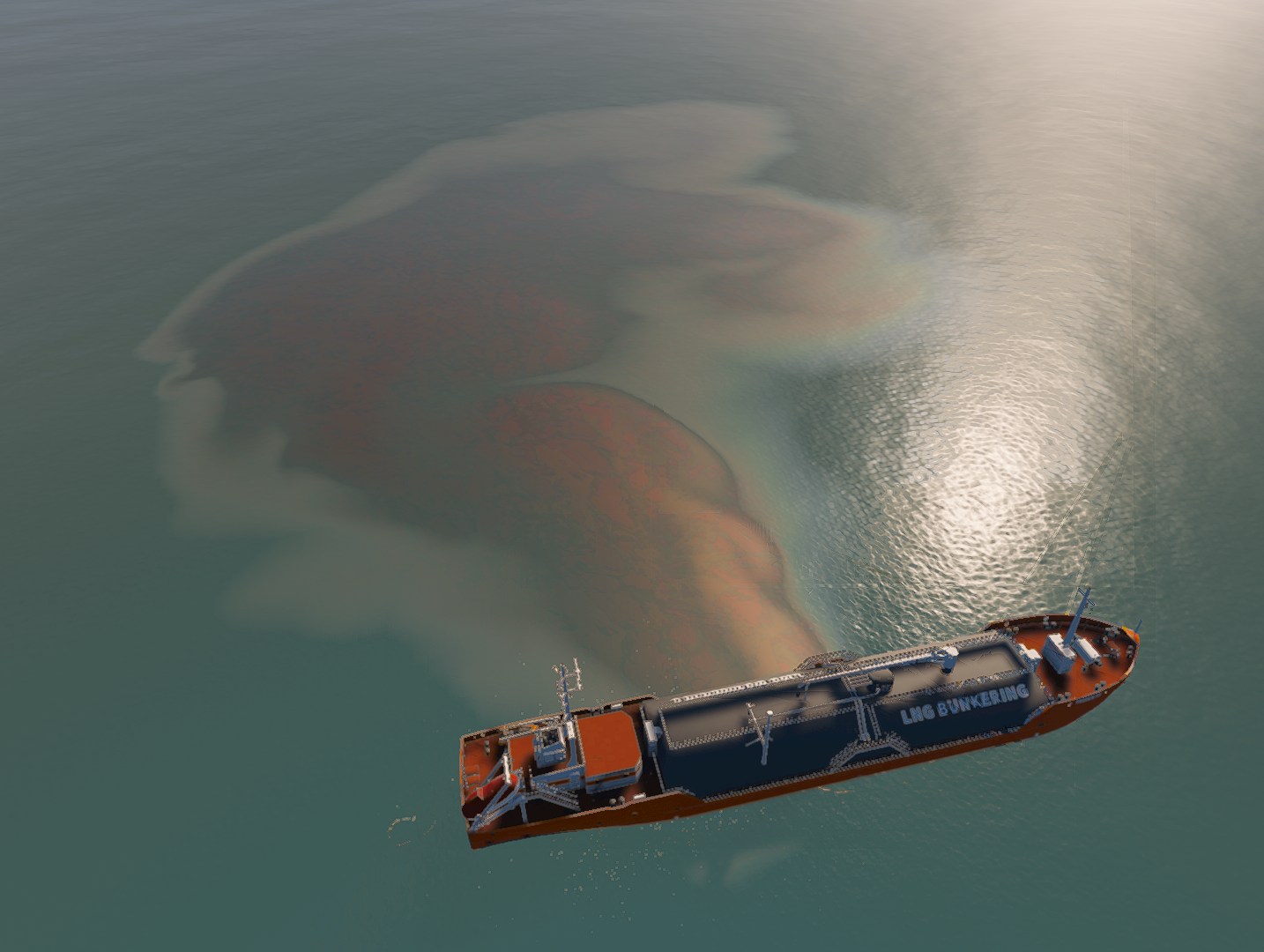

As the maritime industry enters a new era of digital transformation, maritime academies and training centers worldwide are facing increasing pressure to modernize their educational infrastructure. The traditional classroom model can no longer fully meet the industry's demand for highly skilled officers, engineers, and vessel operators. As a result, training institutions are accelerating investments in advanced technologies such as the Yacht Simulator, Marine Simulator, Ship Navigation simulator, marine engine simulator, and integrated ship simulator systems.
Across Asia, Europe, the Middle East, and Africa, maritime education providers are upgrading their facilities to attract more students, improve training effectiveness, and meet evolving industry requirements. Modern simulation technology has become a critical component of this transformation.
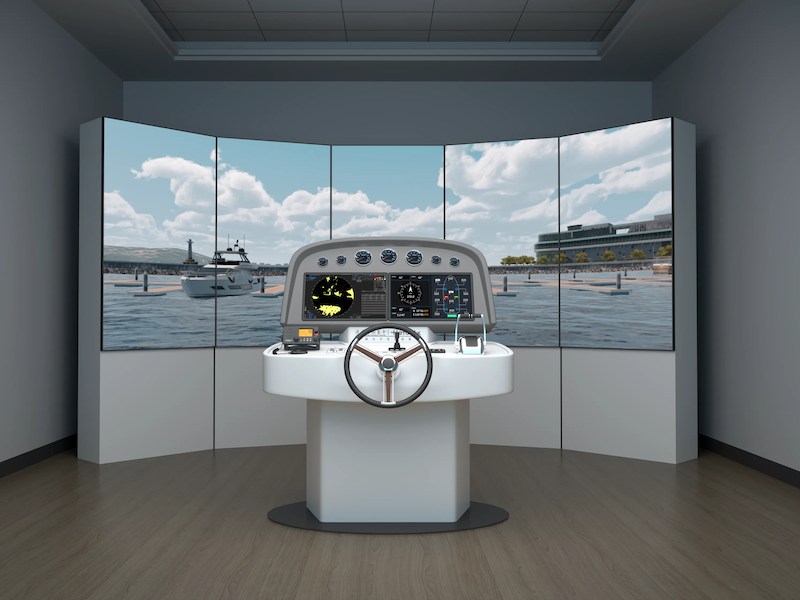
Maritime Education Enters the Simulation Era
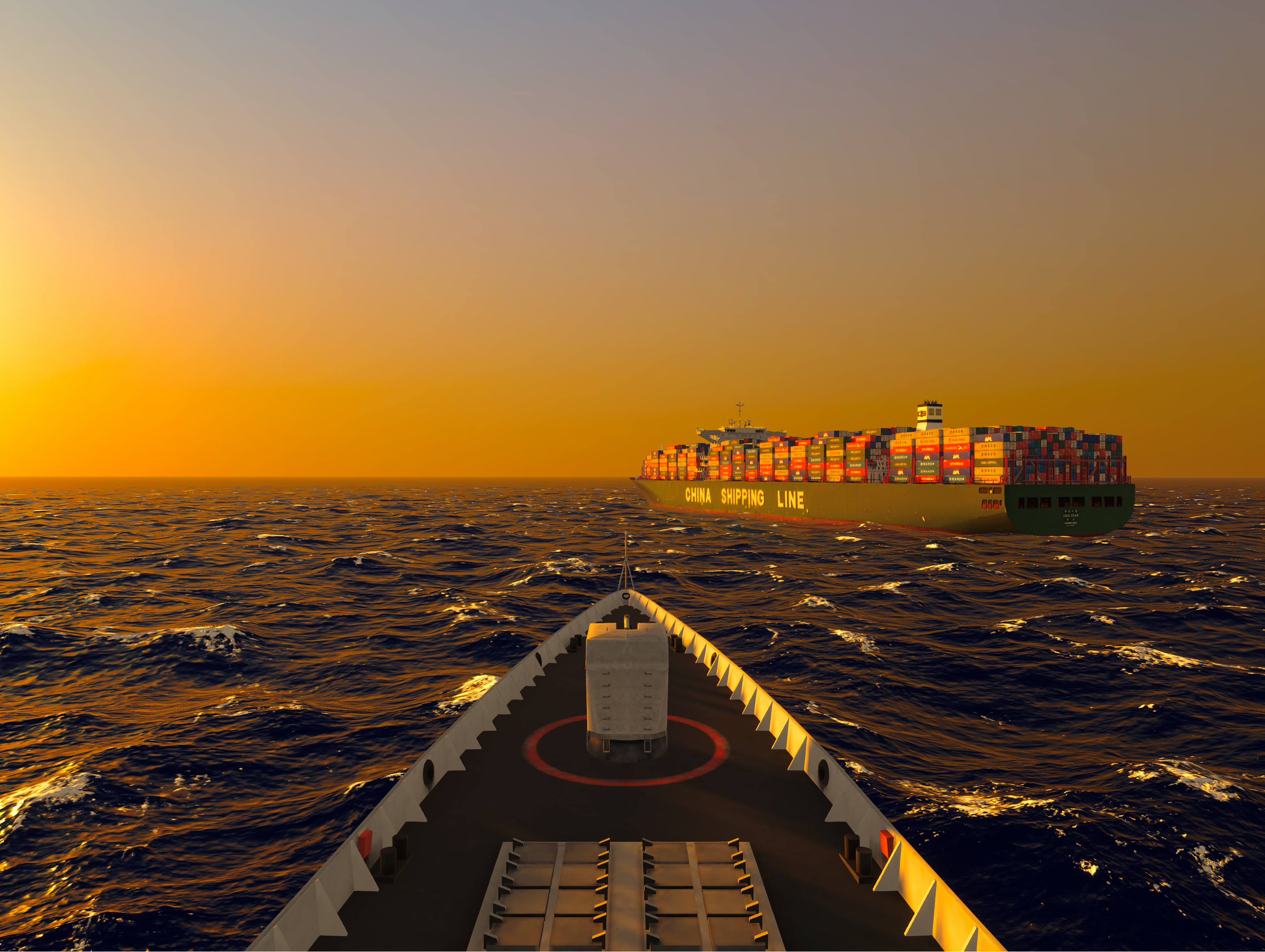
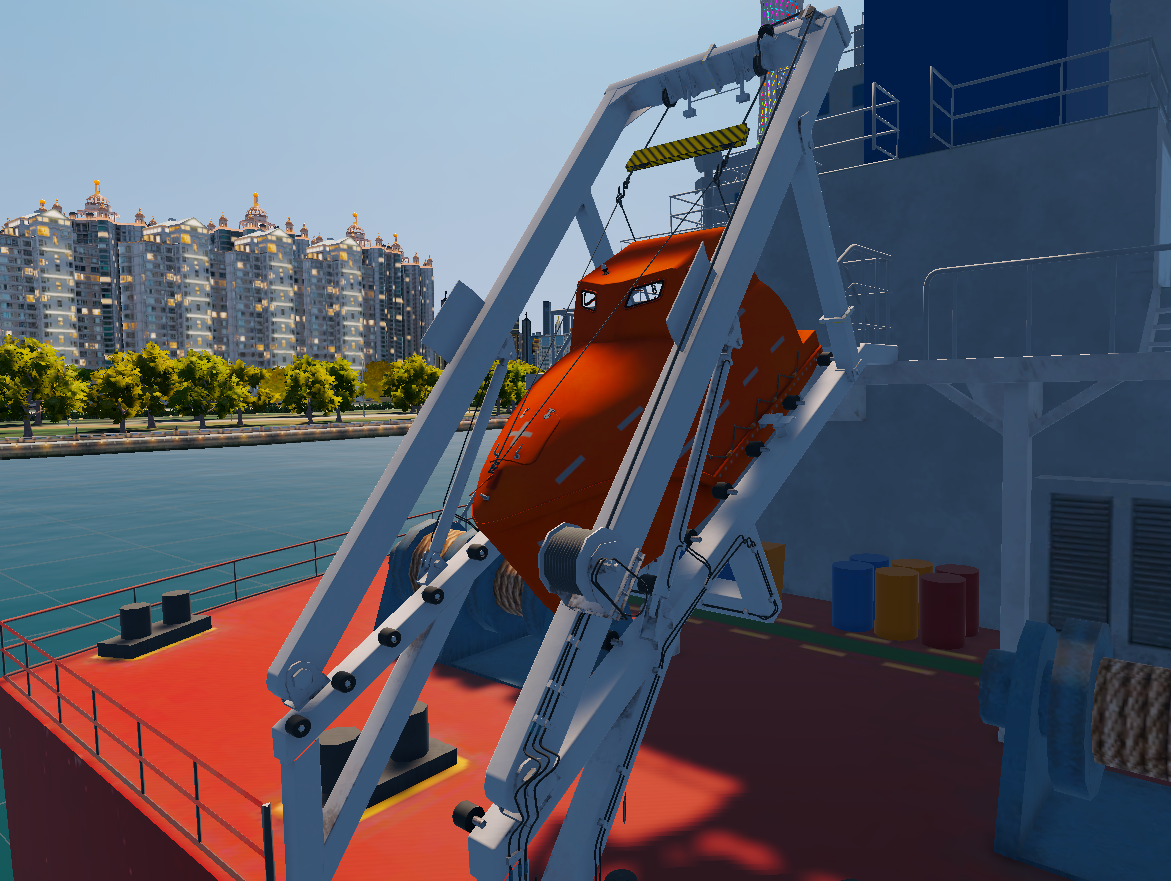
Today's students expect practical, immersive learning experiences. A modern ship simulator allows trainees to experience real-world maritime operations without leaving the classroom. Through a ship simulator, cadets can practice navigation, maneuvering, collision avoidance, and emergency response under realistic conditions.
Many maritime academies now consider a ship simulator to be a core educational asset. Compared with traditional teaching methods, a ship simulator provides greater engagement, faster skill acquisition, and improved competency assessment.
The growing adoption of ship simulator technology reflects the industry's commitment to producing job-ready graduates.
Ship Navigation Simulator Enhances Bridge Training
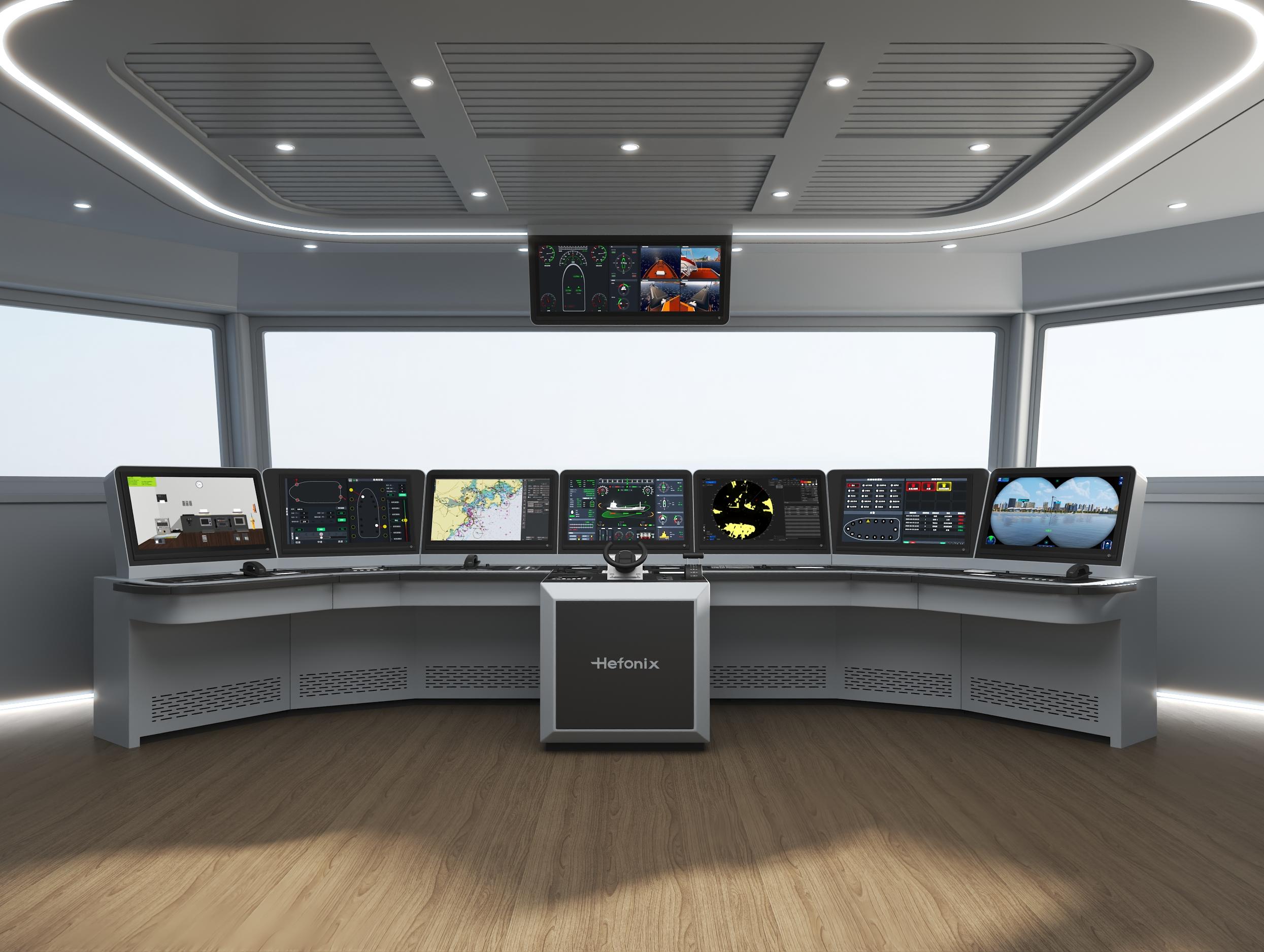
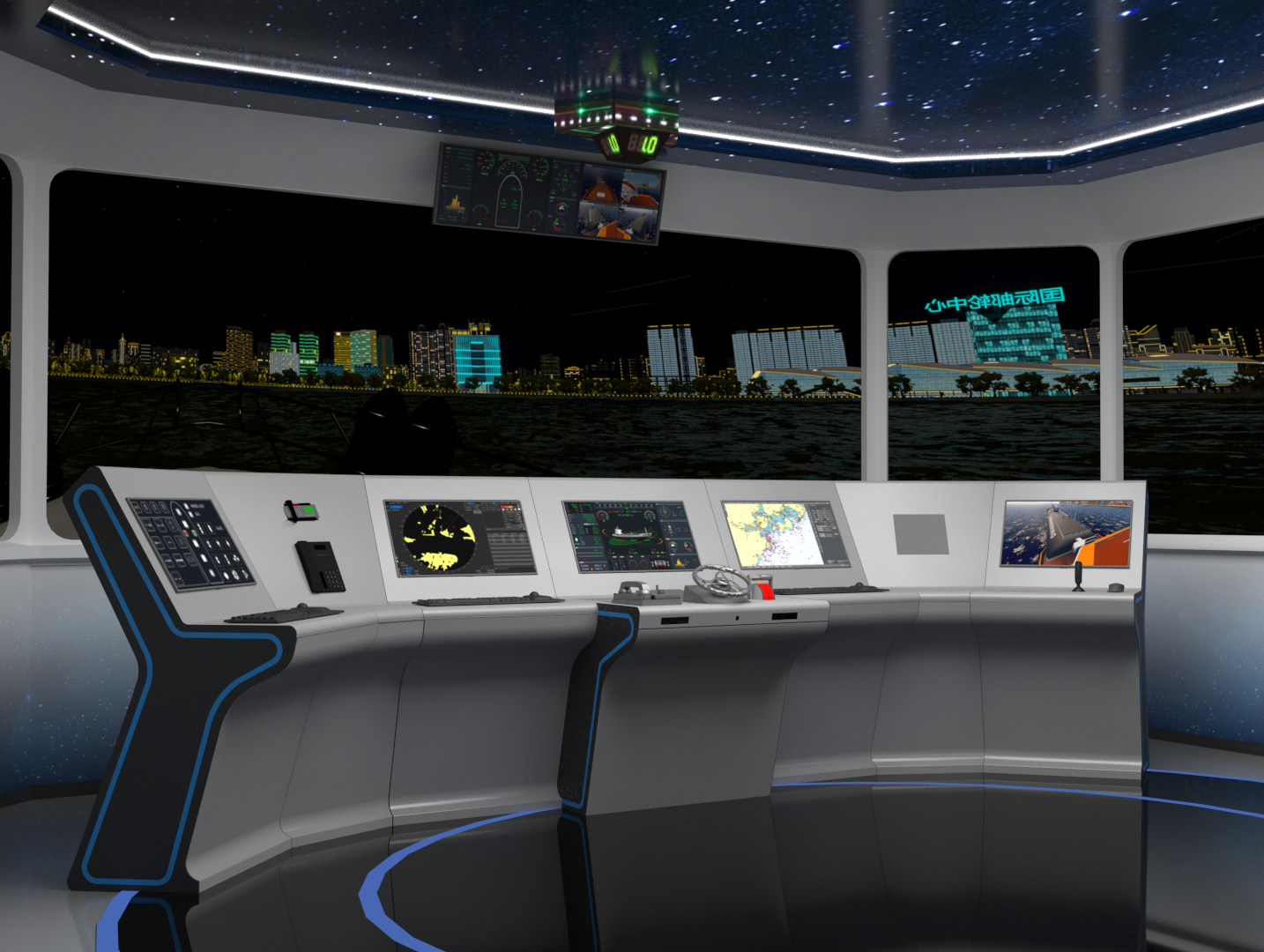
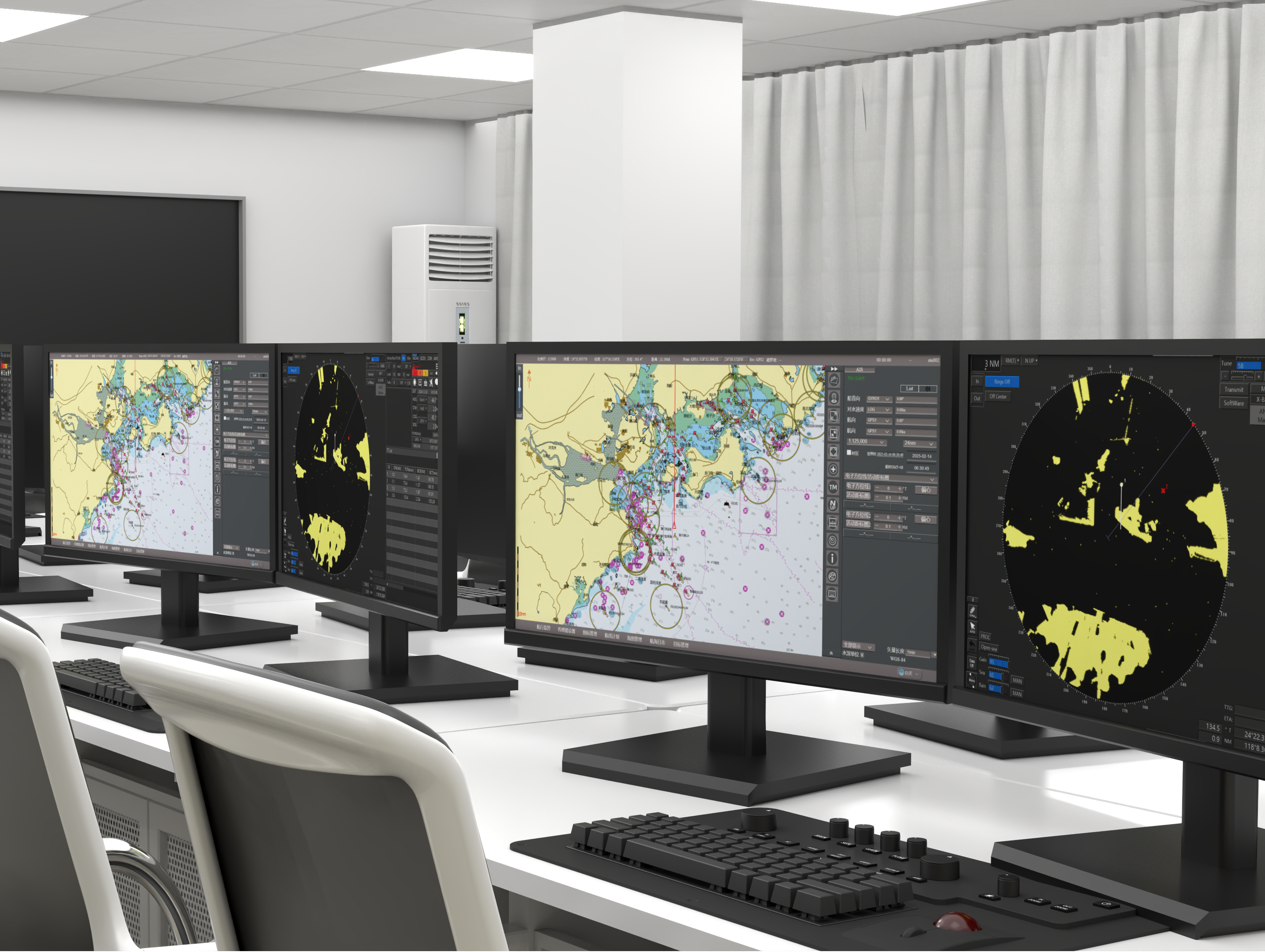
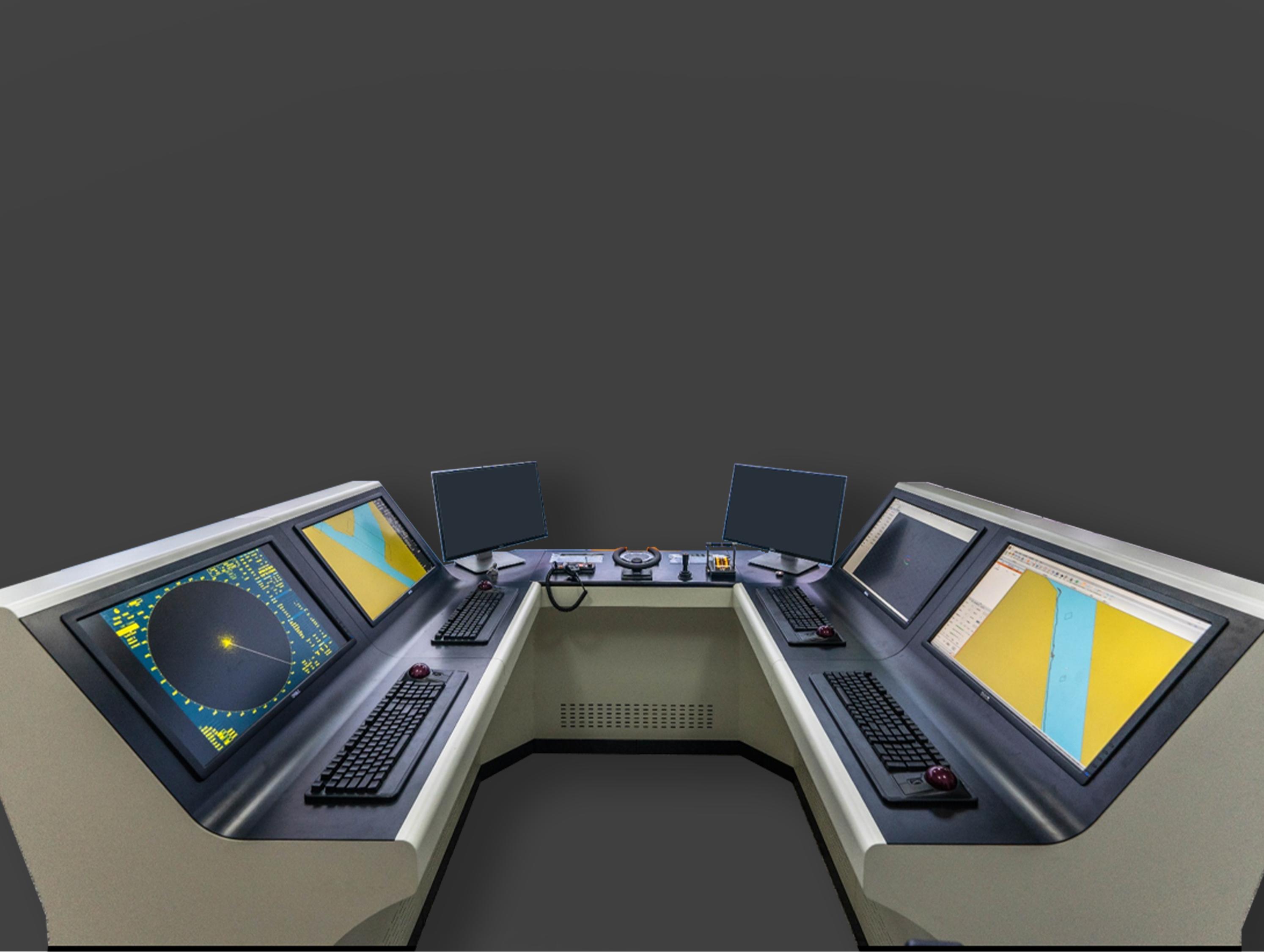
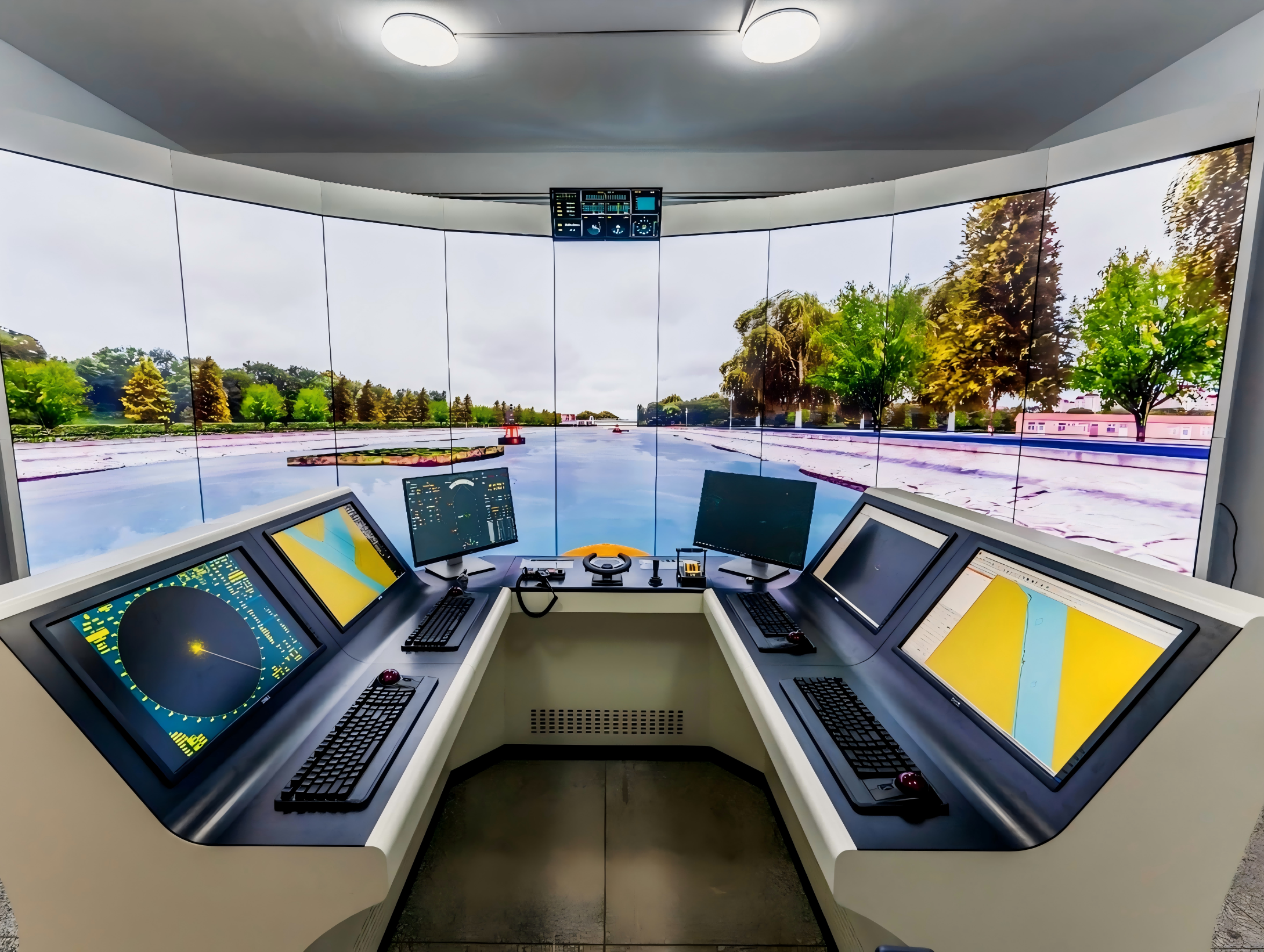
Bridge resource management remains one of the most important areas of maritime education. This is where the Ship Navigation simulator plays a vital role.
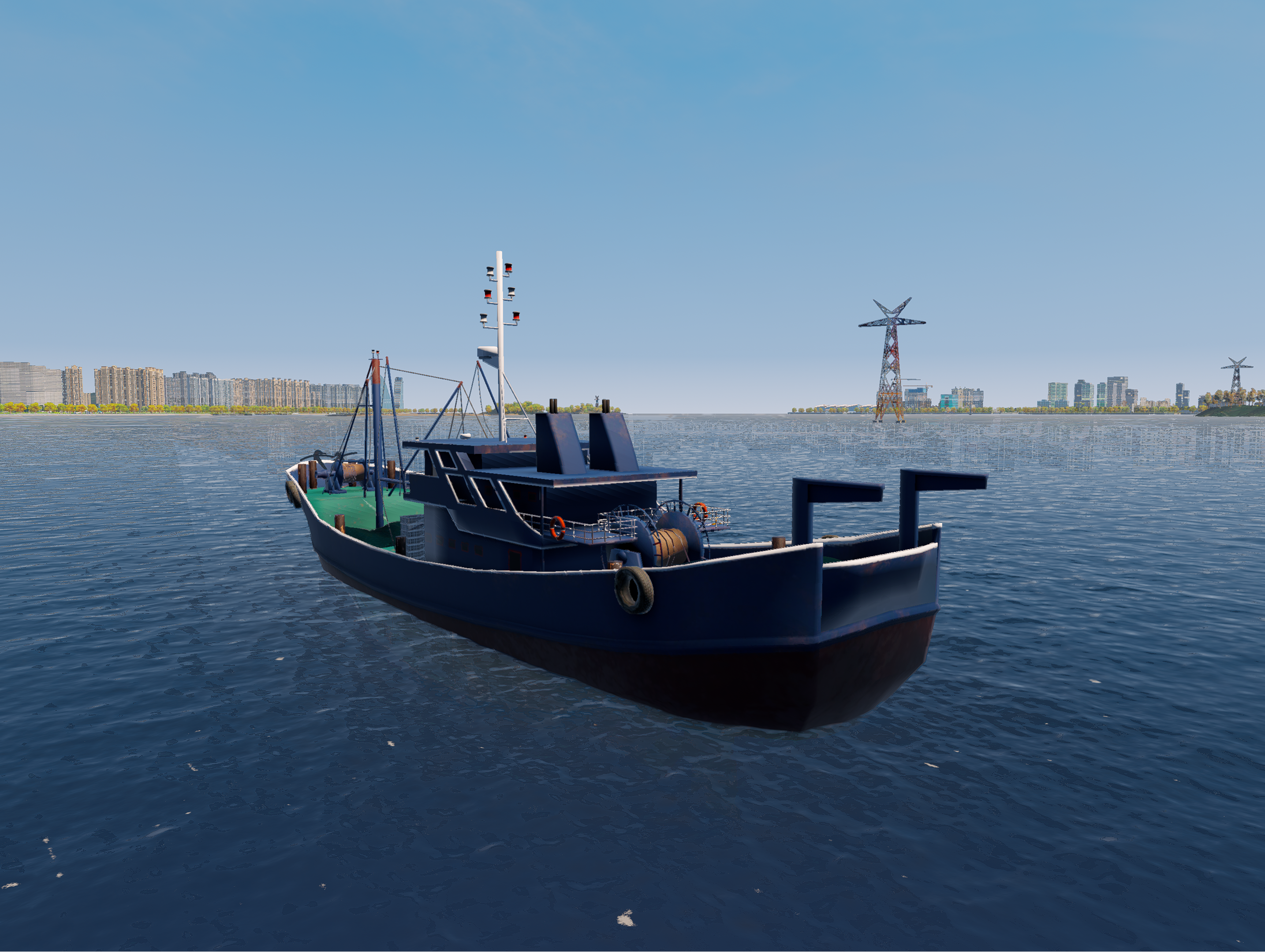
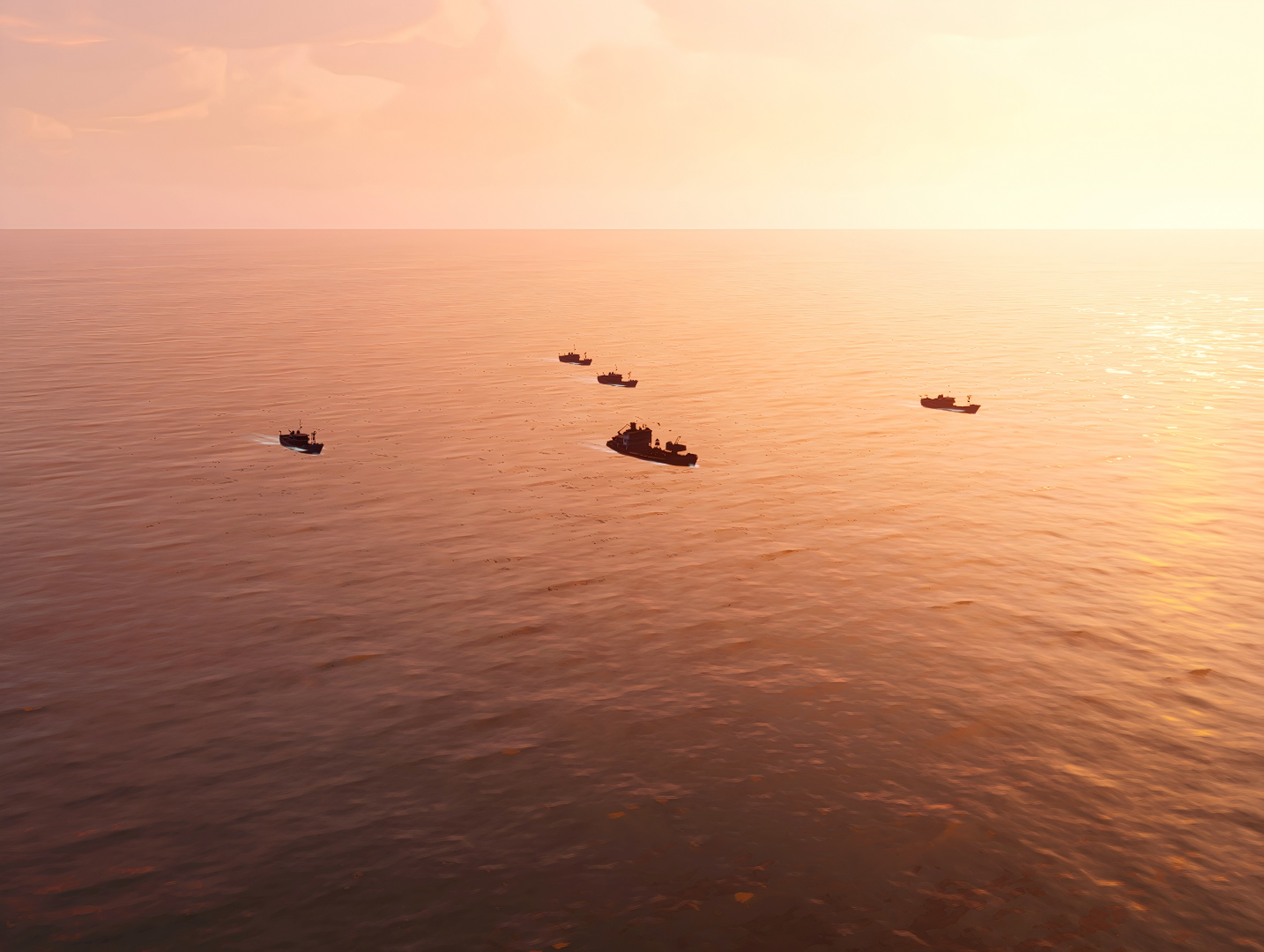
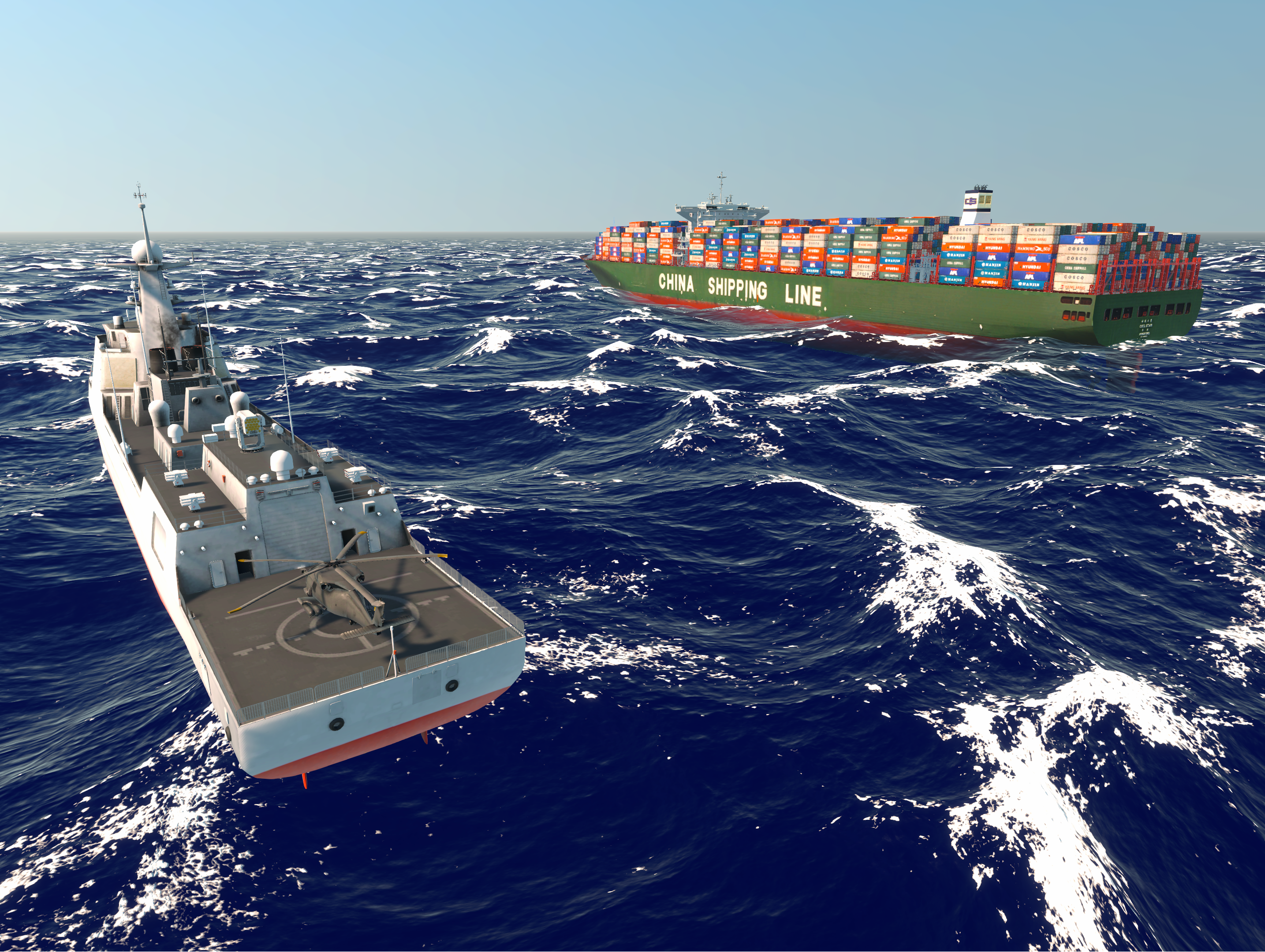
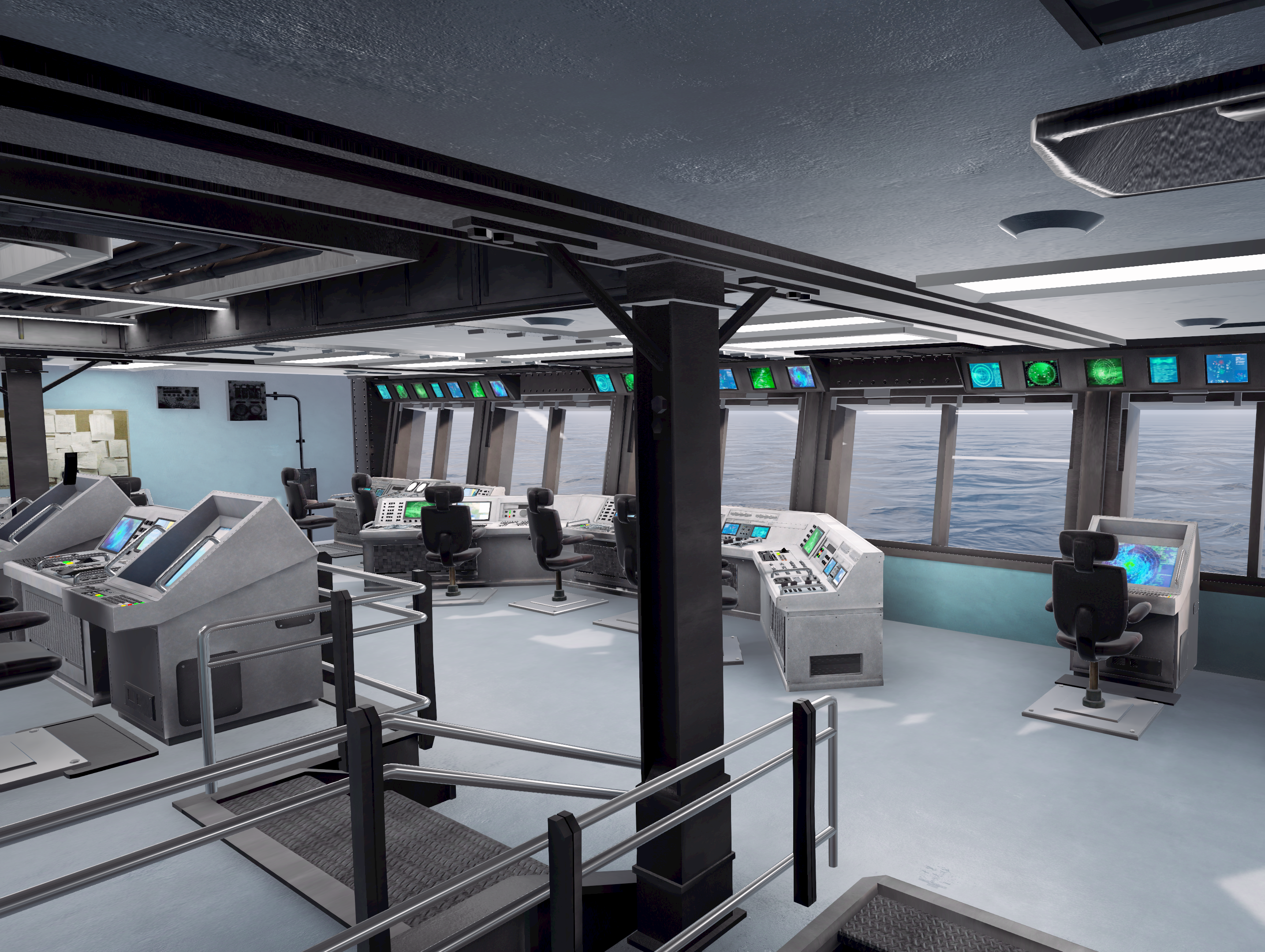
A professional Ship Navigation simulator recreates real vessel operations, including port approaches, coastal navigation, restricted waterways, adverse weather conditions, and heavy traffic scenarios. Through repeated exercises on a Ship Navigation simulator, students develop decision-making skills and situational awareness that are difficult to acquire through theory alone.
Many institutions report significant improvements in student performance after implementing a Ship Navigation simulator program. As a result, the Ship Navigation simulator has become one of the most requested systems in maritime training center modernization projects.
Marine Engine Simulator Strengthens Engineering Competency
Modern vessels rely on increasingly sophisticated machinery and automation systems. Consequently, maritime engineering education requires more practical training opportunities than ever before.
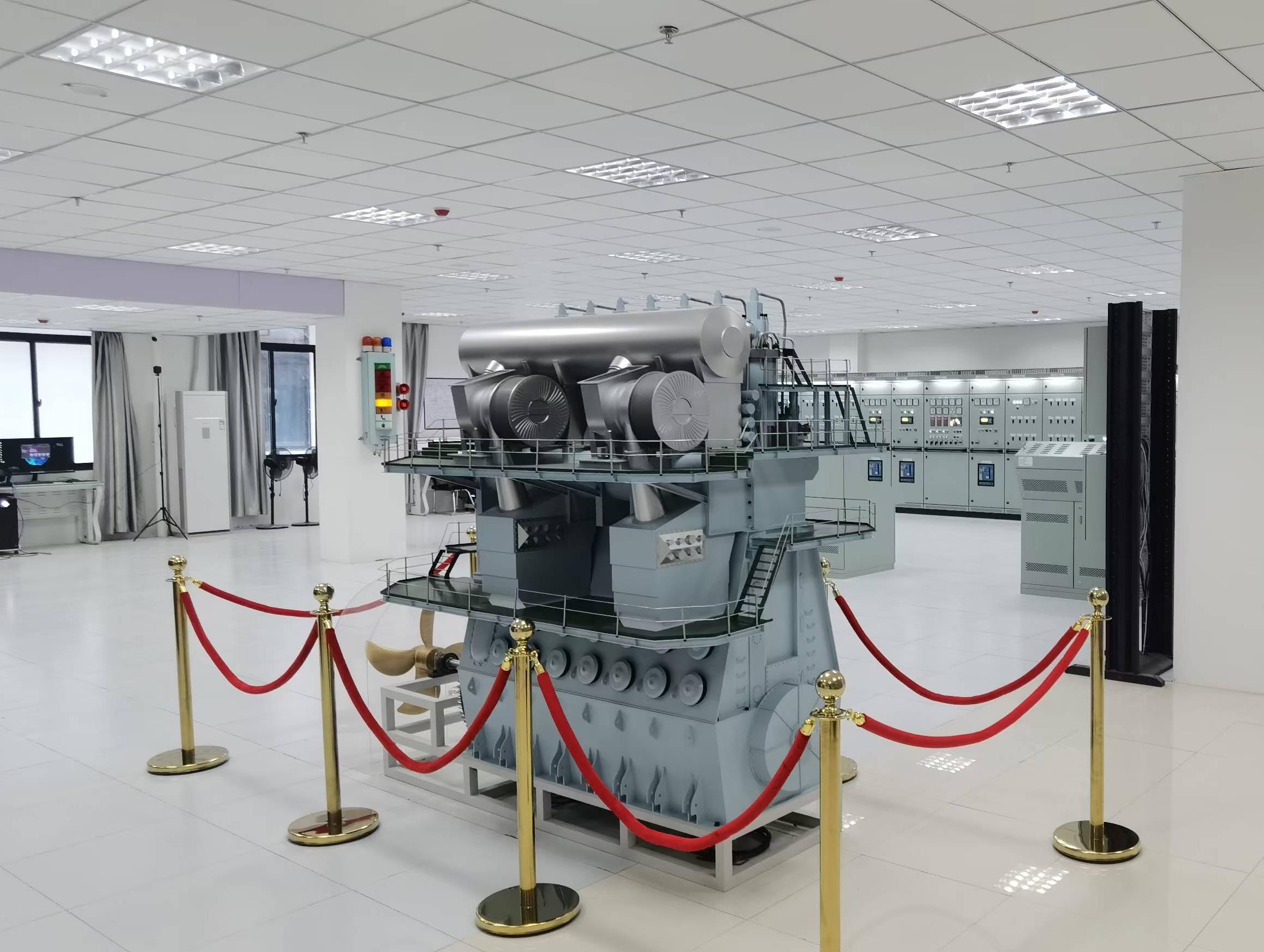
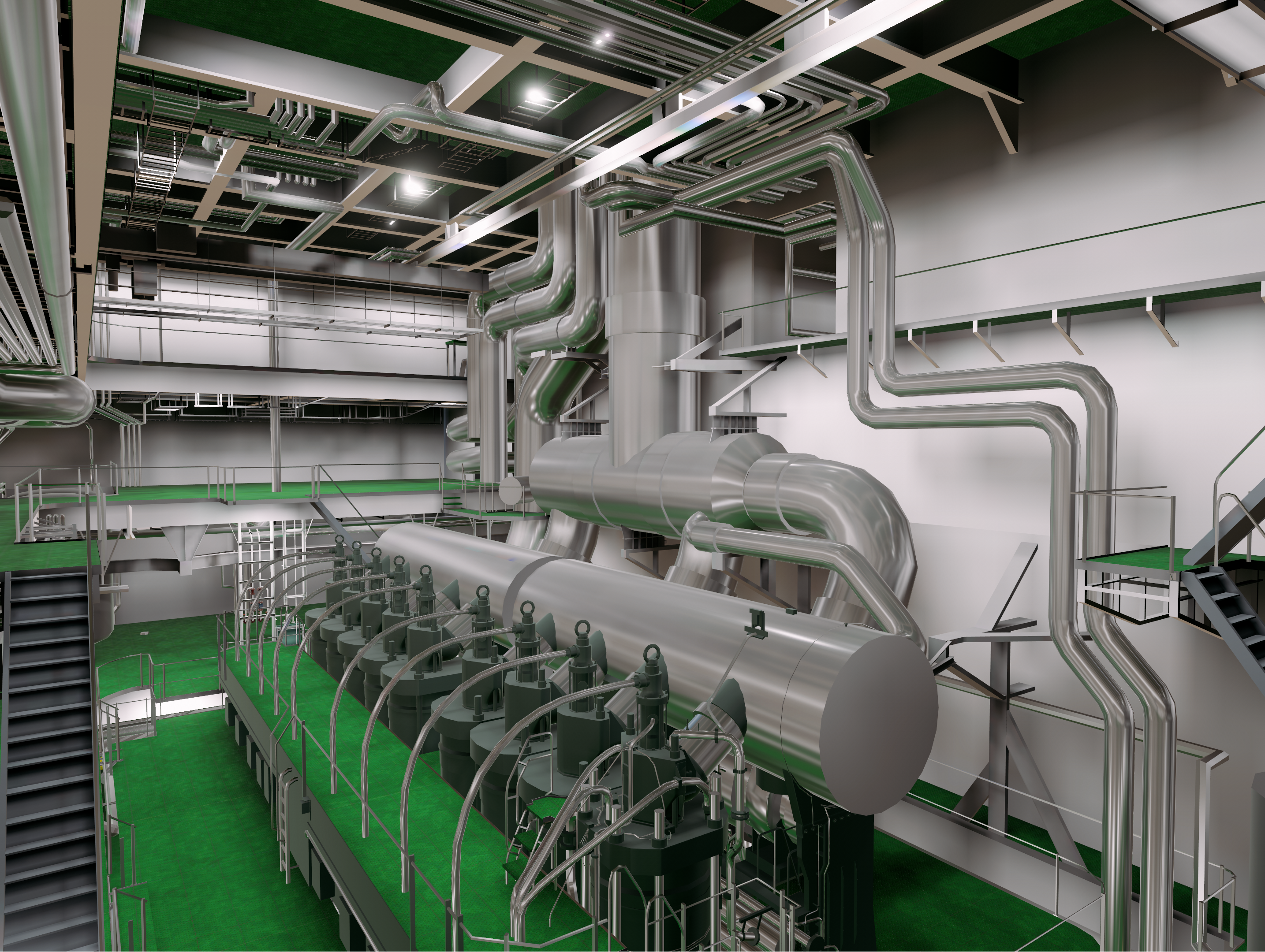
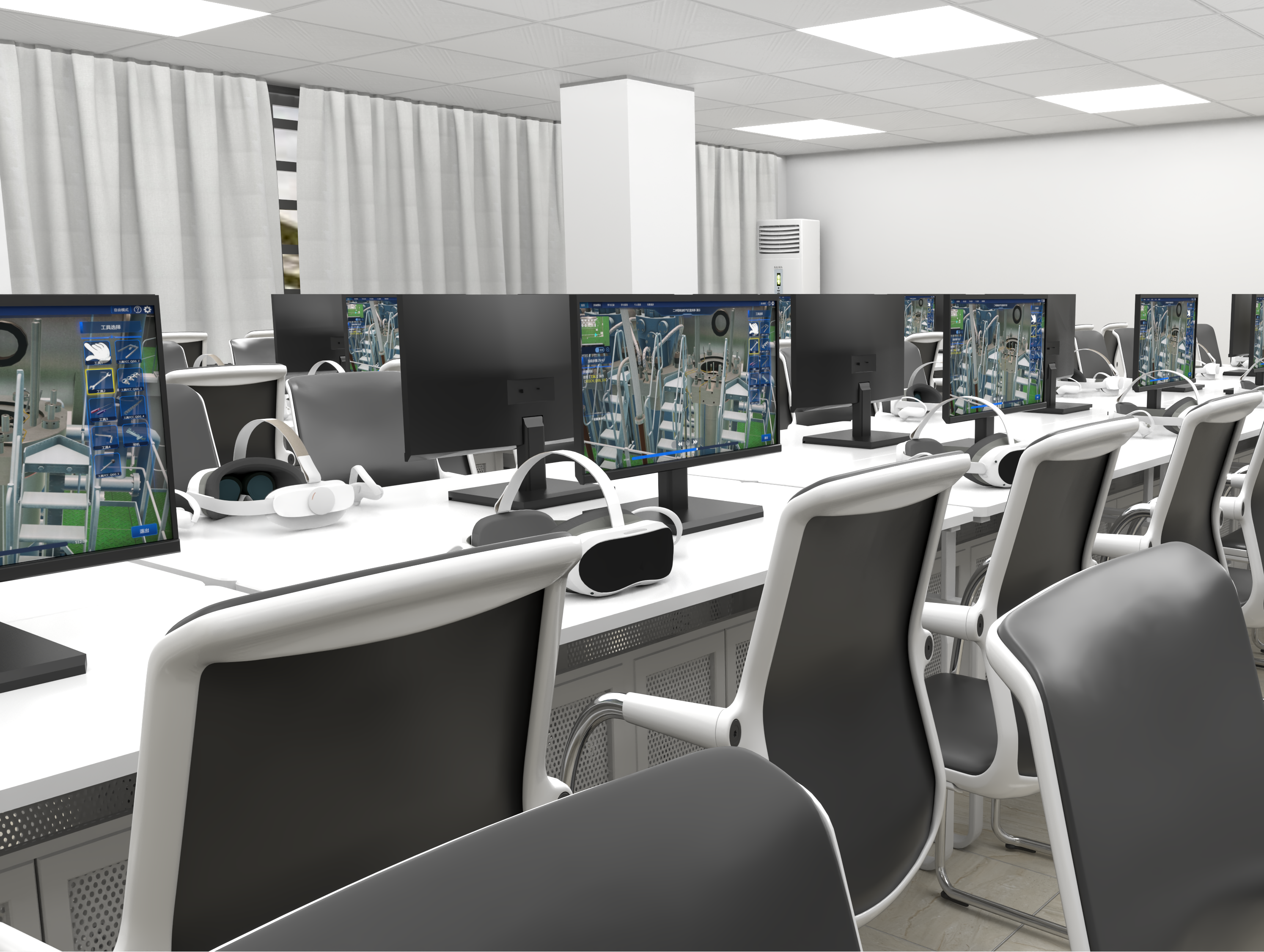
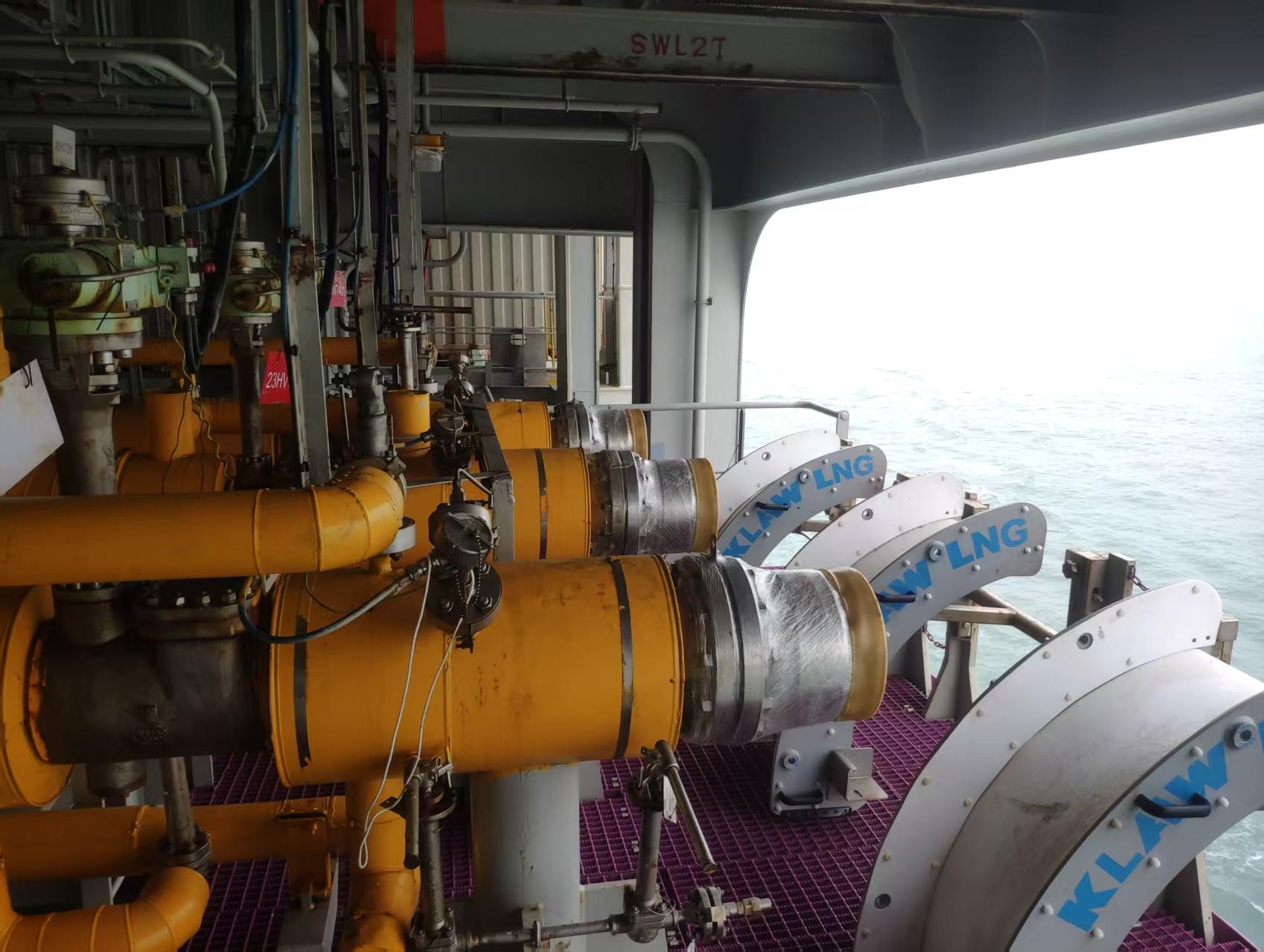
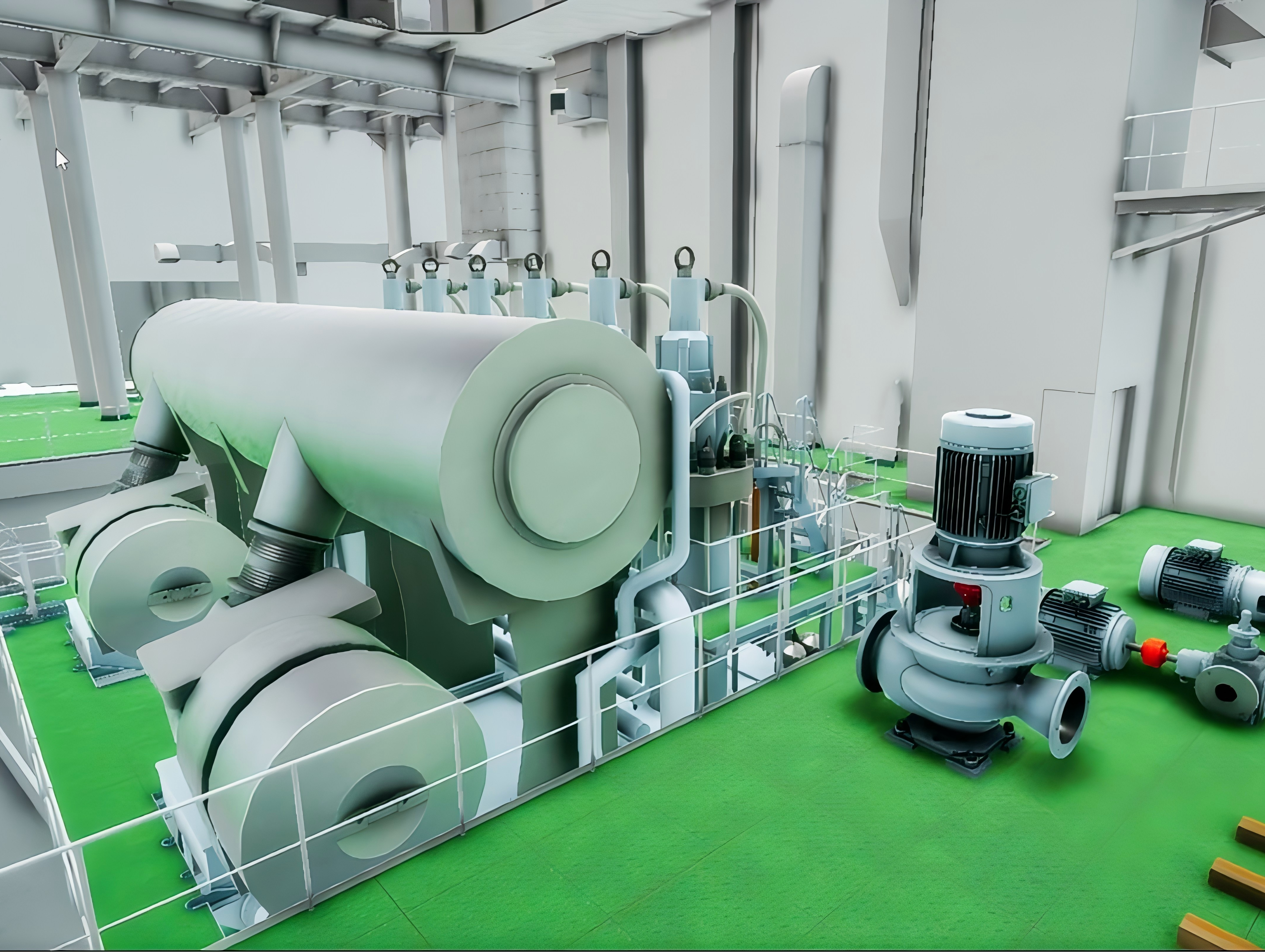
A marine engine simulator enables students to understand complex machinery operations within a safe environment. Through a marine engine simulator, trainees can learn engine startup procedures, fuel management, troubleshooting techniques, and emergency response protocols.
The marine engine simulator also allows instructors to create realistic fault scenarios that would be impossible or dangerous to reproduce onboard an actual vessel.
Because of these advantages, investment in marine engine simulator technology continues to grow among maritime engineering schools worldwide.
Marine Simulator Platforms Create Integrated Learning Environments
Rather than purchasing isolated systems, many institutions are now adopting comprehensive Marine Simulator platforms.
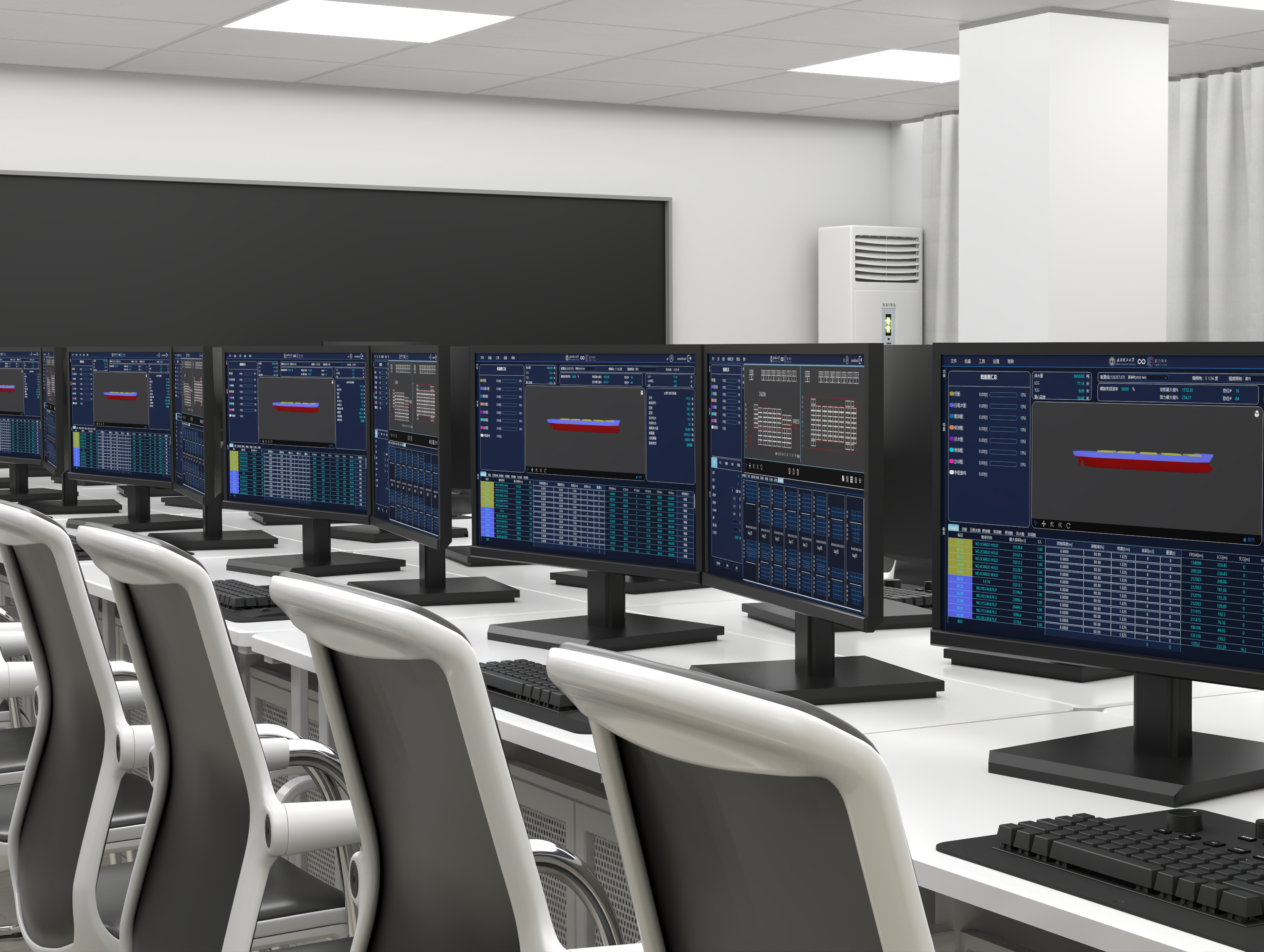
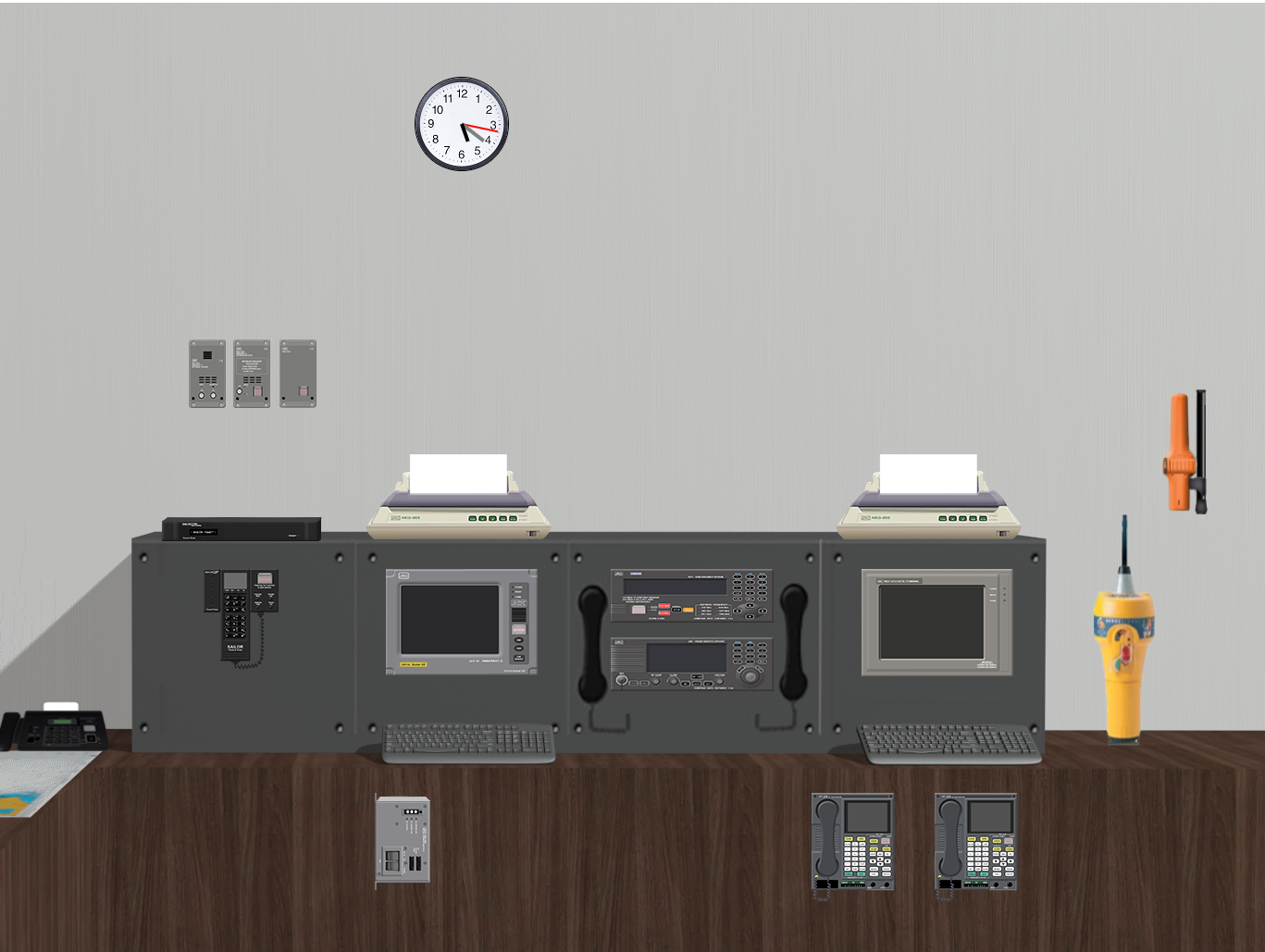
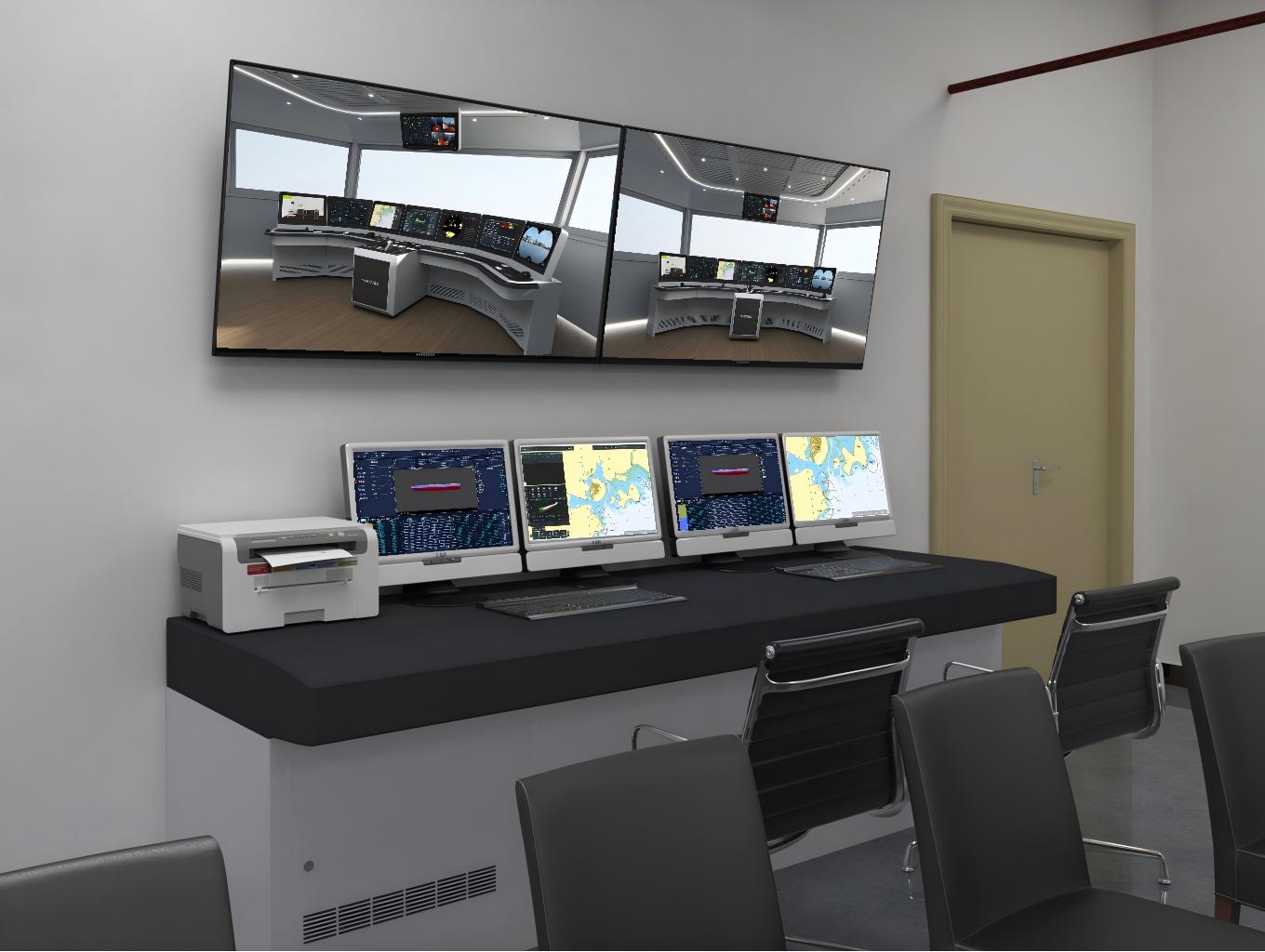
A modern Marine Simulator combines bridge operations, engineering systems, communication procedures, and environmental modeling into one integrated ecosystem. This approach provides greater flexibility and allows training centers to maximize their investment.
For maritime academies, a Marine Simulator offers significant benefits:
Multi-discipline training
Shared simulation infrastructure
Centralized management
Easier future upgrades
Enhanced training efficiency
The ability of a Marine Simulator to support various vessel types and training objectives makes it an ideal solution for institutions seeking long-term scalability.
Yacht Simulator Expands Specialized Training Programs
The global marine leisure industry continues to expand, creating new opportunities for maritime education providers.
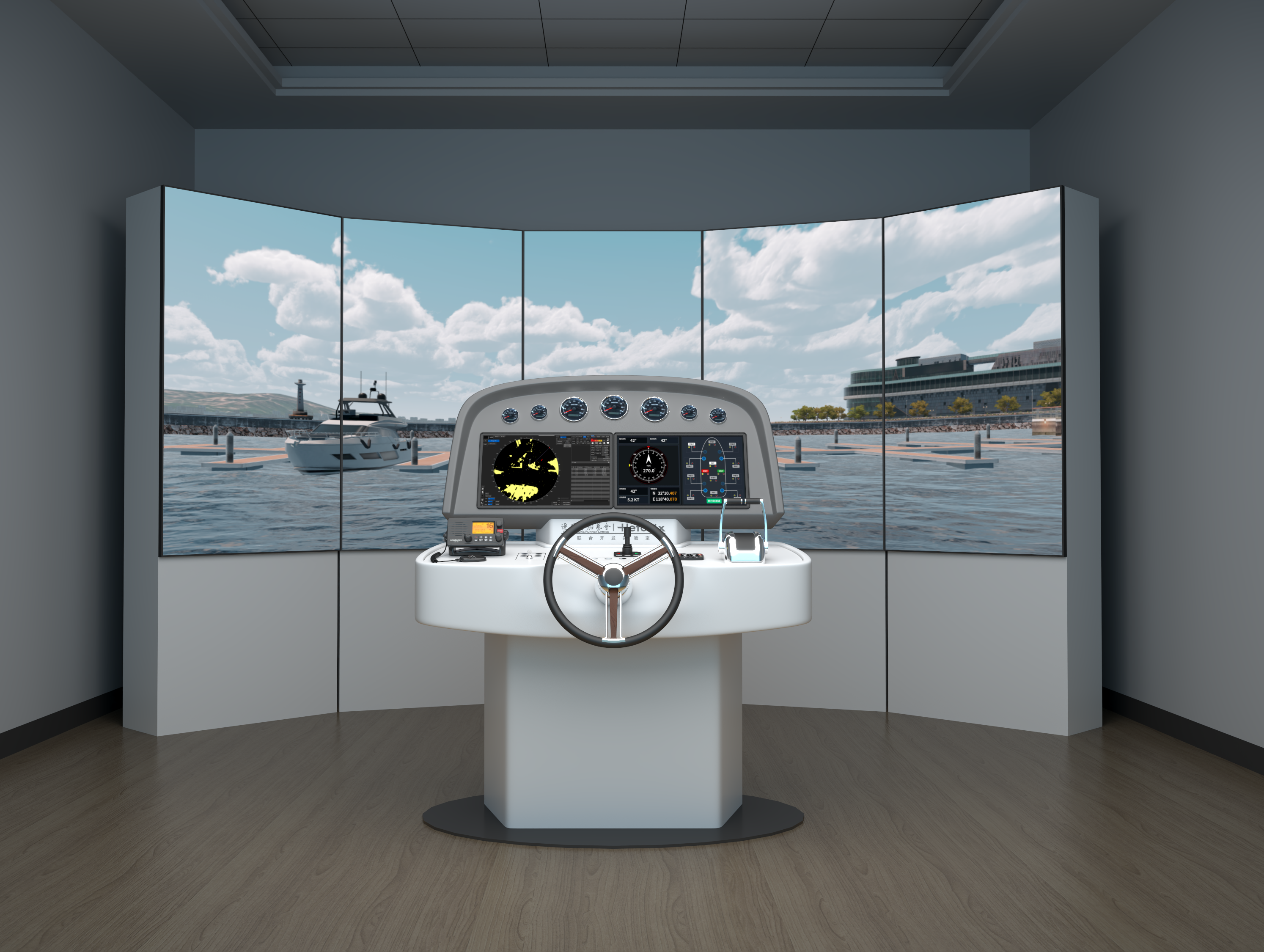
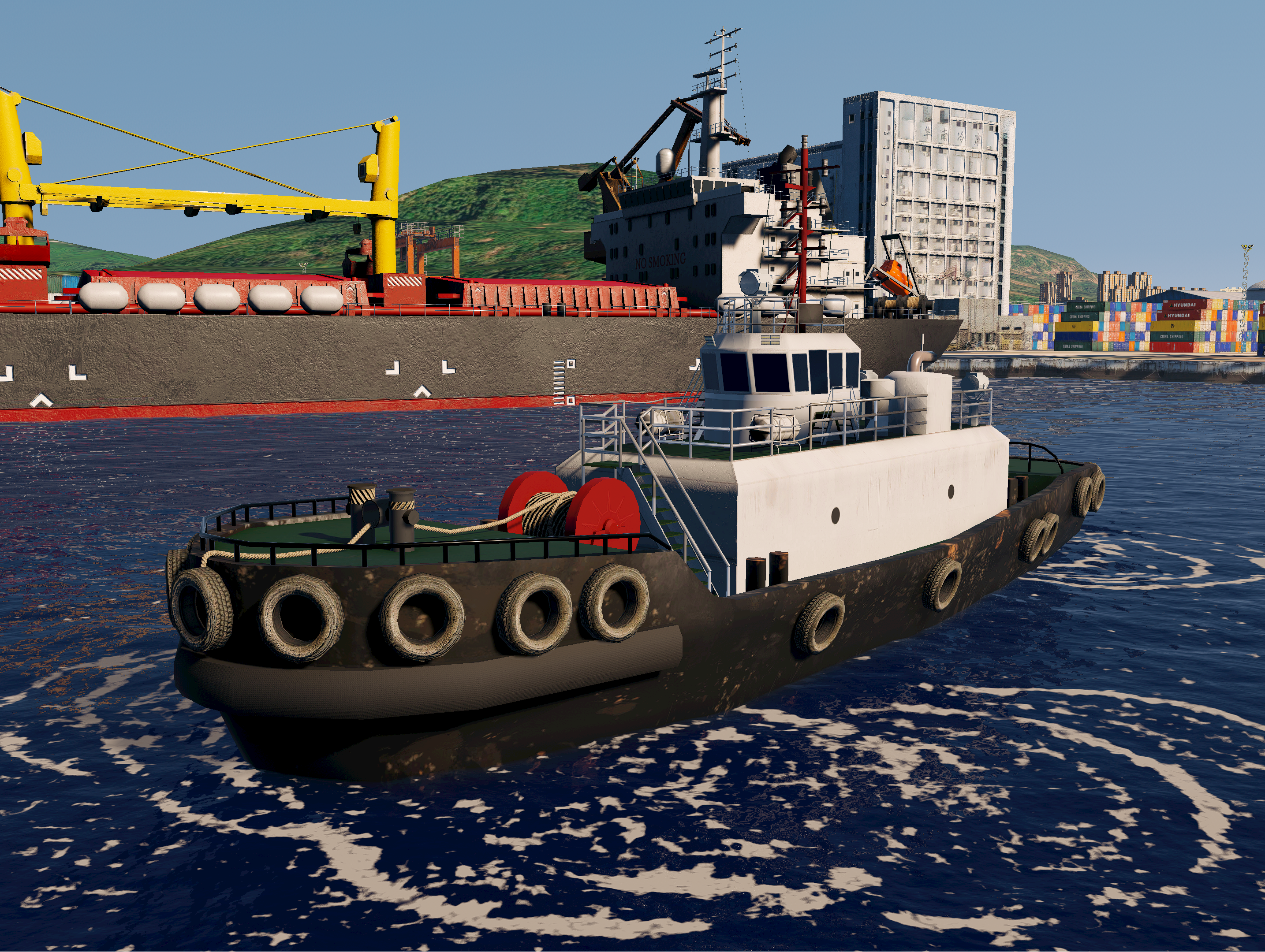
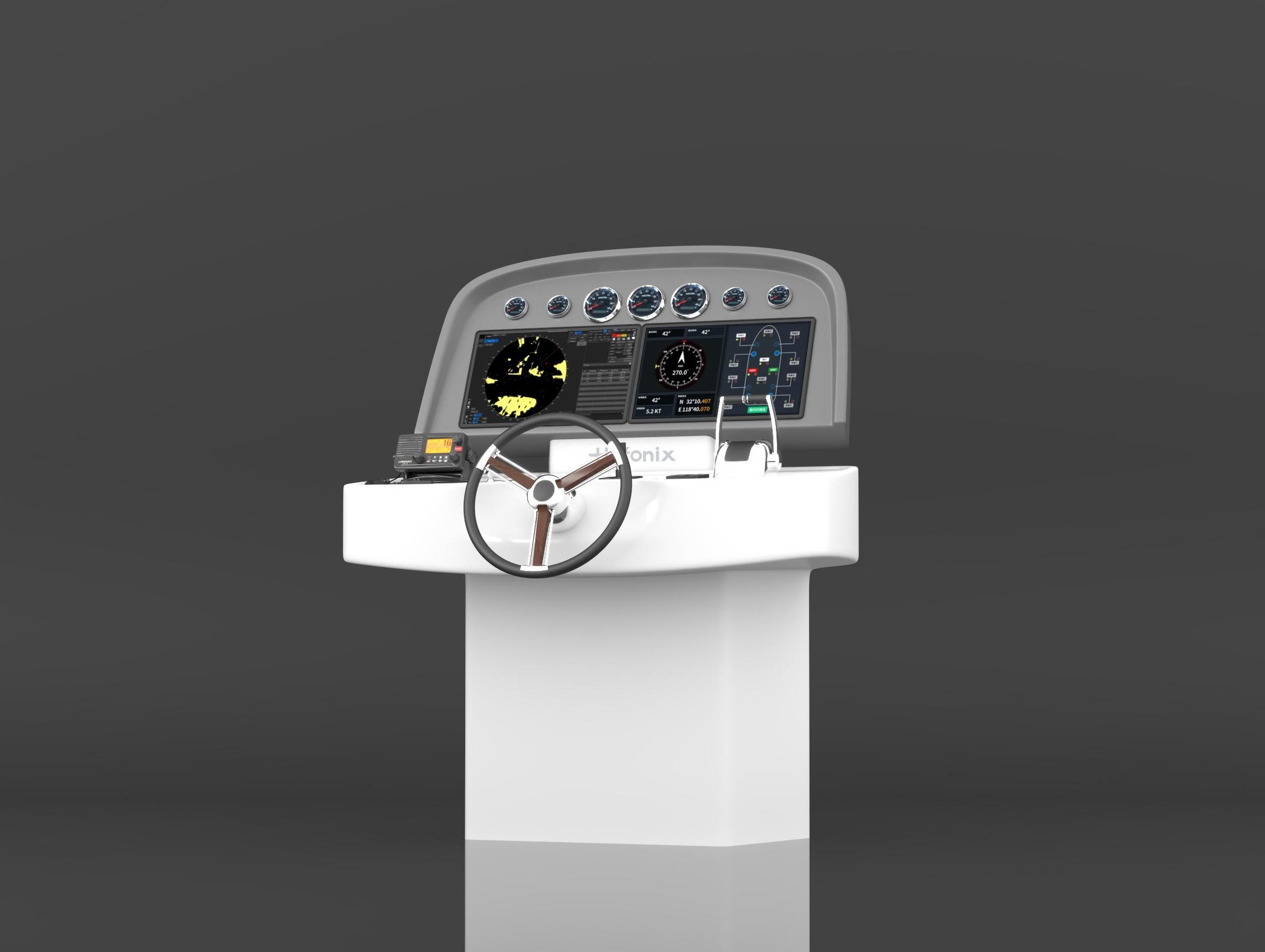
Many training centers are now incorporating Yacht Simulator technology into their programs. A Yacht Simulator enables trainees to practice high-speed vessel operations, marina navigation, docking procedures, and coastal route management.
Unlike commercial vessel training, Yacht Simulator programs focus on specialized operational scenarios that are increasingly relevant in tourism, recreational boating, and luxury vessel sectors.
As demand for qualified yacht operators grows worldwide, the Yacht Simulator is becoming an important addition to modern maritime training portfolios.
Future-Proofing Maritime Training Infrastructure
The maritime industry is changing rapidly due to automation, digitalization, and evolving safety requirements. Training centers must prepare students not only for today's vessels but also for future maritime technologies.
By integrating ship simulator, Ship Navigation simulator, marine engine simulator, Marine Simulator, and Yacht Simulator systems into a unified educational framework, institutions can create future-ready learning environments that remain relevant for years to come.
Students benefit from more realistic training experiences, instructors gain powerful teaching tools, and institutions strengthen their competitiveness in the global maritime education market.
The modernization of maritime training centers is no longer optional—it is becoming a strategic necessity. Around the world, institutions are investing in Yacht Simulator, Marine Simulator, Ship Navigation simulator, marine engine simulator, and ship simulator technologies to improve training quality, expand educational capabilities, and meet industry expectations.
As maritime education continues to evolve, simulation technology will play an increasingly important role in shaping the next generation of maritime professionals and supporting safer, smarter, and more efficient global shipping operations.